Quick Summary
A dog scratching at their collar, rubbing their neck, or showing reluctance to wear their collar are the clearest signs that something is wrong with the fit, material, or condition of the collar. The most common causes are a collar that is too tight or too loose, synthetic or chemically-treated materials that irritate the skin, hardware that has worn or degraded, or in puppies simply not being accustomed to wearing one yet. Most cases resolve quickly once the cause is identified: adjust the fit, switch to a breathable natural material, and give the skin time to recover.

Is It the Collar Or Something Else?
Before diving into collar-specific signs, it is worth knowing that scratching around the neck is not always caused by the collar. Three things can look identical from the outside:
- Collar irritation: scratching focused specifically around the collar contact zone; stops or reduces when the collar is removed; skin shows redness, chafing, or hair loss in the strip where the collar sits
- Flea or parasite infestation: scratching that is widespread across the body, not just the neck; often accompanied by visible flea dirt (tiny black specks) in the fur; does not improve when the collar is removed
- Environmental or food allergy: generalised itching across multiple body areas; may include facial rubbing, paw licking, or ear scratching alongside neck scratching; collar removal produces no clear improvement
If removing the collar for 24–48 hours produces a noticeable improvement in scratching behaviour, the collar is almost certainly the cause. If scratching continues unchanged, a vet visit is the right next step. A dermatological issue or parasite problem may be at play that no collar change will resolve.
Signs Your Dog’s Collar is Causing Discomfort
Constant Scratching or Rubbing
If you spot your pup scratching at their neck a lot or rubbing against furniture, it’s probably a sign that their collar is irritating them. This kind of behaviour can be caused by one or a combination of rough/synthetic materials, a collar that is too tight fitting and therefore digging into the skin, or chemical treatments that take place on lower quality leather that could trigger an allergic reaction.
Keep your eye out for excessive levels of scratching around the collar area, your pup rubbing their neck against furniture or across the floor, or any general whining or flinching when you try to touch the collar as they are wearing it.
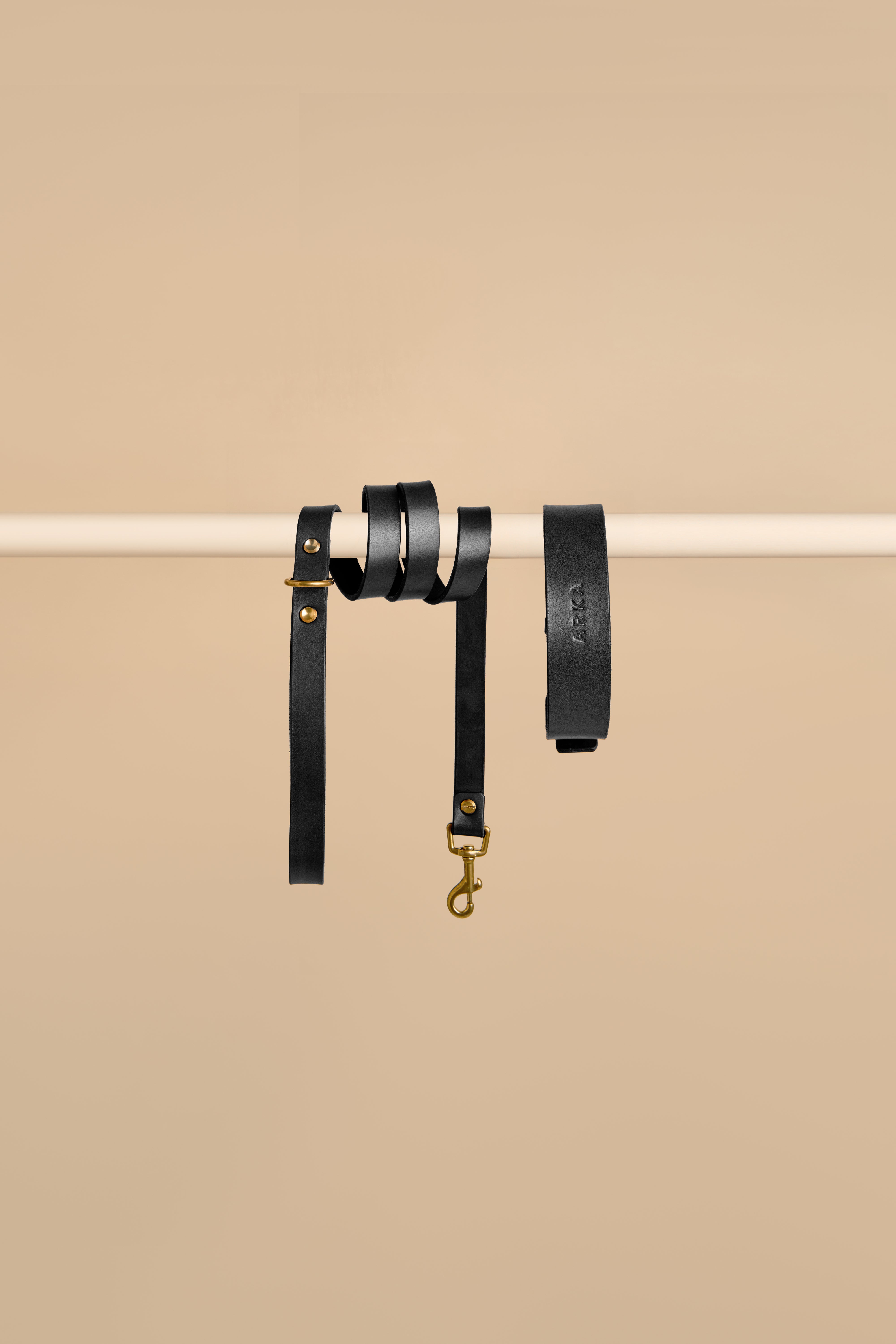
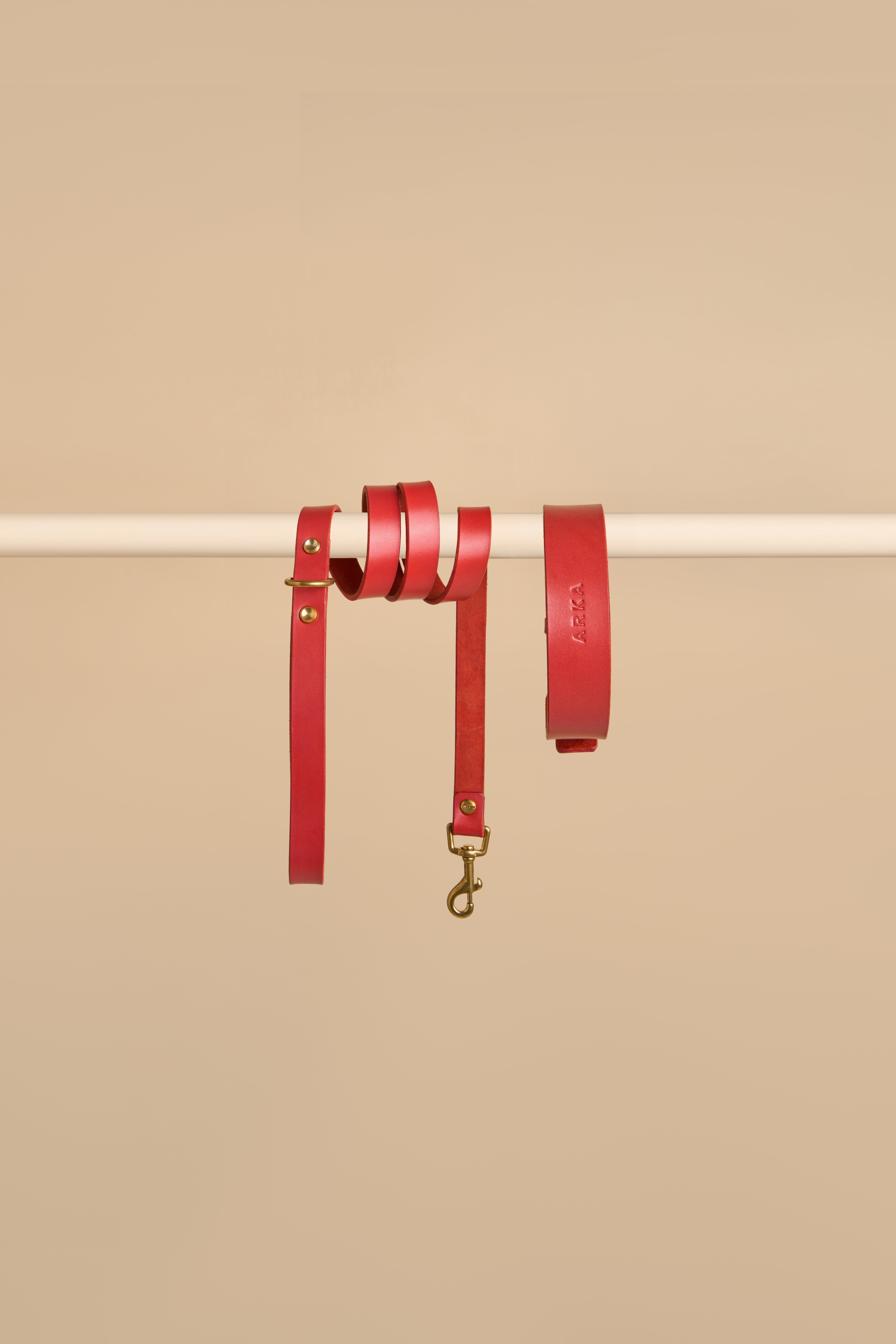
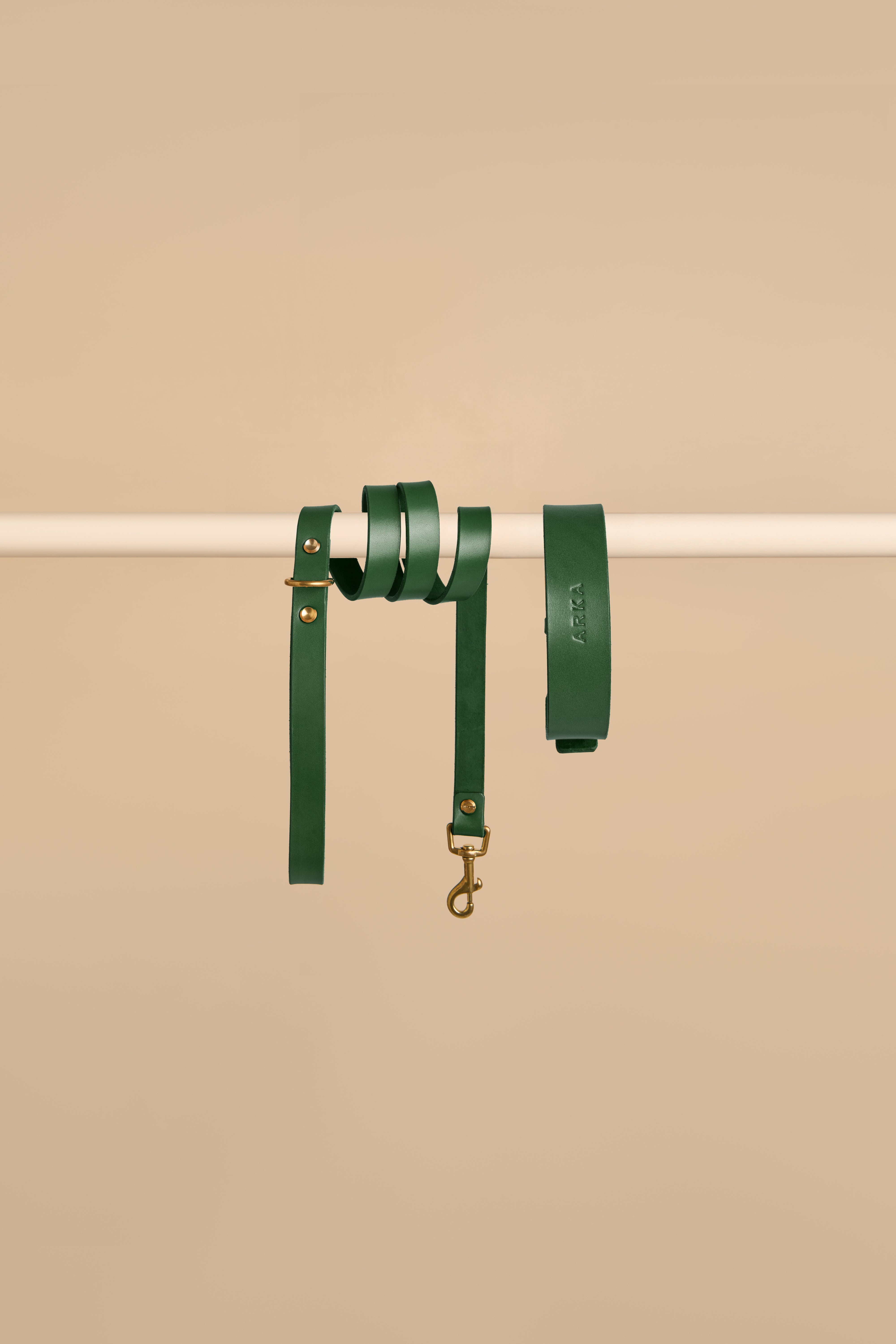
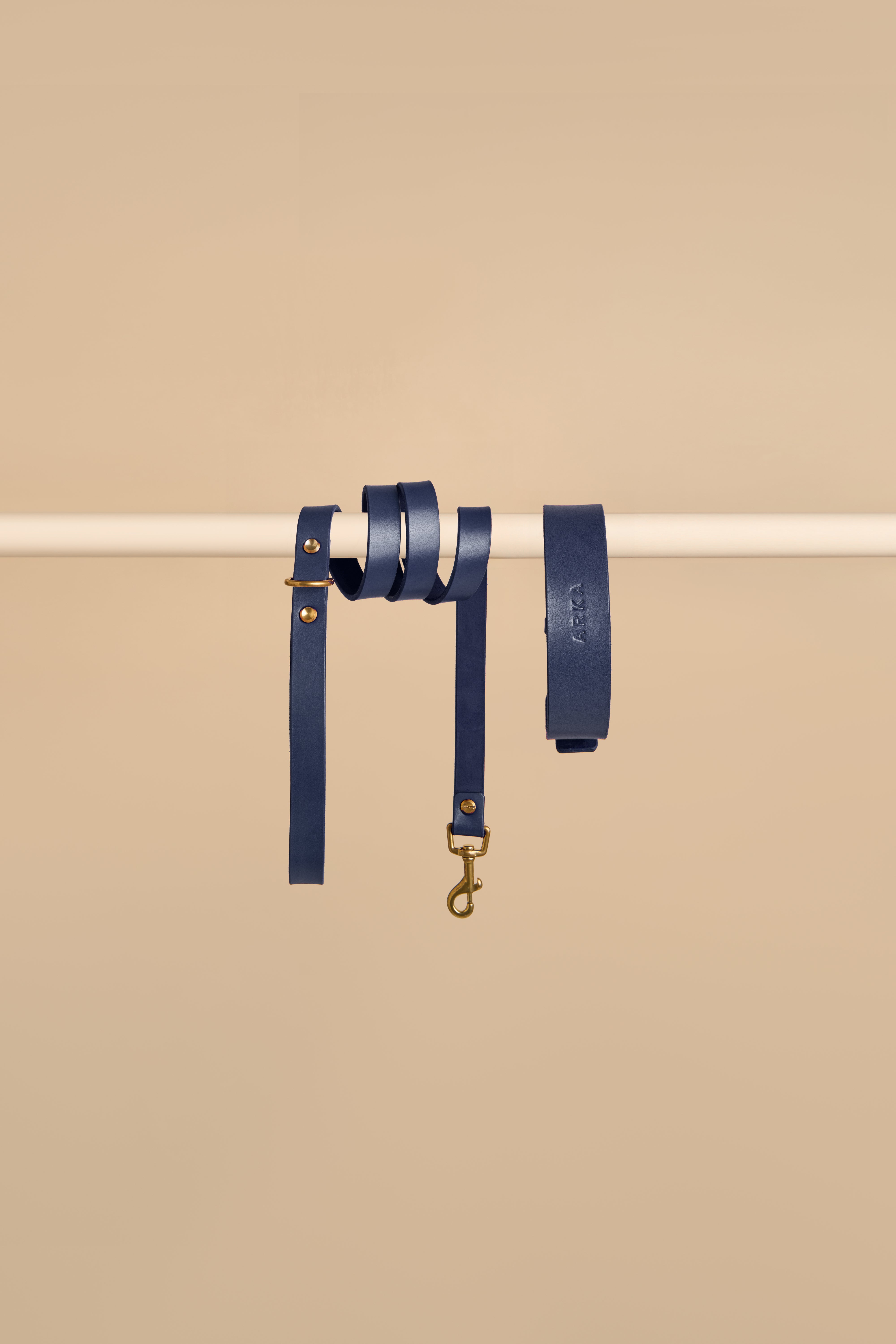
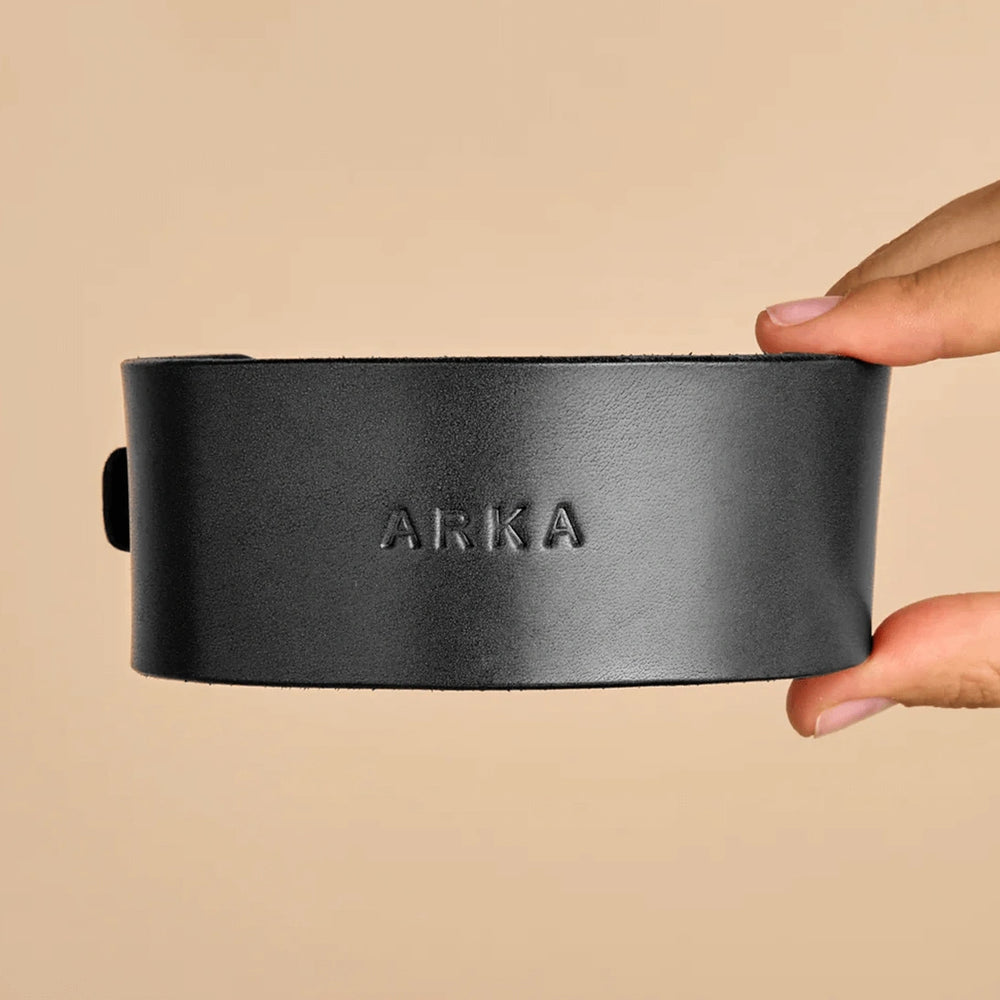
The simple fix for this is to choose a collar that is made from soft natural material, just like the vegetable-tanned leather that we have already mentioned.
Redness, Hair Less or Chafing
Things like red patches, bald spots and areas of chafing around your pup’s neck are all classic signs that their collar is causing them friction and irritation. The most common causes of this particular issue are an improper fit that is either too tight or too loose, poor-quality materials that are trapping heat and moisture between collar and skin, and a lack of natural breathability that leads to excessive sweating.
Look out for red and inflamed skin in the strip where the collar rests, as well as any visible balding or hair thinning. You might also see raw areas or scabbing from levels of continuous friction.
Finding the most breathable collar option possible that also softens over time is the best way to avoid these kinds of issues.
Bumps, Bald Patches, and Raw Skin
Bumps or raised welts around the collar zone particularly in a consistent pattern that mirrors the collar edge are a specific sign of contact irritation or a low-grade allergic reaction to collar materials. One of the most common culprits are nickel-plated hardware making direct skin contact as the plating wears off, and synthetic dyes in cheaper leather or nylon that leach into the skin over time. If you see a rash of small bumps rather than generalised redness, switching to solid brass hardware and a chemically untreated collar material like vegetable-tanned leather may help.
Reluctance to Wear the Collar
If your dog is physically backing away from you when they see you grab the collar, then it’s a sign that they associate it with unwanted discomfort. This can be the result of stiff or rigid materials that hurt them, the collar being too heavy if they are a smaller breed, or just a build up of previous negative experiences from ill fitting collars in the past.
Look out for your pup pulling away or running off to try and hide when you bring the collar out, them acting nervous or hesitant when you come to place it around their neck, and any instances of them pawing at it once it has been attached.
The easiest way to avoid this is to select a collar that is nice and lightweight, and one like vegetable-tanned leather that molds to your dog’s neck over time, making it so much more comfortable.

Is My Dog Allergic to Their Collar?
Dogs can develop a genuine contact allergy to collar materials, and it is more common than most owners realise. The most frequent triggers are nickel-plated hardware (one of the most well-documented contact allergens in both humans and dogs), synthetic dyes in nylon and low-grade leather, and chemical preservatives used in chrome-tanned leather manufacturing.
Signs that distinguish a true allergic reaction from simple friction irritation include: a rash of small bumps or hives rather than generalised redness; symptoms that appear shortly after a new collar is introduced; skin that does not improve with fit adjustments alone; and in some cases, swelling or weeping at the contact points.
If you suspect an allergic reaction, remove the collar immediately. Switch to a simpler, better-fitting option such as a vegetable-tanned leather collar with solid brass hardware both are processed without the chemical compounds that trigger contact allergies. If symptoms persist after the material switch, consult your vet, who may recommend a patch test to identify the specific allergen.
Puppy Scratching at Their Collar. Is It Normal?
Yes. Puppies scratching at their collar is completely normal in the first few days of wearing one, and does not necessarily mean anything is wrong. A collar is a completely unfamiliar sensation for a young dog, and their first instinct is to try to remove it. In most cases, the scratching reduces naturally within a week as they habituate to the feeling.
However, scratching that persists beyond the first week, intensifies over time, or is accompanied by redness or hair loss is a signal that something needs attention. The distinction matters:
- Normal adjustment scratching: intermittent, reduces over days, no skin changes, stops when puppy is distracted
- Discomfort scratching: persistent, focused, accompanied by whining, redness, or fur thinning; does not reduce over time
How to Introduce a Collar to a Puppy Correctly
The most effective way to prevent collar-related distress in puppies is a gradual introduction that builds positive associations from the start:
Days 1–2: Let your puppy sniff and investigate the collar before putting it on. You can place it near their food bowl or favourite toy for an hour so it picks up familiar scents.
Days 3–5: Put the collar on for five to ten minutes at a time during an activity your puppy enjoys such as a play session, mealtime, or a short walk. Give a high-value treat the moment it goes on. Remove it before they show distress.
Days 6–10: Gradually extend the wearing periods. Most puppies are fully comfortable within ten days using this approach. If scratching remains intense after two weeks of gradual introduction, check the fit first and then consider the material.
The fit check: you should be able to slide two flat fingers between the collar and your puppy's neck without forcing. Any tighter and it is restricting; any looser and it is shifting and rubbing. Check this every two to three weeks. Puppies grow fast and a correctly fitted collar can become too tight within days during a growth spurt.
How to Fix Collar Discomfort
Choosing the Right Material
The material of the collar you consider plays arguably the most crucial role in how comfortable your pup will be. We’ve already mentioned above that certain undesirable materials can cause anything from allergies to irritation to infection.
In terms of materials to avoid, you should definitely stay away from nylon and synthetics that trap moisture, cheaper chrome-tanned leather than is made with lots of chemicals, and plastic buckles that pose the risk of digging into your pup’s skin and causing irritation or injury.
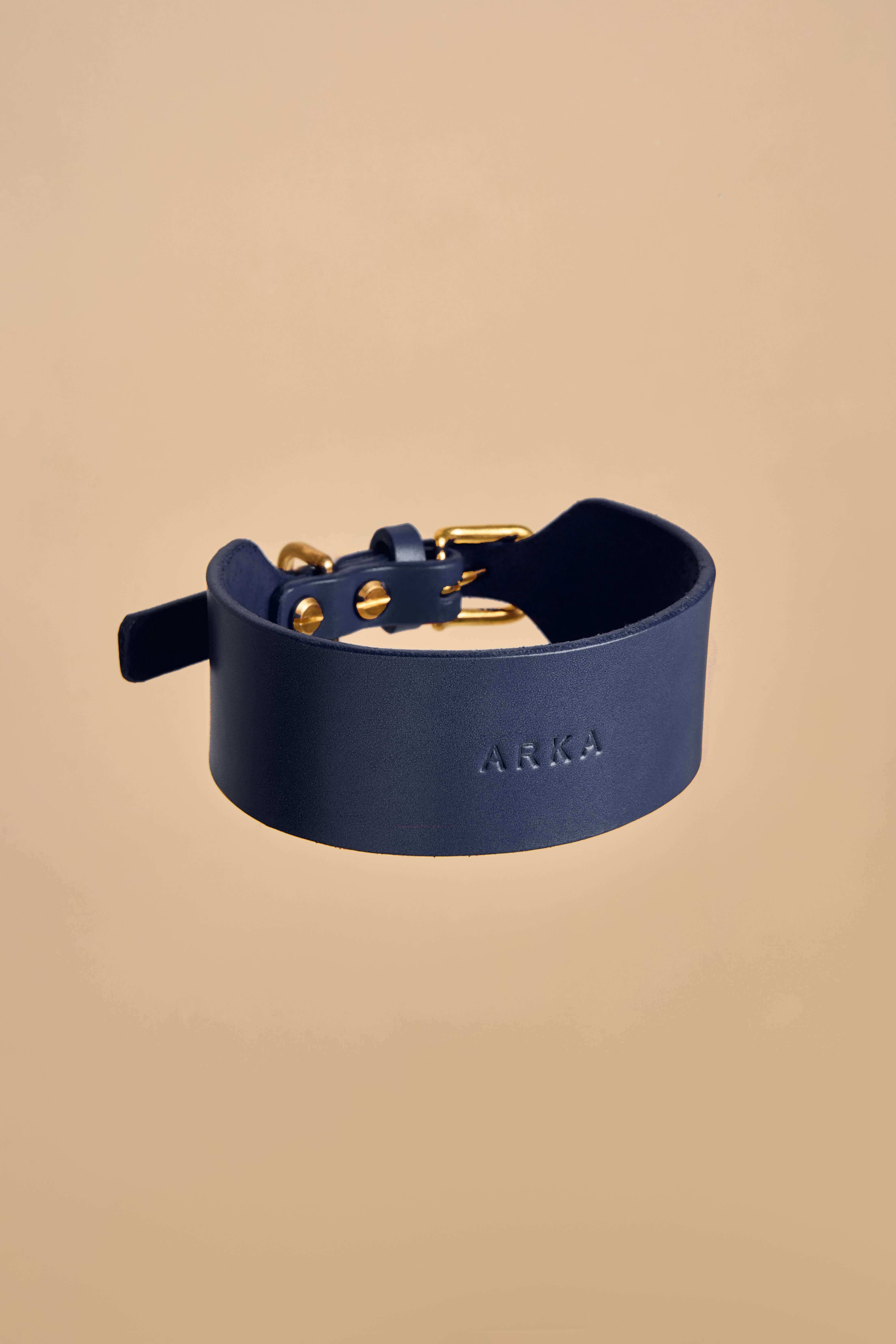
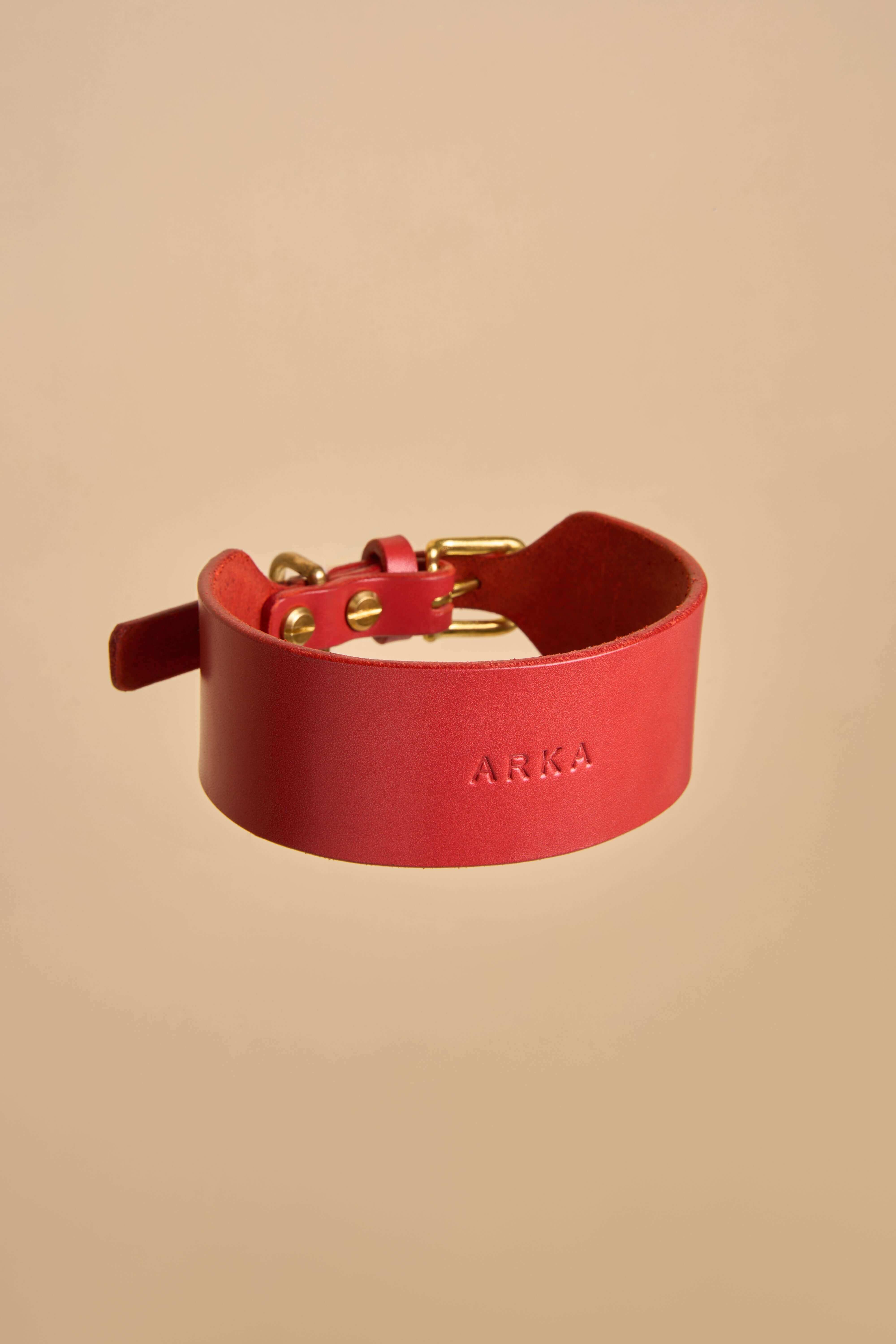
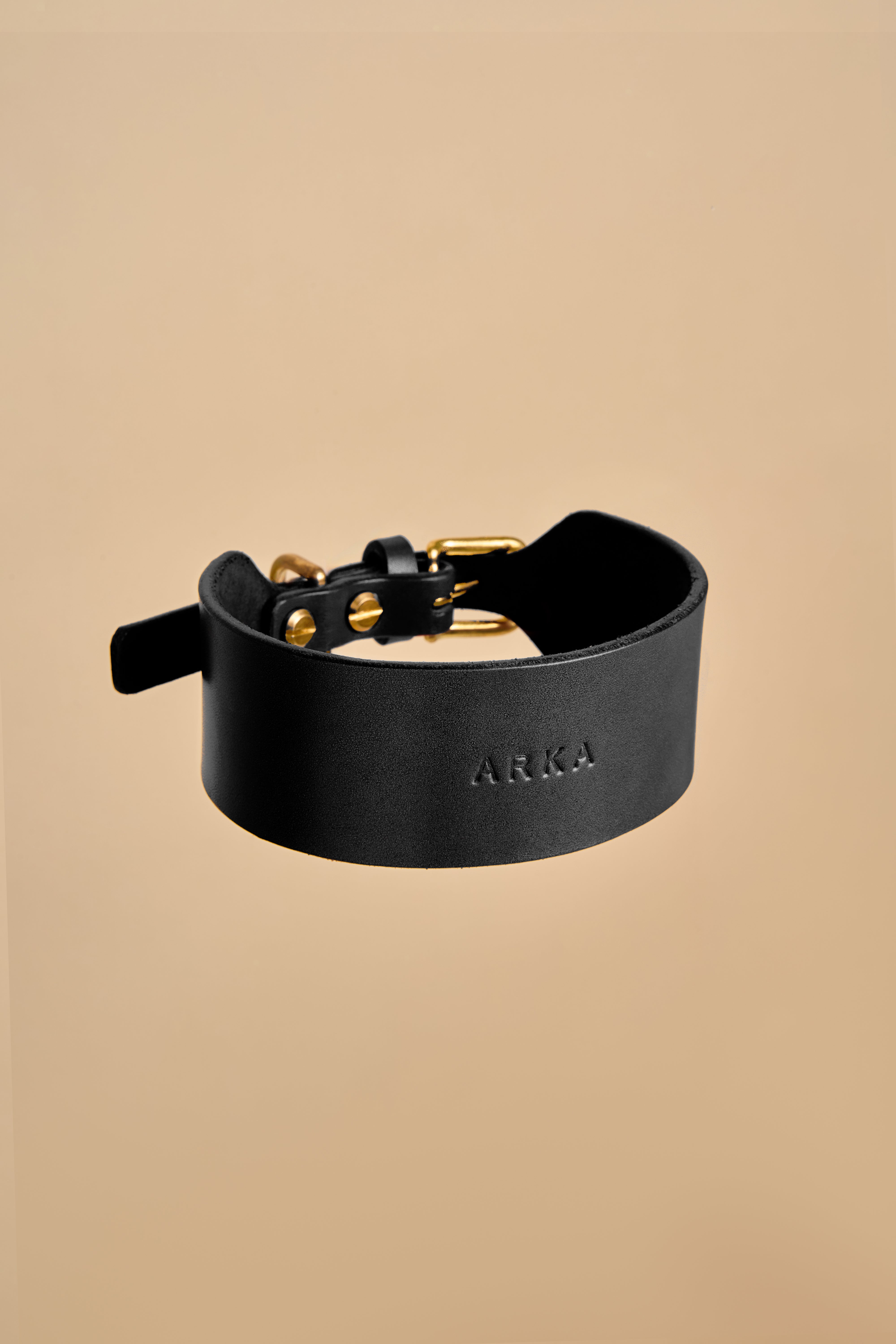
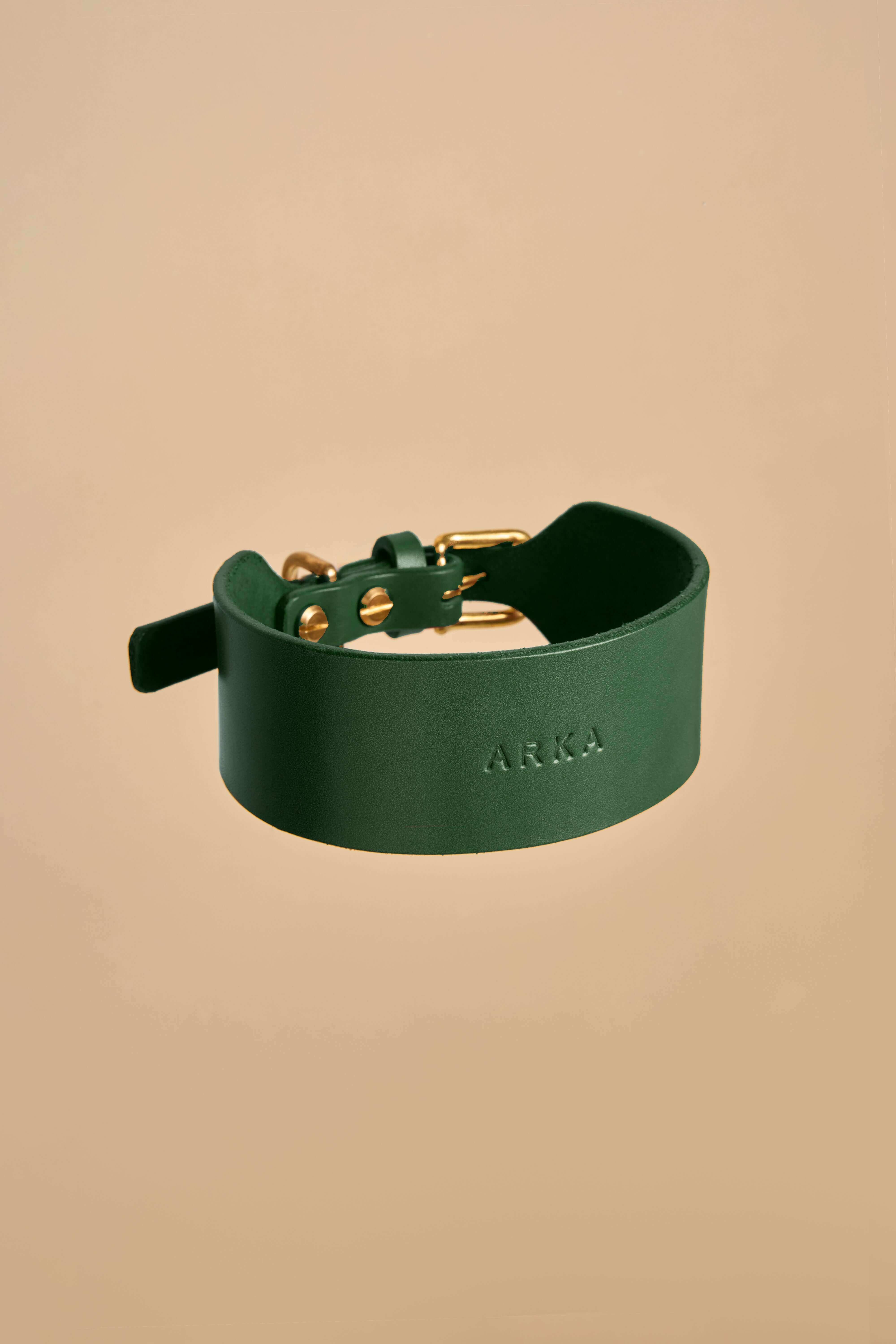
There is absolutely no doubt that the best material for a comfortable dog collar is vegetable-tanned leather.
- It is hypoallergenic and chemical free which makes it perfect for any dog who suffers with particularly sensitive skin.
- It is odor resistant and antibacterial, doing the double job of staying relatively fresh smelling compared to other materials, and being resistant to bacteria that dogs can easily accumulate when out and about on their various outdoor adventures.
- The supreme breathability is second to none, and the way that the leather softens over time means that it provides the most comfortable and durable custom fit for any dog’s neck.
Inspect Your Collar for Wear and Tear
A collar that was once comfortable can become a source of irritation as it degrades. Check your dog's collar monthly for:
- Frayed or rough edges on nylon collars: fibres that have separated from the weave create abrasive surfaces that chafe the neck continuously
- Cracked or sharp plastic buckle edges: plastic becomes brittle with UV exposure and temperature cycling; a cracked buckle can develop edges that press into the skin
- Worn D-ring plating: as nickel plating wears through to the base metal underneath, direct skin contact with the allergen-prone base material begins
- Stiffened leather: a leather collar that has dried out and stiffened loses the supple flexibility that makes it comfortable; conditioning with a quality leather balm restores it; a collar that has cracked through should be replaced
Vegetable-tanned leather does not fray, its hardware is solid brass with no plating to wear through, and it responds to conditioning rather than degrading irreversibly. This is why material quality is not just an aesthetic choice, it directly affects how long a collar stays safe and comfortable in daily use.
Ensuring the Right Fit
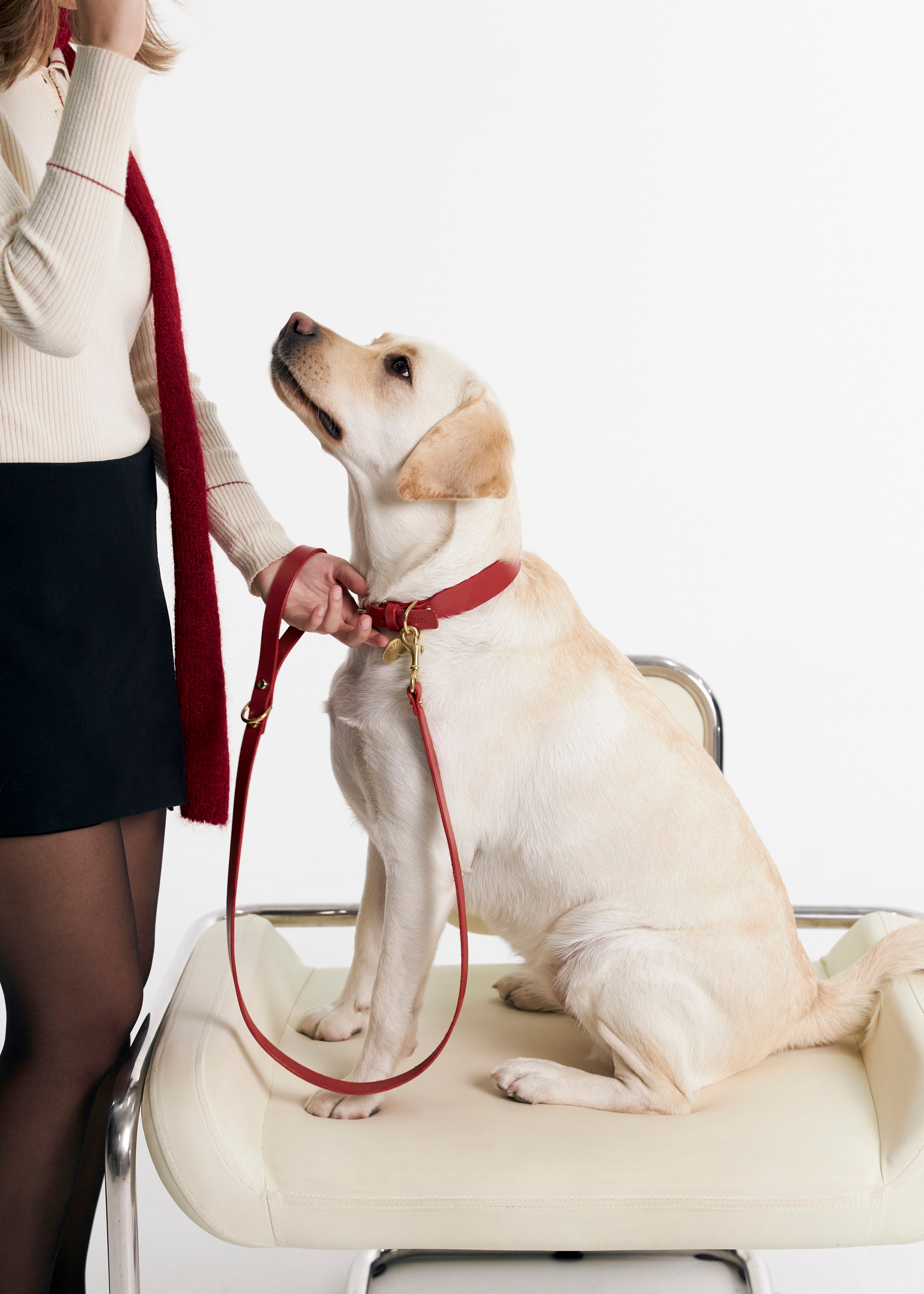
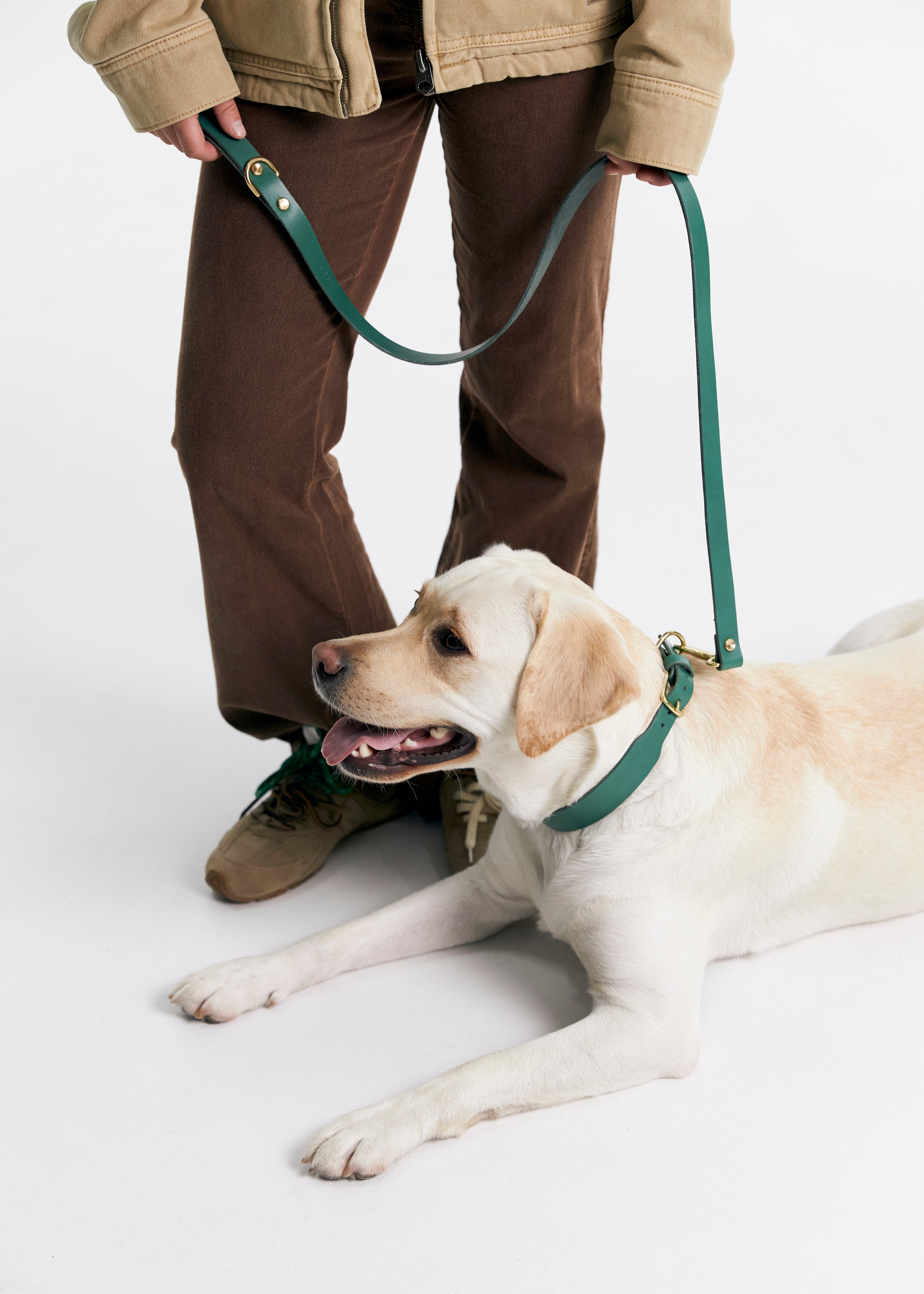
A collar that fits properly is the best prevention for discomfort and injury around the neck. Something simple to learn and remember is the ‘two finger rule’. When putting the collar on your dog, you should be able to snuggly fit two fingers between the collar and their neck. Any fewer is too tight, any more is too loose.
If a collar is too tight it can lead to breathing issues or skin irritation, which can be eased by loosening. If a collar is too loose, it runs the risk of slipping off or even getting tangled up in objects. Use the two finger rule to adjust it for a more snug fit.
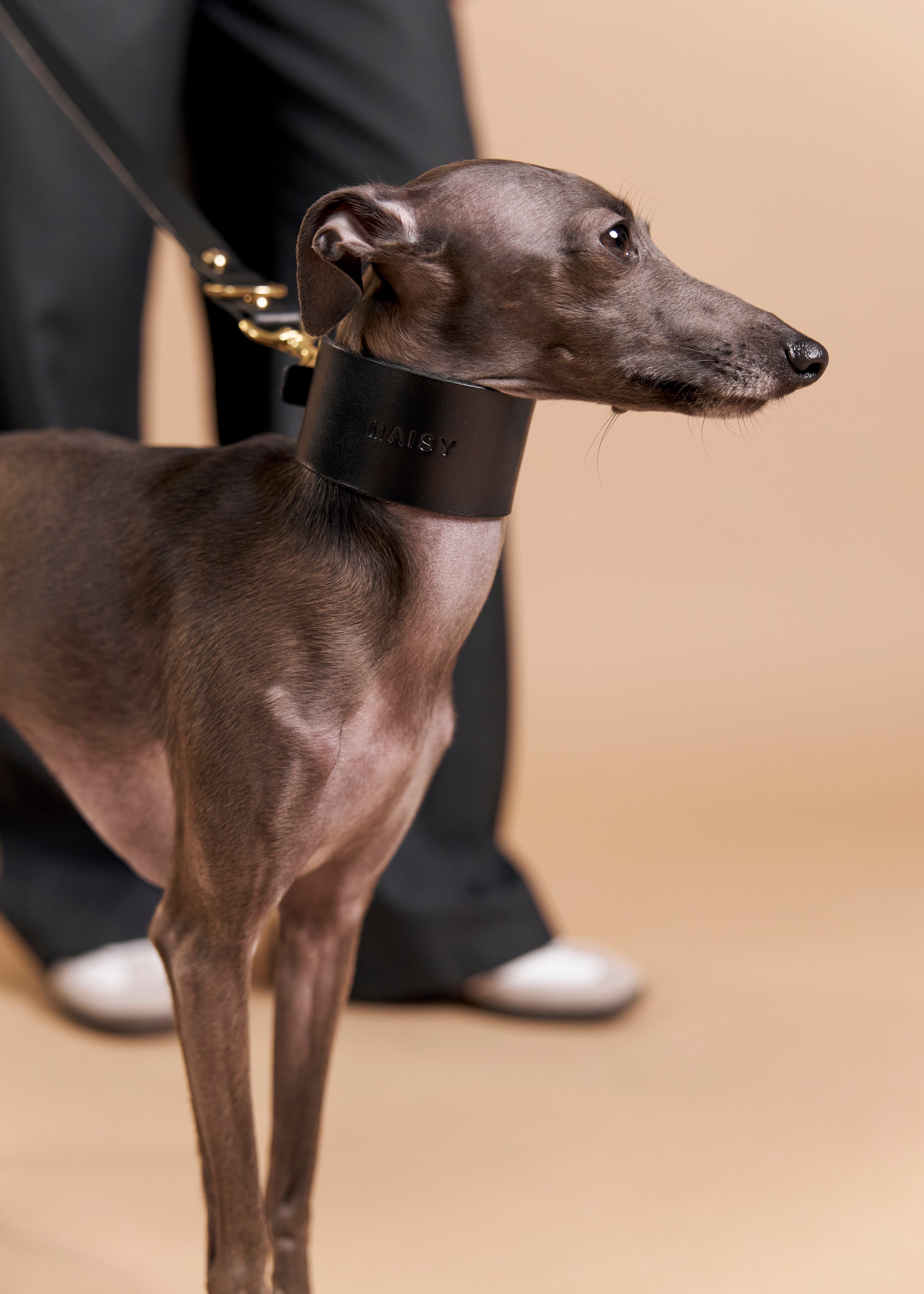
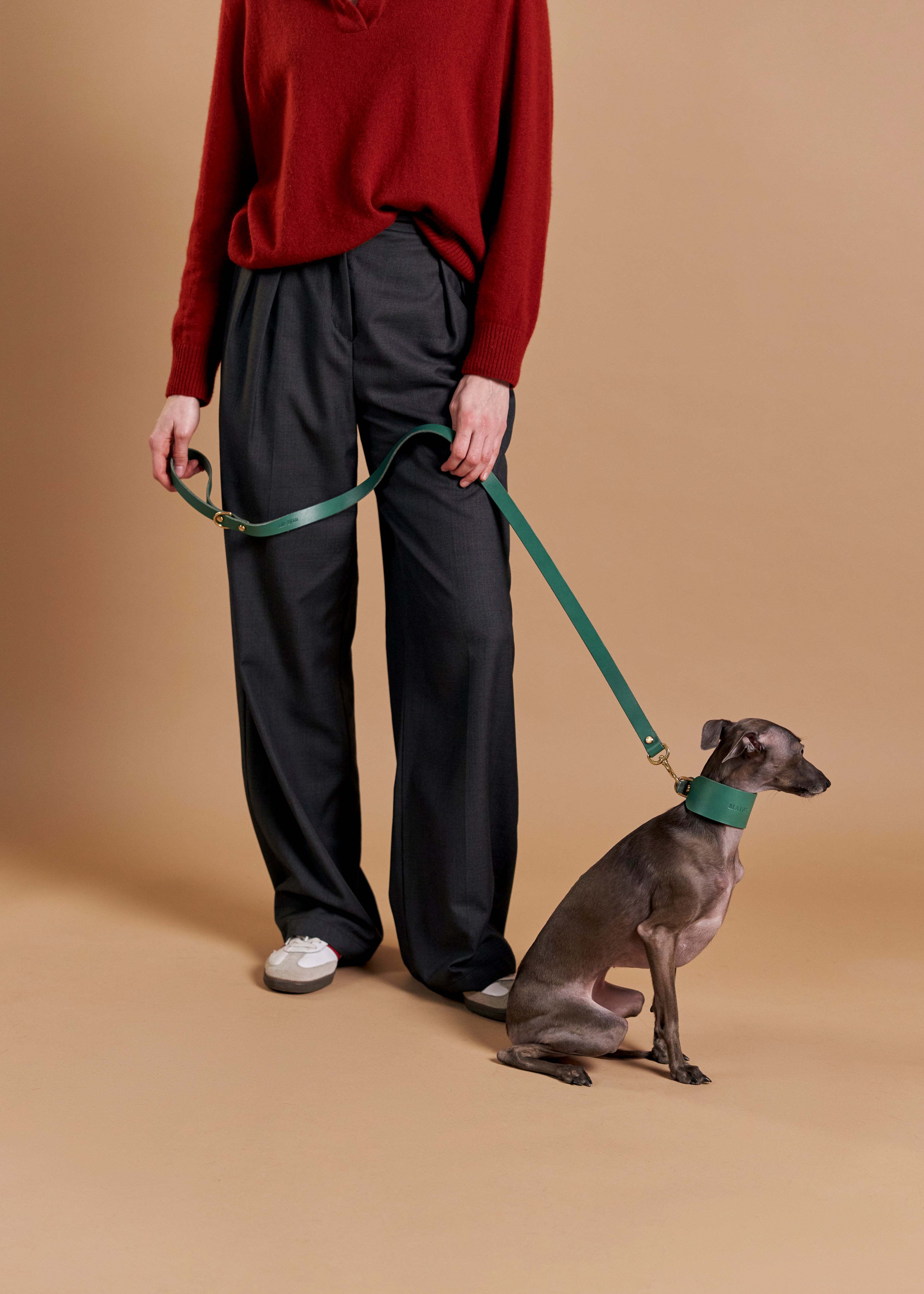
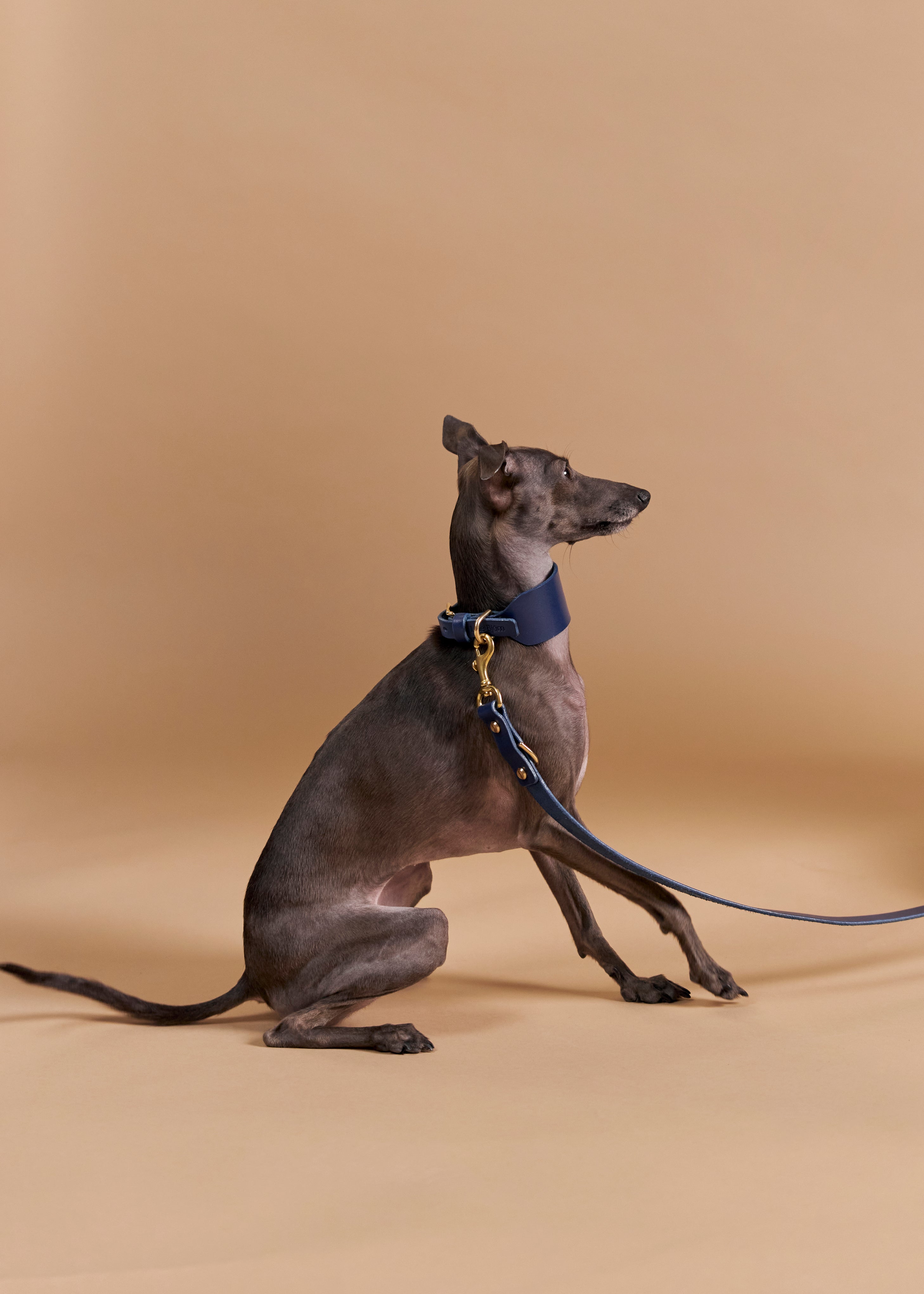
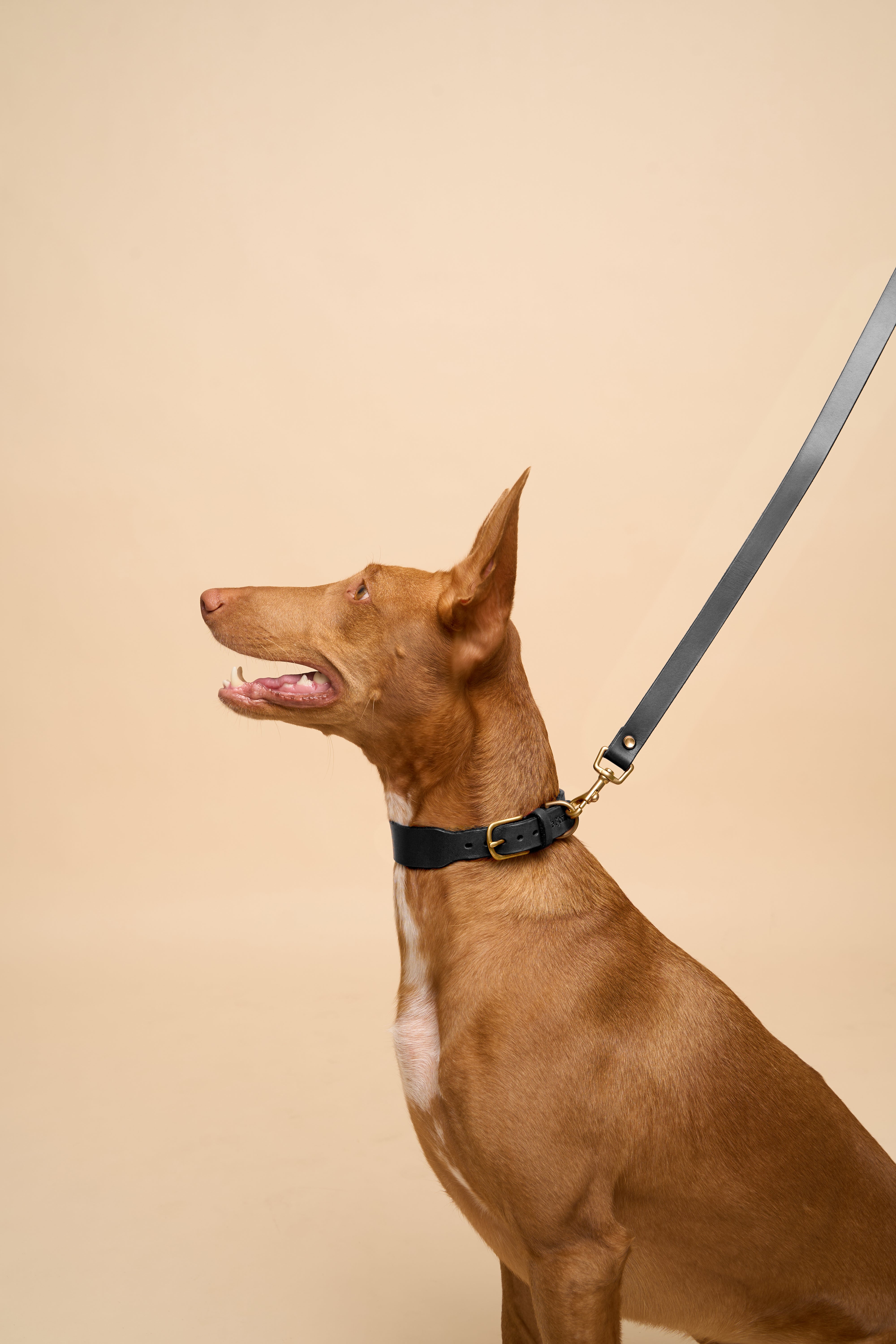
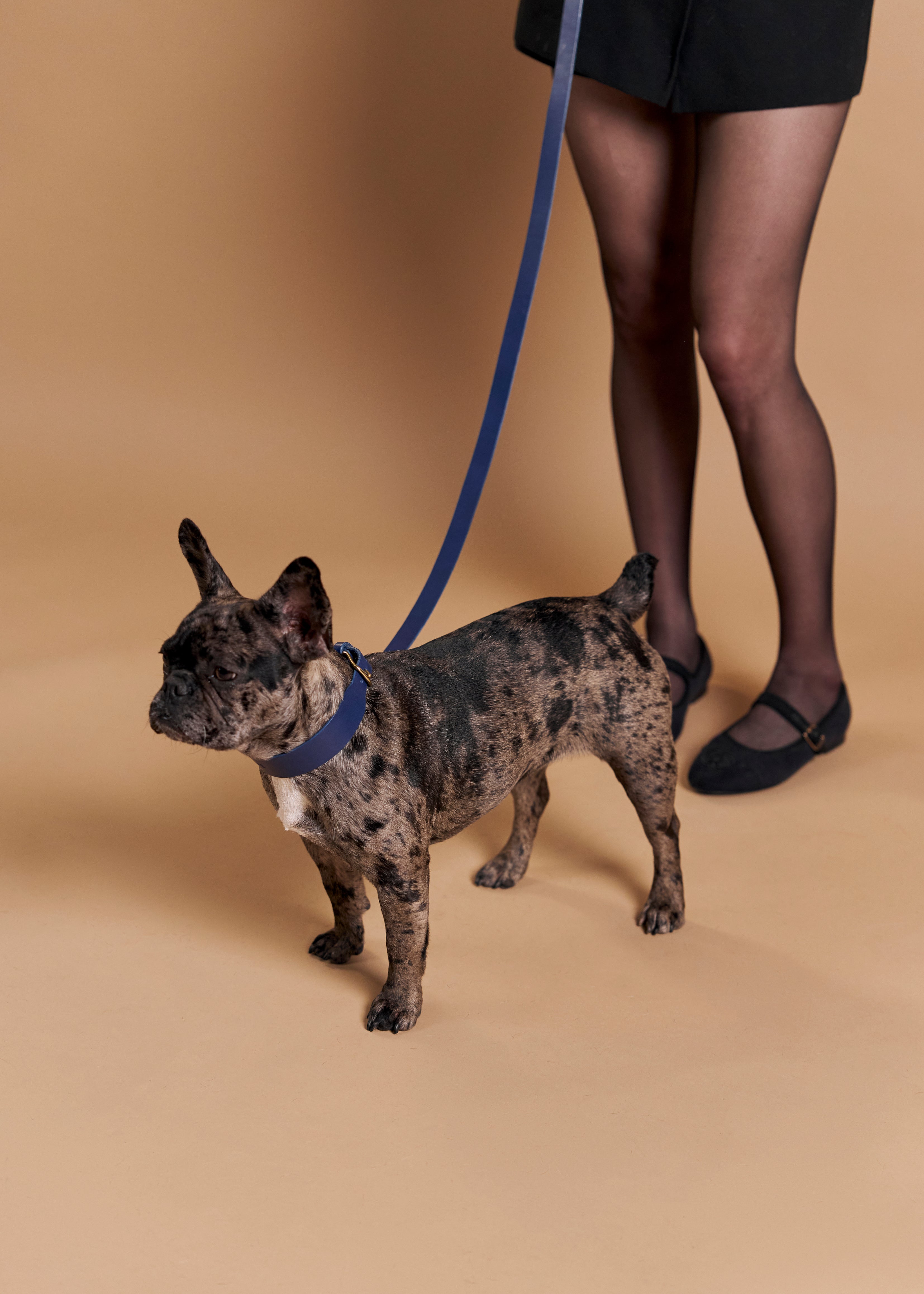
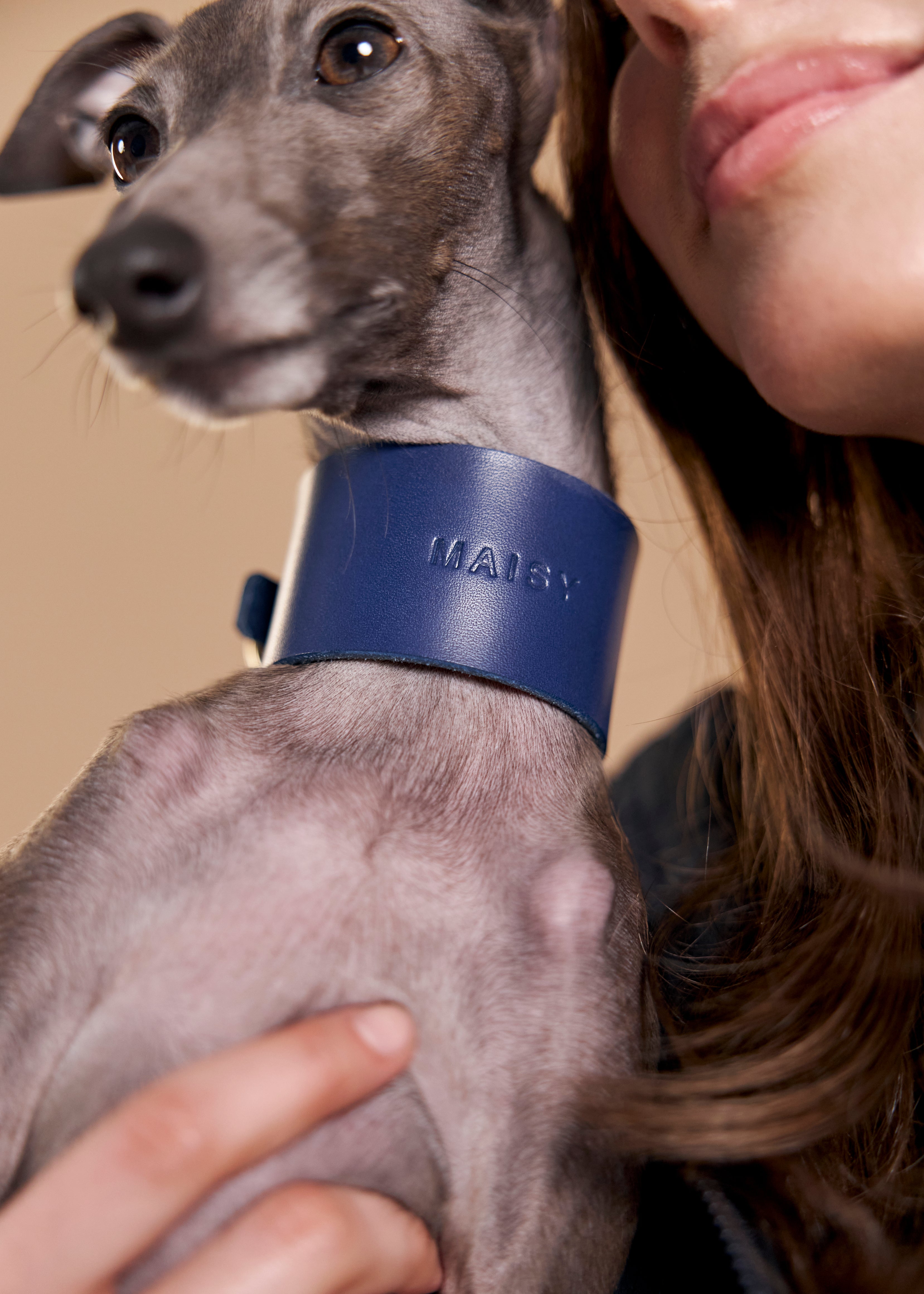
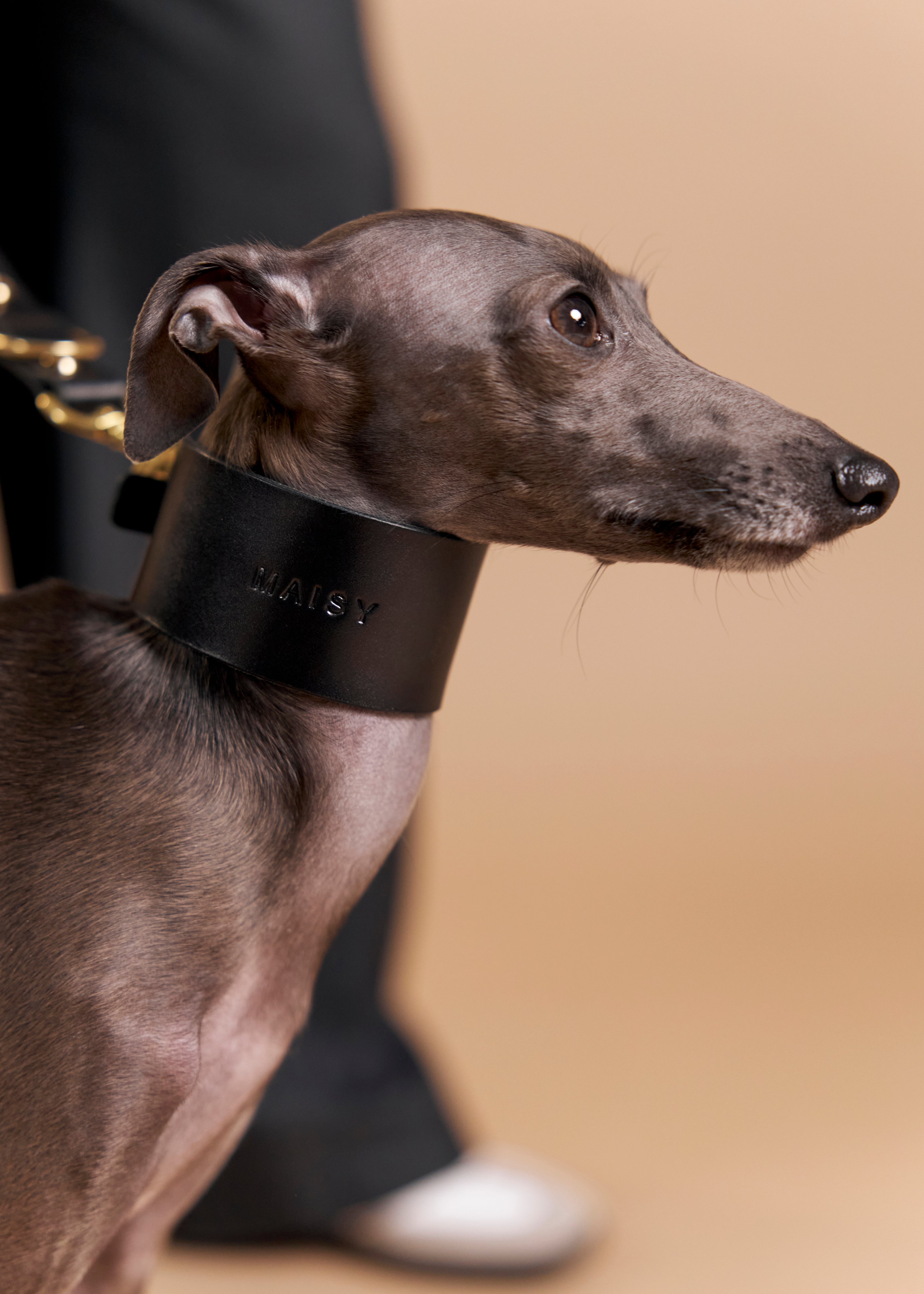
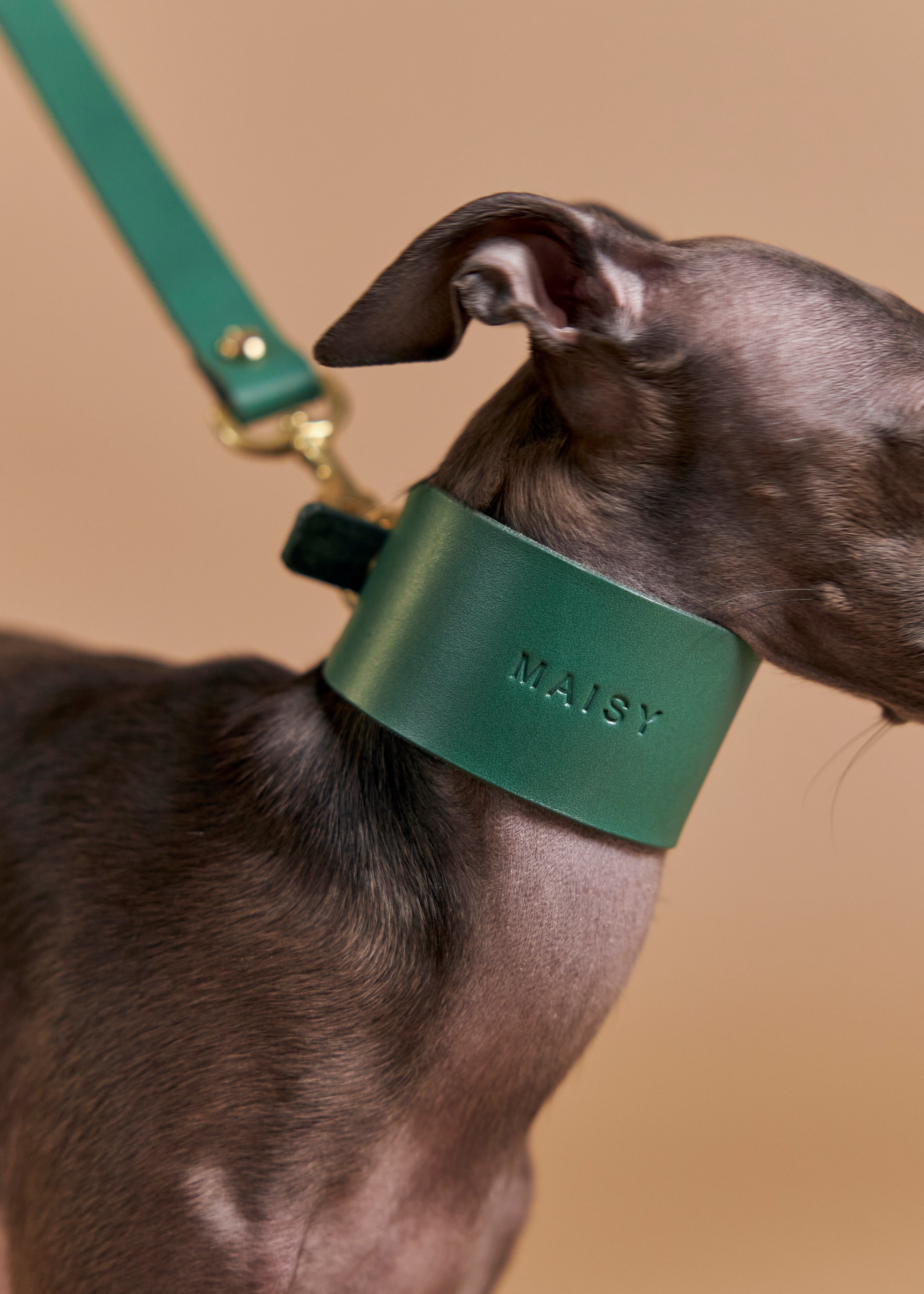
Always keep in mind that your dog will grow with age, especially if you get them as a puppy! Their collars will need to be continuously adjusted to accommodate their changing size. And if you have a delicate-necked breed like a Greyhound or a Whippet, then a wider leather collar is recommended for better pressure distribution.
Removing the Collar Indoors
It’s a really good idea to give your pup’s skin some time to breathe, it helps to prevent pressure sores developing and also helps to prevent hair loss. When they are safe and sound at home, why take the time to remove their collar and give them a break? This also reduces the risk of irritation from any trapped moisture, as well helping the skin to recover from constant pressure.
Switching to a Harness for Walks
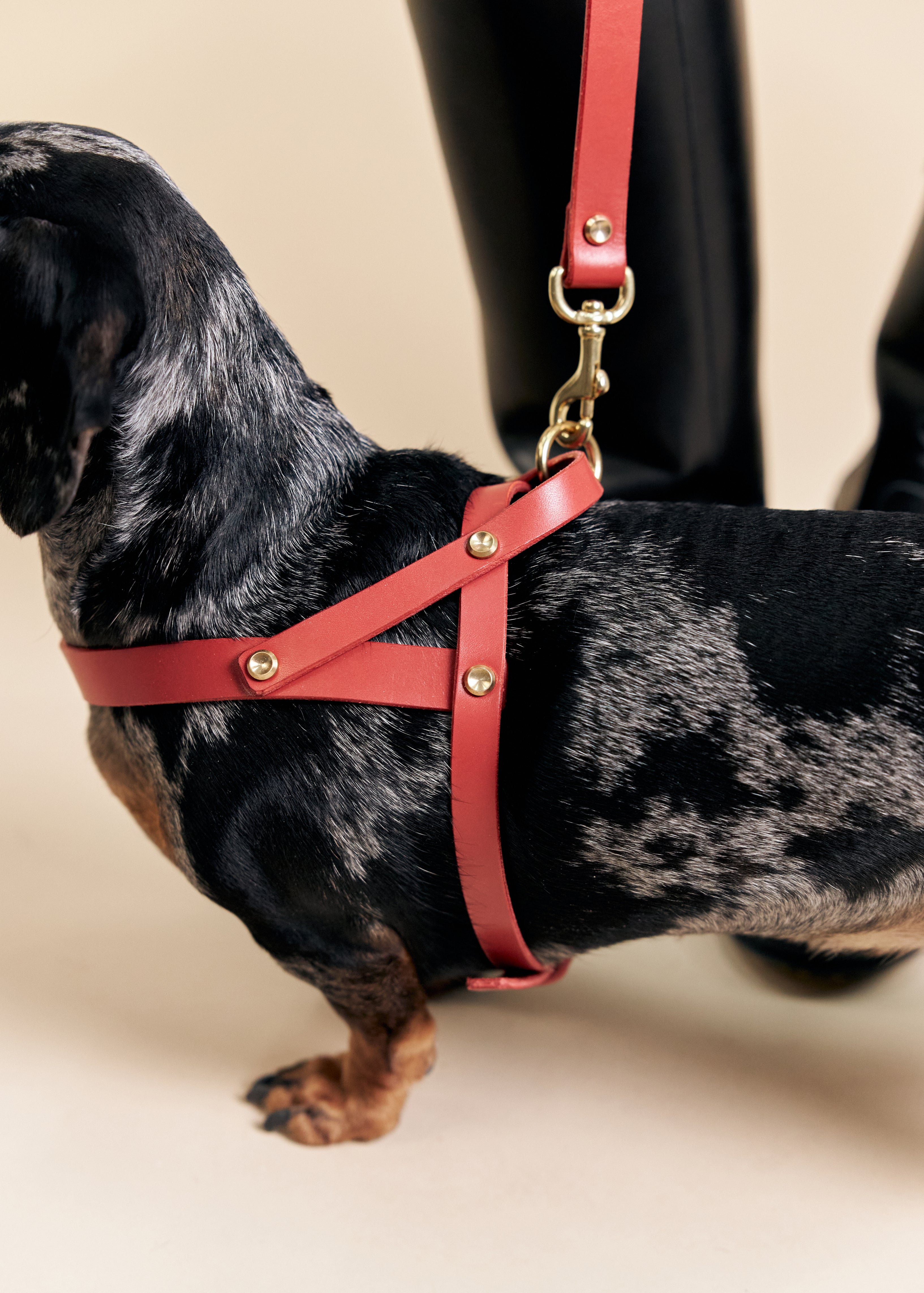
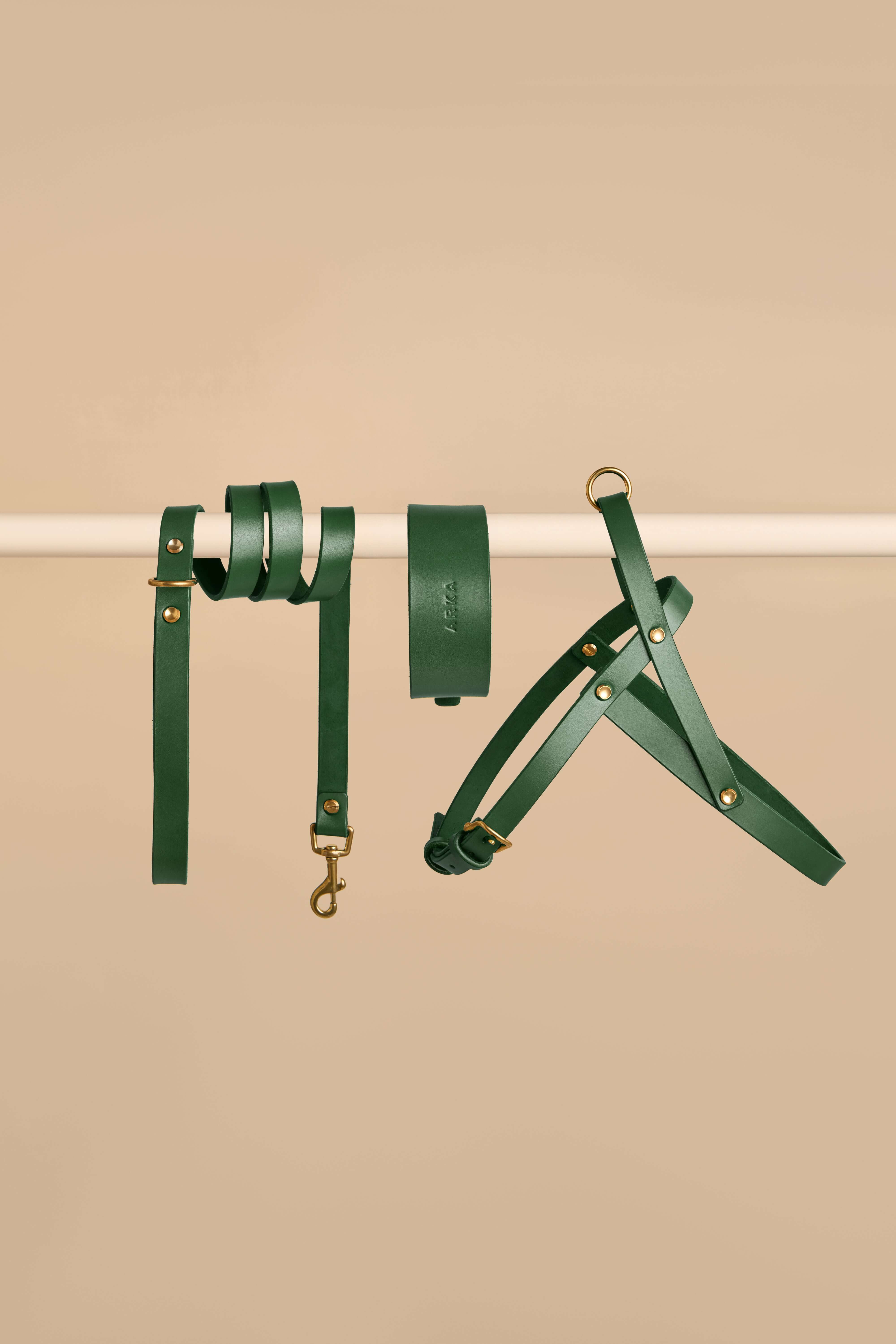
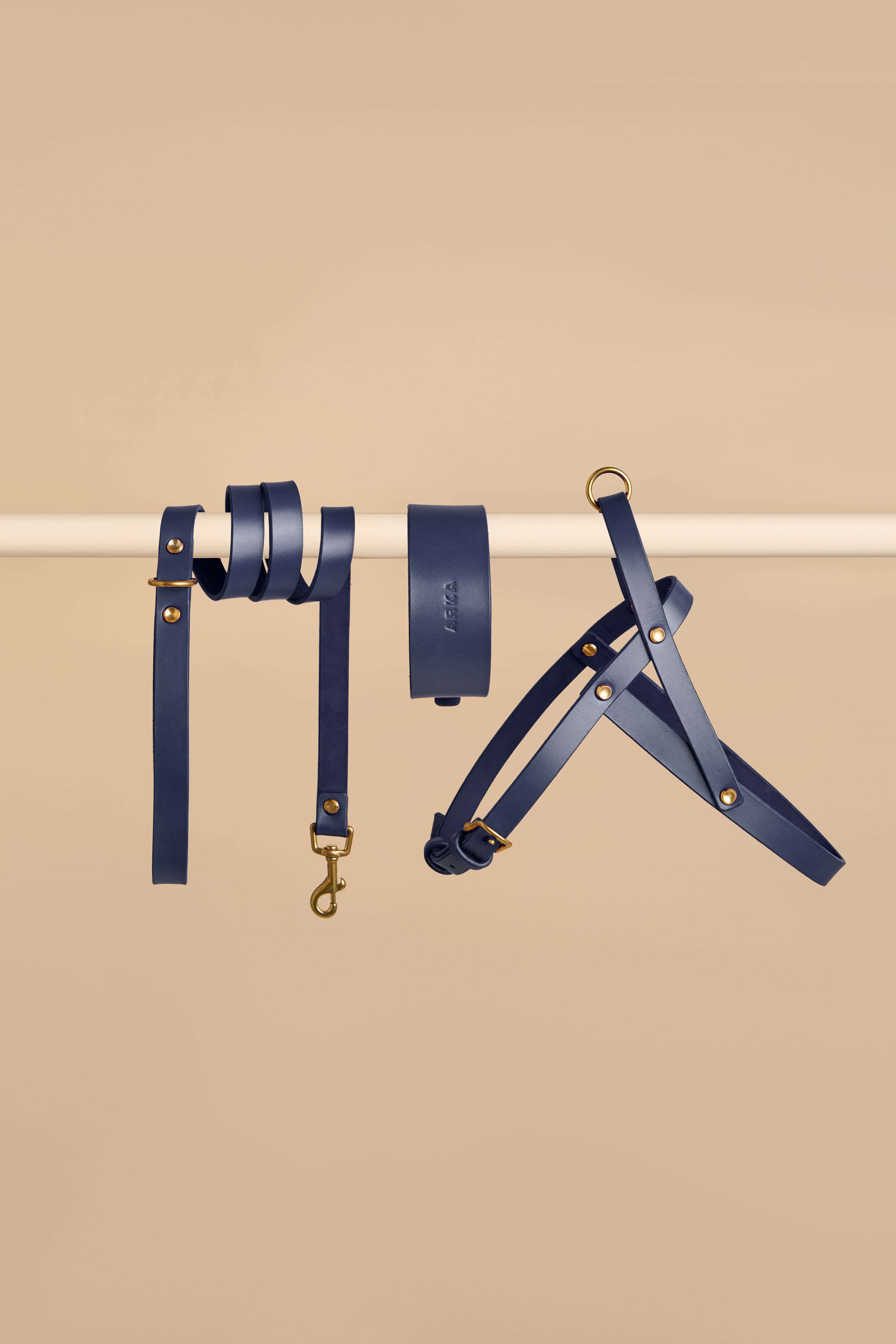
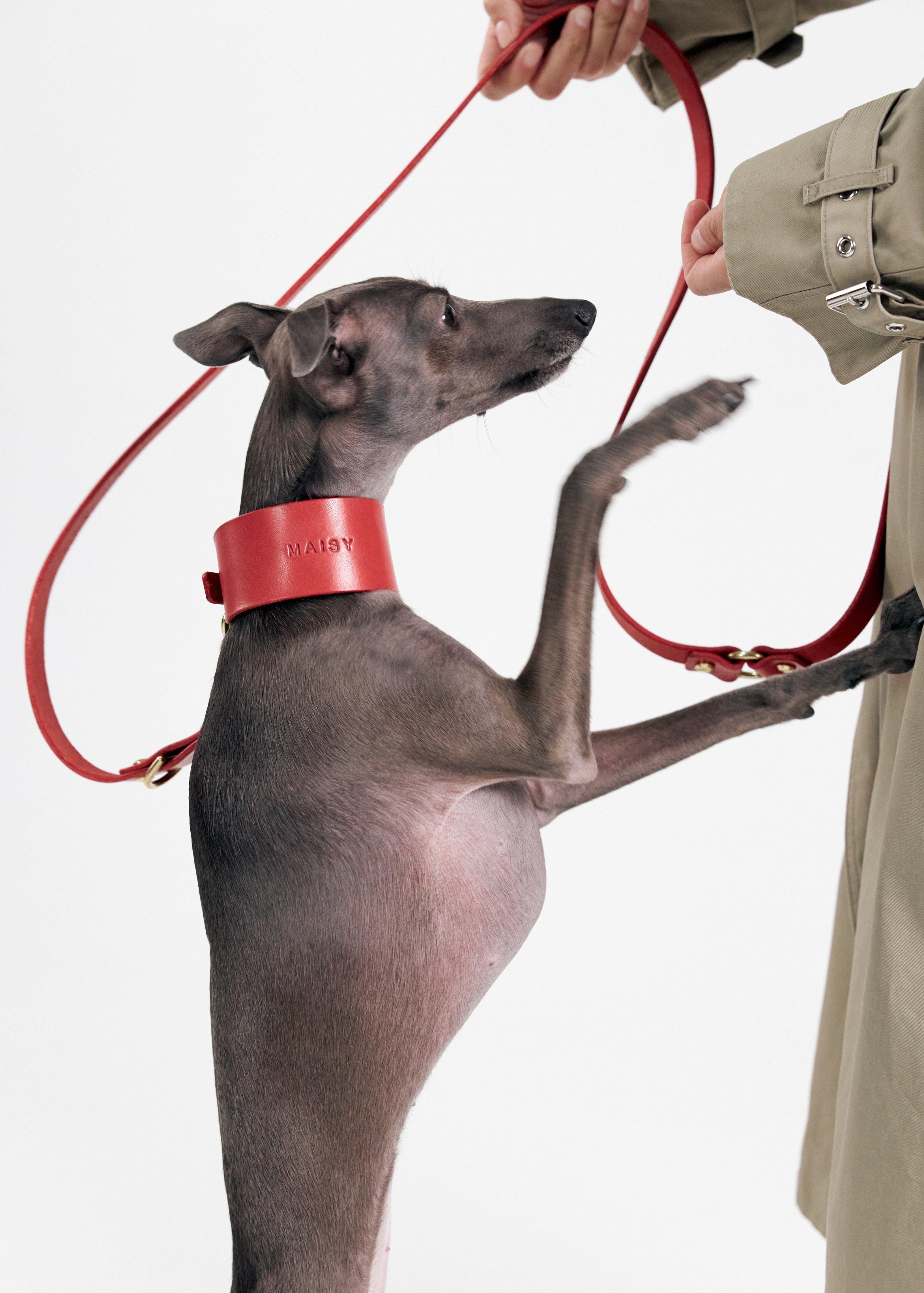
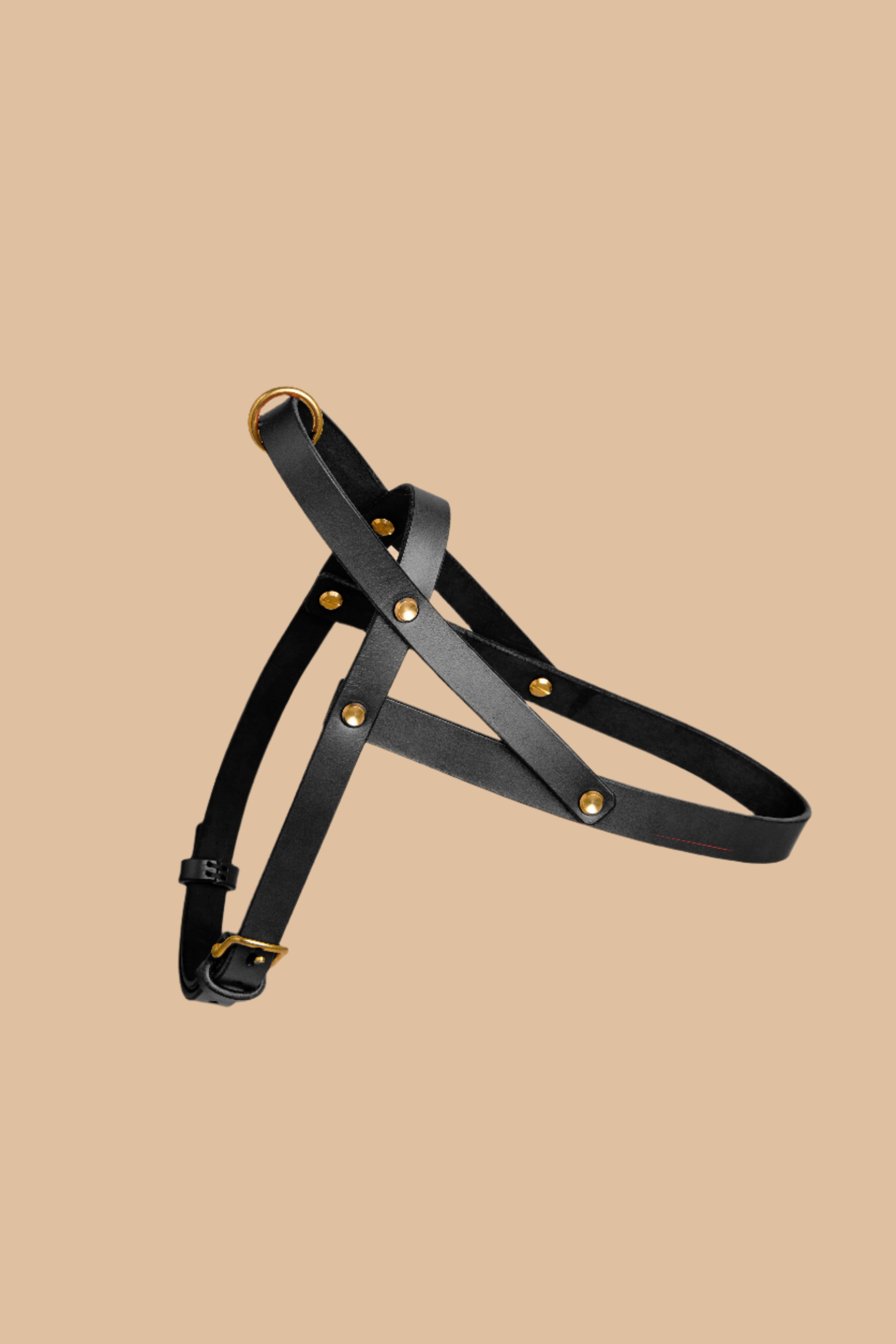
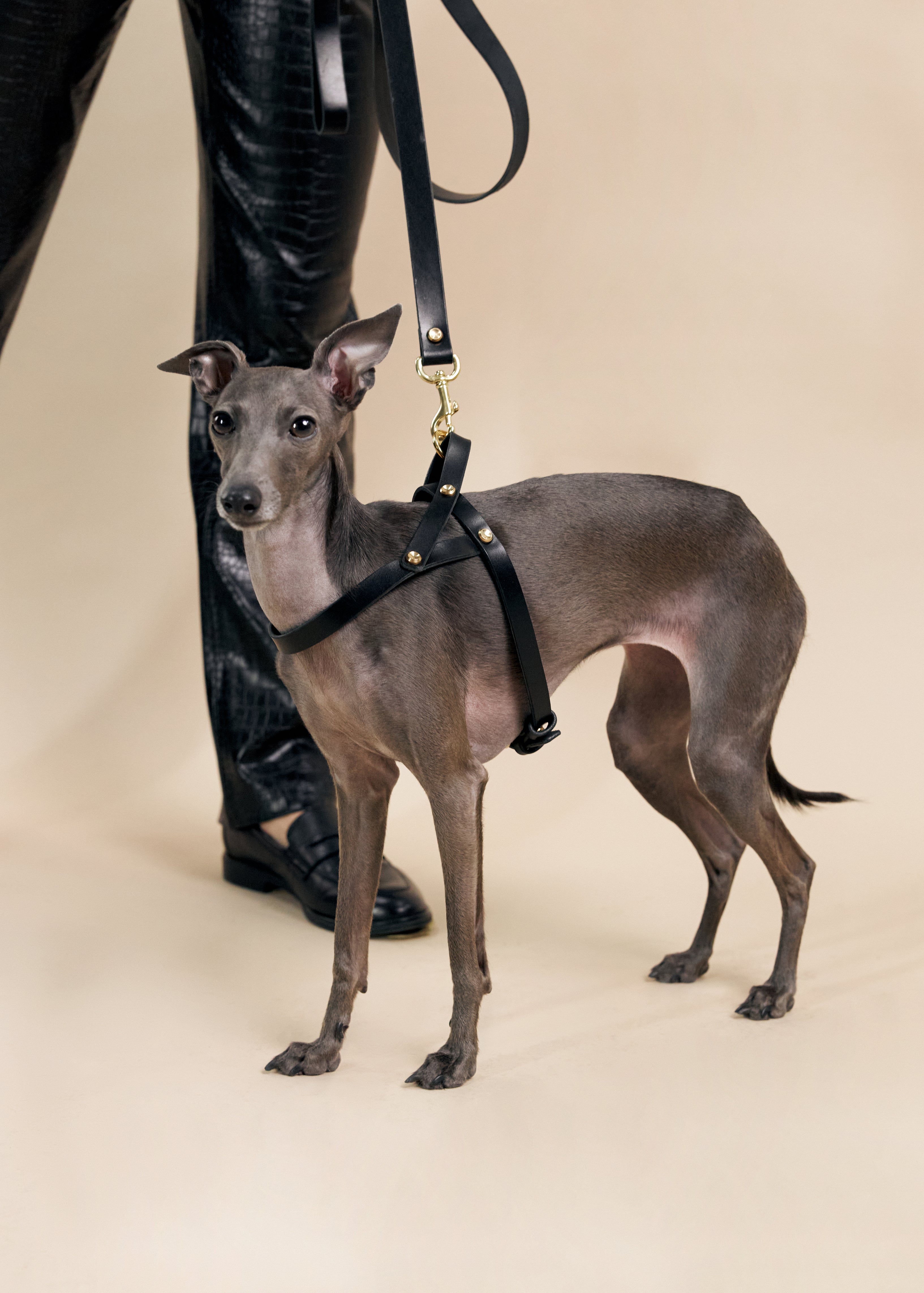
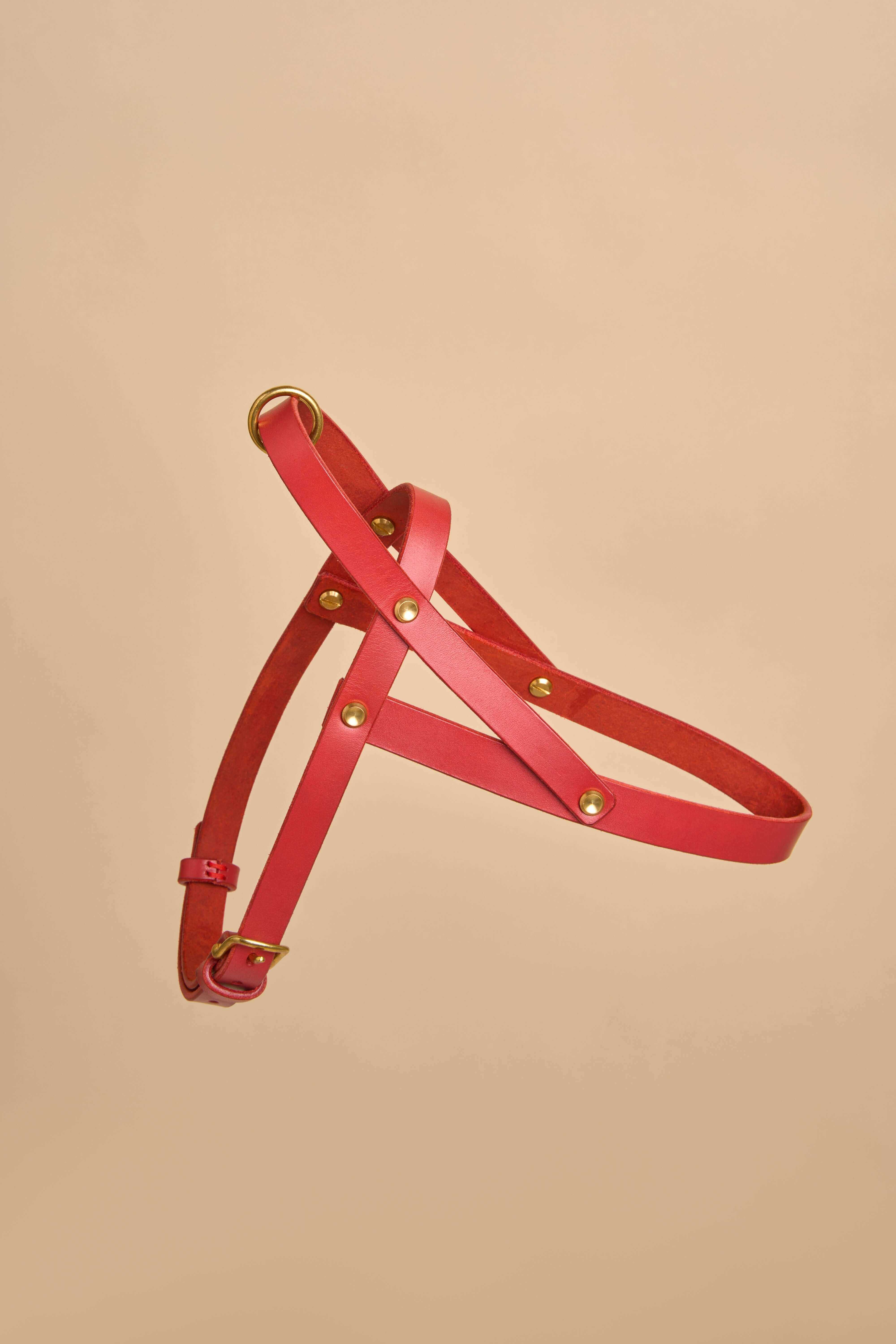
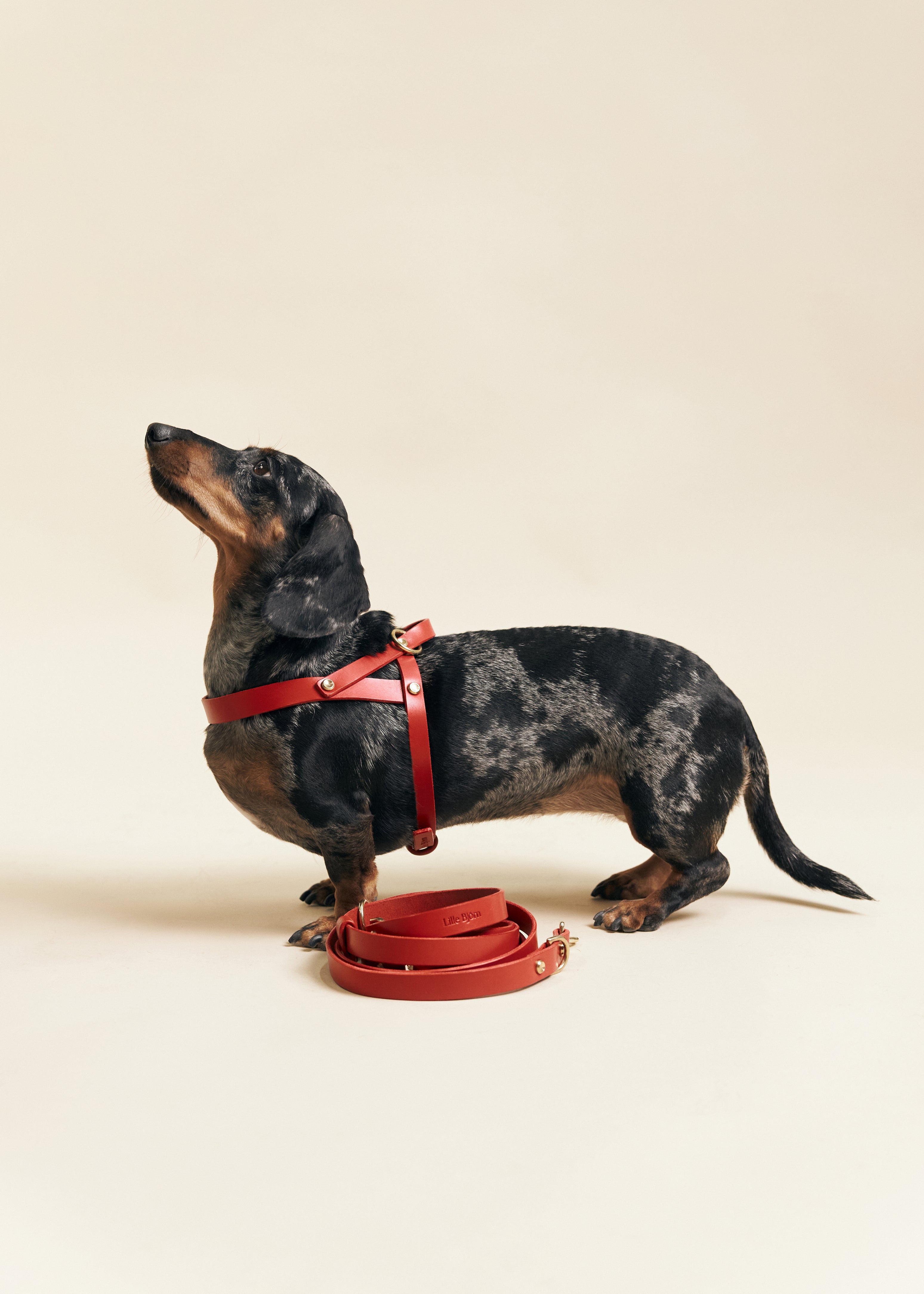
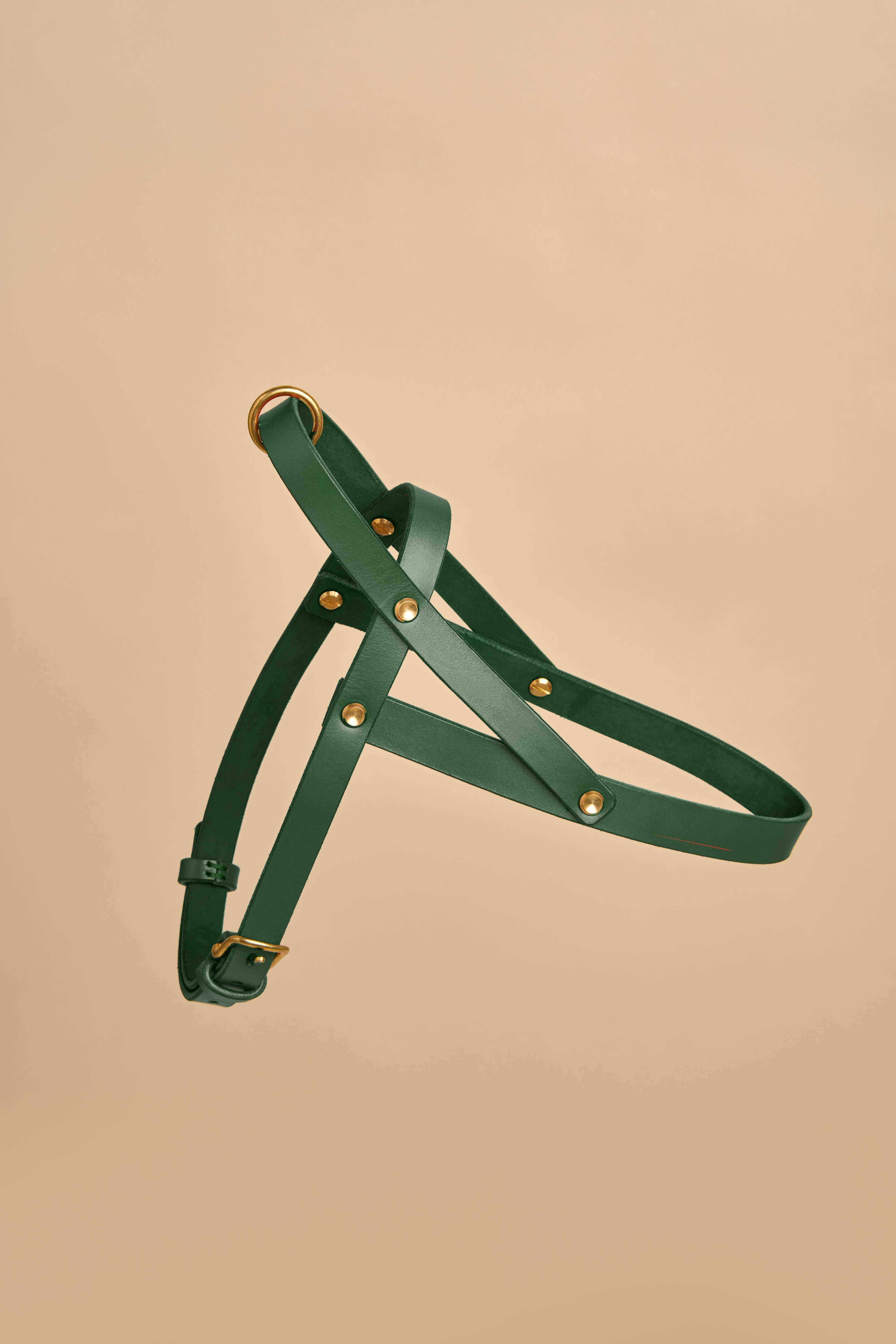
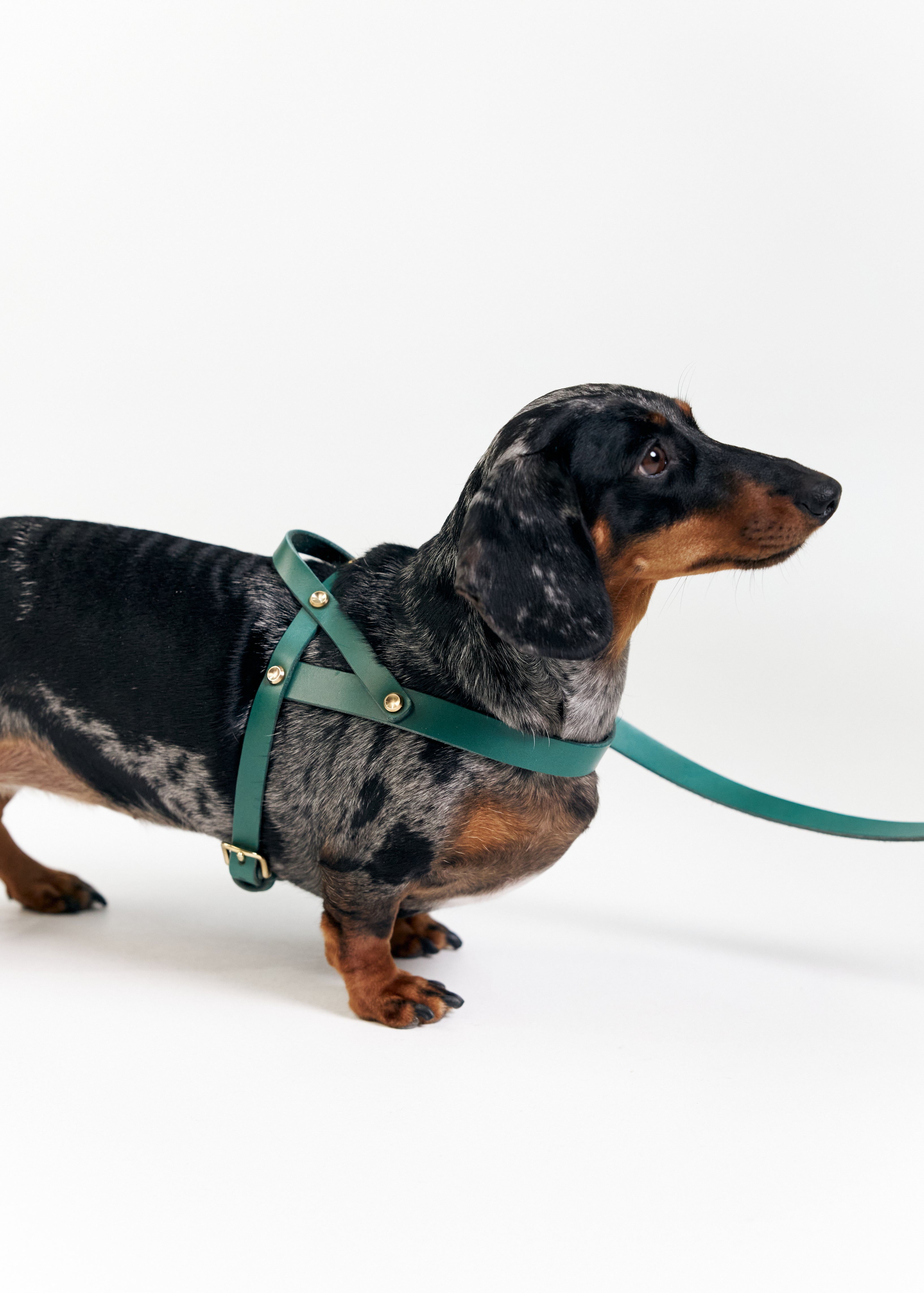
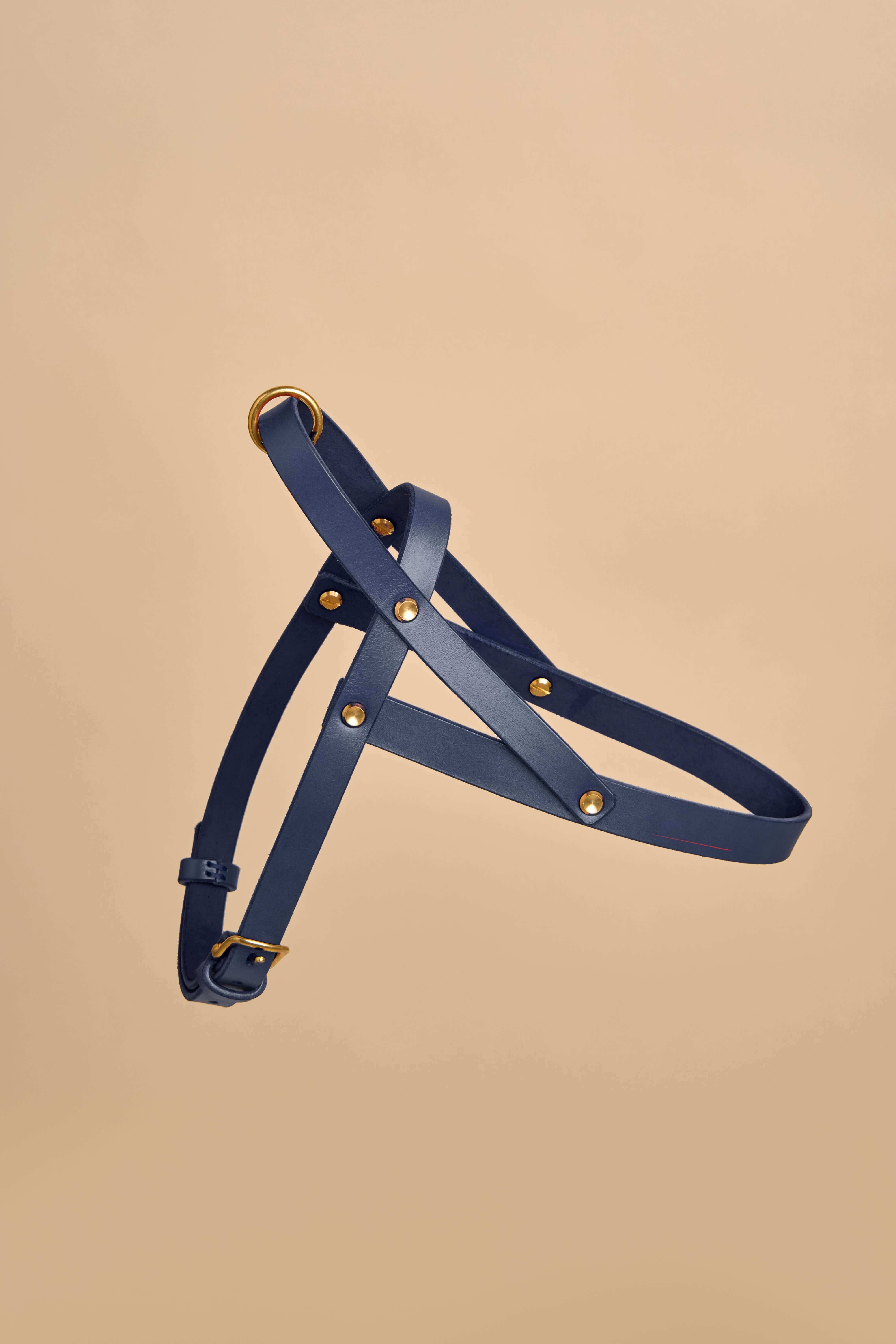
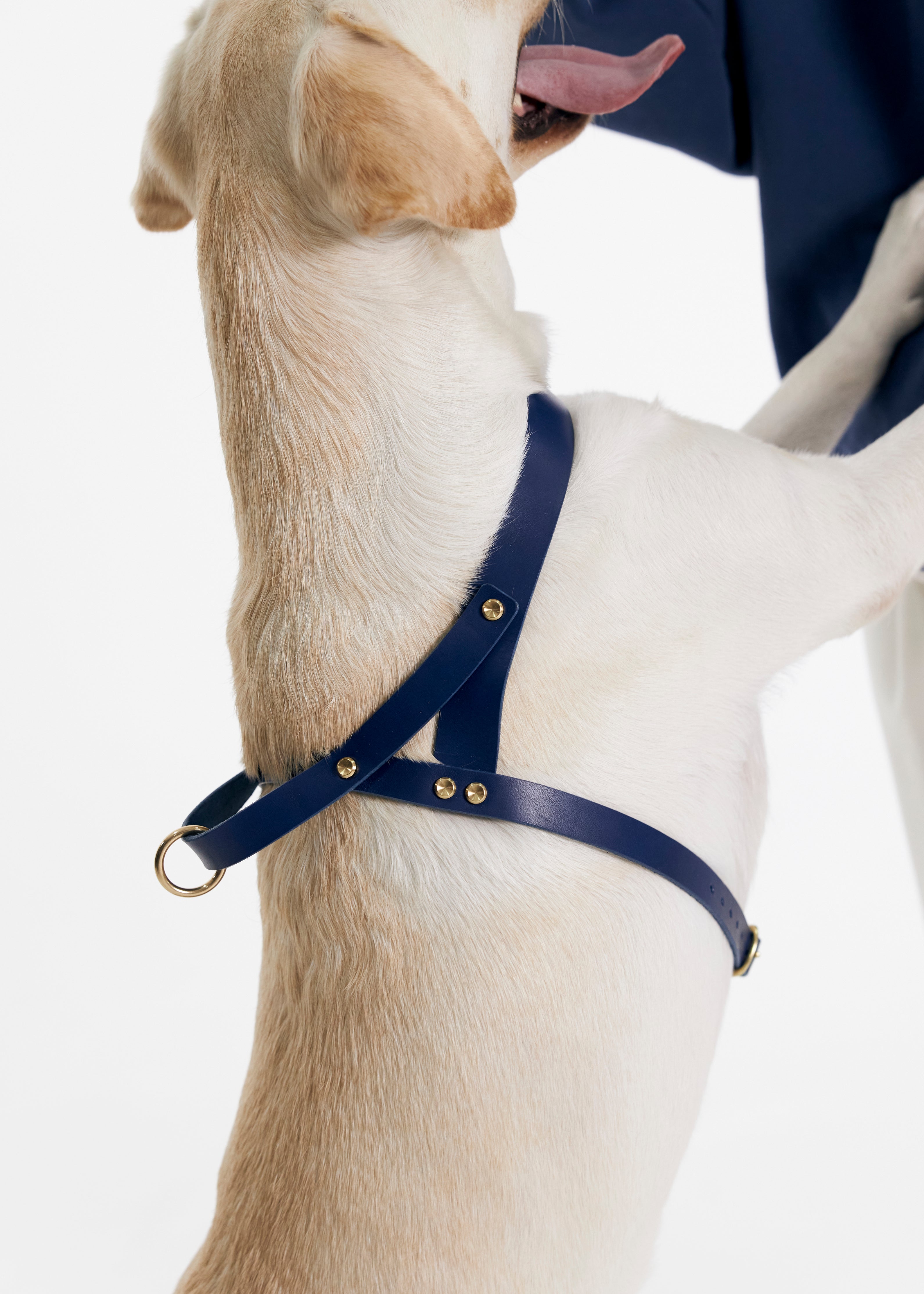
Though we tend to prefer collars on the whole, you might want to also add a harness to your accessory collection as another comfortable and safe option when out on walks. Back-clip harnesses are great for distributing pressure evenly when out on an adventure, and harnesses in general can do a lot of good in terms of reducing potential strain on the neck.
Collars are the best option for identification without a doubt, but switching to a harness for walks is something that a lot of dog parents like to do. Any loving pet owner knows that you can never have too many accessory options at your disposal! Either way, using a harness for walks while keeping a flat leather collar for ID tag purposes is the combination that can take all leash pressure off the neck entirely.

Frequently Asked Questions: Dog Collar Discomfort
Why is my dog scratching at their collar?
Dogs scratch at their collar for four main reasons: the collar is too tight or too loose and is creating friction; the material is irritating or causing a contact allergy; the hardware has worn and developed rough edges or allergen exposure; or puppies are simply not yet accustomed to wearing one. Remove the collar and check the skin underneath. Redness, hair loss, or bumps in the contact zone confirm a collar-related cause. If scratching continues unchanged after collar removal, consult your vet to rule out fleas or a systemic allergy.
Why is my puppy scratching at their collar?
Puppy collar scratching in the first week of wearing a collar is almost always normal. The sensation is completely new and their instinct is to remove it. It typically resolves within five to ten days as they habituate. If scratching persists beyond two weeks, intensifies, or is accompanied by redness or hair loss, check the fit first (two fingers should slide between collar and neck) and the material second. A gradual introduction such as short wearing periods with treats and positive associations prevents most puppy collar distress from developing.
Do dogs mind wearing collars?
Most dogs adapt to wearing a collar without distress within a few days, particularly when introduced positively from a young age. Dogs that are reluctant to wear their collar backing away, pawing at it, or showing signs of anxiety when it appears are usually communicating that the collar is causing discomfort: too tight, too heavy, made from a material that irritates them, or associated with a past negative experience. The collar itself is not inherently bothersome; it is almost always a fit or material problem that can be corrected.
What does it mean if my dog's collar is rubbing their neck raw?
A collar rubbing the neck raw is a sign of persistent friction, almost always caused by an incorrect fit (too loose and shifting constantly, or too tight and pressing into skin during movement), a degraded collar with rough or frayed edges, or a material that lacks breathability and traps moisture. Remove the collar immediately and give the skin 48–72 hours to begin recovering before returning any collar to the neck. Switch to a softer, breathable material and recheck fit carefully before resuming wear.
Can dog collars damage the trachea?
Yes, any collar that applies sustained or repeated pressure to the front of the neck can compress the trachea over time, particularly in dogs that pull consistently on the lead. Narrow collars concentrate force on a small area; tightening collars (choke or prong) have no compression limit. Signs of tracheal compression include a persistent honking cough, gagging during or after walks, or laboured breathing. For any dog with tracheal concerns, a harness for walks with a flat collar worn only for ID removes all leash tension from the neck entirely.
Is my dog allergic to their collar?
Dogs can develop contact allergies to collar materials, most commonly nickel-plated hardware, synthetic dyes in nylon or chrome-tanned leather, and chemical preservatives used in lower-grade leather manufacturing. Signs of a contact allergy include a rash of small bumps in the collar contact zone (rather than generalised redness), symptoms that appeared shortly after a new collar was introduced, and skin that does not improve with fit adjustments alone. Switch to a vegetable-tanned leather collar with solid brass hardware and monitor for improvement over one to two weeks.
How tight should a dog collar be?
A dog collar should allow exactly two fingers — held flat, not pinched — to slide between the collar and the dog's neck with light resistance. If you cannot fit two fingers, the collar is too tight and risks skin irritation, restricted breathing, and tracheal compression. If the collar gaps, rotates, or shifts around the neck freely, it is too loose and will cause friction rash from constant movement. Check this fit regularly — puppies every two to three weeks, adult dogs at every collar change and after any significant weight change.
Conclusion
A collar that fits well, made from the right material, introduced with patience is the complete formula for a dog that wears their collar comfortably every day without scratching, rubbing, or trying to escape it.
The signs of discomfort are always there if you know what to look for: persistent scratching, redness, hair loss at the contact zone, bumps that mirror the collar edge, and a dog that backs away when you reach for the collar. Every one of those signals has a specific cause and a specific fix. Fit first, material second, condition of the collar third.
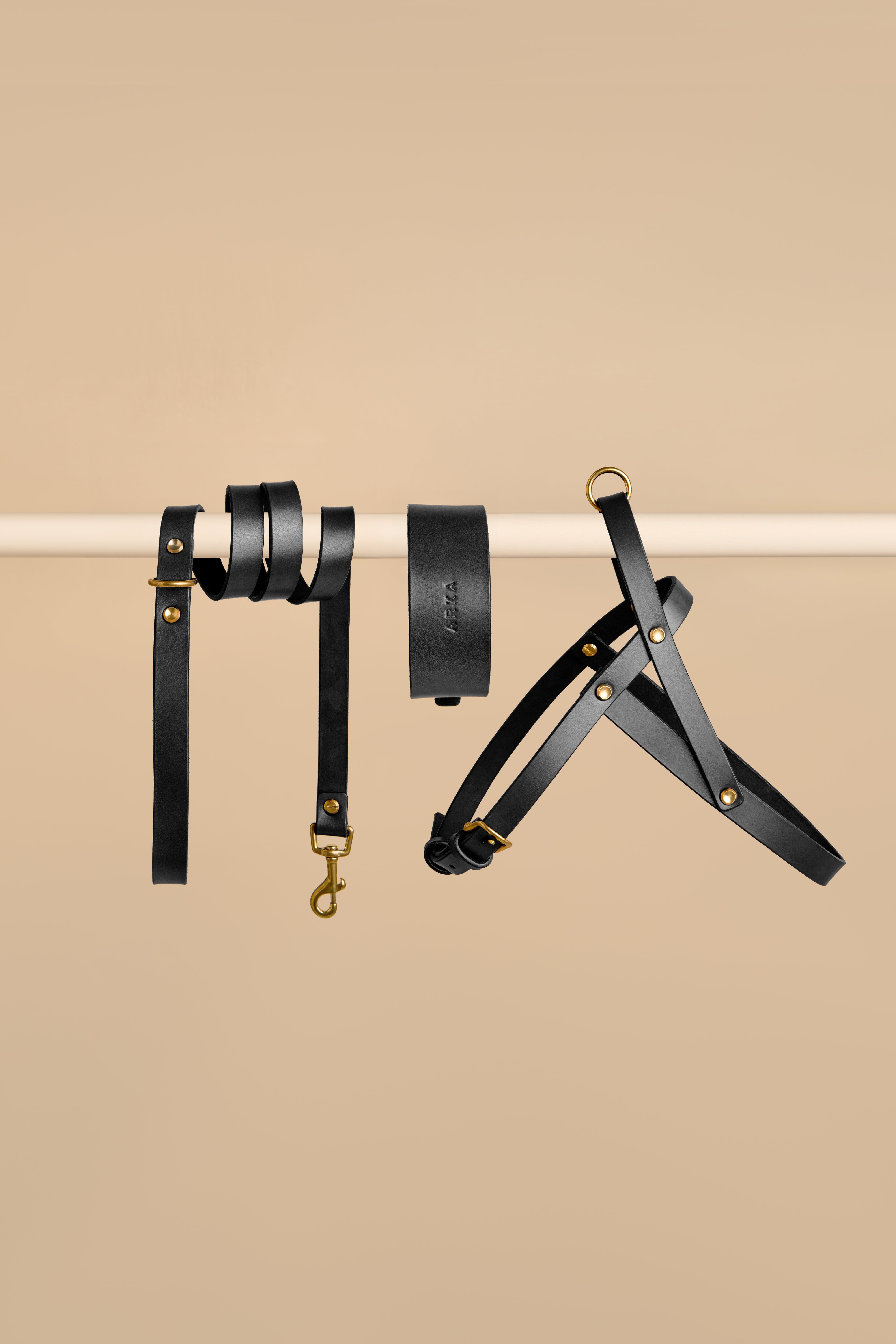
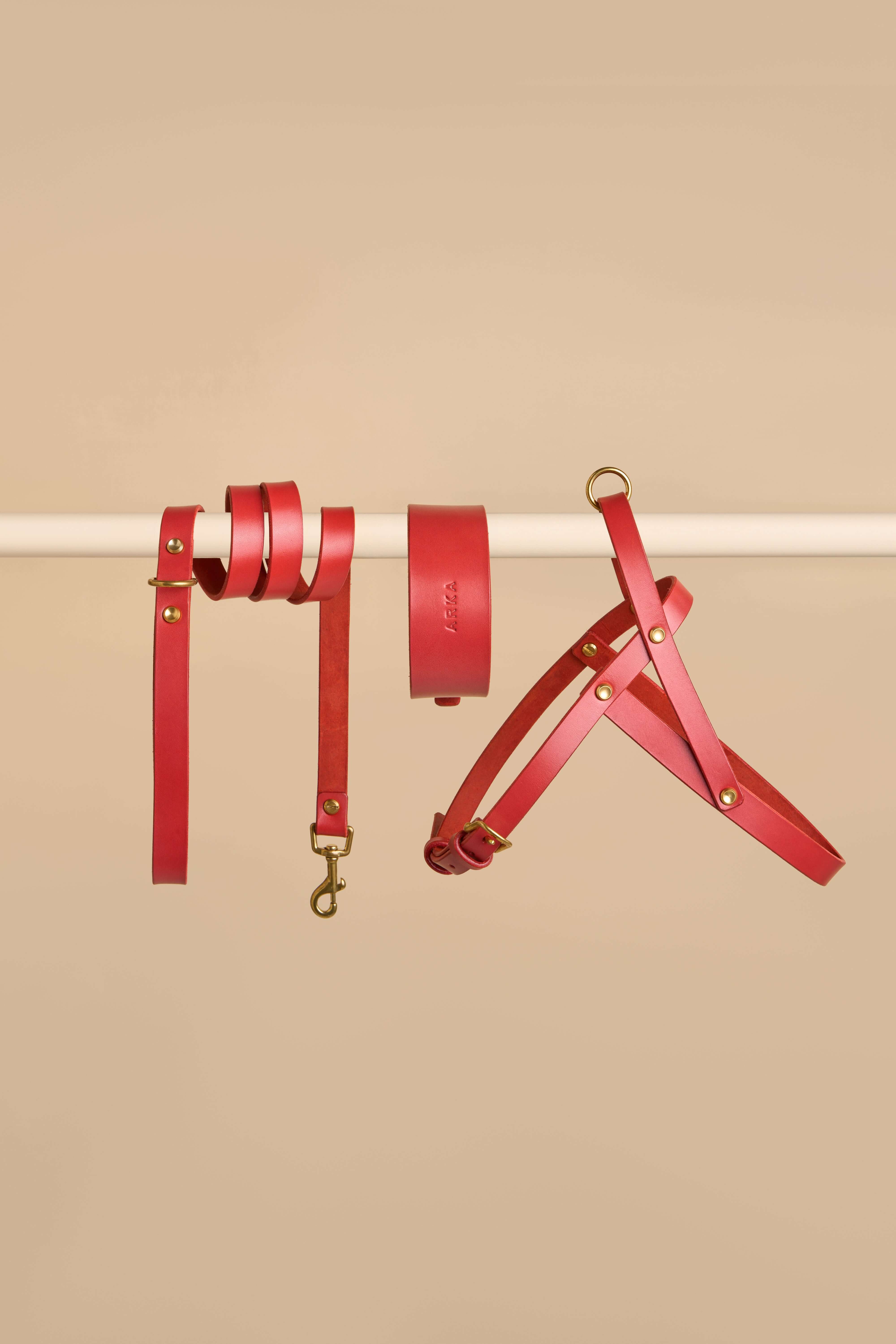
For puppies, the fix is time and a positive introduction. For adult dogs with material sensitivities, it is a switch to The Lille Björn vegetable-tanned leather with solid brass hardware - the combination that removes every chemical irritant from the equation. For dogs that pull and show signs of neck strain, it is pairing that collar with a leather harness for walks so the neck bears no leash tension at all.
Your dog cannot tell you the collar is hurting them. But they are telling you every time they scratch, rub, or flinch. Now you know what to look for, and exactly what to do about it.