Quick Summary
No, a correctly fitted collar made from the right material is not uncomfortable for dogs. Dog collars can be uncomfortable, but only when something specific is wrong: bad fit, wrong material, or too much prolonged wearing. When you do all of the right things to make sure the collar fits properly and choose a kind, hypoallergenic material like vegetable-tanned leather, the answer is that collars are not uncomfortable for the vast majority of dogs.
Do Dogs Like Wearing Collars?
Most dogs that have been fitted with a comfortable, well-introduced collar do not mind wearing it at all and many actively associate it with positive experiences. The collar becomes part of their routine, a familiar sensory object that signals a walk is coming. Dogs that appear to dislike their collar are almost always responding to a specific, fixable problem: a fit issue, a material that irritates their skin, or a collar introduced without positive association. None of these is an inherent problem with collars as a category.
Signs that a collar is genuinely bothering your dog: persistent scratching at the collar, pawing at the neck, visible redness or hair loss at the contact zone, or reluctance to have the collar put on. Any of these warrants checking the fit first, then the material.
Are Dog Collars Uncomfortable For Dogs?
The bottom line on this question is that, yes, dog collars can be uncomfortable, but they don't have to be when you do all of the right things to make sure they fit properly. There are plenty of factors that go into making a collar uncomfortable for a pup, from bad fit to choice of material to too much prolonged wearing.
Bad Fit
A collar that doesn't fit well is usually the main cause of discomfort. If it's too tight, it will press and dig into the skin causing irritation and sores, and if it's too loose, it can rub against the neck too much and lead to chafing. The trick to achieving the right fit is making sure you can fit two of your own fingers snugly between the collar and your dog's neck. That's the Goldilocks spot right there! The two-finger rule applies to all breeds and coat types, but requires rechecking regularly. Adult dogs should be checked monthly, and puppies fortnightly during active growth periods. Dogs with thick seasonal coats including Huskies, Malamutes, and Golden Retrievers in particular need their collar loosened by one notch as the winter undercoat comes in, and tightened back as it sheds in spring. A collar correctly fitted in October can be too tight by December on a double-coated breed.
Signs that fit has drifted and needs rechecking: visible indentation on the neck skin when the collar is removed, hair loss or thinning along the collar line, the collar spinning freely around the neck (too loose), or resistance and flinching when the collar is put on (too tight or causing pain from a previous period of being too tight).
Choice Of Material
Material choice is an equally important factor to consider, because the truth is that you get what you pay for in terms of quality and satisfaction! Lower quality materials like chemically treated leather and synthetic fabrics are much more likely to cause irritation, itching and allergic reactions, particularly if your precious pup has sensitive skin. Also try to stay away from any nickel plated hardware as it is famous for triggering allergic reactions. Our advice is to opt for kind, hypoallergenic materials like vegetable tanned leather and solid brass hardware. The specific chemical mechanism matters here. Chrome-tanned leather uses chromium salts in processing, and residual chromium compounds can leach from the finished leather onto skin during warm, wet, or prolonged contact. For a collar worn against your dog's neck for the majority of every day, this is a meaningful contact allergen risk for any dog with sensitive skin. Nylon collars dyed with synthetic pigments carry a similar risk: the dyes can transfer to skin in warm conditions, causing the redness and itching that owners sometimes mistake for a food allergy or seasonal reaction.
Vegetable-tanned leather avoids all of these issues. It is processed using only plant-based tannins, contains no chromium salts or synthetic dyes, and its open-pore structure allows moisture to evaporate rather than trapping it against the skin.

Prolonged Wear
Logically, there really is no reason for your pup to be wearing a collar when they are safe inside your home. You can take these opportunities to remove the collar and wash it, also allowing for any trapped moisture from the rain or sweat of your last walk to disappear.
Collar removal during unsupervised indoor time serves two practical purposes beyond moisture management. First, it eliminates the small but real entanglement risk: even a well-fitted collar can catch on crate bars, furniture hinges, or another dog's jaw during play. Second, it gives the skin at the collar contact zone time to recover from any friction or pressure accumulated during the walk.
The Animal Humane Society recommends removing collars during crate time and sleep as standard practice for all dogs. For dogs with existing skin sensitivity, collar-free periods of 4 to 6 hours per day are a simple management tool that costs nothing and reduces cumulative contact time with the material significantly.
Safety Concerns Of Dog Collars
We all know that dog collars are non-negotiable when out and about with your dog, purely for identification and leash attachment purposes. Though the vast majority of collar activities go off without a hitch, it is always good to be mindful of the potential dangers that could crop up in extreme situations. Understanding the risks means you can take the best precautions.
Collars Getting Caught
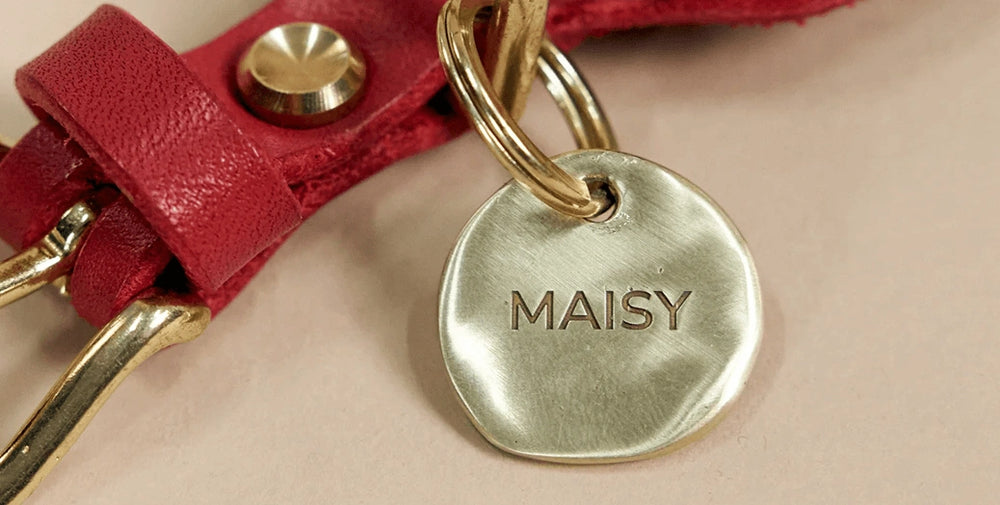
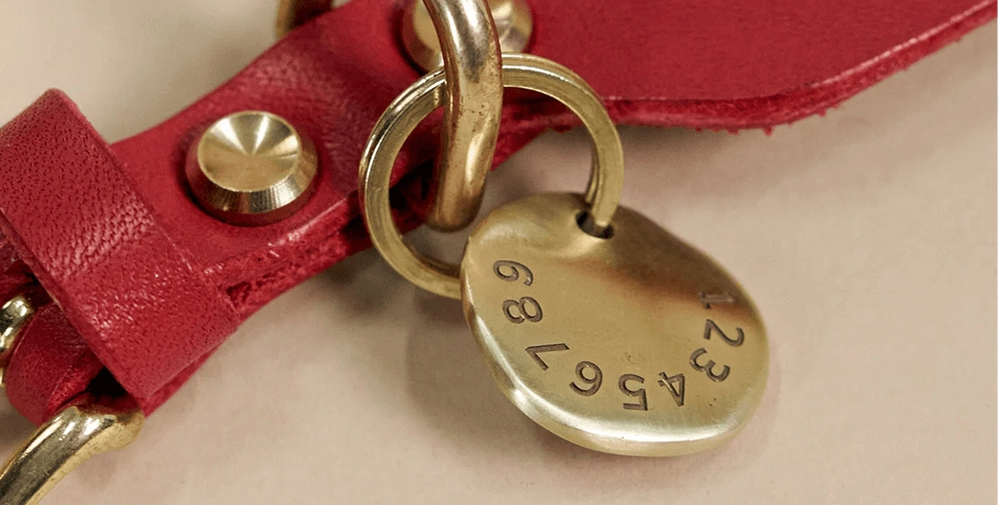
When they are too loose, collars have the potential to snag and get caught on things like furniture and outdoor obstacles like tree branches. You don't need us to tell you that this kind of situation can lead to panic and injury, maybe even worse. If you are truly anxious about this, then a good quality breakaway collar can be a safer and reassuring option. Hanging ID tags carry a specific additional risk: they can catch on crate bars, furniture hinges, and outdoor fixtures independently of the collar itself. A single solid-profile tag like the Pebble name tag, with a secure split ring attachment, significantly reduces this risk compared to multiple loose tags stacked on the D-ring.
Choke And Prong Collars
To put it bluntly, we are not fans of choke and prong collars, but there may be occasions or circumstances where they could be needed. When administered improperly, they can cause pain, bruising, even permanent neck damage, so it's always advised to seek professional guidance if this is something you need to consider.
Dogs With Neck Issues
If you are the owner of a species of dog that is prone to tracheal collapse, or perhaps your dog has an existing chronic neck injury, then you will want to make sure that your accessory choices are always in line with their needs. For some dogs, a harness is the safer option. Beyond tracheal collapse, sustained collar pressure on the neck, particularly from consistent leash tension during pulling, can affect the thyroid gland and surrounding muscle tissue over time. This is a further reason why a back-clip harness for leash attachment, with the collar retained only for ID, is the most considered approach for dogs that pull regularly.
Wider Collars = Safer Option
If your pup is a breed with a longer or more slender neck, a greyhound or a whippet for example, then choosing a wider collar can help to distribute the pressure more evenly across their body. This helps to greatly reduce any risk of discomfort and injury when wearing!

Comfort Issues With Dog Collars
You should think about your dog's collar in the same way that you think about any item of your own clothing that you have to wear everyday. Comfort is paramount! Uncomfortable collars can lead to a whole range of problems from the irritation we have already mentioned to unwelcome behaviour changes. Here are some things to consider when choosing your pup's new accessory.
The Importance of Material Choice
The material you pick plays a huge role in the comfort of the overall collar. We've said it before and we'll say it again, vegetable tanned leather really is the premium option here! It will soften and mold to the unique shape of your pup's neck over time, giving the most custom fit possible. And, of course, there are the added benefits of the hypoallergenic properties and the lack of any harsh chemicals that can irritate sensitive dog skin.
Proper Collar Fitting
Nothing causes doggy discomfort quite like an ill fitting collar. If it's too tight, it's going to dig into the skin, and if it's too loose, it will rub and chafe. A quick and effective rule to keep in mind when fastening your dog's collar is that if you can comfortably fit two fingers between the collar and your pet's neck, the fit is correct. Of course, it's important to perform this fitting check regularly, as your pup might lose and/or gain weight over time!
Design Features For Comfort
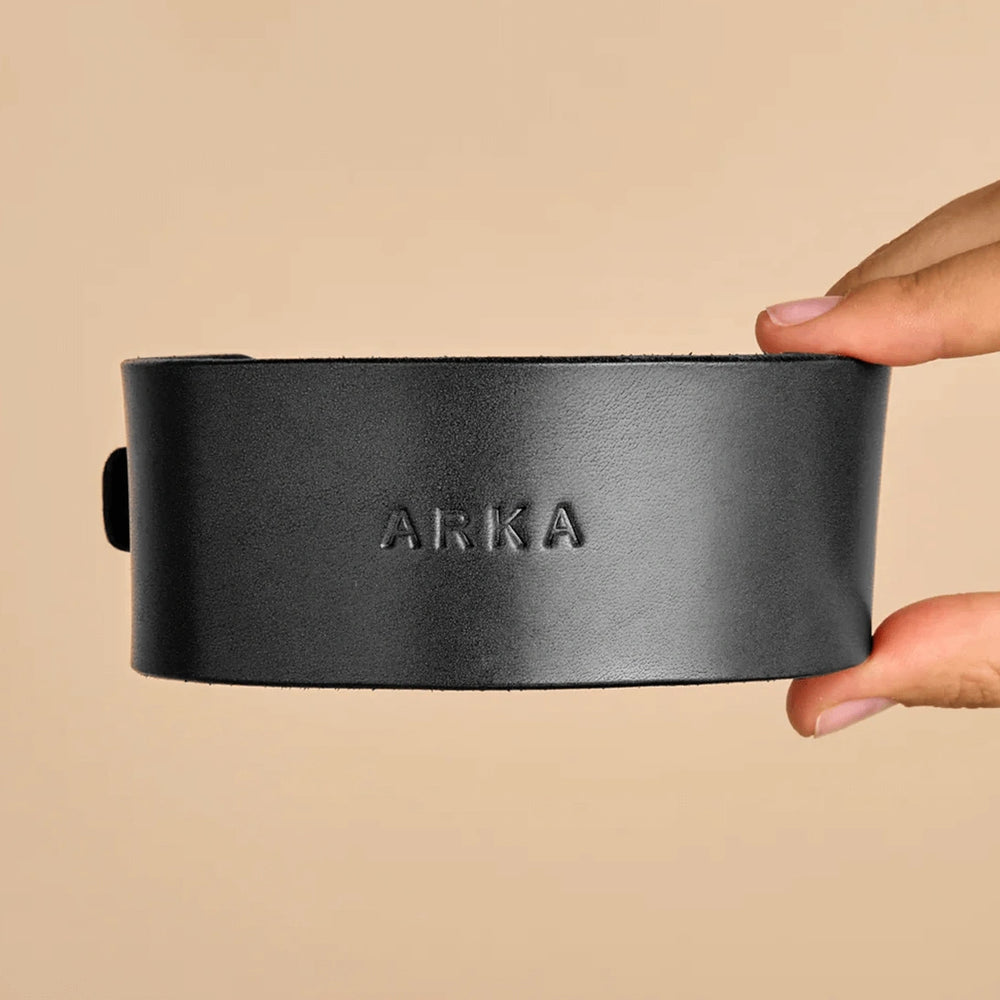
In terms of what designs you should be favoring, we always suggest collars with smooth finishes and rounded edges because they greatly reduce the risk of any irritation and chafing. Avoid sharp edges and rough looking stitching at all costs. As mentioned above, collars with wider bands are great for dogs with longer, skinnier necks. For dogs with particularly sensitive skin, collars with padded interior linings provide an additional cushioning layer between the material and the skin. The Lille Björn's collars achieve this through the natural softening of vegetable-tanned leather over time, the leather itself becomes the custom padding, moulding to the neck's exact shape without requiring a separate synthetic liner.
Alternatives To Dog Collars
Though dog collars are definitely the traditional, classic choice, the truth is that they might not always be the best option for each and every dog out there. For specific breeds and specific situations, alternative options like harnesses and microchipping can be worth considering for optimum safety and comfort.
Leather Dog Harnesses: A Safer, More Comfortable Option?
Harnesses, especially the kind of harnesses we like to promote that are made from high quality vegetable tanned leather, are a brilliant alternative to traditional collars. Whilst some collars can put pressure on a dog's neck, a harness is much better at distributing the force much more evenly over chest and shoulders. This kind of design is perfect for minimizing risk of neck injury, particularly if you have a delicate neck breed like a pug or small terrier!
Also, a harness is definitely worth considering if your canine companion is currently recovering from a tracheal injury, as the design of the accessory takes away all of the strain from the throat and neck area. Perfect!

When To Use Harnesses Vs. Collars
Harnesses are the perfect choice if you have a pup that loves nothing more than to pull on the leash and engage in a tonne of high energy play and activity. From a medical standpoint, they are also the better option for pups who have to contend with tracheal collapse. If you have a tiny new puppy, then a harness can also be great for learning to walk on a leash, as it offers you more control without running the risk of choking.
Over on 'team collar', they are best suited to your dog if he or she is already very well trained and calm on the leash. A collar is just way more convenient for quick walks and outings where you don't want to sort out a lot of gear, but just want some form of ID tag for your pup just in case!
Additional Alternatives For Identification
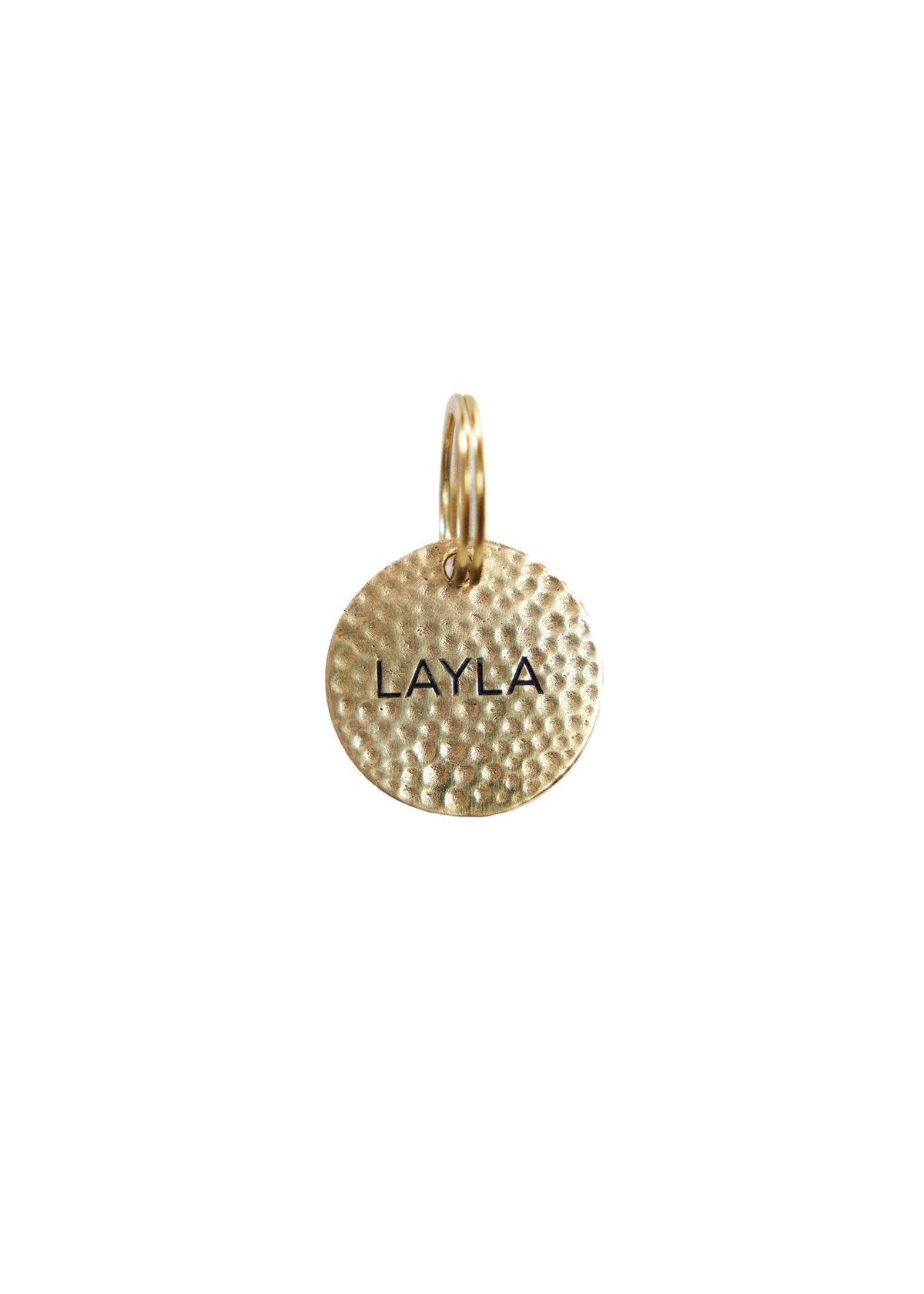
Whilst collars are the easiest and most immediate way to display your dog's ID info, personalized brass ID tag is also a great way to provide further peace of mind. It is always visible, making it simple for anyone to help return your dog quickly if they ever get lost.
Combining Solutions
Ultimately, we think that any responsible and loving dog owner like yourself will probably want to invest in a combination of all the options we have discussed above. A mixture of harness for high energy walks, lightweight collar for gentler strolls and microchip reassurance is pretty much the dream combo!
Training Tips For Comfort And Control
So, putting everything we have learned in this article together, we think that you would benefit best from taking away these main tips for the best comfort and control of your dog and their accessories.
Material Choice Matters
Make the best decision possible and go for vegetable tanned leather for its combination of eco friendliness, softness and durability over time.
Alternatives For Pullers
If your pup is a specialist at pulling on their leash, then a harness might be preferable. This is also the case if they are a breed prone to neck strain.
Safety Precautions
Be smart with your collar applying time. There is no need for your dog to be wearing their accessories during things like indoor play time, crate time and generally just relaxing indoors. This is the perfect opportunity for their neck skin to breathe.
Behavioral Situations
If your dog starts out extremely resistant to wearing a collar, then the best route to take is gradual training where plenty of treats are associated with collars, helping to create positive association and experience.
Routine Checks
Set a schedule to regularly check the fit of your dog's collar. As we said, weight can be gained and lost over time without necessarily being too noticeable, so make sure that tightness is correct and there are no signs of irritation anywhere.
Multiple Options
At the end of the day, all of the options we have discussed are there to be used in any combination you desire. Experiment with everything and figure out which mixture works best for you and your furry friend!
Frequently Asked Questions: Dog Collar Comfort and Safety
Are dog collars uncomfortable for dogs?
Not when fitted and used correctly. A collar that passes the two-finger test, made from a hypoallergenic material like vegetable-tanned leather, causes no discomfort for the vast majority of dogs. Discomfort arises specifically from poor fit, irritating materials, or inappropriate collar types all of which are avoidable.
Do collars bother dogs?
Only when something is wrong with the collar itself. A correctly fitted, high-quality leather collar on a dog that has been properly introduced to wearing one does not bother them. The signs that a collar is bothering your dog are specific: persistent scratching at the collar, pawing at the neck, head shaking, visible redness or hair loss at the contact zone, or reluctance to have the collar put on.
Do dogs like wearing collars?
Most dogs become fully comfortable with a correctly fitted collar very quickly and show no signs of finding it bothersome during normal daily wear. Many dogs learn to associate the collar with walks, one of their most anticipated activities, and show positive excitement when it comes out. Dogs that consistently show discomfort with their collar are usually reacting to a fit problem, a material problem, or the memory of a past collar that was uncomfortable.
Are collars bad for dogs?
No, standard flat leather collars used correctly are not bad for dogs. The collar types that carry documented risks are choke chains and prong collars, which apply unlimited compressive force. A quality flat leather collar used for ID with a back-clip harness handling leash attachment during walks carries no meaningful welfare risk for any breed.
What collar material is best for dogs with sensitive skin?
Full-grain vegetable-tanned leather is the best collar material for dogs with sensitive skin. It contains no chromium salts, synthetic dyes, or chemical preservatives, the primary contact allergens that cause collar-related reactions. Its naturally antibacterial surface resists the bacteria and moisture buildup that worsens existing skin conditions.
When should a dog wear a harness instead of a collar?
A back-clip harness is the better choice for leash attachment when the dog pulls consistently, has tracheal sensitivity, is a brachycephalic breed, or is a puppy still learning to walk on a lead. In all these cases, the flat collar should still be worn for ID tag attachment, the harness handles the lead, the collar carries the identification.
How do I know if my dog's collar fits correctly?
Apply the two-finger rule: with the collar buckled, slide two flat fingers between the collar and your dog's neck. Two fingers with light resistance is the correct fit. If you cannot fit two fingers, the collar is too tight. If two fingers slide through easily and the collar rotates freely, it is too loose. Recheck monthly for adult dogs and fortnightly for puppies.
The Right Collar Makes All the Difference
A dog collar should be so comfortable that your dog barely notices it. That standard is entirely achievable with the right fit, the right material, and the right use habits. Browse The Lille Björn’s leather collar collection and pair with a back-clip leather harness for walks where leash tension is a consideration.