Quick Summary
The best leather for dog collars is full-grain vegetable-tanned leather, it is the safest, most durable, and most comfortable option available. Unlike chrome-tanned leather, which uses chromium salts that can leave chemical residue in contact with your dog's skin, vegetable-tanned leather is processed using only plant-based tannins derived from tree bark and fruit. It is naturally antibacterial, hypoallergenic, and biodegradable. It starts firm and softens over weeks of wear, moulding to your dog's neck to produce a genuinely custom fit that no synthetic material can replicate. For dogs with sensitive skin in particular, vegetable-tanned leather is not just the best choice, it is the only leather type consistently recommended.

Understanding Leather Tanning Options
Tanning is how leather is treated. It uses animal hides for this process and the type of tanning process influences the nature of the leather. That includes its longevity, durability, texture and environmental impact. There are two primary types of leather tanning: vegetable tanning and chrome tanning.
Keep reading for more information about both methods.
Full-Grain vs. Top-Grain vs. Genuine Leather. What the Labels Mean
Before comparing tanning methods, it is worth understanding the grain terminology that appears on leather products because the grain affects quality as much as the tanning process does.
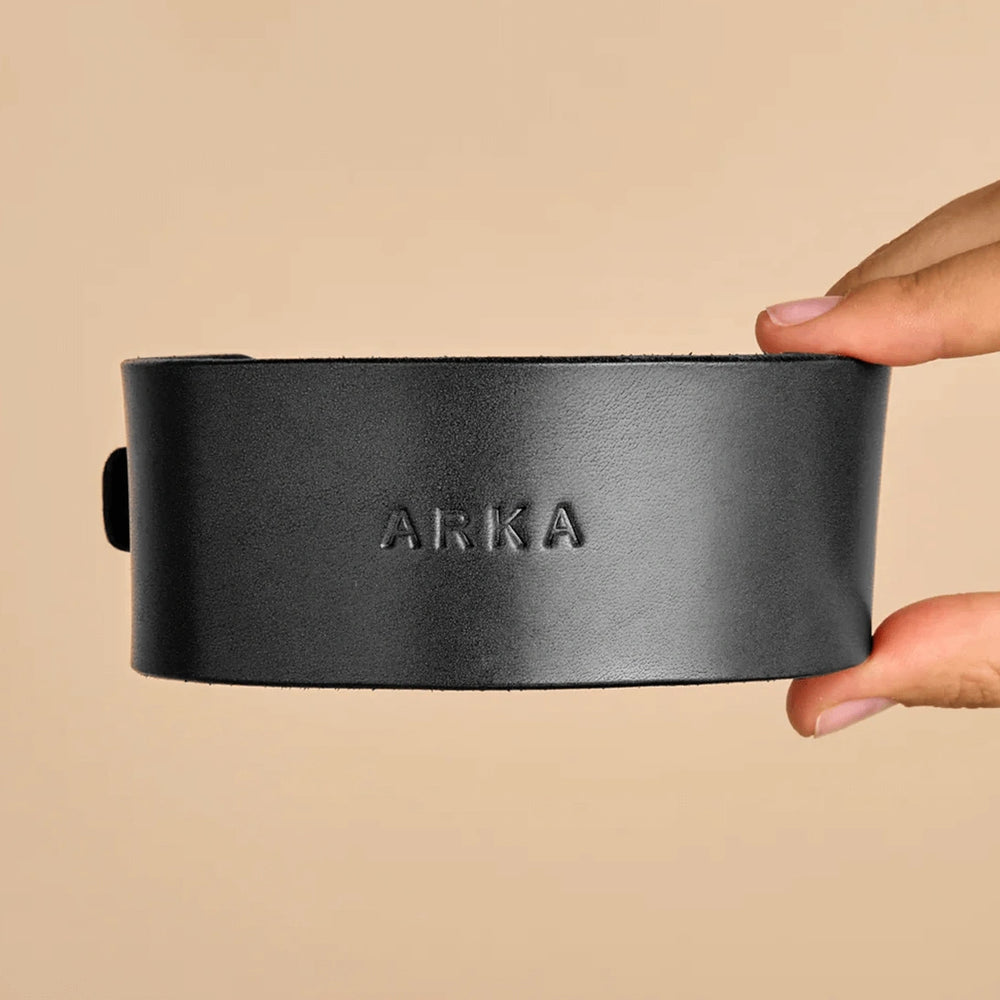
Full-grain leather is the highest quality. It uses the complete outer surface of the hide - the grain layer, which is the strongest, most breathable, and most durable part. Full-grain leather shows the natural surface markings of the hide, which is what gives vegetable-tanned leather its distinctive character. This is the grain used in The Lille Björn's collars.
Top-grain leather has had the outer surface sanded or buffed to remove surface imperfections and then coated with a synthetic finish. It looks more uniform than full-grain but is weaker, less breathable, and does not develop a patina because the natural grain has been removed.
Genuine leather is the lowest quality tier despite its name suggesting otherwise. It is made from the inner layers of the hide, bonded and coated with synthetic materials. It degrades significantly faster than either full-grain or top-grain leather and is not appropriate for a collar subjected to daily wear.
For dog collars: full-grain vegetable-tanned leather generally delivers the strongest combination of durability, skin safety, and improving-with-wear character for a dog collar. Our full-grain leather guide breaks down exactly how that grade compares to top-grain and genuine leather.
Chrome Tanning
This is a modern tanning process that uses chromium salts to treat the animal hides and produce leather. It's the most common and accounts for 80 percent of the leather that's created globally. It's popular because it's fast and efficient and costs less than other methods. Chrome tanning produces a finished product in just a couple of days.
Some of the characteristics to chrome tanned leather include:
- Durable: resistant to water and heat.
- Cost effective: faster and cheaper than vegetable tanning.
- Soft: softer and more pliable than vegetable tanned leather.
Considerations that go with chrome tanning include:
- Non-biodegradable: the chemicals used to make chrome tanned leather are not environmentally friendly and hard to dispose of safely.
- Toxicity: chromium salts might leave residue in the leather, which can be harmful to dogs, particularly those with sensitive skin.
- Odor: chromed tanned leather does not have antibacterial properties so it may take on an unpleasant odor with time.
The health concern most relevant to dog owners is chromium VI, a toxic form of chromium that can form in chrome-tanned leather during processing or ageing, particularly when exposed to heat, sweat, and body oils. A 2015 peer-reviewed study confirmed that chromium VI can leach from chrome-tanned leather goods into skin contact, a finding that applies directly to a collar worn against your dog's neck every day. For dogs with existing skin conditions, the cumulative exposure from a chrome-tanned collar is a meaningful consideration.
Vegetable Tanning
Vegetable tanning is a process that has been used for centuries. It involves using plant tannins to treat leather. These tannins come from tree bark, fruit and leaves. The process takes several weeks, much longer than chrome tanning, but results in a biodegradable and comfortable product for making leather dog collars.
Some of the characteristics to vegetable tanned leather include:
- Durable: vegetable tanned leather is a bit stiff at first, but gets more supple over time, without compromising its quality.
- Eco-friendly: there are no chemicals used for vegetable tanning, so it's an eco-friendly choice for dog owners looking for a dog collar, dog lead or dog harness that aligns with those values.
- Natural style: the color of vegetable tanned leather gives it character and the natural aging process complements this as your dog wears its collar.
Advantages of vegetable tanning include:
- Safe and non-toxic: vegetable tanned leather is free from chemicals and is the ideal choice for dogs with sensitive skin because there's less risk of irritation and allergies.
- Antibacterial: natural tannins repel bacteria, which means a vegetable tanned leather collar stays fresh and odor free, even with daily wear.
- Biodegradable: vegetable tanned leather degrades naturally, which reduces the impact it has on the environment.
Why Vegetable-Tanned Leather Stands Out for Dog Collars
High quality leather dog collars, like those from The Lille Bjorn are the best choice for dog collars, as well as dog leads and other accessories your pet uses. That's because it offers a pleasing combination of durability, looks and safety. Let's look at each of the characteristics in detail.
Antibacterial and Odor-Resistant
Tannins are naturally antibacterial. This is great for dog collars, and the accompanying dog leash, because it can withstand dirt, sweat and moisture. Active dogs do very well with vegetable tanned leather for this reason. Synthetic materials and chrome tanned leather doesn't resist bacteria, which can lead to unpleasant odors, something you won't need to worry about when you choose vegetable tanned leather collars.
Comfortable
If your dog has sensitive skin, you'll love the comfort provided by vegetable tanned leather. Synthetic and chemically treated materials often irritate your pet's skin, leading to pain and discomfort. Vegetable tanned leather is breathable and optimizes air flow, which reduces chafing and keeps your furry friend comfortable, even with daily wear. Material is the foundation of comfort, but width, thickness, and fit matter just as much, see our guide to what actually makes a collar comfortable for the complete picture.
For dogs specifically diagnosed with contact dermatitis, skin allergies, or collar-related irritation, vegetable-tanned leather is the material recommendation that consistently appears in veterinary guidance. The absence of synthetic dyes, chromium salts, and chemical preservatives removes the primary contact allergens associated with collar-related reactions. Vegetable-tanned leather's chemical simplicity is not just an aesthetic preference; it is a substantive health advantage for sensitive dogs.
Durability
Vegetable tanned leather lasts for a long time because it's so durable. It typically feels a bit stiff when it's brand new but will soften nicely over time. That allows it to mold to your dog's neck, providing a customized and comfortable fit. This is perfect for active dogs who wear their collar often.
Sustainability
If you're eco-conscious, it makes sense that you want your dog's collar to align with your values. Vegetable tanned leather is the superior choice in this case, as well as those listed above. That's because it uses renewable resources and is biodegradable. When you choose such quality leather dog collars you practice sustainability and reduce your carbon footprint.
How to Choose the Best Leather for Your Dog Collar
When you choose high quality leather dog collars, you must balance function with safety and style. With that in mind, below you will find a step-by-step guide to help you find the right collar for your furry friend.

Step 1: Safety
Vegetable tanned leather is the top choice for dogs with sensitive skin. Without the chemicals used in other dog collars, it won't itch and irritate your dog's skin. Additionally, if your dog makes a habit of chewing on their collar, vegetable tanned leather is safe and won't make them sick since it's free of harmful residue.
Step 2: Durability
Active dogs, those who enjoy hiking, swimming or playing outside, will benefit from the water-resistant qualities of a vegetable tanned leather collar. Keep in mind that you should remove the collar when your pet goes in the water, but if it does get wet, be sure to let it air dry out of the sun. Consider also treating it with a water-resistant finish. Larger breeds of dogs will do better with wide leather dog collars or braided leather dog collars, both of which are sturdy and durable for their lifestyle.
Step 3: Aesthetics
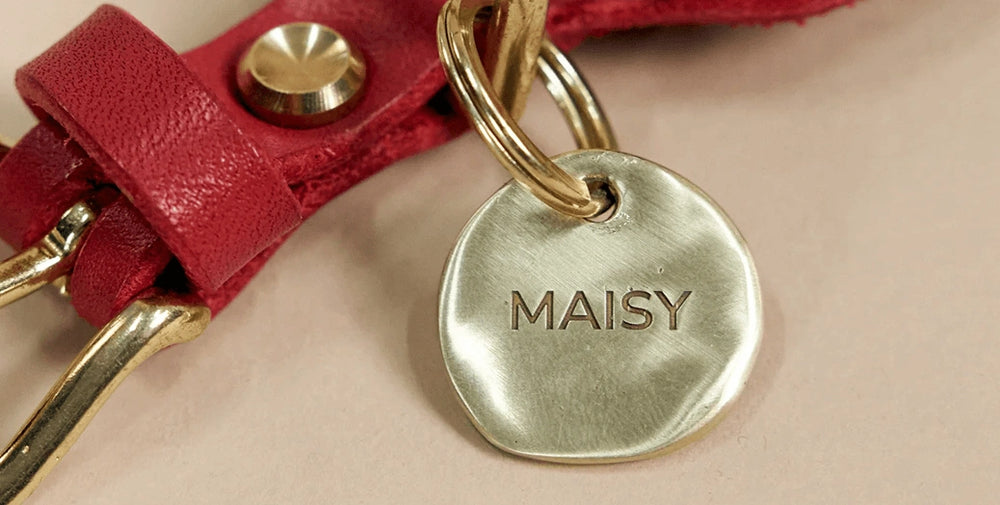
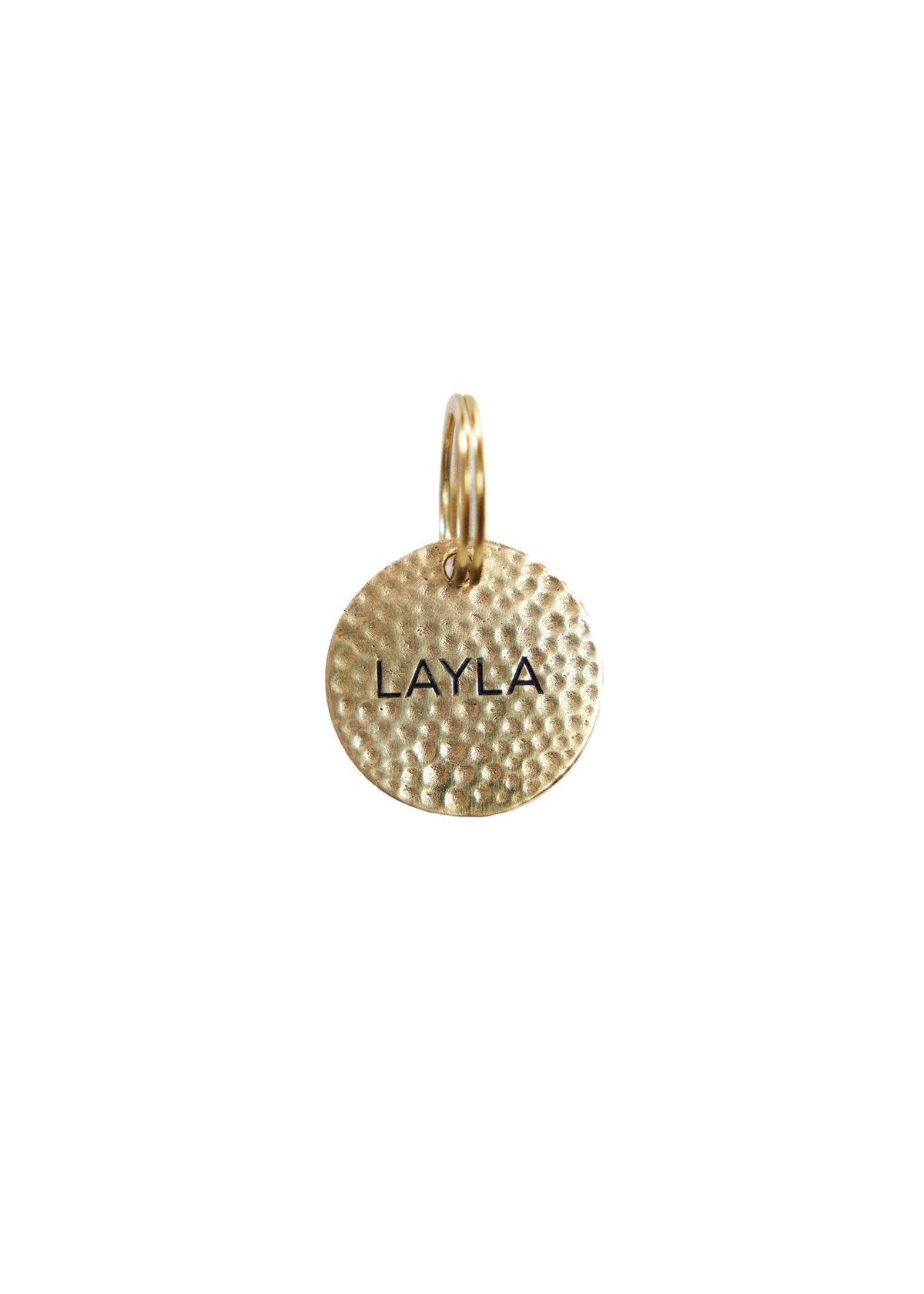
The earthy, natural look of vegetable tanned leather is appealing because it pairs well with any kind of hardware, including brass and stainless steel. At the same time, vegetable tanned leather can be customized so you can have your pet's name engraved on their collar or choose decorative stitching for a unique look.
Step 4: Maintenance
Since vegetable tanned leather is antibacterial, it's fairly easy to clean and maintain. All you need to do is gently wipe the material with a damp cloth to get rid of debris, dirt, slobber and sweat. You should also condition the leather on a regular basis, which helps preserve its softness and prevents cracking.
Step 5: Assess Quality Indicators Before Buying
Knowing how to evaluate leather collar quality helps you distinguish a genuinely well-made collar from one that merely looks good in photographs. Here are the indicators that matter:
- Grain surface: high-quality full-grain leather shows natural surface variations: slight differences in texture, grain pattern, and tone. Perfectly uniform, flawless leather has almost certainly been heavily processed or coated, removing the natural grain that provides strength and breathability.
- Edge finishing: the cut edges of a quality leather collar should be burnished, folded, or painted with a consistent finish that will not fray or peel. Raw, unfinished edges indicate low-quality construction that will deteriorate quickly with daily wear.
- Stitching thread: quality leather collars use waxed linen or heavy polyester thread both are resistant to moisture, UV, and the abrasion of daily use. Thin cotton or untreated thread will weaken with exposure to water and sweat.
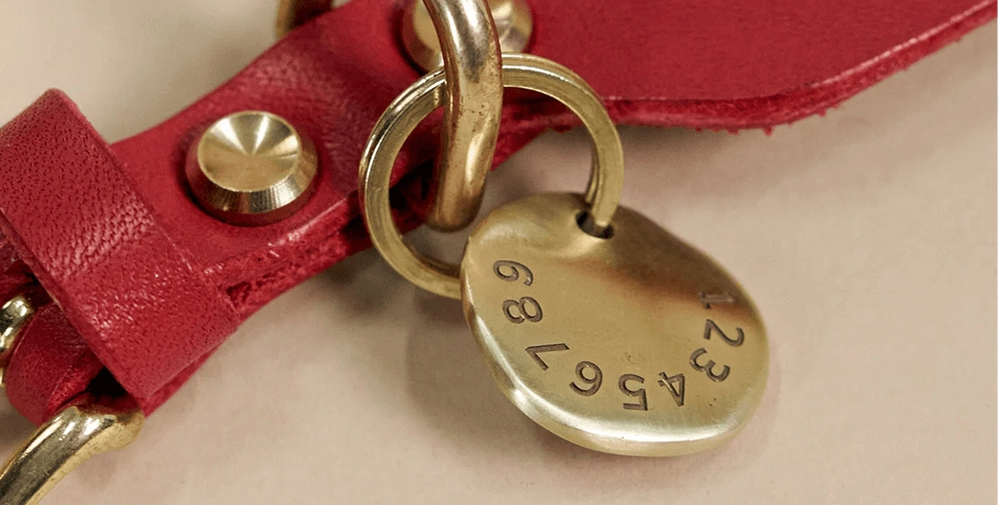
- Hardware integration: on a well-made collar, the D-ring and buckle are attached through the leather with solid rivets.
- The smell test: fresh vegetable-tanned leather has a mild, pleasant, earthy smell. This is the result of plant tannins. Chrome-tanned leather often smells of chemicals. A very strong chemical smell from a leather collar is a reliable indicator of chemical processing that you may not want in contact with your dog's neck daily.
Vegetable-Tanned Leather vs. Other Leather Types
Have a look at this comparison chart to help you see why vegetable tanned leather is the best choice for your furry friend.
| Feature | Vegetable Tanned Leather | Chrome Tanned Leather | Nylon / Synthetic |
|---|---|---|---|
| Safety | Non-toxic, no chemical residue | Chromium salts may leach | No animal products; petroleum-based dyes |
| Durability | Very long-lasting, improves with wear | Possible chemical degradation over time | Degrades quickly, frays and stiffens |
| Environmental Impact | Biodegradable, renewable | Non-biodegradable | Non-biodegradable, petroleum-derived |
| Antibacterial | Yes, natural tannins resist bacteria | No | No, absorbs moisture and odour |
| Odour Resistant | Resists odours naturally | Retains odours over time | Absorbs and retains odours |
| Skin Safety | Hypoallergenic, ideal for sensitive skin | May cause contact reactions in sensitive dogs | Varies, dyes and synthetic fibres can irritate |
| Fit Over Time | Softens and moulds to neck shape | Remains uniform | Stretches or stiffens — fit degrades |
| Aesthetics | Natural character; develops unique patina | Polished, uniform | Flat, uniform, no ageing character |
Leather grade and tanning method are separate from the ethical question of buying leather at all. If you follow a vegetarian or vegan diet and are weighing whether a leather collar fits your values, we address that directly in our guide to the healthiest and most considered leather for dog collars.
Popular Vegetable-Tanned Leather Collars for Everyday Use

Below are some common types of collars made from vegetable tanned leather. Each is functional, but also eco-friendly and good looking.
Classic Flat Collars
This type of collar is ideal for everyday wear and features a simple design with a D-buckle closure. You can easily attach ID tags and a leash to a flat leather collar. This option is comfortable for most breeds and sizes of dogs.
Rolled Leather Collars
Rolled leather collars are best for dogs with long hair. They prevent matting and tangles due to the design. This is a great choice for your dog's comfort, but also to maintain the look and feel of their fur.
Decorative Collars
If you want your dog to wear a stylish collar, there are decorative choices that work for many dogs. Look for decorative stitching, embossing or engraving. This lets you display your personal style when you are out and about with your dog.
Heavy Duty Collars
A heavy-duty leather collar is perfect for large and strong dogs, as well those who pull a lot on their leash. They feature heavier hardware and reinforced stitching so they can withstand active pets and powerful breeds.

Caring for Your Vegetable-Tanned Leather Collar
You can expect vegetable tanned leather to last for many years, but you can prolong its lifespan by taking good care of it. Check out these tips for doing just that.
- Clean regularly: use a damp cloth and mild soap.
- Condition: apply leather conditioner every couple of months, but don't over condition.
- Limit moisture: to avoid weakening the leather, limit water exposure to make the collar last longer.
- Check for wear and tear: inspect the collar regularly to be sure it's not getting worn out and posing safety risks.
Frequently Asked Questions: Leather for Dog Collars
What is the best leather for dog collars?
Full-grain vegetable-tanned leather is the best leather for dog collars. It is processed using only plant-based tannins with no chromium salts, synthetic dyes, or chemical preservatives making it safe for sensitive skin, naturally antibacterial, and biodegradable. It starts firm and softens over weeks of wear to mould precisely to your dog's neck. Compared to chrome-tanned leather, it is safer, more durable over the long term, and more environmentally responsible.
What does "butter soft" leather mean for dog collars?
"Butter soft" describes leather that has been worked or conditioned to an extremely supple, pliable state. In genuine vegetable-tanned leather, this softness develops naturally over weeks of daily wear as the collar responds to the dog's body heat and the oils in their coat. This natural softening is one of vegetable-tanned leather's key advantages, the collar becomes increasingly comfortable over time. A collar described as "butter leather" from new has likely been heavily processed or chemically treated to achieve that softness from the outset, which may compromise durability.
Is leather collar safe for dogs with sensitive skin?
Yes, vegetable-tanned leather specifically. It is free from the synthetic dyes, chromium salts, and chemical preservatives that cause contact reactions in sensitive dogs. Its natural tannins also create an antibacterial surface that resists the bacterial colonisation that can worsen existing skin conditions. For dogs with confirmed contact dermatitis or skin allergies, switching to a vegetable-tanned leather collar removes the most common material-related irritants from daily neck contact.
How do I know if a leather dog collar is good quality?
Five indicators: the grain should show natural surface variation rather than perfect uniformity (which indicates heavy processing); the cut edges should be cleanly finished and not fraying; the stitching should use thick waxed thread; the hardware should be attached with solid flush rivets; and fresh vegetable-tanned leather should have a mild, earthy smell rather than a chemical one. A collar that passes these checks is built to last years of daily use rather than months.
Grade First, Then Tanning
Grade decides how long a collar lasts. Tanning decides what sits against your dog's skin. Full-grain is the only grade that keeps the dense outer fibre layer intact, which is why it resists stretching and develops a patina instead of cracking. Vegetable tanning is the only common method that leaves no chromium salts in the finished hide. Get both right and the rest of the specification follows. When you are ready to compare finished collars rather than materials, our best leather dog collars buyer's guide covers styles, widths, hardware, and sizing.
Browse The Lille Björn's full collection of vegetable-tanned leather dog collars, every collar made from full-grain leather using the plant-based tanning process described in this guide, finished with solid brass hardware, and built to last years rather than months.