Quick Summary
Most dogs need at least 2 walks per day but the right number, duration, and pace depends entirely on your dog’s breed, age, size, and energy level. High-energy breeds like Border Collies and Huskies may need 3–4 sessions totalling 90 minutes or more. Medium-energy breeds like Labradors and Beagles thrive on two solid 30-minute walks. Low-energy breeds like Bulldogs and Cavaliers do well with 1–2 shorter, gentle outings. What remains constant across every breed and age is this: daily walks are not optional. They are the primary source of physical exercise, mental stimulation, and emotional balance in a dog’s life.
If there is one thing that we already know about you, it’s that you love your pup and always want to do right by them. Life can be hectic, and this can make even the simplest questions like ‘how many walks does my dog need’ feel a bit overwhelming on top of finding the right equipment that is going to be safe and stylish.
The first thing to remember is that dog walks aren’t just for bathroom breaks. They are a vital part of your dog’s routine for mental stimulation, physical health, and emotional wellbeing. Not all dogs need the same amount of walking, and not every walk is going to look the same.

Do Dogs Need to Be Walked Every Day?
Yes, every day, without exception. Even low-energy breeds and older dogs need daily movement to maintain joint mobility, healthy digestion, and emotional stability. A garden or yard is not a substitute for a proper walk. Backyard time provides physical space but not the sensory stimulation, social exposure, or structured activity that a walk delivers.
Sniffing is the key way dogs process the world around them, their version of reading the news. Allowing your dog to stop and explore their surroundings with their nose provides the kind of mental engagement that physical exercise alone cannot replicate. A daily walk that includes genuine sniff time is significantly more valuable than a hurried, nose-down trot around the block.
How Many Walks Per Day? A Breed and Size Guide
The right number of daily walks depends on your dog’s breed category and individual energy level. Use the table below as a starting point, then adjust based on your specific dog’s response.
| Dog Type | Daily Walks | Duration Per Walk | Examples |
|---|---|---|---|
| High-energy breeds | 3–4 walks + training sessions | 30–45 min each | Border Collie, Husky, Jack Russell, Vizsla, Weimaraner |
| Medium-energy breeds | 2 walks | 30–45 min each | Labrador, Beagle, Golden Retriever, Cocker Spaniel |
| Low-energy breeds | 1–2 shorter walks | 15–20 min each | Bulldog, Cavalier, Great Dane, Basset Hound, Shih Tzu |
| Toy and small breeds | 2–3 short walks | 10–20 min each | Chihuahua, Pomeranian, Maltese, Yorkshire Terrier |
| Brachycephalic breeds | 1–2 gentle walks | 10–15 min, avoid heat | French Bulldog, Pug, Boston Terrier, Boxer |
How many minutes a day should a dog be walked? Most adult dogs benefit from 30–60 minutes of walking per day in total, split across 1–2 sessions. Veterinarians generally recommend walking a dog 3–4 times per day for at least 15 minutes each session, though this varies significantly by breed and age. Consistency matters more than duration, a reliable daily routine is better than occasional long walks.
The Often-Overlooked Key: The Right Accessories
You’ve planned a route and made the time but what if your pup pulls, scratches at their collar, or tries to wriggle free? This is often down to incorrect gear, and it can genuinely ruin a great walking routine.
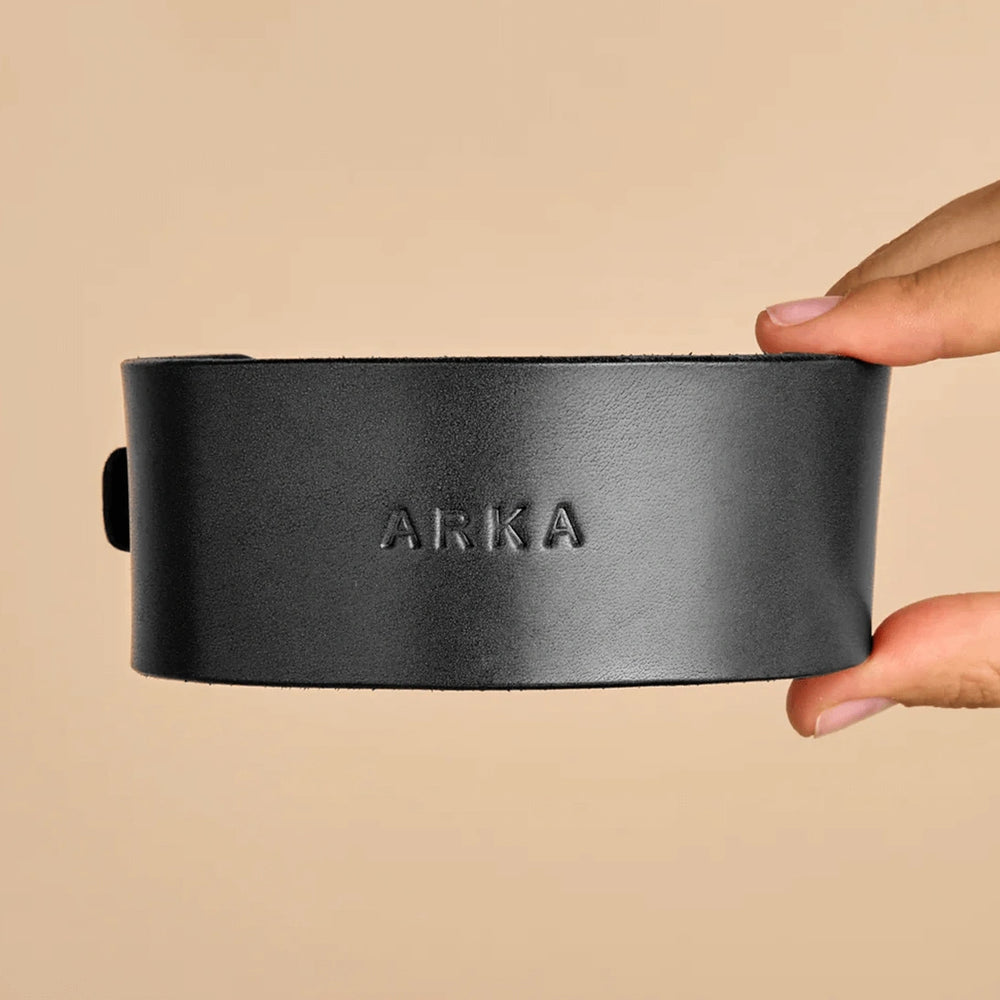
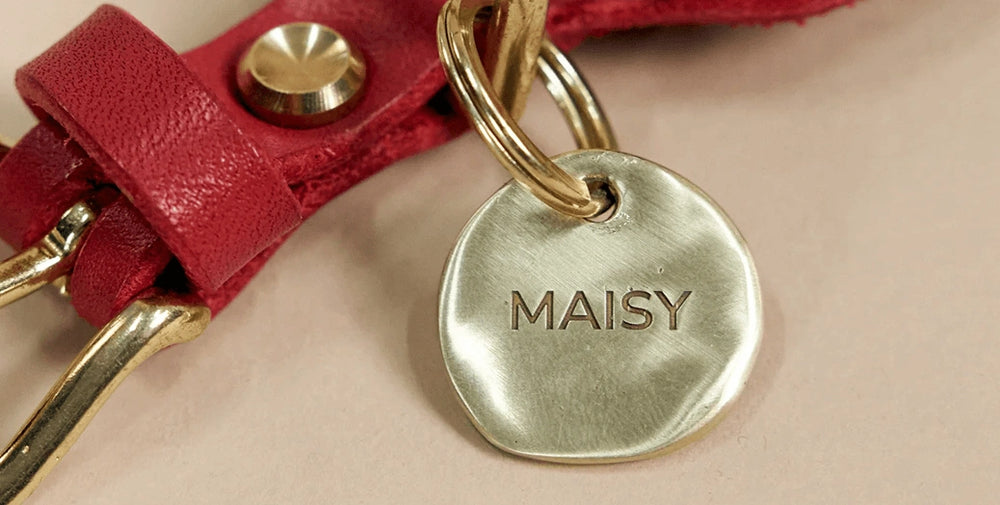
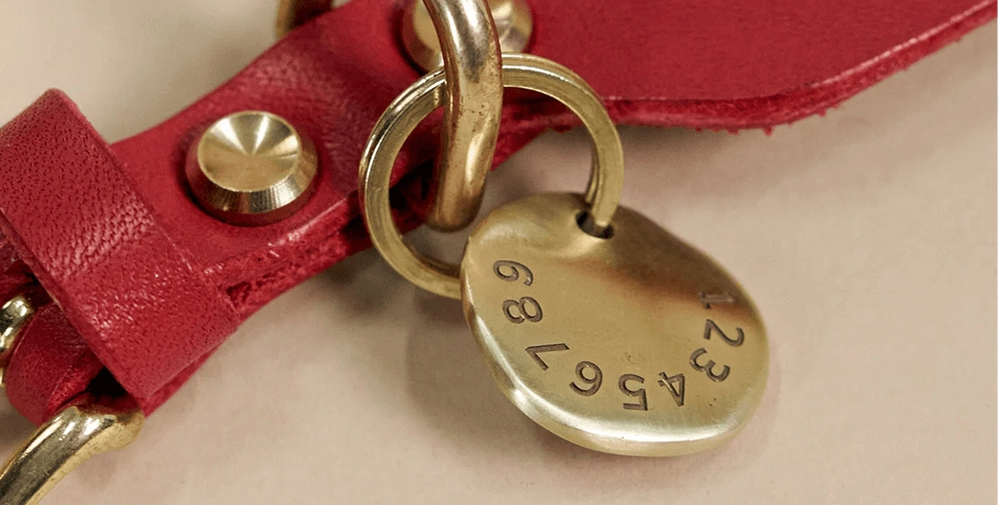
Collars made from scratchy synthetic materials can irritate sensitive skin, while a stiff, heavy leash makes casual city strolling a chore. The right alternative is a full-grain vegetable-tanned leather collar: hypoallergenic, flexible, eco-friendly, and durable. Paired with solid brass hardware, it is the standard that holds up to daily use without compromising your dog’s comfort.
Some of our recommendations for different walking needs:
- The Aeris Wide Collar: for breeds with longer or more sensitive necks that benefit from wider pressure distribution.
- The Vero Harness: for smaller dogs, older dogs, or any breed where leash tension on the neck is a concern. A back-clip harness distributes force across the chest rather than the neck.
- The Omni Hands-Free Leash: for urban walking where you need both hands free. Ideal for city commutes, coffee runs, and navigating busy streets.

Puppies vs. Senior Dogs: Age Changes Everything
A dog’s walking needs shift significantly at both ends of their life. Using the same routine for a puppy as for an adult dog or the same routine for a 10-year-old as for a 3-year-old leads to either overexertion or under-stimulation.
Puppy Walking Guide
The widely recommended rule for puppies is 5 minutes of exercise per month of age, up to twice a day. A 3-month-old puppy needs around 15 minutes per outing; a 5-month-old, around 25 minutes. This limit exists because puppies’ growth plates have not yet closed, excessive exercise before they do can cause joint damage that affects the dog for life, particularly in large breeds.
Keep puppy walks frequent but short, use them primarily for socialisation and sniff exploration rather than physical exertion, and always use a back-clip harness rather than a collar as the leash attachment point during this developmental phase.
Senior Dog Walking Guide
Senior dogs still need daily walks but the pace, duration, and surface all require adjustment. Watch for signs that you need to scale back: slowing pace mid-walk, hesitation on steps, stiffness after resting, or reluctance to start the walk at all. Switching to a back-clip harness like the Vero helps by distributing weight evenly without any pressure on the neck or spine. Shorter outings more frequently such as three 10-minute walks rather than one 30-minute walk suit most senior dogs better than fewer longer sessions.
Your Dog’s Environment Shapes Their Routine
Backyards are great, but they are not a substitute for a proper walk especially for city dogs who have no access to spontaneous outdoor stimulation.
If you live in an apartment, planned walks are the primary source of exercise, fresh air, and sensory variety for your dog. Having the right gear for this makes a significant difference. A hands-free leash like our Omni Leash is perfect for urban living, it keeps your hands free for a coffee, your phone, or navigating a busy pavement whilst still ensuring your dog gets the full benefit of the outing. Paired with a hypoallergenic leather collar and a compact leather harness, it turns even a 20-minute city loop into a genuinely enriching experience.
Suburban dogs with garden access still benefit enormously from routine walks. A garden provides space but not the sensory variety, structured movement, or social exposure that a proper walk delivers.

Not Just More Walks, Better Walks
The number of walks matters less than the quality of each one. A rushed 20 minutes from A to B with no stops is significantly less valuable to your dog than a relaxed 20 minutes with genuine sniff breaks, a pause to watch the world, and a moment of off-leash time where safe and legal.
Give your dog the opportunity to lead the pace (within reason). If they want to investigate a particular spot for two minutes, let them. The more interactive and self-directed a walk is, the more mentally tired and emotionally satisfied your dog will be afterward. Encourage:
- Sniffing breaks: the most cognitively stimulating part of any walk for a dog.
- Route variation: new environments introduce new scents, sights, and sounds.
- Positive commands and engagement: short training moments on walks build focus and connection.
- Off-leash time where safe and legal: the most physically and mentally rewarding walk experience available.
And let’s not forget your own comfort. A soft vegetable-tanned leather leash eliminates the risk of friction burns and tangled nylon, a meaningful quality-of-life improvement if you walk twice a day every day.
How to Tell if Your Dog Needs More Walks
Some of the classic signs that your pup needs more walking:
- Incessant barking or vocalising, even at nothing.
- Pacing and restlessness at home.
- Chewing on shoes, furniture, or walls.
- Gaining weight without a change in diet.
- Pulling very hard on the leash when out, pent-up energy looking for release.
- Getting the zoomies multiple times a day.
Though many of these behaviours are not outright destructive, they are your dog communicating that their current walk routine is not meeting their needs.
A good daily dog walk can help to alleviate a lot of this potential chaos, and you can always rely on a great service like ScoopMasters to help you out on those days when your pup needs to go in the yard rather than outside of your property.
Gear That Grows With Your Routine
Your walking routine will evolve as your dog ages, as your lifestyle changes, and as seasons shift. Your gear needs to keep pace. At The Lille Björn, every product is built from full-grain vegetable-tanned leather that softens and improves with use, fitted with solid brass hardware that will not corrode or fatigue under daily use.
Explore our handcrafted collection and find the combination that fits your dog’s life. not just today, but as your walking routine evolves over the years ahead.

Frequently Asked Questions: Dog Walking
How many walks does a dog need per day?
Most adult dogs need at least 2 walks per day, totalling 30–60 minutes of walking time. High-energy breeds like Border Collies and Huskies benefit from 3–4 sessions. Low-energy breeds like Bulldogs and Cavaliers may do well with 1–2 shorter outings. The number of walks is less important than the consistency, a reliable daily routine at roughly the same times produces better physical and mental outcomes than irregular longer sessions.
Do dogs need to be walked every day?
Yes, every day, without exception. A garden or yard is not a substitute for a proper walk. Walks provide structured physical exercise, sensory stimulation through sniffing, social exposure, and the mental engagement that prevents boredom-related behaviour problems. Even on difficult days, a short walk even 10–15 minutes is significantly better than skipping entirely. The daily walk is the single most important routine activity in most dogs’ lives.
How many minutes a day should I walk my dog?
The general guideline is 30–60 minutes of walking per day for most adult dogs, split across 1–2 sessions. High-energy breeds may need 90 minutes or more. Brachycephalic breeds (Bulldogs, Pugs, Frenchies) should walk in shorter, cooler sessions of 10–15 minutes to avoid respiratory stress. Veterinarians generally recommend 3–4 short walks per day as the baseline frequency, with duration adjusted to the individual dog.
How much should I walk my puppy?
Follow the 5-minutes-per-month-of-age rule, up to twice per day, not counting toilet breaks. A 3-month-old puppy needs around 15 minutes per outing; a 5-month-old around 25 minutes. This limit protects developing growth plates from overexertion. Keep puppy walks frequent, short, and focused on exploration and socialisation rather than sustained physical exercise. Always use a back-clip harness rather than a collar as the leash attachment point for puppies.
What are signs my dog needs more walks?
The most common signs are incessant barking, restlessness and pacing at home, destructive chewing, weight gain without a dietary change, very hard pulling on the leash, and repeated zoomies throughout the day. These behaviours are your dog communicating that their current exercise level is below what they need. Increasing walk frequency or duration, and ensuring the walks include sniffing time and genuine engagement, typically resolves these issues within a week or two.
Is a backyard enough exercise for a dog?
No, a backyard provides space but not the structured exercise, sensory variety, and mental stimulation that a walk provides. Dogs in yards tend to self-exercise less than owners expect, often choosing to patrol the perimeter briefly and then rest. The novelty, social exposure, and movement variety of a walk through different environments cannot be replicated in a familiar enclosed space. A yard is a useful supplement to walks, not a replacement for them.
What is the best leash for daily dog walks?
A 1.2–1.5 metre leather leash with solid brass hardware is the best everyday choice for most dogs and owners. It is naturally quiet (no hardware rattling), softens with daily use, and is significantly more comfortable on the hands than nylon during frequent daily walks. For city dwellers or anyone who needs both hands free, the Omni Hands-Free Leash in vegetable-tanned leather provides the best combination of freedom and control for urban walking.
Every Walk Counts
Your dog does not need a dozen walks a day, it needs the right walks, consistently delivered. Take their breed, age, energy level, and environment into account, build a routine that meets those specific needs, and focus on quality just as much as quantity.
The walk is not just exercise. It is the main event of your dog’s day, the primary source of sensory enrichment, and one of the most important things you do together. The right gear: a well-fitted collar, a good harness, and a leash that feels good to hold makes that event better every single day. Explore The Lille Björn collection and build the walking kit your dog’s routine deserves.