Quick Summary
Neither collars nor harnesses are universally better: they serve different purposes and the correct setup for most dogs is both. A collar worn daily holds identification tags and is ideal for calm, well-trained dogs on short walks. A back-clip leather harness distributes leash tension across the chest and shoulders rather than the neck, making it the safer choice for dogs that pull, brachycephalic breeds, and any dog with existing tracheal or neck sensitivity. Using both together gives you identification security from the collar and walking safety from the harness.

Are Dog Collars Better Than Harnesses?
Dog collars and harnesses each have their strengths, but choosing the right one will always be down to the details of your very own pup, from breed to behaviour to health needs and more.
It's important to remember that no two dogs are the same, even two of a similar breed and size. You need to think about your furry friend's personality and temperament just as much as their physical measurements! Here's a quick comparison to help you weigh your options.
Dog Collars
Pros
- Perfect for well trained dogs who walk calmly on a leash.
- Easy to put on and take off, which means they are a really ideal choice for quick outings.
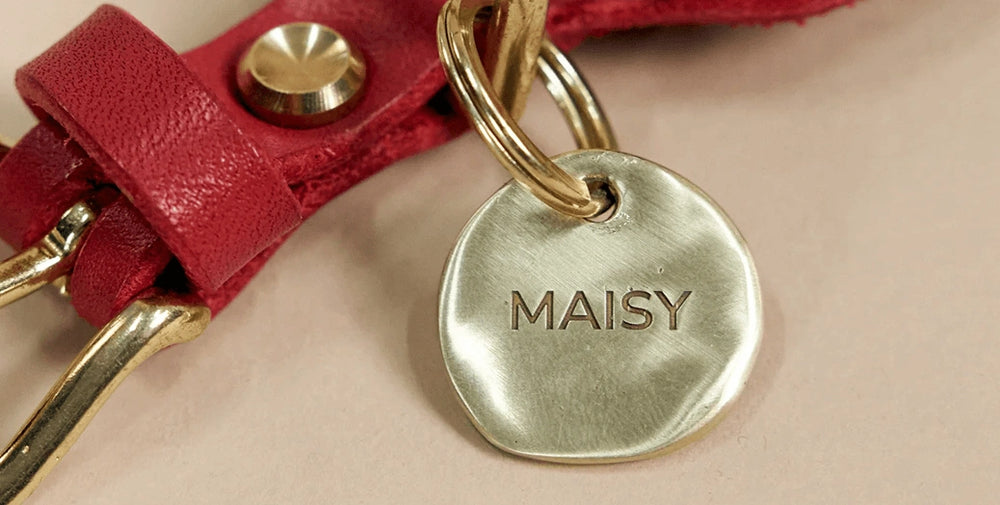
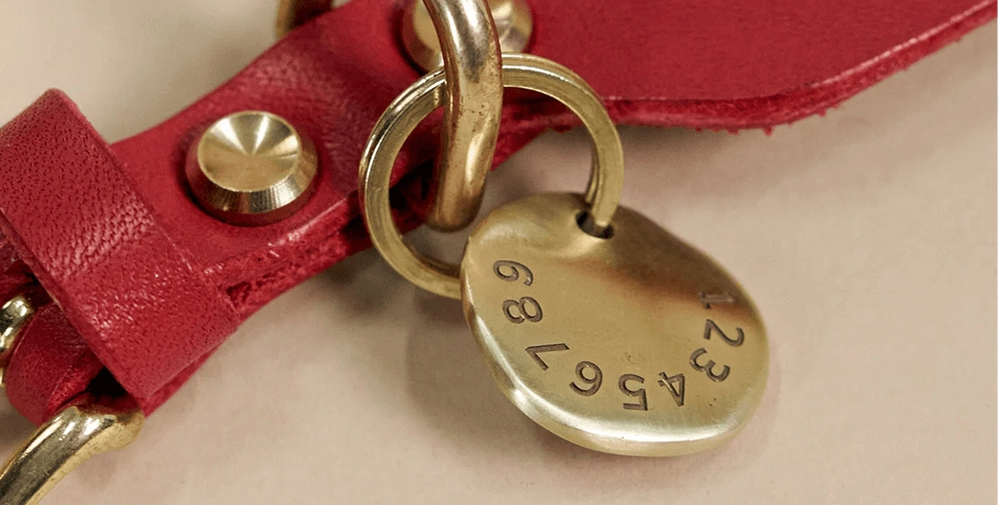
- Great for holding ID tags, which are essential for your dog's safety.
Cons
- Not the most sensible or suitable option for dogs prone to pulling or tracheal issues, as they can put pressure on the neck and windpipe.
- Can cause levels of discomfort and/or irritation if not properly fitted or made from low quality materials.
Dog Harnesses
Pros
- Distribute pressure across the chest, minimizing the potential chance of any strain on the neck.
- Provide better control for dogs that pull or are still leash training.
- Safer for breeds prone to tracheal collapse or breathing problems, such as pugs, greyhounds, and chihuahuas.
Cons
- Can take a little longer to fit properly, especially for first time users.
- May not be the most convenient choice for quick walks or outings.
Ultimately, the choice is always going to be dictated by your dog's specific needs. Many owners find that pairing a collar for ID purposes with a harness for walking strikes the perfect balance between safety and practicality. At the end of the day, it doesn't have to be a case of making a permanent choice between the two. It's all about finding the right balance of accessories that works best for you and your precious pup's routine.
Dog Collar vs Harness: Head-to-Head Comparison
| Factor | Leather Collar | Leather Harness |
|---|---|---|
| Pressure distribution | Concentrated at neck | Distributed across chest and shoulders |
| Best for pullers | No, increases neck strain risk | Yes, especially front-clip design |
| ID tag attachment | Yes, ideal | Secondary only, collar preferred |
| Ease of use | On and off in seconds | Requires fitting, more steps |
| Training use | Good for calm, trained dogs | Better for early leash training |
| Tracheal safety | Risk with pulling breeds | No neck pressure at all |
| Brachycephalic breeds | Not recommended | Strongly recommended |
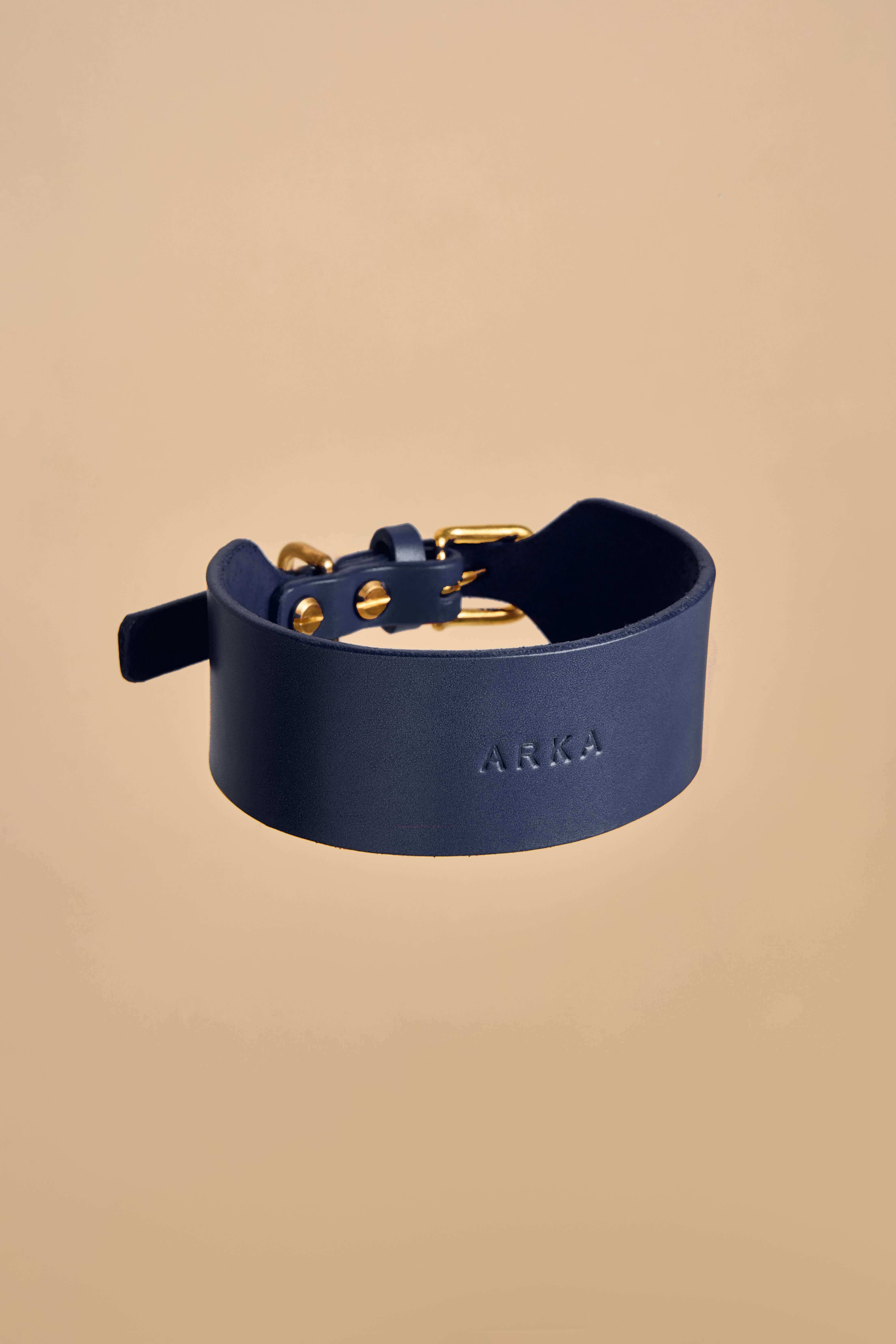
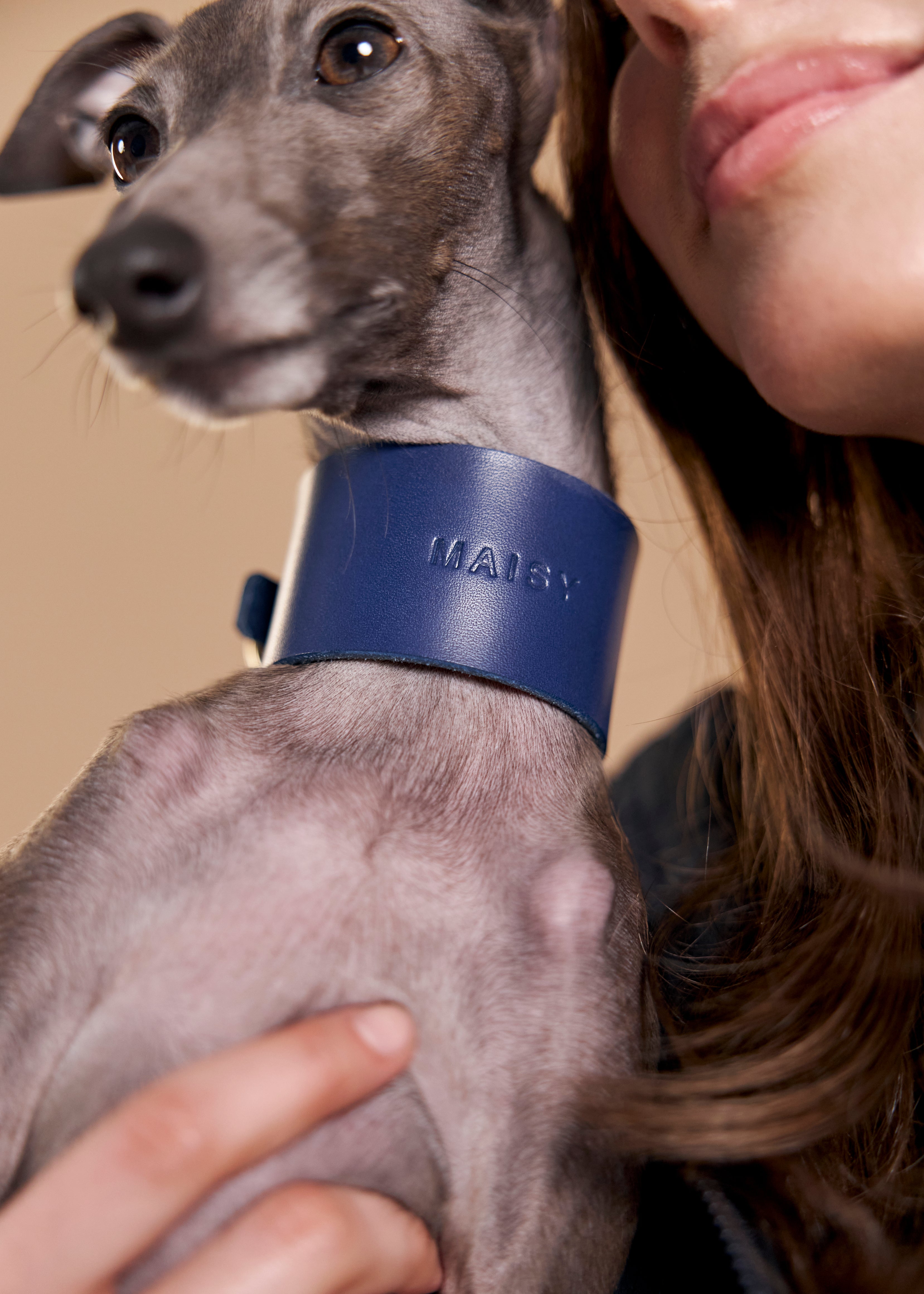
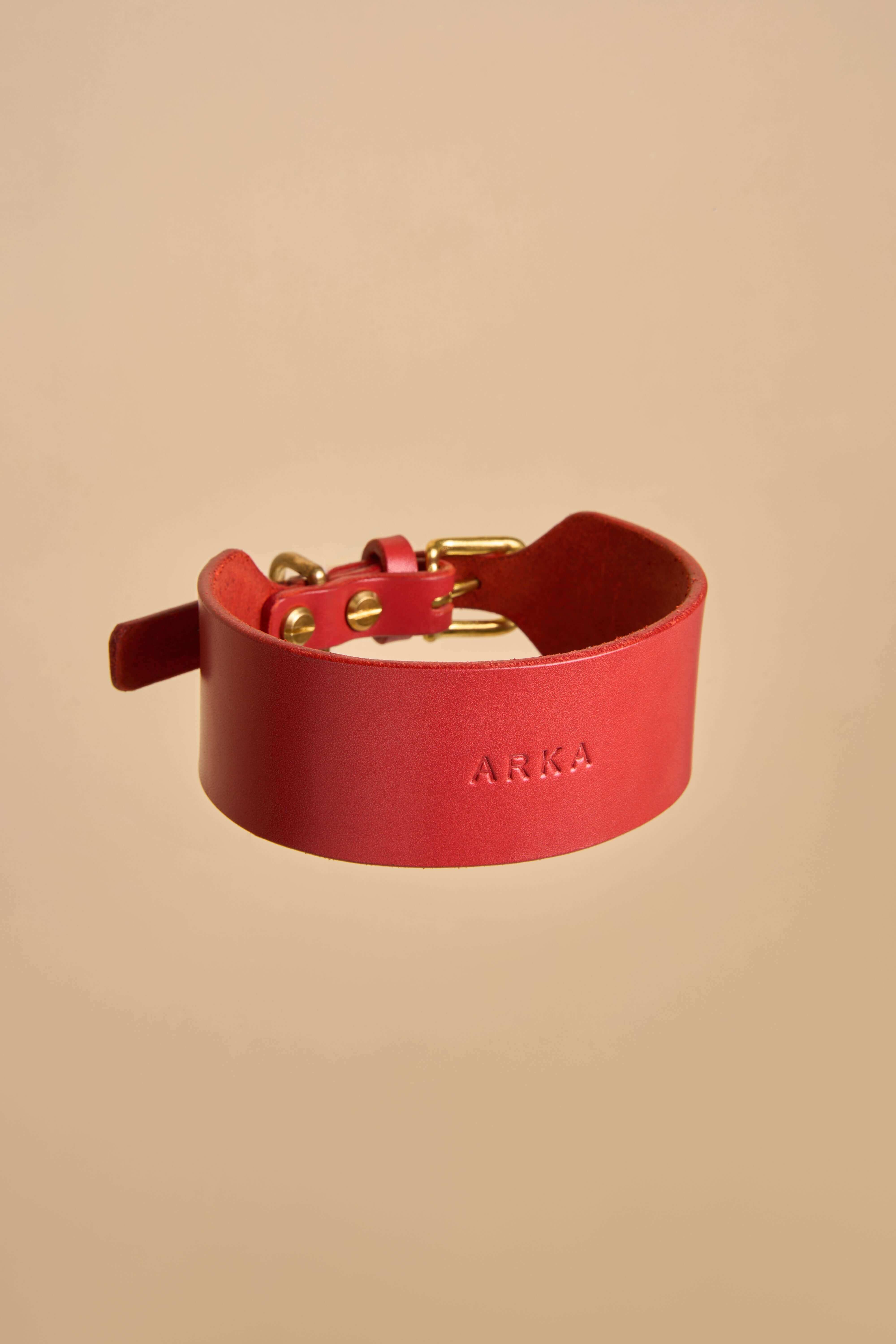
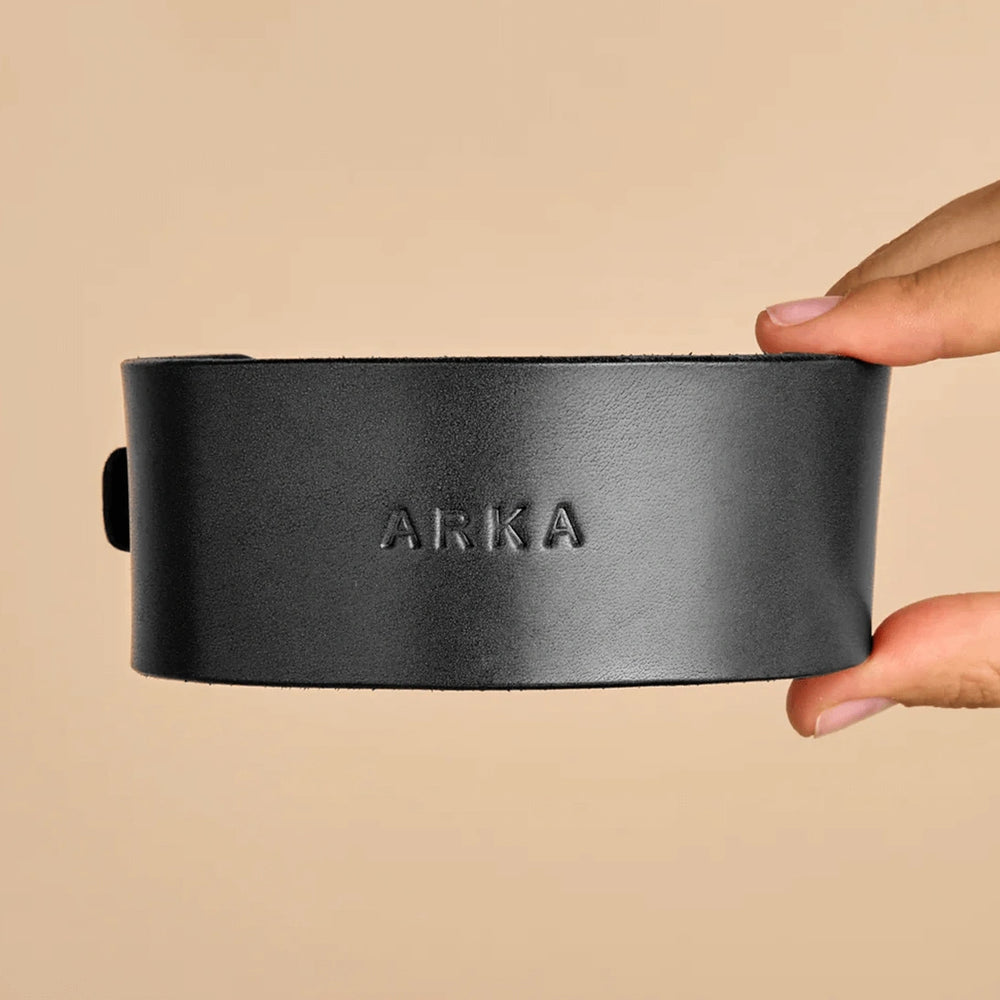
| Long-necked breeds | Wide collar (4.5cm) recommended | Good alternative |
| Material (TLB) | Full-grain vegetable-tanned leather | Full-grain vegetable-tanned leather |
| Daily wear | Yes, for ID purposes | Remove when unsupervised indoors |
Benefits Of Leather Dog Collars
Leather dog collars are an evergreen choice for their style, comfort, and durability. There is a reason why they have been the number one choice for dog owners all this time! Here's a few reasons why they have always been a favorite among dog parents.
Style And Durability
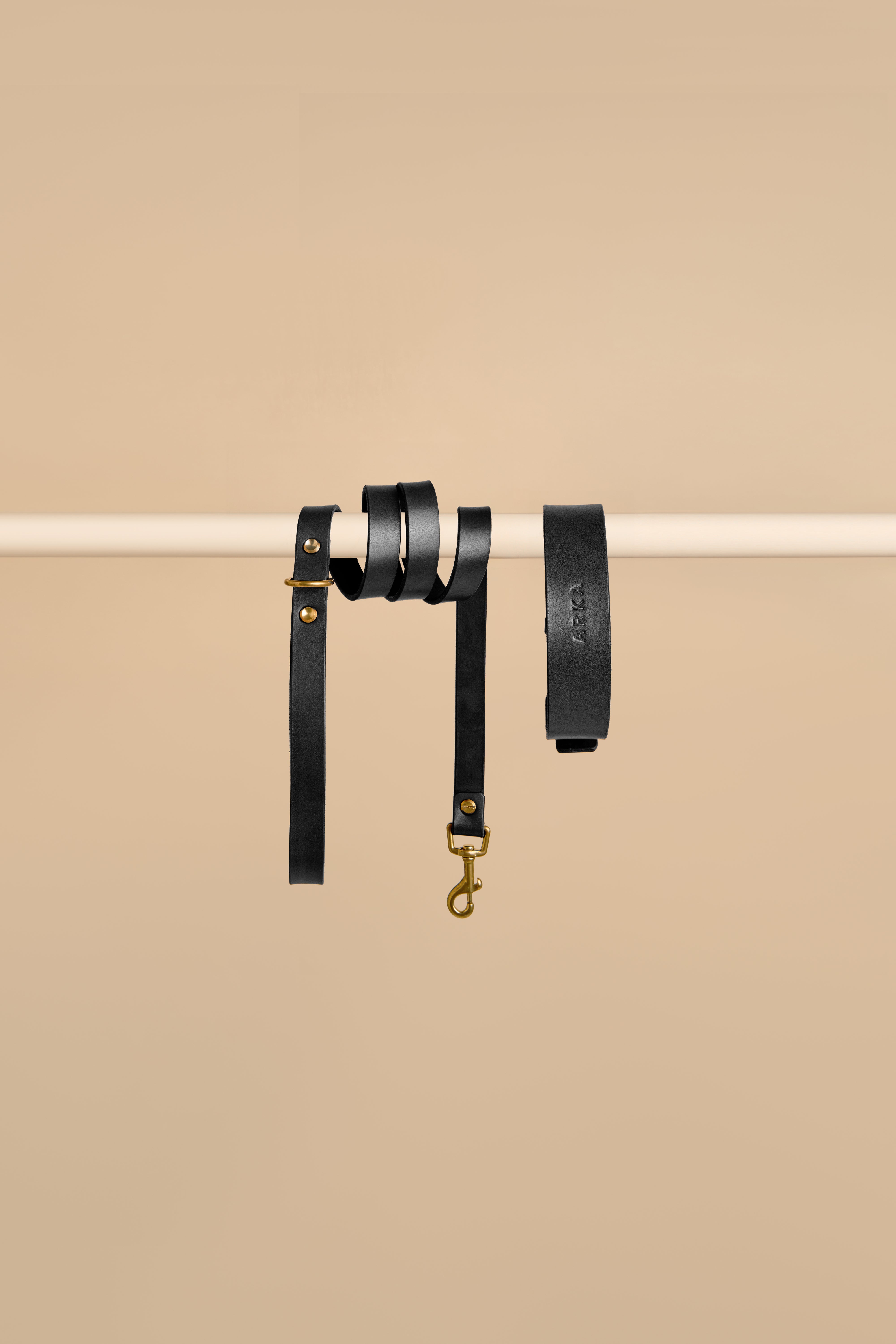
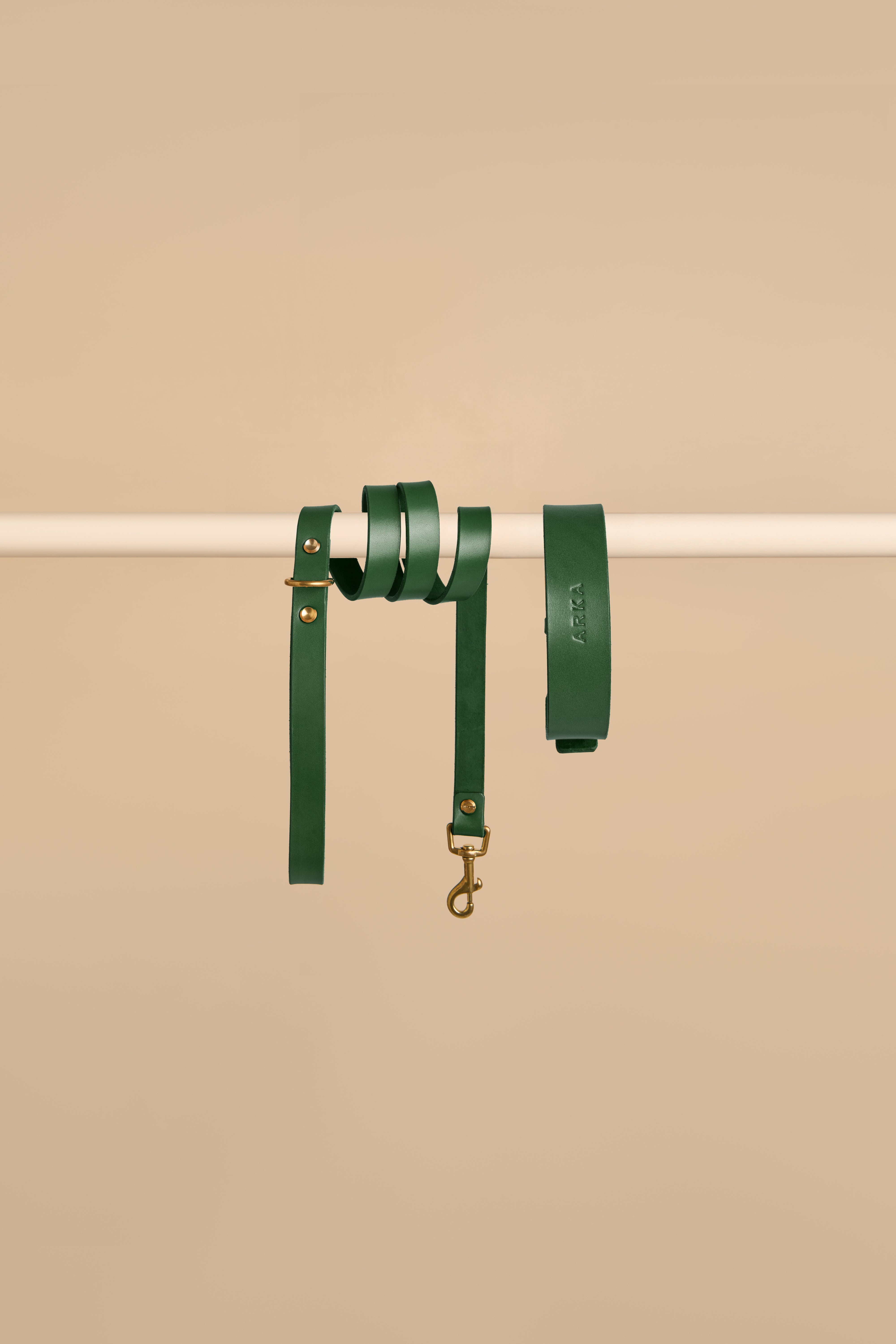
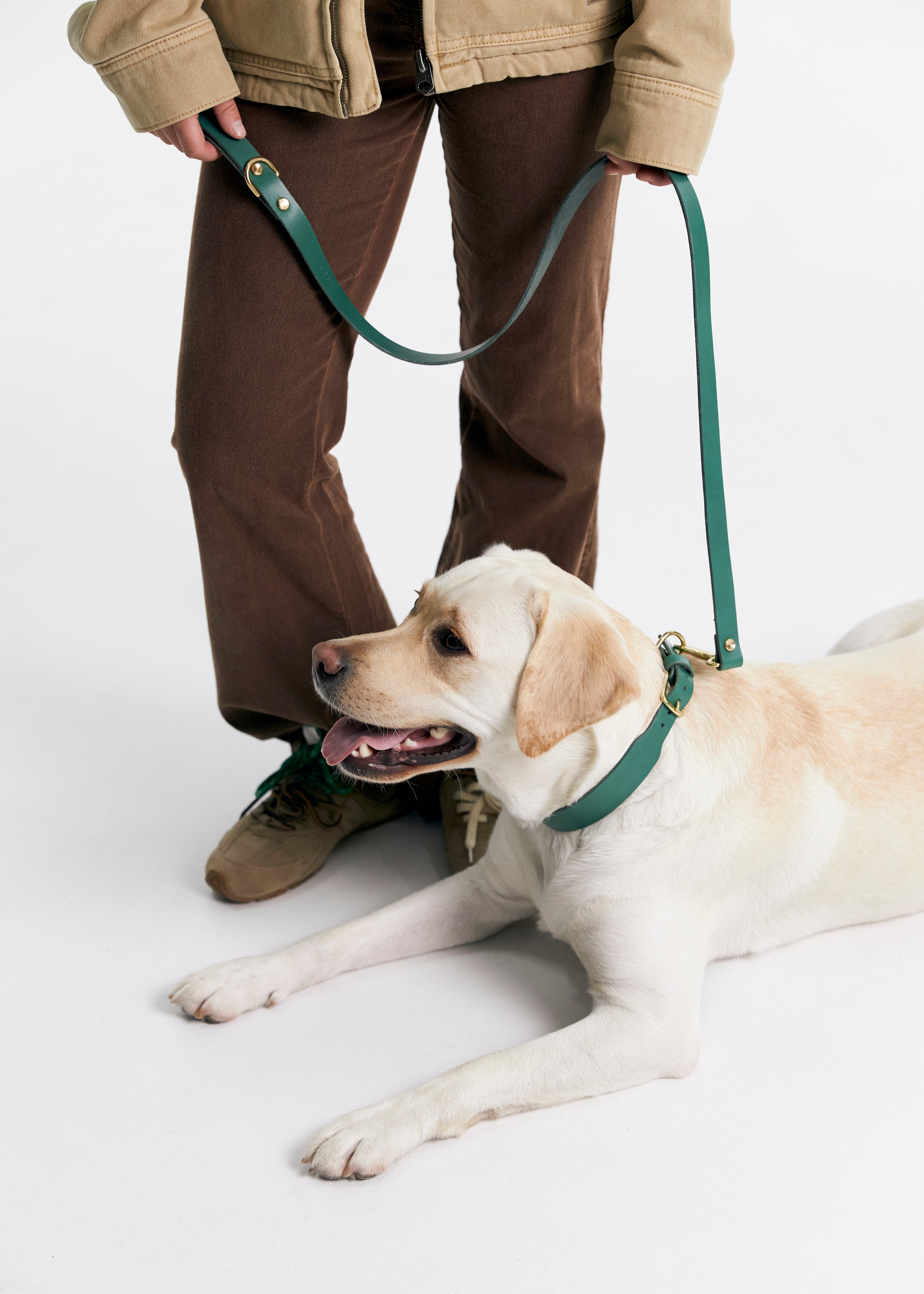
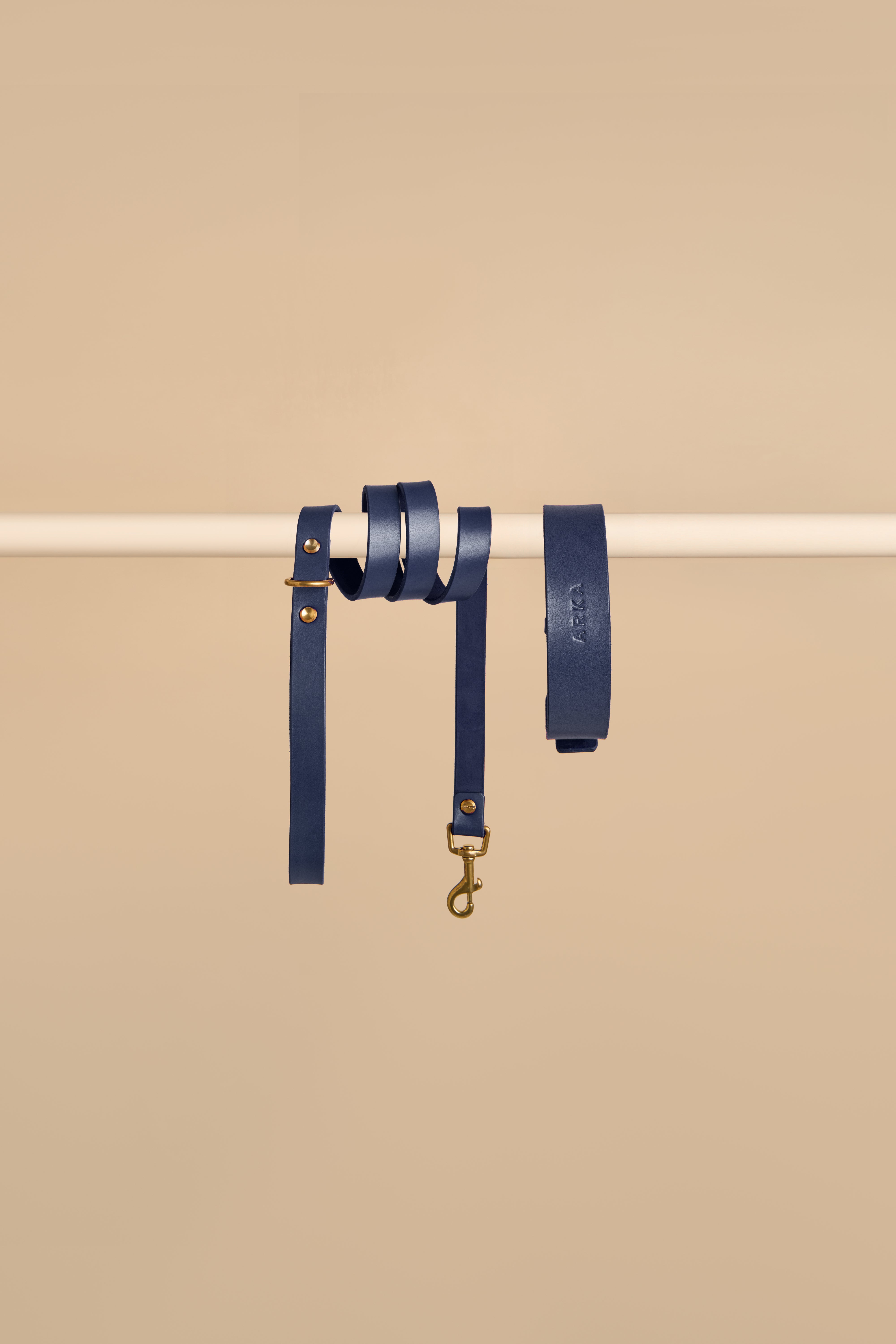
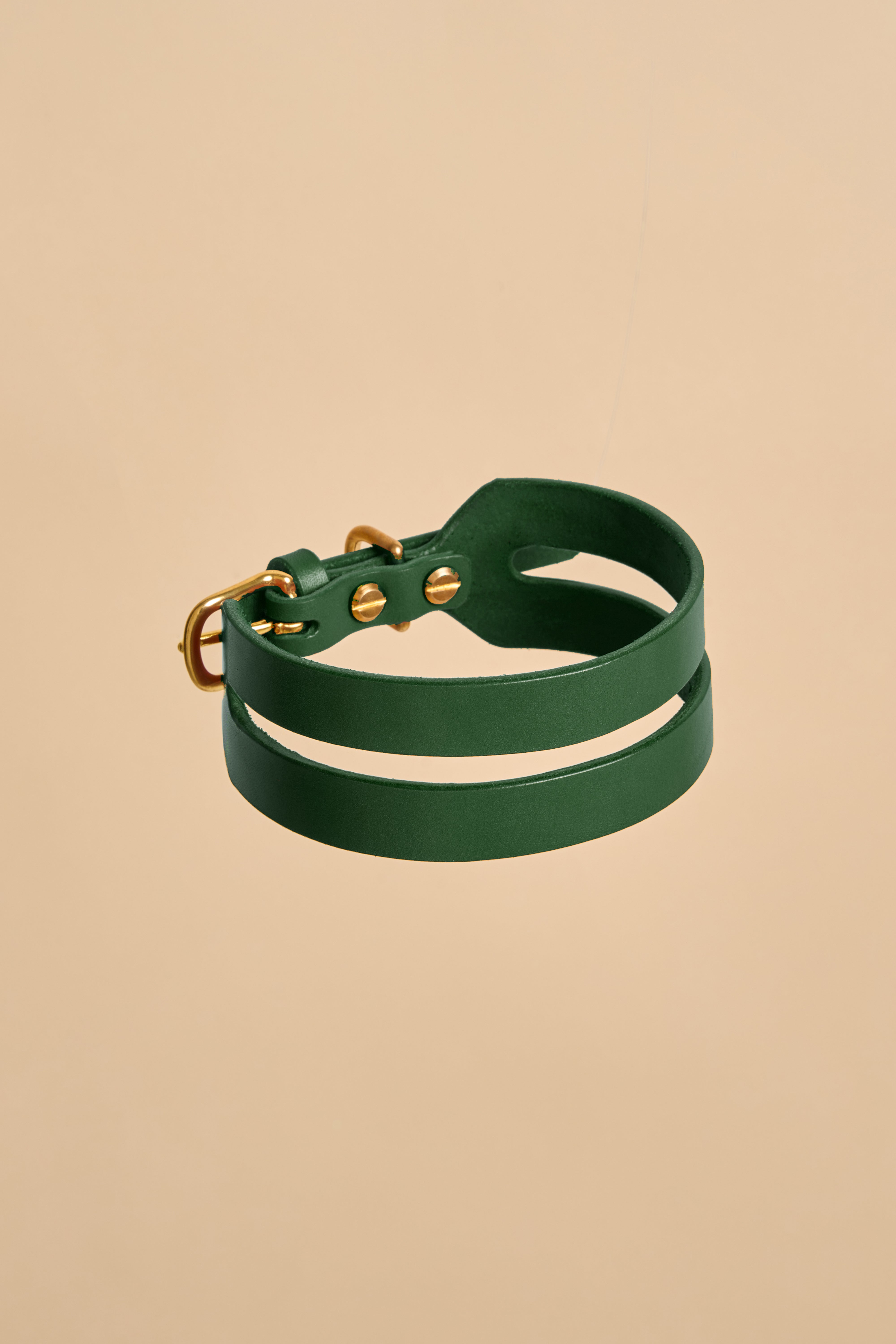
Vegetable tanned leather collars offer a sophisticated, natural look that's hard to beat. They're designed to stand the test of time, softening with use while maintaining their strength. Unlike synthetic materials, high quality leather resists cracking and fraying, ensuring long lasting wear for your pup. When you put the two options up against one another, there really is no contest in our opinion.
Comfort For All Breeds
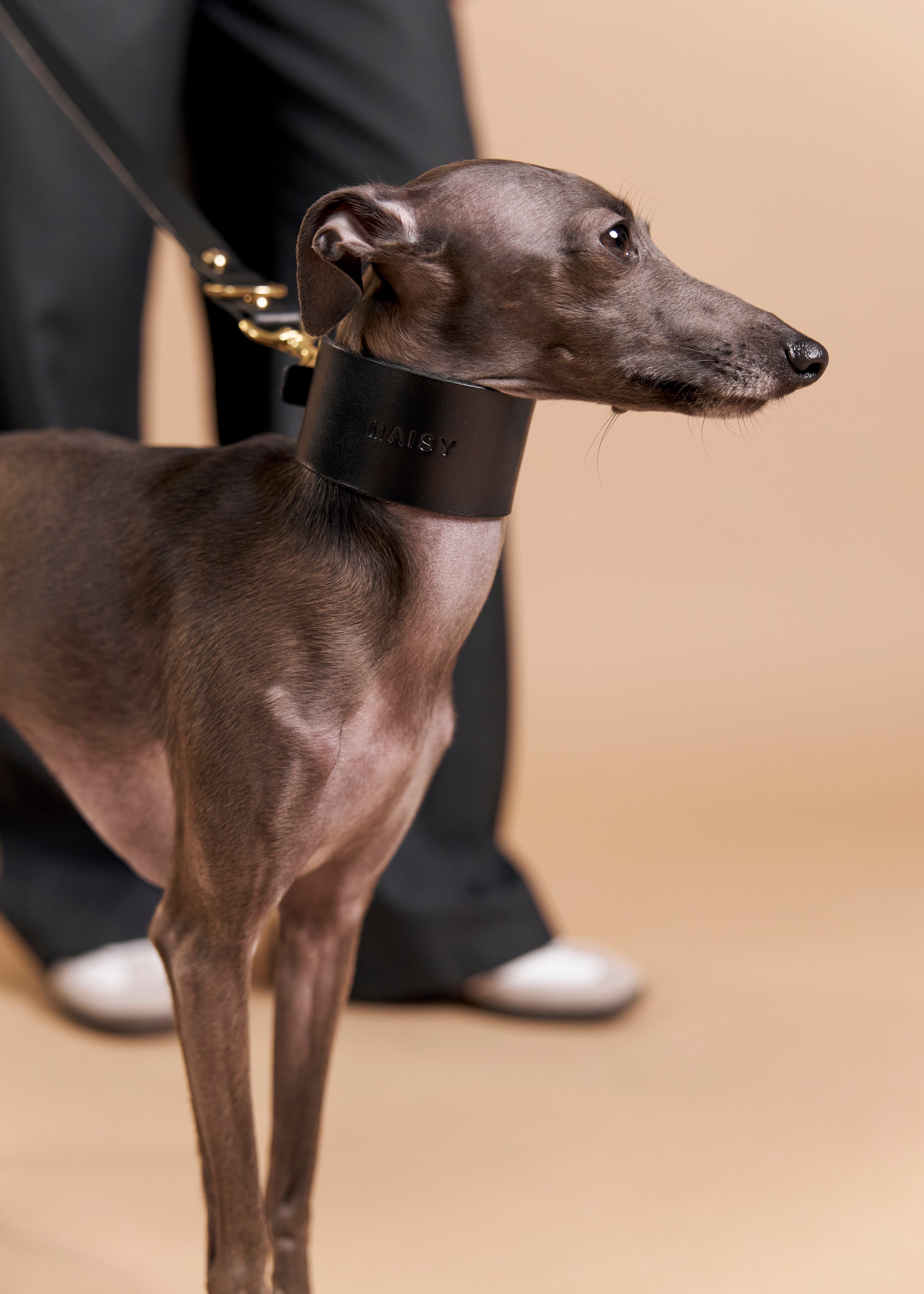
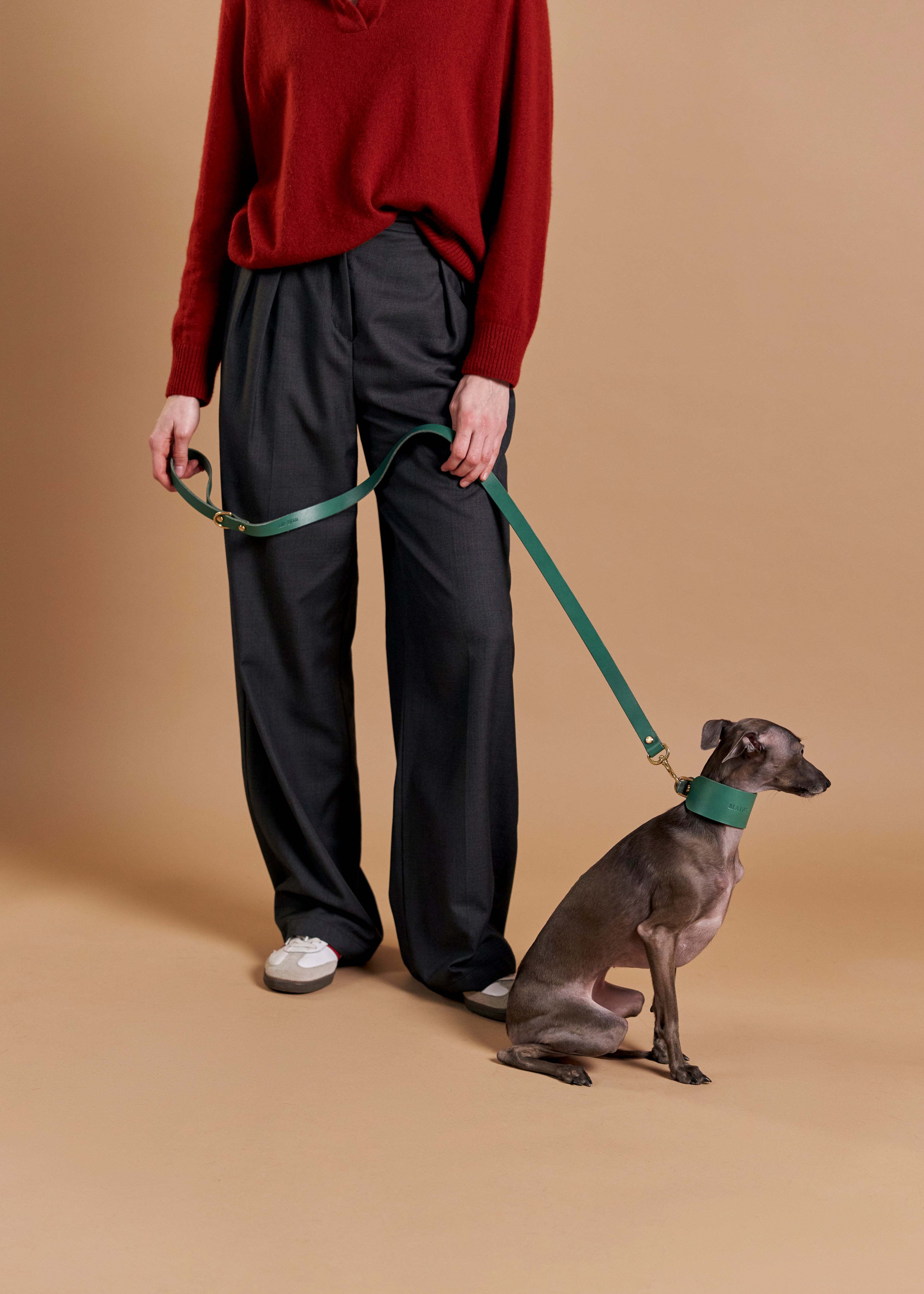
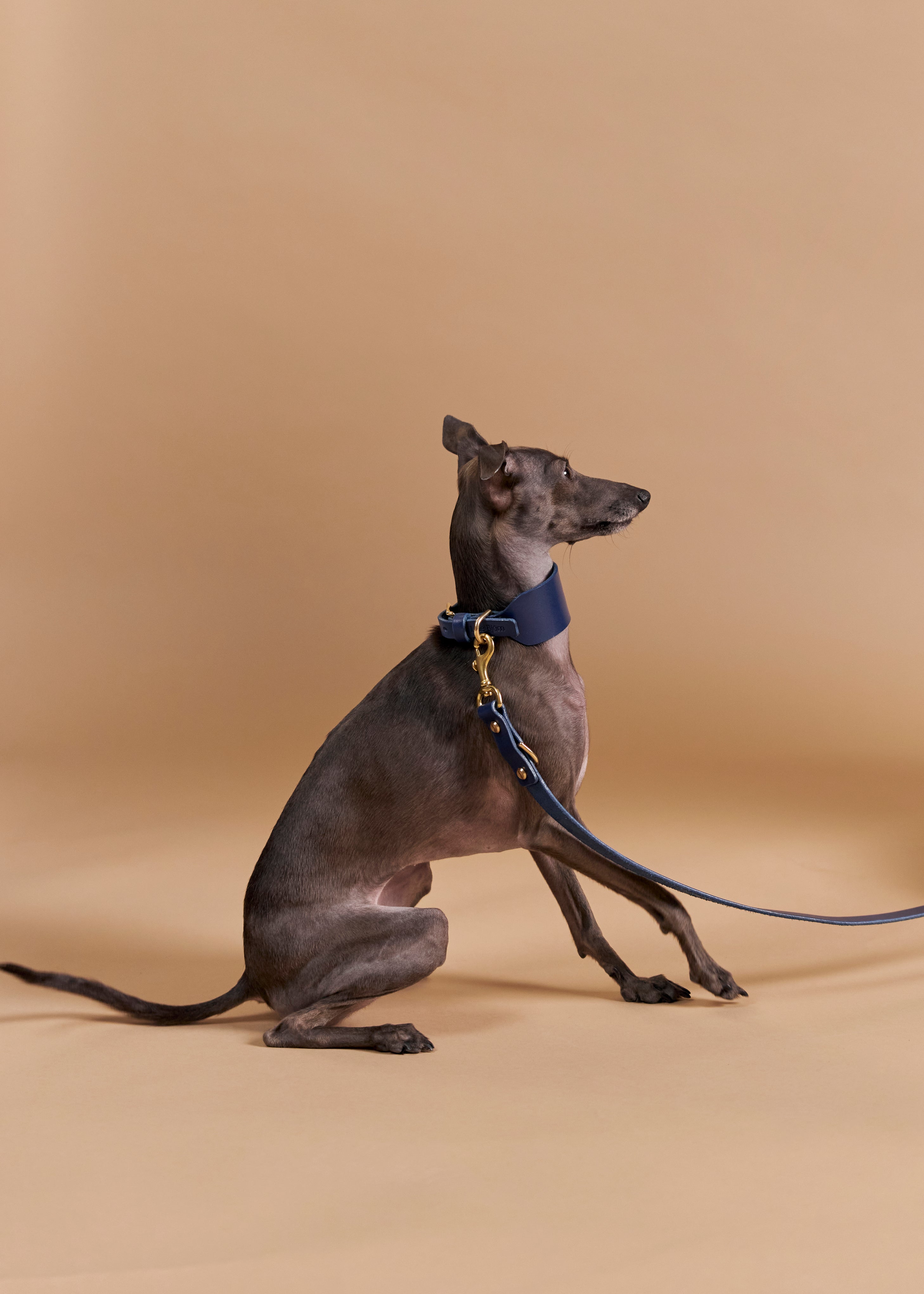
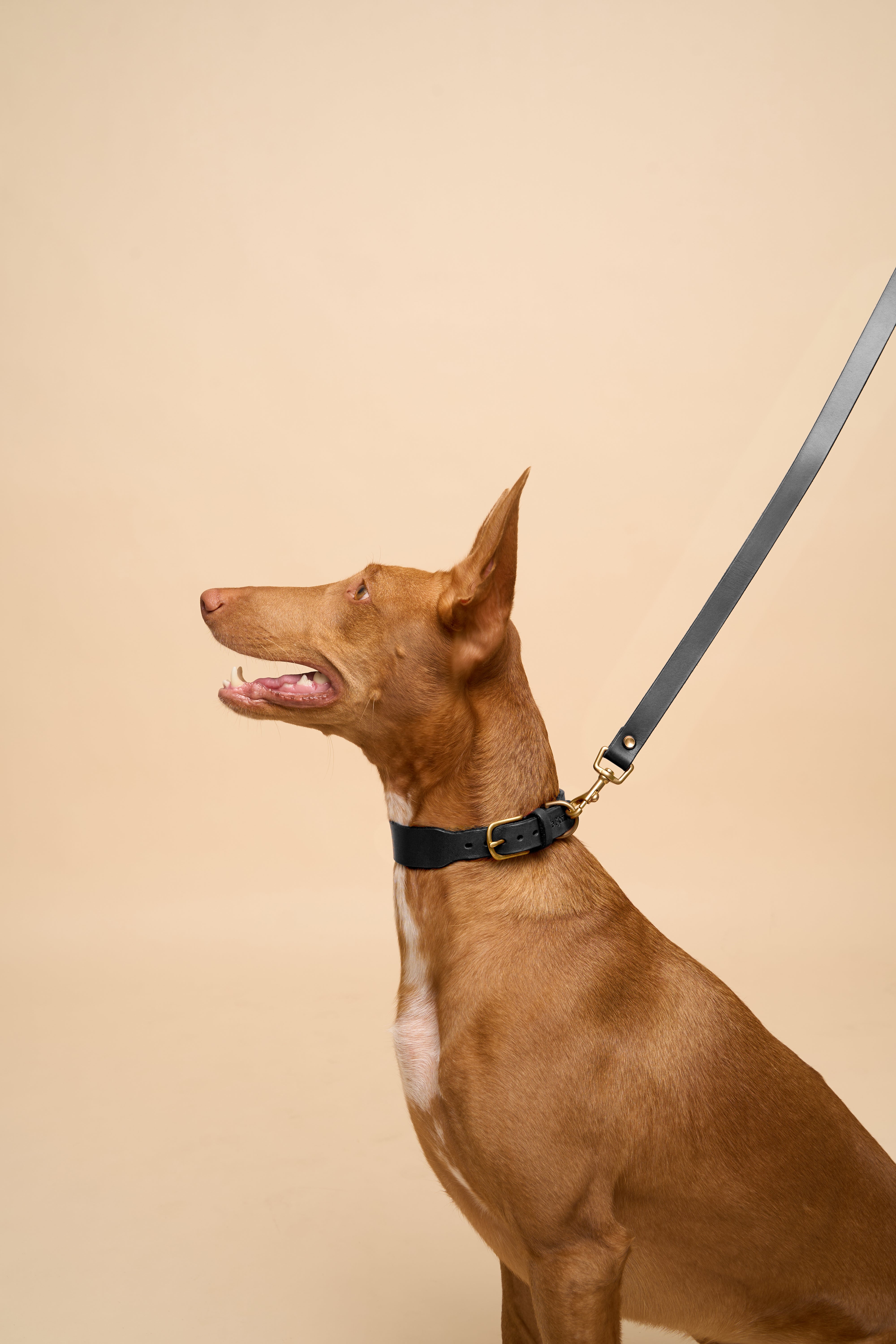
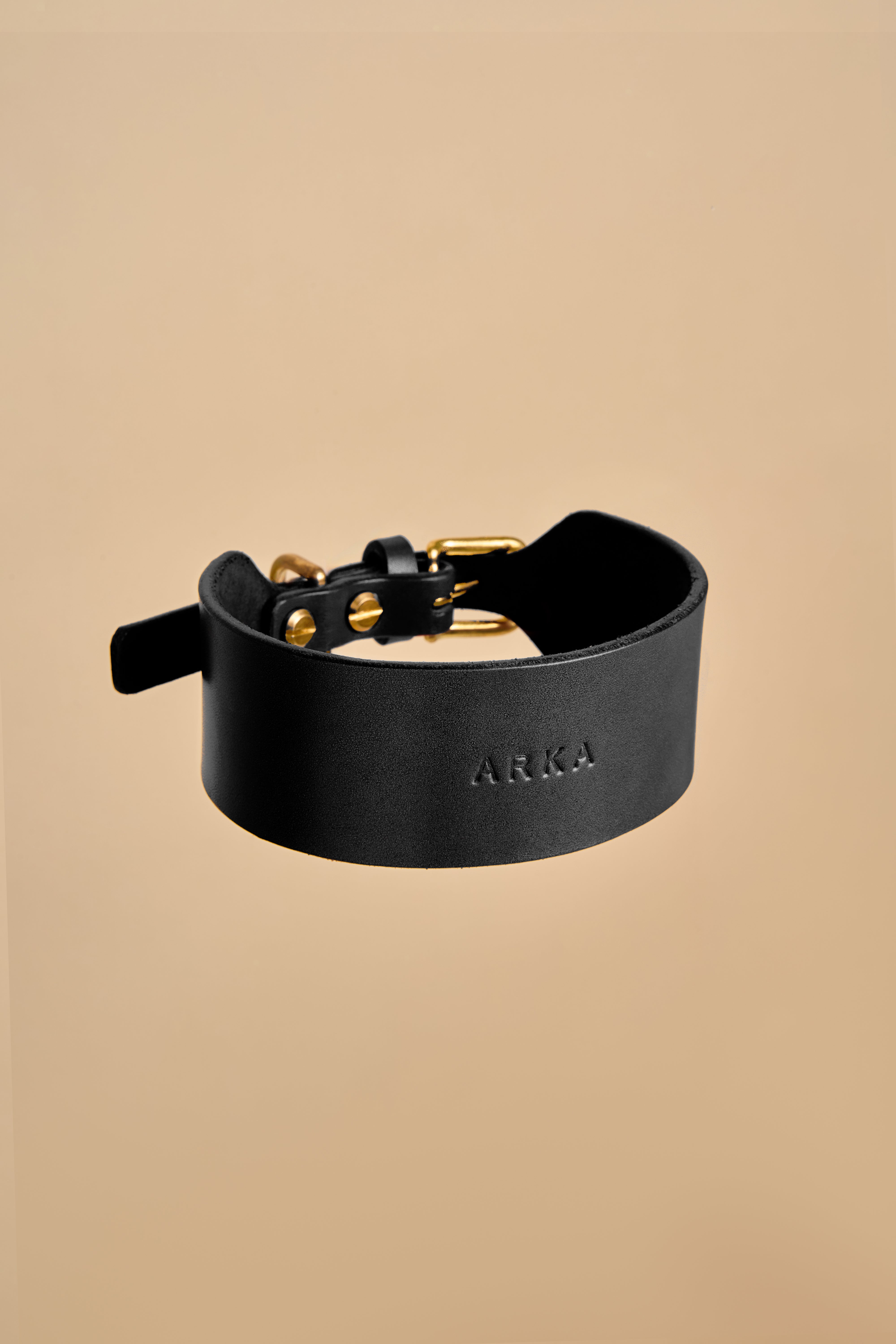
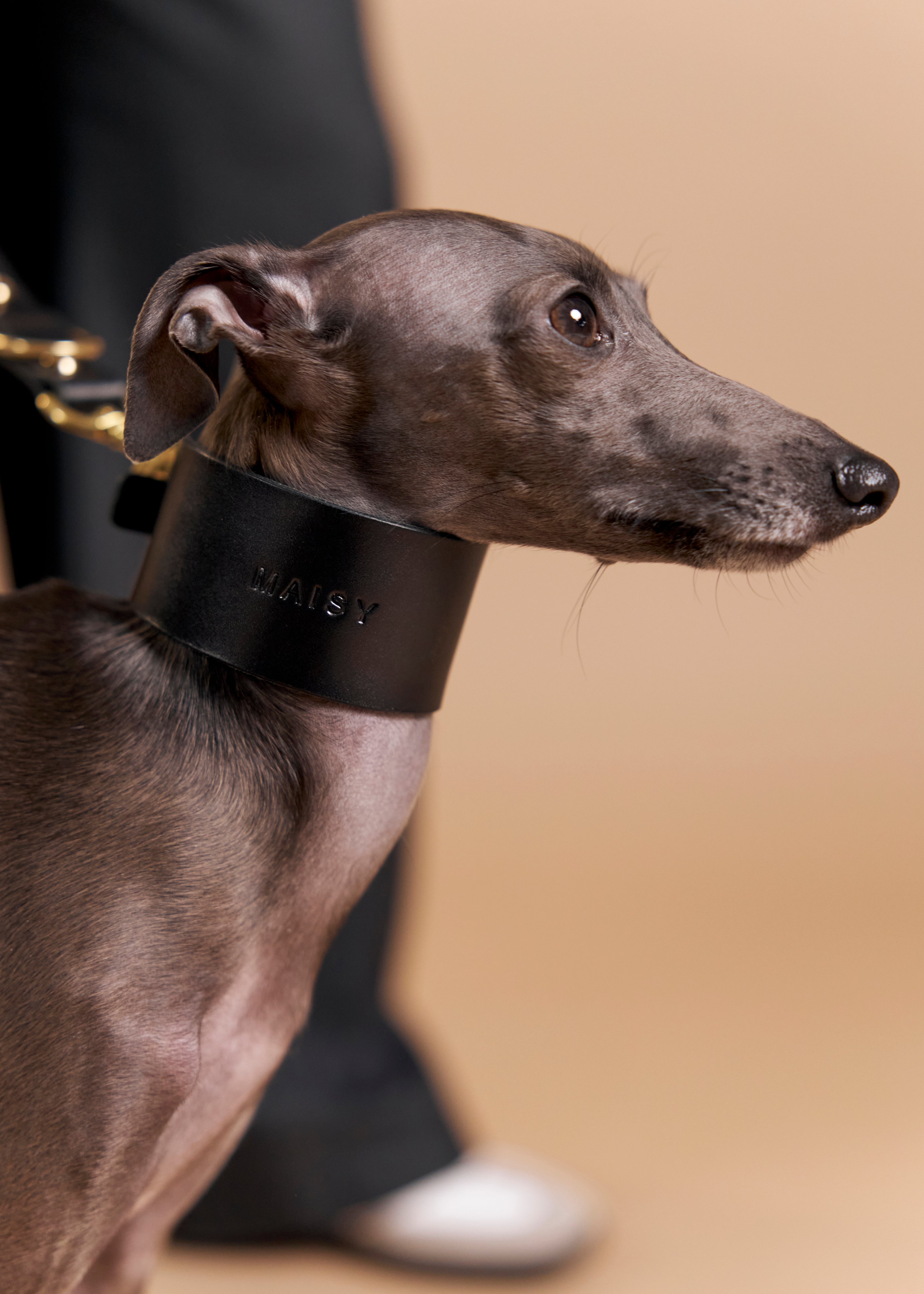
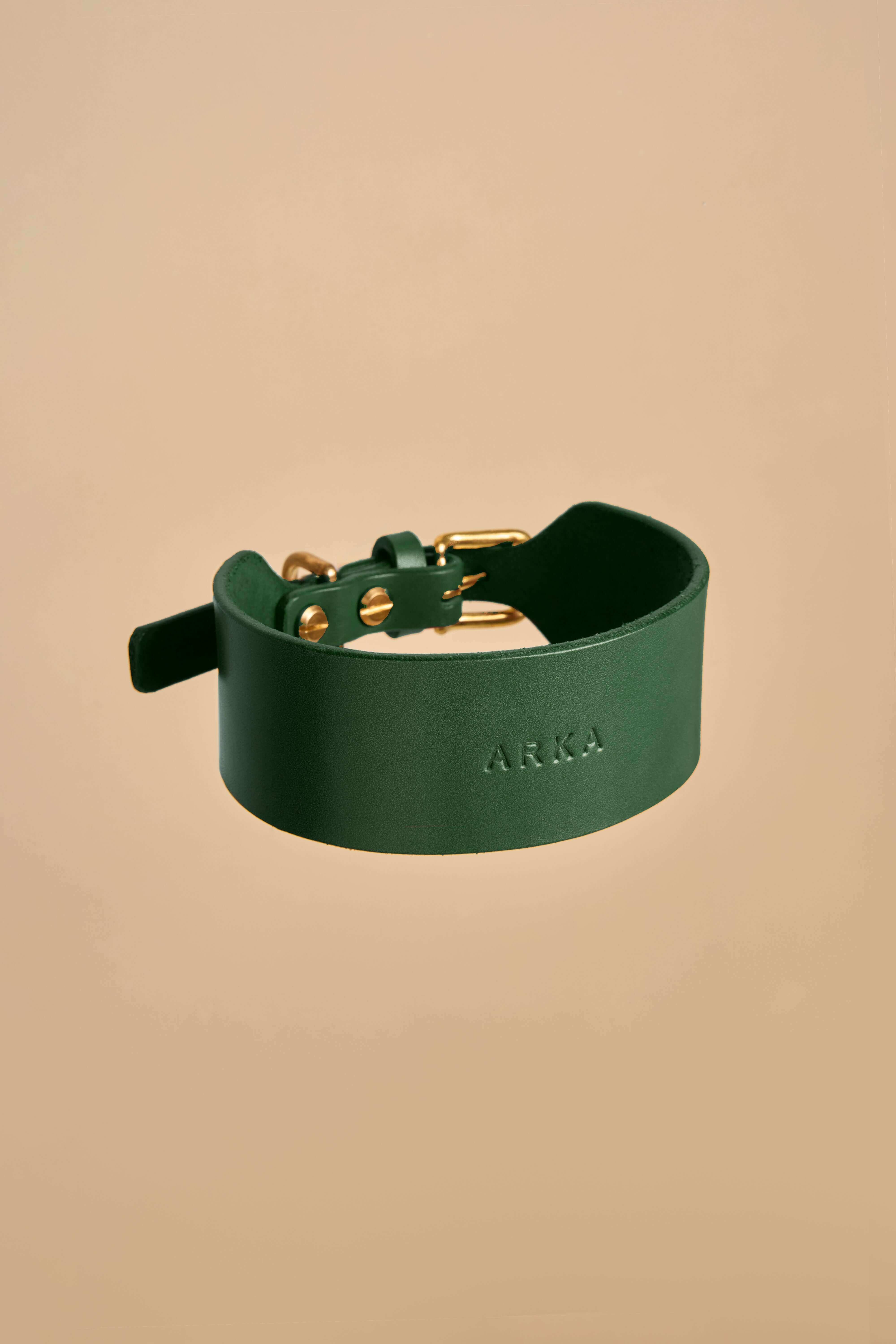
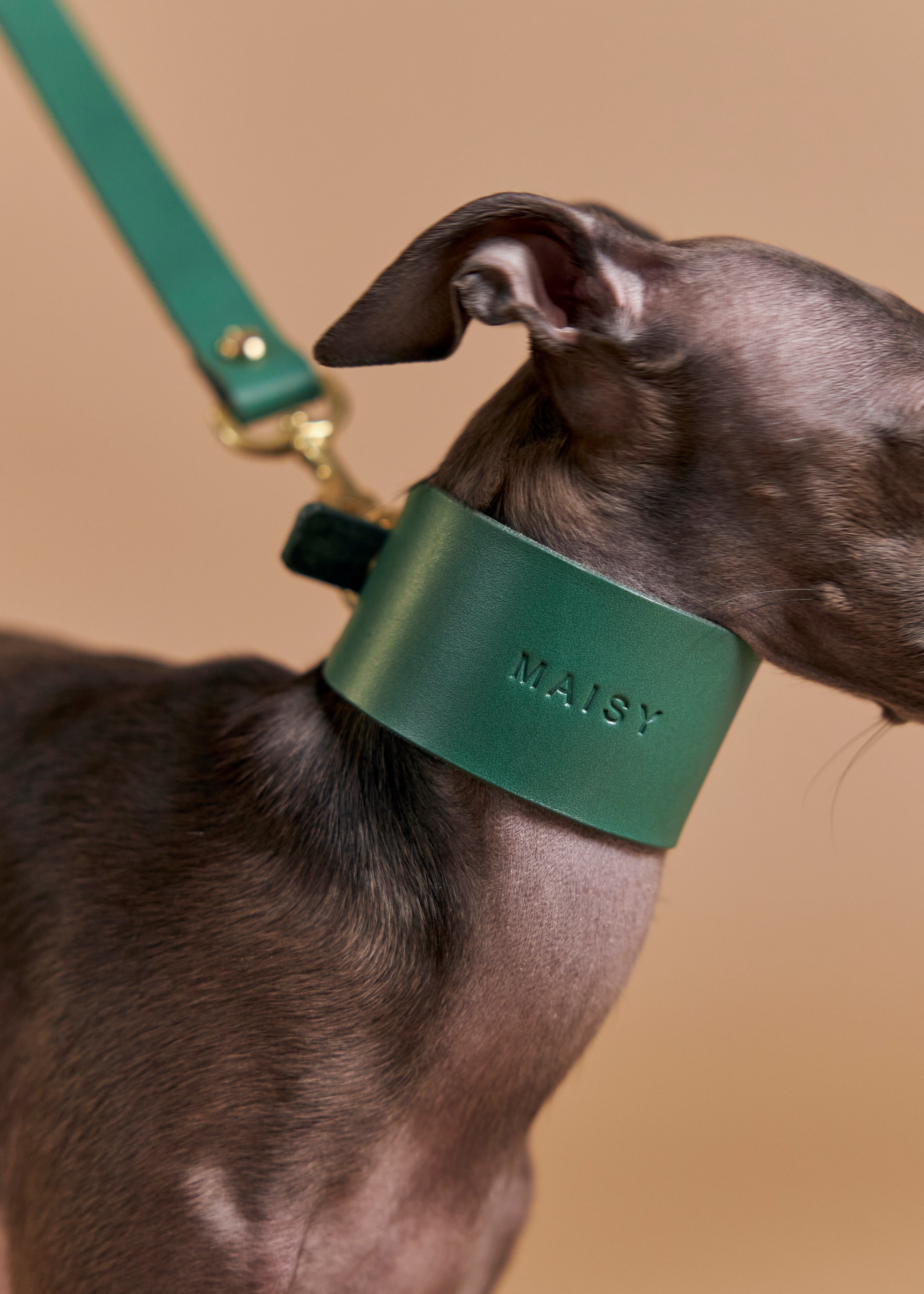
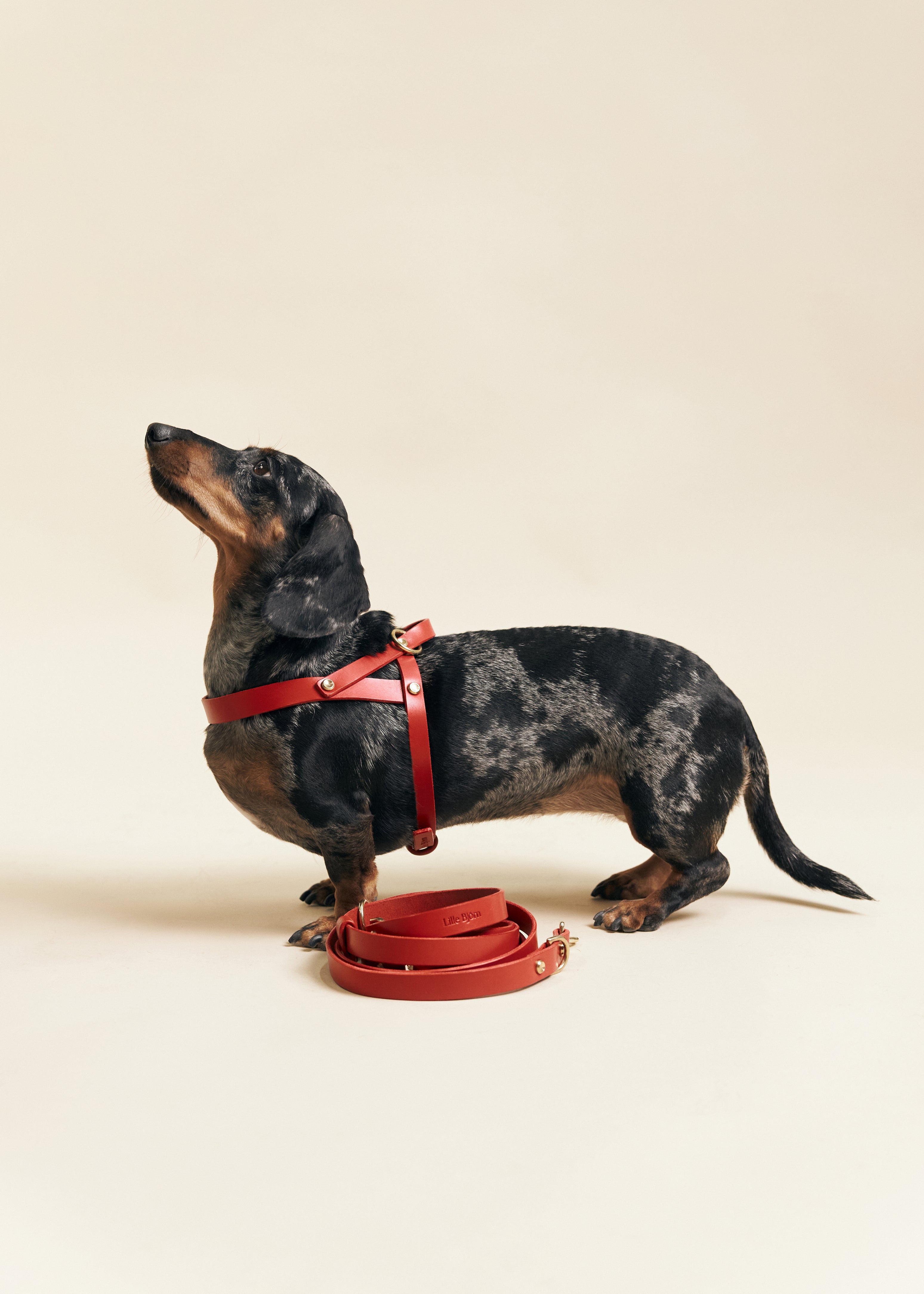
The soft, flexible nature of vegetable tanned leather pretty much guarantees a comfortable fit for dogs of all shapes and sizes. For breeds with long necks like whippets and greyhounds, wide collars (3 - 5 cm) provide extra support and eliminate the potential of strain that could lead to injury. Smaller breeds or those with shorter necks, like dachshunds and pugs, do best with narrower collars (2 - 3 cm) that won't overwhelm their proportions.
Eco Friendly And Hypoallergenic
Vegetable tanned leather is treated using plant based tannins rather than harsh chemicals, which means that it is a much safer choice for dogs with sensitive skin. It's also known for being biodegradable and environmentally friendly, so you can feel good about your purchase. We've noticed that this is becoming more and more of a concern among responsible pet owners, and when there are great options on the eco friendly side of things, there is no excuse not to make an effort to be kinder to the environment whilst being kind to your pup at the same time!
Perfect Fit And Reduced Irritation
Over time, leather collars mold to the shape of your dog's neck, creating a custom fit that greatly reduces any chafing and discomfort. As long as you remember to follow the two finger rule when adjusting the collar, you should be able to fit two snug fingers between the collar and your dog's neck for the ideal fit.

Advantages Of Leather Dog Harnesses
Leather dog harnesses are a fantastic alternative for dogs that might provide a little bit of extra support or safety during walks. Here are just some of the many reasons why we think they are worth considering.
Pressure Distribution For Safety
Unlike collars, harnesses are designed to share pressure and weight more evenly across your dog's chest and shoulders. This is particularly important for dogs prone to tracheal collapse or breathing issues, as it eliminates neck strain entirely. Harnesses also provide better control for dogs that pull, making walks not only more enjoyable for the both of you, but also much safer.
Ideal for Long Necked And Small Breeds
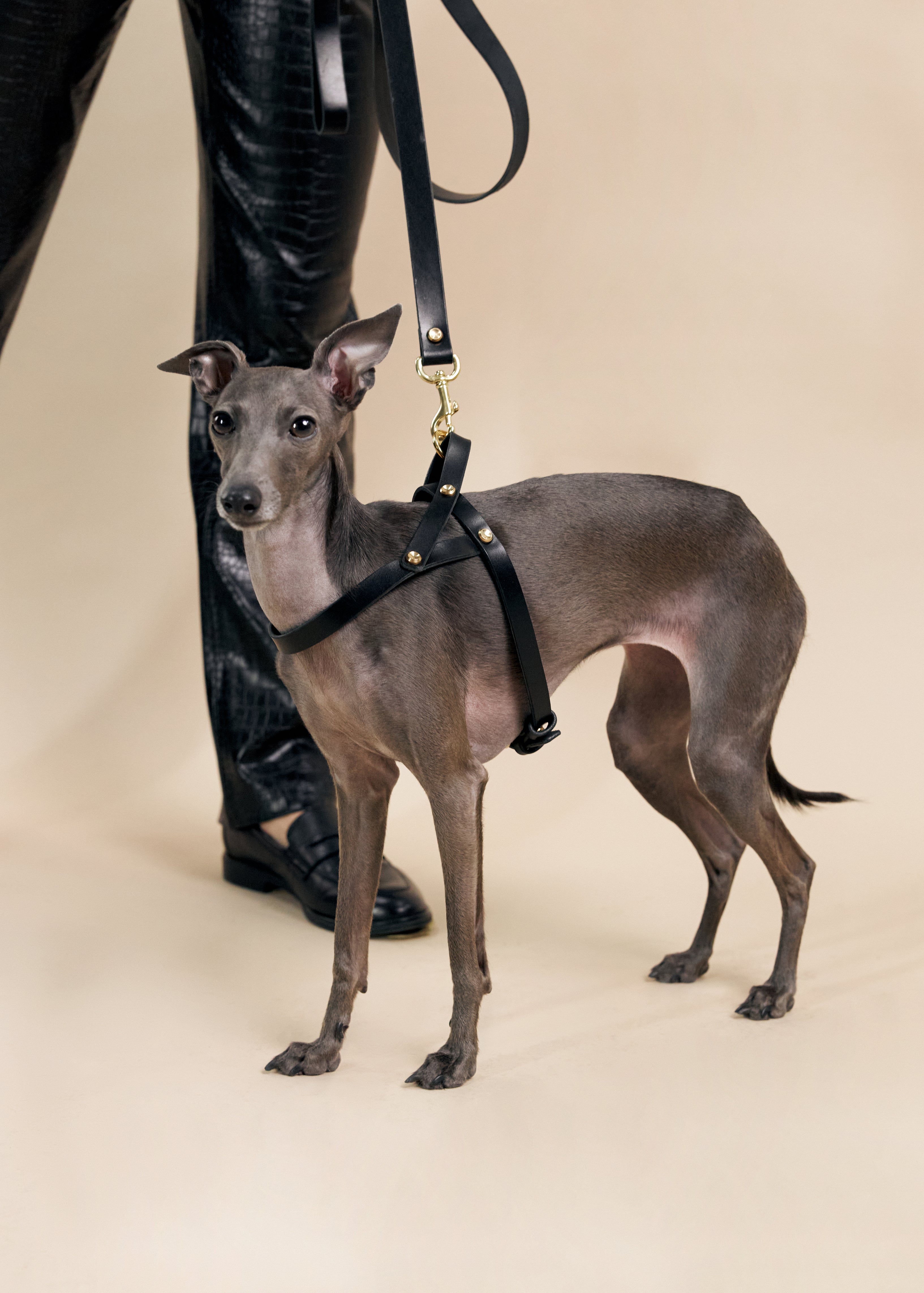
Breeds like greyhounds, whippets, and Italian greyhounds benefit greatly from harnesses because of their delicate neck structures. Similarly, smaller breeds like pomeranians or chihuahuas, which are more vulnerable to tracheal injuries, can walk comfortably without risk of harm. Some of your pups are so teeny tiny, you can't even imagine when a small tug to you might feel like to them!
Long Lasting Comfort With Leather
Vegetable tanned leather harnesses combine the durability and softness of leather with an ergonomic design that molds to your dog's body over time. Adjustable straps ensure a snug fit, while the hypoallergenic properties of the leather keep sensitive skin irritation free.
The ability to be adjustable is something that is really important, especially if you are planning on keeping your accessories for years. It might not be immediately noticeable to the eye, but your pup will gain and lose weight over time, so lasting, adjustable comfort is key.
Durability Meets Sustainability
As with collars, the eco friendly nature of vegetable tanned leather makes harnesses an excellent choice for pet parents who are also concerned with doing their bit to help the environment. A well cared for leather harness can last for years, offering great value for money. It might feel like a bigger cost up front, but when you consider how many time you might have to replace a lesser quality product, it all starts to make sense.

Front-Clip vs Back-Clip: Which Harness Type Is Right for Your Dog?
Not all harnesses work the same way, and the clip position is the single most important design decision when choosing one. The two main types serve different functions and suit different dogs.
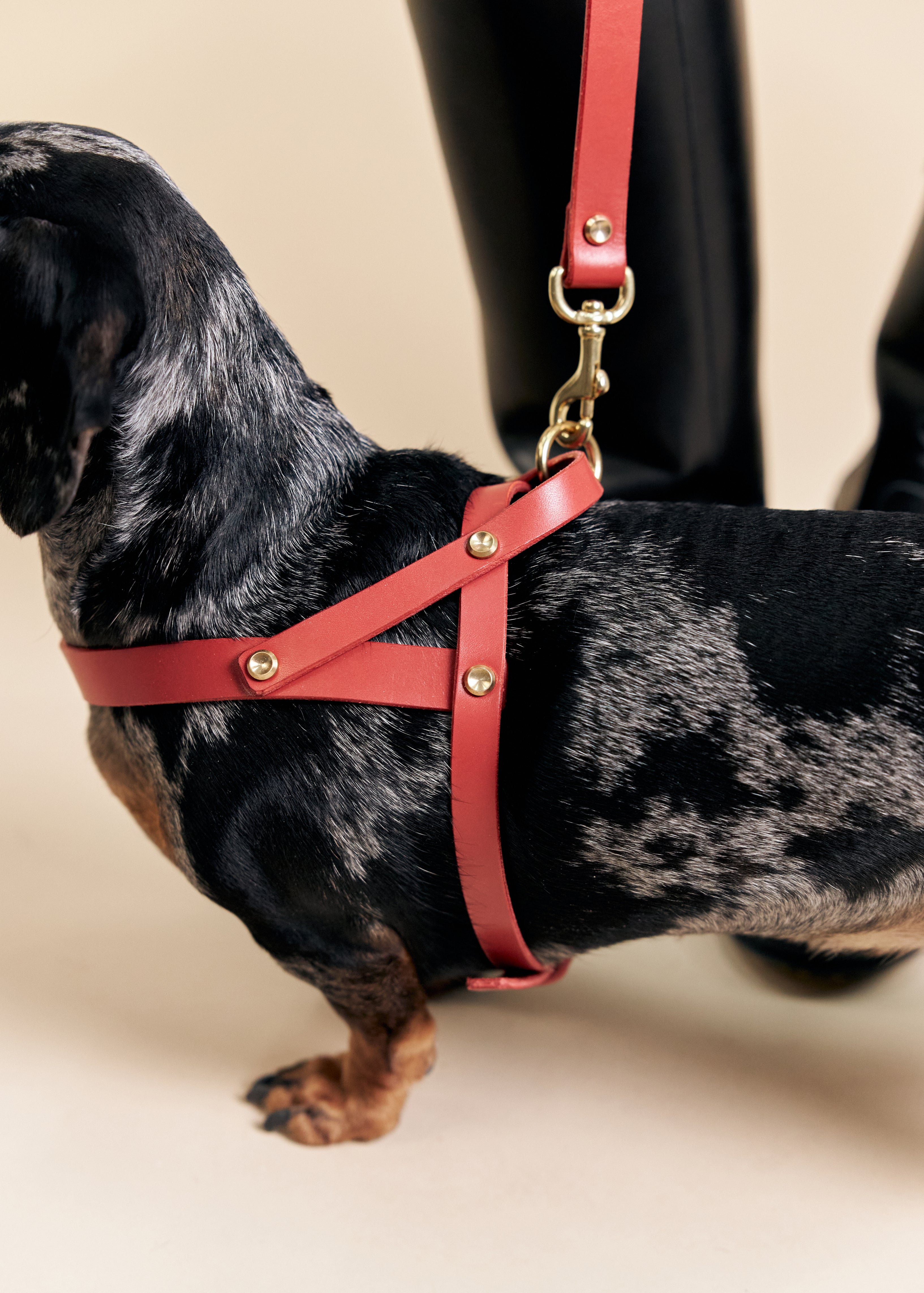
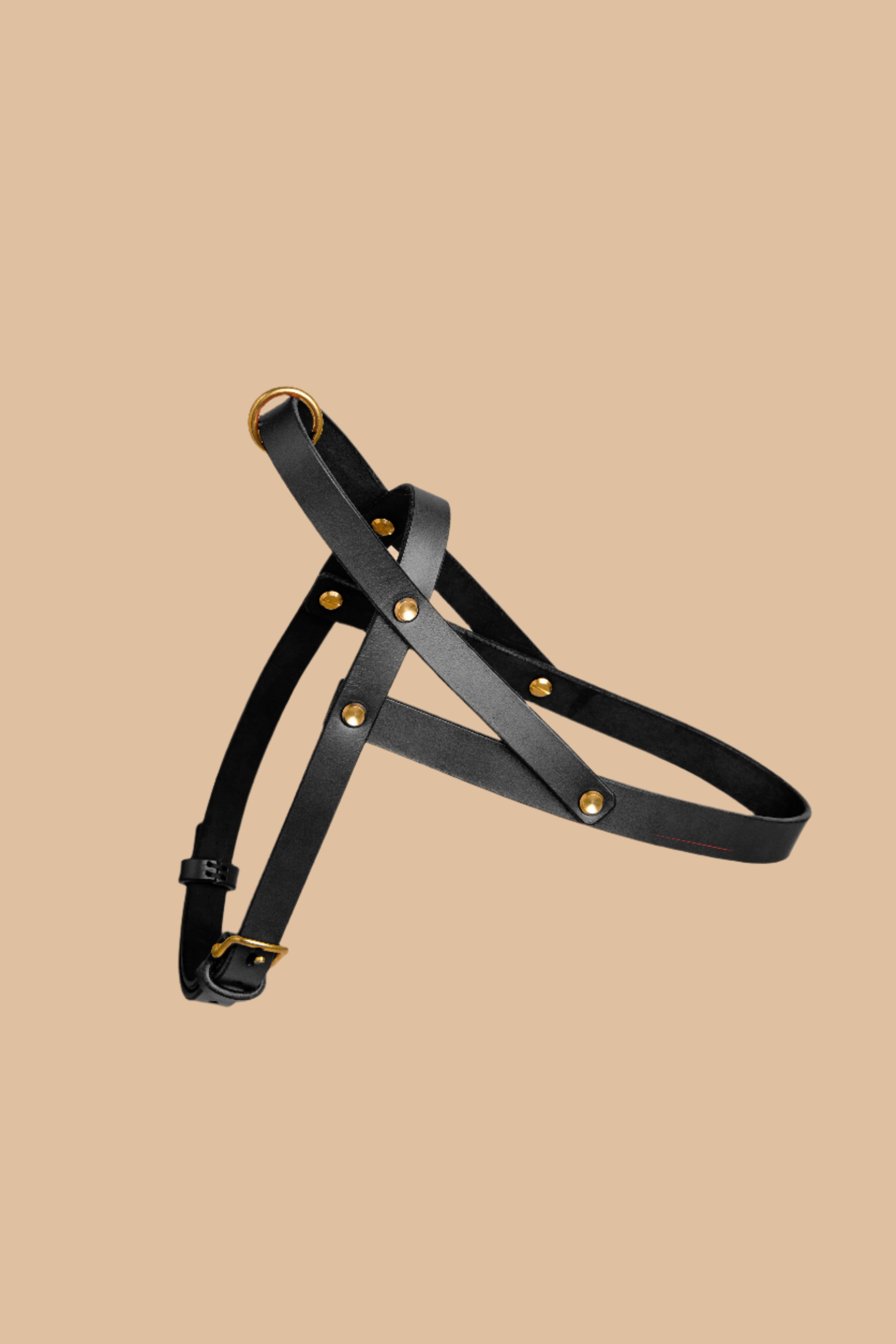
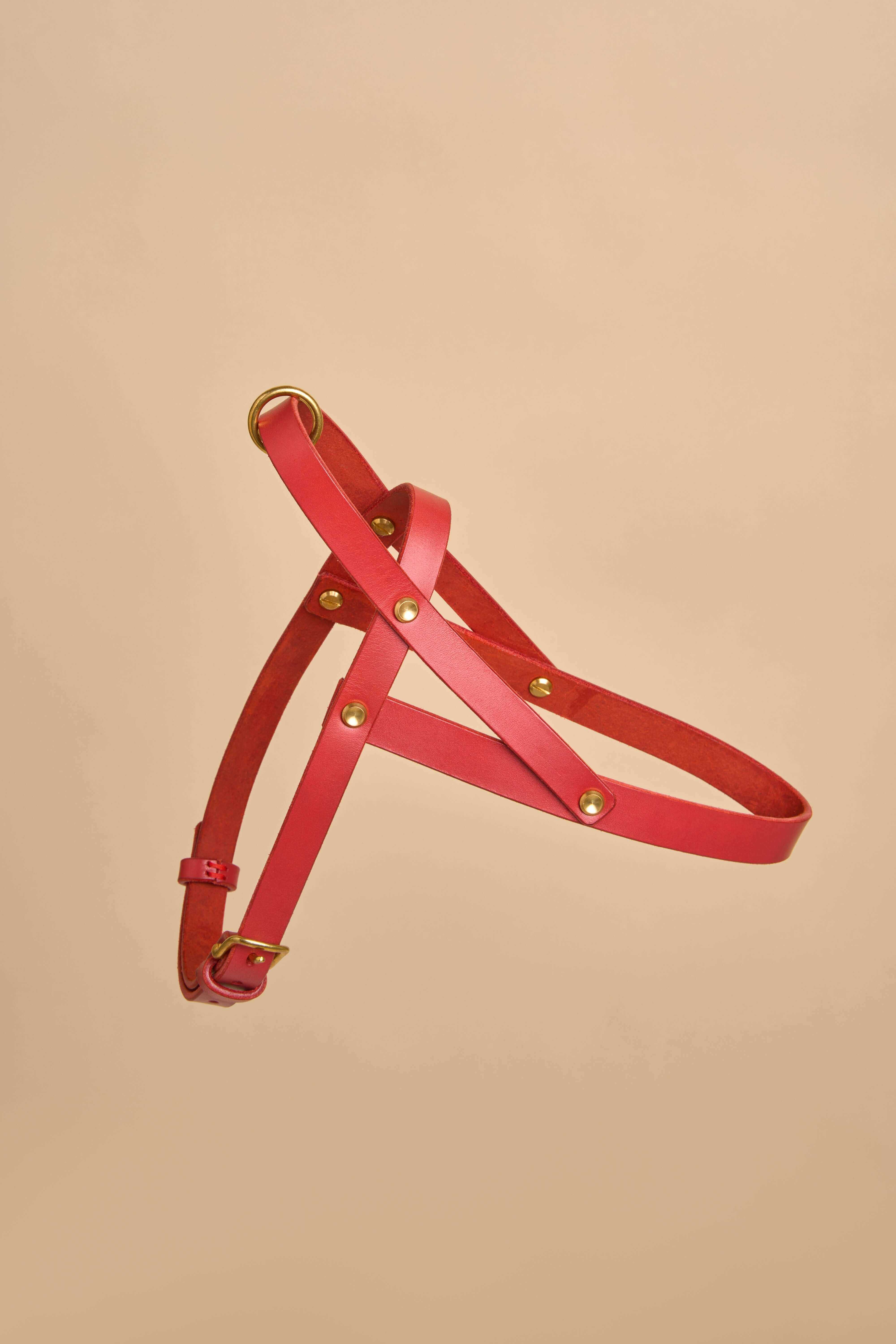
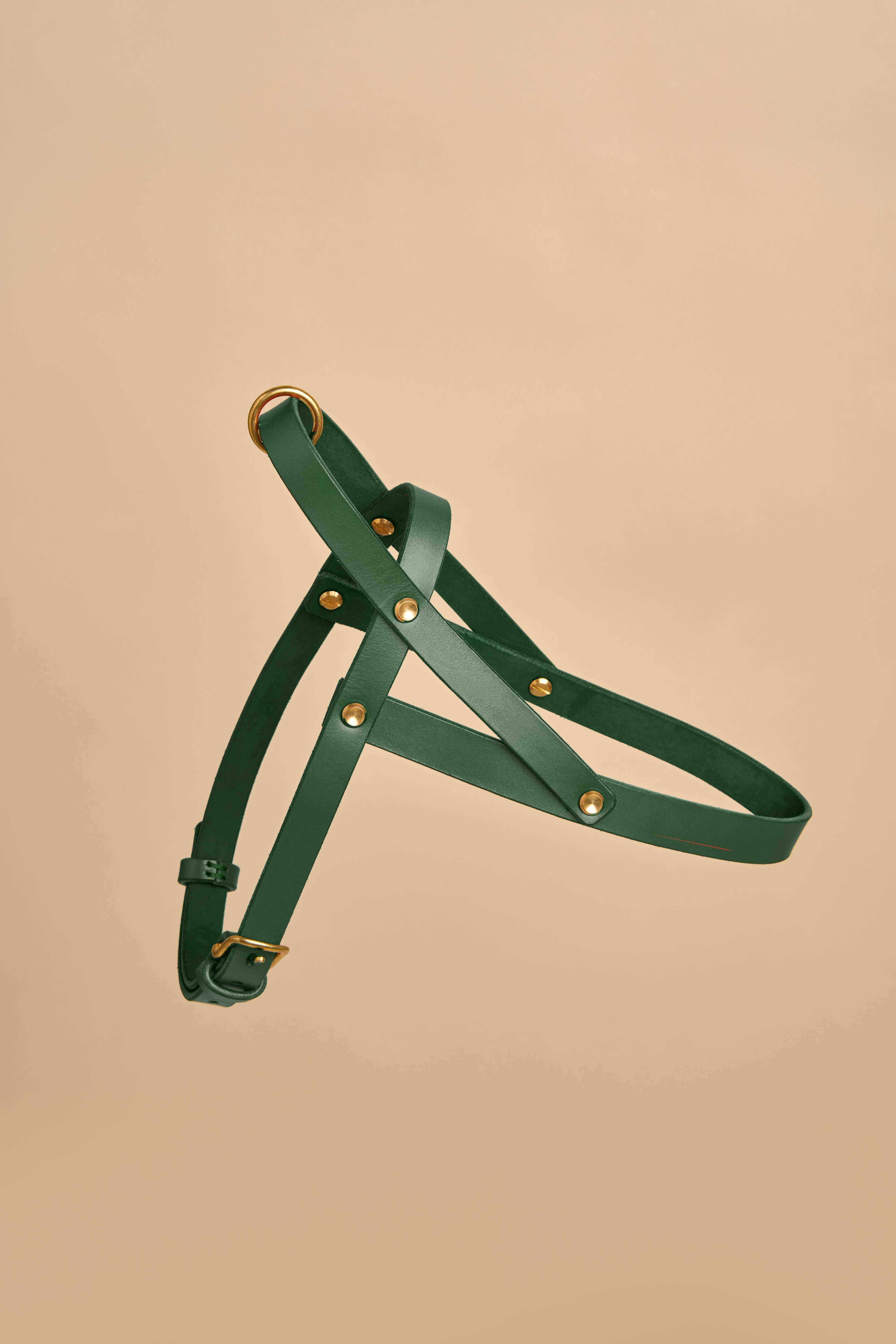
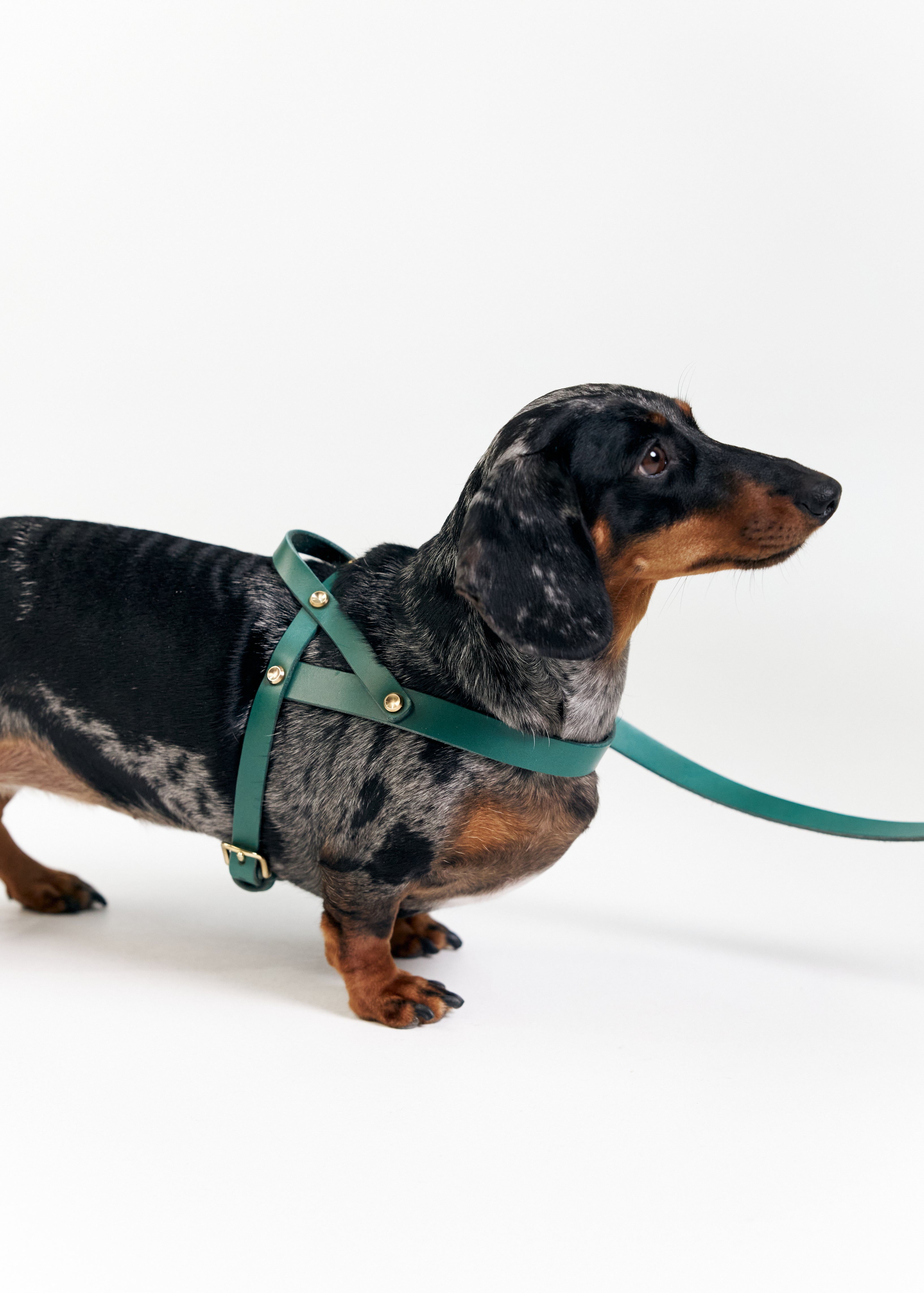
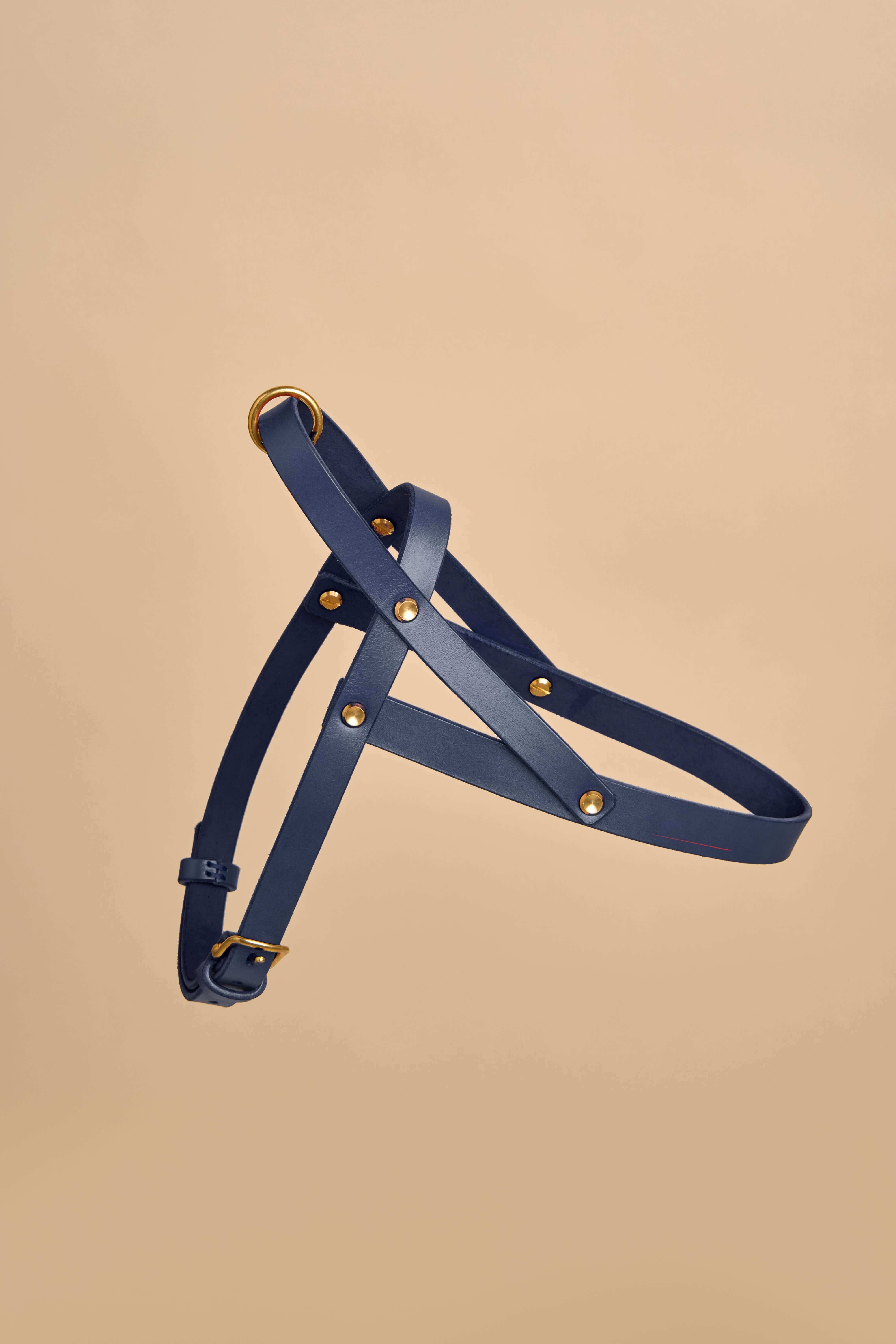
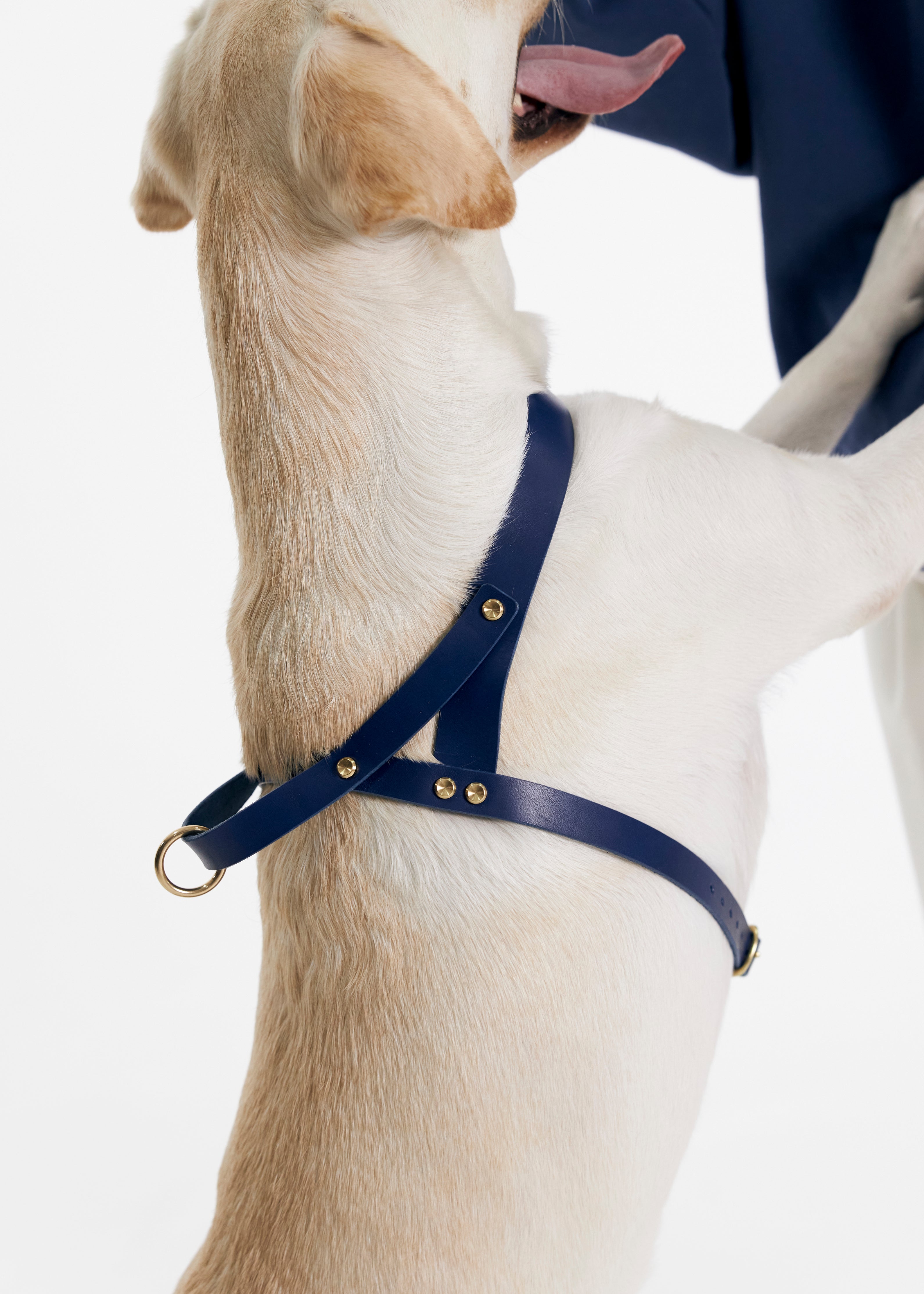
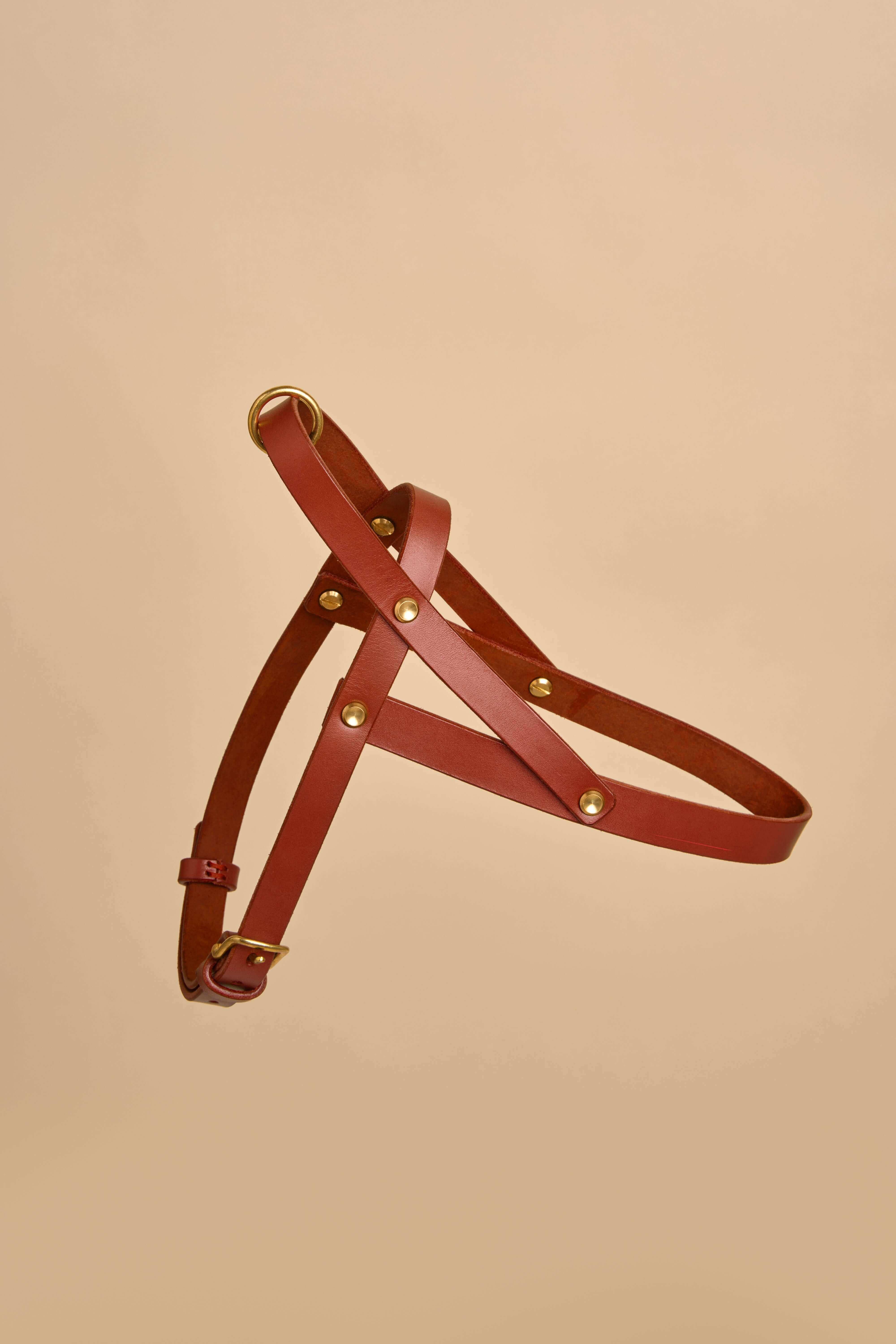
Back-clip harnesses attach the leash at a D-ring positioned between the dog's shoulder blades on the back. This is the most natural and comfortable walking configuration for a dog that already walks calmly. The leash runs behind the dog, allowing free forward movement and a relaxed body position. Back-clip harnesses are the correct choice for dogs that do not pull, small breeds, and any dog being introduced to harness walking for the first time. The Lille Björn's Vero Harness is a back-clip design.
Front-clip harnesses attach the leash at a ring on the chest panel. When a dog pulls forward, the leash redirects them back toward the handler rather than allowing the pulling motion to continue. This makes front-clip harnesses significantly more effective for dogs that pull consistently, reactive dogs, and dogs still in early leash training. The trade-off is that front-clip designs require more attention to fit, as an incorrectly placed chest ring can interfere with the dog's shoulder movement during normal walking.
For most everyday companion dogs that walk calmly, the back-clip design provides better comfort and a more natural gait. For dogs with pulling habits, a front-clip design or a dual-clip harness (with attachment points at both chest and back) gives the handler more control during active training phases.
When to Use Both a Collar and Harness Together
The collar vs harness debate presents a false choice for most dog owners. The practical answer that veterinarians and professional trainers consistently recommend is to use both, with each serving its specific purpose.
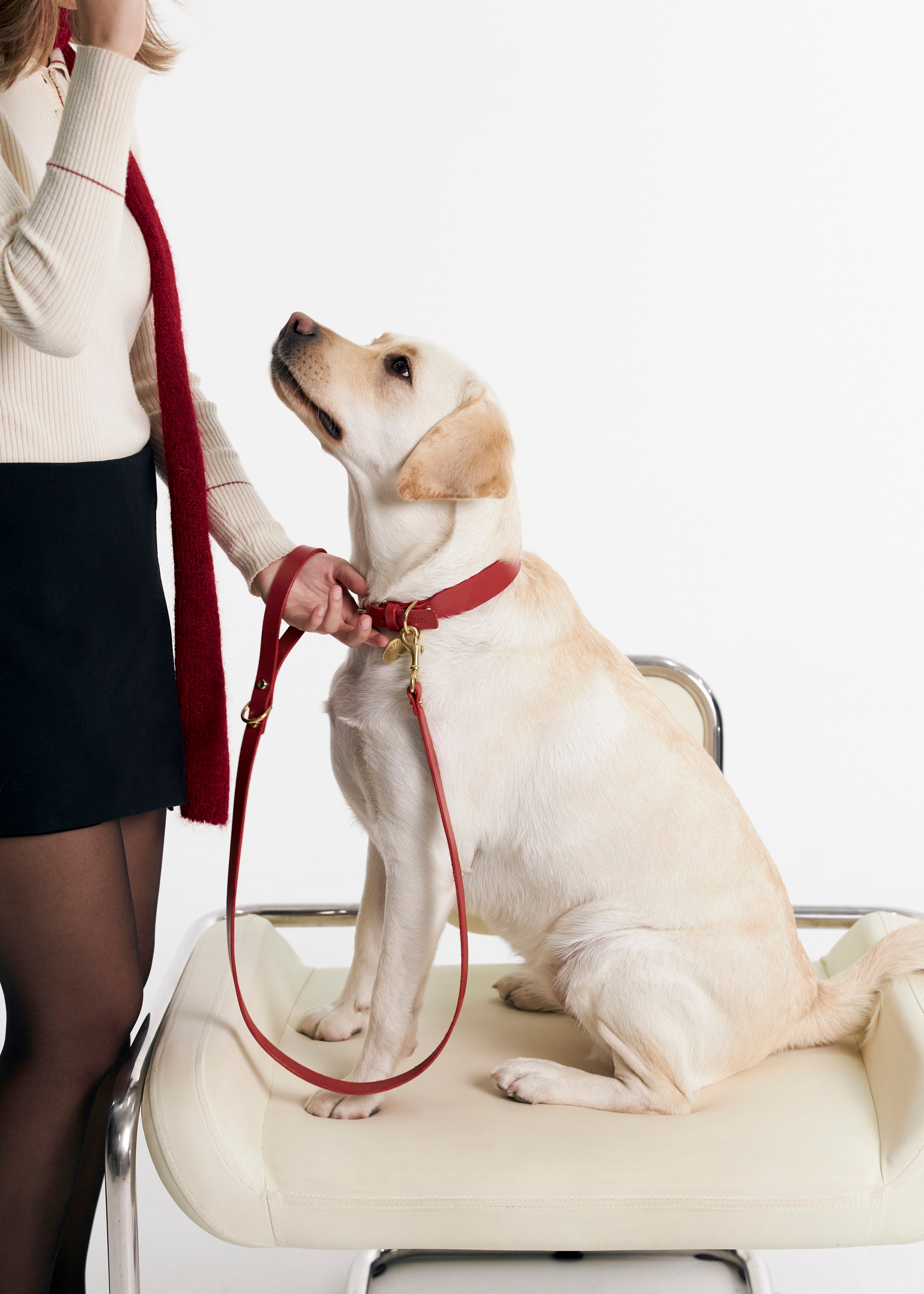
The collar stays on during all waking hours for identification. It carries the ID tag with your phone number, any medical alert information, and the dog's registration if required in your region. Even a dog that primarily walks in a harness should wear a collar with ID unless a medical reason prevents it. A dog that escapes, gets lost, or ends up at a shelter without visible identification creates a problem that a microchip alone cannot always solve quickly.
The harness goes on for walks, training sessions, car travel, and any activity where leash tension is expected. It comes off when the dog is unsupervised indoors, sleeping, or in the crate, both to give the skin a rest from the straps and to eliminate any small entanglement risk.
VCA Animal Hospitals describe collars and harnesses as tools that can be used together to keep dogs safe and support training. The collar and harness are not competing products; they are complementary tools that do different jobs.
Training Tips For Collars And Harnesses
Introducing a new collar or harness to your dog doesn't have to be stressful. In our experience, it's all about both the owner and the pup being as relaxed and confident as one another. Follow these simple tips and you will have no problem making the transition!
Start Slow
Allow your dog to get used to their new gear by letting them wear it around the house for short periods. Reward any calm behavior shown with lots of treats to help them foster a positive association.
Use Positive Reinforcement
For leash training, keep treats on hand to encourage your dog to walk calmly by your side. Reward them whenever they stay close without pulling. Even if they only start behaving because they are treat crazy, you are still being successful in your aim!
Stop Pulling In Its Tracks
If your dog starts to pull, stop walking immediately. Wait for them to relax the leash before continuing. Consistency is key to teaching loose leash walking. Your pup won't enjoy the feeling of a sharp pull when you stop in your tracks, and they will eventually start to match your rhythm.
Stick To Shorter Training Sessions
Training should be fun, not frustrating. Keep sessions between 5 and 10 minutes as the best way to keep up your dog's focus and enthusiasm. Even humans won't be on their best behaviour when bored or overworked!
Ensure Proper Fit
Whether you're using a collar or harness, a good fit is absolutely essential. For collars, use the two finger rule. For harnesses, ensure the straps fit snuggly, but are not restrictive, allowing room for comfortable movement.

Frequently Asked Questions: Dog Collar vs Harness
Are harnesses better than collars for dogs?
For leash attachment during walks, yes in most cases. A harness distributes tension across the chest and shoulders rather than concentrating it at the neck, making it safer for dogs that pull, brachycephalic breeds, and dogs with any tracheal or neck sensitivity. For identification and everyday wear, a collar remains the practical choice. Most dogs benefit from both: collar for ID, harness for walks.
Are dog harnesses better than collars for pulling?
Yes, particularly a front-clip harness. When a dog wearing a front-clip harness pulls forward, the leash redirects their body back toward the handler, interrupting the pulling motion without placing pressure on the neck. A back-clip harness is more comfortable for calm dogs but does not actively discourage pulling the way a front-clip design does.
Should dogs wear a collar or harness all the time?
A collar should be worn during all supervised waking hours to carry identification tags. A harness should be used for walks and training sessions but removed during unsupervised indoor time, crate time, and sleep. Leaving a harness on 24 hours a day can cause skin irritation at the strap contact points and increases the entanglement risk for unsupervised dogs.
Can dogs wear both a collar and harness at the same time?
Yes, and this is the setup that VCA Animal Hospitals and most veterinary guidance recommends. The collar carries identification at all times. The harness handles leash attachment during walks. Many owners clip the leash to the harness for walks while leaving the collar on throughout the day for ID purposes. This combination gives the dog both identification security and walking safety simultaneously.
Is a harness or collar better for a puppy?
A harness is better for leash attachment during a puppy's early leash training, because it allows correction and guidance without any neck pressure. A lightweight collar should also be worn from 8 weeks onward for ID tag purposes. For very young puppies still building confidence with gear, introduce the collar first, then add the harness once the puppy is comfortable with the collar.
Which is better for brachycephalic breeds: collar or harness?
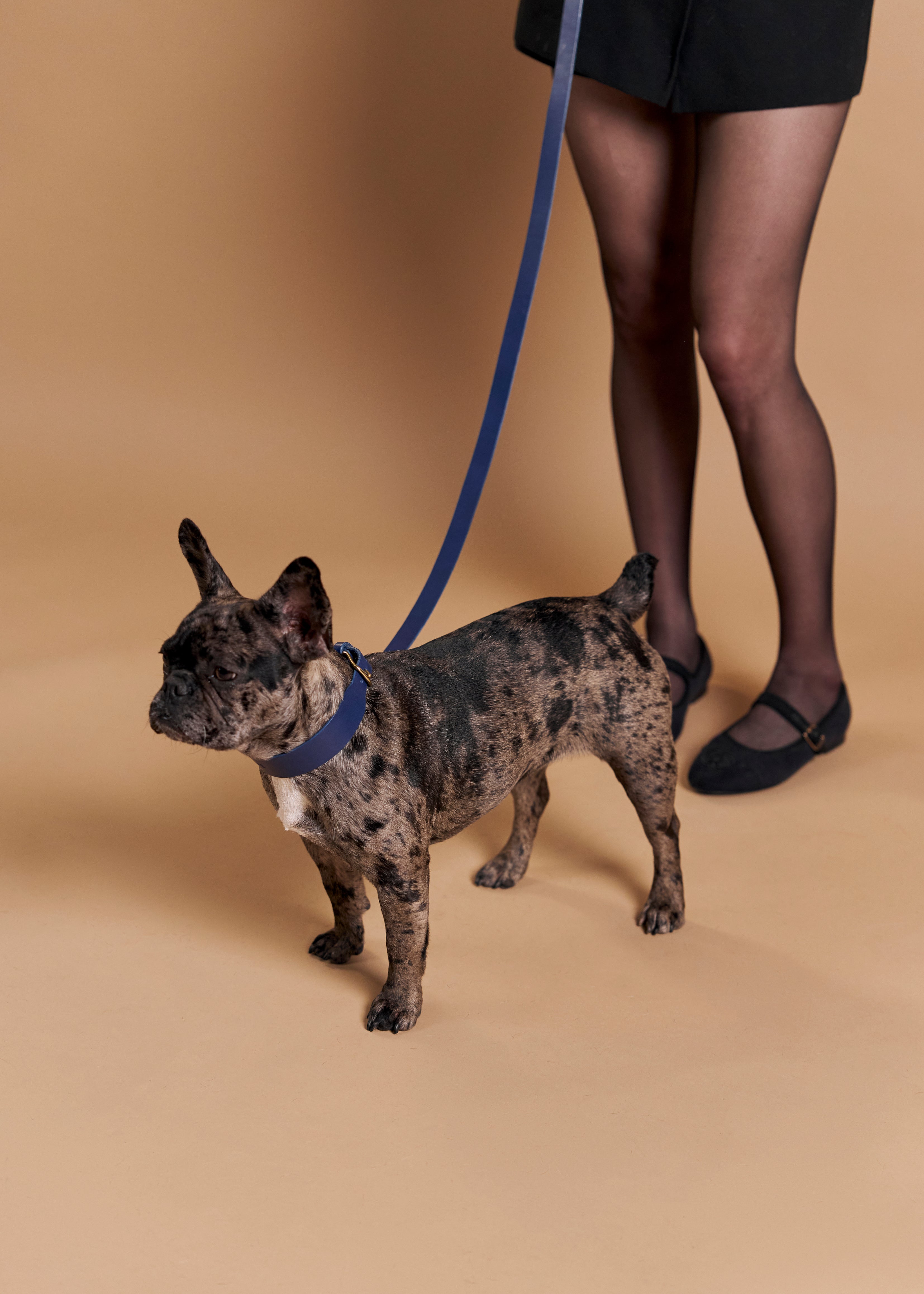
Harness, always. Brachycephalic breeds (Bulldogs, Pugs, French Bulldogs, Boston Terriers) have anatomically compressed airways that are particularly vulnerable to collar pressure. Even a correctly fitted collar on a brachycephalic dog can cause respiratory distress if any leash tension is applied. A back-clip harness eliminates all neck pressure entirely. These breeds should still wear a lightweight collar for ID, but all leash attachment must be via the harness.
What is the best material for a dog harness?
Full-grain vegetable-tanned leather is the most skin-safe, durable, and breathable harness material for everyday use. It contains no chromium compounds, no synthetic dyes, and no chemical sealants that can cause contact reactions. Its open-pore structure breathes naturally and resists bacterial buildup. Nylon and synthetic harnesses are more water-resistant but carry a higher risk of skin irritation, particularly at friction points, and degrade faster under daily wear.
The Right Gear for Every Walk
Collar or harness is not the right question. The right question is: what does each one do, and does my dog's setup use them both correctly? A vegetable-tanned leather collar for daily identification and a back-clip leather harness for walks is the most practical, skin-safe, and durable combination available for any dog.
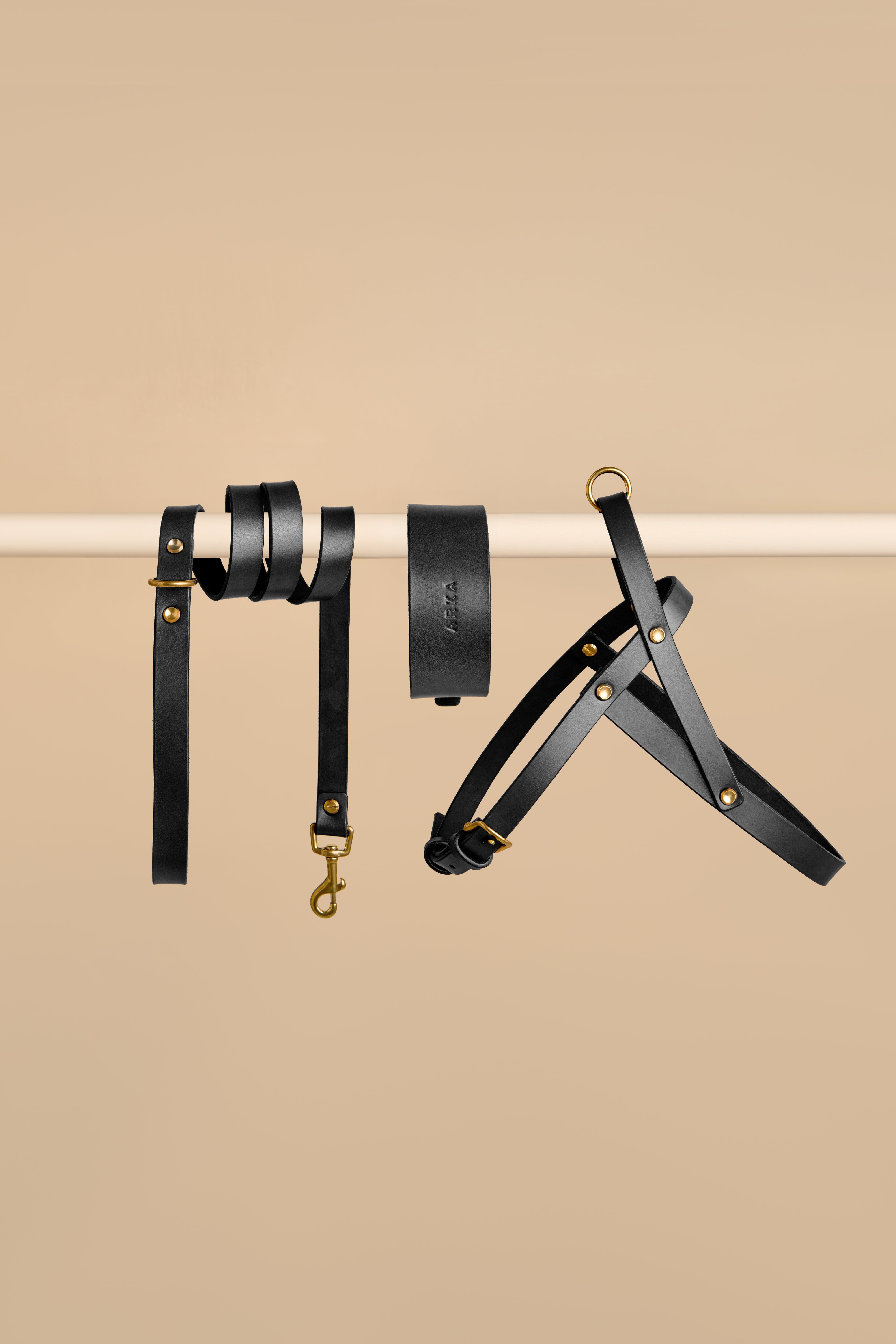
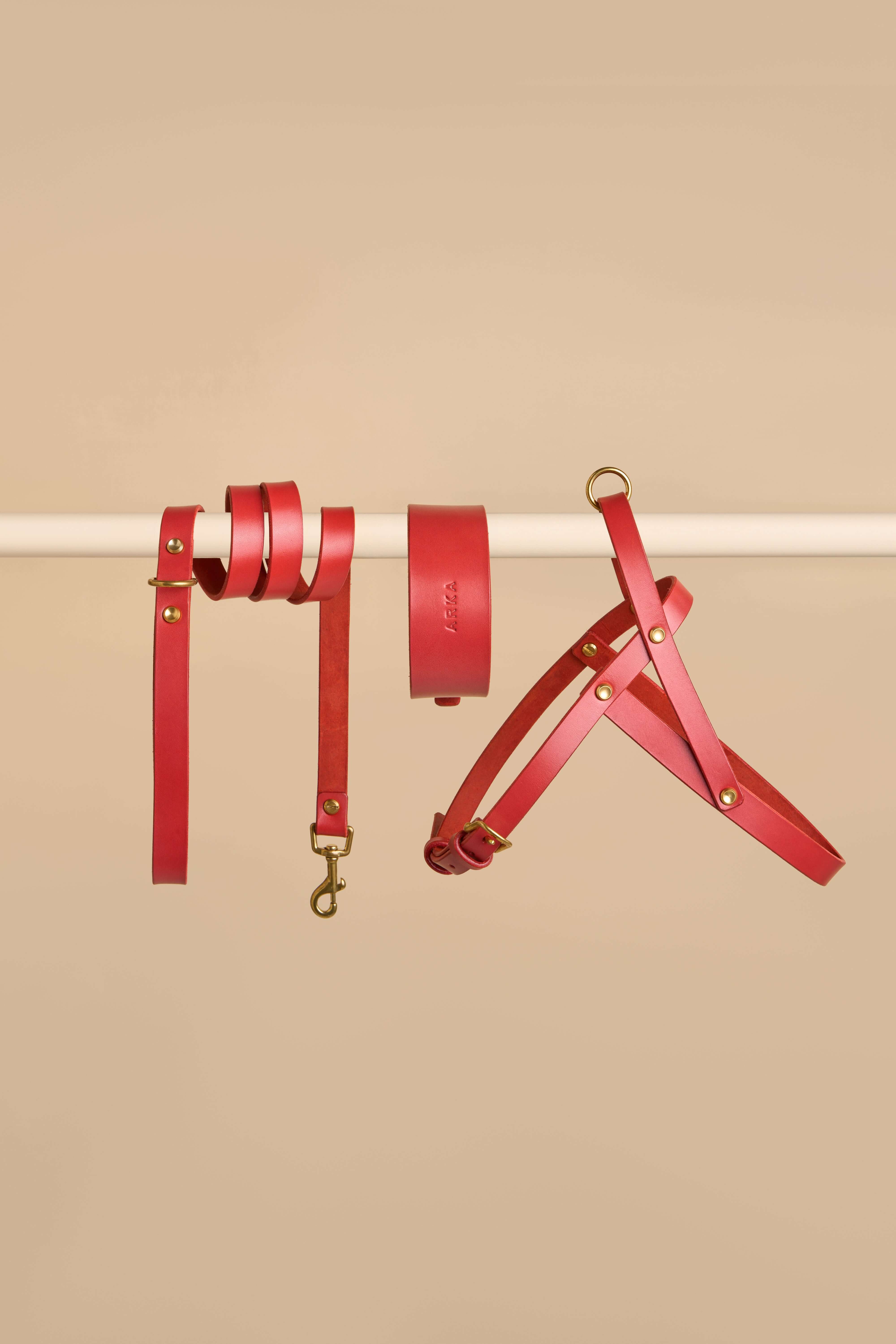
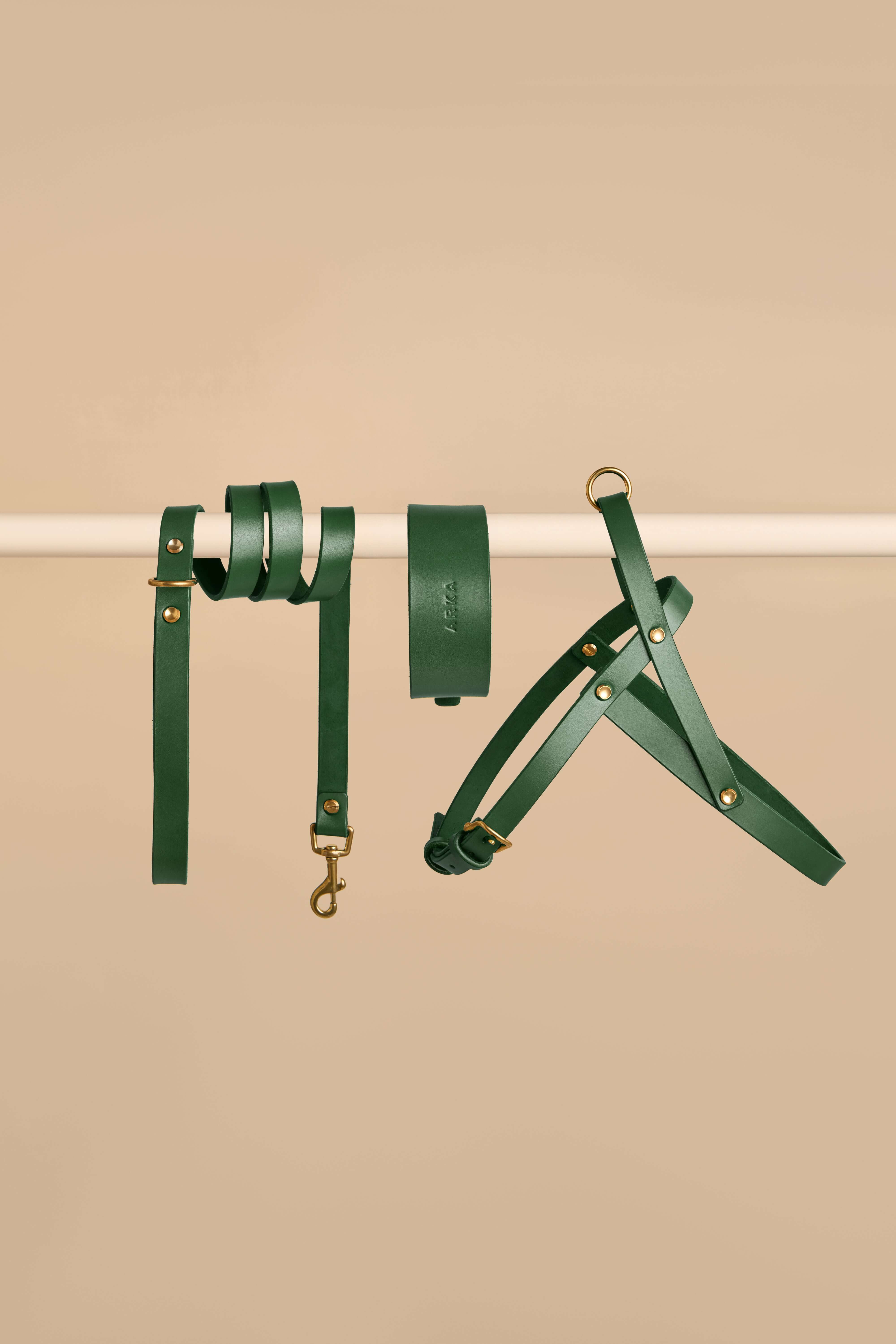
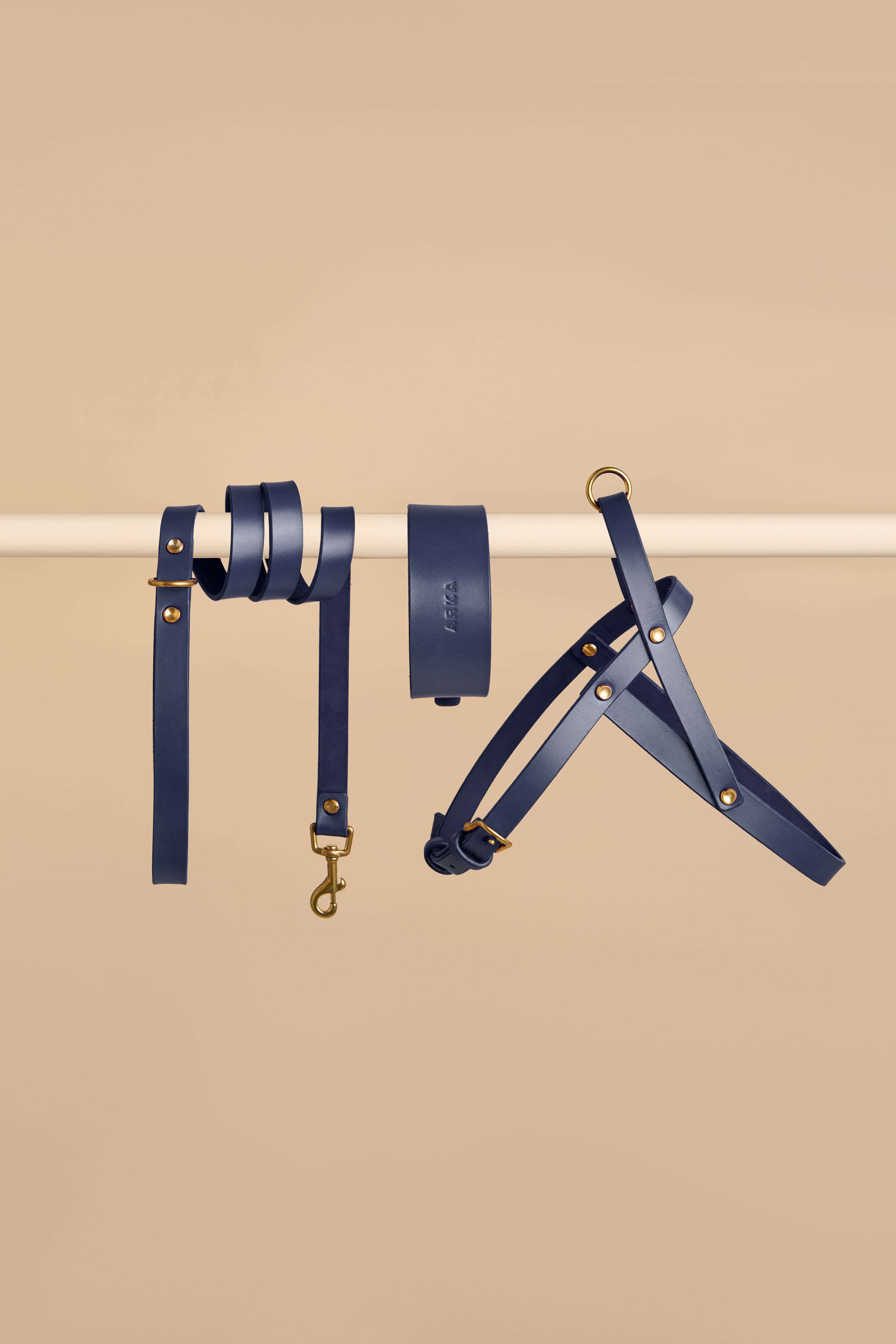
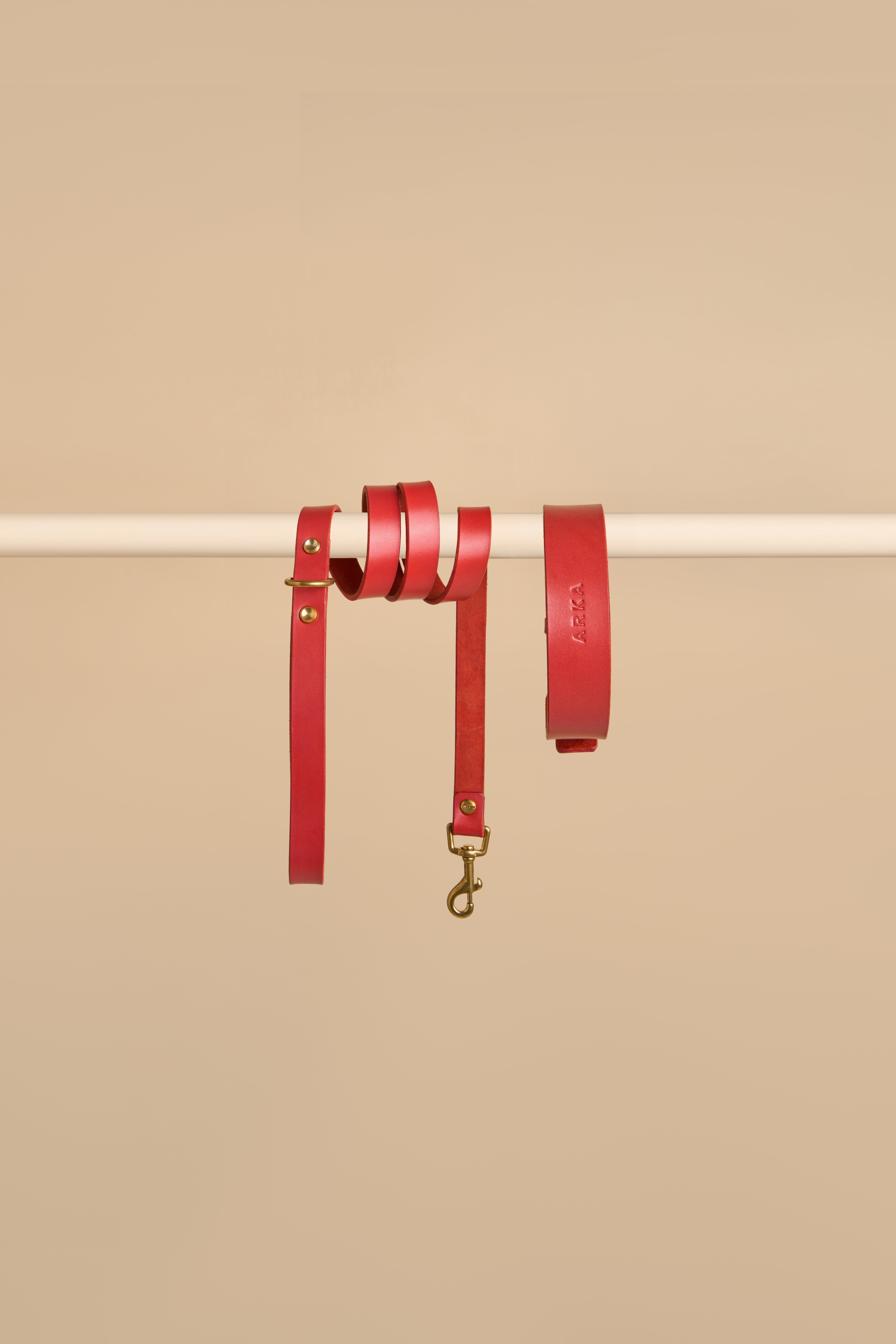
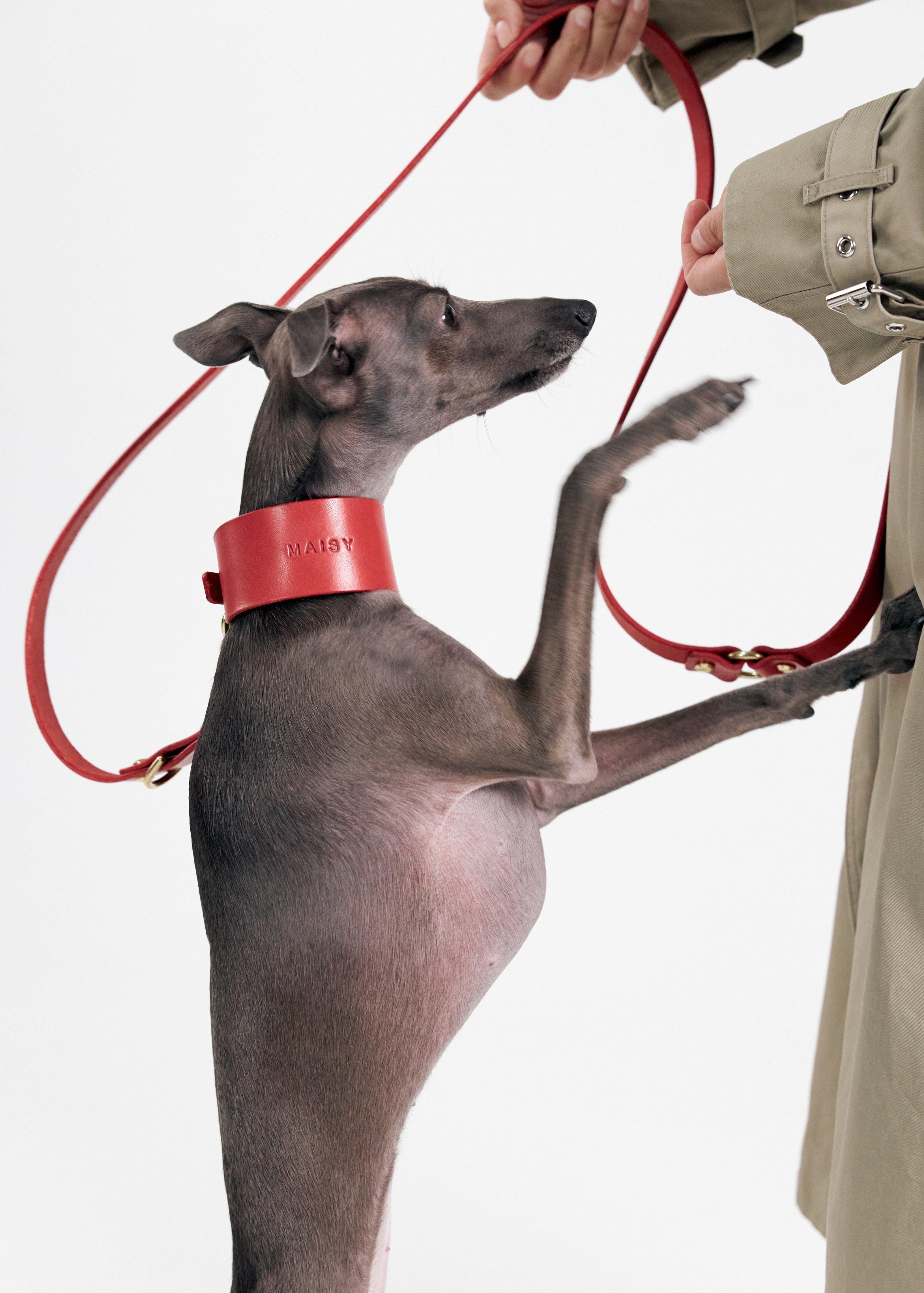
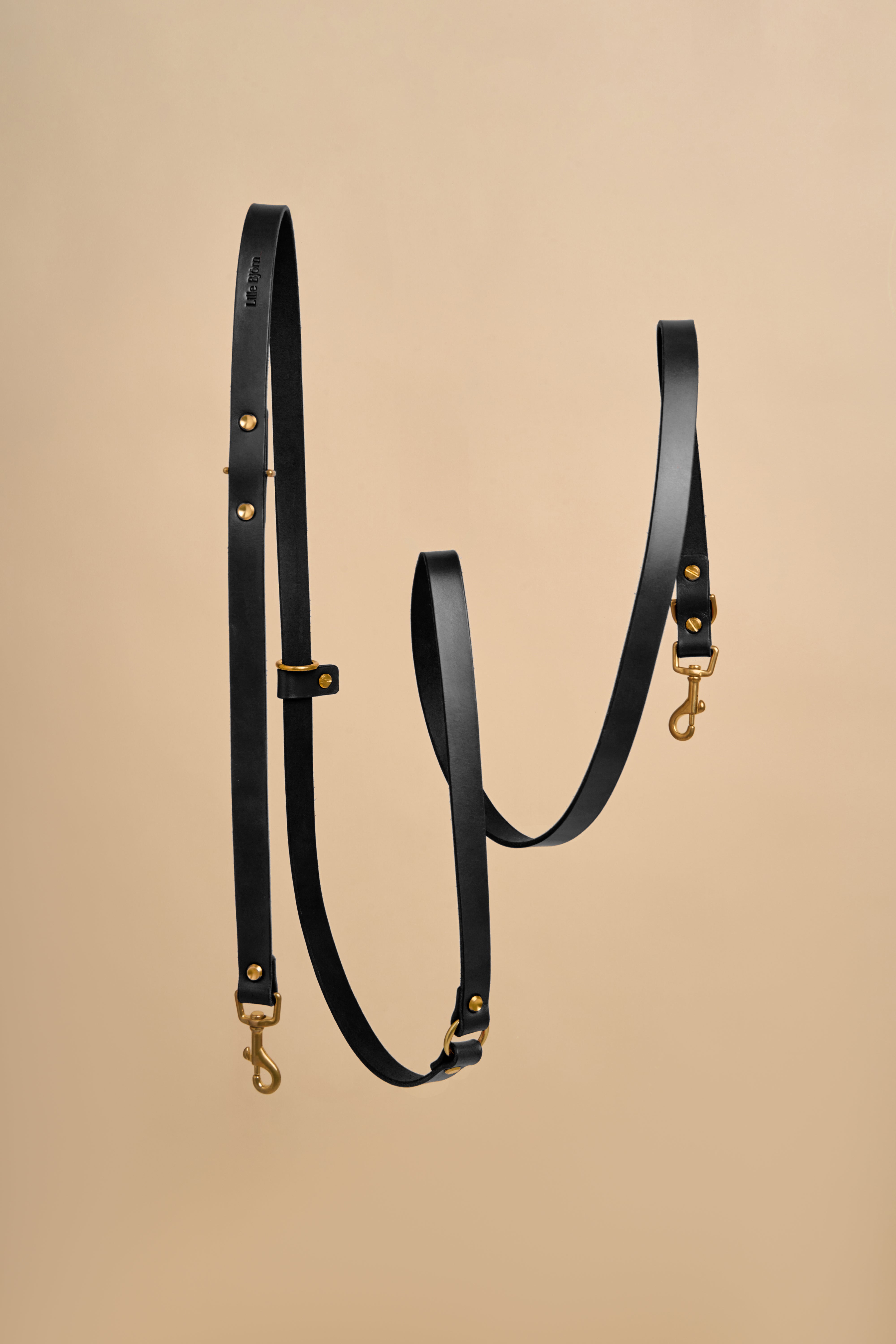
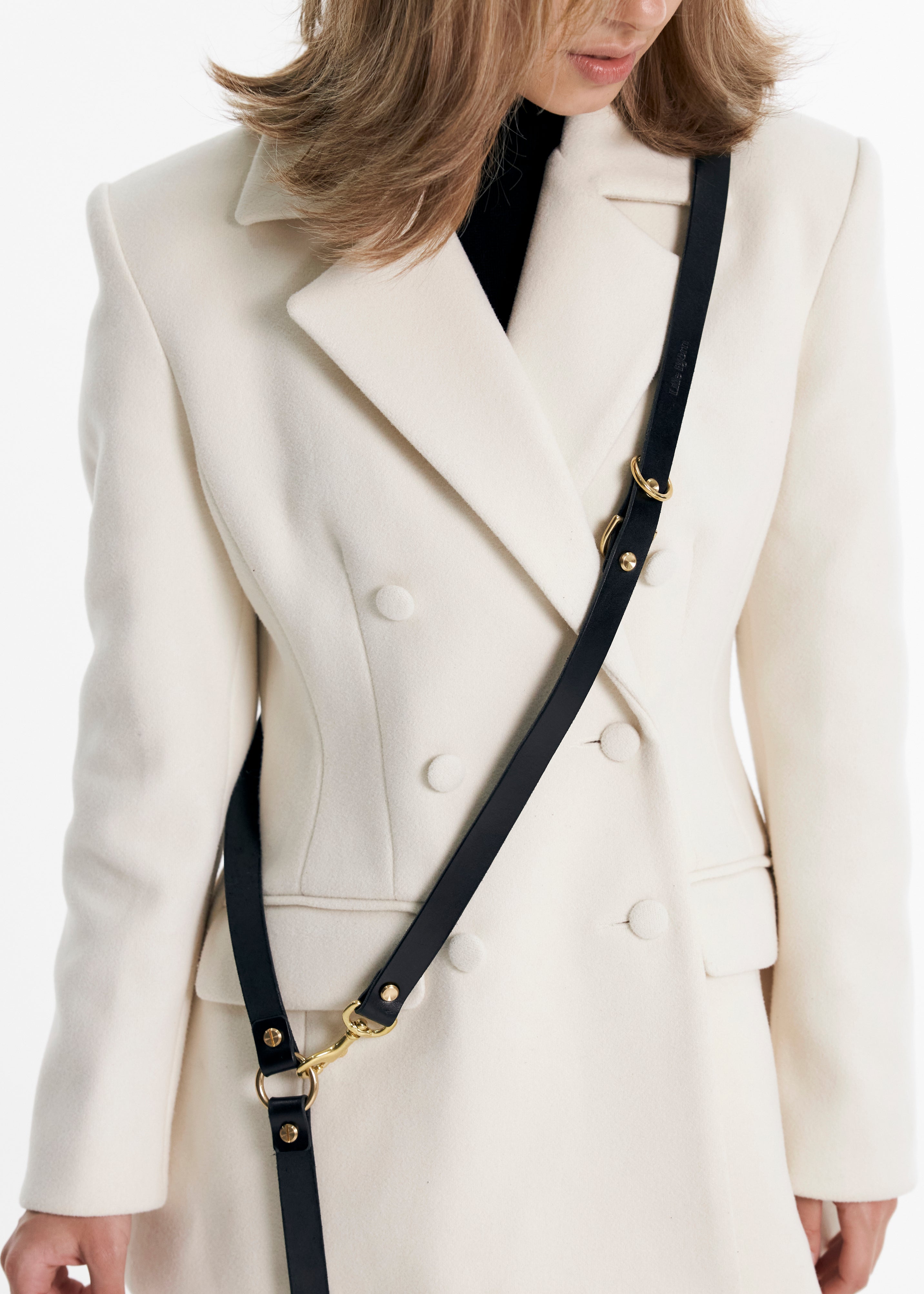
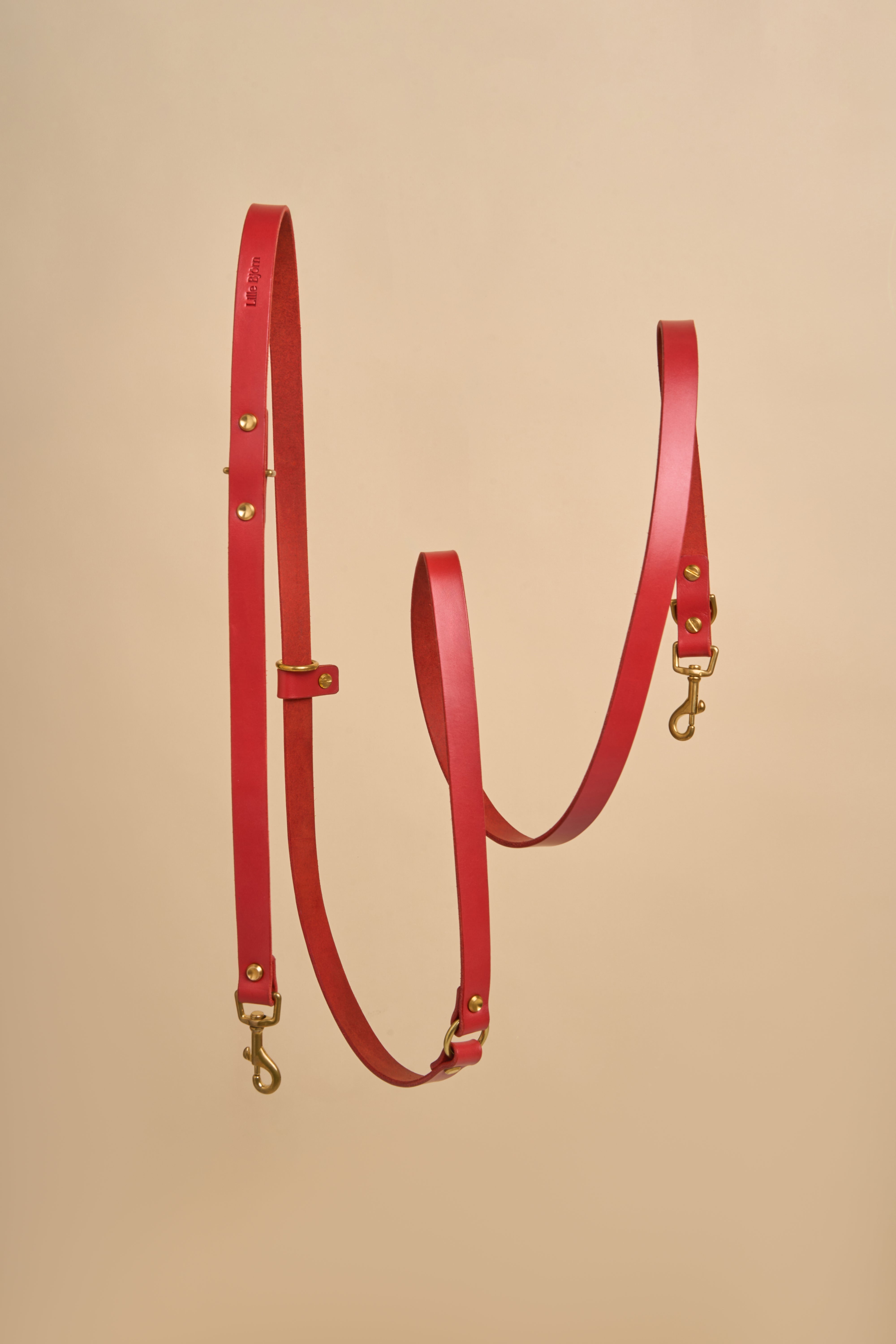
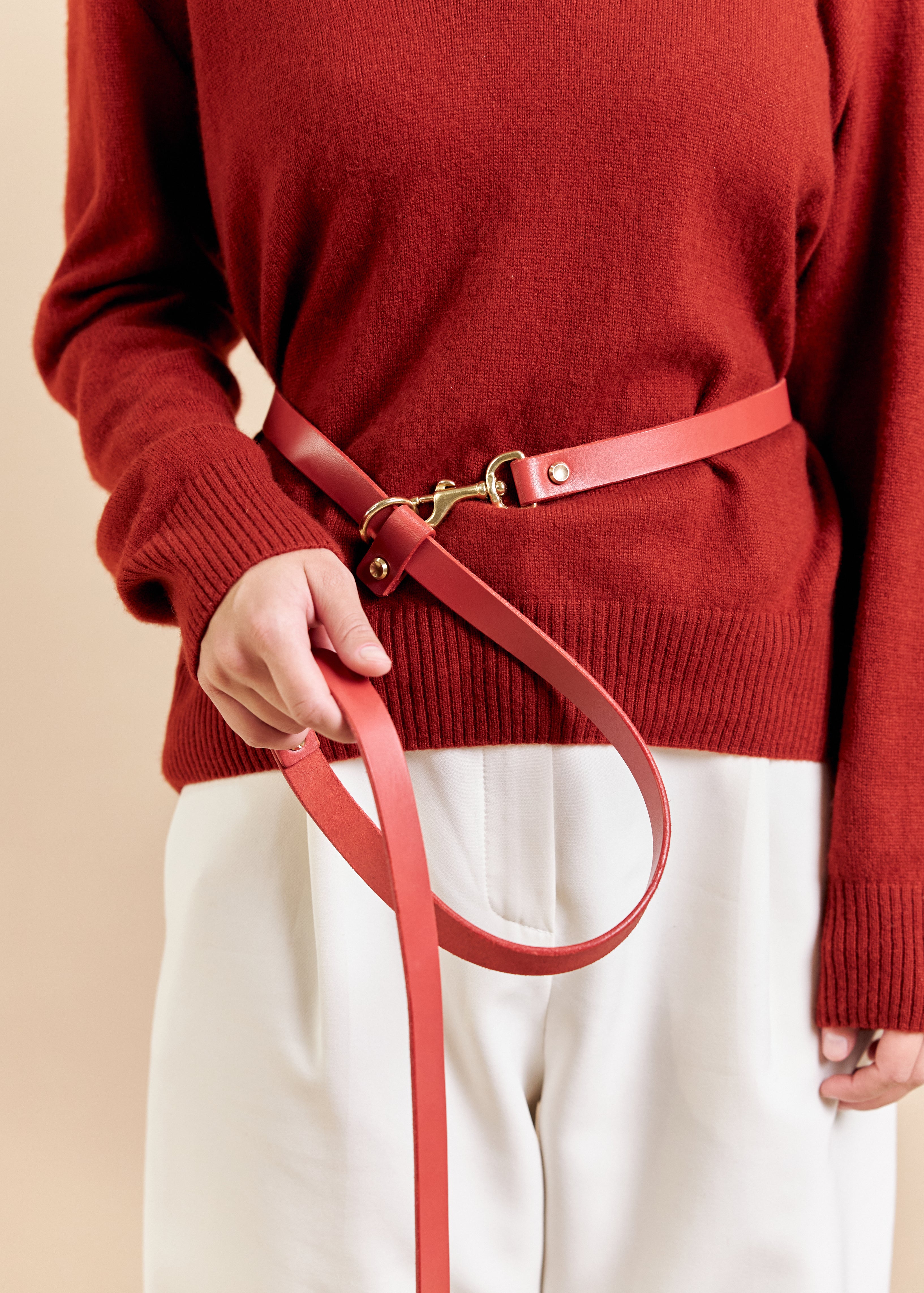
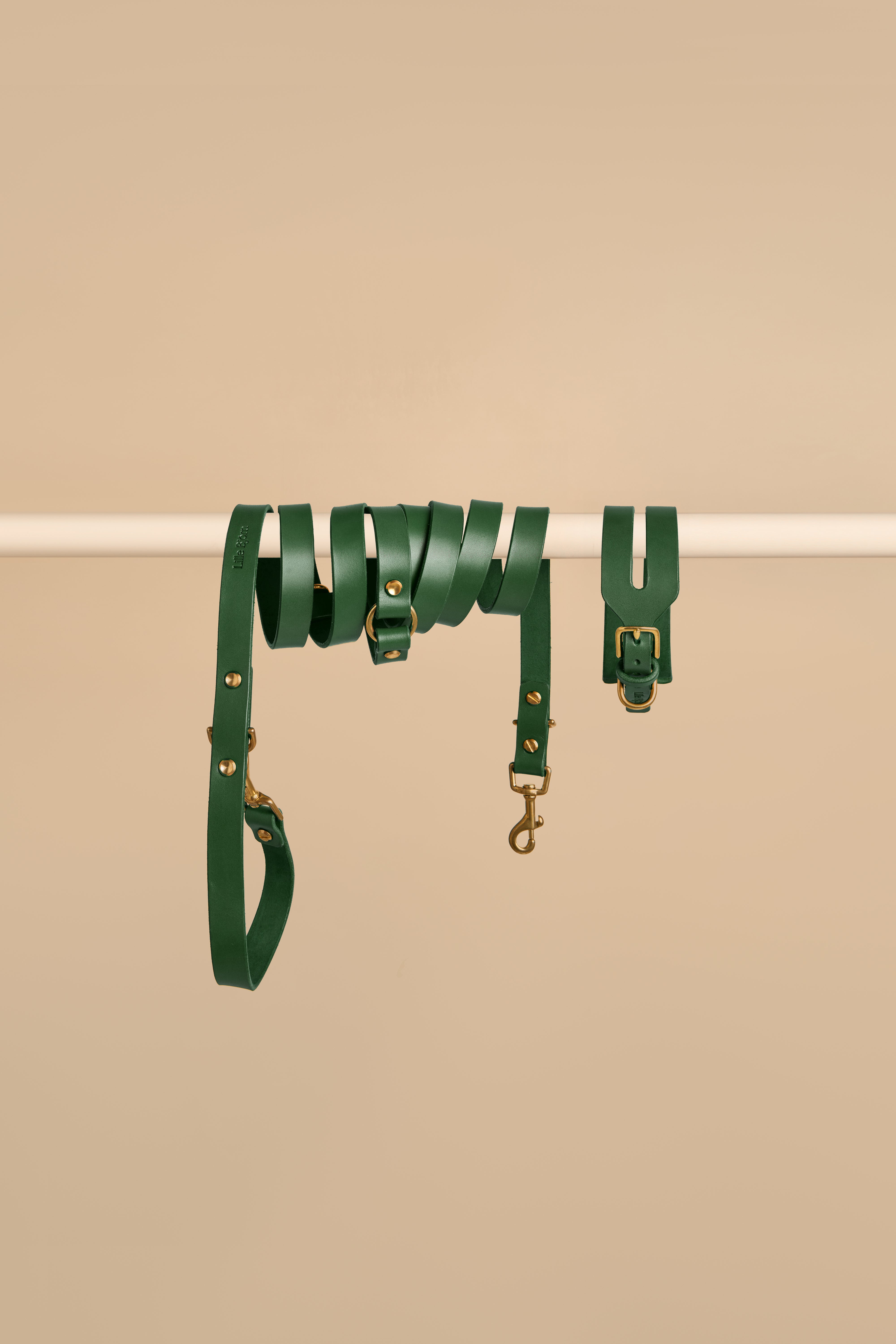
For owners who want a matching leash and harness in the same leather, the Vero Harness and Leash walk kit pairs both pieces from the same Italian leather batch with the same solid brass hardware, available in five colours across sizes XXXS to XL. For a complete dog accessory bundle that includes collar, leash, and harness together with a free brass nametag at 10% off, the leather dog bundles collection covers all three pieces as a matched set. Browse the collar collection and harness collection separately, or shop the walk kits and bundles for a ready-made matched set.