Quick Summary
Not all leather dog collars are safe for dogs with sensitive skin and the reason is almost always the tanning process, not the leather itself. Chrome-tanned leather, which accounts for the majority of collars on pet store shelves, is processed using chromium salts and synthetic sealants that can leach onto a dog’s neck during warm or wet conditions, causing contact dermatitis, redness, hair loss, and persistent scratching. Vegetable-tanned leather uses only plant-based tannins with no chromium, no synthetic coatings, no glues and is the correct material choice for any dog prone to collar-related skin reactions.

We’ve put together a guide on why certain leather collars cause skin reactions, how to identify the real safe dog collar materials, and why our products at The Lille Björn are designed to be a truly hypoallergenic dog collar for furry friends that have particularly sensitive skin.
Why Your Dog Might Be Reacting to Their Collar
Not All Leather Is Safe for Dogs
When you hear the word leather, you will probably picture something that is breathable and natural. However, it’s a little bit more complicated than that. The majority of leather used in fashion and pet products is usually chrome-tanned. It’s quick to make, cheap to produce and unfortunately contains chromium VI which is a known carcinogen and allergen.
Your pup’s neck is one of the most sensitive areas on their body, and unlike a human belt or shoes that have a fabric buffer layer, a dog collar always sits directly on the skin. That means that any potentially harmful residue will be pressed against damp fur and skin for hours. You don’t need us to tell you that that spells disaster for dog collar skin irritation!
The Hidden Chemicals in Mass-Market Collars
The tanning process isn’t the only issue here. Budget collars usually cut corners by being created from low-grade scraps of leather that are glued together with synthetic glues. These glues can release irritants like formaldehyde. And on top of that, cheap collars are sealed with synthetic dyes or coatings to make them look perfect and glossy. The problem with this is that the sealants can trap heat, stop the leather being able to breathe naturally and cause friction burns.

Heat + Sweat = Trouble
Leather is a material that naturally absorbs a bit of moisture, but chrome-tanned leather is usually so coated that it just traps sweat against the skin. On a really hot day or after an active play session, your pup’s neck can quickly get very warm and damp under their collar. As you can imagine, this is the ideal environment for bacterial growth and irritation!
When their skin barrier gets compromised, your precious pooch can experience things like:
- Itchiness and constant scratching.
- Inflammation and redness.
- Smalls bumps and sores.
- A musty, sour odor from the buildup of bacteria.
Real Signs to Watch For
Here are some of the key signs that your dog’s collar might be the reason they seem to be having a bad time.
- Hot spots and general redness around where the collar rests.
- Constant rubbing against furniture and scratching.
- Fur thinning or bald patches along the collar line.
- Pulling away or flinching when you attempt to put the collar on.
- Reduced enthusiasm for walks because they are linking them to discomfort.
Sometimes, these signs can be mistaken for things like shampoo or food allergies, or even sensitivities to seasonal pollen. However, if the symptoms start to improve after making a switch to a safer collar material, you will know for sure that your old leather was the problem!
What Makes A Dog Collar Truly Skin-Safe?
What Is Vegetable-Tanned Leather?
Vegetable-tanned leather dog collars are created using an old traditional process that favors plant-based tannins like leaves and bark. It’s a method that takes weeks rather than days, but the result is so worth it. The finished leather is super durable and breathable, and crucially, free from any toxic chemical and heavy metals.
Because it is tanned with plants instead of chemicals and dyes, vegetable-tanned leather also develops a beautiful patina over time rather than peeling or cracking. Aside from the aesthetic benefits, this also means that your pup won’t be irritated by a shoddy flaking finish!

No Glue, No Fillers - Just Leather
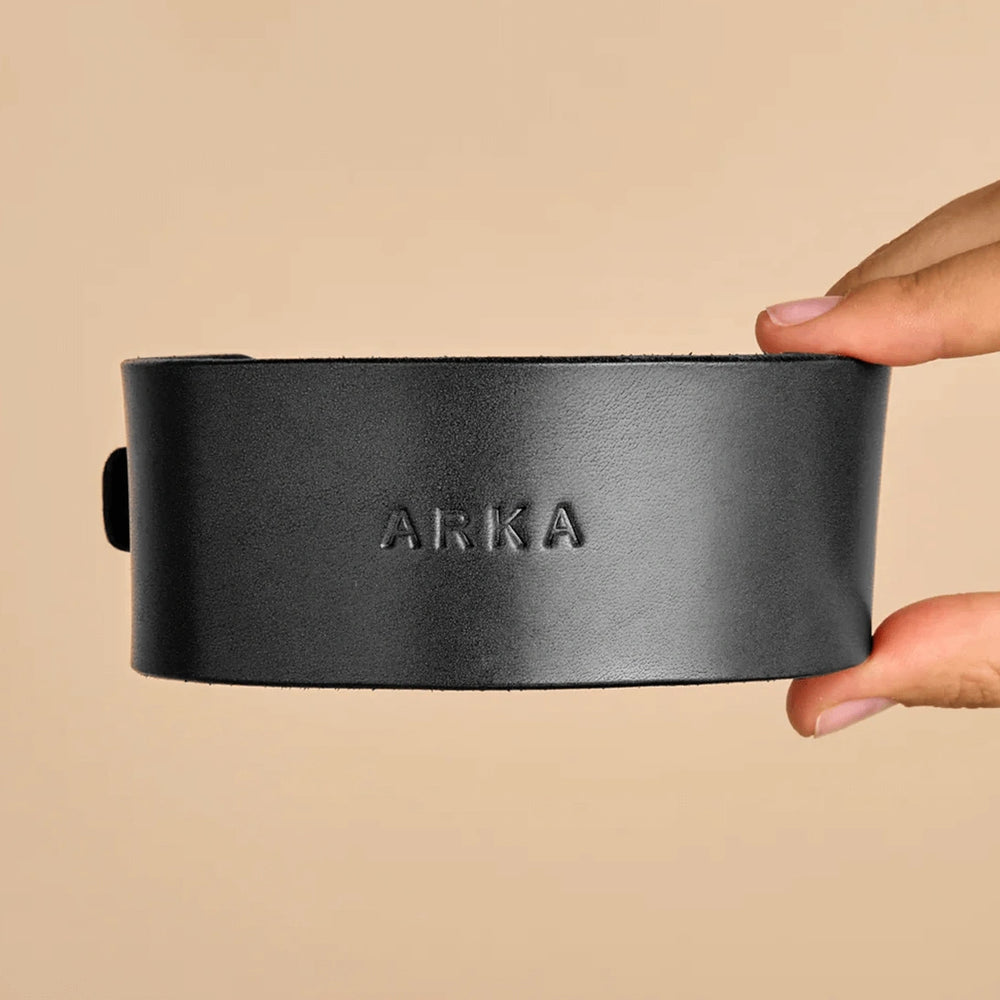
A proper hypoallergenic dog collar should always be made from a single strip of full-grain leather that has been cut to size without having to rely on glued layers and padding. The padding will usually contain synthetic fabrics, foams and adhesives that all have the potential to irritate a pup’s sensitive skin.
The great thing about our collars at The Lille Bjorn is that they are made from one continuous strip of beautiful vegetable-tanned leather. You won’t find any inner fillers, glue or laminations on our products!
Our Open-Pore Design Supports Breathability
Leather is naturally very breathable, but that all relies on the pores remaining open. When leather is chrome-tanned, it gets sealed with plastic style coating which results in the moisture getting locked in, and air getting locked out.
On the other hand, our vegetable-tanned leather retains its open pores, allowing moisture to evaporate and keeping your furry friend’s neck dry and cool. This means less risk of issues like bacterial growth, sweat rash and nasty odor buildup.
Chrome-Tanned vs. Vegetable-Tanned - A Quick Comparison
What the Industry Doesn’t Tell You
An annoying truth is that pet accessory marketing doesn’t usually disclose the tanning methods that are used for certain products. Sure, a label might say something like ‘genuine leather’, but that is still a vague phrase that covers a very wide range of processes and grades, most of them being chrome-based!
Let’s take a look at some of the clear and most important differences to give you the best information when picking your next collar:
Tanning Method
Chrome-tanned collars are, as the name suggests, chromium based, and use lots of chemicals to achieve their tanning. On the other hand, vegetable-tanned collars make use of natural plant-based tannins for a gentler, higher quality finish.
The process difference is substantial. Chrome tanning takes 1 to 2 days: hides are immersed in a bath of chromium sulphate and other chemicals, which rapidly penetrates the leather fibres. The resulting leather is soft, water-resistant, and consistent in colour, which is why it accounts for approximately 80 to 90% of global leather production. The trade-off is that chromium compounds remain in the finished leather, and can become chromium VI (a known carcinogen and contact allergen) during ageing, particularly under heat and moisture exposure. For a dog collar worn against skin daily, this matters.
Vegetable tanning takes several weeks: hides are immersed in progressively stronger baths of plant tannins derived from tree bark, leaves, and other plant matter. No chromium, no synthetic acids, no chemical fixatives. The resulting leather is firmer, develops a patina with use, and contains none of the residual chemical compounds associated with contact reactions in sensitive dogs.
Skin Safety
Chrome-tanned leather can risk dog collar skin irritation, but their vegetable-tanned alternatives offer a chemical-free, hypoallergenic dog collar experience.
The skin safety difference between the two processes is direct and specific. Chrome-tanned leather can contain residual chromium VI, which is a documented contact allergen confirmed in peer-reviewed research to cause contact dermatitis from prolonged skin exposure. For a collar in daily contact with a dog's neck, particularly in warm conditions where the skin is more permeable, this is a real sensitisation risk for any dog with existing skin sensitivities.
Vegetable-tanned leather contains no chromium compounds, no synthetic dyes, and no petrochemical-derived sealants. Its naturally antibacterial surface resists the bacteria and moisture buildup at the collar contact zone that worsens existing skin conditions. For dogs that have previously reacted to a leather collar, the reaction was almost certainly to the chemical compounds in chrome-tanned or treated leather, not to leather as a material.
Breathability
Chrome-tanned collars have sealed, coated surfaces, but vegetable-tanned collars have open pores that result in better air circulation.
Smell
Chrome-tanned collars can emit a sharp, chemical smell that is quite offputting, but vegetable-tanned collars have a much more pleasant earthy, natural scent.
The smell difference is a reliable indicator of tanning method and can be used as a practical identification test before purchase. Chrome-tanned leather's sharp chemical odour comes from the residual chromium compounds, synthetic acids, and sealant coatings applied during processing specifically from volatile organic compounds (VOCs) that off-gas from the sealed surface. This smell typically persists even after the collar has been aired and worn for several days.
Vegetable-tanned leather smells warm, earthy, and organic because the only compounds present are natural tannins from plant matter. There are no sealant coatings to off-gas and no synthetic chemicals to emit. With use, the scent of vegetable-tanned leather shifts gradually to incorporate the dog's own scent as the leather absorbs skin oils which is also why dogs develop a positive scent association with their own collar over time.
Environmental Impact
The creation of chrome-tanned leather produces polluting wastewater, alongside the unfortunate fact that throwing it away will result in a decades long rest in a landfill site. Vegetable-tanned leather, however, is biodegradable and has a very low impact on the wider environment.
The environmental difference between the two processes is significant at every stage. Chrome tanning generates highly polluting wastewater containing chromium salts, sulphates, and other processing chemicals. Tanneries using chrome tanning must manage this effluent carefully to avoid contaminating waterways and in regions with weaker environmental regulation, many do not. The Leather Working Group's certification framework exists specifically to independently verify which tanneries meet environmental standards for effluent management, energy use, and chemical reduction.
Vegetable tanning uses plant-derived tannins as its primary processing agent, produces significantly less toxic effluent, and results in a finished leather that is fully biodegradable at end of life. A chrome-tanned collar disposed of at end of life contributes both synthetic polymers and residual chromium compounds to landfill. A vegetable-tanned collar breaks down naturally. For a product worn daily for 5 to 8 years, the cumulative environmental difference across the production, use, and disposal lifecycle is substantial.
The contrasts here could not be clearer. Not only is a vegetable tanned leather dog collar the safer choice for your canine companion, it is also the safer choice for the planet.

How to Identify a Safe Dog Collar
What to Ask Before You Buy
If you are shopping in a physical store, or at an online store with good customer service, you might want to offer these questions to staff to make sure you are getting exactly what you are looking for:
- Is your leather definitely vegetable-tanned?
- When you say your products are ‘genuine leather’, can you confirm that means ‘full-grain’?
- Are your collars made from a single piece of leather?
Red Flags to Avoid
- Any labels that only say ‘genuine leather’. This is almost always a way to hide the fact that the product is low-grade chrome-tanned leather made from multiple scraps.
- Any collars that feel overly plasticky, overly shiny, or have a very distinct chemical smell.
- Any designs that are particularly thick. This is usually down to padded layers that surround and cover the leather underneath.
The best tip we can give you? Just trust your own senses. Good quality vegetable-tanned leather feels supple but sturdy to the touch, and has a wonderful, rich, earthy smell. If you come across anything that smells artificial, it’s always a sign that some chemical treatment has taken place.
Our Commitment to Skin-Safe Materials
Handcrafted Without Shortcuts
Every single collar from The Lille Bjorn starts with full-grain vegetable-tanned leather that has been sourced from an ethical tannery. We then cut each collar by hand from a single piece, guaranteeing no synthetic fillers, no glued layers and no sprayed-on coatings that can compromise the breathability.
Designed for Dogs With Sensitive Skin
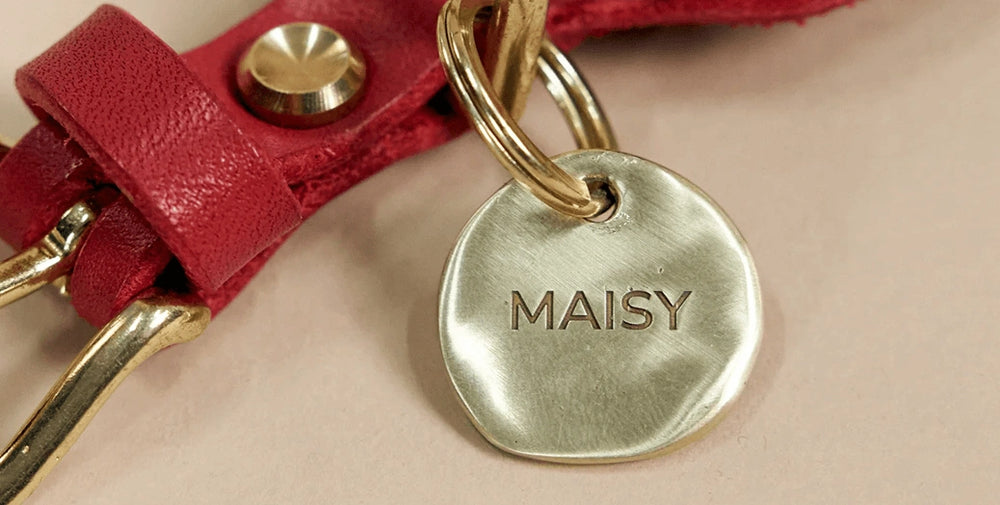
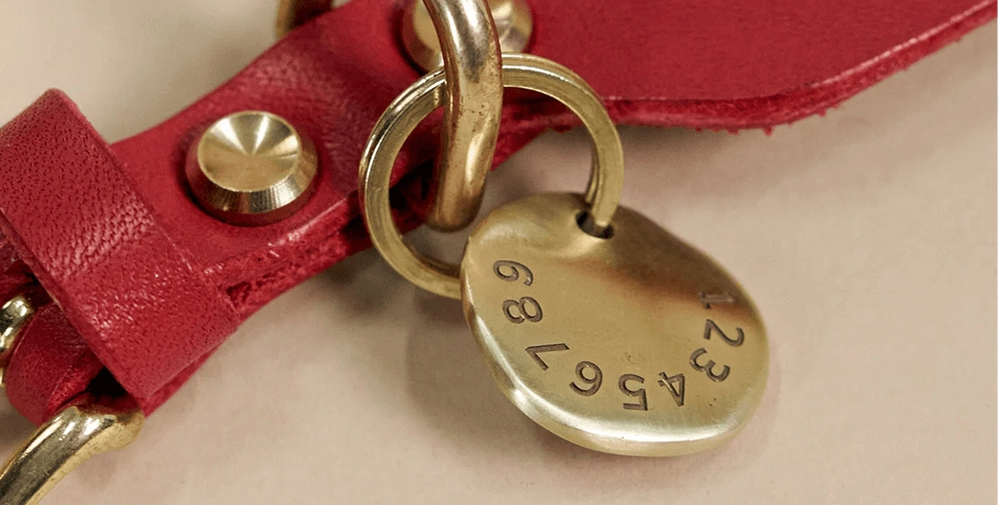
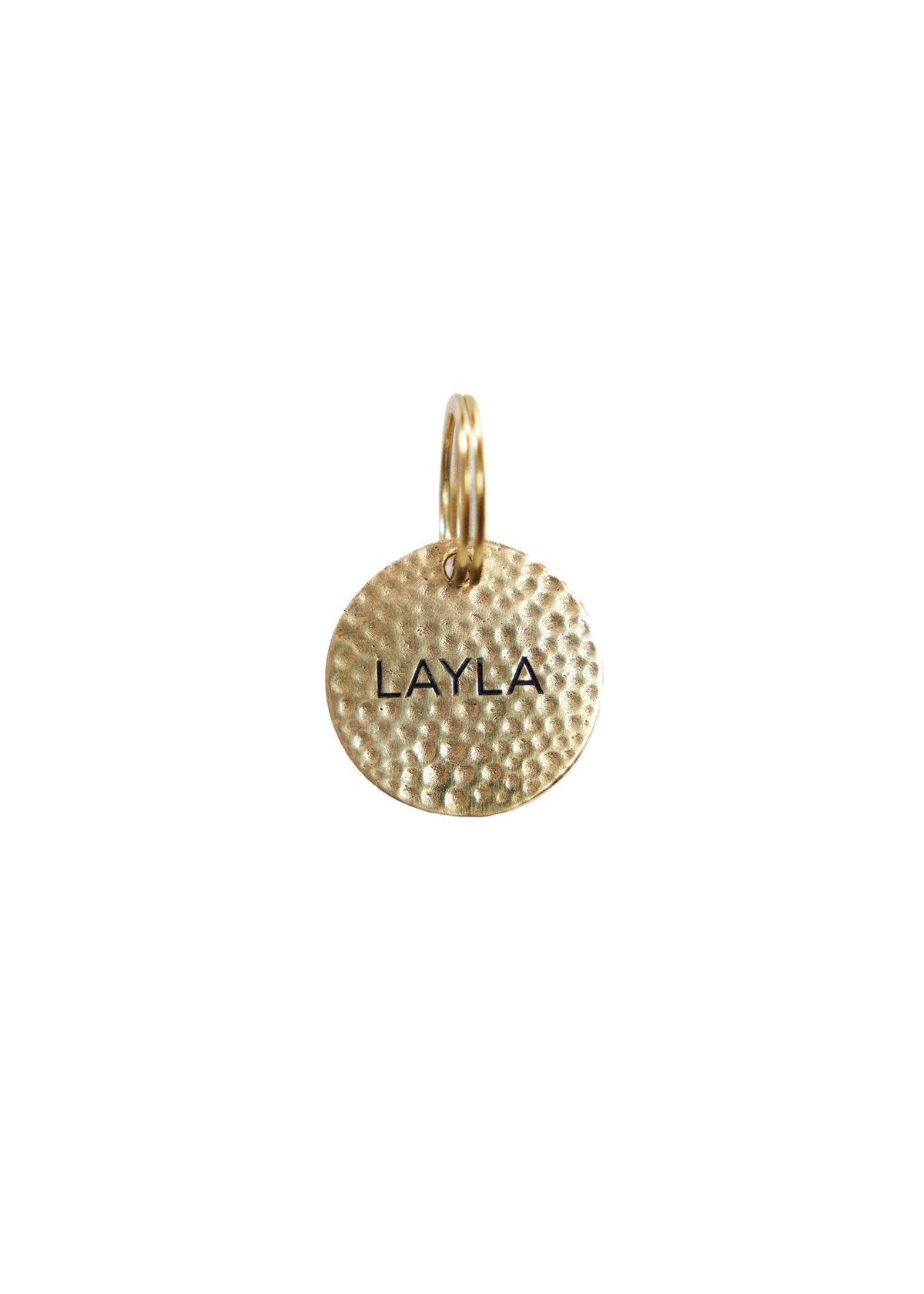
We are more than aware that some precious pups can react badly to even the smallest trace amount of chemicals. Alongside our commitment to hypoallergenic leather, we also make sure that all of our hardware is crafted from solid brass. This is another material that is naturally hypoallergenic and resistant to corrosion over time. All of our nameplates and ID tags are deep-engraved rather than painted or printed, so there is never going to be any risk of ink rubbing off onto your pooch’s skin.
The result of all of this special care and attention in the manufacturing process results in a hypoallergenic dog collar that is comfortable enough to wear 24/7 without any reservations, sturdy enough to last for years of active fun, and elegant enough to age gracefully alongside your beautiful pet.

Frequently Asked Questions: Leather Collar Skin Reactions in Dogs
Why is my dog scratching at their collar?
The most common cause is contact dermatitis from the collar material, specifically chromium salts or synthetic coatings leaching from chrome-tanned leather onto the skin. Other causes include poor fit (too tight causing pressure, too loose causing friction), synthetic dyes, or formaldehyde from glued multi-layer collar construction. If the scratching stops after removing the collar for several days, the collar is the cause. Switch to a vegetable-tanned leather collar with solid brass hardware.
Can leather dog collars cause allergic reactions?
Chrome-tanned leather collars can cause contact allergic reactions in sensitive dogs because chromium VI is a known carcinogen and allergen and can leach from the tanned leather onto the skin during warm or wet conditions. Vegetable-tanned leather does not use chromium or synthetic chemicals in processing and is genuinely hypoallergenic. If your dog is reacting to a “leather” collar, the collar is almost certainly chrome-tanned.
What is the most hypoallergenic dog collar material?
For dogs with confirmed contact sensitivities, the safest materials from lowest to highest reaction risk are: silicone, biothane (TPU-coated polyester), and vegetable-tanned leather. For everyday use combining hypoallergenicity with durability, comfort, and breathability, vegetable-tanned leather is the most considered choice as it contains no chromium, no synthetic dyes, no glues, and its open-pore structure allows moisture to evaporate rather than trapping it against the skin.
What is the difference between chrome-tanned and vegetable-tanned leather for dogs?
Chrome tanning uses chromium salts and finishes the leather in 1 to 2 days, producing a soft, water-resistant material that accounts for approximately 80% of global leather production. The chromium and synthetic sealants can leach onto skin, causing contact reactions. Vegetable tanning uses plant-based tannins over several weeks, producing leather that is free from chromium, breathable (open pores, not sealed), biodegradable, and naturally antibacterial. For daily neck contact on a dog, vegetable-tanned is the correct choice.
How do I know if a leather collar is vegetable-tanned or chrome-tanned?
Three sensory tests: smell as vegetable-tanned leather has a warm, earthy scent; chrome-tanned has a sharp, chemical smell. Touch as vegetable-tanned feels firm but supple; chrome-tanned often feels plasticky or overly soft. Visual as vegetable-tanned has a natural matte finish that deepens with use; chrome-tanned is often glossy from synthetic sealant coating. If the label says only “genuine leather” without specifying the tanning method, assume chrome-tanned.
Can I treat my dog’s collar-related skin reaction at home?
Remove the collar immediately and allow the skin to air. Clean the contact zone gently with a damp cloth. If redness, bumps, or sores persist after 48 hours of collar removal, consult your vet, a secondary bacterial infection can develop at chronically irritated skin sites. Replace the collar with a vegetable-tanned leather alternative. Do not return the original collar to the dog once a contact reaction has been established.
Does brass hardware cause skin reactions in dogs?
Solid brass is naturally hypoallergenic and does not cause contact reactions in the vast majority of dogs. The hardware allergen risk comes primarily from nickel, commonly used in cheap plated hardware as a base metal beneath a thin chrome or gold finish. That plating wears off with daily use, exposing the nickel beneath. The Lille Björn uses solid brass throughout, no plating, no nickel, no sealant coatings, making it safe for contact even with the most sensitive skin.
Clean Leather That Gets Better With Wear
A collar that causes your dog to scratch, flinch, or avoid walks is not a collar worth keeping. The fix is not a different brand of the same material, it is a different material entirely. Vegetable-tanned leather with solid brass hardware removes every common cause of collar-related contact reactions and replaces them with a material that softens, breathes, and improves with every walk.
Browse The Lille Björn’s hypoallergenic leather collar collection, handcrafted from full-grain vegetable-tanned leather, solid brass hardware, no fillers, no glues, no coatings.