Quick Summary
Prong collars are harmful to dogs and and major veterinary and animal-behavior organizations oppose their use. They work by pressing metal prongs into the neck to create discomfort that interrupts pulling, and research shows this can increase stress and the risk of neck-related injuries, including tracheal damage, and may contribute to fear-based behavioral changes that make some dogs more anxious and reactive over time. The most effective humane alternatives are back-clip harnesses, martingale collars, and positive reinforcement training - tools that teach your dog what to do, rather than punishing them for what they should not do.
Let’s take a closer look at prong collars and the issues that they carry, along with some alternative training solutions that we think are more humane!

Understanding Prong Collars: Why They Are Problematic
What Are Prong Collars?
Sometimes also known as pinch collars, prong collars are metal chains that are designed to have inward facing prongs. When tension is applied to the collar, these prongs actively dig into a dog’s neck to cause some discomfort and discourage them from engaging in unwanted behaviors like pulling on their leash.
Essentially, the intention of a prong collar is to force correction through discomfort, which teaches your dog to associate pulling on the leash with incoming pain. Whilst this may very well work in theory, we can’t help but feel that this kind of approach is simply inhumane and outdated at this point in time. Especially given how many other options are available.
How Prong Collars Work
When wearing a prong collar, if a pup pulls away from their owner on their leash, the collar will tighten and the prongs will dig into the neck area. When the dog stops pulling, the pressure is released.
The Harmful Effects of Prong Collars
Physical Damage & Long-Term Health Risks
Prong collars have the potential to cause a number of serious health issues for your dog, including:
- Skin wounds and bruising from the repeated pressure of the prongs, which if left untreated or unchecked can turn into things like infected rashes.
- Muscle strain and/or spinal damage from the constant tension if the dog isn’t adjusting its pulling behavior.
- Tracheal and thyroid injuries from pressure being put on the neck, leading to compression and potential breathing issues. This is especially crucial for any dog breed that has historically been vulnerable to tracheal injury and/or collapse.
- More general breathing difficulty related to force on the windpipe, that can lead to things like coughing, gagging or more severe respiratory problems. Alongside the obvious distress that this will cause your pup, it can also lead to vet bills on your behalf that would not exist if a better collar was being used.
Psychological and Behavioral Consequences
Beyond the levels of physical harm, there is the psychological side that cannot be ignored, and can do irreparable damage to a pup’s psyche.
- Fear based learning, in which a dog learns to associate pain with their everyday activities like walking, can lead to a high degree of anxiety and stress. And eventually, it may get to a stage where your dog no longer wants to go for a walk because of the pain and discomfort that they associate with being outside wearing their collar.
- If your pup starts to get frustrated with the discomfort they are feeling, this can escalate into levels of defensive aggression towards you and potential other dogs and people when out walking. The best case scenario is that they bark at you to show their unhappiness, but the worst case scenario could be anything from biting you or, even worse, biting somebody else out at the dog park that could lead to really devastating repercussions if authorities get involved.
- It’s sad to think about, but when a dog is exposed to near continuous levels of pain, they can often stop expressing themselves naturally, leading to a state of being passive and fearful with emotions being suppressed. No loving dog owner in the world would want to see their beloved pet become a shell of their former self.
What Peer-Reviewed Research Actually Shows
It is one thing to say prong collars feel wrong. It is another to show the data. Here is what the scientific literature has consistently found. The American Veterinary Society of Animal Behavior (AVSAB), the American Veterinary Medical Association (AVMA), and the Humane Society of the United States have all taken formal positions against aversive training tools. But beyond organizational statements, the individual studies are worth knowing:
- Herron et al. (2009) examined the effects of confrontational training methods on dogs and found that 25% of dogs showed aggression in direct response to the training technique — behaviors their owners had never observed before.
- Ziv (2017), reviewing multiple studies on aversive versus reward-based training, found that dogs trained with punishment-based methods showed lower welfare indicators, increased stress responses, and worse learning outcomes across the board.
- Cooper et al. (2014) compared aversive collar use with reward-based training and found no performance advantage to aversive tools — and significant additional welfare risks, including elevated cortisol levels and stress-related behaviors during training sessions.
- Hiby, Rooney & Bradshaw (2004), publishing in the Journal of Veterinary Behavior,found that dogs trained with positive reinforcement demonstrated fewer problem behaviors and higher obedience scores than dogs trained using punishment-based methods.
Peer-reviewed research and major veterinary behavior organizations support reward-based training over aversive tools. Studies and reviews have found that aversive methods can increase stress and reduce welfare, while reward-based methods are at least as effective and often associated with better long-term behavior outcomes.
Three Common Myths About Prong Collars, Debunked
Despite the evidence, three arguments keep prong collars in circulation. Here is what the science actually shows.
Myth 1: "Prong collars mimic a mother dog's natural correction."
This is the most frequently repeated claim and one of the most thoroughly debunked. Mother dogs apply brief, soft mouth pressure to a puppy's scruff during early social learning. Prong collars deliver circumferential pressure from metal prongs around the entire throat and trachea - a completely different anatomical structure, a completely different mechanism, and a completely different nerve pathway. Prong collars do not mimic a mother dog’s natural correction.There is no peer reviewed research supporting the comparison. A puppy's scruff and your adult dog's trachea are not the same structure. The analogy does not hold.
Myth 2: "Prong collars distribute pressure evenly and they don't actually hurt."
The argument here is that prongs spread pressure across a wider surface area than a choke collar. The problem with this reasoning: a dog's outer skin layer is only 3–5 cells thick. Human skin, for comparison, is 10–15 cells thick. Even "evenly distributed" metal pressure on skin that thin - particularly during the momentum of a forward lunge - creates concentrated stress points. Bruising, chafing, tracheal compression, and open sores in some cases are consequences of regular prong collar use. "It's not hurting them" is not a claim that survives contact with the anatomy.
Myth 3: "My dog only needs it temporarily until they're trained."
This sounds reasonable. In practice, it rarely works as described. Aversive tools ; suppress a behavior; they do not teach a replacement behavior. The moment the collar ; comes off, pulling often returns because the dog never learned what to do. They only learned to avoid pain. Research on operant conditioning shows that behaviors suppressed through punishment extinguish more slowly and with more behavioral fallout than behaviors replaced through reinforcement of an incompatible alternative. If "just for now" has stretched into months, this is why.
Safer and More Humane Alternatives
So, now you know what to avoid, what are the alternatives to be considering instead? Rather than opting for such a force based tool, there are plenty of humane alternatives that achieve good training through positive reinforcement instead.
Standard Flat Leather Collars
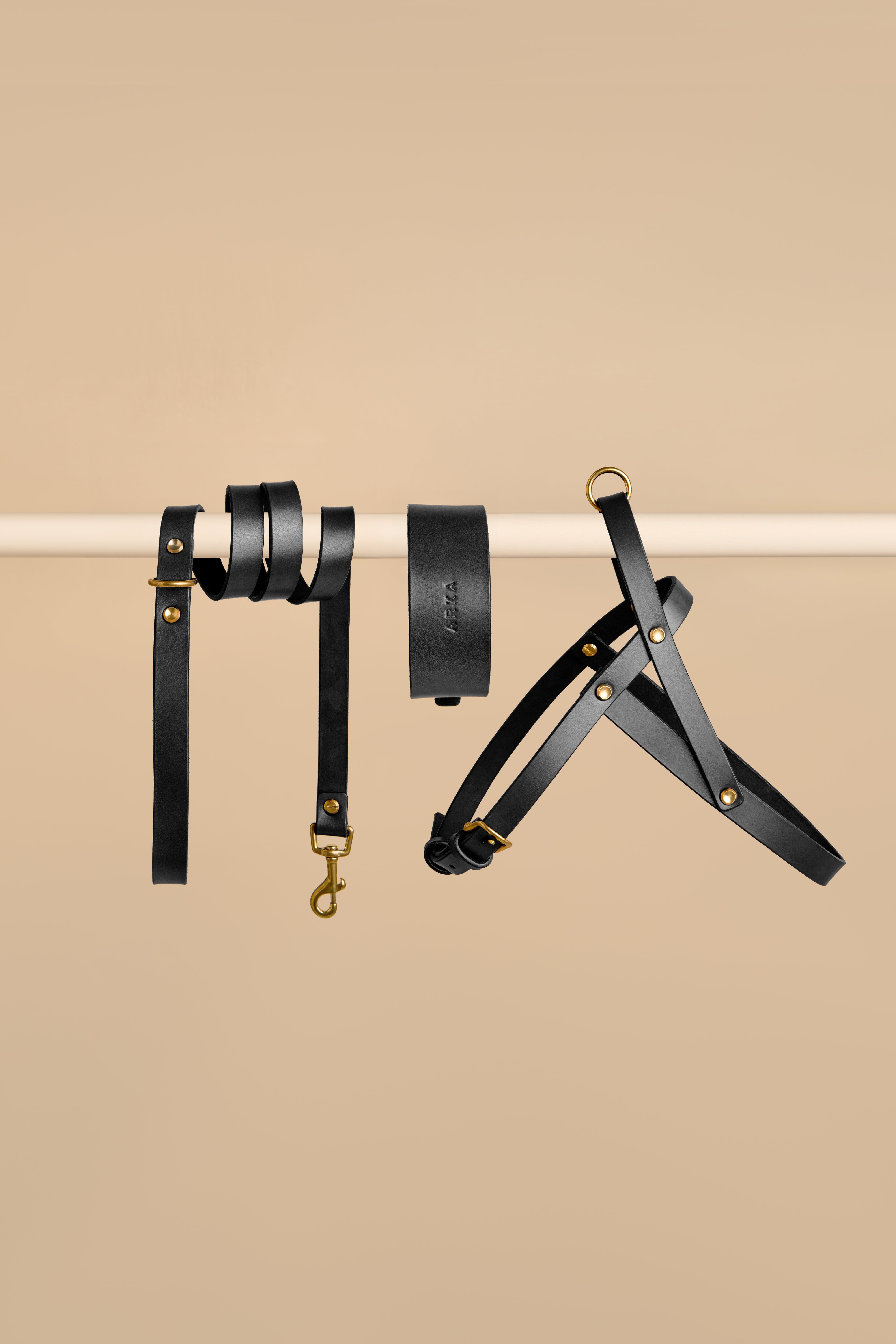
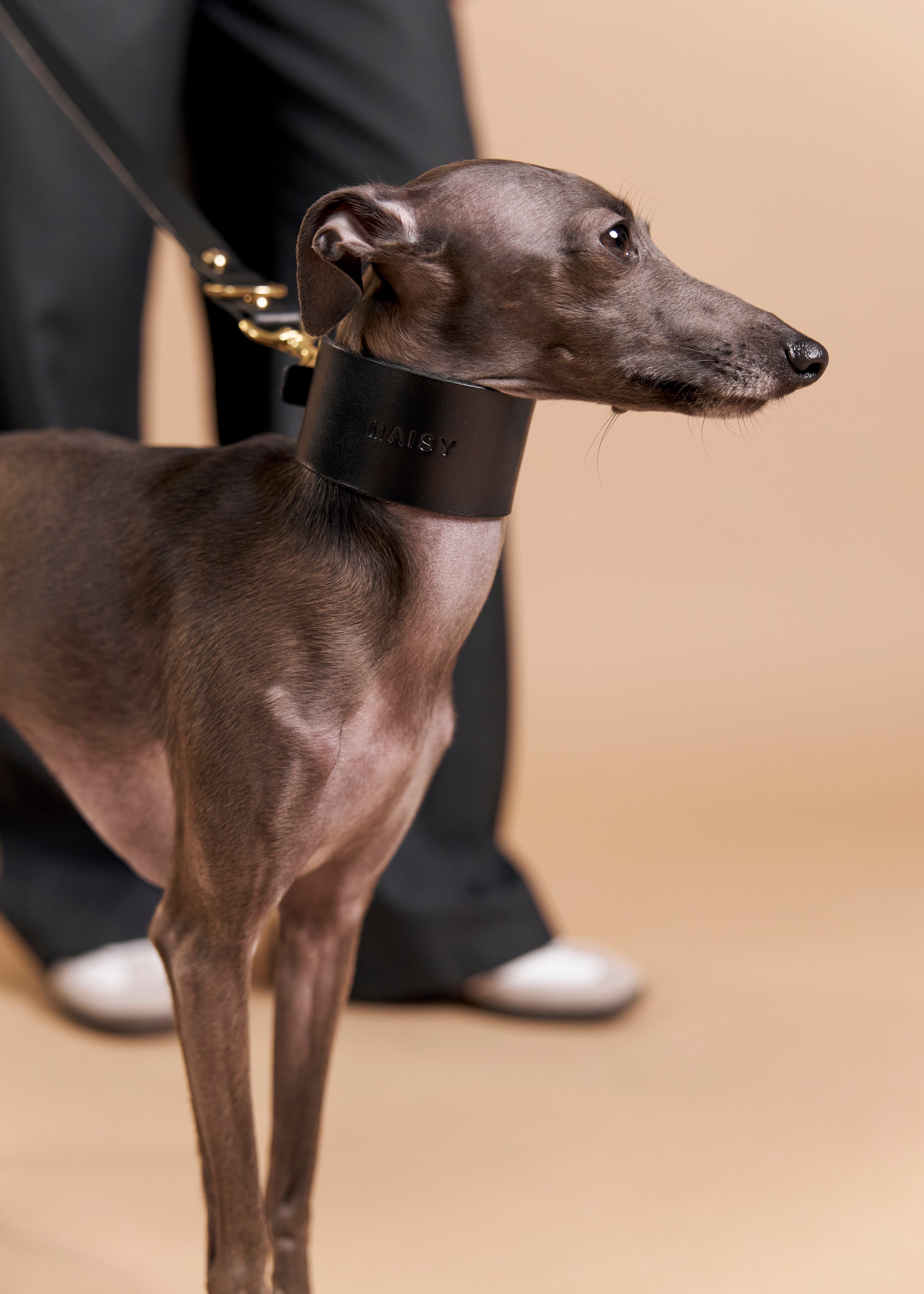
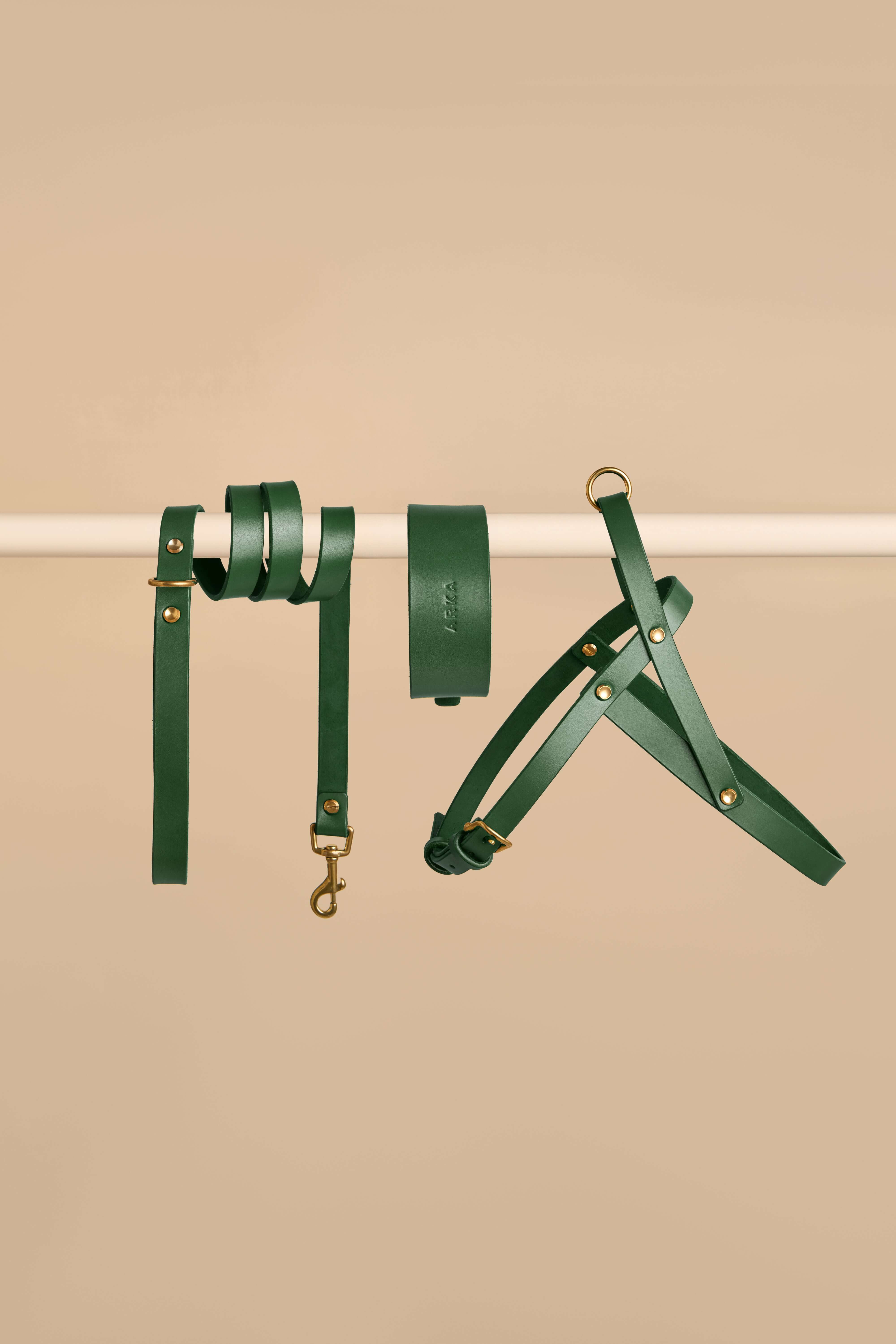
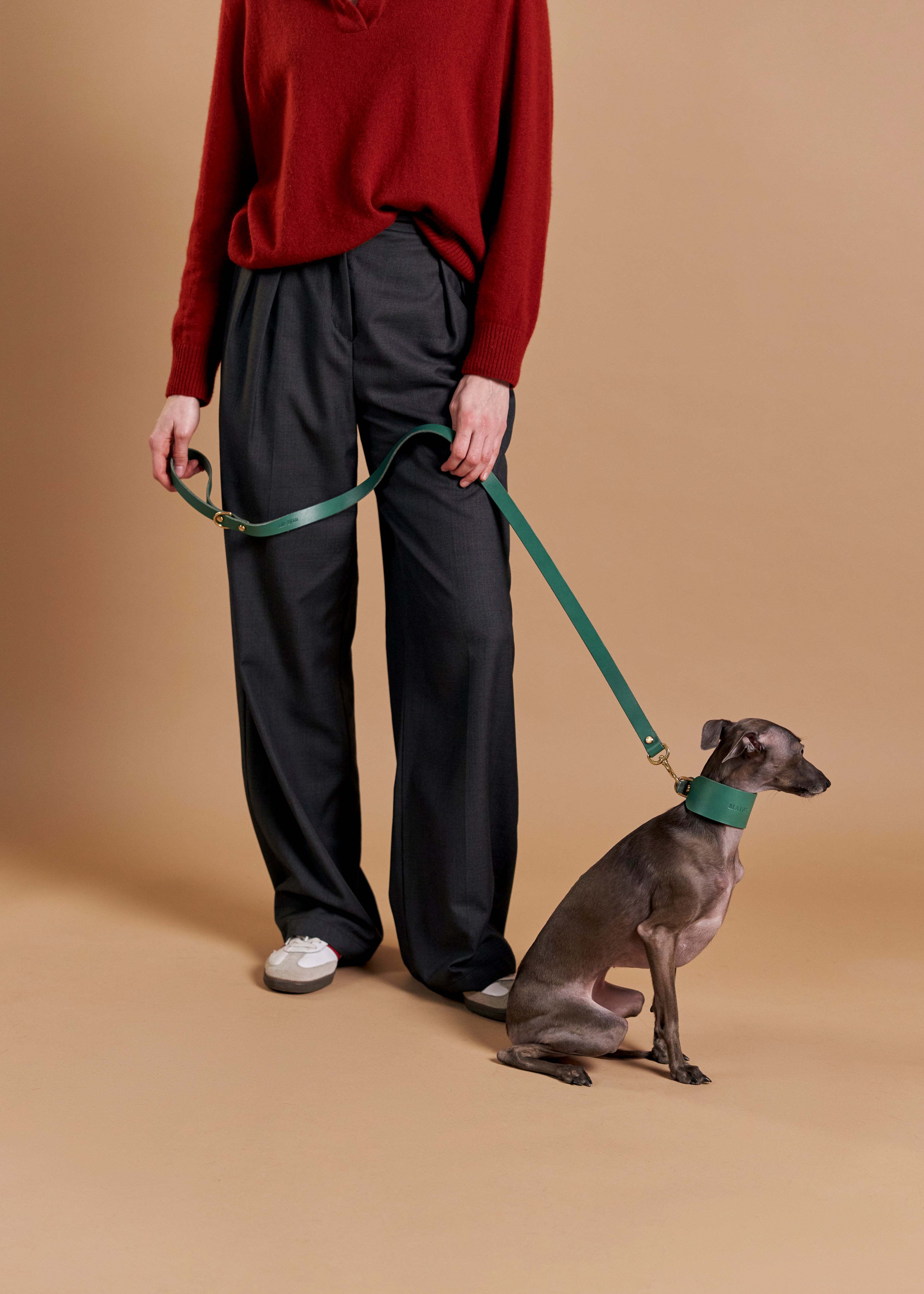
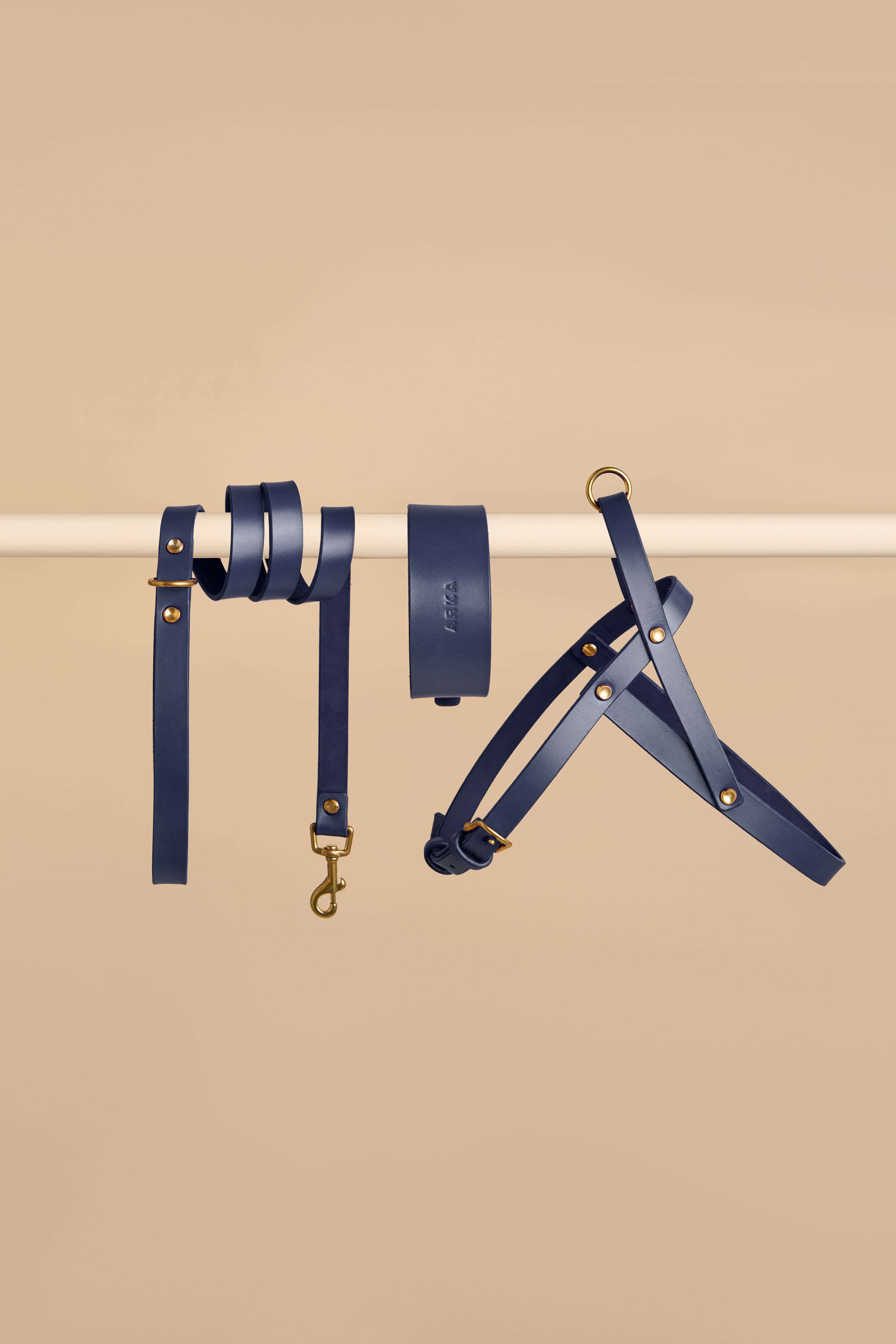
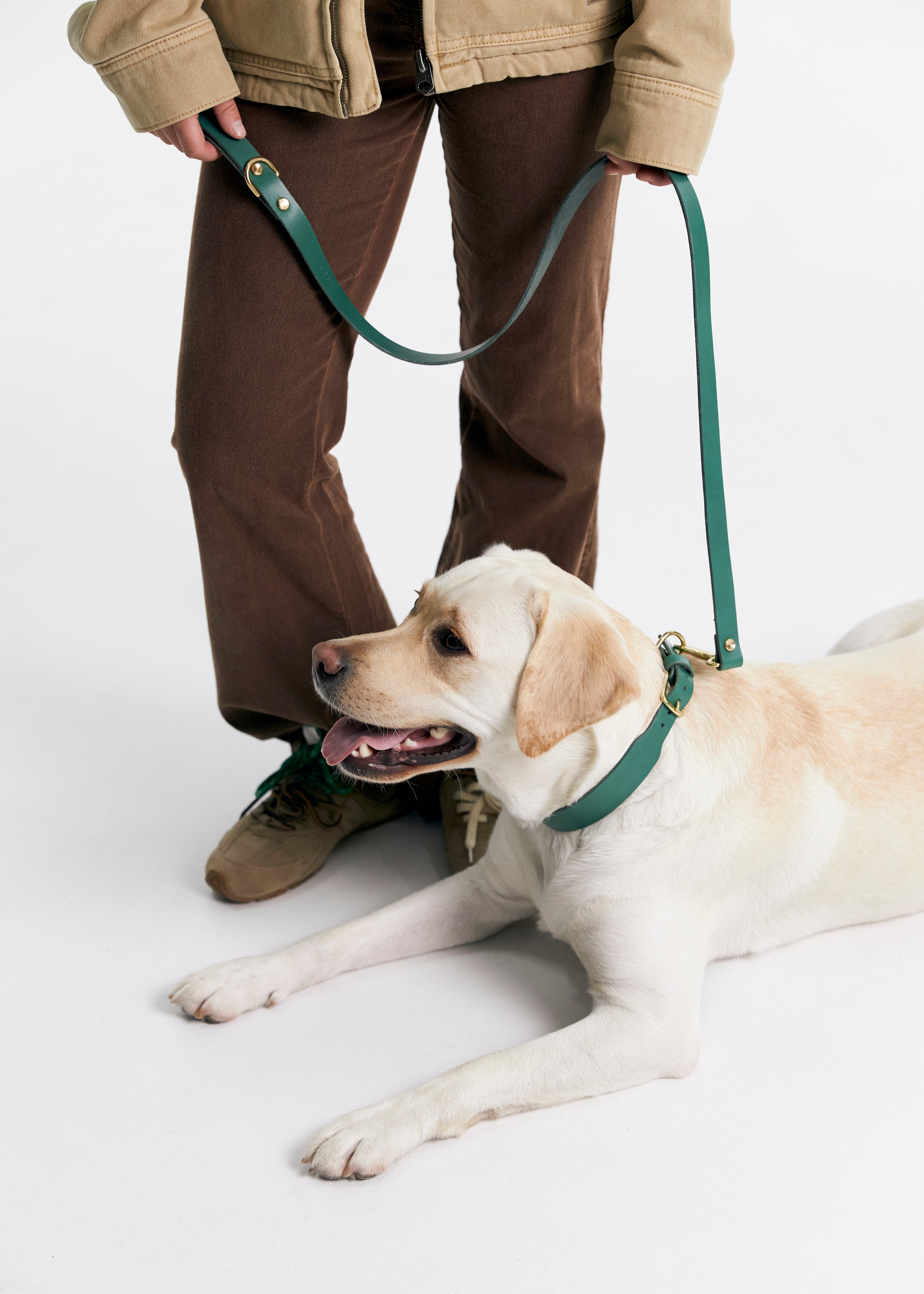
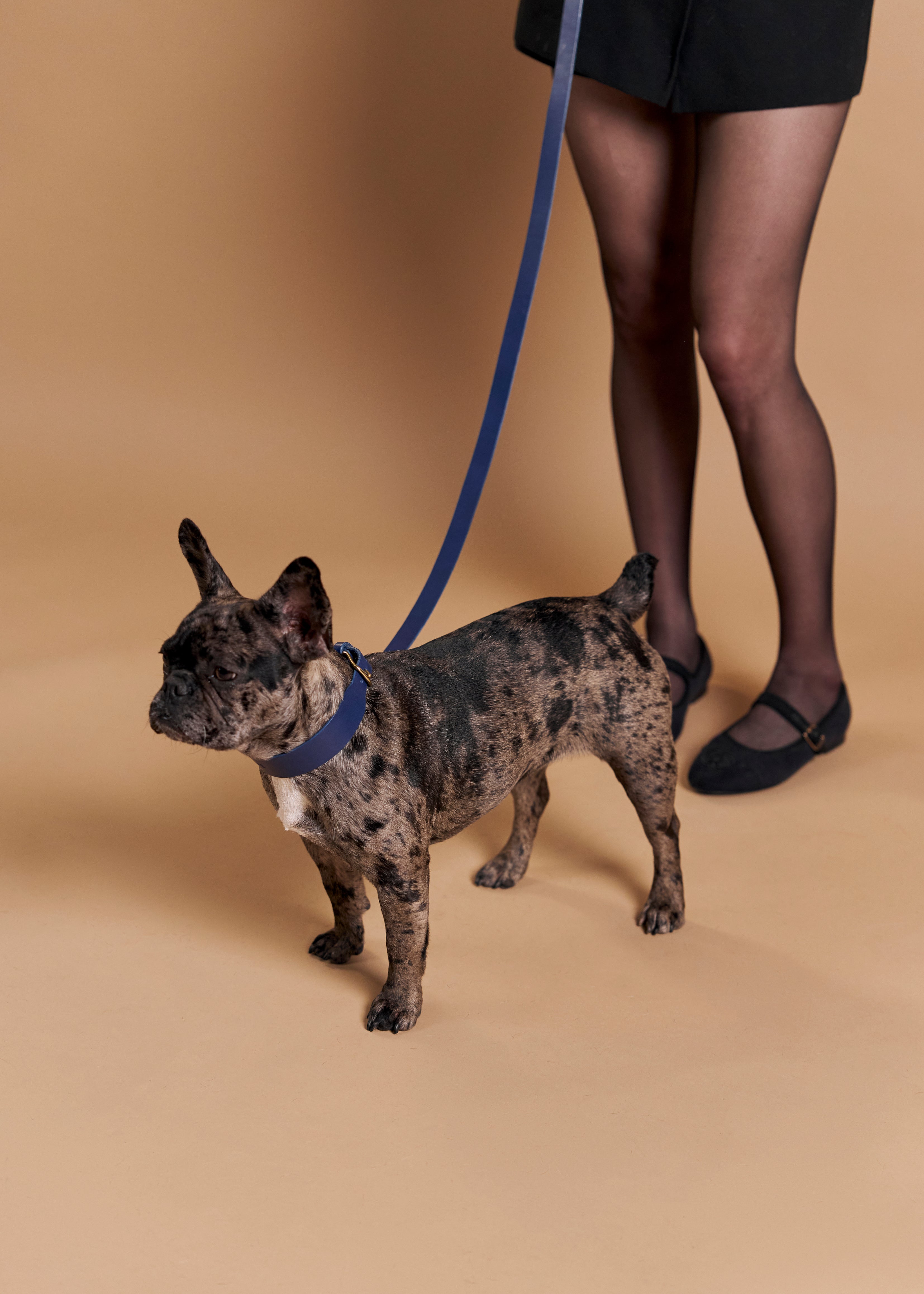
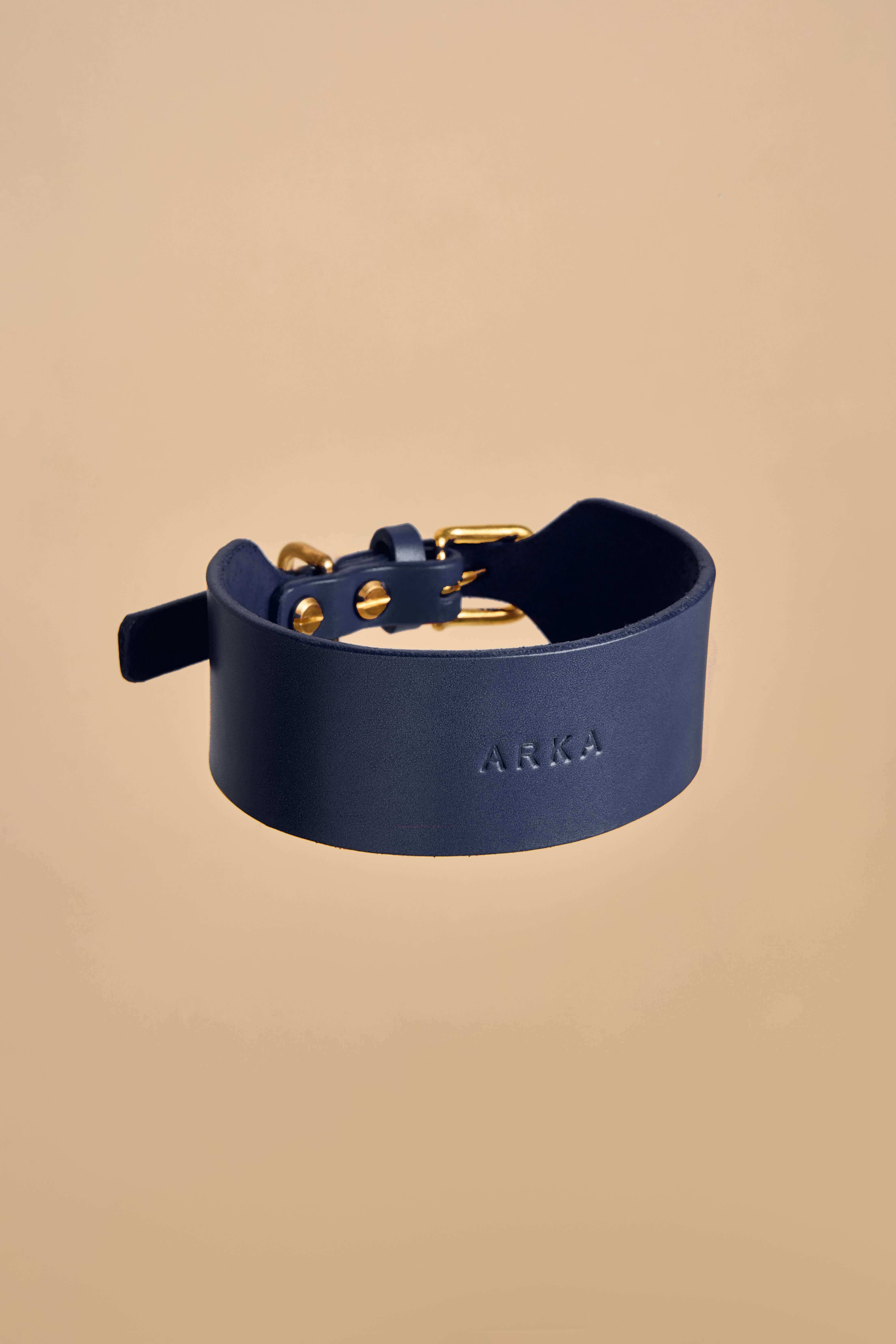
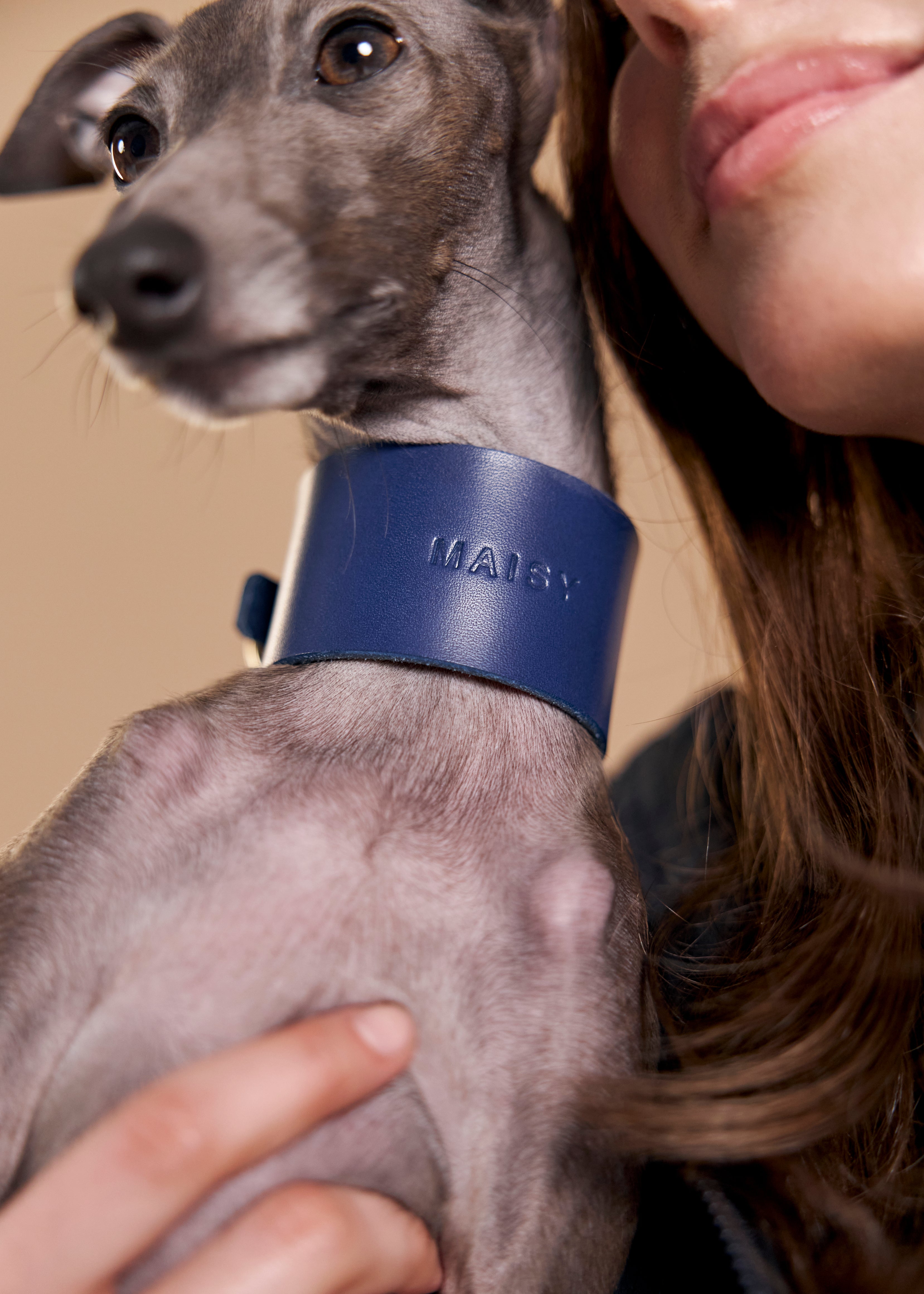
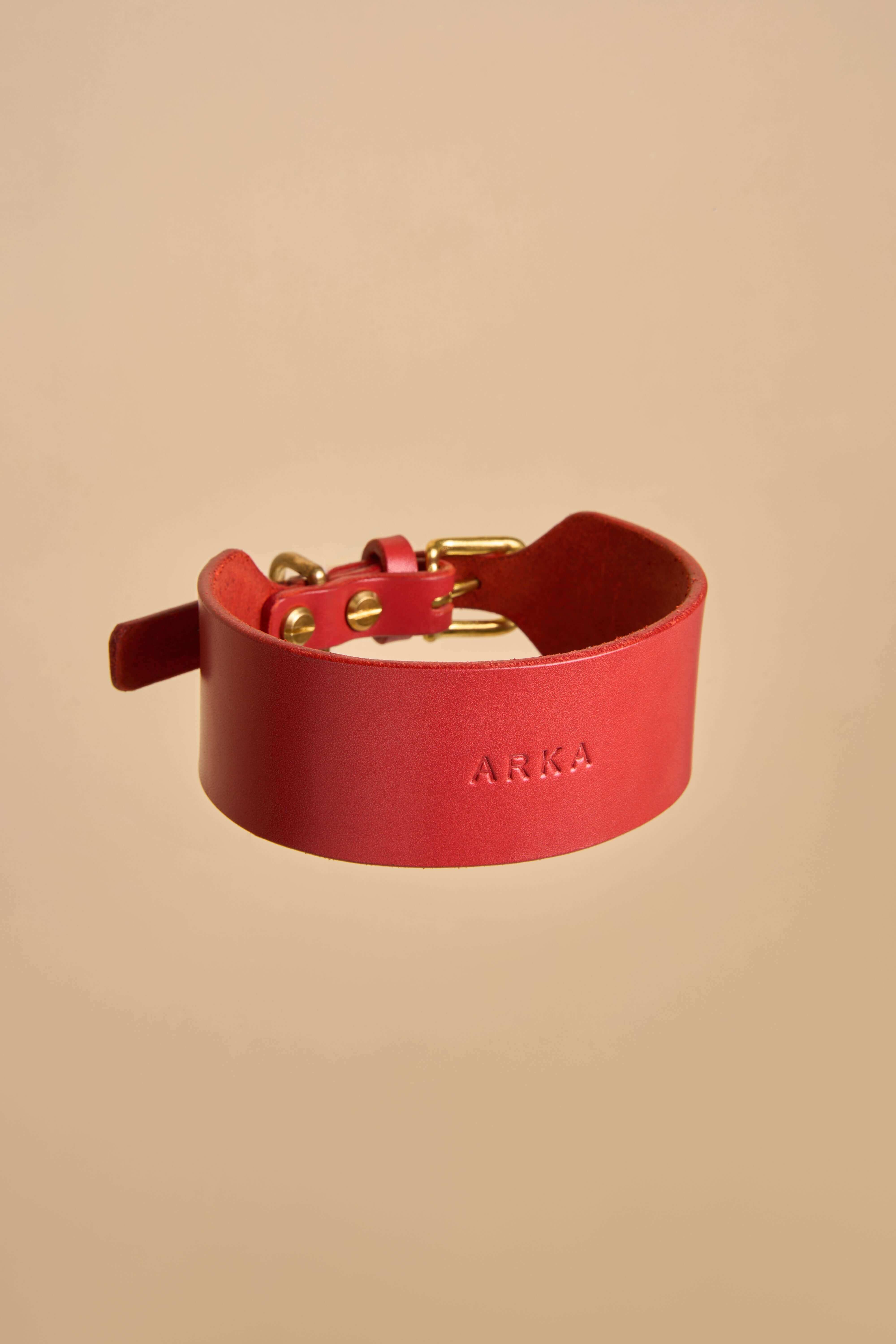
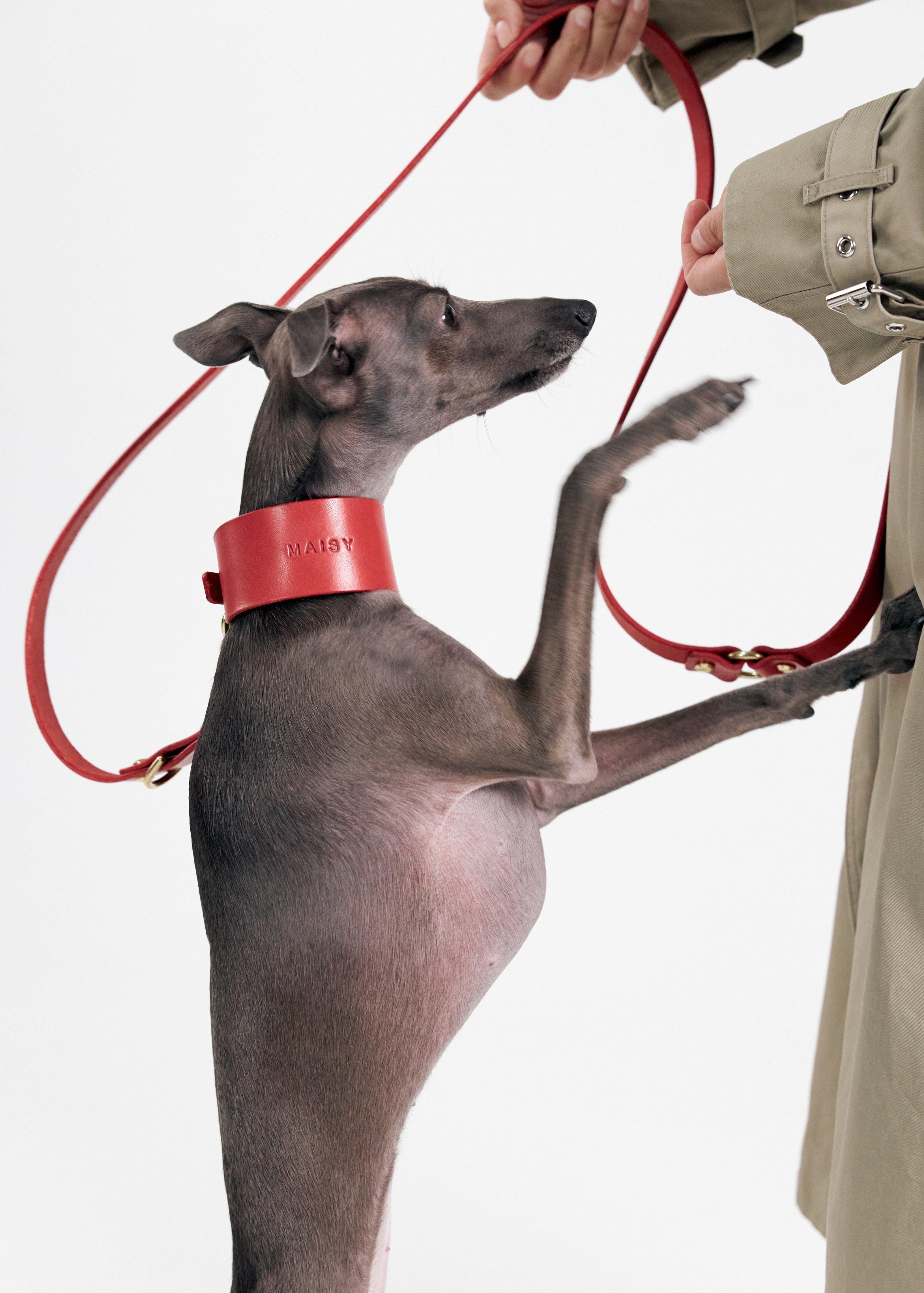
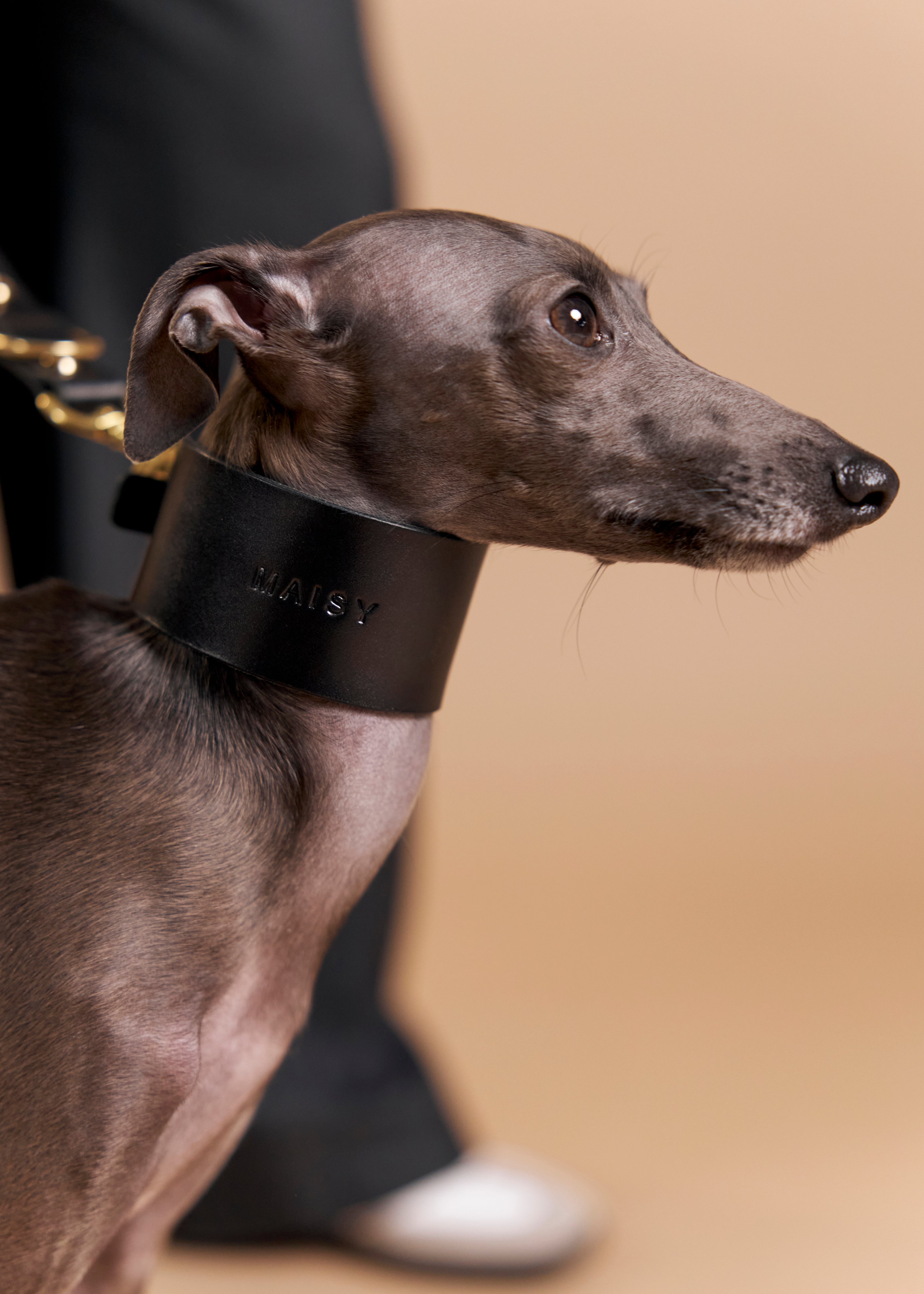
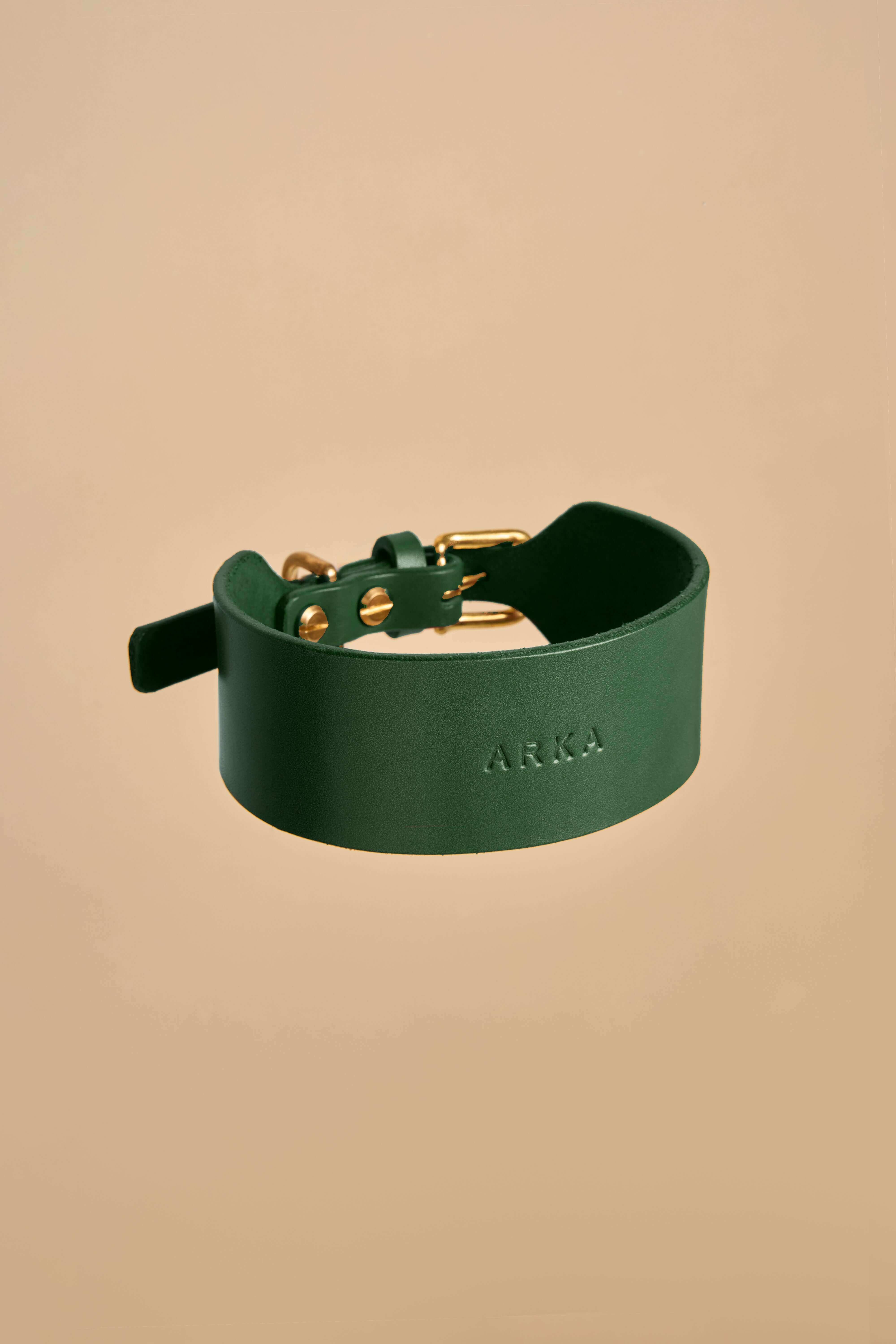
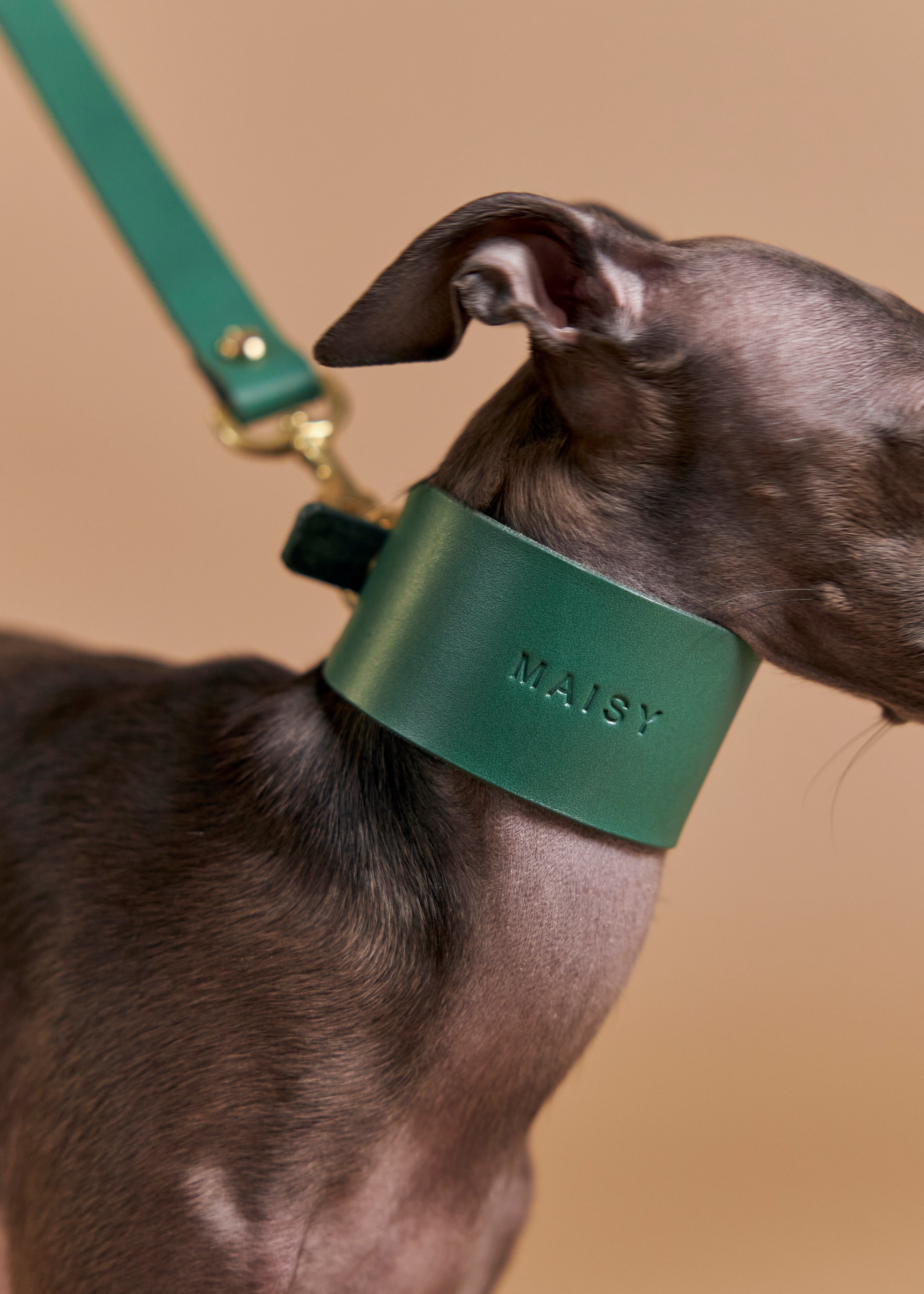
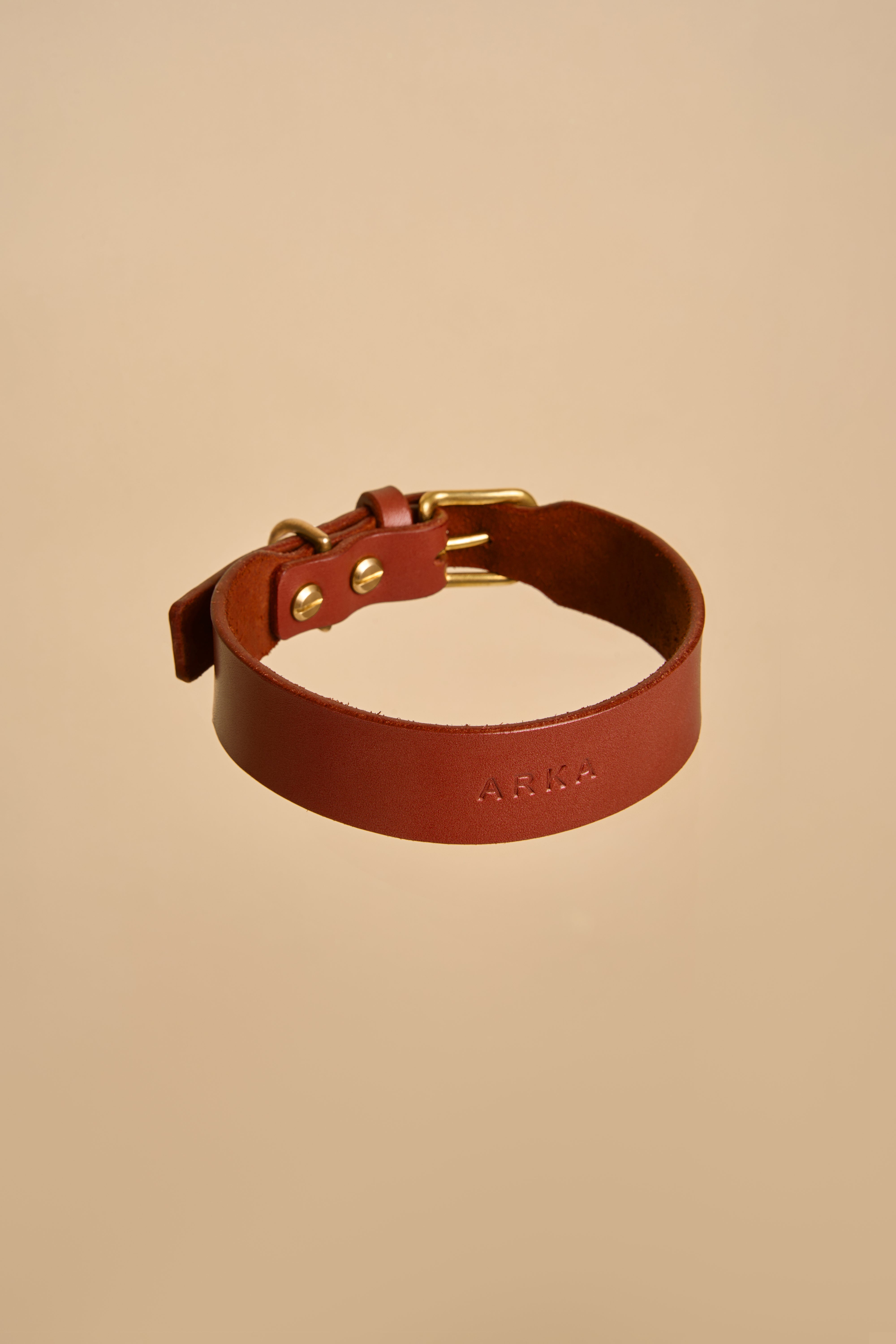
Standard flat leather collars are super soft and durable, which makes them comfortable for wearing everyday. They distribute pressure evenly across a dog’s neck, rather than focusing on just a single point. They are a great option for you if your pup is already well trained and just needs an accessory to keep it safe and controlled on walks.

Martingale Collars - A Secure Yet Humane Option
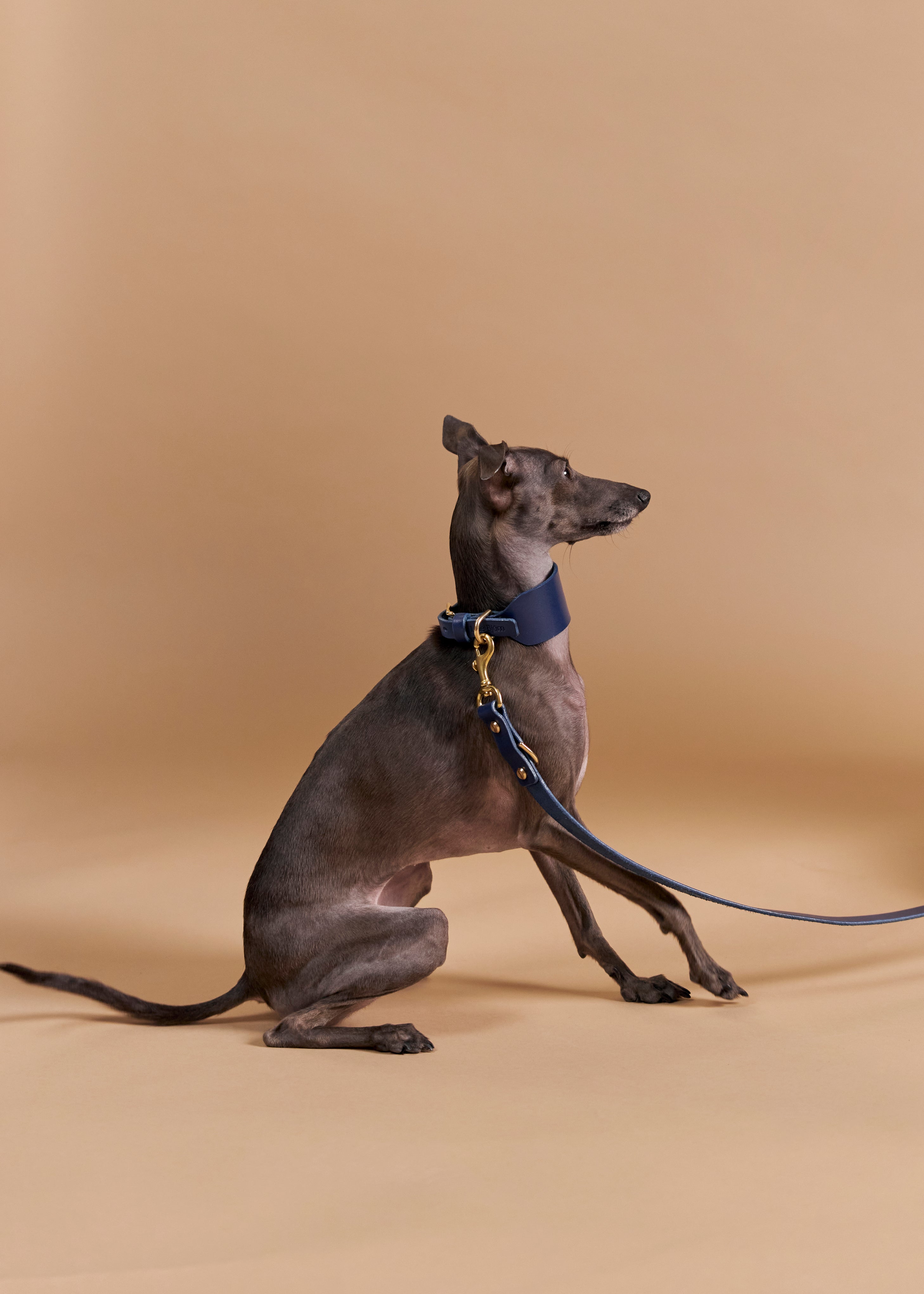
Martingale collars are designed to stop dogs from slipping out of their leashes without causing them any pain at all. The collar will gently tighten when your dog pulls, but unlike a prong collar it won’t choke or pinch. Martingales are especially great for dog breeds with narrower heads and necks, like Greyhounds or Whippets.
Back-Clip Harnesses — The Comfortable Everyday Option
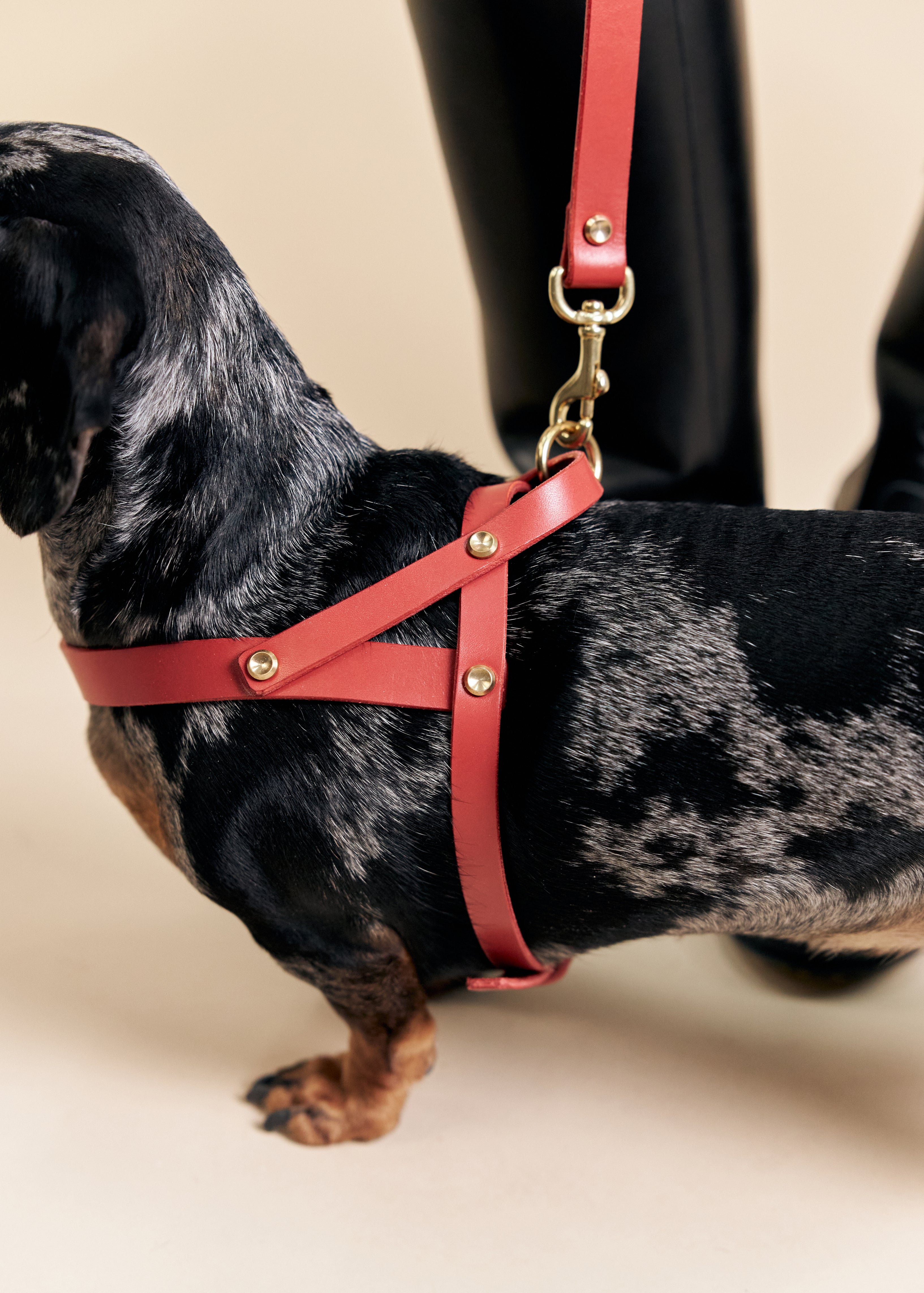
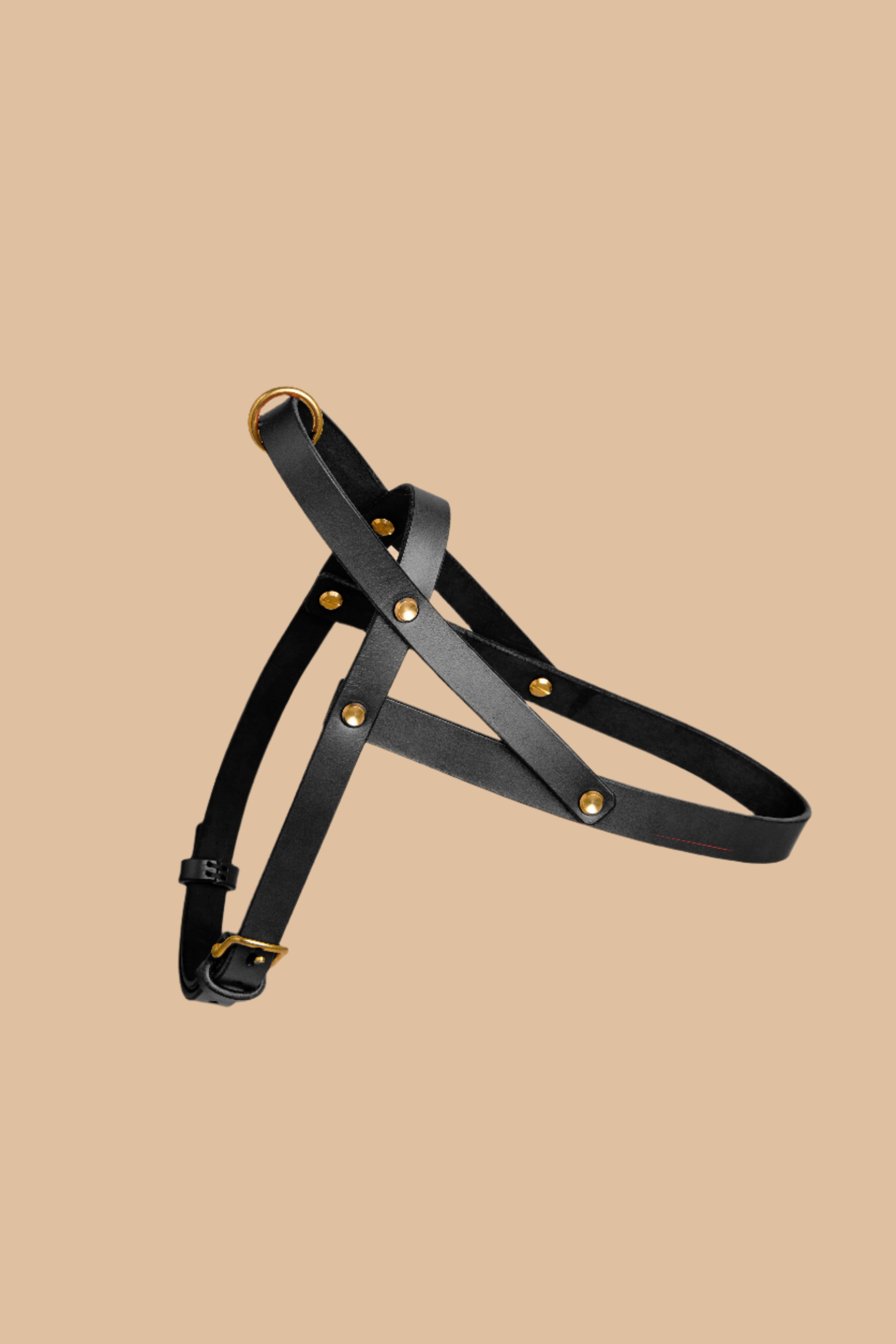
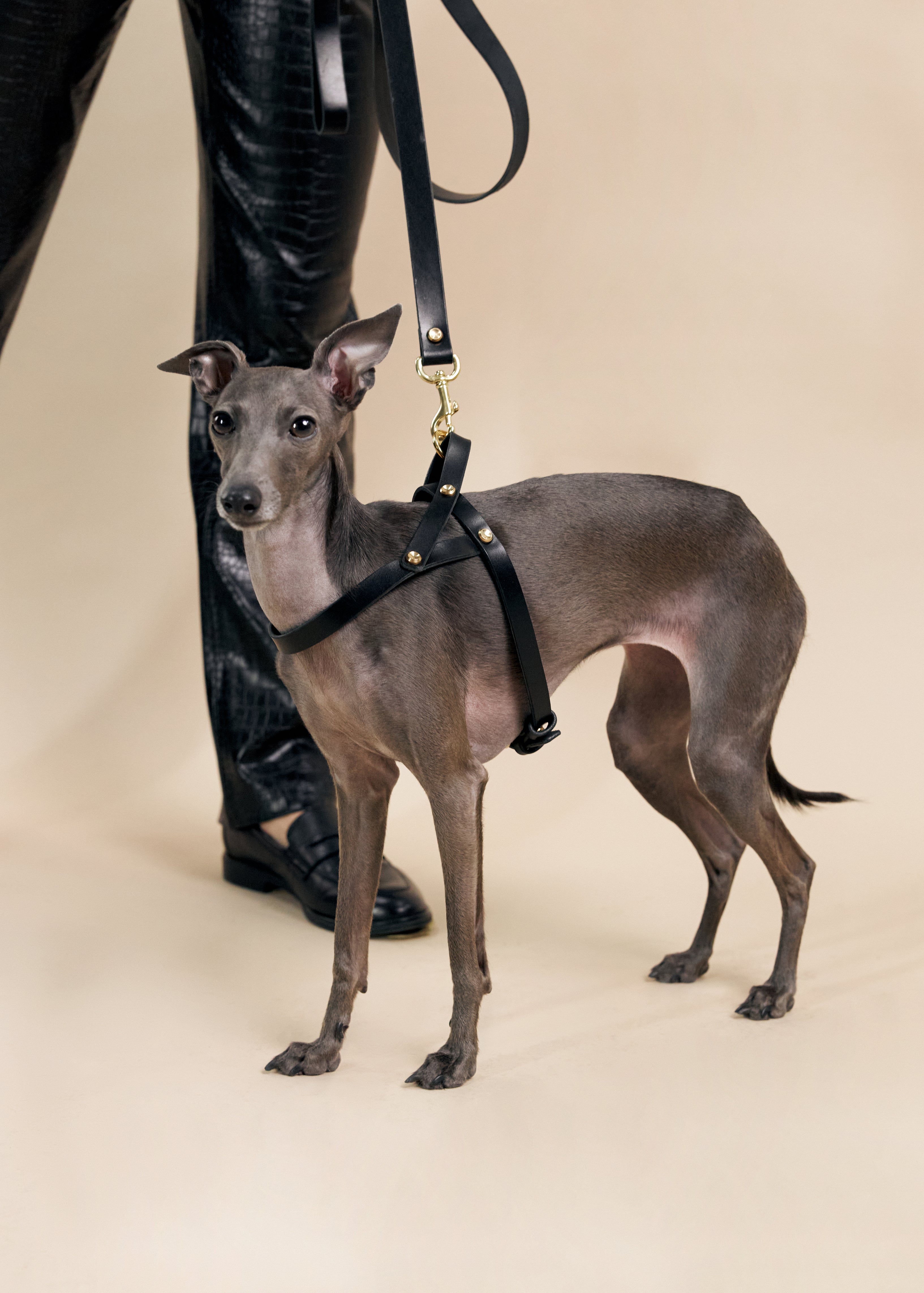
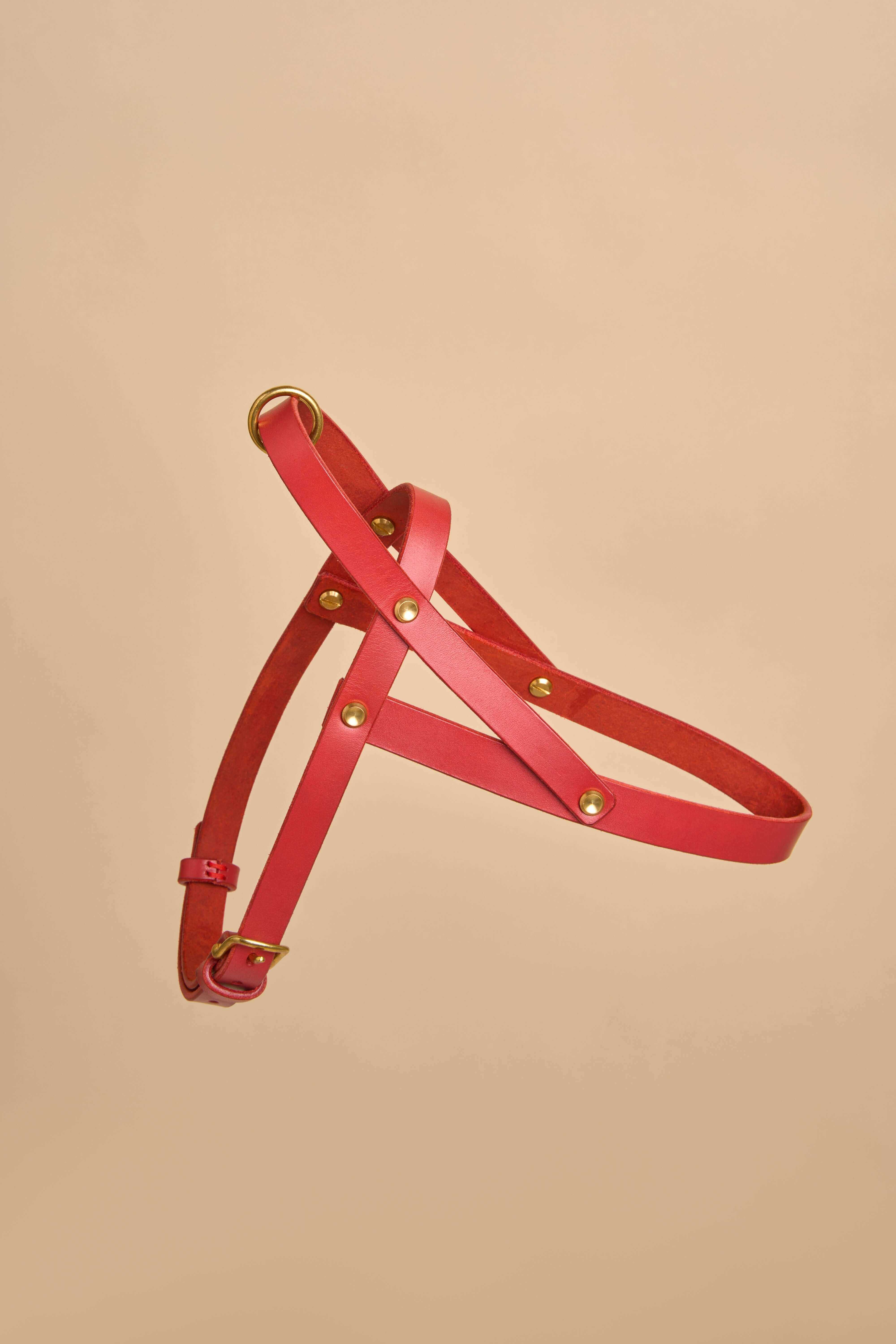
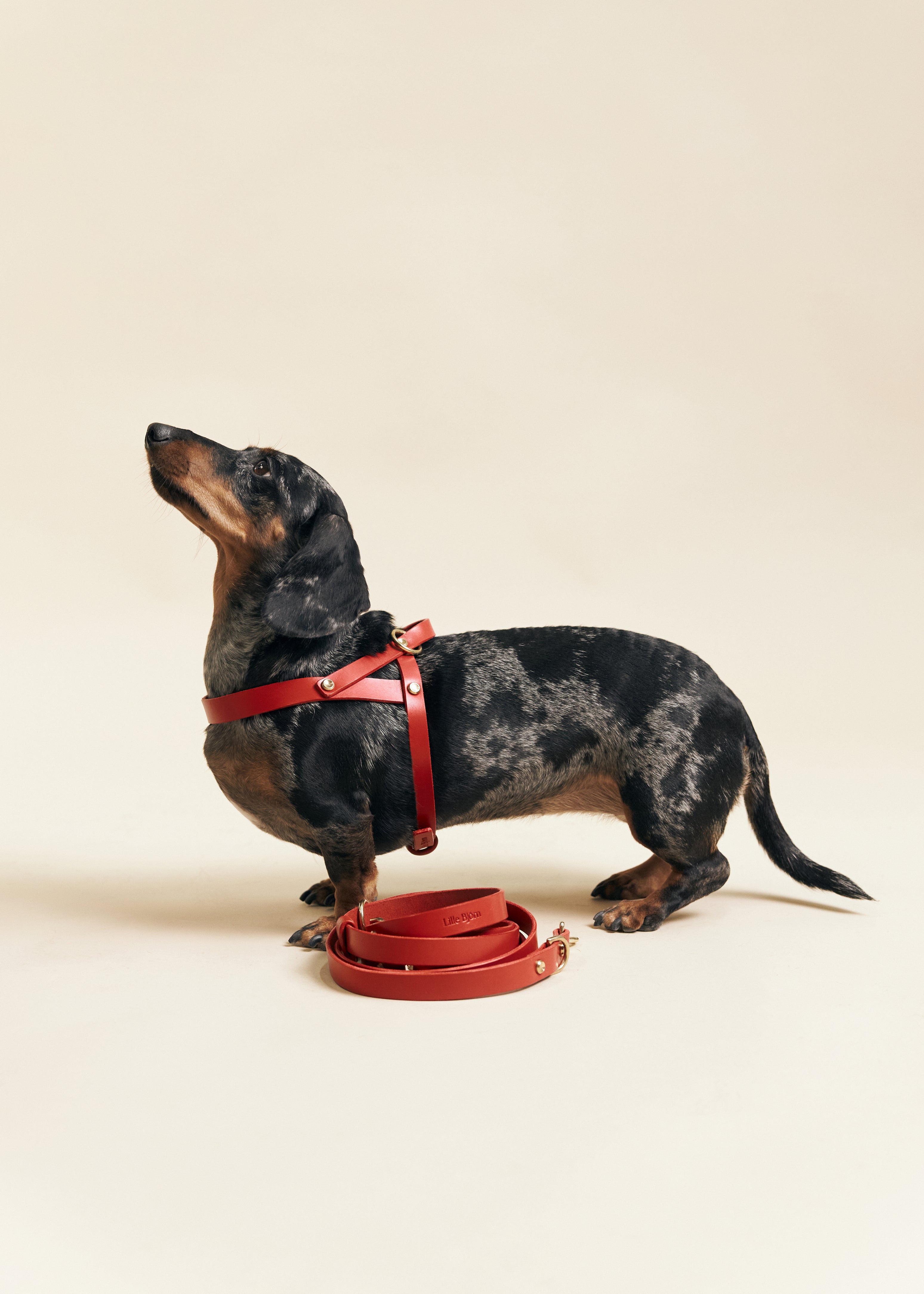
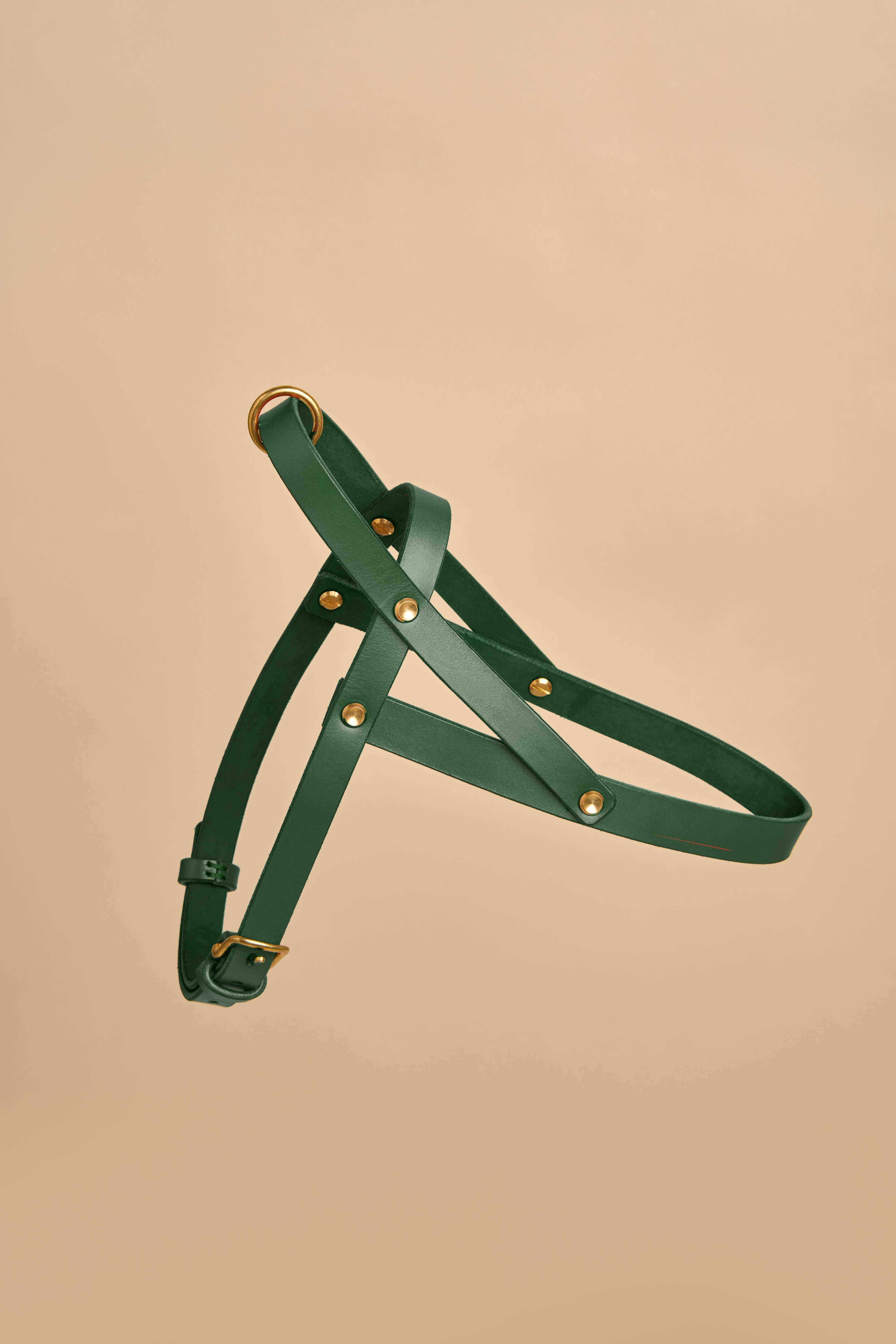
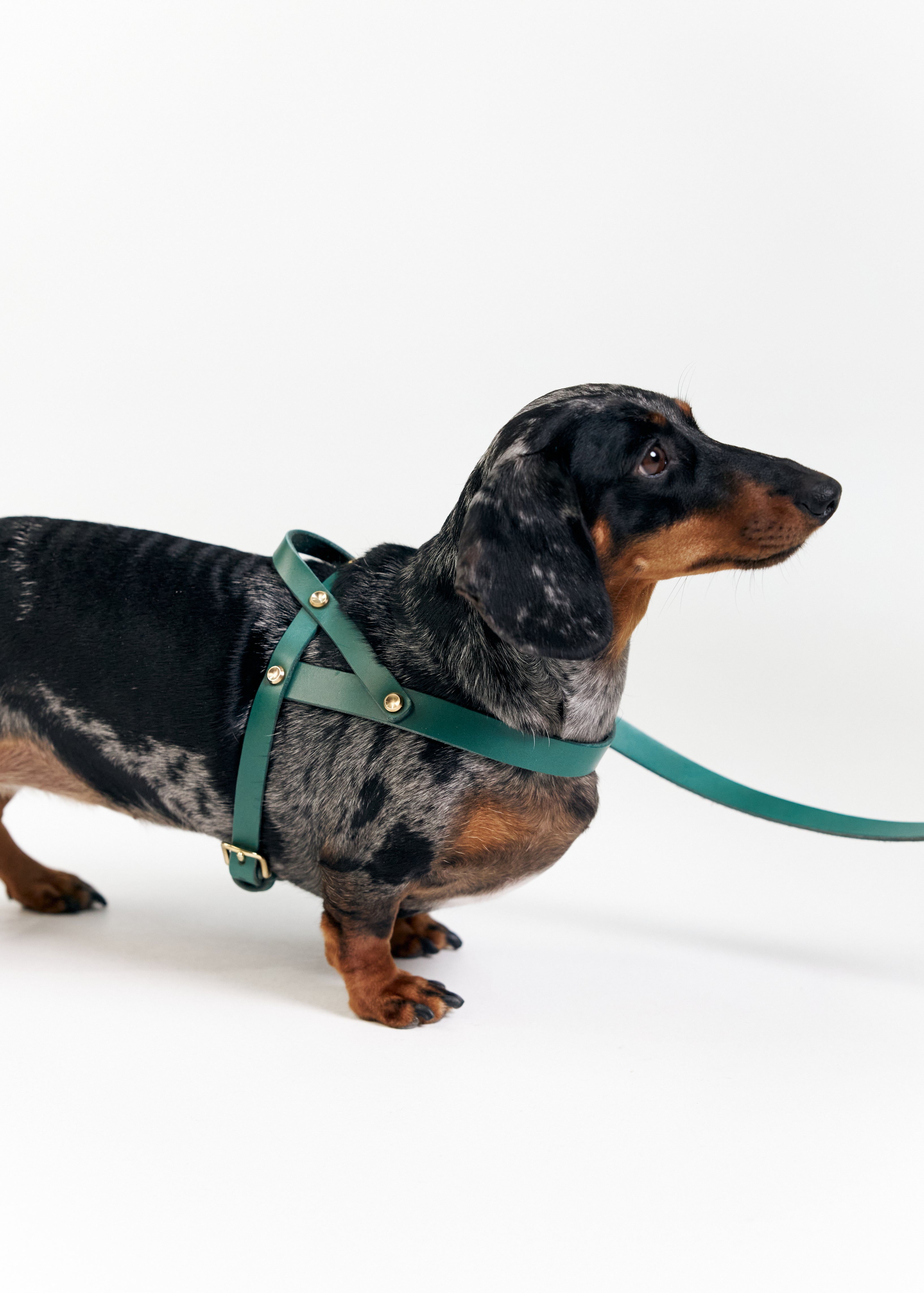
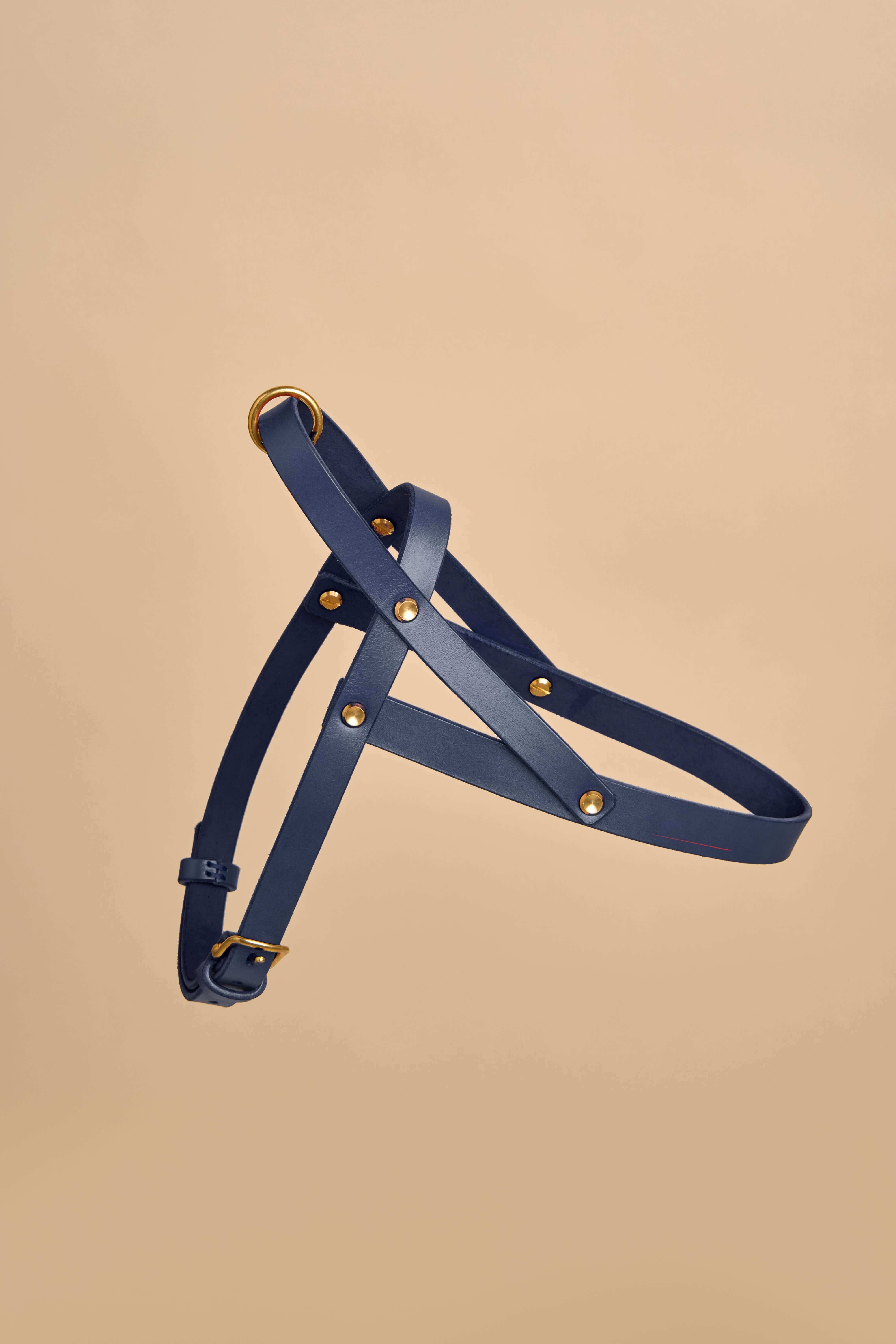
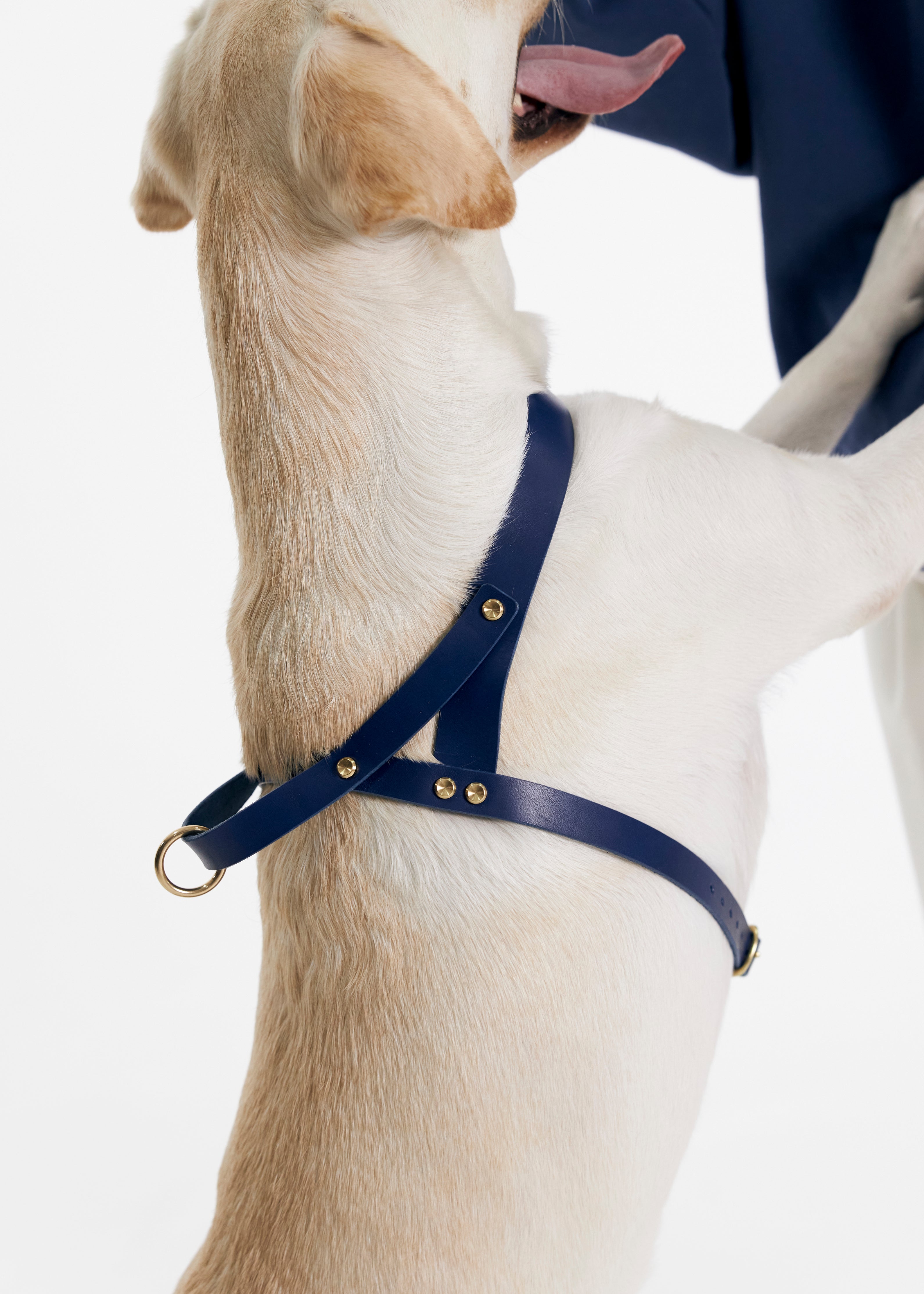
A back-clip harness attaches the leash at the centre of your pup's back and removes direct pressure from the throat and neck. It is one of the most comfortable everyday options for dogs who already walk reliably on a loose leash, and it is especially well-suited for small breeds, senior dogs, or any pup with a sensitive throat or a respiratory condition.
Once your pup's leash manners are consistently reliable, transitioning to a back-clip harness for casual daily walks is a natural and comfortable next step.
Training Without Force: Teaching Dogs Not to Pull
Instead of choosing to punish your dog when they pull, a more effective type of training might focus on rewarding them for good behavior, which can help to create a more positive association with loose leash walking.
Reinforcing Good Behavior
Reward your dog with plenty of praise, treats and toys when they succeed in walking calmly by your side. Rather than causing discomfort, just teach them that pulling will result in stopping the walk, which they won’t like again and again!
One detail that makes a meaningful difference during early training sessions particularly when transitioning away from a prong collar is reward quality. In low-distraction environments, your usual treats may be enough. In the real world, your pup needs to know that walking calmly on a loose leash results in something genuinely exciting. Small pieces of cooked chicken, cheese, or a lick of plain baby food consistently outperform dry kibble when you need your dog's full attention. Save your pup's highest-value rewards for the moments that matter most: the first step on a loose leash after a stop, and the U-turn completed successfully past a distraction.
Stop-and-Start Method
When your pup starts pulling, stop your walking immediately, and only start back up again when you can feel that the leash is loose. This helps to reinforce for your pet that the pulling is the thing that is causing the disruption. They might become frustrated by the stopping and starting, but at least it is only frustration rather than pain and discomfort. And eventually, any smart pup will put two and two together to understand that refraining from pulling is the only way to keep their walk going!
U-Turn Technique
When you feel your dog pulling, actively turn in the opposite direction in order to get their attention. Doing this repeatedly encourages them to focus on you as the handler rather than being hampered by external distractions.

How to Transition Your Dog Off a Prong Collar
If your dog has been using a prong collar for months or longer the transition takes some planning. Here is a practical four-step approach.
Step 1: Choose and fit the new equipment first.
Select a standard flat leather collar or martingale collar based on your dog's size and build. Fit matters enormously. If you are unsure, a certified trainer can help you fit it correctly in a single session.
Step 2: Introduce the new gear positively, before any walks.
Do not simply swap one collar for another and head out on your usual route. Let your dog sniff and investigate the new equipment at home. Touch it to their face or chest while giving high-value treats. Repeat this for two or three short sessions before putting it on. You are building a positive association before any leash pressure is ever involved.
Step 3: Start with shorter walks in lower-distraction environments.
Your first few outings without the prong collar should be shorter and in quieter areas than your usual route. Your dog has not yet learned to walk on a loose leash, they have learned to avoid pain. Some pulling regression is normal and expected. Build from there using the stop-and-start and U-turn techniques described above.
Step 4: Give it 2–6 weeks before assessing.
For most dogs, noticeable improvement appears within two to four weeks of consistent positive reinforcement training. Dogs that were managed with aversive tools for an extended period may take longer, because the behavioral patterns developed during that time need to be replaced and not just suppressed. If progress stalls, a certified trainer holding CPDT-KA or IAABC credentials can accelerate the process significantly. Look for trainers who are explicit about using force-free, reward-based methods.
The goal is not perfect leash manners by the end of week one. The goal is a dog who is learning what to do and building trust with you in the process.
Making the Right Choice for Your Dog
Making the right collar choice not only helps you in your training efforts, but it also helps your dog to live the happiest and most stress free life possible.
Why Prong Collars Are Outdated
The science on prong collars has moved firmly in one direction over the past two decades. The American Veterinary Society of Animal Behavior, the American Veterinary Medical Association, and the Humane Society of the United States have all formally positioned themselves against aversive training equipment. Multiple countries have banned or severely restricted their use in response to the evidence.
What replaced them is not wishful thinking. It is decades of research into how dogs actually learn. Positive reinforcement methods such as rewarding the behaviors you want to see repeated outperform punishment-based methods in both long-term reliability and behavioral welfare. Dogs trained without aversive tools show lower rates of anxiety, reactivity, and aggression, and higher rates of responsiveness to their owner's cues across different environments.
The shift away from prong collars is not a passing trend. It is the research catching up with what many experienced trainers already understood.
Strengthening the Bond Between Dog and Owner
It doesn’t take a rocket scientist to realize that training that is rooted in kindness is going to foster a stronger and more cooperative relationship between pet and owner. Pups that are trained using positive methods are so much more engaged and eager to learn, simply because they haven’t developed a sense of fear around making mistakes or having small blips in leash etiquette.
How you train your dog matters beyond the behavioral outcome. Research into long-term training effects, including Rooney and Cowan's 2011 study on owner-dog interactions, found that training methods directly influence the quality of the human-animal relationship. Dogs trained with positive reinforcement show stronger attachment to their owners, greater confidence in unfamiliar environments, and more consistent responsiveness to cues.
Moving away from a prong collar is not just about eliminating a physical risk. It is about building the kind of trust that makes your pup want to stay close to you on walks not because they are avoiding discomfort, but because being near you is where good things happen. That shift in the dynamic between you and your dog is worth every minute of the transition period.
Where Are Prong Collars Banned?
Several countries have concluded that the evidence is sufficient to remove prong collars from circulation entirely.
| Country / Region | Status |
|---|---|
| Austria | Restricted or banned in national animal-welfare law |
| Switzerland | Restricted or banned in national animal-welfare law |
| Germany | Restricted or banned in national animal-welfare law |
| Slovenia | Restricted or banned in national animal-welfare law |
| The Netherlands | Restricted; often described as banned under animal-welfare rules |
| United States | Broadly legal, but some state/local restrictions exist |
| Canada | No federal ban; some provincial or municipal restrictions |
| Australia | State/territory rules vary; some jurisdictions restrict or ban use |
In the United States, prong collars remain legal, though many professional training organizations, veterinary practices, boarding facilities, and breed-specific groups prohibit their use on their premises.
The trend among regulatory bodies globally is clearly in one direction. The science behind that trend has been described throughout this article.
Frequently Asked Questions
Are prong collars cruel?
Most veterinary and animal behavior organizations consider them inhumane. Prong collars work by causing pain or the threat of pain to interrupt pulling. The American Veterinary Society of Animal Behavior formally opposes their use, citing documented physical injury risks and the availability of more effective, humane alternatives that do not rely on pain or fear.
Can prong collars cause permanent damage to my dog?
Yes. Regular use has been associated with tracheal damage, thyroid gland injury, cervical spine strain, nerve damage, and skin wounds. Severity depends on frequency of use, collar fit, and how forcefully your dog pulls. Even brief, high-force corrections during lunging can cause structural damage to a dog's throat.
What is the best humane alternative to a prong collar for large dogs?
For large or powerful breeds, a front-clip harness (EasyWalk, Ruffwear Front Range) or a head collar (Gentle Leader, Halti) are the alternatives most consistently recommended by professional trainers. Both redirect pulling through design and mechanics — not pain. A martingale collar is the safer collar option for dogs prone to backing out of flat collars.
Are prong collars banned anywhere?
Yes. Austria, Switzerland, Germany, Wales, Slovenia, and the Netherlands have all banned them. In the United States they remain legal, though many shelters, training facilities, and veterinary clinics prohibit their use on their premises.
Do prong collars cause aggression in dogs?
Research indicates they can. When a dog experiences pain from a collar correction while near other dogs, strangers, or in specific environments, they form a negative association with those triggers — leading to fear-based reactivity and defensive aggression. A 2009 study by Herron et al. found that 25% of dogs exposed to confrontational training methods showed new aggressive responses they had not previously demonstrated.
What do vets and animal behaviorists say about prong collars?
The AVSAB, AVMA, and Humane Society of the United States all formally oppose their use. The AVSAB's position statement on humane training states that punishment-based methods "can suppress behaviors without addressing the underlying cause" and carry "the risk of significant harm to the human-animal bond." Most certified animal behaviorists recommend positive reinforcement exclusively.
How long does it take to train a dog not to pull without a prong collar?
Most dogs show noticeable improvement within two to four weeks of consistent positive reinforcement training using stop-and-start or U-turn methods. Dogs previously managed with aversive tools may take longer — they need to learn an active behavior (loose leash walking) rather than simply learning to avoid pain.
Can powerful breeds really learn to walk nicely without a prong collar?
Yes. With consistent positive reinforcement training, the vast majority of dogs including large, high-energy breeds most often cited as "needing" aversive equipment learn to walk calmly on a loose leash. The equipment does the management; the training does the teaching.
Conclusion
Hopefully we have helped you to see that prong collars just pose too many significant risks to be considered ethical in 2025 and beyond, both from a physical standpoint and a psychological one. The humane alternatives we have highlighted like flat leather collars and martingale collars are definitely safer options, and combined with a commitment to positive reinforcement training, it makes for a great combo to teach your pup without the threats of fear and pain.
As the responsible pet owner that you are, we know that you are committed to making the most informed choices possible for the well being of your precious furry friend. A key element of this is embracing training methods that are pain free, because this not only ensures that your pup stays healthy and happy, it also continues to strengthen the special bond that you have.
The bottom line? Choose kindness today and keep the prong collar in the past where it belongs, and head to The Lille Bjorn store to discover all of the great options we have in stock!