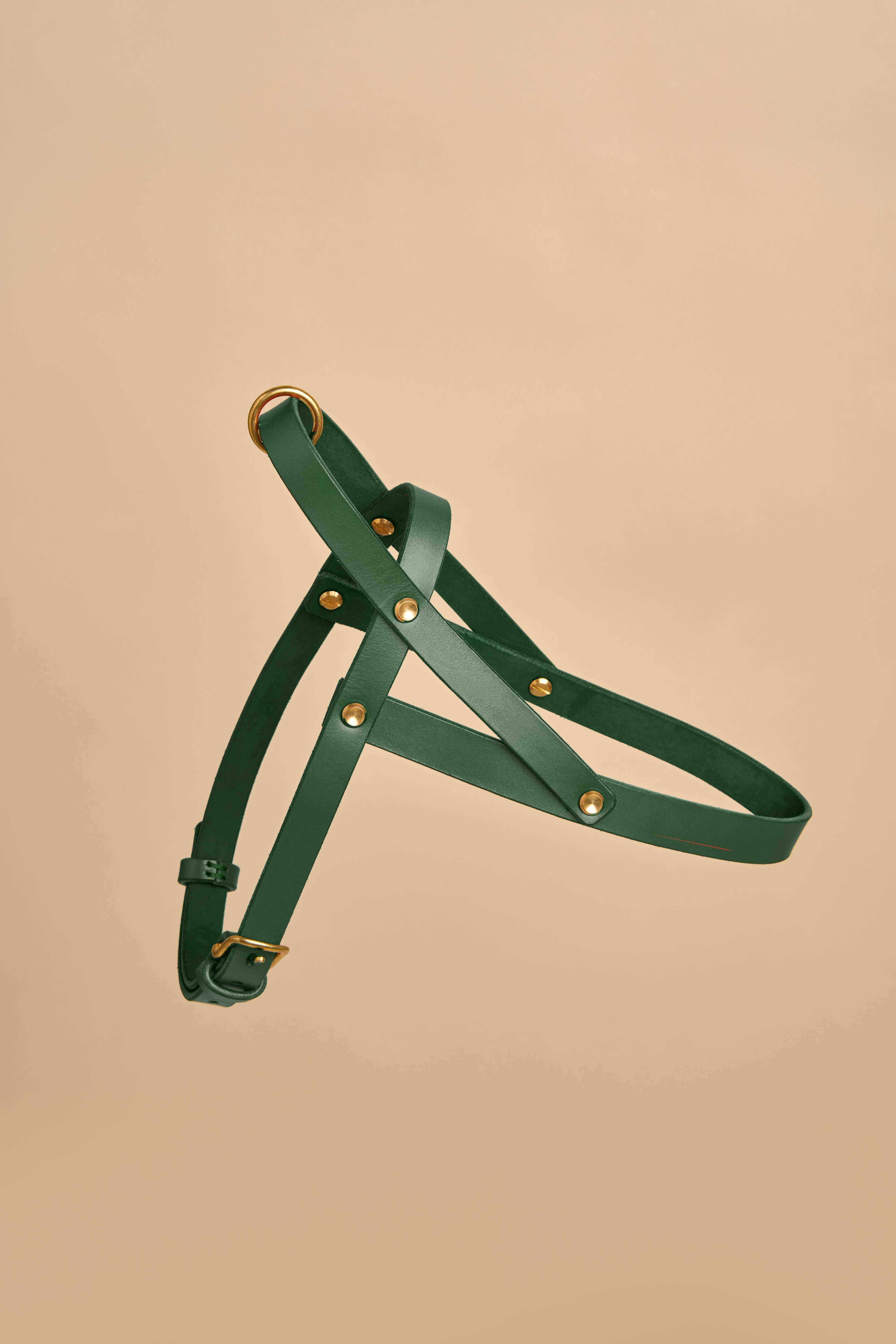
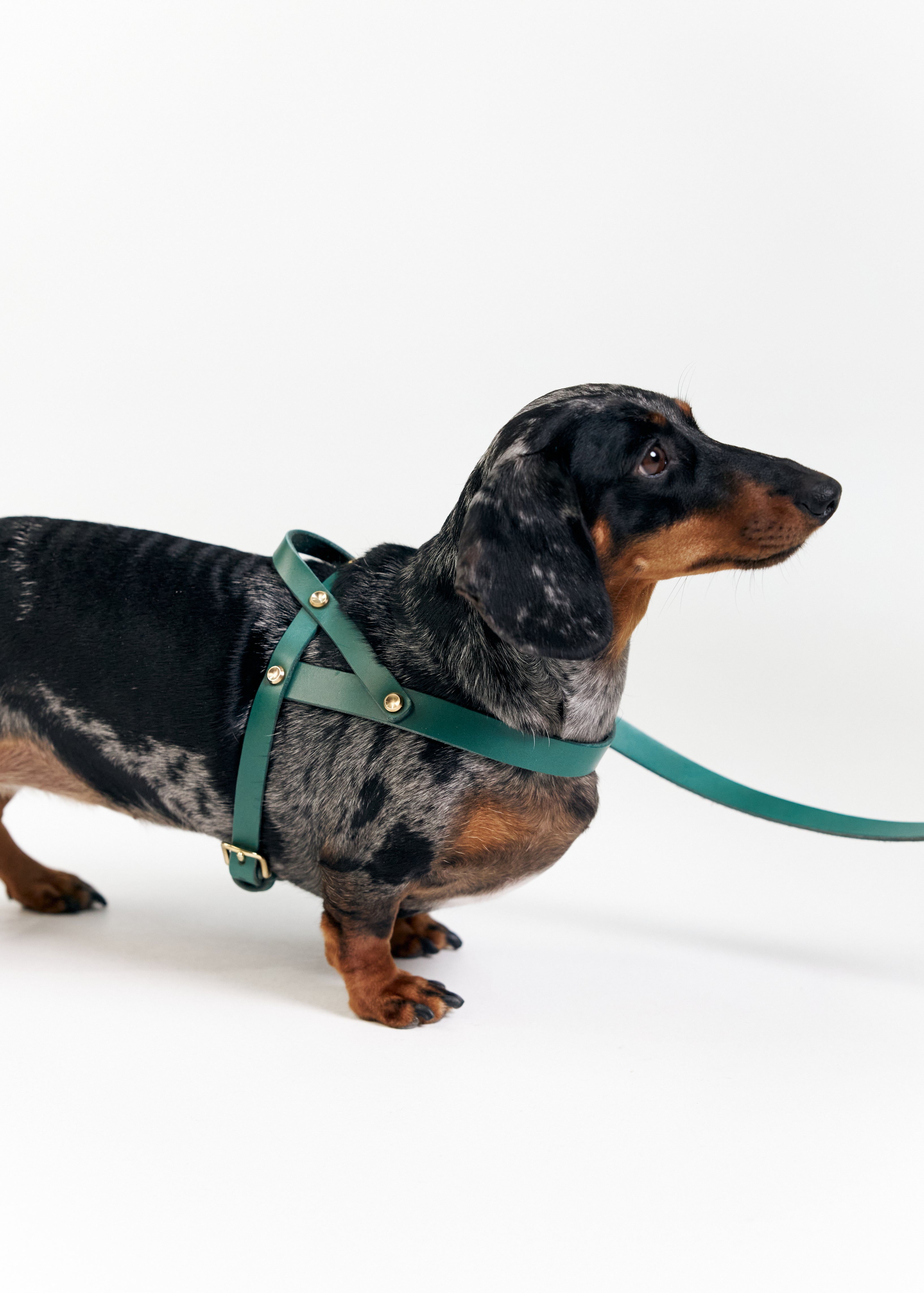
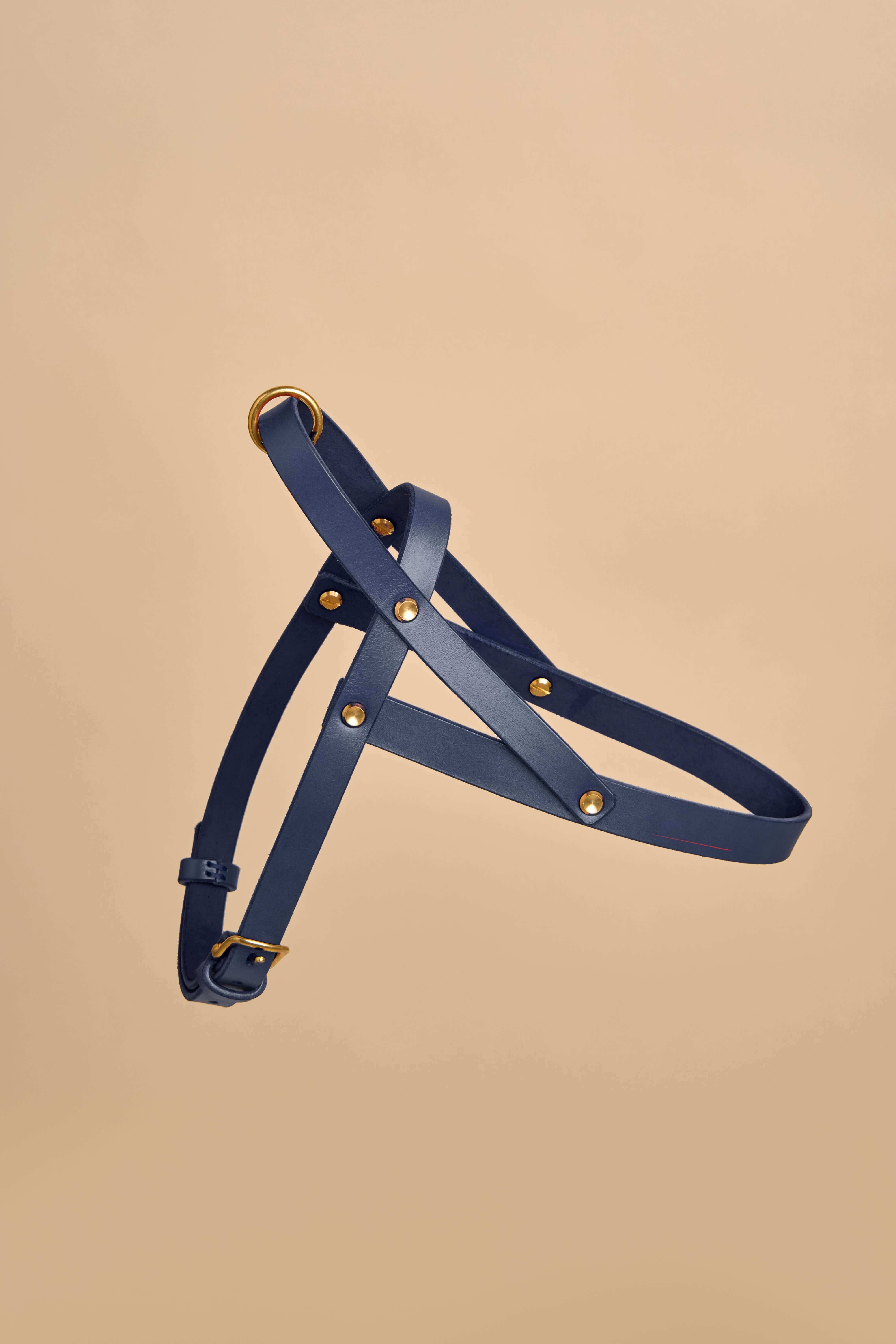
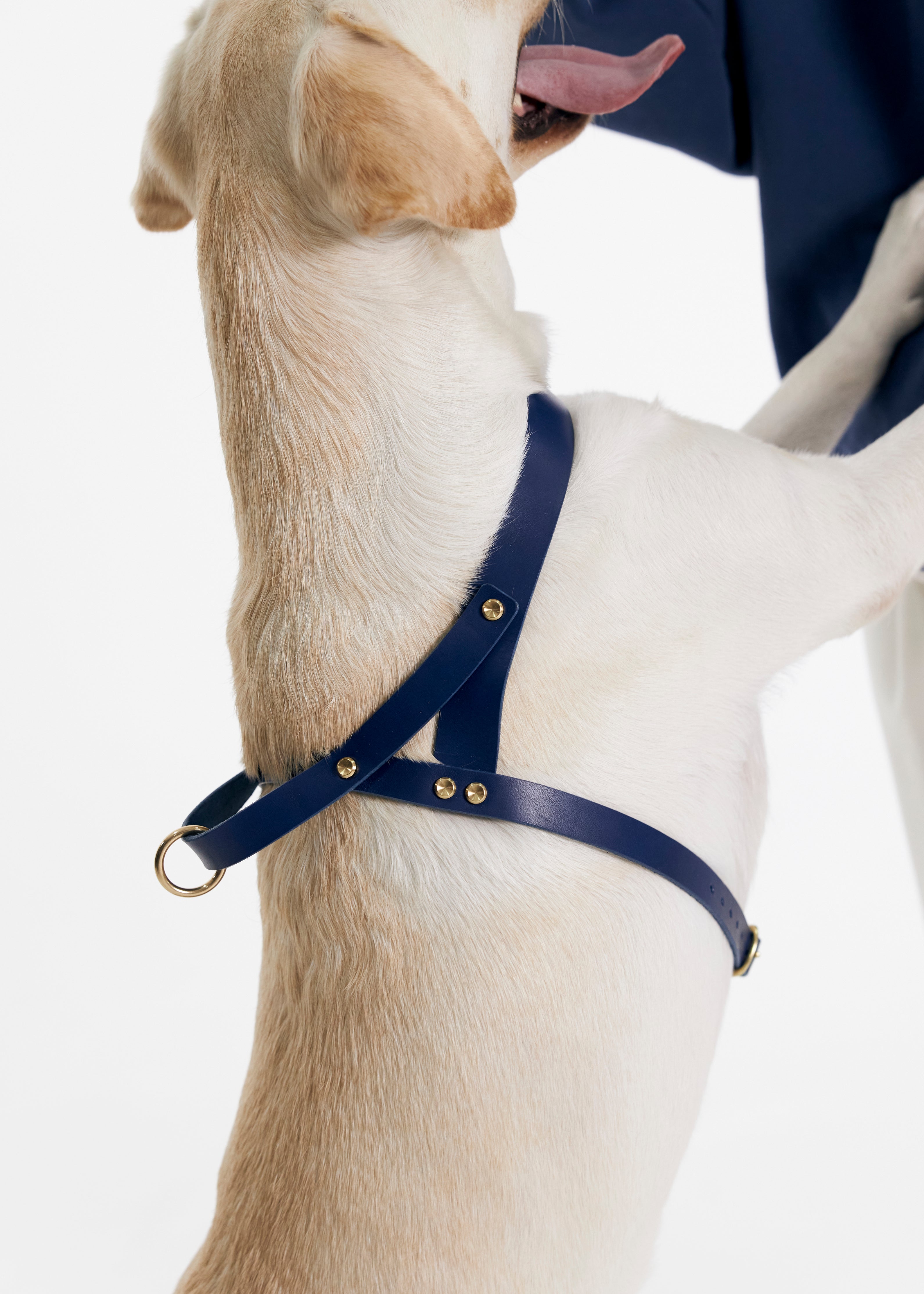
Quick Summary
A quality vegetable-tanned leather dog collar lasts 5 to 8 years under daily use, including regular walks in light rain, mud, and seasonal conditions, provided it is wiped down after wet or dirty outings and conditioned with a plant-based or beeswax leather balm every 4 to 8 weeks. Saltwater and heavy submersion are the two conditions that genuinely shorten leather's lifespan. Every other seasonal challenge, summer heat, winter cold, indoor heating dryness, and light rain, is managed entirely by a consistent conditioning routine.
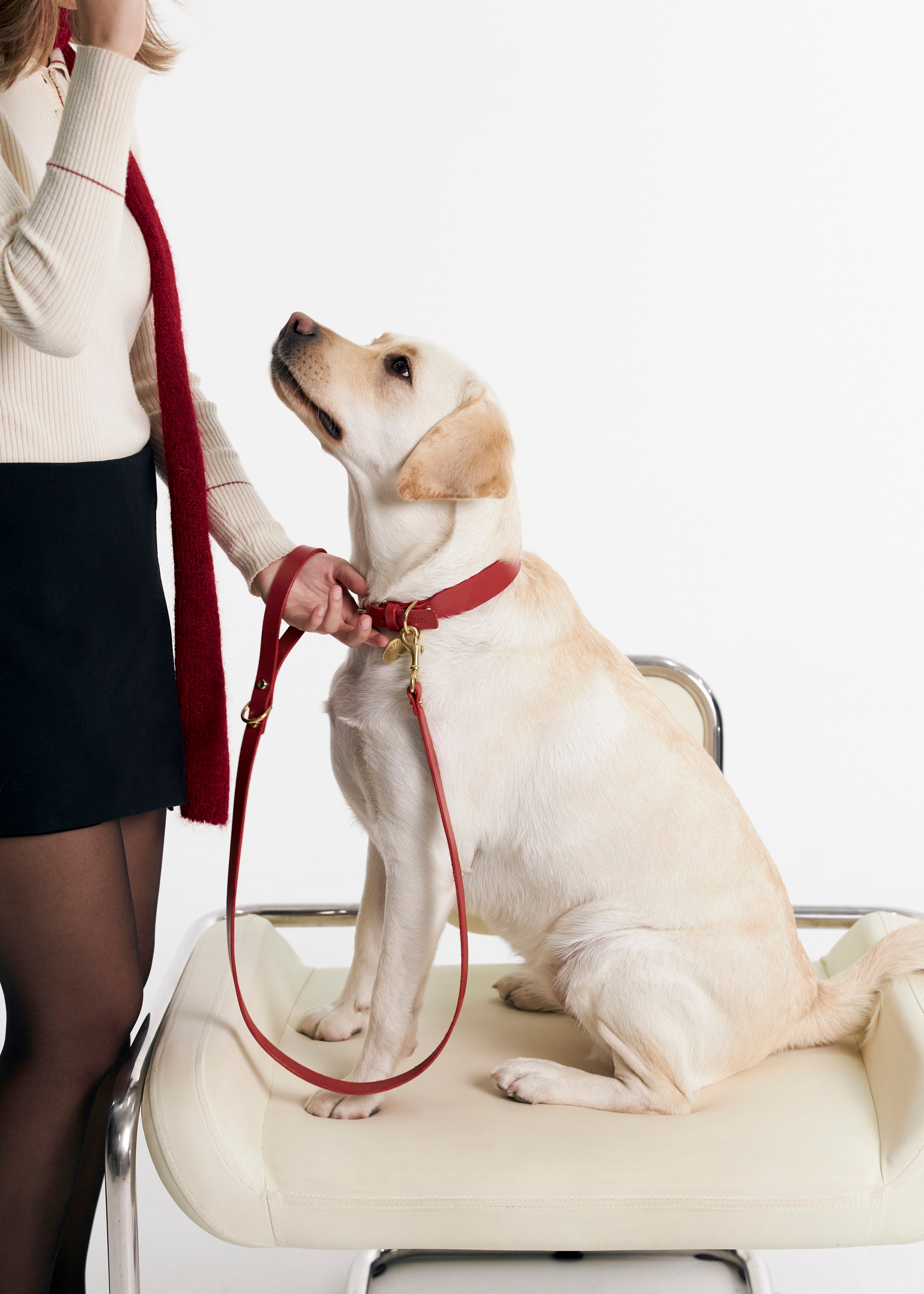
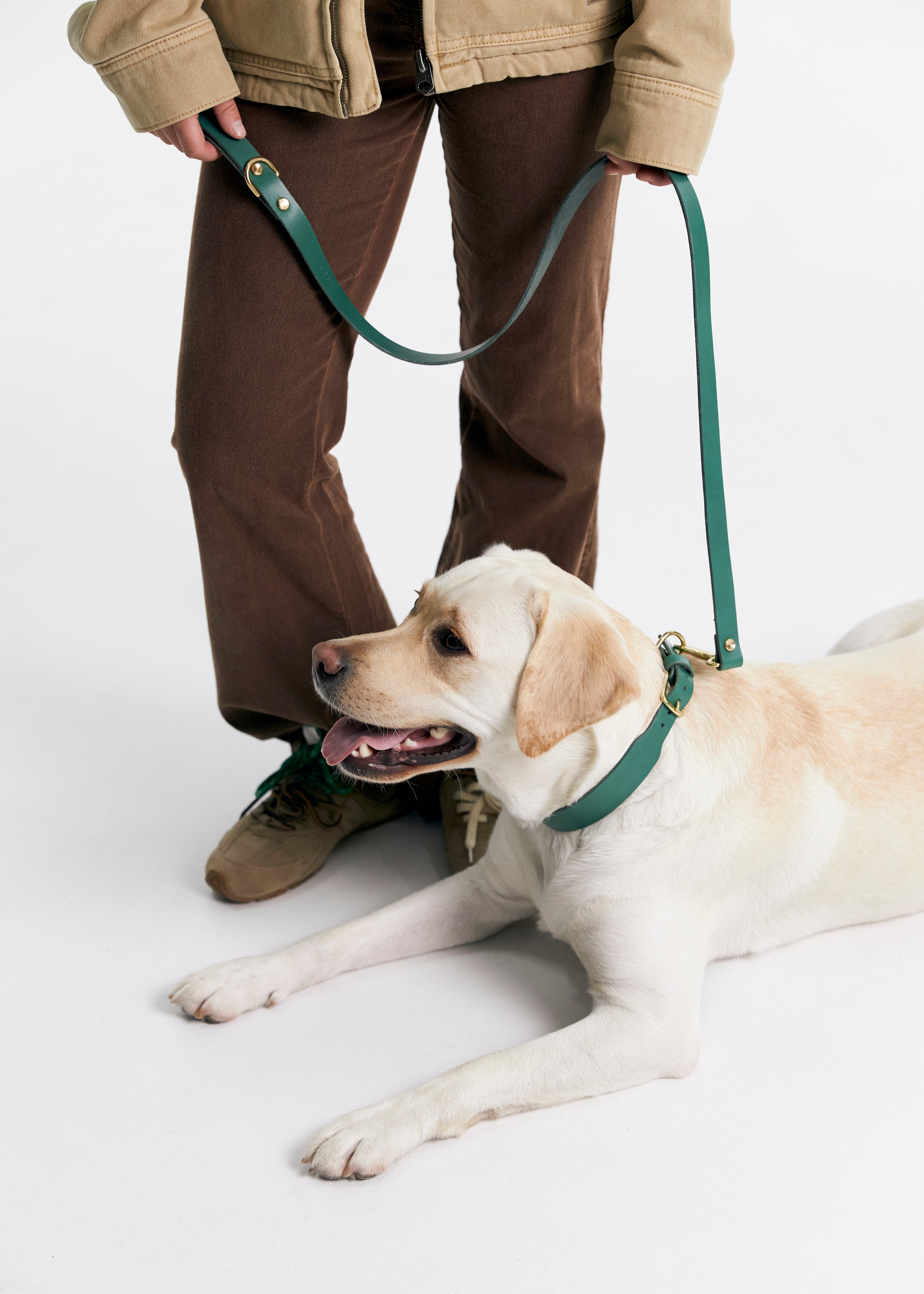
When new pet parent Maria bought a leather collar for her beautiful lab Max, some friends warned her that the material would crack in winter and look ruined in just a few months. Well, five years later and thanks to proper care and attention, the collar still looks as beautiful as ever. It has outlasted multiple synthetic replacements.
Leather collars have a reputation for being elegant and classic, but did you know that they are also one of the most durable and practical options too, no matter what the weather? They certainly look luxurious, but the important truth is that high quality vegetable-tanned leather collars are more resilient than most dog owners realize. If you follow the right routine, you can keep your pup's collar strong, supple and stunning for 365 days of the year and beyond. Compared to many synthetic alternatives, leather is actually more breathable during the summer, flexible during the winter and much more resistant to the daily grime and sweat that accumulate at all times of the year.

Take a look through this guide we have put together, busting all of the popular dog collar myths and walking you through season by season care of accessories. At The Lille Bjorn we want to help you get the absolute most out of your investment, dealing with all the elements from July sun to January frost. Here is how to become a master of leather dog collar care to ensure your precious pup remains stylish and comfortable in each season.
Myths About Leather Collars in Changing Weather
Will Leather Crack in Winter?
This seems to be the most common concern among pet parents, but if you care for a leather collar properly, you don't have to worry about it. Vegetable-tanned leather in particular doesn't become brittle from the cold on its own. Lack of conditioning and too much drying in indoor heating is usually to blame, so all you need to do is apply some leather conditioner every now and then to keep the material nice and pliable in the winter.
Is Leather Too Hot in Summer?
On the other side of the coin, some tend to worry that leather gets uncomfortable in high temperatures. In reality, leather is actually very naturally breathable and does not trap heat in the way that some synthetic materials do, especially plastic or rubberized coatings. The truth is that your pup's neck is much less likely to overheat in leather compared to other options.
What About Rain and Humidity?
There is some merit in being worried about leather with rain and humidity. It can be sensitive to really prolonged moisture exposure, but a little light rain and humidity definitely isn't going to ruin a good leather collar. The key is letting it dry properly and avoid soaking it when cleaning. Be wary of low chrome-tanned and low grade leather, because it can be sealed chemically and therefore prone to peeling or cracking. Important to remember that vegetable-tanned leather doesn't come with these issues.

Why Leather Works in All Seasons
Natural Breathability: Summer Comfort
Leather has a natural open pore structure that allows air to circulate through it freely, and this helps to reduce the amounts of moisture and heat that can build up around your pup's neck. Of course, this makes a huge difference in the hotter months where sweating is more frequent. A high quality leather can adjust to your dog's body temperature and won't get clammy like rubber or nylon.
Durability and Protection: Winter Performance
Lots of synthetic materials can fray and stiffen in colder conditions, but vegetable-tanned leather stays nice and flexible even in freezing temps! A touch of regular leather collar maintenance helps to keep the material soft and supple, and free from any drying out that might be caused by the combination of wind and indoor heating.
Light Rain Tolerance: What Leather Can Handle
This is really the only area where you need to be a little careful. Leather can absolutely handle light rain and brief exposure to moisture, but it doesn't fare as well in situations like swimming and heavy soaking. An air dried and conditioned collar will hold up perfectly after a rainy walk, but try to avoid excessive wet conditions.
Spring and Summer Care
Managing Heat and Humidity
During the warmer months, it's inevitable that heat, sweat and oil production are going to be a bigger issue, and this combination can risk wearing down a collar faster. The good news is that leather's natural breathability definitely helps, but a few simple maintenance steps can go a long way to ensuring top seasonal dog collar care in the heat.
- Weekly wiping down of the collar with a soft microfiber cloth.
- Allowing to air dry after sweaty sessions.
- Avoiding leaving the collar out in direct sunlight when not wearing.
- Conditioning once a month to keep as supple as possible.
It's important to avoid using things like baby wipes for this, as they often contain synthetic fragrances or alcohol that could risk stripping the leather of its natural oils.
Light Rain Exposure: Proper Drying Techniques
Getting caught out in a spring shower doesn't have to be a disaster if you follow these simple steps.
- Remove the wet collar and gently pat it dry with a towel.
- Lay it out flat on a dry surface in a well ventilated room at home.
- Don't use a hair dryer or place the collar too close to a radiator, because you want to avoid uneven drying.
- When fully dry, apply a spot of leather balm to replenish any natural moisture that might have been lost.
Dealing with Increased Activity and Dirt
The sunnier it is, the more walks you are likely to go on, plus the risk of more mud and dirt! Leather doesn't trap sweat, bacteria and oils in the same way that synthetic materials do, which makes a leather collar a much more hygienic choice. All you need to do after any particularly dirty adventures is:
- Use a slightly dampened cloth to remove any surface grime.
- Leave to dry out flat.
- Apply balm or conditioner if you think they might be needed.
Fall and Winter Protection
Protecting Against Salt and Snow
Along with the cold, winter can also bring things like de-icers, road salts and other chemicals that can be really damaging to untreated leather. If you walk your pup in urban areas that are salted in low temperatures, you should do the following:
- If the collar touches slush or snow, rinse it quickly and gently.
- Pat it dry immediately after rinsing.
- Apply some conditioner to help prevent the material from cracking and drying.
And of course, it goes without saying that a quick wipe down after each walk is a great way to keep things in good shape!
Maintaining Flexibility in Cold Weather
Cold weather isn't something that stiffens leather, but dryness is. If you live in a home with central heating or your pup's favourite place to sleep is by the radiator, then you might find that your collar dries out faster. A simple way to replenish the natural oils that are lost is to use a plant-based balm every 4 weeks or so to keep the leather flexible and smooth.
Indoor Heating Effects on Leather
Central heating can be very aggressive in evaporating moisture from leather, so it's a good idea to get into the habit of checking your dog's collar every couple of weeks for dullness in color or stiffness. If the leather looks quite matte or feels hard, then it's time to condition!
How Long Does a Leather Dog Collar Last? Beach, Daily Use, and Real Conditions
A full-grain vegetable-tanned leather collar maintained with regular conditioning and post-outing wipe-downs lasts 5 to 8 years under daily wear. This estimate holds for standard everyday conditions: daily walks, light rain, mud, seasonal temperature changes, and the accumulated skin oils and sweat of daily contact. The conditioning routine is the single variable that most affects longevity.
Beach and saltwater conditions require specific additional care. Saltwater is the most aggressive natural substance for leather because salt crystals left on the surface draw moisture out of the leather as they dry, accelerating drying and cracking from the outside in. After any beach outing where the collar contacts saltwater or salt spray:
- Rinse the collar in fresh water as soon as possible after the outing.
- Pat dry with a clean towel and lay flat to air dry away from direct sunlight or heat.
- Once fully dry, apply a generous coat of plant-based or beeswax leather conditioner and allow to absorb fully before the next outing.
For dogs that swim in the sea or walk beaches regularly, the practical recommendation is to remove the collar during swimming and replace it after drying. A collar that goes into saltwater every day will have a significantly shorter lifespan than one exposed only to light rain and sweat, regardless of how well it is conditioned. Use a waterproof collar alternative for heavy water activities and reserve the leather collar for daily land use.
On the broader question of how long leather lasts compared to synthetic alternatives: a nylon collar at $15 to $25 needs replacing every 12 to 18 months, fraying, stiffening, and discolouring under daily use. A leather collar at $69 to $75 lasting 5 to 8 years costs $9 to $15 per year, the same or less than nylon, while providing better skin safety, better breathability, and significantly better appearance throughout its lifetime.
Year-Round Maintenance Schedule
We know that's quite a lot of information to take in, but year round dog collar care isn't hard at all once you know what to do, and when to do it! It doesn't have to be complicated at all, and we've simplified everything here in this leather dog collar care calendar.
Your Monthly Maintenance Checklist
Spring/Summer:
- Wipe down with a soft, dry cloth weekly.
- Condition every 4 weeks.
Fall/Winter:
- Clean every 2 weeks, particularly if exposed to salt or snow.
- Condition every 3 to 4 weeks.
What to Use (and Avoid!)
Use:
- Soft microfiber cloth.
- Unscented, natural leather oil or balm (plant-based or beeswax formula).
- Lukewarm water for deeper cleaning (not hot, not cold — hot strips natural oils, cold requires more scrubbing which damages the surface).
- Room temperature space for air drying.
Avoid:
- Household cleaners and baby wipes.
- Radiators and hair dryers.
- Any alcohol-based sprays.
- Hot water for cleaning.
- Prolonged saltwater exposure.
Storage Tips for Extreme Conditions
- Store collars in a breathable cotton bag when they are not in regular use.
- Never wrap leather accessories in airtight or plastic containers, because the material needs to be able to breathe.
- Keep out of direct sunlight and heat sources as much as you can.
Sustainability and Longevity
One Collar That Lasts Years
The best way to think about it is that a good quality leather collar isn't just a good choice for your pup, it's a much better choice for the planet as well. Synthetic materials are likely to break down or fade within a year, which means they go straight to the landfill sites. On the other hand, a well maintained leather collar will last you between 5 and 10 years. That means fewer collars in landfill and fewer materials wasted in the production process.
Less Waste, More Value
Collars like the ones we make at The Lille Bjorn are made to order by our skilled artisans, which means there is no mass production waste associated with our accessories. Not to mention the fact that our vegetable-tanned leather is also biodegradable, so when it eventually reaches the end of its life, it will break down naturally. Ultimately, choosing a good leather collar isn't just a simple lifestyle choice, it can truly be seen as a personal investment in better sustainability.

Frequently Asked Questions: Leather Dog Collar Care by Season
How long does a leather dog collar last with daily use?
A full-grain vegetable-tanned leather collar maintained with regular conditioning and post-outing wipe-downs lasts 5 to 8 years under daily wear. The conditioning routine is the most important variable. A collar conditioned every 4 to 8 weeks, wiped clean after muddy or wet outings, and stored away from direct heat will outlast multiple nylon or synthetic collars replaced over the same period.
Can leather dog collars get wet?
Yes, leather handles light rain and brief moisture exposure well. The correct response after any wet outing is to pat dry and air dry flat away from heat, then apply conditioner once fully dry. What leather cannot handle without accelerated deterioration is prolonged submersion, saltwater exposure without rinsing, and heat drying. Remove the collar during swimming and rinse thoroughly after beach walks where saltwater contact occurs.
How do I clean a leather dog collar without damaging it?
Use a soft microfiber cloth dampened with lukewarm water. Lukewarm is important: hot water strips the leather's natural oils, accelerating drying and cracking; cold water requires more scrubbing to lift grime, which damages the surface. For deeper cleaning, add a small amount of mild, unscented soap. Dry flat at room temperature. Apply a plant-based or beeswax leather conditioner once fully dry. Never use baby wipes, alcohol-based sprays, or household cleaners.
Does leather crack in cold weather?
Leather does not crack from cold temperatures alone. It cracks from dryness, which is caused by indoor central heating rather than outdoor cold. A dog collar worn through winter outdoors and returned to a centrally heated home loses moisture faster than a collar in a non-heated environment. The solution is conditioning every 3 to 4 weeks in autumn and winter rather than the every 4 to 6 weeks that is sufficient in summer.
How do I care for a leather collar after beach walks?
Rinse in fresh water as soon as possible after the outing. Salt crystals left on leather draw moisture out as they dry, accelerating cracking from the outside in. Pat dry with a clean towel, air dry flat away from direct sunlight and heat, then apply a generous coat of beeswax or plant-based leather conditioner once fully dry. For dogs that swim in the sea regularly, removing the collar during water activities and replacing it on land significantly extends its lifespan.
How often should I condition a leather dog collar?
Every 4 weeks in spring and summer. Every 3 to 4 weeks in autumn and winter when indoor heating increases evaporation. After any beach outing with saltwater contact, condition immediately after the post-rinse drying cycle. The visual and tactile cues that conditioning is needed: the leather looks matte rather than having a slight sheen, or it feels stiffer and less pliable than normal. Use a plant-based or beeswax conditioner specifically formulated for vegetable-tanned leather.
Are leather collars good for dogs in all weather?
Yes, with the exception of heavy water submersion. Leather is more breathable than nylon in summer, more flexible than most synthetics in winter cold, naturally antibacterial year-round, and significantly more durable than synthetic alternatives under all seasonal conditions. The one limitation is prolonged water exposure, which requires either removing the collar during swimming or choosing a waterproof alternative for heavy water activities while using leather for daily land walking.
A Collar Built for Every Walk Ahead
Leather does not require perfect conditions. It requires a consistent routine: wipe down, air dry, condition. That routine, applied across every season, is what turns a collar purchase into a 5 to 8 year relationship rather than a 12-month replacement cycle.
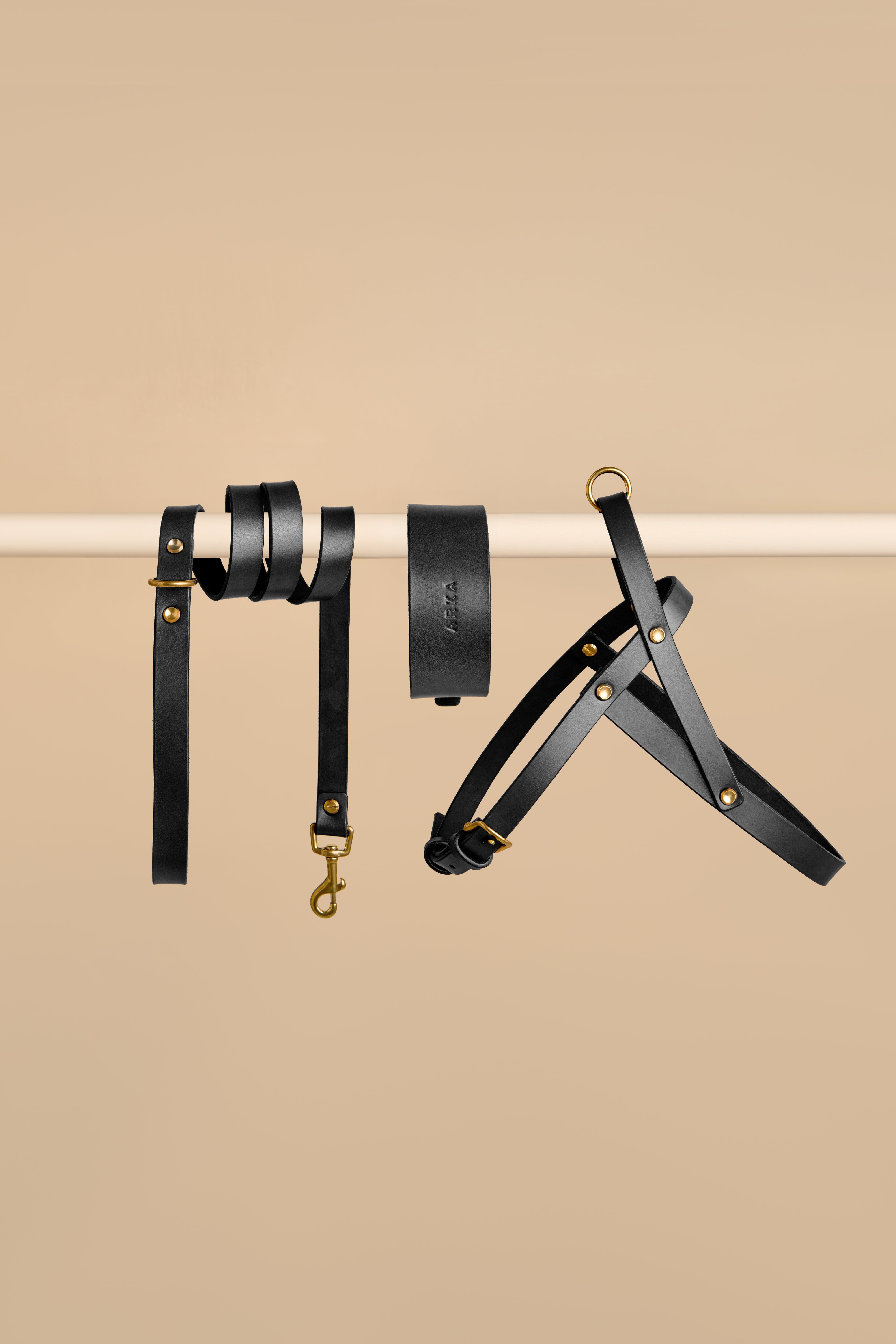
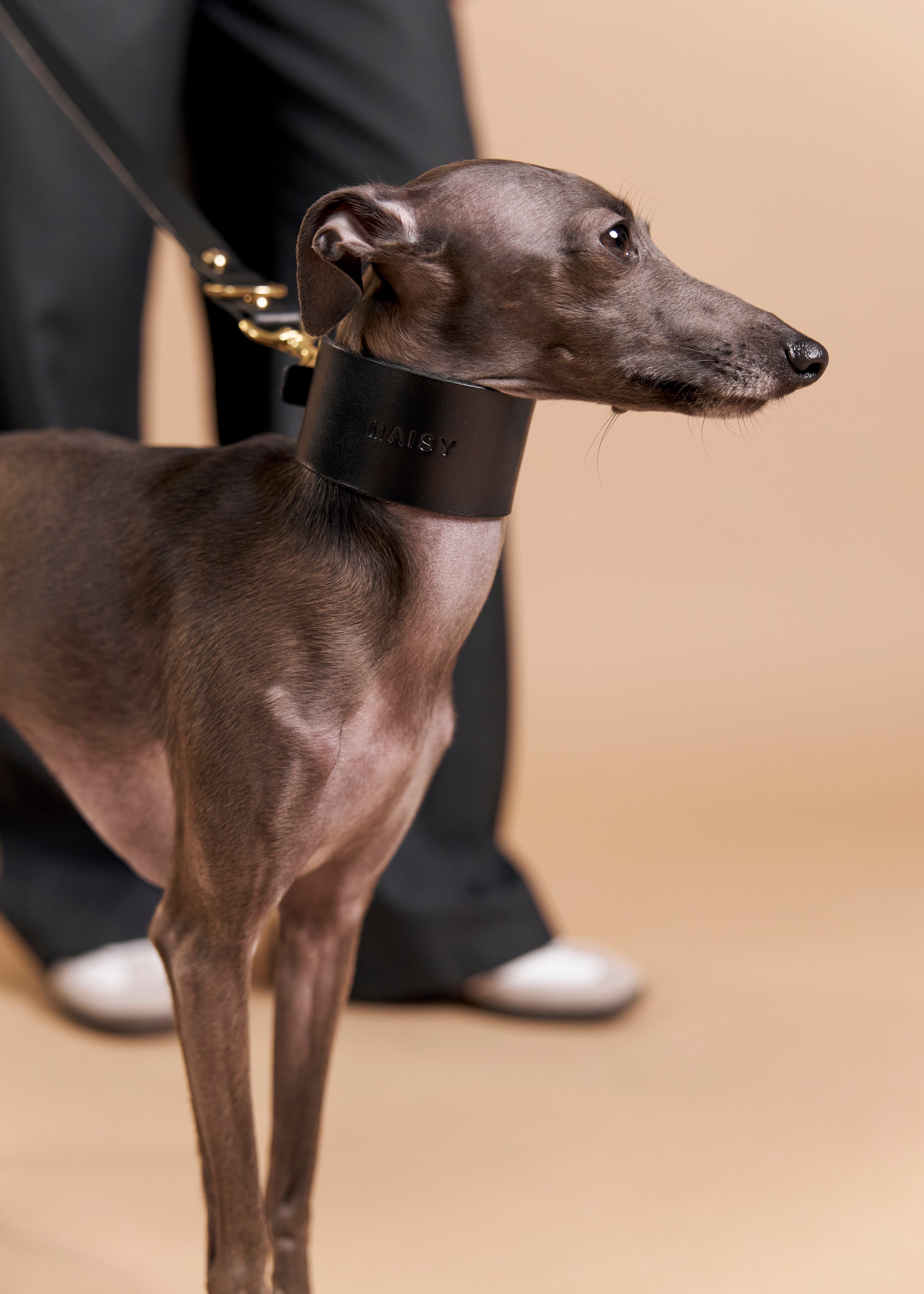
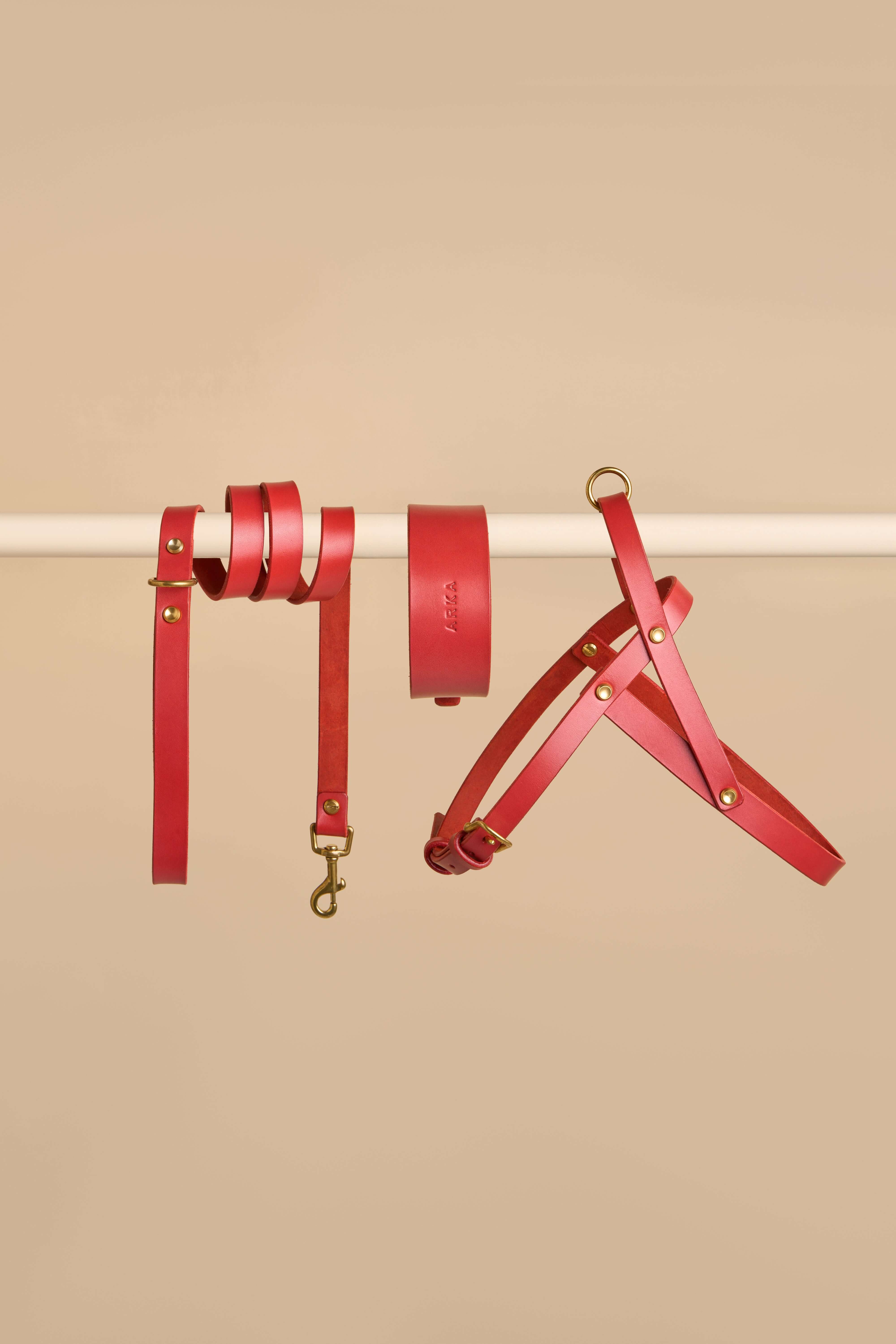
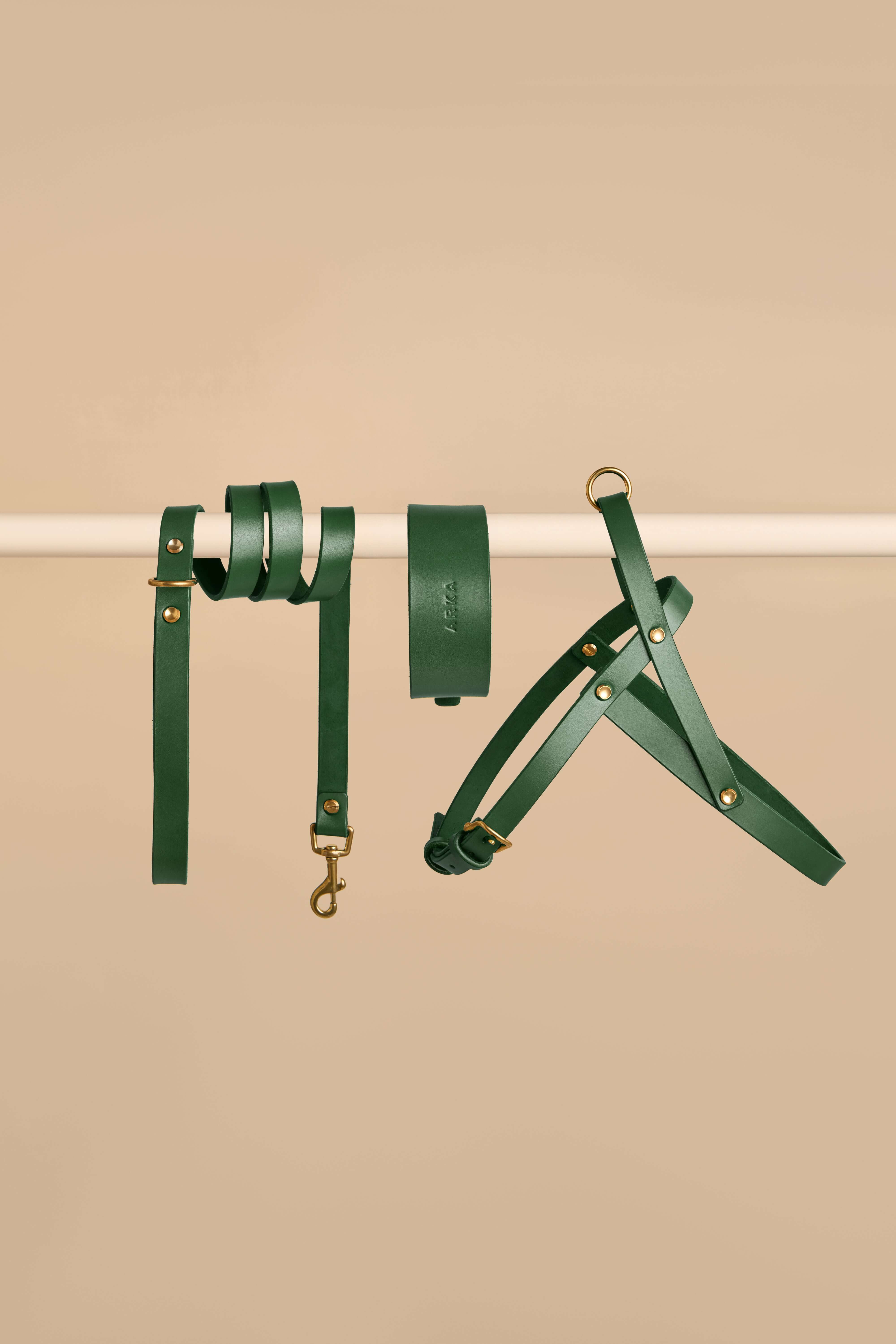
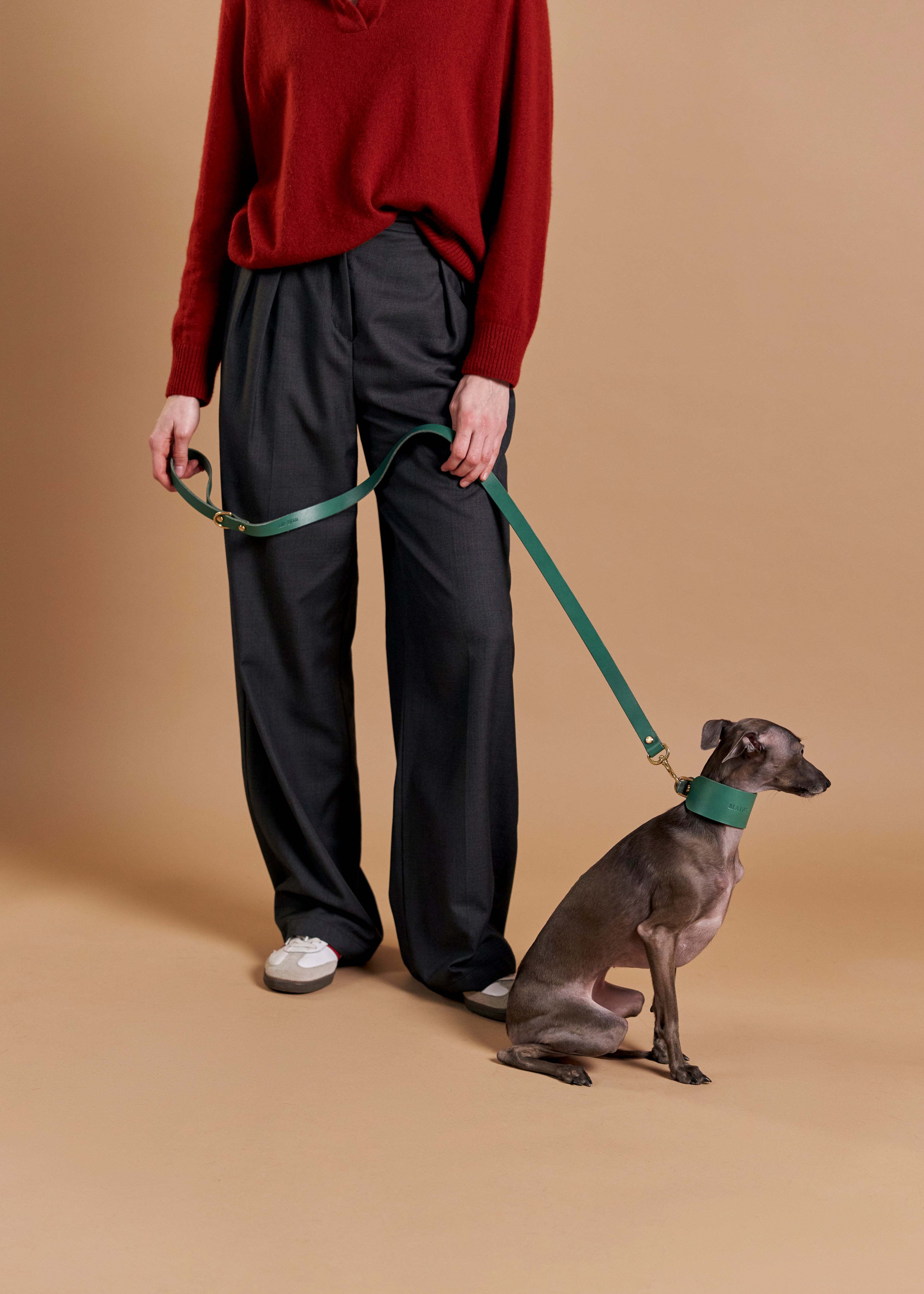
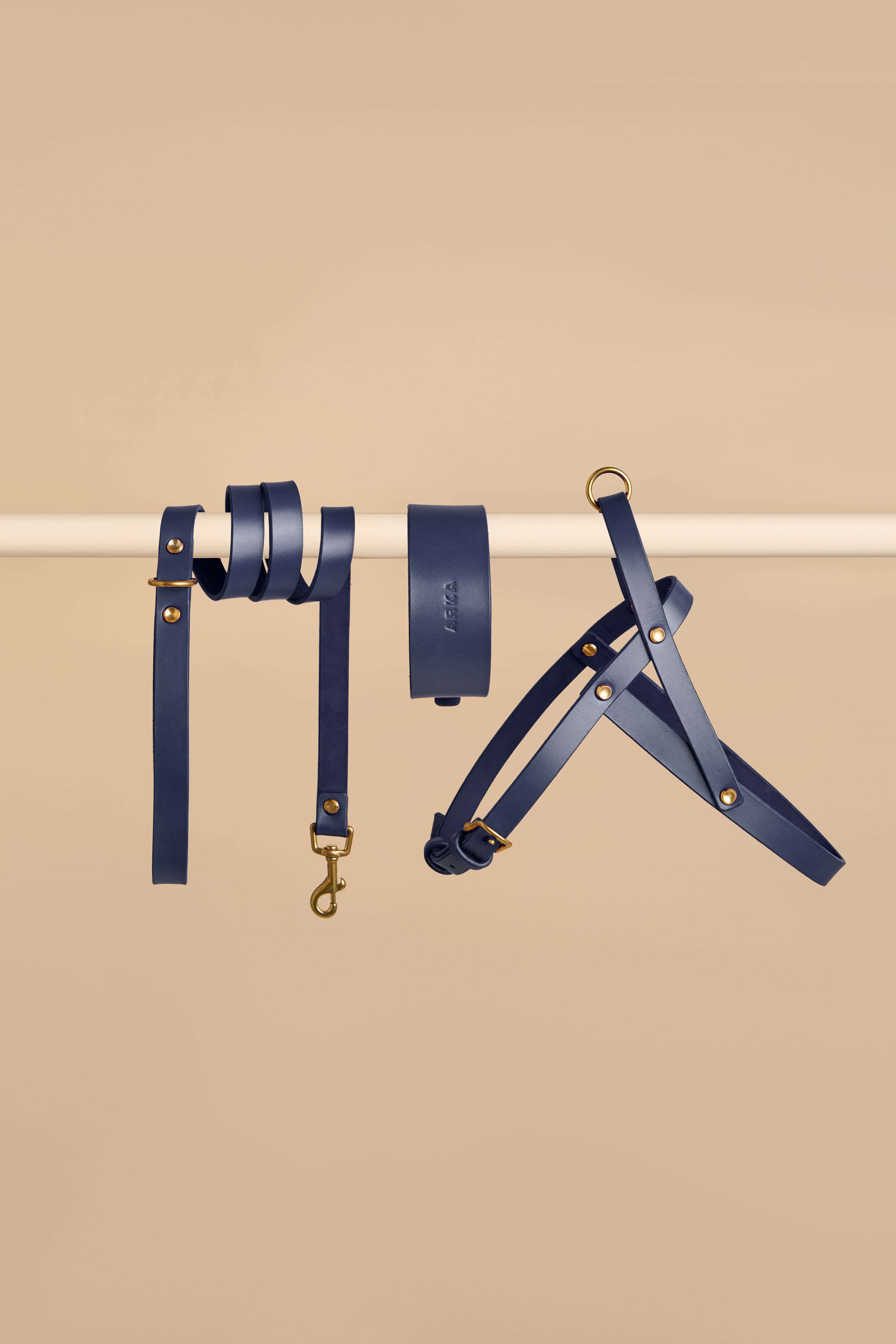
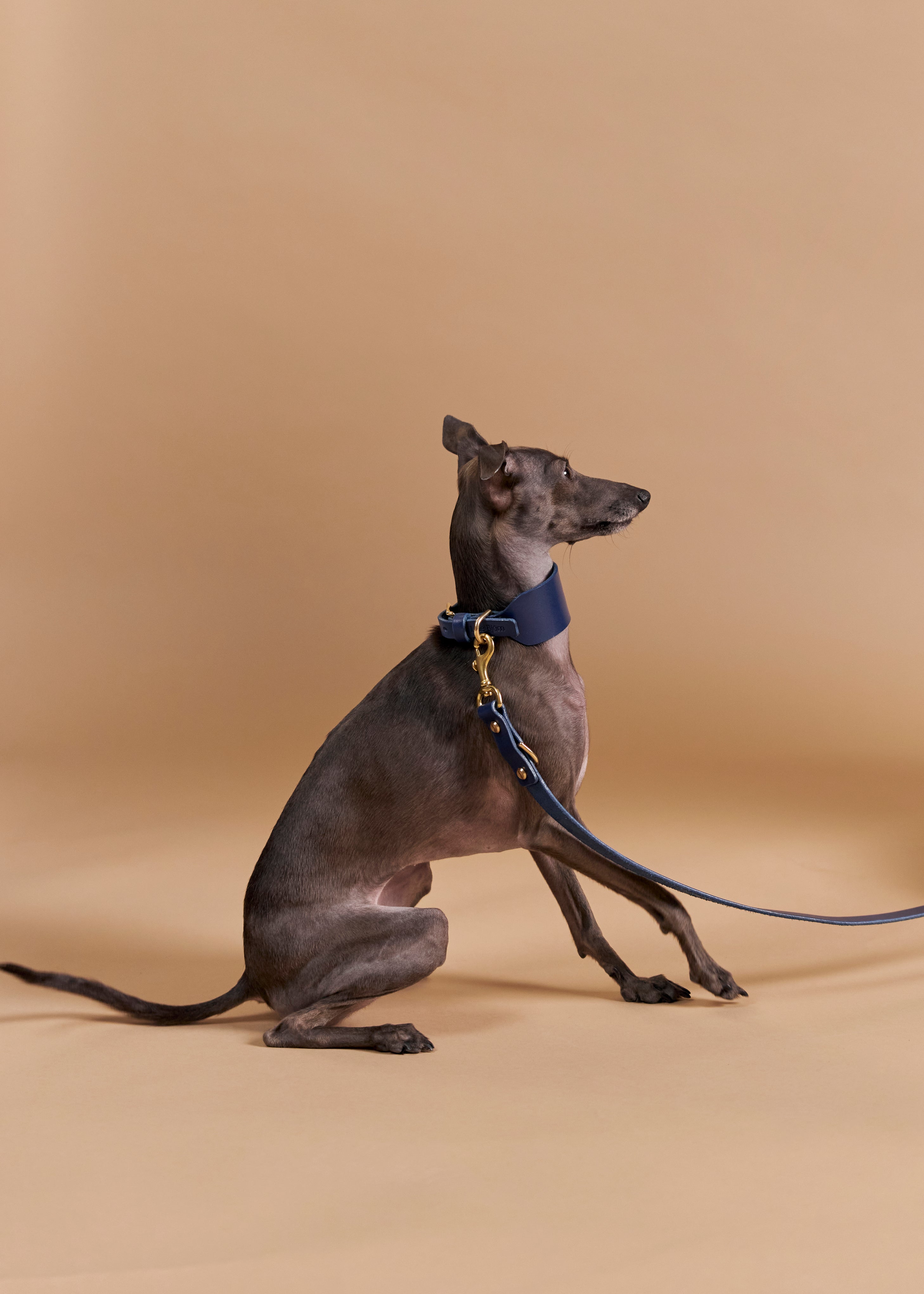
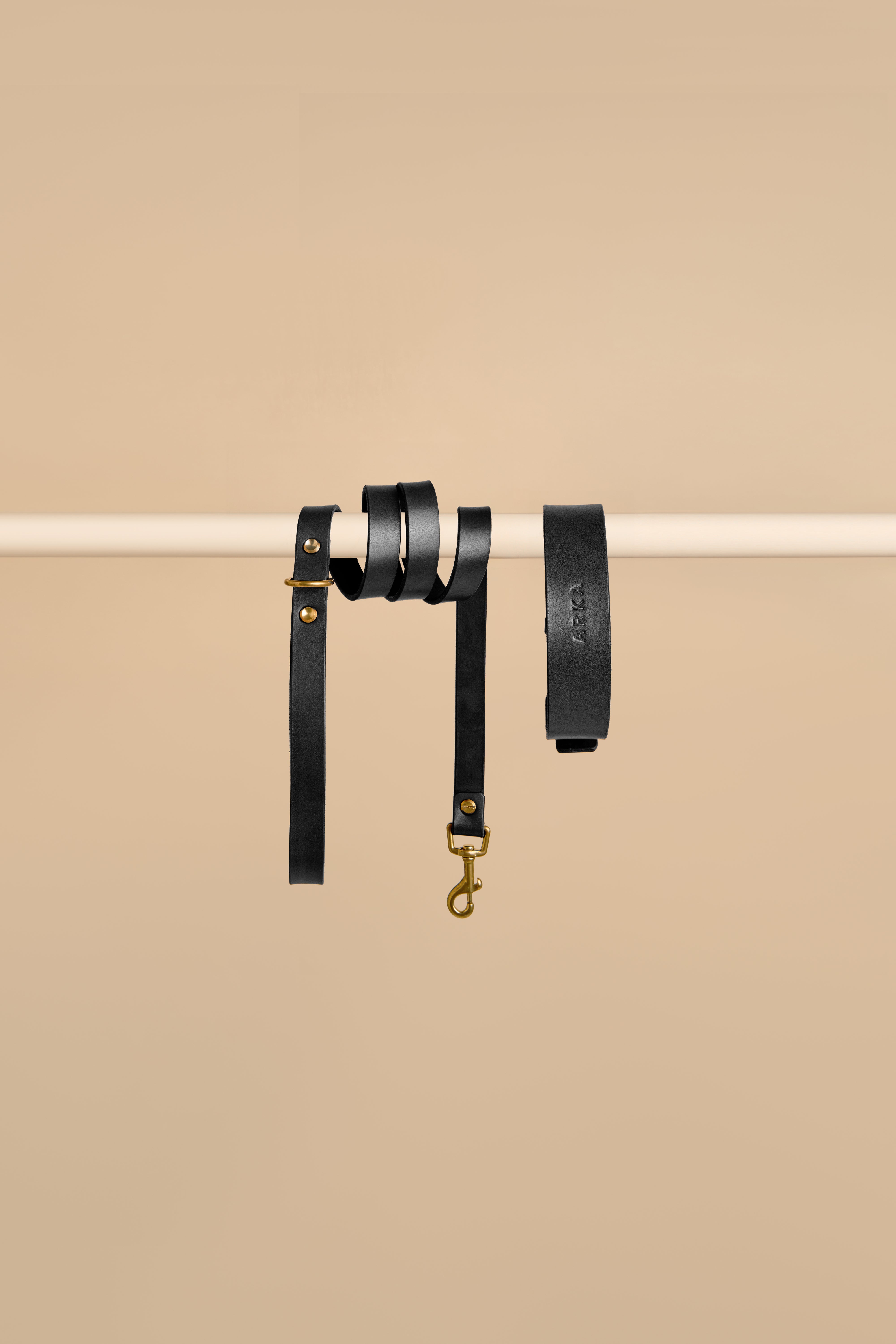
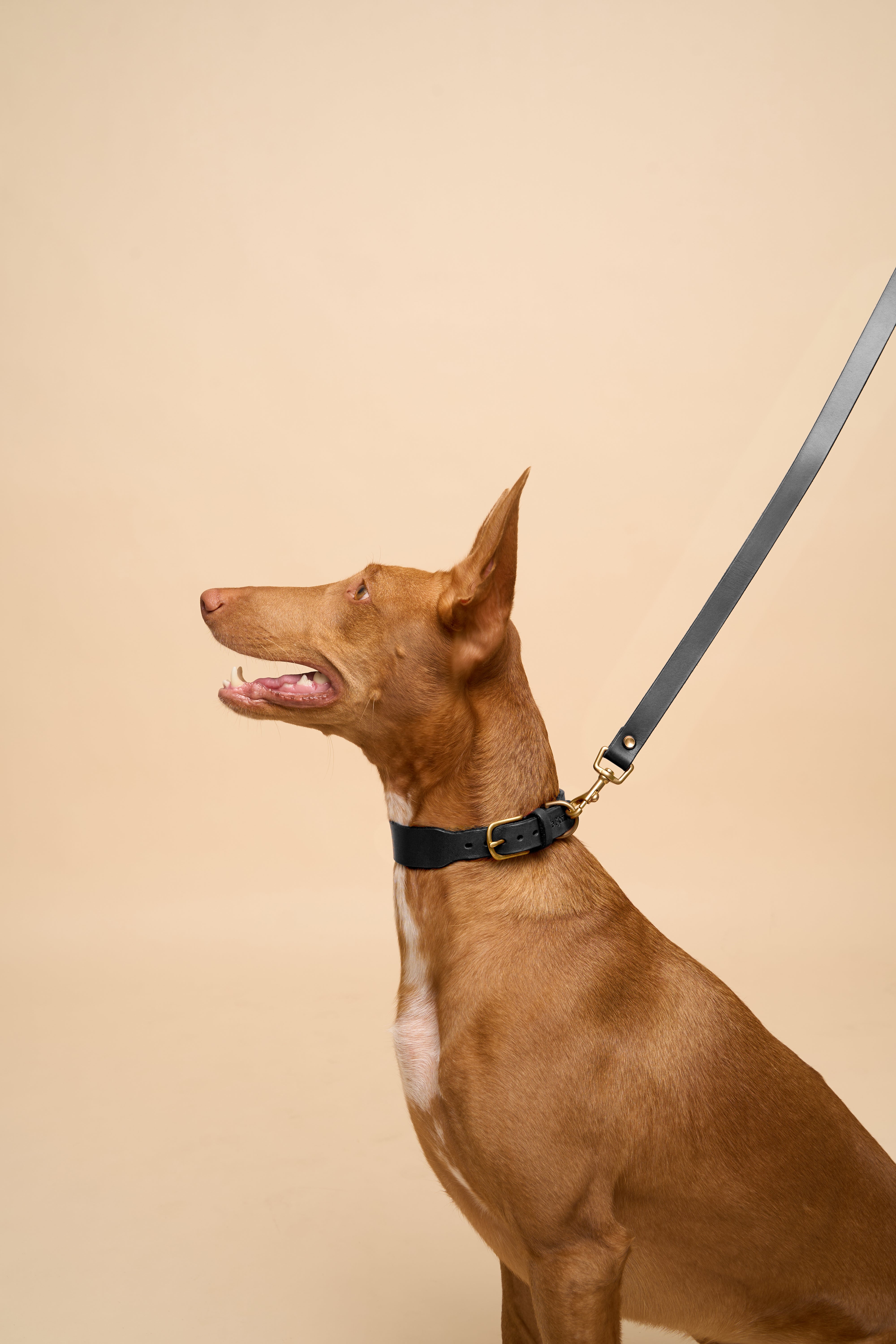
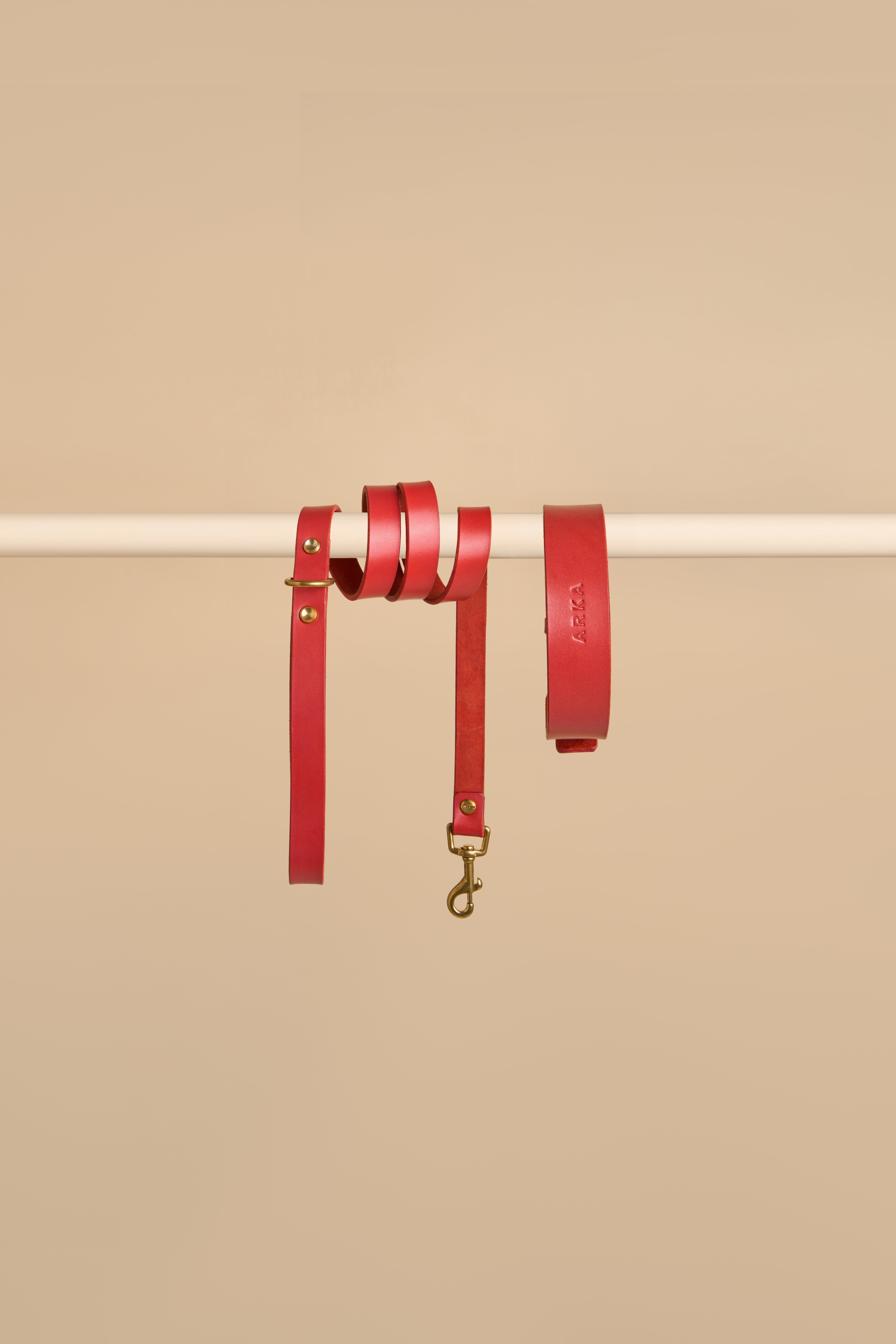
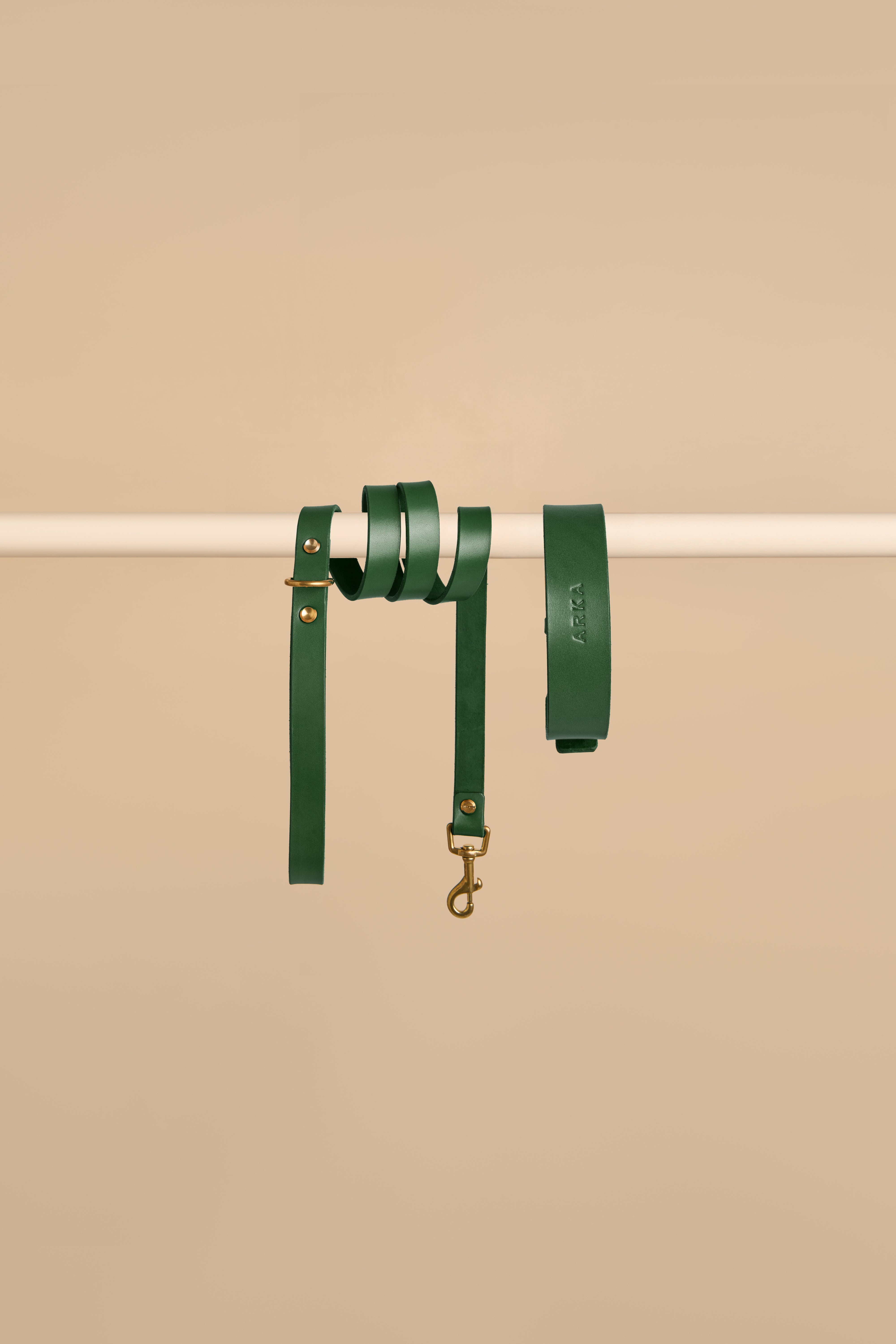
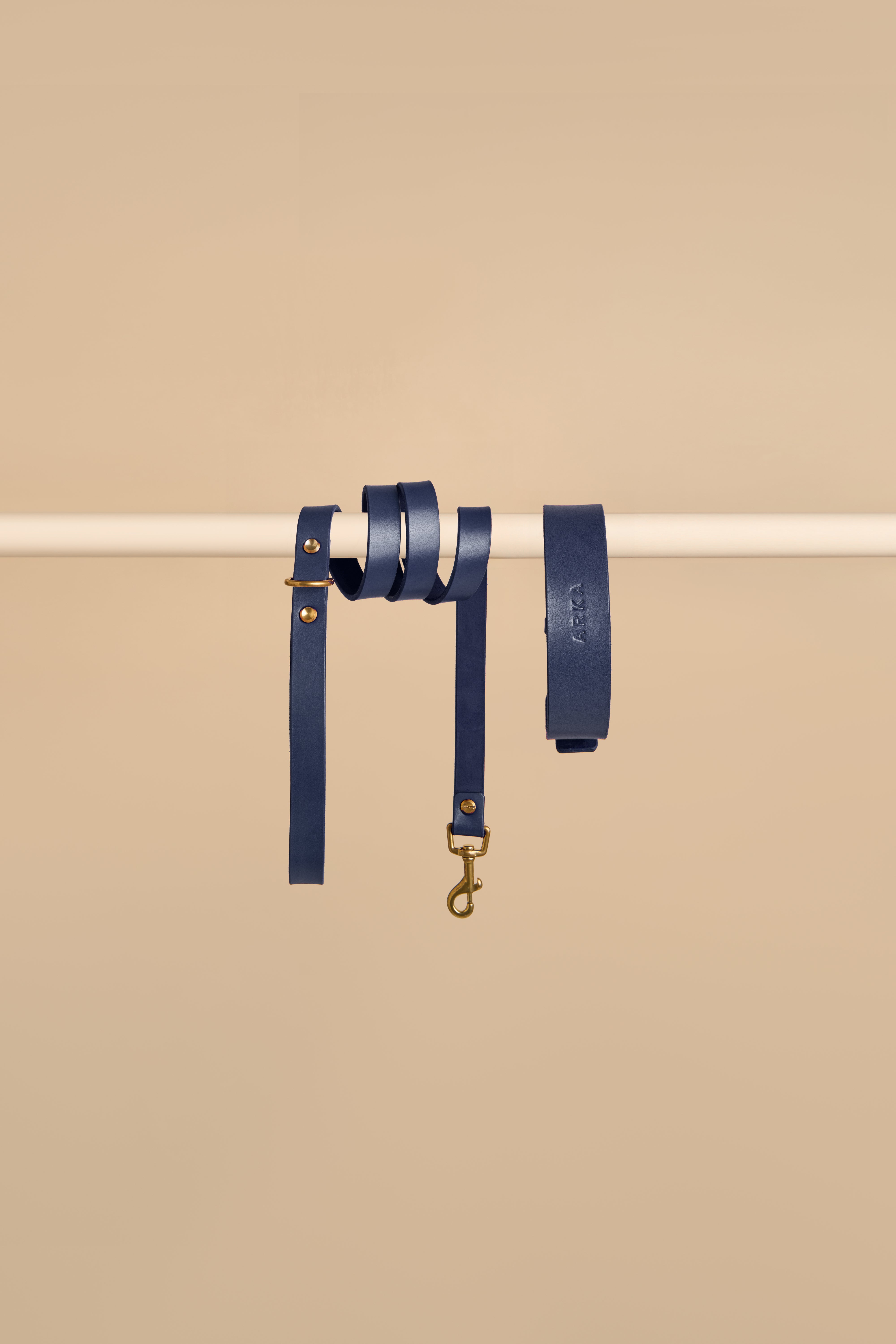
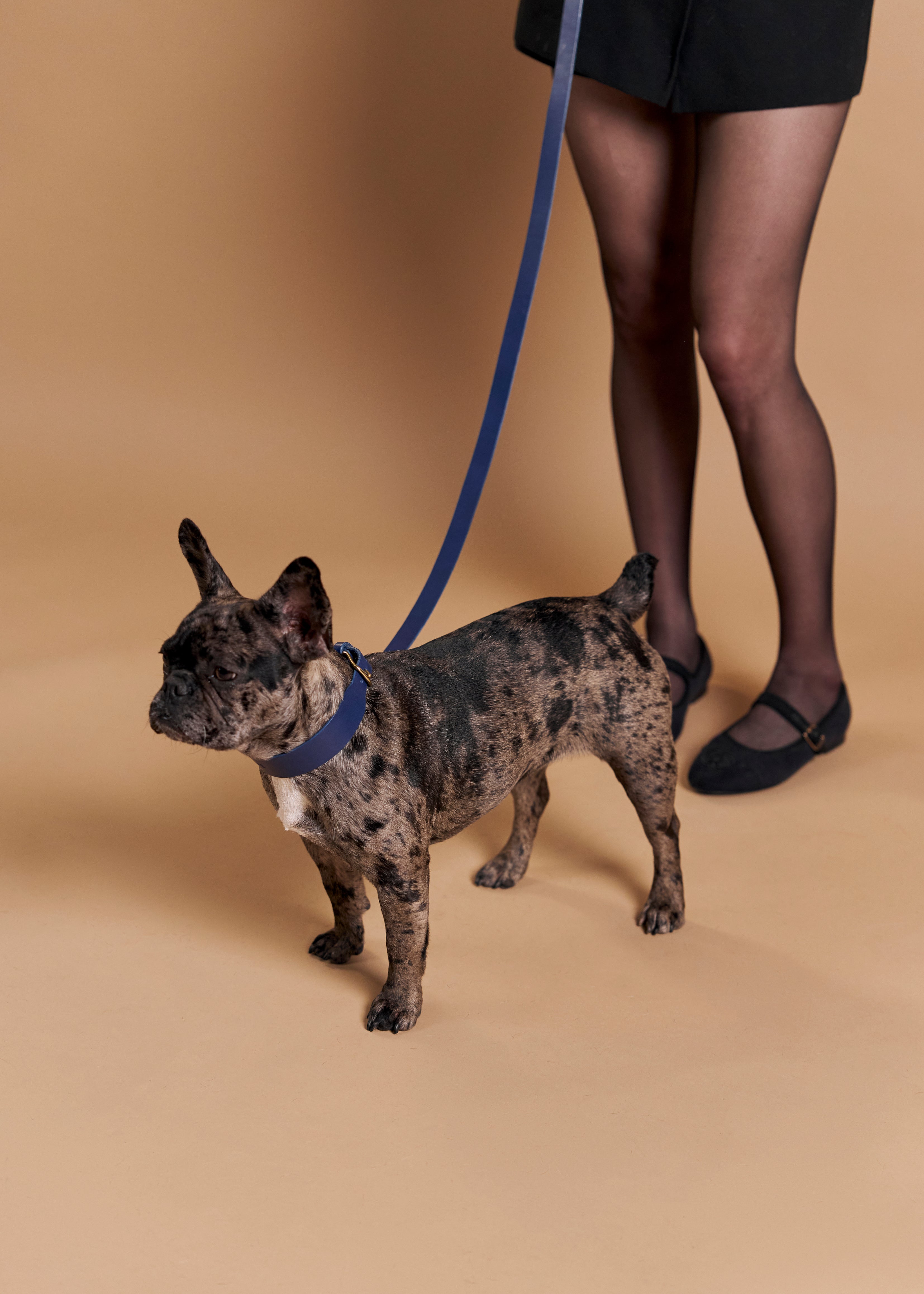
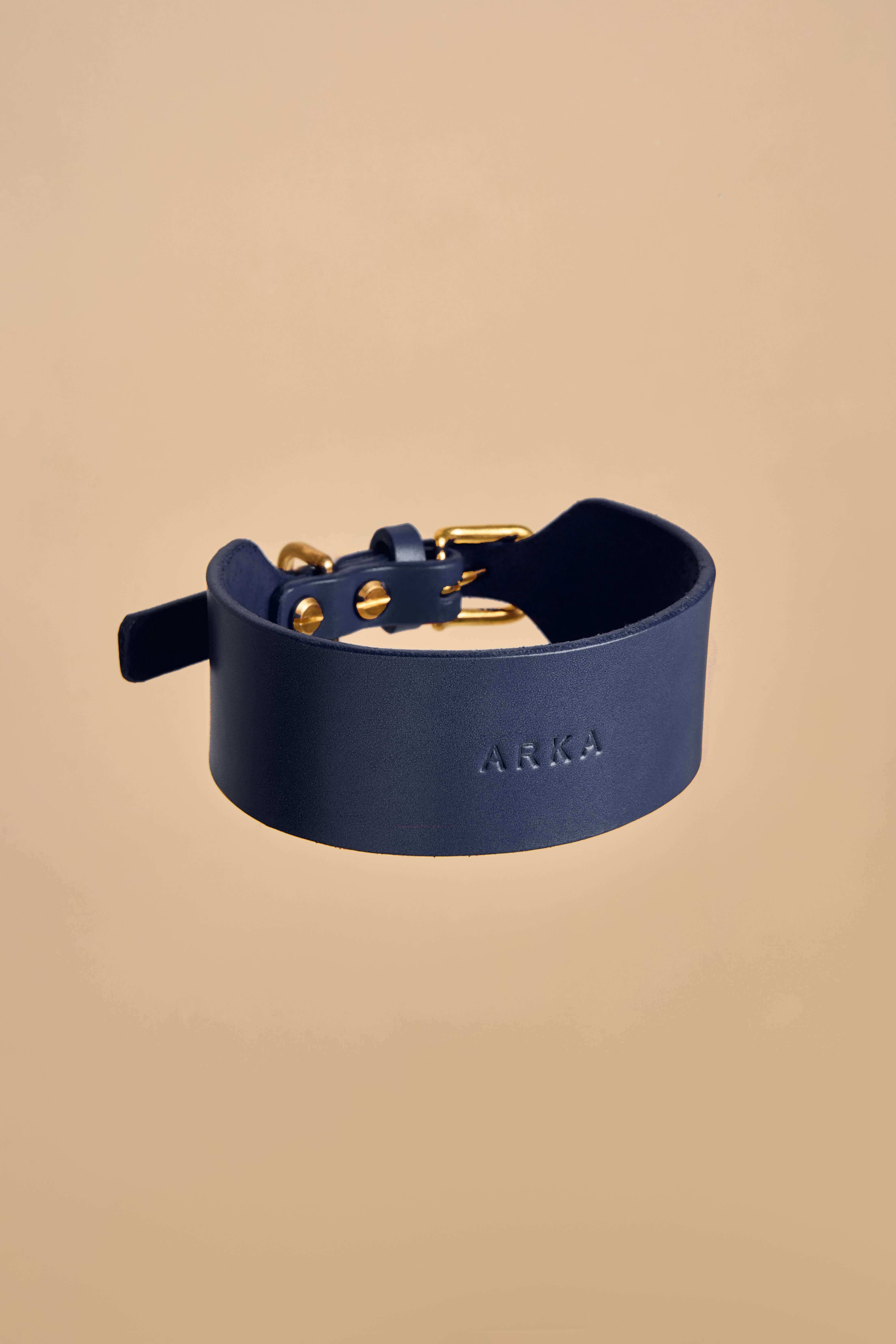
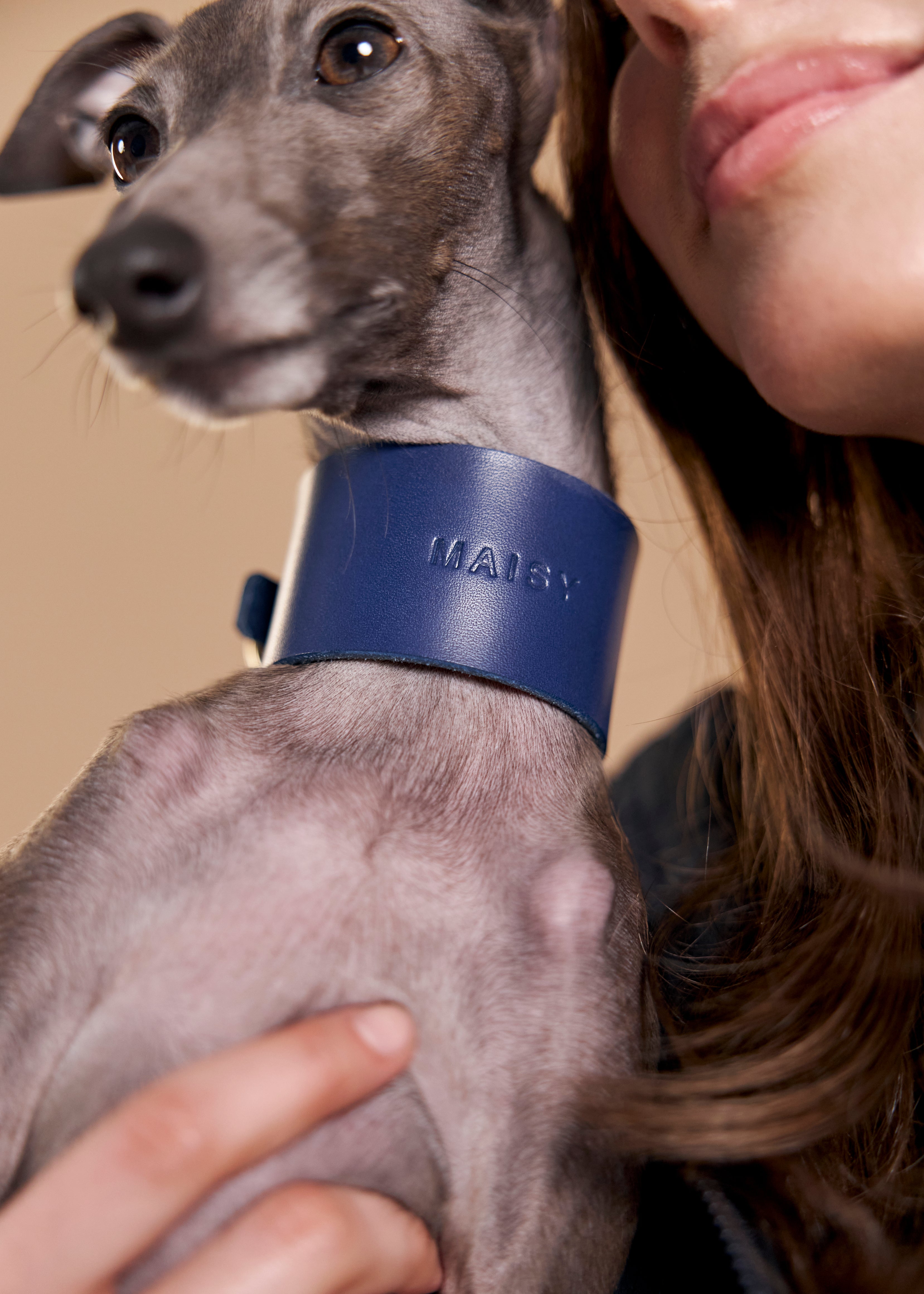
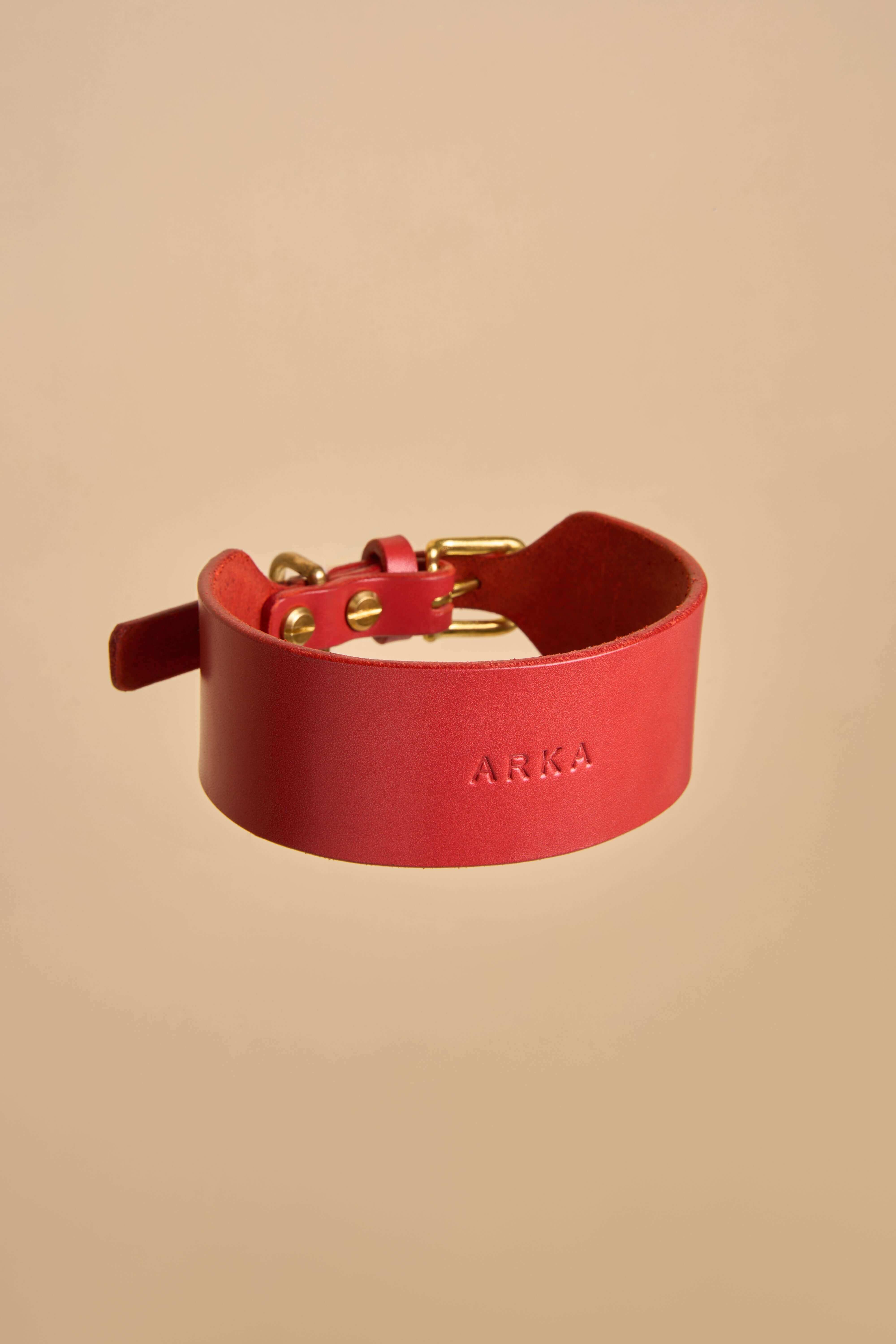
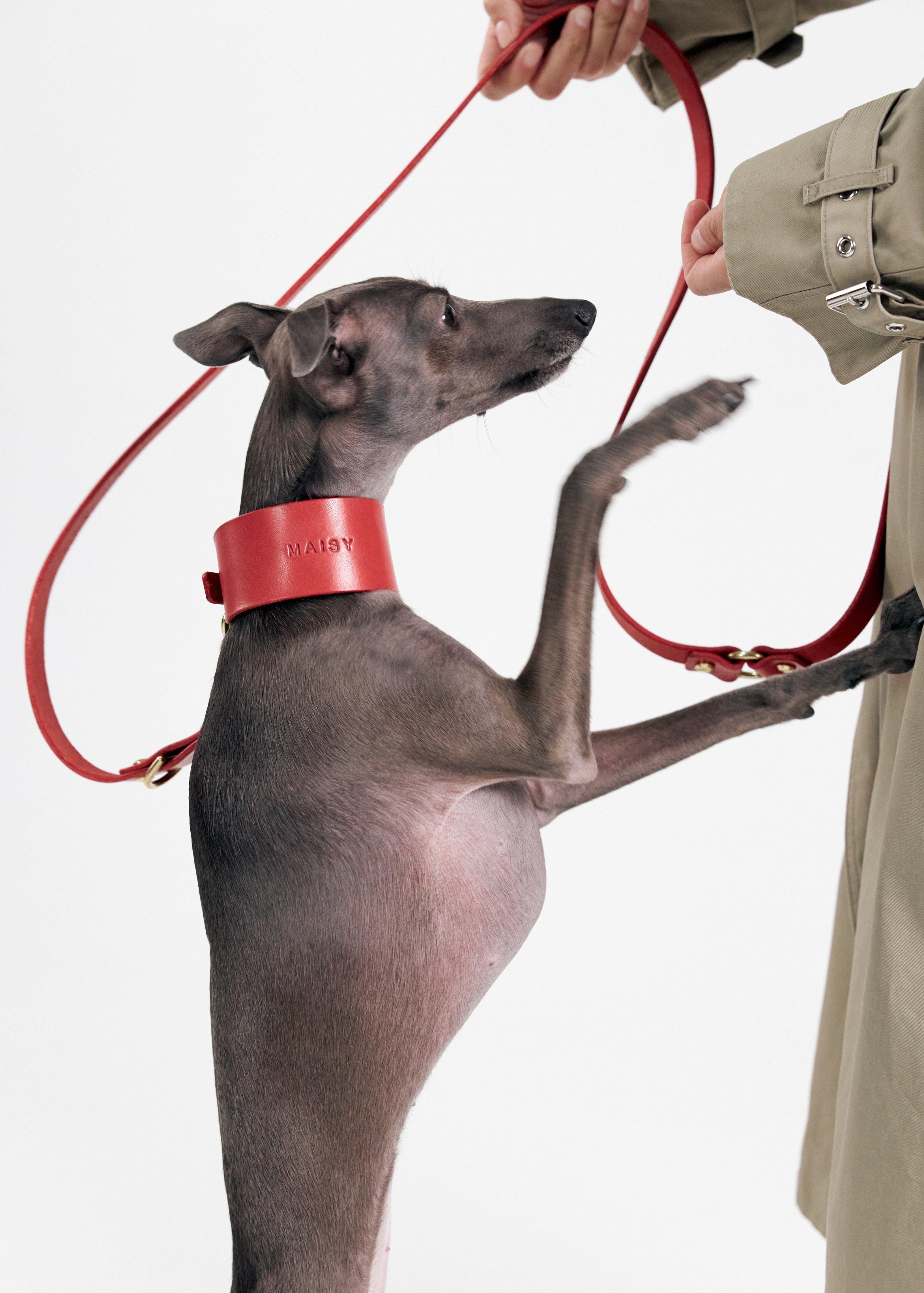
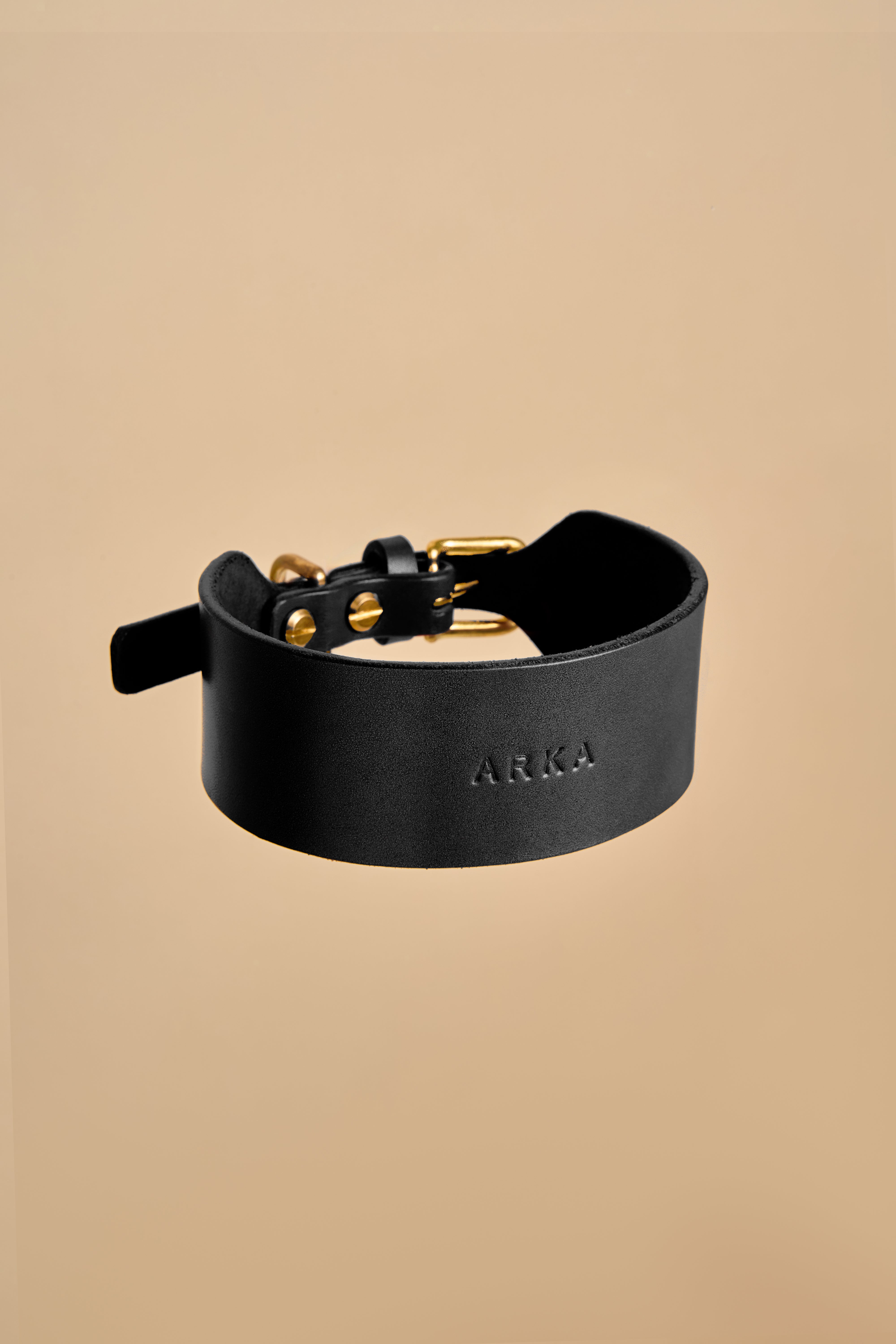
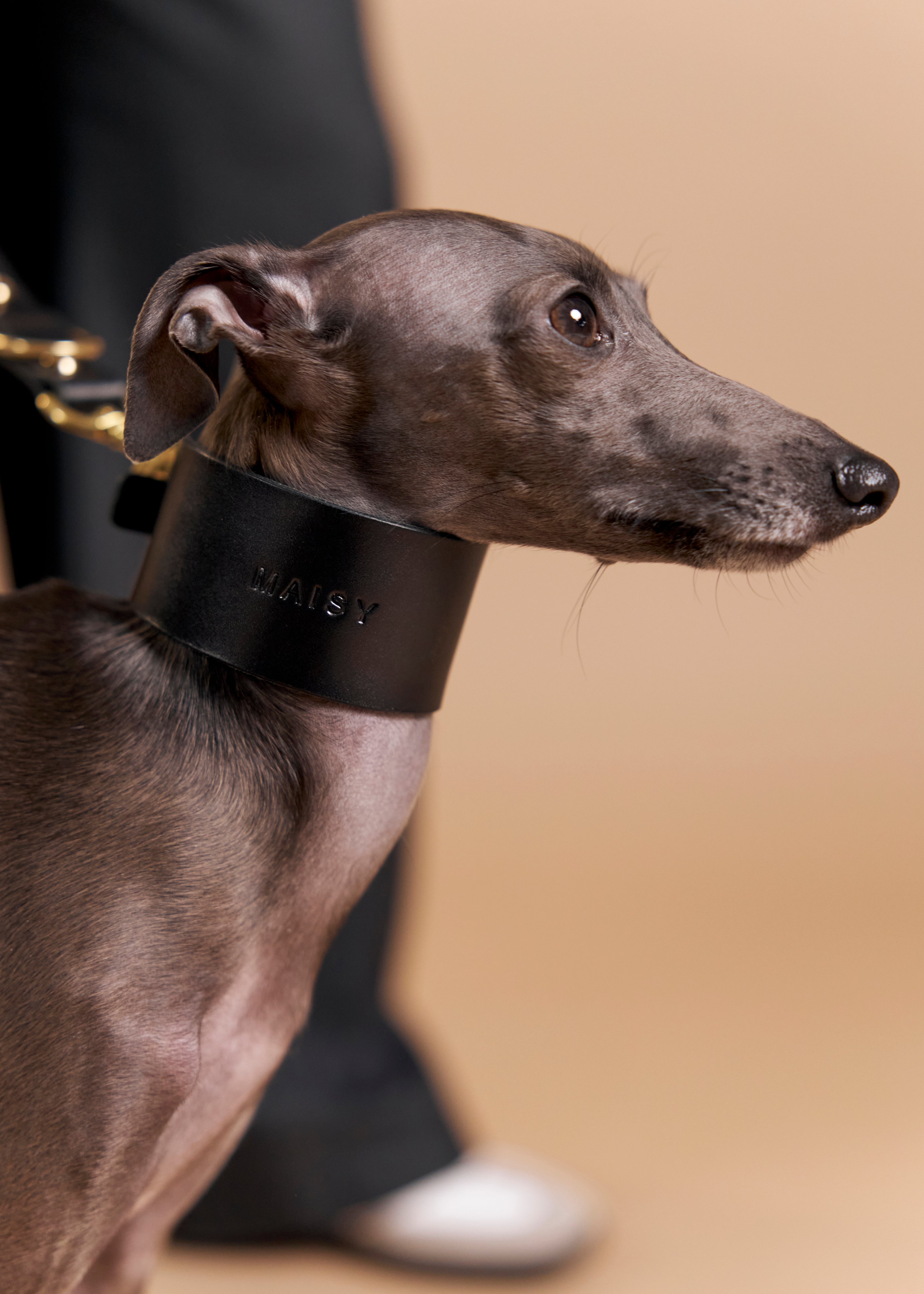
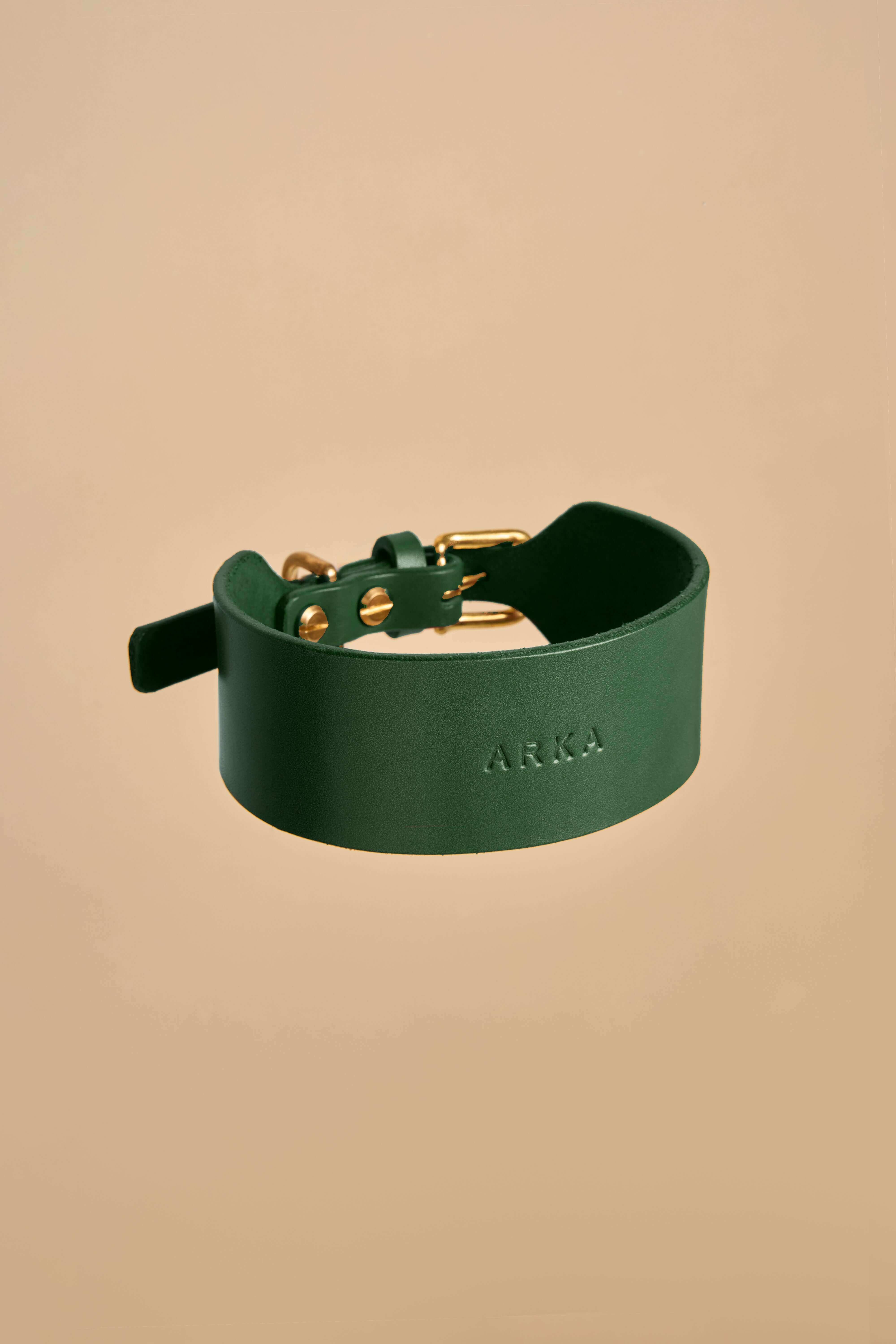
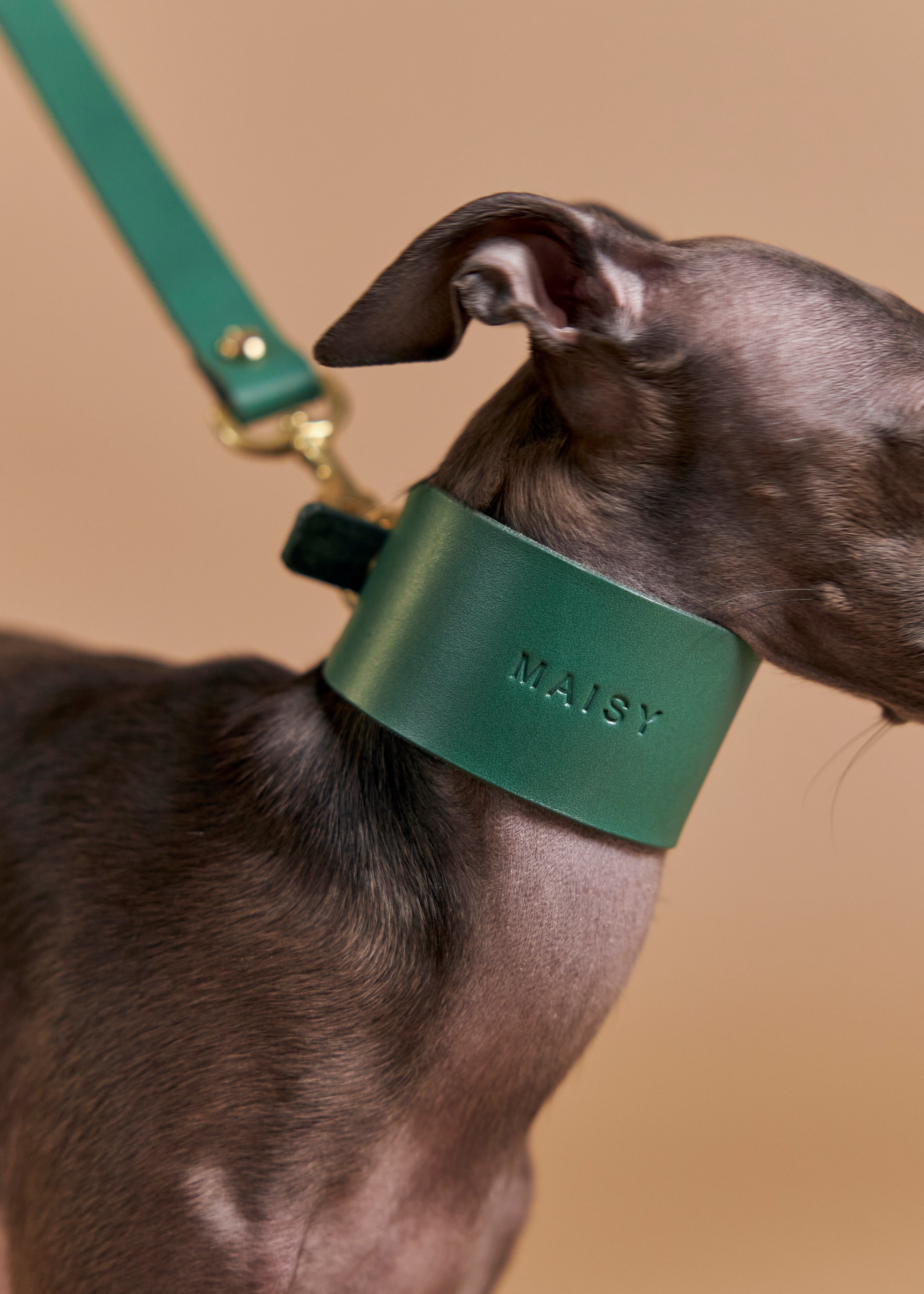
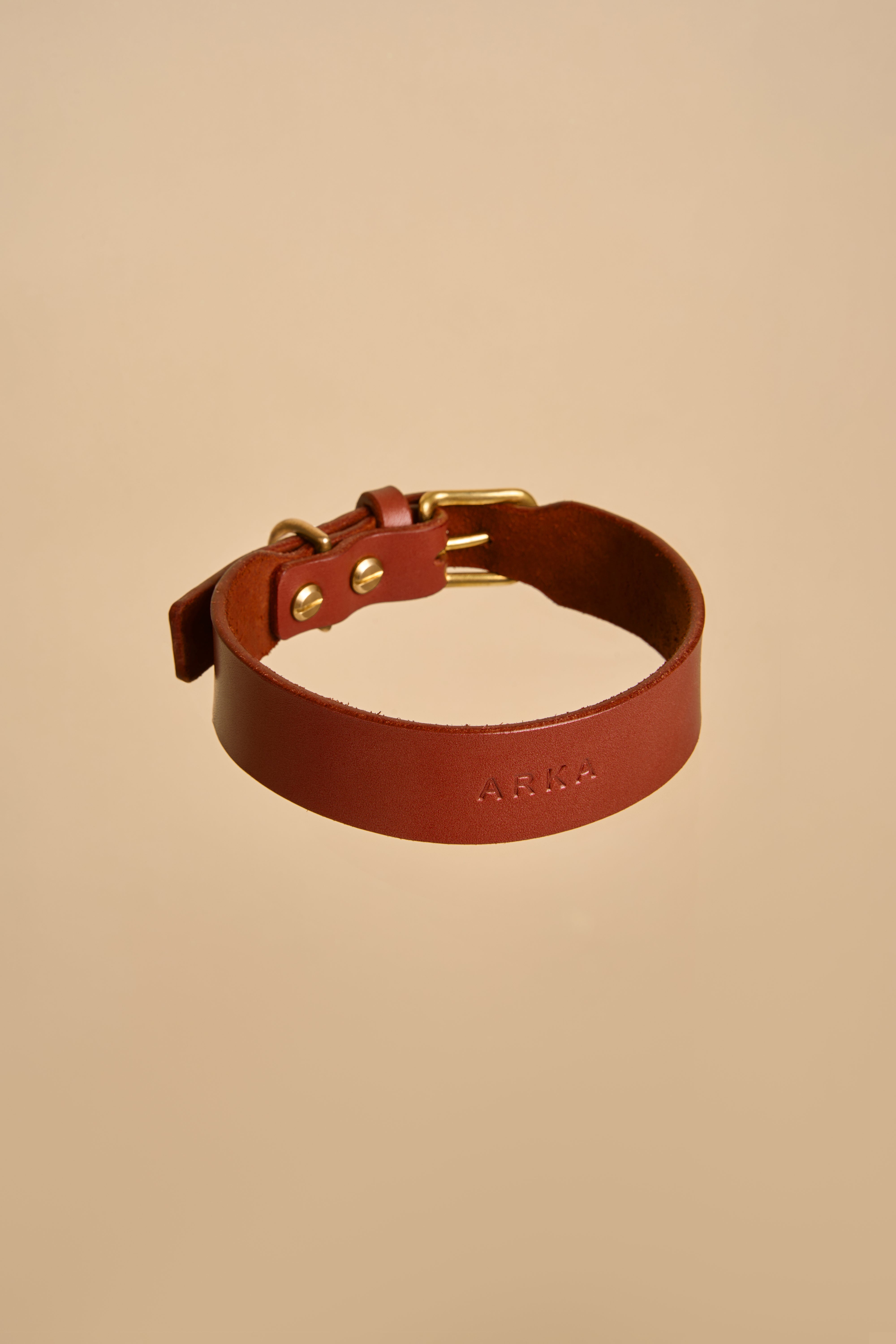
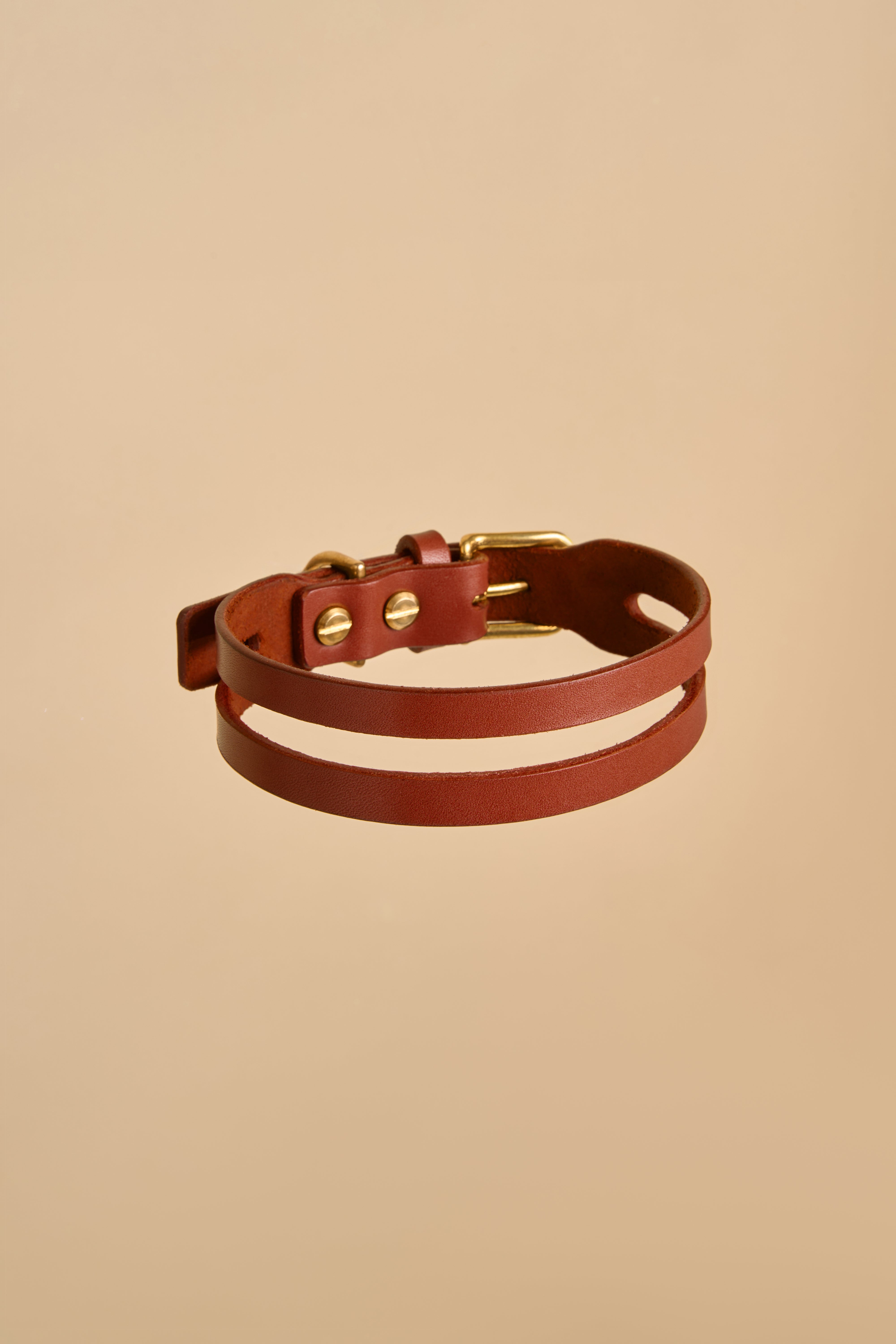
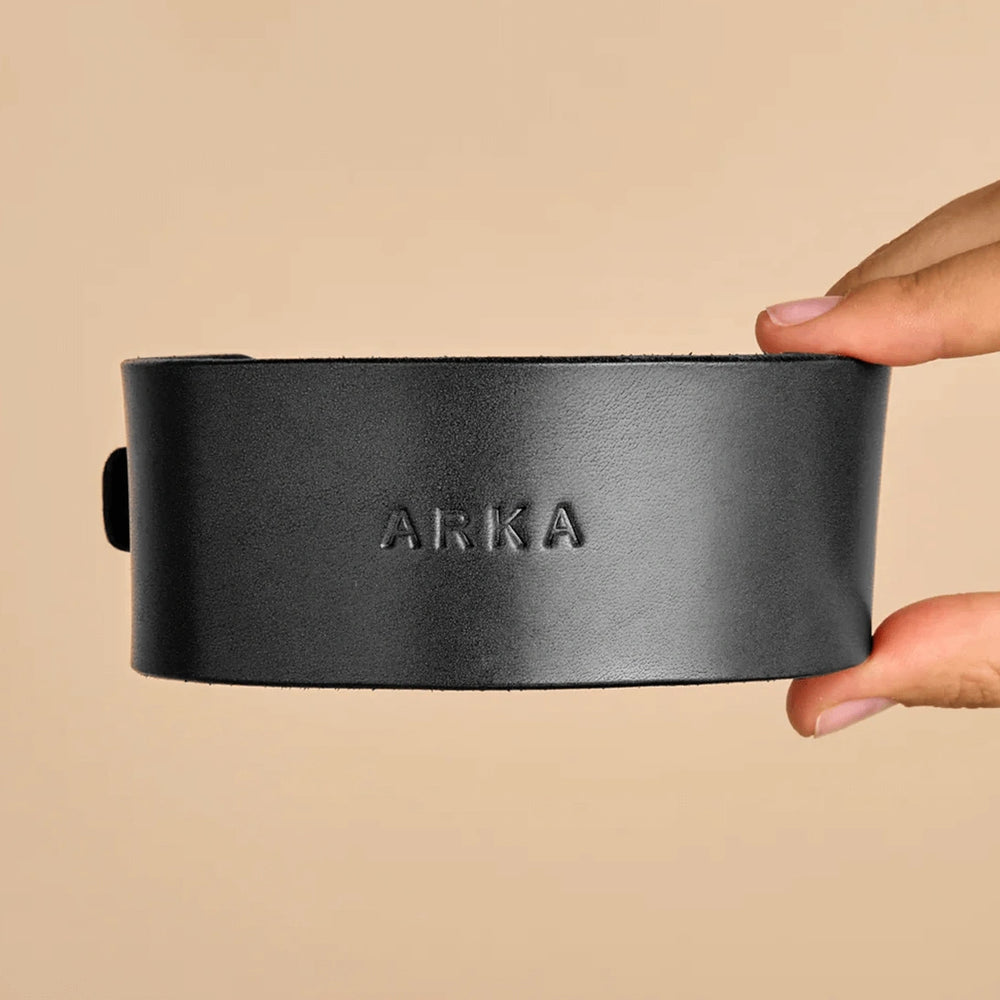
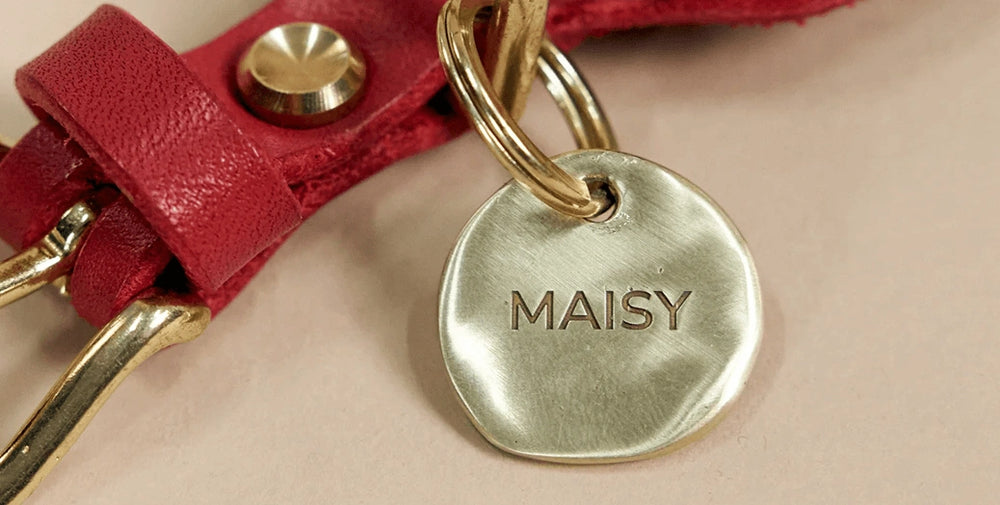
Browse The Lille Björn's leather collar collection, available in six sizes from XXS to XL, five colours, and with optional name engraving. Every collar is cut from full-grain Italian vegetable-tanned leather with solid brass hardware, built to last the life of your dog with proper care.