Quick Summary
Dogs pull on the leash because pulling works: it moves them forward toward what they want. The fix is to make pulling produce the opposite result. The moment the leash goes tight, stop completely. The moment the leash goes slack, move forward and reward. Repeat every single time without exception and most dogs show measurable improvement within 2 to 3 weeks of consistent daily practice. The right equipment makes this easier: a well-fitted leather collar or back-clip harness, a standard 4 to 6 foot leather leash, and high-value treats ready to deliver within 2 seconds of the correct behaviour.
Why Leash Training Matters
Good leash training is so much more than just about making a good impression at the dog park, it is really important for both the safety and overall behaviour of your furry friend. If they are tempted to perform acrobatics like lunging and pulling, or think it is fun to tangle up the leash, it can be dangerous as well as frustrating for you.
Depending on the breed of your dog, it can be very easy for them to injure their shoulder or neck areas, not to mention the increased risk of wriggling out of the gear altogether and running into the distance!
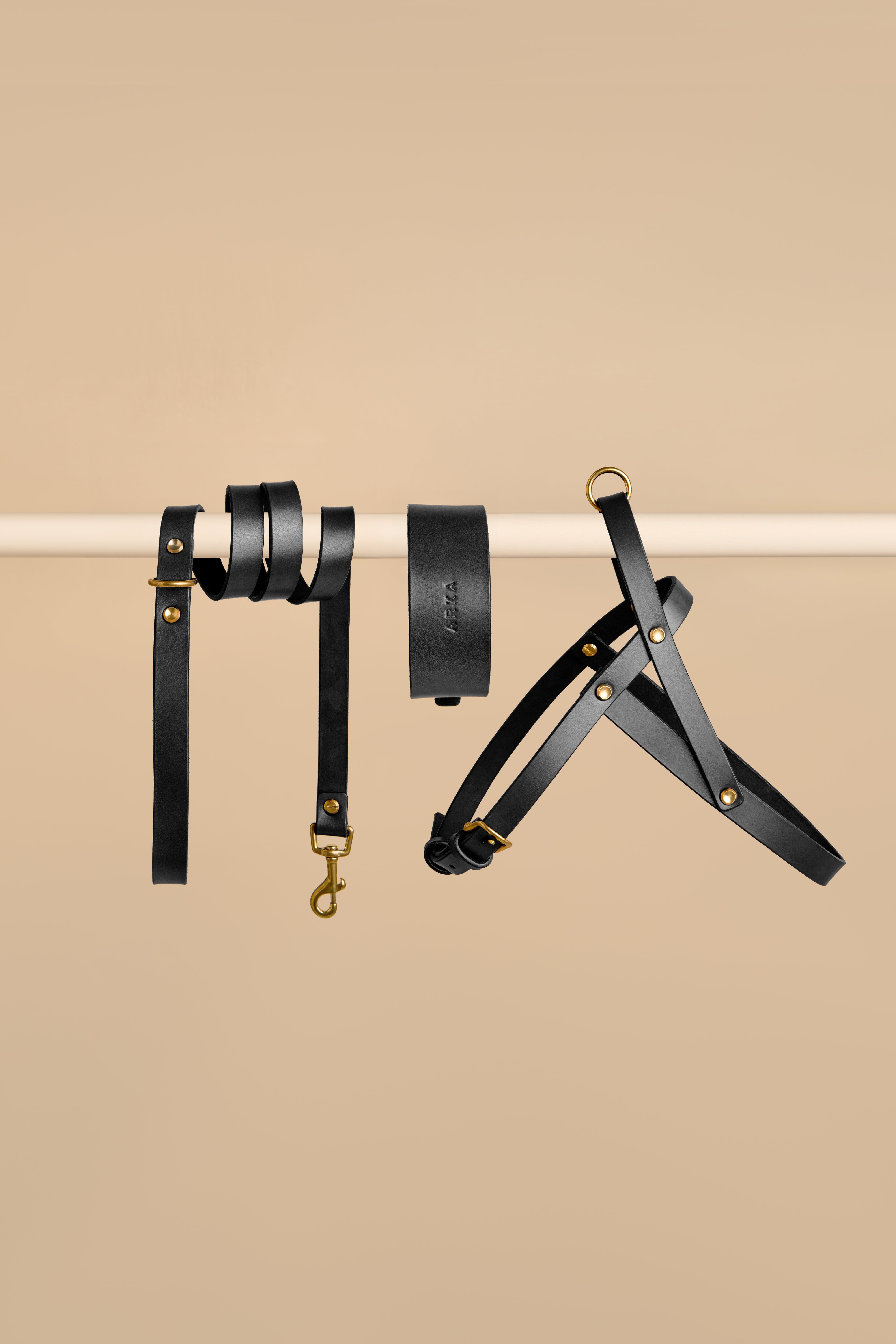
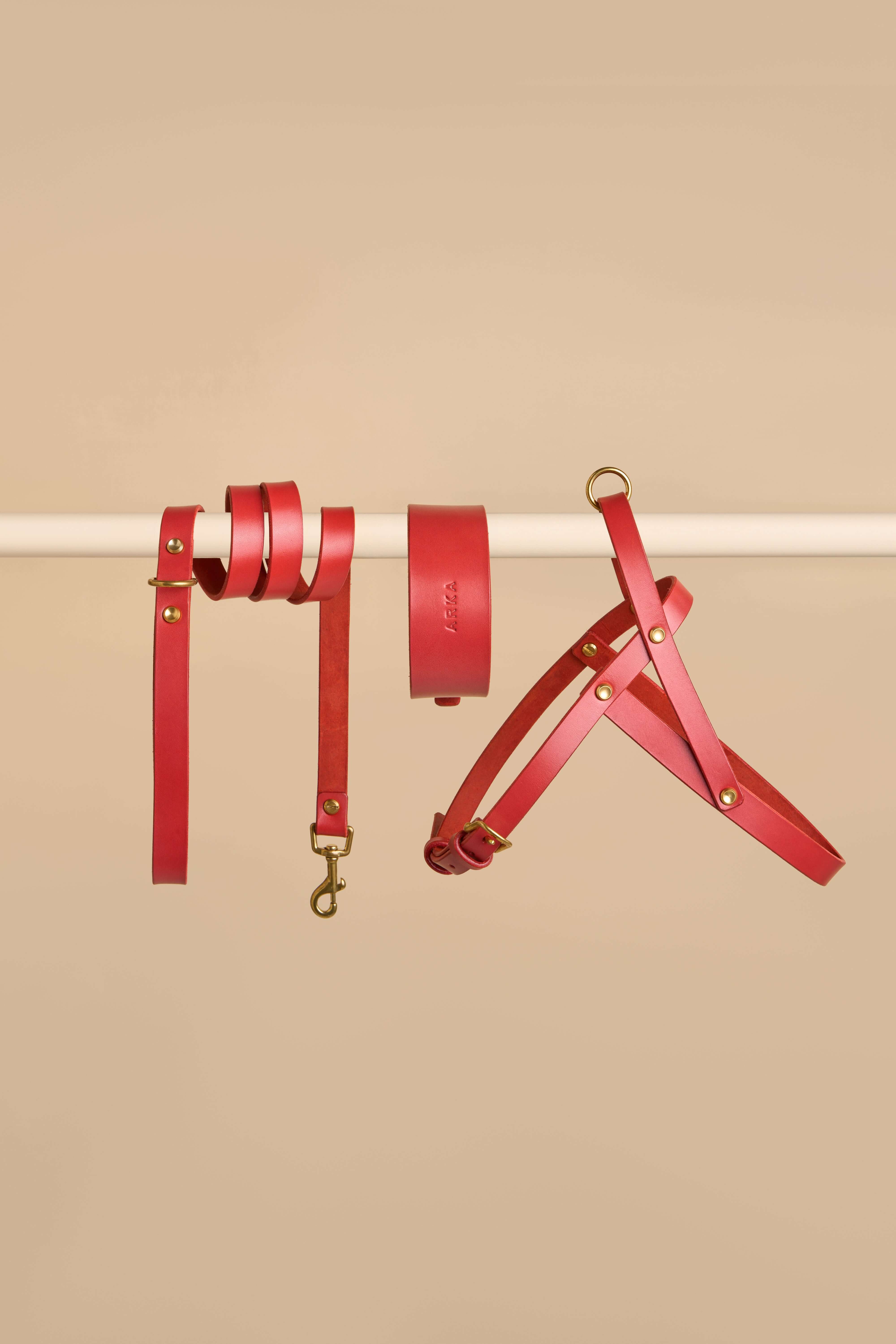
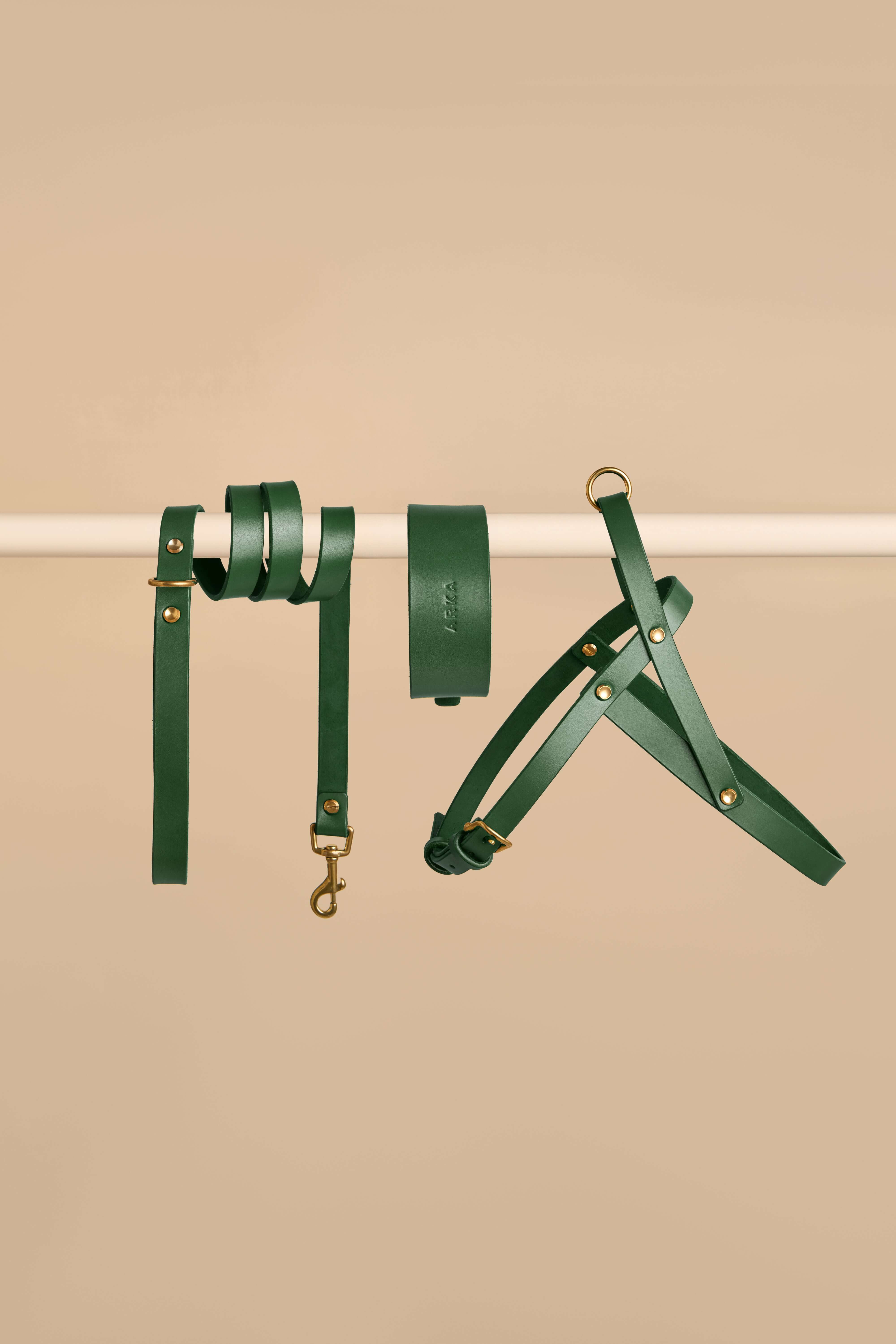
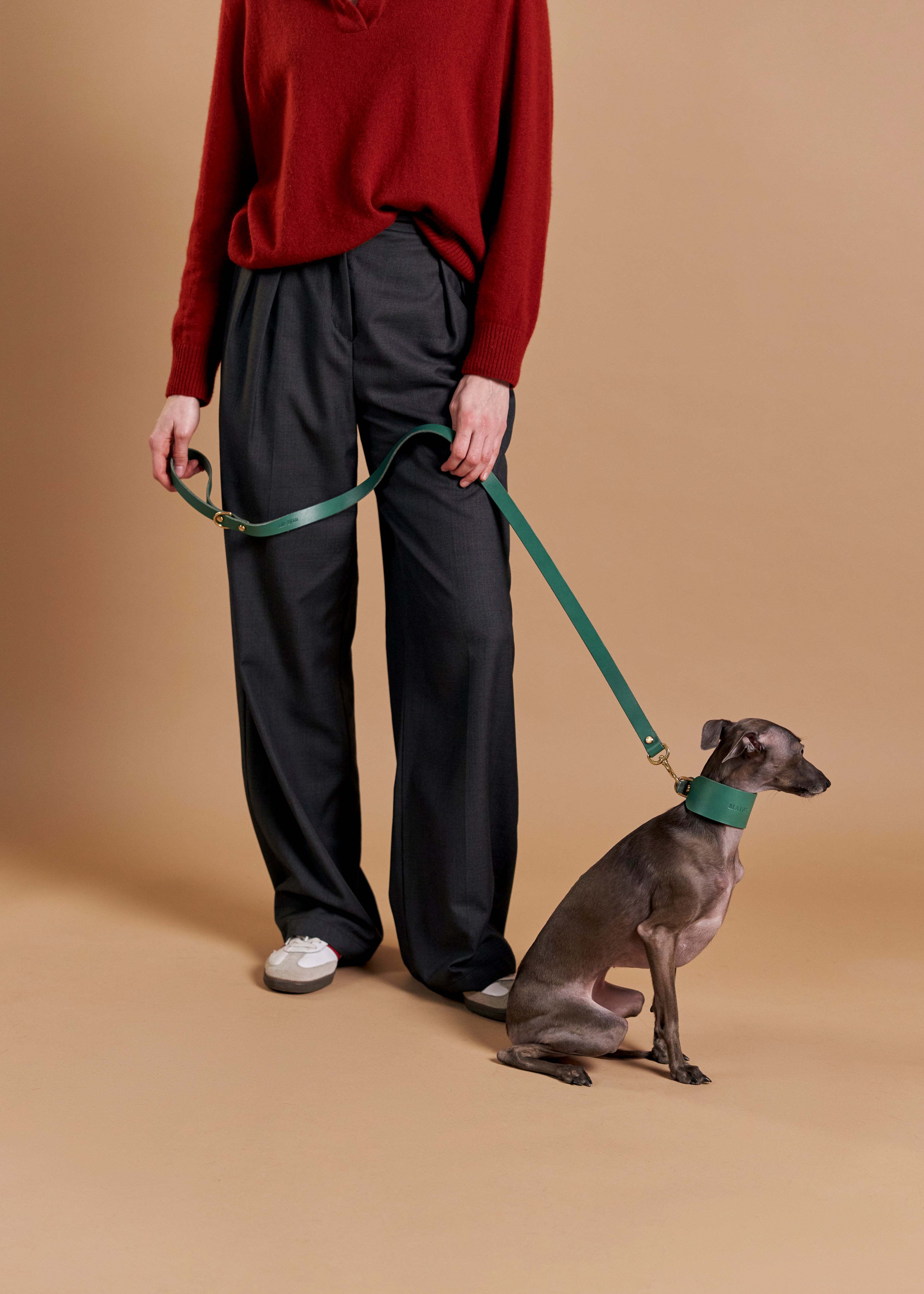
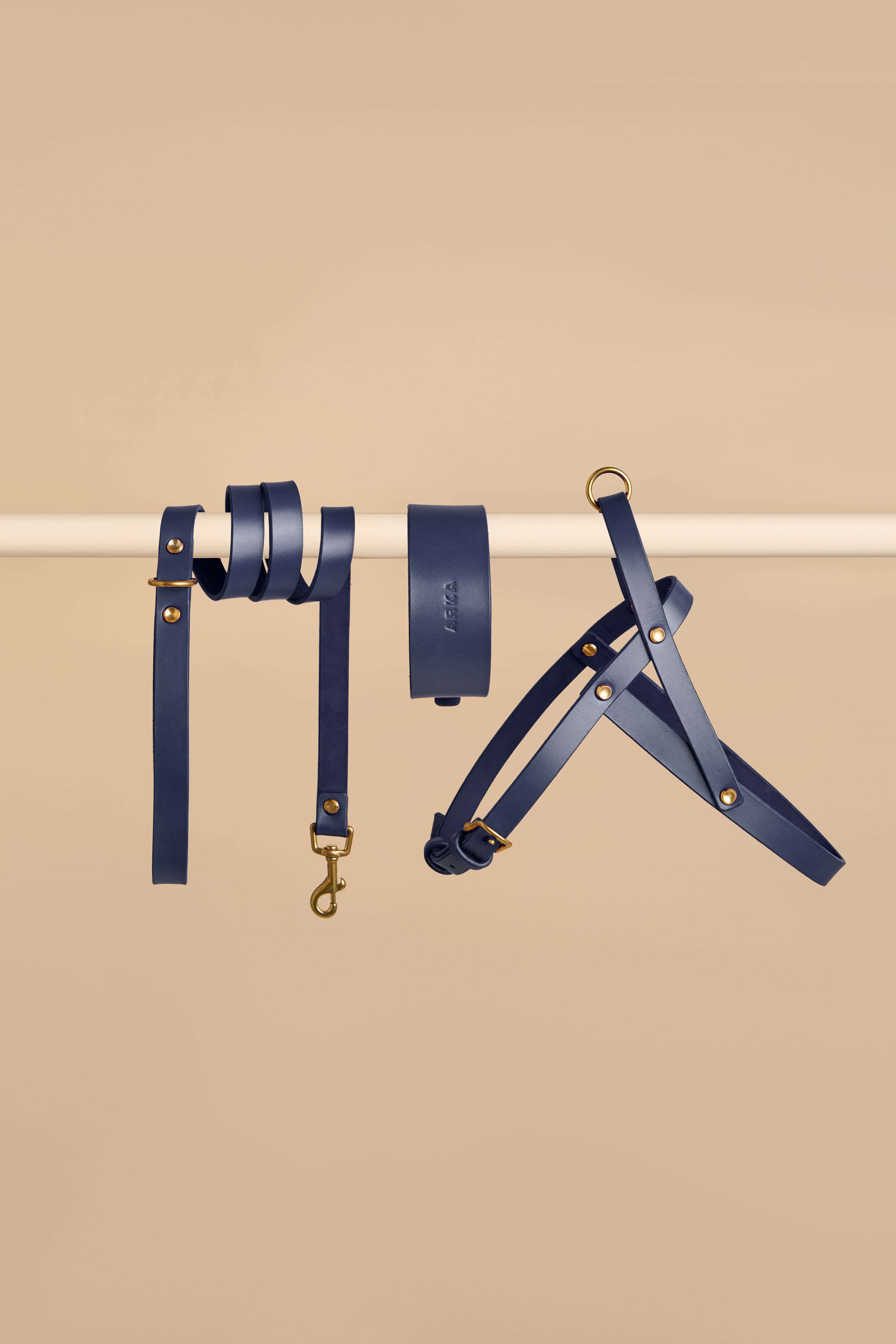
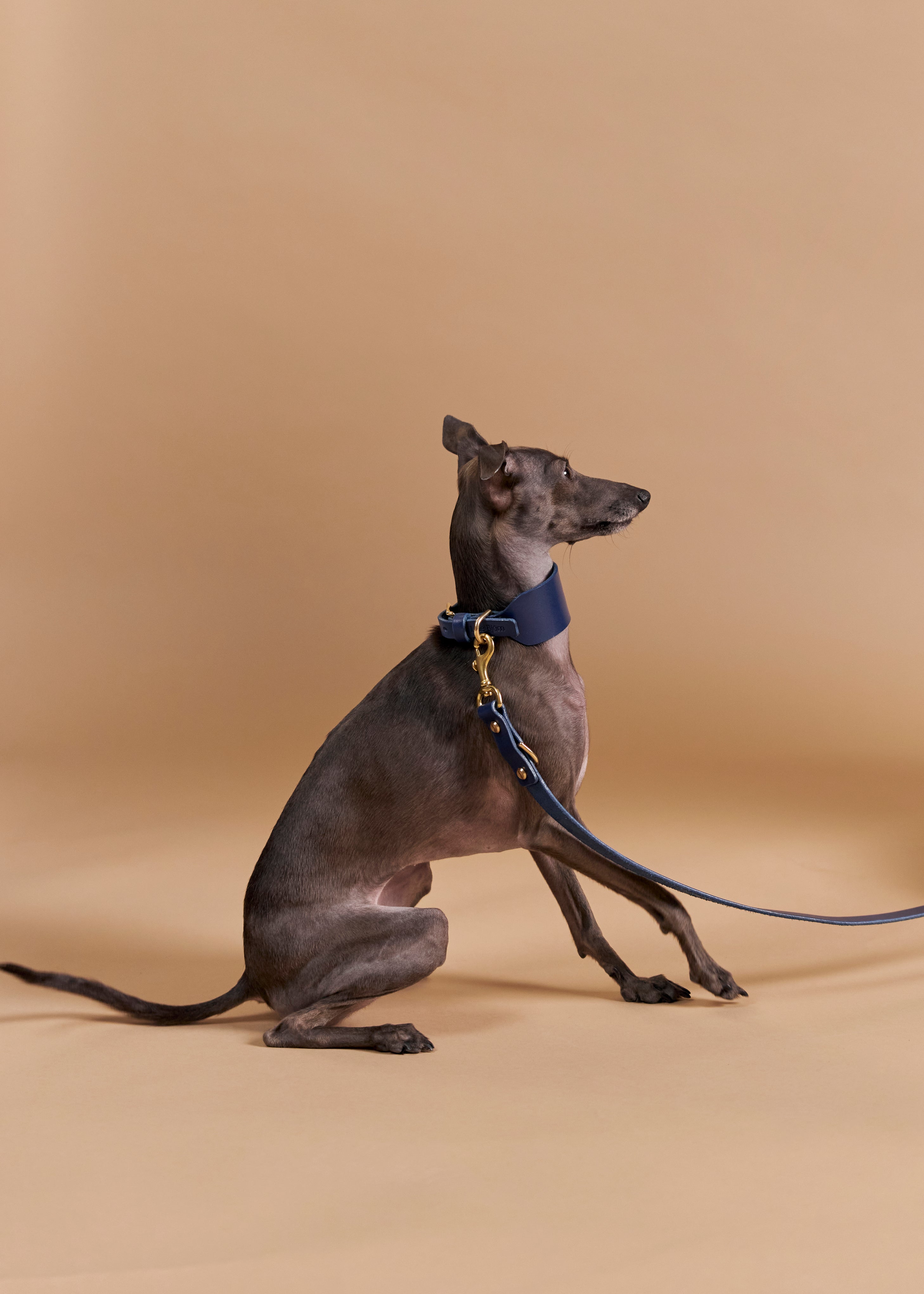
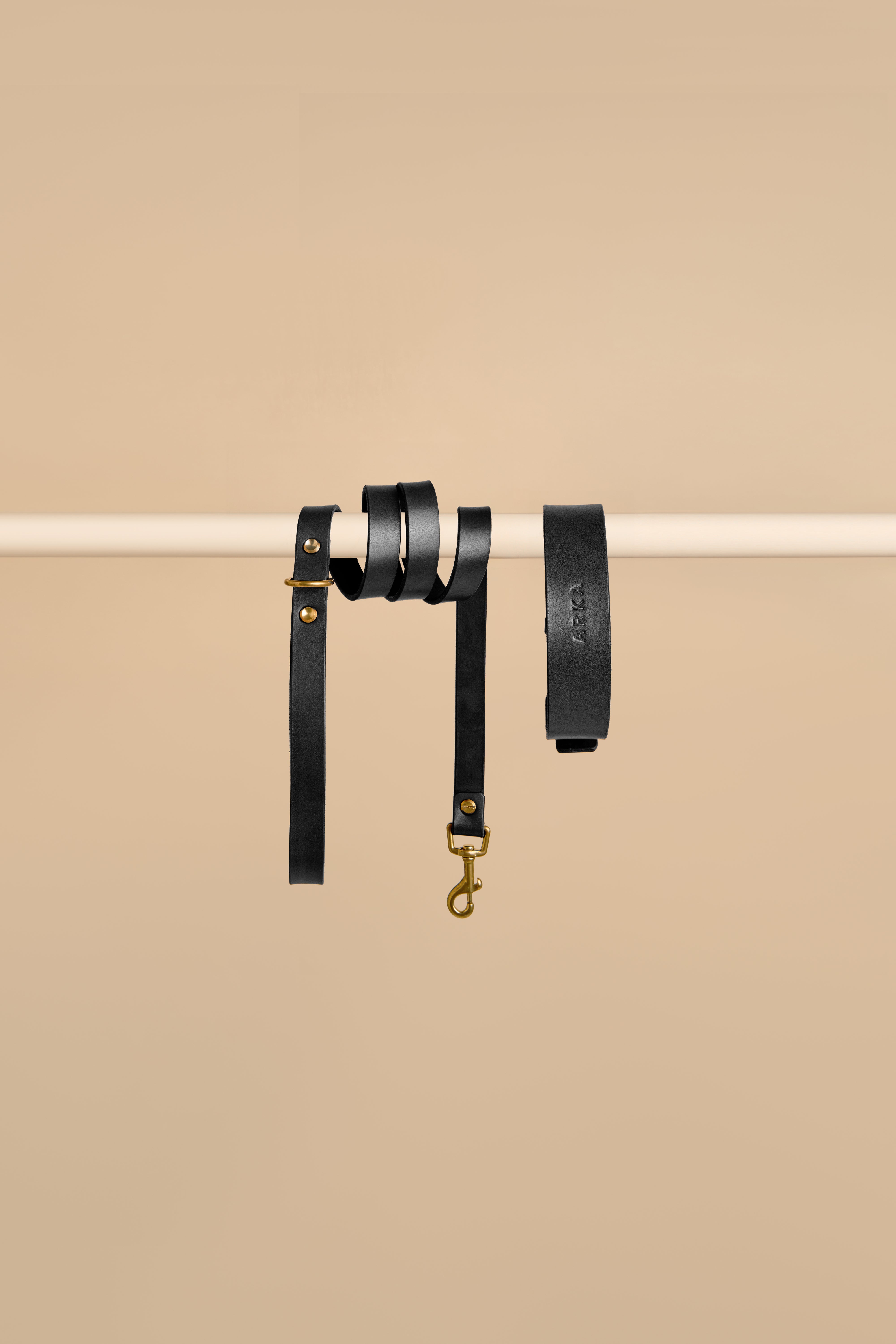
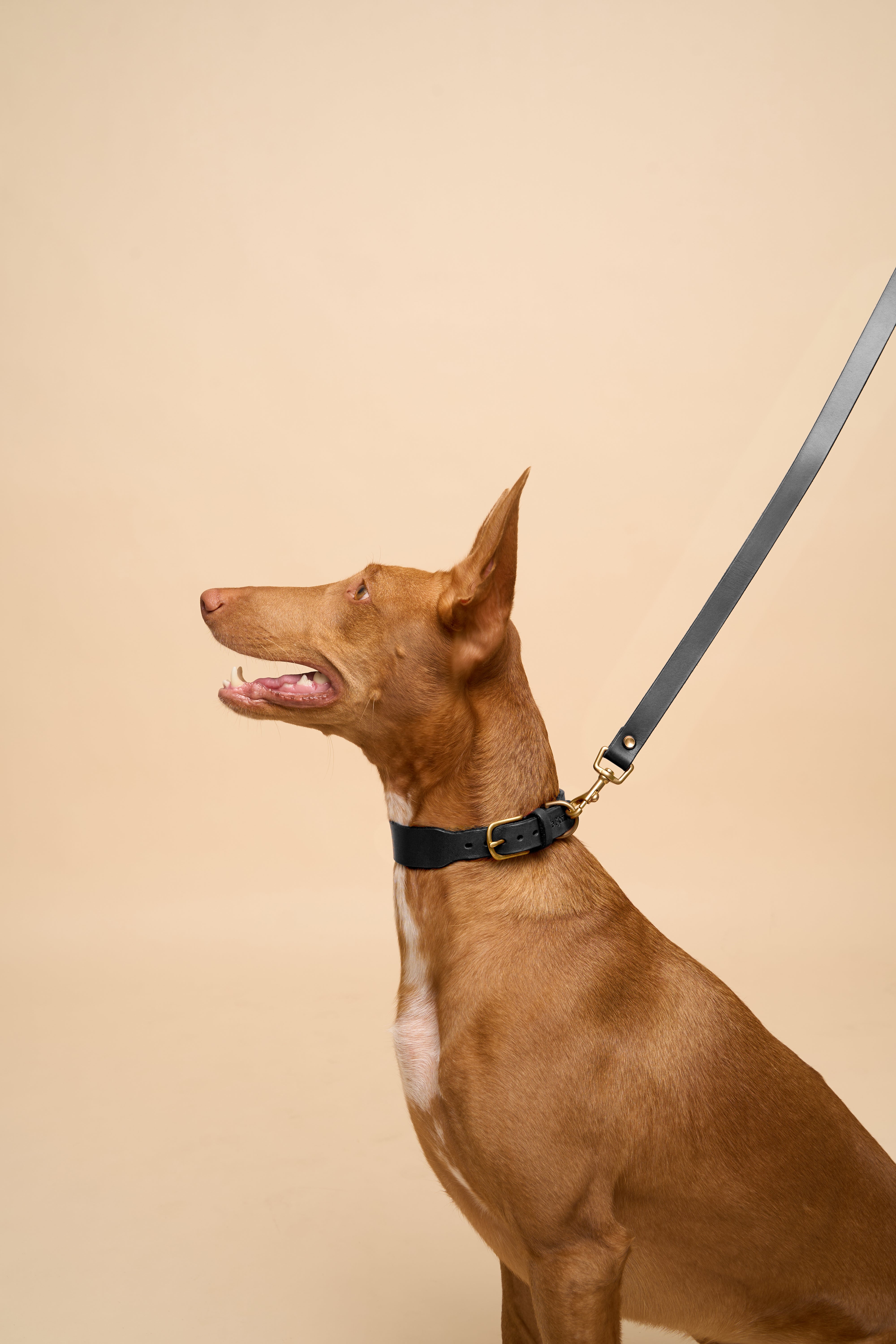
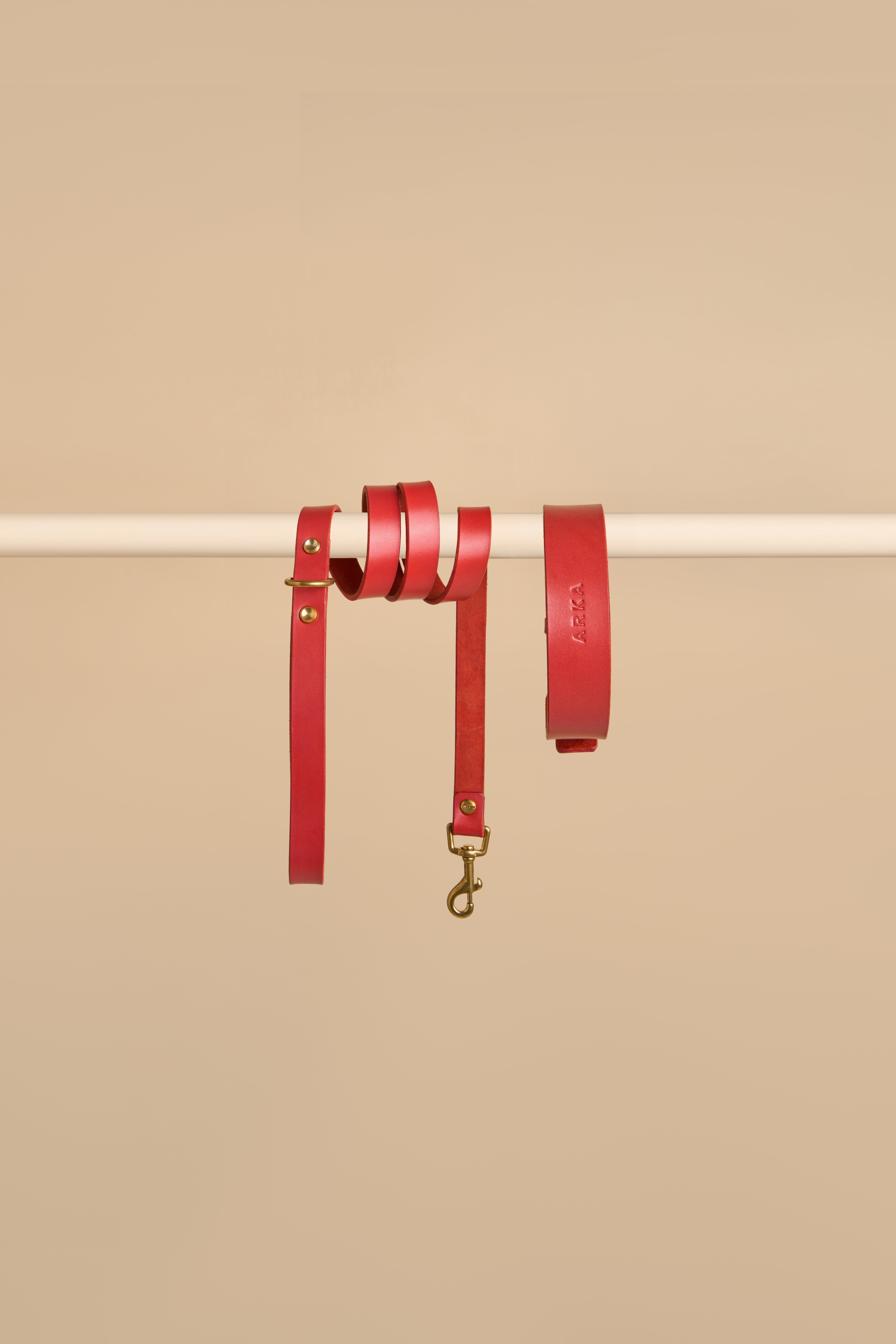
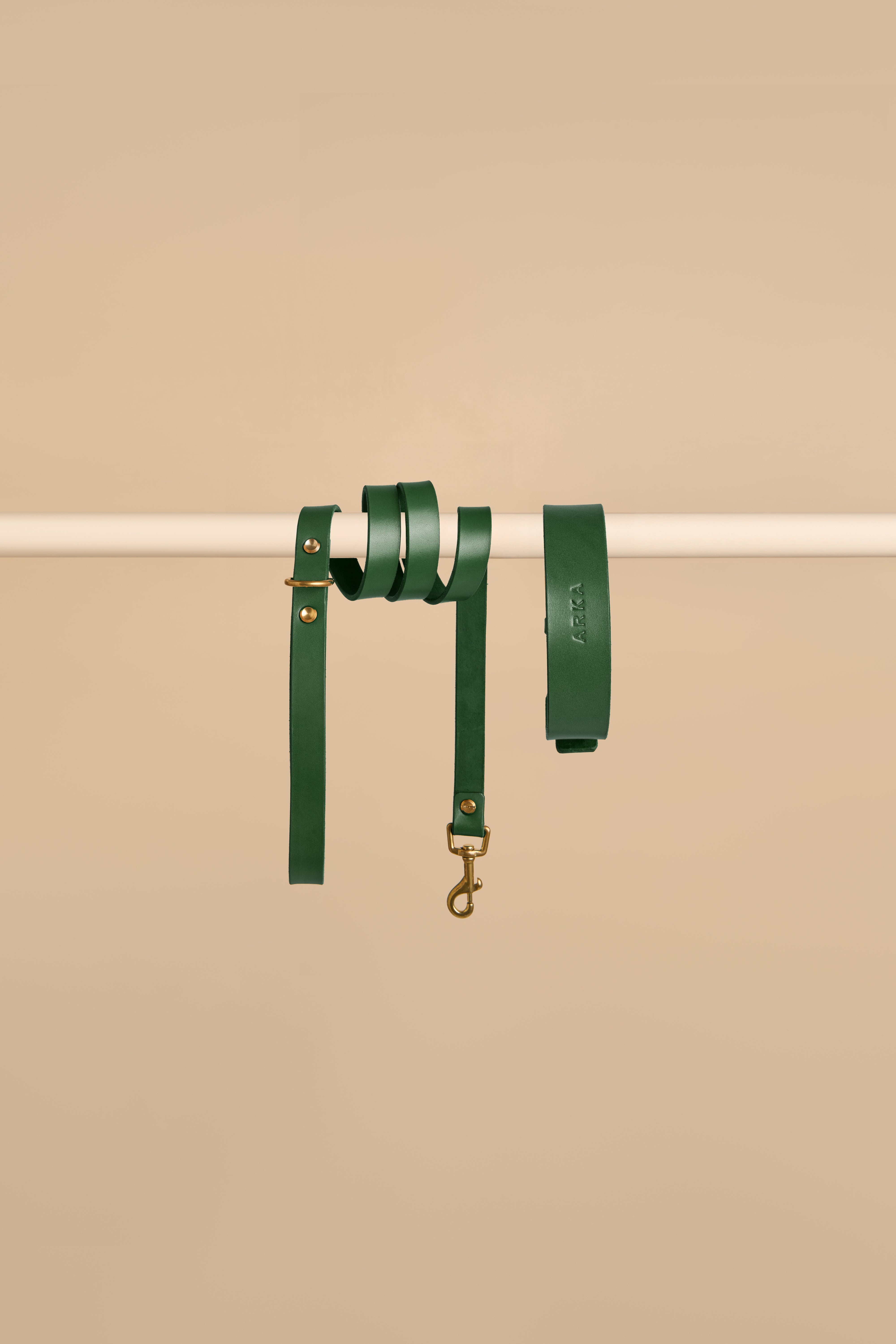
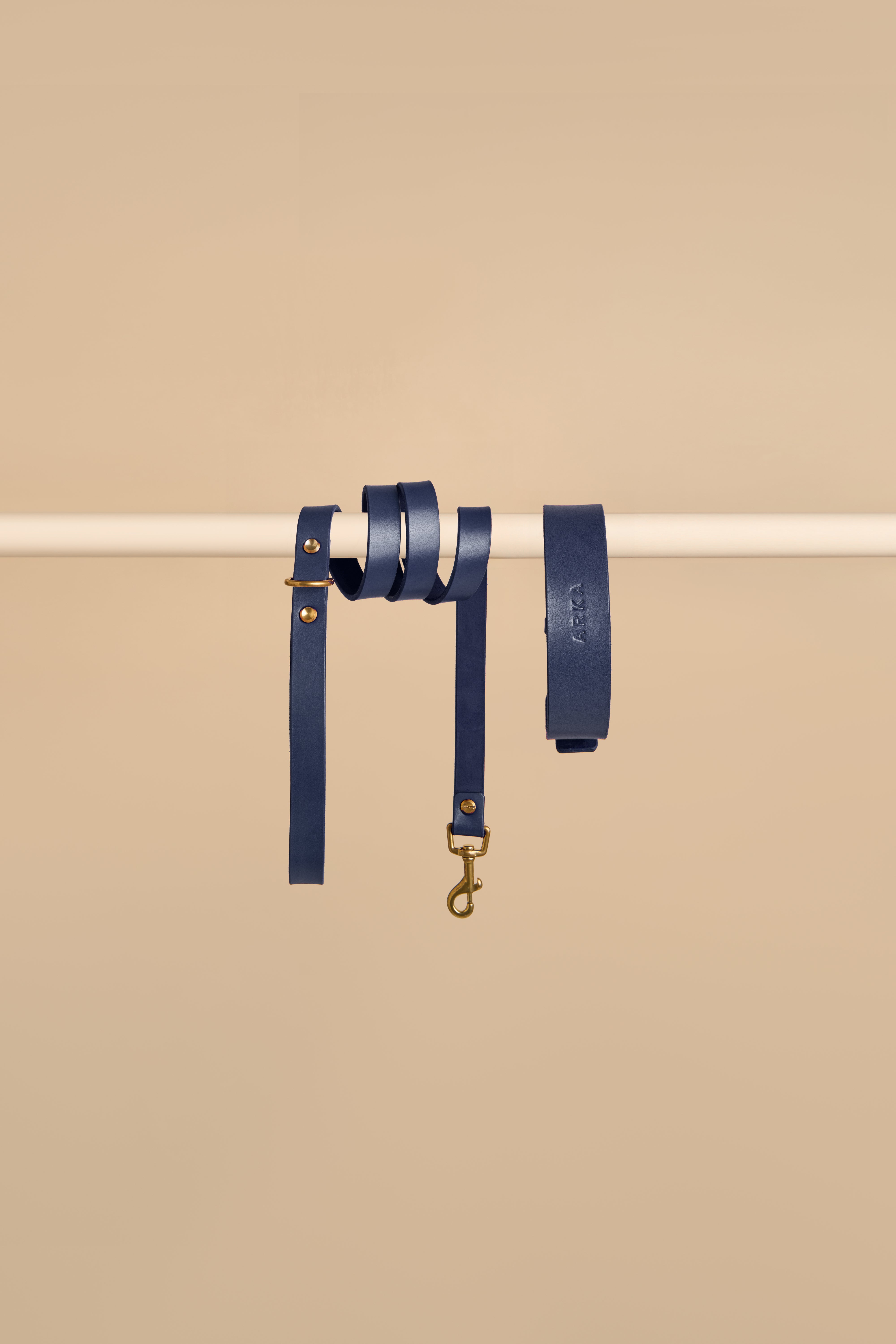
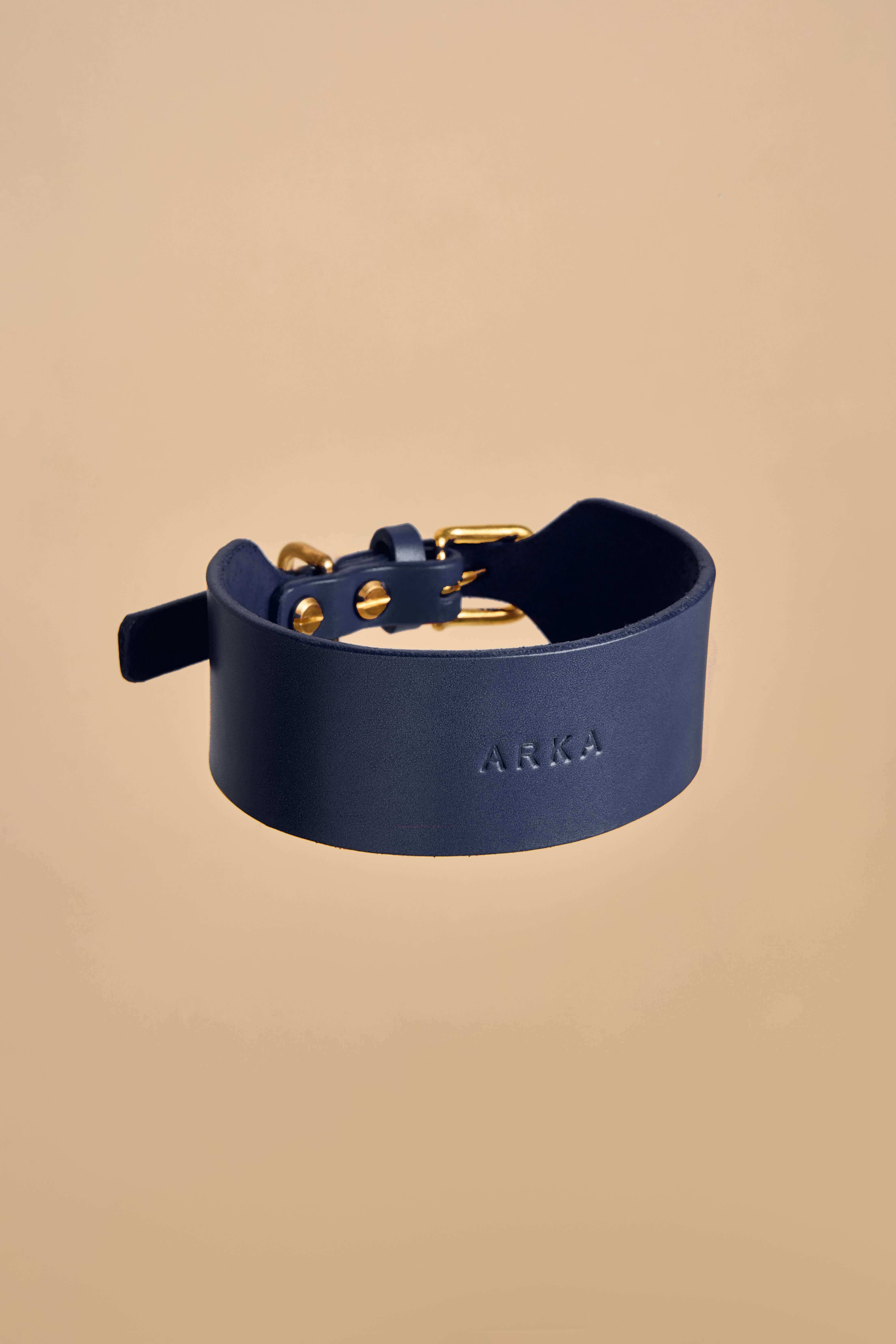
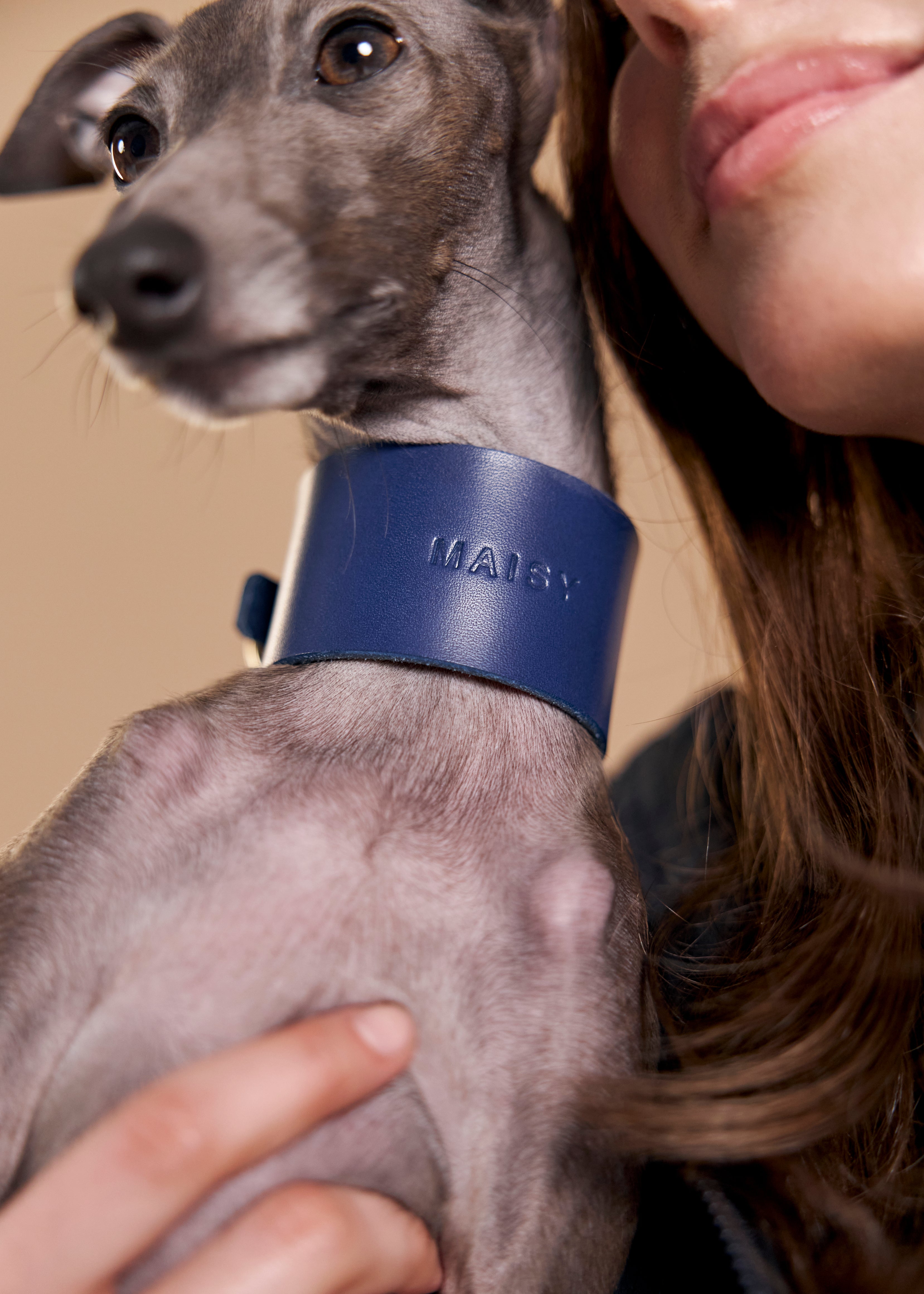
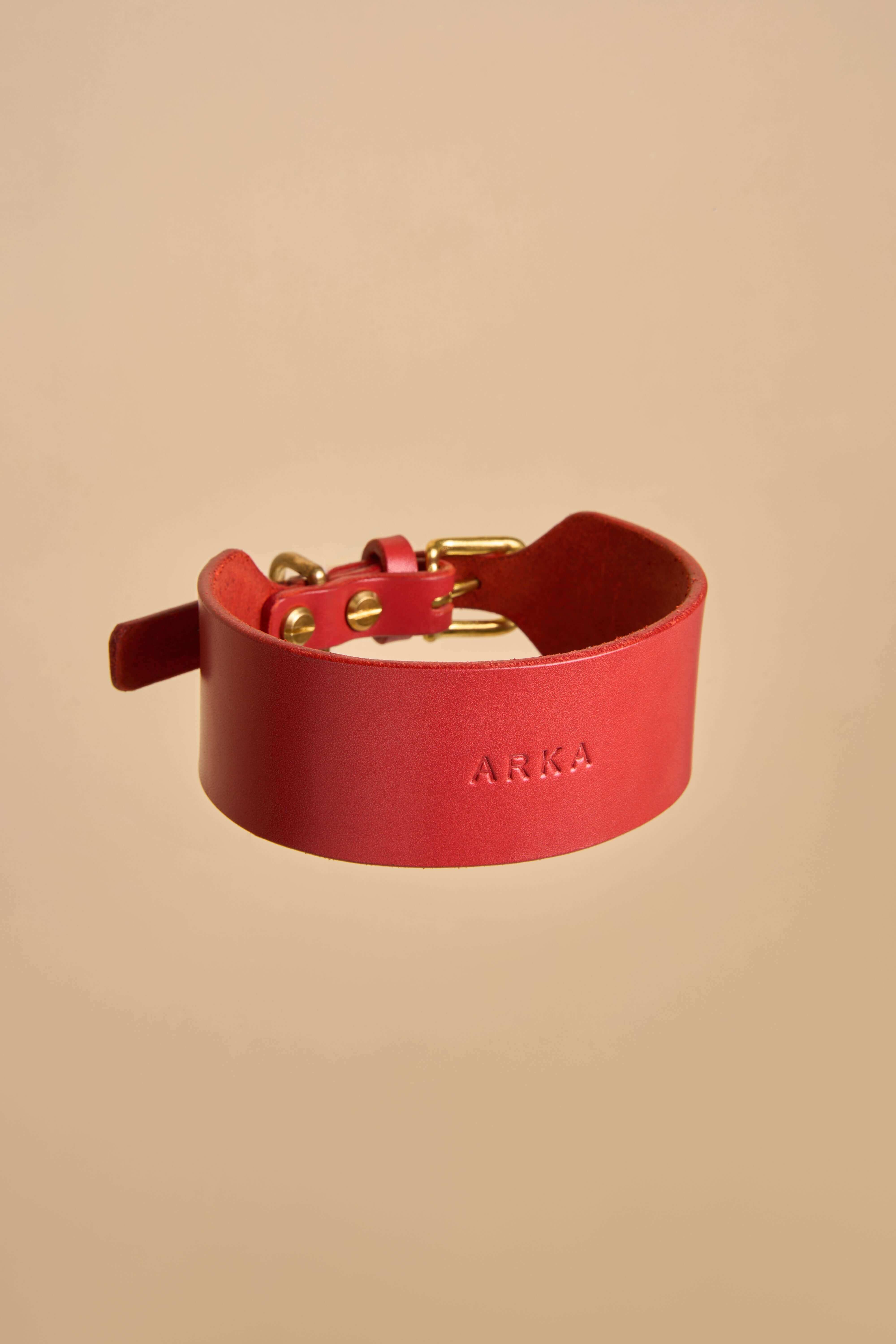
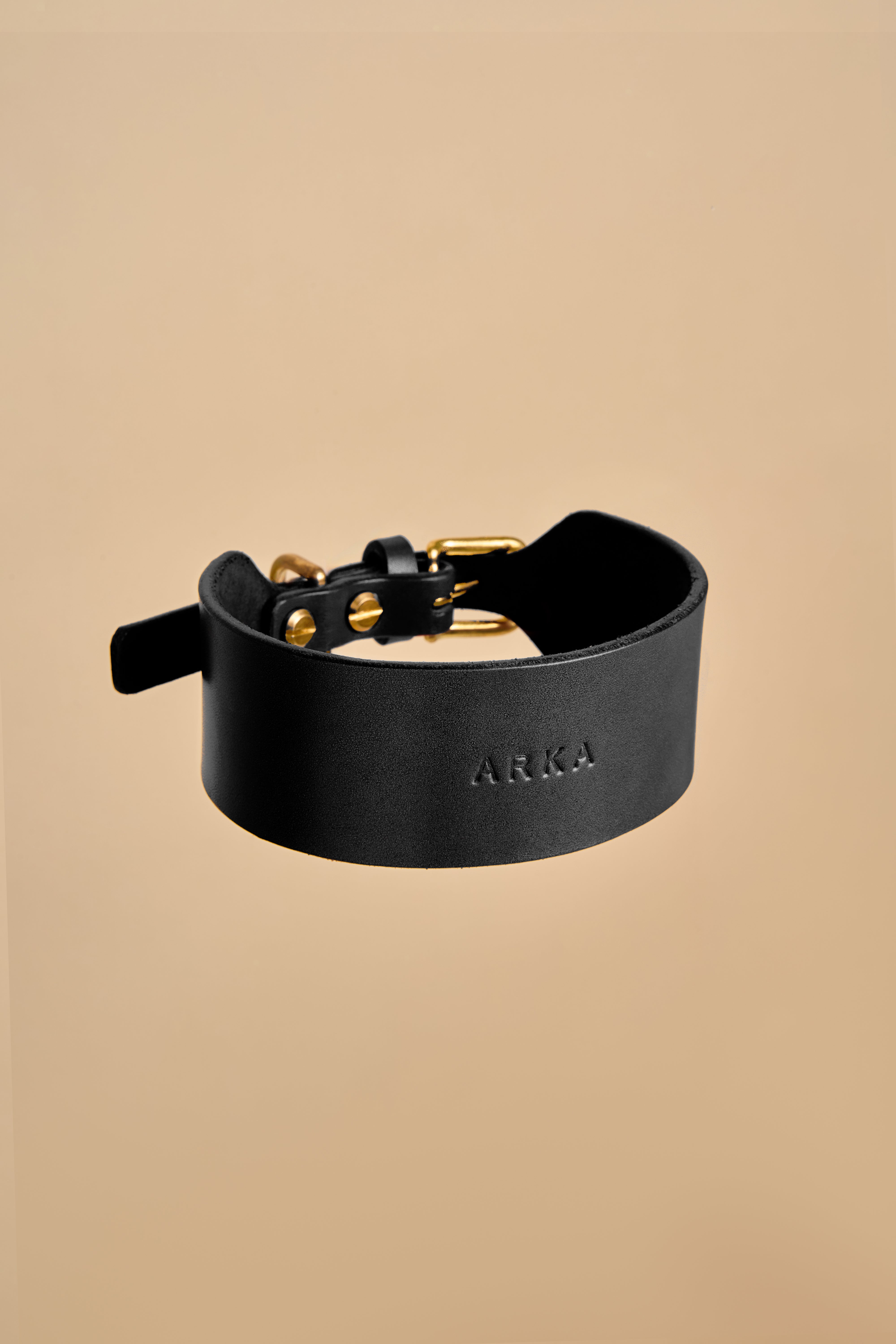
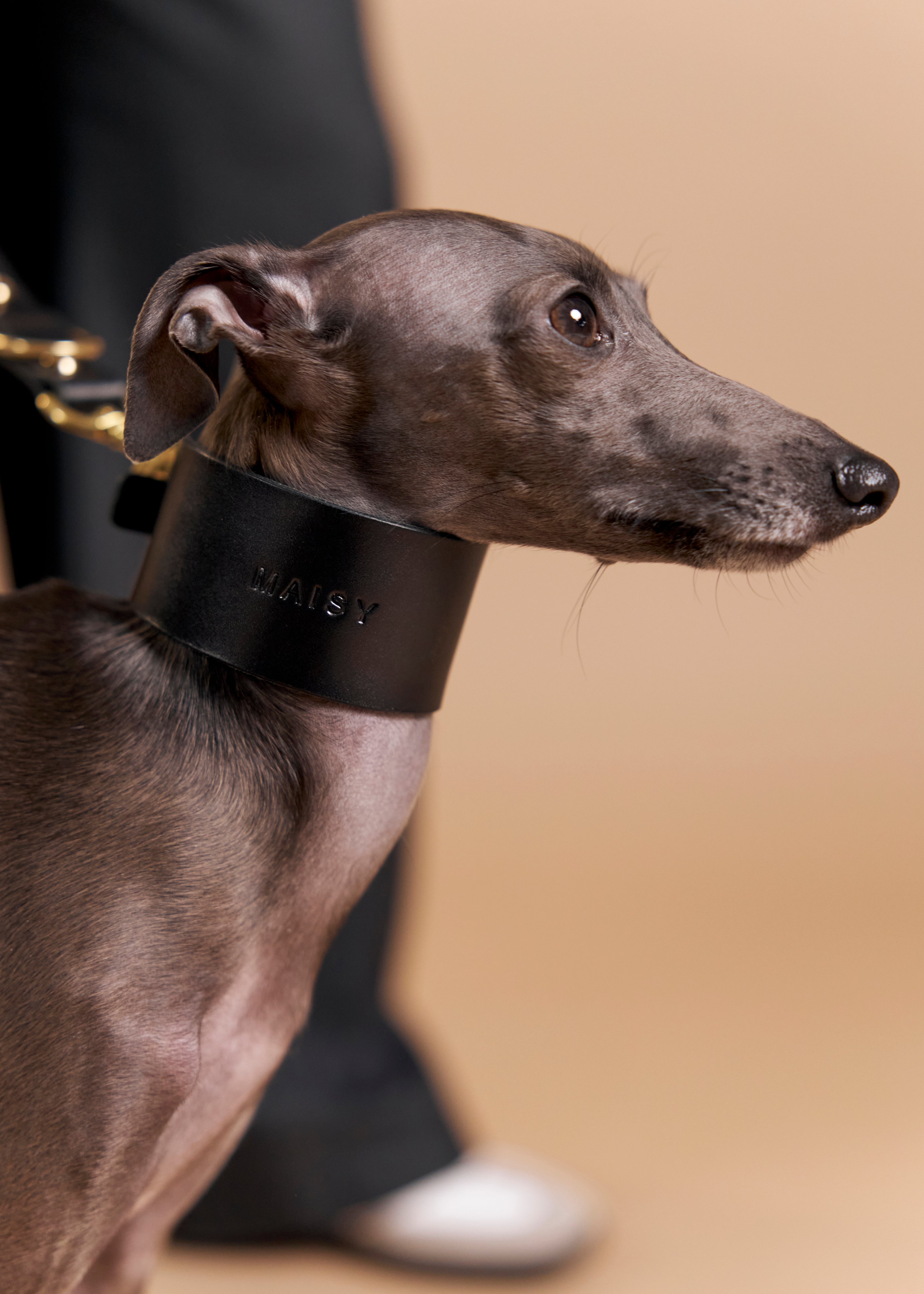
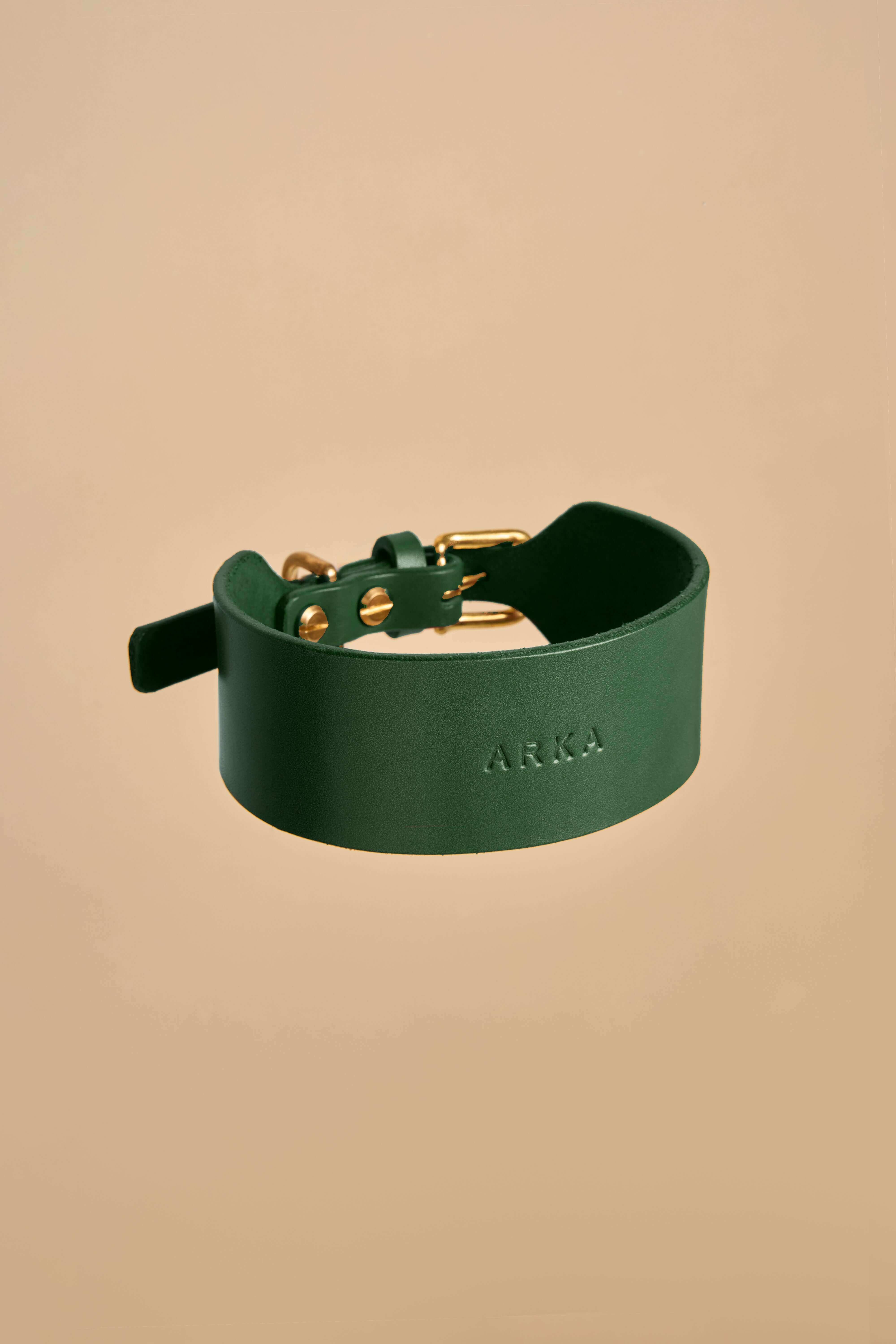
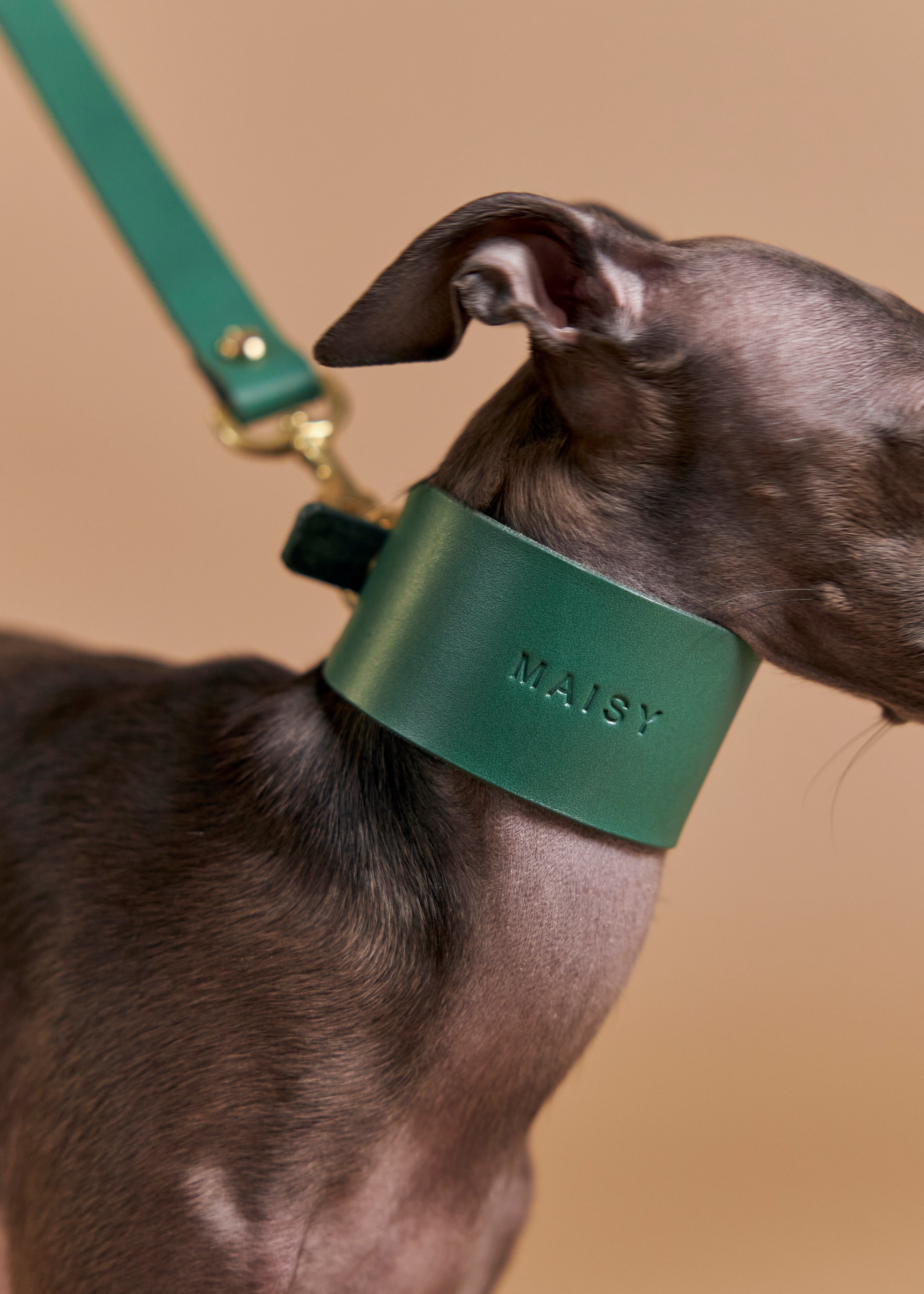
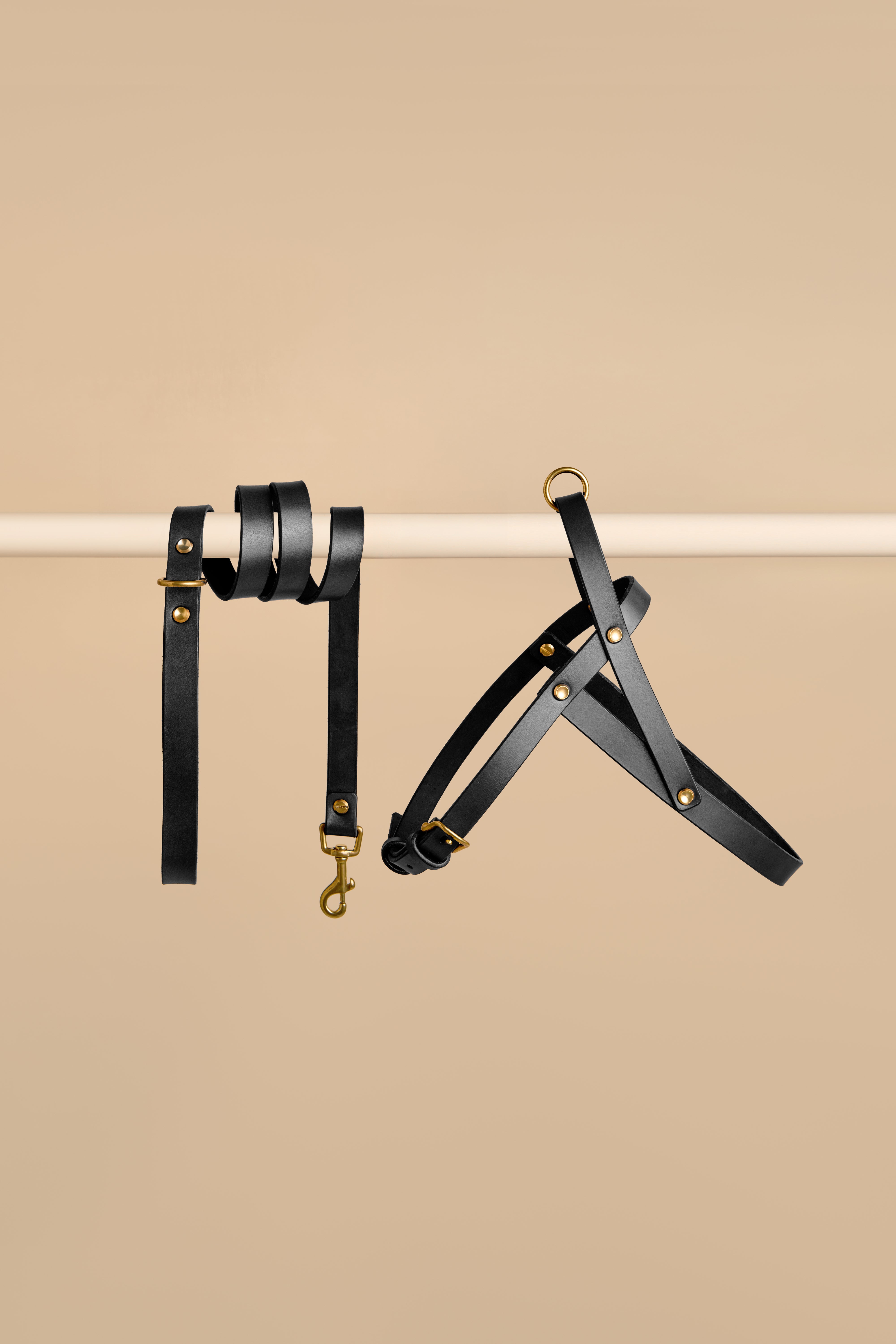
If you make the effort to really structure your walks and reinforce good behavior, you will be rewarded by a much stronger and trusting bond with your canine companion. This, of course, will be massively aided by choosing the right kinds of leather dog collar and leather dog leashes.
Understanding why dogs pull in the first place is the single most useful piece of knowledge for training. Dogs do not pull to be difficult or dominant. They pull because the natural instinct to explore overrides leash manners they have not yet been trained to have, and because pulling has historically produced the result they want: forward movement. The opposition reflex compounds this. When a dog feels tension on the collar, their nervous system instinctively pushes against the direction of that pressure. This is why yanking or correcting the leash makes pulling worse, not better. The stop-and-wait method works specifically because it removes the reward for pulling (forward movement) without triggering the opposition reflex. The dog is not being corrected; they are simply discovering that the leash going tight stops the walk entirely.

Dog Leash Training Tips
Cracking the case on leash pulling is all about positive, persistent training. We've put together some of the most important dog leash training tips that can help to completely transform your walking experiences.
-
Reward Good Behaviour Consistently
Dogs love nothing more than heaps of positive reinforcement. Whenever your pup is doing well walking on a loose leash, make sure to reward them with a nice treat and some praise. Doing this helps to associate the feeling of loose leash walking with a reward for them. The timing of the reward is critical: it must be delivered within 2 seconds of the correct behaviour for the association to form. Reward at your side at hip height, not in front of you, so the dog learns that the position beside you is where good things happen. Over time, reduce the treat frequency gradually once the behaviour is consistent, but never eliminate rewards entirely for a behaviour you want to maintain. -
Stop And Wait When Pulling Occurs
If you feel your pup starting to pull on the leash, stop in your tracks immediately. Stand still and wait for the leash to feel slack again before continuing with the walk. This eventually teaches your dog that pulling is not going to get them to where they want to be. The critical detail is consistency: stopping 4 out of 5 times teaches your dog that pulling sometimes works. You must stop every single time the leash goes tight, without exception, for the method to produce results. The typical timeline for most dogs is 2 to 4 weeks of consistent daily application before the pulling reduces significantly. -
Incorporate Life Rewards
As well as the classic treats, think about adding in what we like to call 'life rewards' to the walk experience. These can be things like sniffing trees, greeting other dogs or being able to explore a new area of the park. These are natural motivators for dogs, and can go a long way to encouraging them to behave on their walks. Use a consistent release word such as "go sniff" or "free" to signal that the dog is allowed to move off and explore. This teaches the dog that calm loose-leash walking earns the reward of freedom to investigate, which is often more motivating than a treat. -
Choose The Right Pace For Your Dog
No two dogs have the same preferred walking speed, so it's important to make sure that you find your own pup's sweet spot. If they are full of energy, you might have to pick up your own pace to match them. On the other hand, if you have a small or older pup, you might all want to take things a little slower. Concentrating on matching their natural pace can reduce a lot of pulling frustration for both of you. A dog that is being walked too slowly for their energy level will pull out of sheer physical excess. A brief play session or training session at home before the walk can reduce this significantly for high-energy breeds. -
Maintain Consistency In Training Routines
Consistency really is key when it comes to training. You need to make sure that all of your family members that take part in dog walking are on the same page, to avoid confusing your dog. If you are the only person who is committed to the leash pulling training, it will not stick. Write down the specific cues and rules you are using and share them with everyone who walks the dog. One person allowing pulling undoes weeks of your individual training work because the dog learns that pulling is context-dependent rather than never rewarded. -
Keep Training Sessions Short And Engaging
Even the smartest dogs have limited attention spans compared to humans. You will have the most success if you keep your training efforts to short, focused bursts of 10 to 15 minutes per walk rather than attempting to train for the full duration. Start each session in a low-distraction environment: your garden, a quiet street, or an empty car park. Once the behaviour is reliable in low distraction, gradually introduce more challenging environments. A dog that pulls reliably in the garden but still pulls at the park has not generalised the behaviour yet and needs more repetitions at each distraction level. -
Stay Calm And Composed During Distractions
It will not help the situation if you get too annoyed with your pup when they inevitably get distracted by other dogs, people or squirrels. Do not give in to the temptation to tug on the leash; instead just stay calm and redirect their attention with a verbal command or a treat. Your own body language communicates directly to your dog. A tense handler with a tight grip and a short leash signals anxiety to the dog, which increases their own reactivity. Keep the leash in a relaxed J-shape with slack in it, and use your voice and treats to redirect rather than physical leash correction. -
Manage Distractions Proactively
It helps to be aware of any upcoming potential distractions on your walk route. If you notice something before your pup does, cues like 'leave it' or 'watch me' can help to keep their attention on you rather than on whatever might tempt them. The moment you notice a distraction ahead, increase your treat rate to keep your dog engaged with you before they have a chance to lock on to the distraction. It is much easier to maintain focus than to recover attention once a dog has already started fixating.

Choosing The Right Equipment
As we hinted to right at the start, making the right equipment choices really can make a world of difference. In our mind, leather collars and harnesses are the best option because they offer the perfect mix of style, durability and comfort that is needed to make your walking experience as pleasant as possible.
Benefits Of Leather Equipment
-
Durability
Leather is a super strong material that can cope with the usual wear and tear of daily dog walks. -
Comfort
Unlike the range of synthetic materials on the pet store shelves, leather naturally softens over time, providing a custom and comfortable fit for your pup's body. -
Eco Friendly
The vegetable tanned leather that we love so much is a natural, biodegradable material, which not only makes it a comfortable and durable choice, but also a sustainable one.
Choosing The Right Fit
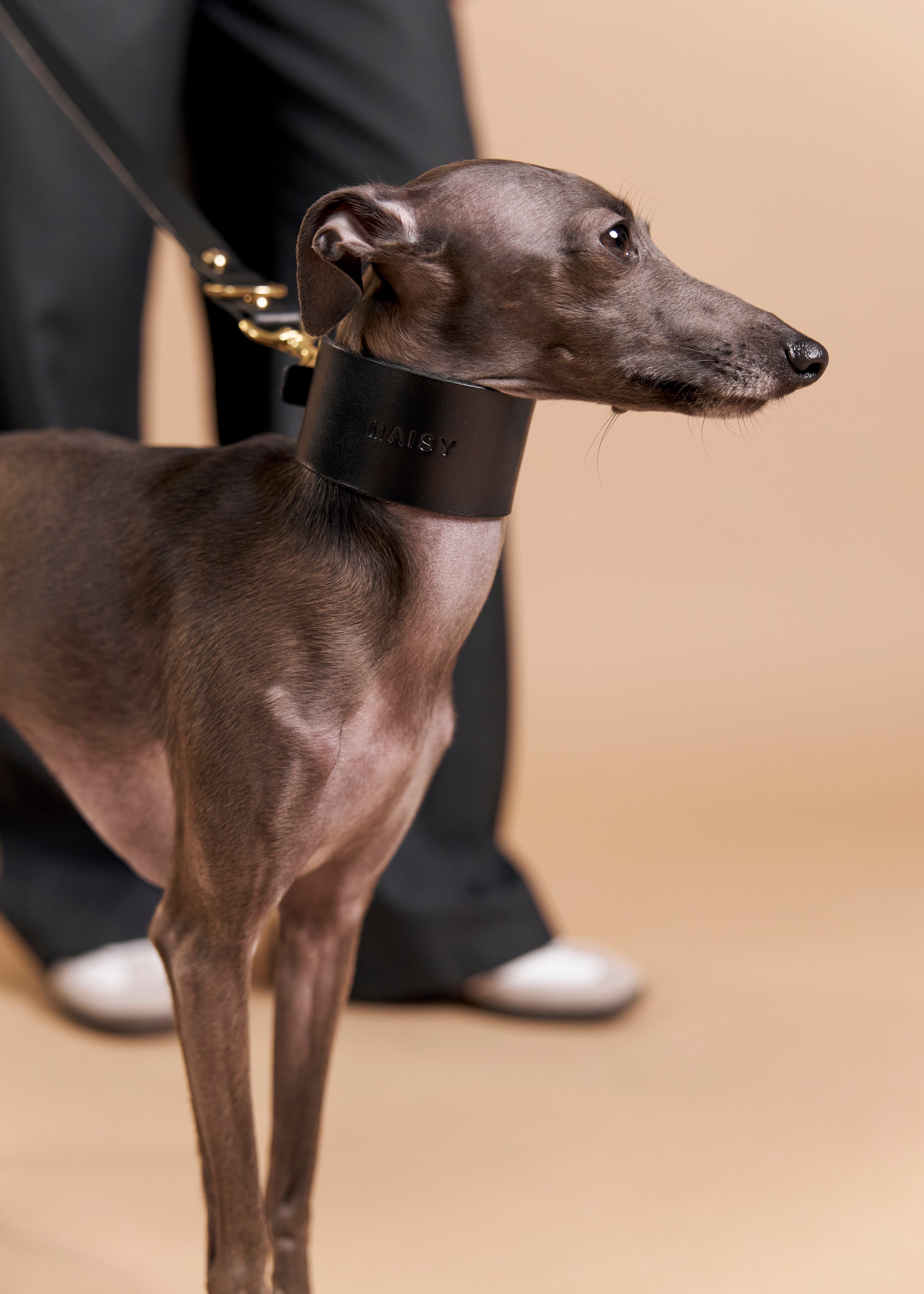
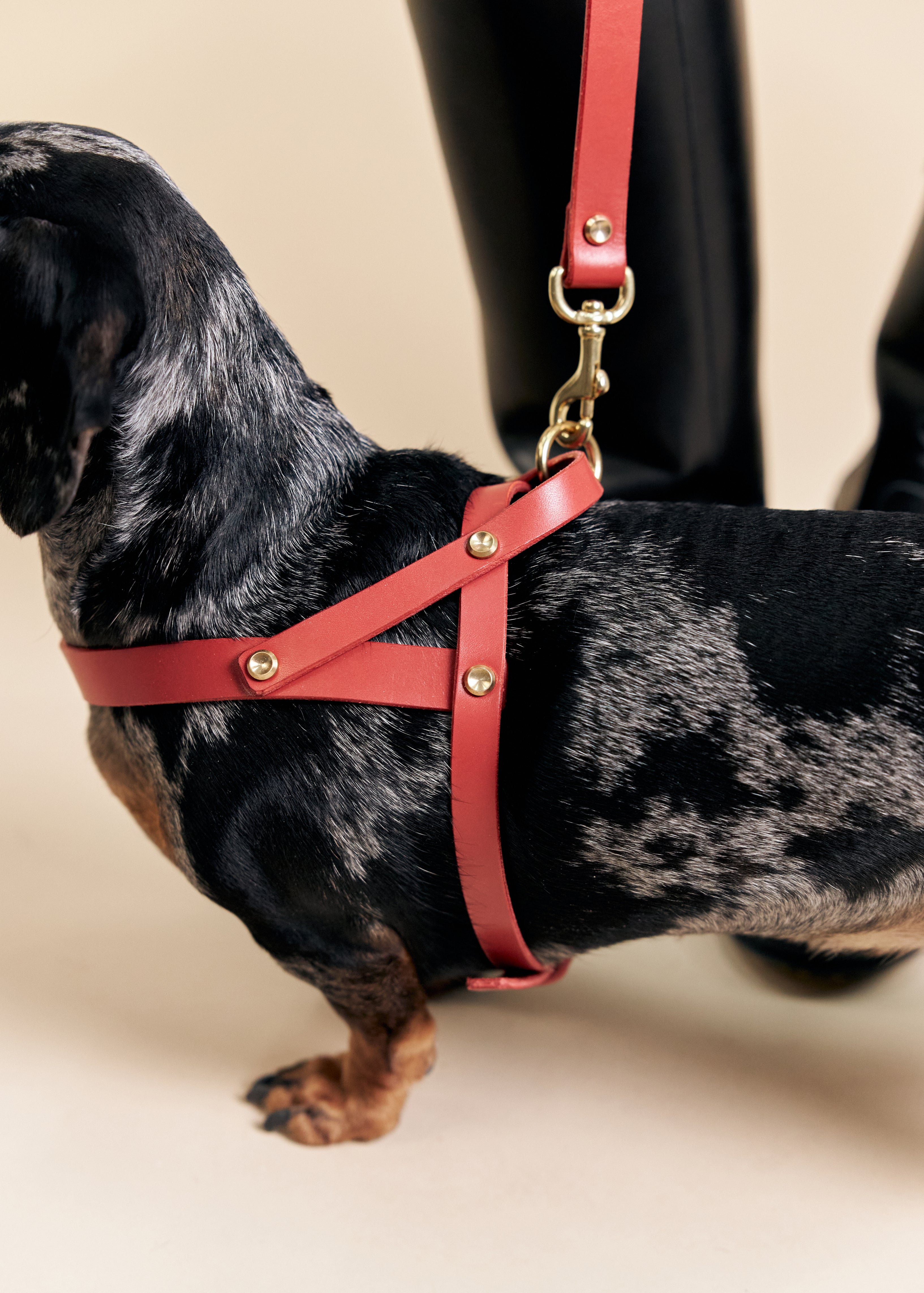
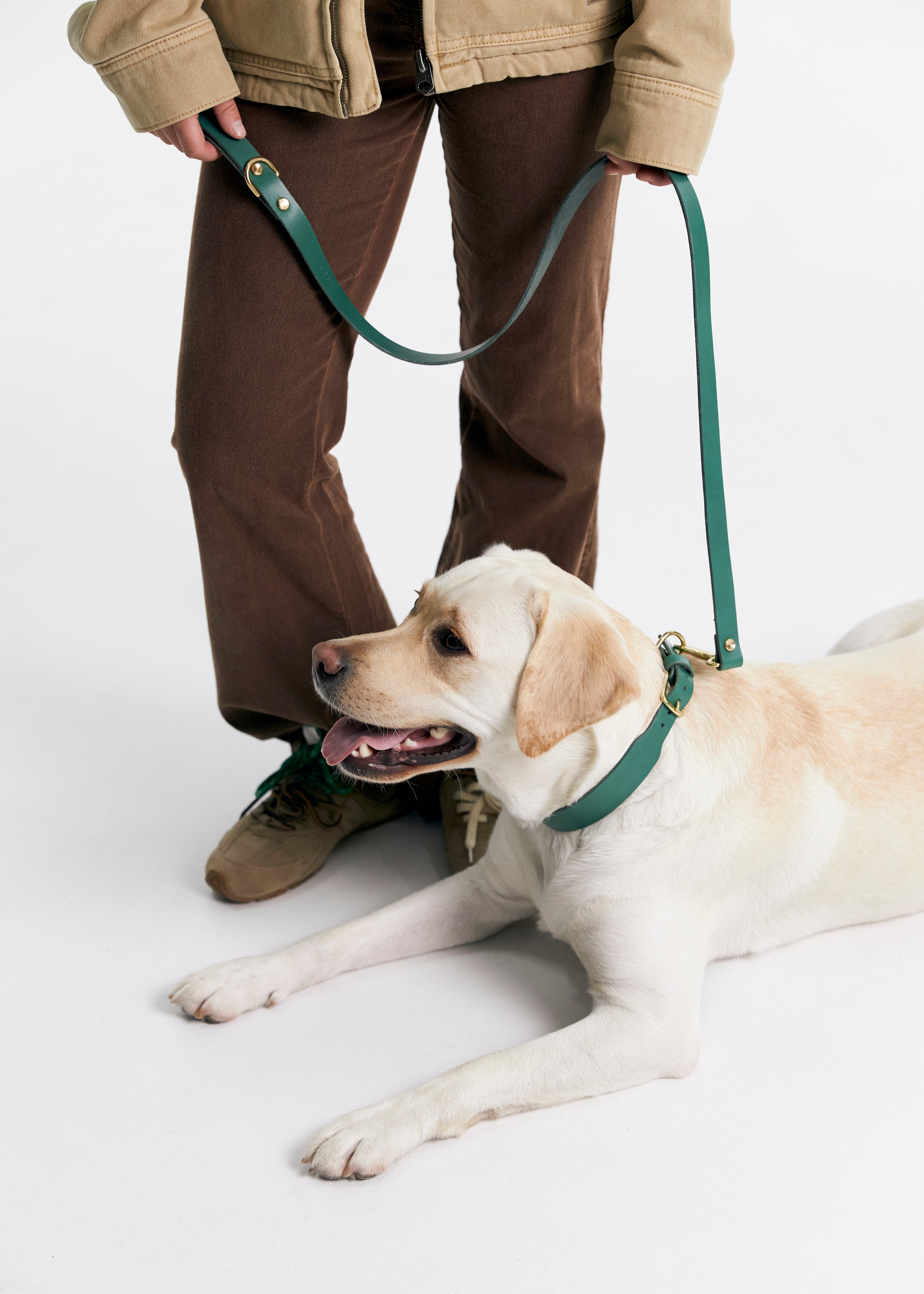
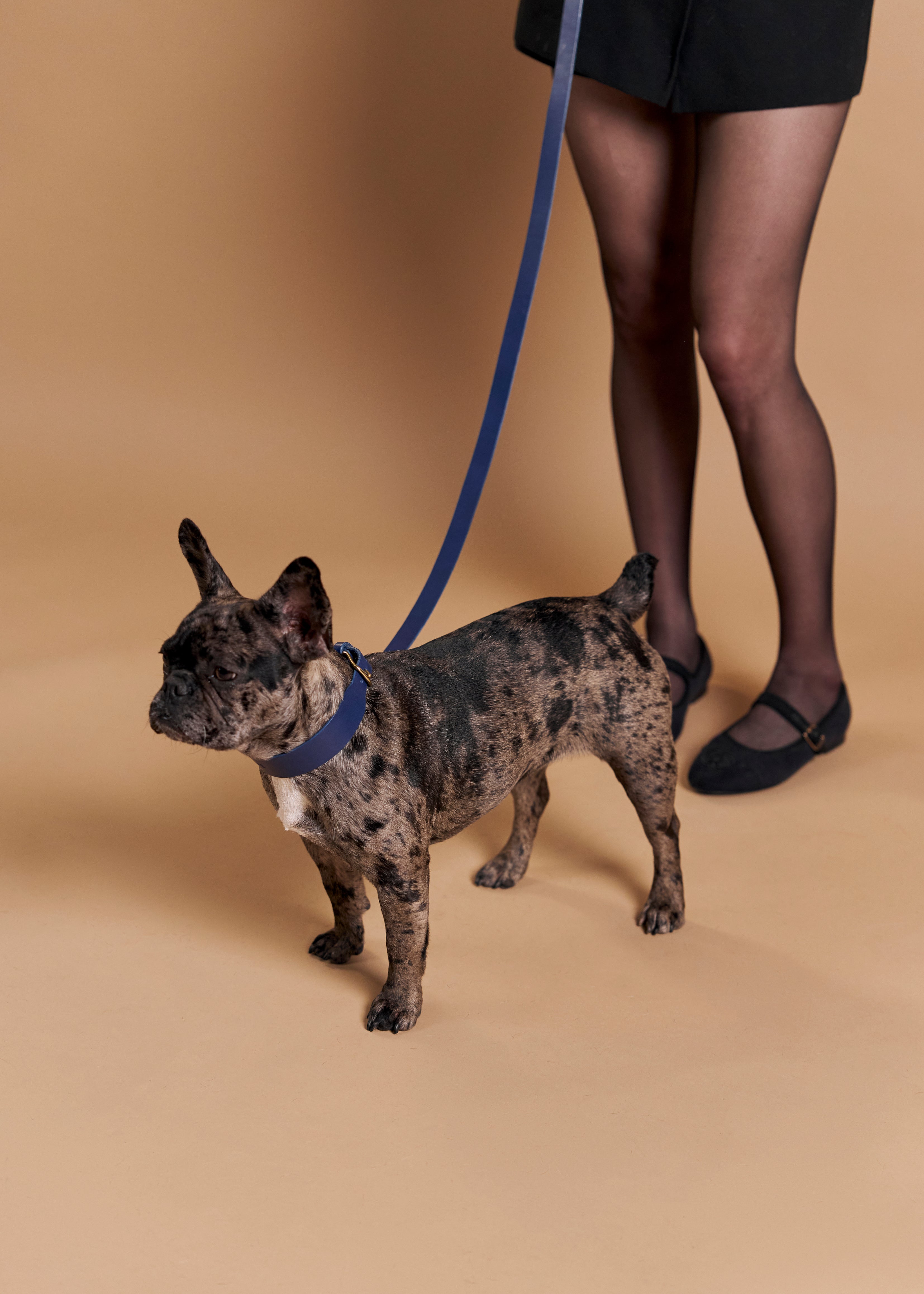
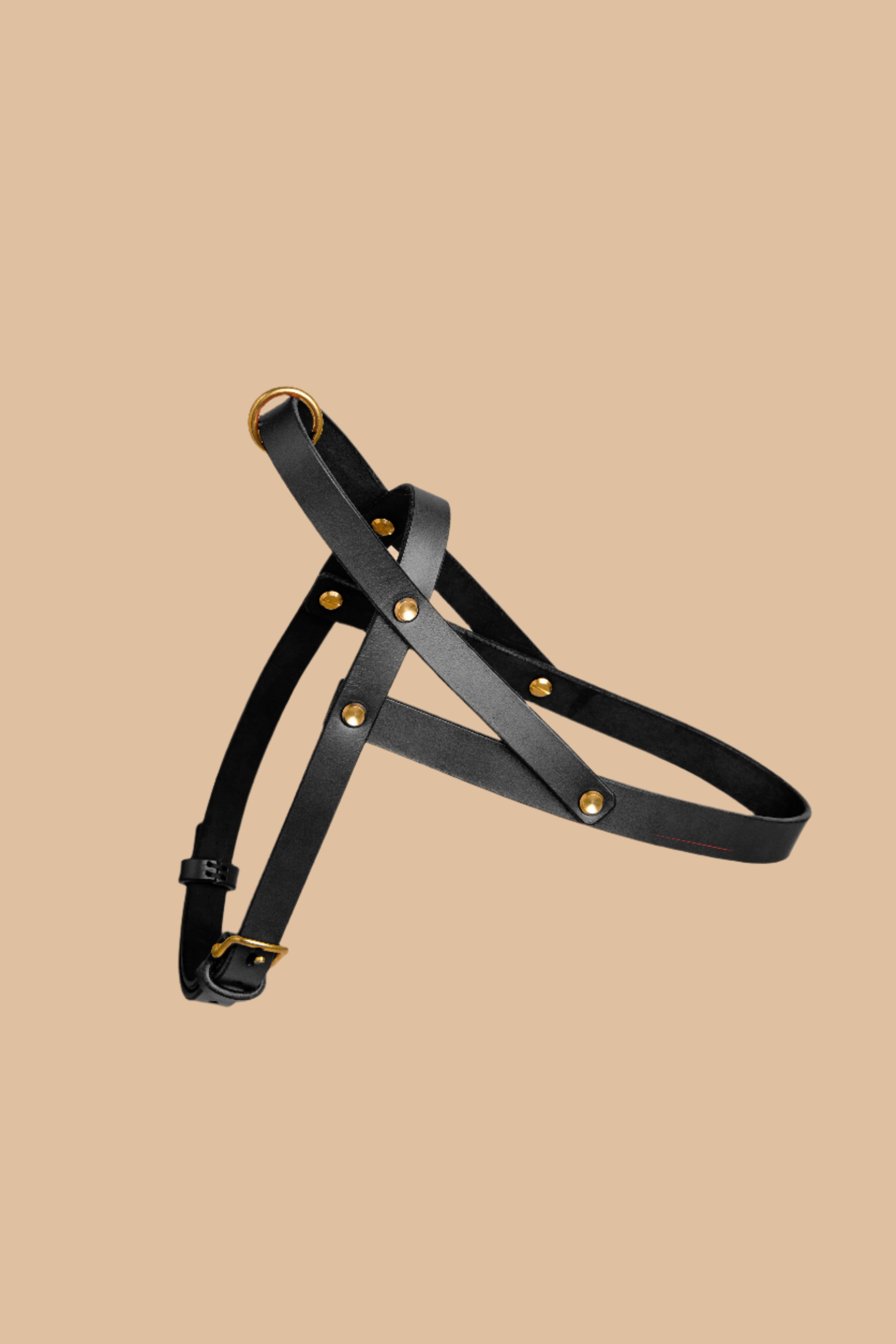
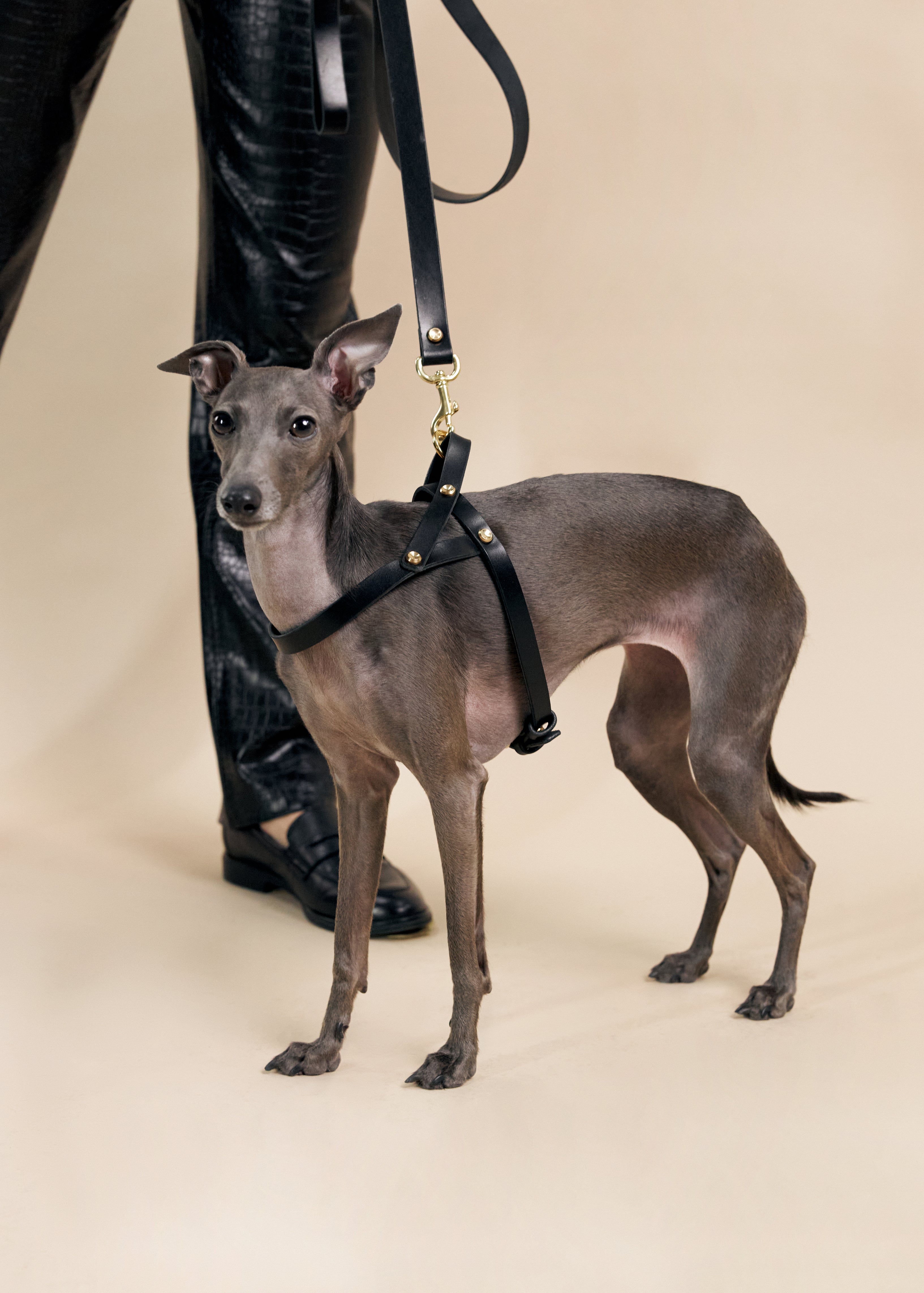
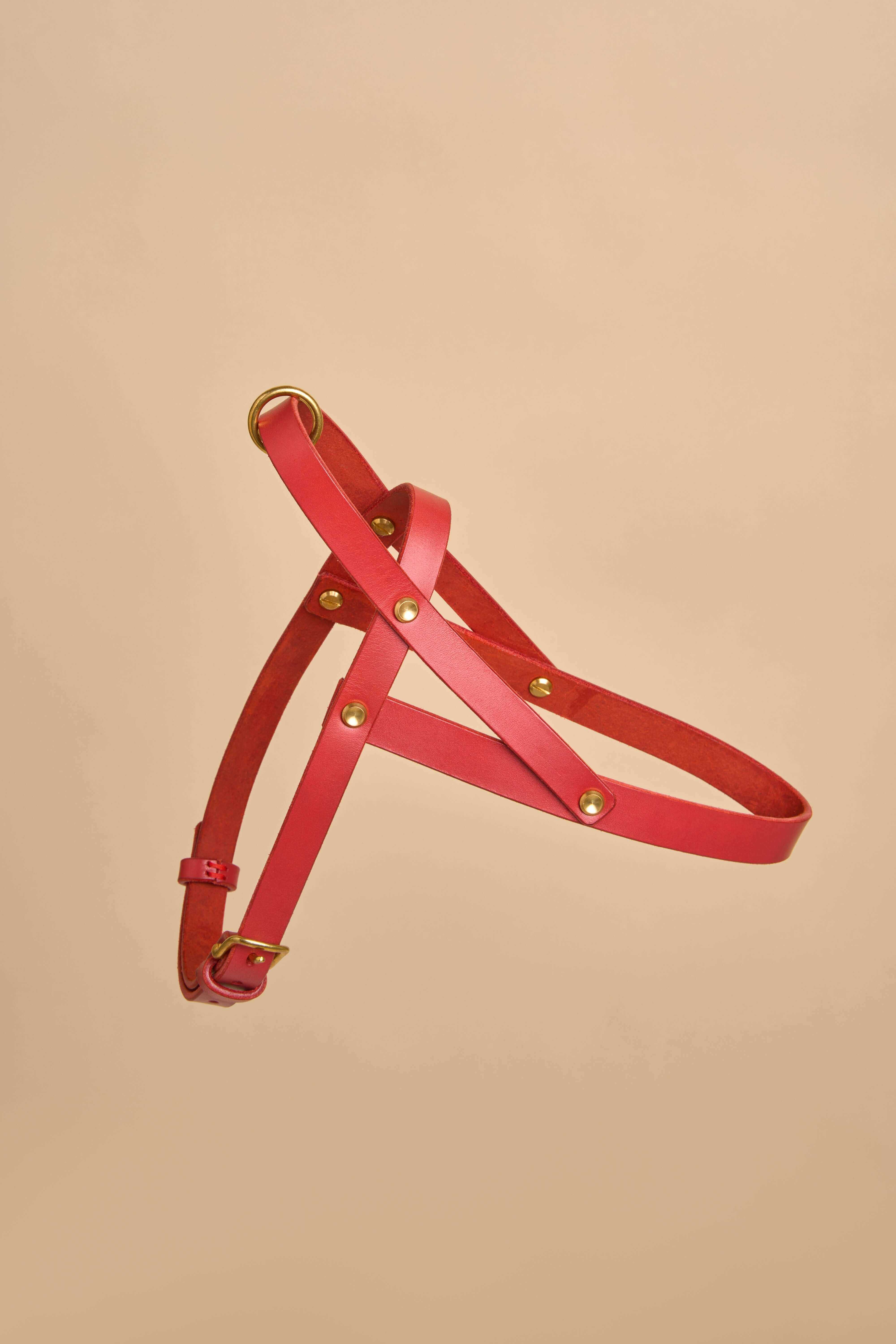
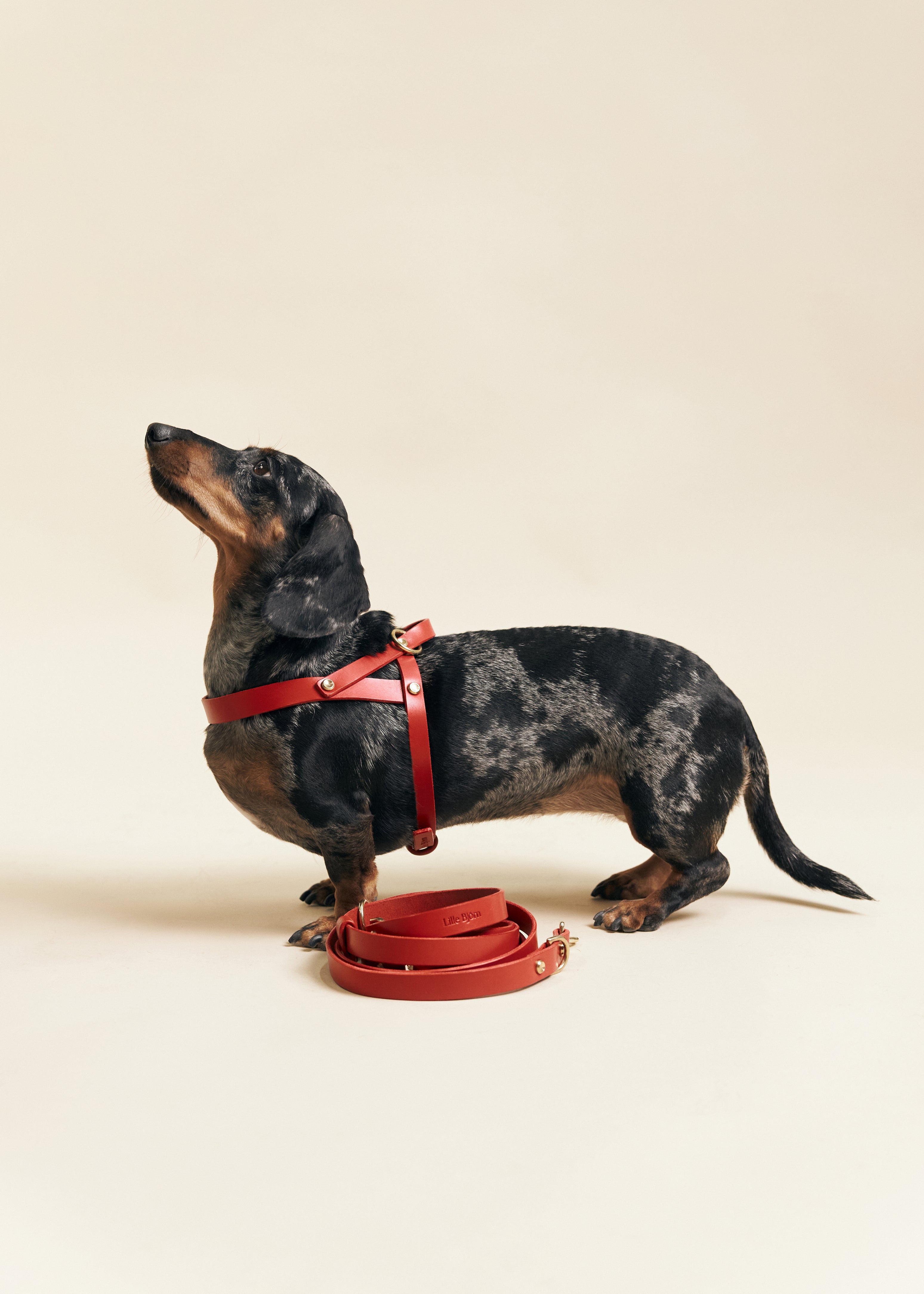
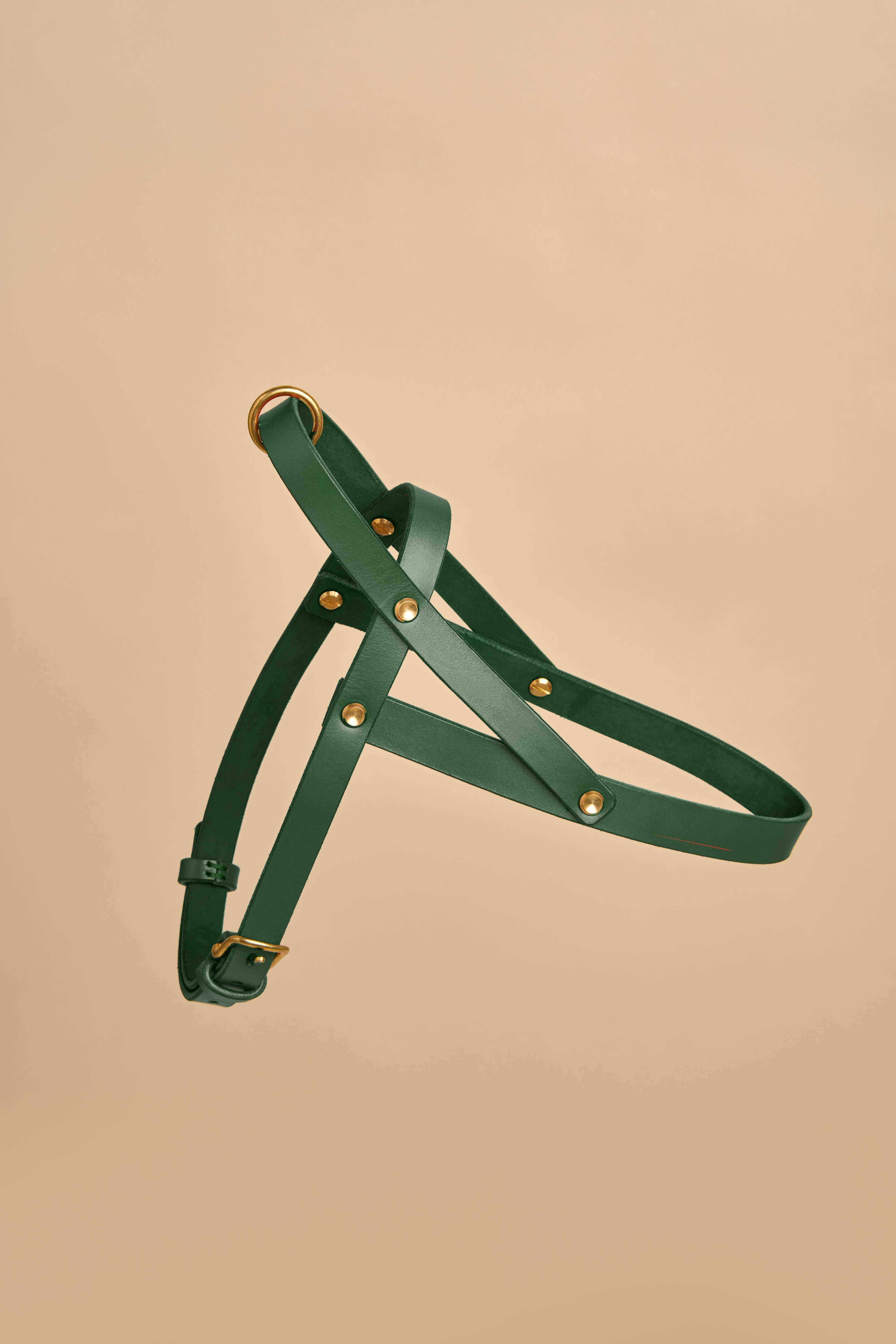
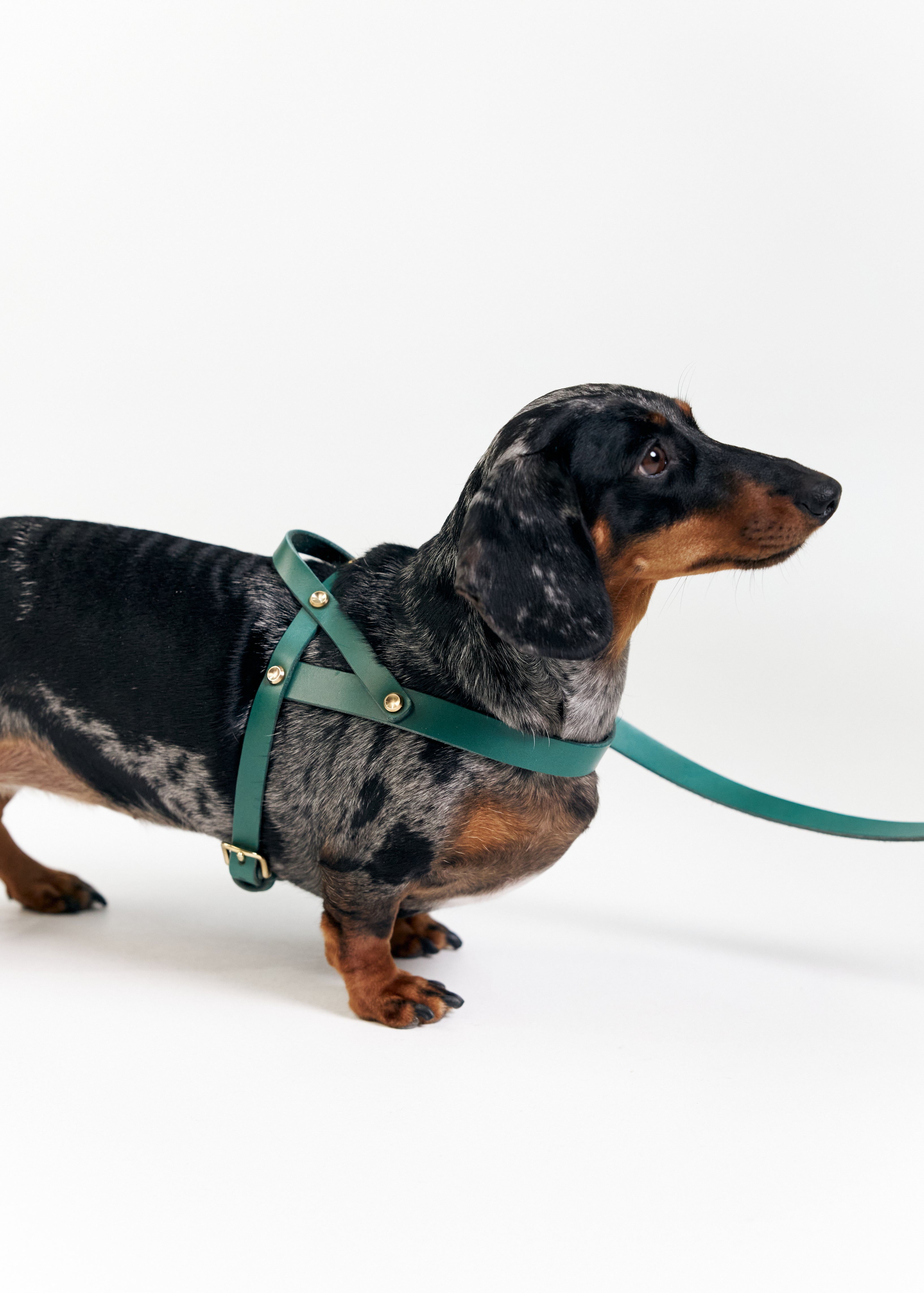
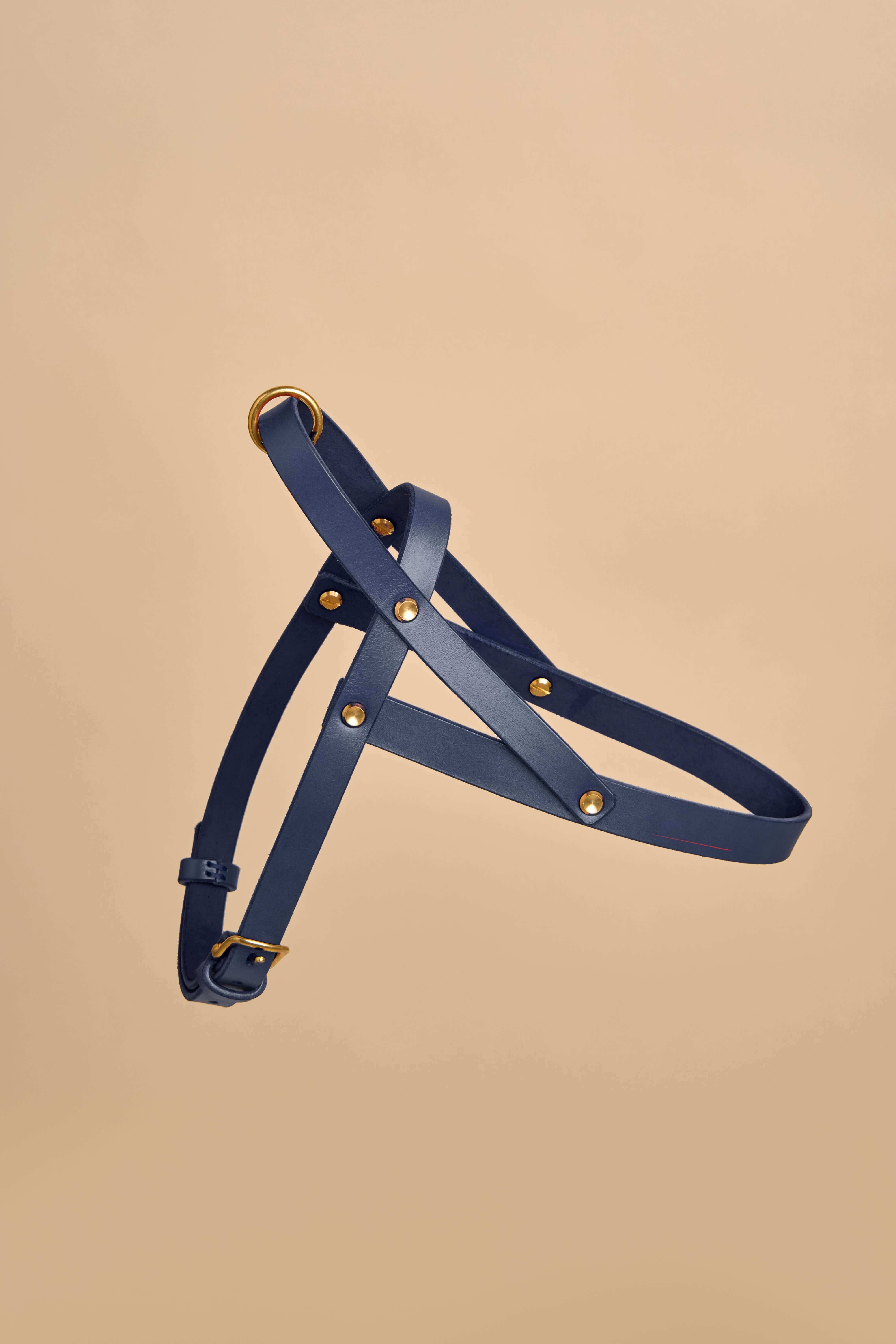
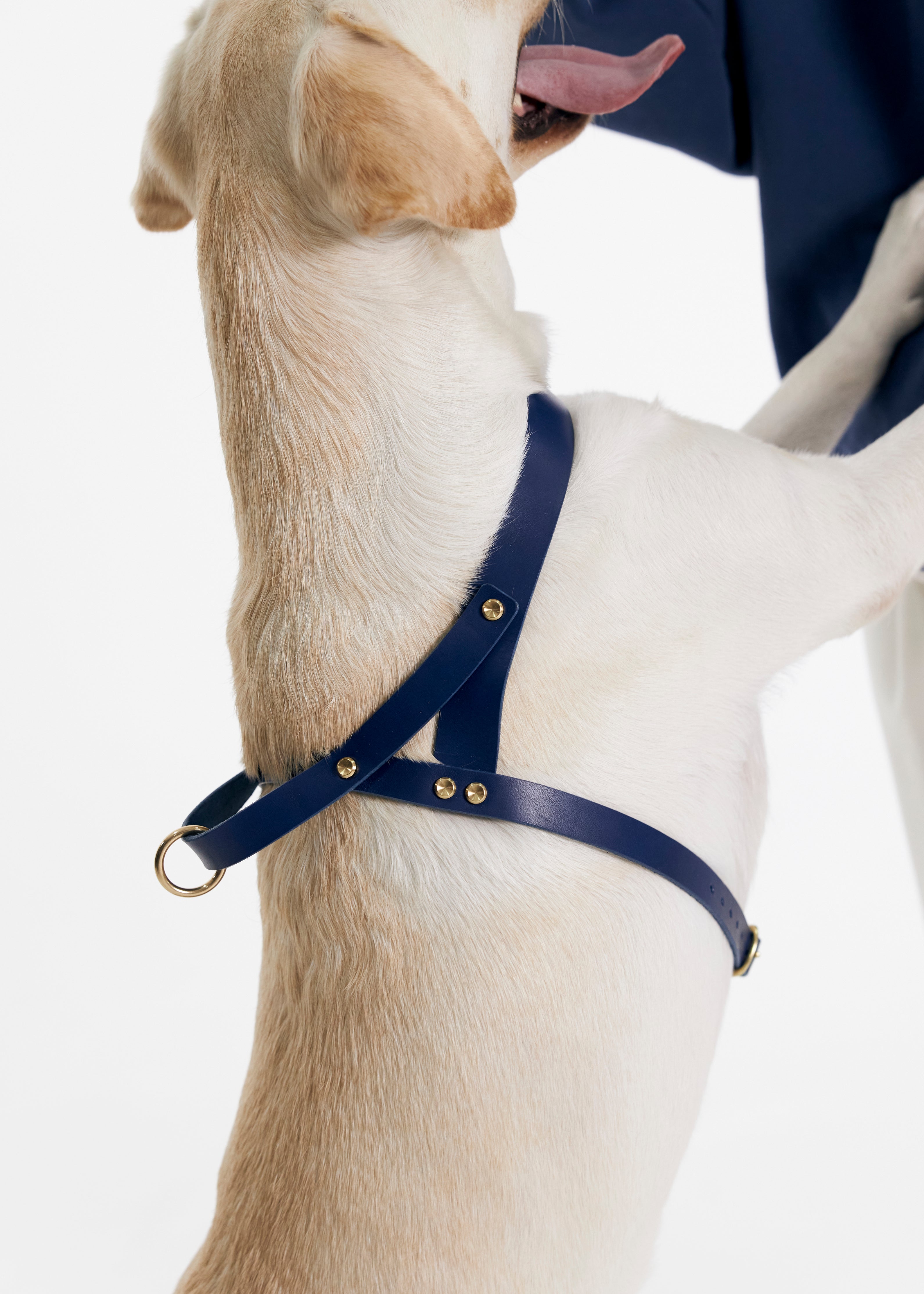
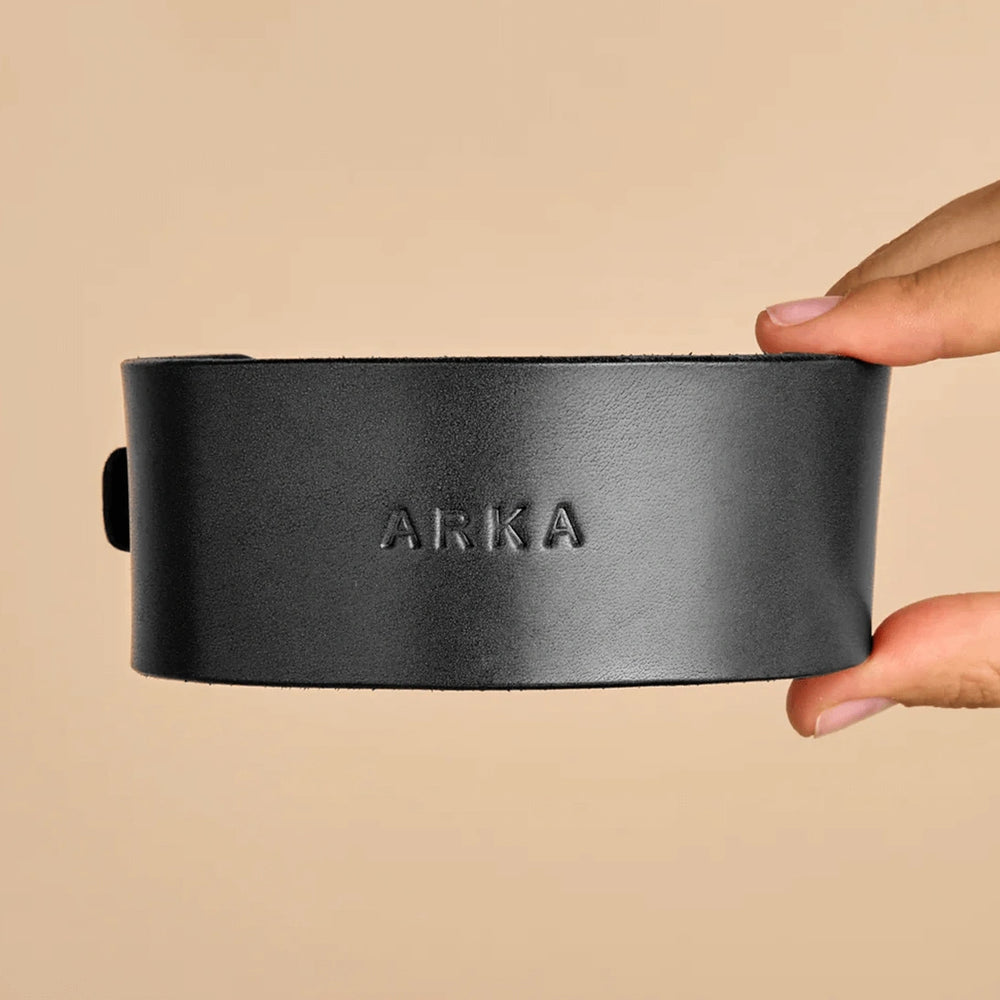
If you do have an excitable pup that is prone to pulling on a leash, you might want to consider a wider collar that can better distribute any pressure across their neck. Leather dog harnesses are also a great alternative because they remove all pressure from the neck, massively reducing the risk of injury. The key to achieving the best fit is performing the classic 'two finger' test. If you can fit two of your fingers snugly between the collar and your dog's neck, then it's an indicator that it fits just right.
Leather Leashes For Better Control
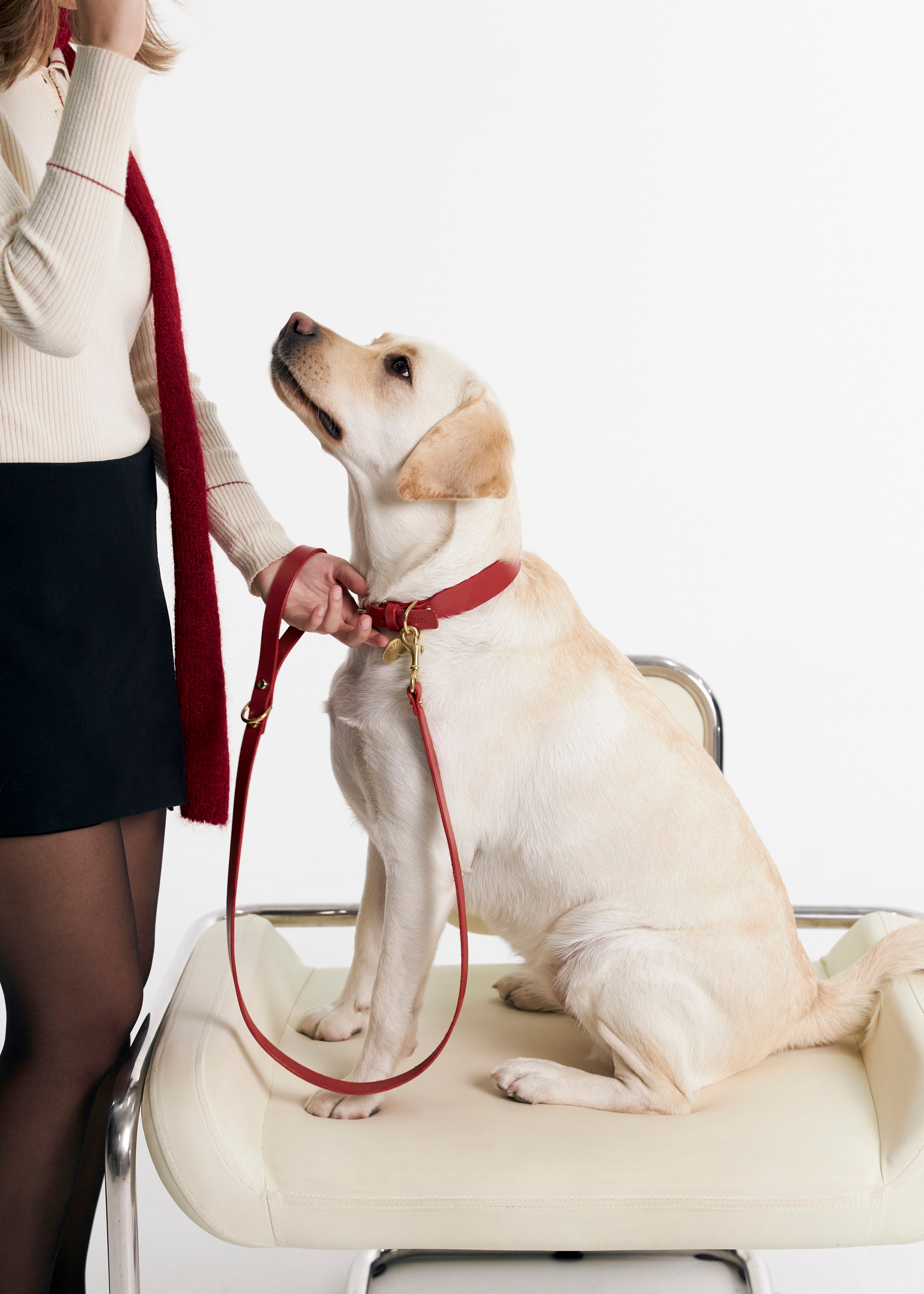
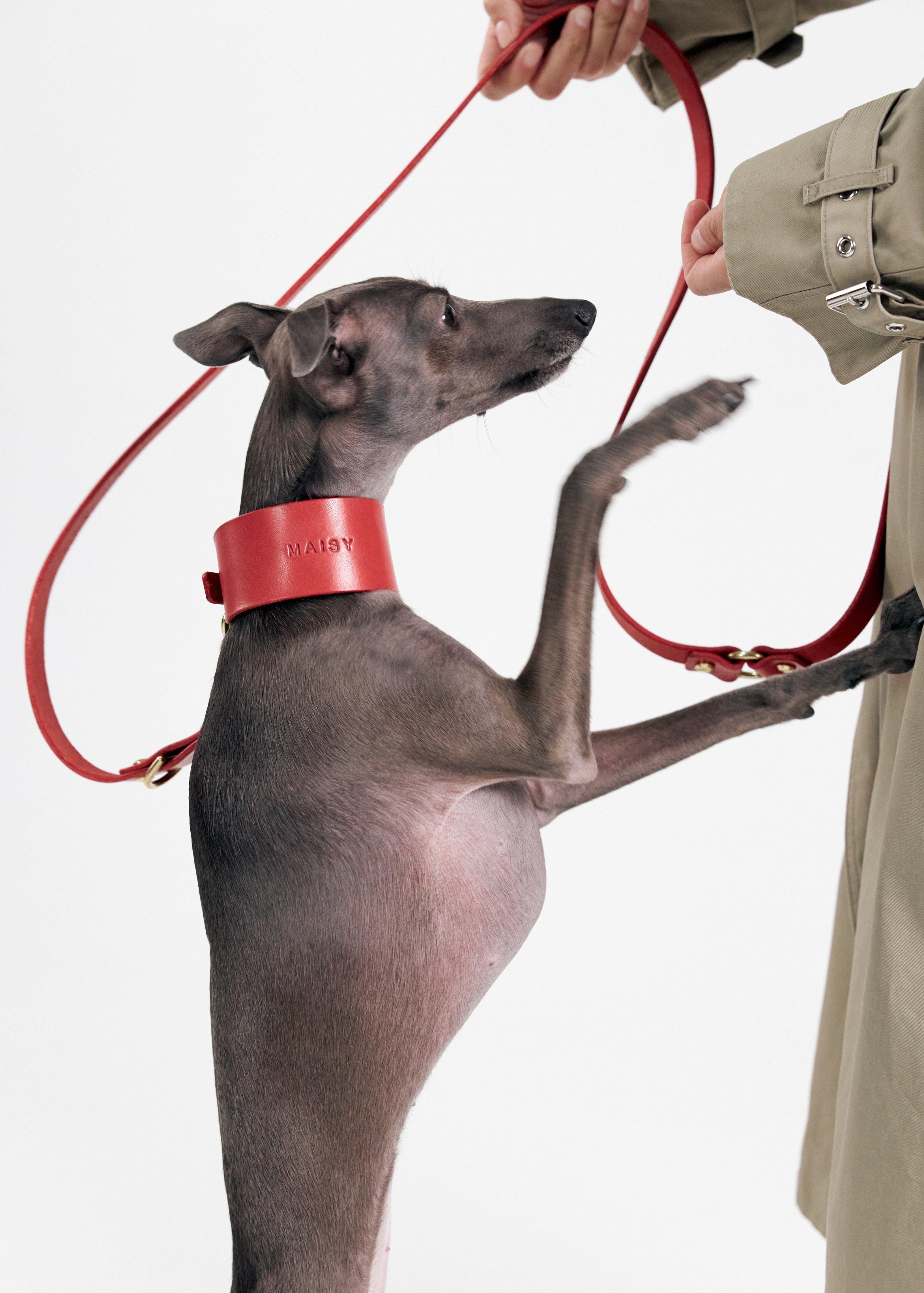
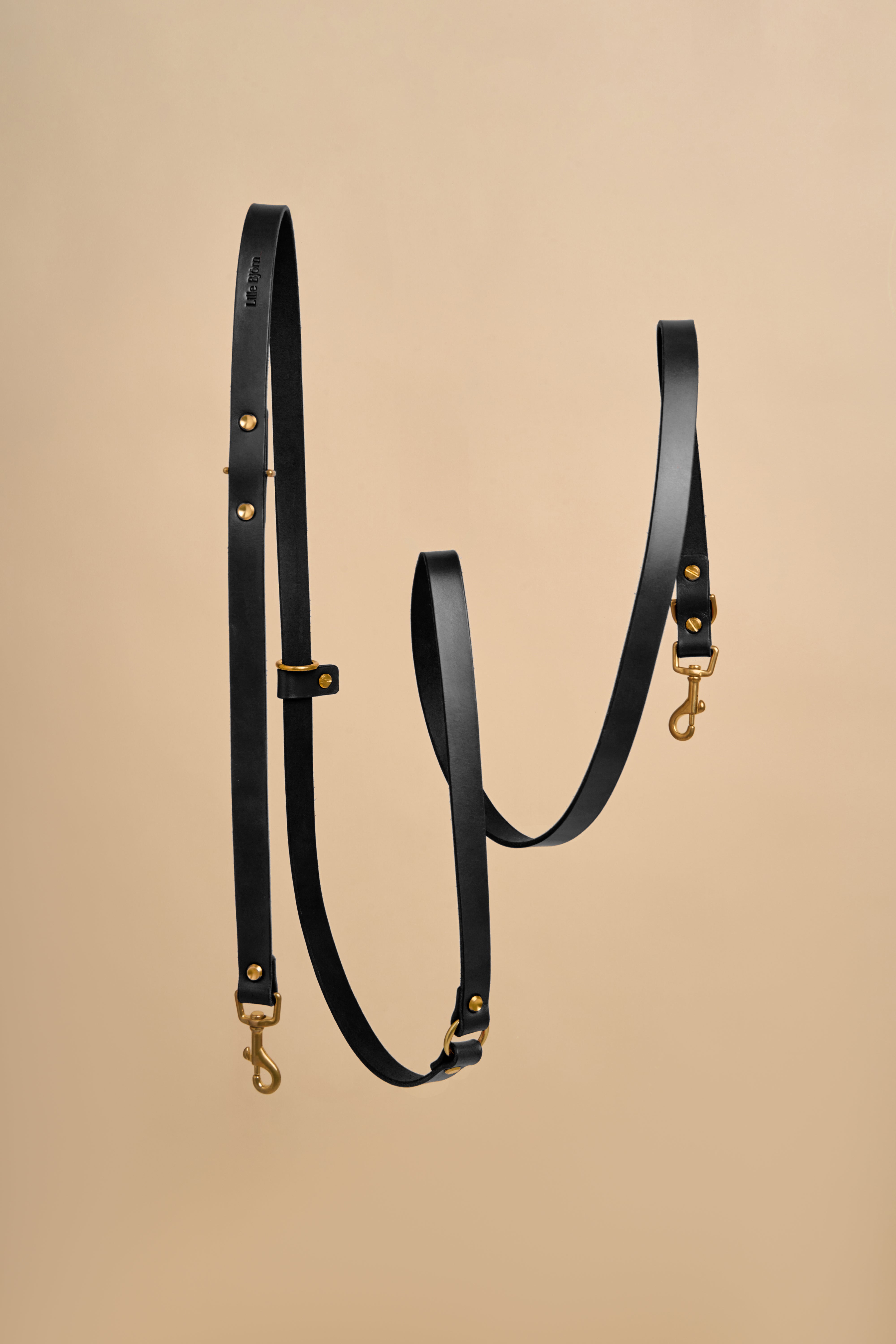
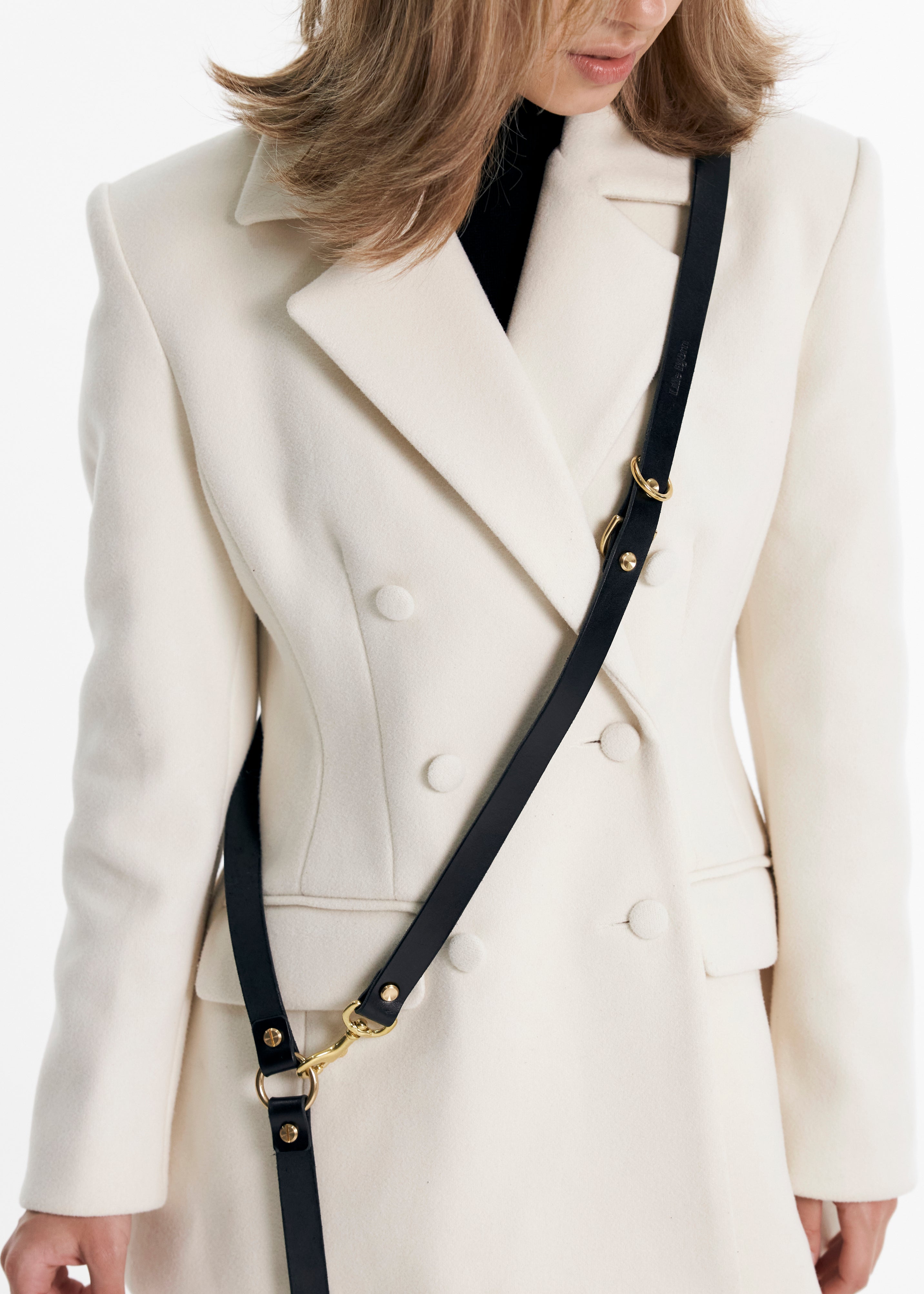
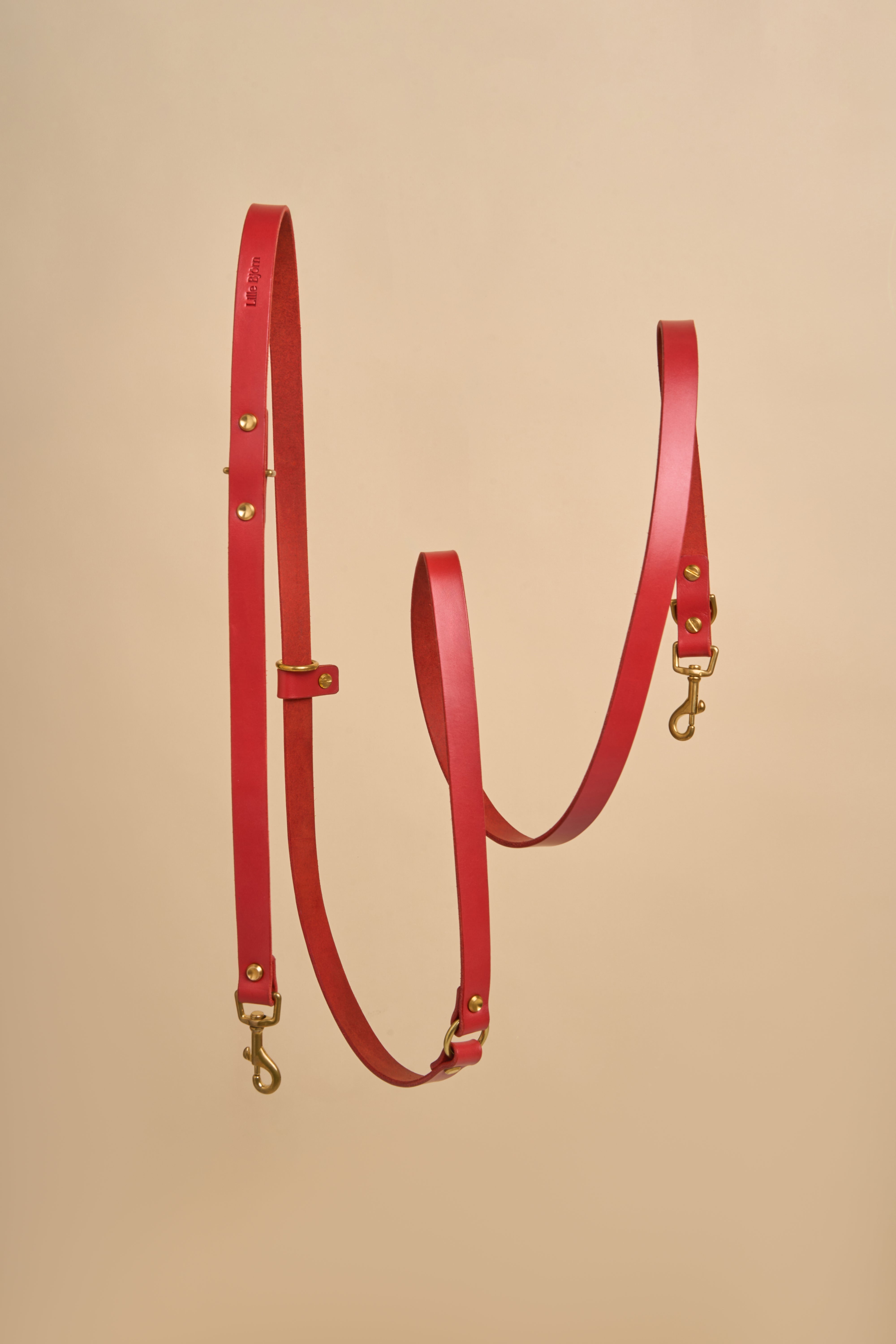
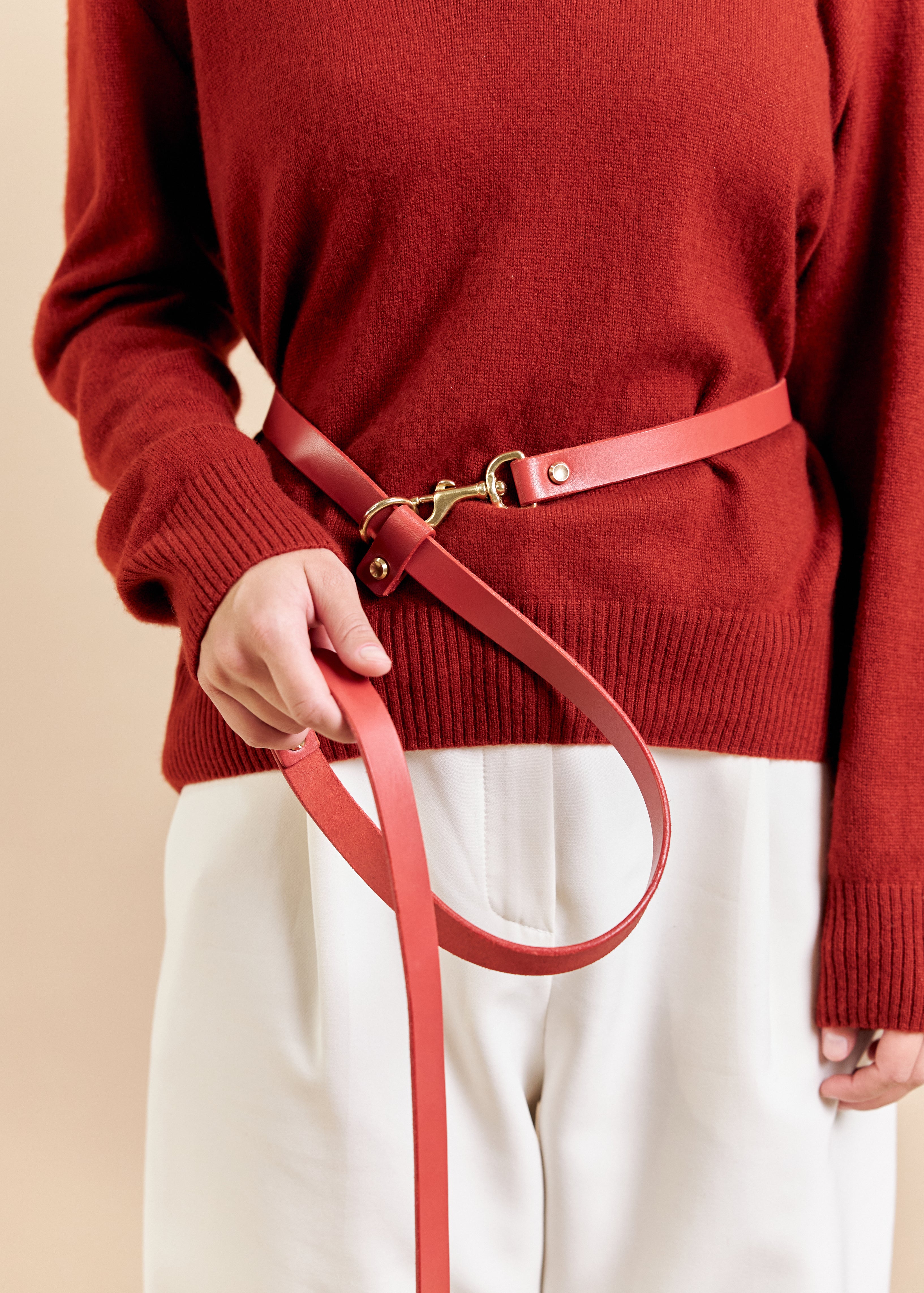
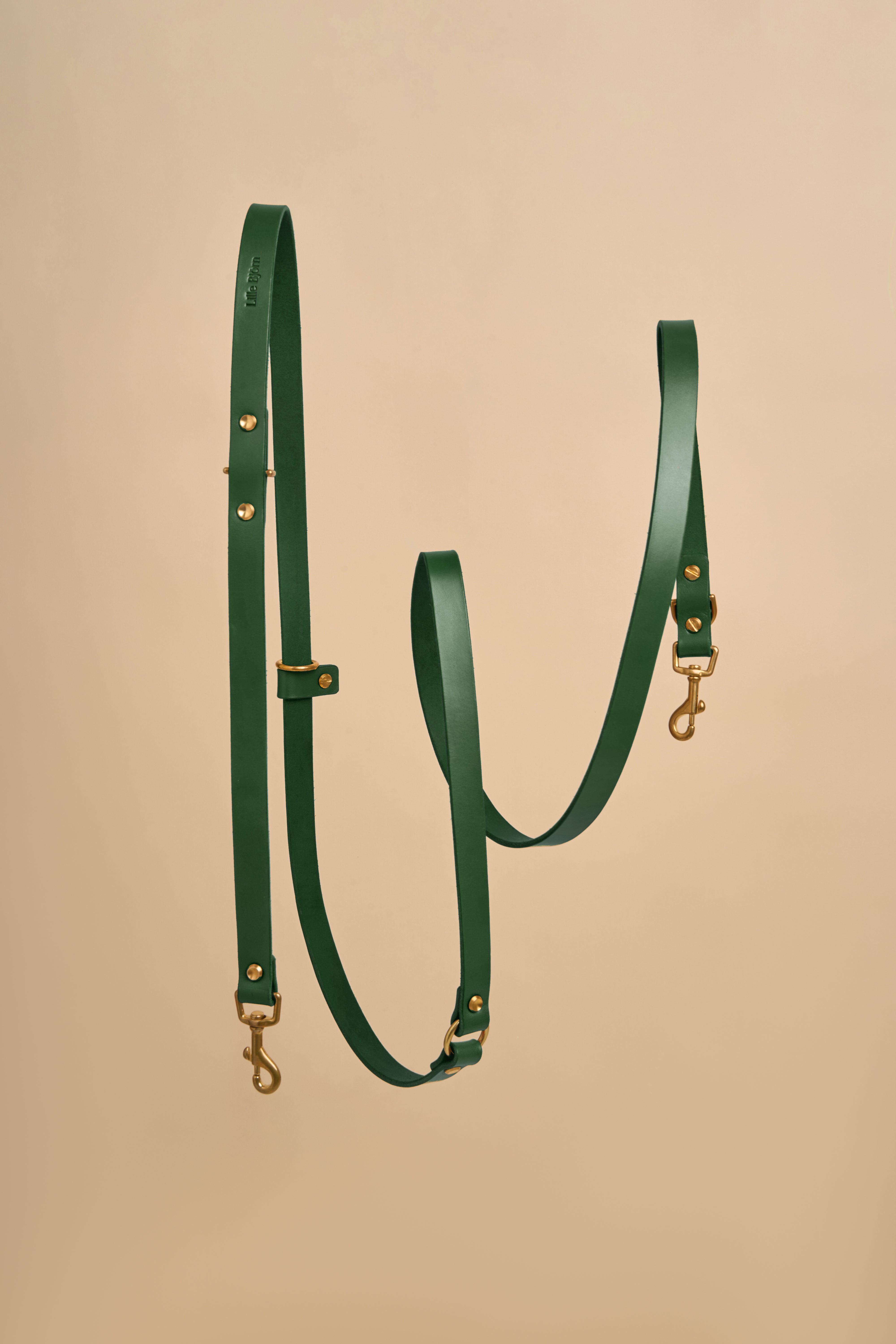
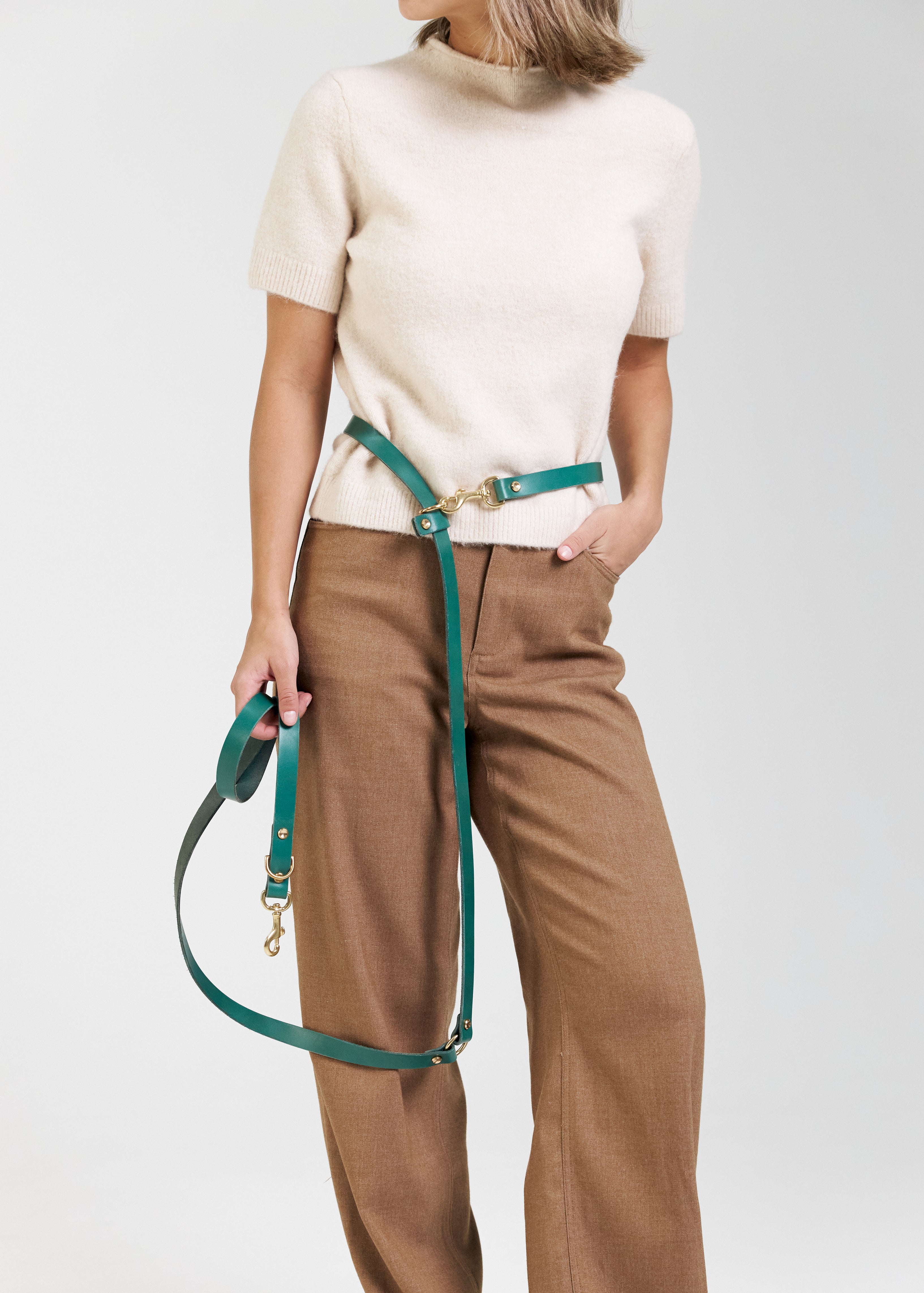
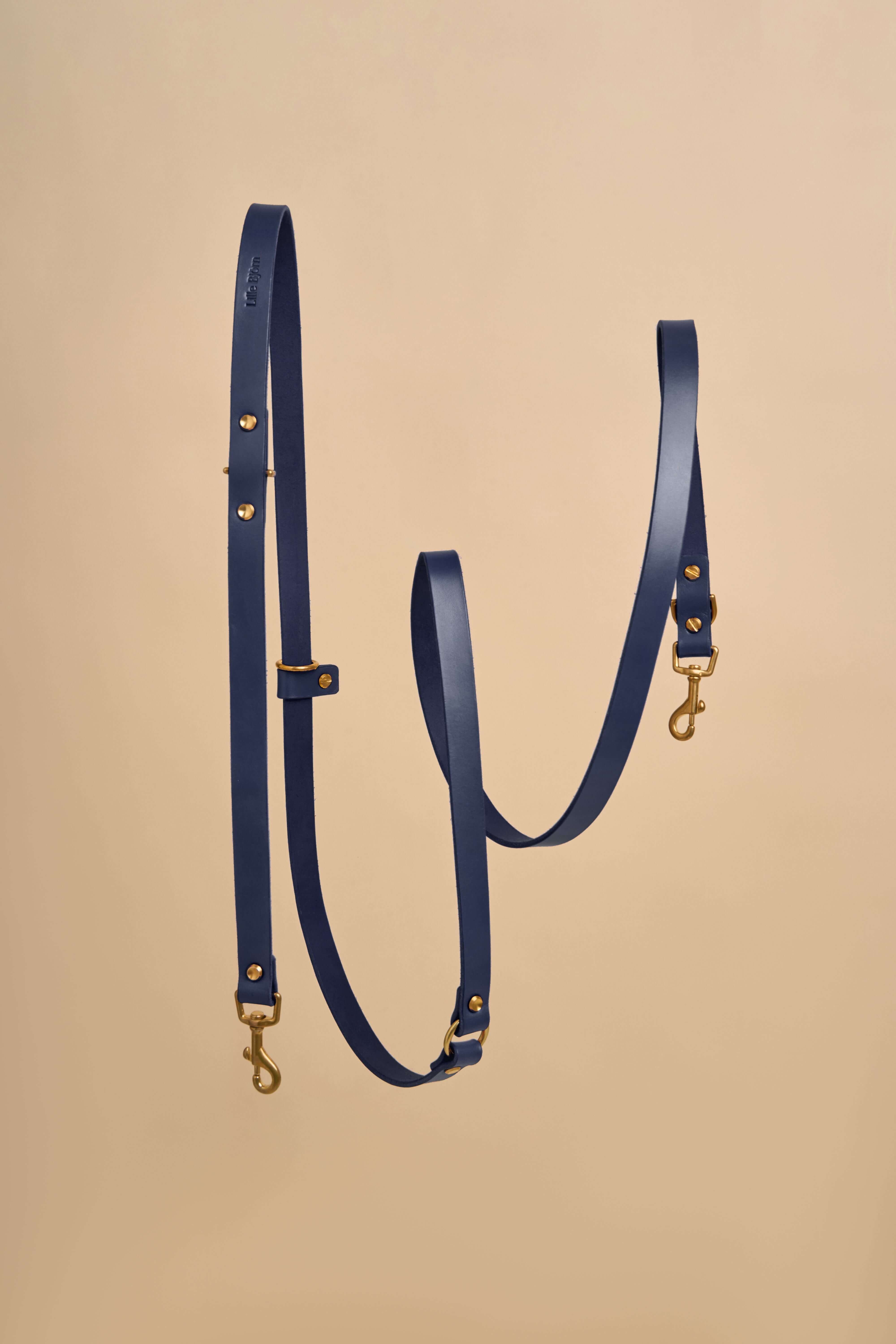
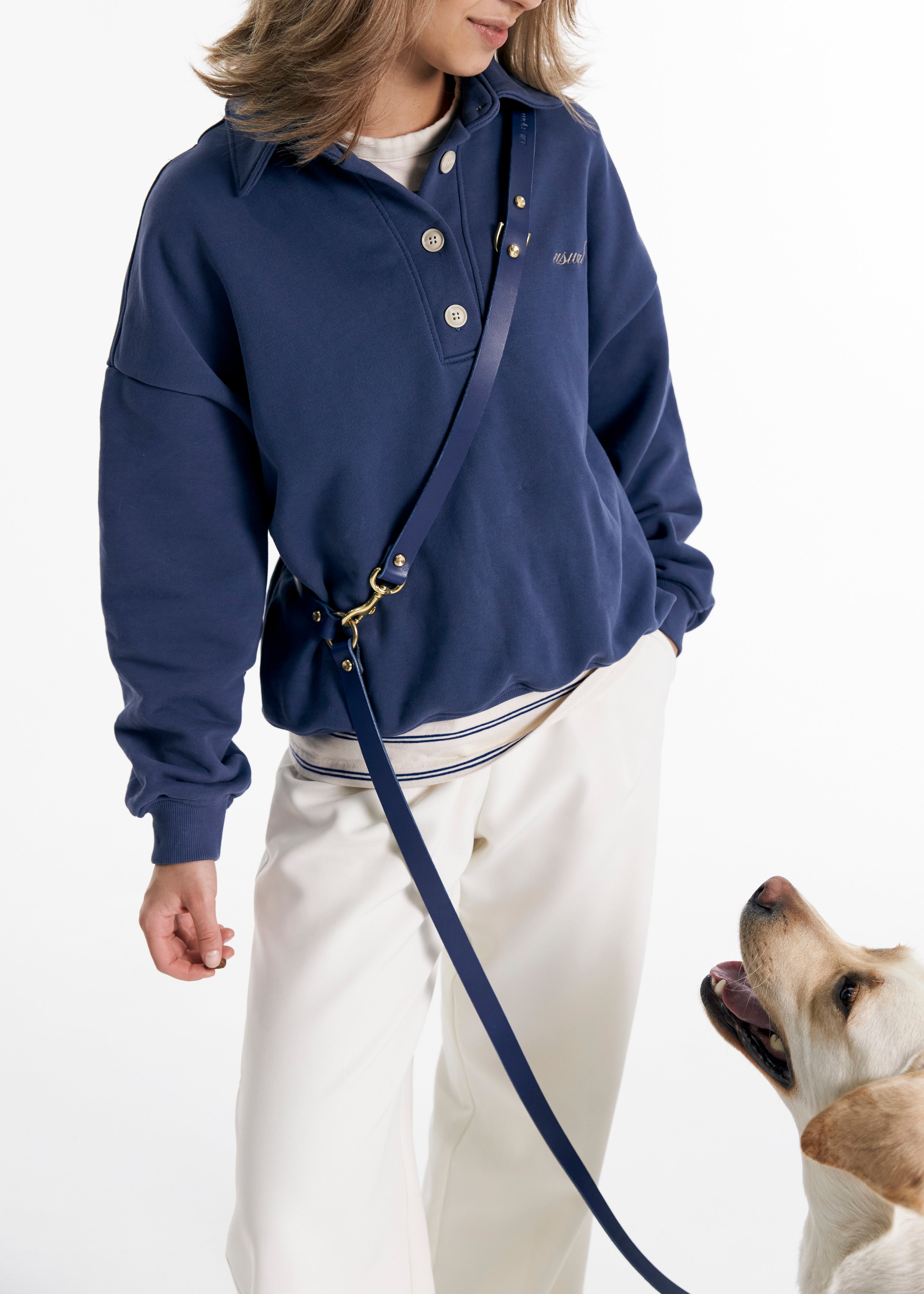
Leather dog leashes have proven time and time again that they offer comfortable, firm grip, which makes it a lot easier for you as the walker to manage any lunging and pulling. Leather's naturally soft and pliable texture gives you much better control than something synthetic and slippery.

Common Challenges And Solutions
Let's take a whistle stop tour through some of the most effective solutions to many of the most common challenges that you might encounter when going through your own leash training experiences with your dog.
-
Lunging At Distractions
It's always a good idea to redirect focus with a treat when your pup gets distracted by a squirrel or other dog. Verbal cues like 'watch me' can be effective too. -
Leash Anxiety
Sometimes, dogs can develop a level of anxiety around being on a leash, which inevitably leads to resistance and pulling. You can work on desensitizing them by having them wear it indoors in a safe, familiar space, and rewarding them for calm behaviour in the moment. -
Over Excitement
If you have an eager pup who just wants to get up and go, you could try to counteract this by tiring them out a little at home with a play session before heading out. -
Stubbornness
If your pesky pup simply refuses to budge on the leash, it's good to check for any underlying fear or discomfort. Is their gear rubbing and irritating them? Does everything fit properly? Again, treats can help to coax them into movement. -
Seeking Professional Help
At the end of the day, if you don't feel equipped to tackle the problem all on your own, then don't hesitate to enlist the help of a professional dog trainer. They exist for a reason, after all! It might be helpful to get some personalized assistance based on the personality and needs of your actual dog, especially if the more general tips and tricks don't appear to be working as well as you would hope.
Frequently Asked Questions: How to Stop a Dog Pulling on the Leash
Why does my dog keep pulling on the leash?
Because pulling has worked. Dogs pull on the leash because forward movement toward interesting smells, dogs, or people has been the reward for pulling. If walking fast or slow, correcting, or redirecting has ever let the walk continue while the leash was tight, the dog learned that pulling is sometimes effective. The fix is making loose leash the only condition under which the walk ever moves forward, consistently, every time, from this point forward.
How long does it take to stop a dog from pulling on the leash?
Most dogs show meaningful improvement within 2 to 4 weeks of consistent daily training using the stop-and-wait method. Dogs with years of established pulling habits take longer, typically 6 to 12 weeks. The single most important variable is consistency: stopping every time the leash goes tight, not most of the time. One family member who allows pulling while others do not will significantly extend the training timeline.
Should I use a harness or collar to stop leash pulling?
For training loose leash walking, a standard back-clip harness or a well-fitted flat collar both work with the stop-and-wait method. For dogs that pull very hard and are difficult to control during training, a front-clip harness redirects pulling motion back toward the handler rather than allowing it to continue, which makes the training process faster. Avoid retractable leashes during training entirely: they reward pulling by releasing more length whenever tension is applied, which is the exact opposite of what you are trying to teach.
Does stopping when a dog pulls actually work?
Yes, and it is the method recommended by animal welfare organisations including Best Friends Animal Society because it works with the dog's learning mechanism rather than against it. The dog is not punished; they simply discover that the action of pulling produces a result they do not want (the walk stops) and that a loose leash produces the result they do want (forward movement continues). This operant conditioning approach produces durable behavioural change because the dog is making their own decision rather than complying out of fear of correction.
What is the fastest way to stop leash pulling?
Consistent stop-and-wait combined with high-value reward delivery at your side every 3 to 5 steps of loose leash walking. The reward rate needs to be high enough in early training that the dog finds staying beside you more rewarding than pulling ahead. Reduce treat frequency gradually as the behaviour becomes reliable. A brief pre-walk energy outlet (play session, short training session) for high-energy breeds also reduces pulling at the start of walks significantly.
Can I use a no-pull harness instead of training?
A front-clip no-pull harness reduces pulling mechanically by redirecting the dog's body when they pull forward, which makes walks more manageable immediately. However, it does not teach the dog loose leash walking as a behaviour. The moment the harness is removed or the dog is walked on a back-clip harness or collar, pulling typically returns. Use a no-pull harness as a management tool to make training walks easier, not as a substitute for the stop-and-wait training method.
At what age should I start leash training?
From the first week at home. Puppies as young as 8 weeks can begin learning that a tight leash stops forward movement and a loose leash continues it. Starting early means the dog never develops the pulling habit in the first place, which is significantly easier than retraining an adult dog with years of established pulling behaviour. Keep sessions to 5 minutes for very young puppies and build up gradually as their attention span develops.
Walks Your Dog Will Earn, Not Drag You Through
Leash pulling is one of the most common and most fixable behaviour problems in dogs. The method is simple. The requirement is consistency. A well-fitted leather collar, a leather leash with a comfortable grip, and 15 minutes of consistent training per walk is everything you need to transform pulling walks into walks you both look forward to.