Quick Summary
Shock collars cause measurable physical and psychological harm to dogs and are less effective than positive reinforcement training by every metric the research has produced. A growing body of research, including a major scientific review of electronic collars, has found no credible evidence that aversive training methods, including shock collars are necessary and has highlighted significant risks to dog welfare associated with their use. The American Veterinary Society of Animal Behavior formally opposes the use of aversive training methods and recommends positive reinforcement as the standard of care. Shock collars are banned outright in multiple countries across Europe and beyond.
If you are a dog owner, then we don't need to explain to you just how amazing it is to build a bond of trust, love and understanding together. A lot of this is done through the cute, fun stuff like playing and cuddling, but there is also a more structured side to building that bond that comes through good training. Unfortunately, in the past some training methods were popular that only served to undermine that growing relationship, and shock collars were chief among them.
Shock collars are an invention that can cause both physical and emotional harm to a precious pup, which can lead to a number of different issues from injury to anxiety to aggression and everything in between. The good news is that there are plenty of other, more humane alternatives these days, namely positive reinforcement and natural leather collars.

Understanding Shock Collars and Their Impact
What Are Shock Collars?
Shock collars, also sometimes known as e-collars, are electronic collar devices that are built to give an electric shock to a dog, either when activated by an automatic trigger or a remote. They have been commonly used for the purposes of correcting bad behavior and preventing unwanted actions like excessive barking. Whilst they can seem effective in the short term, there is no doubt that the potential long term risks and negative consequences are real and worrying.
Psychological Toll
Shock collars work by instilling anxiety and fear in a dog, which is the total opposite of fostering understanding. There is also a level of fear and confusion because your dog may not always associate the shock with the specific action of pulling, which only makes them confused. You wouldn't treat a child learning how to behave in such a manner, so why should your beloved pet be any different? All we think it does is break their trust with you and make them withdrawn and wary.
The psychological mechanism is specific and well-documented. When a dog receives a shock they cannot predict or control, the brain registers it as inescapable pain, which triggers a chronic stress response. Research from Utrecht University found that dogs trained with electronic collars showed significantly elevated cortisol levels, a direct biological marker of stress, compared to dogs trained with reward-based methods. The elevated stress state persists beyond the training session itself, meaning the dog carries the anxiety of potential shock into every interaction with the handler, the collar, and the training environment. This is the precise mechanism by which shock collar training erodes the human-dog bond rather than building it.
Physical Risks
Of course, the risks of shock collars go much further than mental distress. Repeated shocks can actually cause burns to sensitive skin, as well as inducing signs of stress like panting and restlessness. When a poor pup experiences prolonged instances of inescapable pain, it can result in them shutting down completely and becoming unresponsive.

What Does the Research Say About Shock Collars?
The scientific consensus on shock collars is clear and consistent across multiple independent research bodies. The key findings are:
- Cortisol elevation: Research from Utrecht University confirmed that dogs trained with electronic shock collars showed significantly higher cortisol levels than dogs trained using reward-based methods. Cortisol is the primary stress hormone, and sustained elevation is associated with anxiety disorders, immune suppression, and behavioural deterioration.
- Increased aggression: Multiple studies have found that aversive training methods, including shock collars, increase aggressive behaviour in dogs rather than reducing it. The dog does not learn to stop the unwanted behaviour; it learns to associate pain with its environment, handler, and training context, which increases reactivity overall.
- Reduced learning effectiveness: Research published in Applied Animal Behaviour Science found that dogs trained with shock collars were more stressed and less engaged than those trained with reward-based methods, making shock collar training measurably less effective as a learning tool.
- 17-study review conclusion: A comprehensive review of 17 peer-reviewed studies concluded that aversive training methods, including shock collars, jeopardise both the physical and mental health of dogs, with no evidence of superior training outcomes compared to positive reinforcement methods.
The AVSAB position statement on humane dog training formally opposes the use of punishment-based methods and recommends that trainers rely on positive reinforcement, negative punishment (removing something the dog wants), and extinction as the preferred tools for behaviour modification.
Are Shock Collars Legal?
Shock collars are not a legal training tool in a growing number of countries. Current bans or restrictions are in place in:
- Europe: Austria, Denmark, Germany, Norway, Portugal, Sweden, Slovenia, Switzerland, and Wales have all banned or severely restricted the use of shock collars for dog training.
- Australia: Several Australian states have enacted bans on shock collar use.
- Canada: The province of Quebec has banned shock collars.
- United States: No federal ban exists, but individual communities are actively considering legislation. Major national retailers including Petco stopped selling shock collars in 2020.
The trend in professional and legislative bodies is consistently toward prohibition. The direction of travel is clear even in jurisdictions that have not yet enacted formal bans.
A Humane and Effective Alternative: Positive Reinforcement
So, what is this positive reinforcement that we have already mentioned? This is a training method that focuses on rewarding good behavior rather than punishing bad. It's an attempt from you as the owner to create a trusting and safe environment for your furry friend.
How It Works
Reward based learning is the key, providing plenty of treats and lots of praise and playtime when your pup behaves in desirable ways. It's important to stay consistent, using simple, clear commands that your clever dog can associate with actions that lead to positive outcomes. Instead of punishing them for 'bad' behavior, redirect the attention to focus on what they are doing right, and their rewards will encourage them to continue.
The effectiveness of this approach is not anecdotal. Positive reinforcement training works by building a specific neural association: the dog performs the desired behaviour, receives an immediate reward, and the brain releases dopamine, reinforcing the behaviour pathway. Repetition deepens this pathway until the behaviour becomes habitual. This is how dogs learn in every other context of their lives, through consequence and association. The difference between positive reinforcement and shock collar training is not just one of kindness but of basic neuroscience: reward strengthens neural pathways while fear suppresses behaviour temporarily without building a replacement.
Consistency is the critical practical requirement. The reward must be delivered within 2 to 3 seconds of the desired behaviour for the association to form correctly. Commands must be the same word, same tone, every time. And the reward must be genuinely motivating for the individual dog: for some this is treats, for others it is play, praise, or a specific toy. Identifying what your dog finds most rewarding and using it exclusively for training sessions accelerates the learning curve significantly.
Why Natural Vegetable-Tanned Leather Collars Are the Better Choice
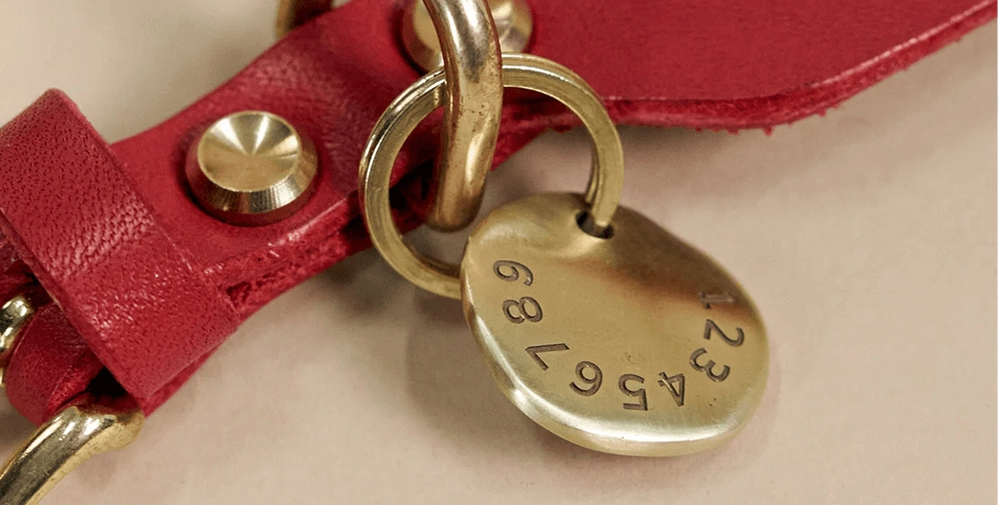
Vegetable-tanned leather is a non-toxic, natural material that is made using plant based tannins instead of harsh chemicals. We think it offers the best, most comfortable and most stylish alternative to any synthetic or shock collar. Here are some of the best benefits!
- Gentle on the Skin Vegetable tanned leather being free from any harmful chemicals means that it is an excellent option for dogs with sensitive skin.
- Long-Lasting and Durable Unlike all of the synthetic material options, vegetable tanned leather ages wonderfully, all whilst keeping its reliability and strength.
- Comfortable Fit Leather is able to rest comfortably on any dog's neck without the risk of causing irritation, abrasions or discomfort to pressure points.
- Eco-Friendly Vegetable-tanned leather is also a biodegradable material, meaning that you as the buyer are playing your own small part in sustainability by reducing potential environmental waste.
Why Collar Choice Matters
We firmly believe that collars should be something that symbolize freedom and security rather than anxiety and punishment. If your pup associates their collar with safety, they will be much more confident and cooperative on the leash.
Training Tools That Don't Harm Your Dog
-
Clickers
Clicker training is a great way to reinforce positive behaviour in your pup. The sound of the click will signal to your pet that a reward is on its way, which helps to form a simple and clear association with good actions. The clicker works because it delivers a precise, consistent marker at the exact moment the dog performs the desired behaviour, bridging the gap between the behaviour and the treat delivery. It is particularly effective for shaping new behaviours and for dogs that respond quickly to clear, consistent signals. Start in a quiet environment: click, then immediately treat. Repeat until the dog reliably looks for the treat after the click. Then introduce the clicker in the context of a specific command. -
Vibration Collars
If you still like the idea of some kind of sensation, then a vibration collar might be appropriate. The vibration is a way to get your dog's attention without causing them pain, and it is a particularly good method for any pups that are hearing impaired. Vibration collars are not shock collars: they use a gentle buzz rather than an electric current. They are best used as an attention cue, not as a punishment device. Pair the vibration with a recall command and reward every return generously. -
Treat Pouches
Always carry a treat pouch with you when out on your walks, as having them readily available is a good way to offer positive reinforcement for good behavior when on the go. The key is immediacy: the treat must be delivered within 2 to 3 seconds of the desired behaviour. A treat pouch worn on the body keeps rewards accessible without fumbling, which is the difference between a well-timed reinforcement and a missed opportunity to build the behaviour pathway. -
Long Training Leads
If you have a longer lead, it will give your dog more freedom whilst still giving you control. Particularly good for recall training because your dog will feel safe as they learn how to respond reliably and smoothly. The long-line is an intermediate tool between on-leash control and full off-leash freedom: it allows the dog to range freely while keeping the handler connected in case of a failed recall. Use it in a safe open space and practice recall frequently, rewarding every return generously.

Frequently Asked Questions: Shock Collars and Humane Dog Training
Are shock collars bad for dogs?
Yes, the scientific consensus is clear. Research shows shock collars elevate cortisol levels (a stress hormone), can increase aggression, and damage the trust between dog and handler. A comprehensive review of 17 peer-reviewed studies concluded that aversive training methods jeopardise both physical and mental health in dogs. The AVSAB formally opposes their use. They are also banned outright in multiple European countries, parts of Australia, and the Canadian province of Quebec.
Do shock collars work for dog training?
They can suppress a specific behaviour in the short term by creating fear of the consequence. However, they do not teach the dog an alternative behaviour, and the suppression is often temporary. Research published in Applied Animal Behaviour Science found that dogs trained with shock collars were more stressed and less engaged than those trained using reward-based methods, making positive reinforcement measurably more effective as a long-term training tool.
Are shock collars legal?
Not universally. Shock collars are banned in Austria, Denmark, Germany, Norway, Portugal, Sweden, Slovenia, Switzerland, Wales, several Australian states, and the province of Quebec. In the United States there is no federal ban, but individual municipalities are considering legislation and major retailers including Petco removed them from sale in 2020. The legislative direction across most developed countries is toward prohibition.
What is the most humane alternative to a shock collar?
Positive reinforcement training, consistently applied with high-value rewards delivered within 2 to 3 seconds of the desired behaviour. This method works with the dog's natural learning mechanism rather than against it, builds the human-dog bond rather than eroding it, and produces durable behavioural change rather than temporary fear-based suppression. Clicker training, long-line training leads, and treat pouches are practical tools that support this approach.
Can a collar cause stress in dogs?
A shock collar absolutely causes stress, as confirmed by cortisol research. A well-fitted, comfortable collar made from a skin-safe material like vegetable-tanned leather does not cause stress in a well-socialised dog. The collar itself becomes a positive trigger if it is consistently associated with walks, rewards, and time with the handler. The problem is specifically the shock delivery mechanism, not the collar as a concept.
What does the AVSAB say about shock collars?
The American Veterinary Society of Animal Behavior formally opposes the use of aversive training methods including shock collars. Their position statement recommends that trainers rely on positive reinforcement, negative punishment (removing something the dog wants), and extinction as the primary tools for behaviour modification. They state that aversive methods can produce fear, anxiety, and aggression and are not necessary given the availability of effective, humane alternatives.
Are vibration collars the same as shock collars?
No. Vibration collars use a gentle buzz to get the dog's attention. They do not deliver an electric current and do not cause pain. They are a useful attention cue, particularly for hearing-impaired dogs, and are not classified as aversive training devices. They work best when paired with positive reinforcement: the vibration signals the dog to look at the handler, and the handler rewards the attention with a treat or praise. This is a fundamentally different mechanism from a shock collar.
Choose Training That Builds Trust
Shock collars suppress behaviour through fear. Positive reinforcement builds behaviour through trust. The research confirms what most dog owners already know instinctively: a dog that wants to work with you will always outperform a dog that is afraid of what happens if it doesn't.
A leather collar from The Lille Björn paired with a treat pouch and consistent positive reinforcement is everything you need to train your dog effectively, humanely, and in a way that strengthens your relationship with every session.