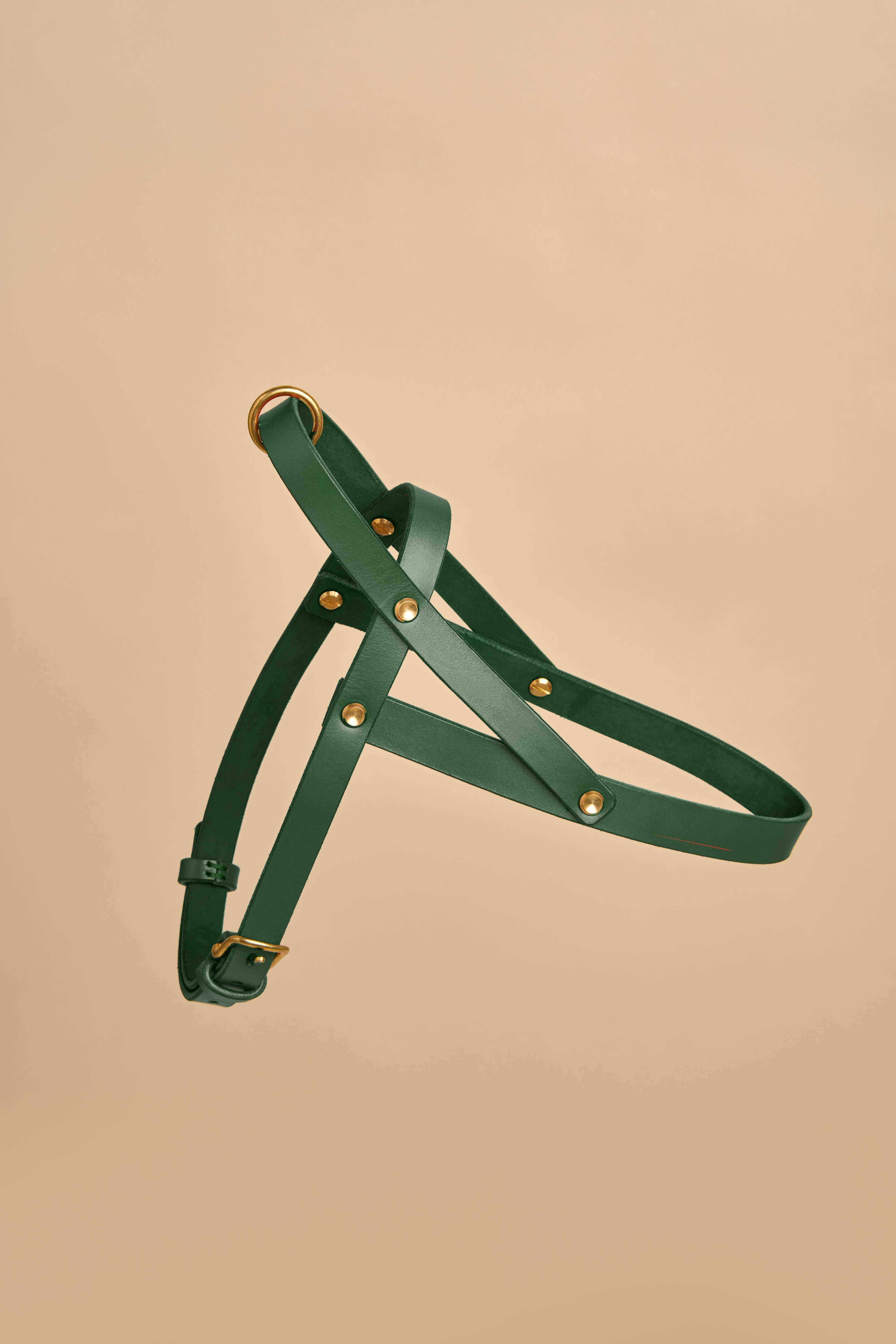
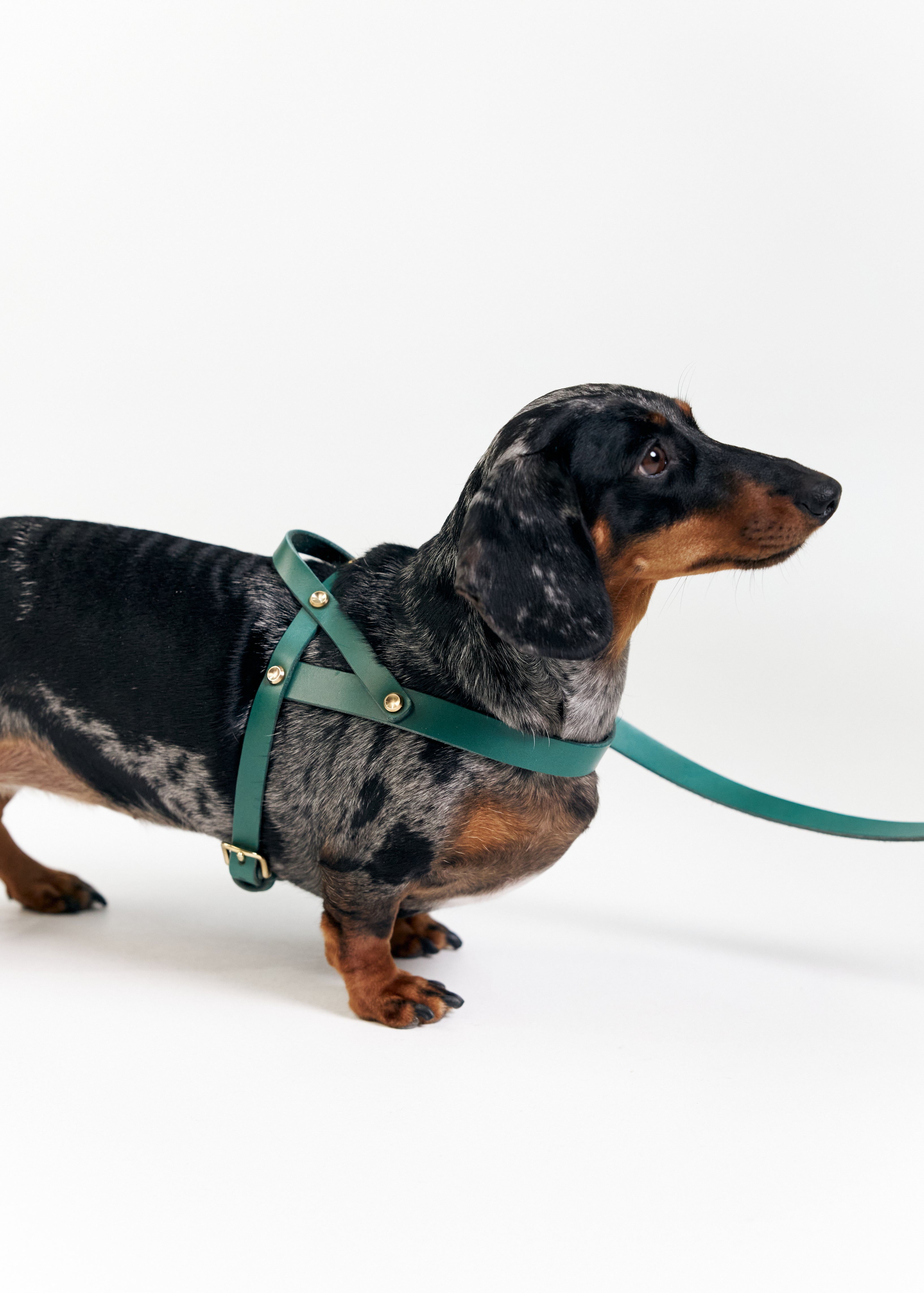
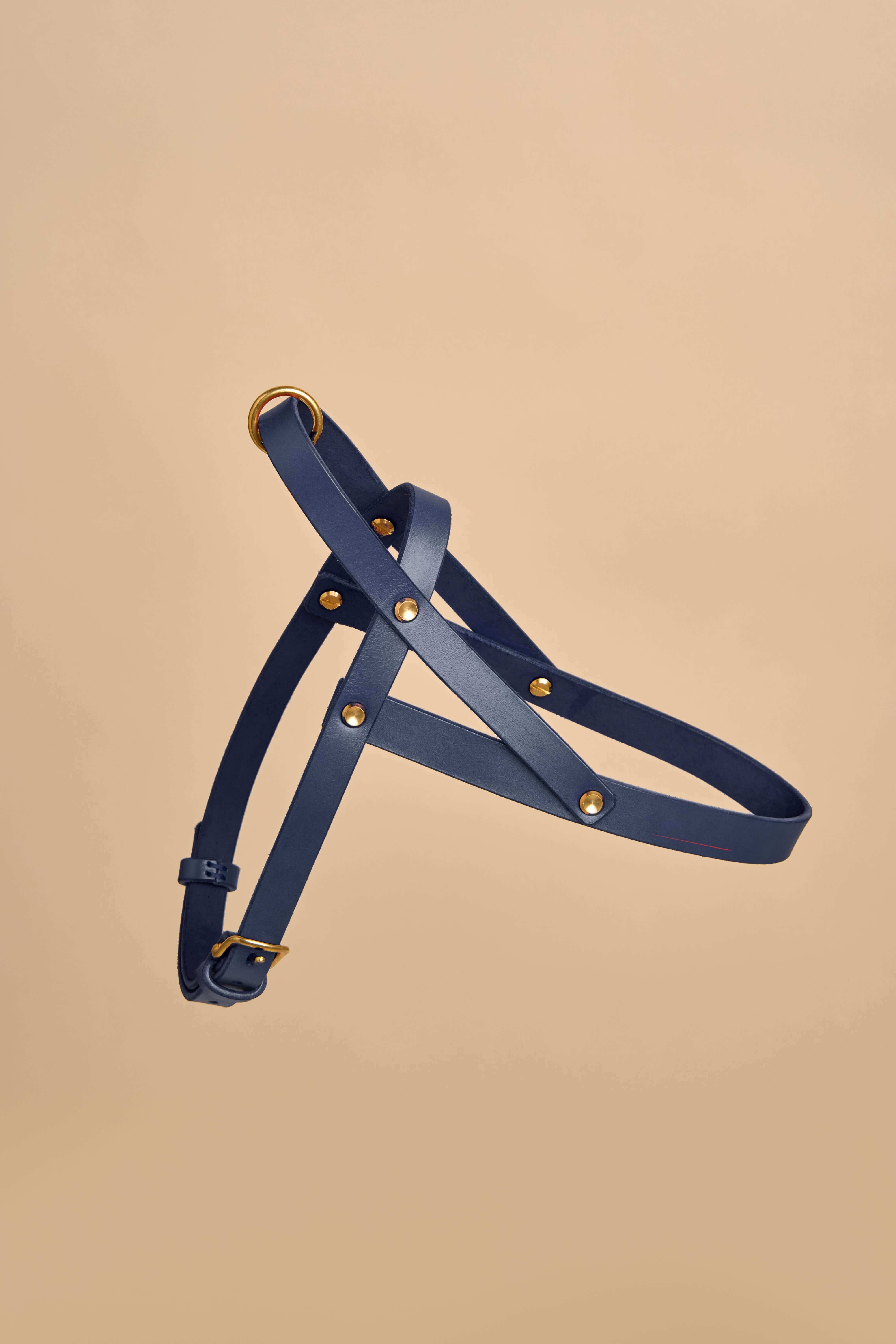
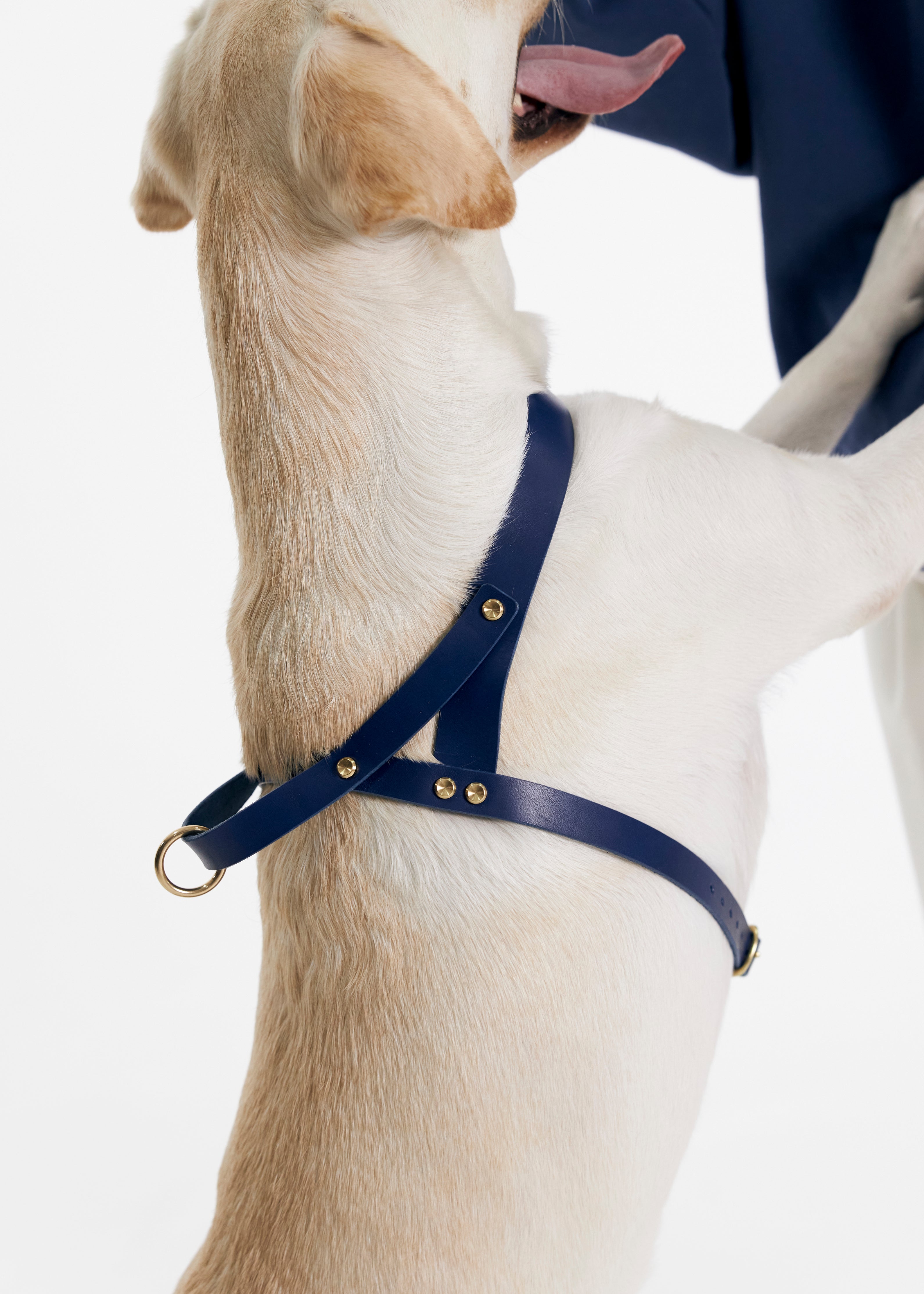
Quick Summary
Yes, removing your dog's collar at night is generally recommended, and most vets and animal welfare organisations consider it the safer and more comfortable choice for the majority of dogs. The core reasons are entanglement risk during sleep (particularly in crates), skin irritation from continuous wear, and the simple comfort benefit of removing pressure from the neck during rest. That said, there are legitimate exceptions such as a new rescue dog still adjusting to home life, a dog that spends time outdoors overnight, or a dog wearing a medically prescribed collar where keeping the collar on overnight is appropriate. The right answer depends on your dog's individual situation.

Can Dogs Sleep With Their Collars On?
Technically yes and many dogs do so without immediate incident. But "technically possible" is not the same as "recommended." The risks of overnight collar wear are not theoretical; they are specific and well-documented:
- Entanglement: collars particularly those with D-rings or ID tags can catch on crate bars, bedding loops, furniture legs, and even the dog's own dew claw during active sleep or position changes. A collar that catches during sleep can cause sudden neck compression, panic, and injury. The risk is low on any given night but cumulative over years of nightly wear.
- Skin and fur deterioration: eight hours of uninterrupted collar contact prevents the neck skin from breathing, recovering from daytime friction, and releasing the moisture that accumulates under the collar during walks and activity. Over weeks and months this creates the conditions for irritation, fur thinning, and bacterial growth at the contact zone, damage that develops slowly and is often only noticed when it becomes visible.
- Sleep disruption: dogs wearing collars scratch, adjust, and fidget more during sleep than those without. Even a well-fitted collar creates enough awareness to reduce rest quality for lighter sleepers.
The answer to "can dogs sleep with their collars on?" is: yes, but the better question is whether there is a good reason to do so. For most indoor companion dogs, there is not.
Reasons to Remove Your Dog’s Collar at Night
Even if you have never thought about taking your dog’s collar off at night before, it’s never too late to make a positive change that can improve their happiness in ways that you might not have considered before. Even the best dog parents can learn a few new things here and there! Let’s take a look at some of the biggest reasons why it can be a good idea to get into the habit of removing your dog’s collar before settling down for the night.
Safety Risks
Without doubt, one of the most persuasive reasons to remove your dog’s collar at night is to prevent and reduce any potential safety hazards. When operating around smaller spaces indoors (we’re thinking crate bars or parts of furniture), there is a real risk of entanglement that could lead to panic and more serious injury. Your pup might be especially vulnerable to this if they are super active or a restless sleeper. Even a momentary catching of a collar on something can cause enough shock to start a real problem, so it’s better to avoid altogether!
Dogs that are being crate trained are particularly at risk in this scenario, as any snagging on bars or fasteners within the crate could lead to a drama when you aren’t around to fix it. The simplest way to remove this potential problem from your home is to remove the collar, it really is as simple as that! After all, what purpose is the collar doing when the dog is confined and secure anyway?
The entanglement risk is higher than most owners appreciate because it does not require a dramatic scenario to become dangerous. A simple loop in bedding, a protruding screw on a crate panel, or a gap in furniture can be enough. The AKC specifically advises removing collars when dogs are in crates unsupervised, a recommendation that applies with equal logic to overnight sleep in any environment.
Skin Health
Constant collar use can run the risk of causing your pup levels of redness and skin irritation, sometimes even infections. This is especially the case if you already know that your dog has a history of sensitive skin and allergies. When a collar, particularly a cheaper collar, is left in constant contact with the neck, the dirt and moisture that starts to accumulate underneath provides the perfect environment for nasty bacteria to spread. If left unaddressed, this can lead to things like sores and hair loss for your poor pup.
By simple removing their collar at night, you are giving your dog’s skin a change to recover and breathe. Reducing friction and pressure as they sleep helps them to be more comfortable overall, and definitely goes a long way to preventing any long term skin damage. It’s important to keep on top of this by regularly checking your pup’s neck for any signs of redness or irritation.

Comfort
Imagine yourself going to bed every single night wearing a tight necklace or other accessory. Not the comfiest, right? Well, that’s exactly how your pup feels! Even the smallest amount of extra discomfort can have massive impacts on sleep, and we all know that if your dog can’t sleep, you probably won’t be getting much rest either!
Studies have shown that dogs get a better quality of sleep when their collars have been removed, simply because they are less likely to do things like scratch, paw, fidget and adjust position frequently. The bottom line is that a well rested pup makes for a well rested owner, and a much happier and healthier relationship between the two of you.
Appearance
Another factor in the pro column for removing a collar at night is that it can help to keep your pup’s appearance looking better. Continuous collar use can run the risk of causing tangling and matting of the fur around the neck, especially if your canine companion has lovely flowing locks! This can, obviously, make the effort of grooming more challenging over time.
Taking the collar off at night can give the fur around the neck area a chance to relax and restore its natural texture after a day of sweat and friction. Your pup will be happier, and you will have a much easier time when it comes to grooming sessions.
When It's OK to Leave Your Dog's Collar On Overnight
Collar removal at night is the general recommendation but it is not a universal rule. There are specific, legitimate circumstances where leaving a collar on overnight is the right call:
- New rescue or rehomed dogs: a dog recently placed in a new home may not yet be reliably recall-trained or comfortable with the collar removal routine. In the early weeks, keeping the collar on provides a means of identification and capture if the dog becomes distressed and escapes overnight. As trust builds and the dog settles, transition to nightly removal.
- Dogs with outdoor access: any dog that spends time in an unsecured garden or outdoor space overnight should wear identification at all times. The ID value of the collar outweighs the comfort benefit of removal for these dogs.
- Dogs wearing medically prescribed collars: anxiety collars, post-surgical collars, and medically supervised flea treatment collars (such as the Seresto) have their own overnight guidance set by veterinary prescription. Always follow your vet's specific instructions for any medically functional collar and do not apply the general "remove at night" guidance to a collar that has been prescribed for a specific purpose.
- Dogs that become anxious at collar removal: some dogs particularly those rescued from difficult early environments develop anxiety responses to collar removal that make the routine more harmful than helpful. If your dog shows significant distress when the collar is removed, consult a certified behaviourist before implementing nightly removal. The benefit of removing the collar must outweigh the cost of the anxiety cycle it creates.
A Note on Flea Collars, Seresto, and Bark Collars Overnight
This guide covers standard flat and rolled dog collars. Medically functional collars including flea and tick treatment collars (including Seresto), bark collars, and GPS tracking collars have their own specific overnight guidance that is set by the manufacturer and your vet, not by the general comfort and safety principles in this post.
For flea and tick collars (Seresto and similar): these collars are typically designed for continuous 24-hour wear as their active ingredients work through sustained skin contact. Follow the product instructions. If your dog shows skin irritation at the collar contact zone, consult your vet before removing, skin reactions to flea collars warrant veterinary assessment rather than self-management.
For bark collars: these should not be worn overnight. Static, vibration, and spray bark collars are training tools designed for supervised, time-limited use and not continuous or overnight wear. Remove them whenever the training session ends.
Can You Leave a Dog Collar On All Day?
Yes, daytime collar wear throughout the day is entirely normal and appropriate for the vast majority of dogs. Collars serve their primary purpose during the day: identification, lead attachment, and control during walks and outdoor activity. There is no welfare concern with a well-fitted collar worn during supervised waking hours.
The considerations arise at the edges of this:
- 24-hour continuous wear without breaks: leaving a collar on continuously day and night, without any removal accumulates skin and coat contact without recovery periods. Over weeks and months this increases the risk of fur thinning, moisture-related skin irritation, and the invisible hardware wear where the D-ring and buckle contact the skin. Daily or nightly removal for even a few hours addresses this without any compromise to daytime function.
- All-day wear in hot or wet conditions: a collar that gets wet and stays on through the rest of the day after a swim, a rainy walk, or an active outdoor session traps moisture against the neck and is one of the primary causes of collar-related bacterial skin infections. Remove and dry the collar before returning it after any significant wet exposure.
- The practical approach: wear the collar all day during active, supervised hours. Remove it at night. This simple routine eliminates the meaningful risks of continuous wear without removing identification and control during the period they are actually needed.
The Best Collar for Sleeping Dogs By Sleep Style
If your dog wears their collar overnight or you simply want the most comfortable collar for the hours between walks your dog's sleep position affects which collar design causes the least disruption.
- Back sleepers (dogs that sleep on their back with their neck extended): a flat collar with a low-profile buckle sits most comfortably in this position. The flat band distributes contact evenly and the extended neck position means a correctly fitted collar creates minimal pressure. Avoid collars with large decorative hardware or thick D-rings that press into the back of the neck in this position.
- Side sleepers (the most common position — dogs curled or lying on their side): the collar rests against the lower side of the neck and the sleeping surface. A slim flat collar or a rolled leather collar minimises the contact point and reduces the chance of a buckle or ring pressing into the neck during prolonged side lying. This is the sleep style where a rolled collar's narrow profile offers a genuine comfort advantage over a wide flat collar.
- Heavy or restless sleepers (dogs that change position frequently, roll, and move through the night): these dogs have the highest entanglement risk from overnight collar wear. If keeping a collar on overnight is necessary for this sleep type, choose a quick-release collar over a buckle design, the breakaway mechanism reduces the consequence of any snagging event. Better still, remove the collar entirely and use a microchip for overnight identification security.
How to Choose the Right Collar for Daytime Use
Okay, so you’ve decided to remove your dog’s collar at night to give them and their skin a little more freedom, but that doesn’t take away the consideration for the daytime. You still need a great quality collar to serve you when out on your daily walks with your furry friend. Choosing a collar might not feel like the most difficult task in the world, but it is important to make sure you tick off a crucial list of requirements in order to end up with the right one. Here are the two biggest factors in our opinion.

Material Matters
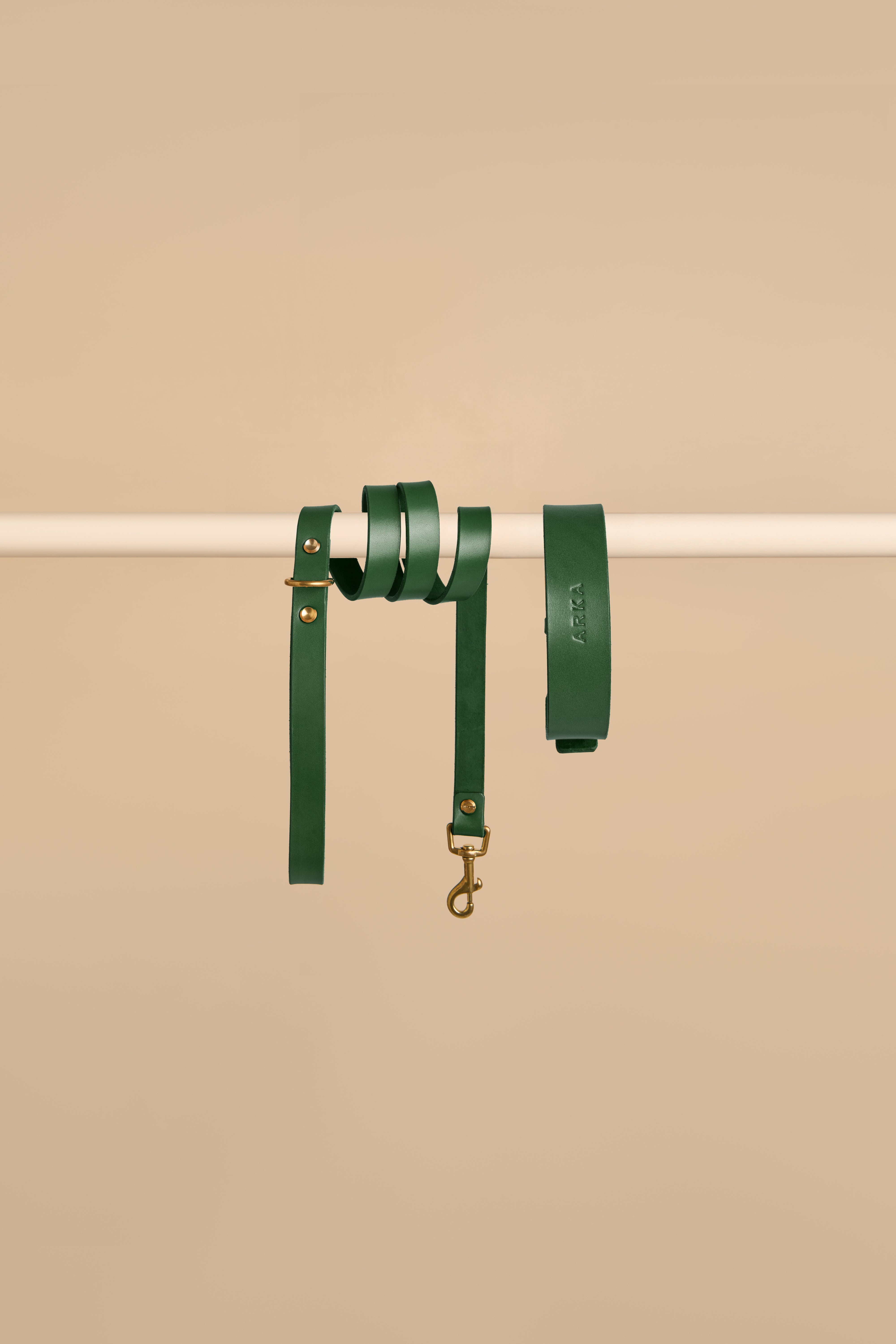
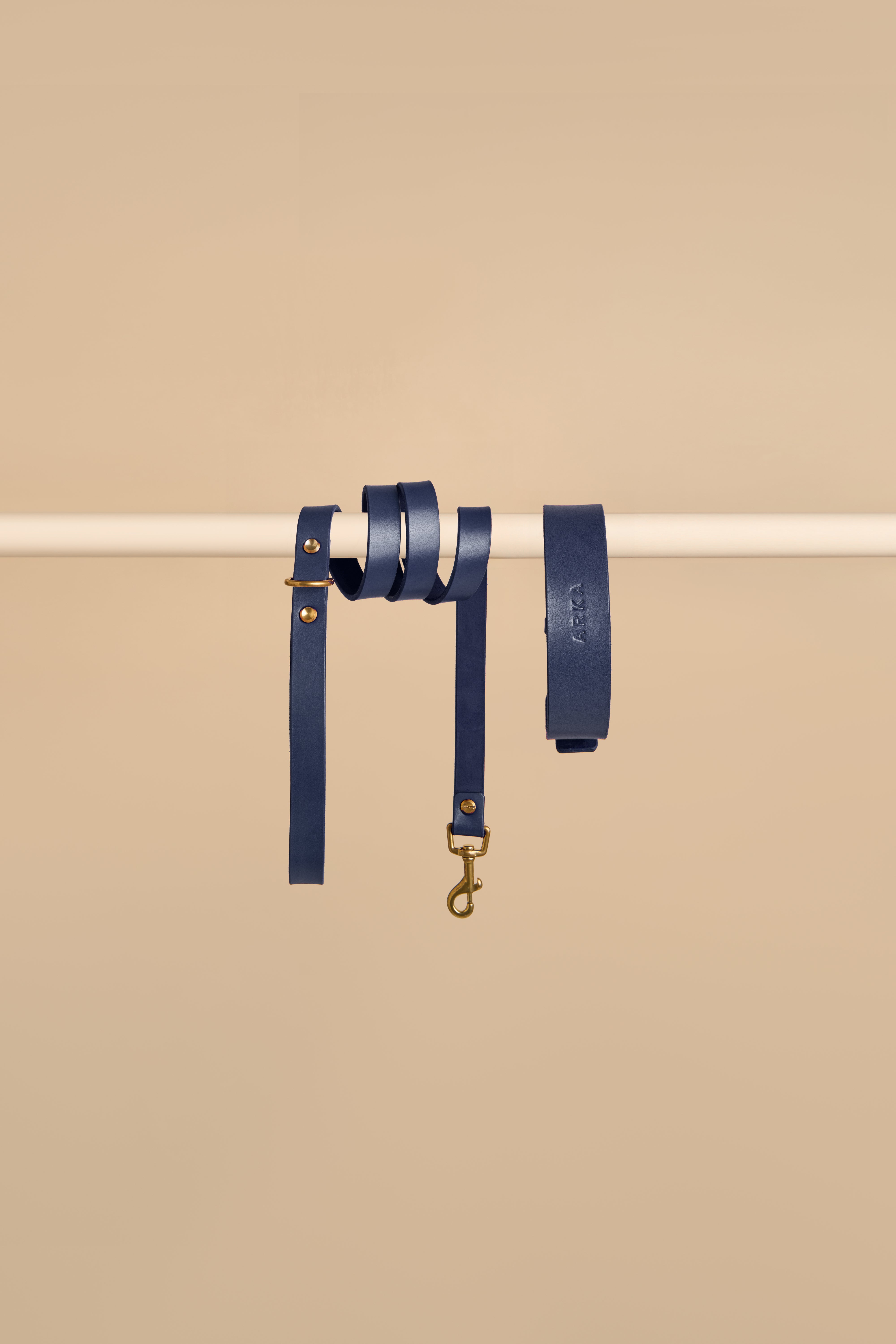
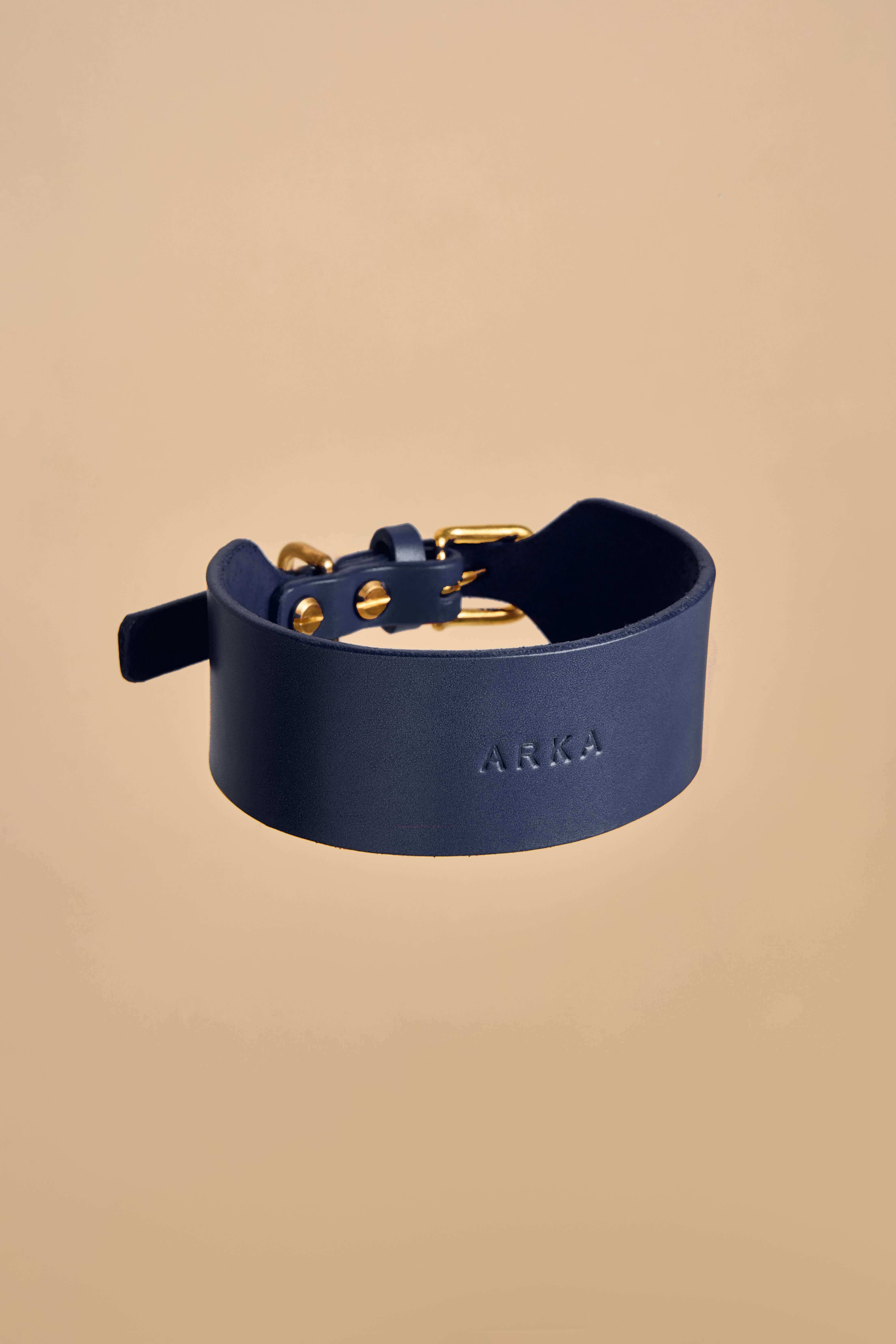
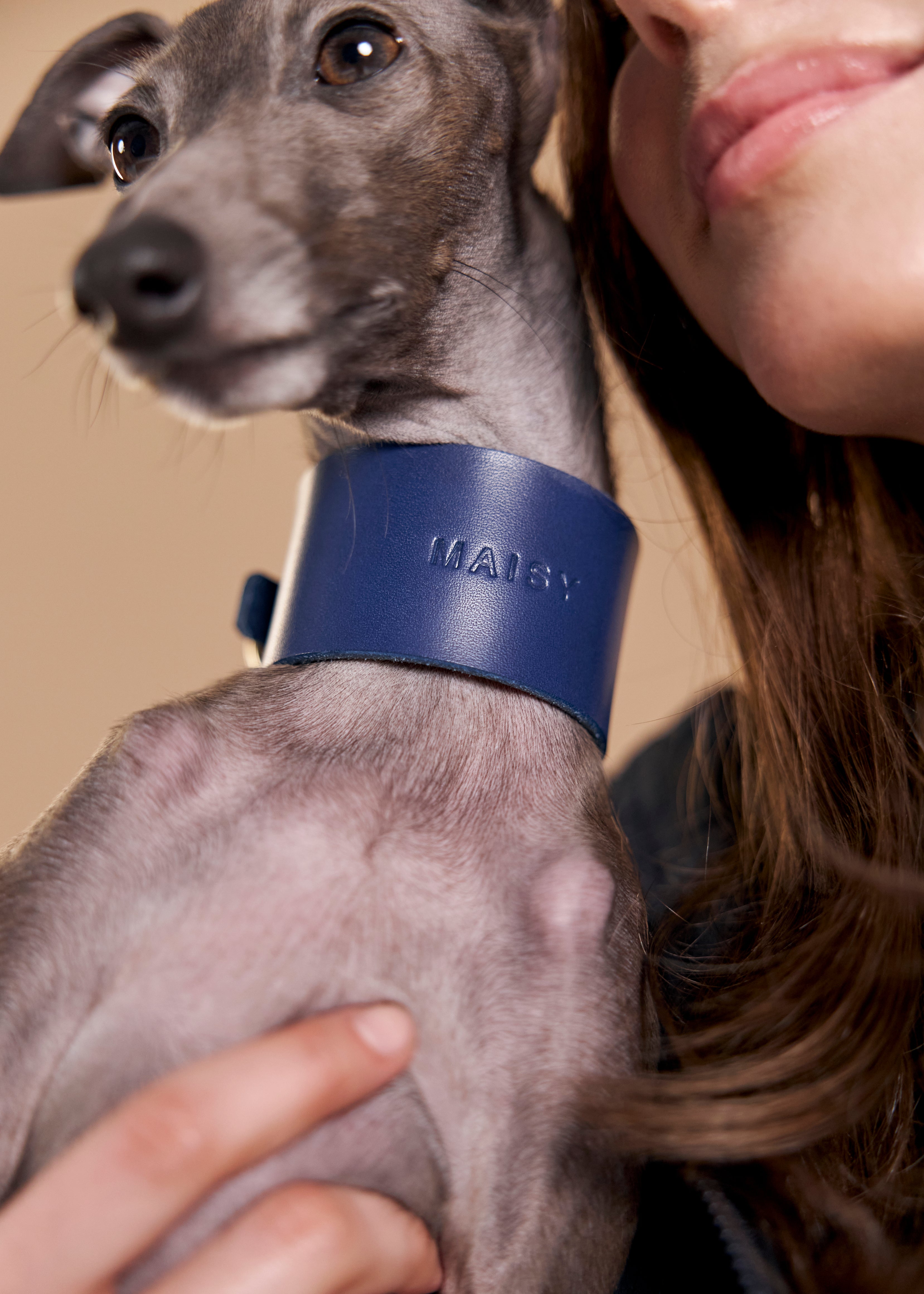
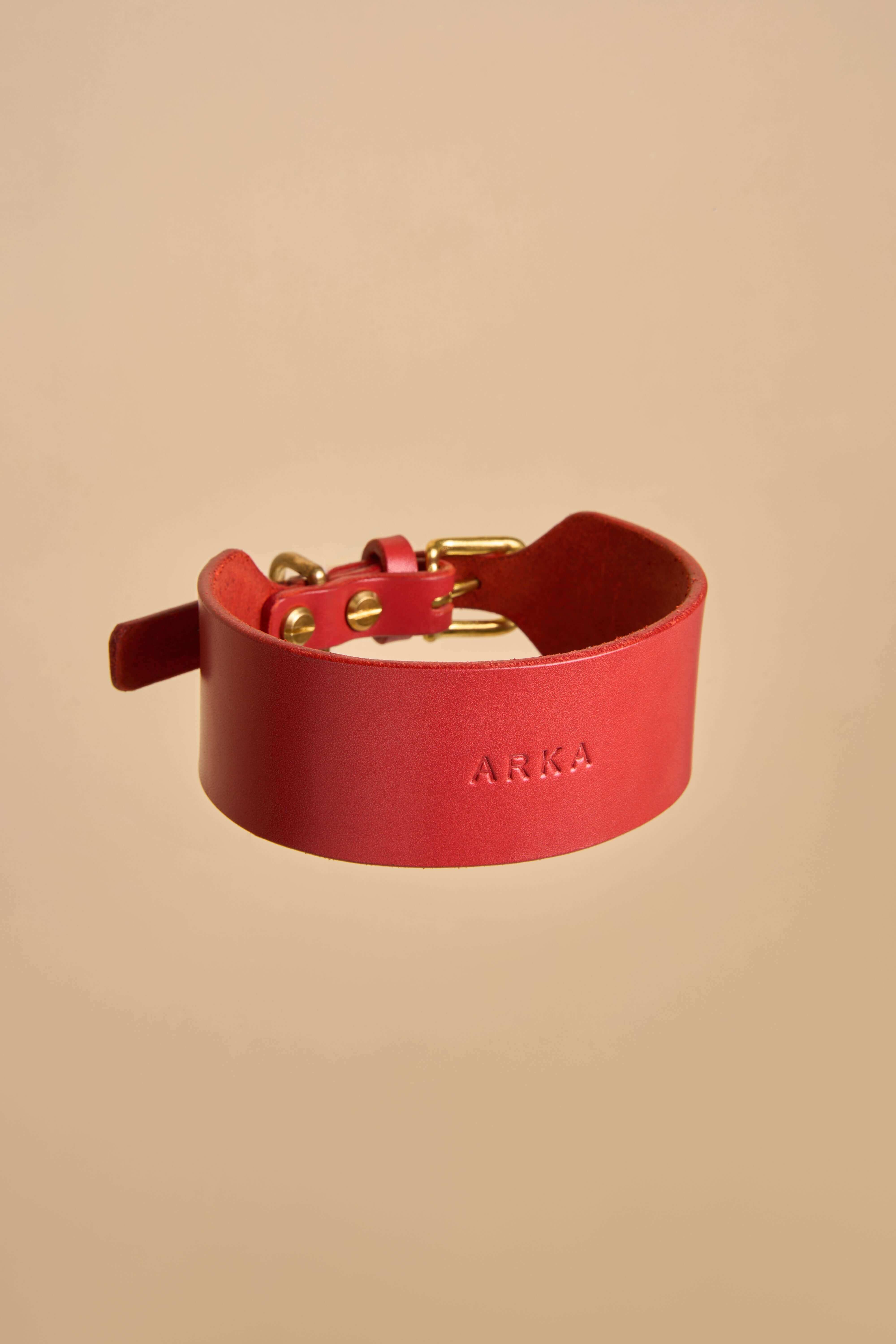
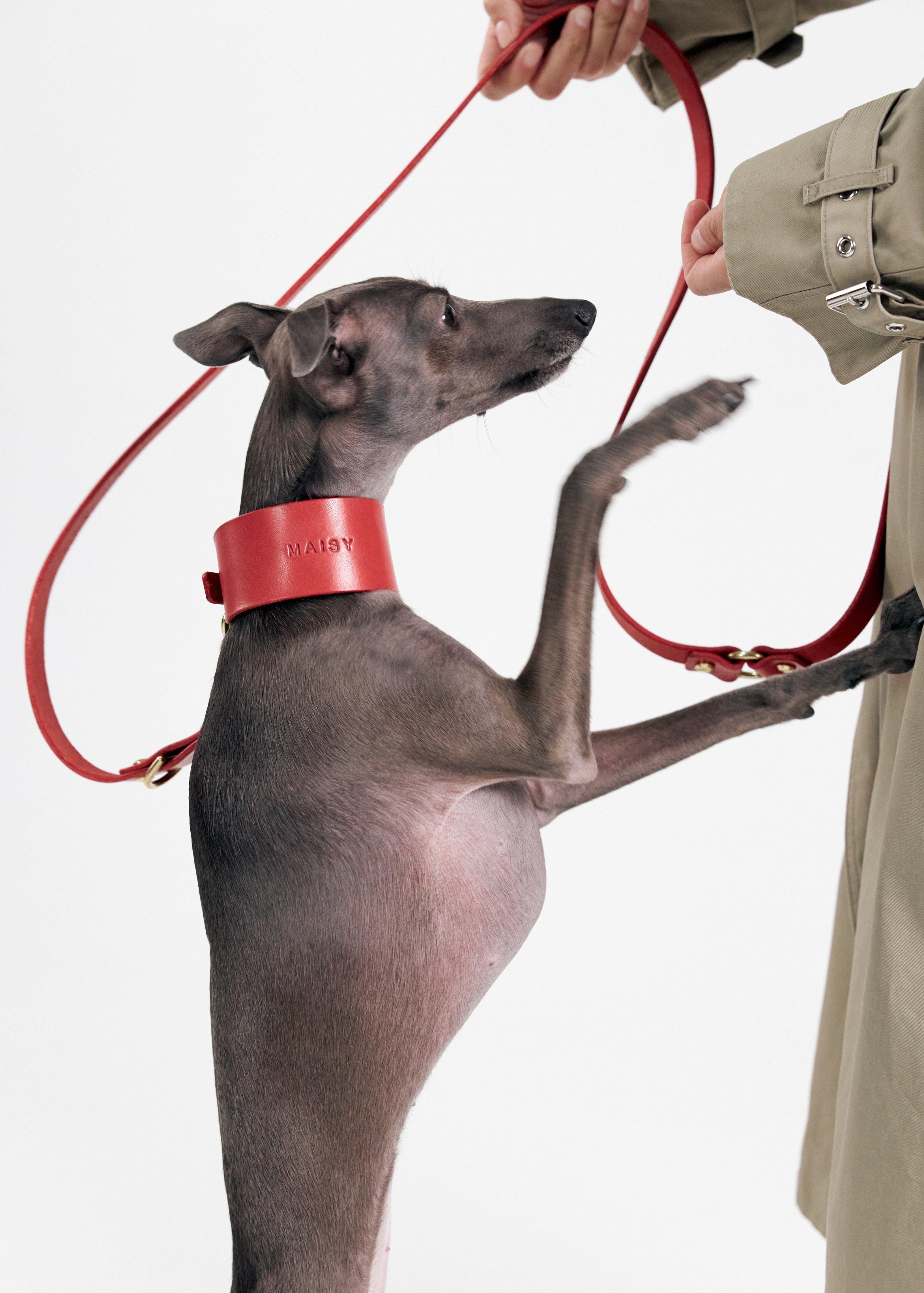
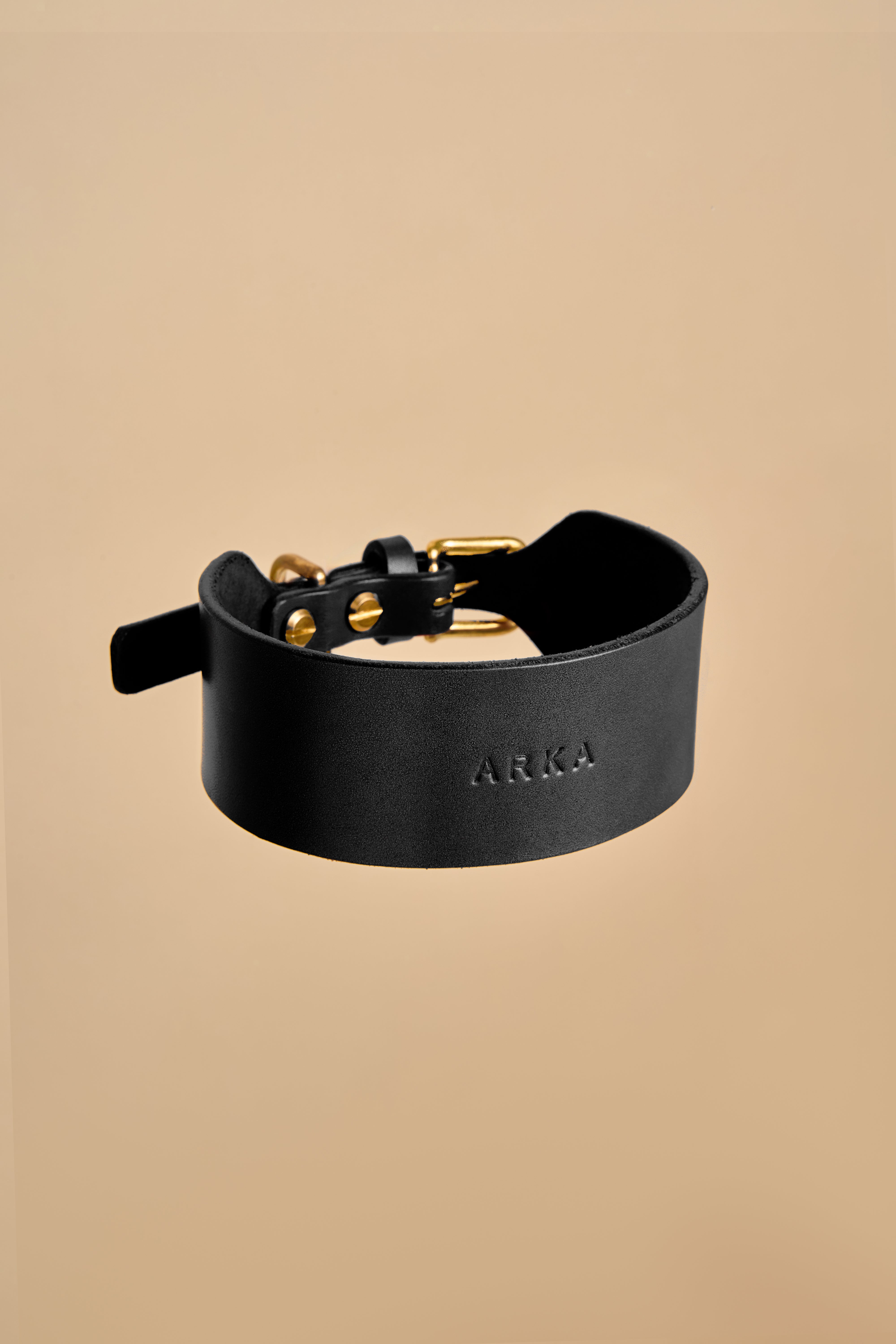
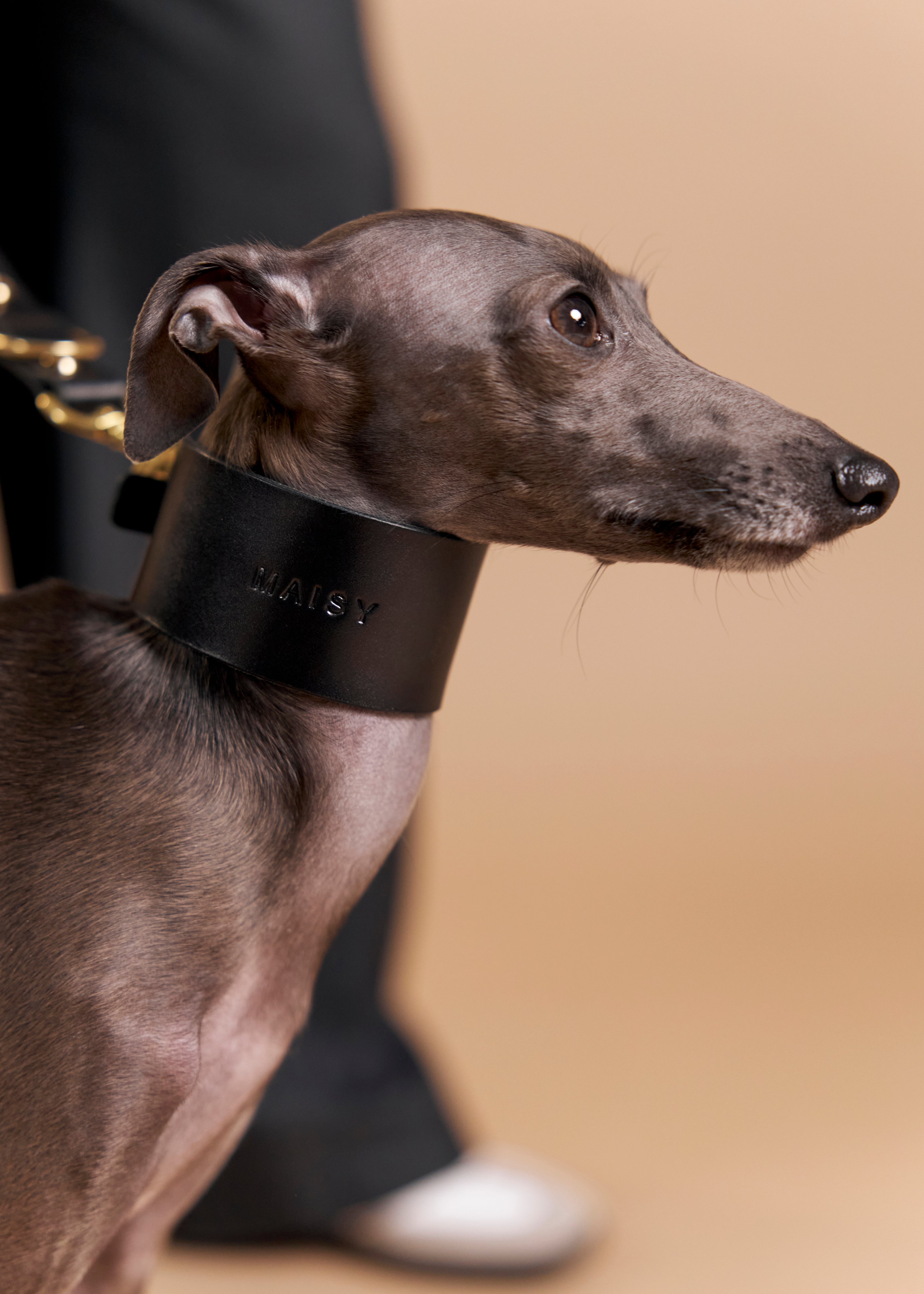
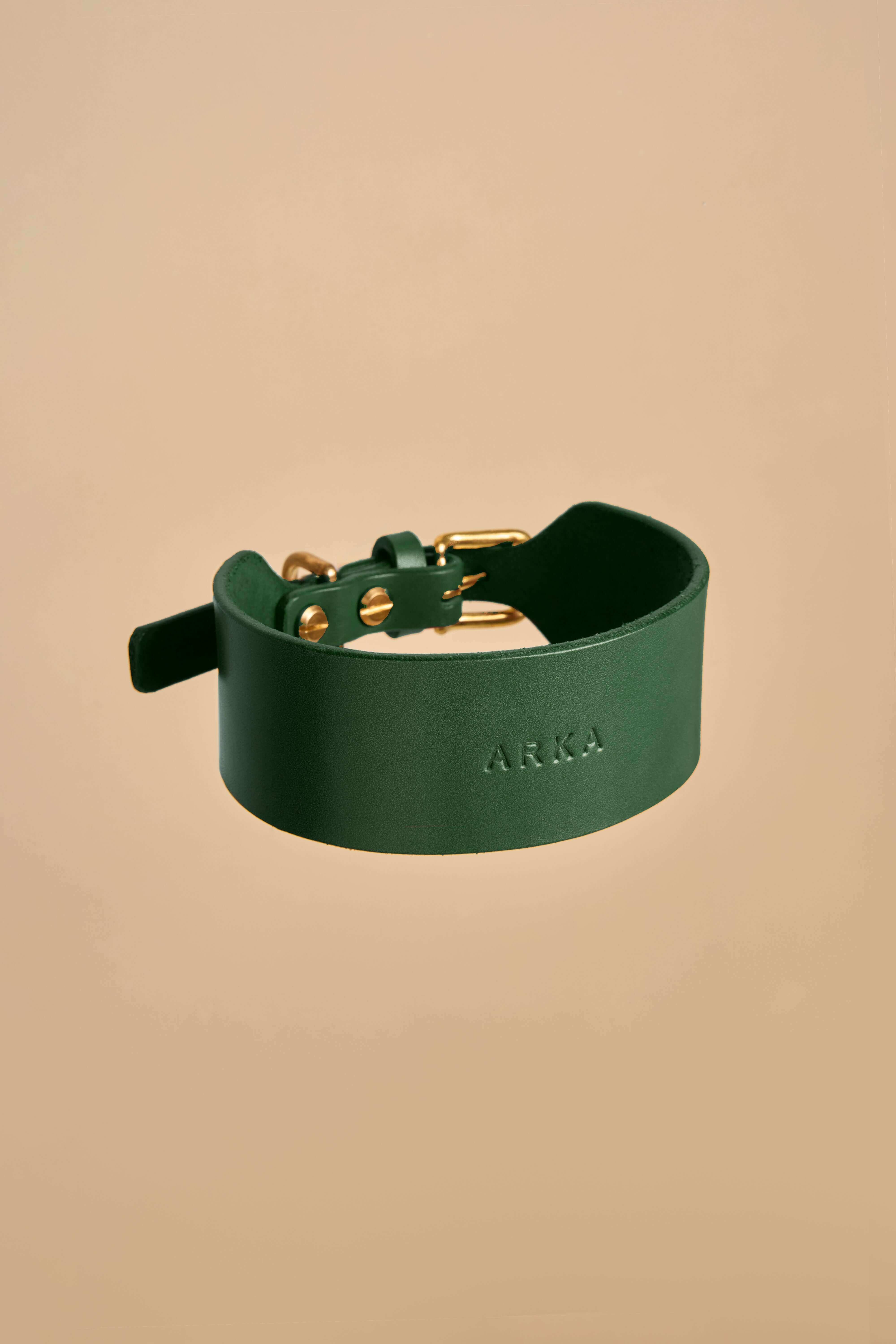
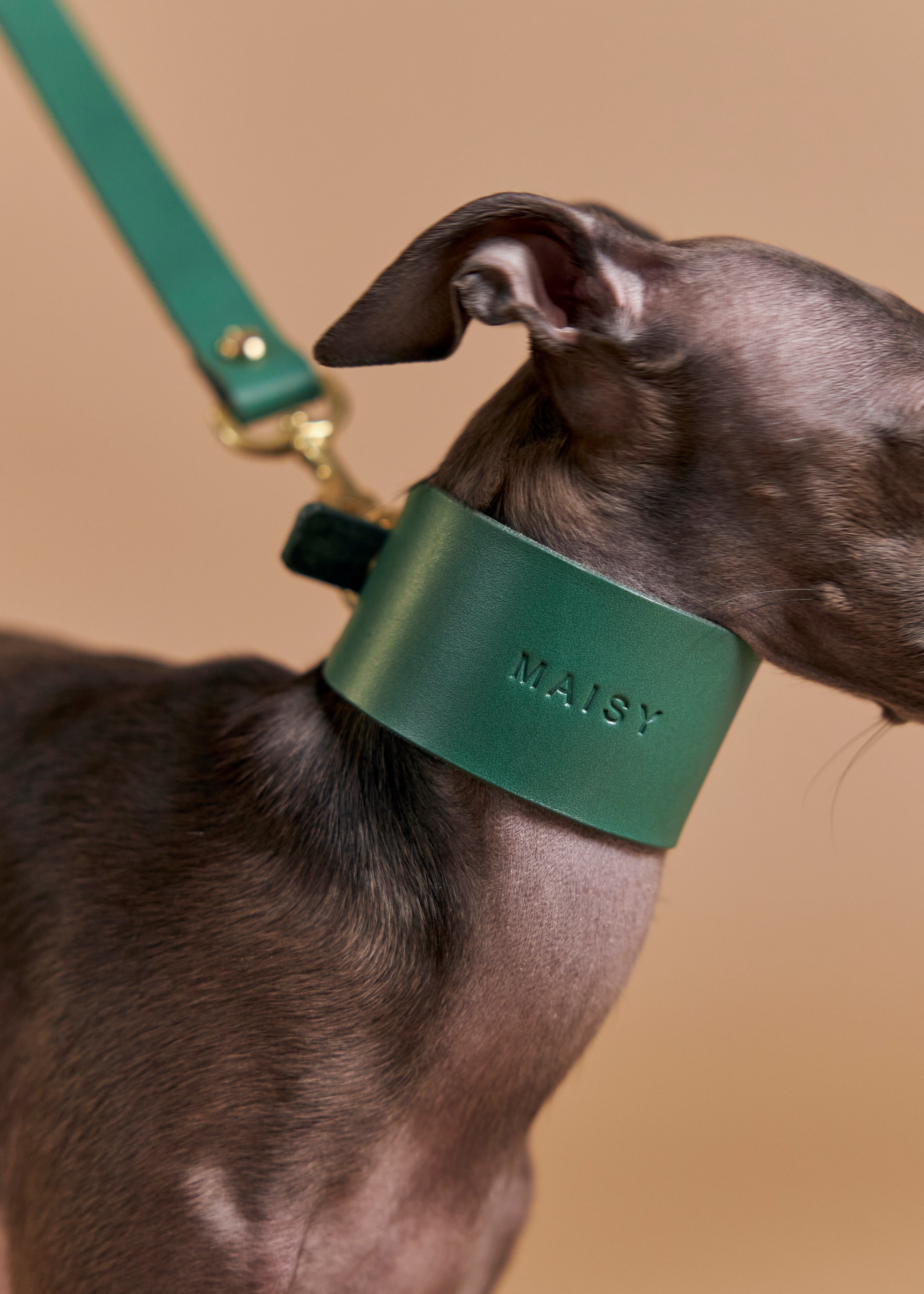
Selecting the right material for your dog’s collar is one of the most important factors when it comes to safety and comfort. You can avoid a lot of the skin issues we have mentioned above by opting for a hypoallergenic material like vegetable tanned leather, which is absolutely ideal for pups with sensitive skin. Vegetable tanned leather is durable, soft and importantly free from harmful chemicals that are responsible for irritating skin. Not to mention, it ages incredibly well and gets even more comfortable with repeated use!
Our golden rule is to avoid synthetic material collars at all costs, as the dyes and chemicals used pose too much of a risk for skin irritation. Keep it natural!
Fit and Durability
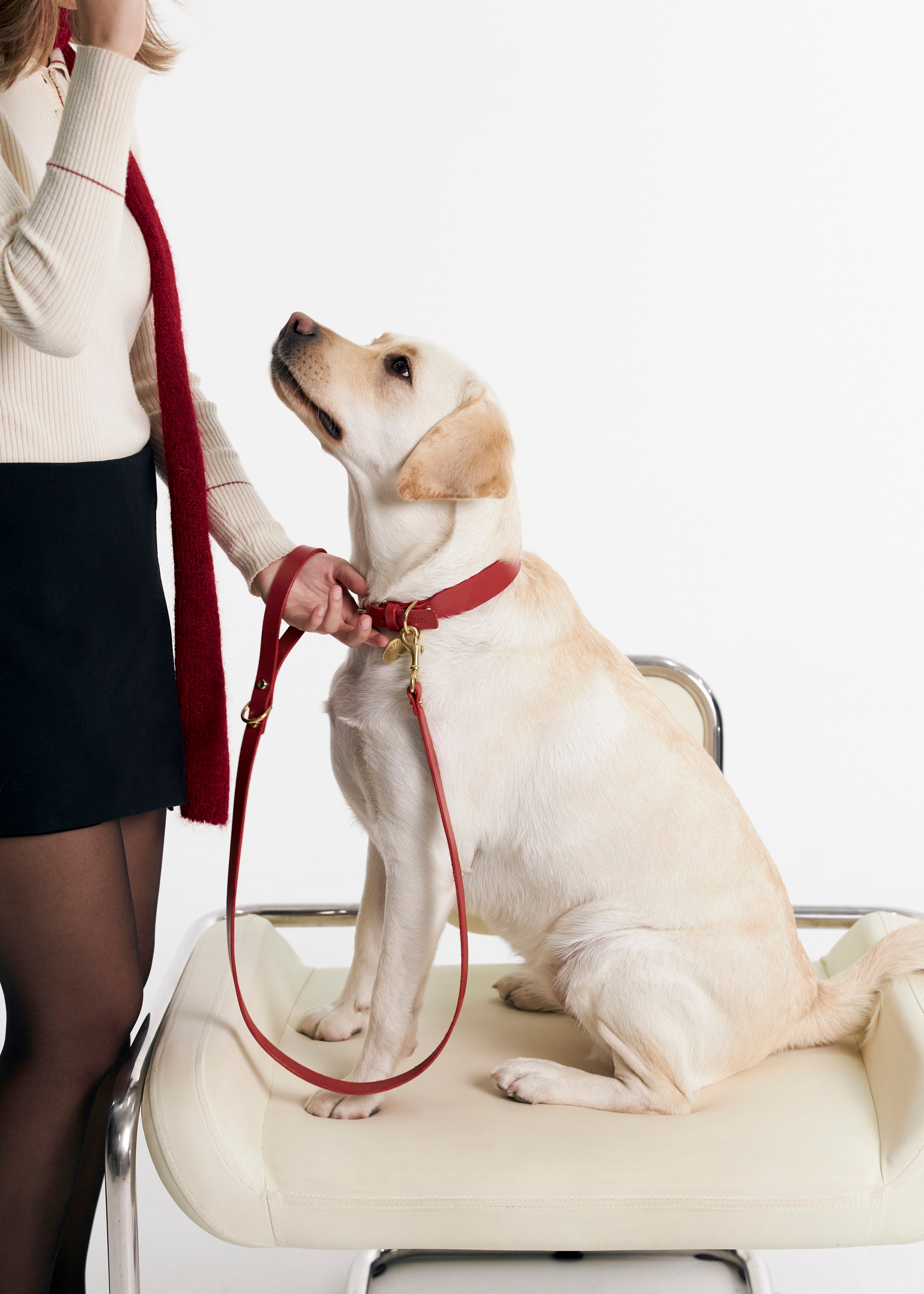
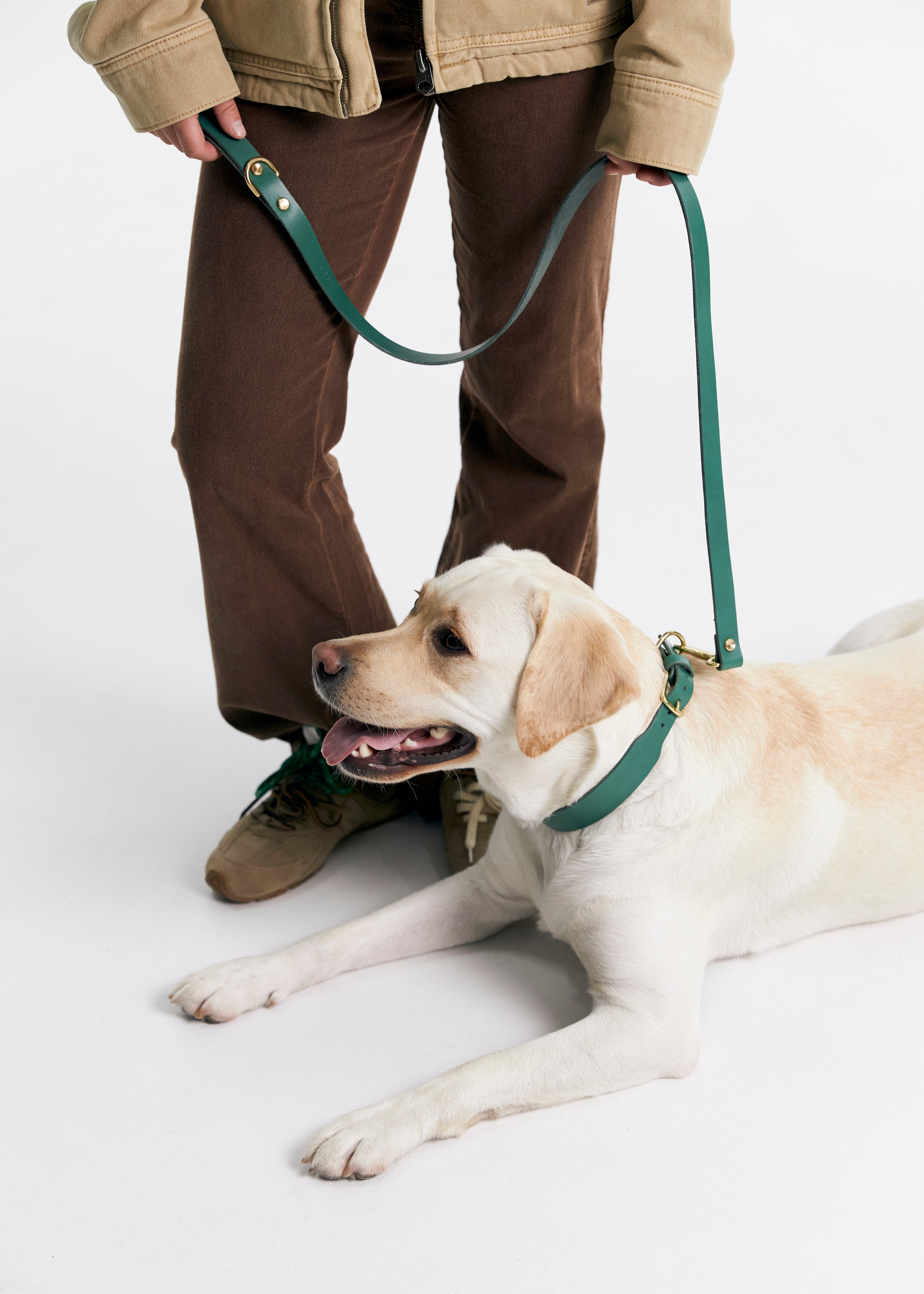
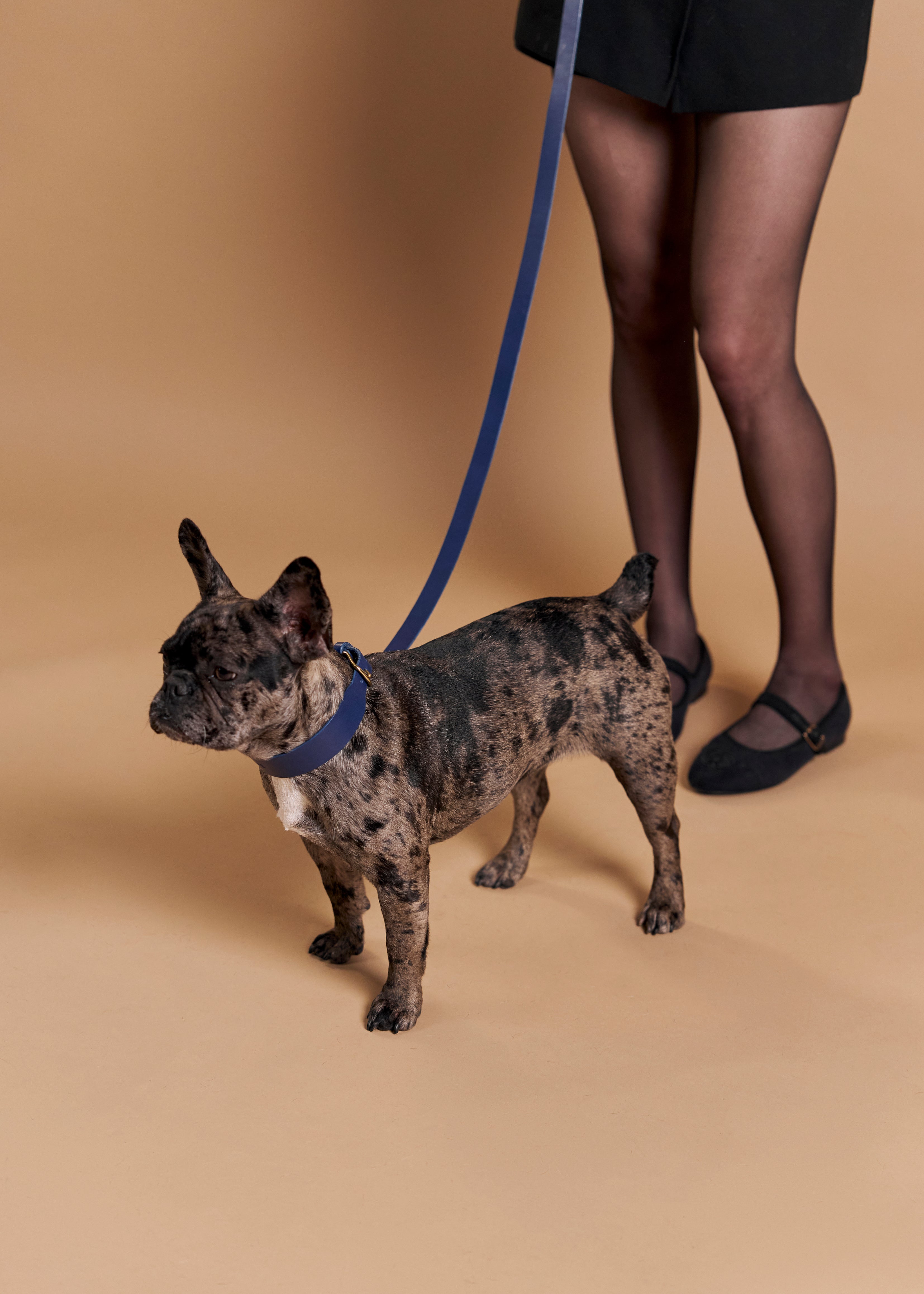
There’s no getting away from the fact that a well fitted collar is the number one consideration when thinking about your dog’s daily comfort and safety. A quick and effective trick we recommend is the ‘two finger rule’. This is the practice of always making sure that you can fit two fingers snuggly between your dog’s collar and neck when securing it. If it's too tight, it can restrict breathing and cause irritation, but if it's too loose, it might slip off altogether at the worst possible moment.
When you take your pup’s collar off at night, it can be an ideal moment to perform a regular inspection of it. Look out for signs of wear and tear like broken buckles and fraying. When it starts to show too many signs of age or damage, it’s time to replace it with a newer, safer model.
To avoid having to replace your collars so frequently, we don’t just recommend investing in the high quality vegetable tanned leather we love so much, but also in adjustable collars that can be resized to fit a growing pup comfortably over time. If your dog is of a breed that shoots up faster than you blink, then this is pretty much an essential!

The Simple Routine That Makes the Most Difference
Nightly collar removal does not need to be a complicated decision. For the majority of indoor companion dogs sleeping in a supervised home environment, the routine is straightforward: collar off at bedtime, collar on before the morning walk. Ten seconds each way, and the cumulative benefit over months and years is real, better skin health at the contact zone, improved sleep quality, and one less entanglement risk in the overnight environment.
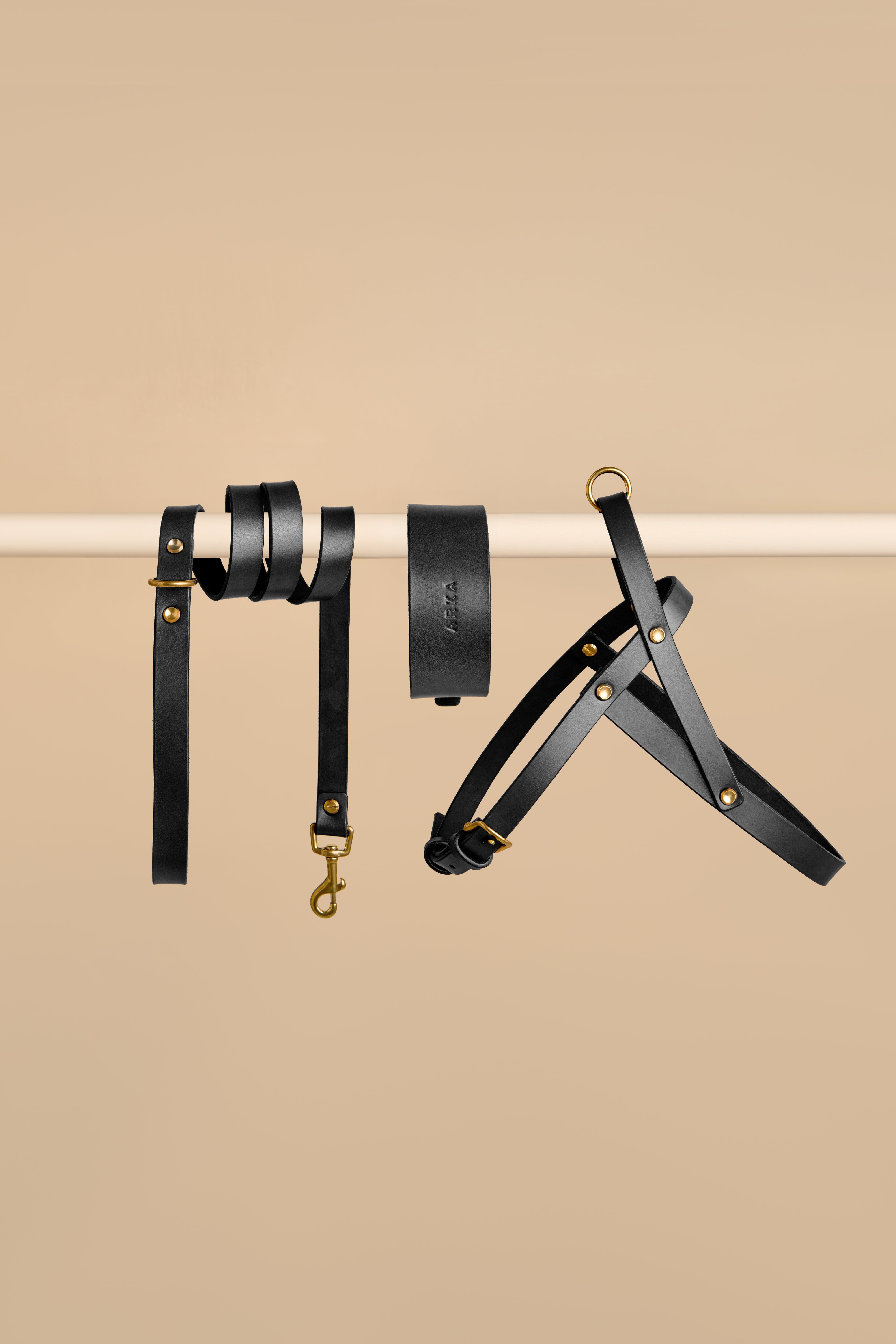
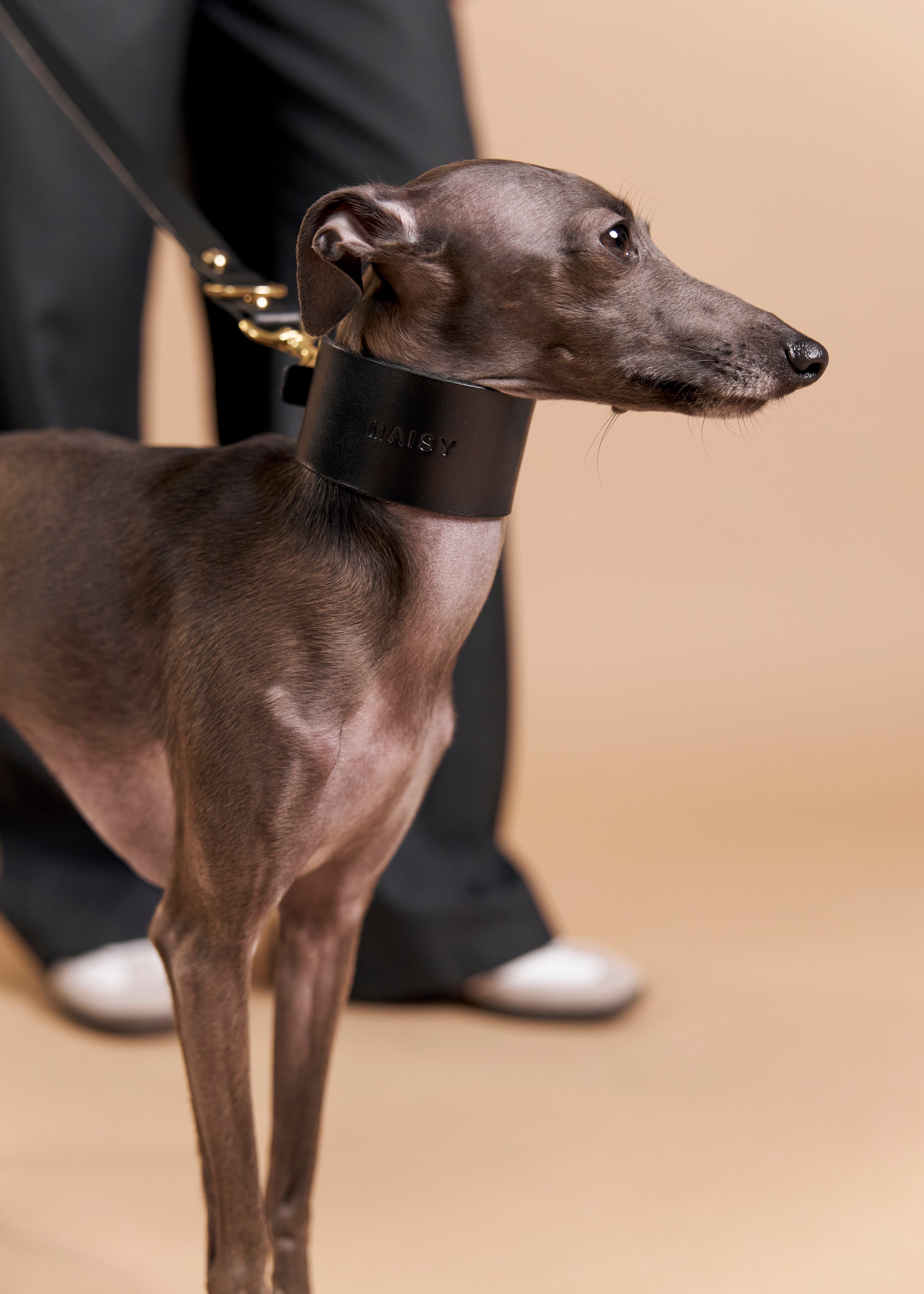
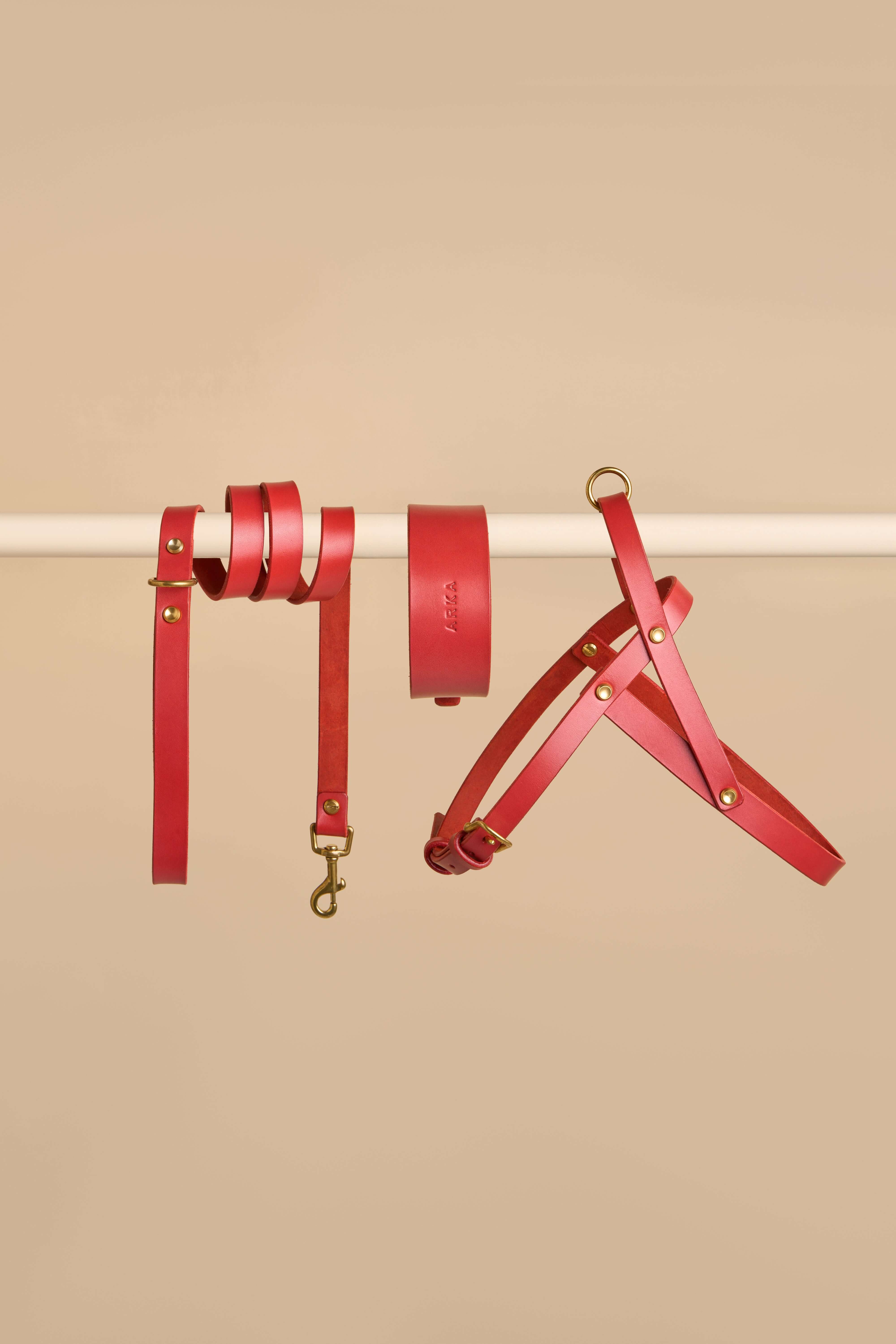
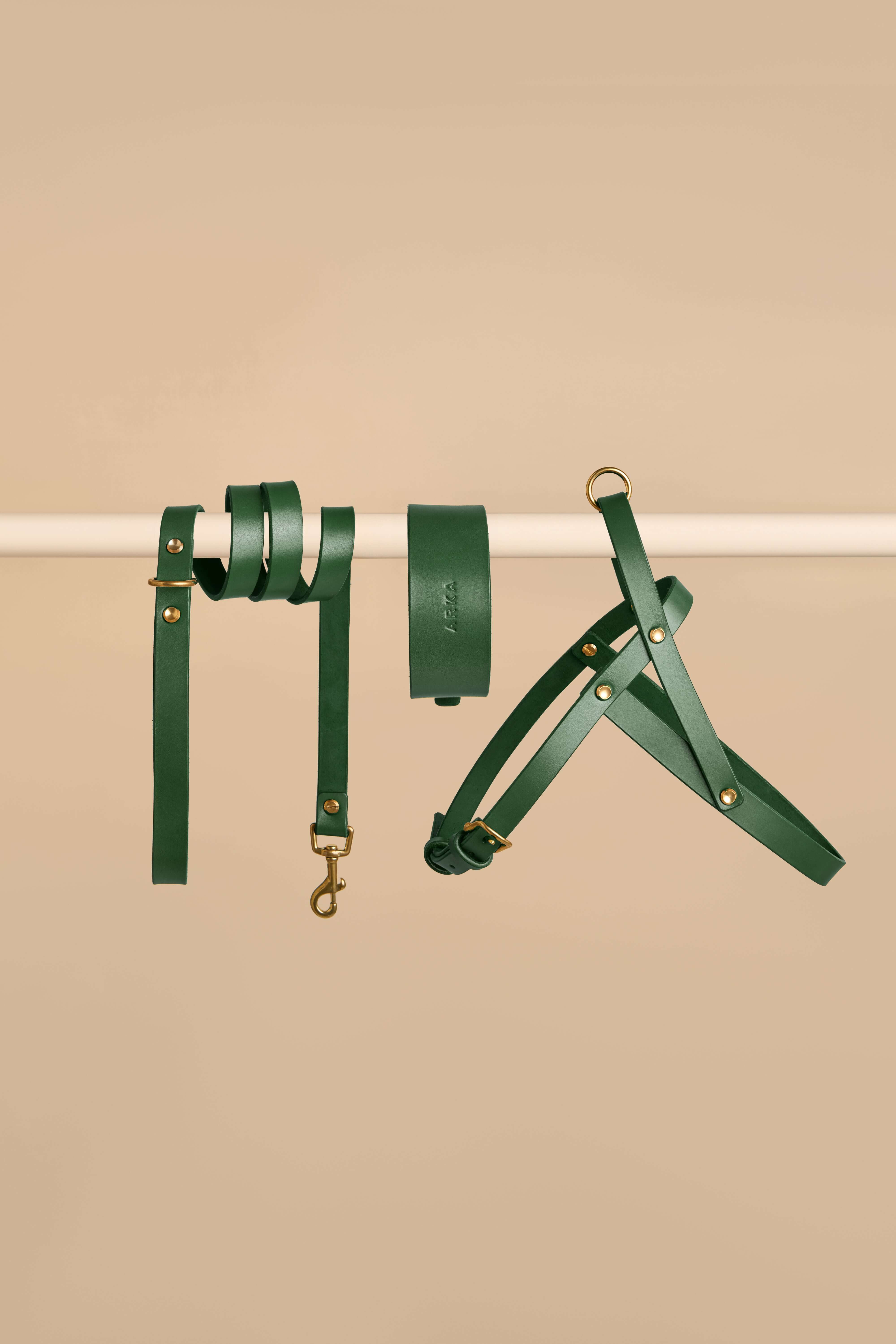
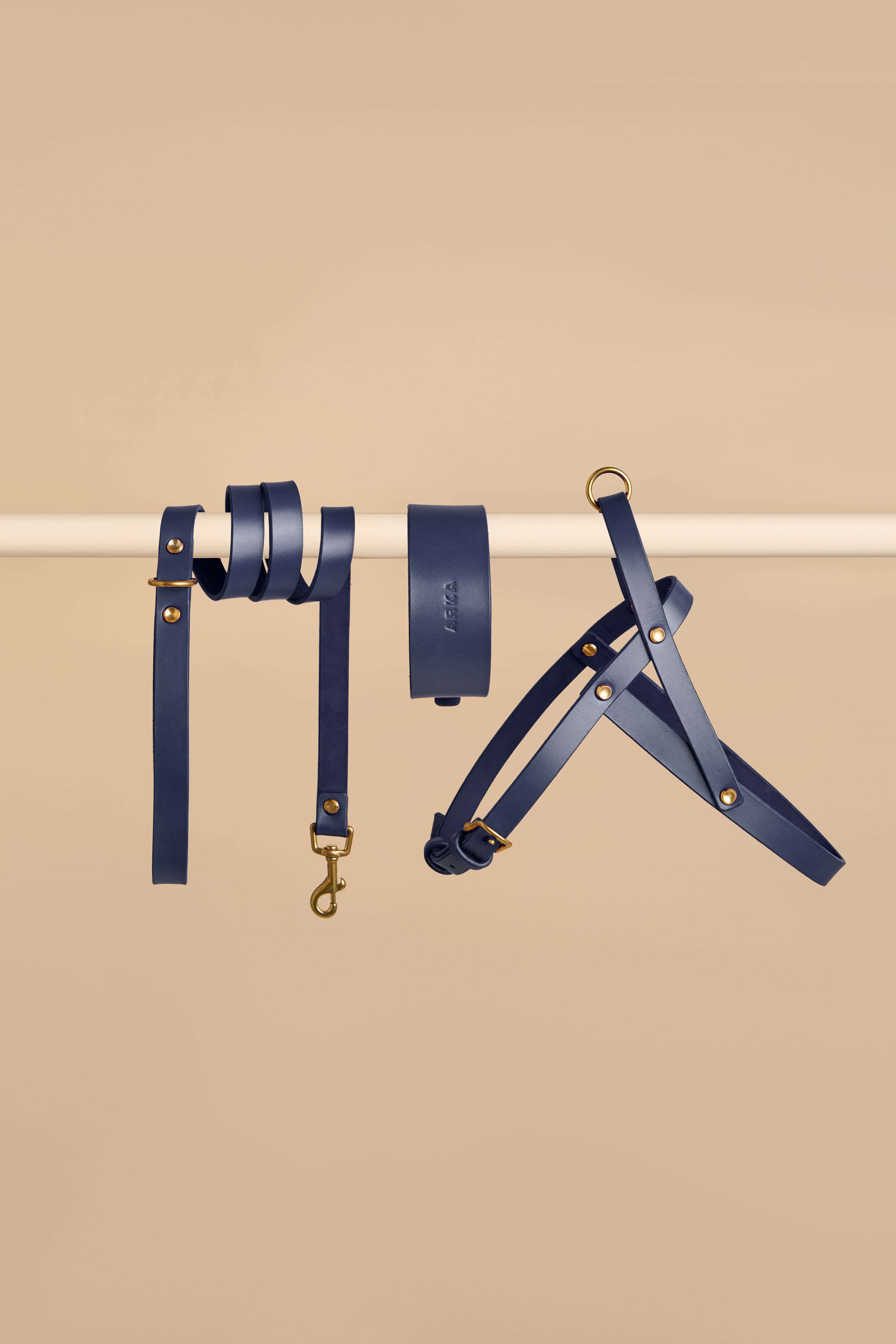
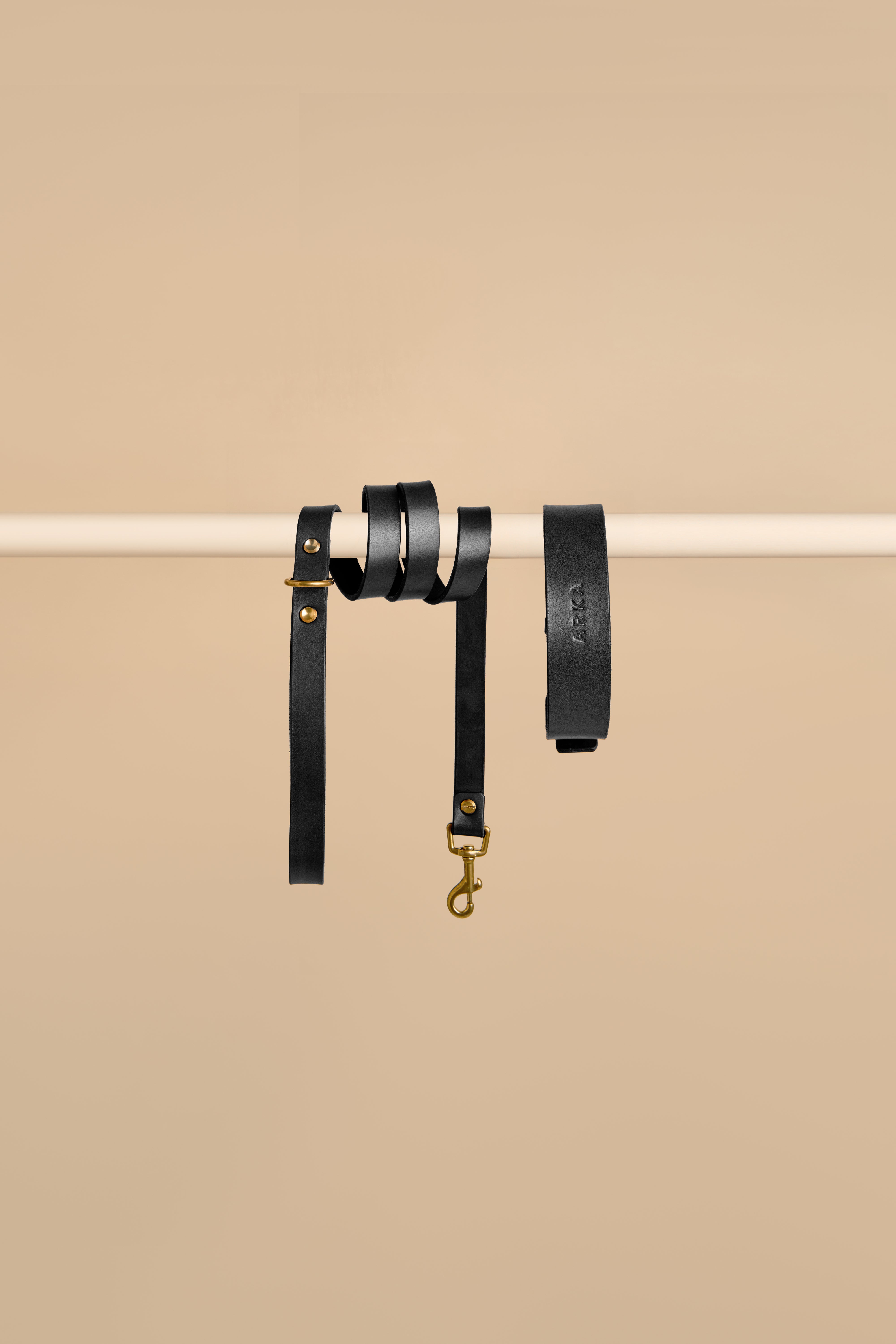
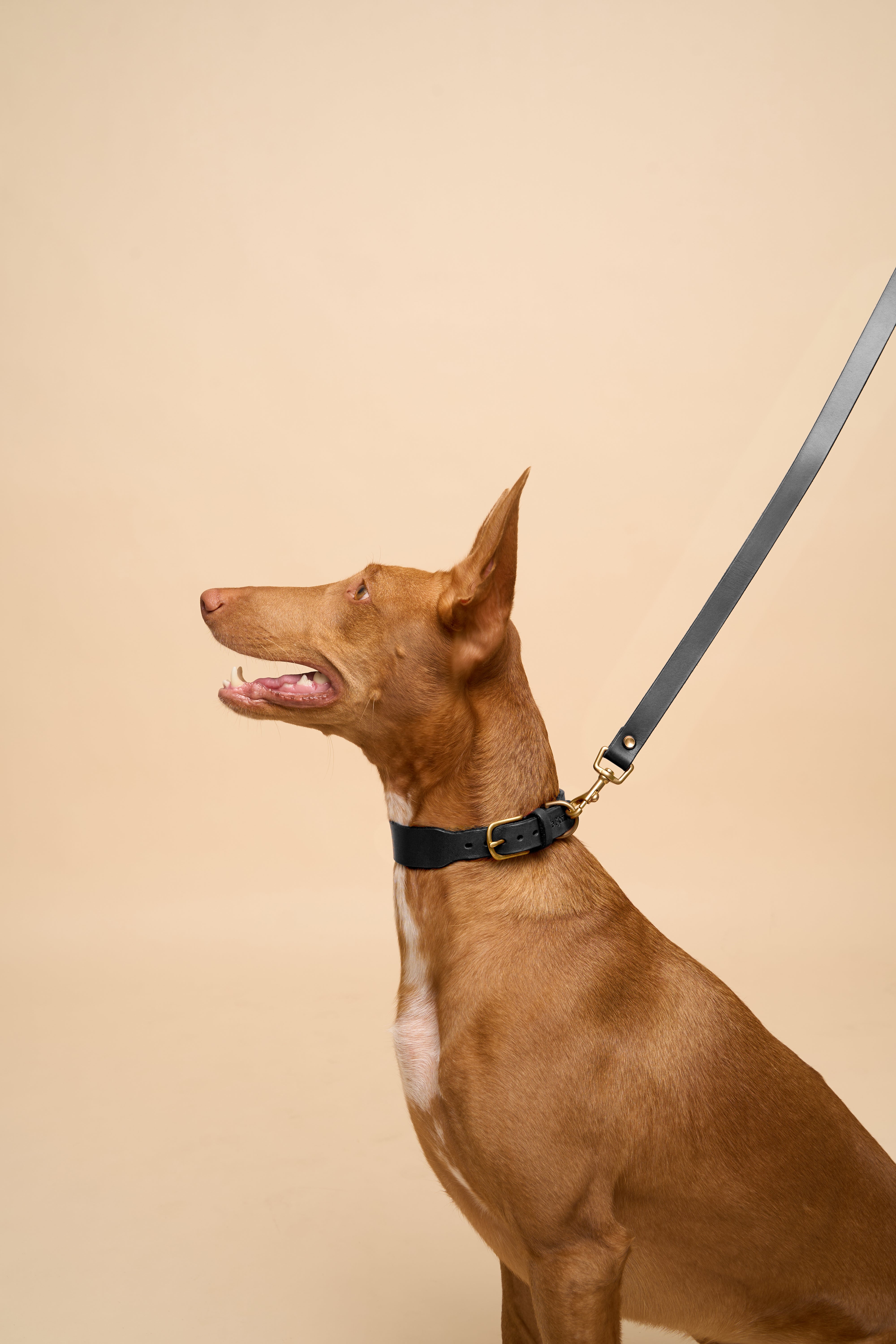
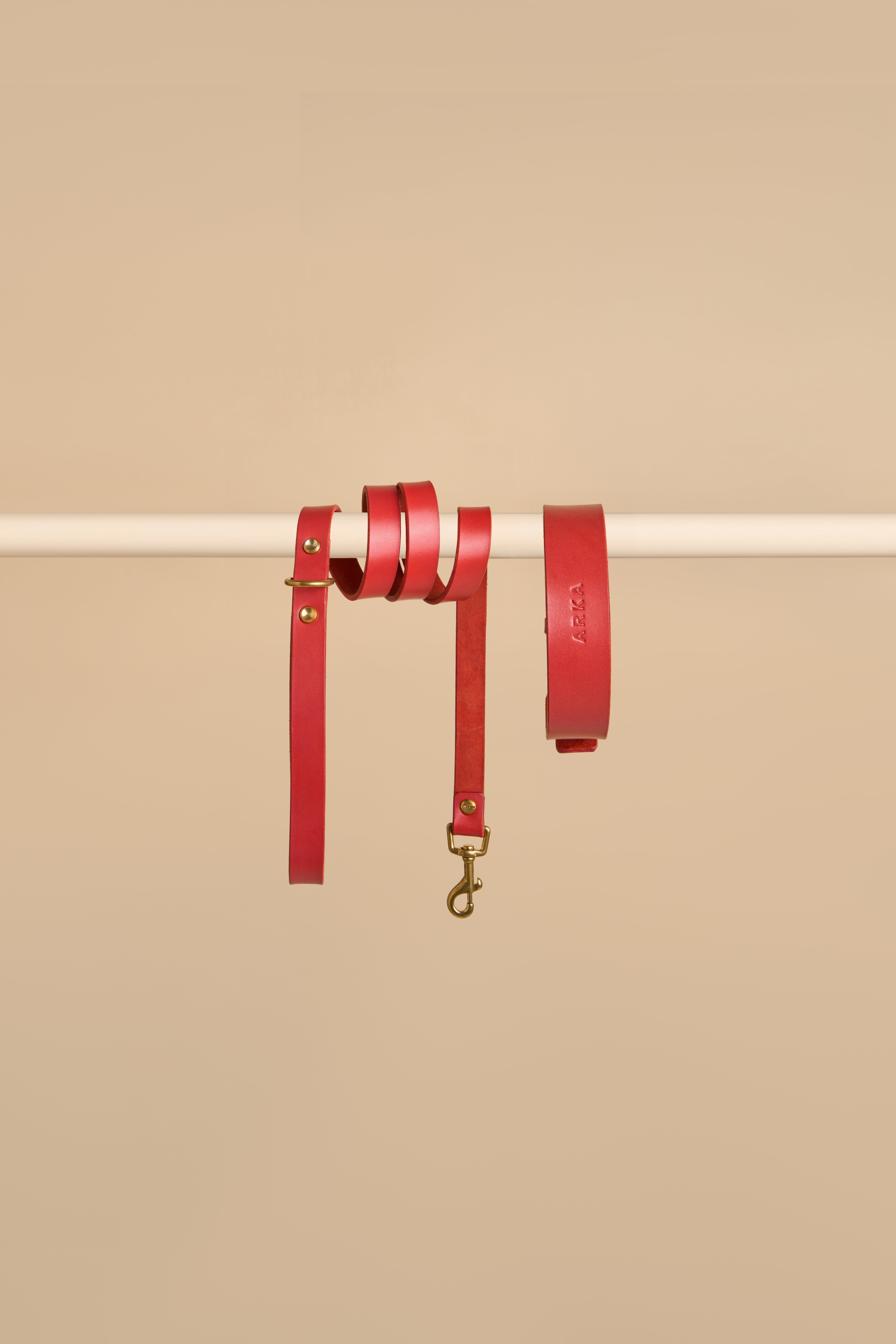
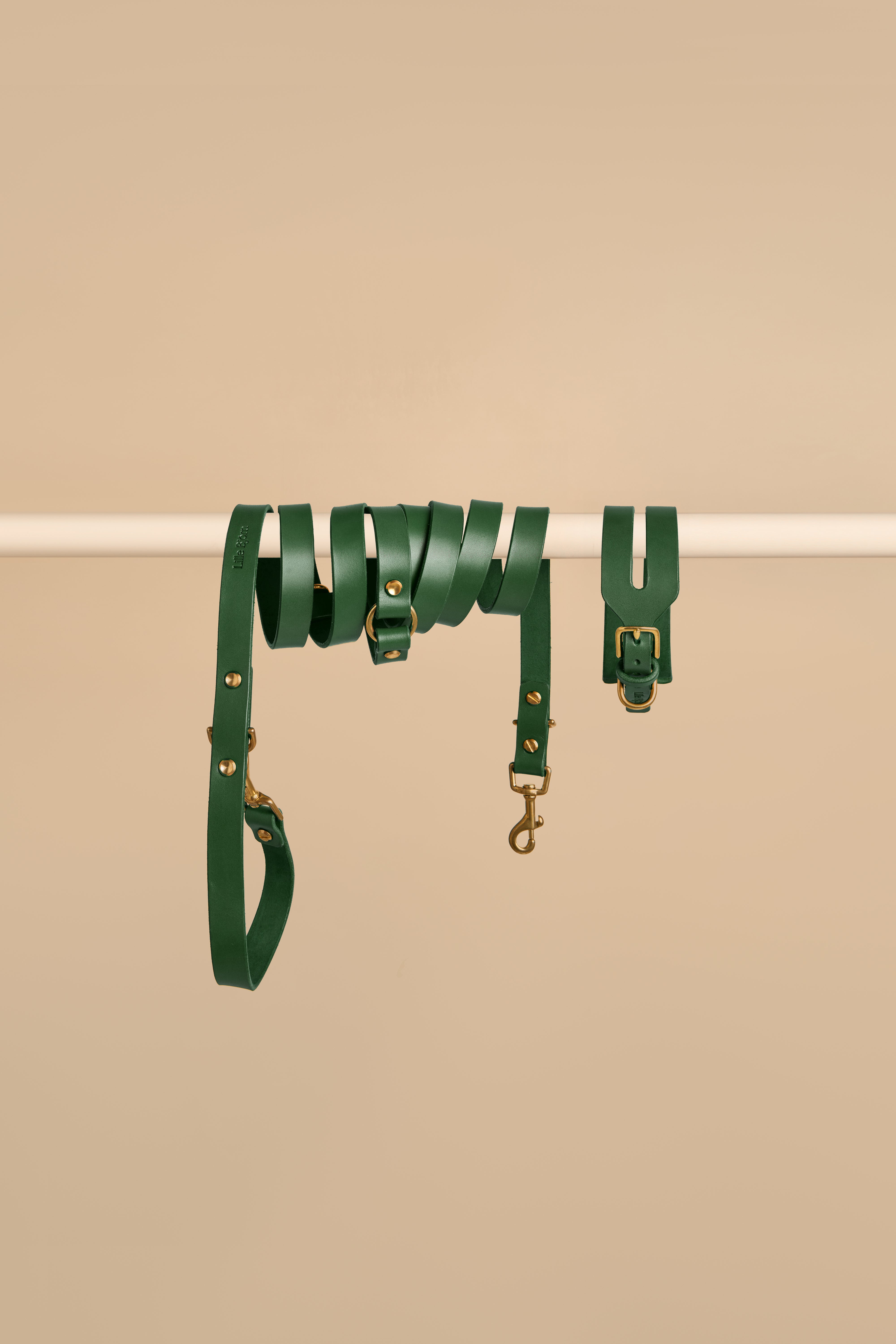
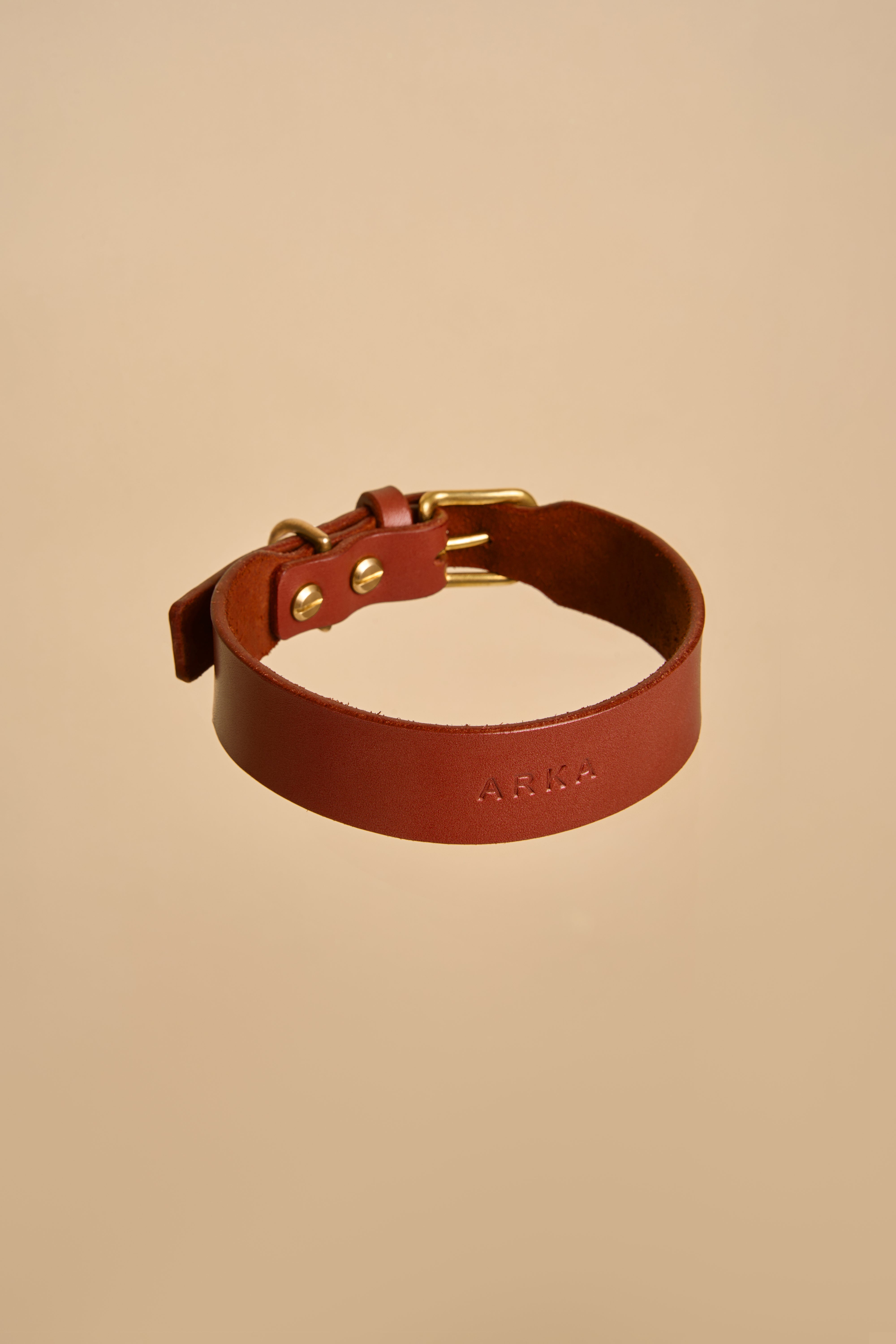
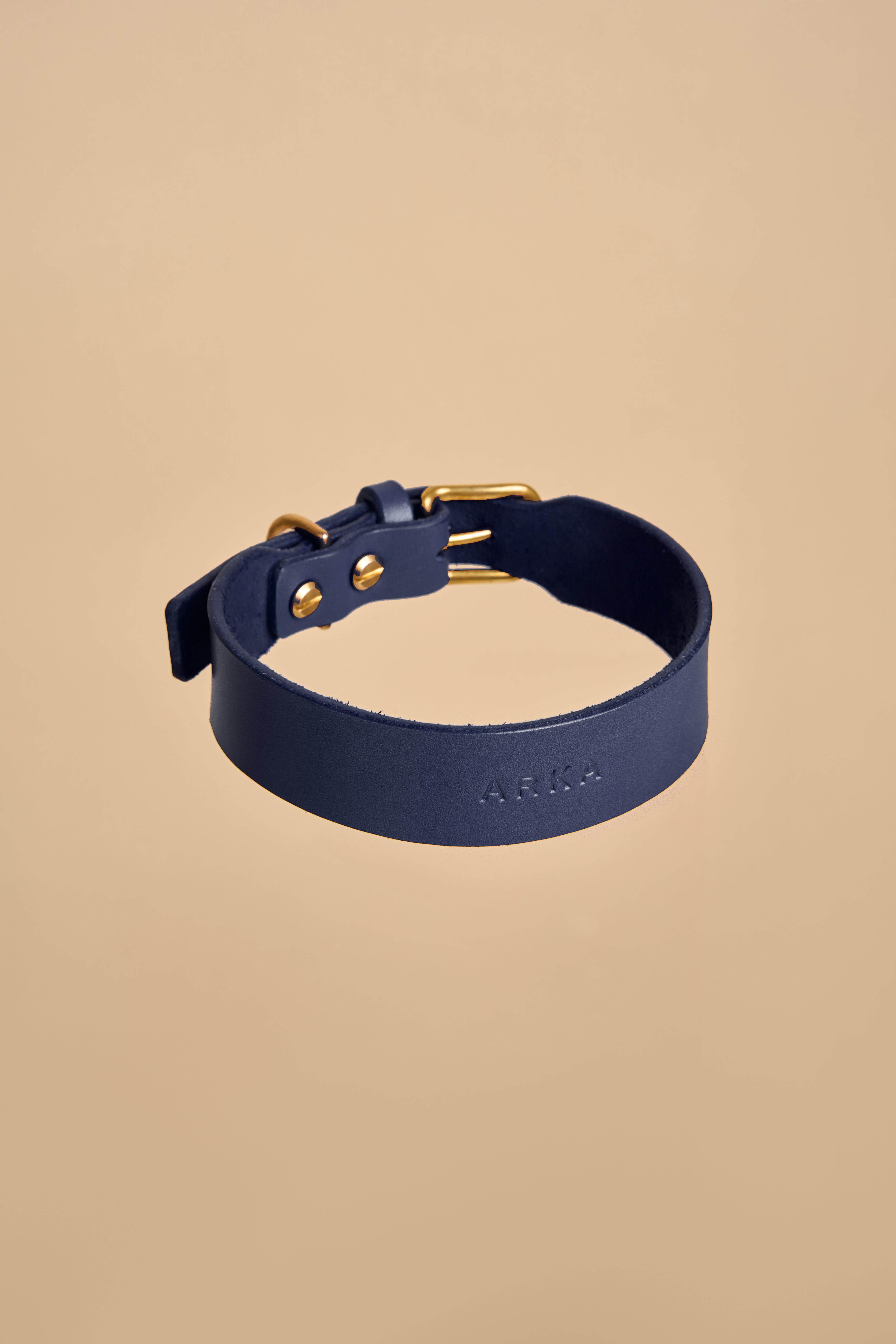
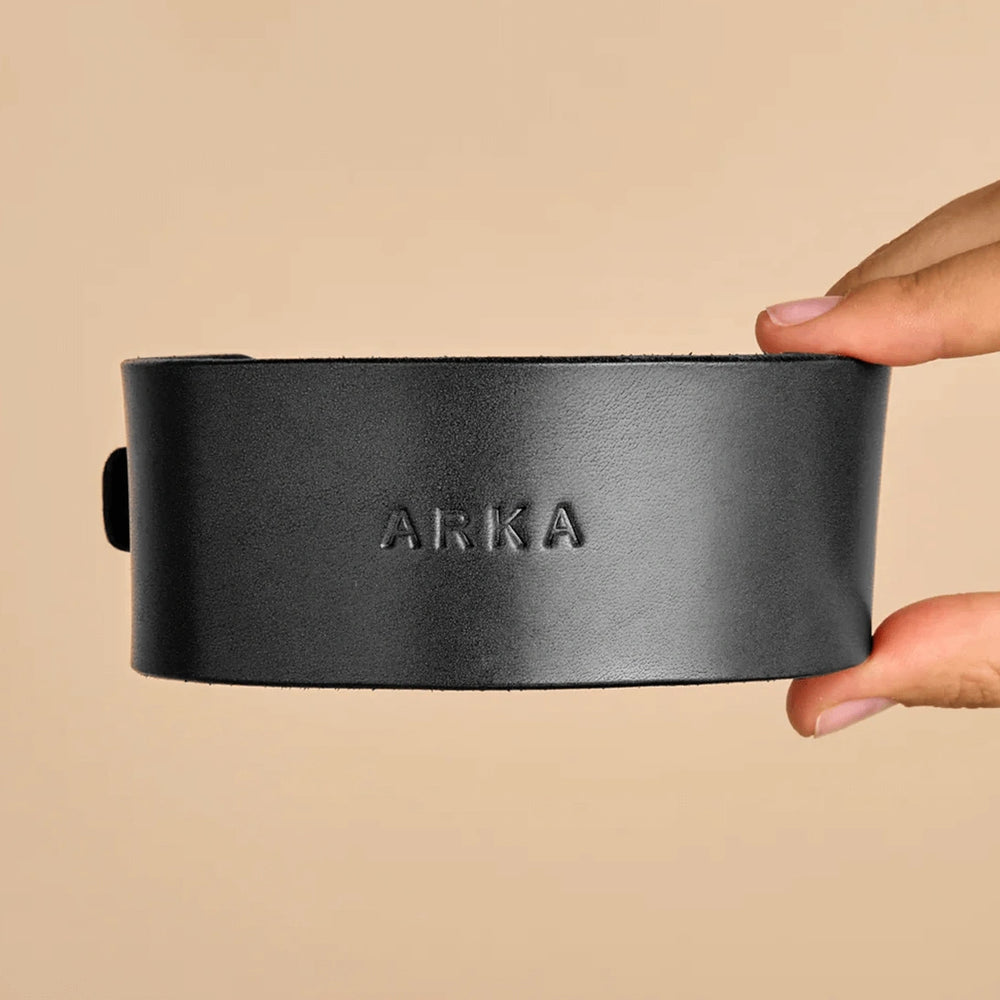
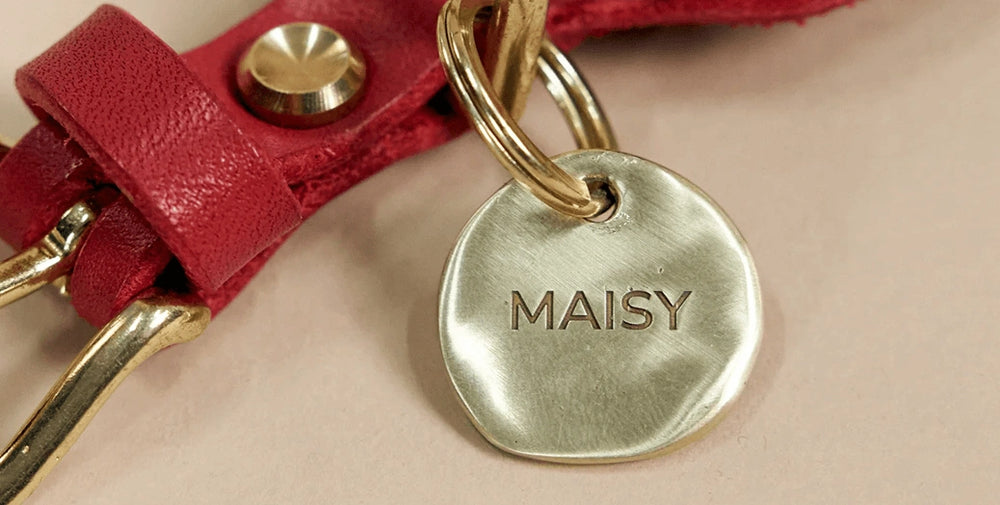
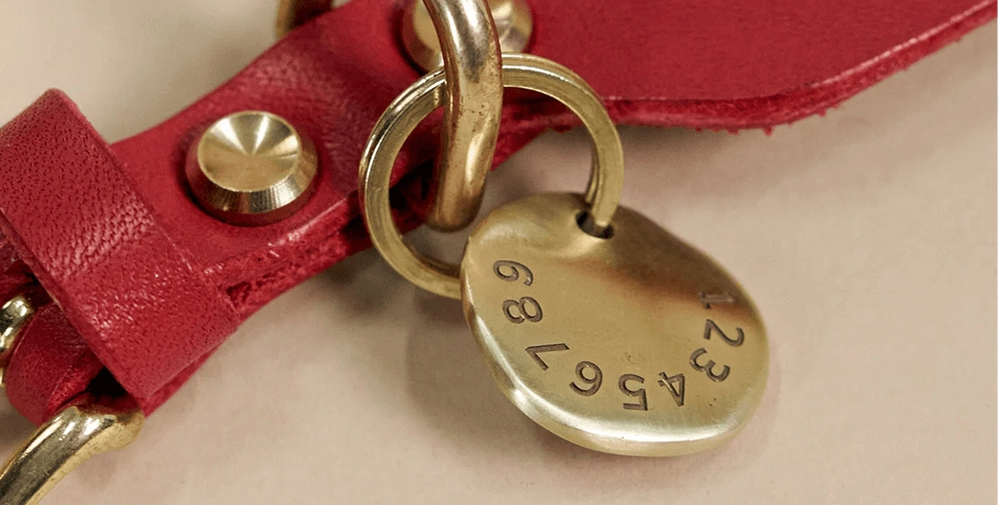
The collar you choose for daily wear makes this routine easier or harder. A well-fitted flat leather collar with a quality brass buckle removes and replaces cleanly in seconds and softens over time to sit more comfortably through both active wear and, where appropriate, overnight use. Pair it with a custom name tag carrying your contact details so that identification is always attached whether or not the collar is on through the night.
Frequently Asked Questions: Dogs and Collars at Night
Should I take my dog's collar off at night?
Yes, for most dogs. Removing the collar at night eliminates the entanglement risk that exists even in safe home environments, gives the neck skin a recovery period from daily friction and moisture, and improves sleep quality for most dogs. The exceptions are specific: new rescue dogs still building trust and familiarity, dogs with outdoor overnight access, and dogs wearing medically prescribed collars. For everyday indoor companion dogs, nightly collar removal is the recommended practice.
Can dogs sleep with their collars on?
They can, but it is not the generally recommended approach. The risks of overnight collar wear, entanglement in crate bars or bedding, cumulative skin and fur irritation, and mild sleep disruption, are real and accumulate over time even in safe home environments. The AKC specifically advises against leaving collars on dogs in crates unsupervised, which applies equally to overnight crate sleeping.
Is it OK to leave a dog collar on all day?
Yes, daytime wear through supervised waking hours is entirely appropriate. Collars serve their primary function during the day: identification, lead attachment, and walk control. The welfare consideration is at the extremes: continuous 24-hour wear without breaks accumulates skin contact without recovery time, and collars left on after wet or sweaty activity trap moisture that leads to skin infections. A daily or nightly removal routine addresses both without compromising daytime function.
Can you leave a bark collar on a dog overnight?
No. Bark collars whether static, vibration, or spray are training tools designed for supervised, time-limited use. They should be removed at the end of any training session and should never be worn overnight. Extended or unsupervised wear increases the risk of skin irritation and prevents the natural recovery period the neck needs from any stimulation-based collar.
Are dogs more comfortable without their collars?
Most dogs show signs of increased comfort and relaxed behaviour when their collar is removed such as stretching the neck, grooming the collar area, and sleeping more soundly. This does not mean collars cause distress during normal daytime use, but it does reflect that the neck area benefits from regular periods without contact pressure. Dogs accustomed to having their collar removed at night typically accept the routine without distress and may actively signal readiness for it.
Are flea and tick collars safe to leave on overnight?
Flea and tick collars are designed for continuous 24-hour wear as their active ingredients work through sustained skin contact. Unlike standard collars, they should generally not be removed at night unless a vet specifically advises it. If your dog develops skin irritation at the collar contact zone while wearing a flea collar, consult your vet rather than simply removing it, reactions to medically active collars warrant professional assessment.
What collar is most comfortable for dogs that sleep on their side?
Side sleeping is the most common sleep position for dogs and puts the collar in sustained contact with the lower side of the neck and the sleeping surface. A slim flat collar or a rolled leather collar minimises the contact point in this position and reduces the pressure of any hardware against the neck during prolonged side lying. If your dog sleeps on their side and must wear a collar overnight, a rolled leather collar's narrow cylindrical profile creates a smaller footprint against the neck than a wide flat design.