Quick Summary
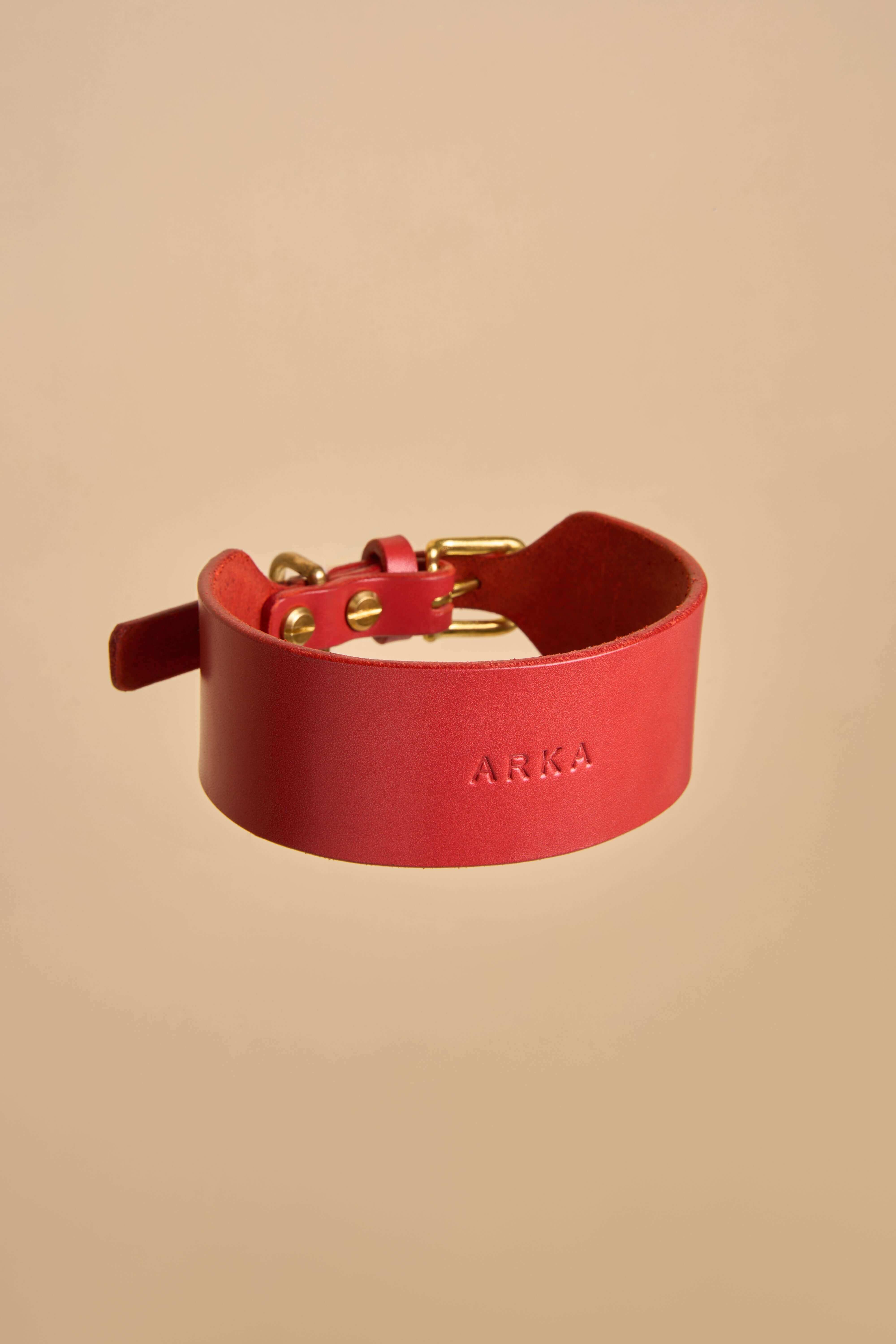
Both dog ID tags and metal plate (nameplate) collars work and in many countries, at least one of them is legally required. A hanging ID tag is the more flexible option: it moves between collars, is lightweight, and can be updated without replacing the collar when contact details change. A nameplate riveted or fixed directly to the collar is quieter, more secure, and cannot fall off making it the preferred choice for working dogs and active breeds. For most companion dog owners, a quality engraved ID tag hanging from a flat leather collar is the most practical everyday solution. For the quietest, most permanent identification, a collar with name engraving directly on the leather is an option many premium leather collar owners choose for its clean, silent look.

Is a Dog ID Tag Legally Required?
In many countries, visible identification on your dog’s collar is not just recommended, it is a legal obligation.
United Kingdom: Under the Control of Dogs Order 1992, every dog in a public place must wear a collar displaying the owner’s name and address. This is a legal requirement with no exceptions for microchipped dogs. Fines for non-compliance can reach £2,000. An engraved ID tag or a nameplate carrying your name and contact details satisfies this requirement directly.
United States: Requirements vary by state and municipality. Most areas require a current rabies vaccination tag displayed on the collar, and many additionally require owner identification (name and phone number) on a tag or nameplate. Check your local animal control authority for the specific requirements in your area.
Australia: Most states require dogs to wear a council registration tag in public. Some councils additionally require owner contact details on the collar or tag. Requirements vary by state and territory.
The practical rule for any location: regardless of local law, a dog wearing visible identification with a current phone number is significantly more likely to be returned quickly if lost. A tag or nameplate that satisfies the legal requirement and carries a mobile number is the minimum recommended identification for any dog in any country.
Important note: microchipping is a separate requirement in many countries but does not replace the legal requirement for visible collar identification. A microchip can only be read by a scanner at a shelter or vet, a collar tag can be read by any member of the public immediately. For a full overview of why visible dog ID tags matter beyond microchipping, the AKC provides clear guidance on why both forms of identification are necessary.
Dog ID Tags: The Classic and Versatile Choice
Here are some of the key pros of a classic dog ID tag.
-
Easy to Swap Between Collars
Probably the biggest advantage of an ID tag is how interchangeable it is. You have the freedom to switch your dog’s collar for different occasions, or as they grow, without having to engrave multiple sets of collars. -
Customizable and Stylish
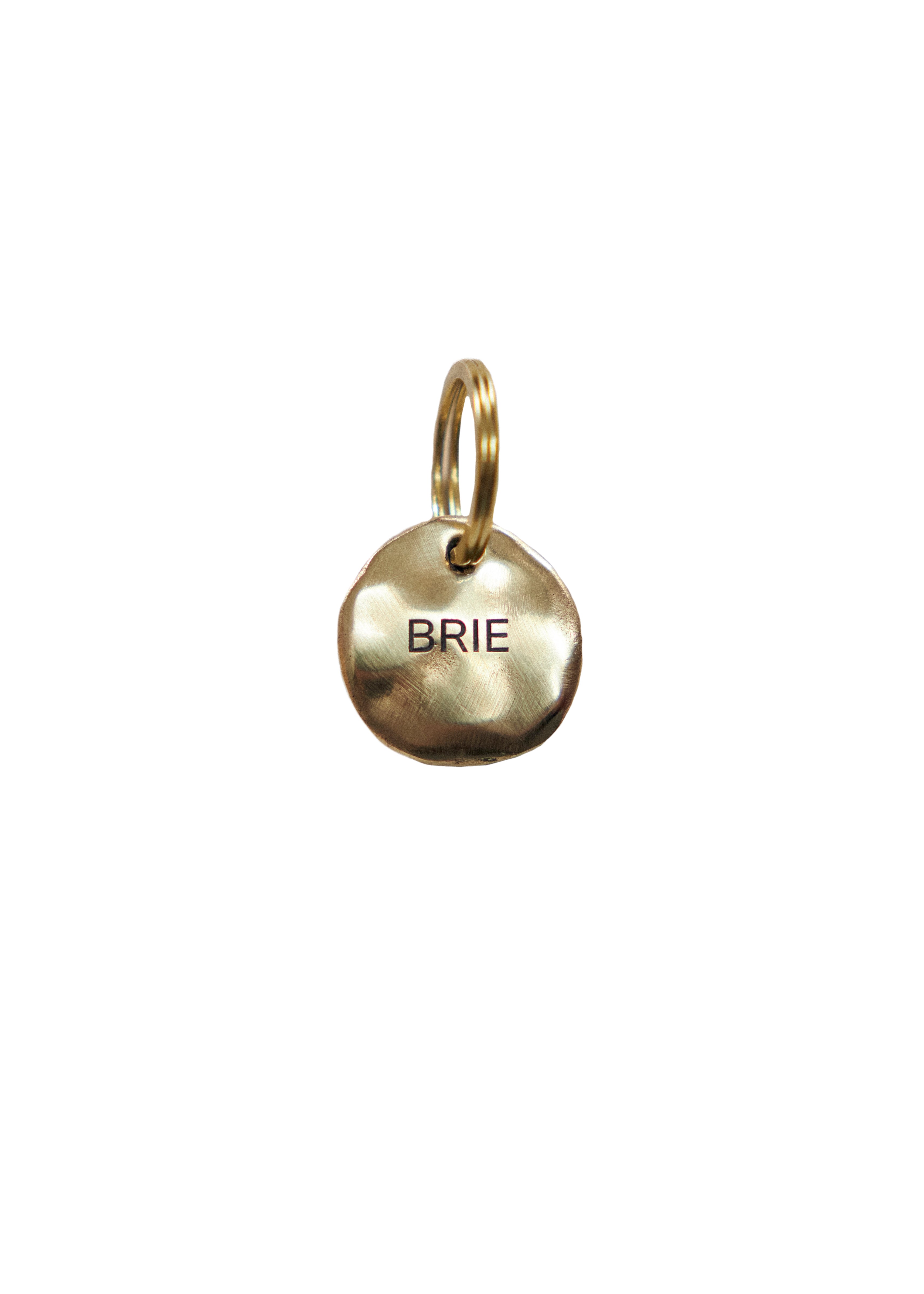
ID tags come in all shapes, sizes, styles and colours, meaning you can reflect your pup’s personality in any way you like. Brass ID tags in particular are a stylish and timeless addition to any collar. -
Affordable and Widely Available
Dog ID tags are a budget-friendly option available practically everywhere. Whether you prefer to shop in person or online, you won’t have any issues picking up a personalised tag that doesn’t break the bank. -
Lightweight and Comfortable
The majority of ID tags are lightweight and compact, which means that even the smallest dog won’t be uncomfortable wearing them. Unlike heavier identification accessories, a small brass tag won’t be bothersome to your pup at all. -
Minimal Noise with the Right Design
Lots of pet owners get very sick of the jingling sound of multiple tags on a collar, but you don’t need to worry about that with a single later brass task because the noise is as minimal as possible.
-
Secure with a Strong Ring
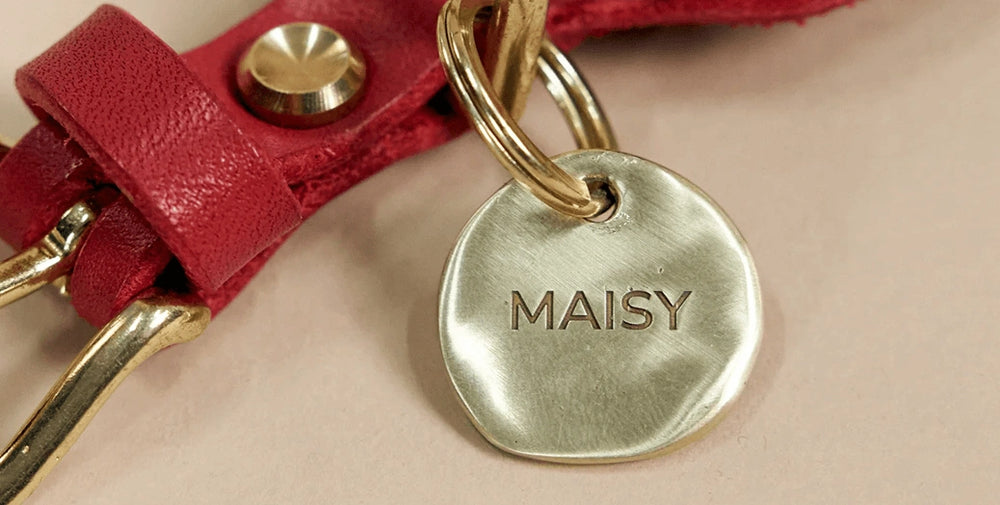
One of the most common issues with ID tag is that they do run the risk of falling off, but you can fix this with a strong attachment ring to ensure that everything stays in place. A secure ring design like ours can guarantee that your pup’s tag stays firmly attached to their collar.
Cons of Dog ID Tags
- Potential to Get Lost: As we said, a traditional dog tag does sometimes pose the risk of detaching, but with the help of a durable string ring, this chance is minimized as much as possible.
- Noise Issues: When you have multiple tags rustling together, it can make a clunking sound that gets a little annoying! Again, though, this is a simple fix because with a single, high quality brass tag, you eliminate all that noise without sacrificing important visibility.

Metal Plate Collars: Built-In Identification
Pros of Metal Plate Collars
- No Noise or Jingle: If you have a pup who is sensitive to sound, or you simply prefer silence yourself, then a single metal plate collar is the perfect quiet alternative that eliminates pesky jingling!
- Durable and Secure: Unlike an ID tag that could detach, a metal plate can be permanently fixed to a collar, which gives it the best chance of never coming off and getting lost.
- Great for Working Dogs: When it comes to pups who play important roles like service dogs, working dogs and police dogs, a metal plate is the best option for clear and permanent identification. Their maximum durability and readability are perfect in professional settings.
Cons of Metal Plate Collars
- Not Interchangeable: If you happen to be the kind of pet owner who does want to switch collars frequently, then it might be the most convenient choice because you’ll need multiple engraved collars to fit the bill.
- More Expensive Upfront: Compared to some of the more budget friendly options, an engraved metal tag is a slightly bigger investment, especially if you need more than one to suit your pup’s needs and lifestyle.
- Limited Design Options: Metal plates tend to be on the basic side in terms of engraving options, especially compared to the more aesthetically pleasing options offered by brass ID tags.
- May Not Suit All Dogs: If your dog is a member of a smaller breed, then the added weight of a proper metal plate collar might be uncomfortable for them to wear over extended periods. They are definitely better for medium and large breeds.
Which Should You Choose? ID Tag or Metal Plate Collar?
The truth is that both of these options can provide excellent identification for your pup, the final choice really depends on both you and your pet’s needs and personal preferences. If you are looking for something stylish that can be swapped easily between collars, then a brass ID tag is definitely the best choice in our opinion. For those who value silence and permanence over anything else, then a metal plate collar might do the trick.
Ultimately, lots of dog owners end up opting for both, using a metal plate collar for casual daily wear and then a customized ID tag to provide that extra layer of protection and security when out and about on longer or more unfamiliar adventures.

What to Put on Your Dog’s ID Tag
Getting the engraving right is as important as choosing the tag itself. Here is what to include and what to leave off.
Essential, always include:
- Your mobile phone number. The single most important piece of information. Use a number you answer reliably, not a landline that goes unanswered.
- Your dog’s name. Allows a stranger to speak to your dog calmly and reassuringly before contacting you.
Recommended:
-
A second contact number
A partner, family member, or trusted friend in case you cannot be reached. -
“Microchipped”
Lets a finder know there is additional identification available at any vet or shelter.
What to leave off:
-
Your full home address
This is a security risk. Anyone who finds your dog also now knows your address and that you may not be home. A phone number is sufficient and safer. -
“Reward offered”
Not necessary for a straightforward lost-dog reunion and can attract unwanted attention.
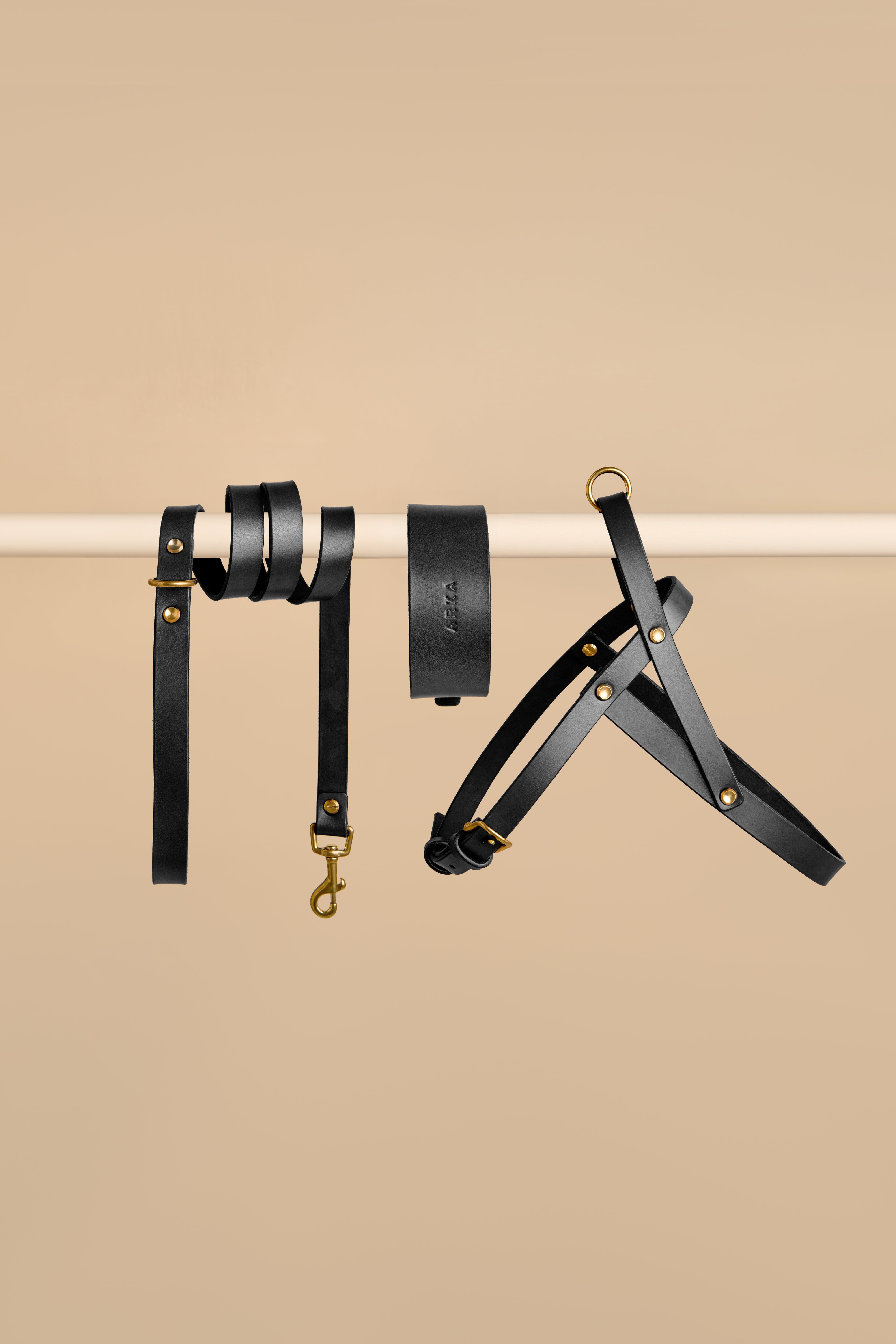
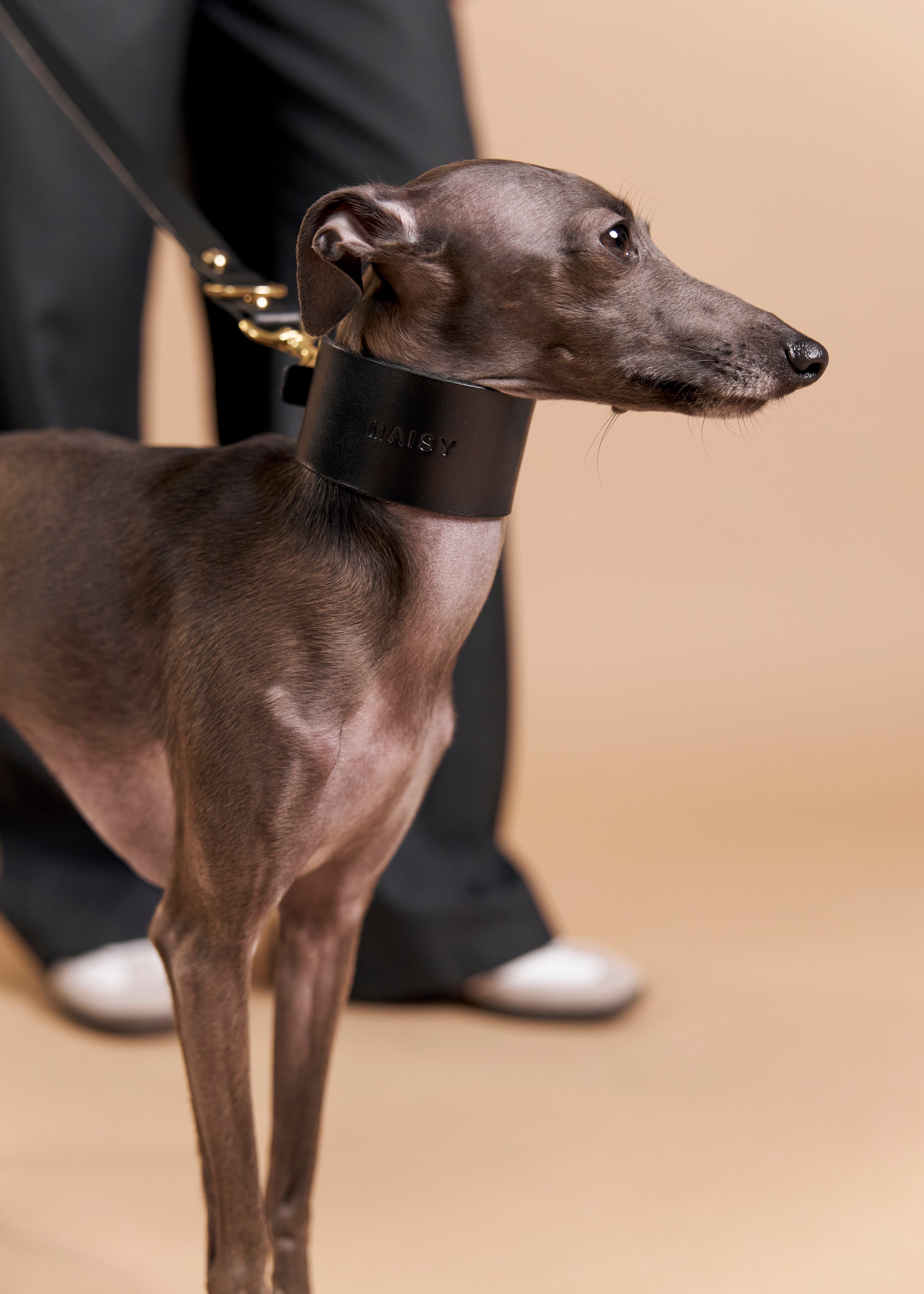
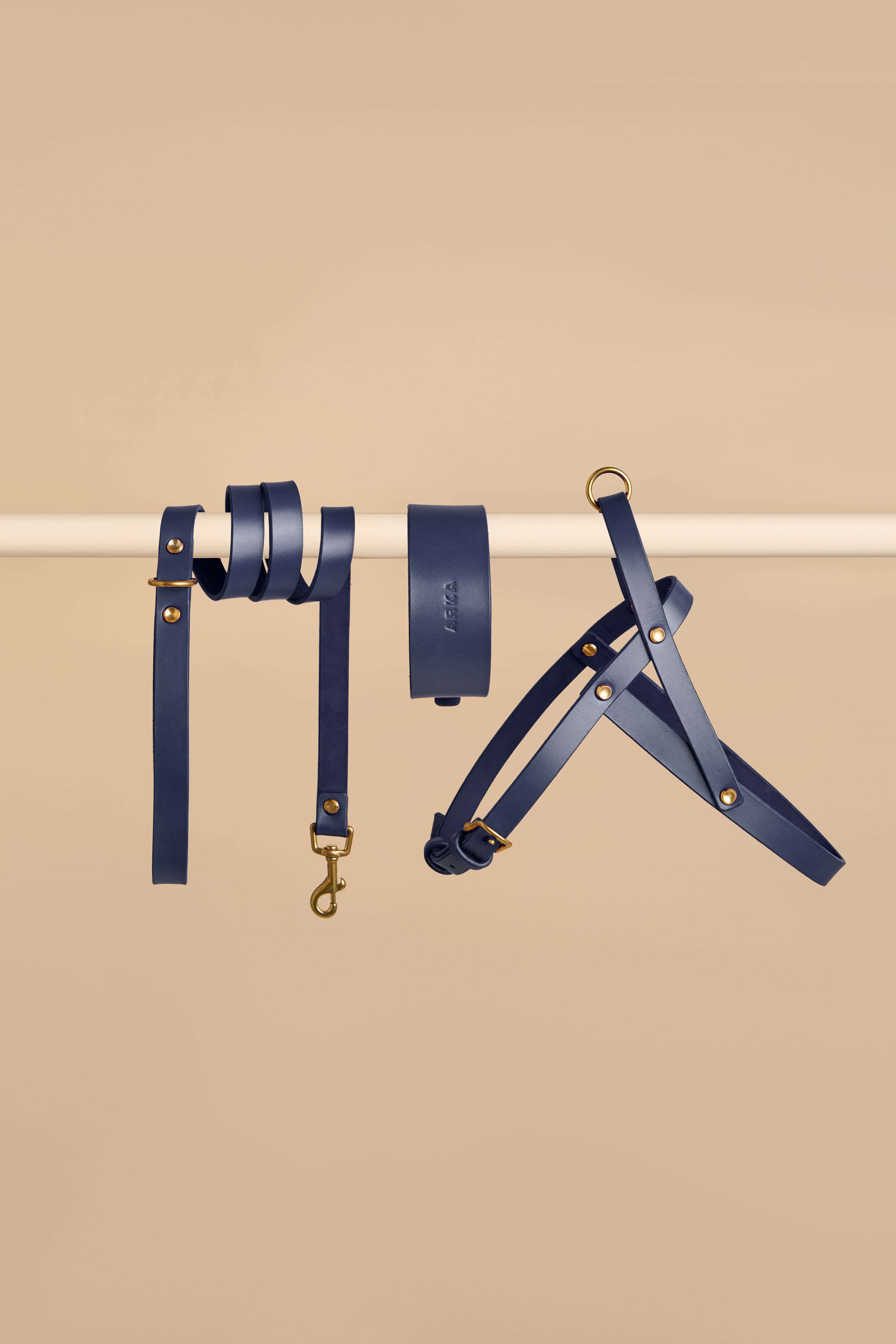
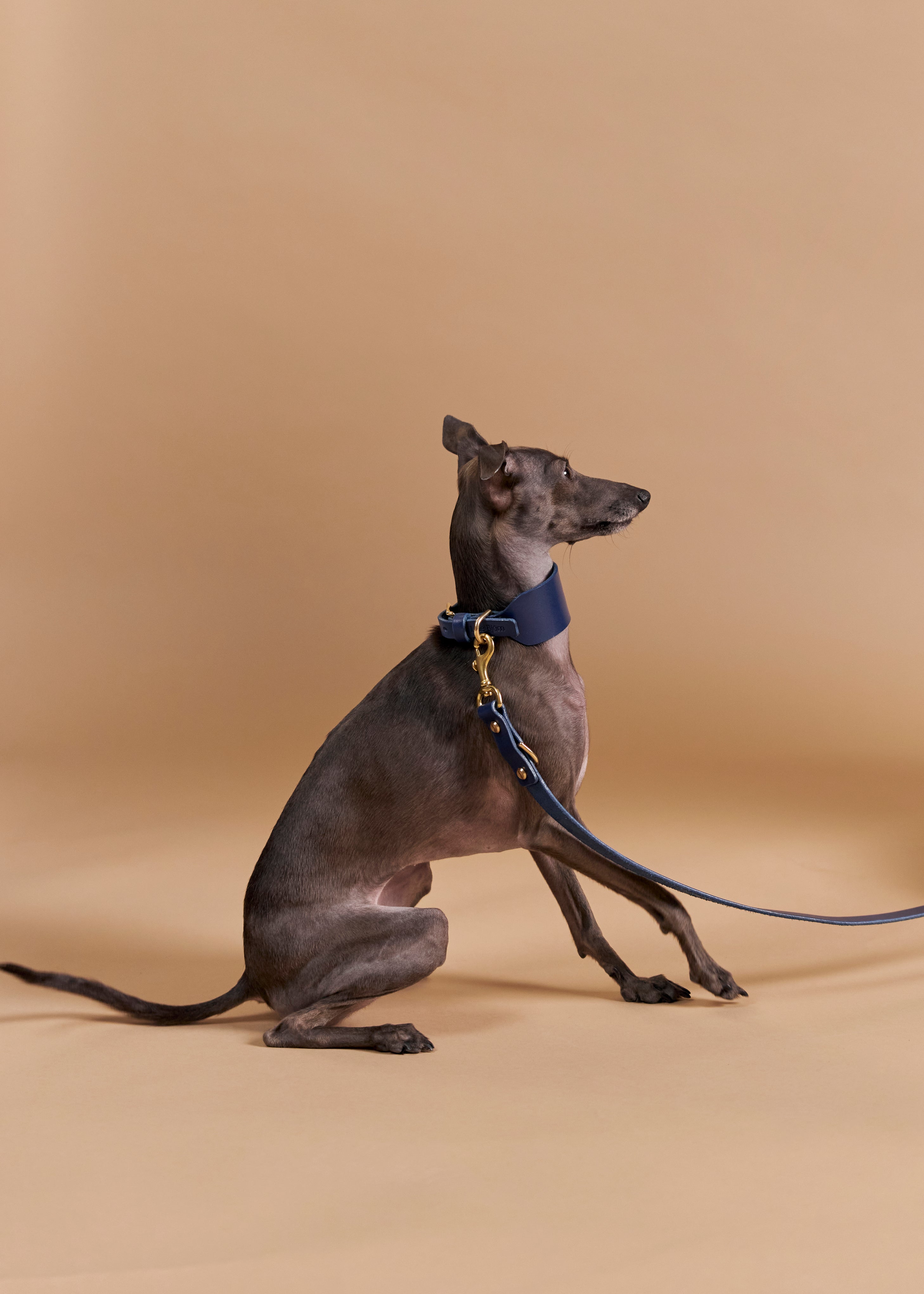
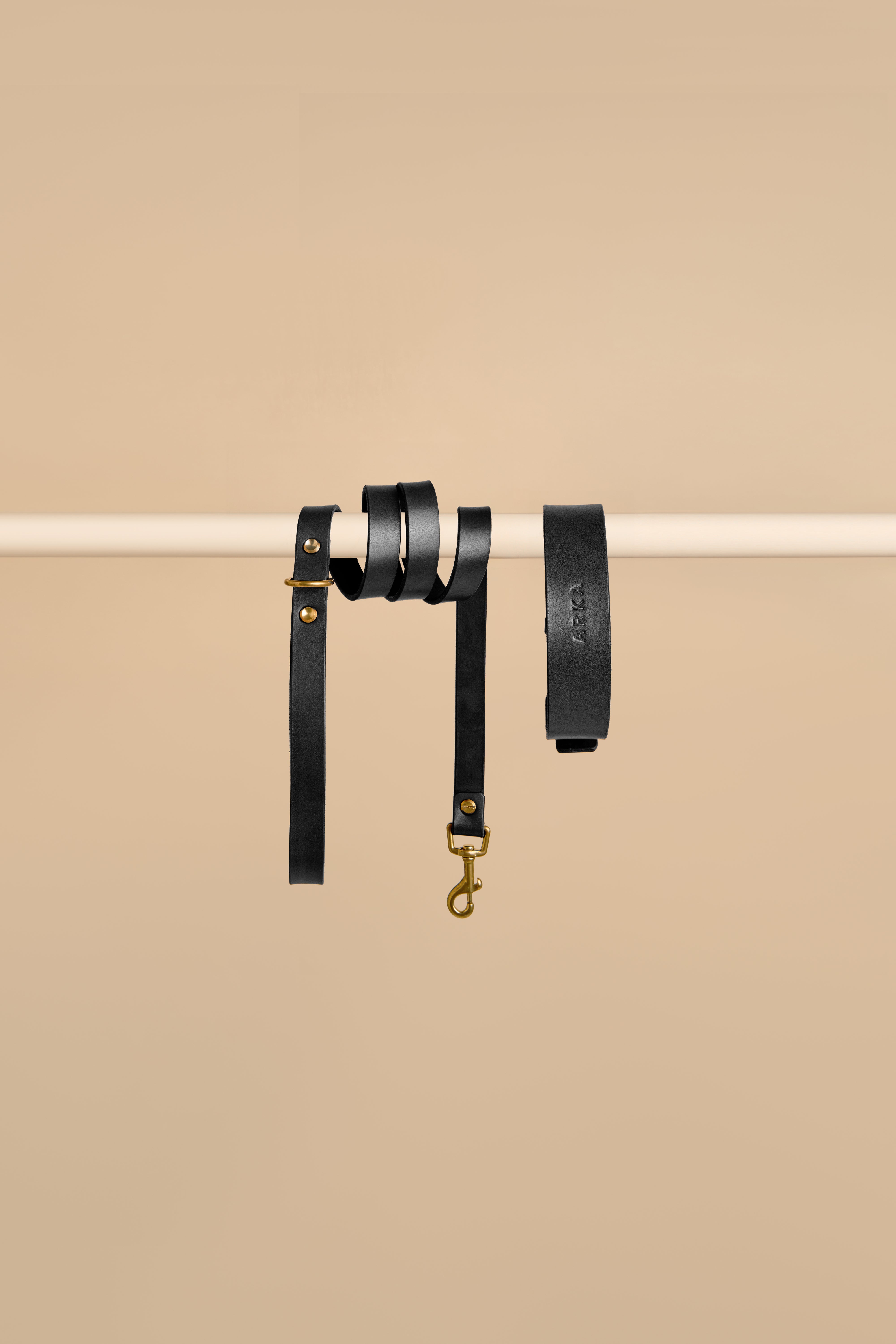
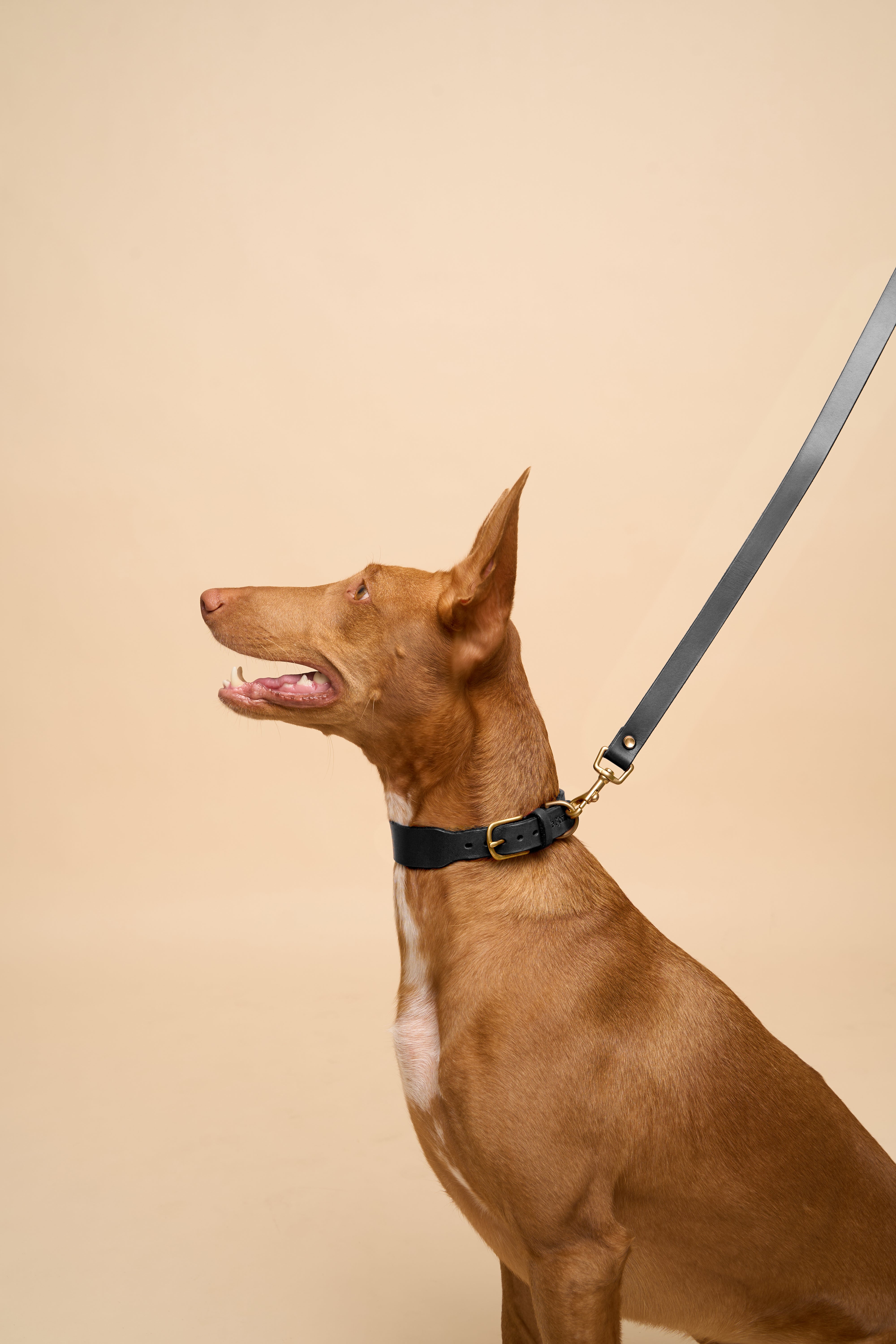
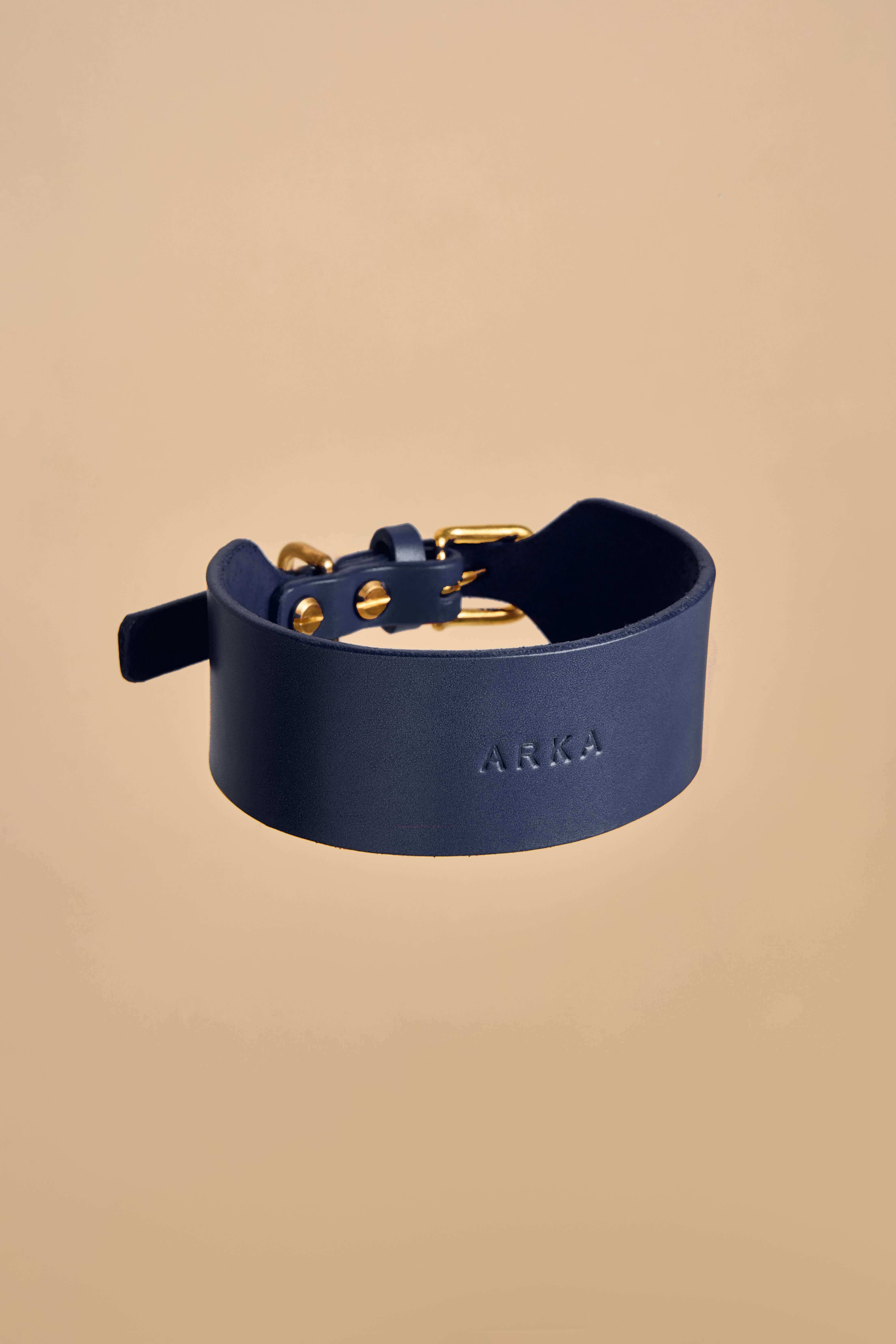
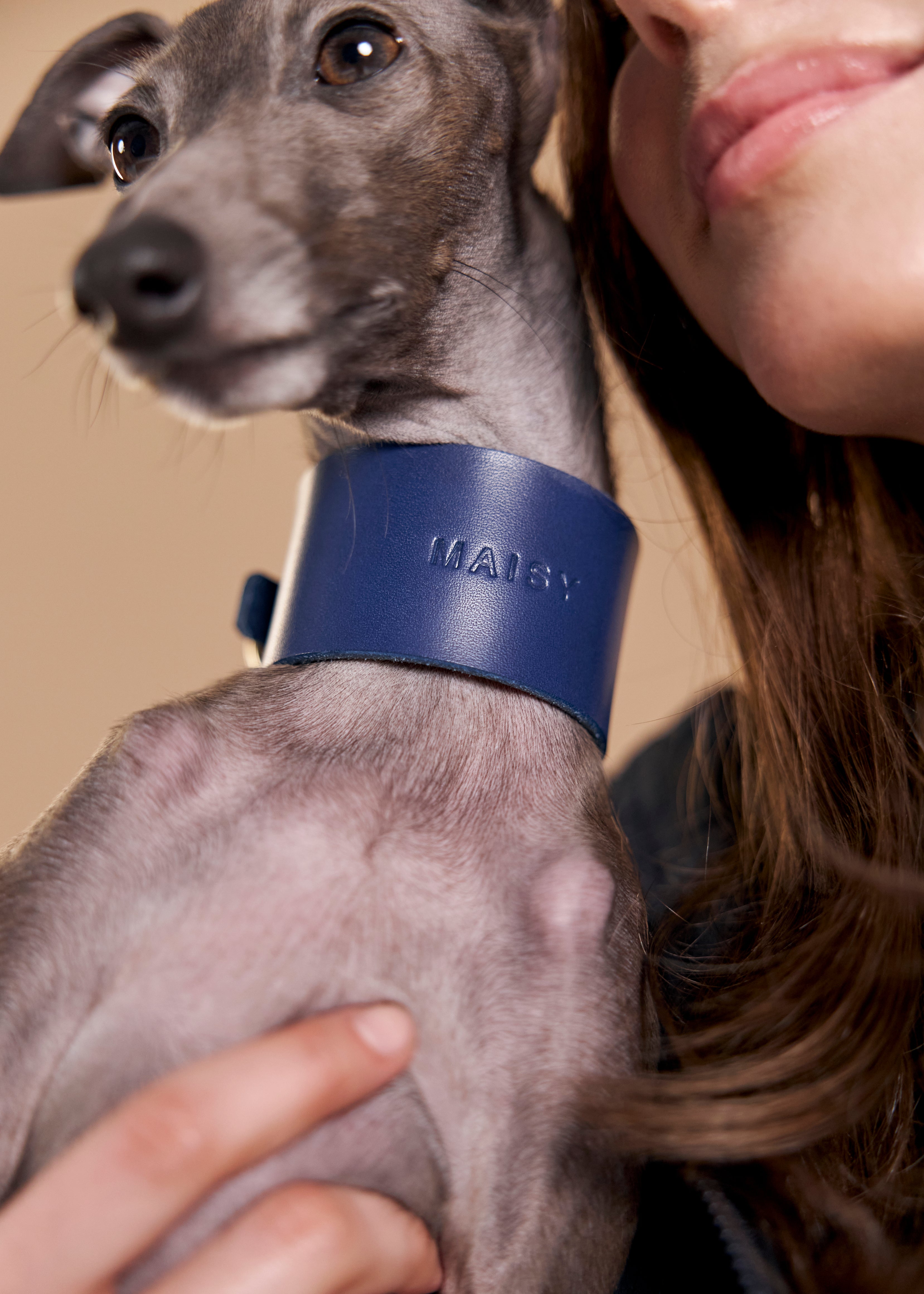
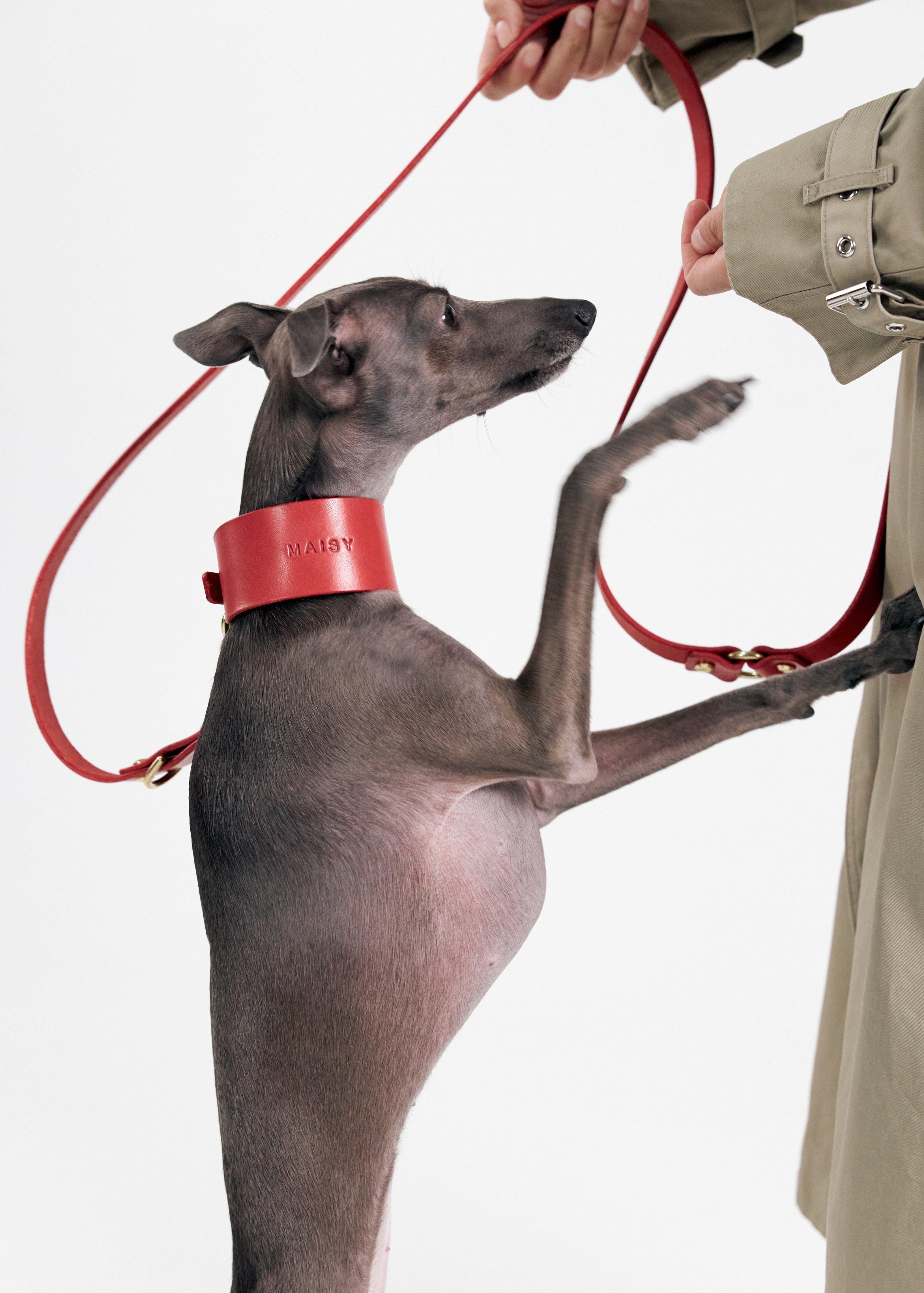
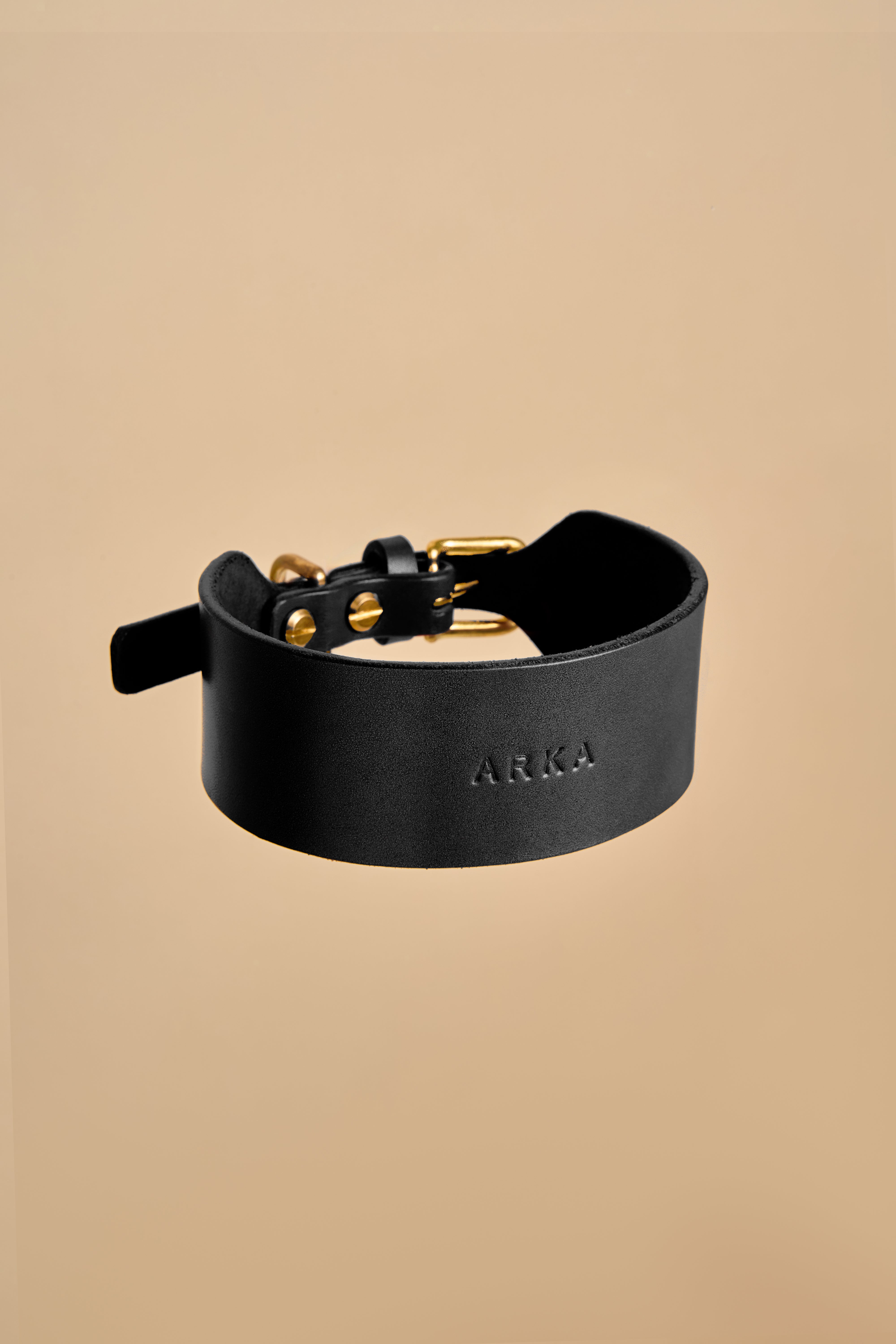
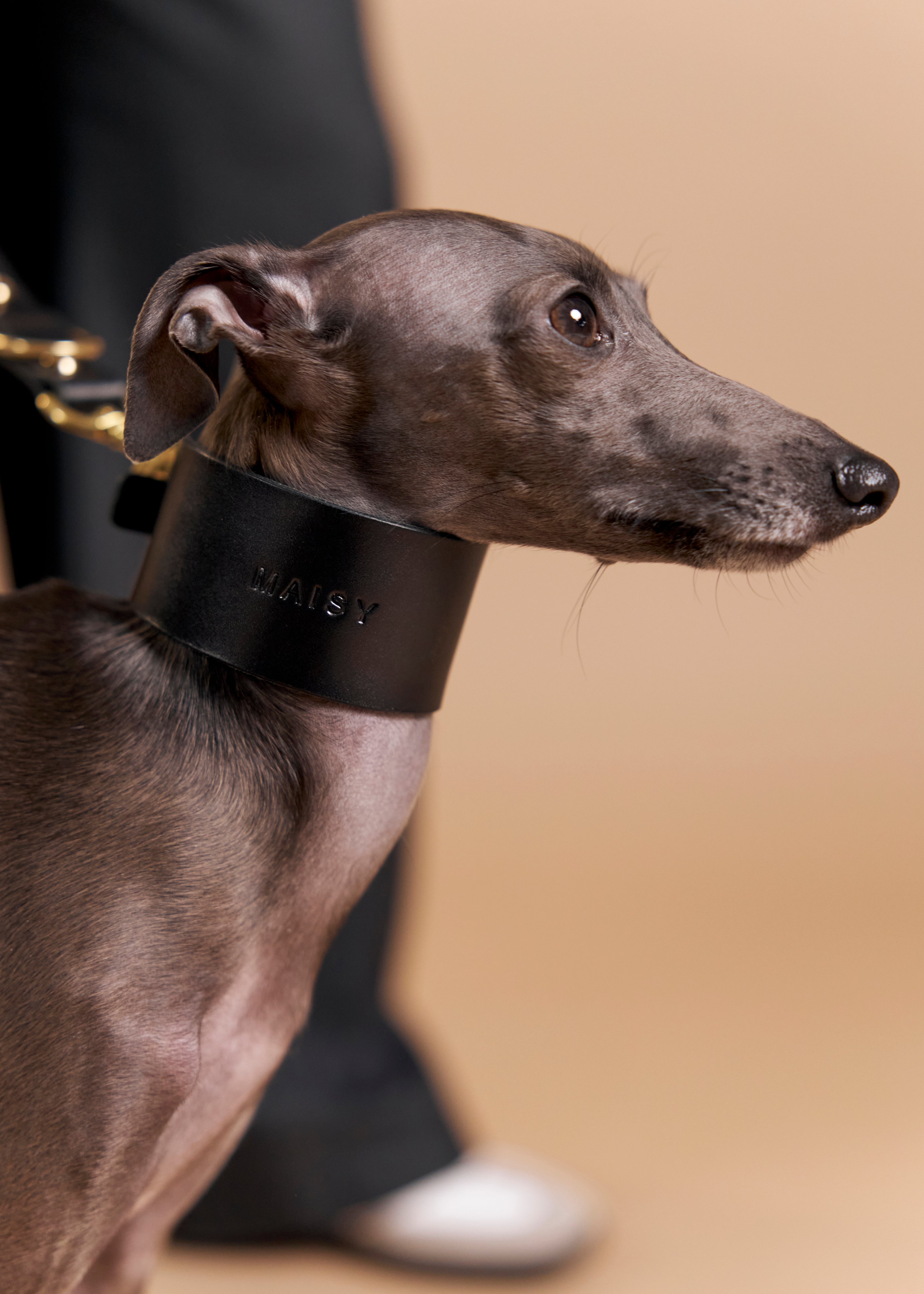
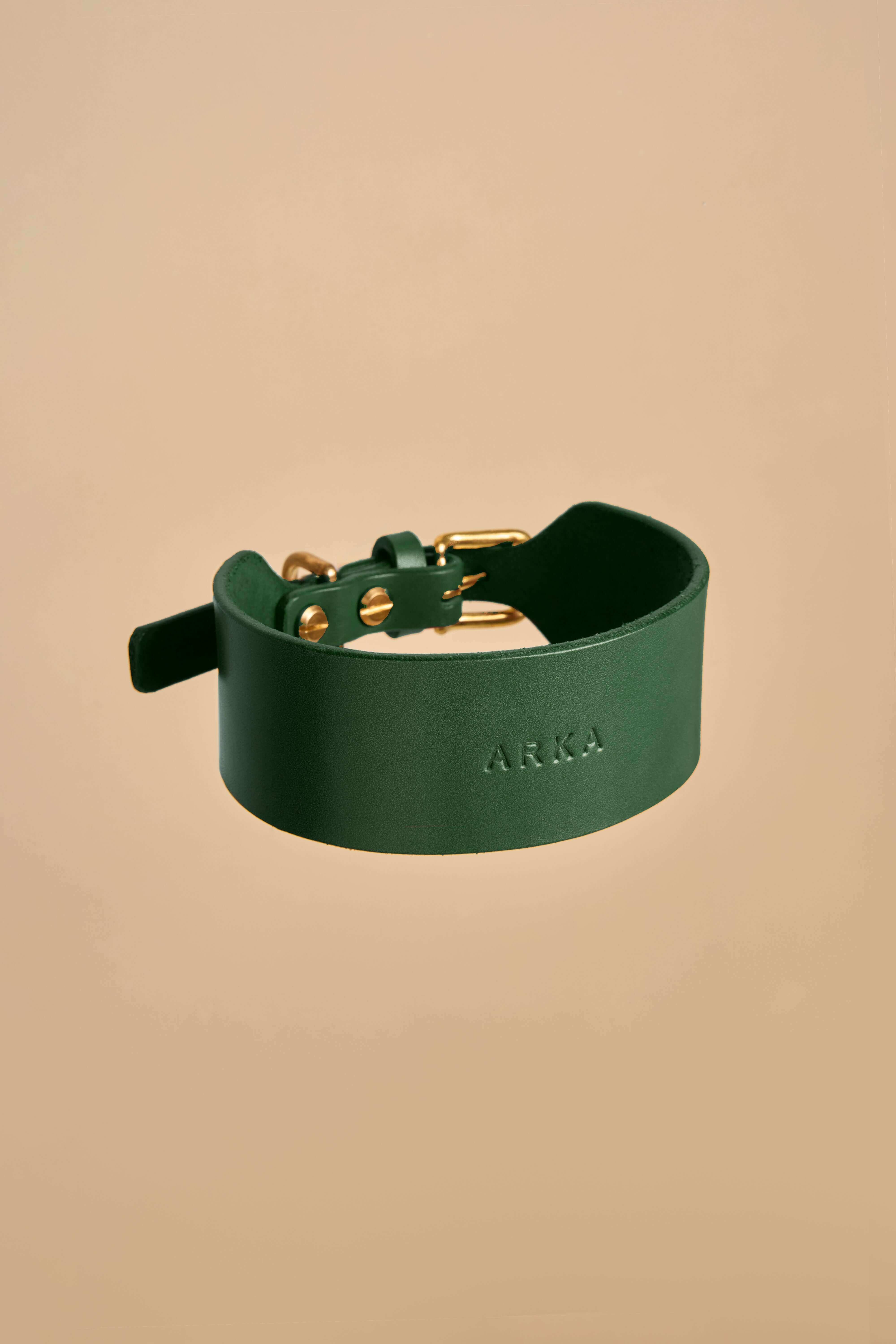
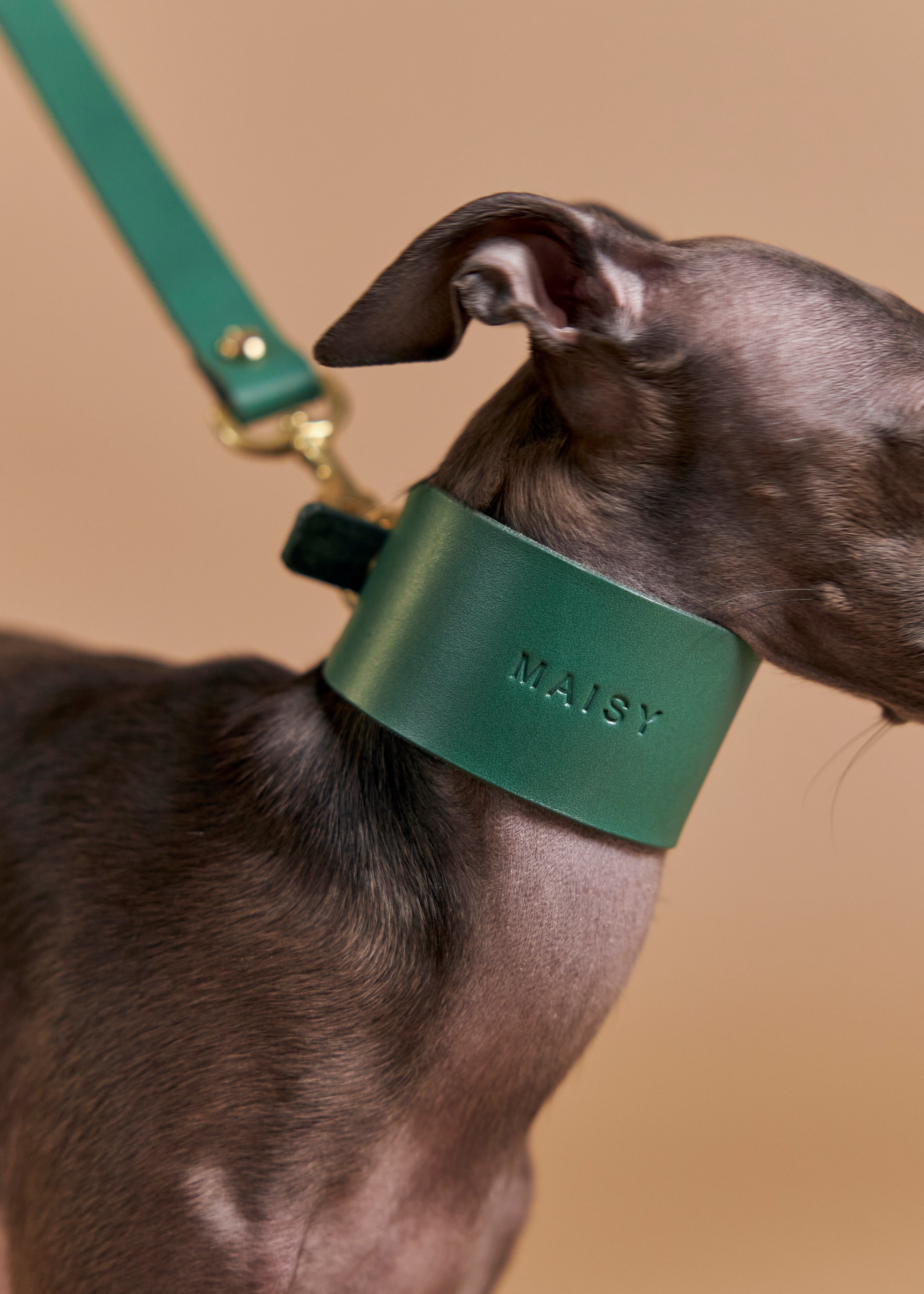
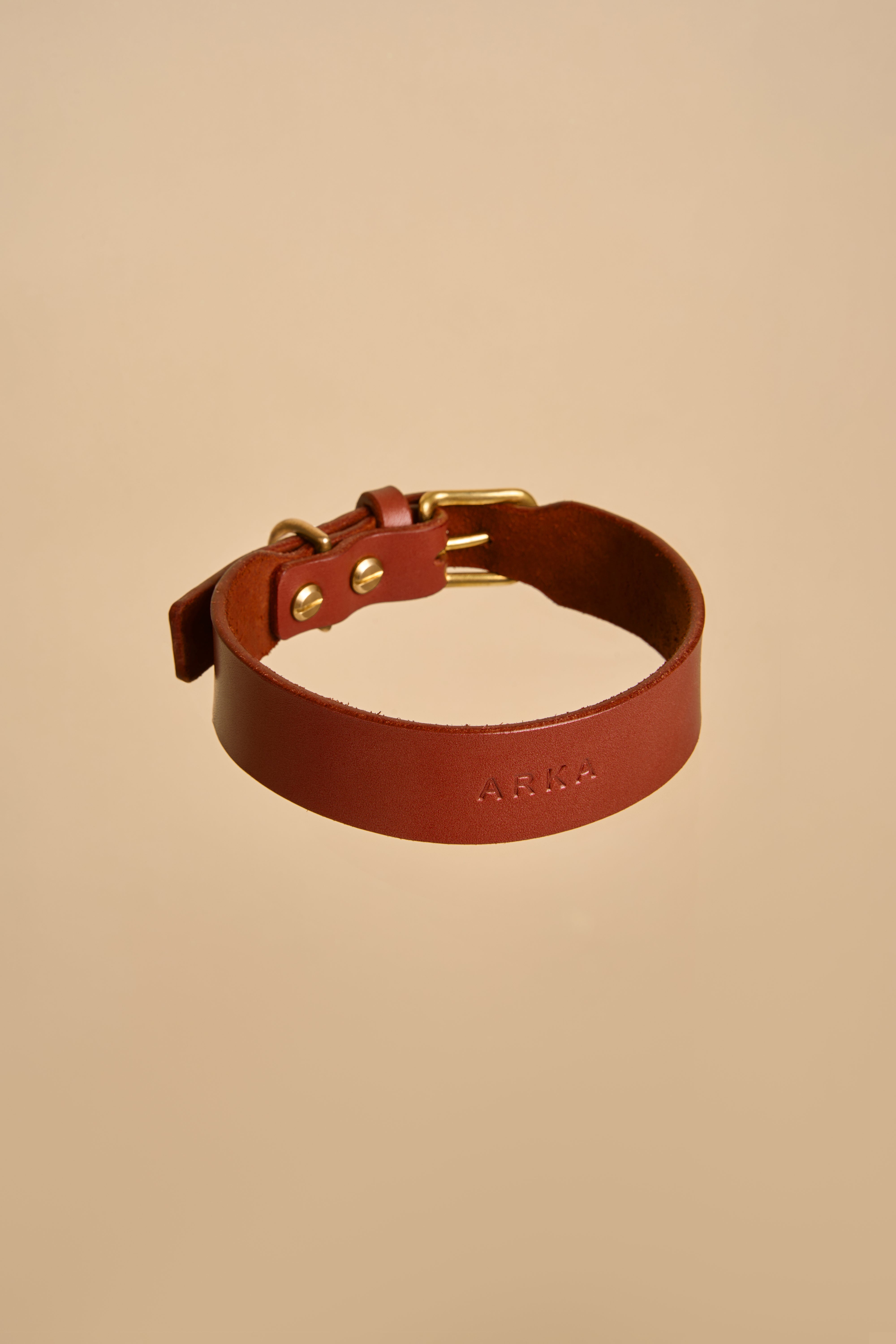
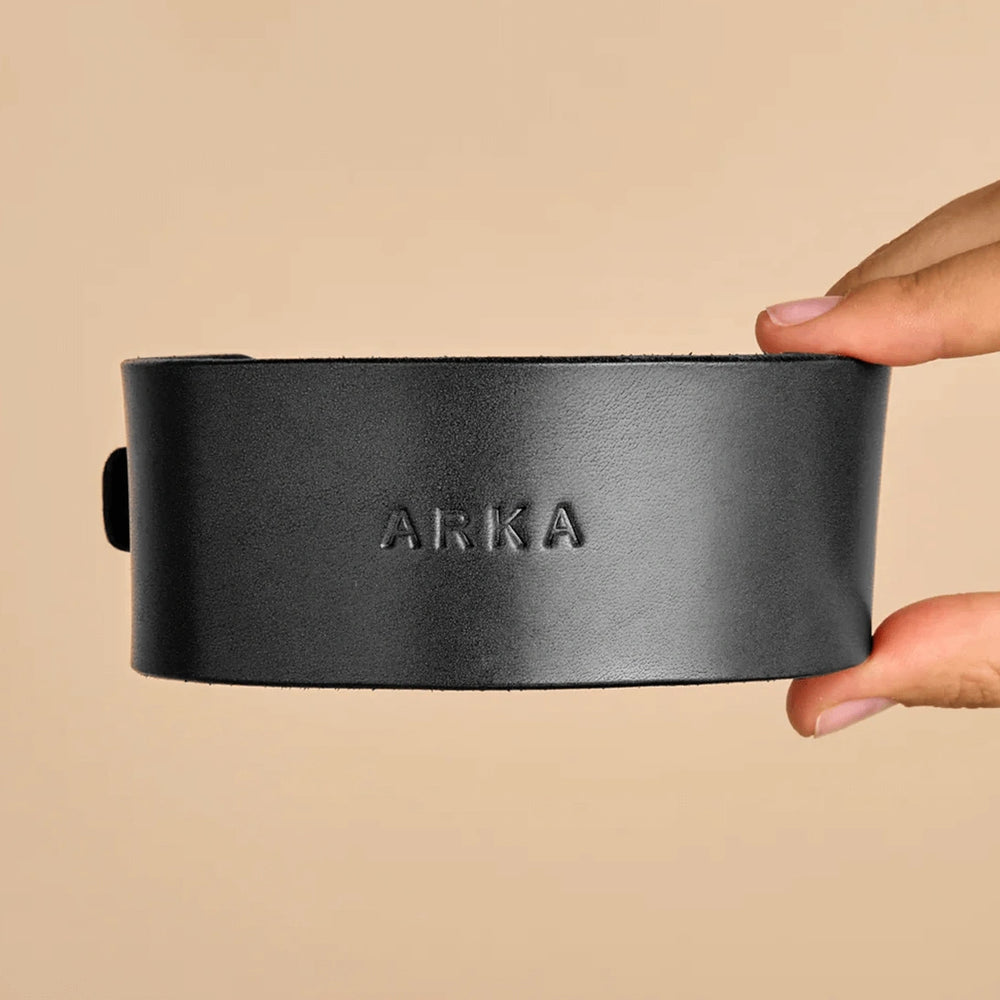
For The Lille Björn collars: the dog’s name can be embossed directly into the leather collar itself, a permanent, silent identification layer that complements a hanging name tag carrying your phone number. Together they give your dog two forms of identification, neither of which depends on the other.
Our complete guide to personalized leather dog collars covers exactly how that embossing is done and how it compares to engraving a separate tag.
Our High-Quality Recycled Brass ID Tags
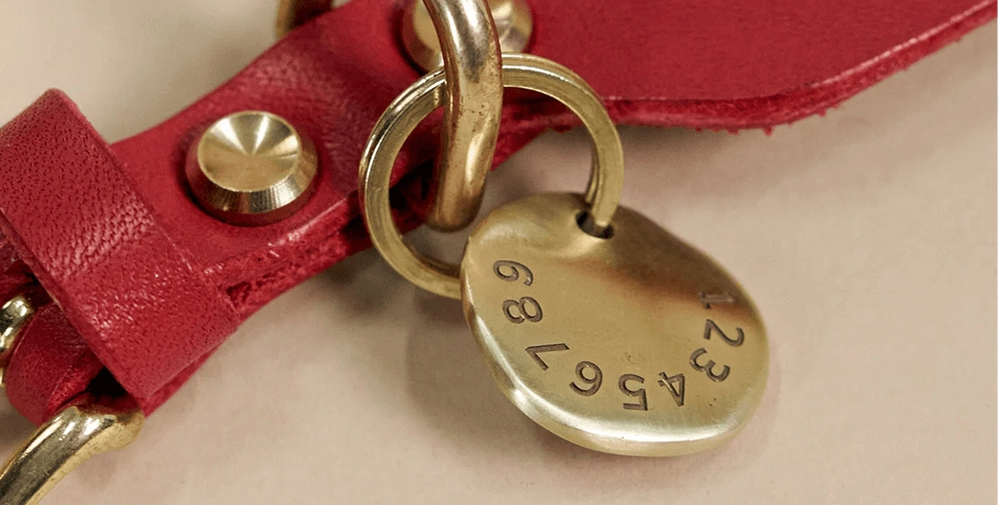
If you think that an ID tag is the way to go, then look no further than our brilliant range of recycled brass dog ID tags. We think they offer the perfect combination of security, sustainability and style!
Why Choose Our Brass ID Tags?
- They are eco-friendly, being made from beautiful recycled brass. This helps to reduce overall waste in the world, and you can play your own small part in the fight to make the earth a healthier planet.
- They are treated to deep laser engraving that guarantees long lasting and easy to read text for years to come. You don’t want to lose your pup with the nagging thought in the back of your head about how legible their tag is.
- They are available in multiple shapes and finishes, perfect for a pet owner who wants to show off some style.
- They are equipped with a strong string ring that greatly reduces the risk of loss when out and about.
- The solid single layer design of the brass tag cuts down on any annoying jingling.
Material, engraving text, and the checkout steps for personalizing one of these tags are laid out in how to get a personalized engraved dog name tag.
Frequently Asked Questions: Dog ID Tags and Collar Identification
Should dogs wear ID tags?
Yes and in many countries, visible identification on a dog’s collar is a legal requirement. In the UK, every dog in a public place must wear a collar with the owner’s name and address under the Control of Dogs Order 1992. In the US and Australia, requirements vary by state and municipality but typically include a current rabies vaccination tag and owner contact details. Beyond legal compliance, a dog wearing a visible ID tag with a current phone number is significantly more likely to be reunited with their owner quickly if lost.
What is the difference between a dog ID tag and a metal plate collar?
A dog ID tag is a separate disc or shape that hangs from the collar’s D-ring and can be moved between collars or updated when contact details change. A metal nameplate is engraved and fixed or riveted directly to the collar itself, making it silent, permanent, and impossible to lose separately. Tags are more flexible and affordable; nameplates are quieter and more secure. For most companion dogs, a quality ID tag is the practical choice. For working dogs or owners who prioritise silence, a nameplate is the better option.
What information should be on a dog ID tag?
The essential information is your dog’s name and your mobile phone number, the number you reliably answer. A second contact number is a helpful addition. The phrase “microchipped” is worth including if your dog is chipped, so a finder knows to take them to a vet for chip reading. Your full home address is generally recommended to leave off for security reasons, a phone number is sufficient for any finder to contact you directly.
Is a microchip enough identification for a dog?
No, a microchip is not a substitute for visible collar identification. A microchip can only be read by a specialist scanner available at vets and shelters. A collar tag or nameplate can be read instantly by any member of the public who finds your dog. In the UK, microchipping is a separate legal requirement from collar identification, both are mandatory, and neither replaces the other. A microchipped dog without a collar tag may wait hours at a shelter before being scanned and returned. A dog with a visible phone number on their collar can be reunited within minutes.
Can a collar have a name tag built in?
Yes, two options exist. The first is a nameplate: a flat engraved plate riveted directly to the collar surface, which is silent and permanent. The second, available on The Lille Björn collars, is engraving the dog’s name directly into the leather collar itself. The leather engraving carries the dog’s name permanently and silently; a separate hanging ID tag then carries the owner’s phone number. This combination gives two layers of identification, one that can never fall off, one that carries the contact detail needed for a fast reunion.
How do I stop my dog’s ID tag from making noise?
Three approaches work: use a single quality tag rather than multiple tags hanging together; use a rubber silencer ring around the tag to dampen contact with the D-ring; or switch to a nameplate that is riveted directly to the collar and makes no noise at all. The Lille Björn’s Pebble name tag uses a solid single-layer design that produces minimal noise compared to double-sided or multi-disc tag options.
What is the law on dog ID tags in the UK?
Under the Control of Dogs Order 1992, every dog in a public place in England, Scotland, and Wales must wear a collar displaying the owner’s name and address. This applies even if the dog is microchipped, microchipping satisfies a separate legal requirement but does not replace the obligation for visible collar identification. Failure to comply is a criminal offence and fines can reach £2,000. A quality engraved ID tag or collar nameplate carrying your name and address satisfies this requirement directly.
The Right Identification for Every Dog
Making sure your dog can be identified and returned is the most important job any collar accessory does. A quality brass ID tag engraved with your name and mobile number, attached securely to a flat leather collar, is the most practical everyday solution for the vast majority of dogs in any country.
Browse The Lille Björn’s custom engraved name tags that are made from recycled brass with deep laser engraving that remains fully legible for years and pair them with a flat leather collar with your dog’s name engraved directly into the leather for a complete, quiet, permanent identification setup.