Quick Summary
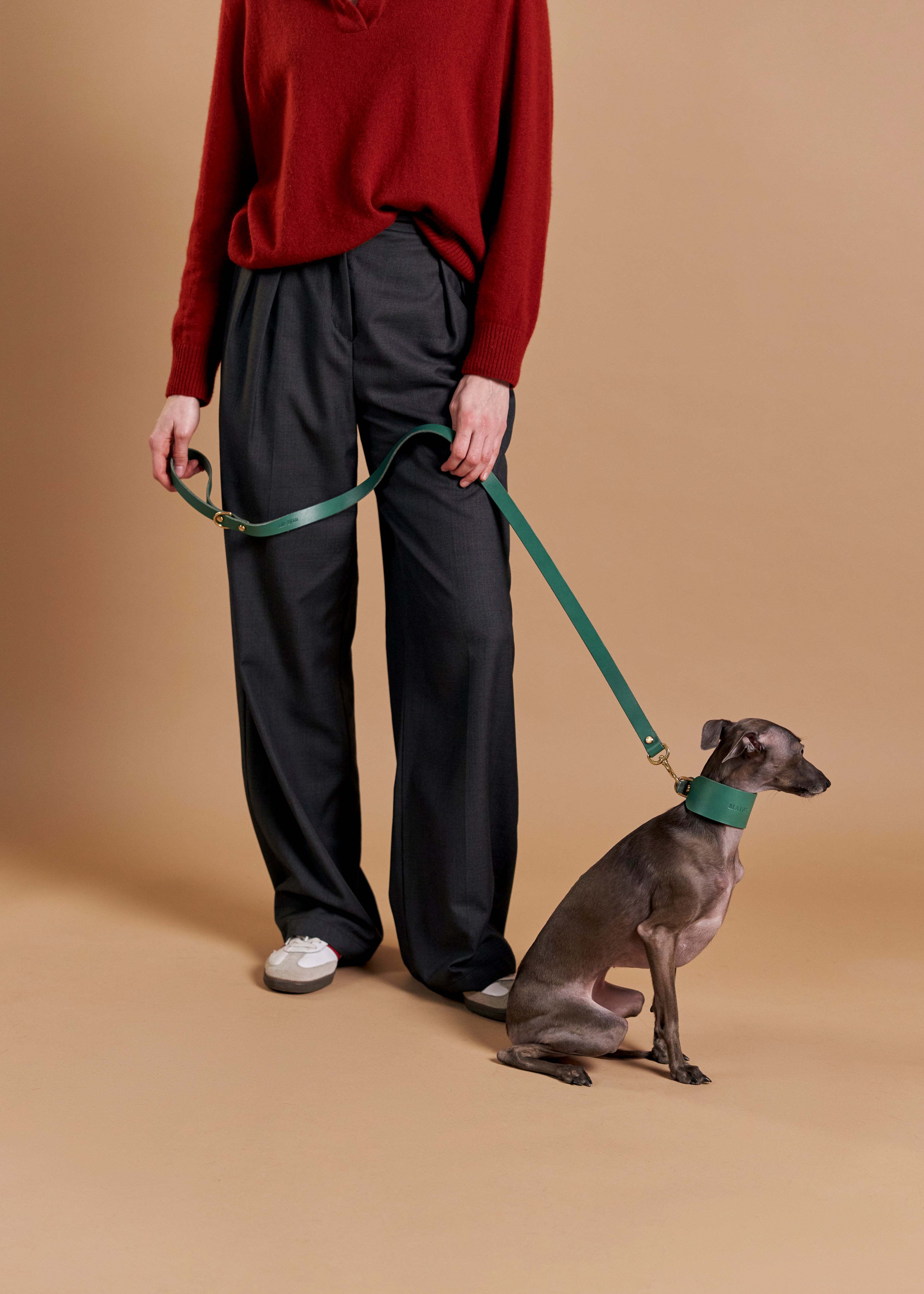
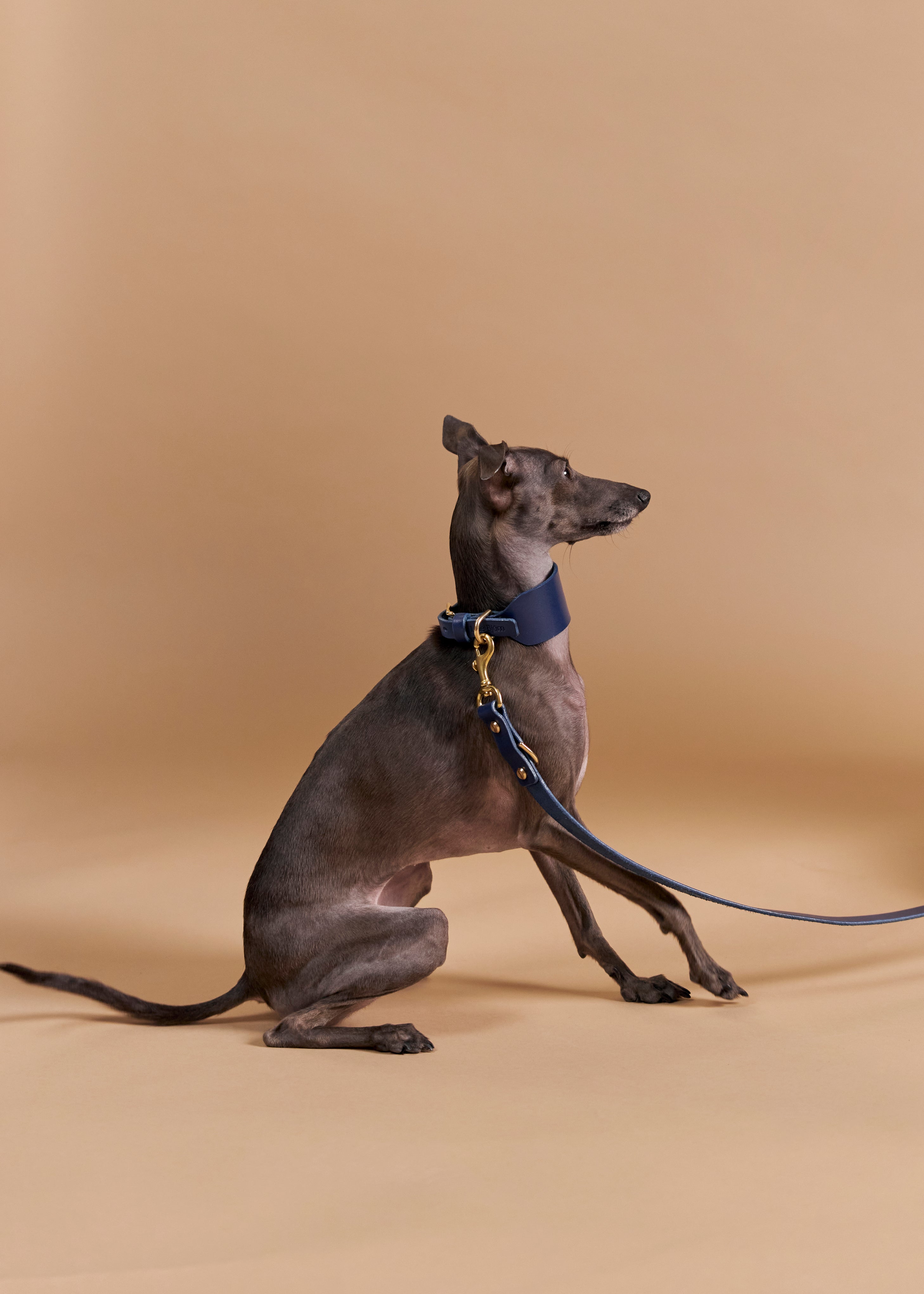
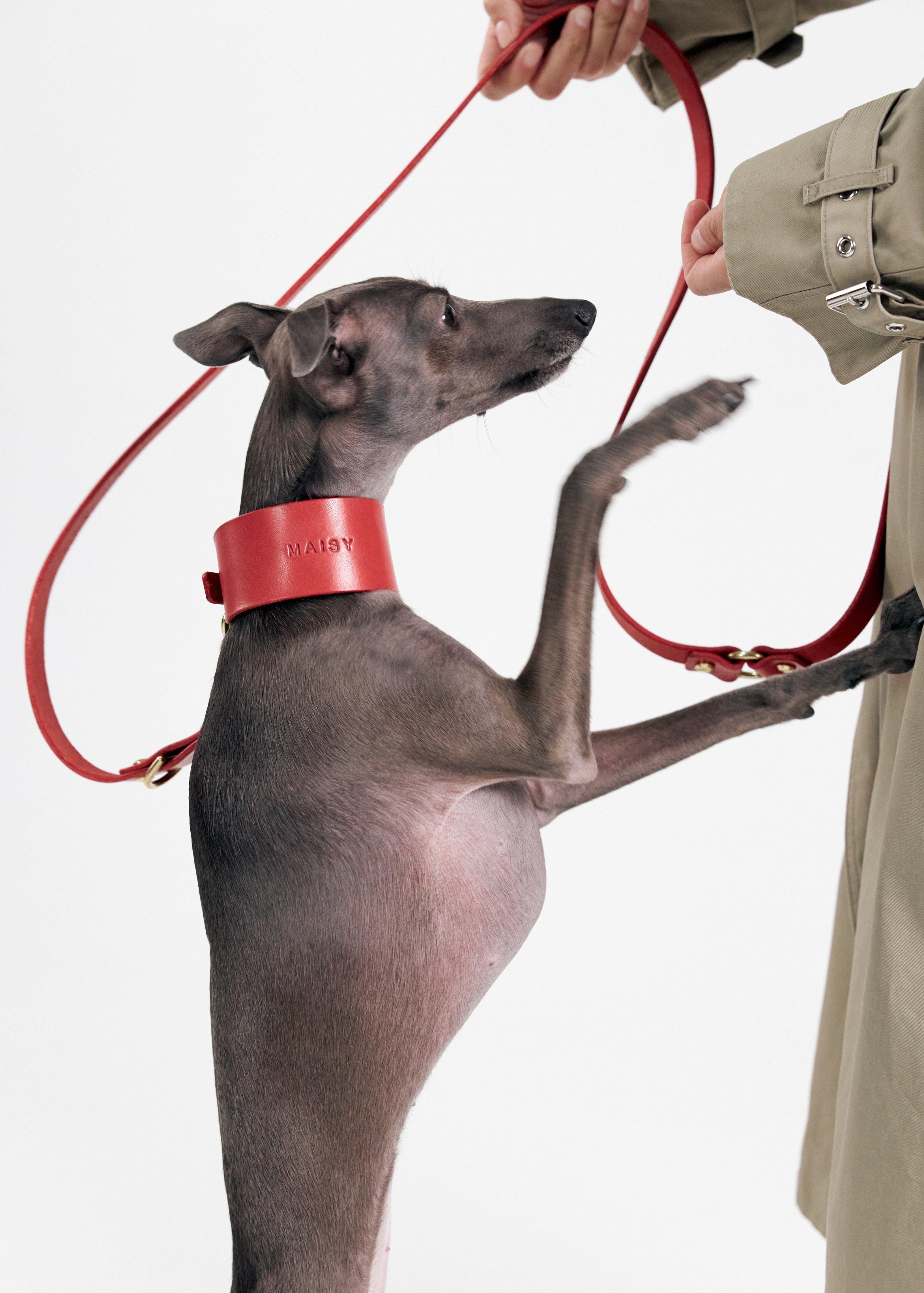
Yes, most dogs do like wearing their collars, and the reason is rooted in scent, routine, and association rather than any conscious awareness of the object itself. A collar that has been worn for weeks absorbs the dog’s own scent and becomes a familiar, comforting object. More importantly, dogs form strong positive associations between their collar and the experiences that follow putting it on primarily walks, outdoor adventures, and one-on-one time with their owner. For a dog whose collar fits well and has been introduced positively, wearing it becomes a source of calm security rather than discomfort.

Do Dogs Like Their Collars?
Most dogs that have been fitted with a comfortable, well-introduced collar do like wearing it or at minimum, are completely indifferent to it in a positive way. The collar becomes part of their identity, a familiar sensory experience, and a reliable signal that something good is about to happen.
Dogs that dislike their collars almost always have a specific reason: the collar is too tight, the material irritates their skin, the hardware causes friction, or the collar was introduced without positive association. These are all fixable problems. A dog that has never liked any collar is almost always responding to a fit or material issue rather than an inherent discomfort with collars as a concept.
Why Do Dogs Like Their Collars So Much?
The Role of Scent
It’s fair to say that a dog’s sense of smell is the closest thing it has to a superpower, and since their collar absorbs a lot of their natural scent over time, it is easy for them to distinguish it from other objects. This is usually the reason why your pup might react more positively to an old collar than a new one, because it carries more of that unique scent with it!
Why Do Dogs Lick Their Collars When You Take Them Off?
Dogs lick their collars after removal for the same reason they lick anything that carries interesting scent information: the collar is saturated with the smells of the day, their own scent, the scents of the walk, and the scents of other animals and environments they encountered. Licking is simply an extension of the olfactory investigation that sniffing begins. It is entirely normal and indicates a healthy interest in the scent information the collar carries and not a sign of distress or compulsion.
Routine Association
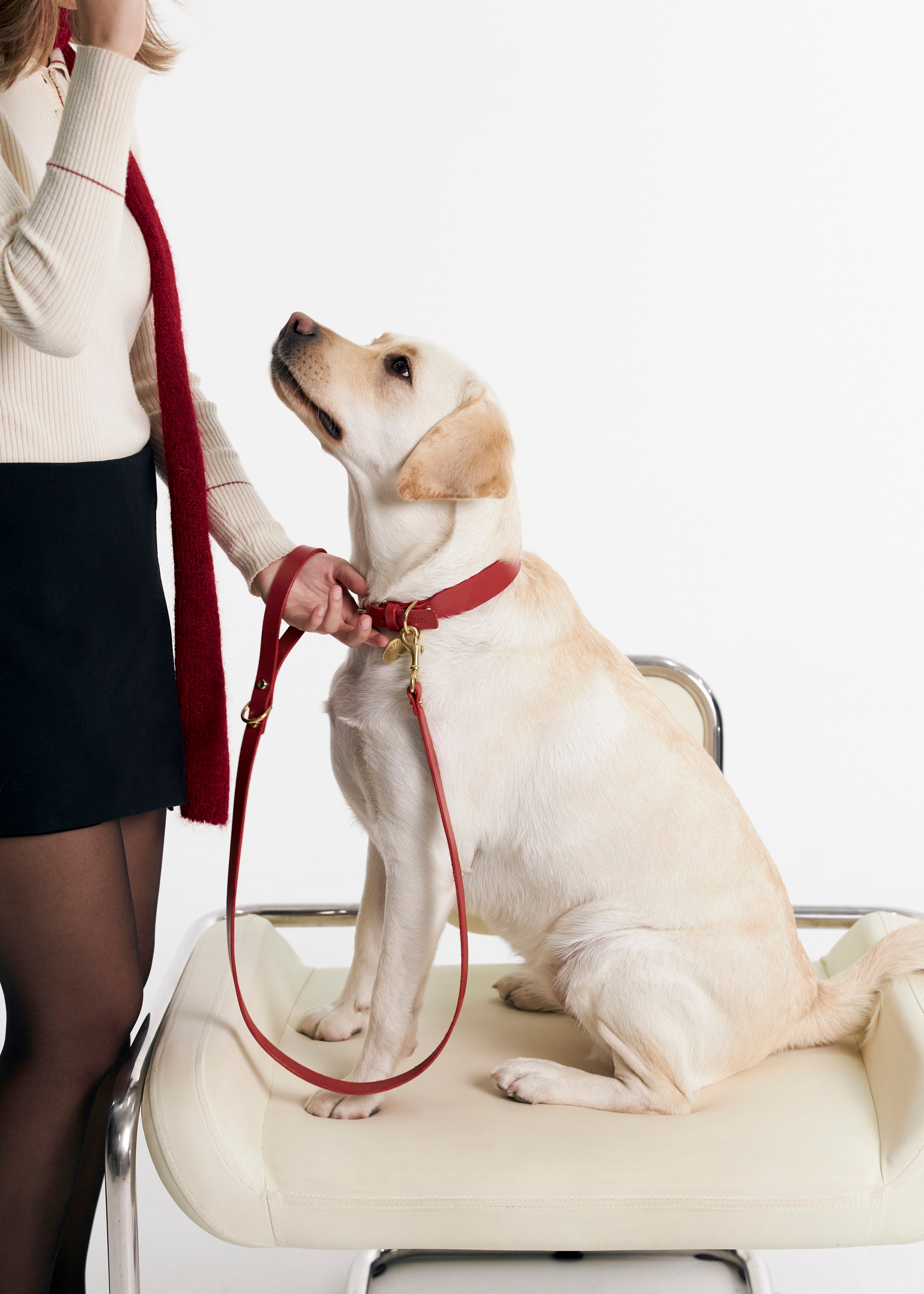
Dogs naturally associate objects with experiences, and this means that when their collar is put on, it is usually going to lead to a fun walk. Because of this association, a positive emotional connection will develop. At the same time, it’s also important to recognize that if their collar leads to feelings of discomfort from being too tight or irritating to their skin, a negative association will be formed instead.
Tactile Familiarity
Your pup’s comfort levels play a big role in their recognition skills. For example, a well fitted collar that doesn’t pinch or chafe will leave them happy and unhampered, whereas an ill fitting one will inevitably lead to lots of distress and attempts to remove it by shaking and scratching. These emotions will become part of their core memory, so choosing the perfect collar is essential for making sure they don’t dread walk time.

Do Dogs Recognise Their Own Collars?
Okay, so here are some of the facts. Unlike us humans, dogs don't actually look at objects and think 'that's mine!' consciously about them. Having said that, they are able to recognize familiar and frequently used objects based on things like touch, scent and routine association.
Do Dogs Get Attached to Their Collars?
Yes, particularly after extended wear. The combination of scent absorption, routine association, and tactile familiarity means that a collar worn consistently over months becomes a genuinely significant object to the dog. This is why switching collars abruptly sometimes causes mild unsettled behaviour: the familiar sensory object has been replaced with something unfamiliar. Introducing a new collar the same way you would any new object allowing the dog to sniff it, building positive association before putting it on smooths this transition significantly.
Why Choosing the Right Collar Matters for Your Dog’s Happiness
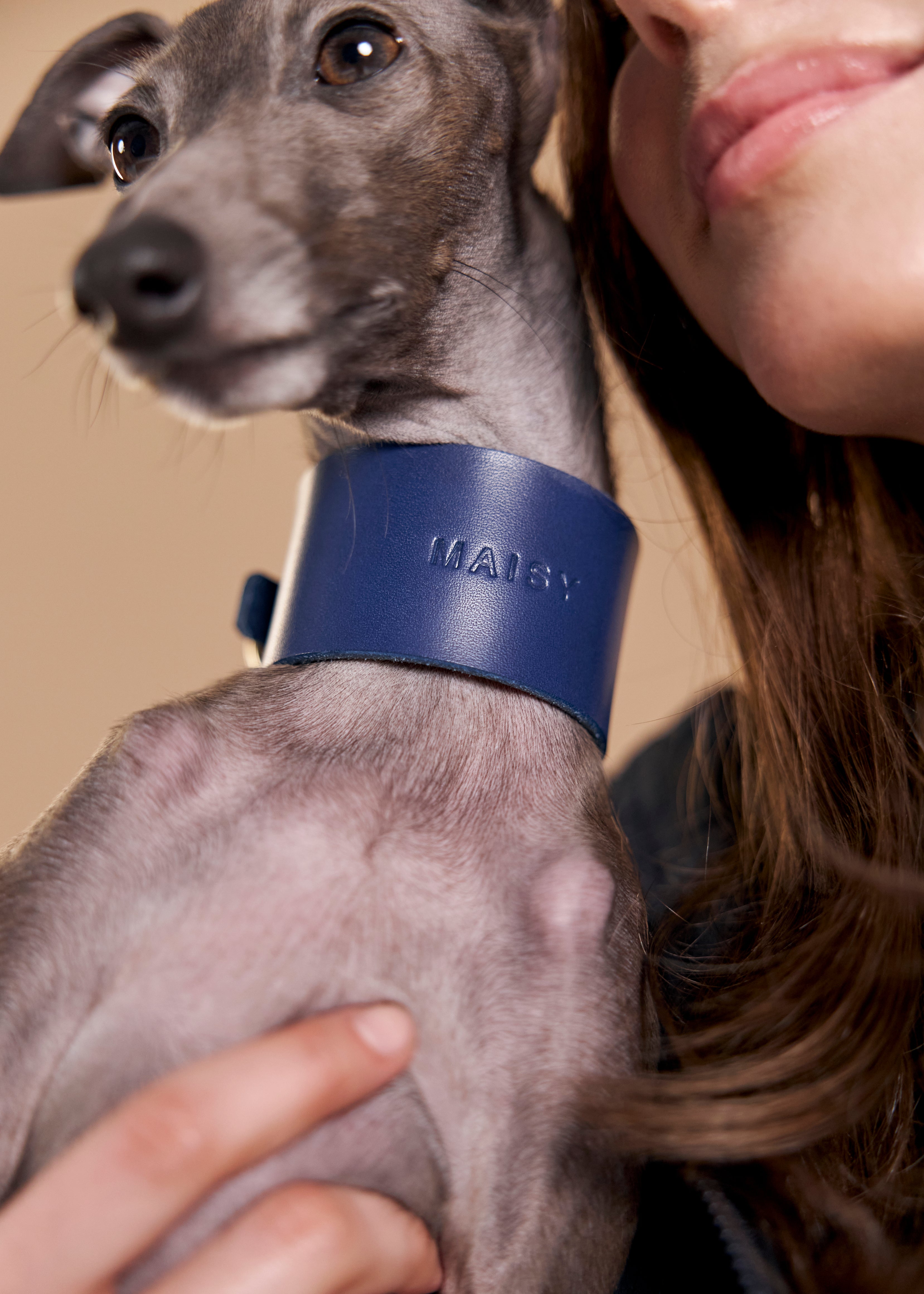
The quality of the association your dog forms with their collar depends almost entirely on how the collar feels against their neck every day. A collar that chafes, pinches, or irritates the skin will create a negative association that overrides everything else making daily walks unnecessarily stressful for both dog and owner. A collar that fits well and feels comfortable will allow the positive associations to build naturally and deeply.
Comfort & Fit Matter
Would you want to wear a too-tight, scratchy bracelet or necklace all day? Well, neither would your pup! From skin irritation to chafing to and more, constant discomfort from a collar will lead to your furry friend being resistant to having their collar attached which will make daily walks very stressful for both of you. See our complete dog collar measuring guide for the full protocol.
Psychological Effects
Once your dog has created that negative association with their collar, they will react very anxiously to it and will probably try to escape from it frequently. This is in complete contrast to a comfortable collar that will promote security and calmness.
Positive Routine
All dogs thrive on a strong routine, and you need to make sure that they see their collar as a ‘trusted companion piece’ when out on their daily adventures rather than a source of irritation or pain. When your pup enjoys wearing its collar, it becomes a reassuring part of everyday life with you.
Material Determines Daily Comfort
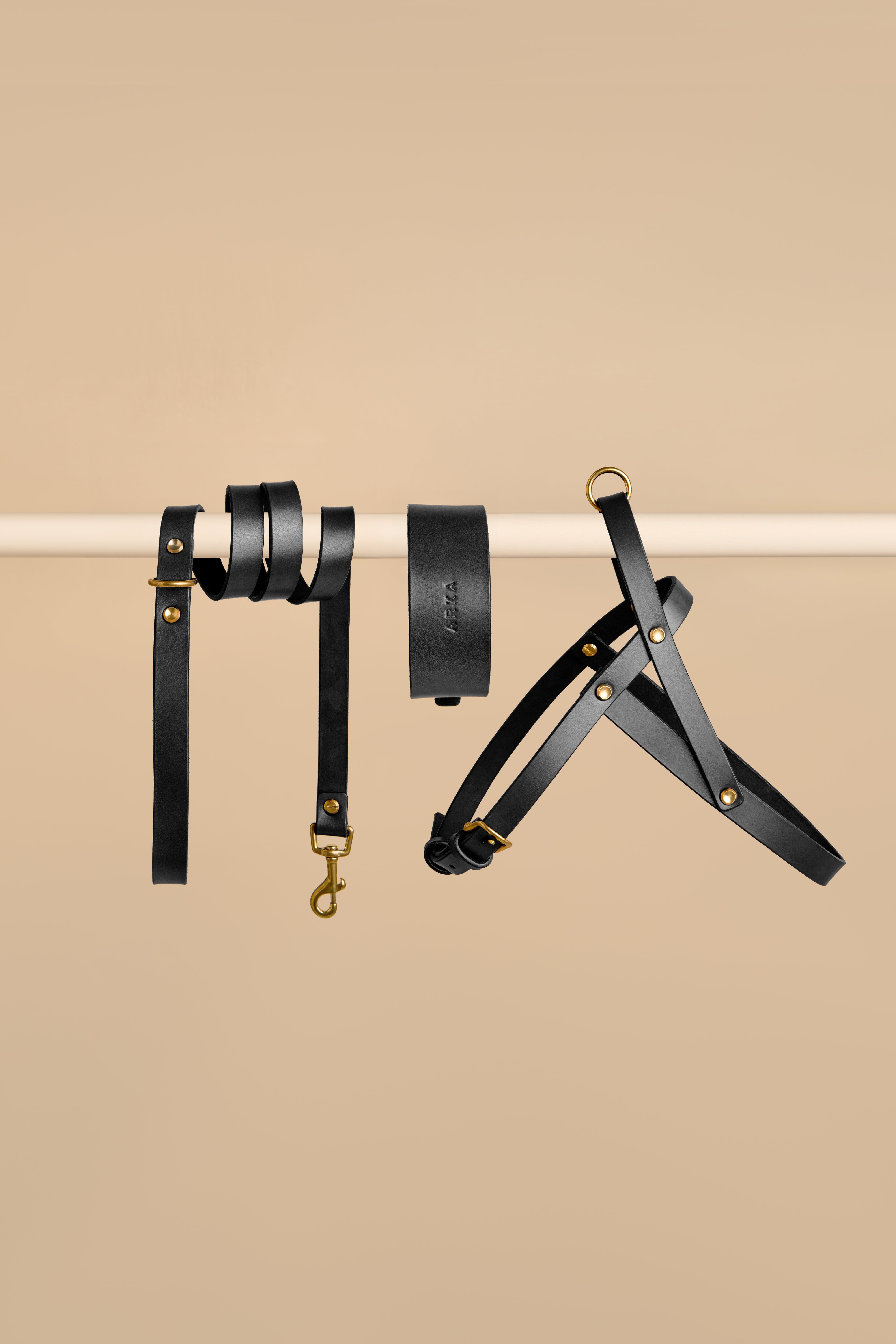
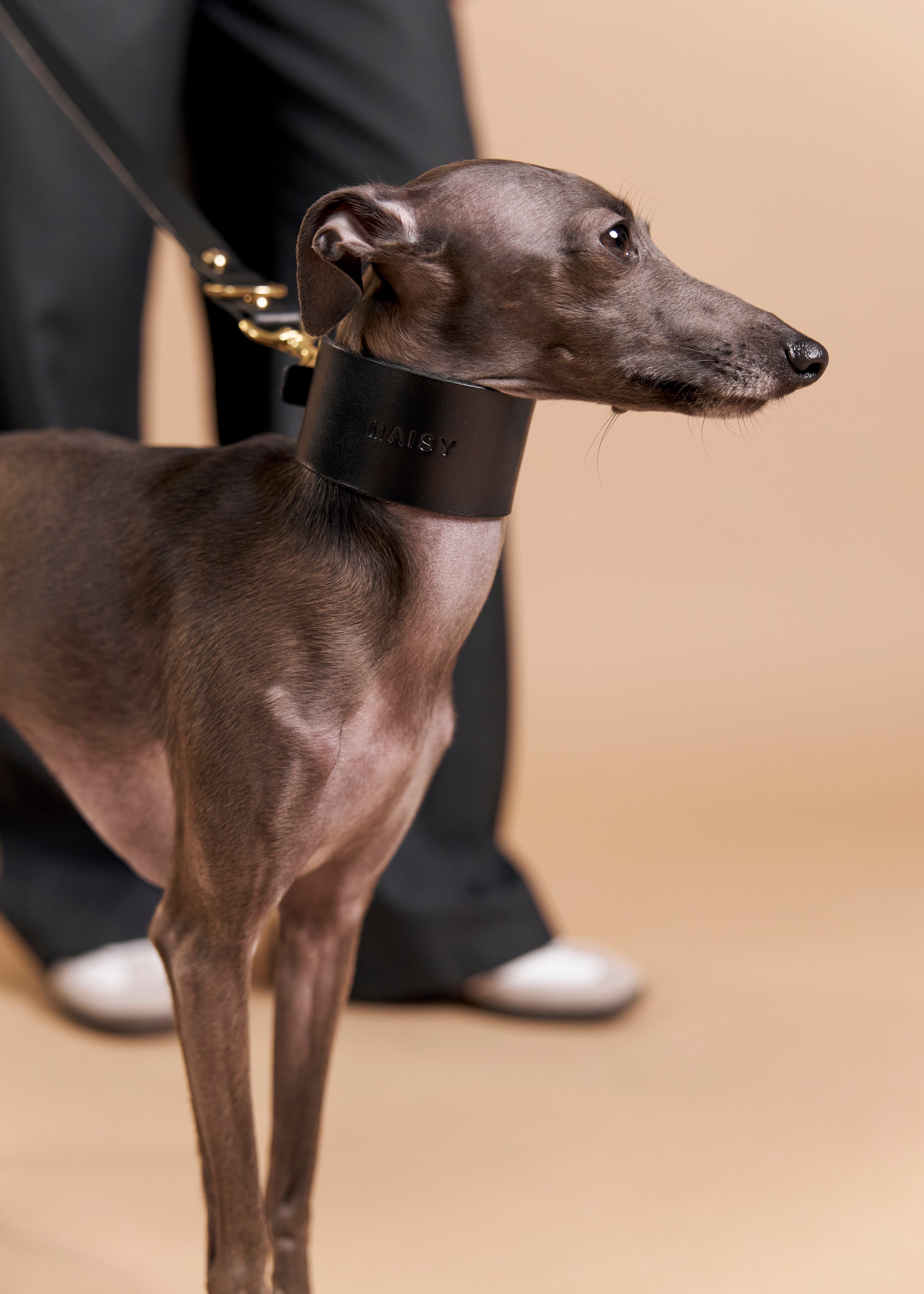
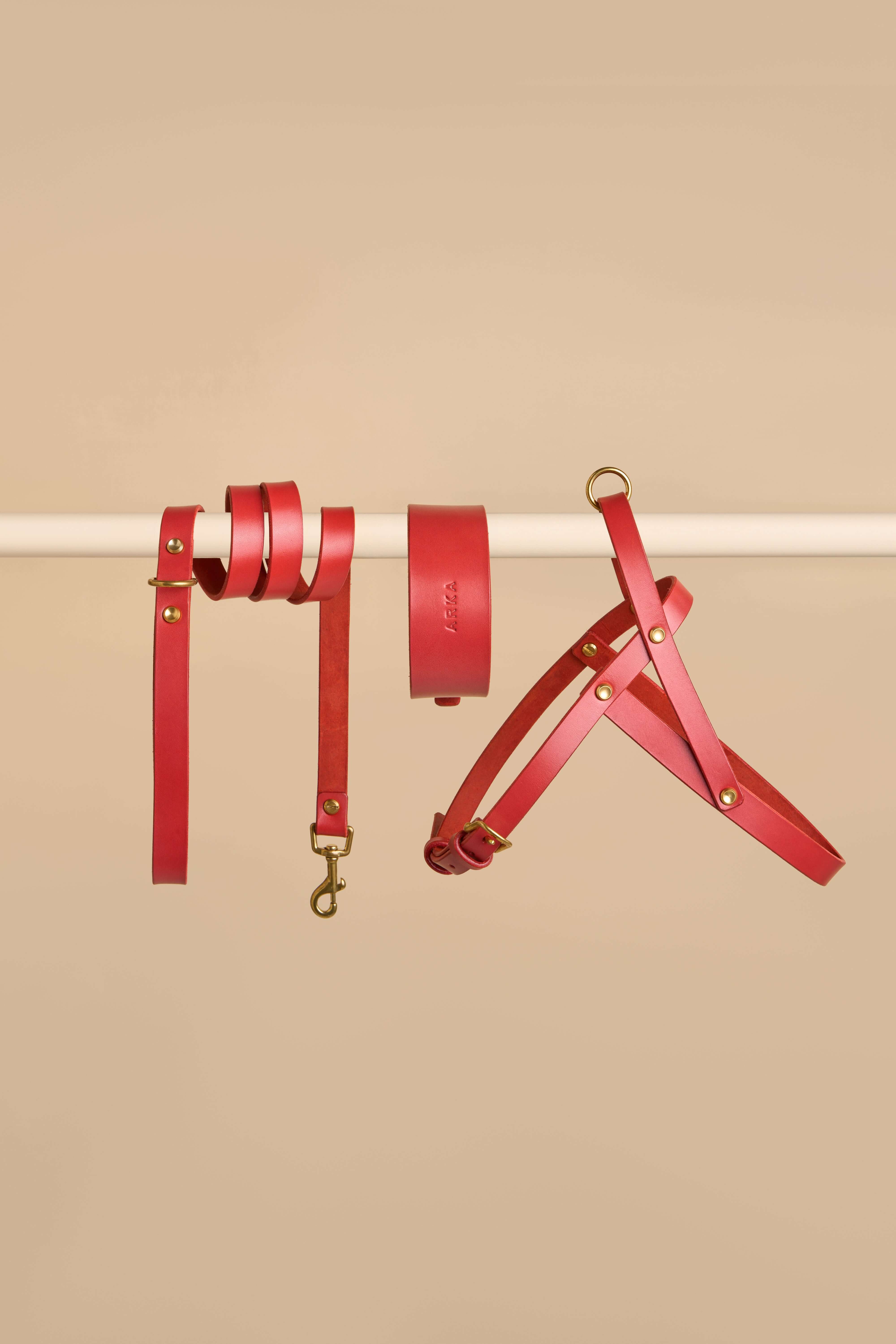
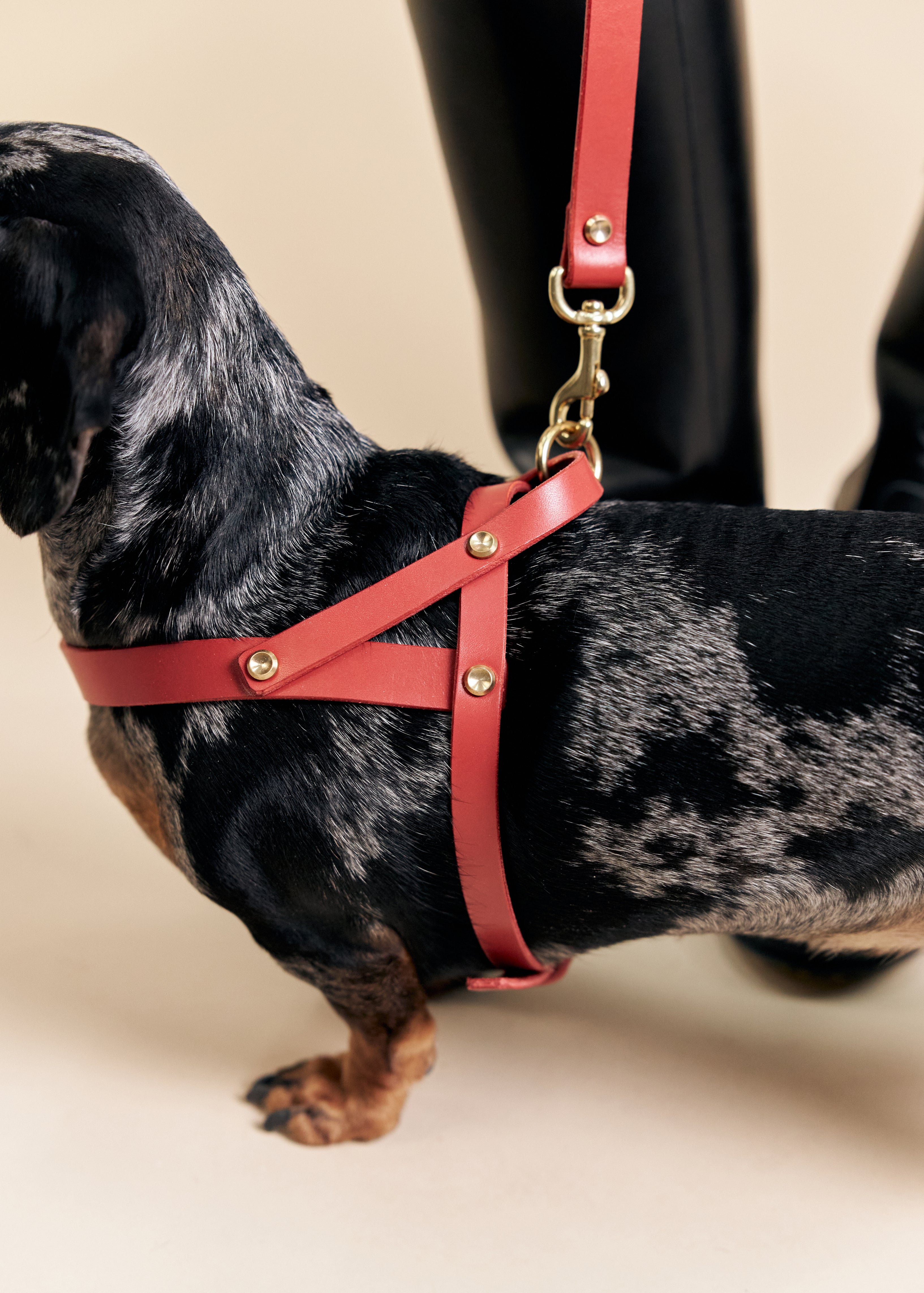
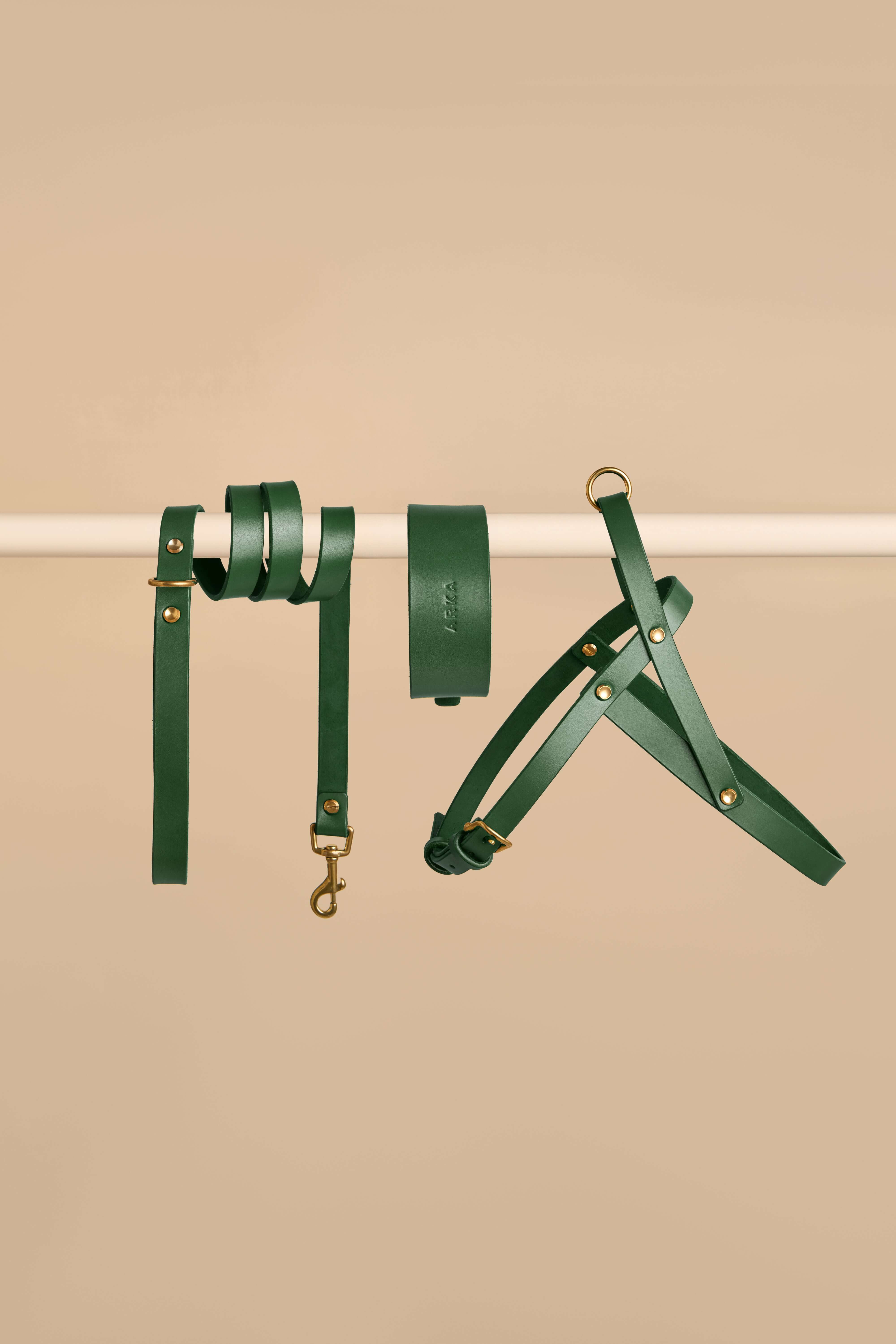
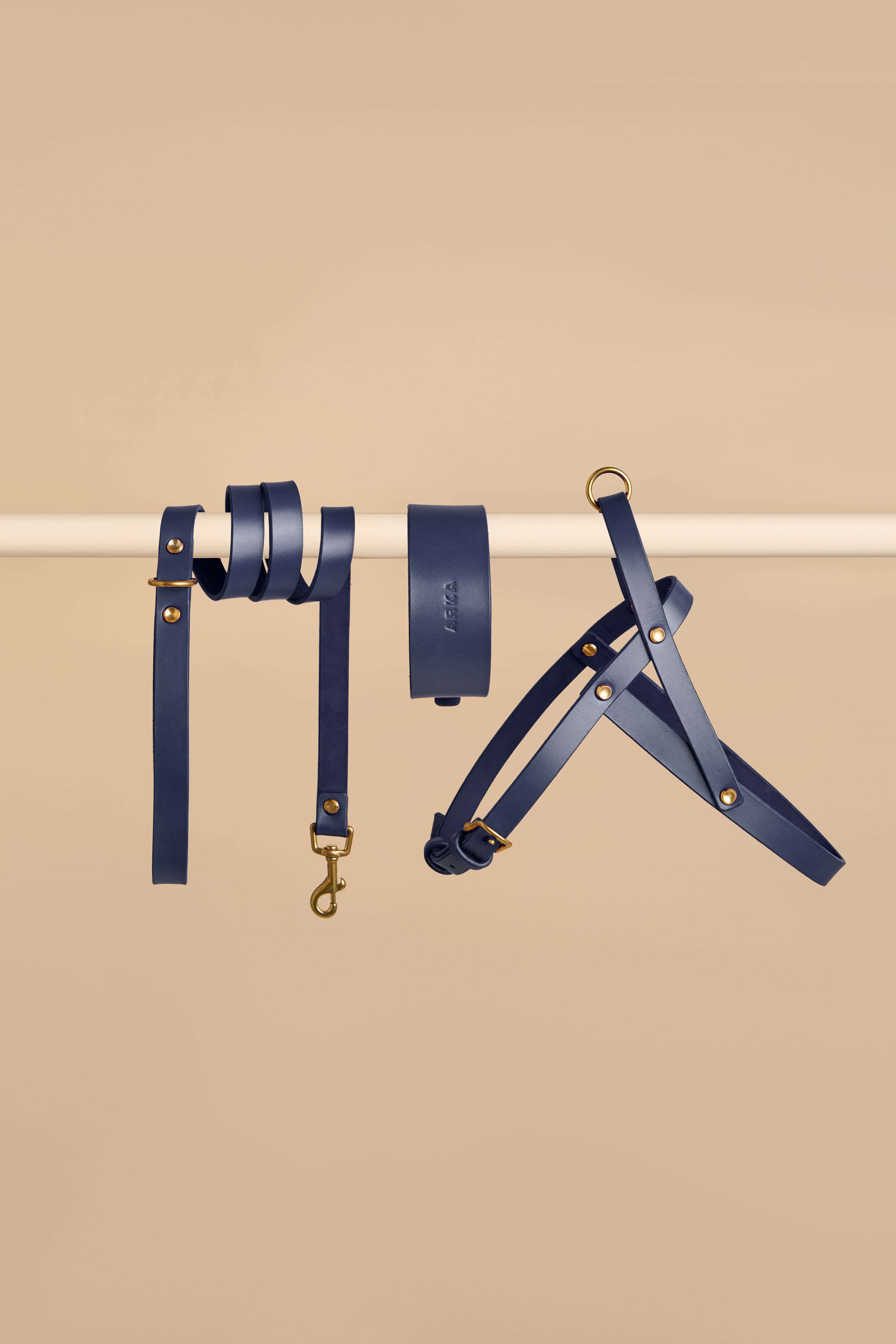
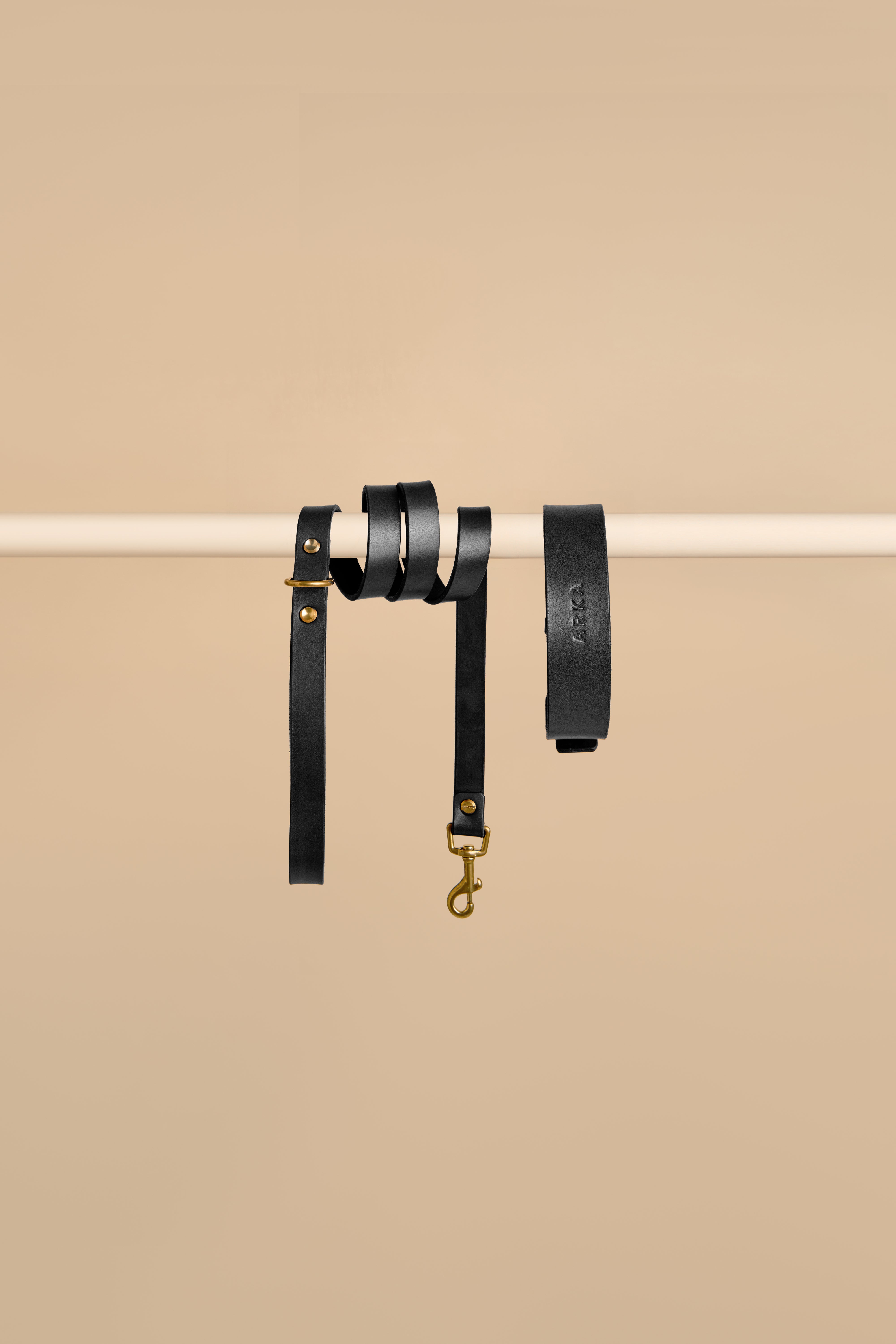
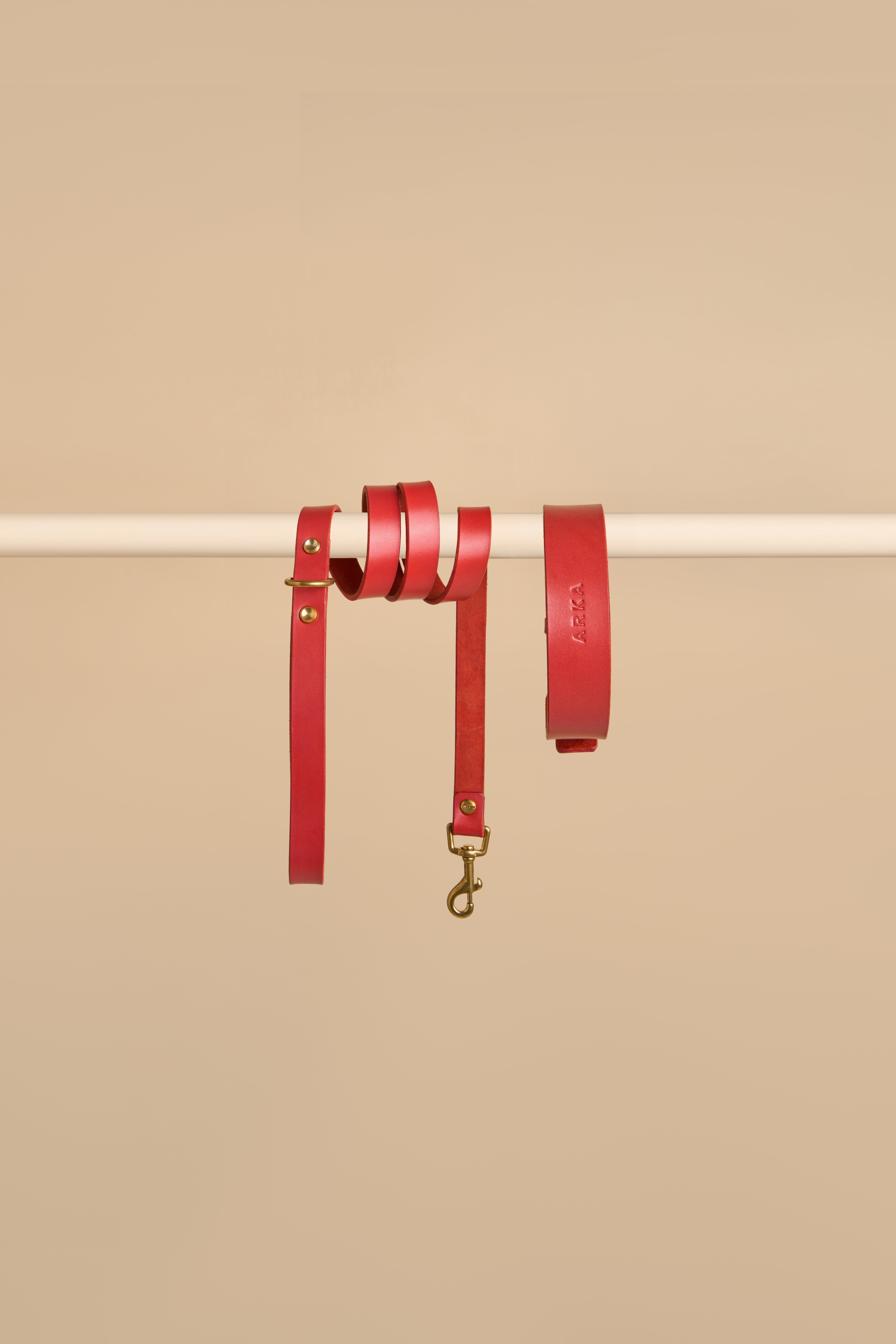
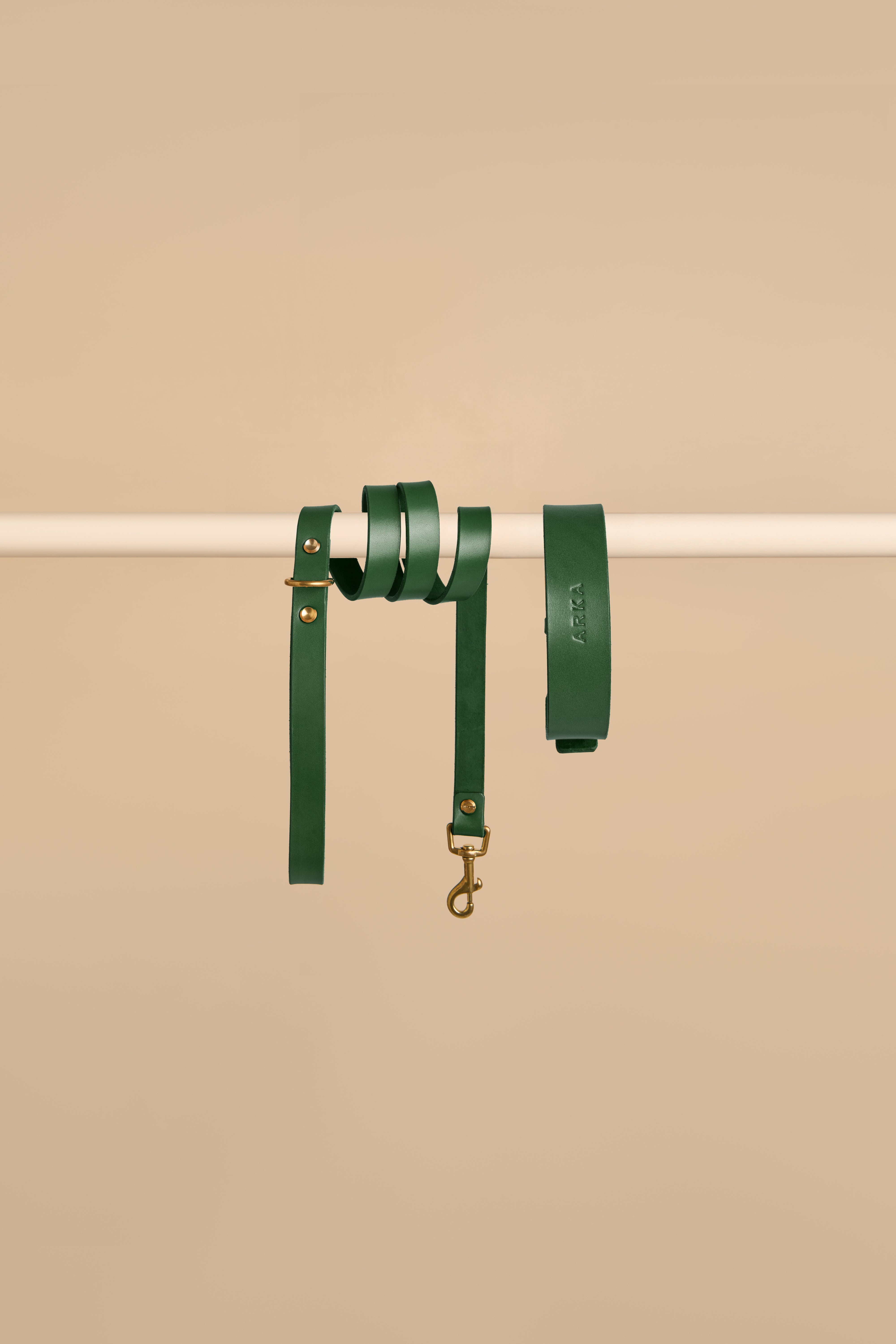
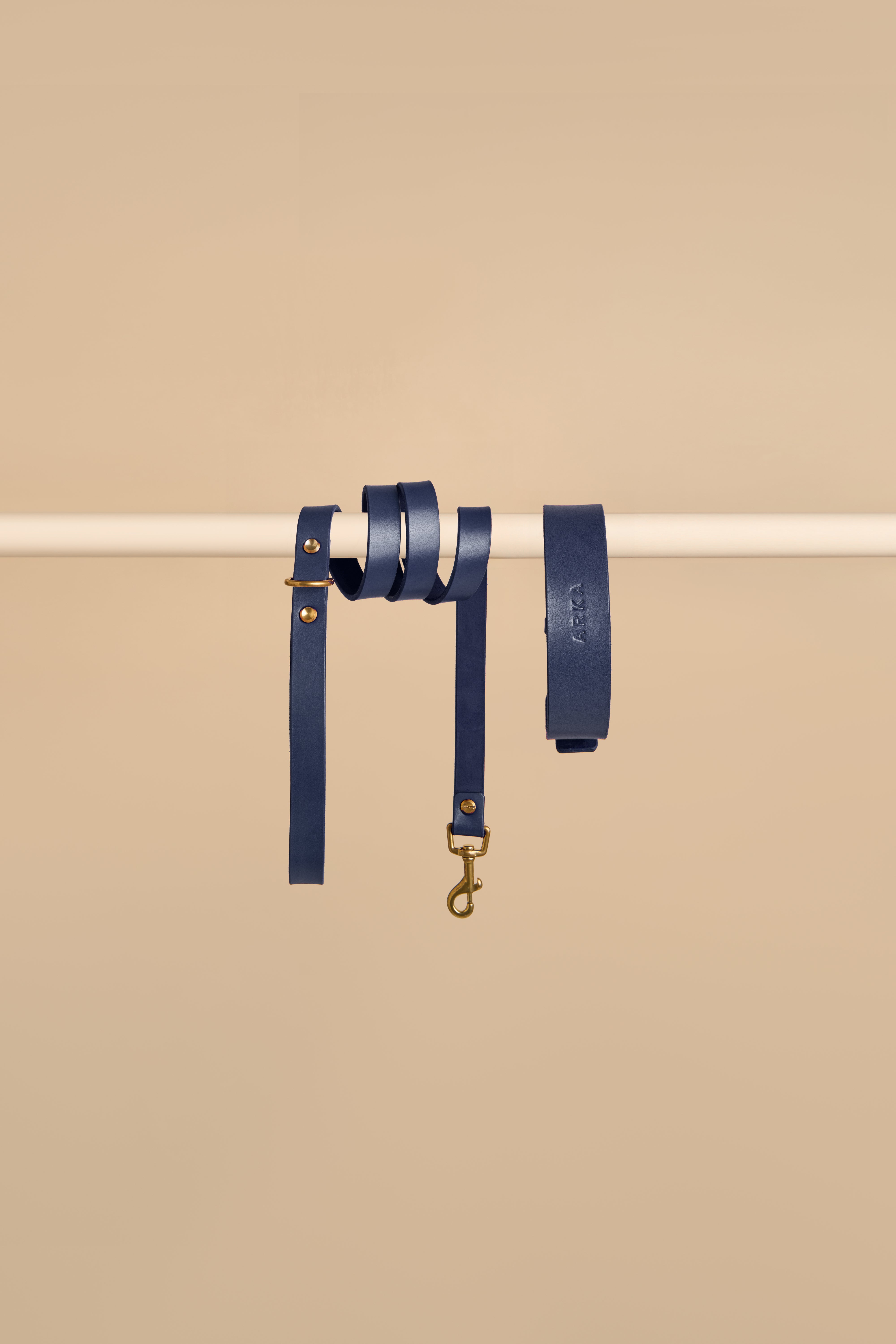
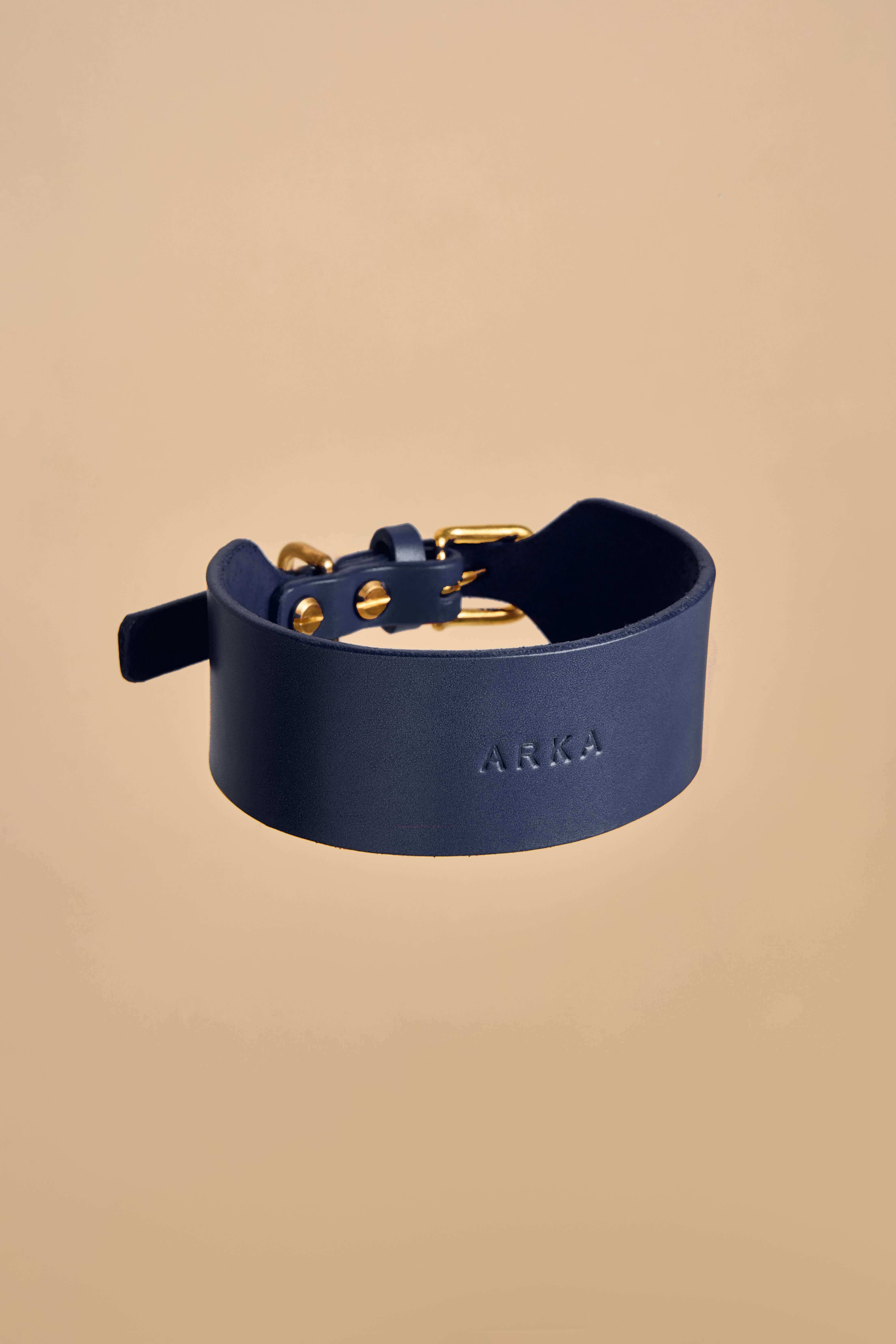
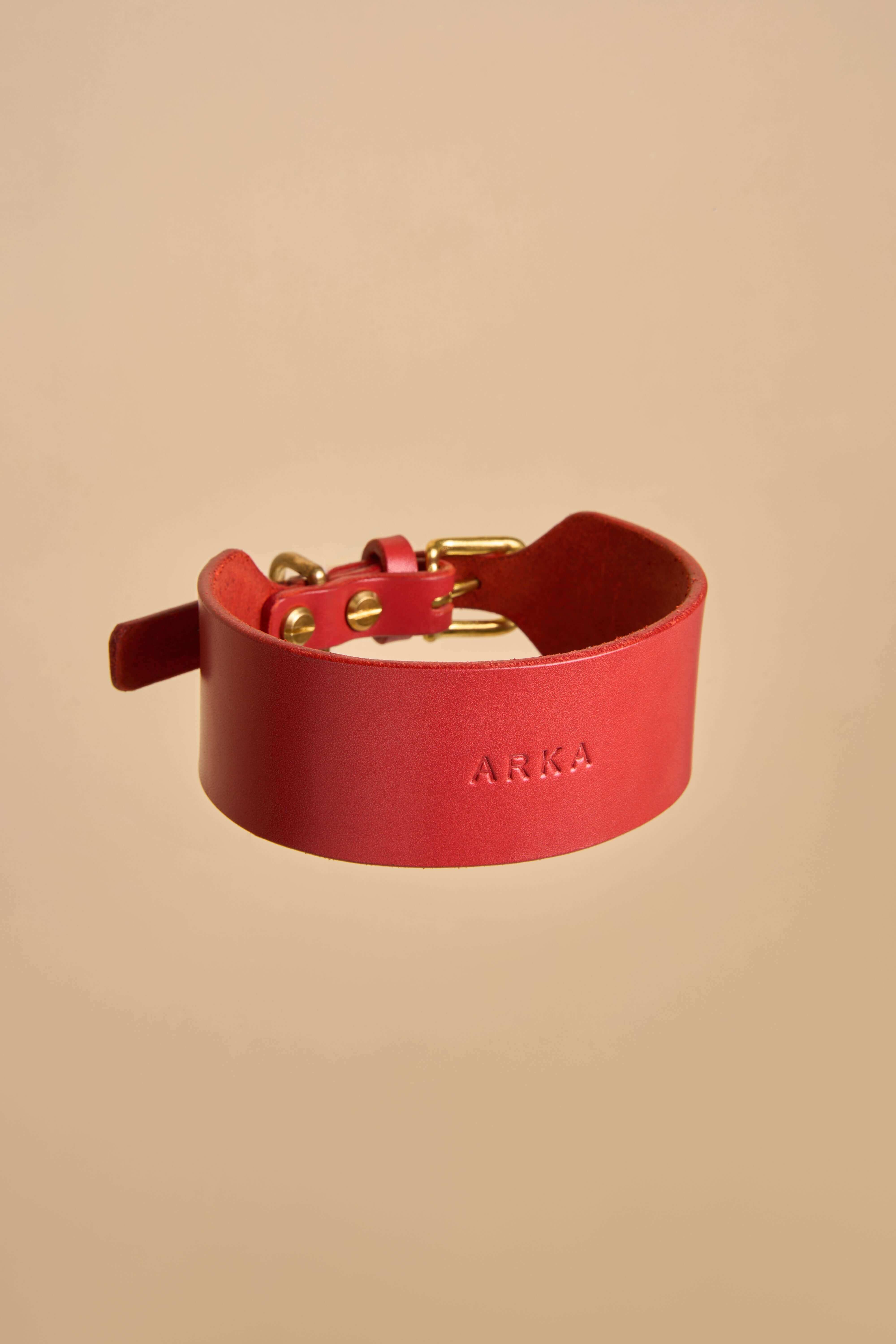
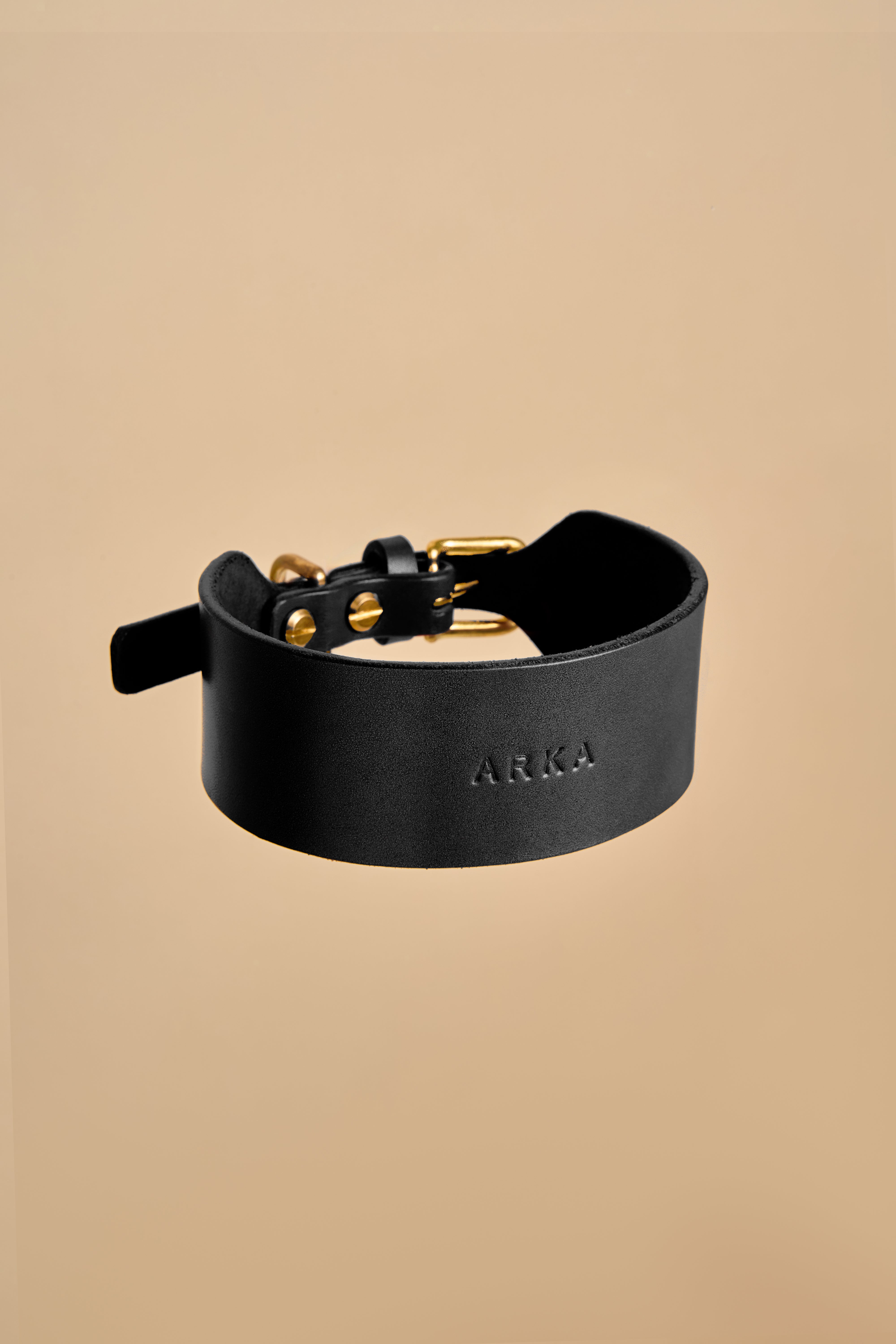
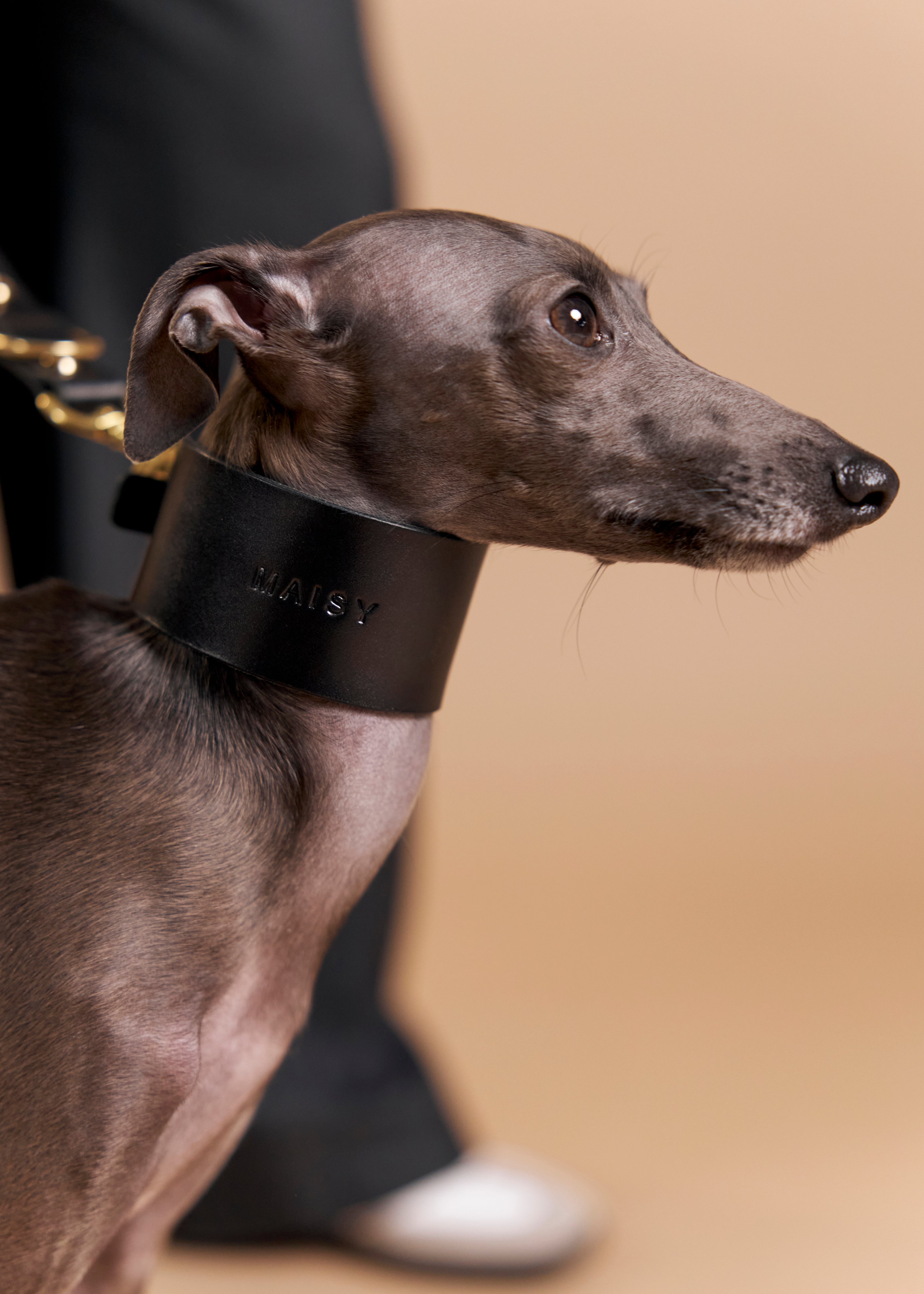
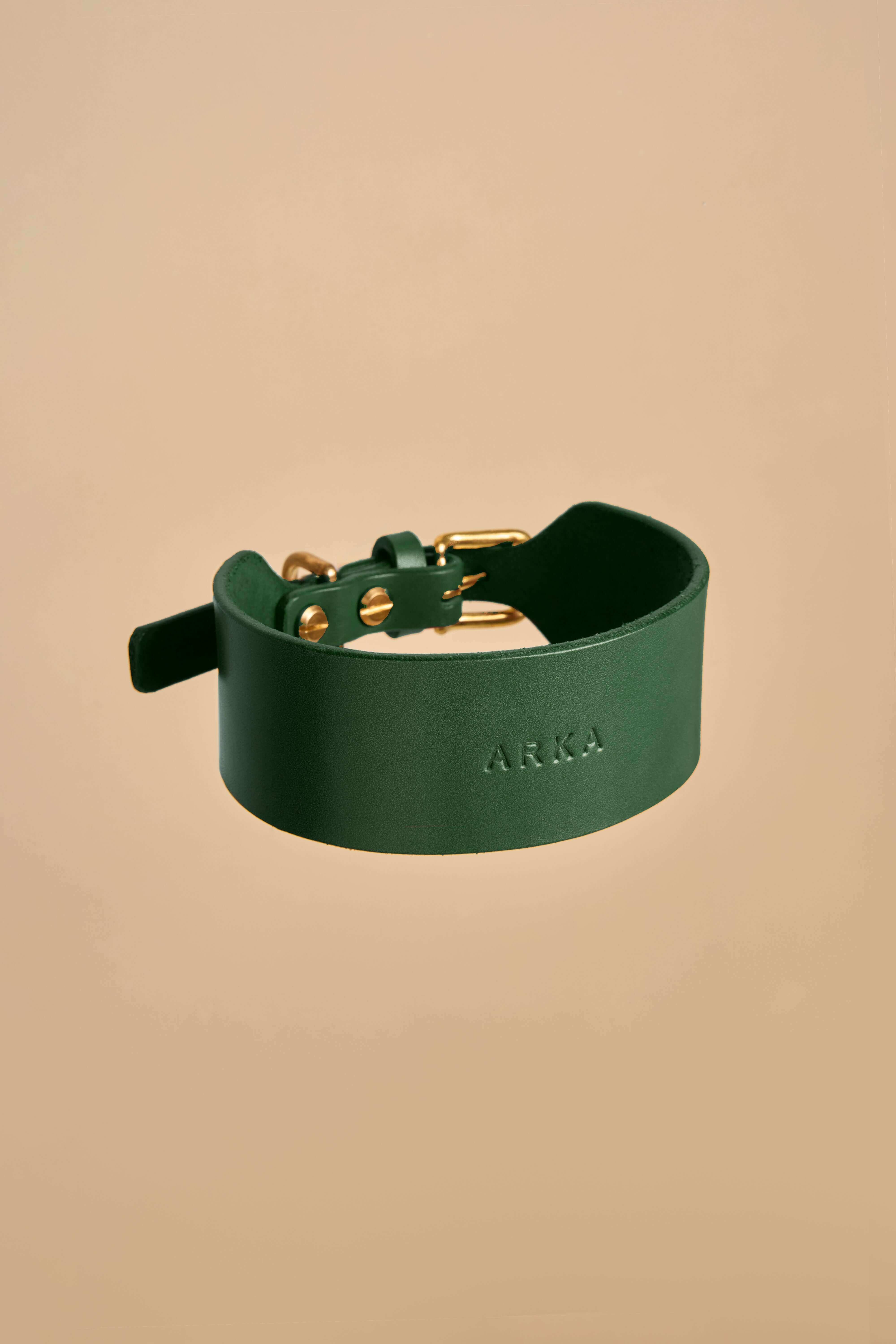
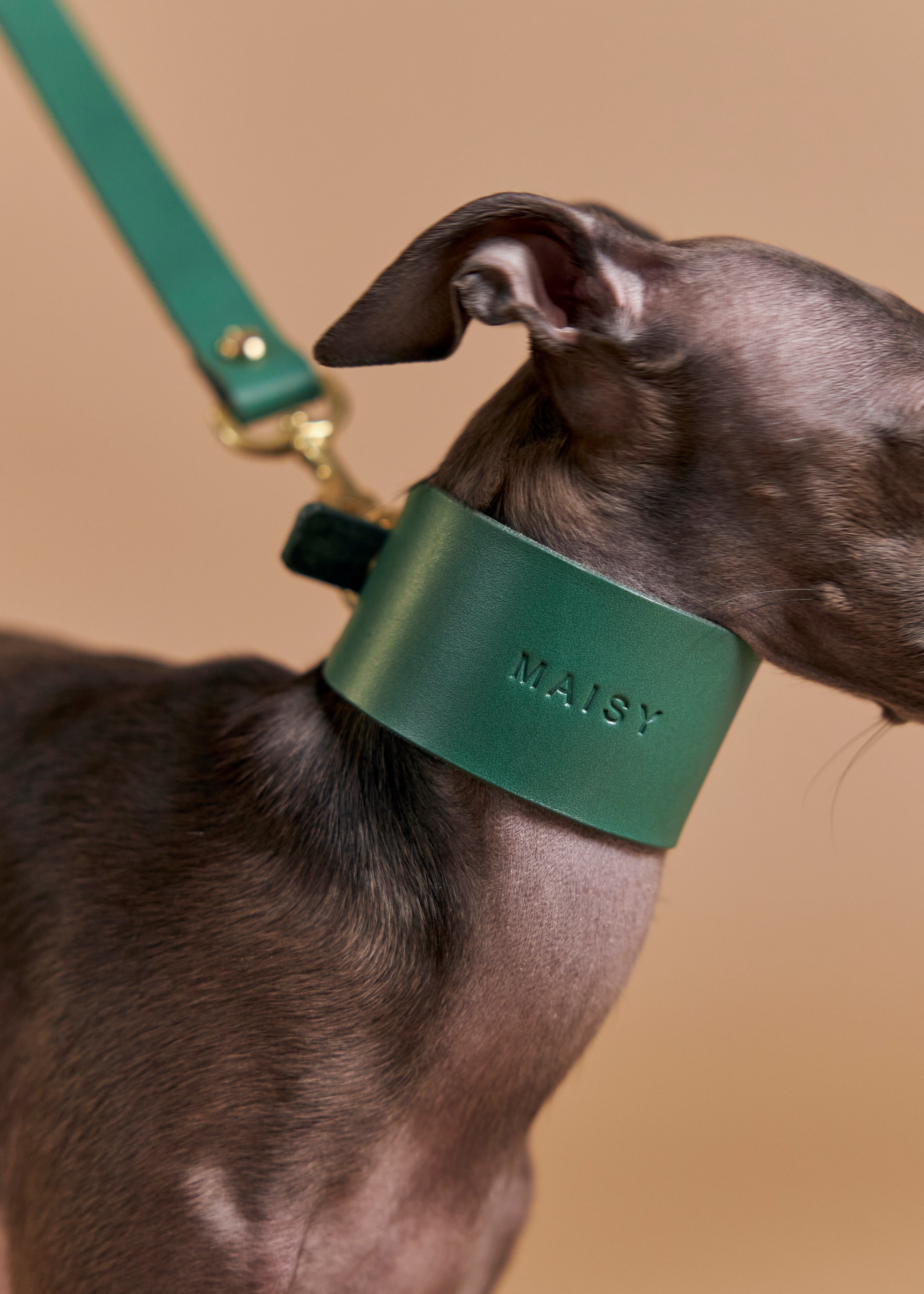
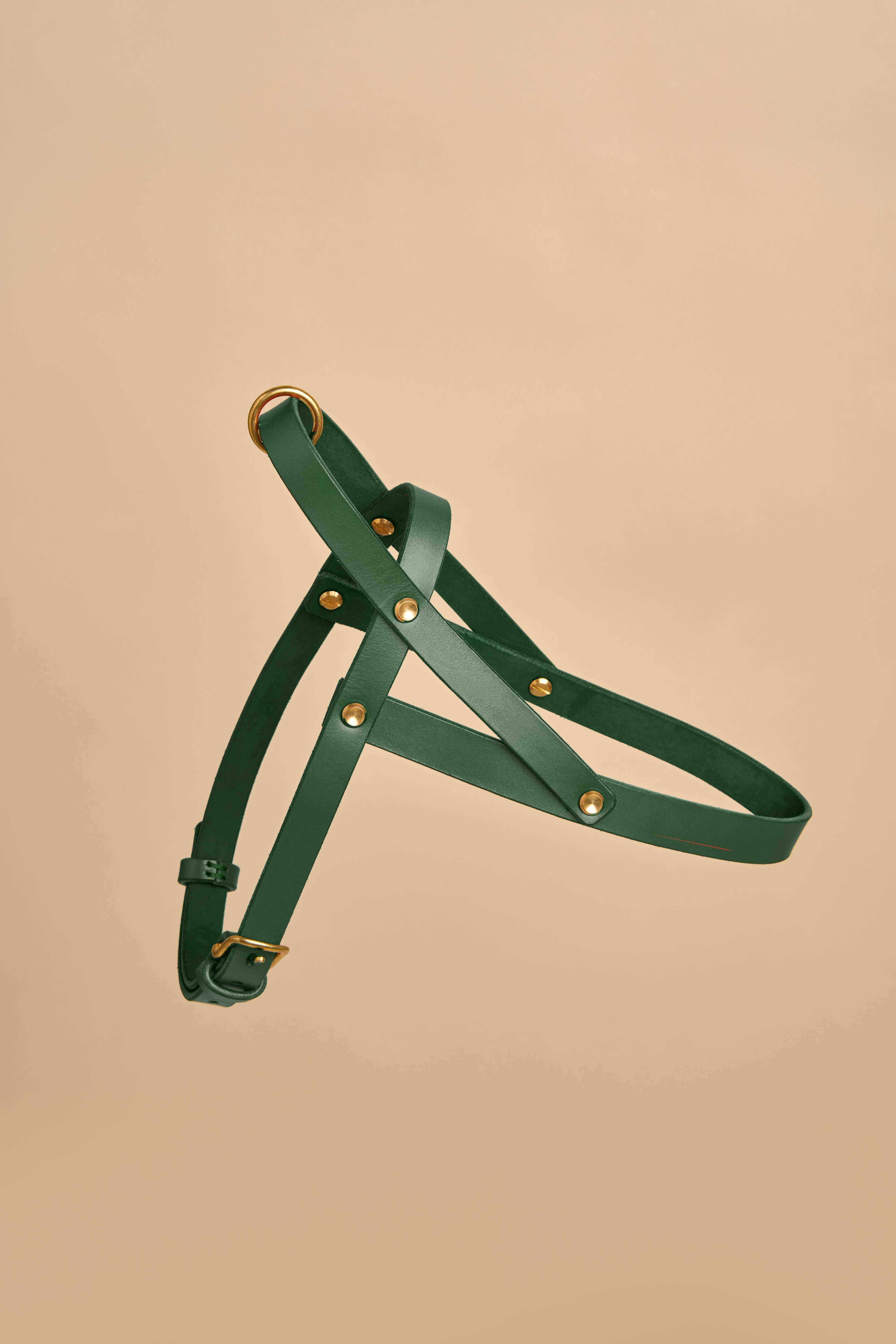
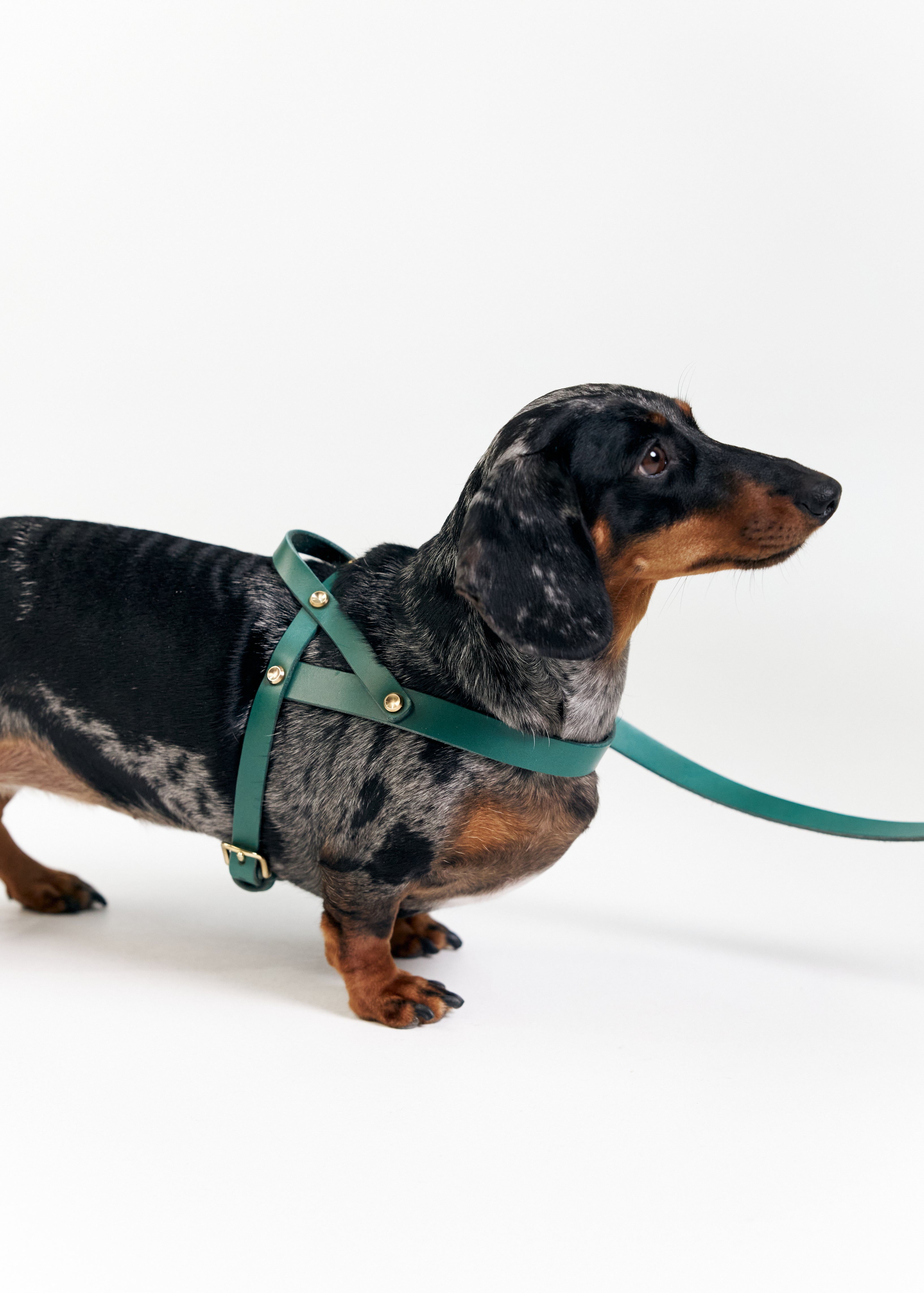
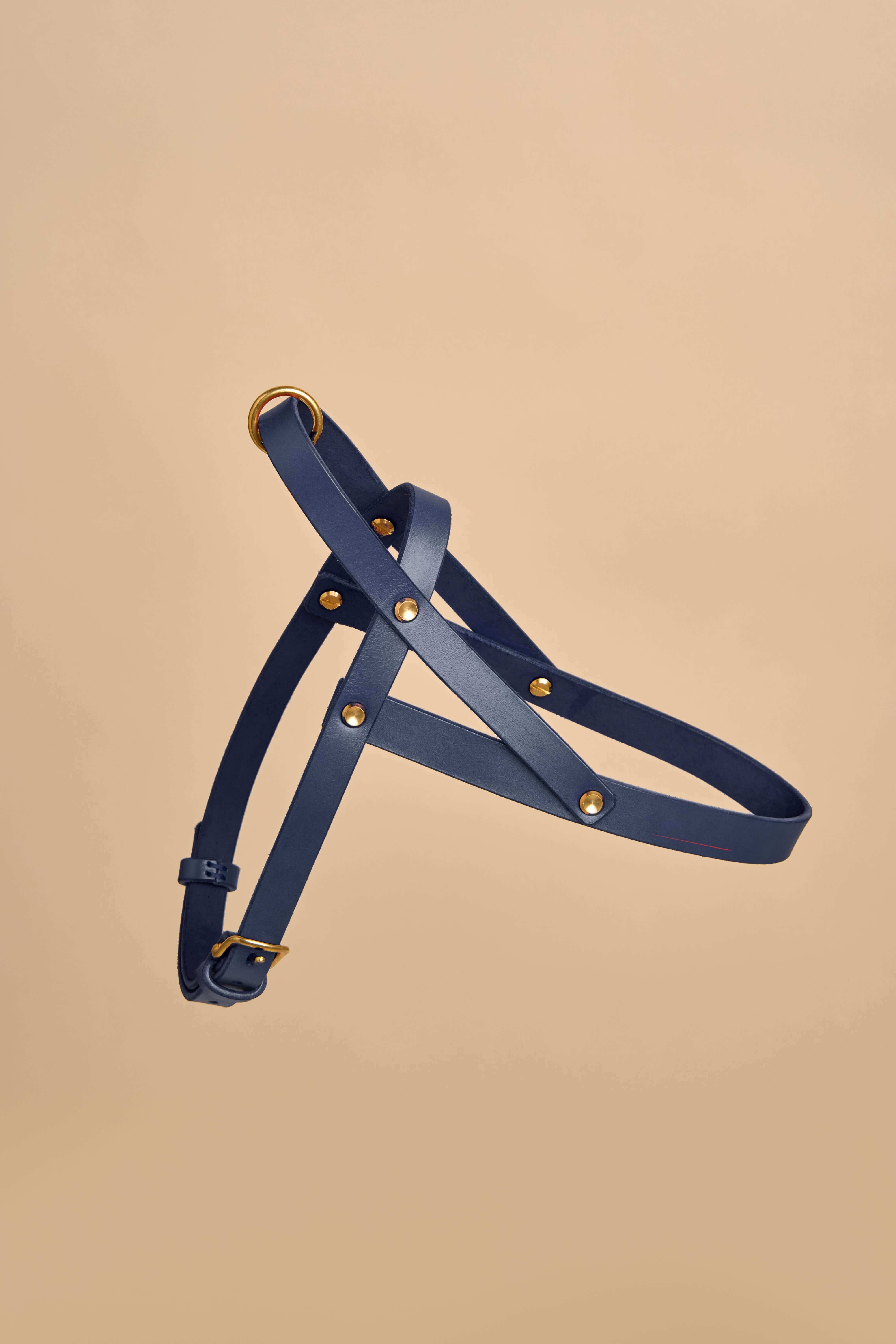
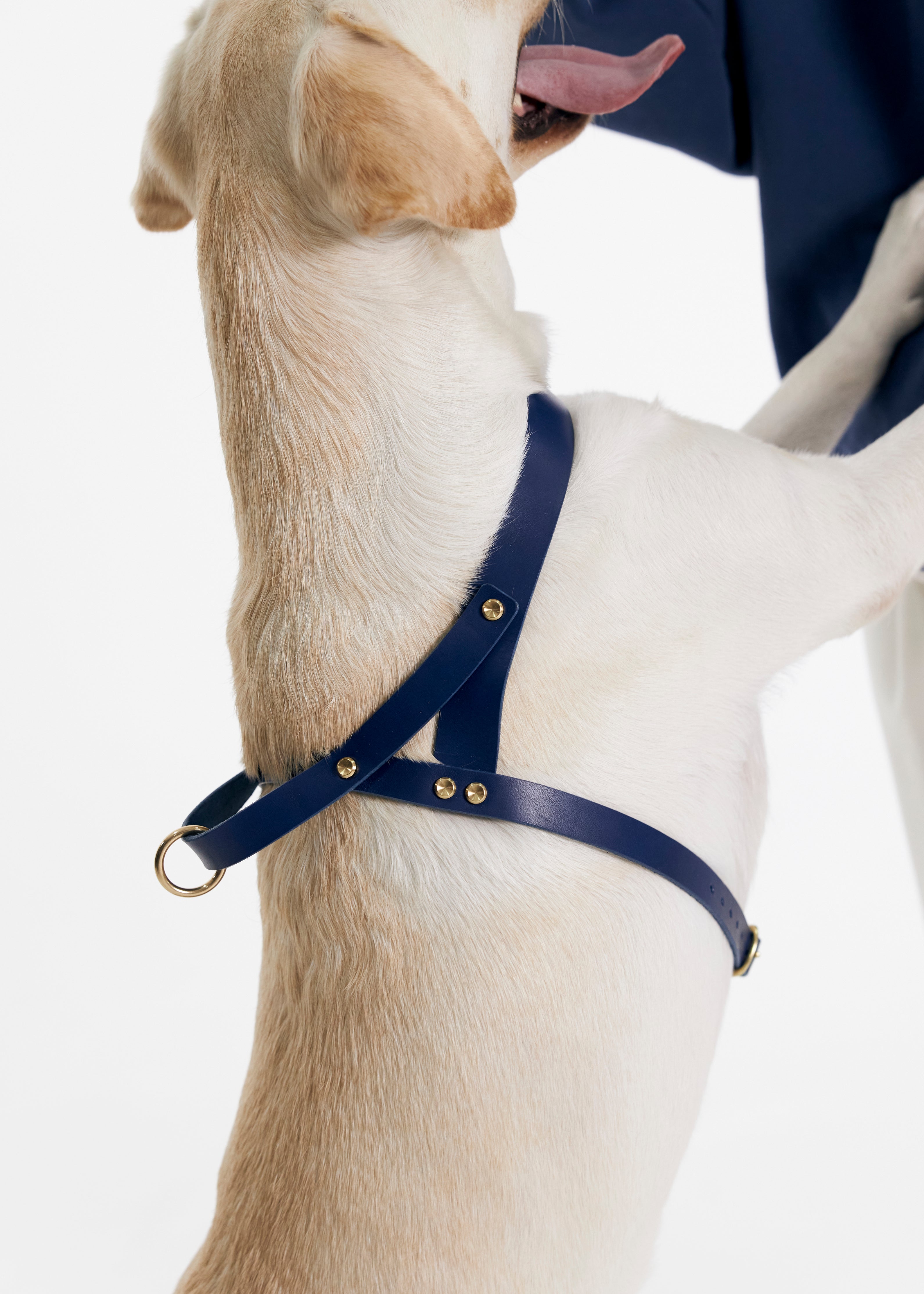
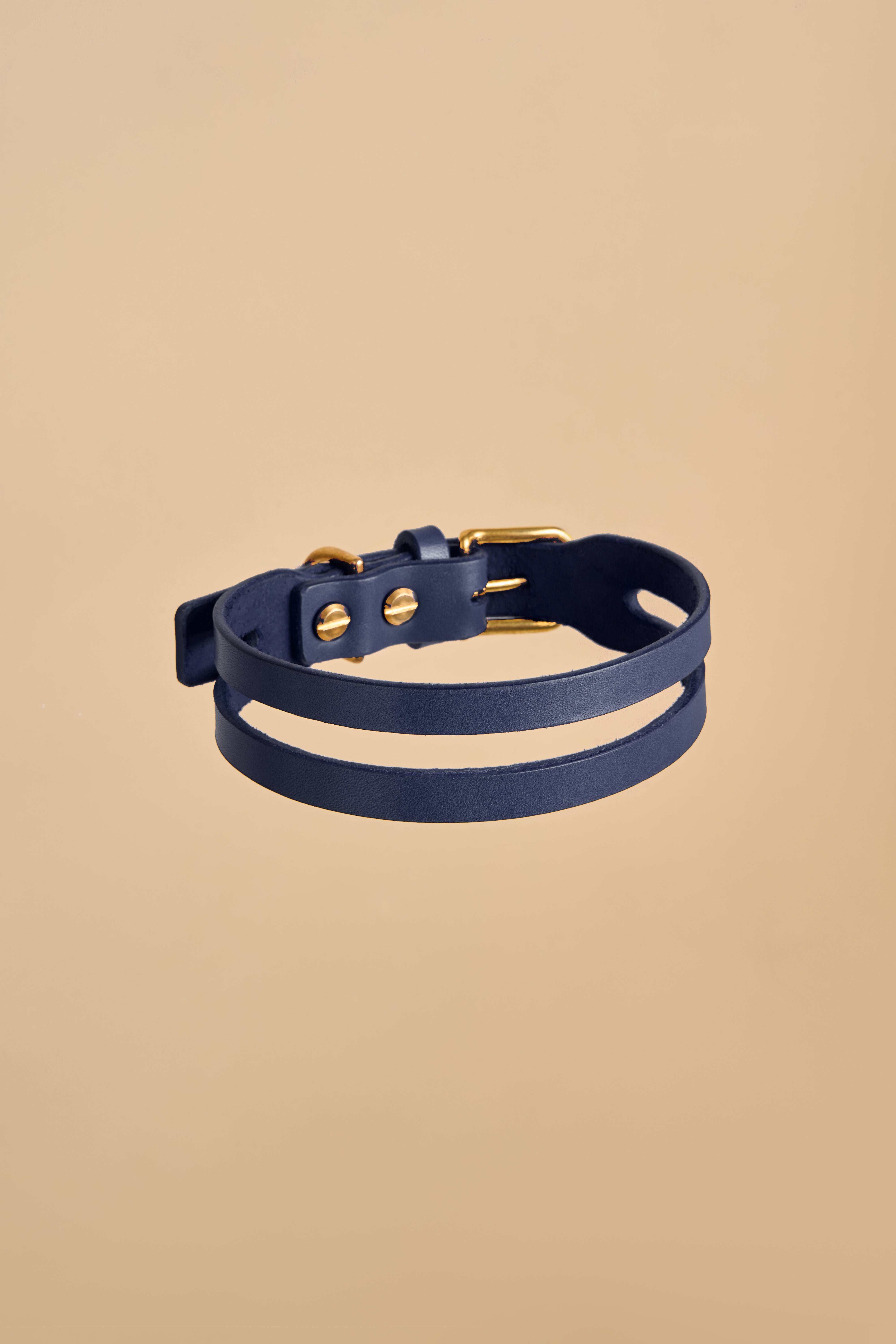
The collar material is in contact with your dog’s neck for the majority of every day. Full-grain vegetable-tanned leather is the best everyday collar material for three specific reasons: it is naturally hypoallergenic (no chromium salts, no synthetic dyes, no chemical preservatives), it softens and moulds to the exact shape of your dog’s neck over weeks of wear producing a genuinely custom fit, and it is naturally antibacterial resisting the moisture and bacteria buildup that can cause skin irritation at the collar contact zone.

Why Vegetable-Tanned Leather Builds the Strongest Positive Association
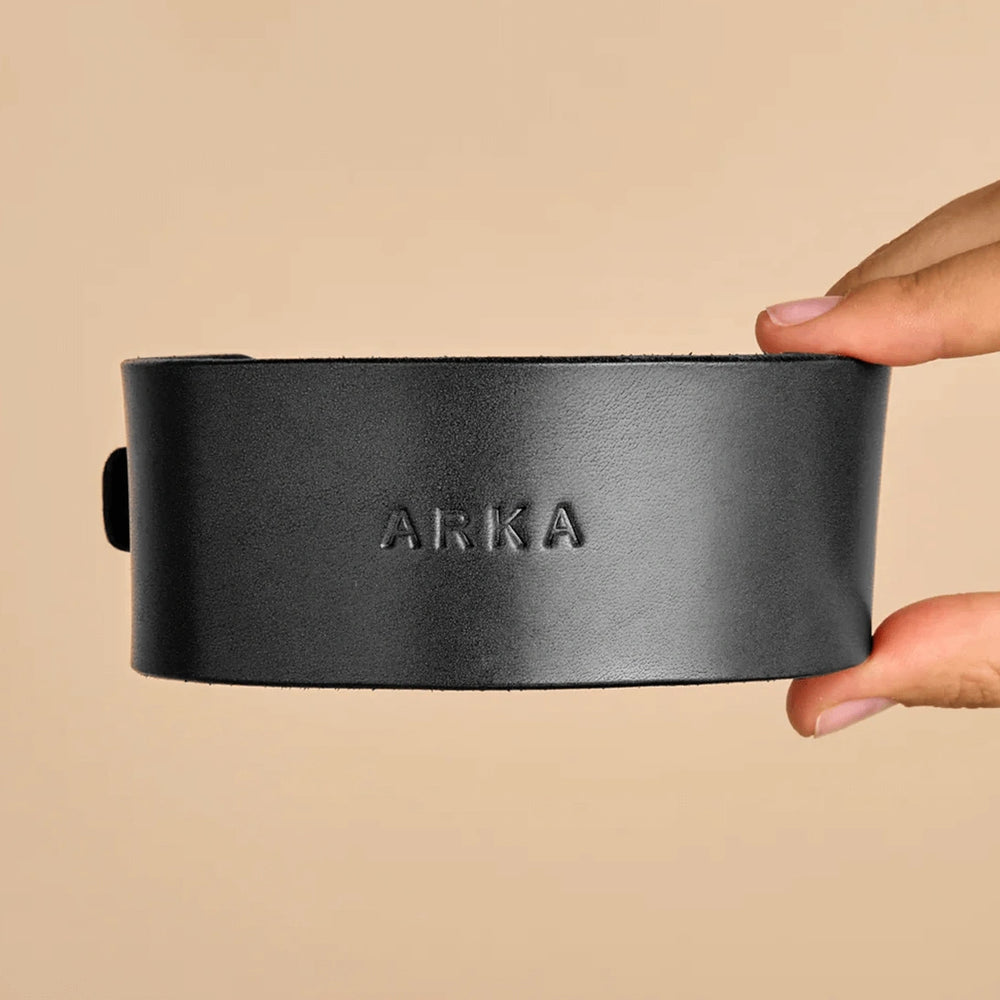
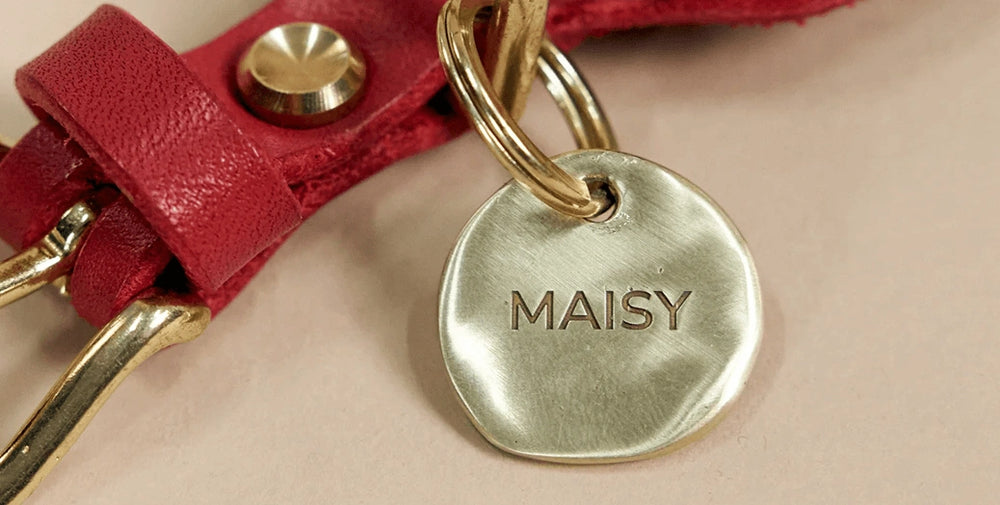
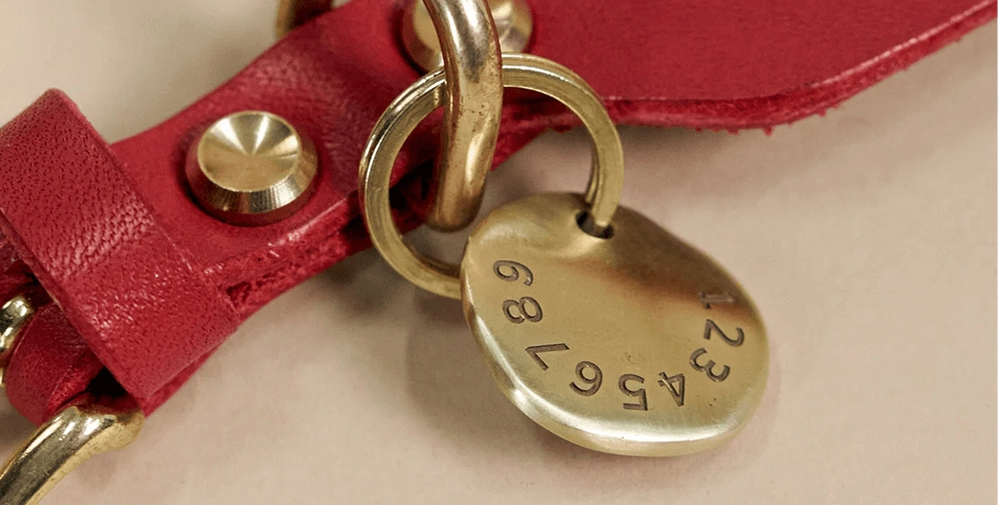
One of the main things you need to think about when choosing a new dog collar is the material it is made from. In our opinion, vegetable-tanned leather stands out as the premium and superior choice in this department. From comfort to durability to eco-friendliness, vegetable-tanned leather is king!
What is Vegetable-Tanned Leather?
Vegetable-tanned leather is made from a process that uses plant-based tannins, which makes it 100% safe and natural for your pet. Unlike the cheaper, lower quality synthetic collars you see, this type of leather doesn’t contain any harsh chemicals that could irritate sensitive skin. Here are some of our favorite key benefits.
-
Gentle on Skin
As we said, being free from harsh chemicals makes vegetable-tanned leather ideal for any canine companions with sensitive skin. It also has the ability to soften and adapt to the shape of your dog’s neck over time, giving extra protection against chafing and irritation. -
Durability & Longevity
Synthetic material collars are prone to wearing out very quickly, but vegetable-tanned leather only gets better with age. The way that it can mold to your dog’s unique shape means that it stays comfortable whilst maintaining all of its original strength and reliability. -
Odor-Resistant & Breathable
Unlike nylon and plastic, leather doesn’t trap nasty odors, which will help your dog to stay fresh and comfortable on every adventure. -
Eco-Friendly & Sustainable
Vegetable-tanned leather is long-lasting, and it is also biodegradable thanks to a lack of toxic dyes. This makes it the number one responsible option for any pet parents that want to be eco-conscious in their choices. -
Aesthetic & Style
And let’s not forget the all important factor of style! You want your pup to be the best looking pooch at the dog park, and with beautifully crafted leather around their neck, they will always be timelessly stylish!
How to Build a Positive Collar Association
Picking the right collar is only the first step to success; you also need to know how to best introduce and maintain it in order to have the most positive experience possible.
Introduce the Collar Properly
Give your pup the opportunity to sniff and inspect the collar you put it on them, and use plenty of treats and verbal praise to get the positive association started from the off.
Check for Fit & Adjustments
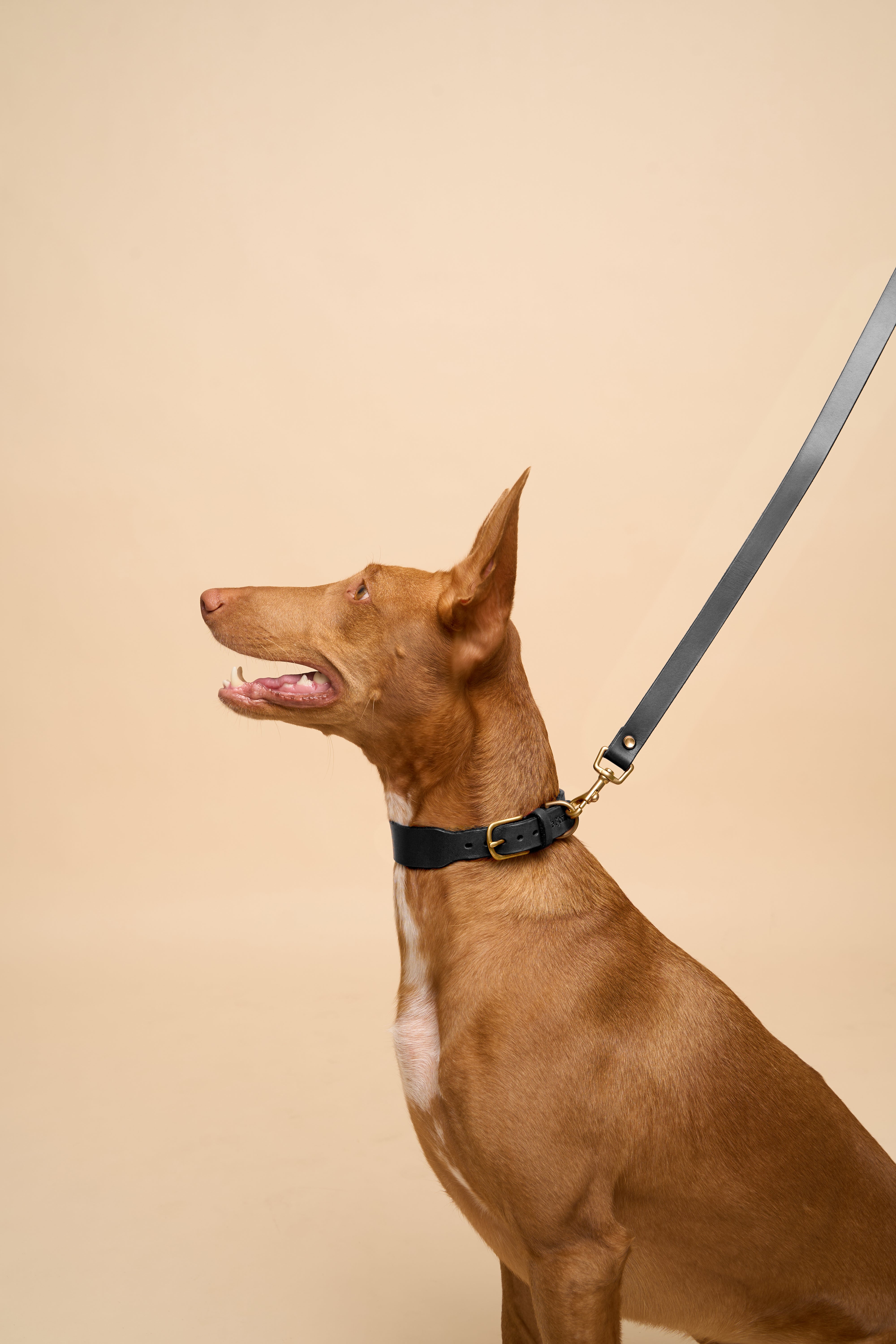
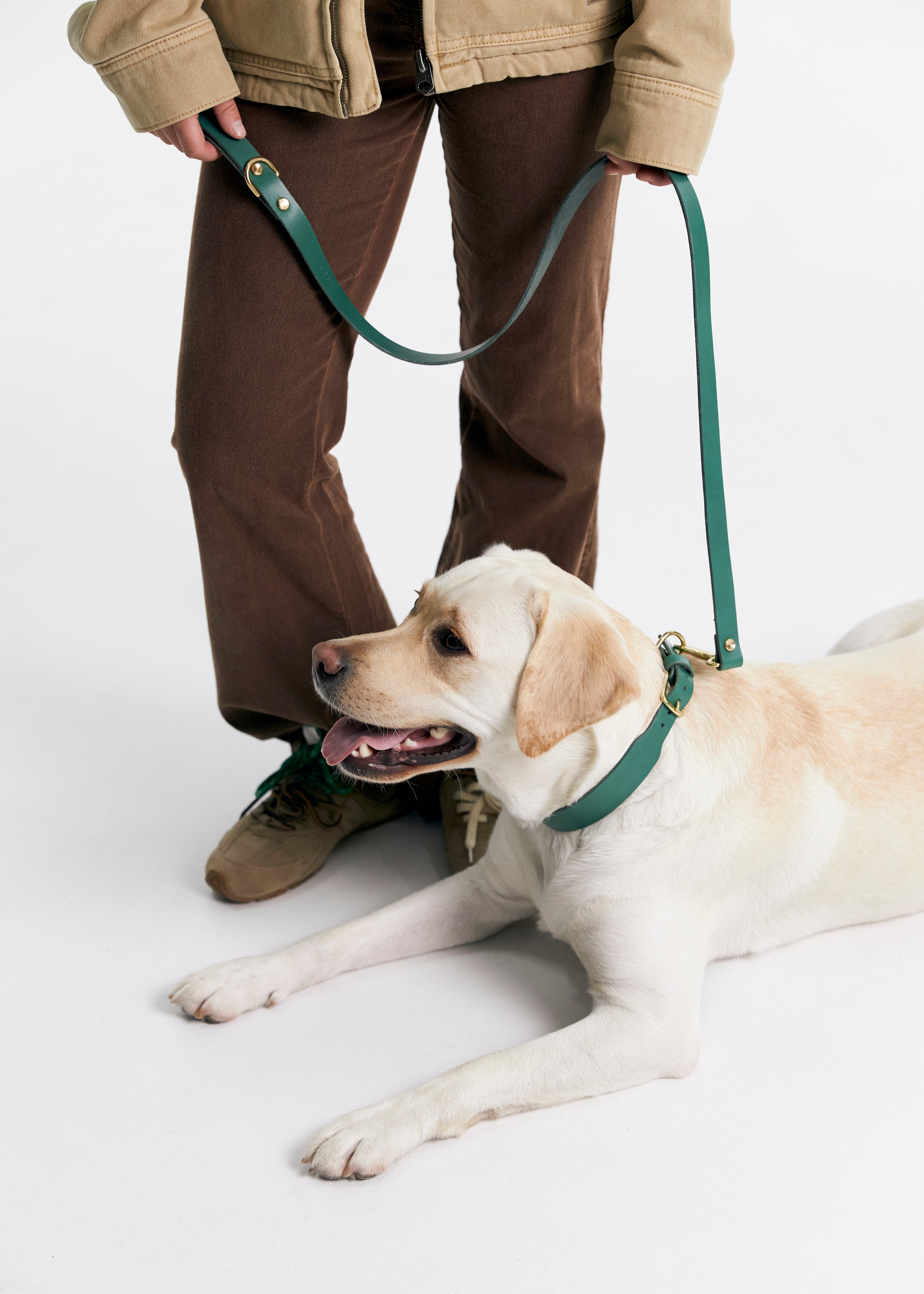
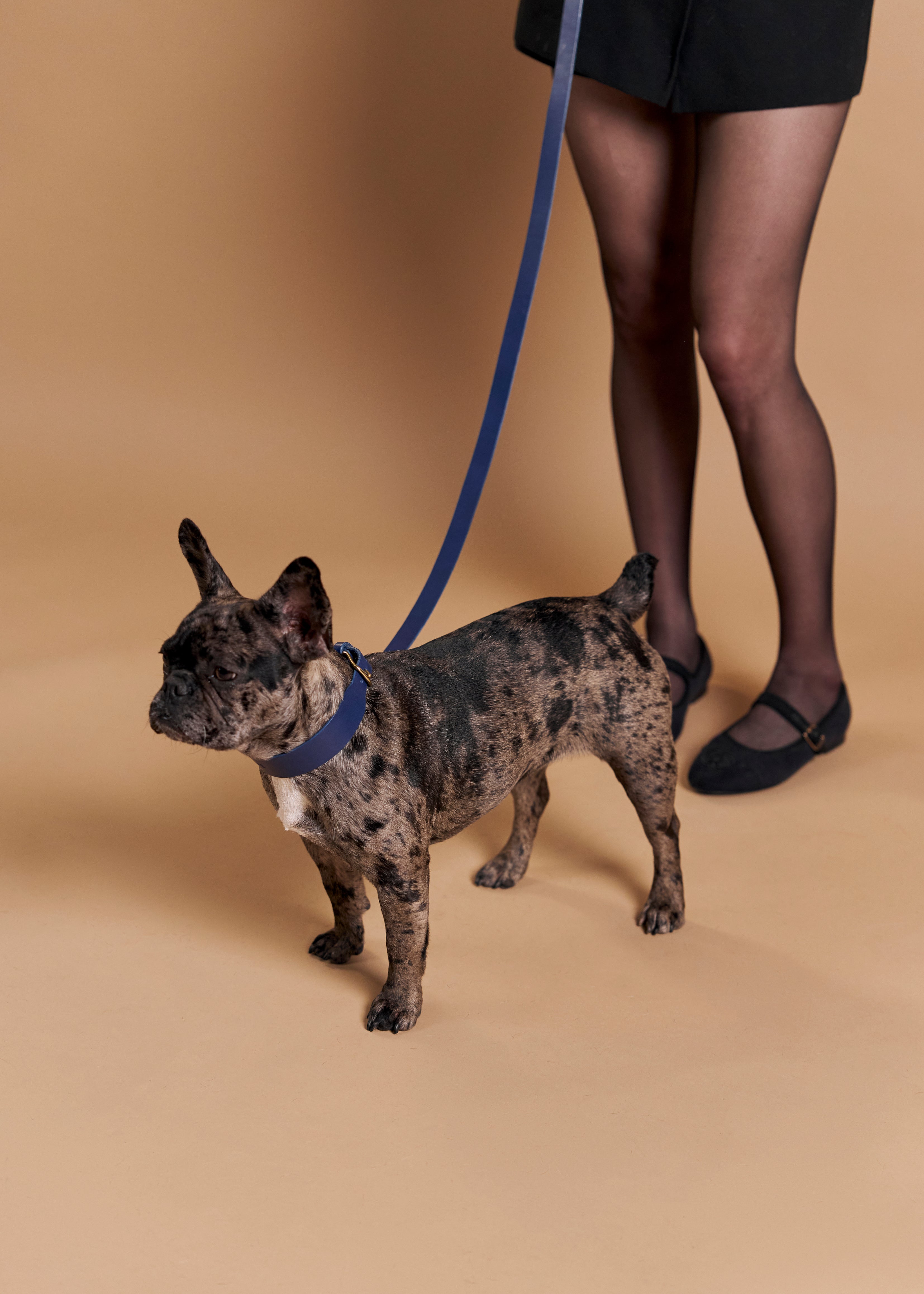
Pay close attention to how the collar is fitting around their necks. We rely on the traditional ‘two finger’ method where you should be able to snuggly fit two of your fingers between the collar and dog’s neck without any trouble.
Pair it with Positive Experiences
On your first go with the collar, opt for something short and fun like indoor playtime or cuddles at home. Pair this with plenty of treat rewards when your pup appears to be behaving well with the collar on. When it comes to a first walk, choose a route that is fun and relaxed and doesn’t have too many distraction possibilities along the way.
Maintain the Leather
Once your pup has accepted and even enjoys its new collar, it is up to you to maintain it in good condition for as long as possible. Thankfully, this can be done relatively easily by a simple routine of cleaning gently with a damp cloth and applying some good quality leather conditioner to keep the material soft and strong.
When all of the stars align and you find a well-made collar for your precious pup, it becomes so much more than just a practical accessory, it becomes part of their identity and a factor in their daily happiness!
Frequently Asked Questions: Dogs and Their Collars
Do dogs like wearing collars?
Most dogs that have been fitted with a comfortable, well-introduced collar like wearing it or are completely indifferent in a positive way. The collar becomes associated with walks, outdoor adventures, and positive experiences, and for most dogs this association becomes deeply ingrained over time. Dogs that dislike their collars are almost always responding to a fit or material problem, not an inherent discomfort with collars as a concept.
Why do dogs like their collars so much?
Three reasons: scent, routine, and tactile familiarity. The collar absorbs the dog’s own scent over time, becoming a familiar olfactory object. It consistently precedes walks, one of the most anticipated events in a dog’s day, building a powerful positive routine association. And a well-fitted collar becomes part of the dog’s sensory baseline, something so familiar it is barely noticed and mildly comforting in its consistency.
Why do dogs lick their collars when you take them off?
Because the collar is saturated with scent information, the dog’s own smell, the smells of everywhere walked that day, and the scents of other animals and environments encountered along the route. Licking is an extension of the olfactory investigation that sniffing begins. It is completely normal behaviour and indicates a healthy interest in the scent information the collar carries.
Why do dogs sniff their collar when you take it off?
For exactly the same reason they sniff anything with interesting scent information: the collar is a rich repository of olfactory data from the day. Dogs process the world primarily through scent, and a collar that has been worn on a walk contains a compressed record of every environment and animal encountered. Sniffing it is the canine equivalent of reviewing a photograph of the day.
Do dogs get attached to their collars?
Yes, particularly after extended wear. The combination of personal scent absorption, routine association, and tactile familiarity means that a collar worn consistently over months becomes a genuinely significant sensory object. Some dogs show mild unsettled behaviour when their familiar collar is replaced with a new one, because the familiar scent and feel have been removed. Allowing the dog to sniff the new collar thoroughly and building positive association before switching completely helps smooth this transition.
Do dogs mind wearing collars?
Dogs with correctly fitted, comfortable collars do not mind wearing them at all, the collar becomes unremarkable background sensation within days of consistent wear. Dogs that appear to mind their collars are responding to a specific problem: too tight, too loose, chafing material, irritating hardware, or a collar introduced without positive association. All of these are fixable. A dog that has never been comfortable with any collar is almost always responding to a fit or material issue rather than an inherent objection to collars.
What causes bumps on a dog’s neck around the collar?
Bumps on a dog’s neck at the collar contact zone are usually caused by one of three things: skin irritation from collar friction (too loose, allowing the collar to rub), contact allergy to the collar material or hardware, or moisture and bacterial buildup trapped under a synthetic or non-breathable collar. A correctly fitted vegetable-tanned leather collar with solid brass hardware removes the most common causes, the material is hypoallergenic, breathable, and naturally antibacterial. If bumps persist after switching to a quality collar, consult your vet to rule out underlying skin conditions.
A Collar That Becomes Part of Who They Are
When all the variables align inluding correct fit, quality material, positive introduction, consistent care a collar stops being an accessory and becomes part of the dog’s daily identity. It smells right, it feels right, and it means something good is about to happen. That is exactly what a collar should be.
Browse The Lille Björn’s collection of premium vegetable-tanned leather collars, each one designed to become more comfortable, more personal, and more significant to your dog with every day of wear.