Quick Summary
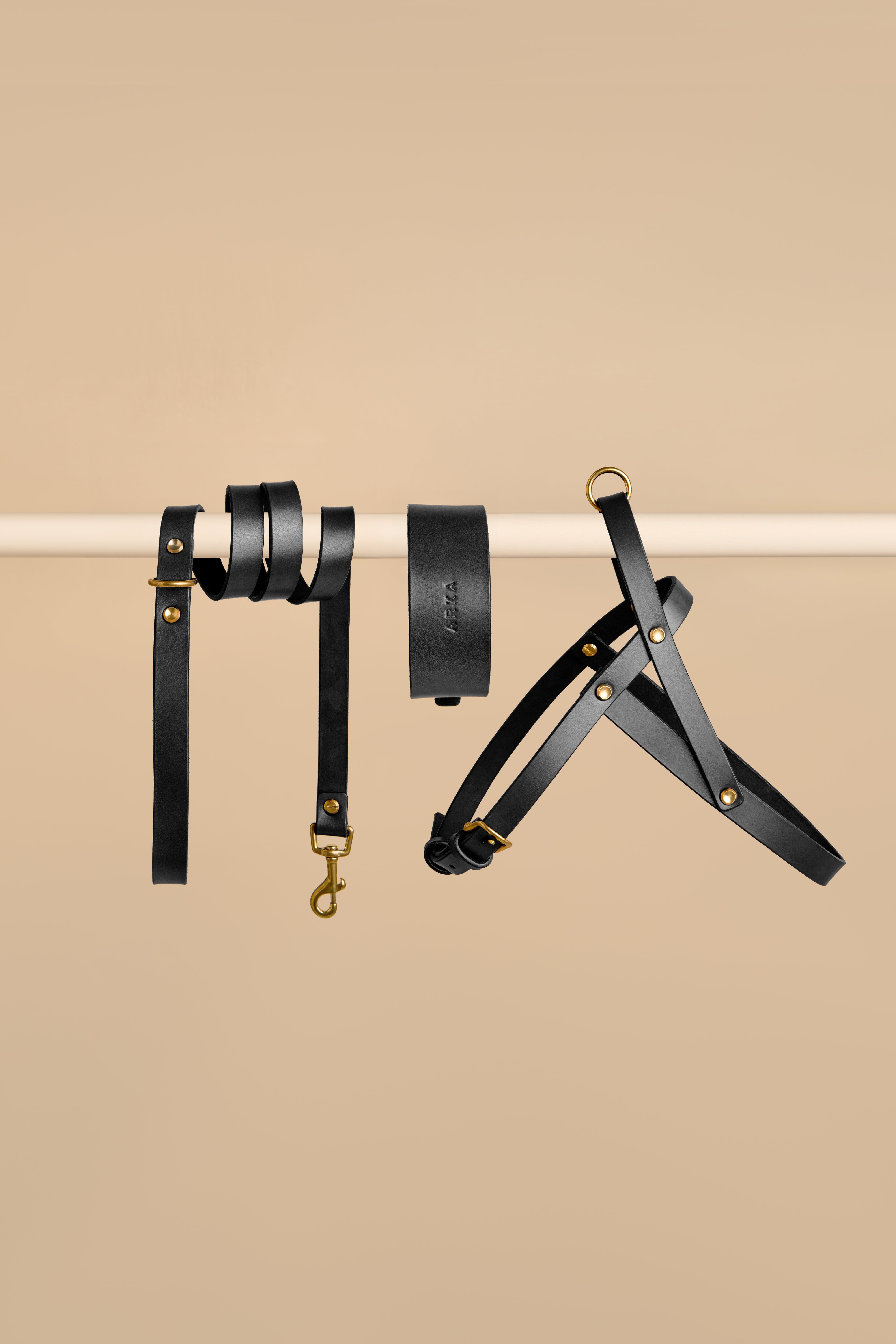
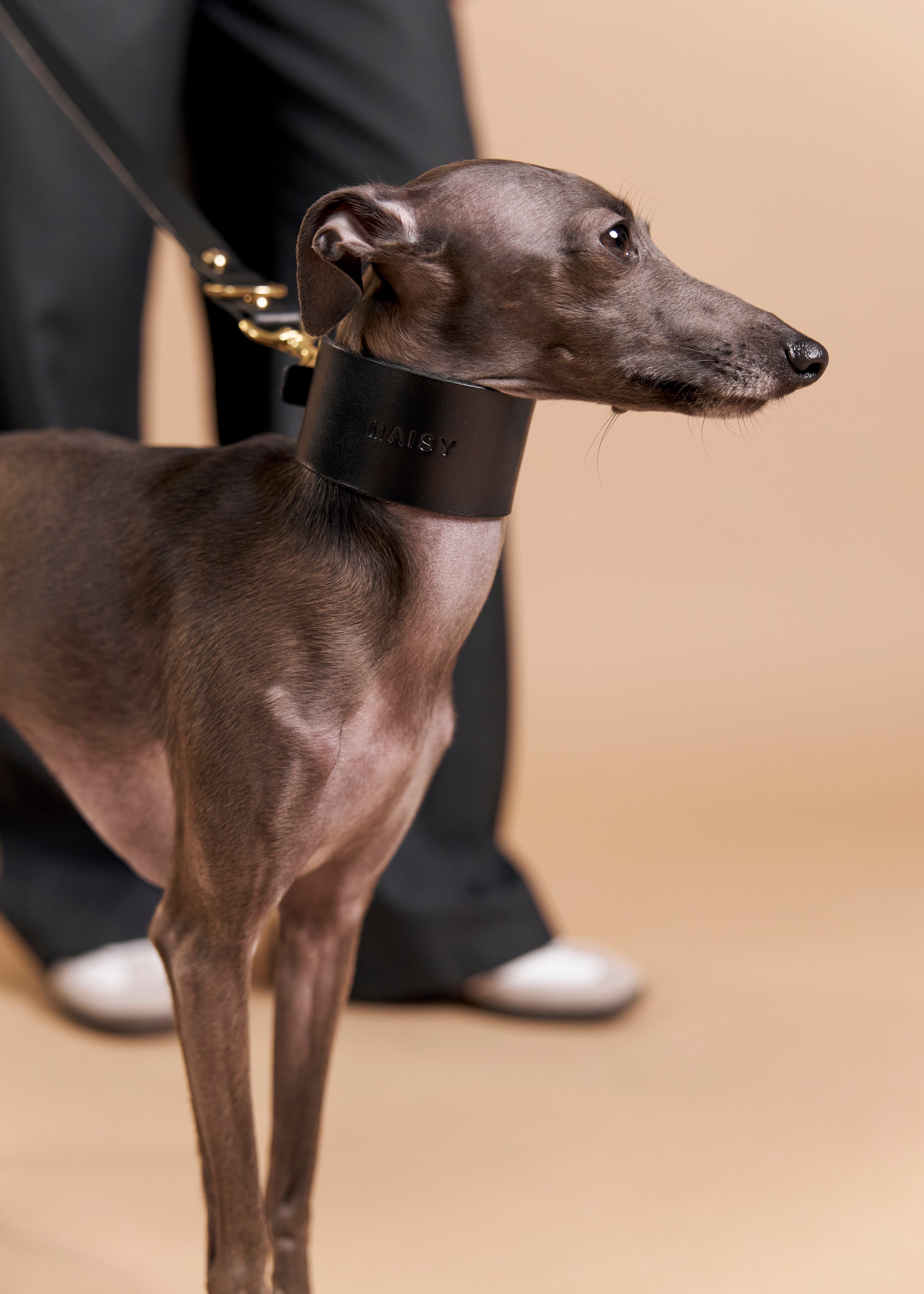
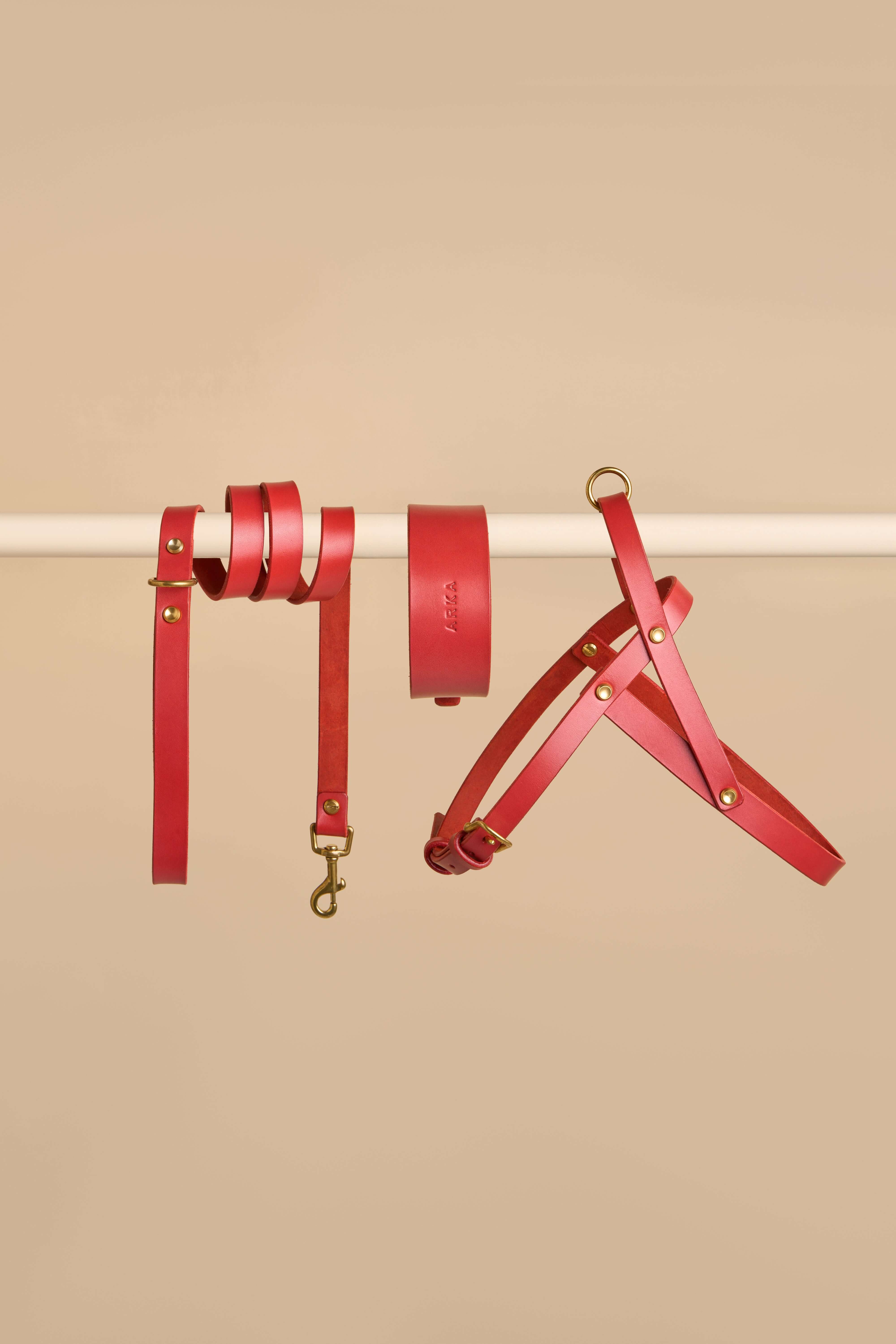
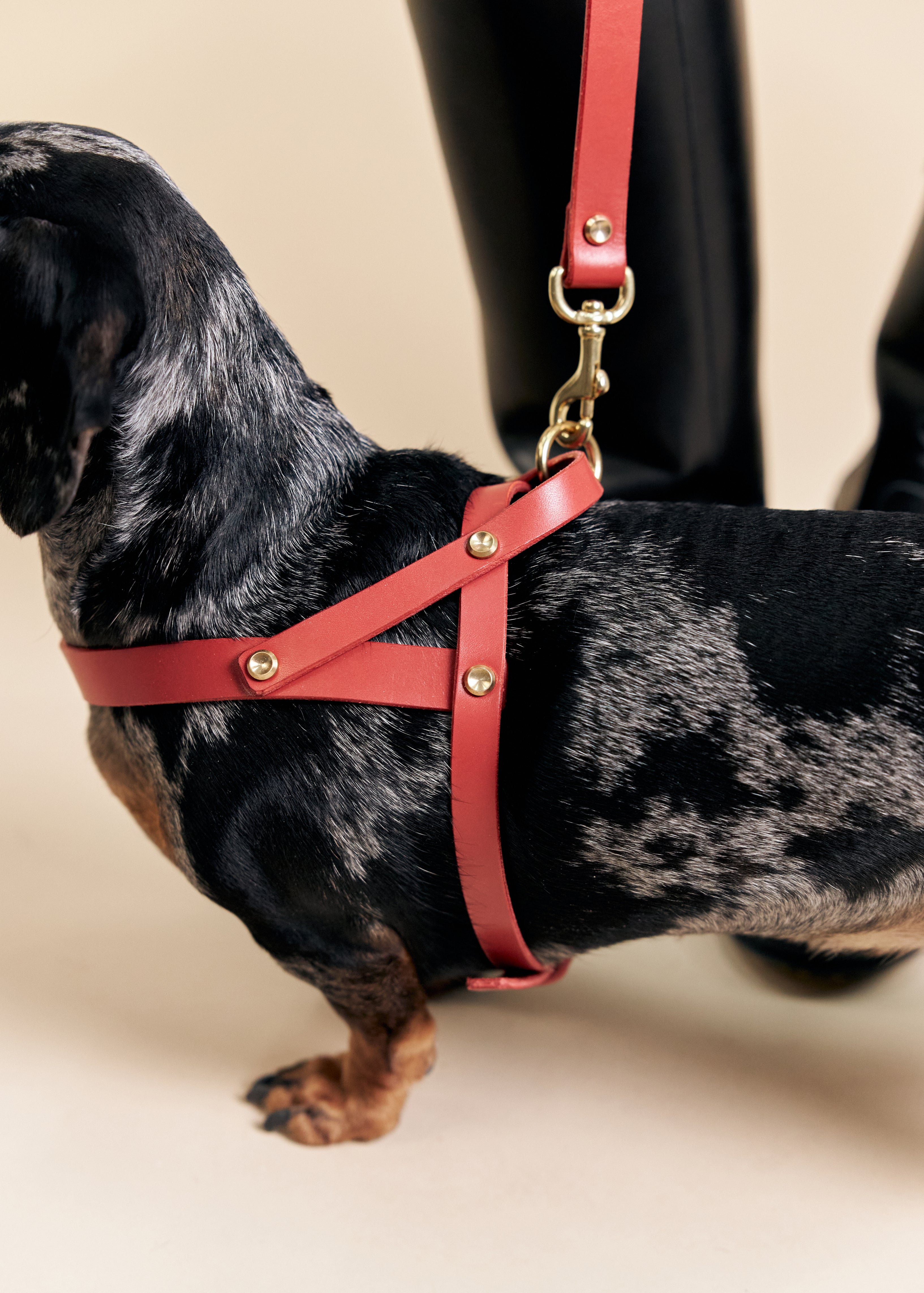
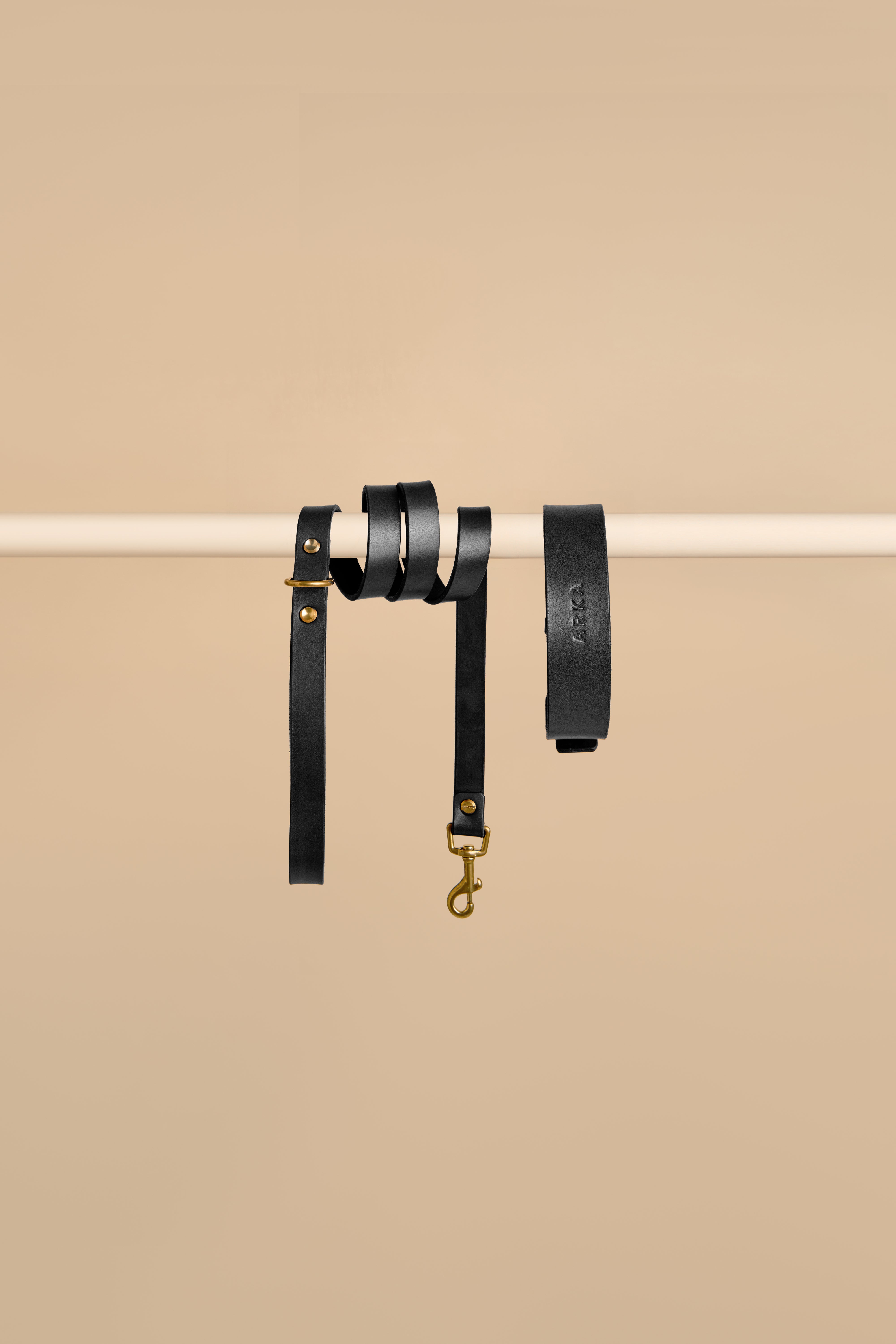
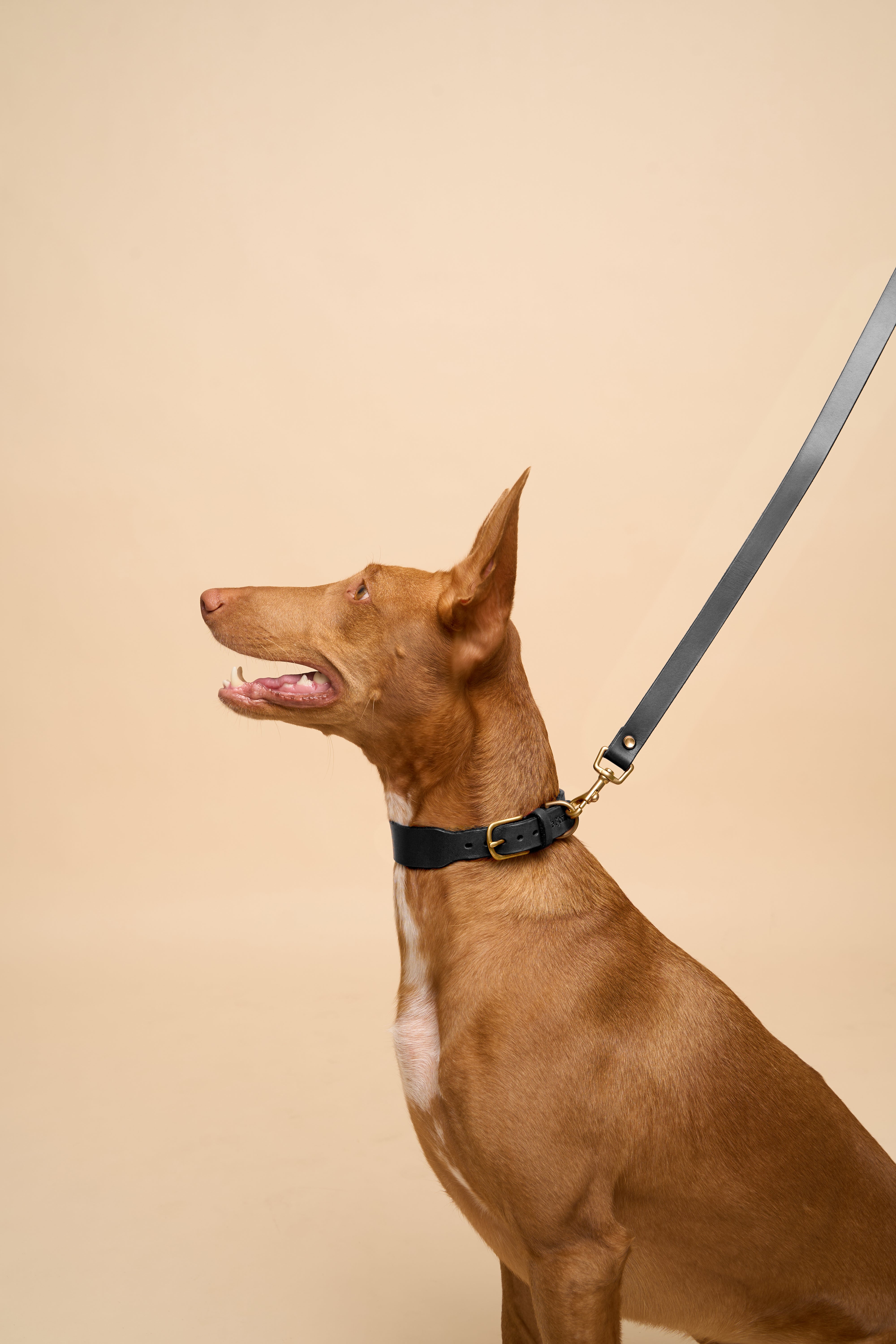
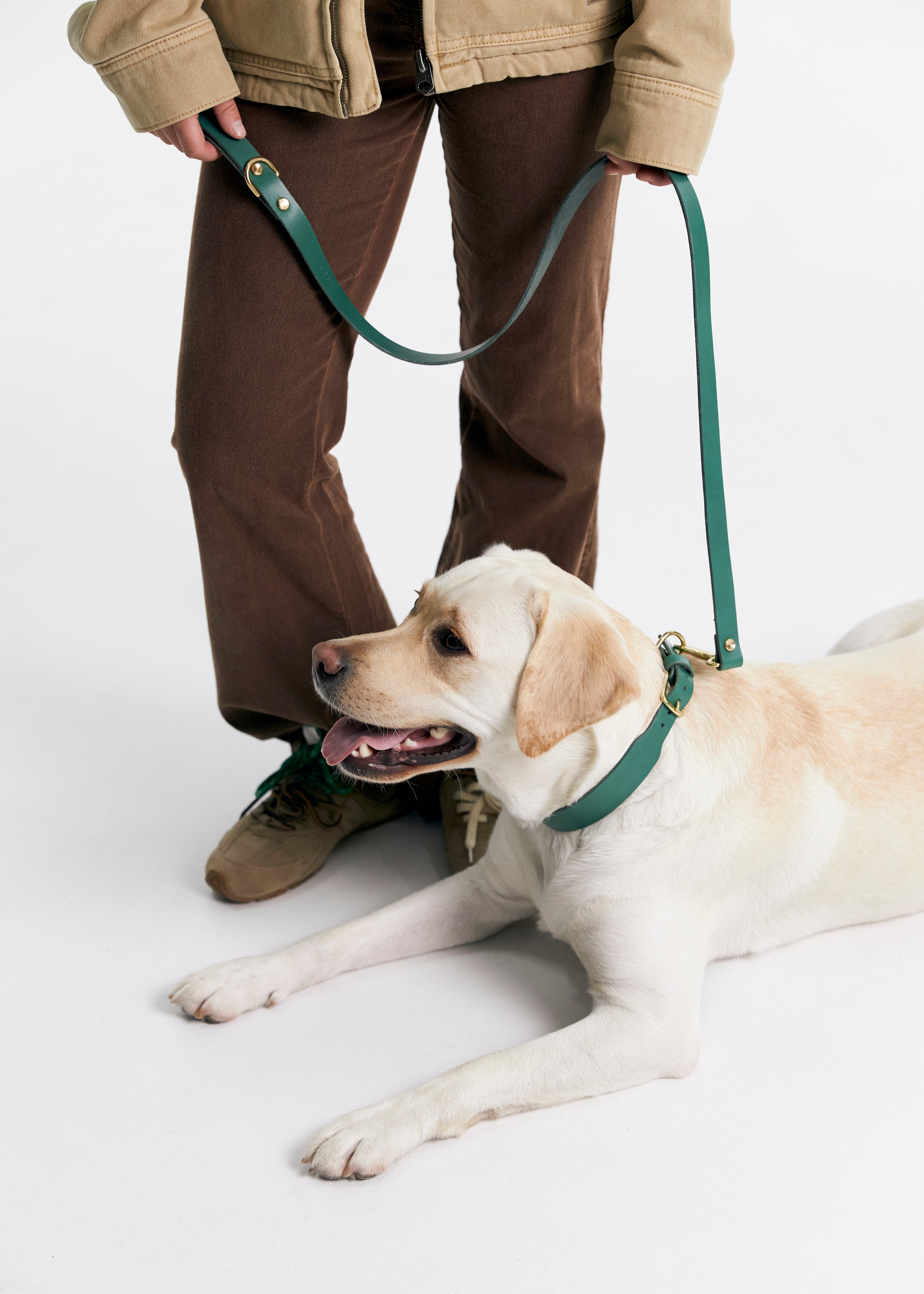
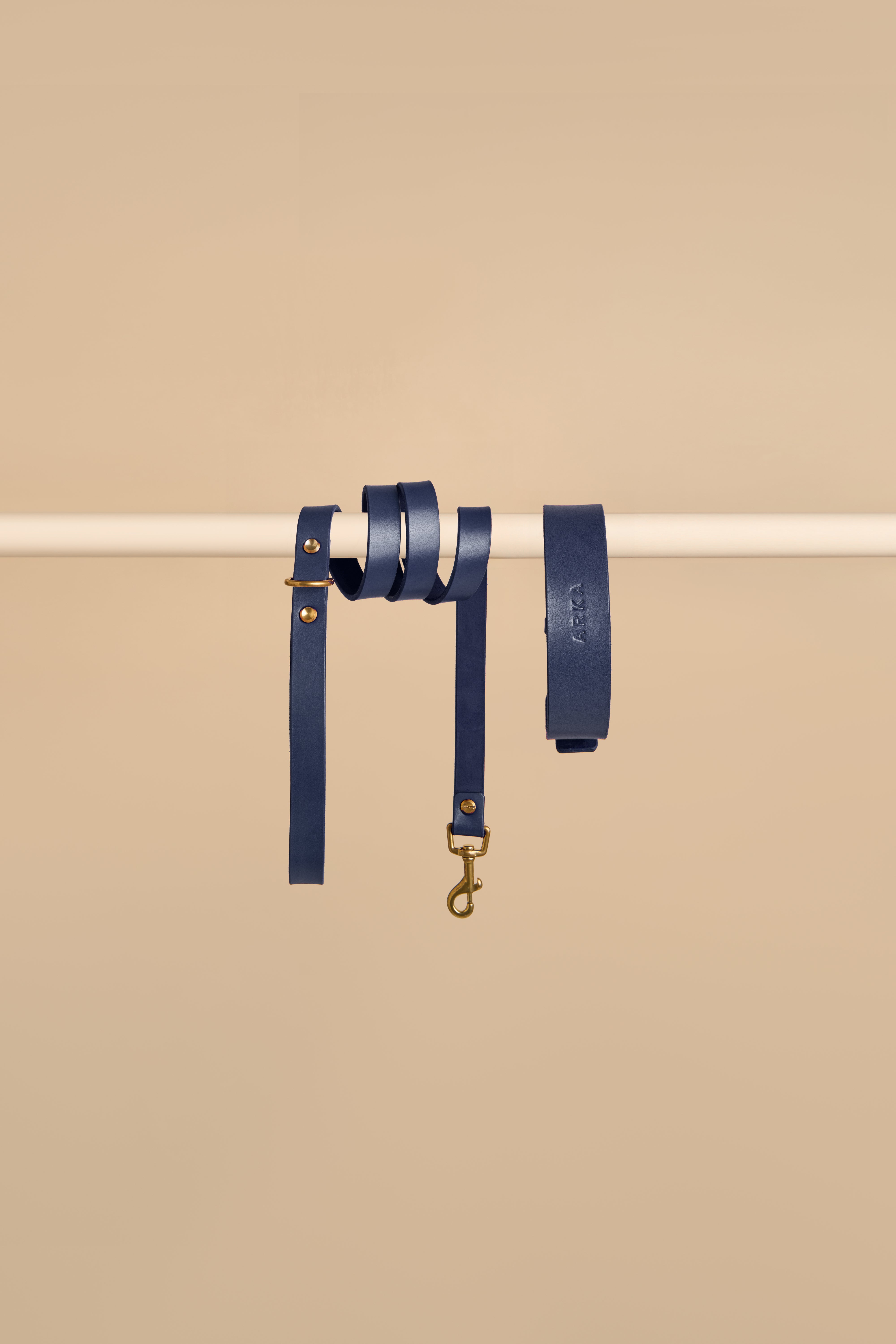
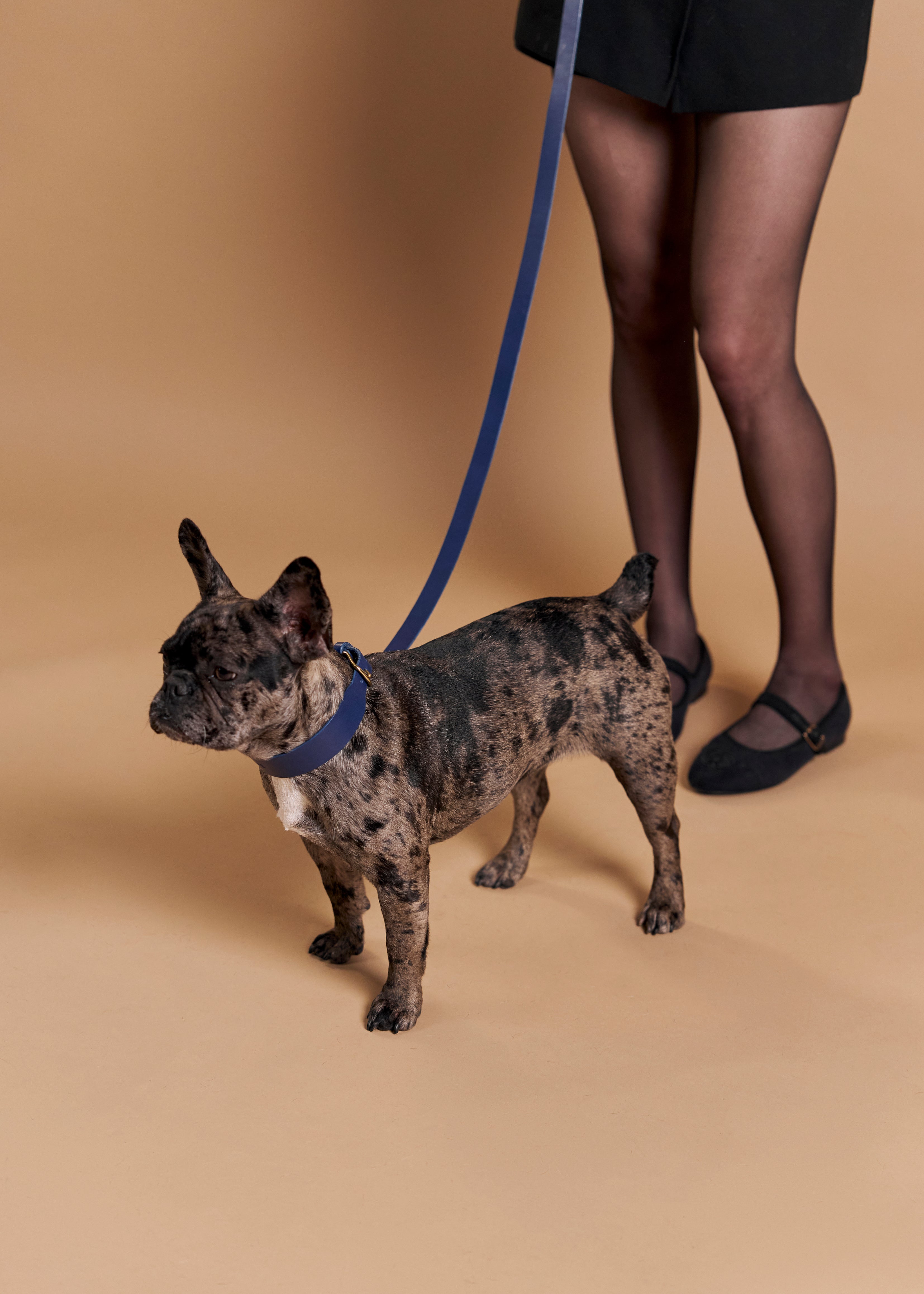
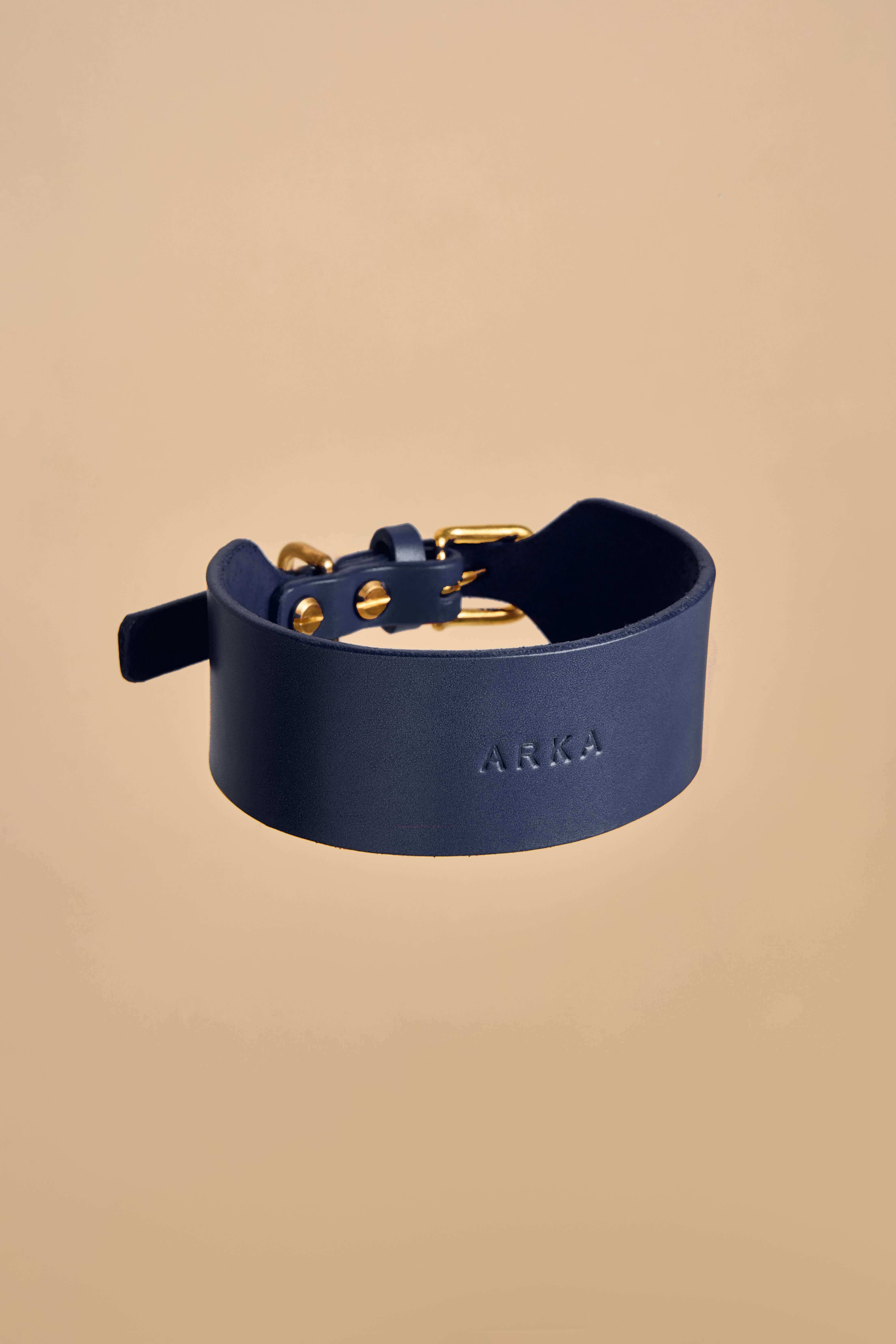
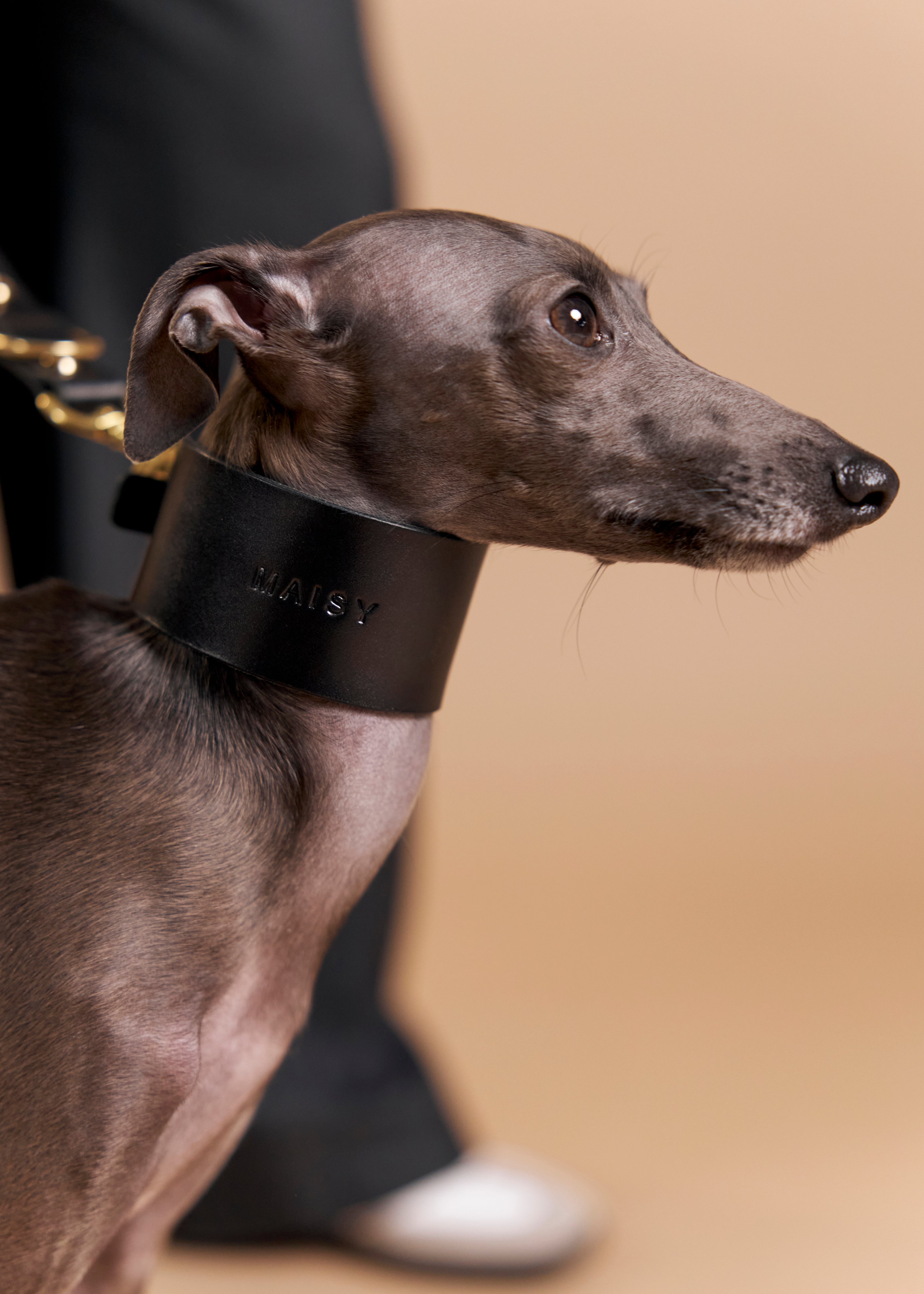
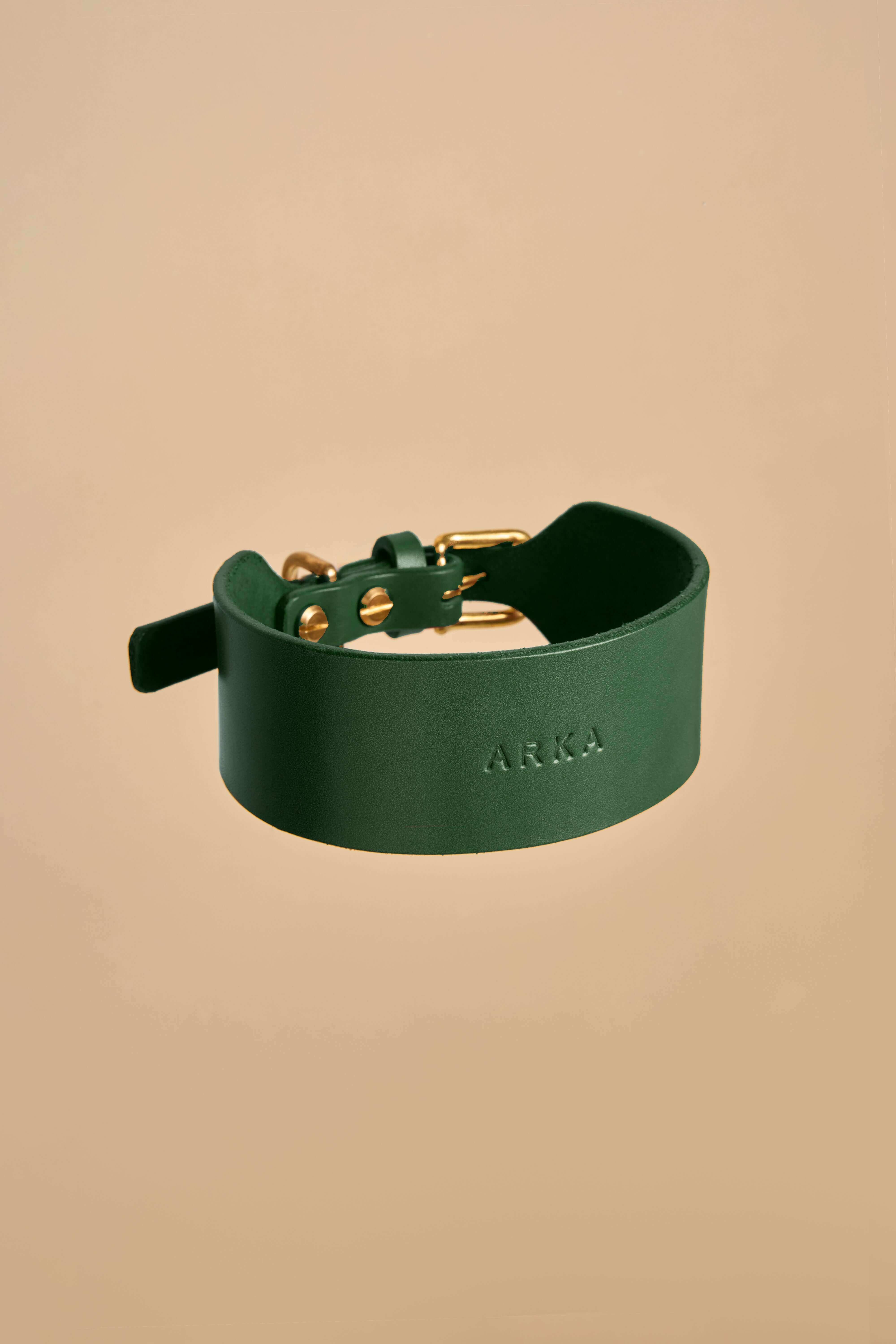
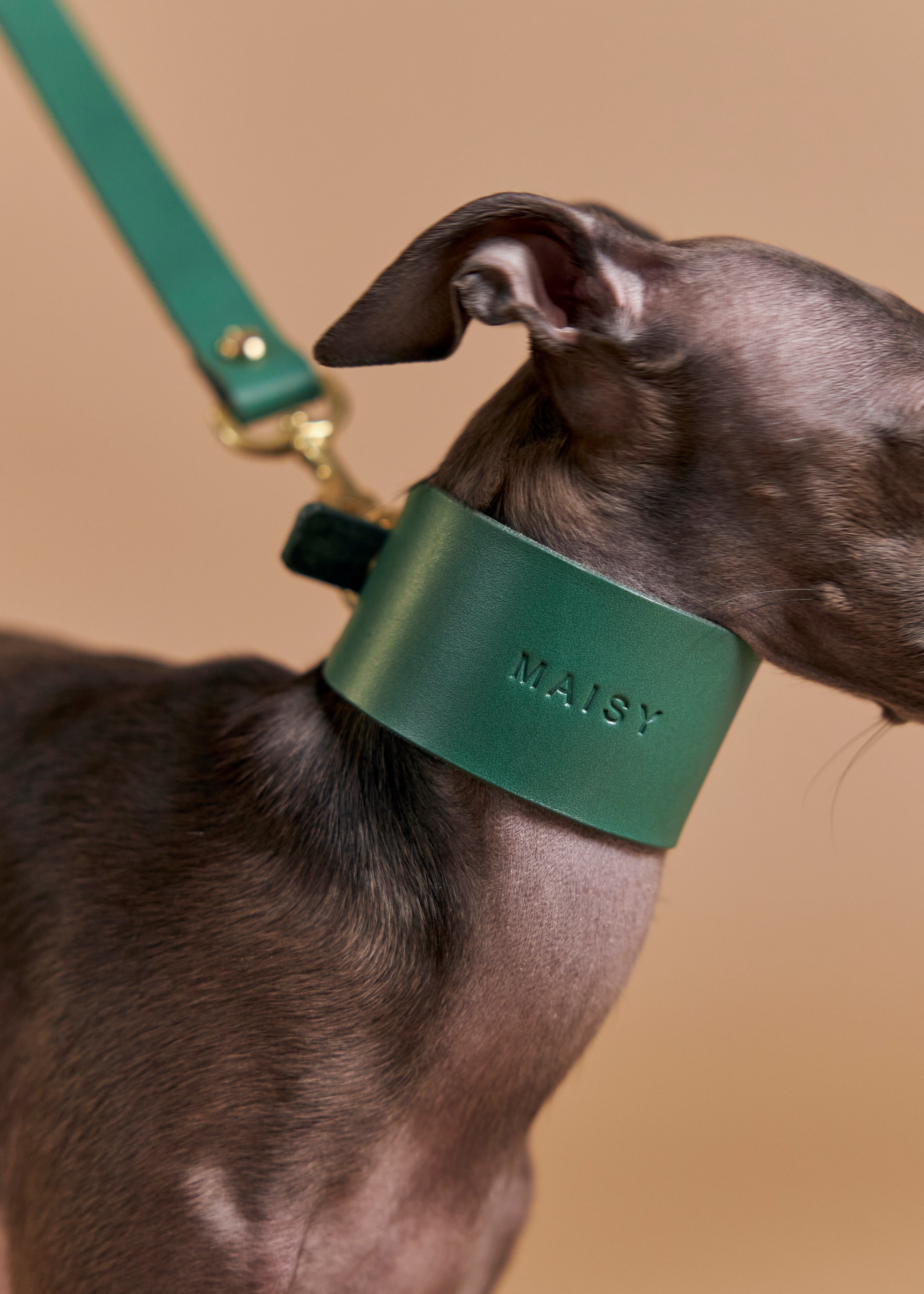
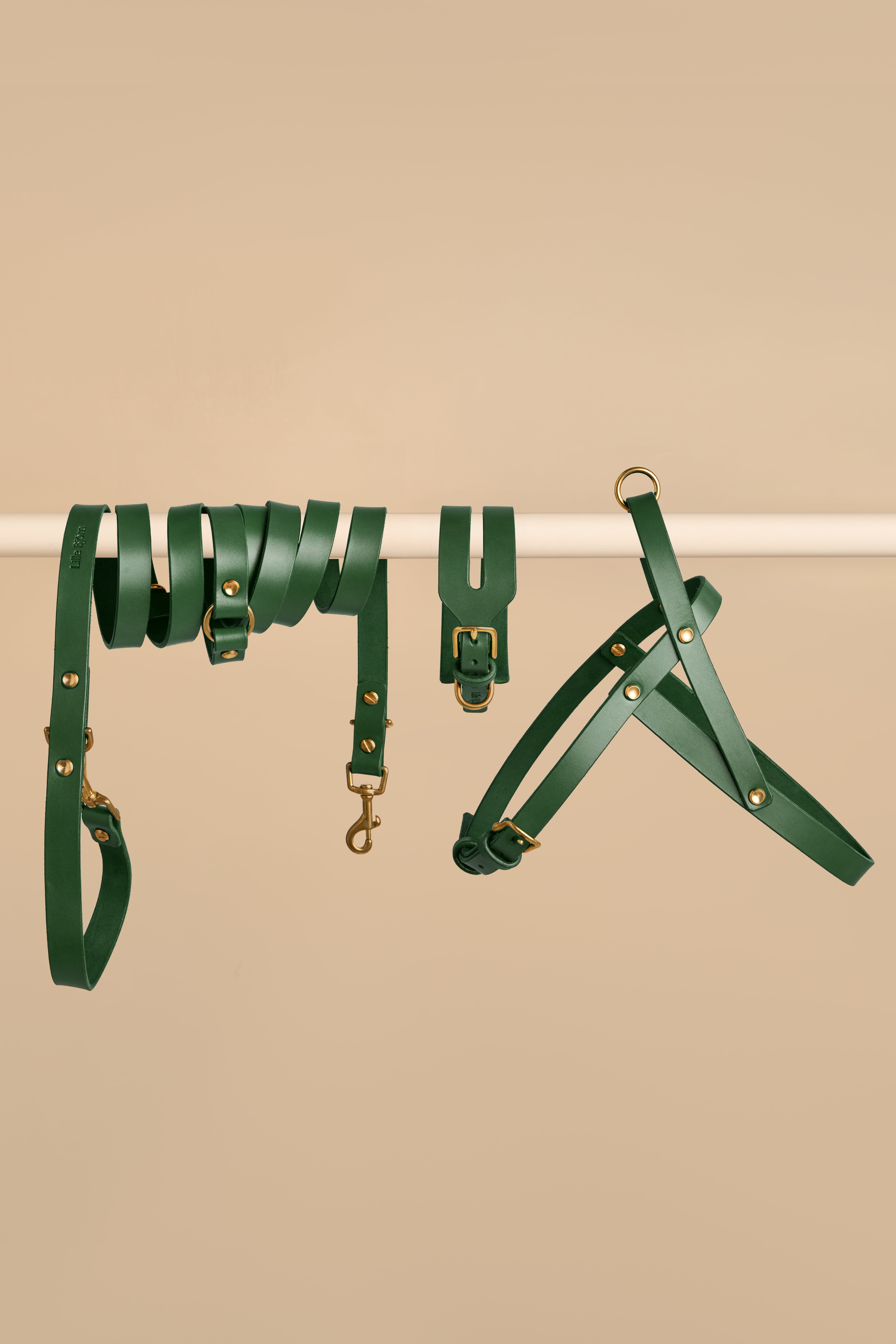
The best sustainable dog collar is full-grain vegetable-tanned leather with solid brass hardware. It biodegrades naturally at end of life, uses plant-based tannins instead of industrial chemicals, lasts 5 to 8 years under daily use, and costs less per year than any hemp, cork, or organic cotton alternative that needs replacing annually. It is simultaneously the most durable, most skin-safe, and most environmentally considered collar material available.
There are plenty of different angles to approach this topic, from biodegradable toys to organic pet food and more, and our focus today is going to be on the rising, important trend of sustainable dog collars. In contrast to all of the synthetic materials that you see on the pet store shelves, sustainable alternatives that use natural materials that are biodegradable can play a small but crucial role in minimizing environmental harm.
We have noticed in the last few years that there has been an upturn in interest in things like hemp dog collars, cork dog collars, organic cotton dog collars and vegetable-tanned leather dog collars. Each of these options are great in their own right, addressing both landfill and hypoallergenic concerns.
So this leaves us with the ultimate question, are eco-friendly dog collars actually worth the investment? Let's take a closer look at all of these sustainable dog collars, and why vegetable-tanned leather dog collars in particular might be the best choice for you and your pup!

Understanding Sustainable Dog Collars
To be classed as a sustainable dog collar, the accessory needs to be made from materials that pose the smallest possible impact on the environment, whether that be through renewability, responsible sourcing or biodegradability. All of the collars in this category avoid the use of things like plastic and nylon, both of which take centuries to decompose when thrown away!
By making the choice to switch to a biodegradable dog collar or natural dog collar, you are helping to reduce your own waste and pollution output. The good news is that most sustainable collars are beautifully handcrafted, which reduces the carbon footprint that comes along with mass production. Opting for eco-friendly dog collars is the perfect way to help the environment whilst also making sure that your pup's well being is still at the top of the list!
Types of Biodegradable Dog Collars
Hemp Dog Collars
Hemp is absolutely one of the most sustainable materials you can choose for a dog collar. It comes from the stalks of a hemp plant, which grows super fast and doesn't need too much water or any nasty pesticides.
- Pros Very biodegradable and environmentally friendly, as well as being hypoallergenic if you have a pup with particularly sensitive skin. Hemp is also resistant to things like bacteria, mold and even UV rays.
- Cons Hemp is known to stretch somewhat over time, and the truth is that it isn't as durable as leather. For those who like visual appeal, it does also lack some of the premium appearance that other high end collars have!
Cork Dog Collars
As the name suggests, cork is a material that is harvested from the bark of cork oak trees! It's a process that doesn't harm the tree, allowing it to completely regenerate afterwards. For this reason alone, it truly fits the bill for sustainable material in dog collars.
- Pros Cork is super lightweight which means it will be comfortable for any pup, along with being resistant to bacteria and naturally waterproof. Again, this is another material that is hypoallergenic.
- Cons Cork can tend to be a little less durable when compared to other materials, and it does run the risk of becoming a little brittle over time. In terms of design appeal, cork offers fewer customization options than some.
Organic Cotton Dog Collars
Organic cotton is a great alternative to synthetic fabric dog collars because it is super soft and super breathable.
- Pros Excellent at preventing chafing thanks to being so soft and comfortable, and easy to wash which makes it easy to maintain for a long time. Organic cotton is also chemical-free, which is a plus for any pups with allergies.
- Cons Organic cotton can be less durable than hemp and leather, and it does tend to absorb more moisture which could lead to nasty odor buildup. It also goes without saying that the material isn't as long-lasting as leather collars.
Why Vegetable-Tanned Leather is the Best Choice
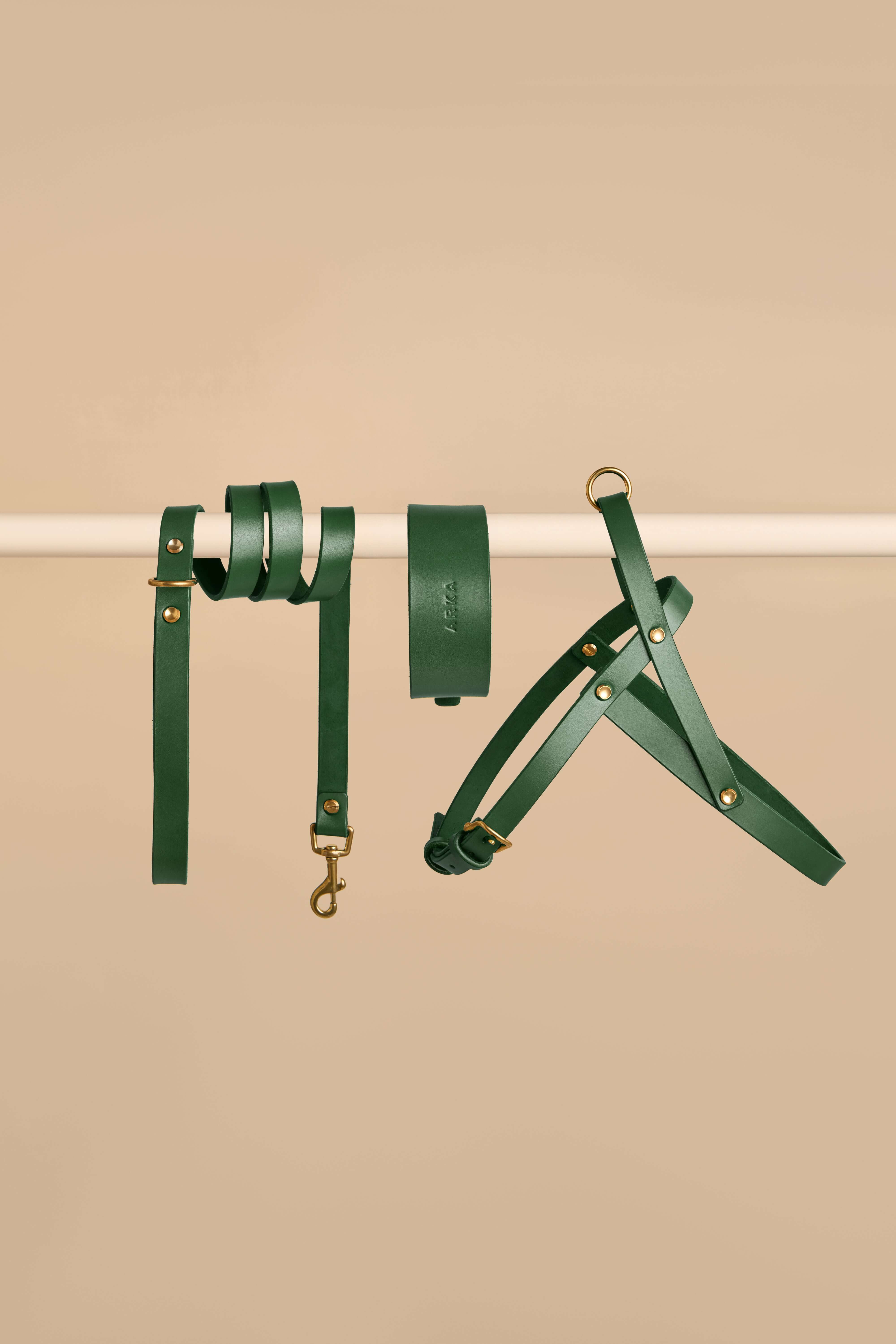
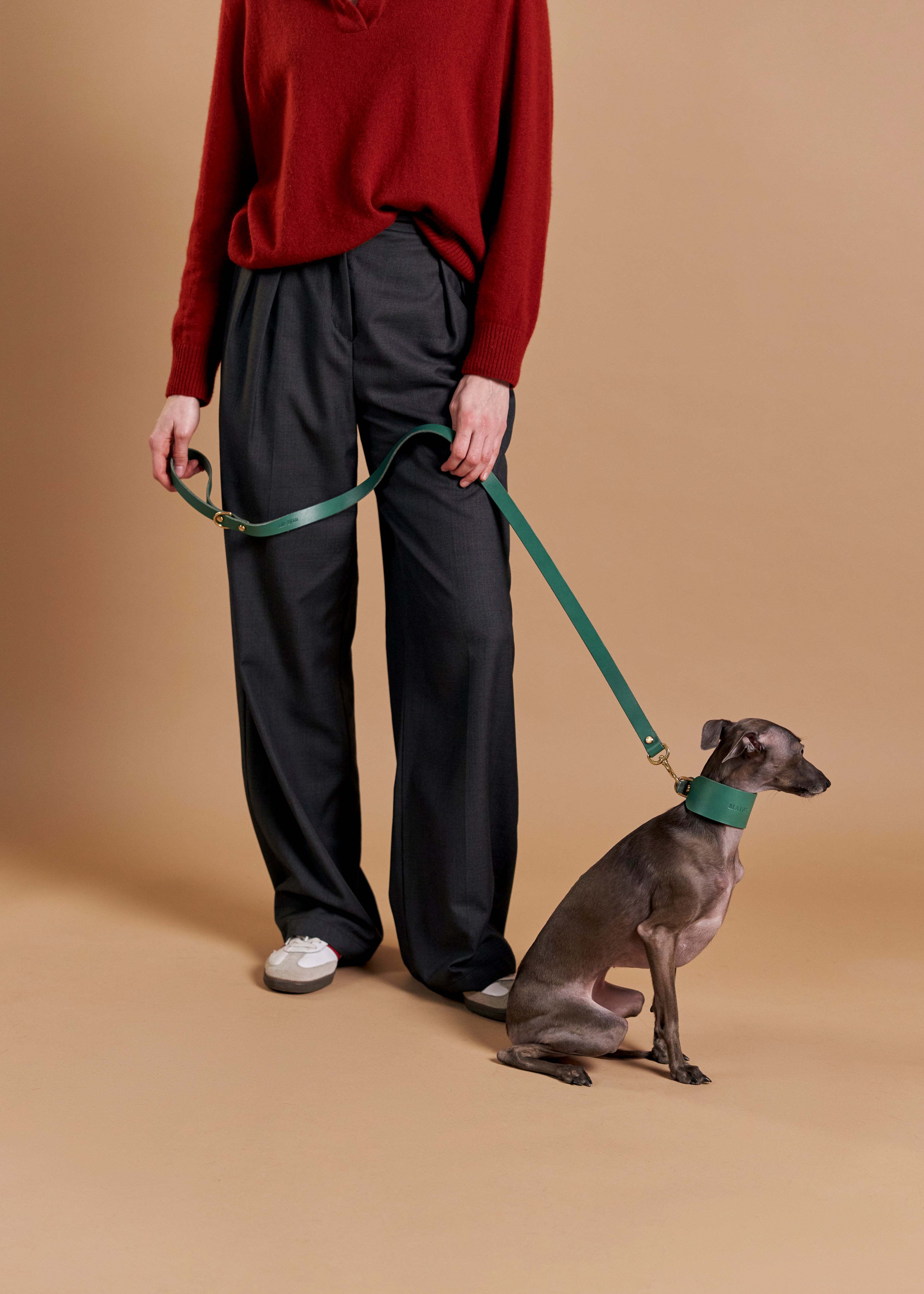
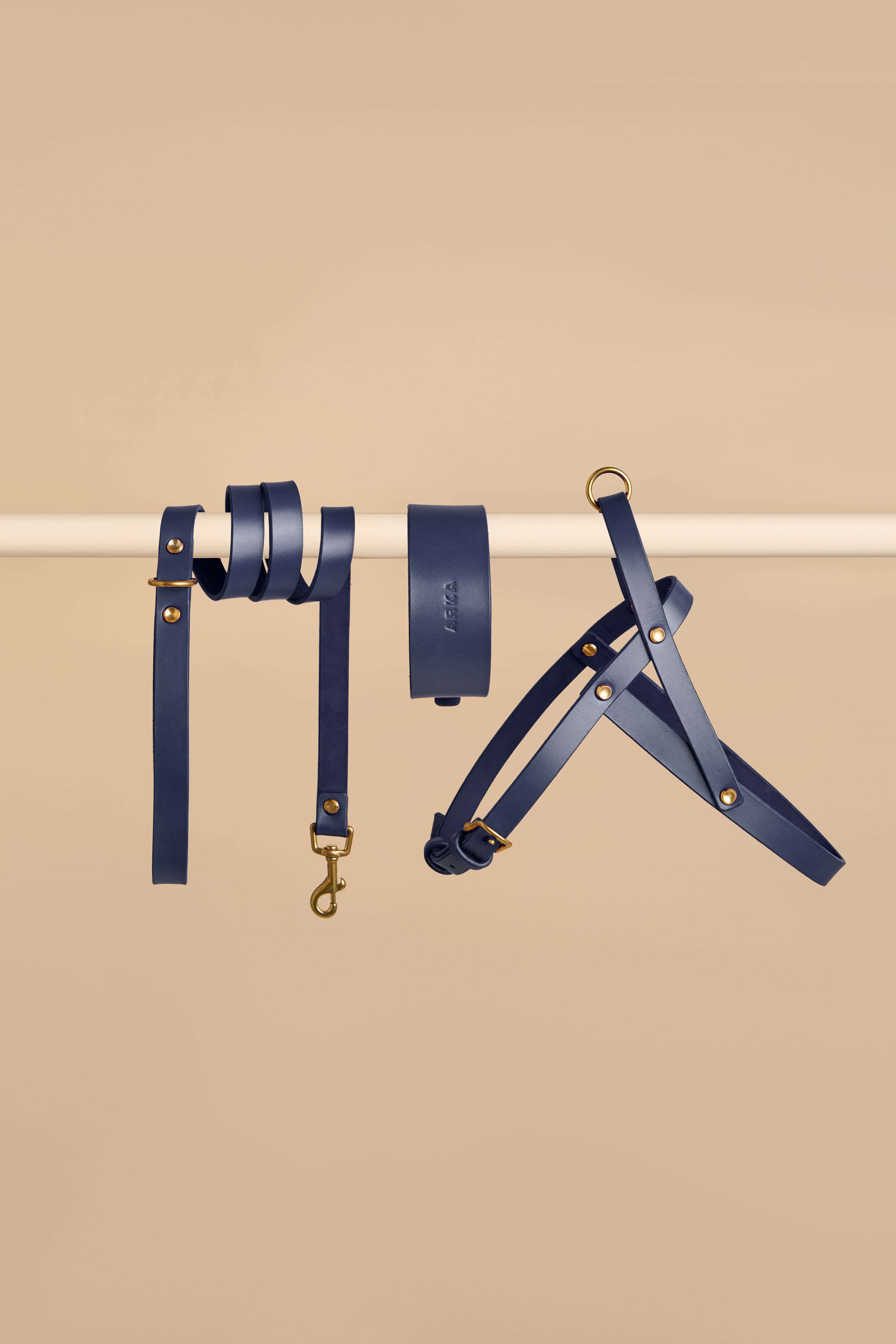
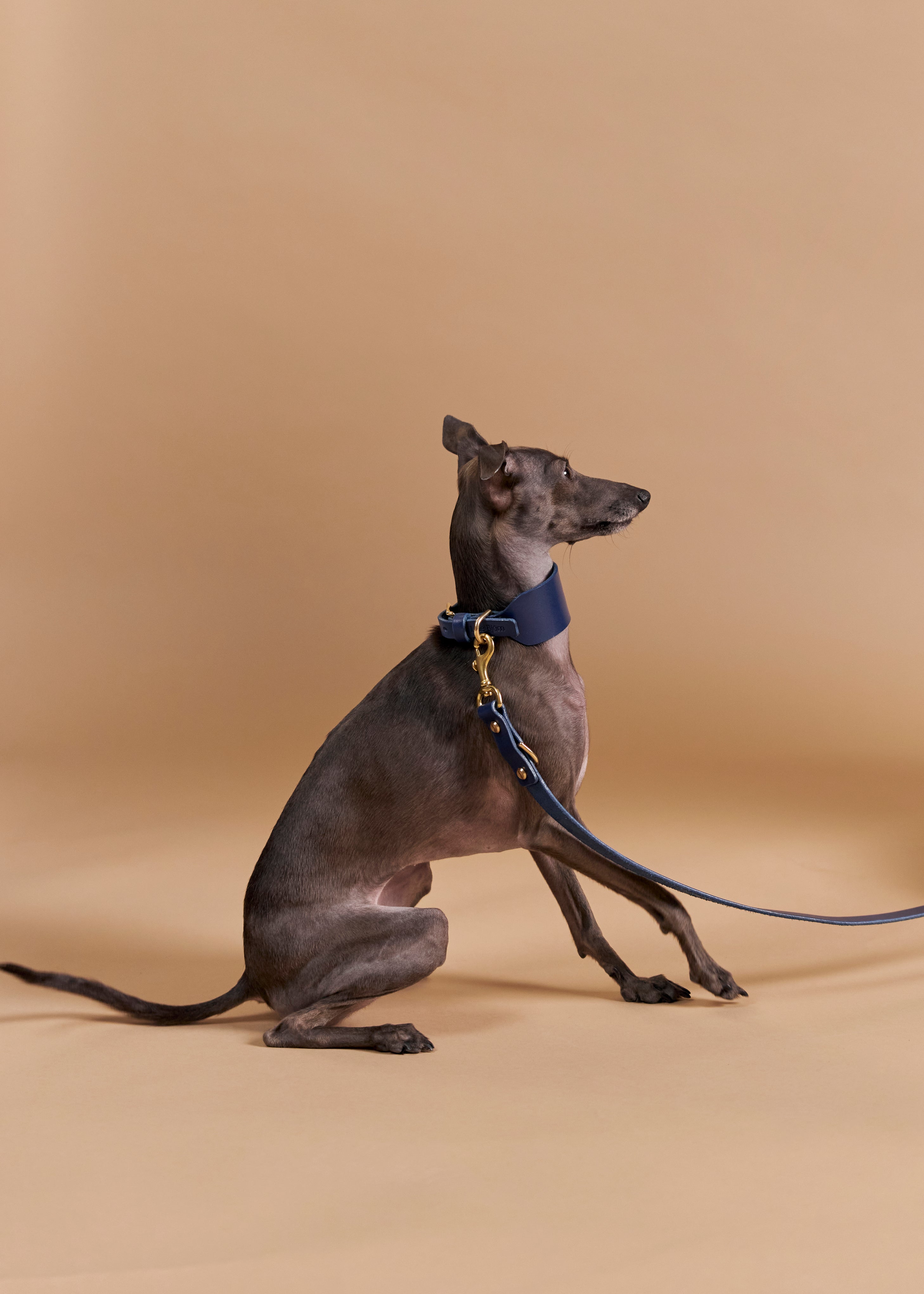
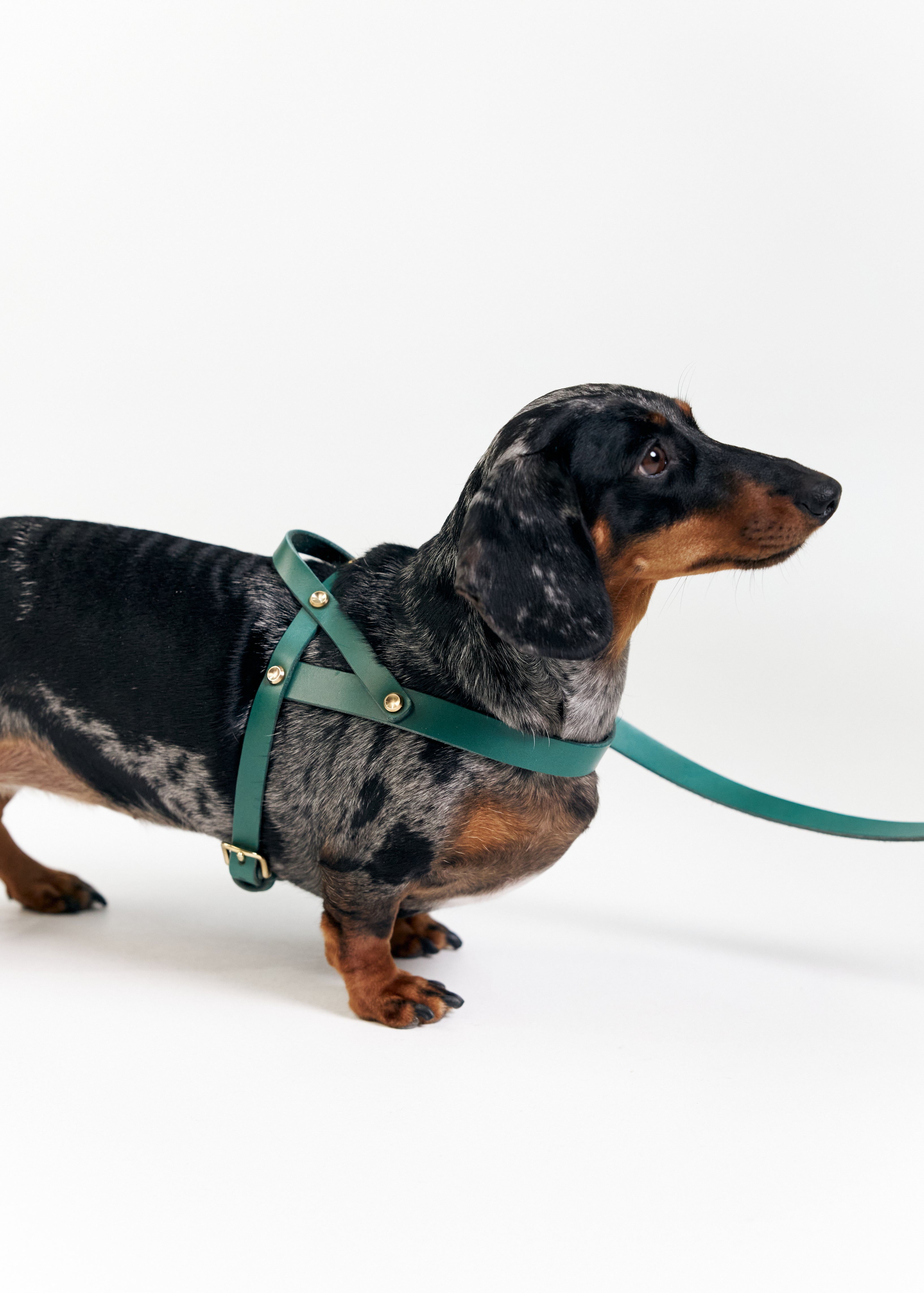
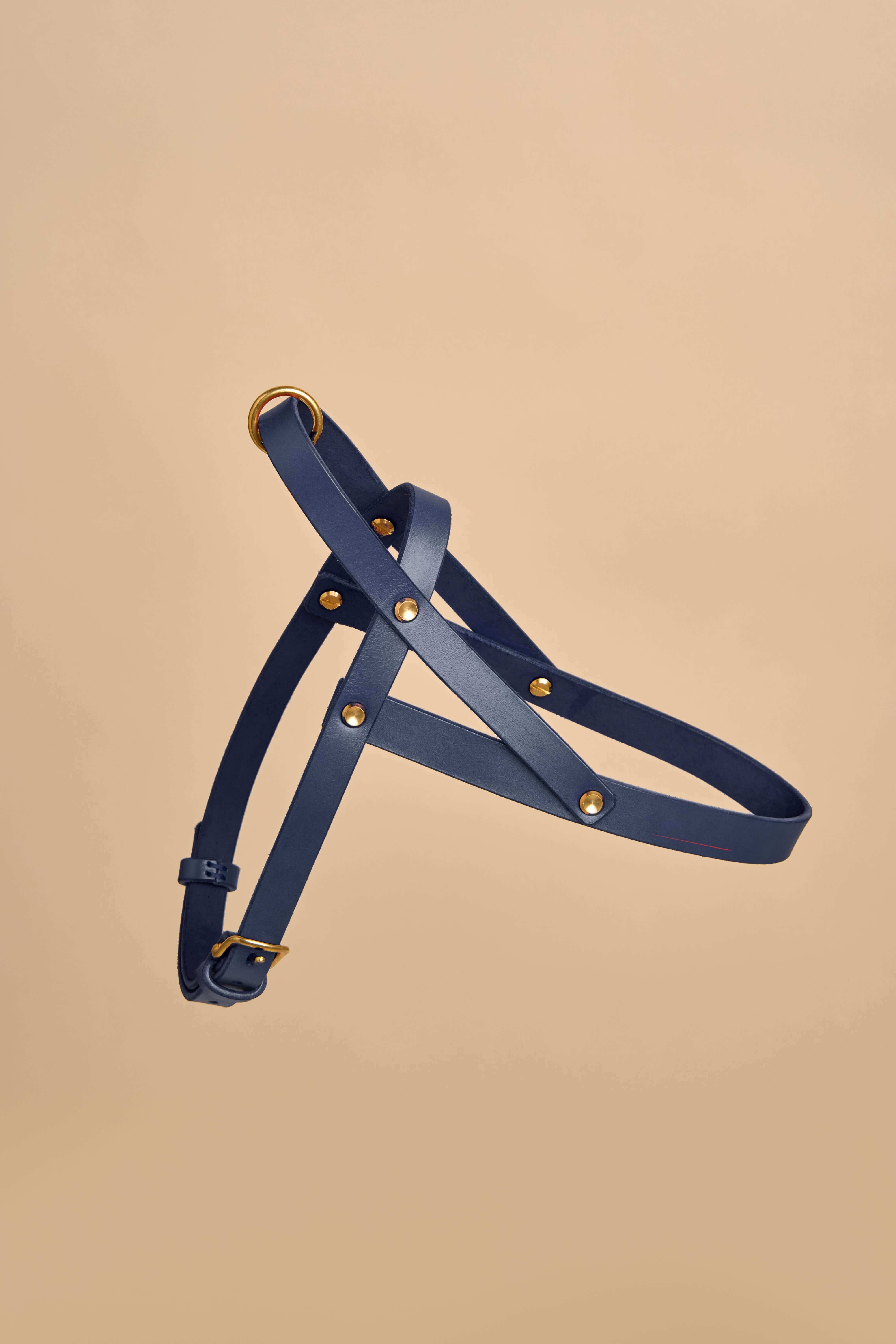
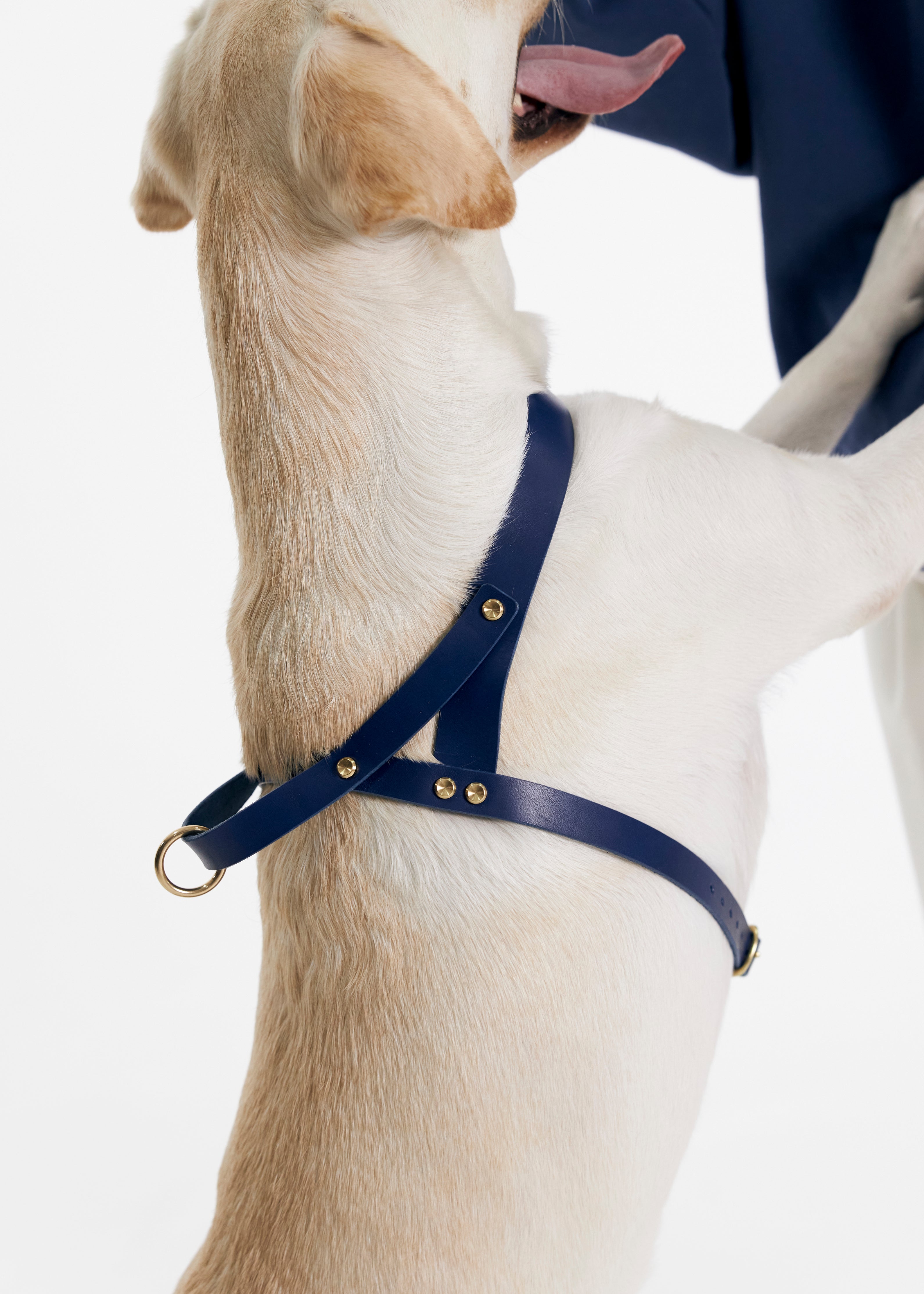
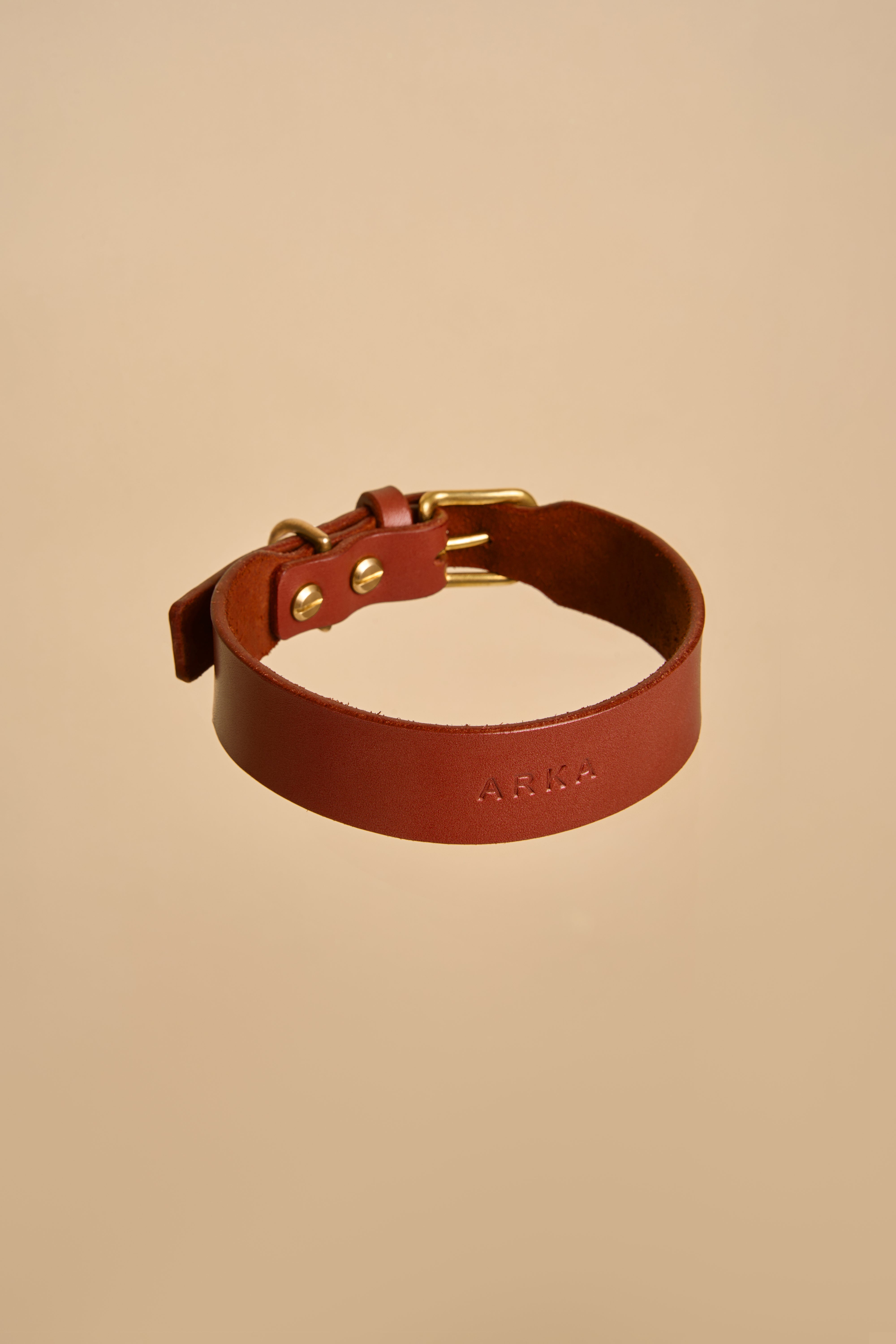
Which brings us to our number one pick of the bunch! Here are some of the biggest reasons why we think that vegetable-tanned leather is the best sustainable dog collar choice you can make.

100% Natural and Biodegradable
One of the best things about vegetable-tanned leather dog collars is that they are made using tanning that have been extracted from plants like chestnut and oak, rather than any harsh chemicals. In contrast to chemically treated leather, vegetable-tanned leather decomposes in a natural way, which makes it a certified environmentally friendly option!
Exceptional Durability
There's no arguing with the fact that leather is one of the most durable materials when it comes to dog collars, lasting for years and years. The stronger it is, the less you are going to have to replace it, which saves you money and helps to reduce consumption and waste.
Non-Toxic and Hypoallergenic
Lots of synthetic collars contain irritants, dyes, and chemical compounds that can be rough on your pup's sensitive skin. Vegetable-tanned leather is free from all of these harmful chemicals, making it the best non-toxic dog collar material available. Unlike chrome-tanned leather, which can contain residual chromium compounds, vegetable-tanned leather uses only plant-based tannins throughout the entire process. This makes it genuinely hypoallergenic and safe for daily neck contact on even the most sensitive skin. The Leather Working Group's certification framework independently verifies which tanneries meet strict standards for chemical reduction, water management, and responsible processing.
Naturally Breathable
Leather is also a very breathable material, meaning that air can flow through it and prevent any pesky moisture buildup around the collar. This is the opposite of what happens with synthetic collars, they are real bacteria and sweat traps which can be uncomfortable for your pup.
Timeless Aesthetic and Premium Look
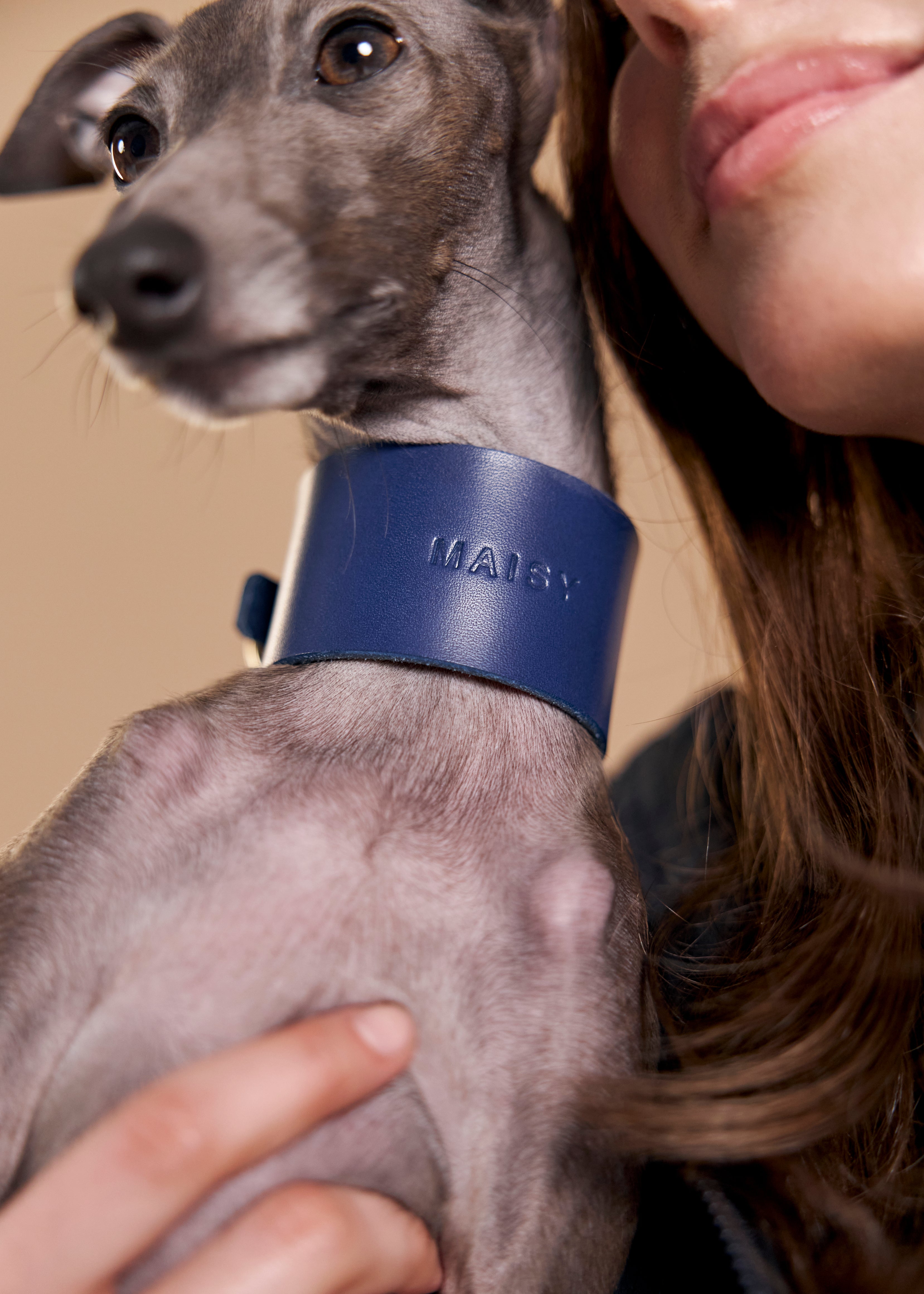
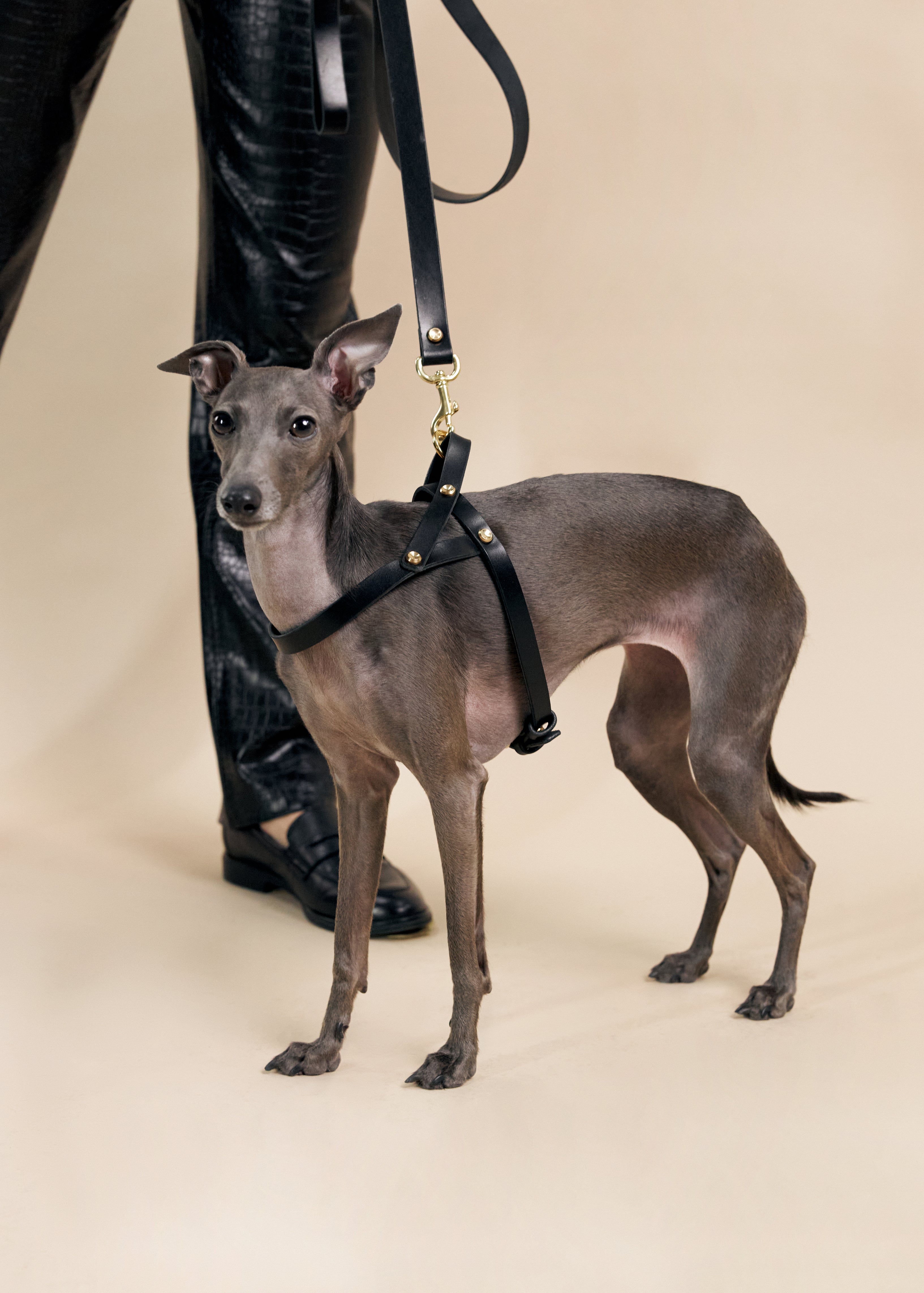
One of our favourite things about vegetable-tanned leather is that it develops a beautiful patina over time, enhancing the collar's visual appeal the longer you have it. This kind of luxurious appearance is perfect for any dog owner who likes the beauty of handcrafted dog accessories.

Reduces Overproduction and Waste
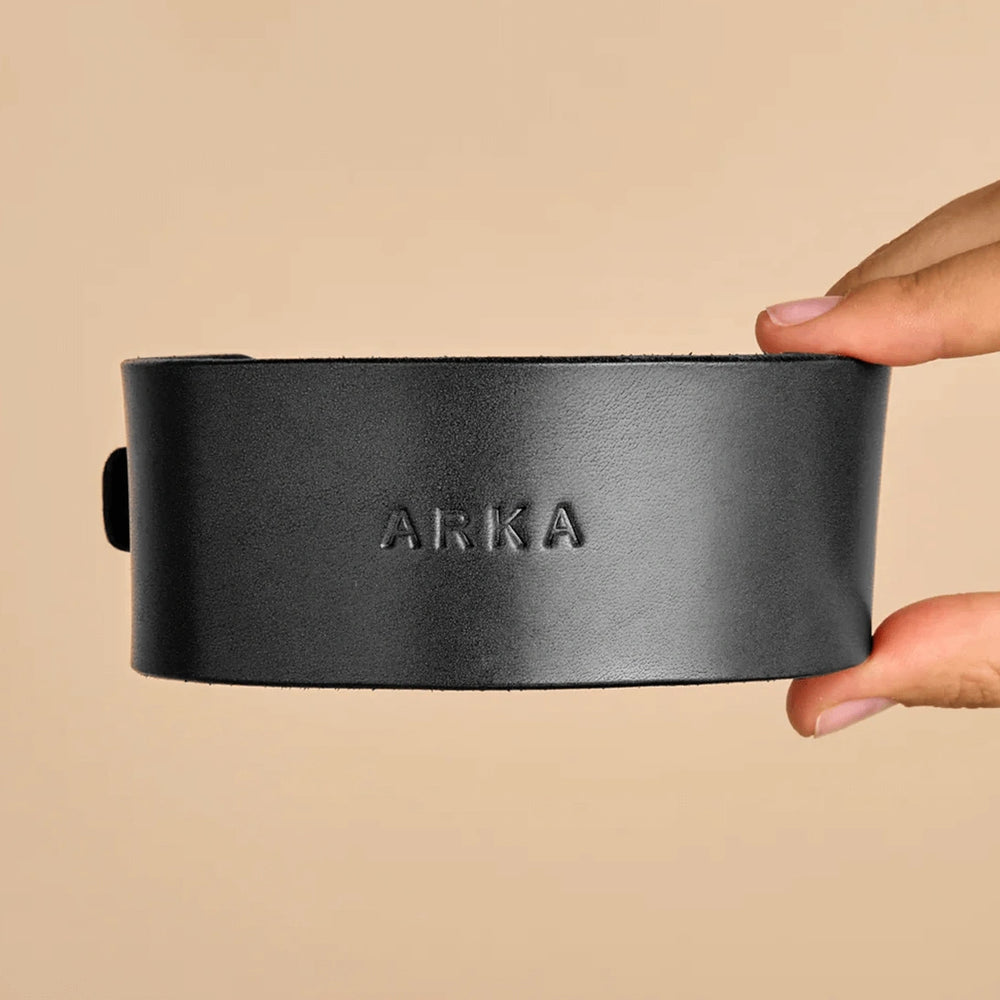
Most good vegetable-tanned dog collars are actually handmade to order, and in doing so this reduces any excess stock and helps to prevent mass-produced waste. This is completely opposite to all of the synthetic collars that you see, which will always find their way to landfill overflow. Eco-friendly dog collars are better for pup and for planet!
Are Sustainable Dog Collars Worth It?
In a nutshell, yes! We have laid out above all of the ways in which sustainable dog collars can be beneficial, from comfort to durability to environmental conservation and more. There is no doubt that they might cost a little more upfront, but their long lasting quality makes them a smart investment. Vegetable-tanned leather dog collars in particular are the option that offers the best balance of durability, eco-friendliness and premium aesthetics. Don't think of it as just a temporary purchase, but rather a purchase that is a long-term investment for sustainability and quality.
The Real Cost of Sustainable vs Synthetic Collars
The upfront price of a vegetable-tanned leather collar is higher than hemp or organic cotton. But the per-year cost tells a very different story. A hemp collar at $22 that stretches and degrades within 12 months costs $110 over five years. A vegetable-tanned leather collar at $75 that lasts 5 to 8 years under daily use costs $75 over that same period, and improves in character with every walk rather than deteriorating toward replacement. Choosing a sustainable collar is not just an environmental decision. It is the more economical one over any realistic ownership timeline.
How to Spot Greenwashing in Sustainable Dog Collars
Not every collar marketed as eco-friendly deserves the label. Here are three practical signals that separate genuinely sustainable collars from marketing claims.
- Check the tanning process, not just the material: leather is only as sustainable as the process used to make it. Chrome-tanned leather uses industrial chemicals and produces significant effluent. Vegetable-tanned leather uses plant-based tannins. Ask specifically which process was used.
- Look for third-party certification: the Leather Working Group certifies tanneries that meet independent benchmarks for water management, energy use, and chemical reduction. A brand that references LWG certification has verifiable environmental credentials.
- Assess durability honestly: a collar marketed as sustainable but made from a material that degrades in 12 months is less sustainable than a conventional leather collar lasting eight years. Longevity is a core component of environmental value, not a secondary consideration.
How to Care for a Vegetable-Tanned Leather Collar
When properly taken care of, a vegetable-tanned leather collar can enjoy a long lifespan, making it even more sustainable.
Care Tips:
- Try to keep the collar as dry as possible, and avoid any prolonged exposure to water as much as you can. Of course, this might be trickier if you have a pup who loves to swim!
- Buy a good quality leather conditioner and apply it periodically in order to maintain the natural suppleness of the material. You don't want any premature cracking.
- When not in use, find a cool, dry place to store the collar. This again will help to prevent cracking and extend the durability of the accessory.
With the right level of love and attention, a durable dog collar can last for years, and whatever you can do to reduce the need for frequent replacements and minimize environmental impact is a good thing in our book!
Frequently Asked Questions: Sustainable Dog Collars
What is the best sustainable dog collar?
Full-grain vegetable-tanned leather is the best sustainable dog collar material. It is biodegradable, produced using plant-based tannins rather than industrial chemicals, lasts 5 to 8 years under daily use, and costs less per year than any alternative that needs annual replacement. It is also hypoallergenic, naturally antibacterial, and free from the synthetic dyes and chemical preservatives found in most synthetic collar materials.
What is the best non-toxic dog collar?
Vegetable-tanned leather is the best non-toxic dog collar material. Unlike chrome-tanned leather, which can contain residual chromium compounds, vegetable-tanned leather uses only plant-based tannins throughout the entire processing method. No synthetic dyes, no chemical preservatives, no chromium salts. It is the safest material for daily neck contact for dogs with sensitive skin or contact allergies.
Are eco-friendly dog collars worth it?
Yes, especially when durability is factored in. A vegetable-tanned leather collar at $75 lasting five to eight years costs significantly less per year than a hemp or organic cotton collar at $22 to $35 that needs replacing annually. The environmental benefit compounds with each year of use: one leather collar over eight years generates a fraction of the waste of eight synthetic replacements over the same period.
Is vegetable-tanned leather actually eco-friendly?
Yes. Vegetable tanning uses plant-based tannins derived from tree bark and plant matter rather than the industrial chemicals used in chrome tanning. The resulting leather is biodegradable, produced with a significantly lower chemical input, and certified by the Leather Working Group when produced by responsible tanneries. It is substantially more eco-friendly than chrome-tanned leather and incomparably more so than petroleum-derived nylon or synthetic collar materials.
What makes a dog collar sustainable?
Three factors: the material must be renewable or biodegradable; the production process must use minimal industrial chemicals and responsibly sourced inputs; and the product must be durable enough that it does not need frequent replacement. Vegetable-tanned leather satisfies all three. Hemp and organic cotton satisfy the first two but typically fall short on the third. Nylon and synthetic collars fail all three.
How can I tell if a sustainable dog collar is genuinely eco-friendly?
Ask three questions: what is the tanning or production process, and does it use industrial chemicals? Is there third-party certification from an independent body like the Leather Working Group? And what is the expected lifespan under daily use? A collar that claims sustainability but degrades in 12 months is less environmentally sound than a conventional leather collar lasting eight years. Durability is a core component of sustainability, not a secondary consideration.
Is brass hardware eco-friendly on a sustainable collar?
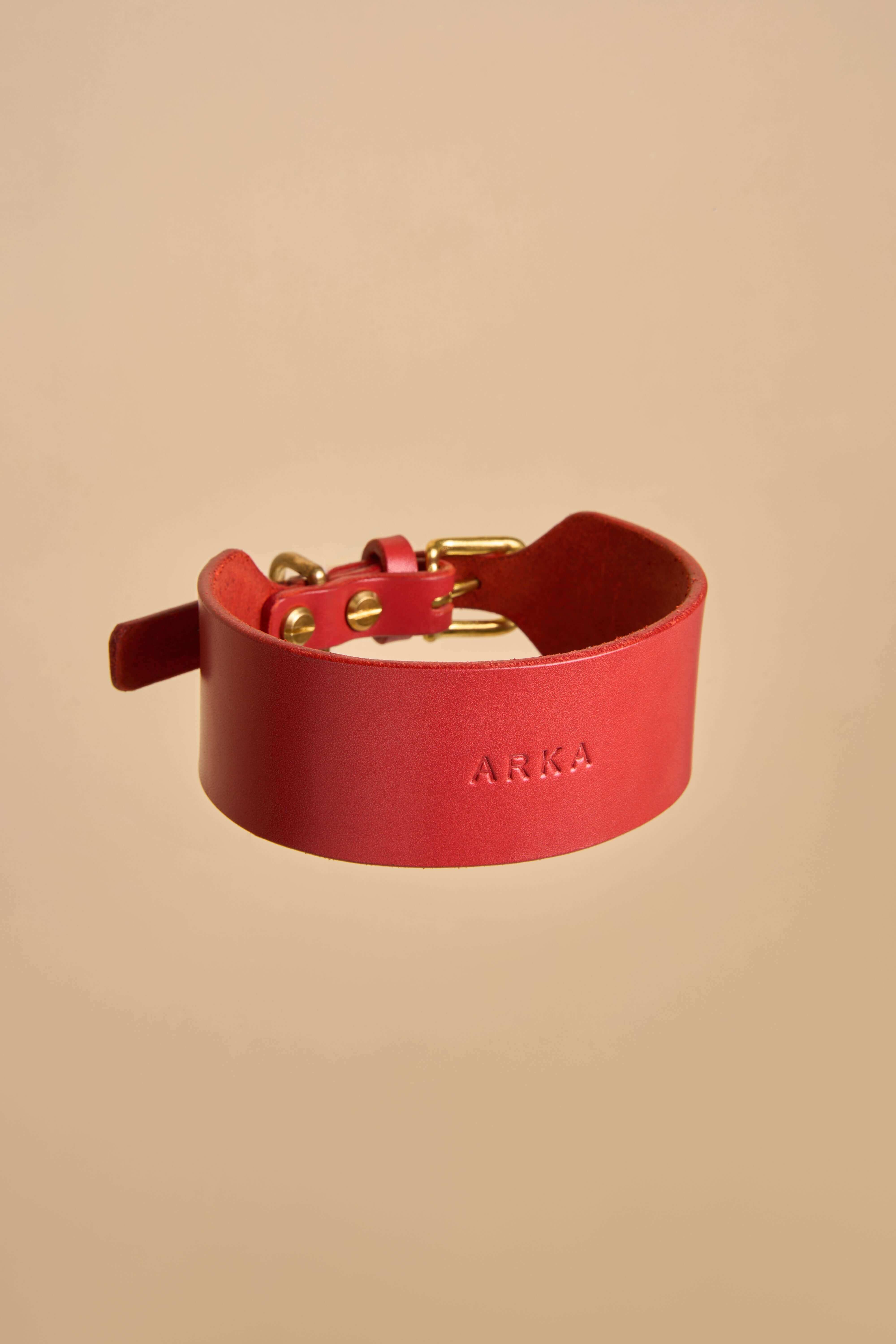
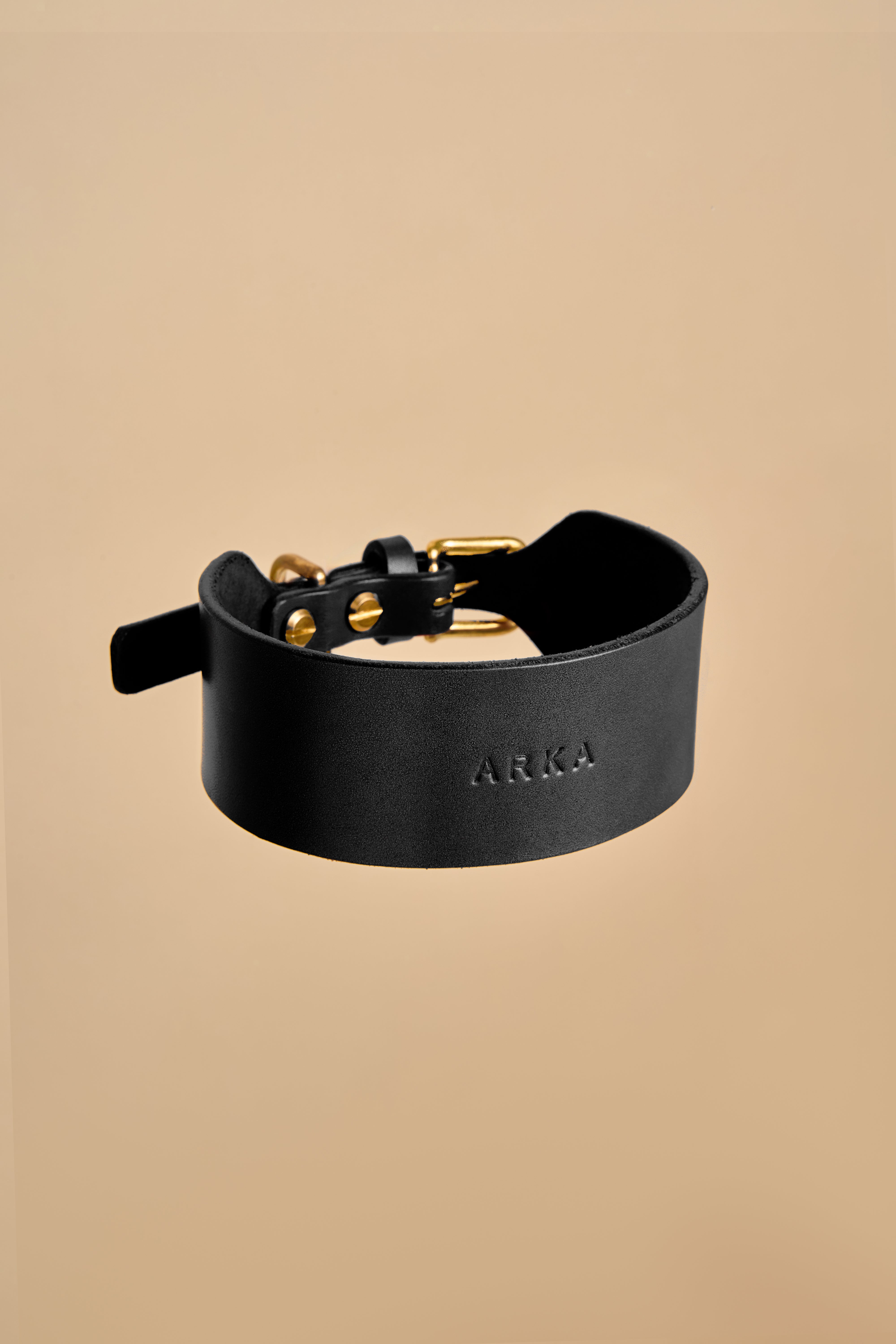
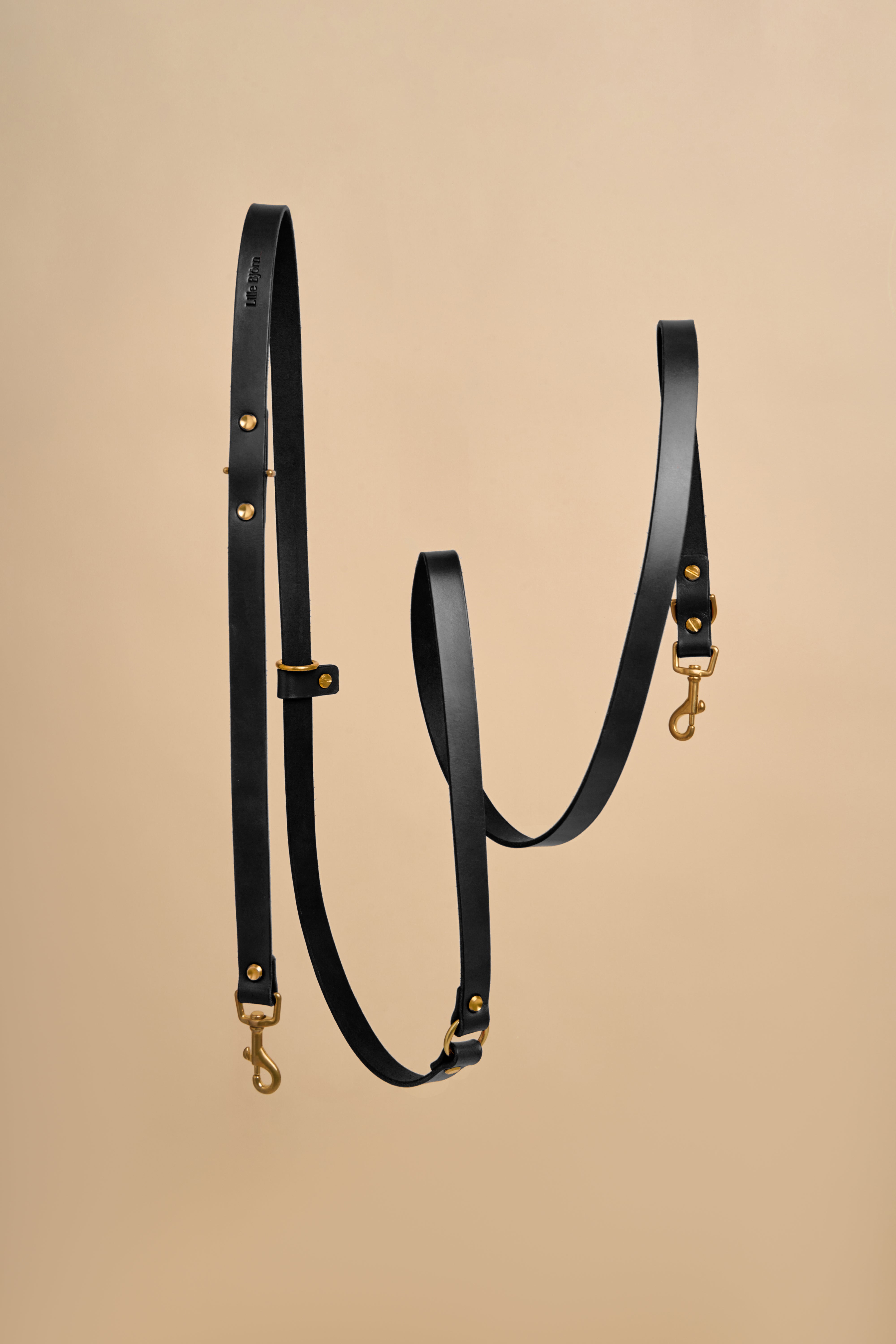
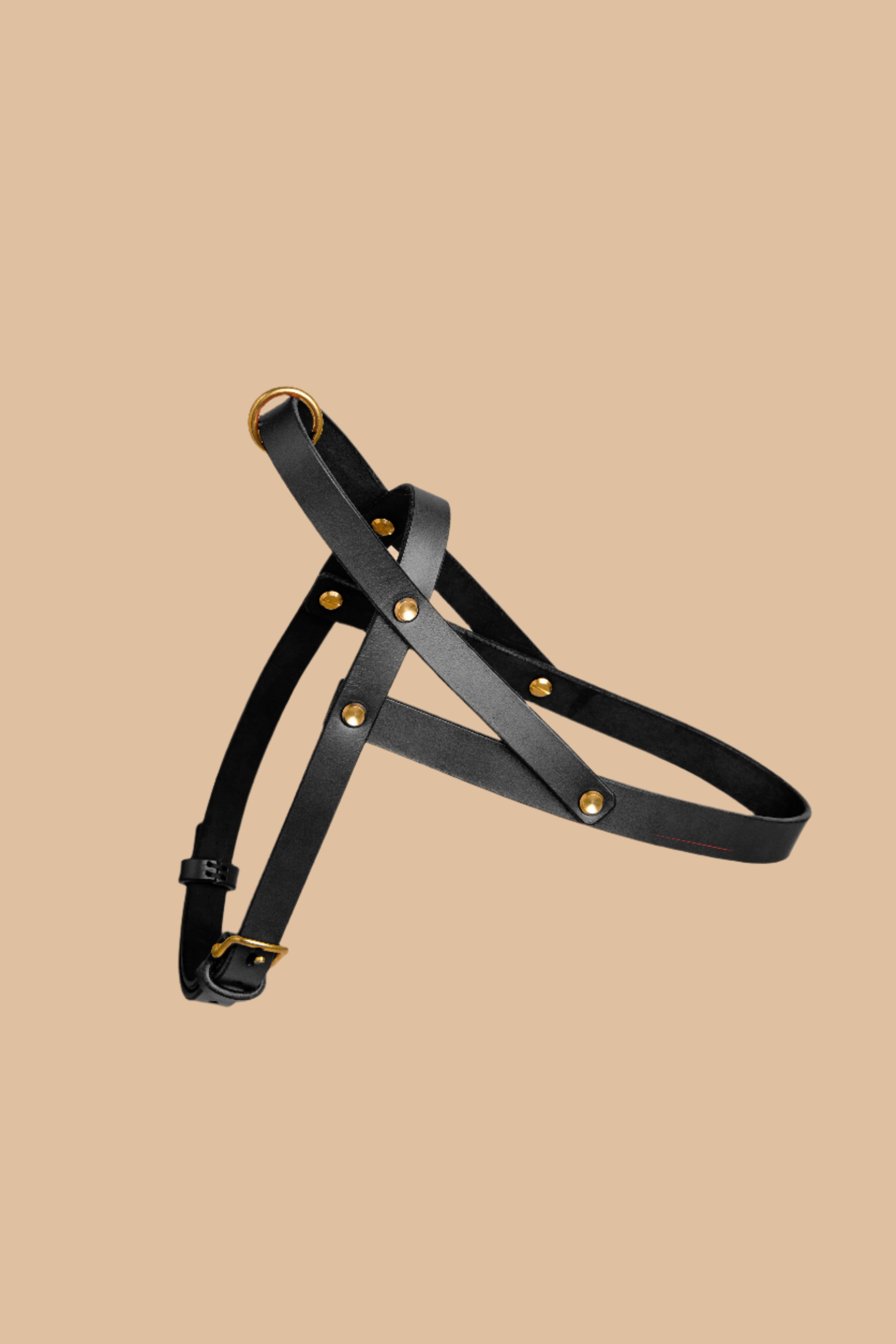
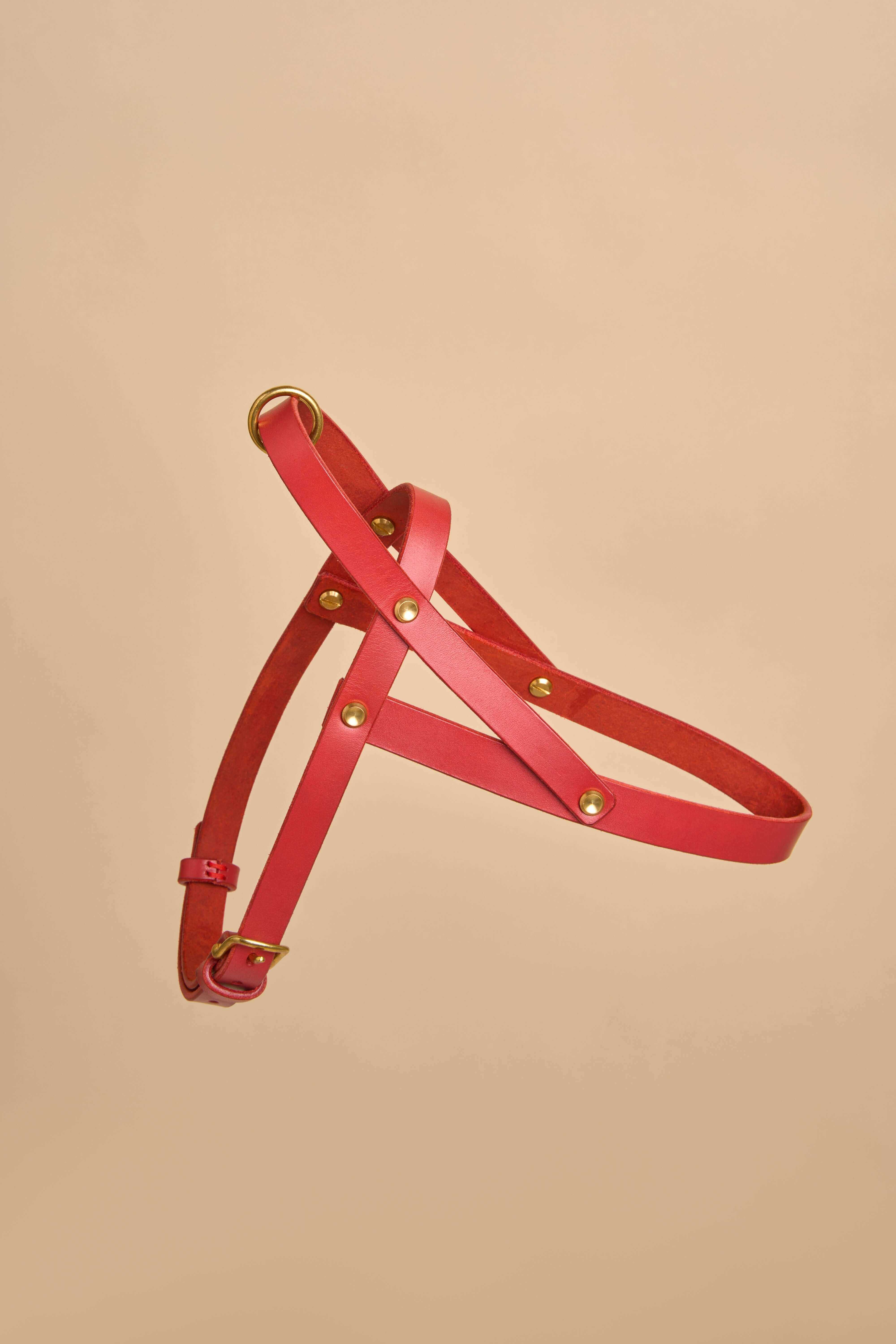
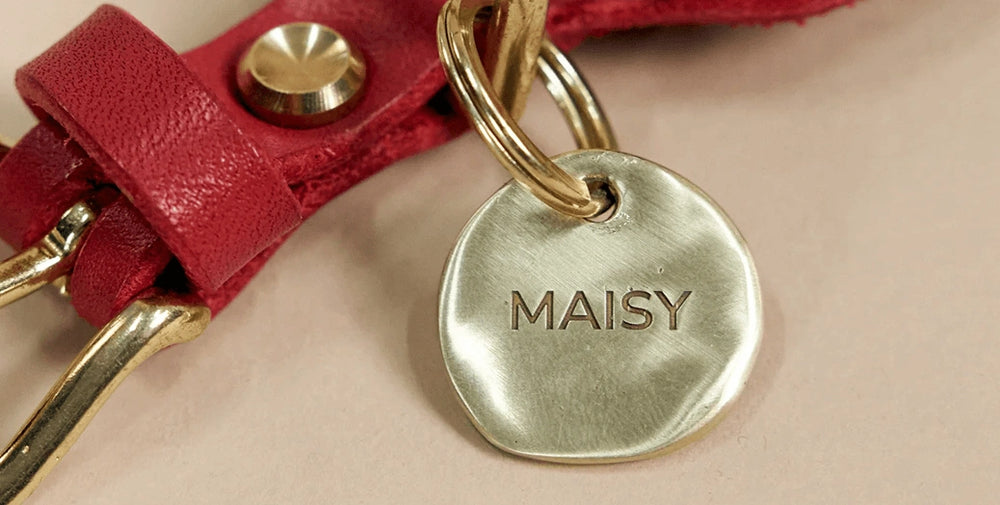
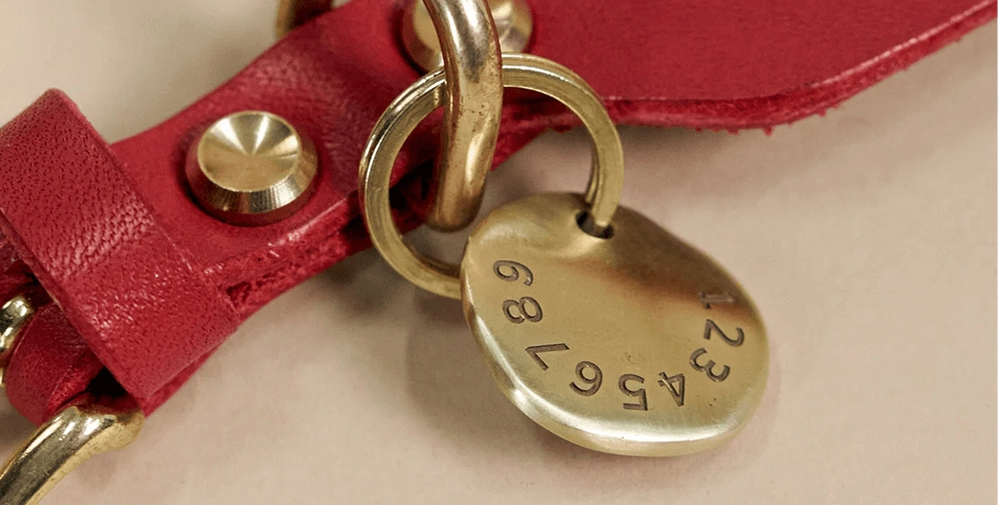
Solid brass is the most considered hardware choice for a sustainable collar. It does not rust, does not corrode under normal daily use, and lasts the full lifetime of the leather it is attached to. It is also naturally hypoallergenic, unlike nickel-plated alternatives. Brass develops a warm patina over time rather than degrading, meaning the hardware ages alongside the leather rather than requiring replacement before the collar itself wears out.
The Most Sustainable Choice Is the One That Lasts
Hopefully we have helped you to see that sustainable dog collars are the most responsible and stylish alternative to the range of synthetic options you see on the pet store shelves. Hemp, cork and organic cotton are all great choices, but if you want the very best for your furry friend, then vegetable-tanned leather is absolutely the way to go for the best unique benefits for both pets and the environment.
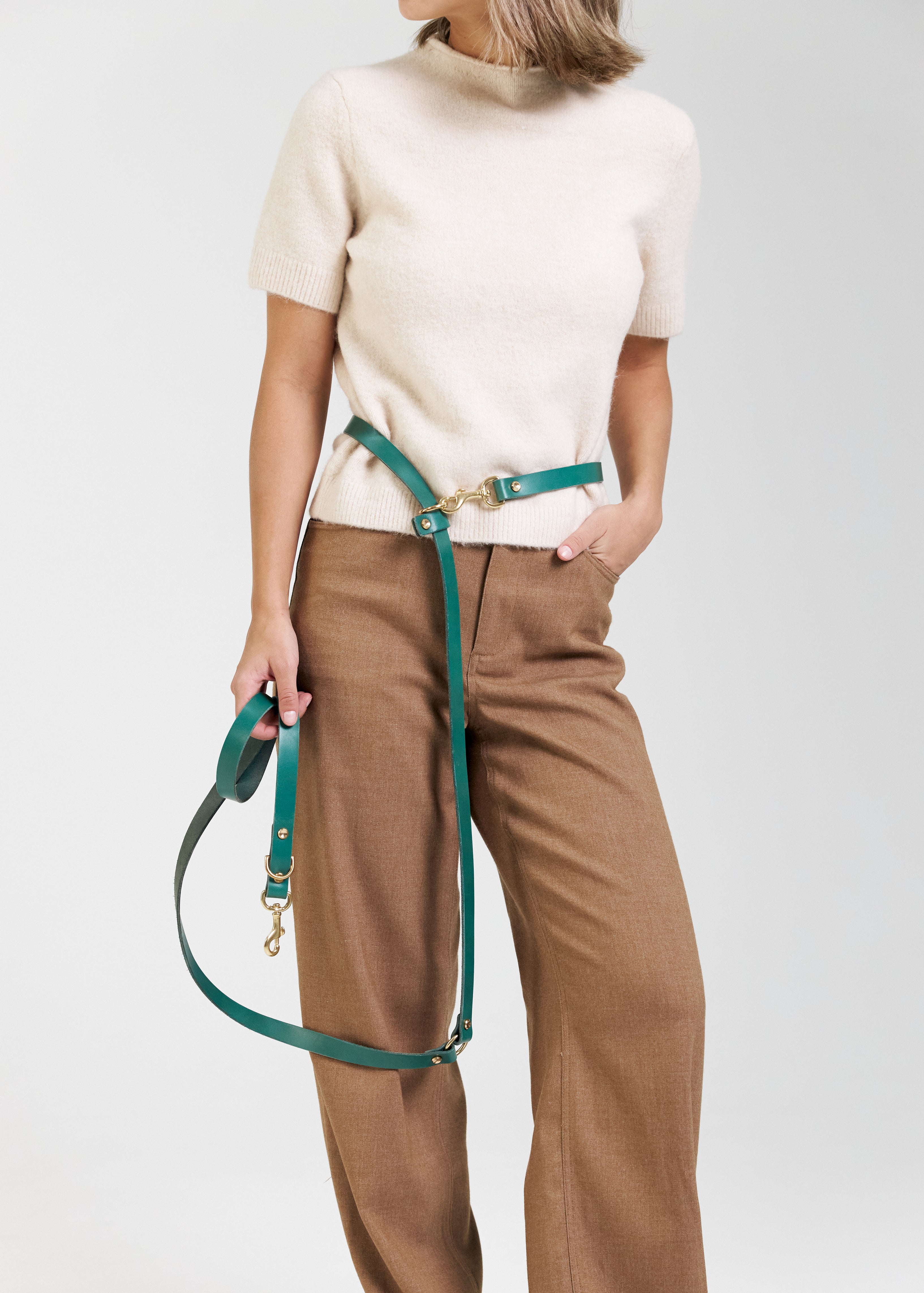
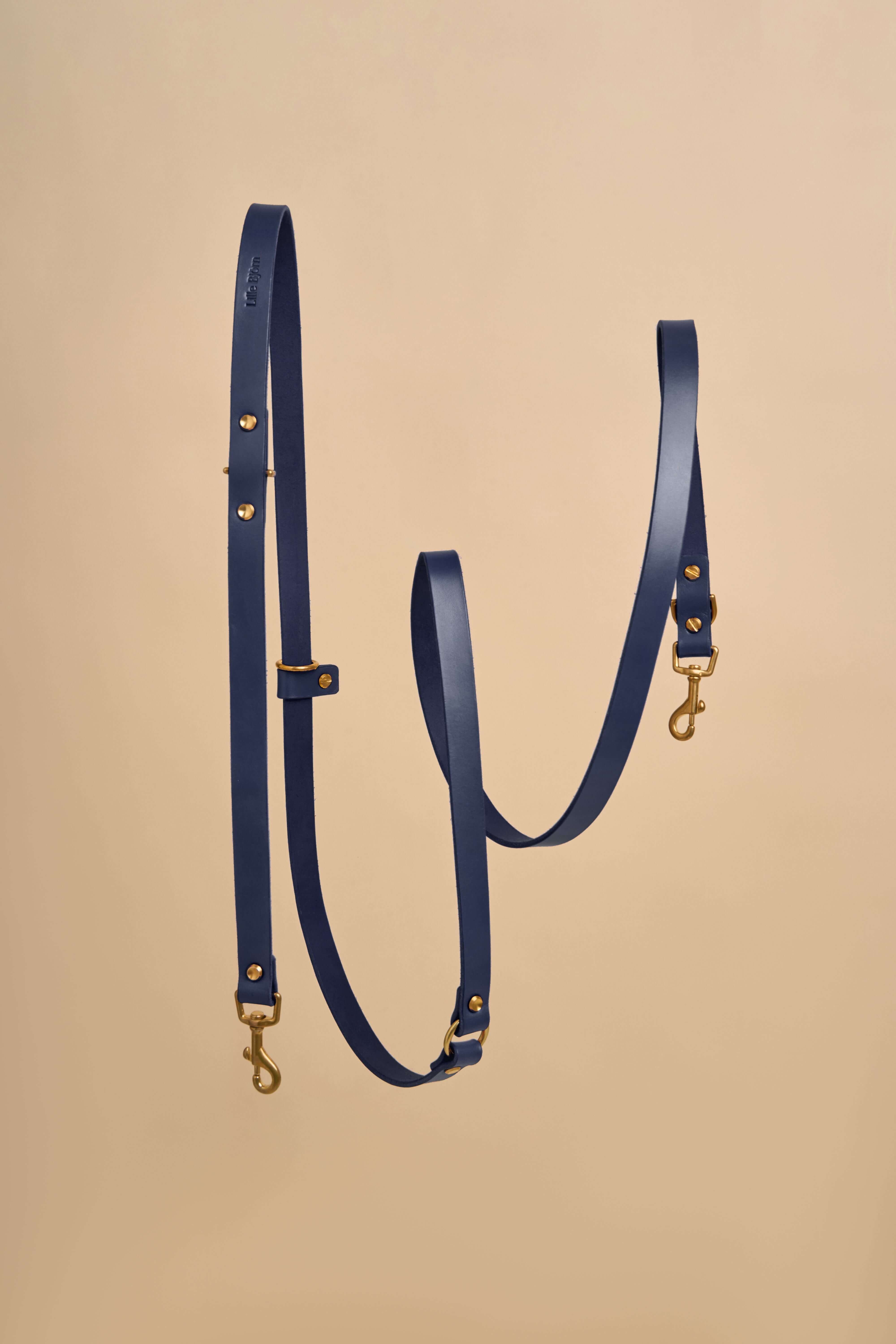
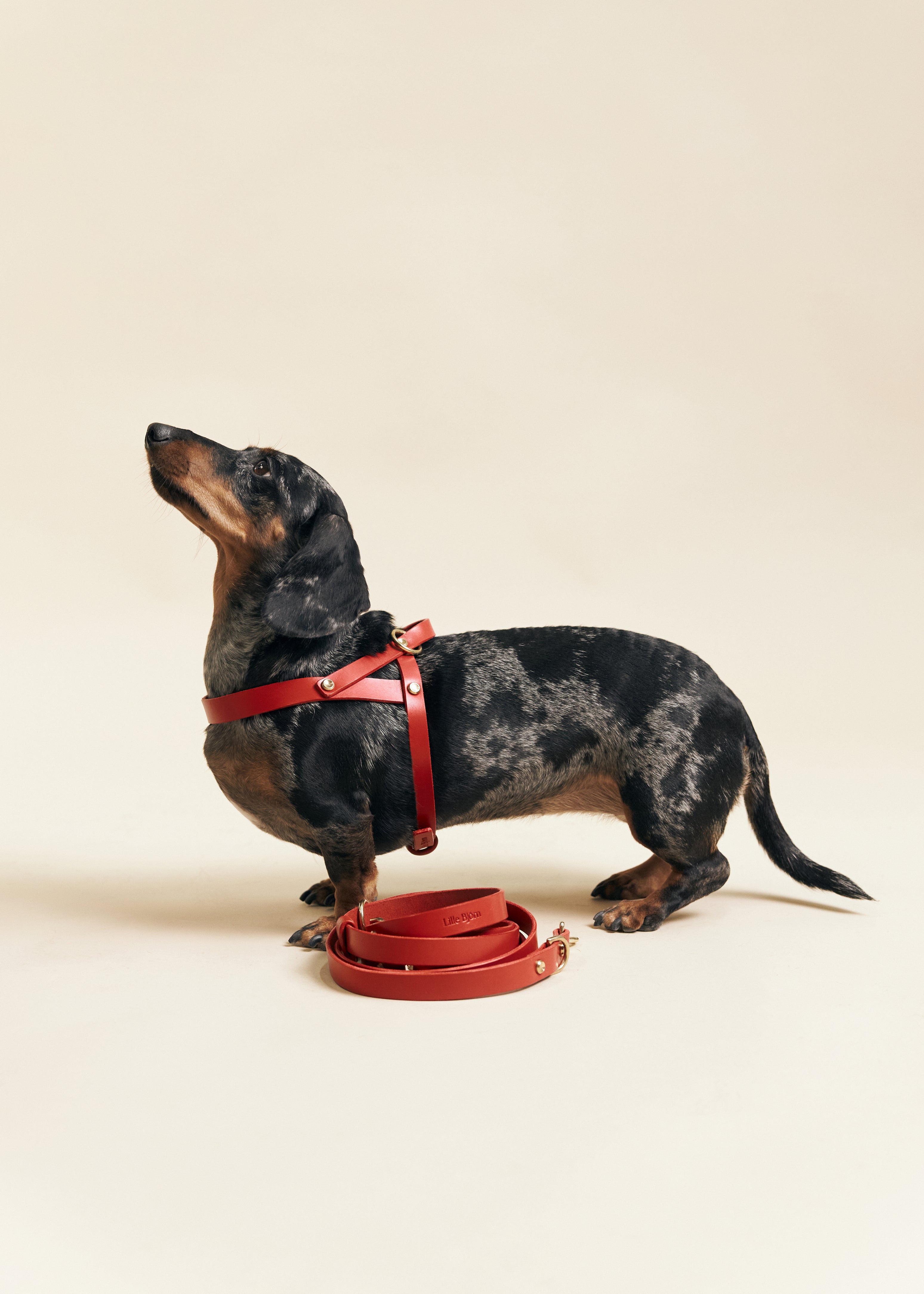
Browse The Lille Björn's leather collar collection and find the combination of durability, eco-credentials, and timeless style that makes each collar a long-term investment rather than a short-term purchase.