Quick Summary
The most common hidden danger in dog accessories is not material wear but material chemistry: approximately 80% of leather goods are chrome-tanned, a process that leaves residual chromium compounds in the finished leather that can leach onto your dog's skin during the wet-dry cycles of daily walks, rain, and bathing. Vegetable-tanned leather, cleaned regularly and stored correctly, eliminates this risk entirely and lasts 5 to 8 years under daily use. The care routine is simple and takes minutes.
For most pet owners, it would be fair to say that dog accessories are considered to be so much more than just stylish additions, they are truly everyday essentials. From harnesses to collars to tags to leashes and more, these kinds of items are in constant contact with your pup's coat and skin, so why would you not pay more attention to what they are actually made from?
Material choice and cleaning habits can have a direct impact on your pooche's health, as well as their comfort and overall long term wellbeing. Any materials that are not up to scratch will not only break down faster, they can also be harmful and toxic over time.
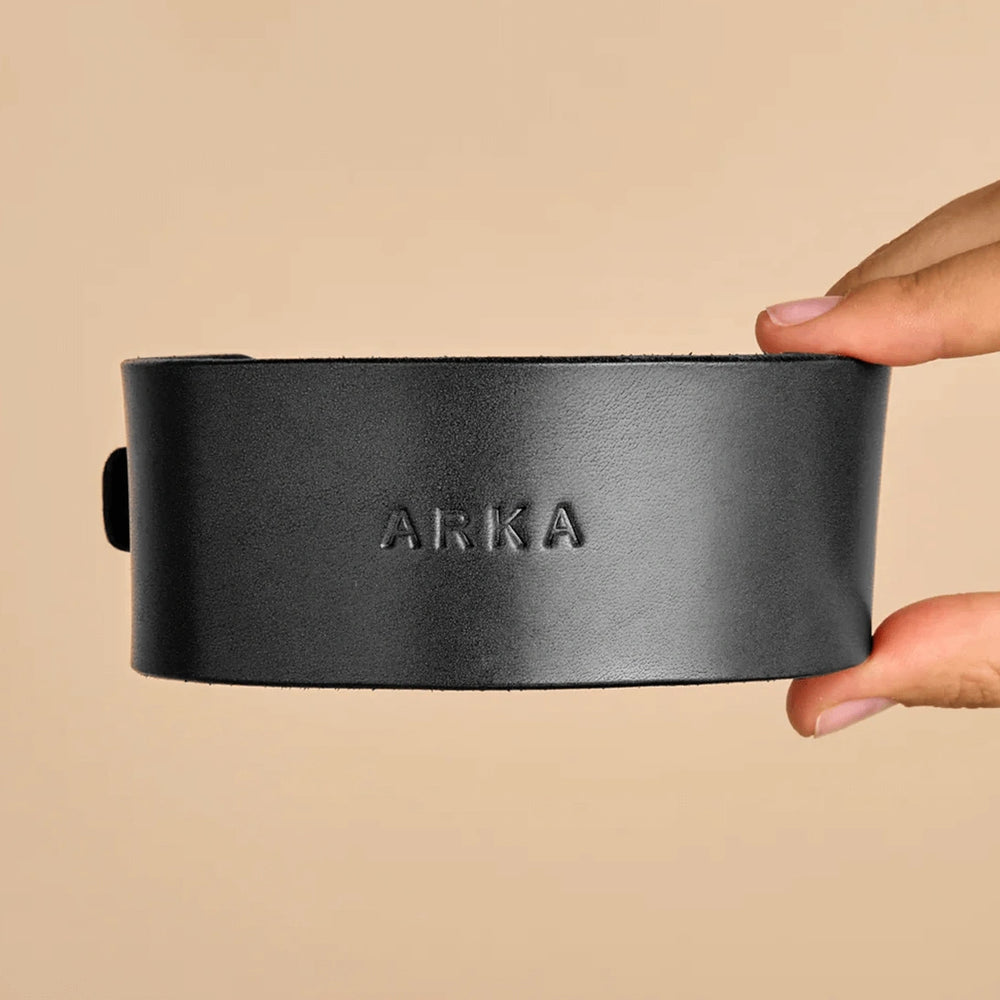
Here at The Lille Bjorn, our range of vegetable-tanned leather dog accessories are a safer, more natural focused option. Let us take a closer look at why materials matter so much.

Not All Leather Is Safe for Dogs
If you go into any pet store or do a quick search online, you will find an infinite number of leather accessories for your pup. However, if you scratch a little beneath the surface you will see that not all leather is created equal, to the extent that some examples can even pose serious health risks.
Chrome-Tanned Leather: The Hidden Danger
The truth is that most of the leather you see in mass-market harnesses and collars is chrome-tanned leather, something that is produced using chromium salts. This is because it is a cheap and fast way to manufacture.
Be careful, though, there is a dark side.
When exposed to regular moisture (like rain and sweat), friction or heat, chrome-tanned leather can release something called chromium VI which is a carcinogenic, toxic compound.
Some of the biggest health concerns that have been linked with chromium VI in leather include:
- Respiratory issues when inhaled via off-gassing.
- Irritation, skin rashes and contact allergies.
- Long-term risks of carcinogenic exposure.
As you might imagine, all of these situations can arise from harnesses and collars when they are being worn tightly around your pup's chest and neck.
The specific risk mechanism for dog collars is more significant than for other chrome-tanned leather goods. A dog collar goes through repeated wet-dry cycles every day: morning dew, rain, post-bath drying, sweat from active walks. Each of these cycles increases the likelihood that chromium compounds convert to the hexavalent form and leach from the leather surface onto the skin beneath. Dogs also lick the fur around their collar area, which means they can ingest small amounts of any compounds present on the leather surface over time. Some leather goods are also treated with formaldehyde during shipping and storage to prevent bacterial growth, adding a second potential contact compound to the collar's chemical profile. The combination of daily wet-dry exposure and close skin contact makes a dog collar a meaningfully higher-risk item than most other chrome-tanned leather goods a person might own.
A Safer Alternative: Vegetable-Tanned Leather
Thankfully, vegetable-tanned leather dog accessories are here to save the day! They are made using more traditional methods that rely on natural tannins found in things like leaves, tree bark and other plant matter. Though it is a process that takes more time and money, the benefits are undeniable:
- Free from harsh chemicals and therefore hypoallergenic.
- Breathable, and softens with age which makes it adaptable to any dog's body.
- Safe to use for long-term contact with your dog's skin.
The general rule to follow is this: if you would not want to put it on your skin, then do not put it on your dog's either. Sadly, a lot of brands do not follow this rule because of cost and craftsmanship requirements, but any true dog lover knows that seeking out the best is worth it.
Dog Collar Material Comparison: Which Is Safest for Your Dog?
| Material | Skin Safety | Durability | Breathability | Best Use | Verdict |
|---|---|---|---|---|---|
| Vegetable-tanned leather | Safest: no chromium, no synthetic dyes, no formaldehyde | 5 to 8 years with regular conditioning | Open-pore structure breathes naturally, wicks moisture away from skin | Daily wear, sensitive skin, all breeds | ✅ Recommended |
| Chrome-tanned leather | Risk: chromium VI leaches under wet-dry cycling and heat exposure | 2 to 3 years before peeling and cracking | Sealed surface traps moisture at skin contact zone | Not recommended for daily collar or harness use | 🔴 Avoid |
| Nylon | Low risk when undyed; synthetic dyes can transfer to skin in warm conditions | 12 to 18 months before fraying | Traps moisture and bacteria against the skin | Active or water dogs where leather submersion is frequent | 🟡 Acceptable for specific use |
| Waterproof synthetic / biothane | Low risk from material | 3-5 years | Non-breathable | Regular swimmers only | 🟡 Water use only |
| PVC / faux leather | Highest risk: off-gasses plasticisers | 6-12 months | Non-breathable | Not recommended | 🔴 Avoid |

Leather Care 101: Keep It Clean, Naturally
So, you have made the decision to invest in the best materials, now all that is left to do is take proper care of it! Proper care in this instance comes through ensuring that your accessories stay comfortable and safe, and the good news is that leather is not a complicated material to care for. All that is needed is an informed and gentle approach.
Here is a quick guide on how to clean leather dog harness and collar products.
Cleaning Steps
- Spot clean when needed, such as after long muddy walks or especially wet weather.
- Use a soft, damp (not soaked) cloth to wipe down the gear, with a bowl of lukewarm water.
- If particularly stubborn, use a mild, natural soap sparingly, but avoid any alcohol based cleaners or harsh detergents.
- Leave items out to air dry, away from direct sunlight and heat. Do not use a radiator or hairdryer.
Optional: Conditioning
If you want to maintain as much flexibility as possible and avoid premature cracking, then you can also apply a small amount of natural leather balm every 3 to 6 months. Make sure to pick a formula that is free from petroleum or synthetic chemicals.
The important thing to remember is that dog collar care is not just about making sure your pup is the best looking dog in the park, it is also about ensuring their comfort and safety.
And above all else, never machine wash leather accessories!
Store Smart to Protect Your Investment
The truth is that even the best quality accessories can get damaged if they are not stored properly. After all, leather is a natural material, so it still needs to breathe!
Some of the best tips to follow to protect your pup's accessories when they are not in use are:
- Always store indoors in a dry, cool environment.
- Avoid prolonged exposure to heat (like radiators), direct sunlight and excessive humidity.
- Do not store in airtight containers, opt instead for something like a breathable cotton bag or just placing on an open shelf.
Most of the dog owners we talk to end up having their gear organized in a special drawer, or on a series of wall hooks. Both these options are super practical and ensure everything stays in great condition!
Give Your Accessories a Break
You would not wear the same pair of socks every day, right? In the same vein, there are plenty of benefits from switching between collars and harnesses as doing so allows the leather to:
- Dry out fully after being exposed to moisture.
- Breathe and rest without fur and skin contact.
- Last much longer thanks to reduced wear and tear on any single piece.
The great thing is that this also improves overall dog harness safety because it ensures that your materials stay structurally sound and super comfortable.
What is generally recommended is the following:
- Having a soft, lightweight 'home collar' that your pup wears around the house.
- Having a 'walk collar' or 'walk harness' that is designated for adventures and outings.
City dogs in particular can benefit from this rotating system, all based on the terrain, activity or weather on any given day.

Function Meets Fit: Choose What Suits Your Dog
Do not believe anyone that tells you one size or style fits all, that could not be further from the truth! The very best accessories combine function, fit and form all based on things like the breed, lifestyle and activity level of your pup.
For Active Dogs
Select a durable collar for swimming, rolling and general playing, and use a harness for walks to help evenly distribute pressure.
For Sensitive Dogs
Long-necked breeds like greyhounds and whippets can benefit from wider, padded collars that reduce strain. Additionally, pups with allergies will need safe dog collar materials like the vegetable tanned-leather we have already mentioned.
For City Dogs and Owners
A hands-free leash is great for having fun on urban walks and multitasking.
At The Lille Bjorn, we have all these bases covered with the likes of the Vero Harness for non-restrictive movement, the Aeris Wide Collar for great pressure distribution and the Omni Hands-Free Leash for busy city strolling. Take the time to find the gear that works best for both you and your pooch, it can make a world of difference!
The Small Detail That Can Save a Life
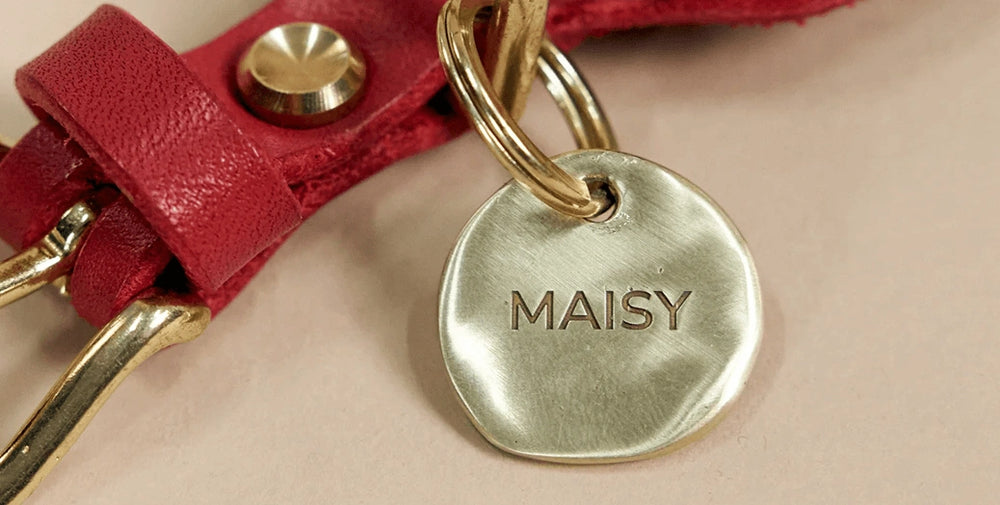
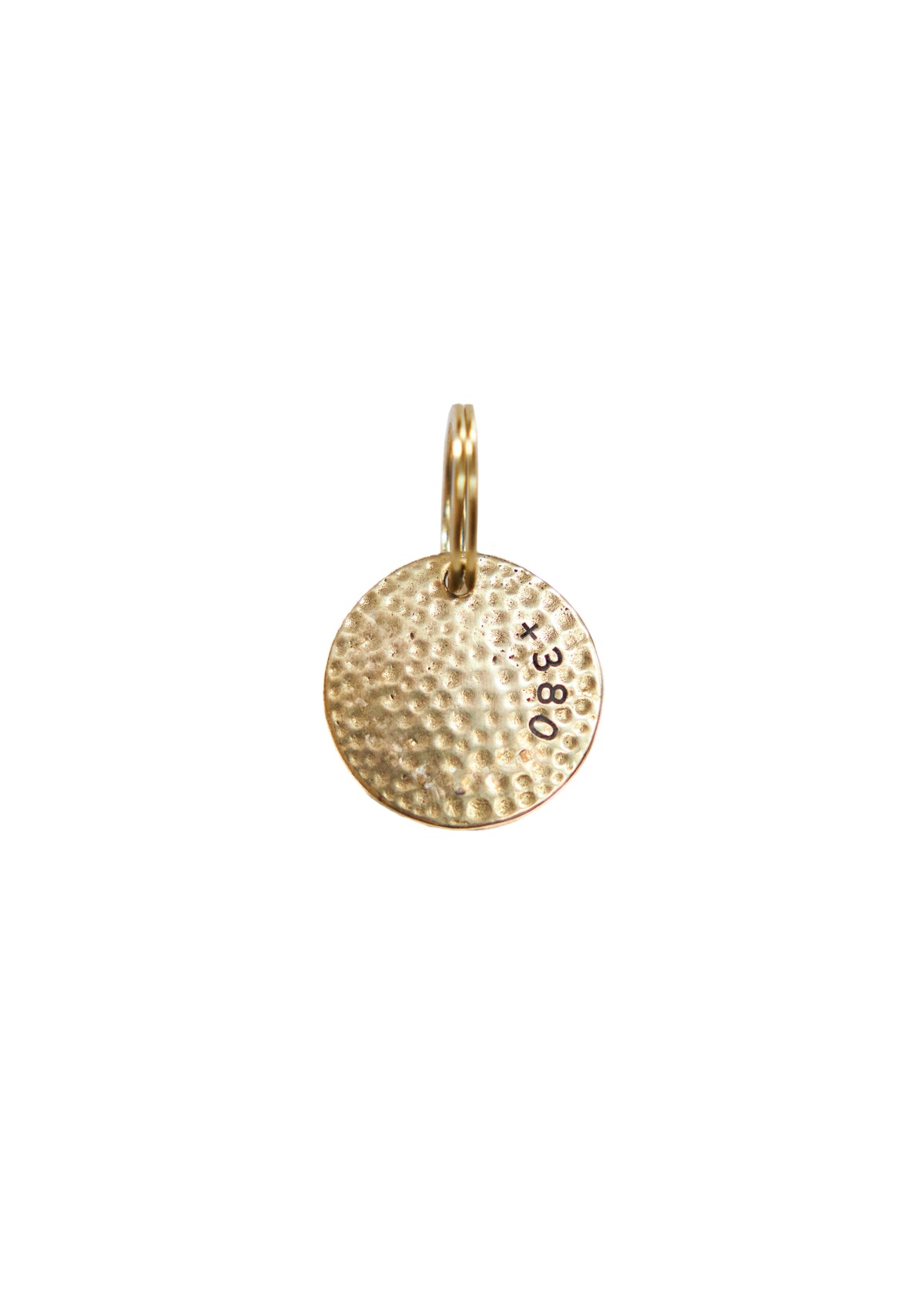
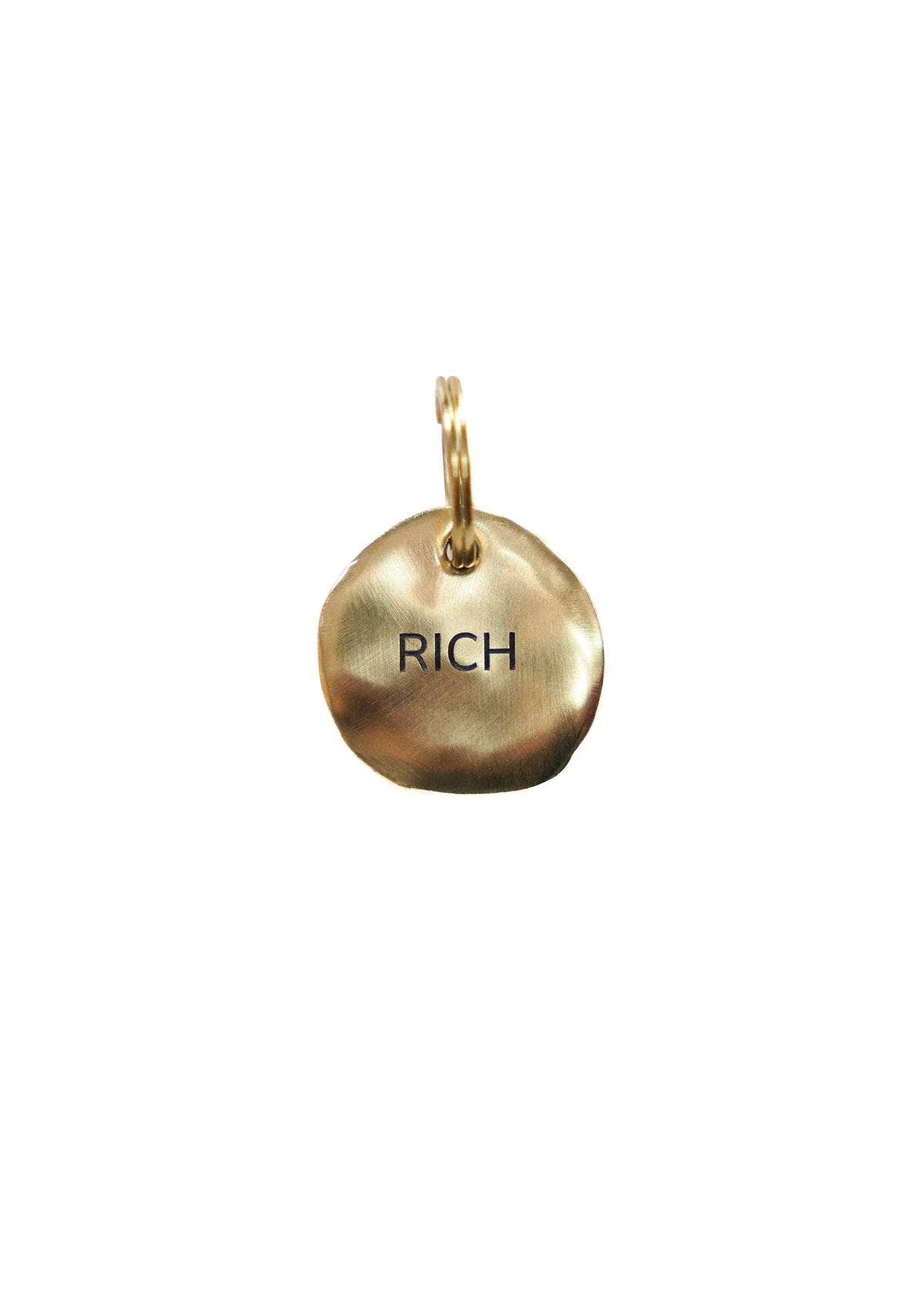
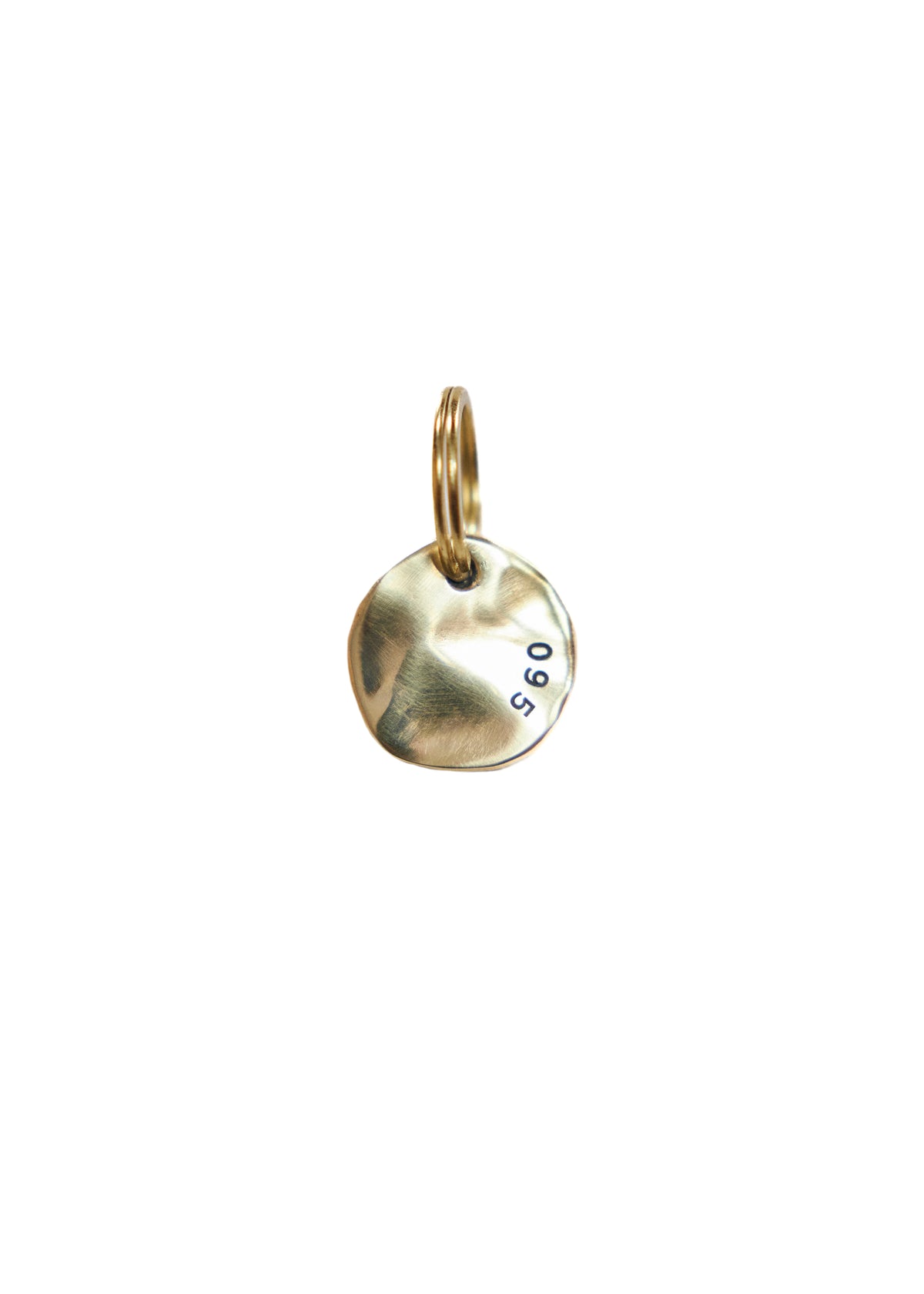
Something not to underestimate in all of this is just how important an ID tag is! When your pup manages to slip their leash or makes a dash through an open gate, their ID tag becomes the number one tool in a safe return.
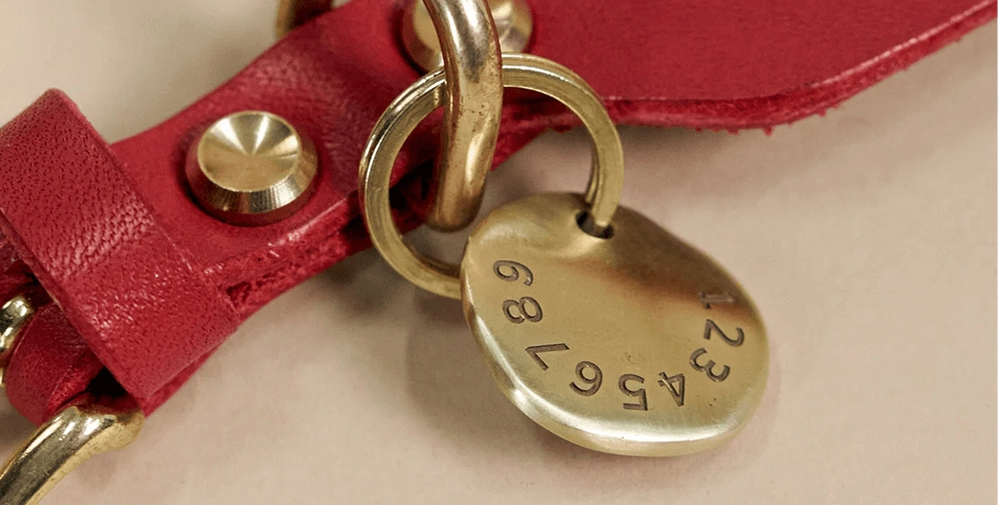
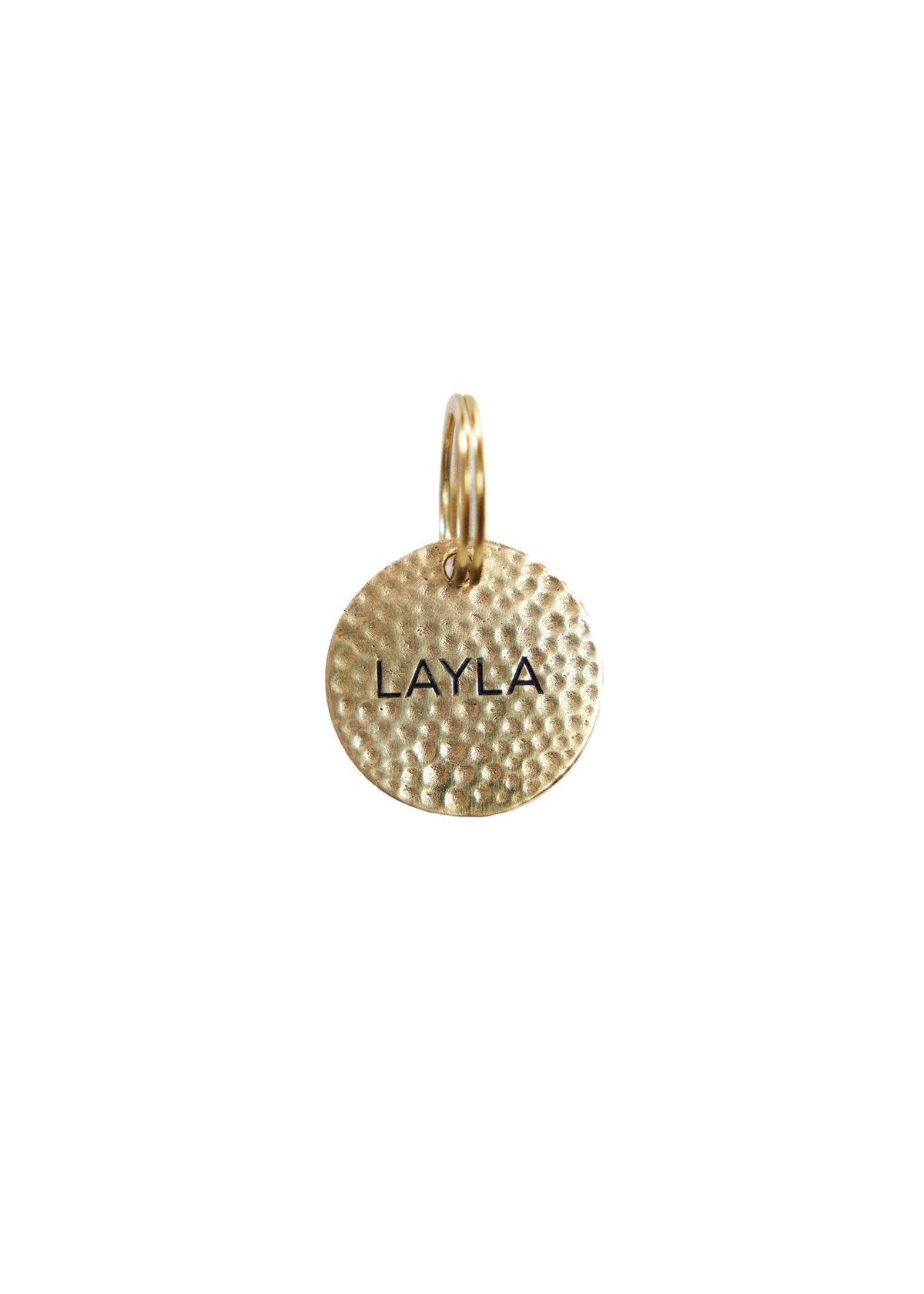
No collar or harness is complete without a sturdy name tag, and at The Lille Bjorn we think our solid brass options are ideal for a number of reasons:
- Rust-resistance, even the wettest, saltiest conditions.
- A stylish, timeless match with the best premium leather collars.
- All important long-term legibility thanks to deep engraving.
In terms of what to put on the tag, we think their name and your mobile number is a simple place to start.

Frequently Asked Questions: Safe Dog Accessories
Are chrome-tanned leather dog collars dangerous?
Chrome-tanned leather poses a real risk for dogs used as collars and harnesses specifically because of the wet-dry exposure pattern. Each cycle of rain, sweat, or bathing followed by drying increases the likelihood that chromium compounds convert to chromium VI and leach from the leather onto the skin. Dogs also lick the fur around their collar area, creating a small but ongoing ingestion pathway for any compounds present on the leather surface. Switching to vegetable-tanned leather eliminates this risk entirely.
How do I know if my dog's collar is chrome-tanned or vegetable-tanned?
The most reliable test is the smell test: chrome-tanned leather has a faint chemical or synthetic odour, particularly when new or damp. Vegetable-tanned leather has a warm, earthy, organic scent. Visually, chrome-tanned leather tends to have consistent, even colouring that does not deepen with wear. Vegetable-tanned leather starts with a natural tan tone and develops a distinctive patina over time as it absorbs oils. If the label simply says 'genuine leather' without specifying the tanning method, it is almost certainly chrome-tanned.
How often should I clean my dog's leather collar?
Wipe down with a damp microfiber cloth after any particularly muddy or wet outing. For everyday maintenance, a weekly wipe is sufficient for most dogs. Apply a natural leather conditioner every 3 to 6 months to maintain suppleness and prevent drying. Avoid baby wipes, which contain alcohol or synthetic fragrances that strip natural oils. Never machine wash leather accessories, as the combination of mechanical agitation and detergent causes irreversible damage to the leather fibres.
Is vegetable-tanned leather safe for dogs with sensitive skin?
Yes. Vegetable-tanned leather contains no chromium compounds, no synthetic dyes, no chemical preservatives, and no formaldehyde treatments. It is naturally hypoallergenic and its open-pore structure breathes rather than trapping moisture against the skin. For dogs that have previously reacted to a collar with redness, itching, or hair loss at the contact zone, switching to vegetable-tanned leather with solid brass hardware removes every common contact allergen simultaneously.
Should dogs wear their collar all the time?
During supervised waking hours, yes, for identification purposes. Remove the collar during unsupervised time, crate time, and sleep to eliminate the small entanglement risk and give the skin at the contact zone time to breathe. This collar-off period also allows the leather to dry fully between wearings, which is the most effective way to extend its lifespan. A second lightweight home collar for indoor use, with the main walk collar reserved for outings, is the practical approach for daily rotation.
How should I store leather dog accessories when not in use?
Store in a breathable cotton bag or on an open hook or shelf in a cool, dry indoor location. Never store in airtight or plastic containers, which trap moisture and cause mould and leather deterioration. Keep away from radiators, direct sunlight, and areas of high humidity. If the collar or harness gets wet, allow it to air dry flat at room temperature before storing. Leather stored correctly between uses lasts significantly longer than leather left in a gym bag, car, or outdoor area.
What materials should I avoid in dog accessories?
Chrome-tanned leather (leaches chromium VI under wet-dry cycling), formaldehyde-treated leather (used in some mass-market goods as a preservative), cheap nylon with synthetic dyes (can transfer to skin in warm conditions), and any plastic or PVC-coated hardware that can crack and expose sharp edges over time. For hardware specifically, nickel-plated buckles and D-rings are a common contact allergen in dogs with metal sensitivity. Solid brass hardware contains no nickel and does not corrode under normal daily wear.
Gear That Earns Trust Every Day
The accessories your dog wears every day are in constant contact with their skin, their fur, and in the case of a collar, their throat and neck. The material choice is not a style decision: it is a health decision. Vegetable-tanned leather with solid brass hardware, cleaned regularly and stored correctly, is the only option that passes every safety test simultaneously.
Browse The Lille Björn's full collection, including collars, harnesses, leashes, and engraved brass ID tags. Every piece is made from full-grain Italian vegetable-tanned leather, free from chromium and synthetic chemicals, and built to last the life of your dog.