Quick Summary
A flat collar is the standard everyday dog collar. This is a flat band of leather, nylon, or fabric that buckles around the neck and stays at a fixed circumference. It is the most widely used collar type for daily walks, training, and general wear. A rolled collar is made from a cylindrical roll of leather twisted or stitched into a round profile, designed to sit above the coat rather than pressing it flat making it the preferred choice for long-haired and silky-coated breeds. Both are legitimate, well-made collar types; the right choice depends on your dog's coat, activity level, and neck sensitivity rather than one being universally superior to the other.
What Is a Flat Dog Collar?
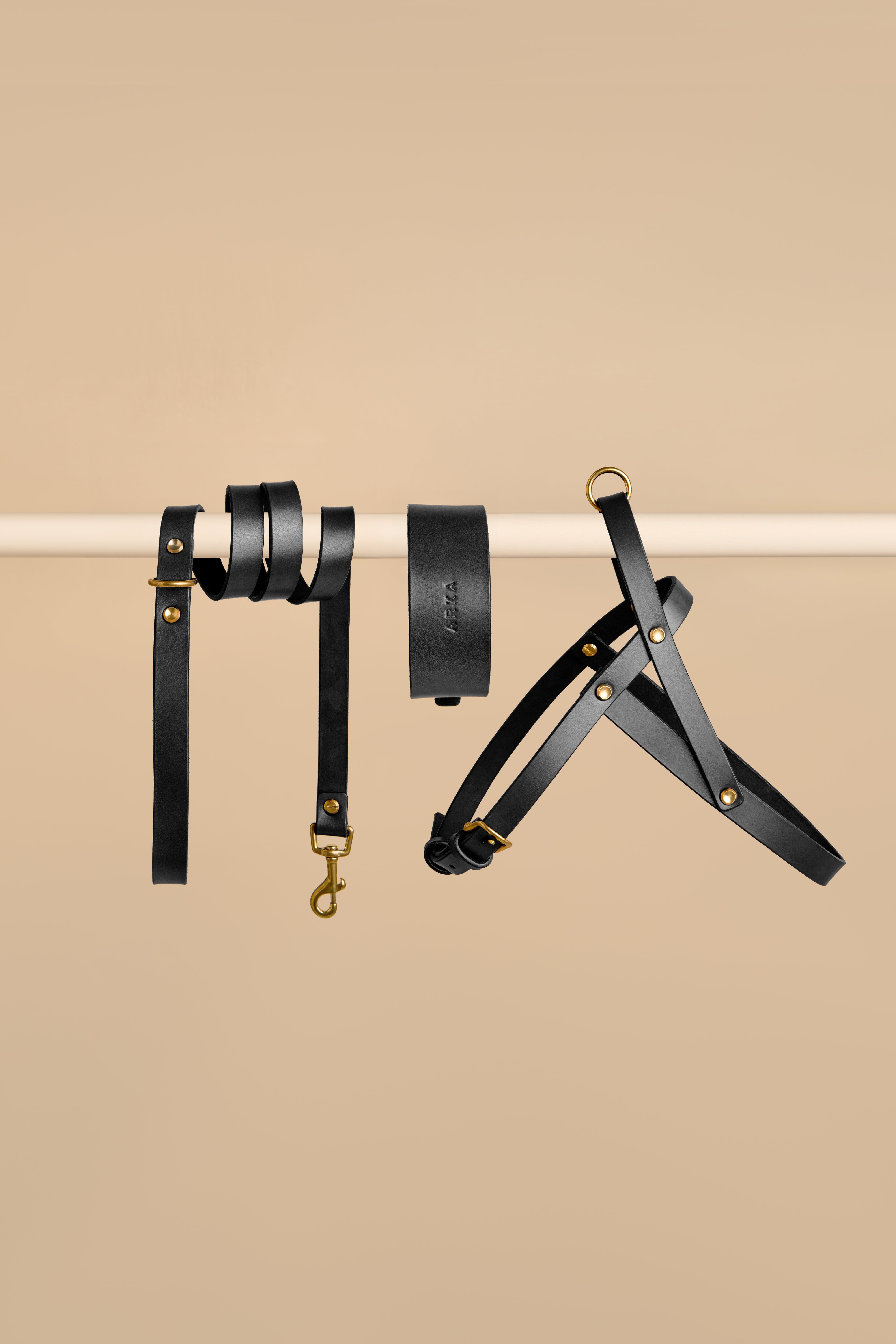
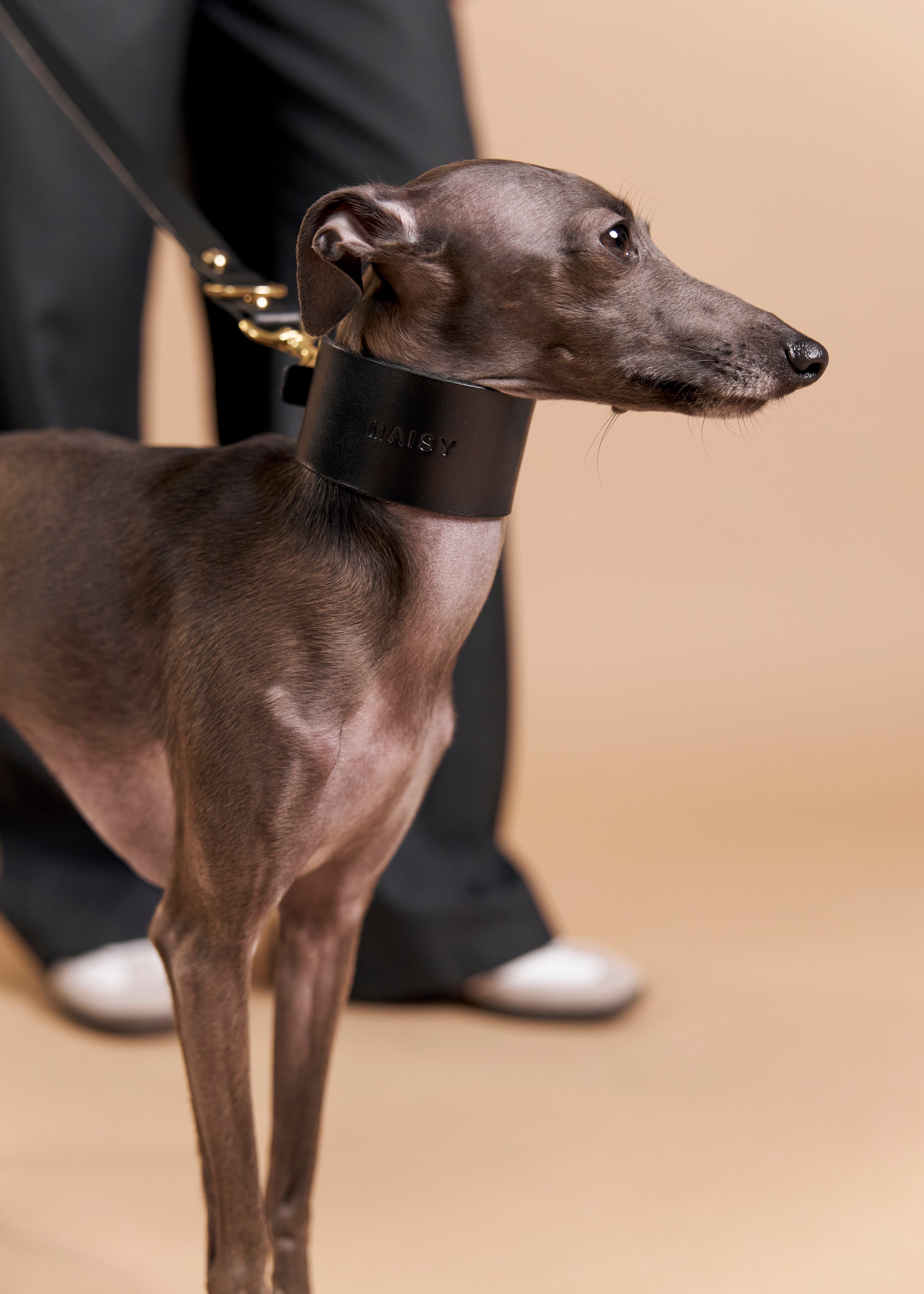
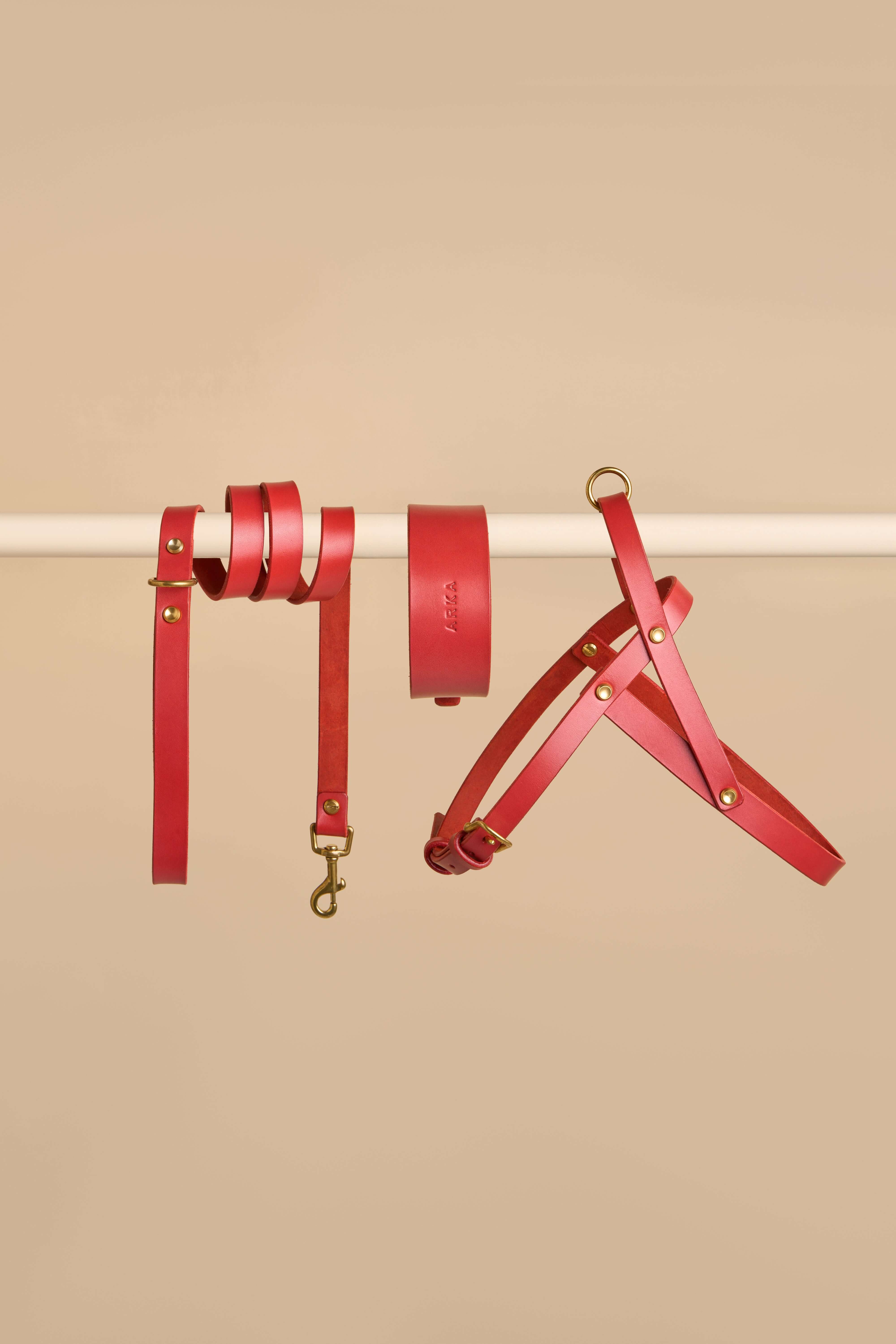
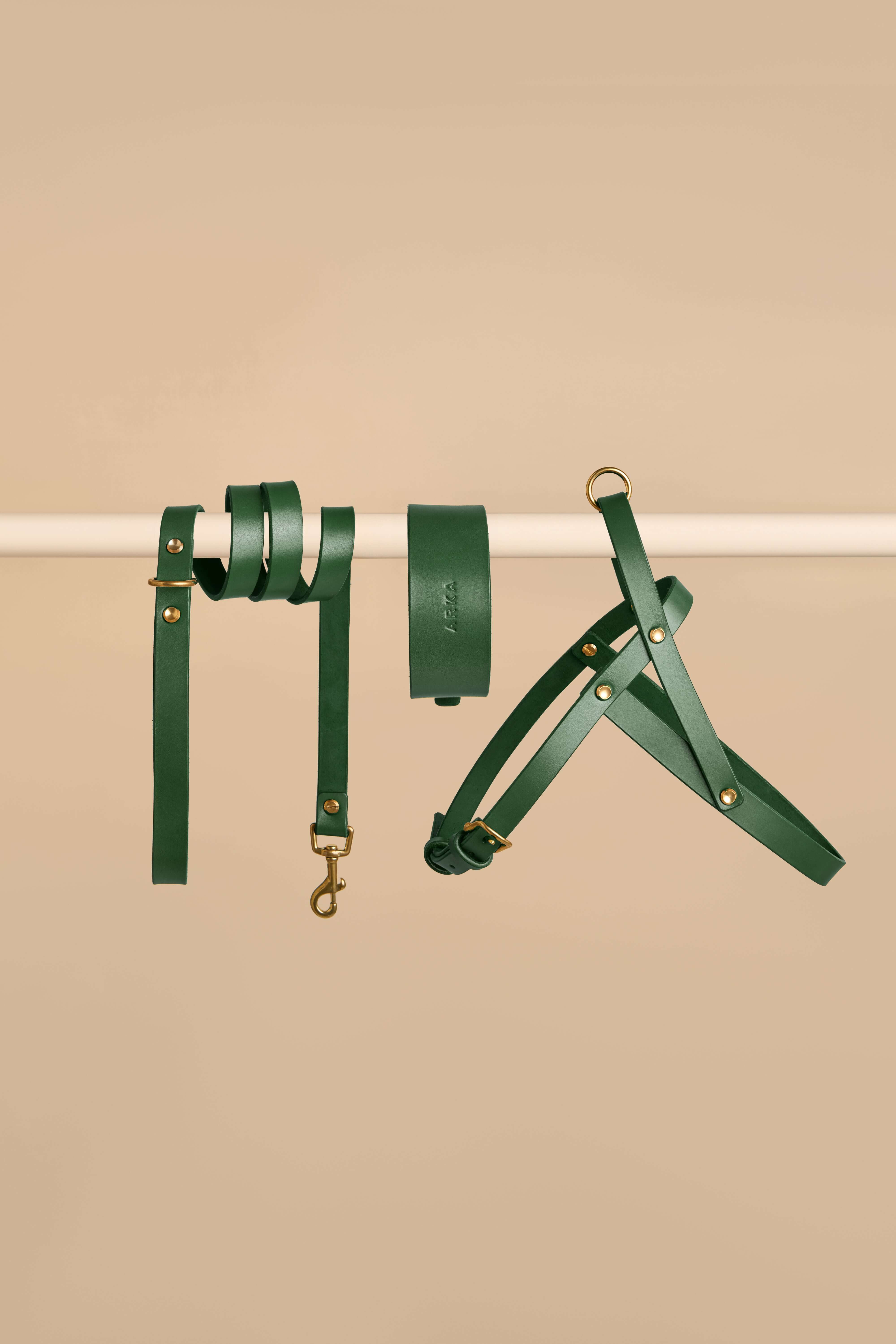
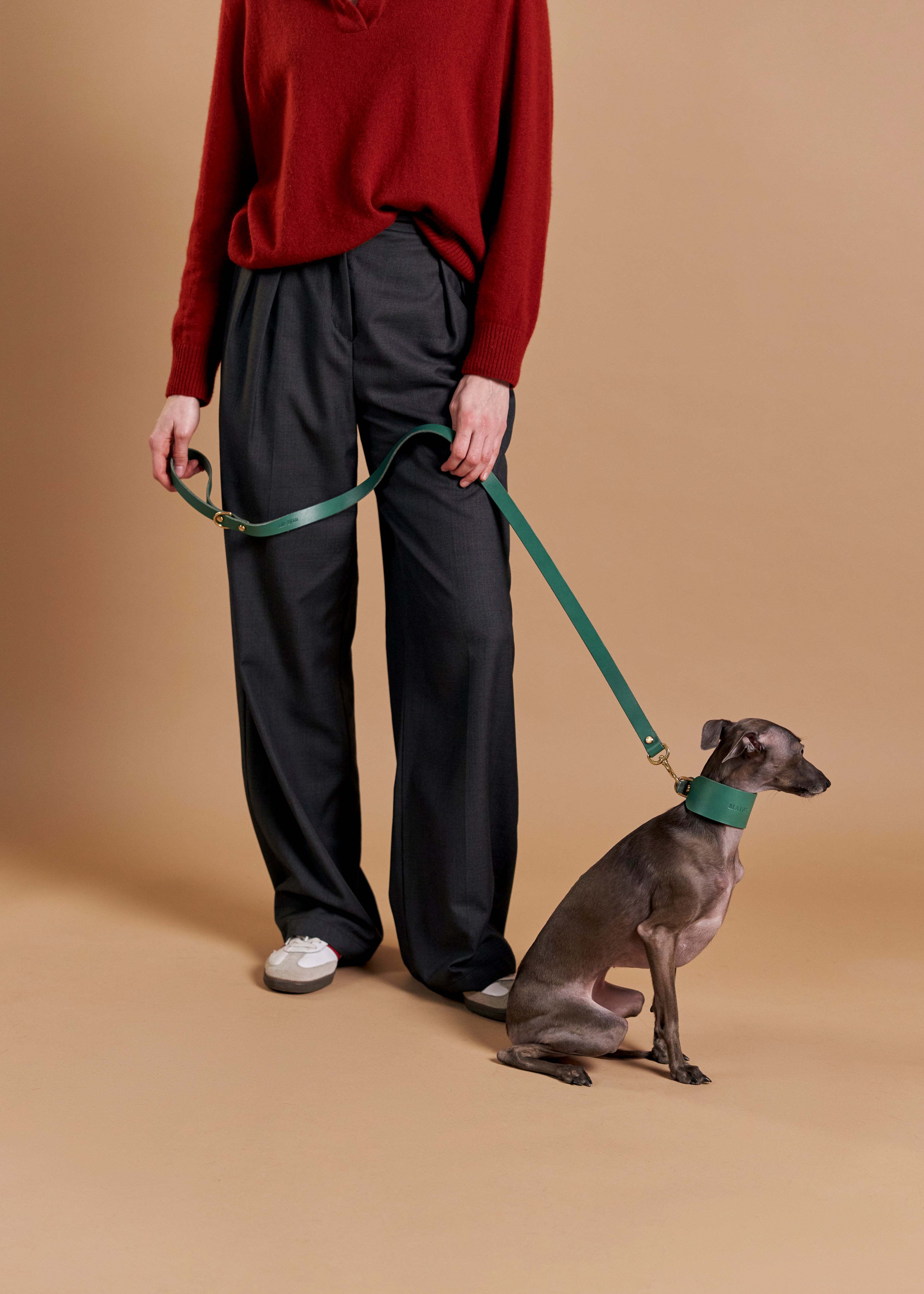
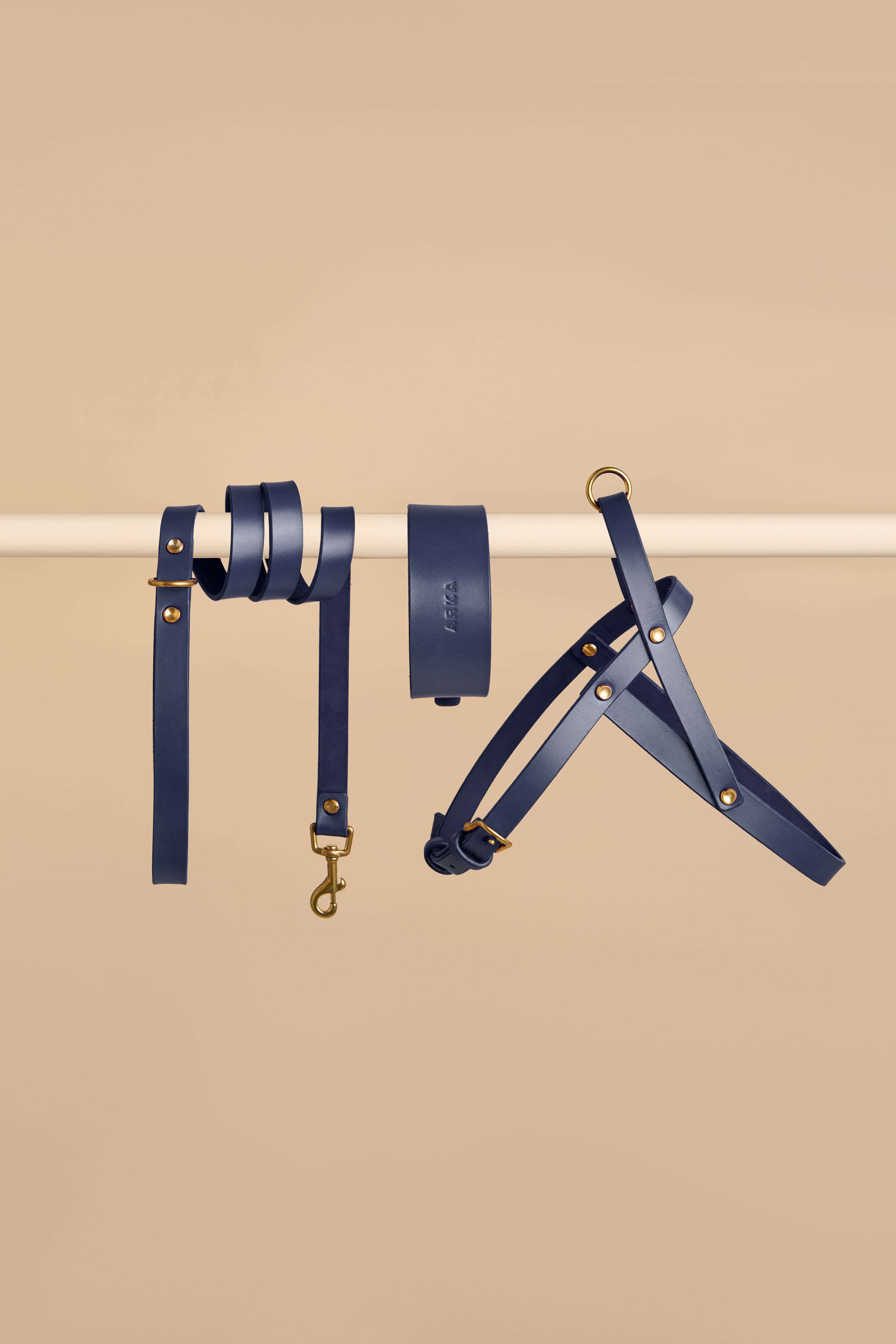
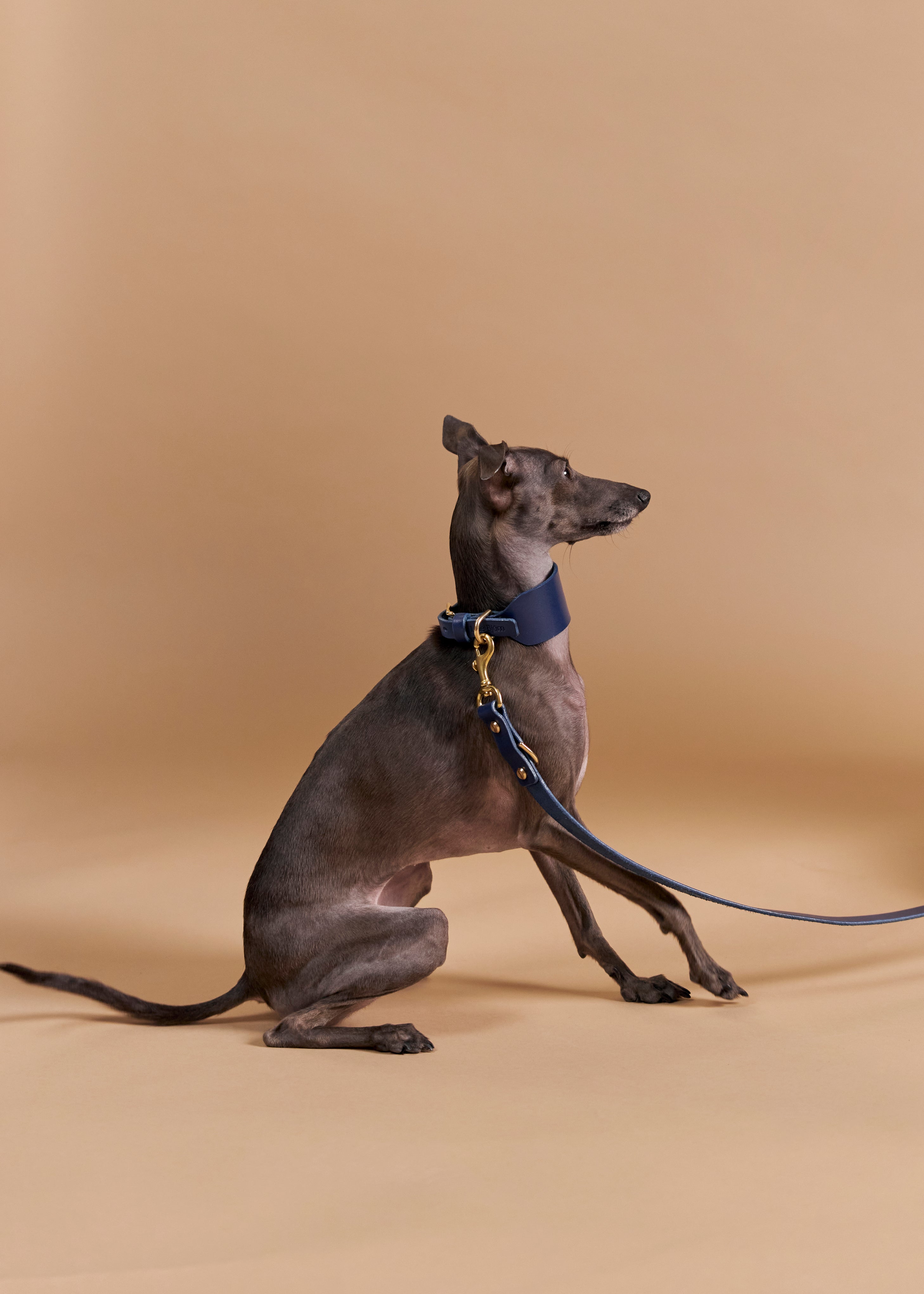
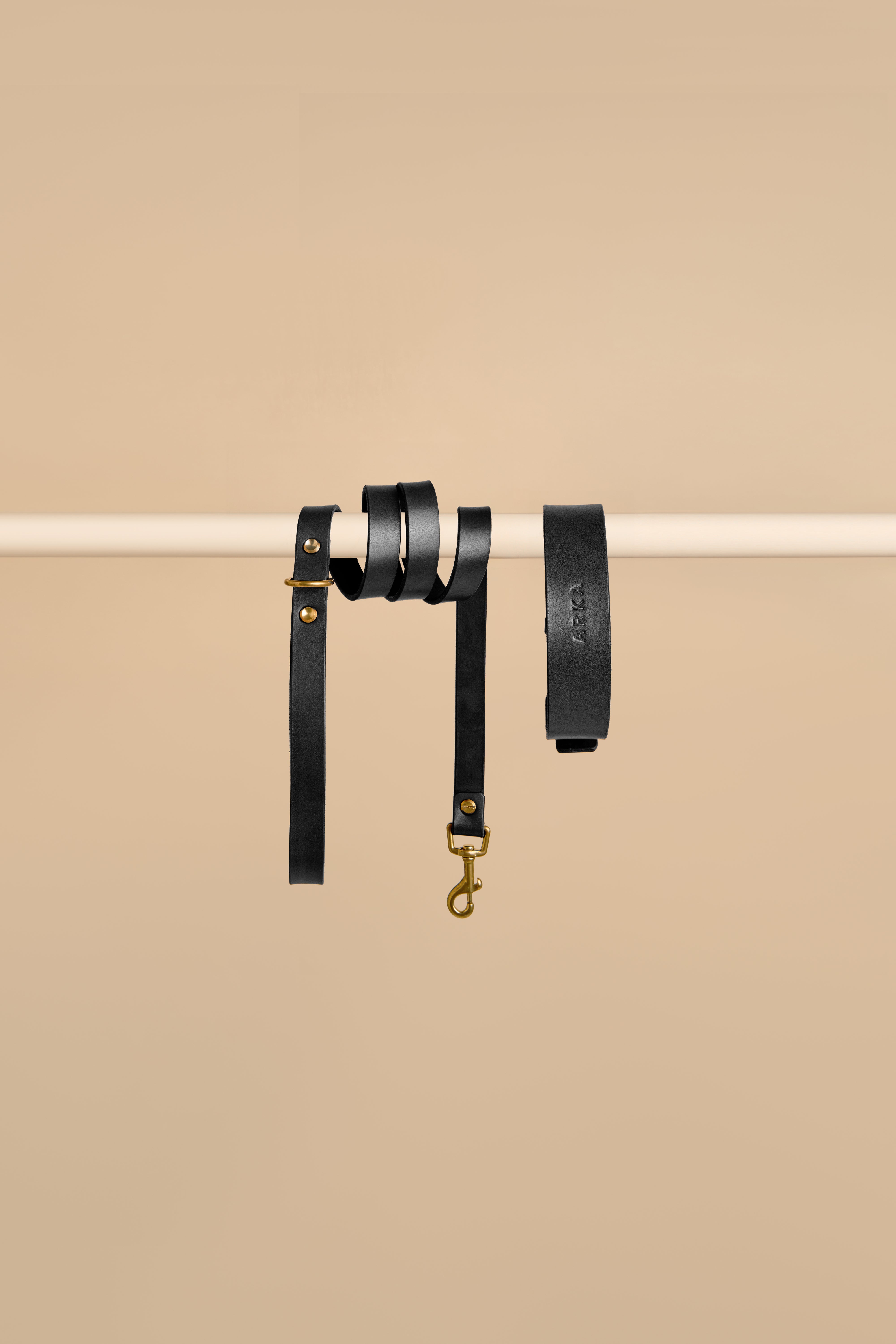
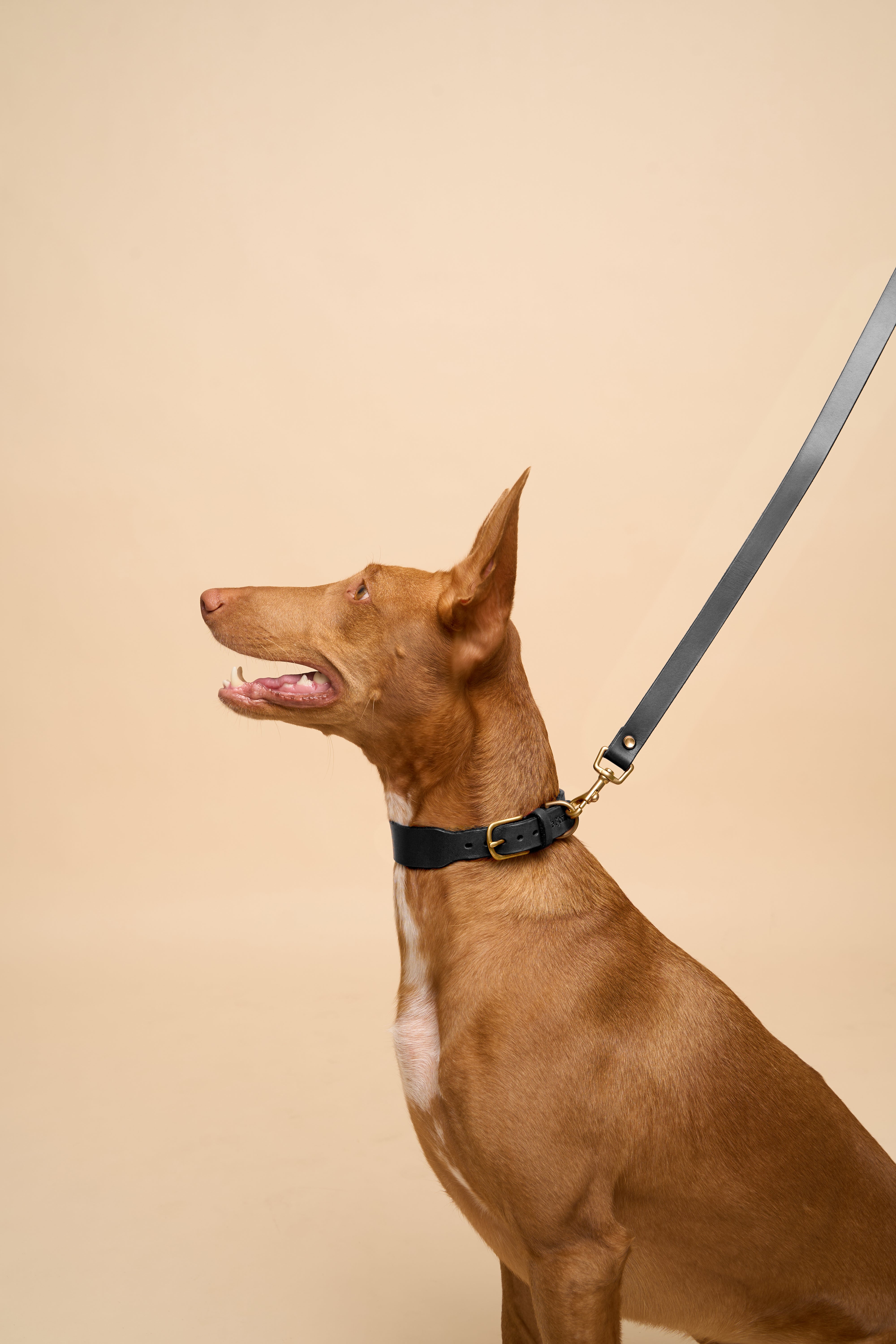
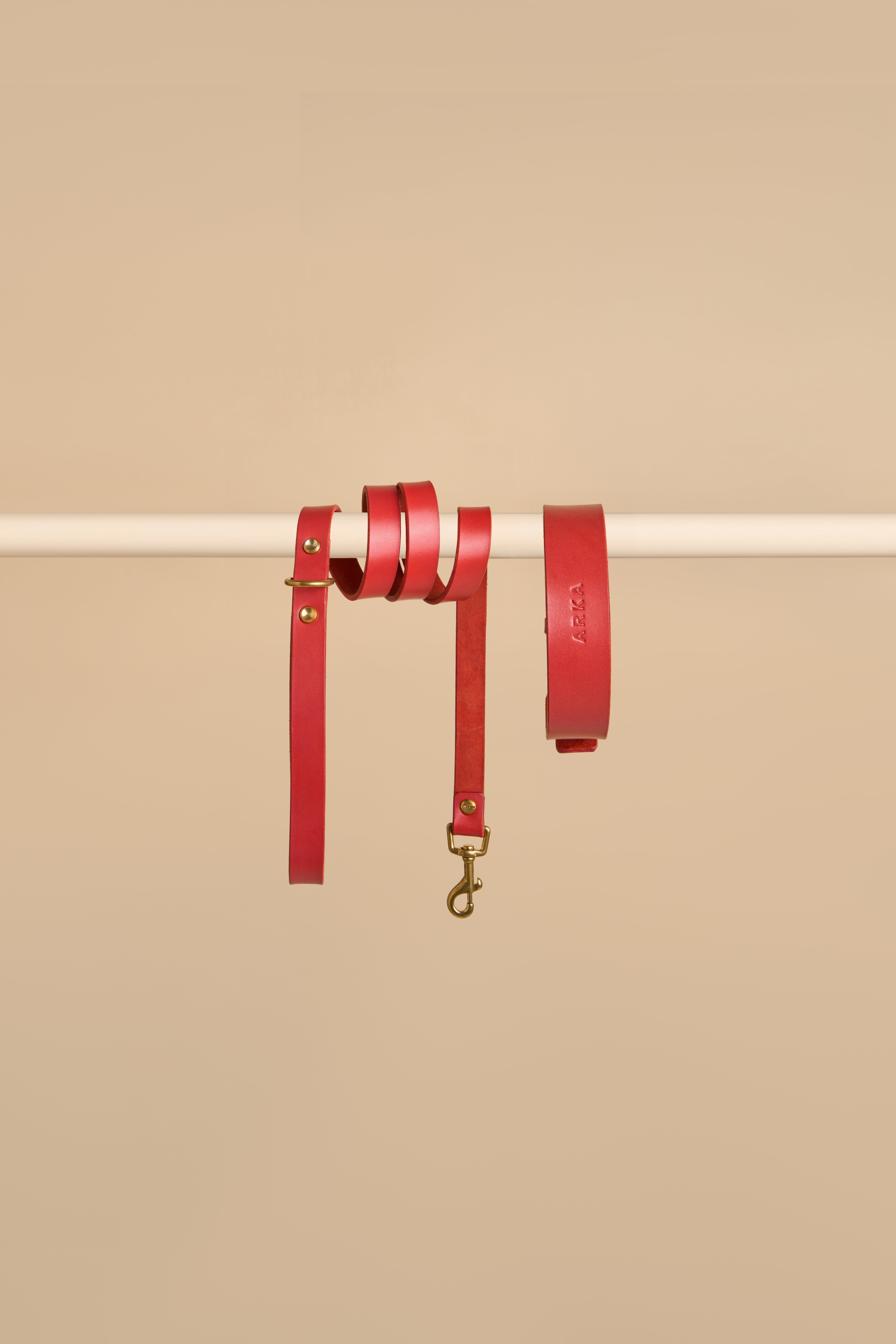
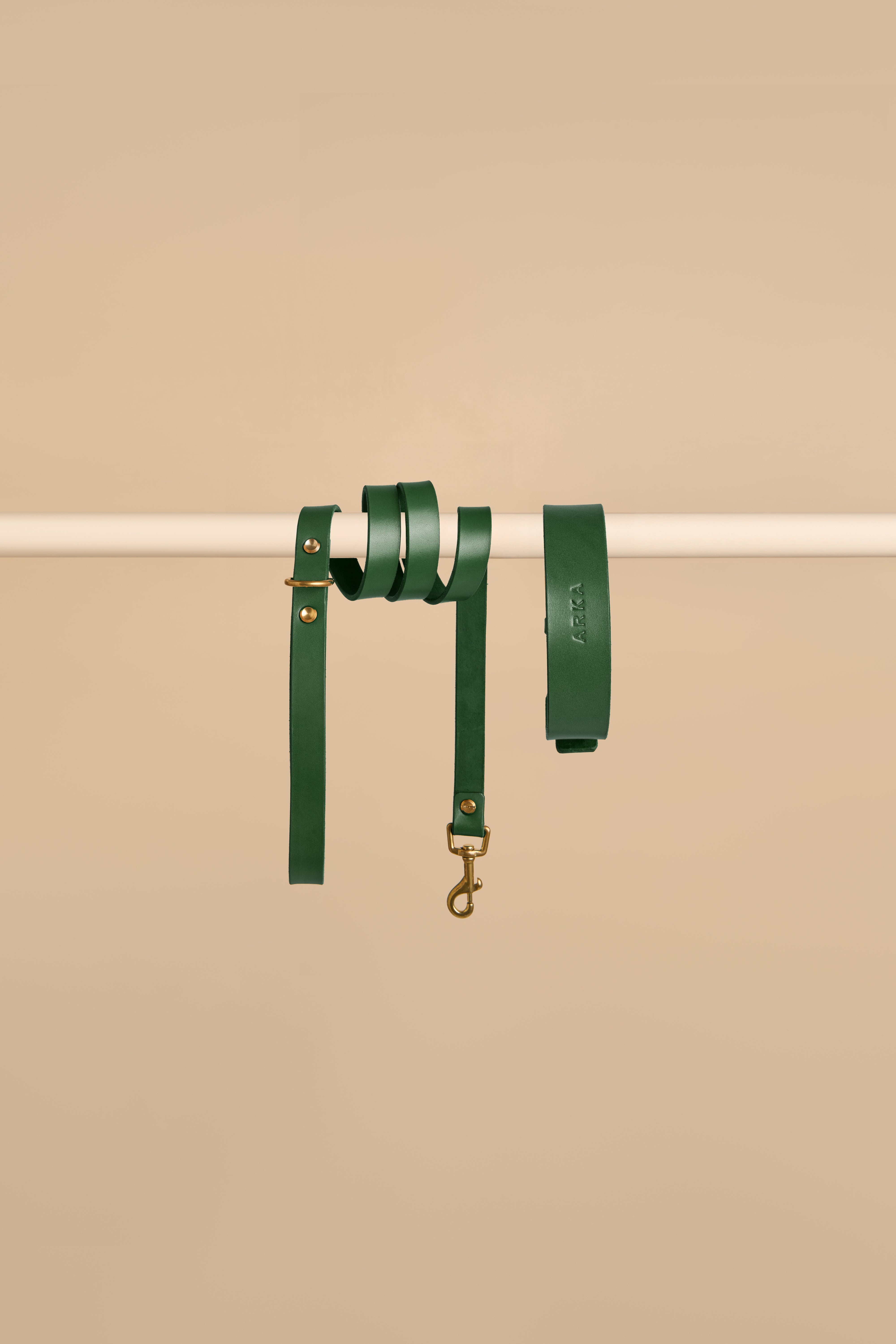
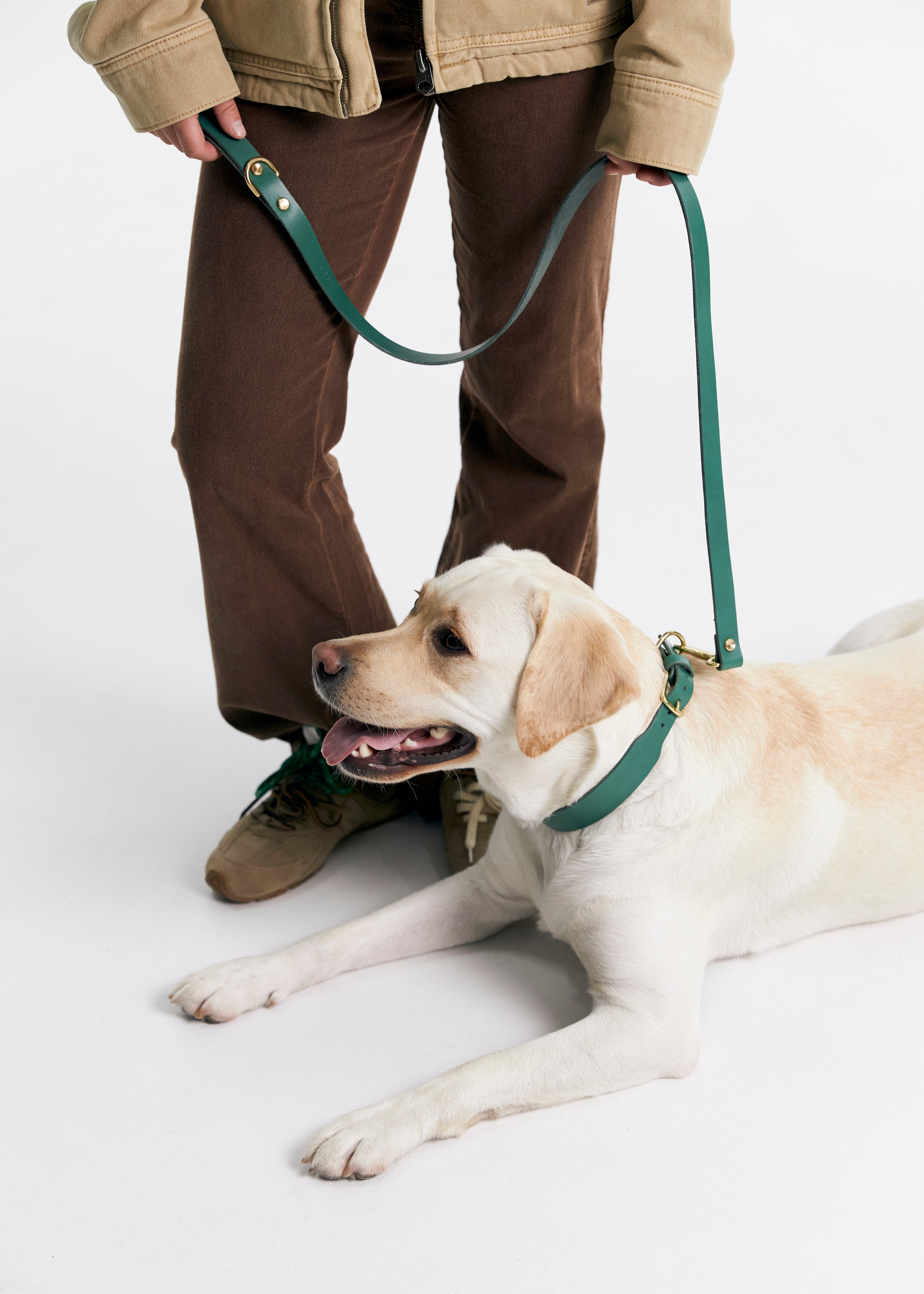
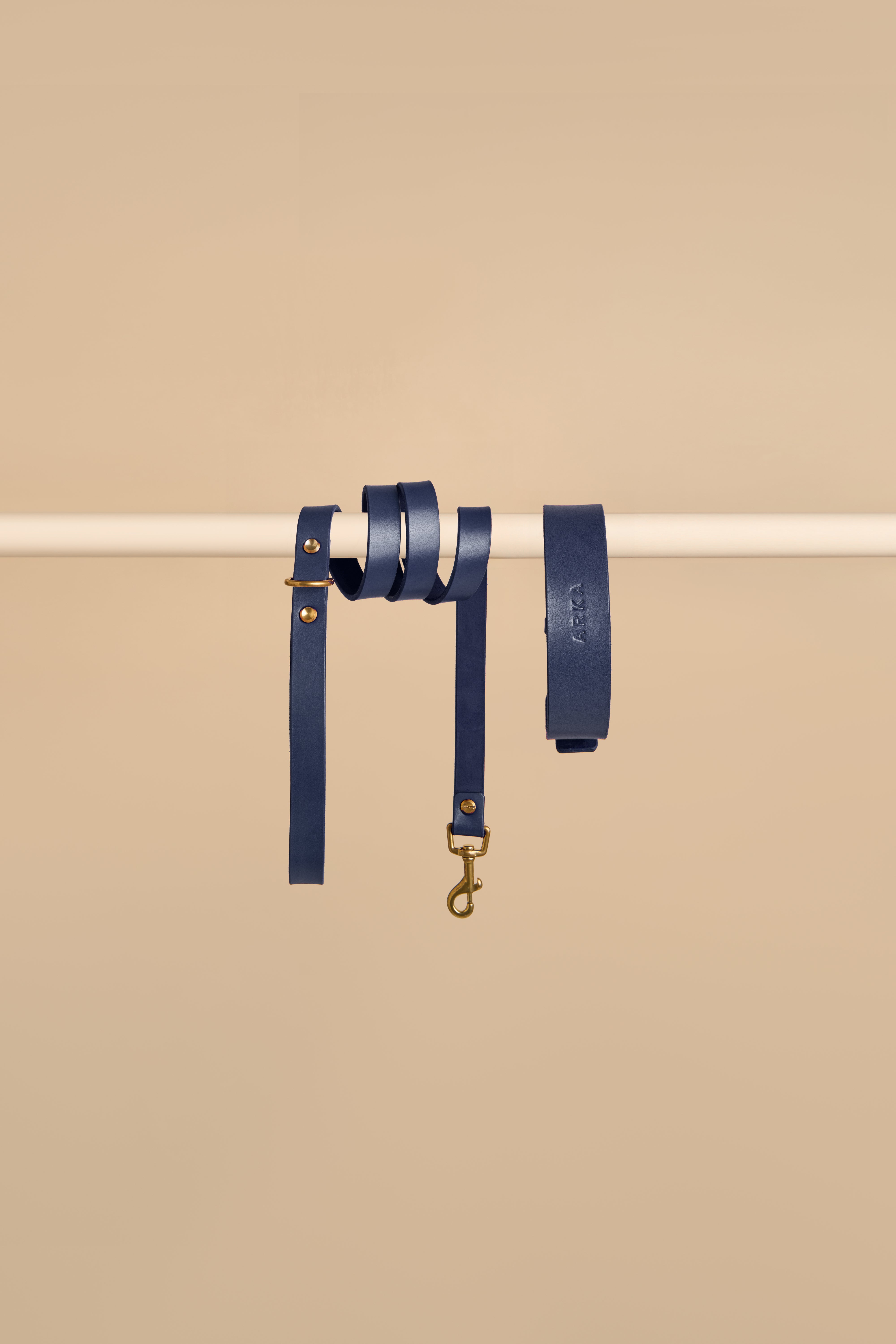
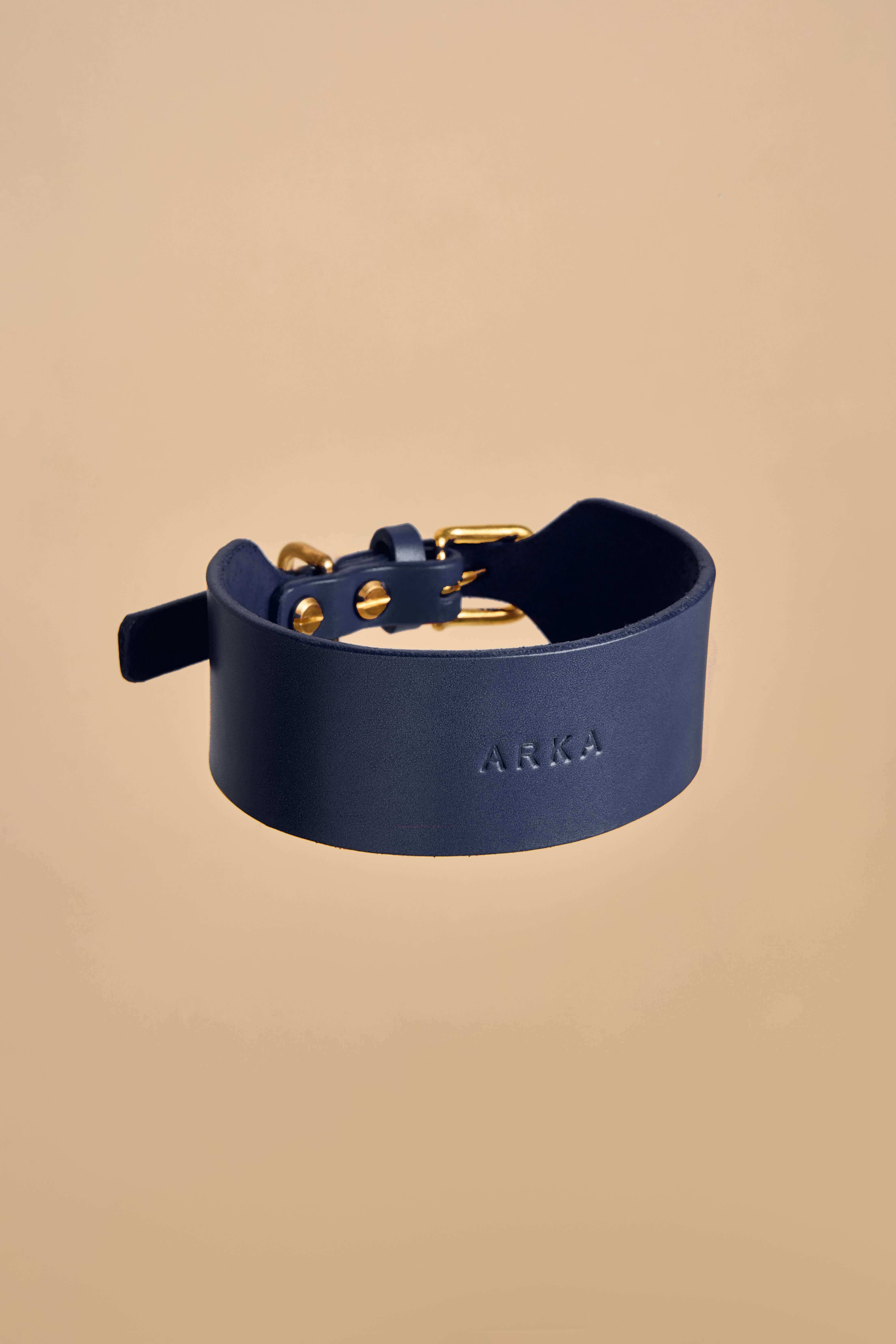
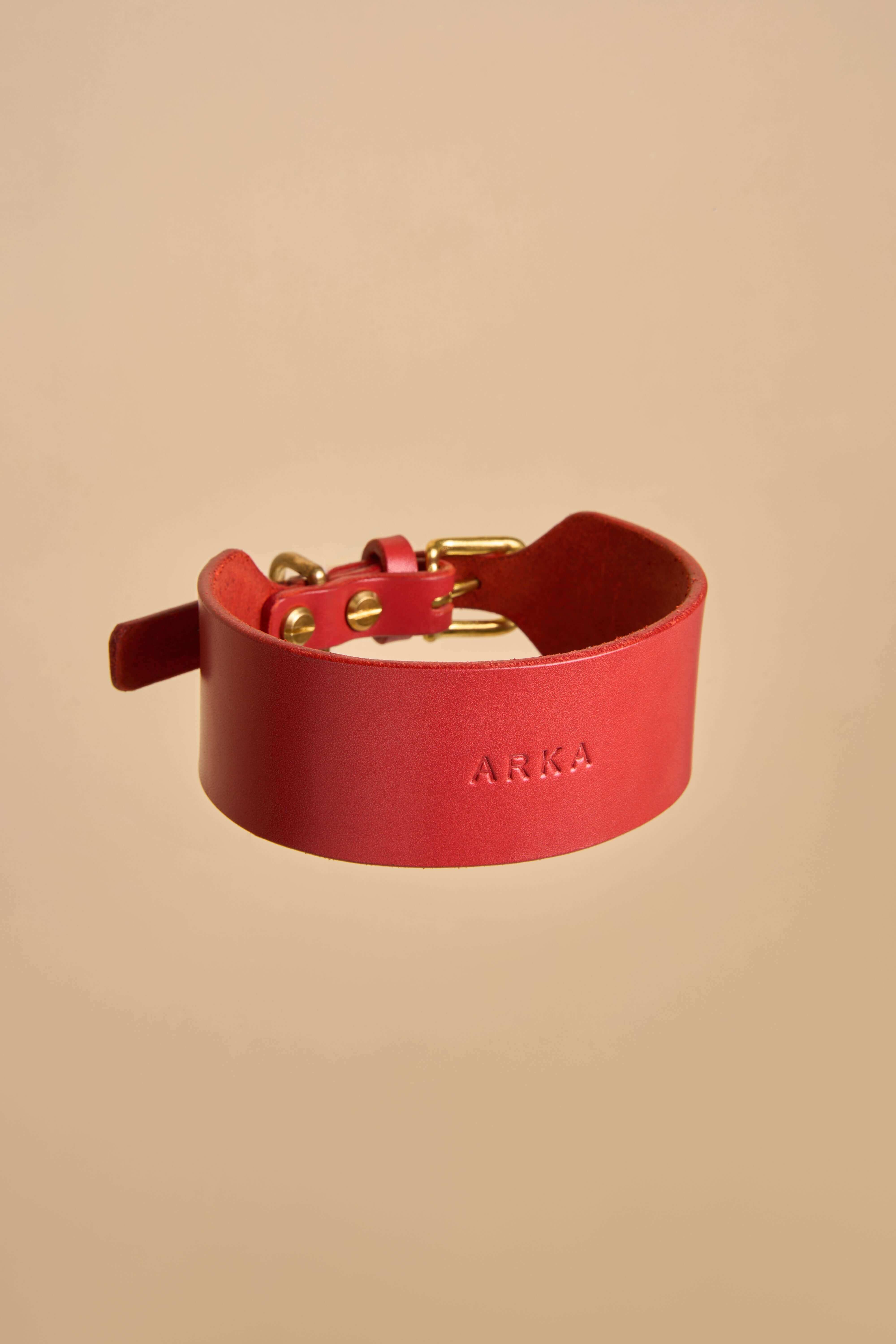
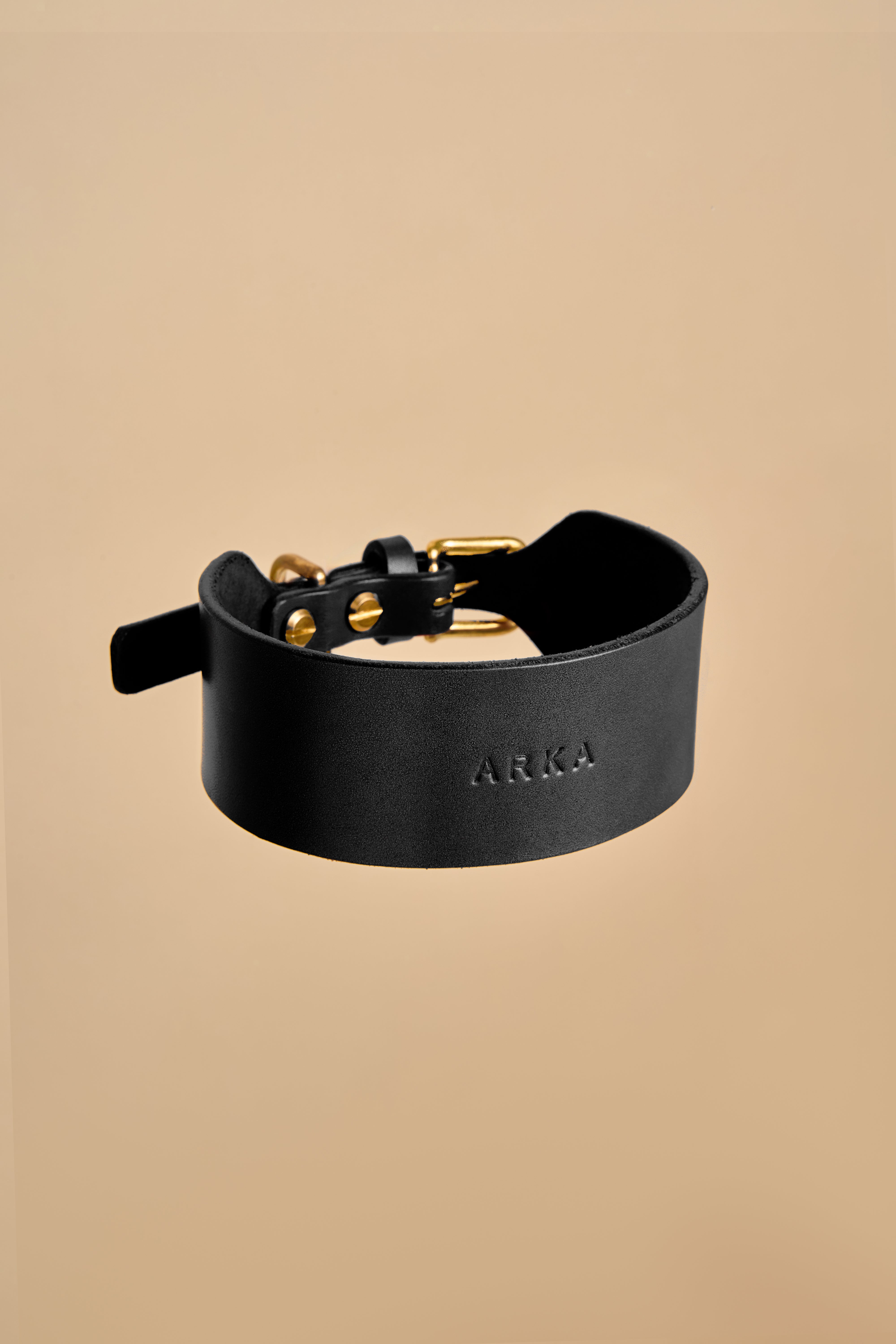
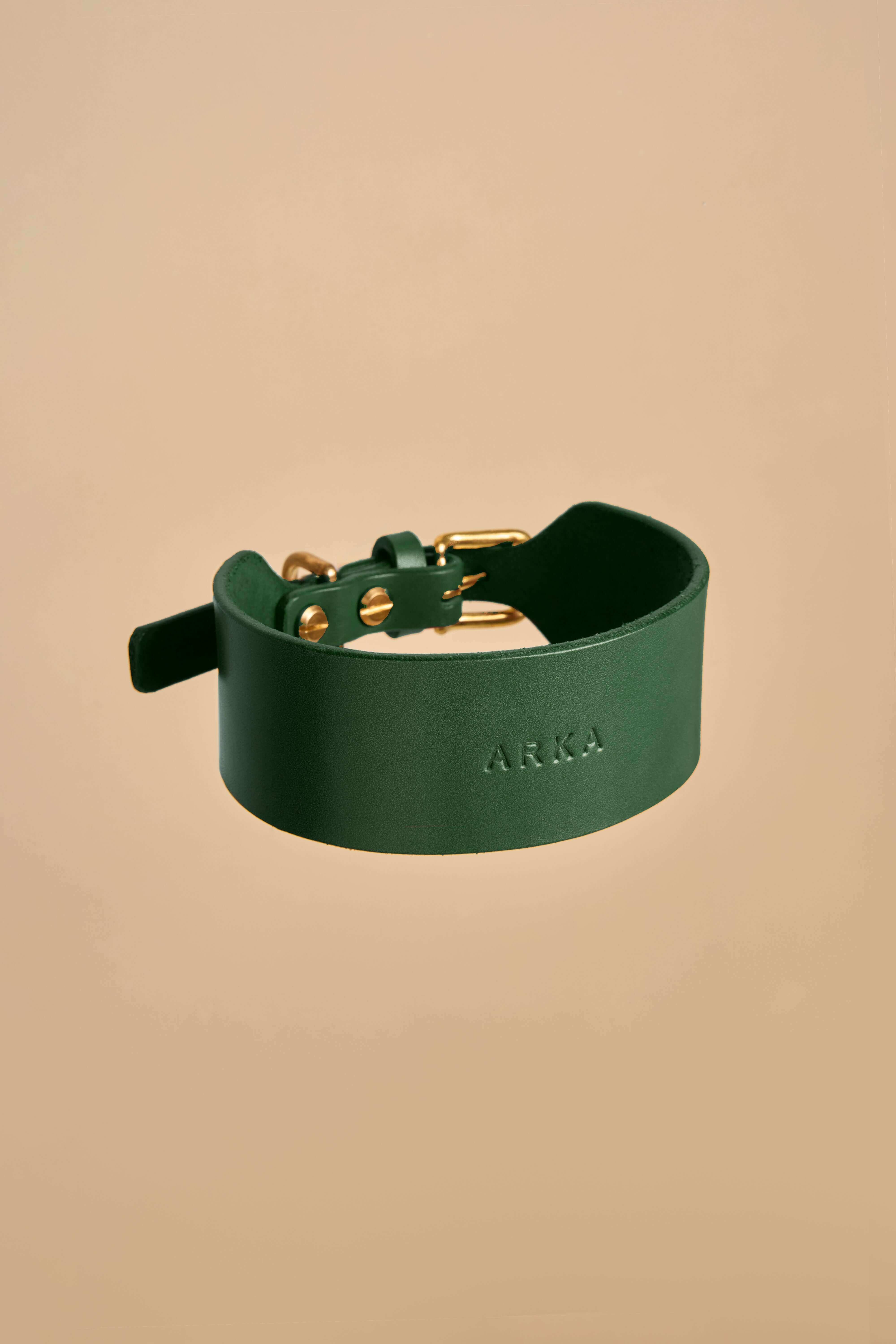
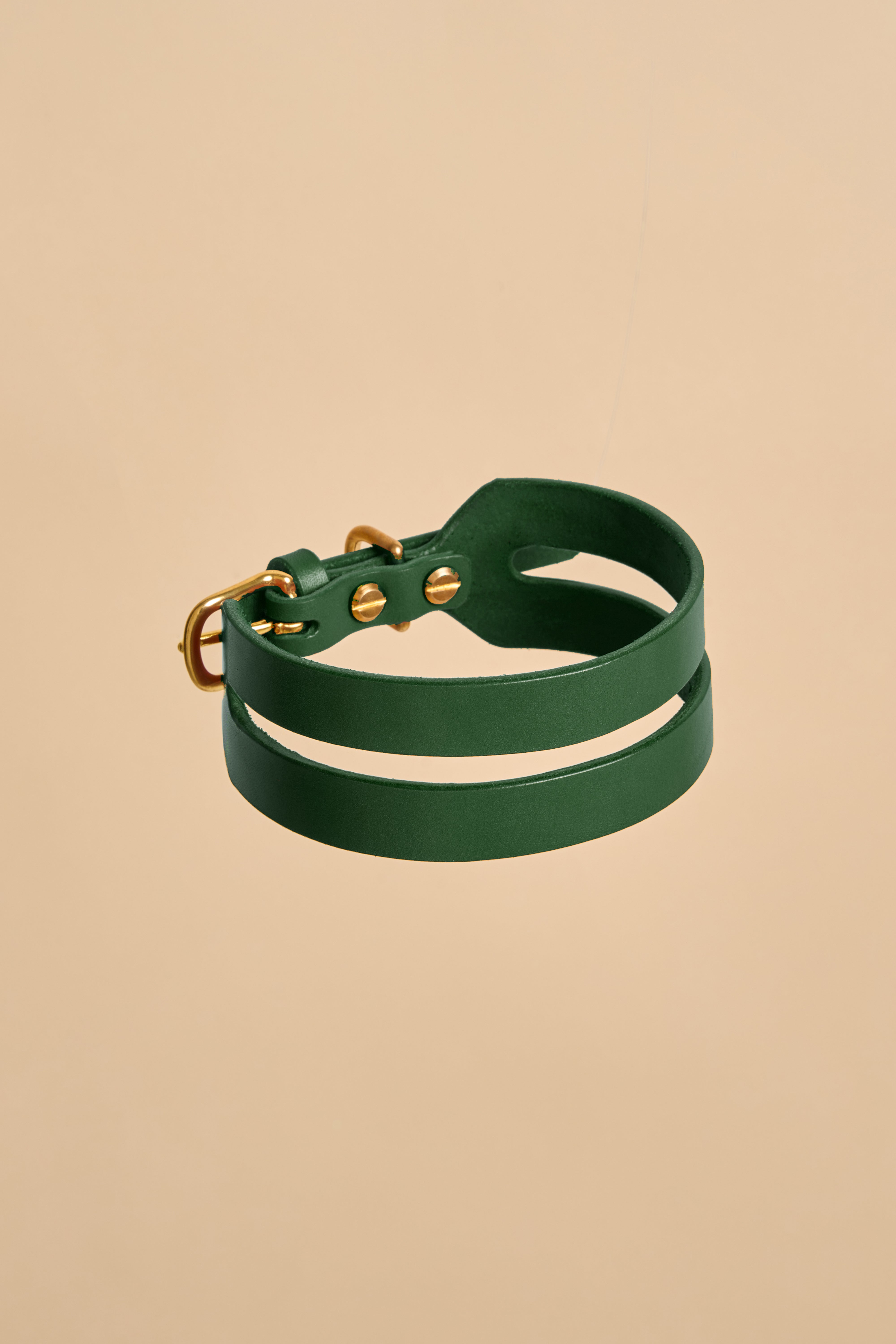
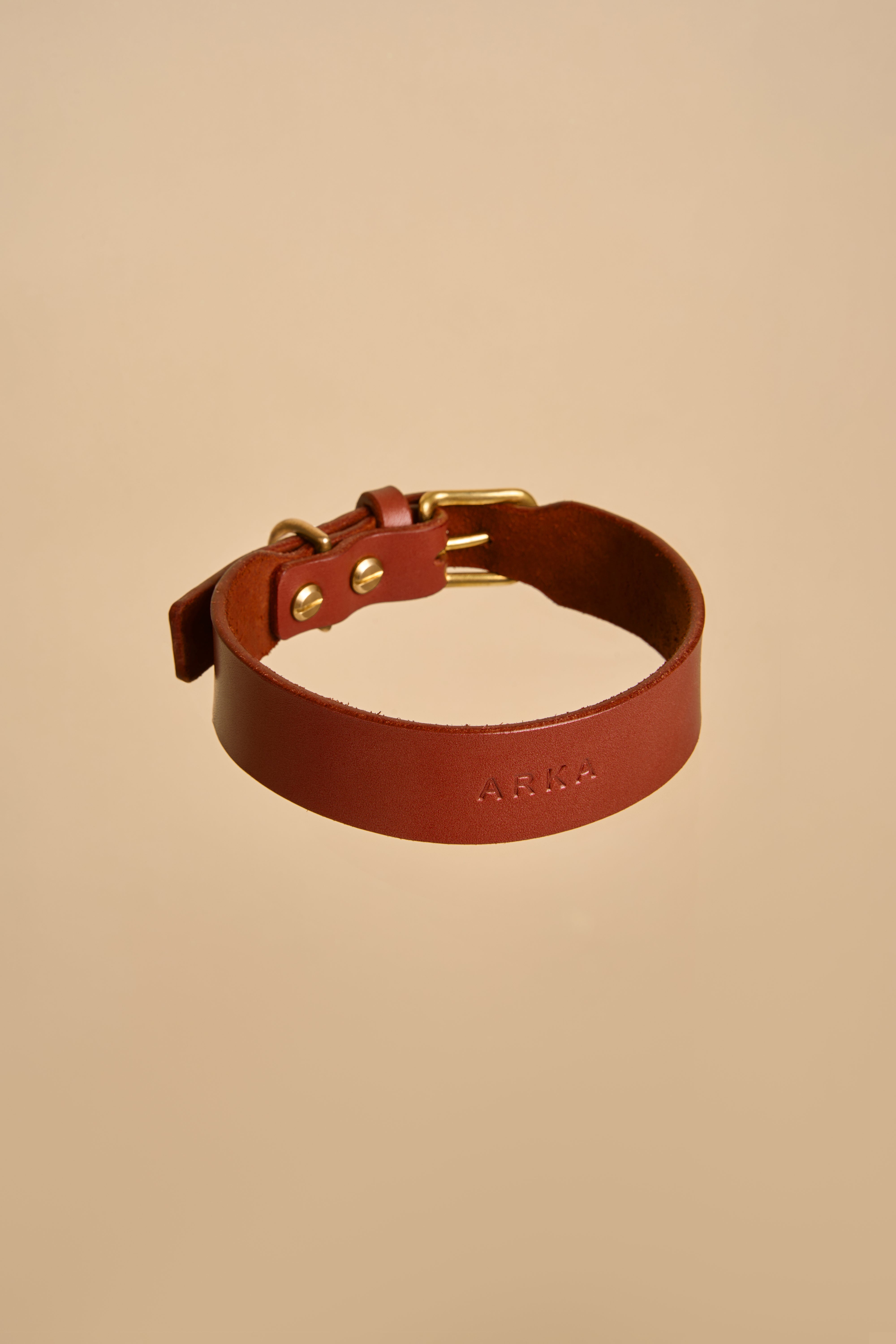
A flat dog collar is a band of material such as leather, nylon, biothane, or fabric that lies flat against the neck and buckles or clips to a fixed or adjustable circumference. The flat profile distributes the contact surface evenly across the neck, making it the safest and most practical everyday collar for the majority of breeds. Most flat collars include a D-ring for attaching a lead and ID tags, and adjustable holes so the fit can be refined as a puppy grows or a dog's weight changes.
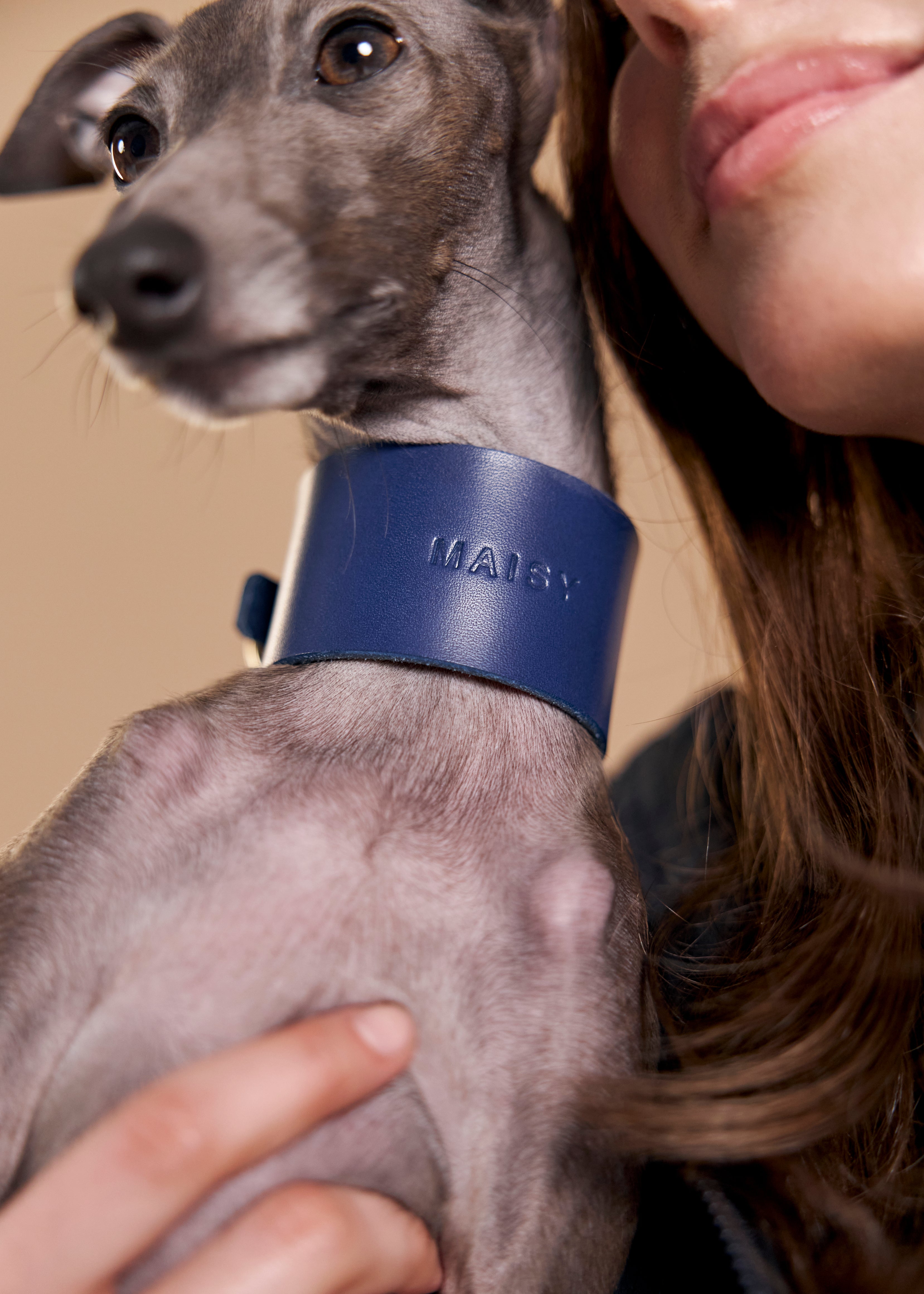
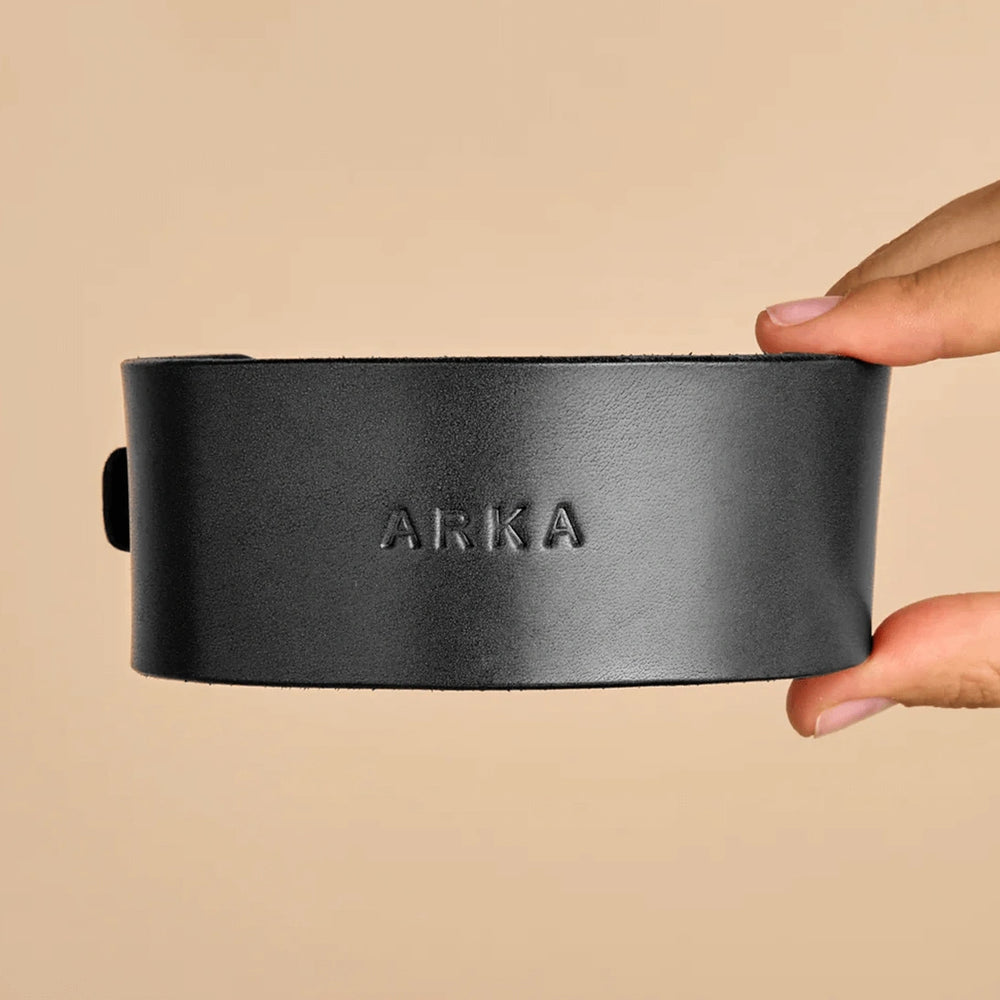
Flat collars are available in a wide range of widths. Wider flat collars (3.5–4.5 cm) are appropriate for large and giant breeds, where they spread leash force across a greater surface of the neck. Narrower flat collars (1–2 cm) suit small and toy breeds, where a wide band would be disproportionate and add unnecessary weight. For a complete guide to choosing the right width for your dog's size and breed, see our dog collar width guide.
What Is a Rolled Dog Collar?
A rolled collar is made from a strip of leather twisted or stitched into a cylindrical, rounded profile. Rather than lying flat against the fur, the rounded shape sits above it contacting the coat at a single point along the underside rather than pressing a flat surface onto the fur. This is the design feature that makes rolled collars genuinely effective at preventing the matting and fur breakage that flat collars can cause in long-coated breeds over time.
Rolled collars are almost exclusively made from leather - the material needs enough natural flex and smooth finish to maintain its round shape comfortably against the neck. They are typically available in narrower profiles than flat collars and are best suited to light everyday wear rather than active leash work.
Key Comparisons and Benefits
Safety
For active daily use, flat collars are the safer choice. Their flat profile distributes pressure evenly across the neck, significantly reducing the risk of tracheal compression and nerve injury during pulling. Rolled collars, by contrast, concentrate contact on a smaller surface area, a cylindrical profile pressing into the neck creates a more localised pressure point that can cause discomfort and risk injury in dogs that pull consistently or energetically on the lead.
Rolled collars also carry a higher snagging risk. The rounded profile can catch on fencing, furniture, branches, and crate bars more easily than a flat collar. This is a genuine entanglement hazard, particularly for dogs left unsupervised. For this reason, rolled collars are best used for calm, supervised wear rather than unmonitored outdoor activity.
A 2025 study published in Veterinary Medicine and Science found that collars raise intraocular pressure in brachycephalic breeds even at rest, a finding that applies to any tightening or concentrating collar design. For these breeds, a flat collar with a wide profile is always the safer choice.
For most dogs in most contexts, flat collars win on safety. The exception is very calm, supervised indoor or kennel wear for long-coated breeds, where rolled collars eliminate the fur damage risk without introducing significant safety concerns.

Comfort
Comfort depends significantly on coat type and this is the one area where rolled collars have a genuine, evidence-based advantage over flat collars for specific breeds.
For short-coated and smooth-coated breeds: flat collars are more comfortable. The wide, even contact distributes any pressure across a larger surface area, and there is no fur to mat or tangle. A quality vegetable-tanned leather flat collar softens over time and conforms precisely to the neck shape being the most comfortable everyday option for these dogs.
For long-coated, silky, and double-coated breeds: rolled collars are genuinely more comfortable over time. The cylindrical profile sits above the coat rather than pressing it flat, this is the actual mechanism by which rolled collars prevent matting. A flat collar presses its full surface width onto the fur with every movement, causing the coat beneath the collar to compress, tangle, and eventually mat. A rolled collar contacts only a single line of the coat, allowing the fur to fall naturally on either side. For Cocker Spaniels, Setters, Golden Retrievers, and similar breeds, a rolled collar used for indoor and rest-time wear is a meaningful welfare improvement over a flat collar worn continuously.
The claim that rolled collars do not prevent matting is a misconception. They do through a specific mechanical advantage but only when used appropriately for breeds whose coat type benefits from that profile.
Durability and Functionality
Flat collars hold a clear functional advantage for active daily use. The flat profile accommodates a wide D-ring securely, providing a reliable attachment point for leads, ID tags, and name tags. Most flat collars offer multiple adjustment holes across a generous buckle range, making them ideal for growing puppies and dogs whose weight changes seasonally. The flat band sits stable against the neck during movement rather than rotating or shifting.
Rolled collars are inherently more limited in their functional range. The cylindrical profile restricts D-ring sizing, a large lead attachment can feel awkward or sit unevenly on a narrow rolled collar. They are not designed for heavy daily leash use and generally suit ID-only wear, indoor use, or kennelling better than active walking.
For durability, quality vegetable-tanned leather outlasts nylon equivalents significantly in both flat and rolled designs, the leather softens and conforms with wear rather than degrading. For active dogs, a wide flat leather collar with solid brass hardware is the most durable everyday option available.
Health Considerations
Intraocular pressure: research shows that collars applying localised or repeated neck pressure can raise intraocular pressure, a specific concern for breeds predisposed to glaucoma or thin corneas. This applies to any collar that concentrates pressure at a point rather than distributing it, including rolled collars used during active pulling. For sensitive breeds, a flat collar with an appropriate width is the lower-risk choice for walk use.
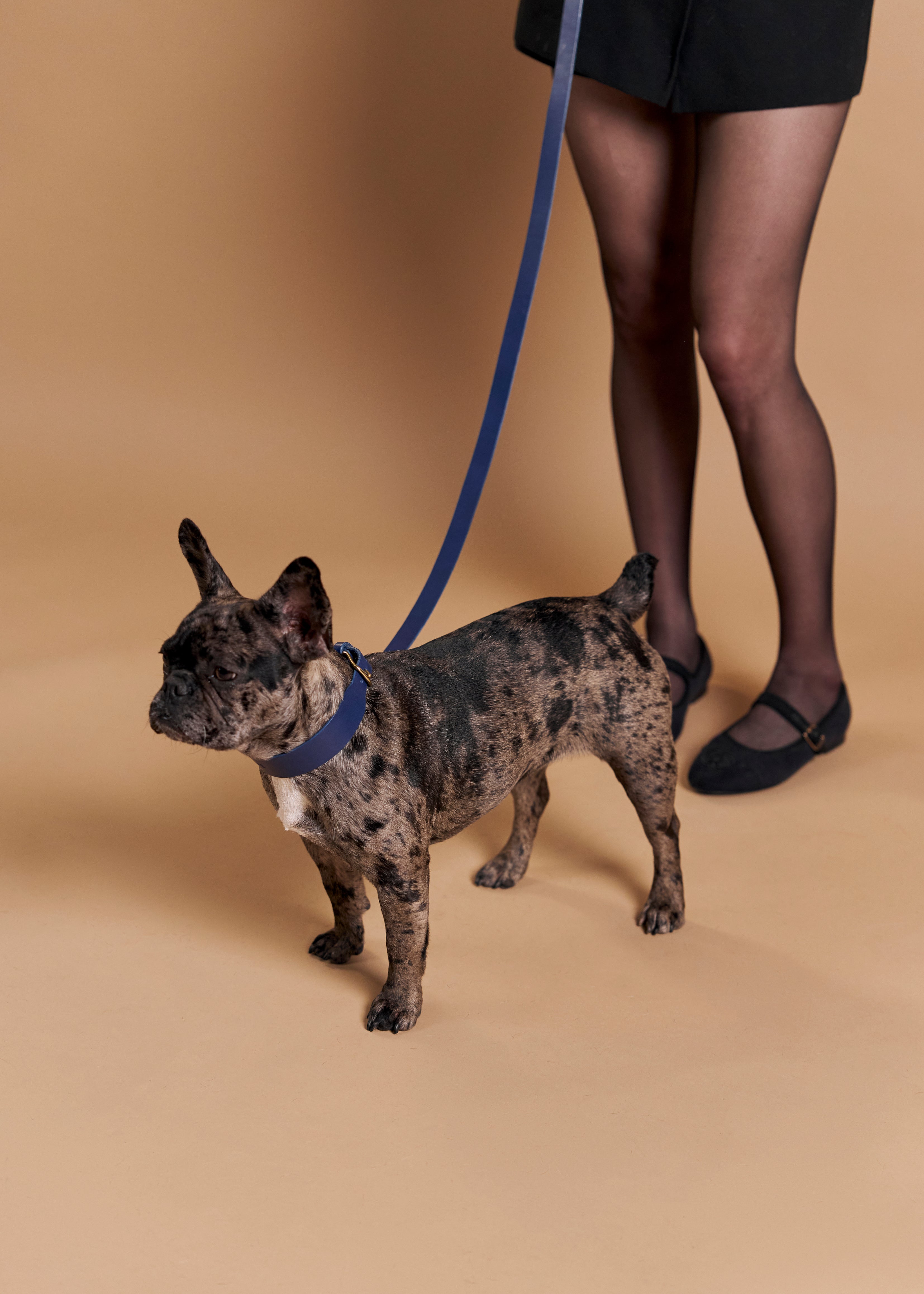
Tracheal sensitivity: for brachycephalic breeds (Bulldogs, Pugs, French Bulldogs) and any dog with a history of tracheal issues, flat collars used for ID only with a harness handling all leash attachment is the recommended approach. The flat collar's pressure distribution is less concentrated than a rolled collar's, but any collar used as a leash attachment on a dog with tracheal sensitivity carries risk.
Sensitive and long-coated breeds: for dogs whose coat is prone to matting, friction, or breakage at the collar contact zone such as Cocker Spaniels, Setters, Afghan Hounds, Maltese a rolled collar for indoor and rest wear reduces cumulative coat damage that a flat collar causes over months of continuous wear. This is a health consideration as much as a cosmetic one: chronic friction at the collar line can cause fur loss and skin irritation over time.

Which Collar Is Right for Your Dog's Breed and Coat?
| Dog Type | Recommended Collar | Why |
|---|---|---|
|
Short/smooth-coated breeds (Labrador, Weimaraner, Dobermann, Vizsla) |
Flat leather collar | Even pressure distribution; no fur to mat; supple leather sits comfortably on bare skin |
|
Long/silky-coated breeds (Cocker Spaniel, Setter, Afghan Hound, Maltese) |
Rolled leather for indoor/rest wear; flat for active walks | Rolled profile prevents coat matting; flat provides secure lead attachment for walks |
|
Double-coated breeds (Golden Retriever, Husky, Samoyed, Bernese) |
Rolled leather collar | Sits above the dense undercoat; flat collar compresses and mats the undercoat over time |
|
Short-necked/brachycephalic breeds (Bulldog, Pug, French Bulldog) |
Wide flat collar for ID; harness for walks | Any collar as lead attachment risks tracheal compression for these breeds |
|
Sighthound breeds (Greyhound, Whippet, Saluki) |
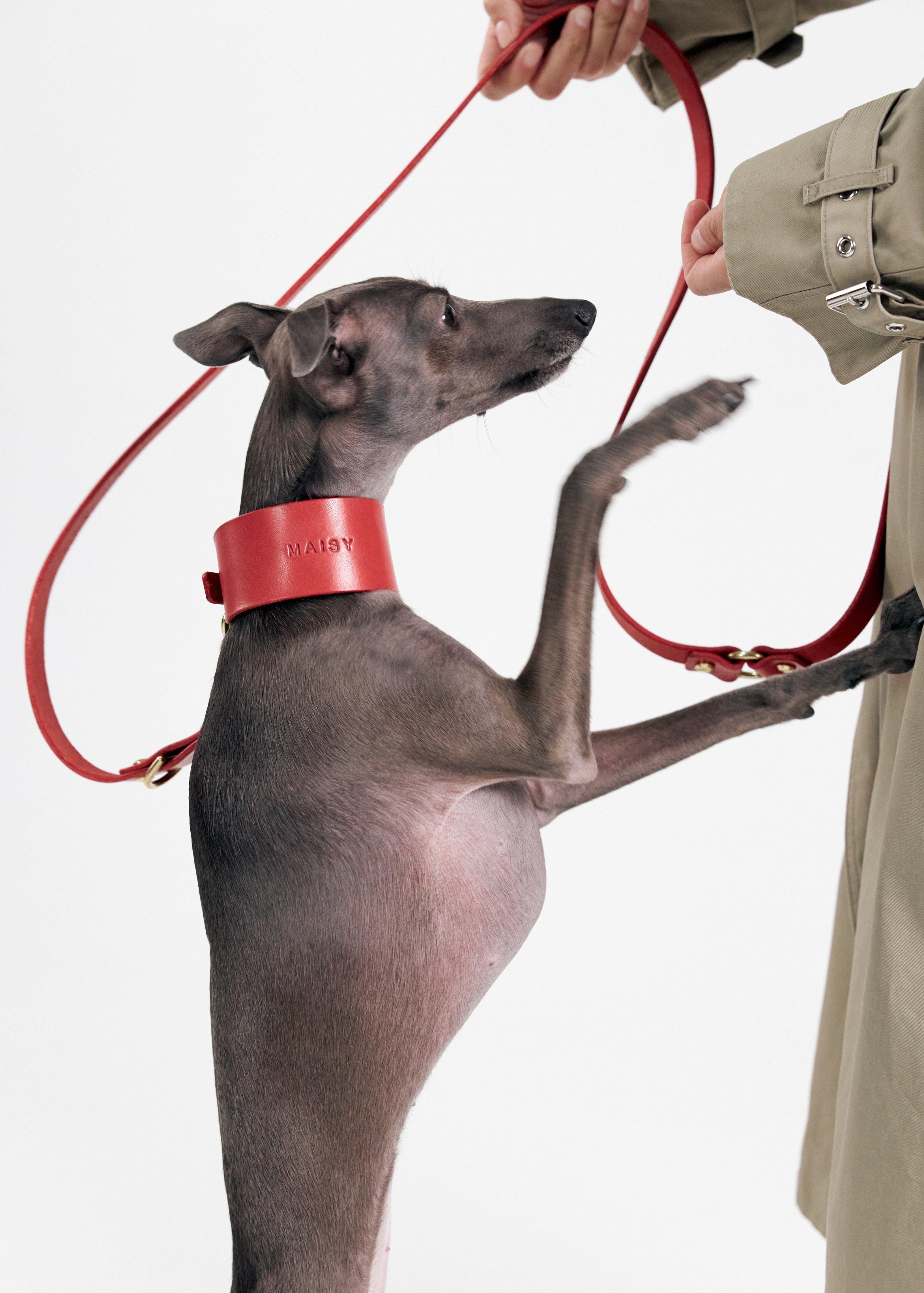
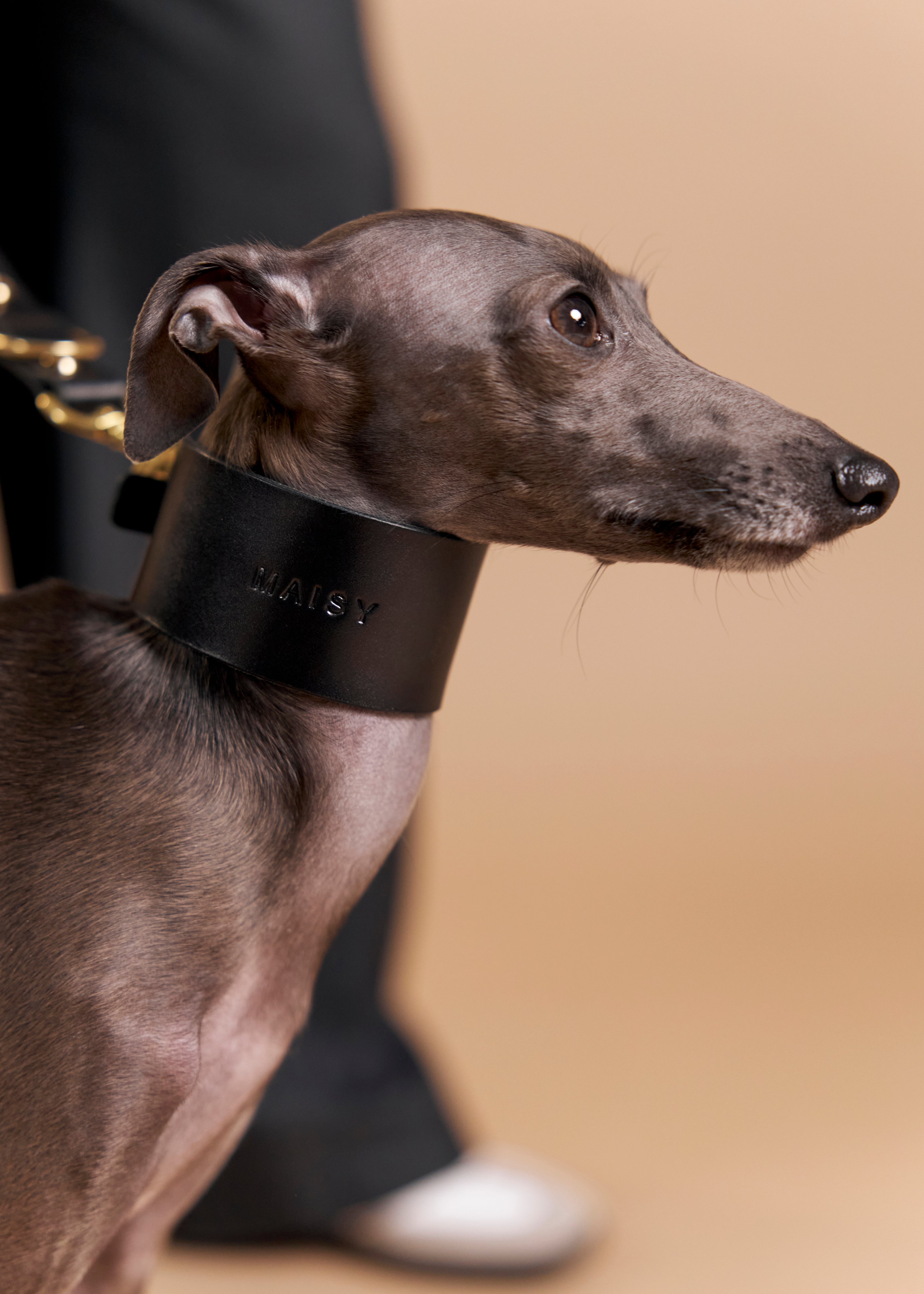
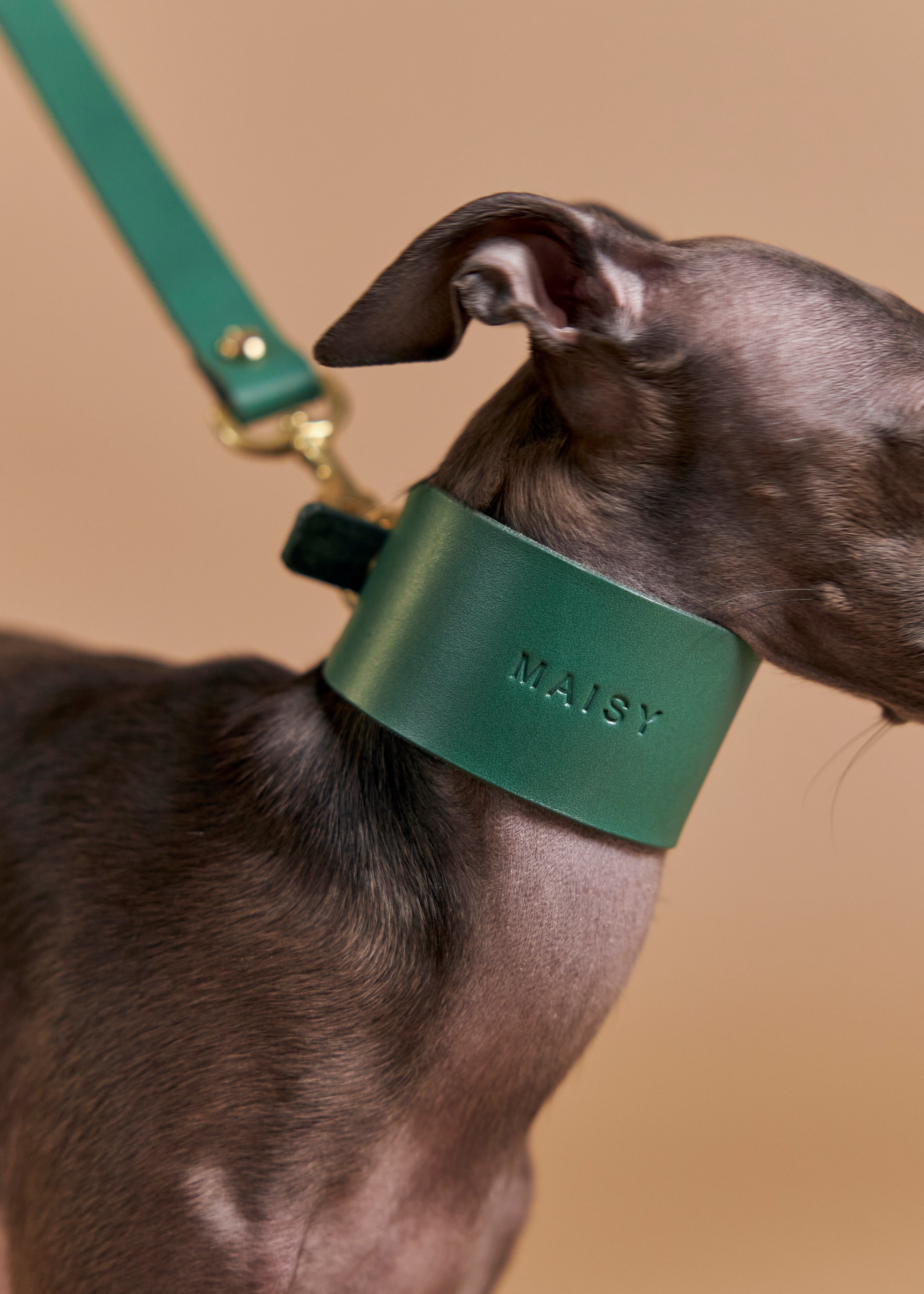
Wide martingale or flat collar, not rolled | Sighthounds need wider collars for pressure distribution and escape prevention; a rolled collar's narrow profile is inappropriate |
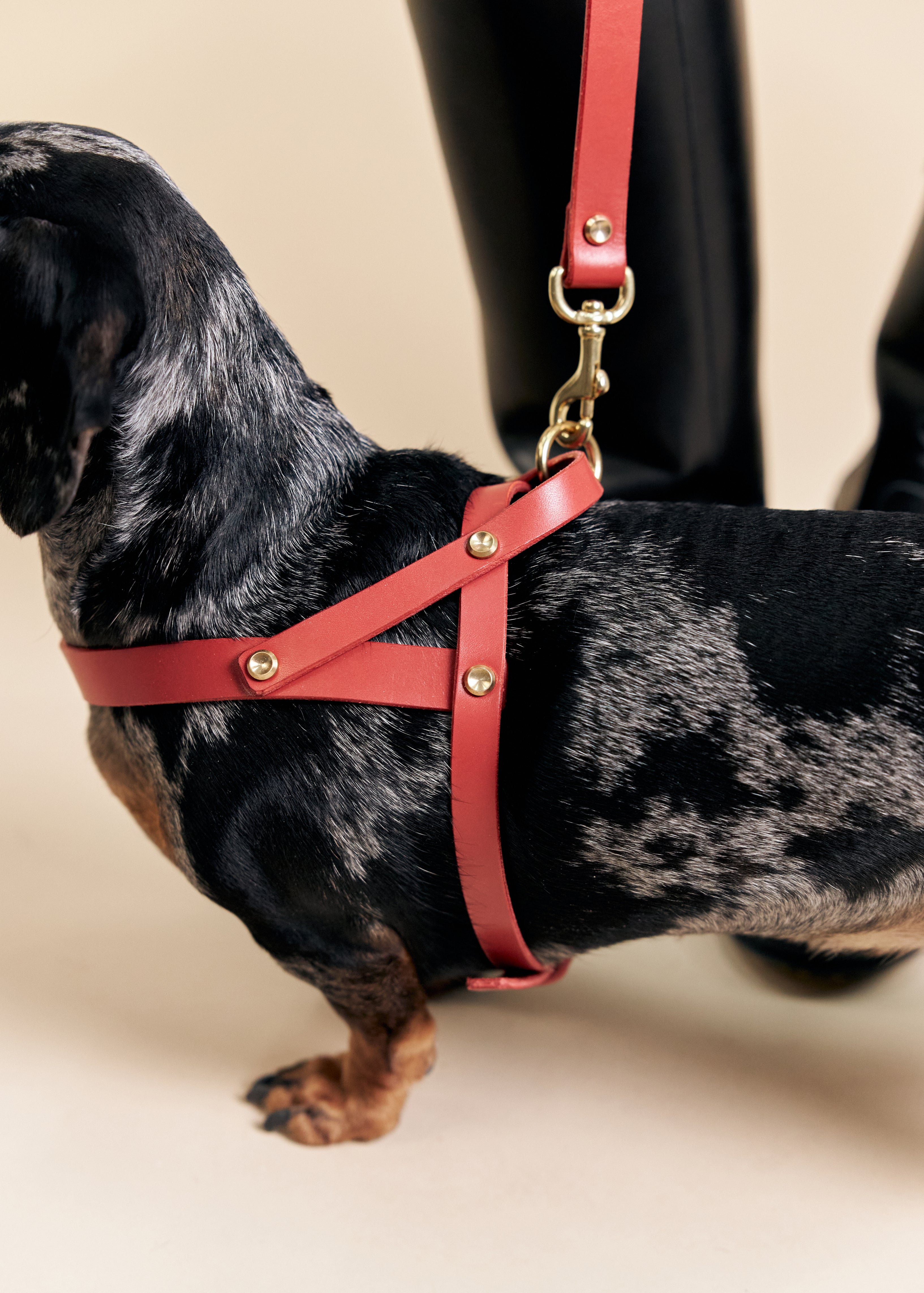
| Active/pulling dogs (any breed) | Flat collar for ID; harness for walks | Flat collar provides secure ID attachment; harness removes all neck pressure during pulling |
| Puppies | Adjustable flat collar | Wide buckle range adjusts as they grow; flat profile is safe and practical for all puppy activities |
| Show dogs | Rolled leather collar | Traditional show presentation; smooth profile sits cleanly under the coat for ring appearance |
Puppy Friendly Features
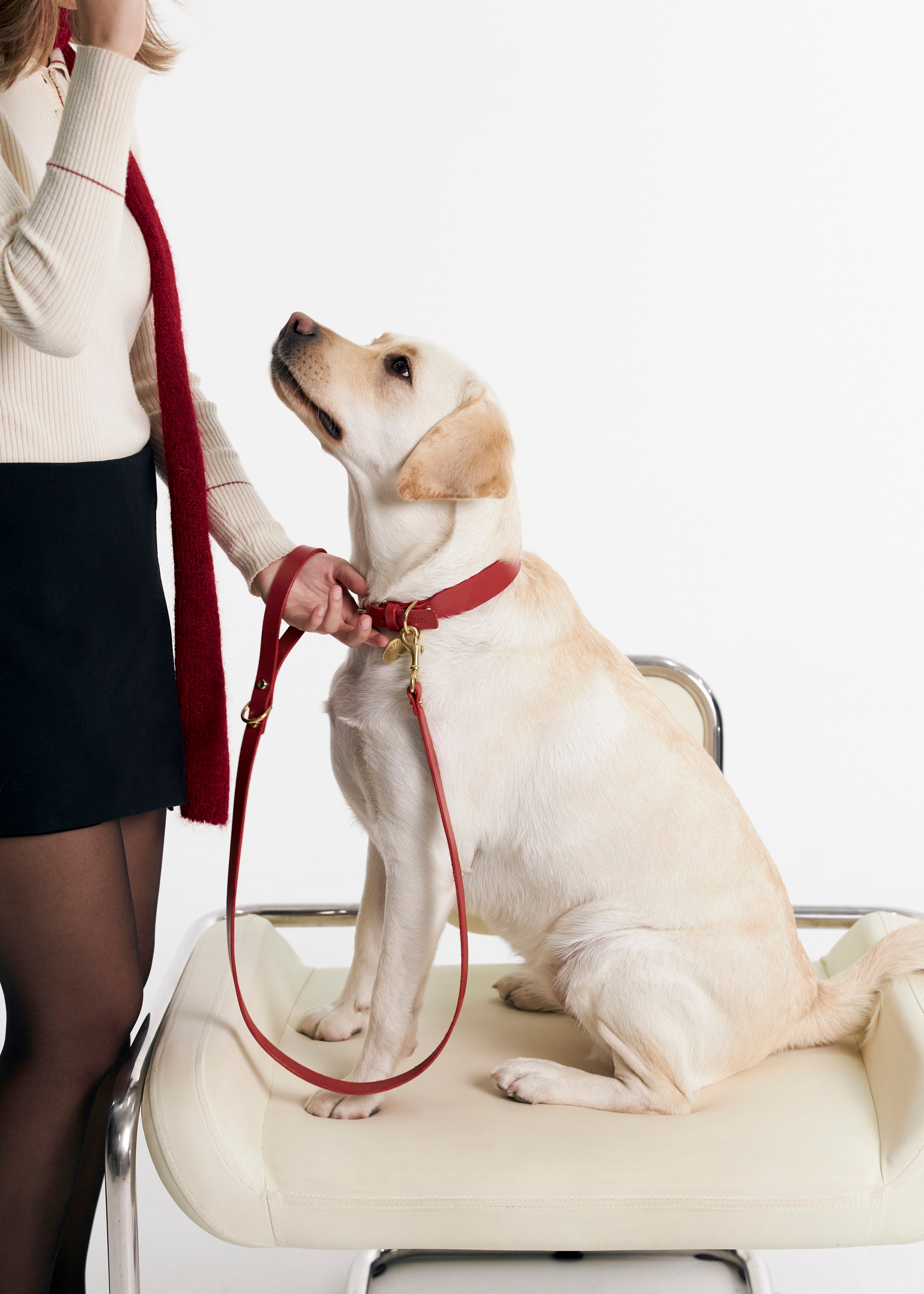
When precious little puppies are the star of the show, it can be even more important to get the collar choice right! Flat collars, again, are the clear winner for any little fur babies out there. As we hinted at above, the adjustability of a flat collar makes it the perfect accessory for a dog that is going to be growing alongside it. Safety is always a prime concern, and the design of a flat collar reduces risk of injury and choking, especially important when dealing with a young, curious energetic puppy!
And lastly, flat collars have the advantage of being compatible with a number of different leash training techniques. It gives you as an owner much more freedom to make the choice you want to when it comes time to start your training journey.
Maintenance Tips
Of course, the collar choice that you end up making won’t matter much at all unless you commit to taking proper care of it! Don’t worry though, it’s not a hard task once you know the ropes. Follow these maintenance tips to guarantee that your chosen dog collar remains safe and functional for the longest possible time.
Regular Cleaning
For a flat collar, the recommended cleaning routine is to use mild soap and water to get rid of dirt, debris and odors that can build up from regular use. With a rolled collar (and a leather flat collar), go through the extra step of using good quality leather conditions to prevent cracking from occurring, and maintaining the all important flexibility of the accessory.
Inspection for Wear and Tear
Sometimes collars take a real beating without you even noticing. Get into the habit of performing regular inspections for things like cracks, fraying and weakened spots that could compromise your pup’s safety when out on an adventurous walk. If you find anything that looks beyond the wear and tear norm, then it's time to replace it.
Proper Fit
Something we always recommended for achieving a great fit right from the start is performing the two finger rule check. When putting the collar around your dog’s neck, make sure that you can fit two of your fingers snuggly between their skin and the collar. If the fingers fit just right, then the fit is good to go. Of course, it’s important to adjust as needed as your pup grows, and flat collars are perfect for that due to their extreme adjustability.

Flat or Rolled: The Honest Summary
The right answer is not a single collar, it is the right collar for the right context.
Choose a flat leather collar for active daily walks, lead training, puppies, short-coated breeds, and any situation where the collar takes leash attachment. Its pressure distribution, adjustability, and secure D-ring make it the most versatile and safest everyday choice for the widest range of dogs.
Choose a rolled leather collar for long-coated and double-coated breeds during indoor wear, rest time, and kennelling, anywhere the collar is worn without active leash use. Its rounded profile genuinely prevents the coat matting and fur breakage that continuous flat collar wear causes in silky and dense coats over time.
Use both if you have a long-coated breed that is also active, a flat collar with lead attachment for walks, a rolled collar for home wear. This is the most considered approach for breeds like Cocker Spaniels, Golden Retrievers, Setters, and similar dogs.
The Lille Björn's collection of handcrafted flat leather dog collars includes both flat and rolled designs in full-grain vegetable-tanned leather with solid brass hardware — built to the standard where accurate sizing and quality material make every difference to daily comfort.
Frequently Asked Questions: Flat vs Rolled Dog Collars
What is the difference between a flat collar and a rolled collar?
A flat collar is a band of material that lies flat against the neck and distributes pressure across its full width. A rolled collar is a cylindrical strip of leather twisted into a round profile that sits above the coat rather than pressing it flat. The key practical difference is coat contact: a flat collar presses onto the fur with its full surface, which causes matting in long-coated breeds over time. A rolled collar contacts only a single line of the coat, allowing fur to fall naturally on either side preventing the matting and breakage that accumulates with continuous flat collar wear.
Are rolled leather collars good for dogs?
Yes, for the right breeds and contexts. Rolled leather collars are genuinely superior to flat collars for long-coated and silky-coated breeds during indoor and rest-time wear, because the cylindrical profile prevents coat matting and fur breakage at the collar contact zone. For active walking, lead attachment, and dogs that pull, flat collars are the safer and more functional choice. For many owners of long-coated breeds, using a rolled collar for home wear and a flat collar for walks is the most considered approach.
Do rolled collars prevent matting?
Yes — this is the primary functional advantage of a rolled collar and it is based on the collar's physical design, not marketing. A flat collar presses its full surface width onto the fur with every movement, compressing the coat beneath it and causing tangles to form over time. A rolled collar sits above the coat on a single rounded contact point, allowing the fur to fall naturally on either side rather than being pressed flat. For breeds with long, silky, or dense double coats such as Cocker Spaniels, Golden Retrievers, Setters, Afghan Hounds this is a meaningful difference in coat health over months of daily wear.
What is the best collar for long-haired dogs?
For long-haired dogs, a rolled leather collar for indoor and rest-time wear combined with a flat leather collar for walks is the most practical setup. The rolled collar prevents the fur matting that continuous flat collar wear causes; the flat collar provides the secure D-ring and pressure distribution needed for active leash use. If only one collar is practical, a rolled leather collar in a soft, supple vegetable-tanned leather is the kinder choice for the coat but ensure it has a reliable D-ring for ID tag attachment.
Is a flat collar safe for puppies?
Yes, flat collars are the recommended collar type for puppies. Their flat profile distributes pressure evenly, their adjustable holes accommodate rapid neck growth, and their secure D-ring allows ID and lead attachment from the first walk. Check the two-finger fit every two to three weeks during the first year, puppies can outgrow a collar within days during growth spurts. A rolled collar is not appropriate for puppies due to the higher entanglement risk and narrower lead attachment.
What collar is best for dogs that pull?
For dogs that pull consistently, a harness is the safest tool for walk use, it removes all leash tension from the neck entirely. A flat leather collar should still be worn for ID tag attachment, but the lead should connect to the harness, not the collar. Among collars alone, a wide flat collar minimises neck pressure better than a rolled one by distributing force across a larger surface area.
Can I use both a flat and rolled collar for my dog?
Yes and for long-coated breeds, this is often the most practical approach. A flat collar for daily walks provides the secure D-ring, even pressure distribution, and adjustability needed for leash use. A rolled collar worn at home, in the kennel, or during rest prevents the cumulative coat matting that a flat collar causes through continuous contact with the fur. Switching between the two based on activity is a simple habit that meaningfully benefits coat health over time for breeds prone to matting.