Quick Summary
The three essentials of dog safety are identification, the right gear for their body and walk style, and consistent positive reinforcement training. A deep-engraved brass ID tag on a well-fitted vegetable-tanned leather collar handles identification. A back-clip leather harness handles leash attachment without neck pressure. Positive reinforcement training handles the rest: a dog that recalls reliably and walks calmly is safer than any combination of equipment alone.
At The Lille Bjorn, we firmly believe that safe items should look just as good as they feel, and that is why we design dog accessories that have both comfort and aesthetic in mind. When your pup looks great and feels secure, they are confident, which then fills you with confidence too.
Identification: The First Line of Defense
Let us be real, a collar without a tag is basically a passport without a name. Nothing works better than visible identification when it comes to making sure your pet can get home to you safely. Microchips are definitely an essential backup, but the issue is they are not quite immediate. Your pup would have to be picked up by a kind stranger and taken to a vet or shelter to be scanned, but a dog brass tag can reveal your information in seconds.

It provides the perfect opportunity for a quick call if your adventurous companion decides to run a bit too far in the park. For us, tags are not optional, they act as the voice of your pet when they need it most.
So, what does a tag need to include? The basics are your pup's name and your go to phone number. Some people also like to add the word 'microchipped' just to make things more straightforward for a rescuer. The priority is always to be as clear as possible.
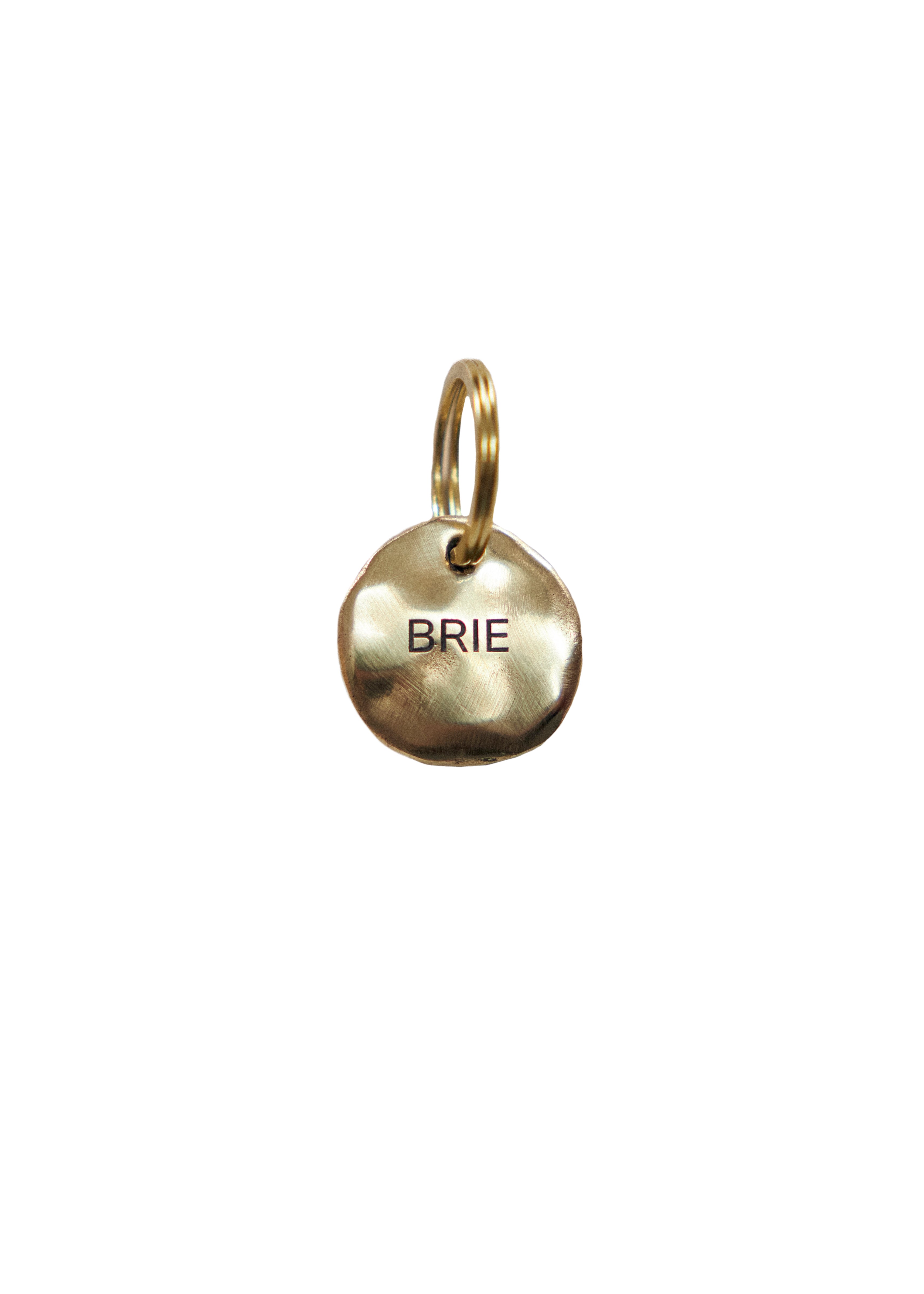
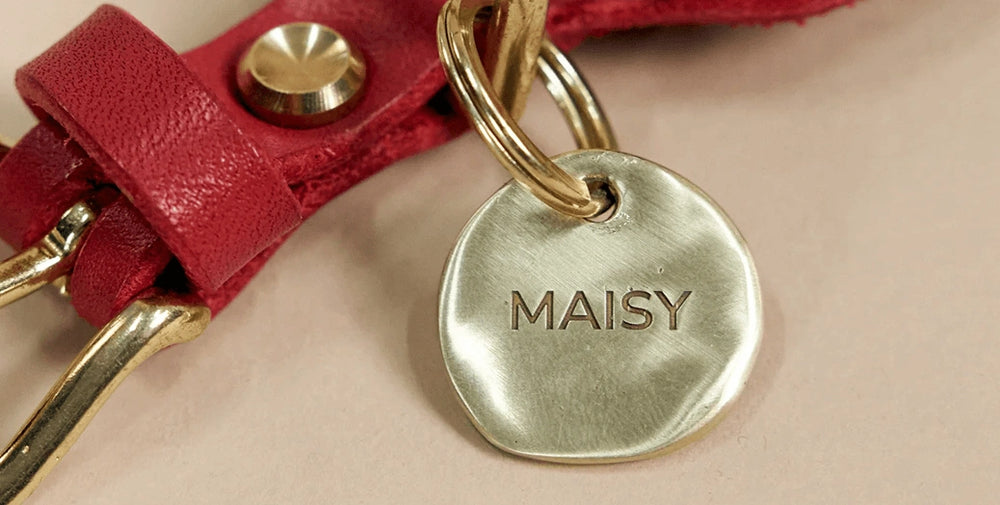
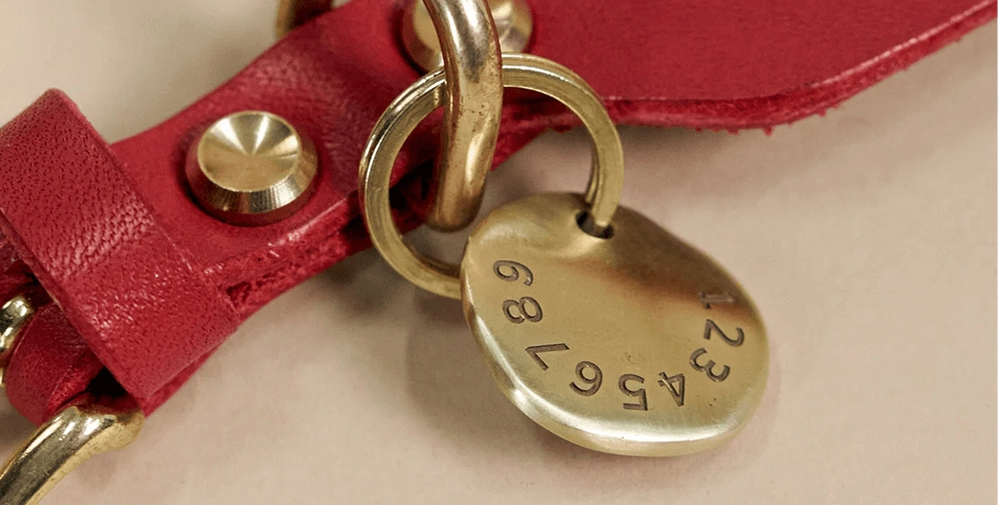
Lille Bjorn's engraved dog ID tag collection is perfect for meeting all needs. Our tags are made from recycled brass, which is an eco-conscious and elegant material, both rust and wear resistant. With the addition of deep laser engraving, your details are guaranteed to stay crisp and legible forever. No fears of fading or flaking.
Make sure to check that your engraved dog ID tag is attached securely on a regular basis, as well as updating it whenever your contact info changes. When the tag is the key to reuniting you with your best friend, it is worth it to buy one that stands the test of time.
One important note on microchips: nearly 40% of microchipped pets have outdated contact information in their registered database, making the chip functionally useless at the moment it is needed most. A visible brass tag with a current phone number remains the fastest and most reliable reunification tool regardless of whether your dog is also chipped. Keep both updated, but never rely on the chip alone.
The Right Collar for Everyday Confidence
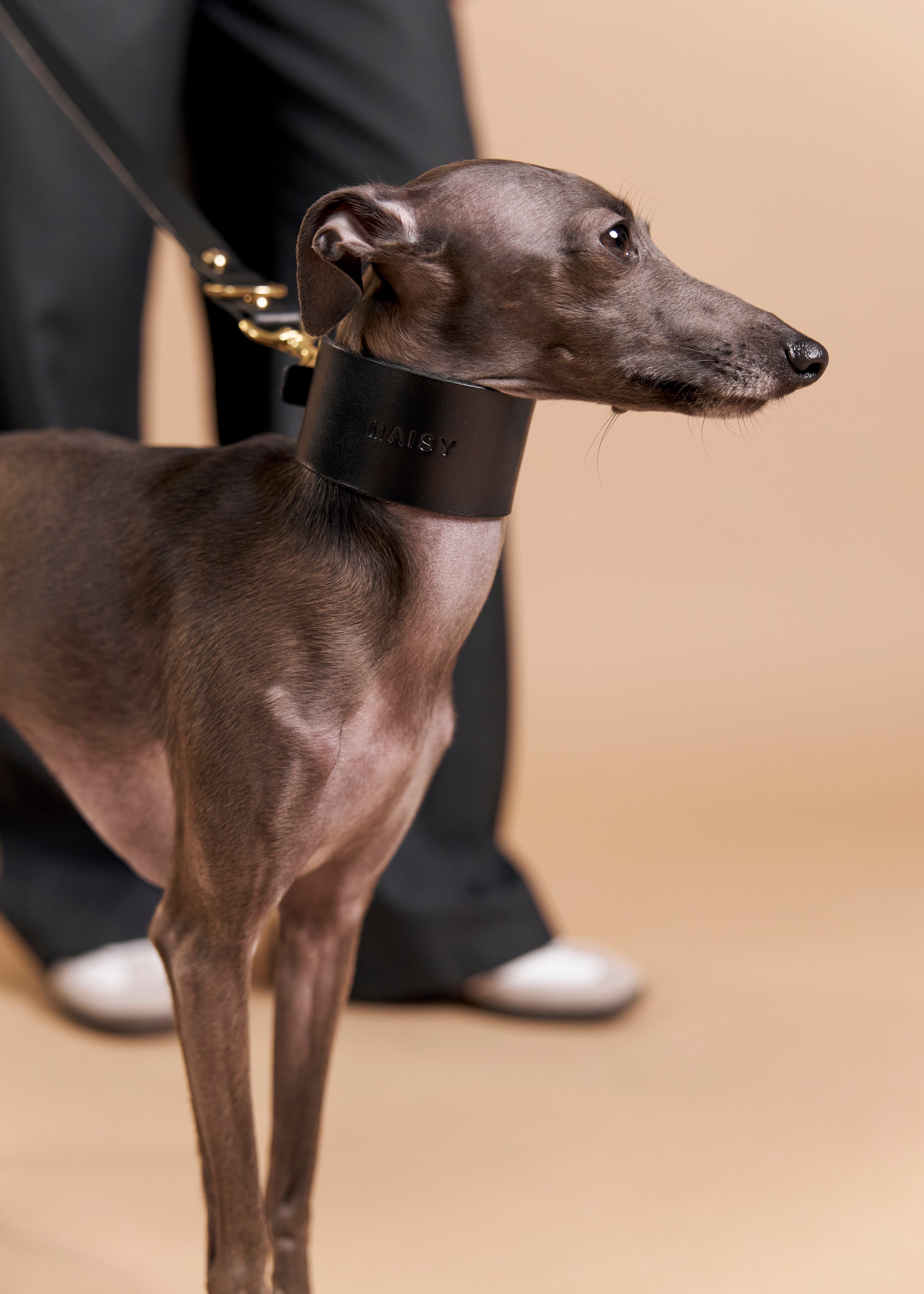
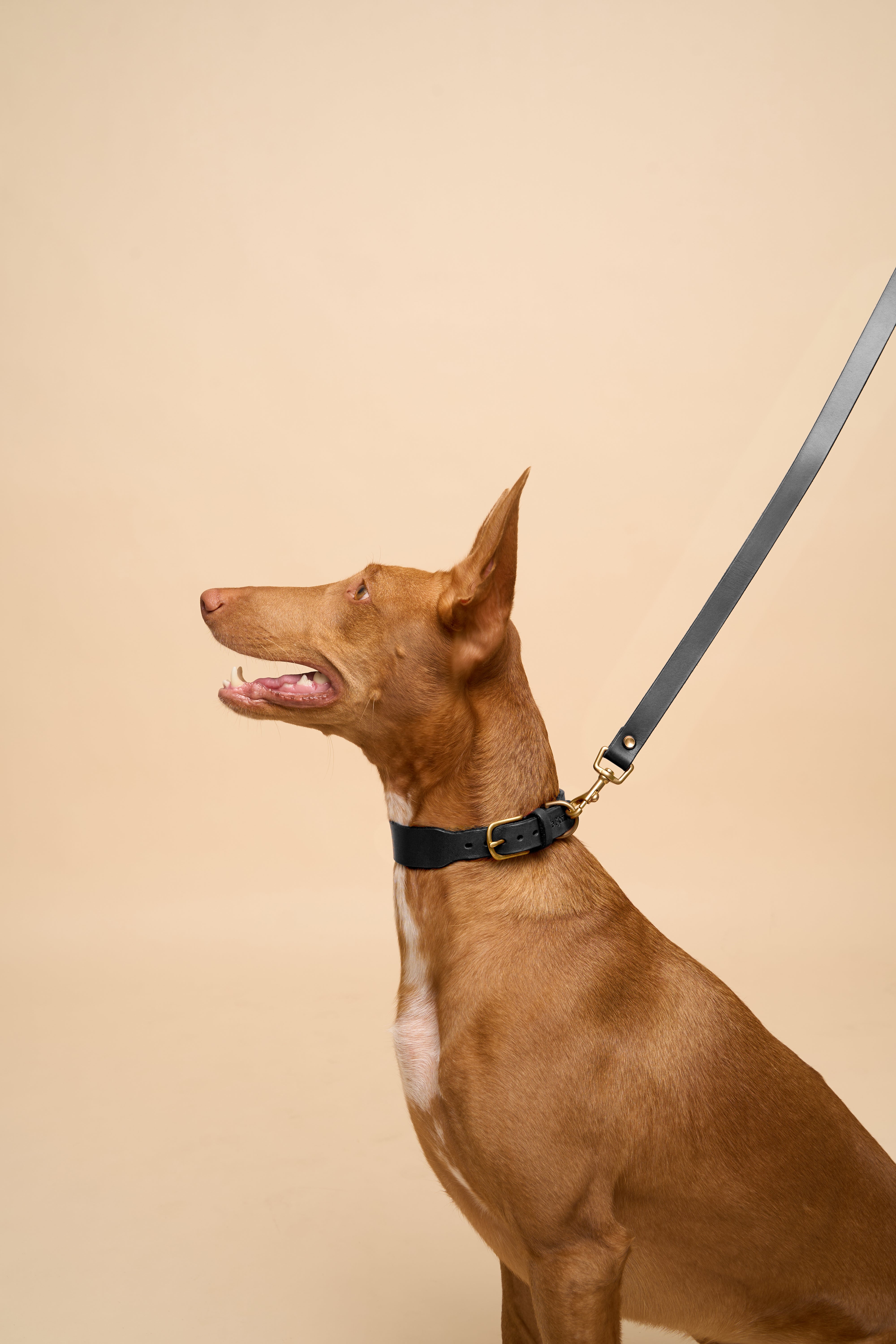
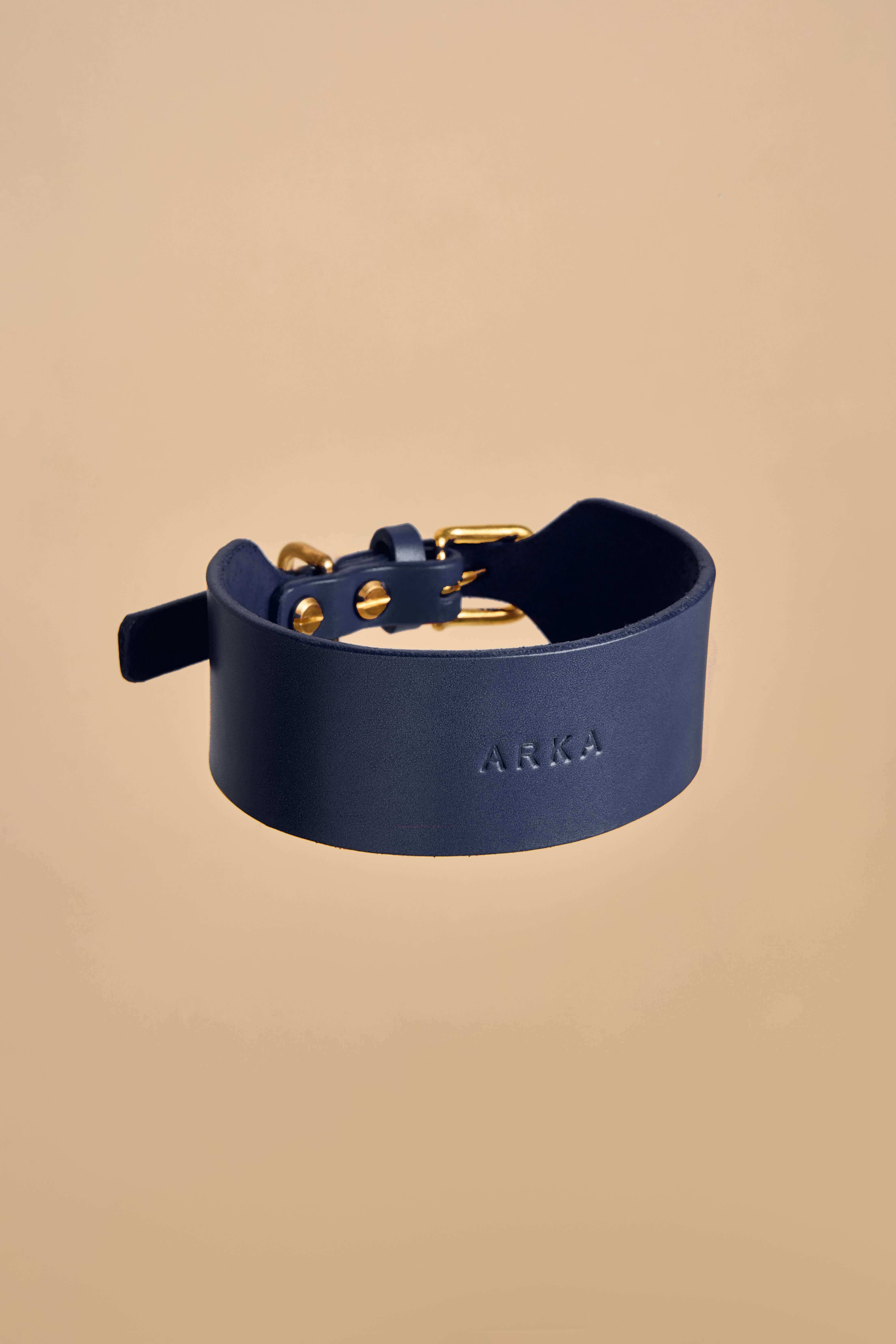
A collar might seem like a simple accessory, but it is better to think about it as a safety essential. However, it is equally as important to remember that not all collars are created equal. A collar that is poorly made or ill-fitting can lead to a number of issues like slipping incidents, chafing and tracheal pressure. The combination of these risks makes choosing the right collar one of the most crucial decisions to make as a dog parent.
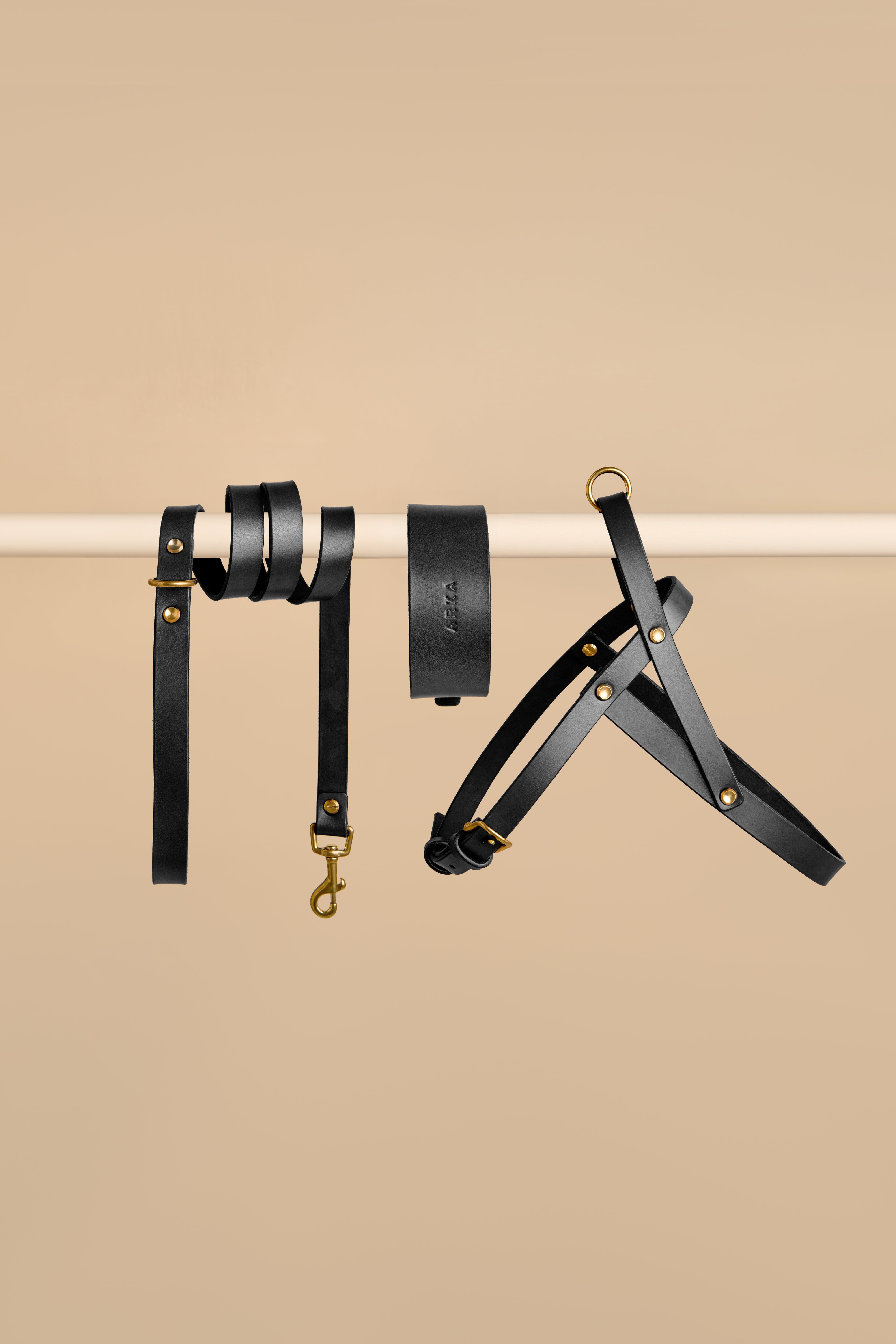
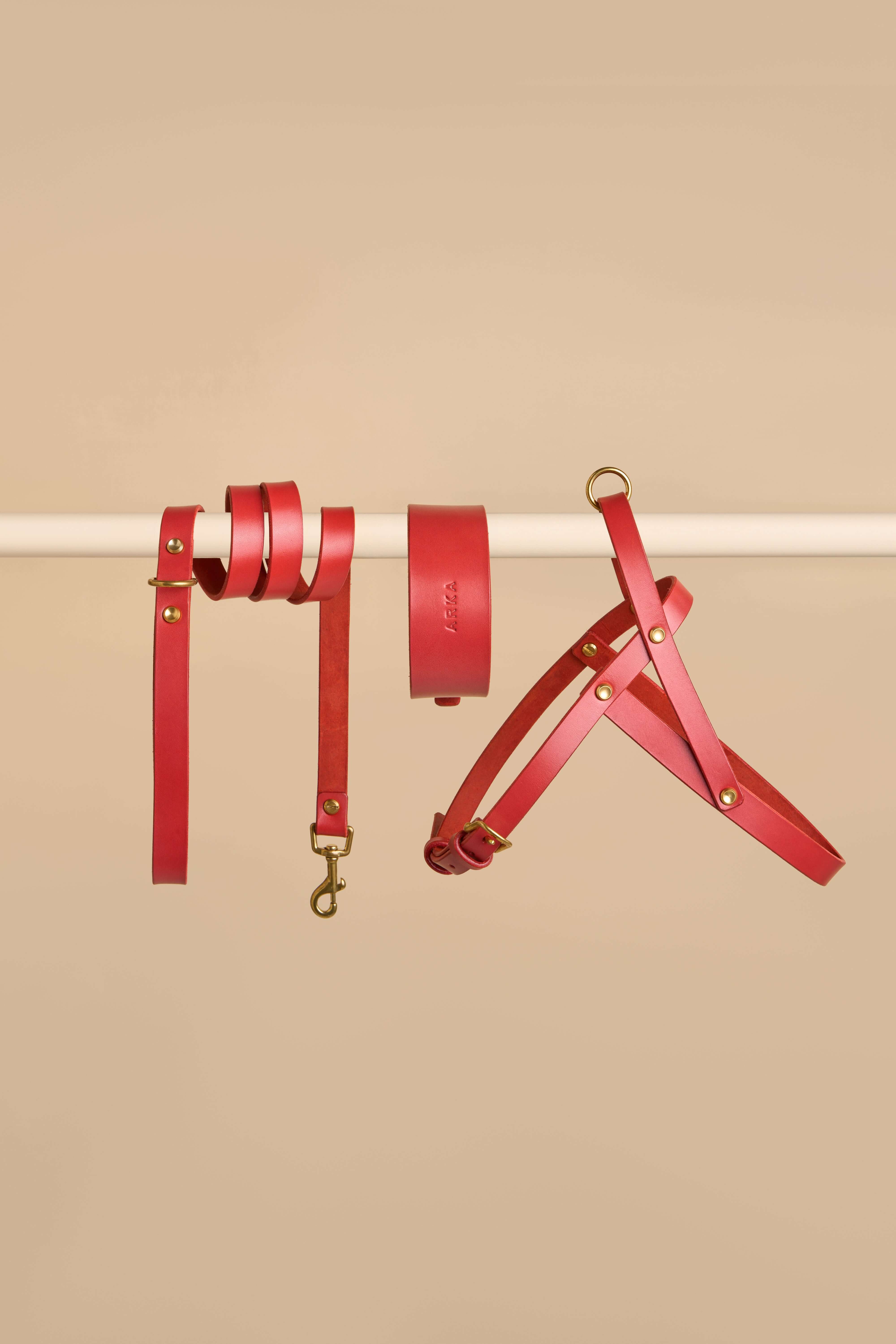
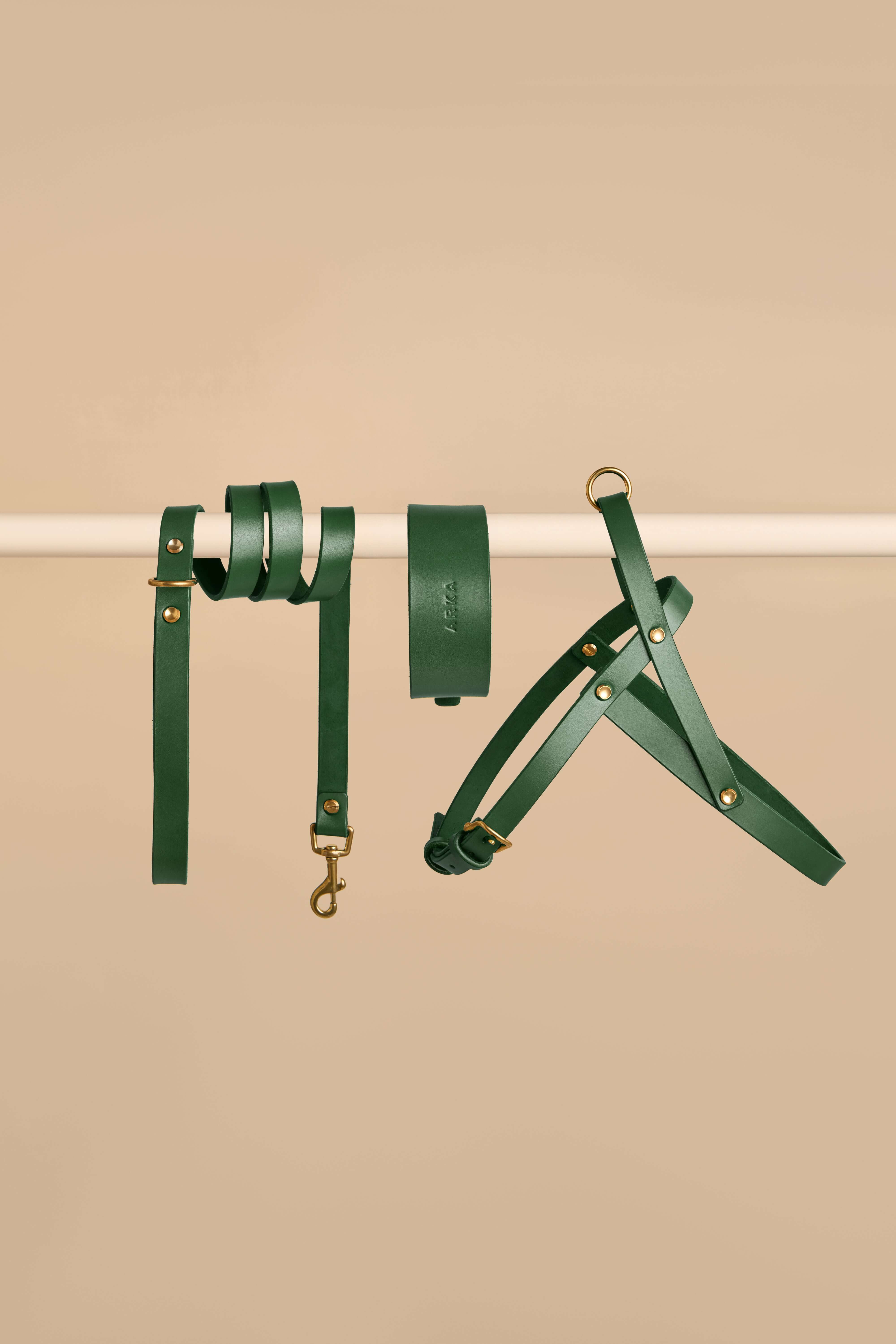
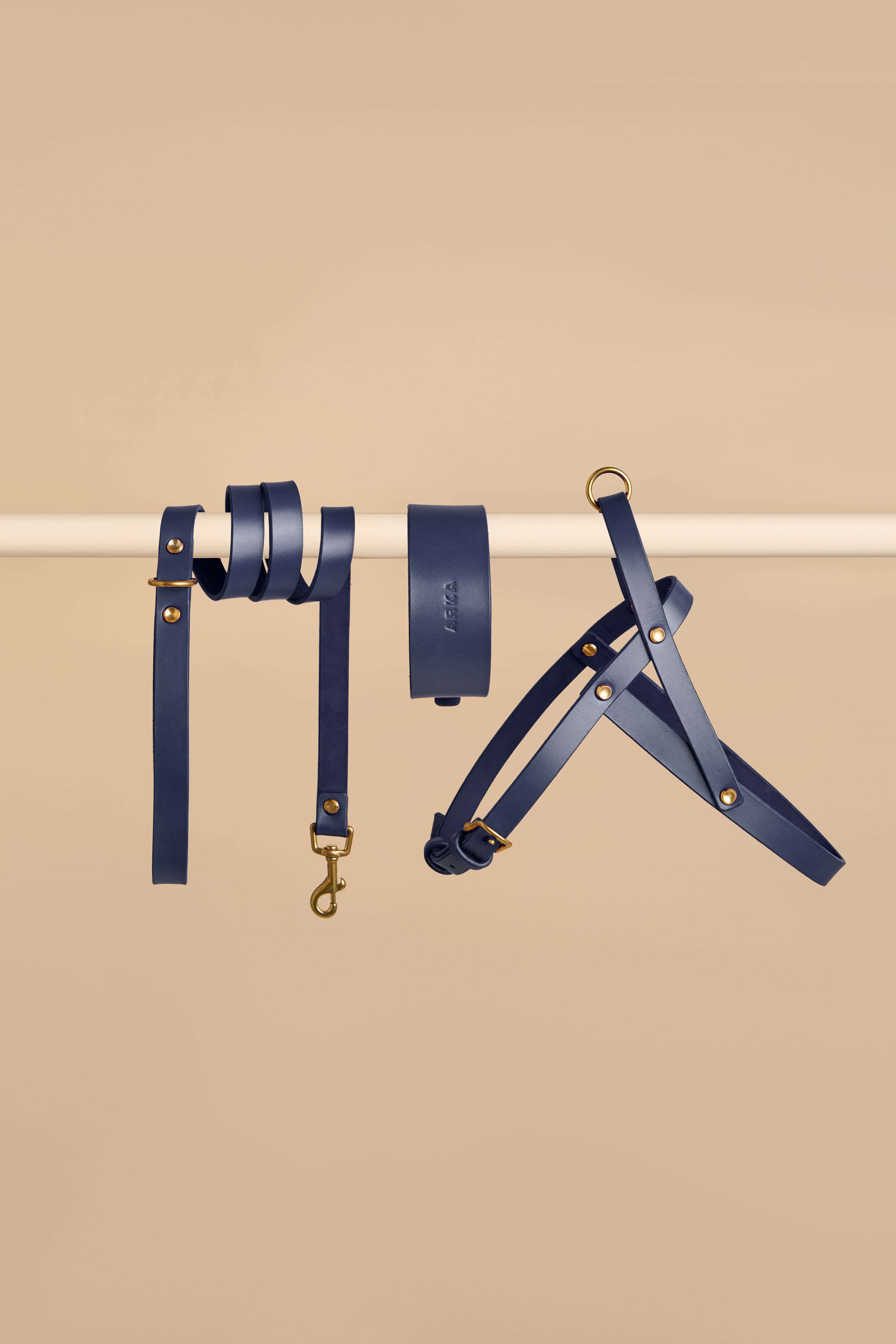
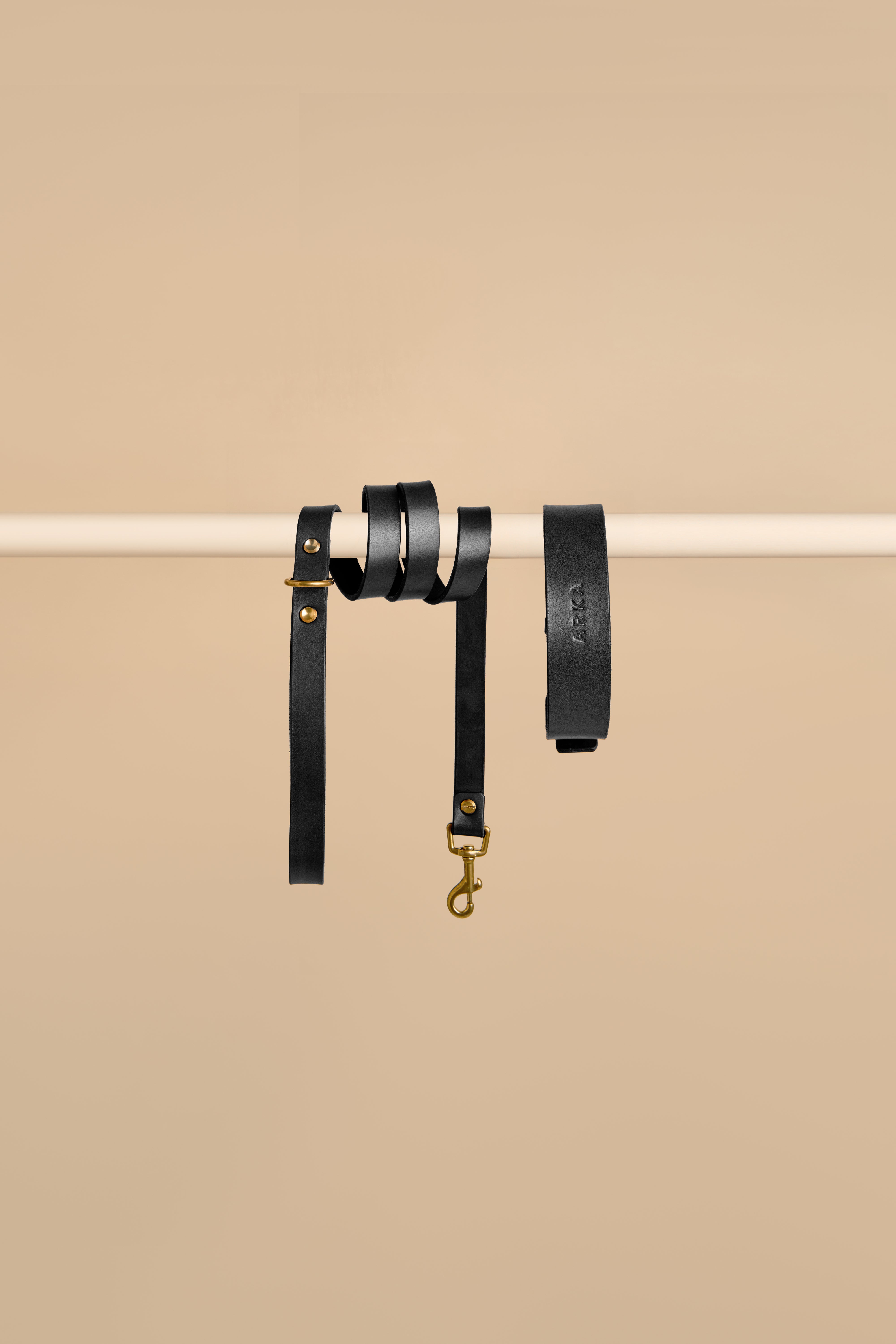
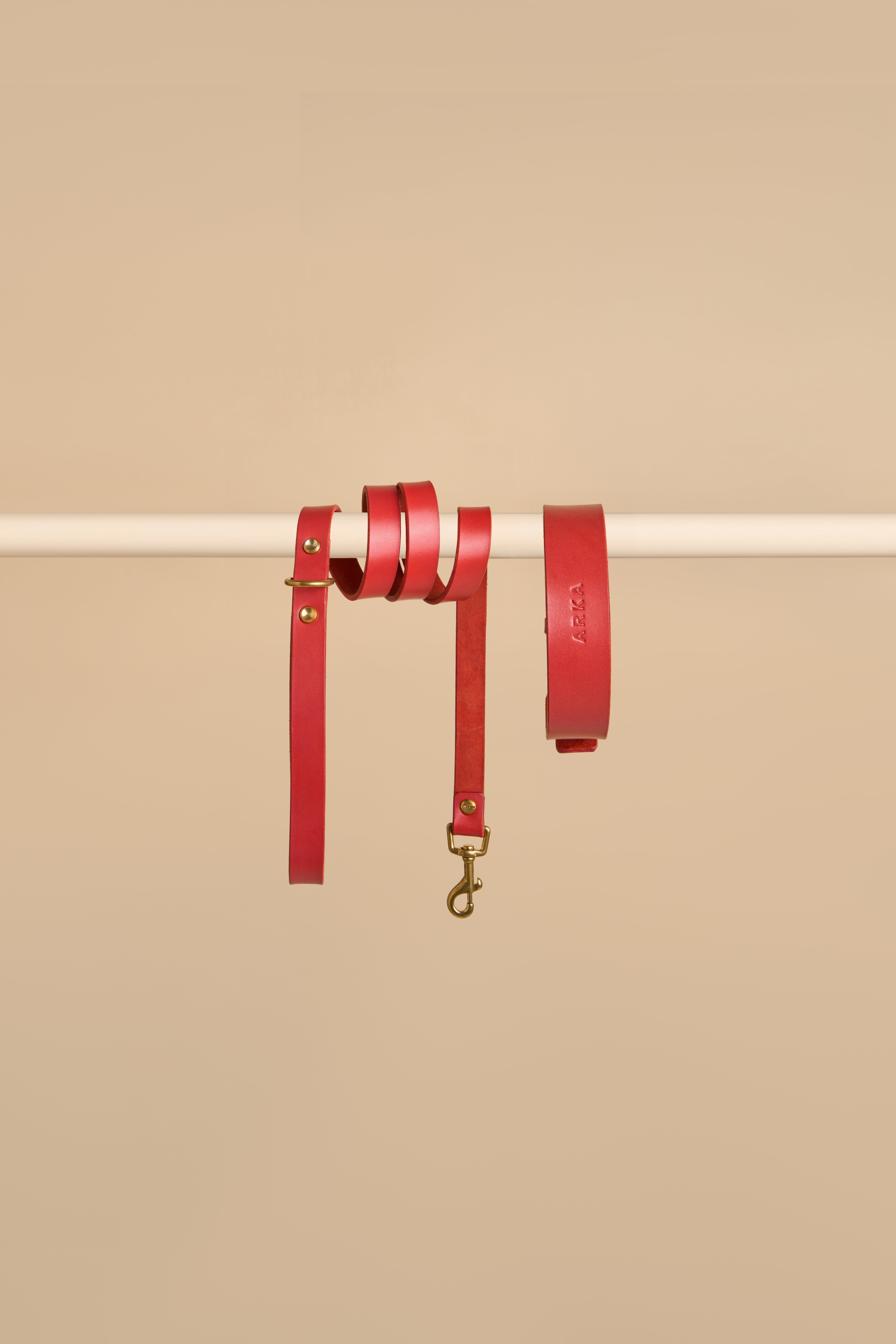
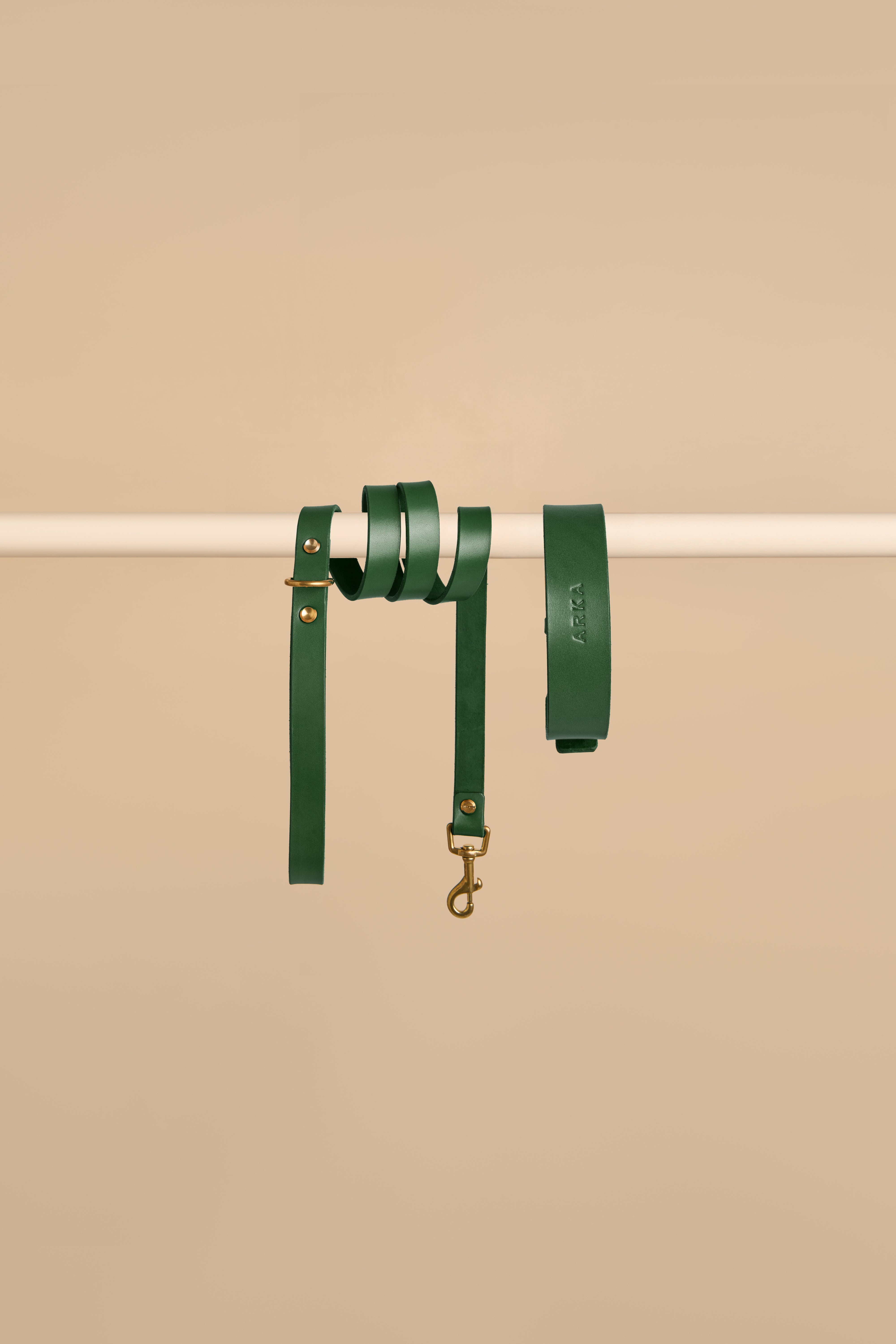
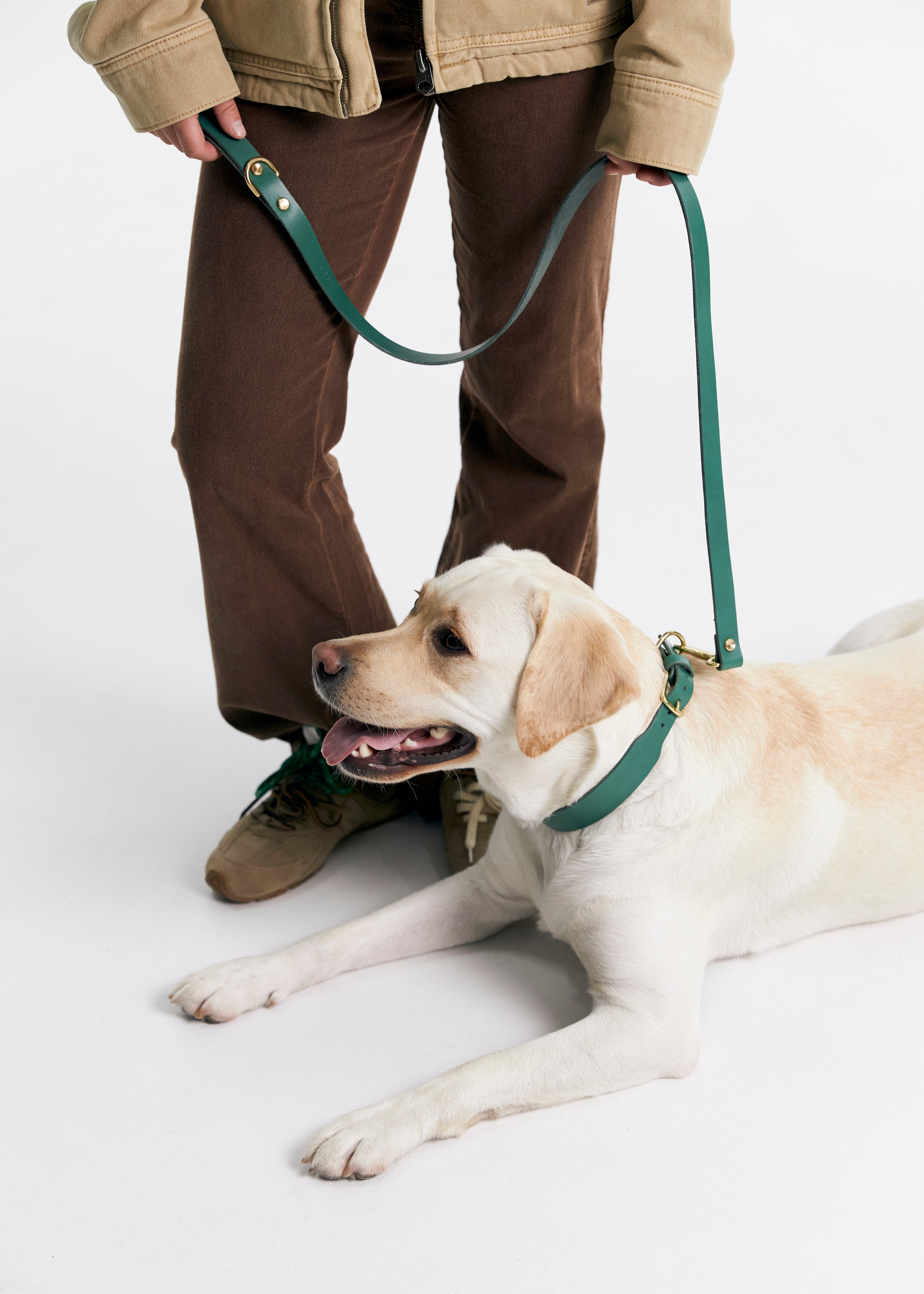
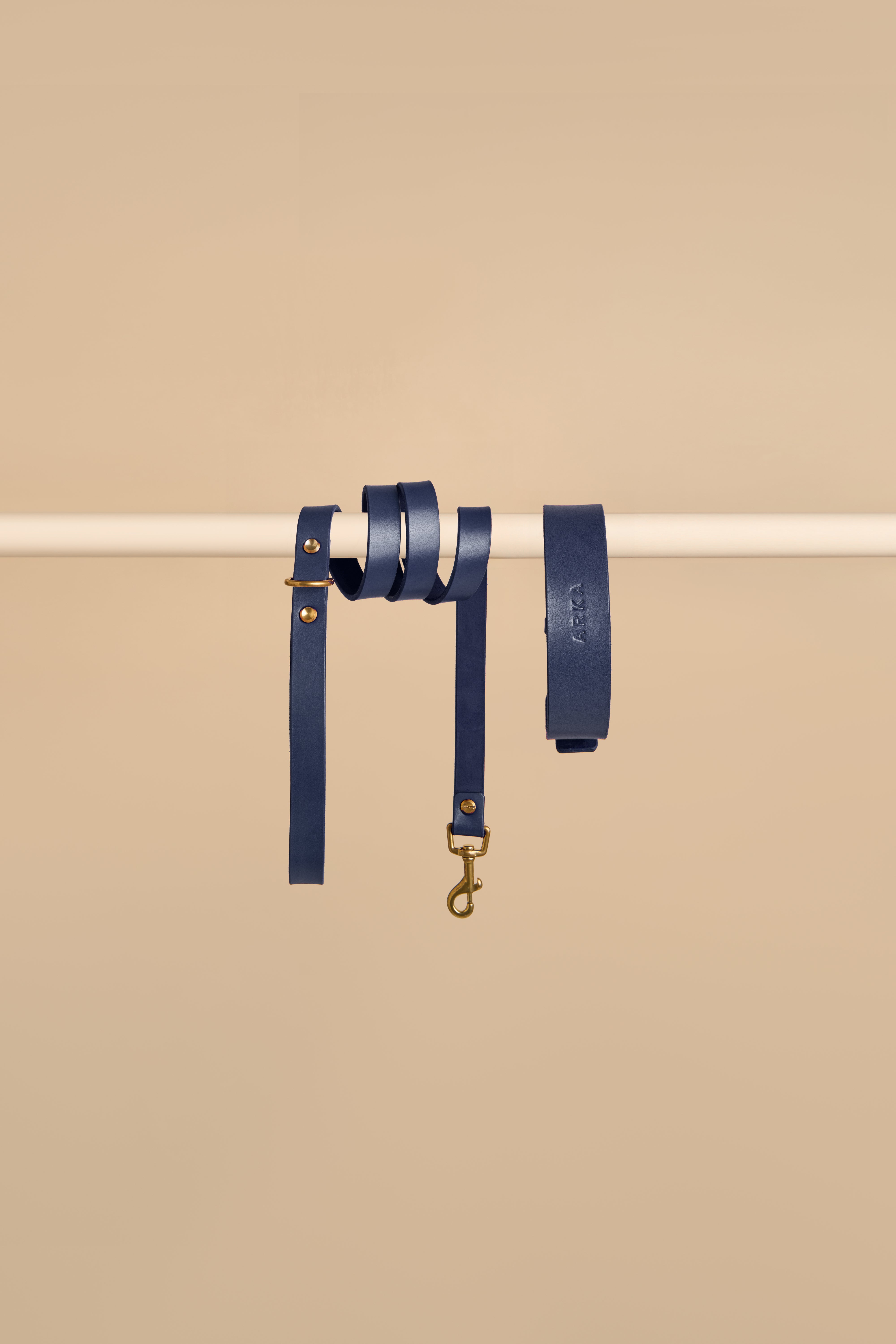
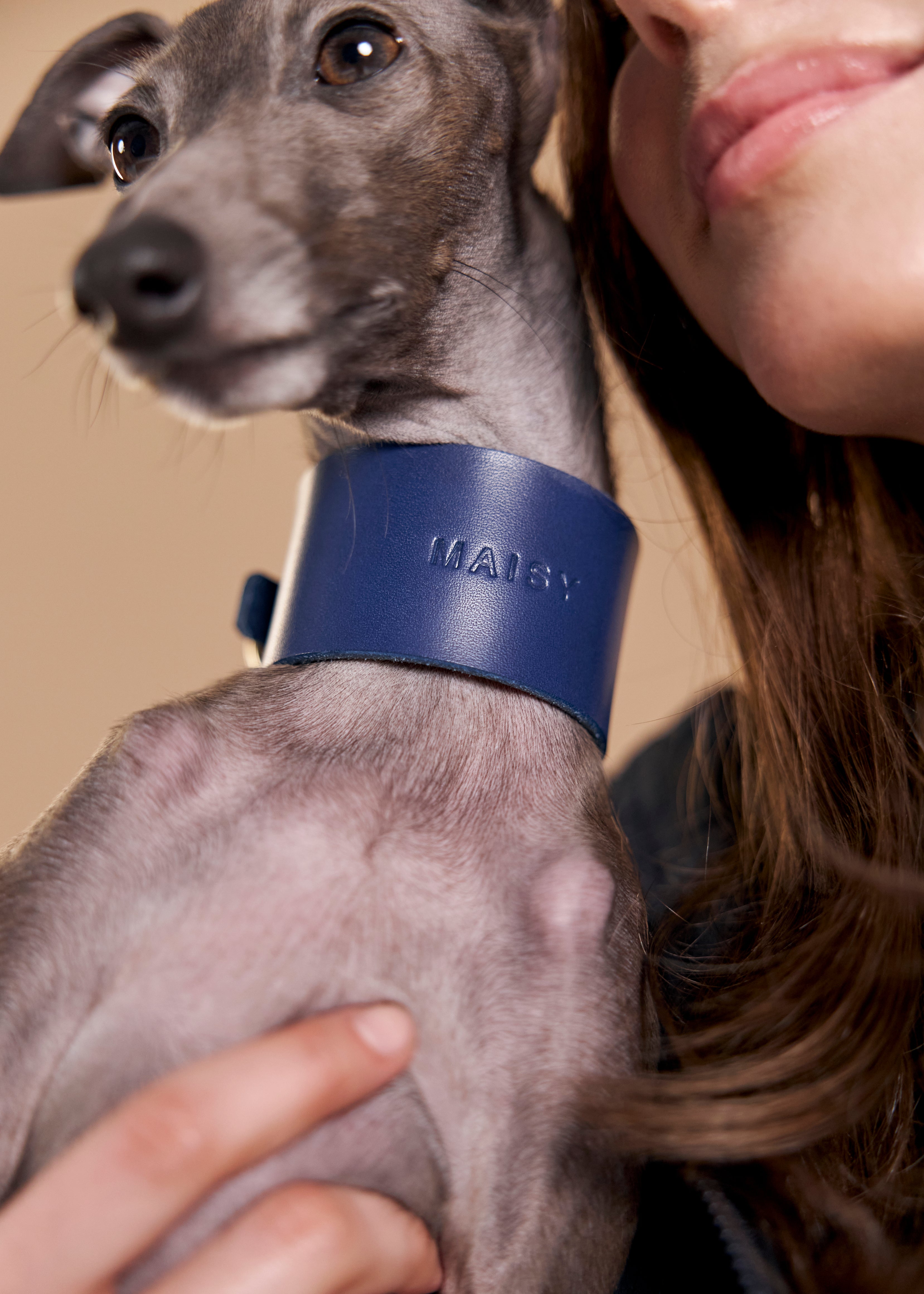
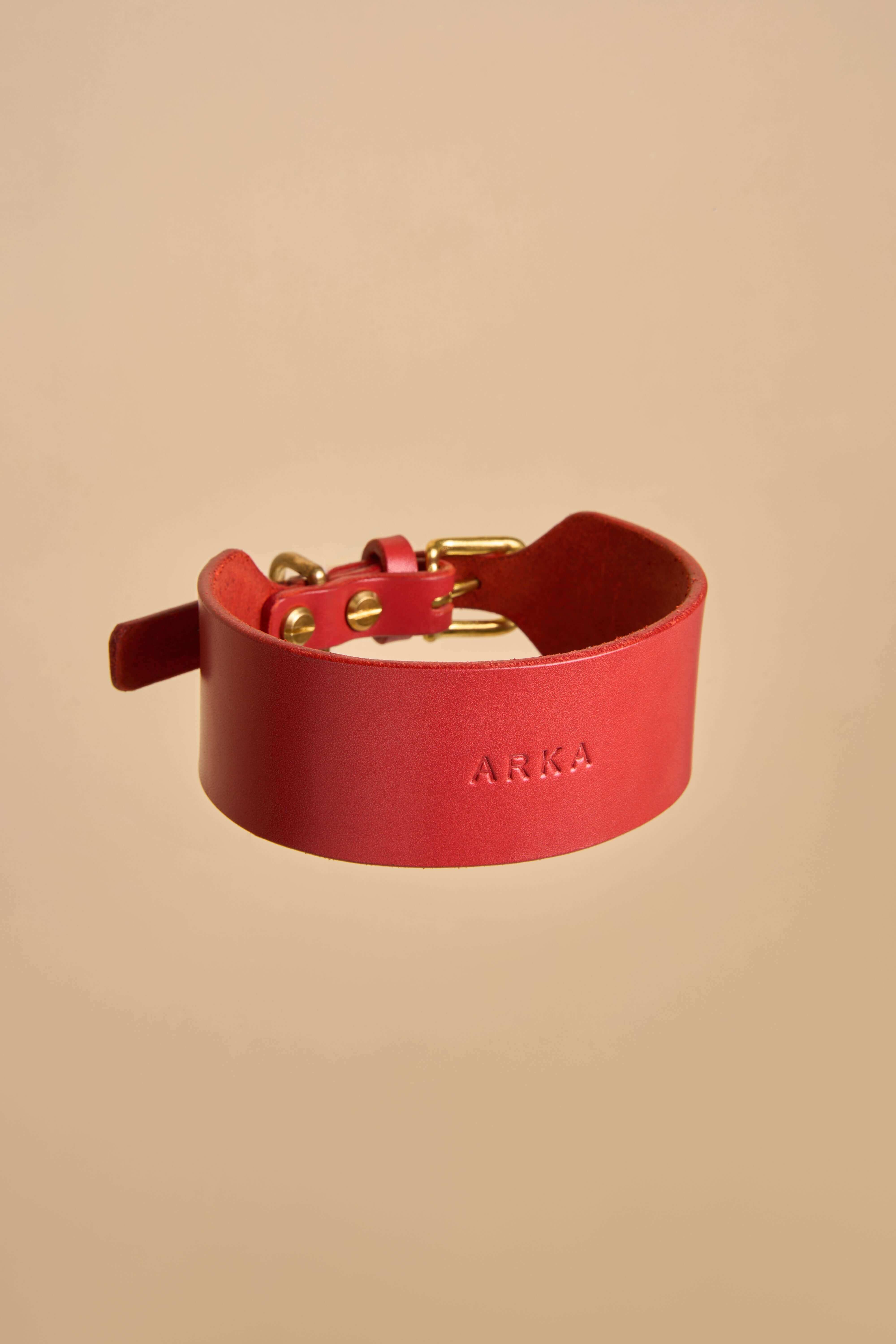
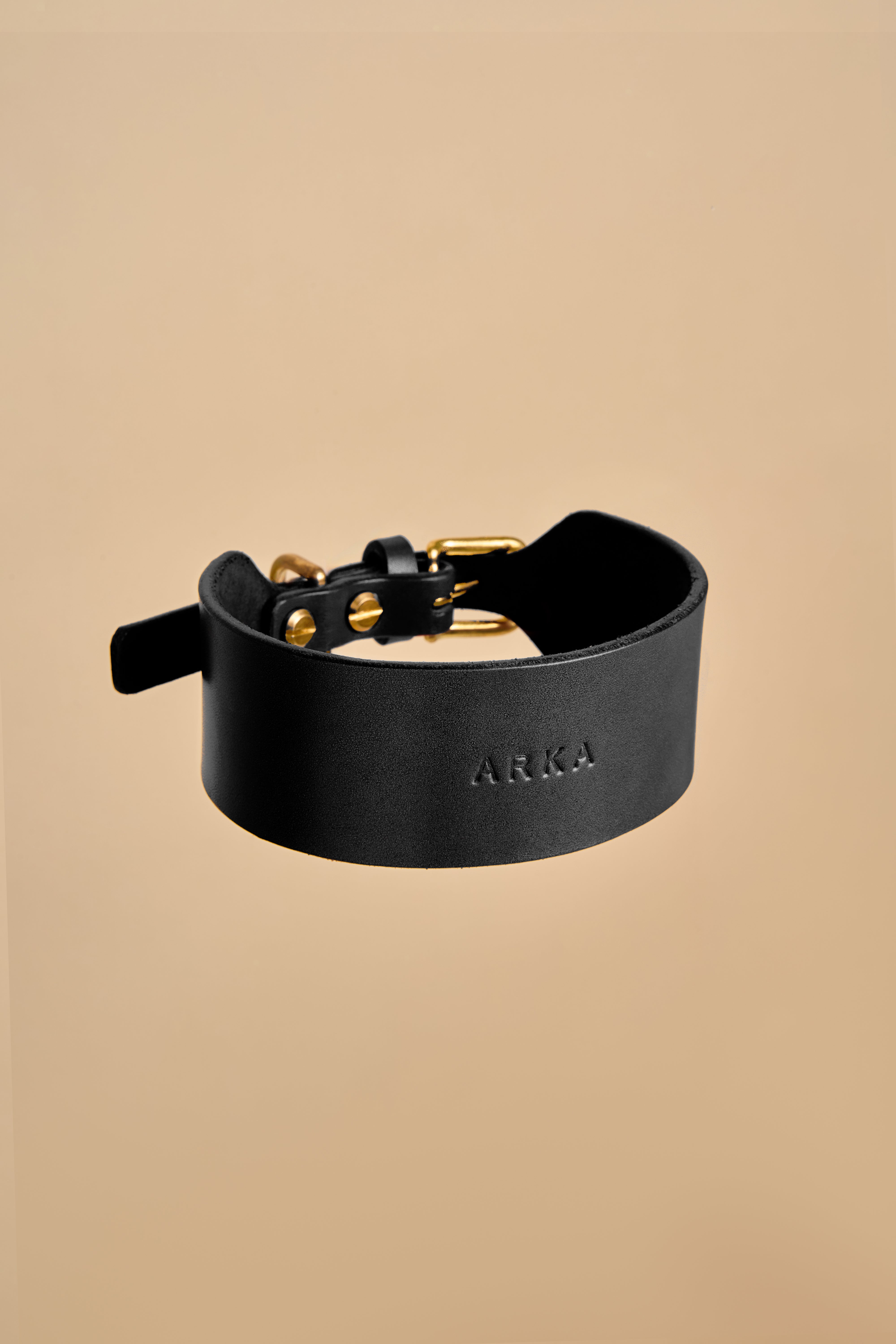
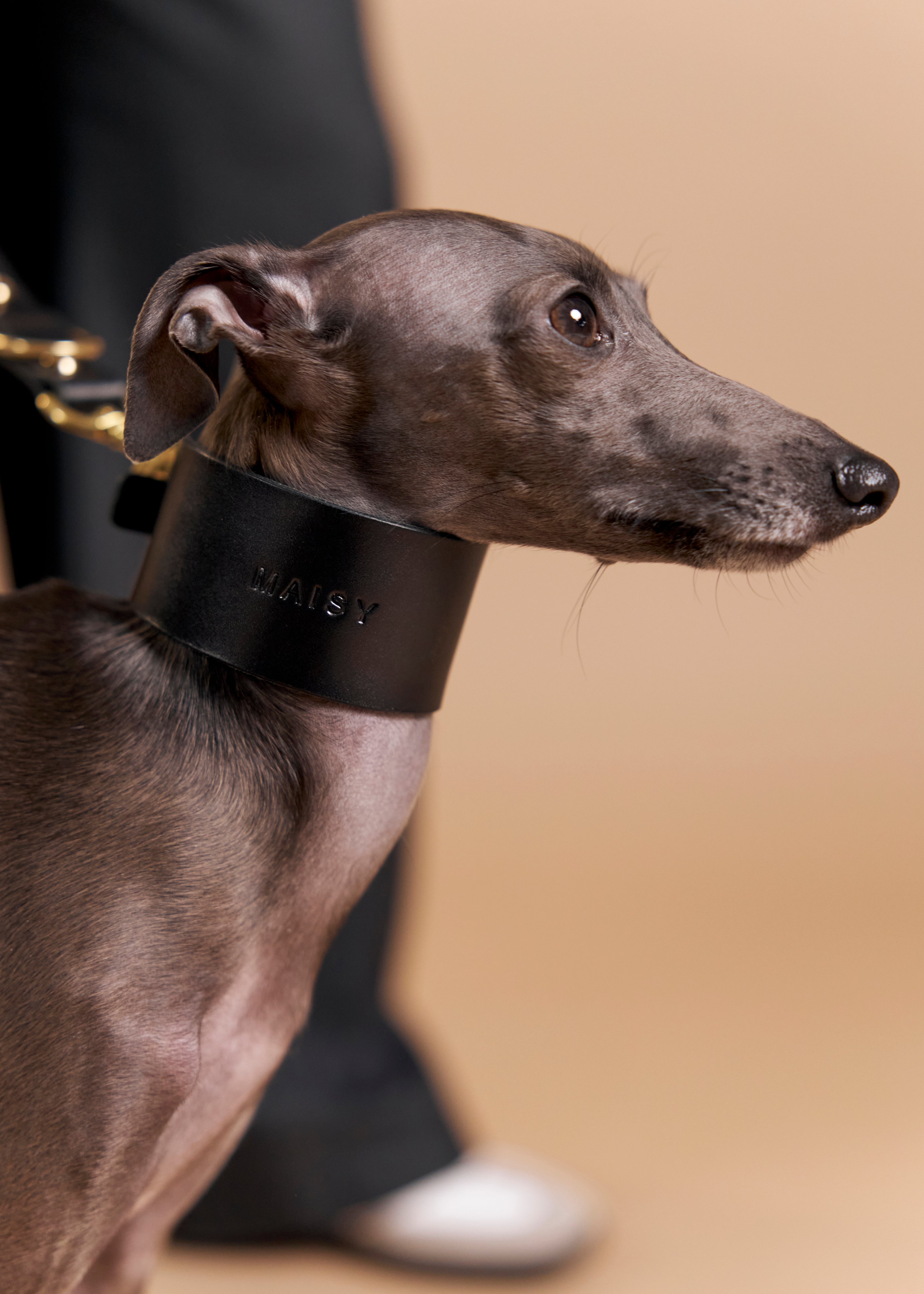
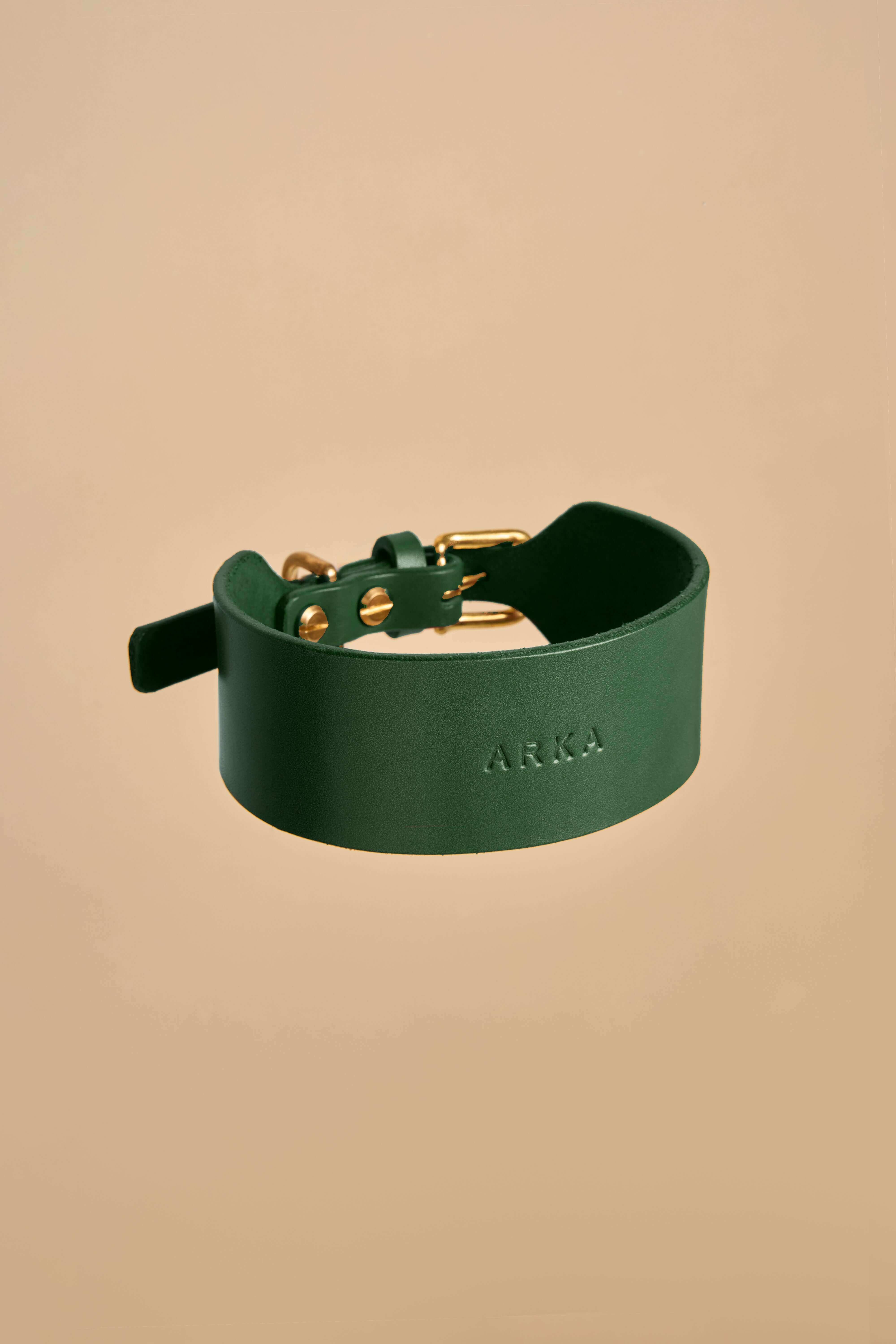
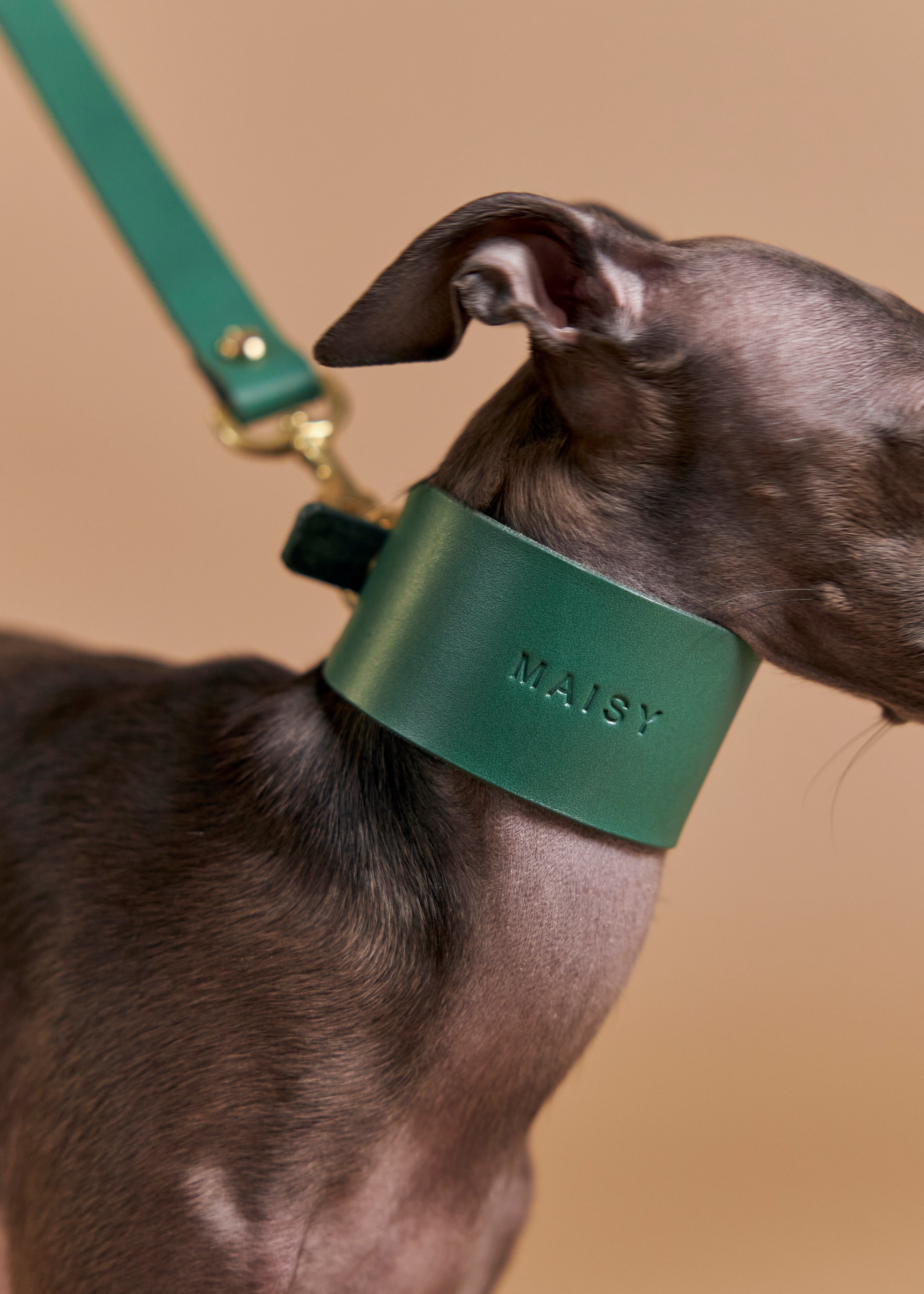
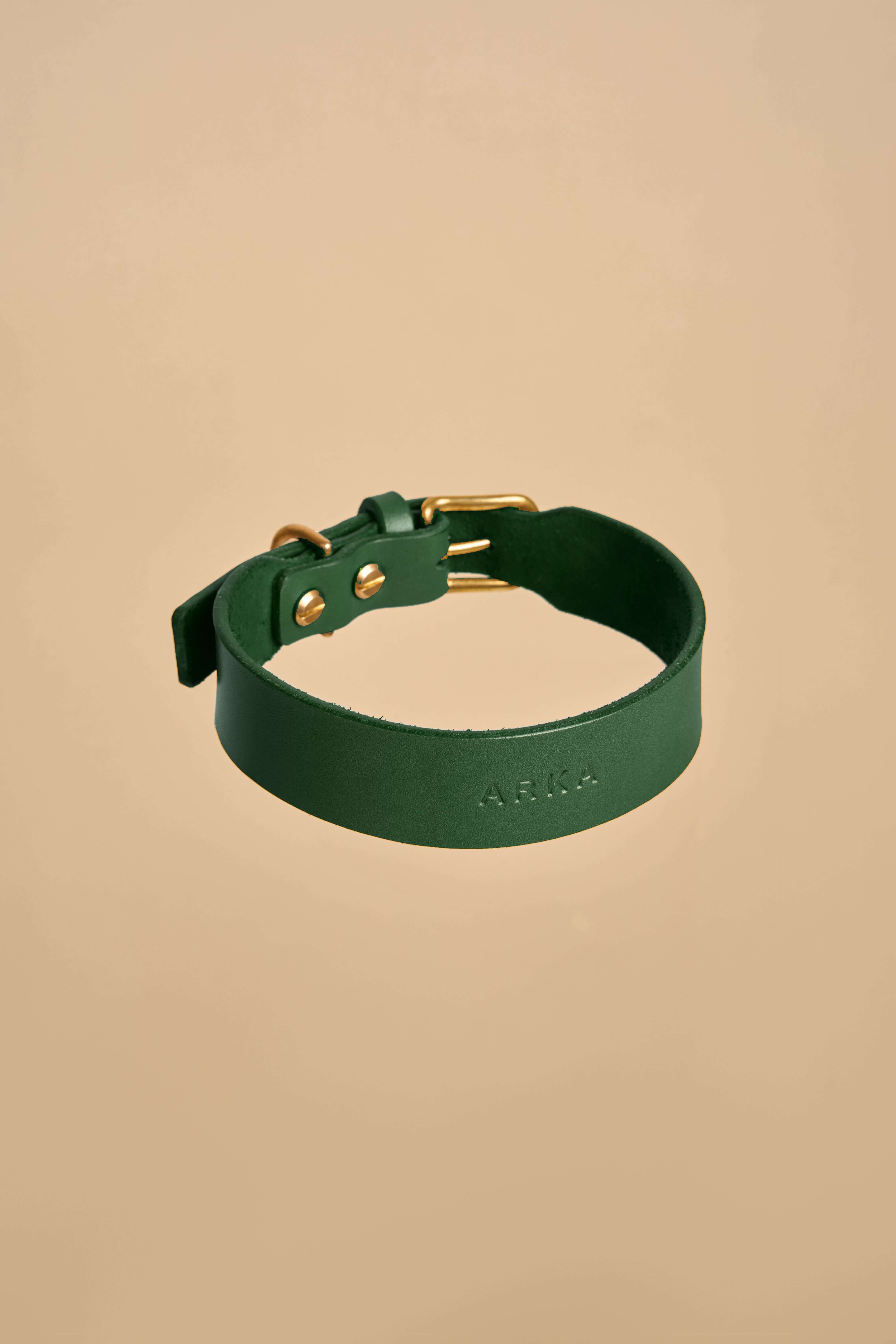
The good news is that Lille Bjorn's leather dog collar is made to excel in both form and function. We craft them from vegetable-tanned leather which means they are hypoallergenic, breathable and will naturally soften over time to better fit your pup's neck. It is about more than just luxury, it is about skin health and maximum comfort.
Many of the mass-market collars on pet store shelves use chrome-tanned leather, a material that can leach the carcinogenic chromium VI if exposed to too much water, heat and sweat. Of course, that is likely to happen for a healthy, active dog. In complete contrast, vegetable-tanned leather is made using natural tannins like tree bark, which makes it safer both for your pup and for the planet.
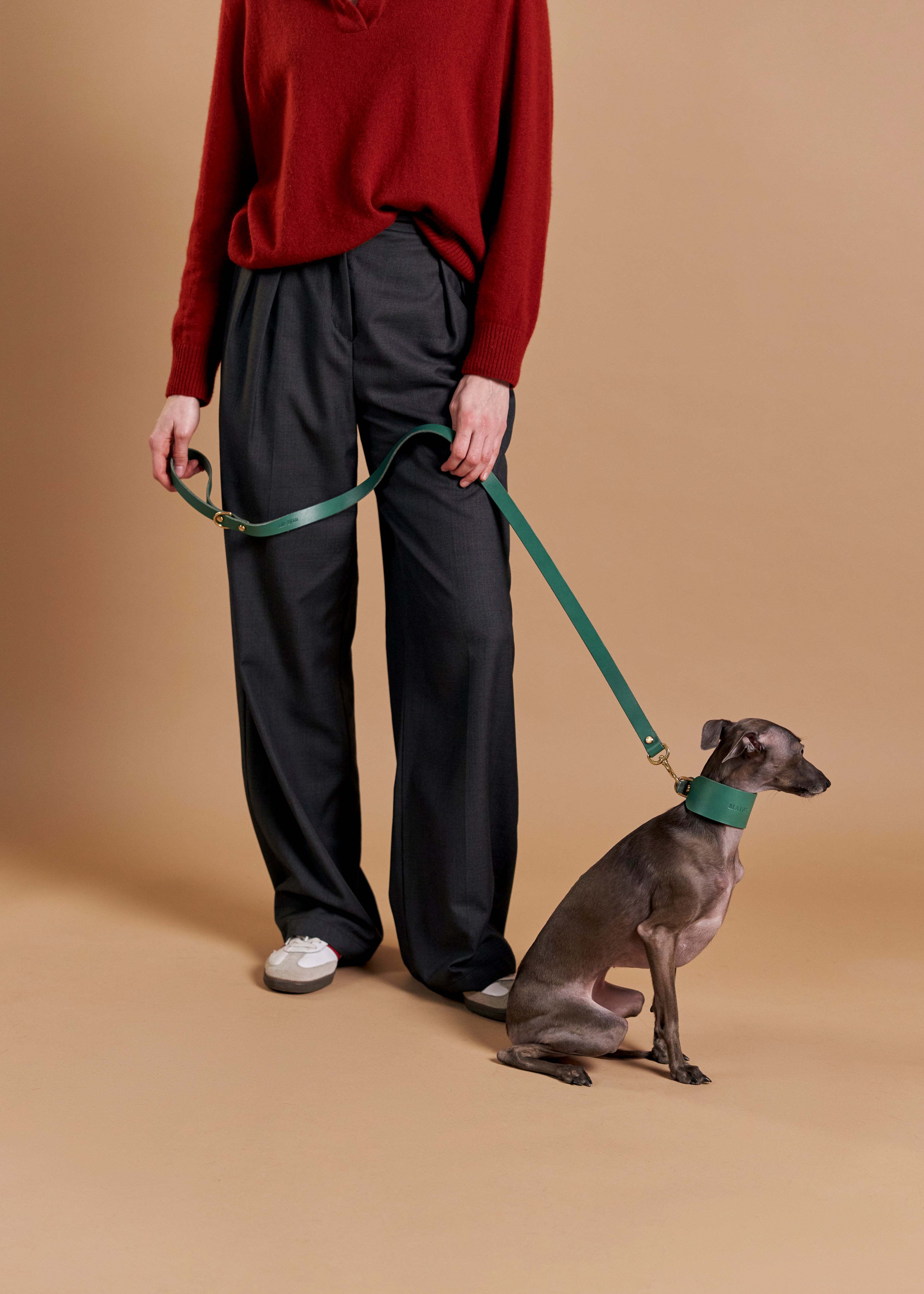
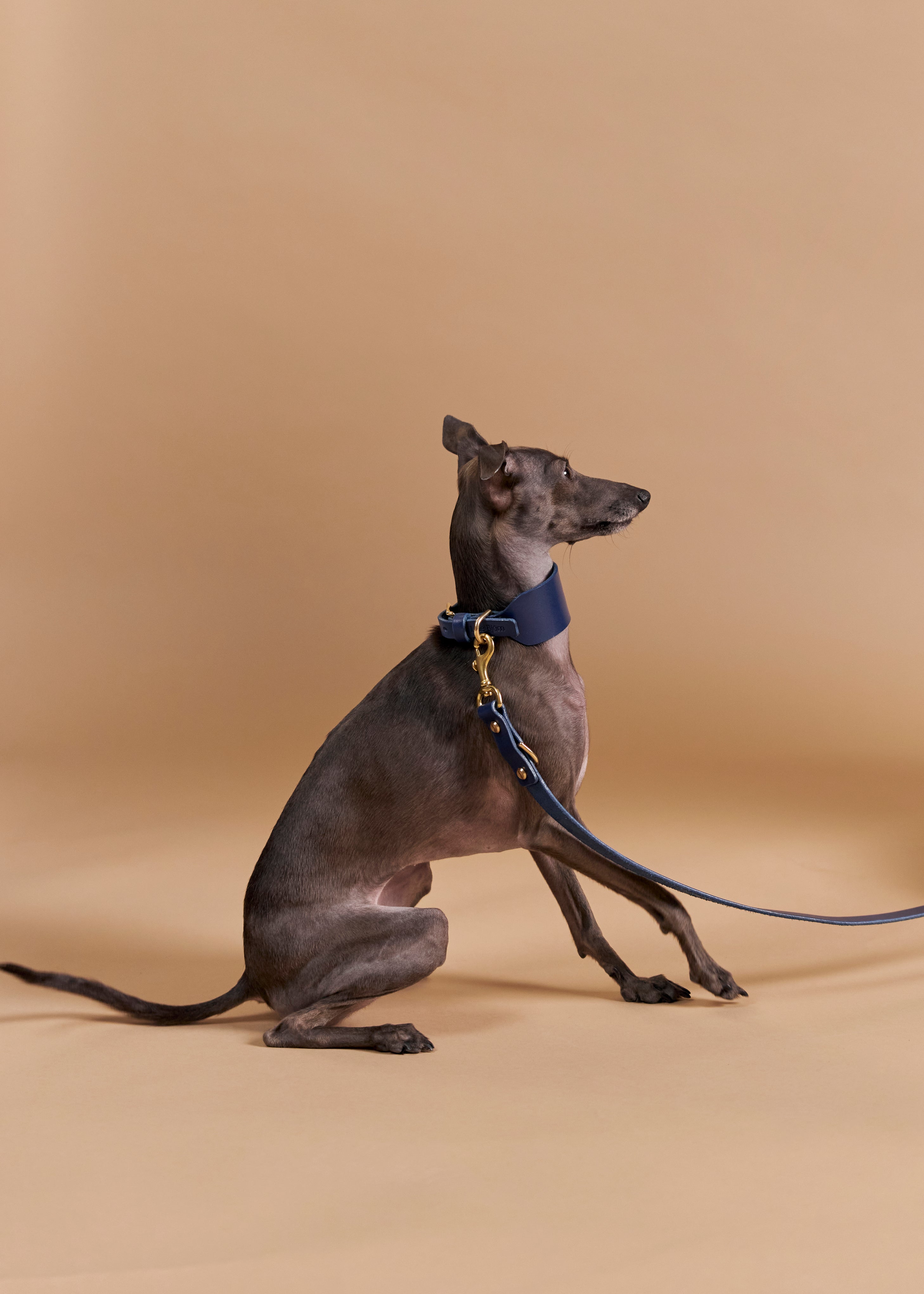
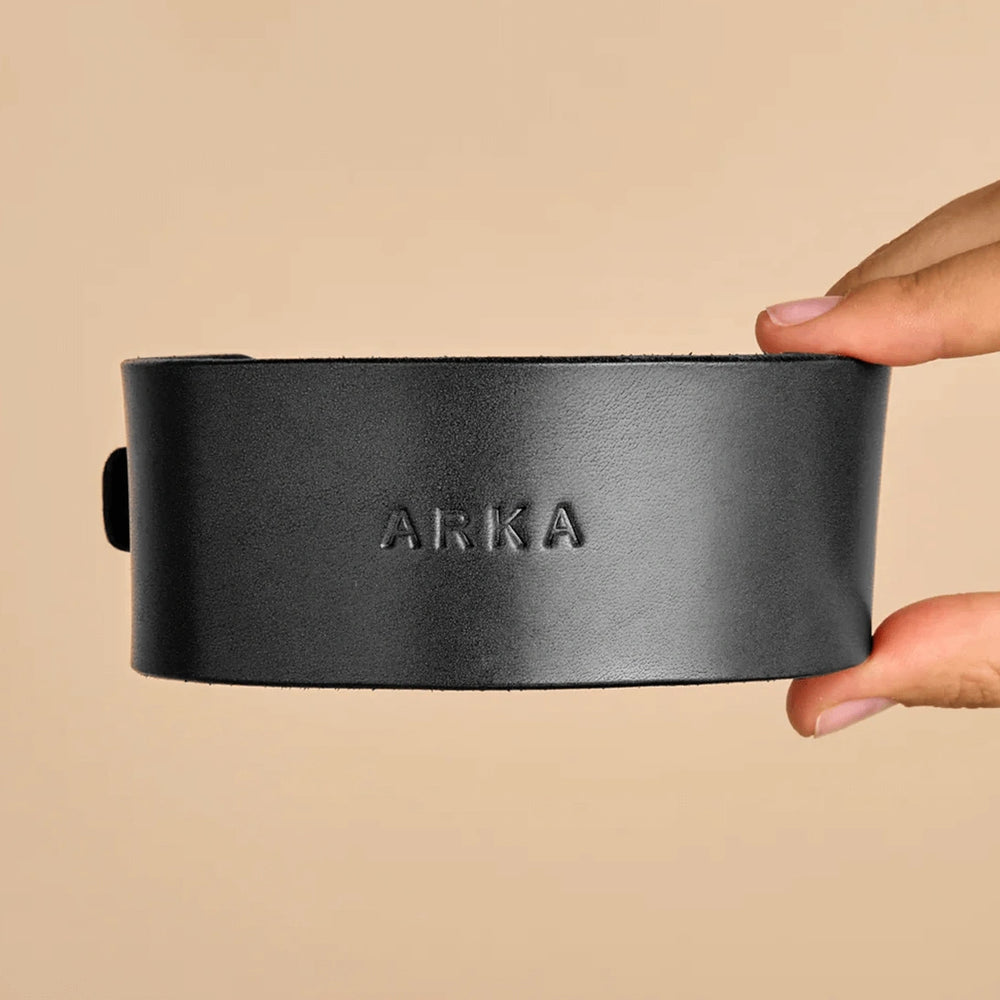
Something like our Classic Leather Collar (3cm wide) is an ideal starting point, as it follows an adjustable design that allows for a snug and secure fit as your dog grows. It is designed to move with your dog, not against them.

Harnesses for Healthier Walks and Greater Control
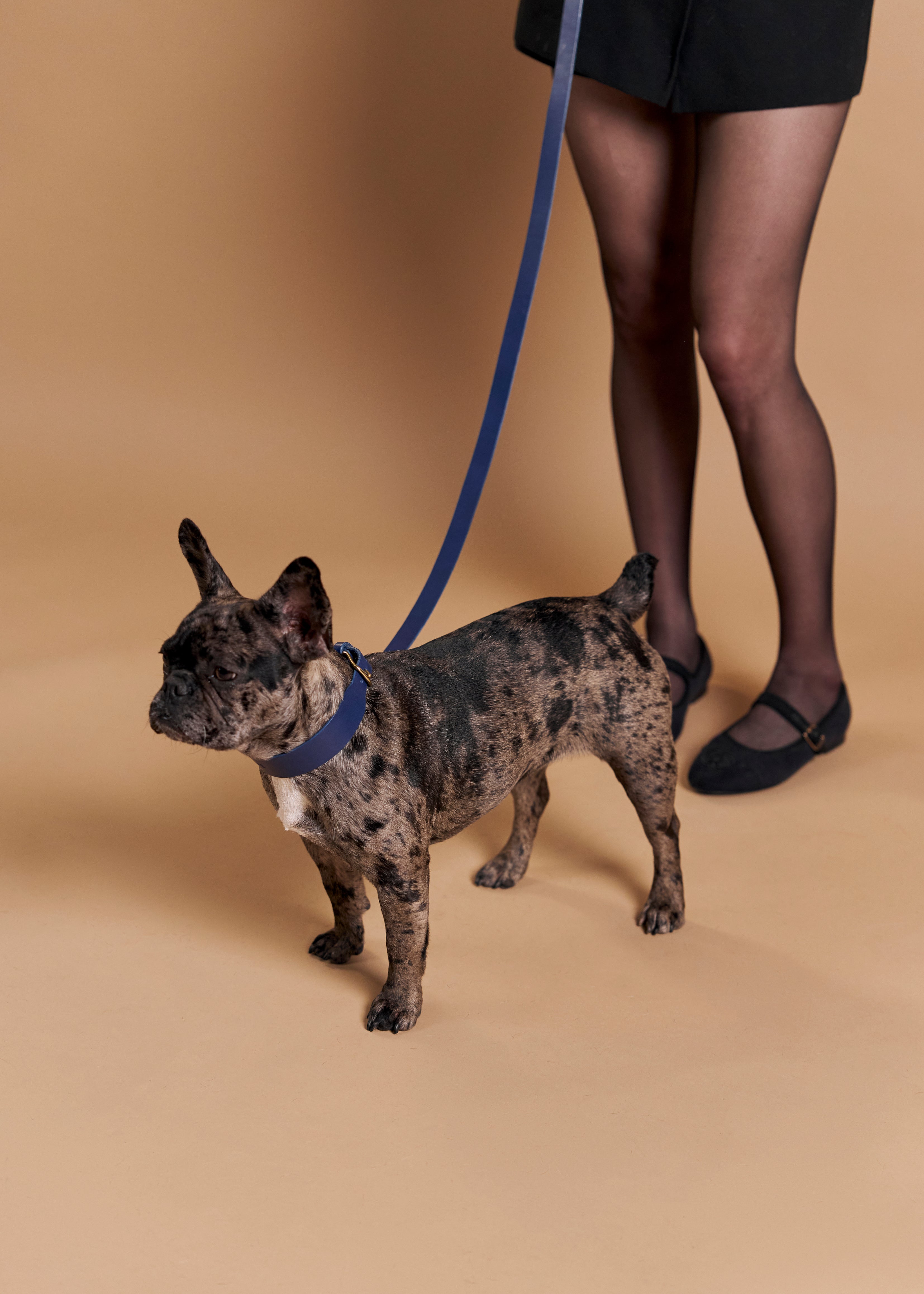
Some dogs prefer to walk in a harness rather than a collar, and for certain breeds it can be a safer and healthier choice. Harnesses are great at reducing pressure on the neck, which is incredibly important for smaller breeds, avid pullers and brachycephalic breeds like Pugs and French Bulldogs.
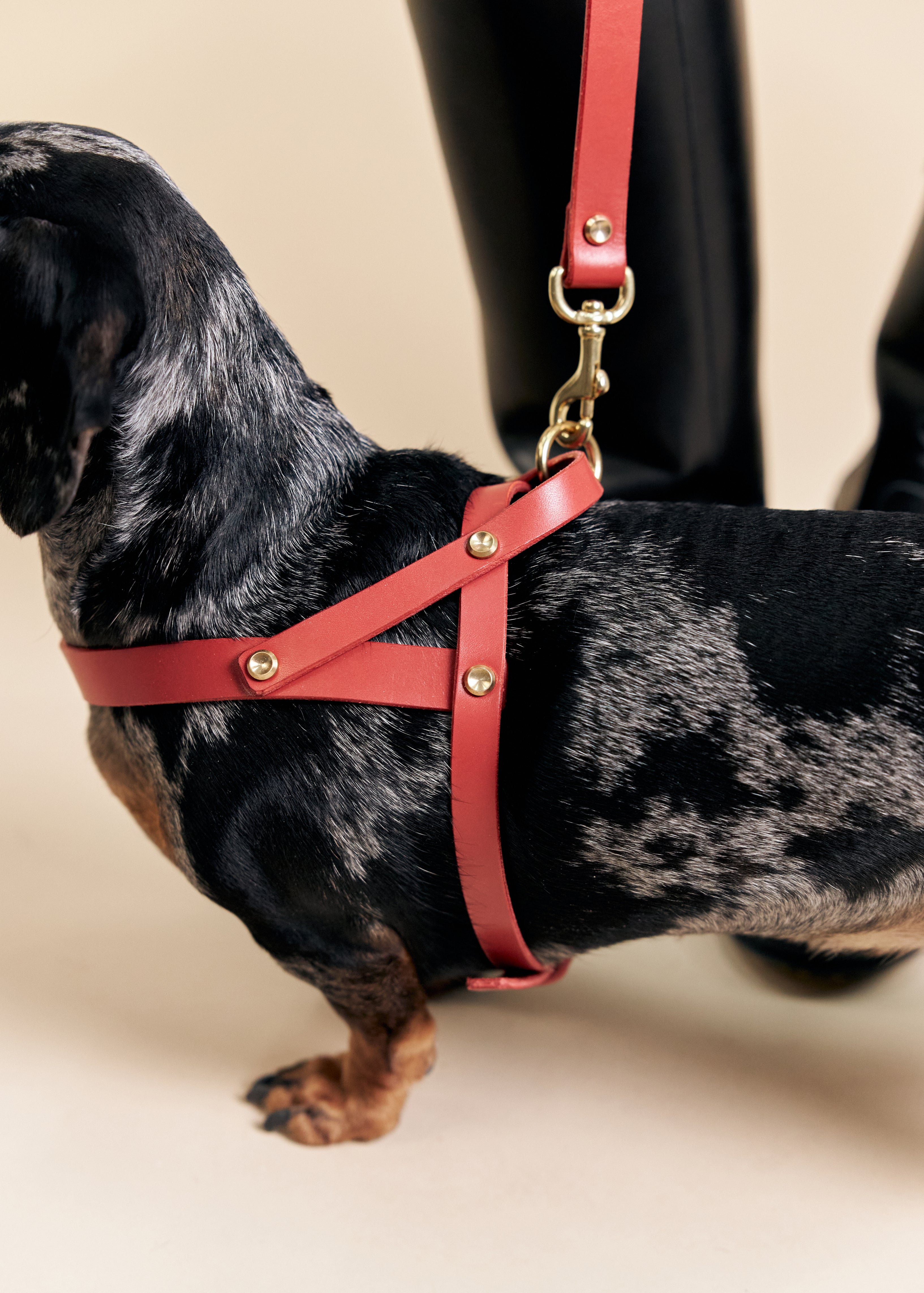
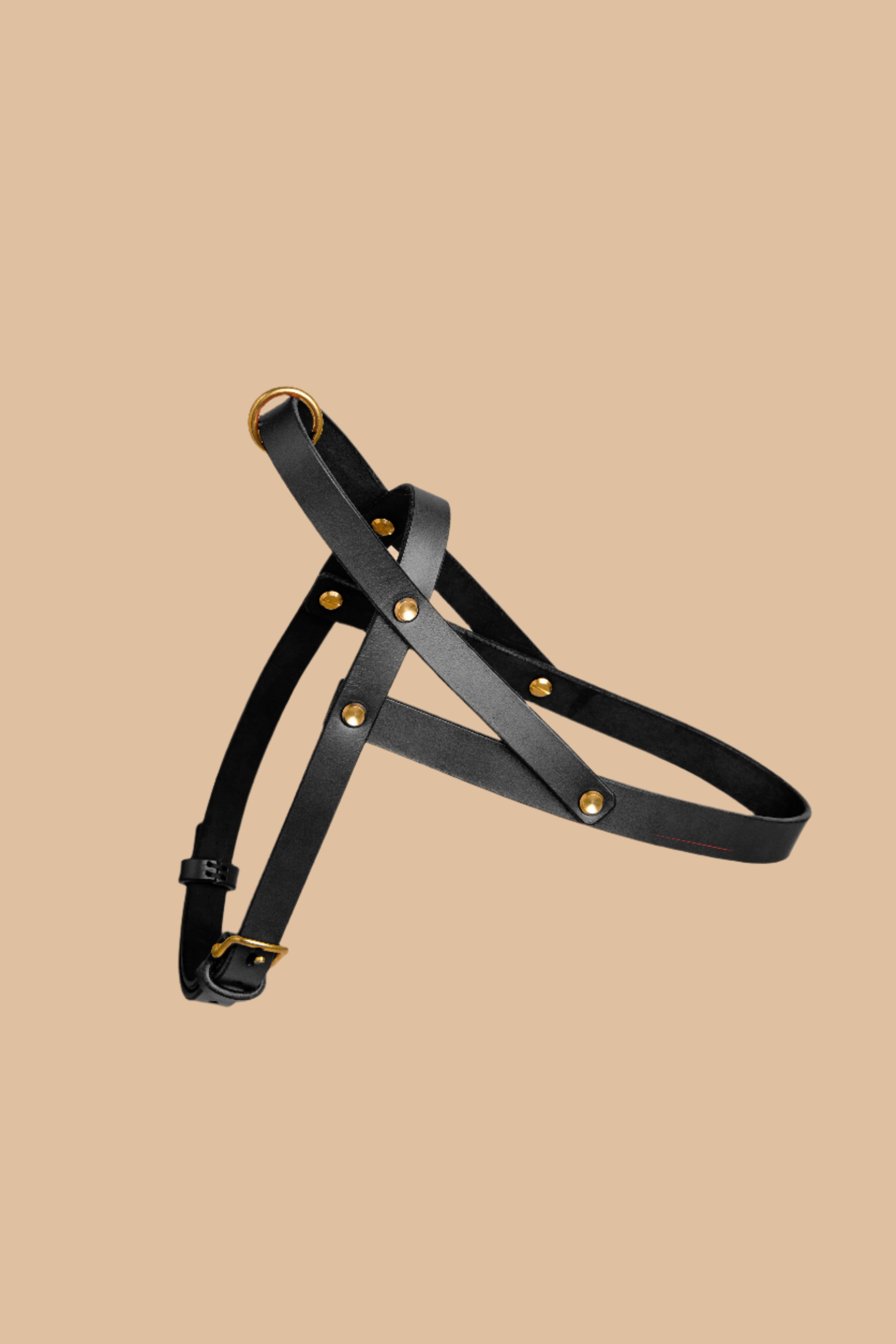
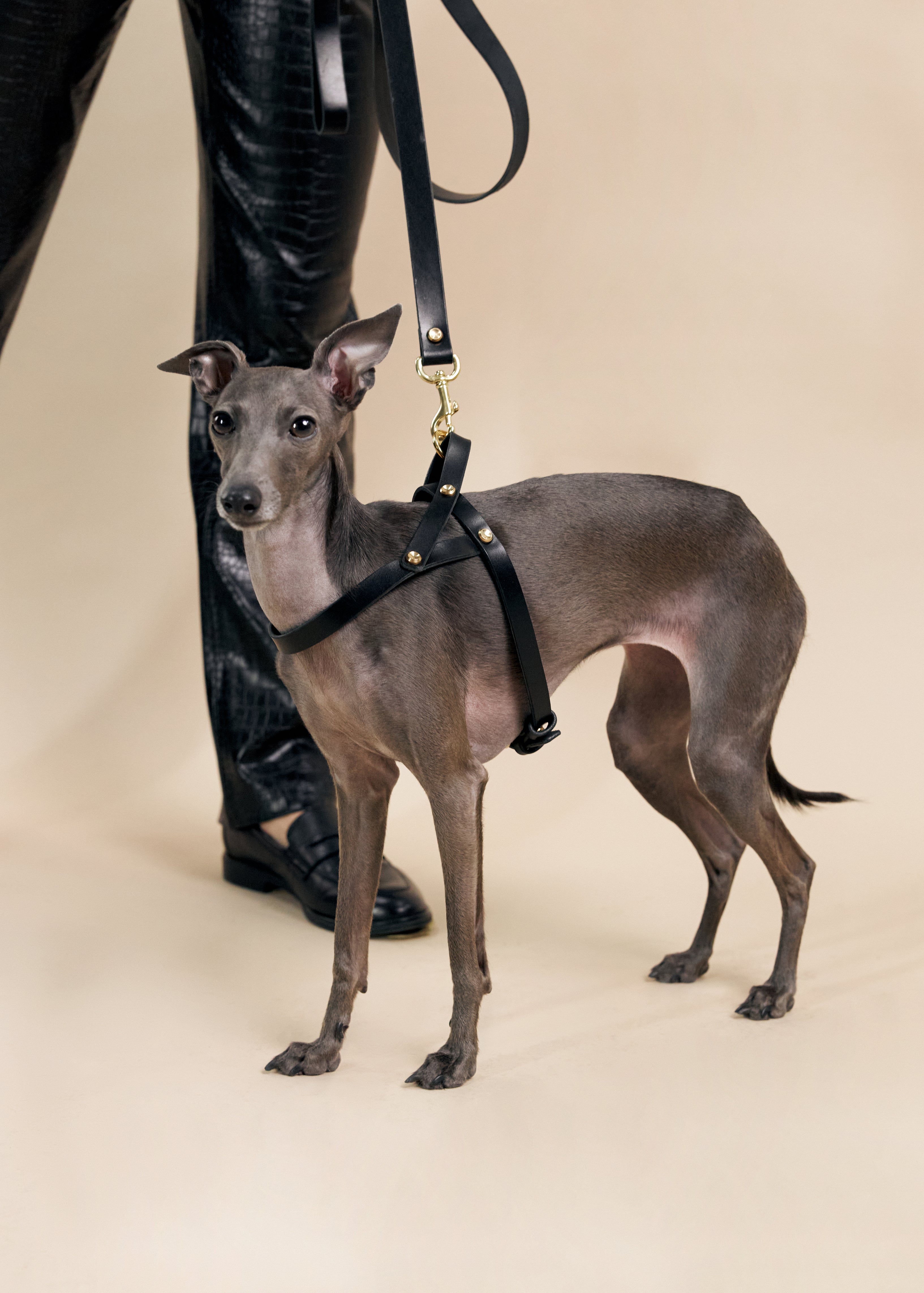
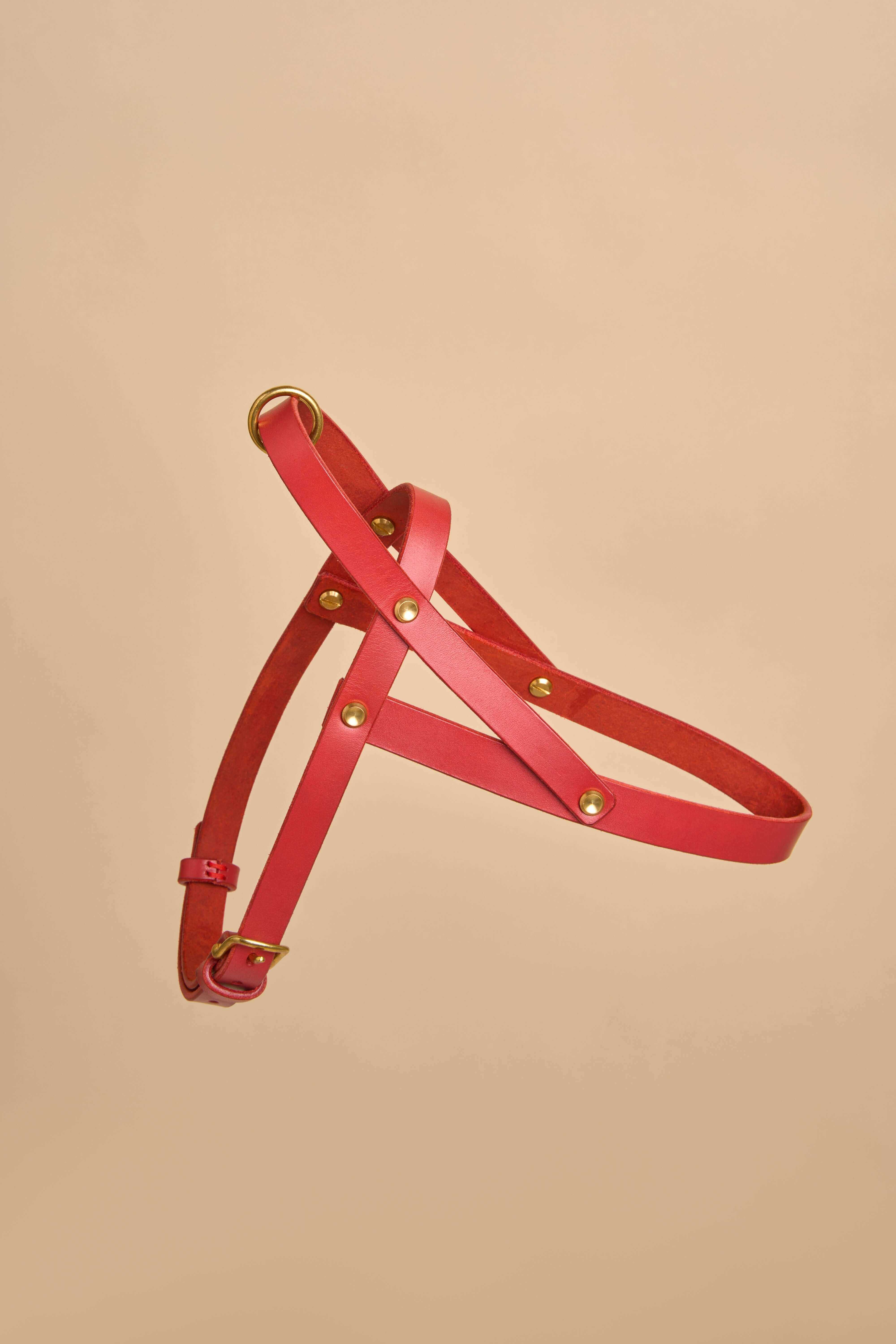
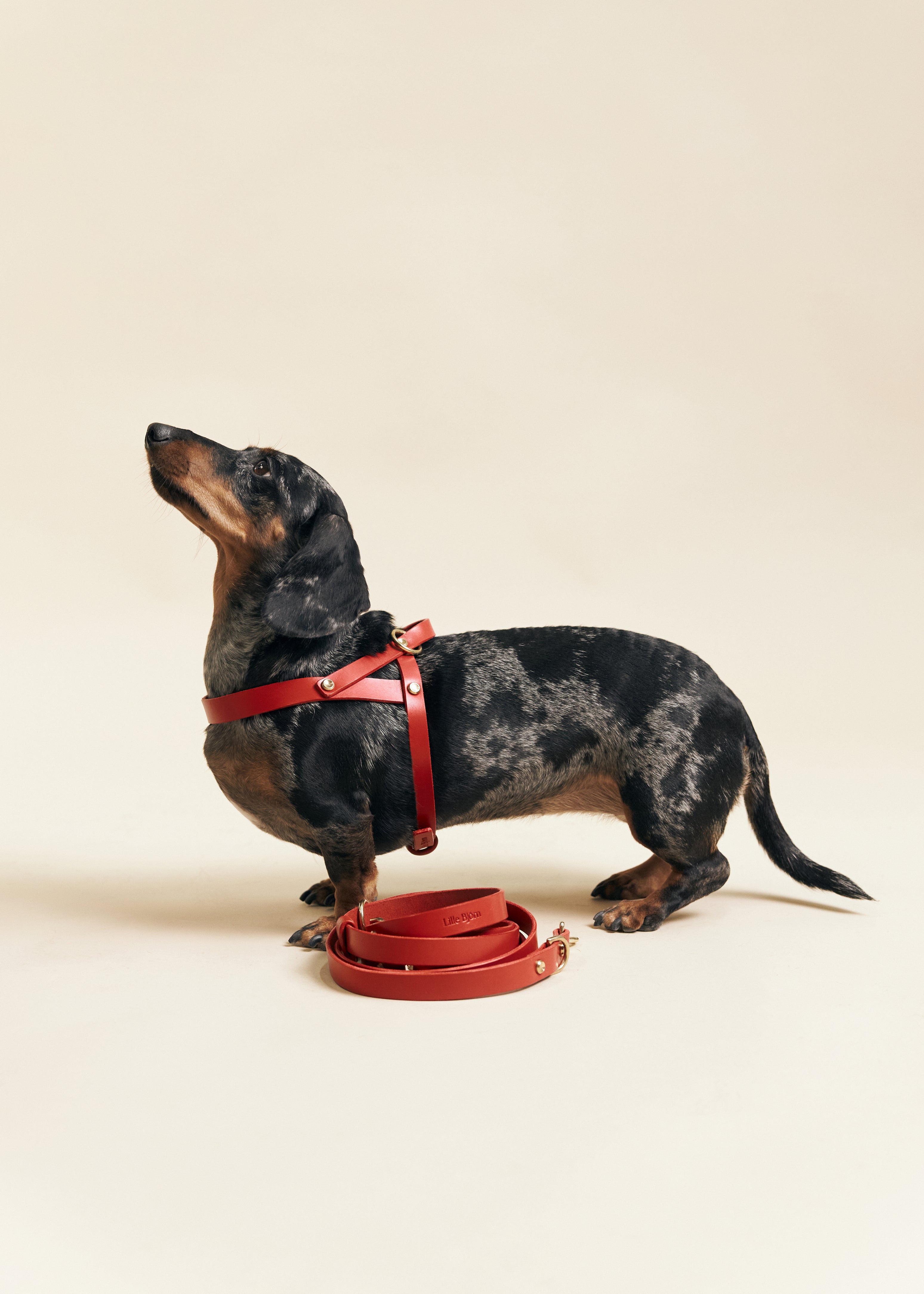
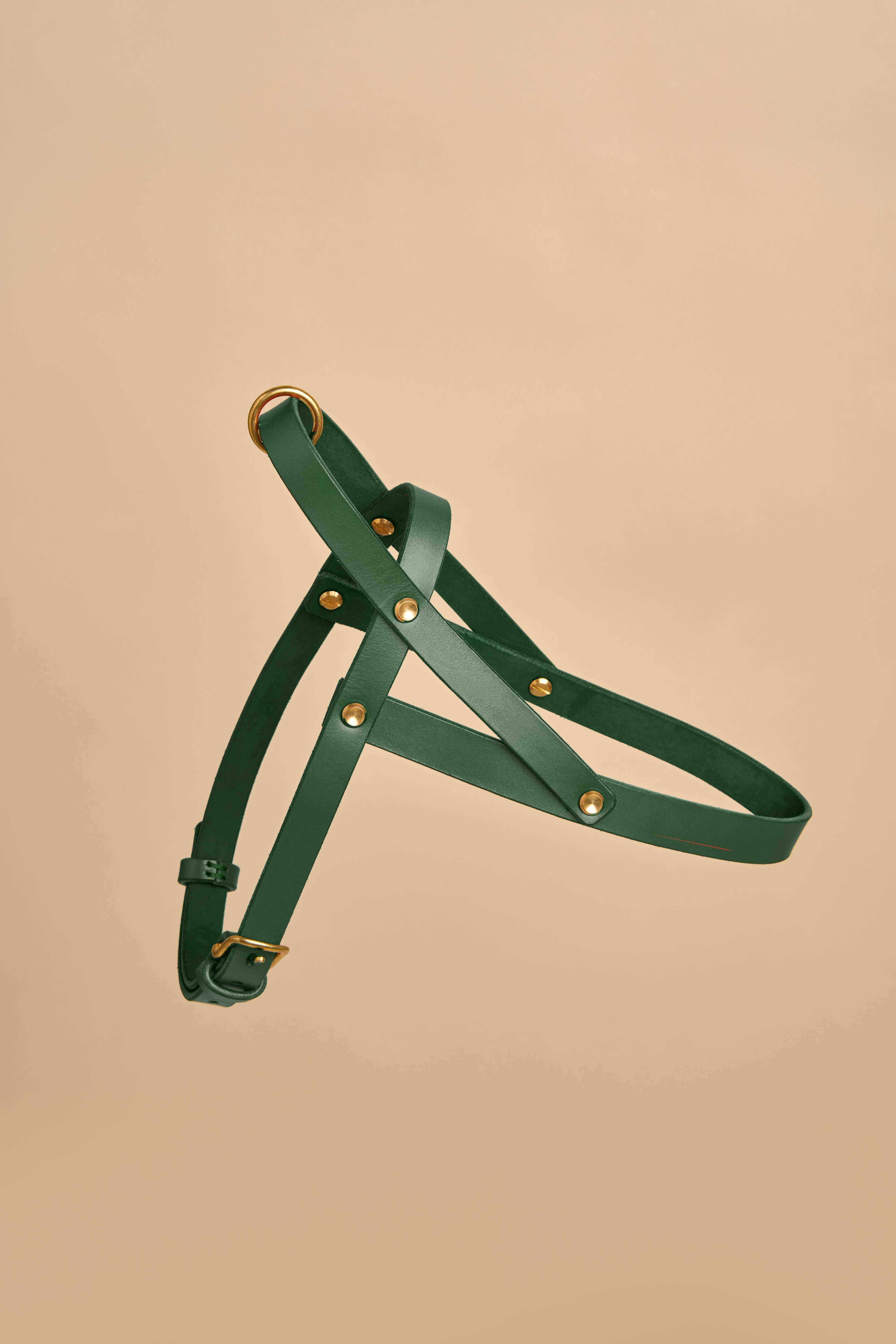
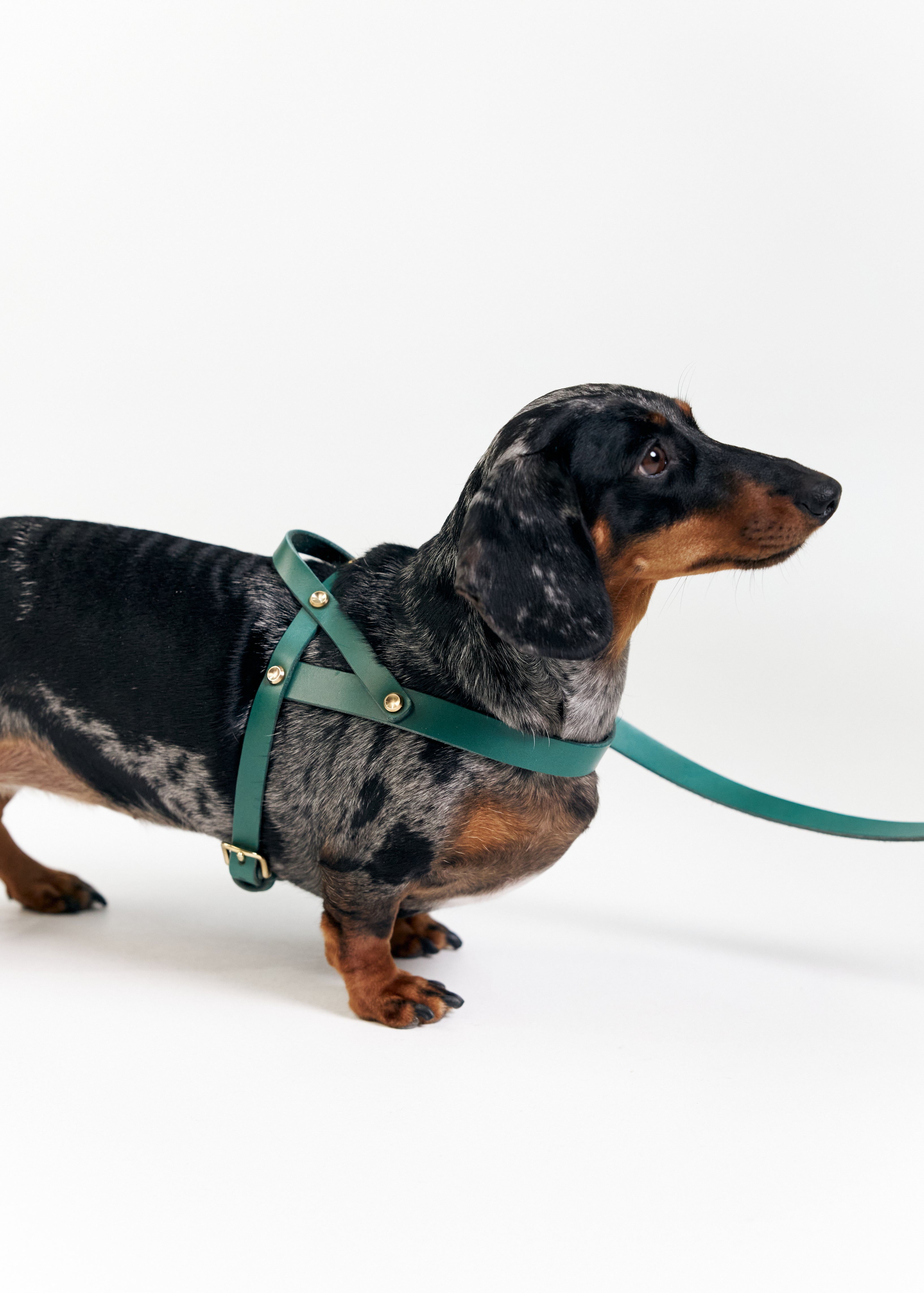
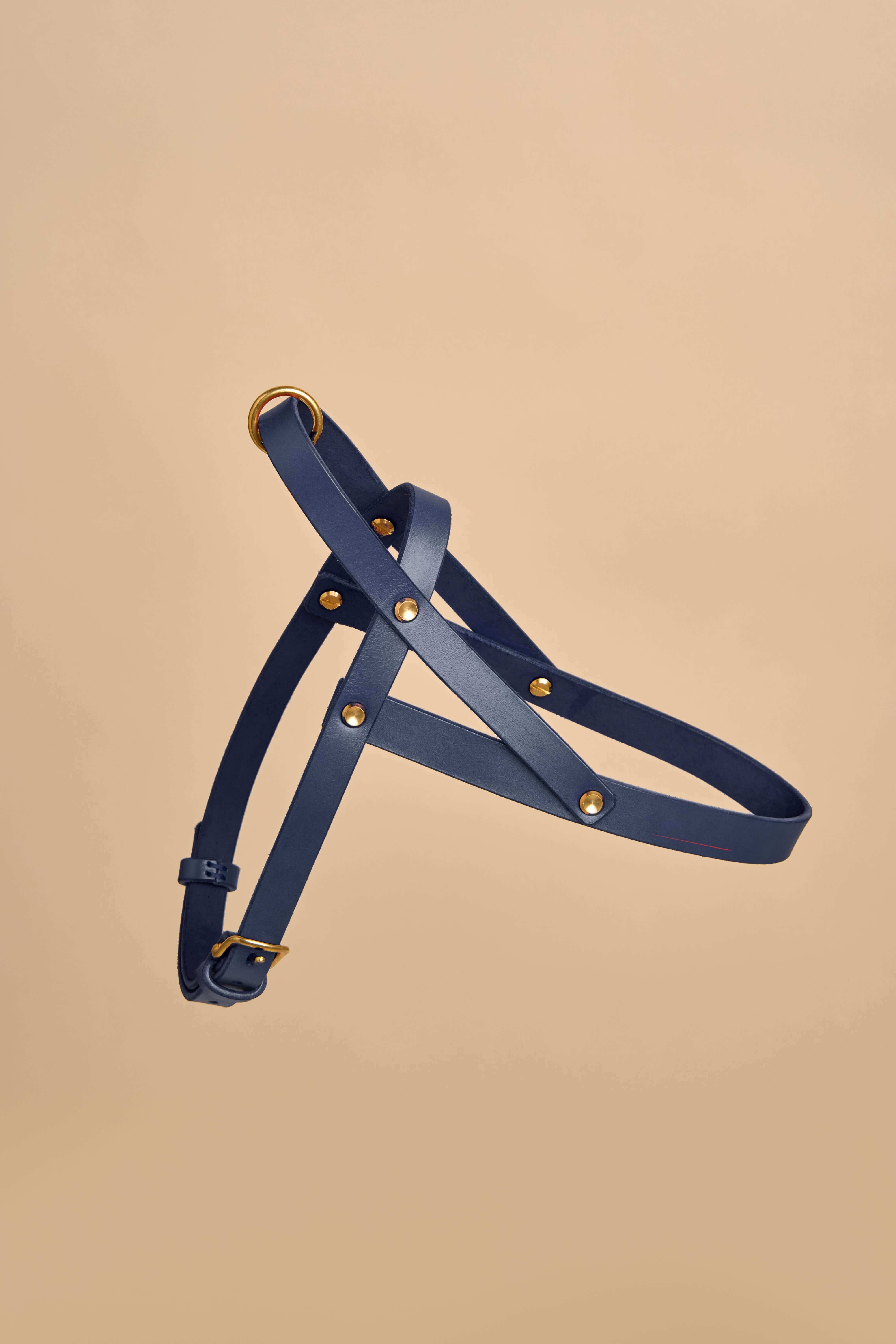
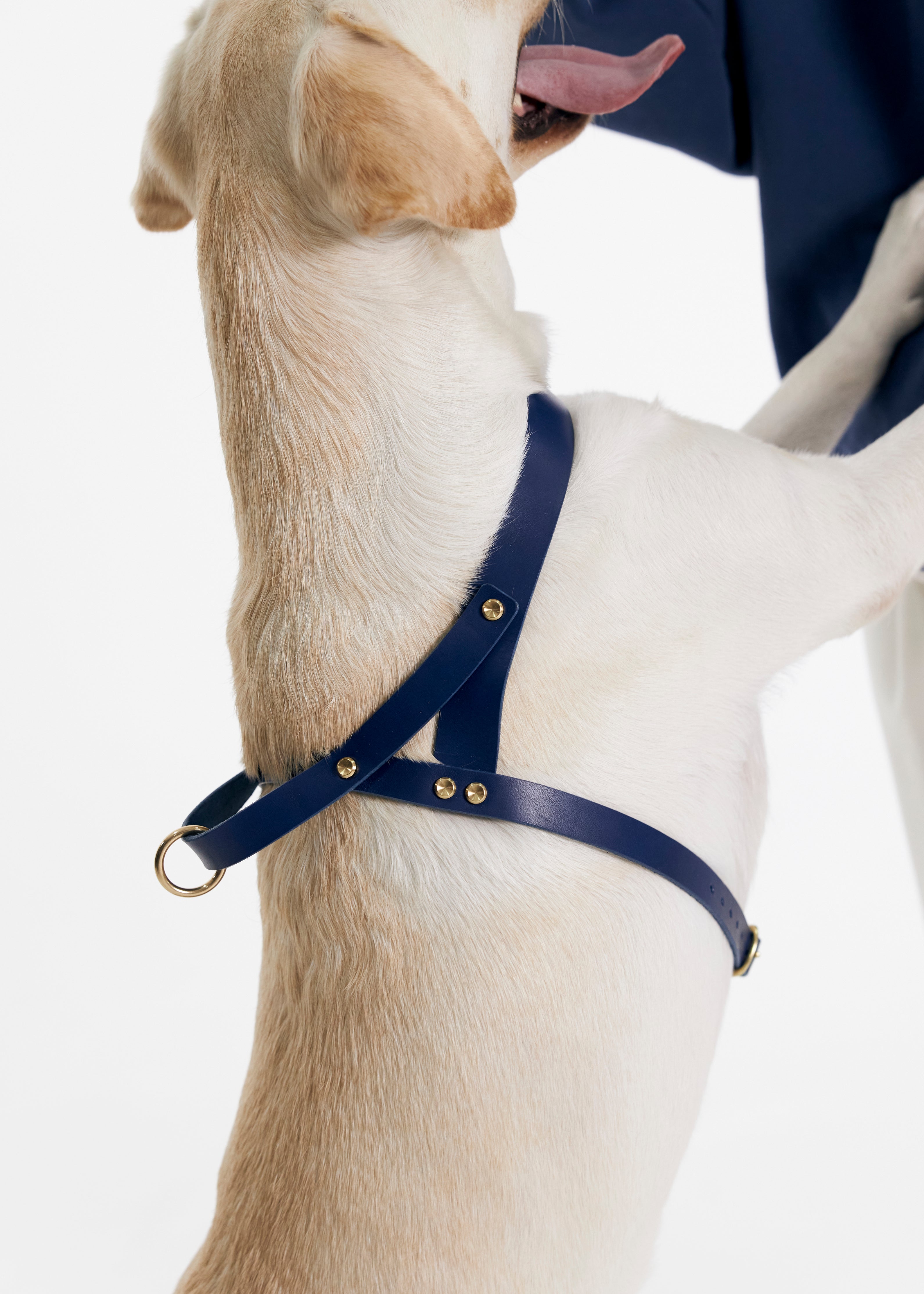
The best harnesses will provide gentle control without causing discomfort, and The Lille Bjorn Vero Harness is a shining example. It is designed with anatomical fit in mind, giving your dog full chest and shoulder movement while minimizing the risk of pulling injuries. The convenient back-clip style is perfect for both training sessions and daily strolls.
The harness is made from the same wonderful vegetable-tanned leather as the collar, and finished with solid brass fittings that are elegant and durable. The perfect accessory for a dog owner who wants both performance and style.
On the question of harness clip position: a back-clip harness, where the leash attaches between the shoulder blades, is the correct choice for dogs that already walk calmly. It allows natural movement and is comfortable for daily use. A front-clip harness, where the leash attaches at the chest panel, is more effective for dogs that pull consistently, as the attachment point redirects the dog back toward the handler when tension is applied. For most everyday companion dogs, a back-clip design paired with a well-fitted collar for ID gives the best combination of comfort and control. For complete sizing and fit guidance across all seven Vero harness sizes, see our full leather dog harness guide

Balance, Comfort and Convenience on the Go
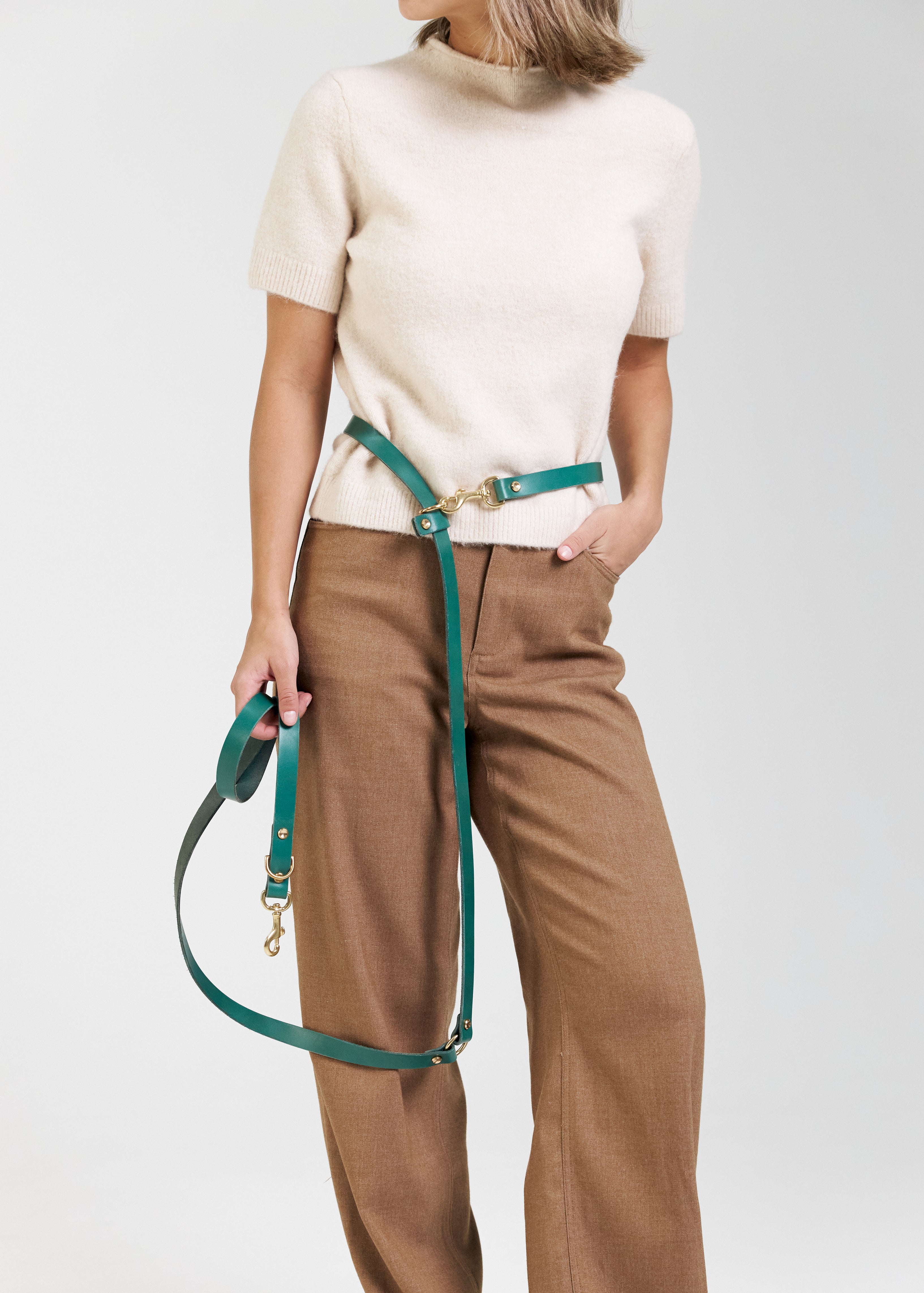
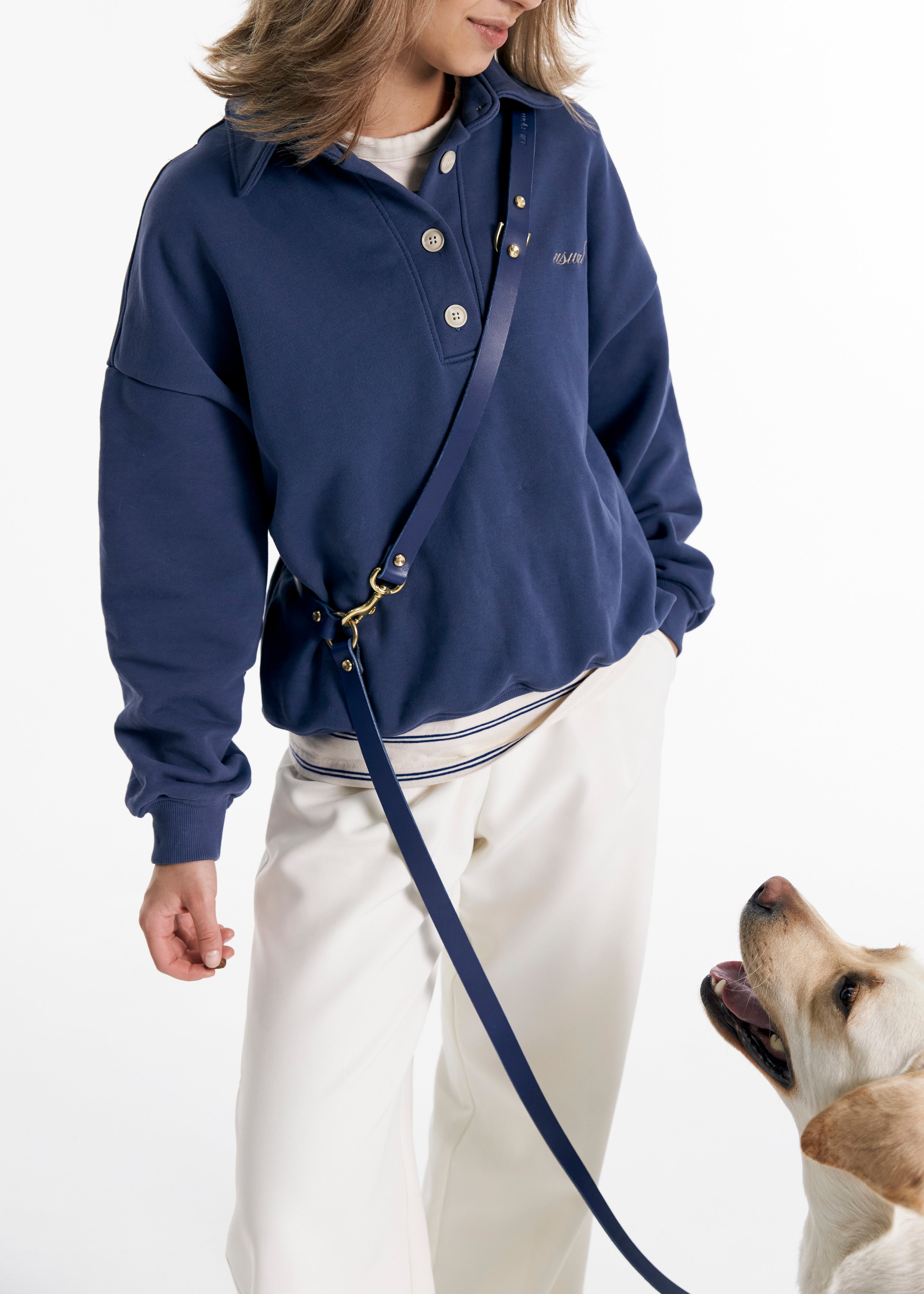
Are you the kind of dog walker who tends to juggle a coffee, phone and leash all at once? If that sounds familiar, then a hands-free leash is an absolute game changer.
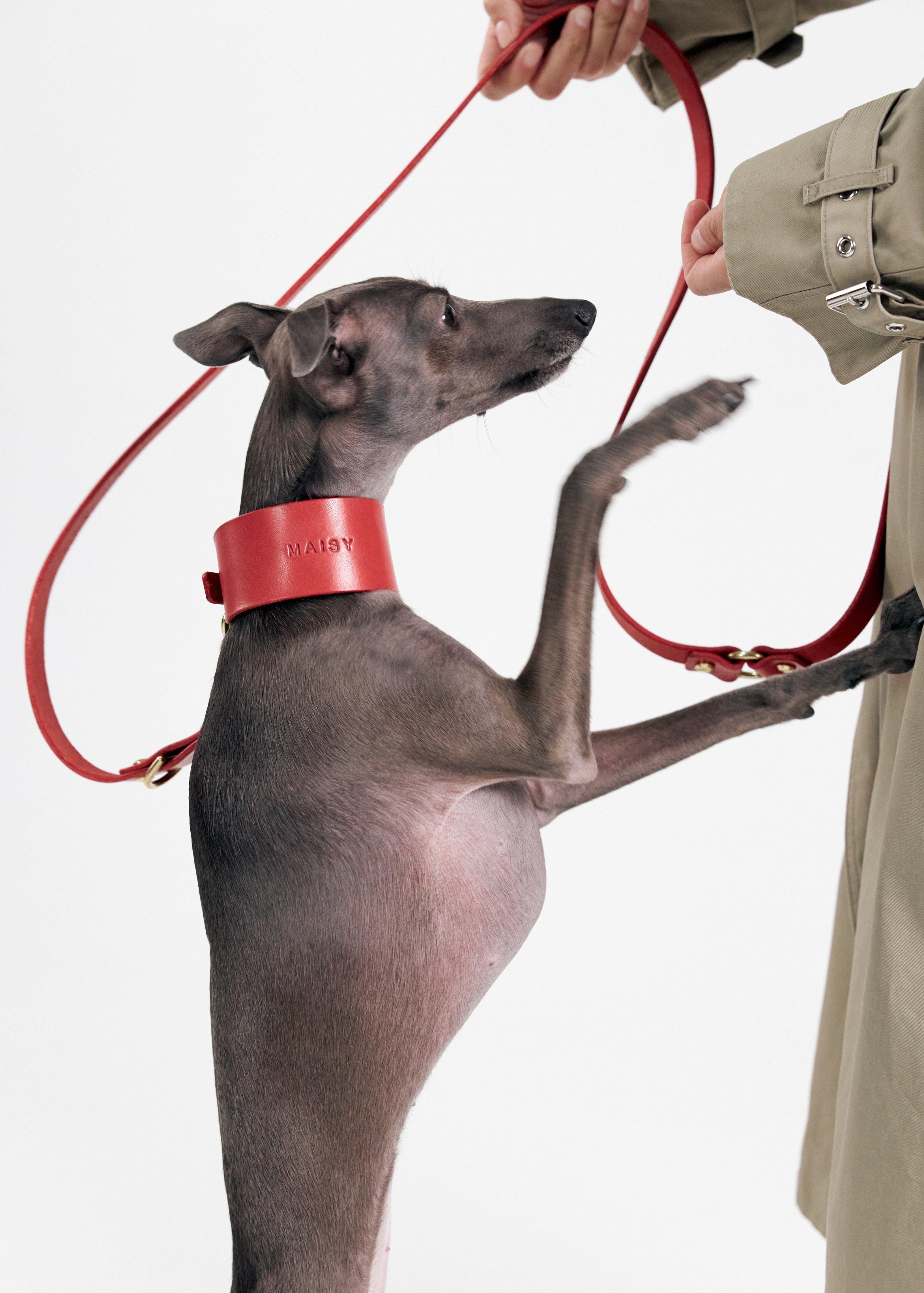
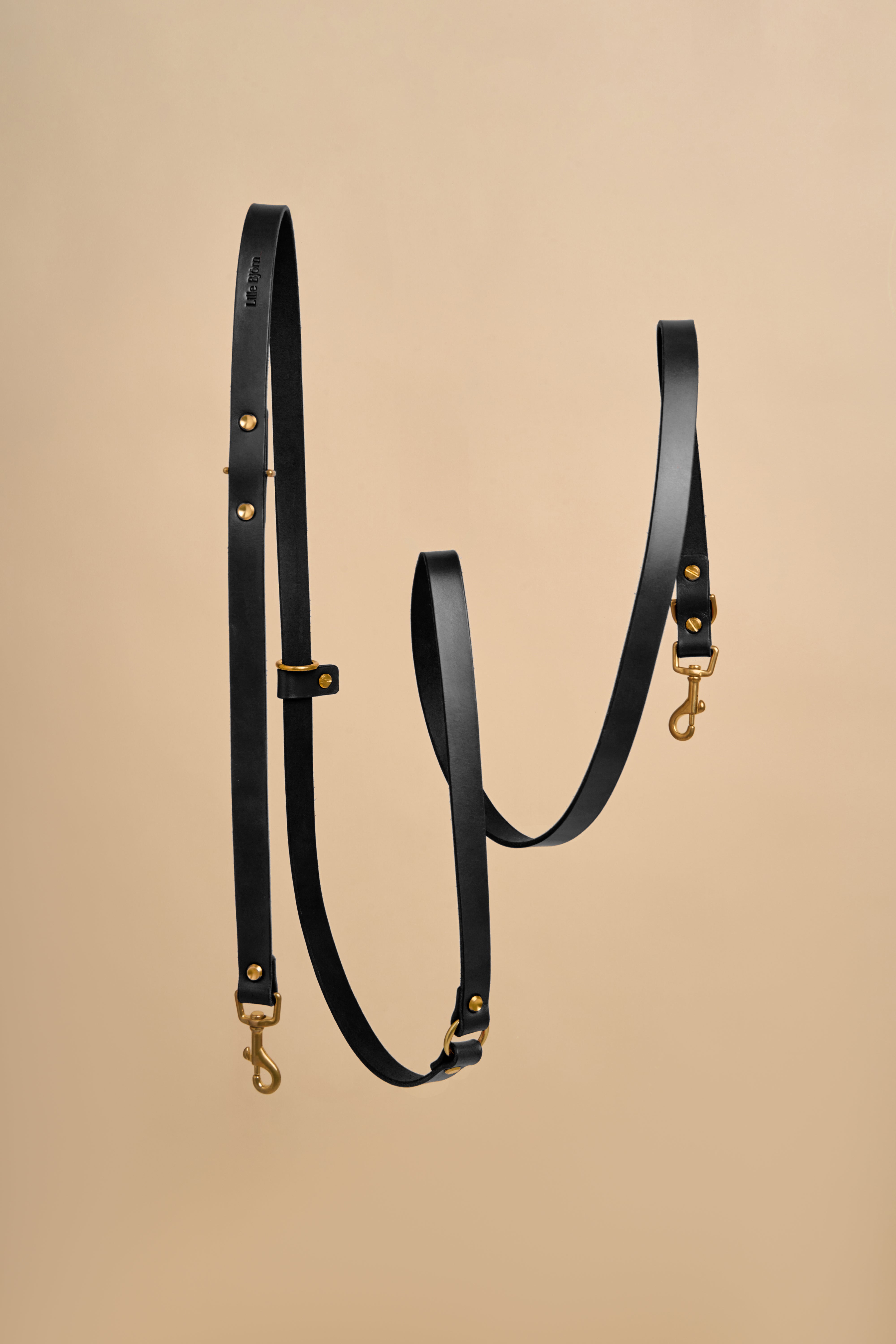
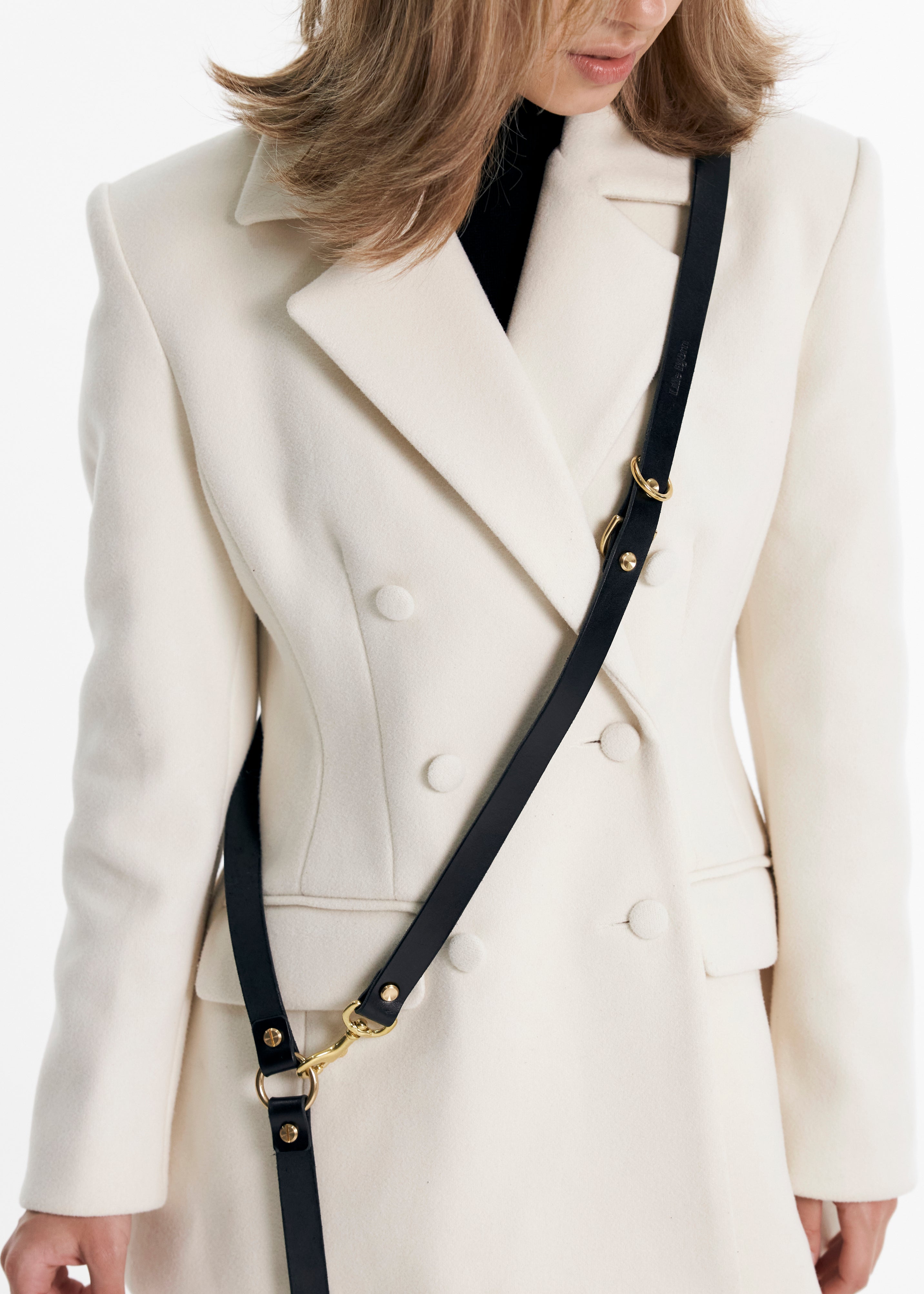
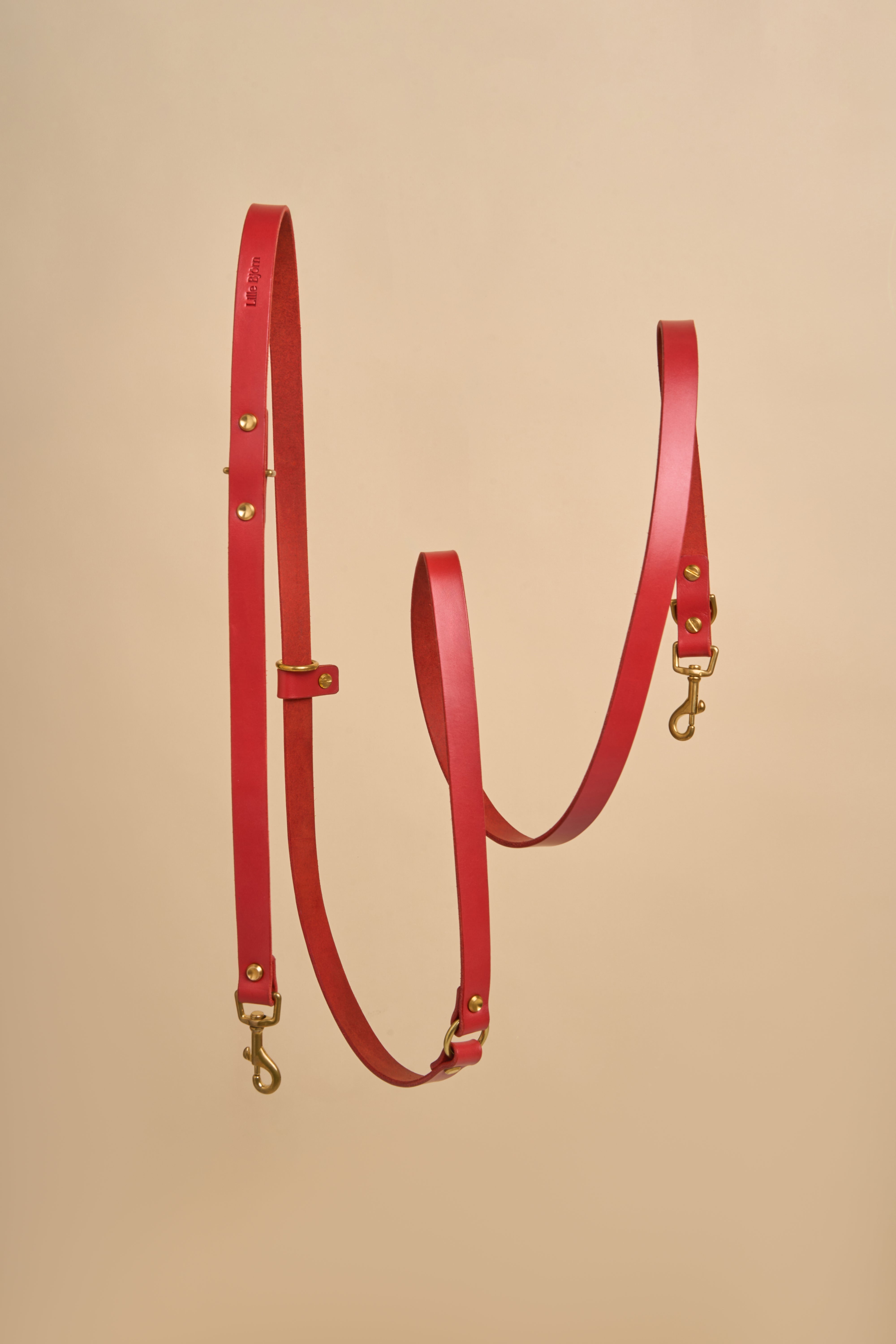
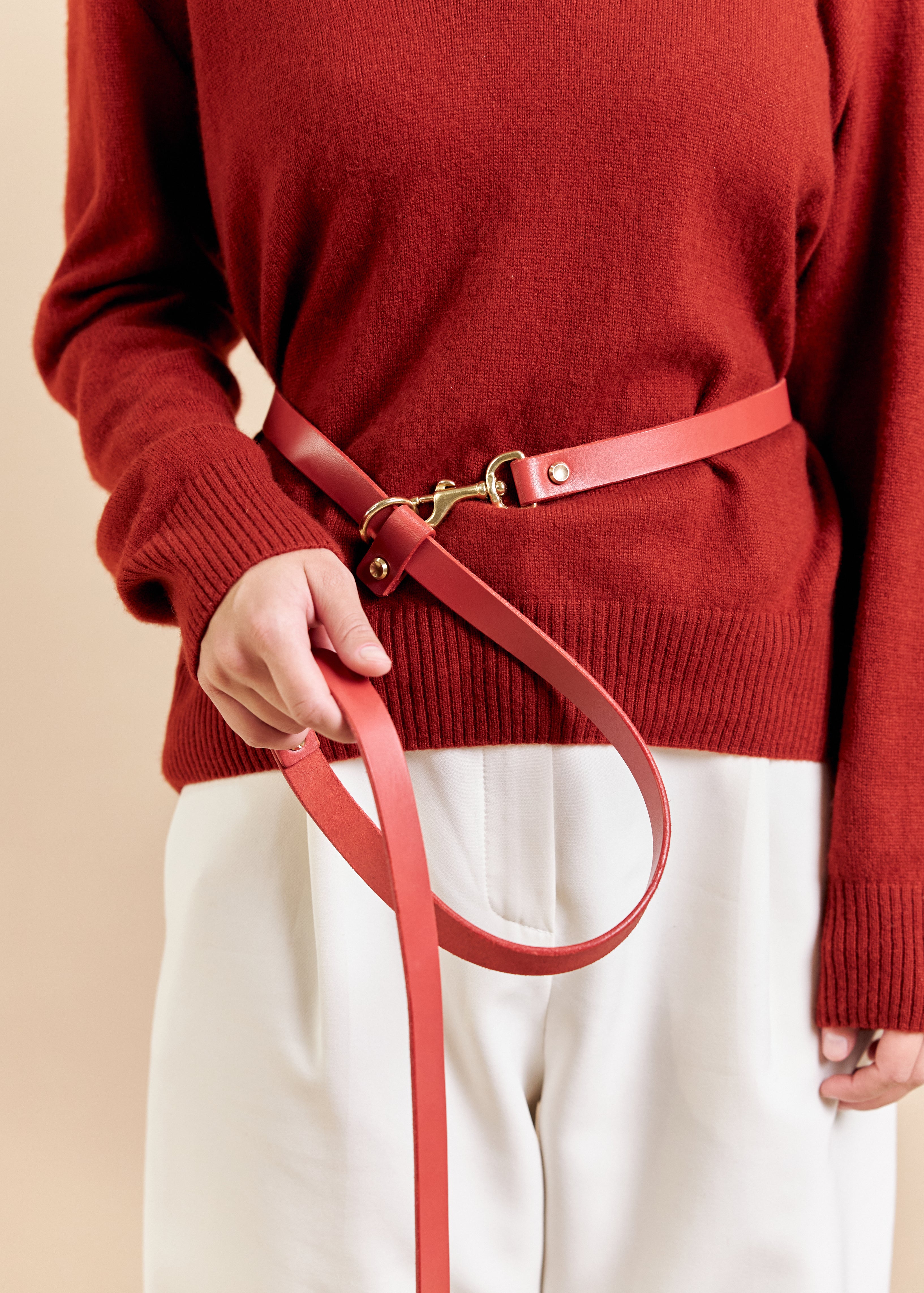
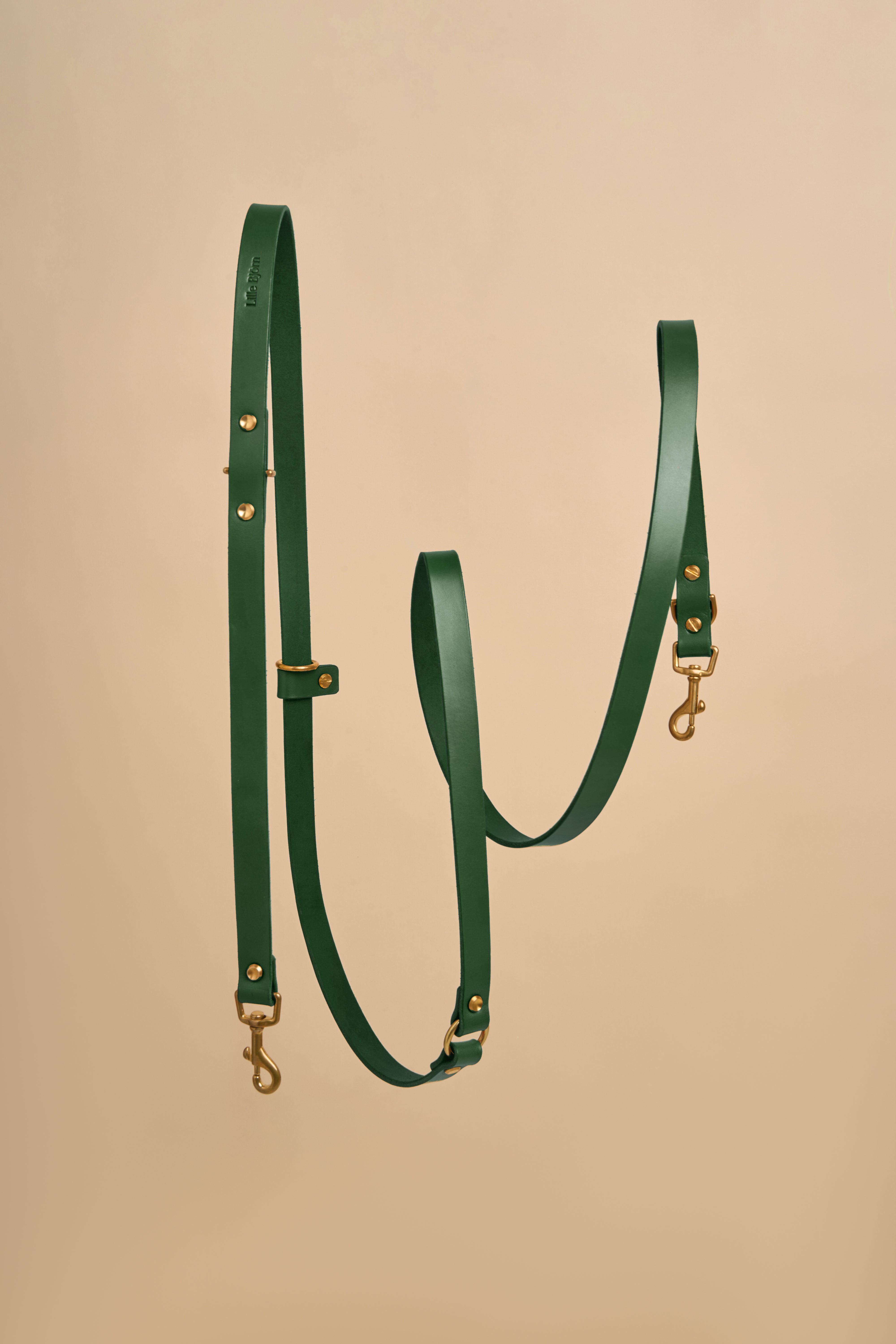
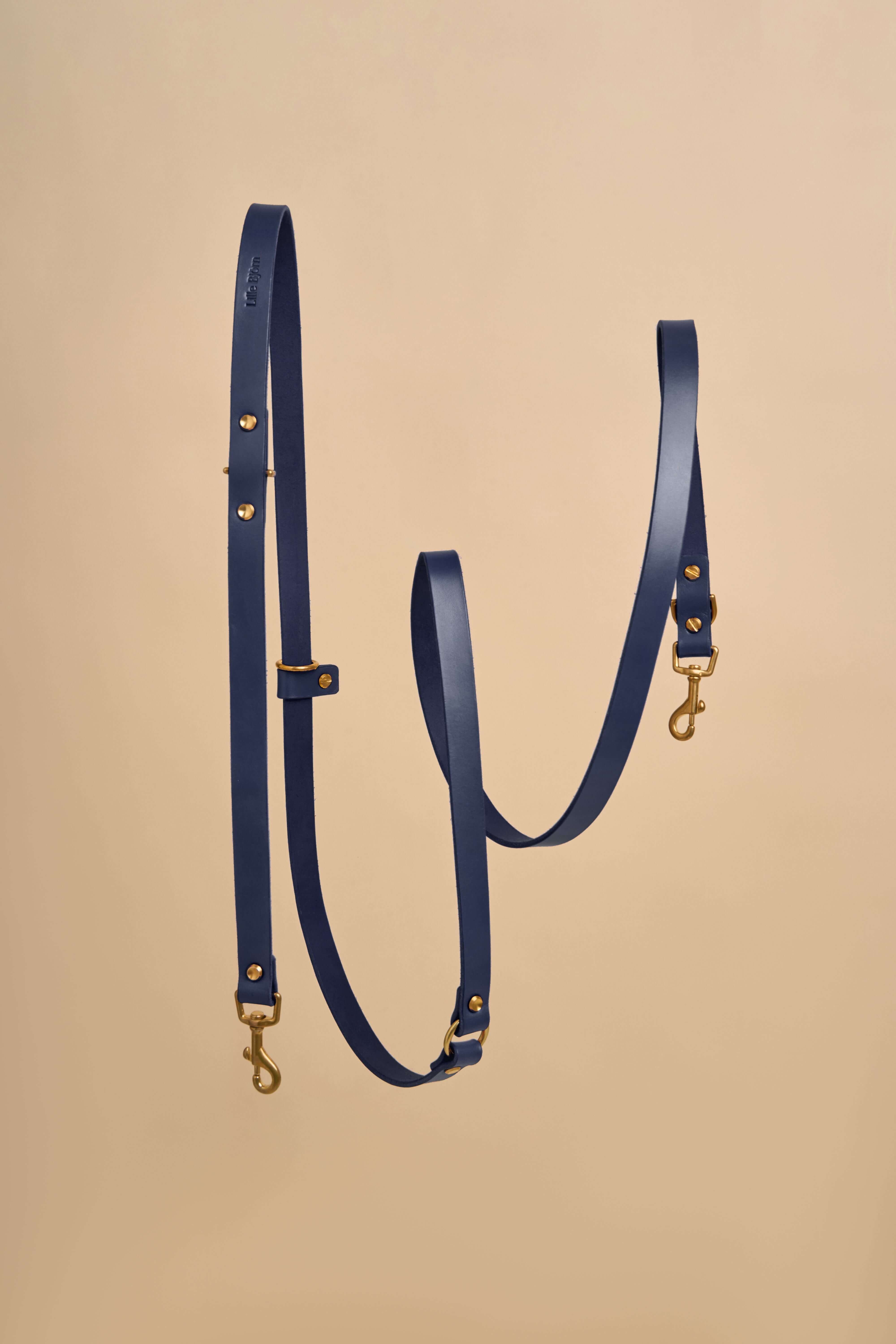
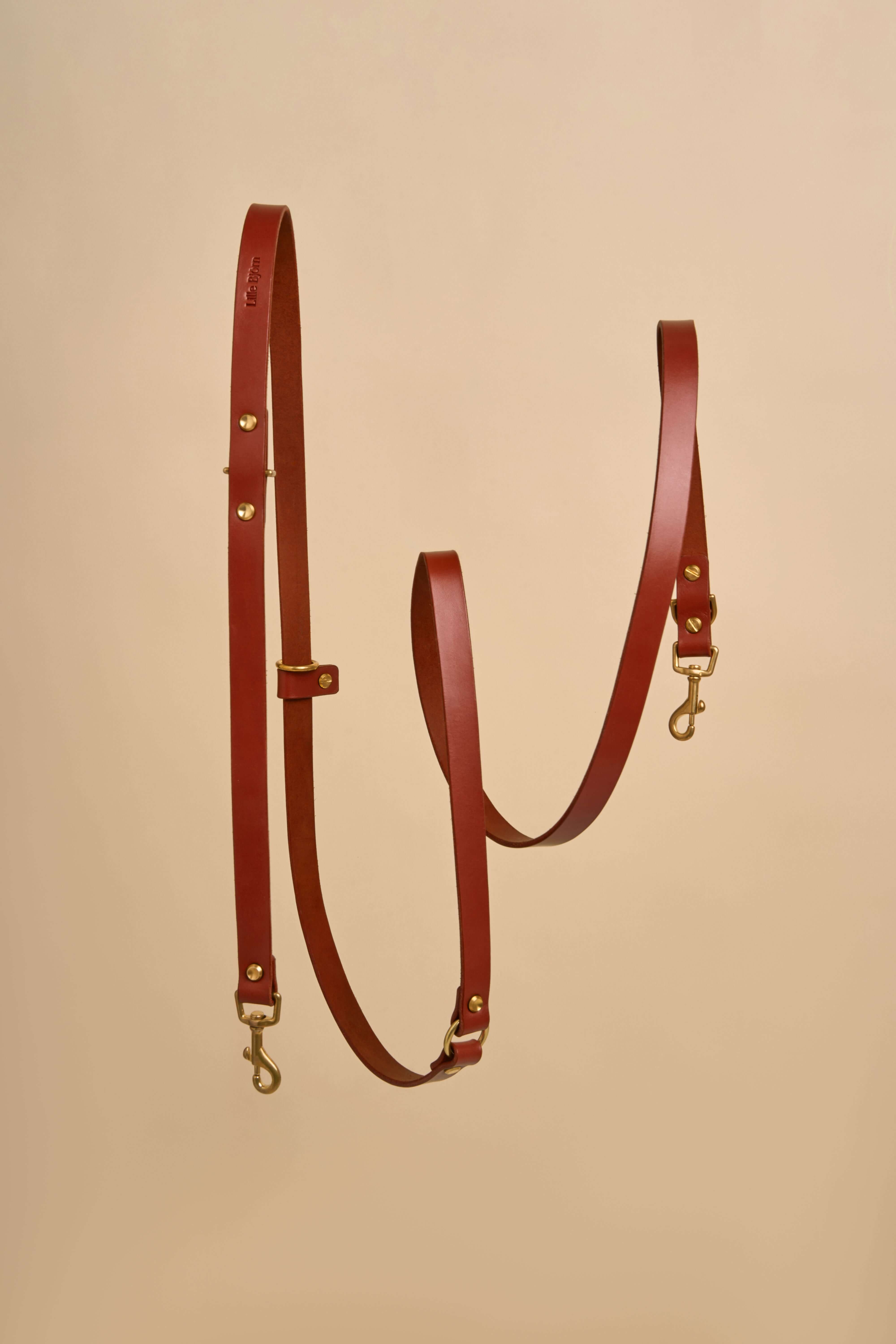
The Omni Hands-Free Leash is ideal for this situation. It can be adjusted for multiple positions, both waist and cross-body, meaning you can walk, jog, shop and train without having to worry about constantly changing your grip. It is perfect for reactive pups and multitasking owners.
Again, the leash is made with vegetable-tanned leather and solid brass hardware, giving both elegance and durability. No plastic buckles or nylon fray in sight, just smooth control from the start. We think that all walks should feel like freedom for both parties, not a constant tug of war.

A Safe Dog Is a Trained Dog
Great gear is one of the cornerstones of a safe, trained dog. Of course, even with all the best quality accessories in the world, you will not be able to achieve anything without good communication, trust and obedience.
Every pup should be able to follow these basic commands:
- Recall (something like 'come').
- Stay.
- Leave it.
And, of course, leash manners.
Training needs to start as early as possible, ideally even before you and your furry friend go on your first big outdoor adventure. Without doubt, the right harness or collar helps to make the process much smoother.
The specific technique that underpins all three of these commands is the same: mark the correct behaviour immediately and reward within 2 to 3 seconds. For recall, call once, reward generously every single return regardless of how long it took, and never use the recall word in a negative context. For stay, build duration in small increments, starting at 3 seconds and extending gradually. For leave it, reward the moment attention shifts away from the object, not after a long pause. Consistent daily practice of 5 to 10 minutes per session produces results faster than longer infrequent sessions.
The truth is that when your dog likes their accessories, they are much less distracted, and in turn, when you can trust their behaviour, you become a much calmer and more confident walker. It is all about mutual trust and good quality products can help to secure that relationship.
Adapting Safety to the Season
Just like us humans, dogs' behaviour and comfort levels are prone to change with the different seasons. Tactical switches in their daily gear can help to support these changes in a positive way.
In wetter months, vegetable-tanned leather will stay totally breathable, and can be conditioned to maintain optimum softness. Synthetic materials should be avoided because they can trap lots of moisture and cause irritation.
During the summer, leather collars and harnesses will stay much cooler than plastic or nylon. Keep this in mind, along with choosing cooler times of day to go on your walks. For evening walks, you might want to consider adding a lightweight clip-on light to keep visibility good.
If your pup is one that sheds and undergoes different coat changes across the year, it is always worth performing regular snug fit checks to see if their collar is too tight or too loose.
Of course, it almost goes without saying that when your pup is off-leash at any time of the year, they should always have their dog brass tag secured to their collar or harness.
Frequently Asked Questions: Dog Safety Essentials
What are the essential safety items every dog needs?
Every dog needs three layers of safety gear: visible identification (a deep-engraved ID tag on a well-fitted collar carrying your current phone number), physical control gear (a correctly fitted collar for ID and a back-clip harness for leash attachment), and trained recall. The gear handles identification and walking safety. The training handles behaviour in unexpected situations. No combination of gear substitutes for a reliable recall command.
Is a collar or harness safer for dogs?
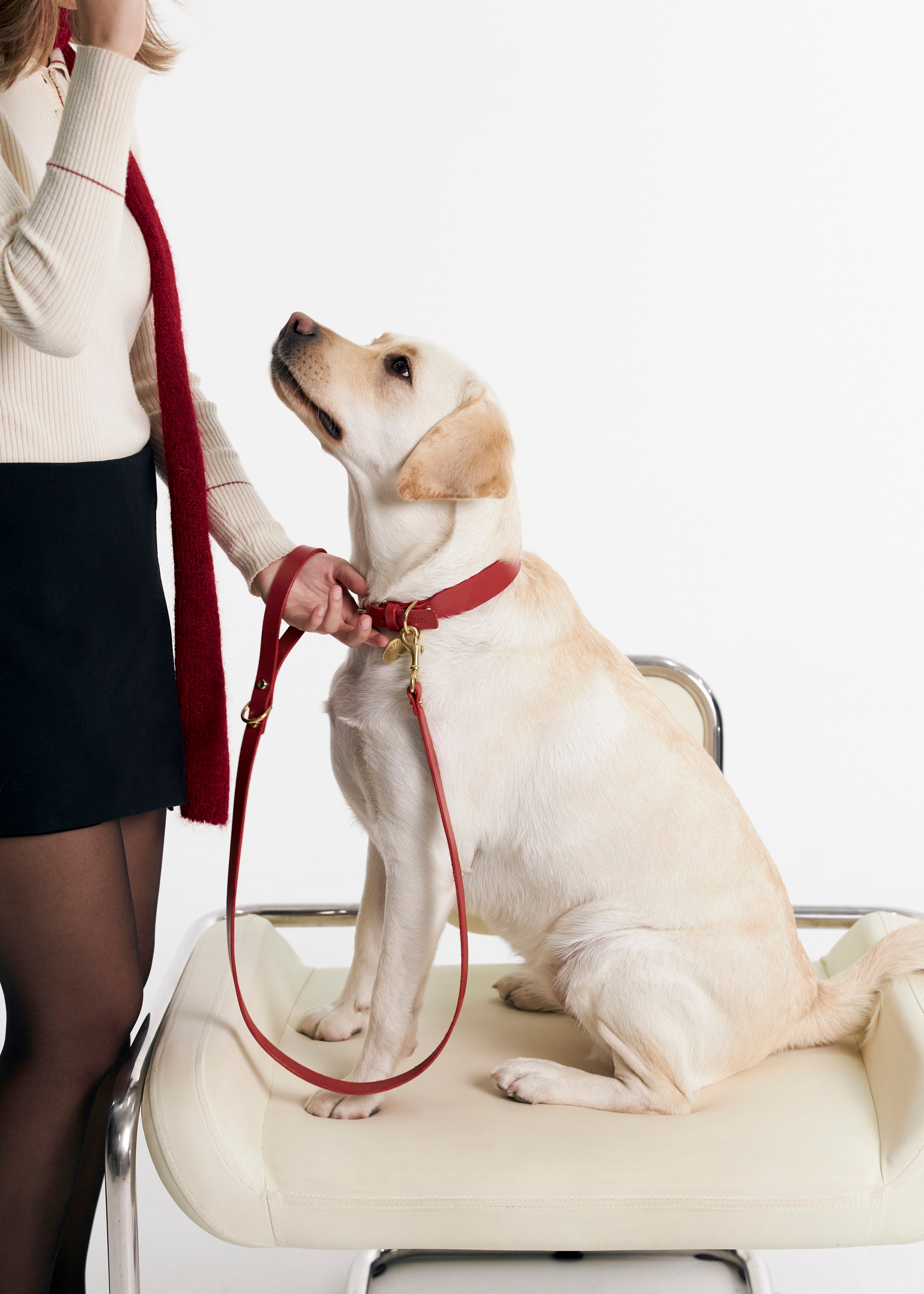
They serve different purposes and the safest setup uses both. The collar carries the ID tag and stays on during supervised waking hours. The harness attaches to the leash during walks, distributing pressure across the chest and shoulders rather than concentrating it at the neck. For dogs that pull, brachycephalic breeds, and puppies in early leash training, a harness is the safer leash attachment point. The collar is still required for identification at all times.
What should be engraved on a dog ID tag?
The two non-negotiable pieces of information are your dog's name and your current mobile phone number. A second number or the word 'microchipped' is useful but secondary. The priority is the phone number: a stranger who finds your dog needs to be able to call you immediately. Update the tag whenever your number changes. Nearly 40% of microchipped pets have outdated database information, which is why the visible tag remains the fastest reunification tool regardless of whether your dog is also chipped.
Why is vegetable-tanned leather safer than chrome-tanned for dog collars?
Chrome-tanned leather contains residual chromium compounds that can leach onto skin during heat and moisture exposure. For a collar worn against a dog's neck daily, this presents a real contact allergen risk for sensitive dogs. Vegetable-tanned leather uses only plant-based tannins, contains no chromium, no synthetic dyes, and no chemical preservatives. It is naturally hypoallergenic, breathable, and antibacterial. For a safety-focused collar choice, vegetable-tanned leather removes every material-level risk that chrome-tanned leather introduces.
What are the three most important commands for dog safety?
Recall ('come'), stay, and leave it. Recall is the most critical: a dog that returns on the first command in any environment is safe in situations where gear alone provides no protection (a dropped leash, an open gate, an unexpected off-leash encounter). Stay prevents a dog from moving into danger when told to hold position. Leave it prevents investigation of hazardous objects. All three should be trained with positive reinforcement from the earliest possible age.
When should a dog start wearing a collar?
Between 7 and 9 weeks of age for most puppies, coinciding with when they typically arrive home. Start with short supervised wearing periods of 10 to 15 minutes during play or feeding, and build up gradually over 1 to 2 weeks. The collar serves two immediate purposes from day one: it holds the ID tag, and it begins the positive association with gear that makes leash training significantly easier in the following weeks.
Can a dog wear both a collar and harness at the same time?
Yes, and this is the recommended setup for most dogs. The collar carries the ID tag and stays on throughout the day. The harness goes on for walks, training sessions, and car travel where leash attachment is needed, and comes off during unsupervised indoor time and sleep. This dual setup gives the dog identification security at all times and walking safety during outings without requiring the harness to stay on 24 hours a day.
Gear That Works as Hard as You Do
Safe dogs are the product of three things working together: the right identification so they can always be returned, the right gear so walks are controlled and comfortable, and the right training so they make good decisions when gear alone is not enough.
Browse The Lille Björn's full collection, including leather collars, harnesses, leashes, and deep-engraved brass ID tags. Every piece is built from the same full-grain Italian vegetable-tanned leather and solid brass hardware, designed to work together as a complete safety system.