Quick Summary
Metal and chain dog collars including choke chains, prong collars, and heavy-duty decorative designs carry genuine physical and psychological risks that most owners are not fully aware of. Choke chains and prong collars work by applying pain-based pressure to the neck; they can damage the trachea, compress cervical nerves, and increase anxiety and aggression over time. Heavy decorative metal collars are less dangerous but add unnecessary weight that strains the neck of smaller and older dogs. For most breeds and all daily wear scenarios, a well-fitted flat leather collar provides superior comfort, safety, and control without any of these risks.

The Different Types of Metal and Chain Collars
It’s important to understand that not all metal collars function in the same way, but the majority do operate on the principle of control through pressure or discomfort.
Choke Chains
As the name suggests, this is a collar designed to tighten around a dog’s neck when it pulls on the leash. It is commonly used in training, but the downside is that it can cause way too much pressure on the delicate trachea area. A lack of any proper stopping mechanism means that the collar can just get tighter and tighter, which can obviously lead to choking and injury!
Prong Collars
This collar features metal prongs that press into a pup’s neck when the leash is pulled. It is used by some as a correction tool because it offers the same sensation of a bite from another dog. You don’t need us to tell you that these kinds of collars can cause horrible things like puncture wounds and bruising, leading to a lot of emotional stress for your dog.
Heavy-Duty Metal Collars
These are made from thick stainless steel or other sturdy metals, and are often picked for style over function. Ultimately, they might make a big dog look ‘cool’, but that is at the cost of adding unnecessary weight and causing excess strain on the neck and shoulders. They can be particularly uncomfortable for smaller and older pups.
On the surface, some of the collar options might seem like effective tools, but any expert will tell you that the risks definitely outweigh the benefits!
Slip Collars
A slip collar that sometimes called a slip lead is a loop of rope, nylon, or chain that tightens around the neck when tension is applied and loosens when it releases. It is frequently used in veterinary settings for brief, controlled handling and in show rings for presentation. Unlike a choke chain, a well-used slip collar in a controlled context can be relatively low-risk. The problem in everyday ownership is identical to the choke chain: without a stopping mechanism, it can continue tightening indefinitely if a dog panics or lunges. For daily walks, a fixed-circumference collar is always the safer choice.
Chain Martingale Collars
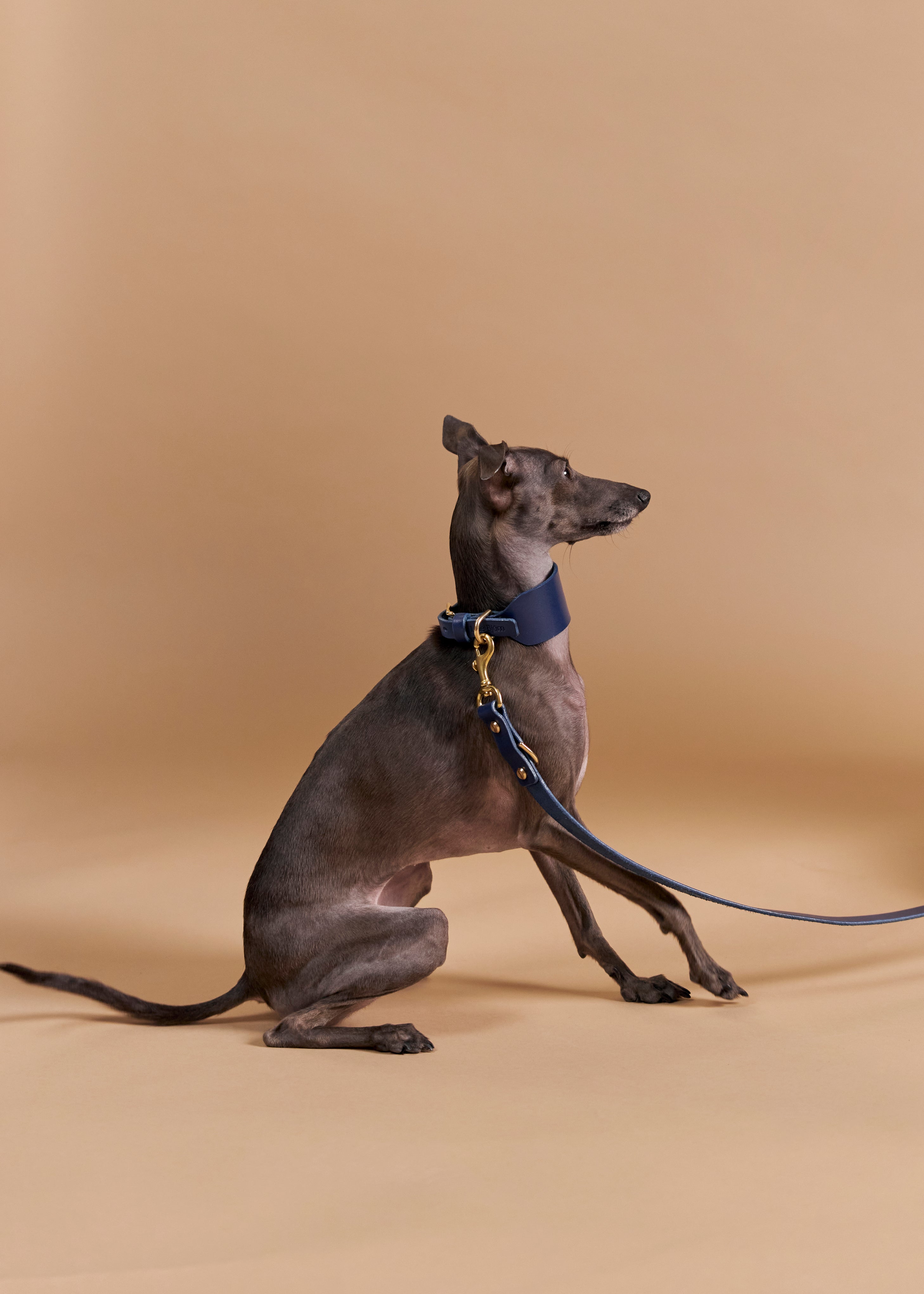
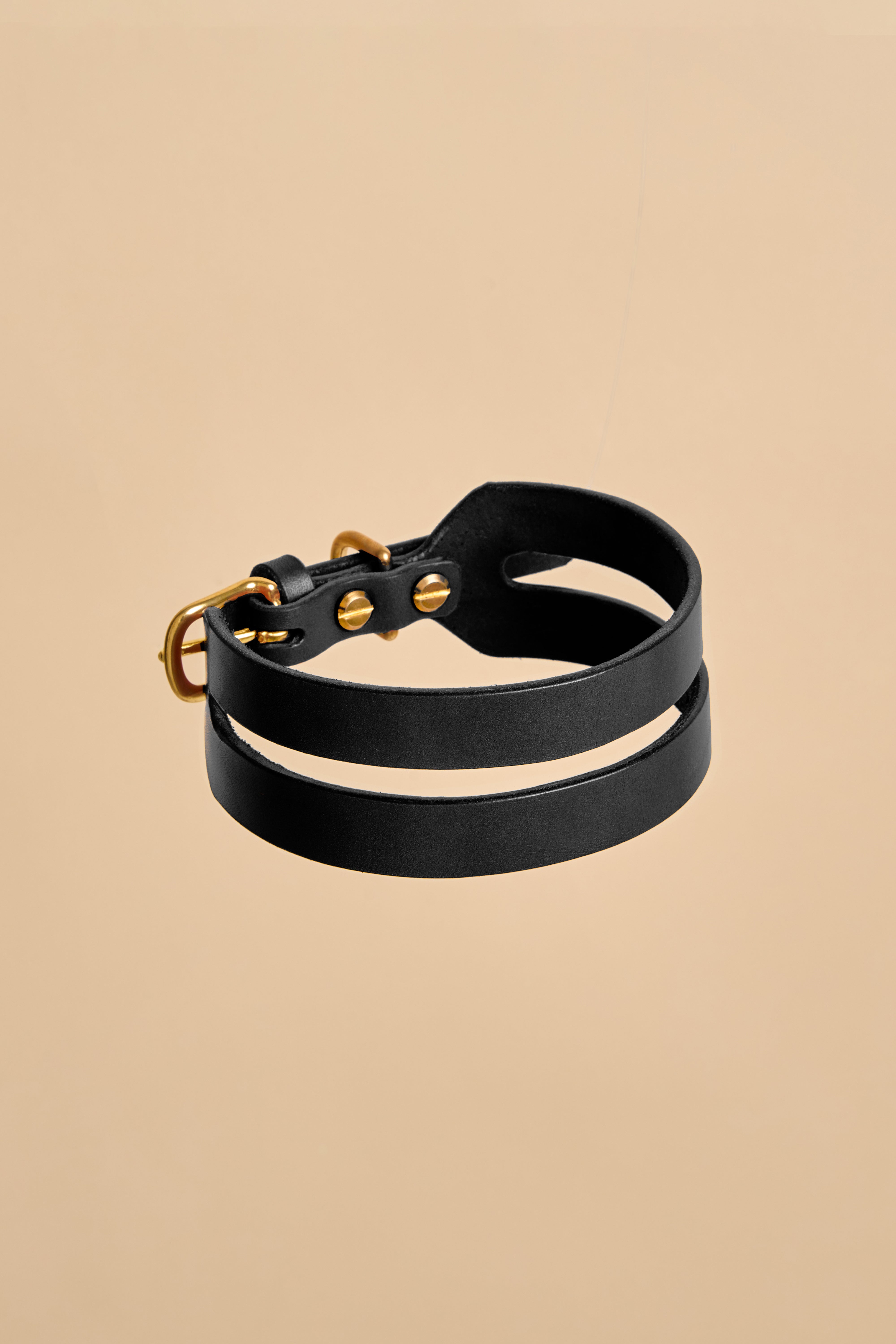
The chain martingale occupies an important middle ground. Unlike a choke chain, a martingale has a defined maximum tightening limit. The control loop closes only to a preset point, preventing choking while still providing the gentle tightening signal that prevents sighthound breeds from slipping out. A chain martingale is not an aversive tool; it is a safety mechanism. It is worth distinguishing clearly from choke chains because many owners encounter them together in stores and treat them as equivalent. They are not. For Greyhounds, Whippets, and other sighthounds, a well-fitted martingale collar is a genuinely appropriate choice.
The Risks and Dangers of Metal and Chain Collars
Physical Harm
Yes, metal and chain collars can hurt a dog's throat. Choke chains and prong collars apply direct compressive force to the trachea, and sustained or repeated pressure in this area is a documented cause of tracheal damage, thyroid gland trauma, and vagus nerve compression. The severity depends on how forcefully the dog pulls and how frequently the collar is used but there is no safe threshold established by any veterinary body.
- Choke and prong collars exert so much pressure on a dog’s throat that they can easily lead to neck and trachea damage, sometimes as serious as complete tracheal collapse.
- Any sudden jerks or constant periods of pulling can put strain on the spine, which can cause long-lasting nerve damage and general chronic pain.
- When a collar is too heavy, it makes it difficult for a dog to move naturally, and this can lead to a lot of stiffness and discomfort.
Behavioral and Emotional Impact
- Discomfort caused by metal collars can increase levels of anxiety and stress, which will eventually result in your pup creating a negative association with going on daily walks.
- Once that pain association is created, it can lead to levels of reactive aggression when it comes time to place the collar around their neck.
- Sadly, any kind of training method that is based around correction and pain rather than positive reinforcement is likely to result in a loss of trust from a dog towards its owner. This is heartbreaking!
The thing to remember is that even if your large or boisterous dog appears to be tolerating a heavy-duty metal collar, you won’t be aware of any damaging effects it can have in the long-term.

Are Chain Collars Good for Dogs? The Honest Answer
This is the question the data shows thousands of owners are genuinely asking and it deserves a direct, honest answer rather than being glossed over.
The argument for chain collars, as made by some traditional trainers, is that the metallic sound and brief neck pressure provides a clear correction signal that interrupts unwanted behaviour quickly. For large, reactive dogs in high-stakes public settings, some professionals argue this level of immediate feedback is necessary.
The argument against supported by the weight of modern veterinary and behavioural science is threefold:
1. The correction suppresses behaviour without teaching an alternative. A dog that stops pulling because of neck pain has not learned to walk calmly; it has learned that pulling produces pain. The moment pain tolerance increases, or the collar is removed, the behaviour returns unchanged.
2. Pain-based correction increases arousal and aggression in already reactive dogs. The AVSAB's 2021 position statement on humane training documents that aversive training tools increase stress hormones and problem behaviours rather than resolving underlying anxiety.
3. The physical risks are real and cumulative. Every lunge against a choke chain adds to the cumulative pressure load on the trachea, cervical spine, and surrounding nerves. Damage often develops silently over months before becoming clinically apparent.
The honest answer: chain collars are not good for dogs as a category. A chain martingale, used correctly for a sighthound, is a reasonable exception. A choke chain used for correction is not.
Why Some Owners Still Use Metal Collars
So this leads us to the question; if the risks are so evident, why are some dog owners still choosing to use these kinds of collars? Let’s break down some of the most common myths that people fall for.
-
“They Are Necessary for Large Dogs”
Some owners think that if you have a large, strong dog, you need a metal collar to be able to control them. This just isn’t the case! The way to foster obedience is through proper training rather than excessive force. A well-fitted harness or collar and lots of positive reinforcement will produce even better results. -
“Trainers Recommend Them”
You are always going to find a few traditional trainers that advocate for prong and choke collars, but that doesn’t make them correct. Modern science-backed methods are much more humane, and prioritize assertive positivity over discomfort inducing dominance. -
“It’s Just for Looks”
If you simply like the aesthetics that a chunky metal collar offers, then it’s worth taking some time to consider your attitude as a pet parent. No style should ever come before a pup’s comfort, and we think that a high-quality leather collar can have just as much visual impact without causing harm, if not more!

Are Choke Chains and Prong Collars Illegal?
In some regions, yes. Wales has banned the use of aversive electronic collars under the Animal Welfare (Electronic Collars) (Wales) Act 2010, and broader legislation is in active development across the UK and Europe. Germany, Austria, Switzerland, and several other European nations have banned prong collars outright. In England, the Animal Welfare Act 2006 provides a legal framework under which causing unnecessary suffering including through training equipment is a prosecutable offence, even if specific collar types are not yet named in legislation. The global legislative trajectory is clearly toward prohibition. Being ahead of this curve is not just an ethical choice it is an increasingly practical one.
A Better Alternative: Flat Leather Collars
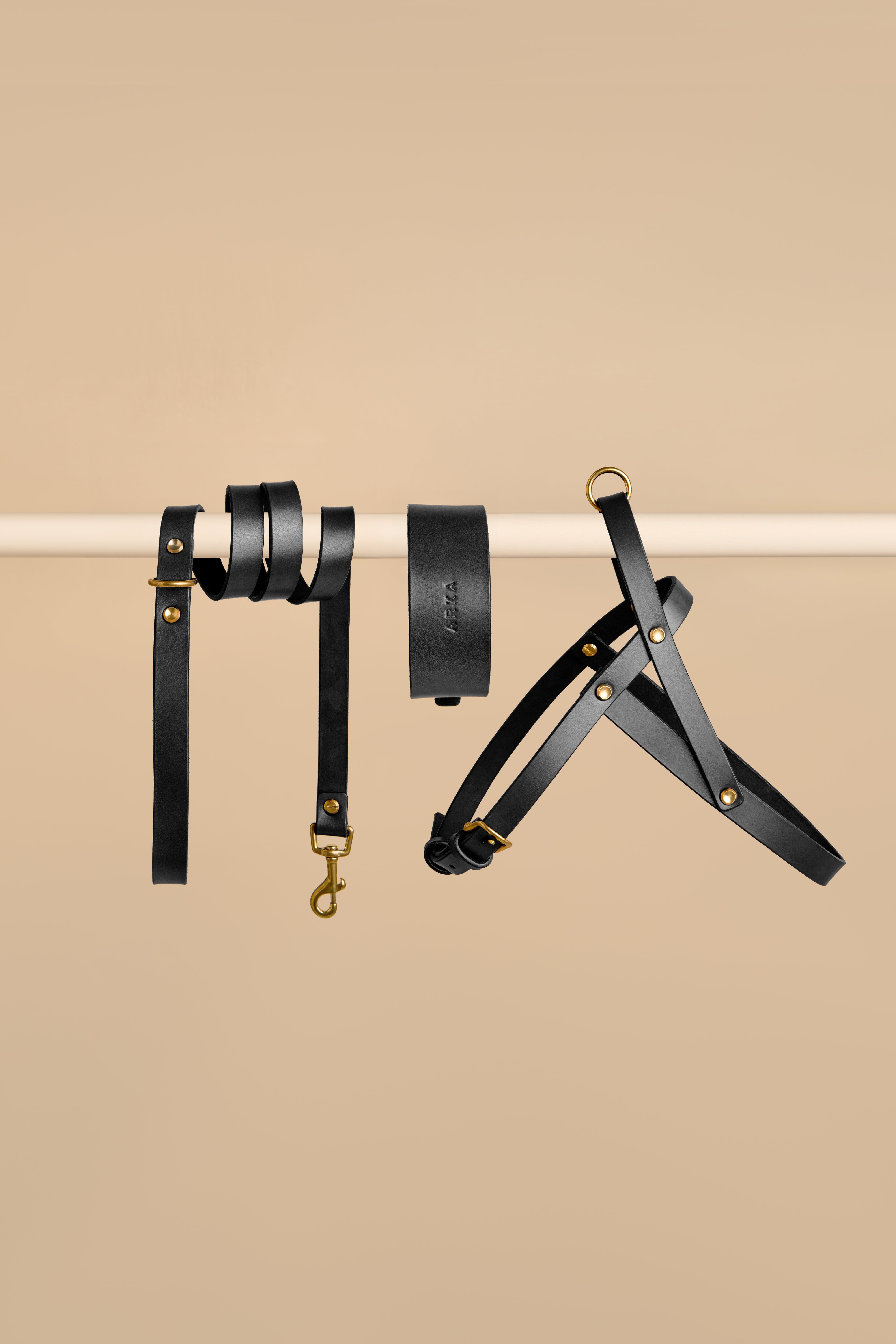
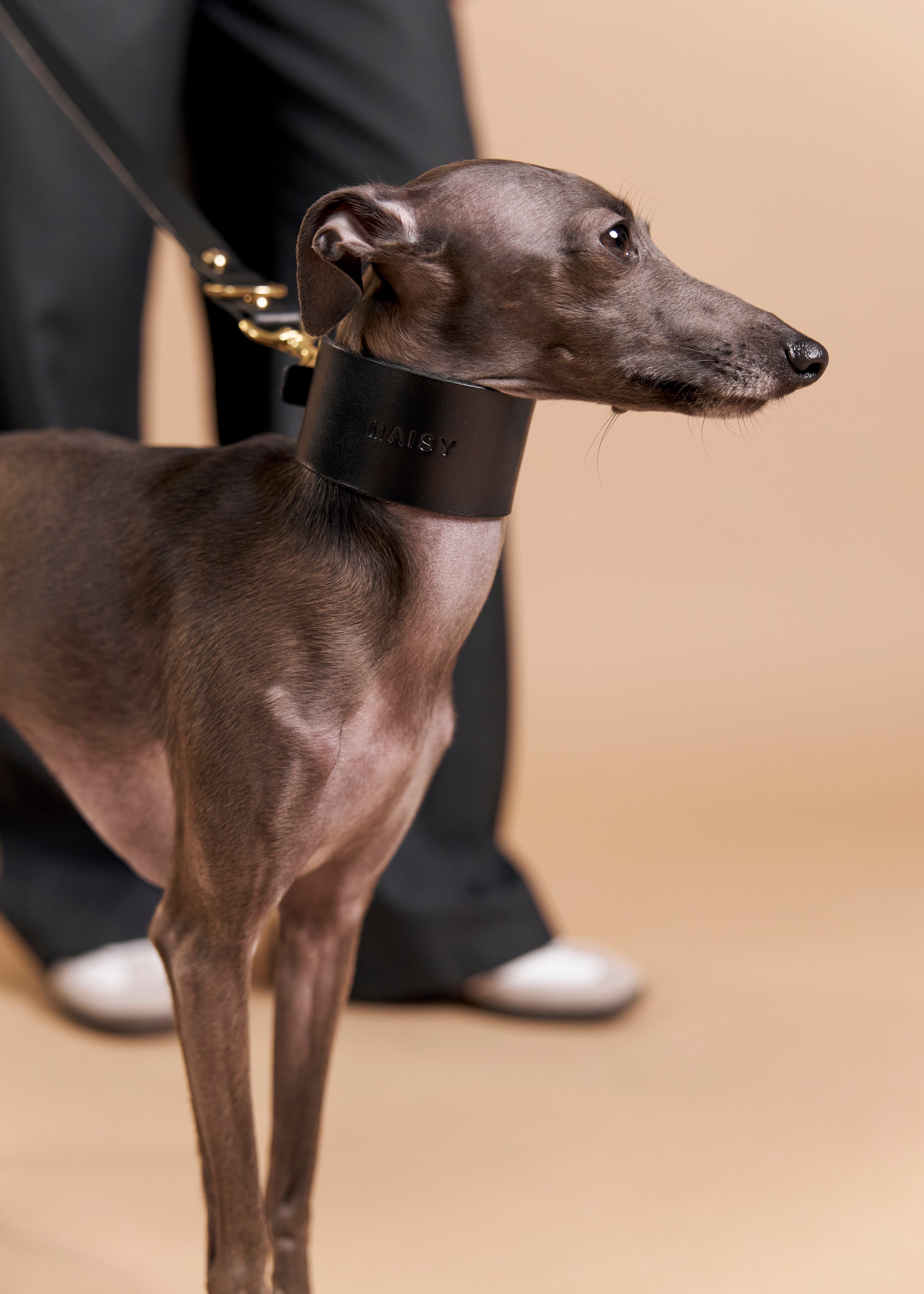
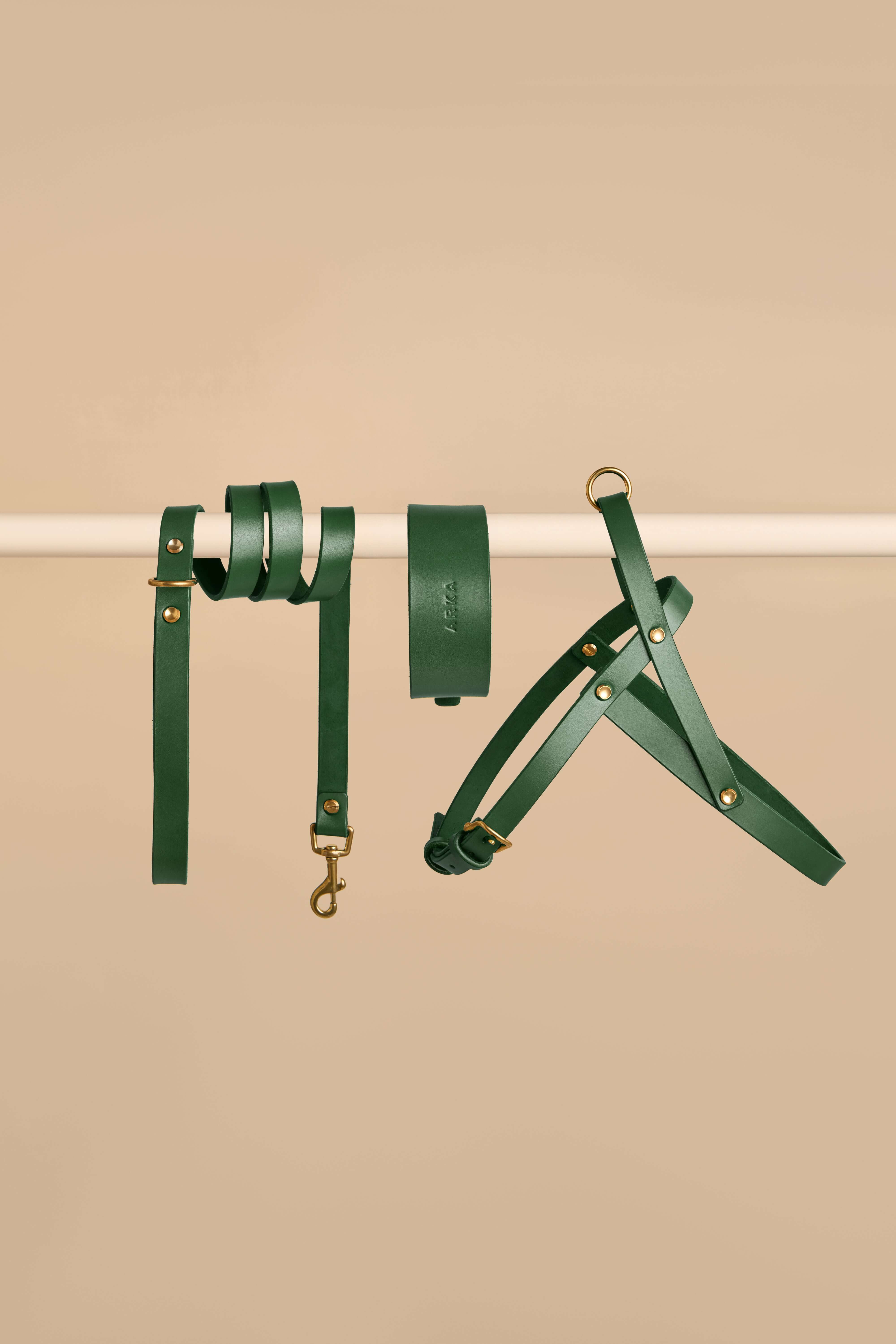
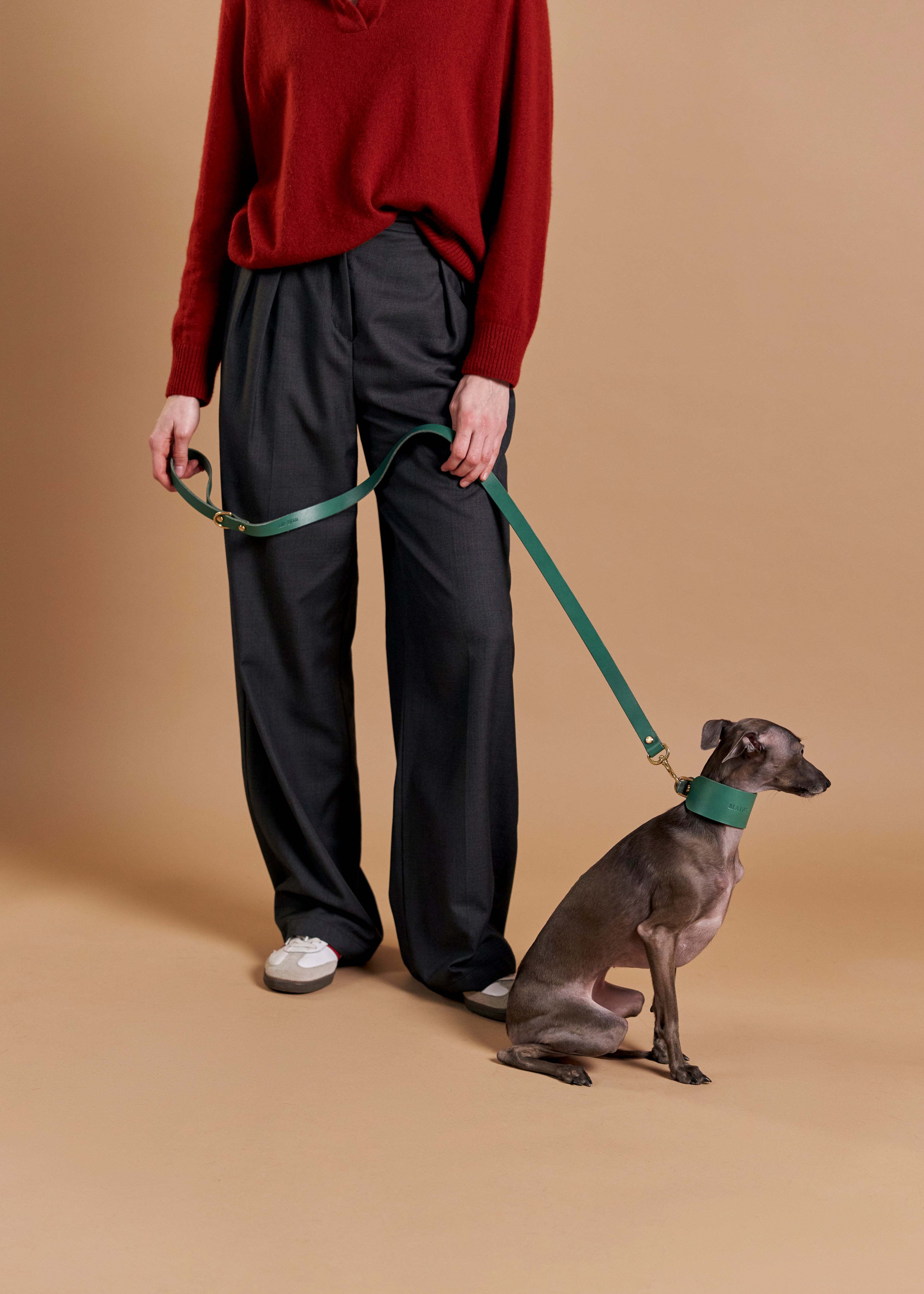
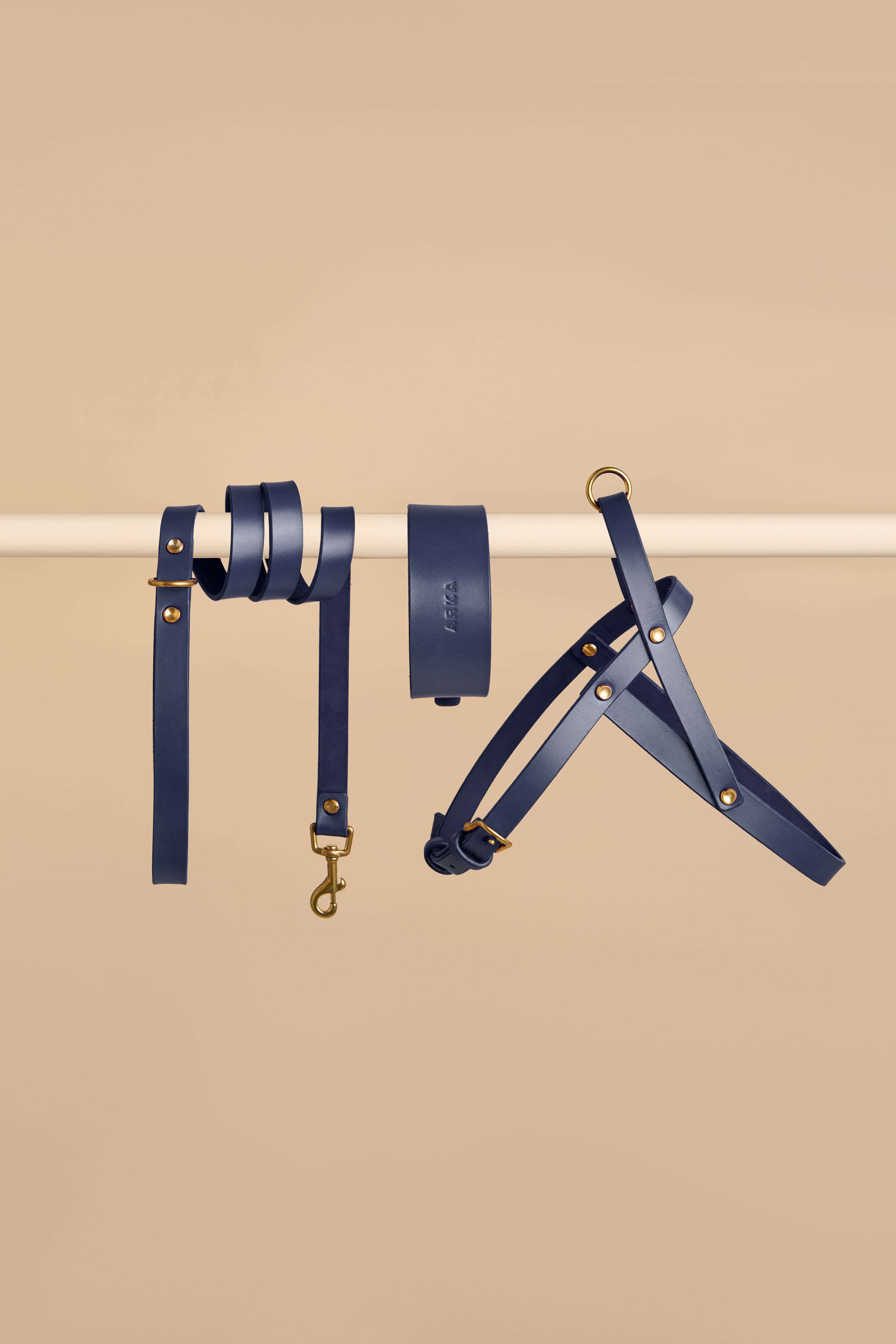
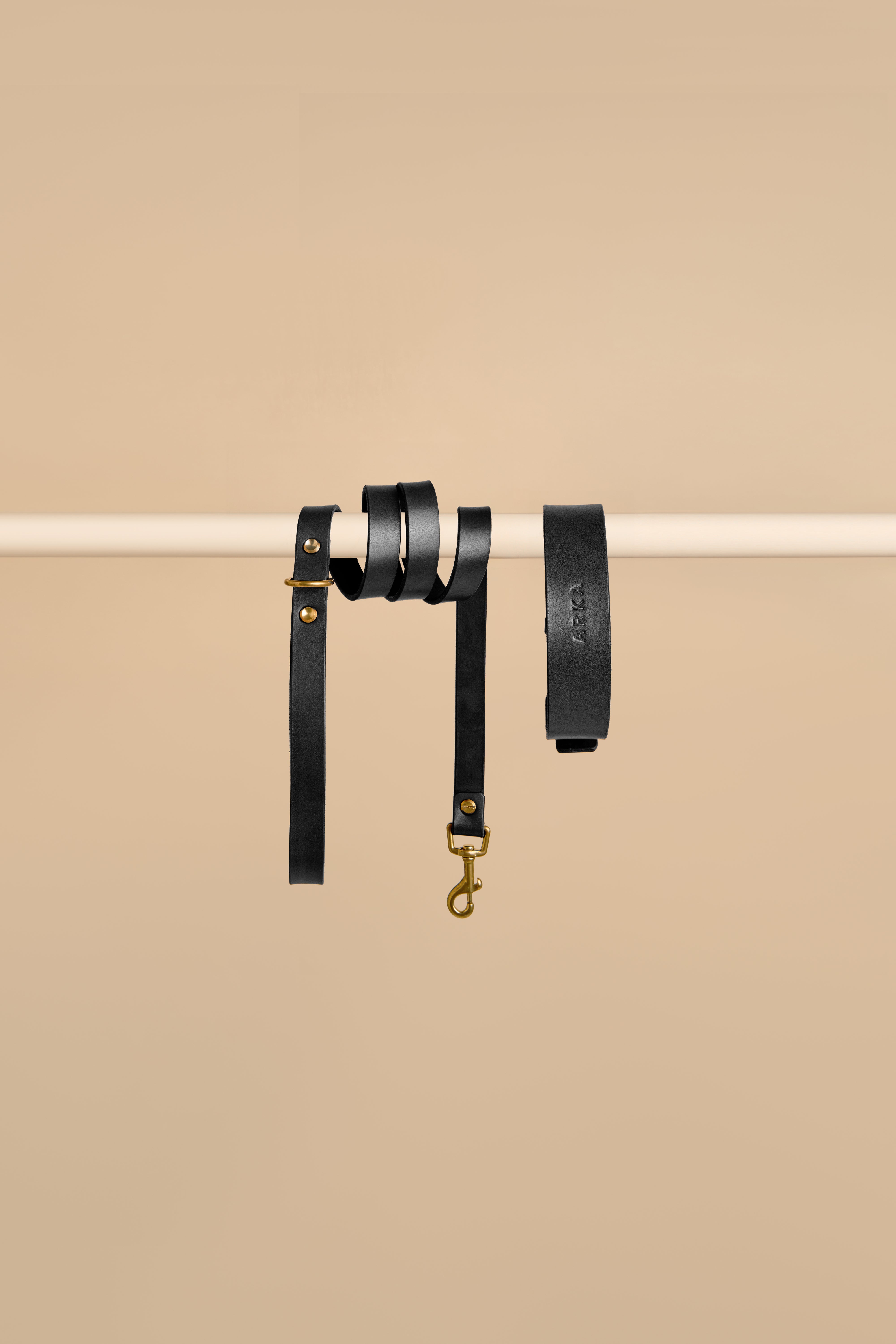
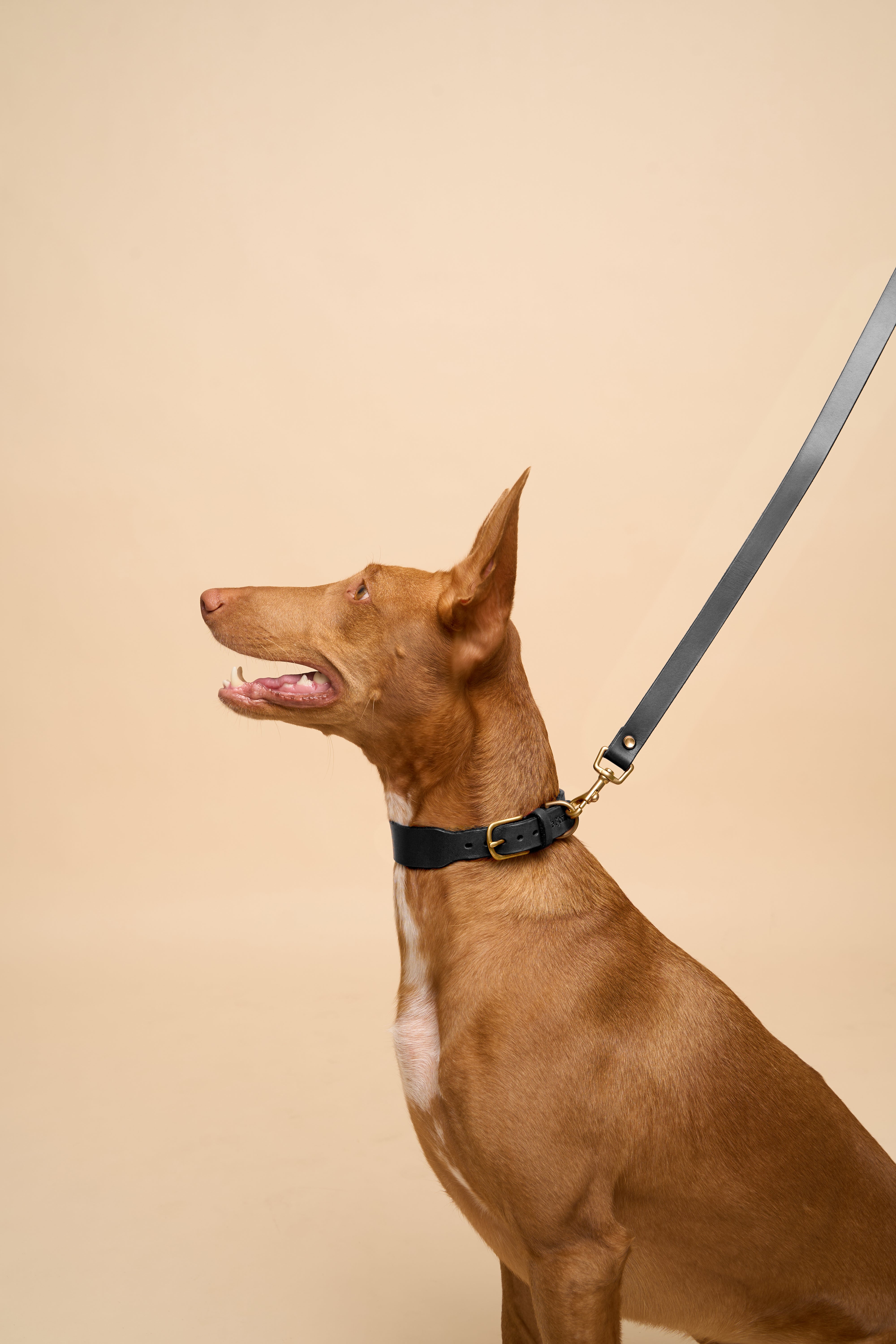
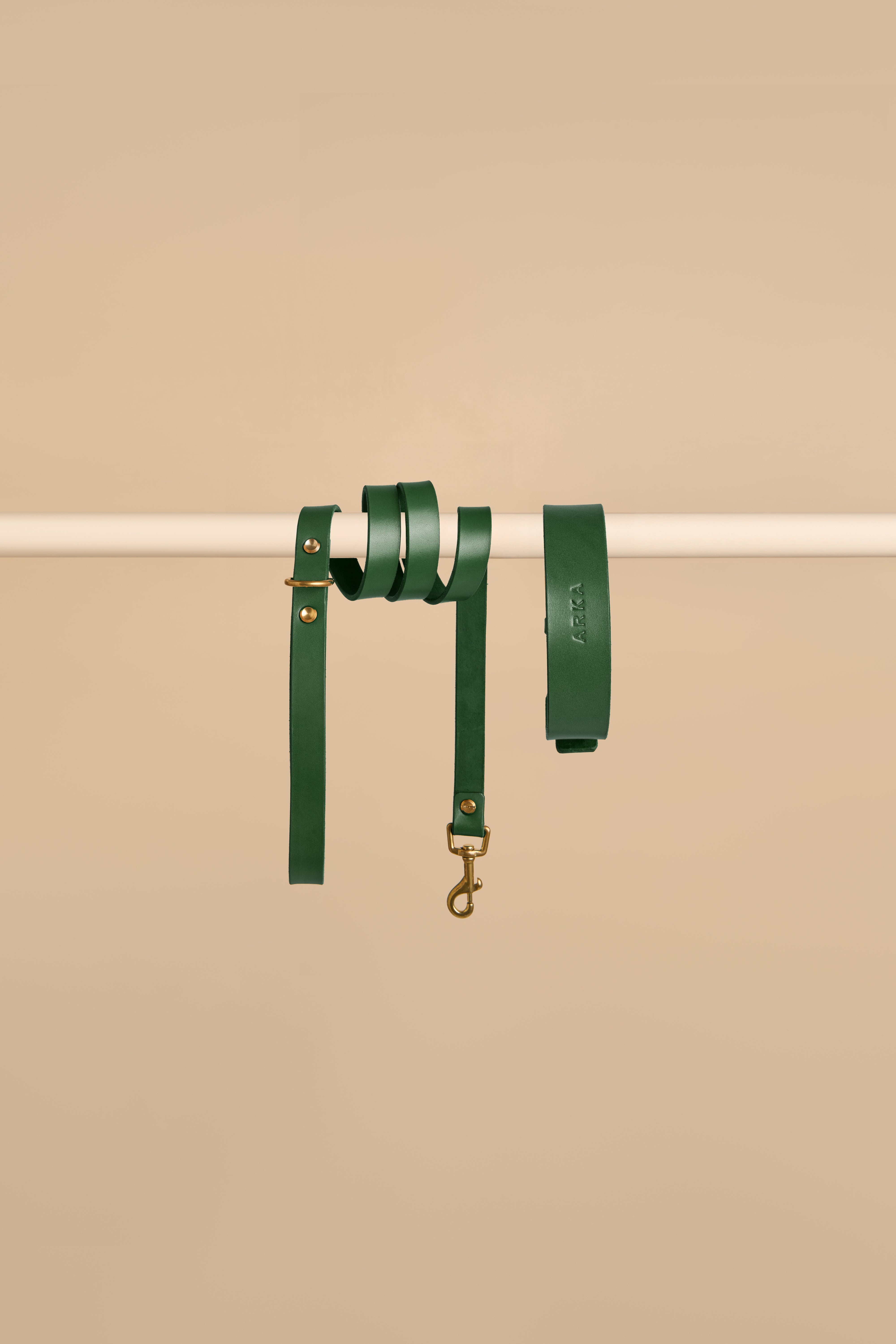
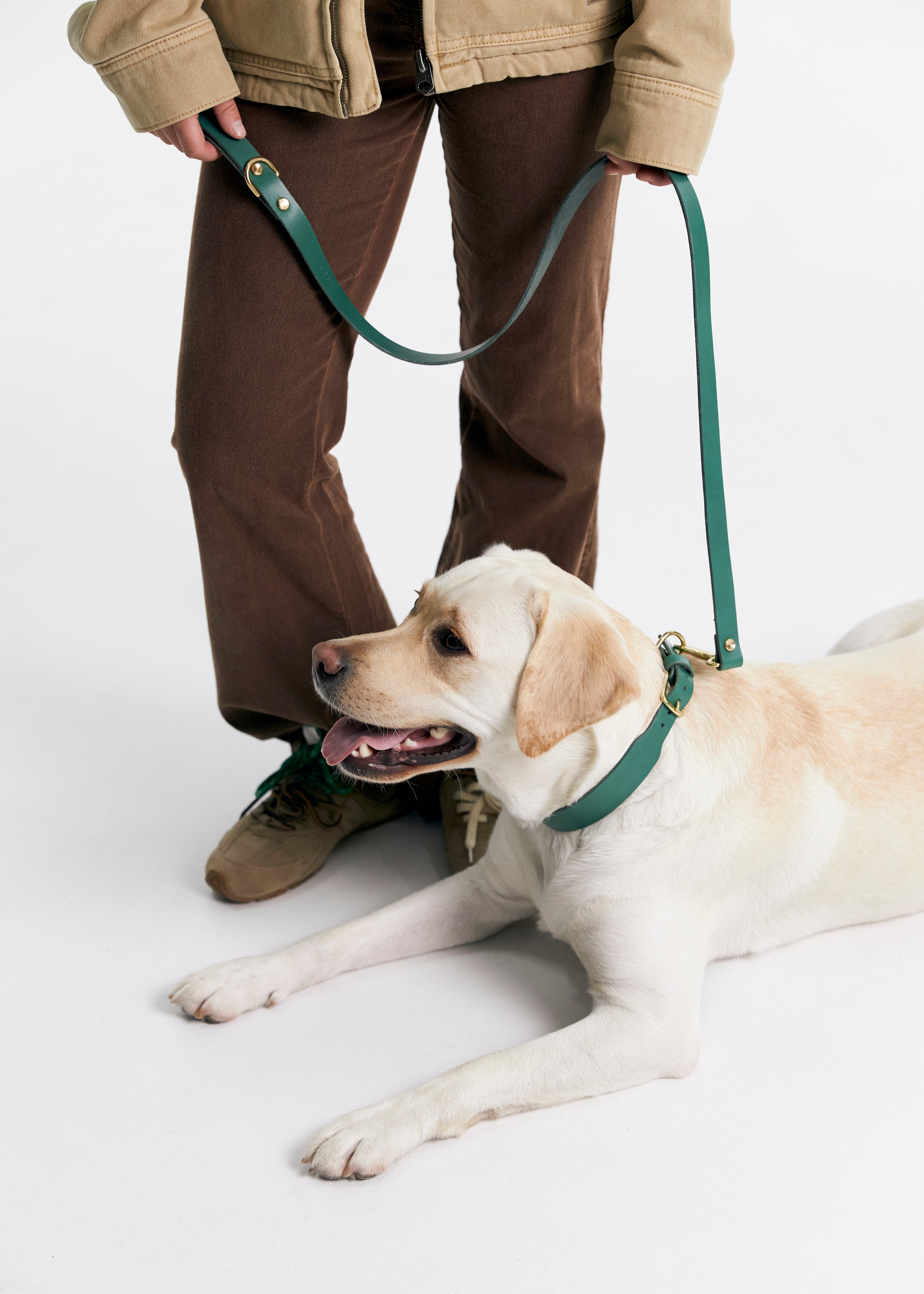
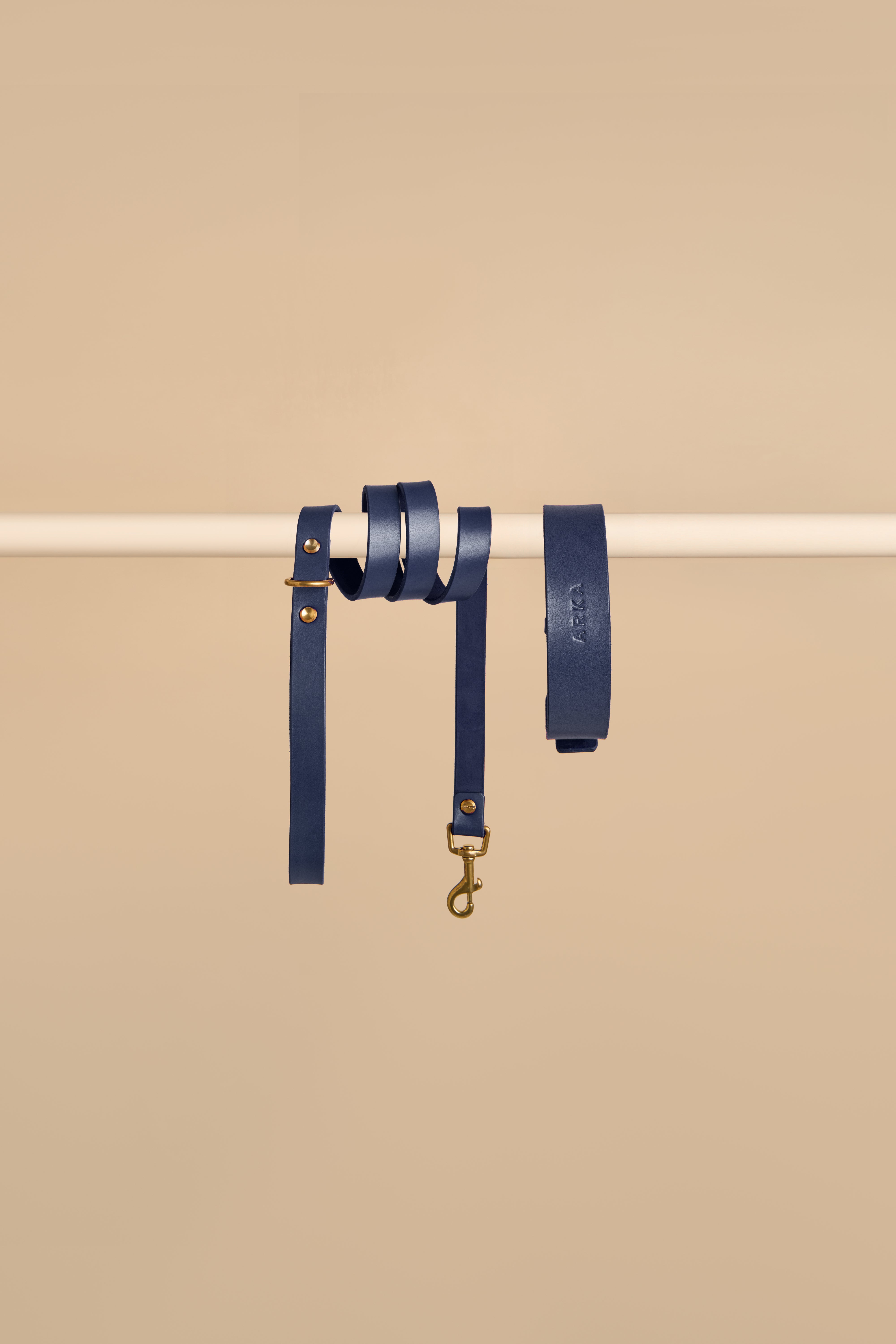
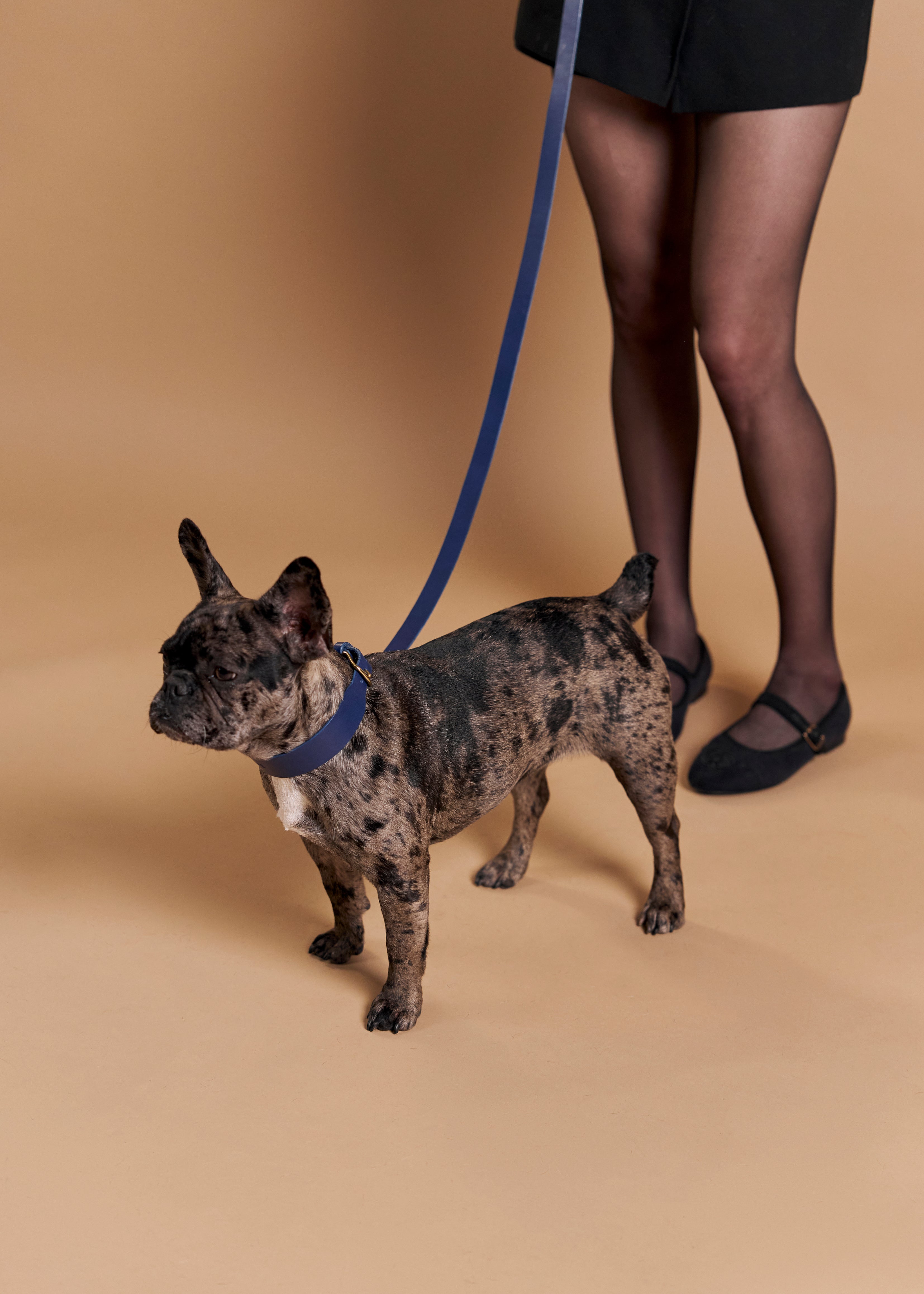
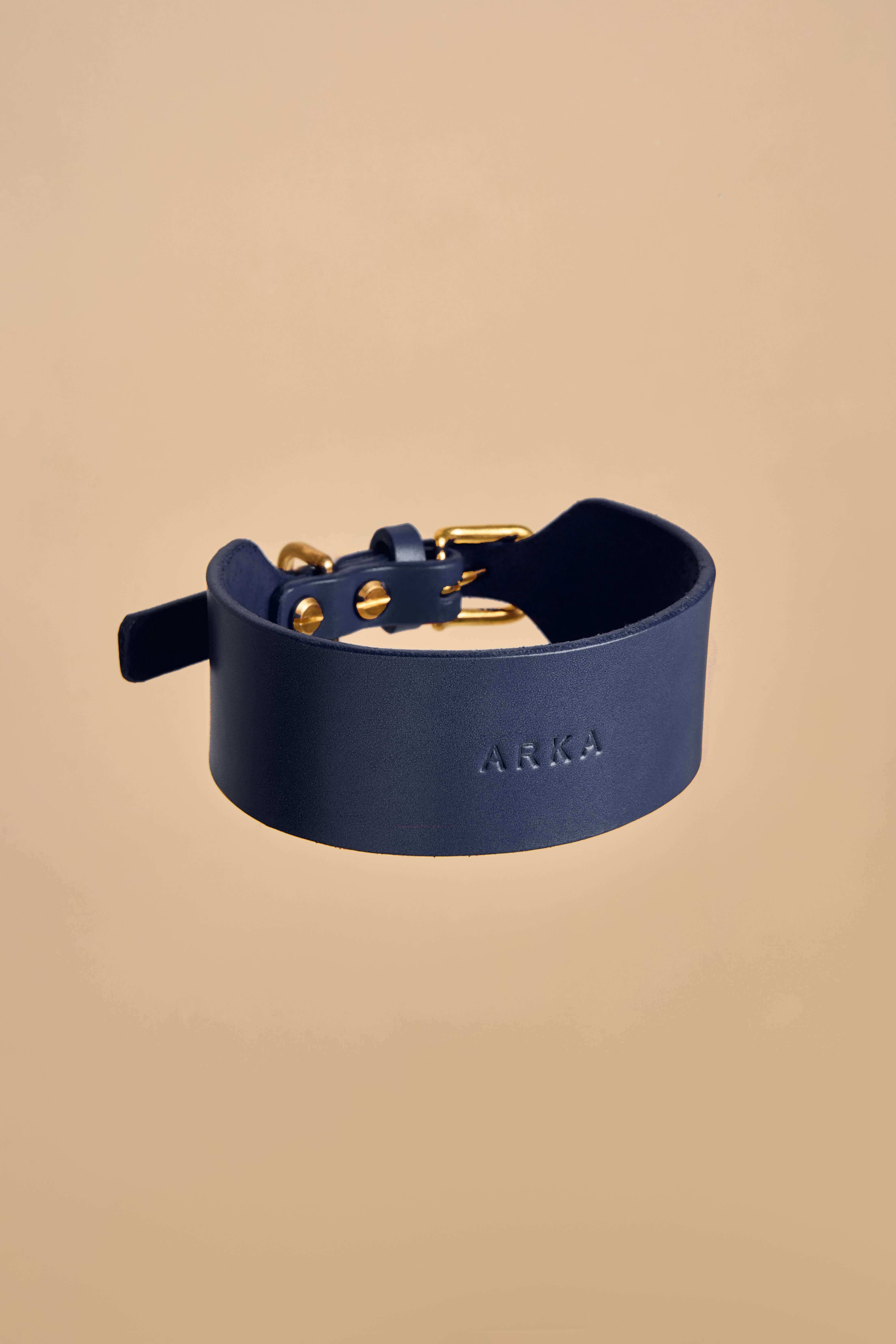
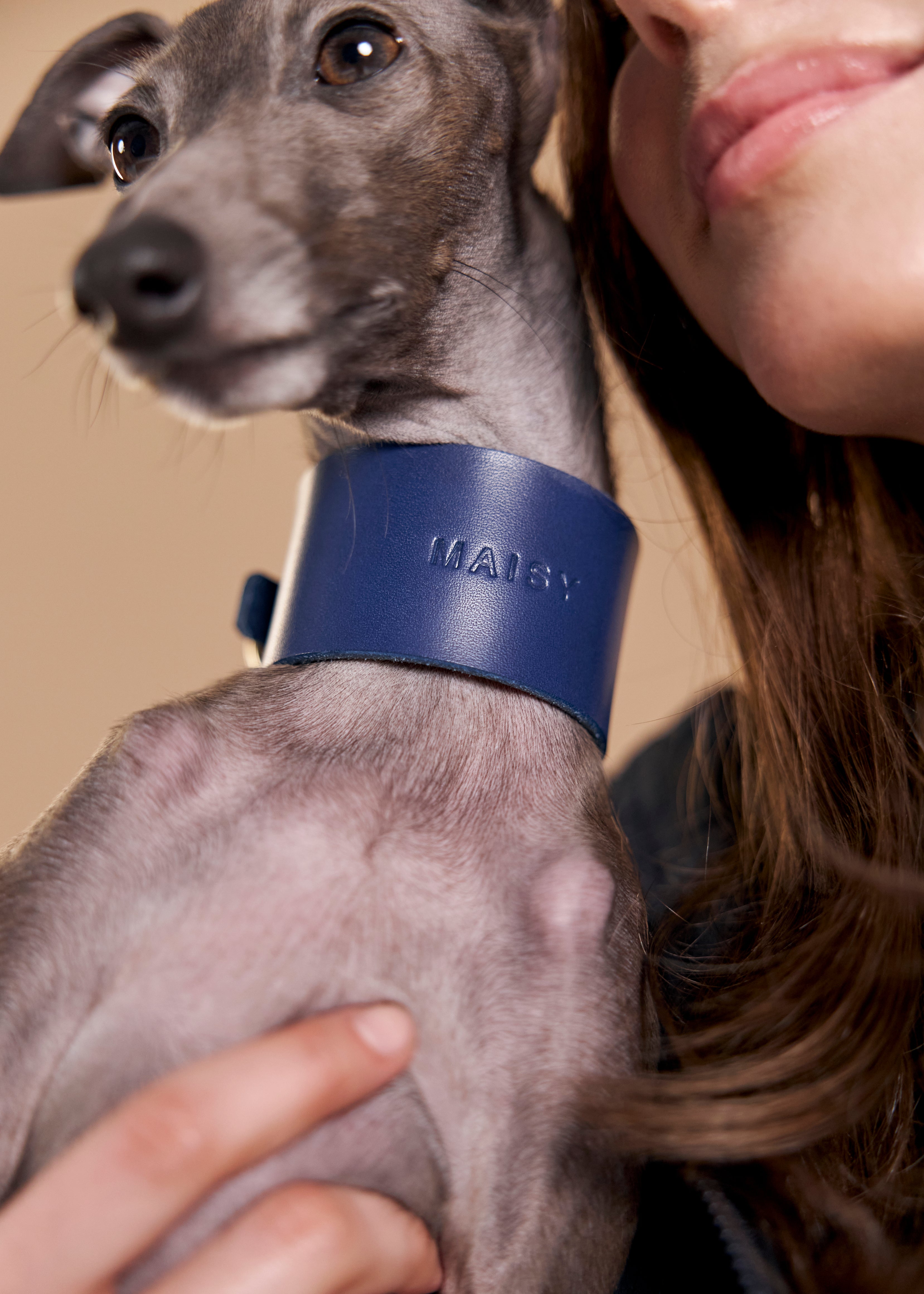
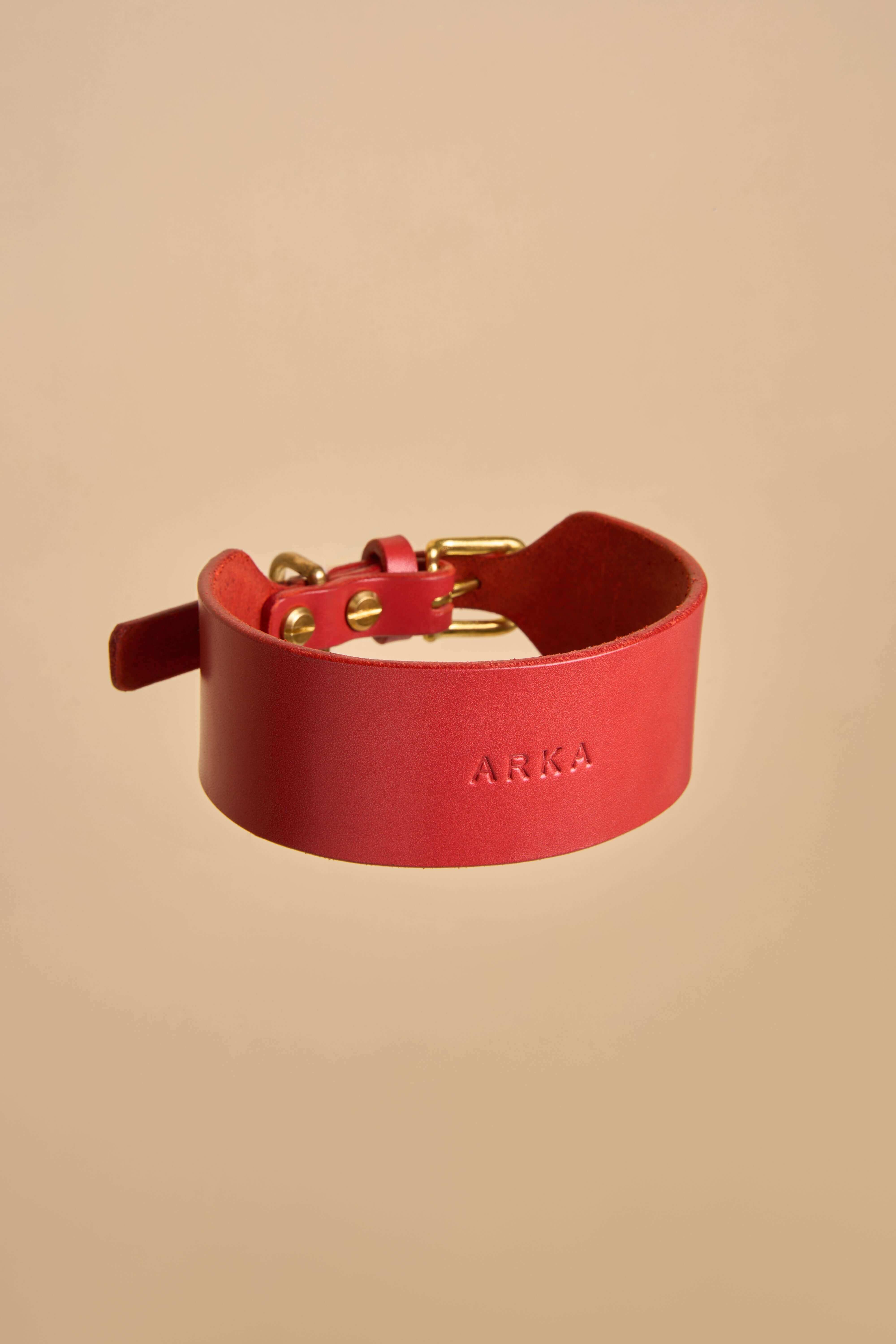
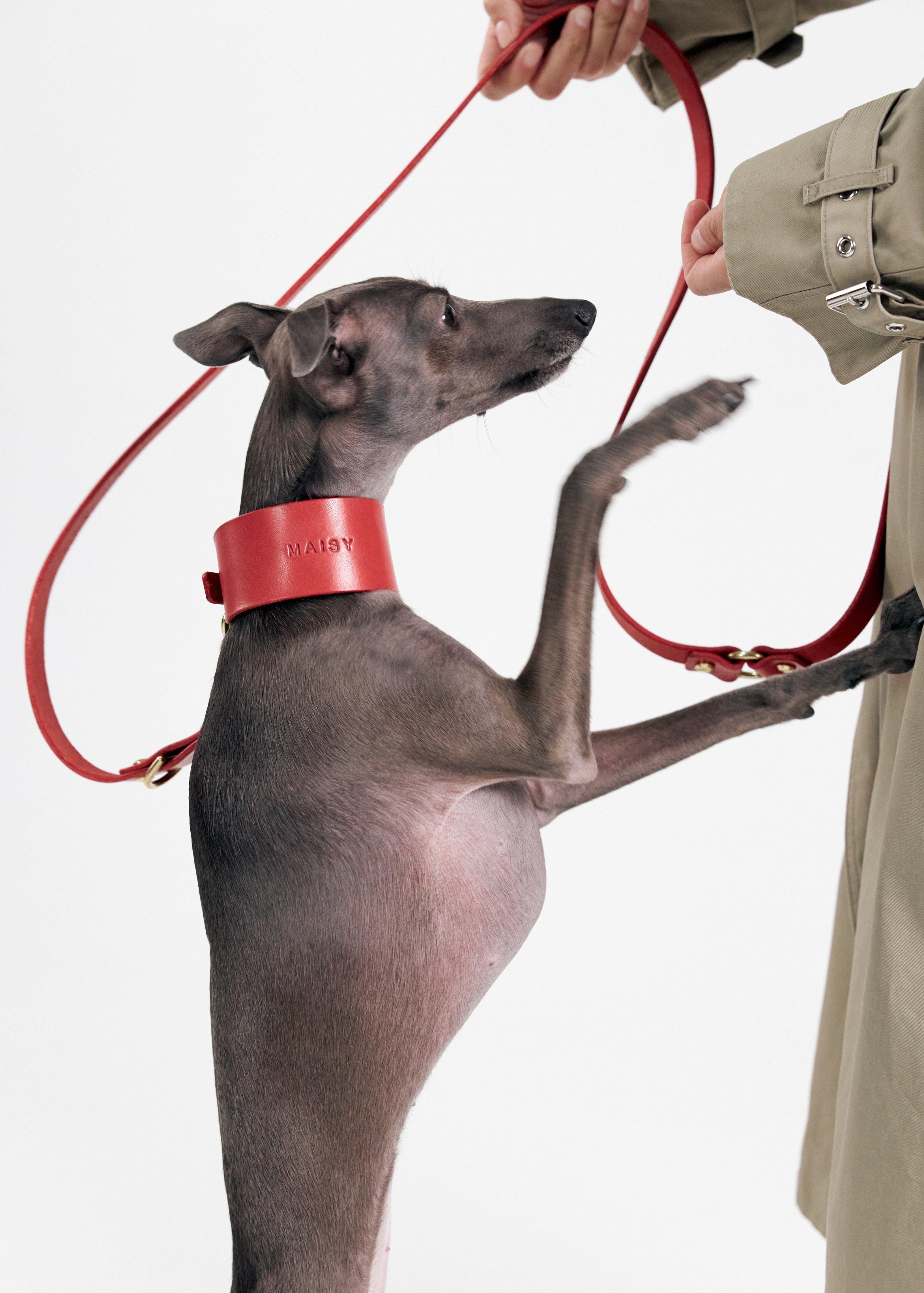
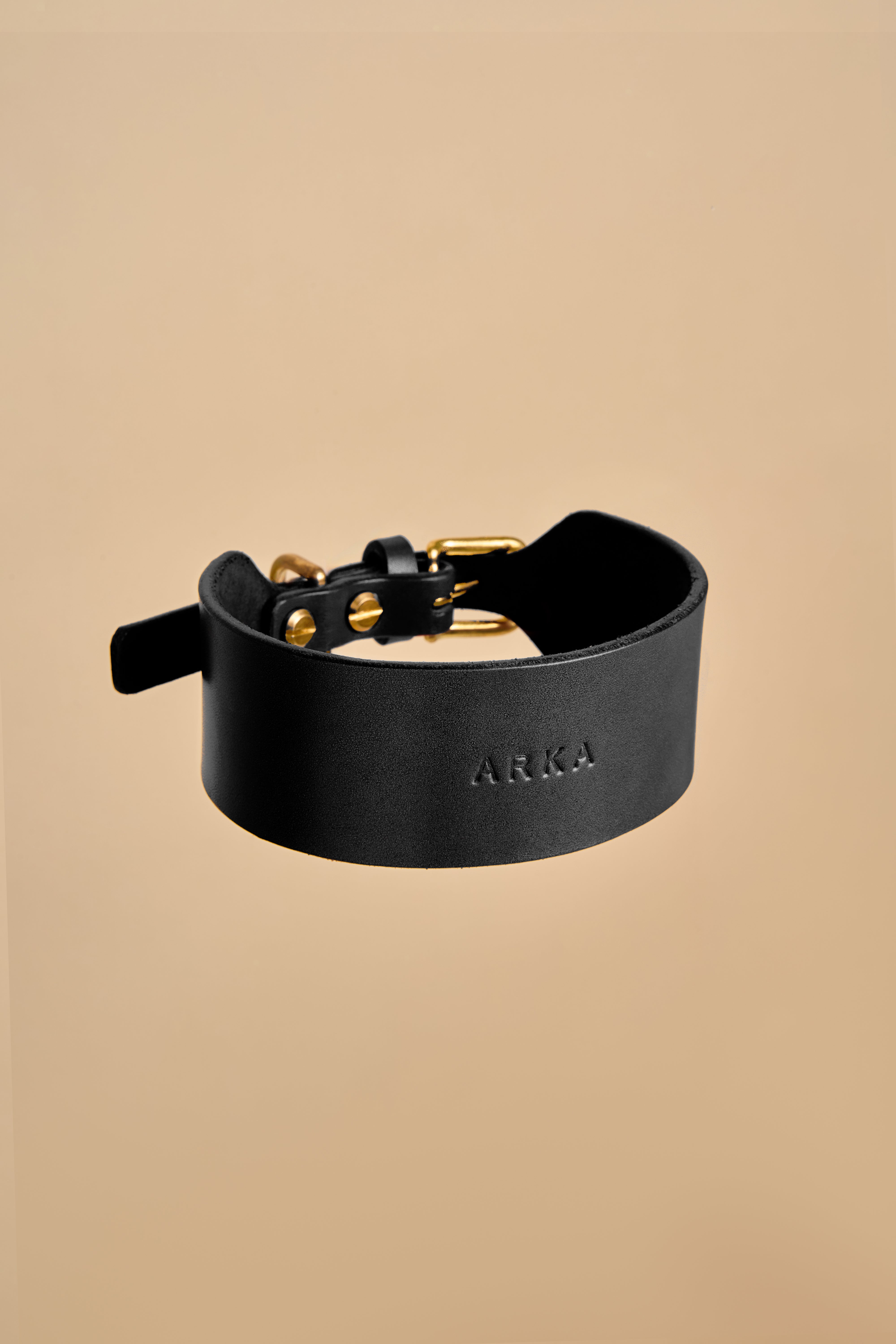
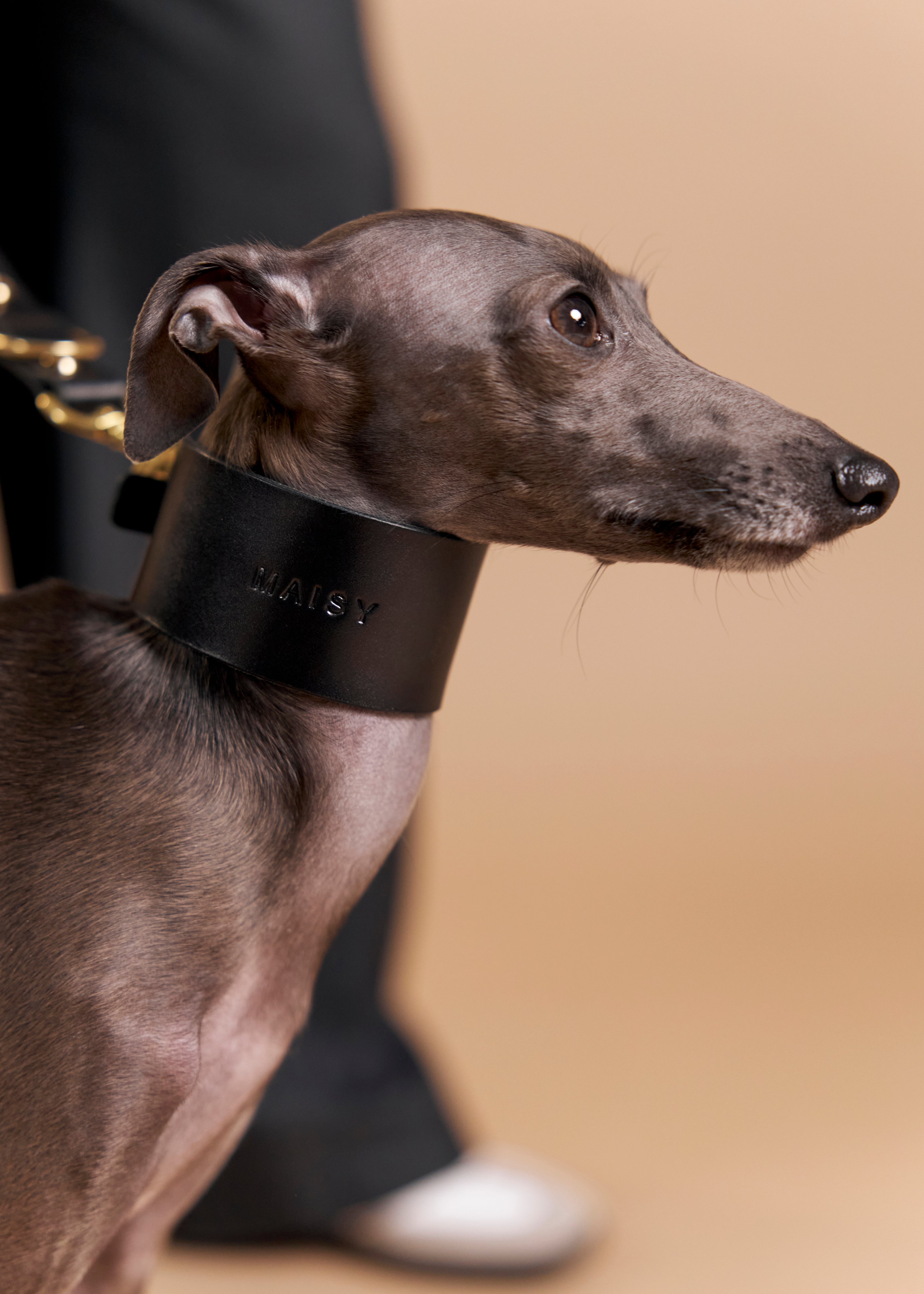
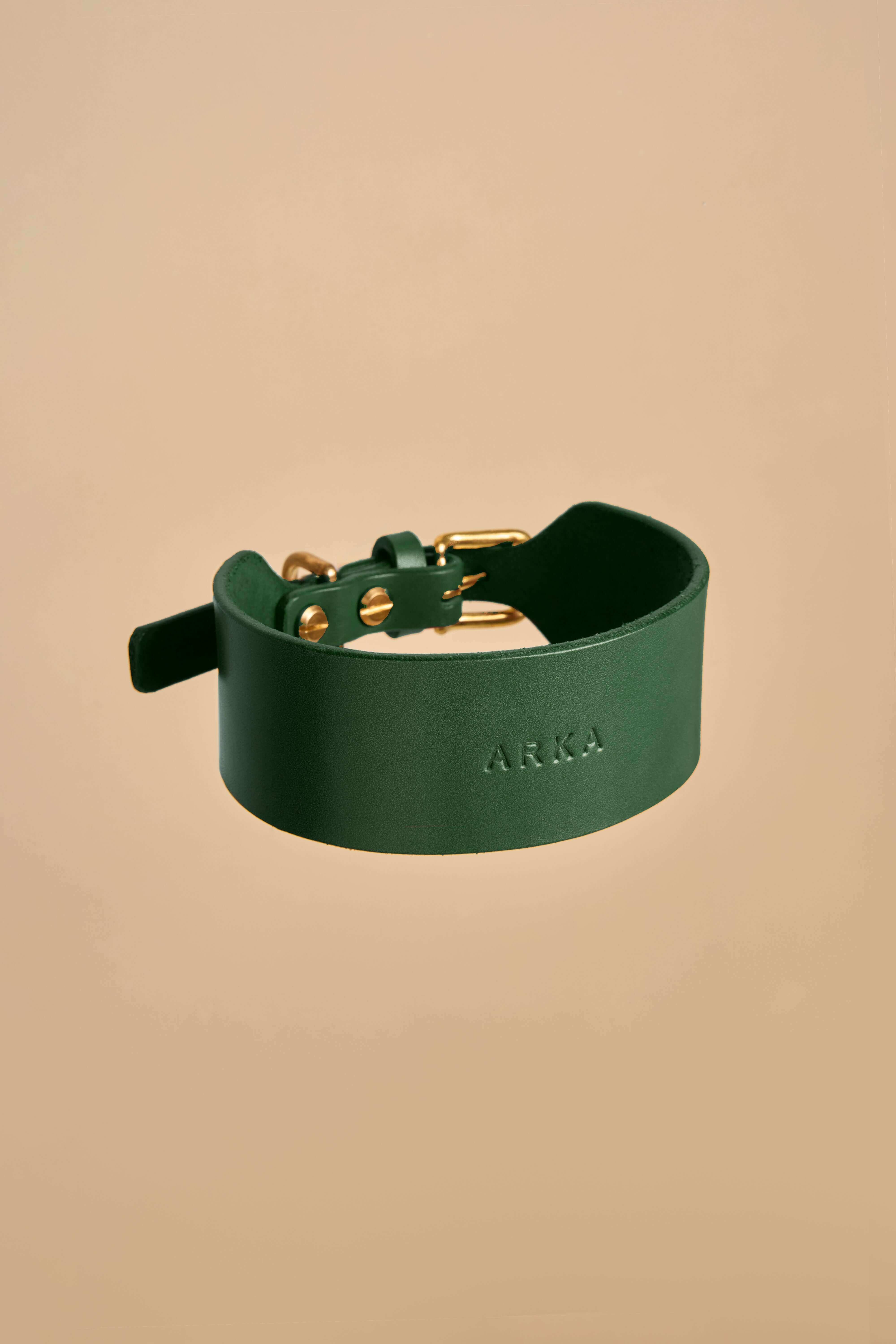
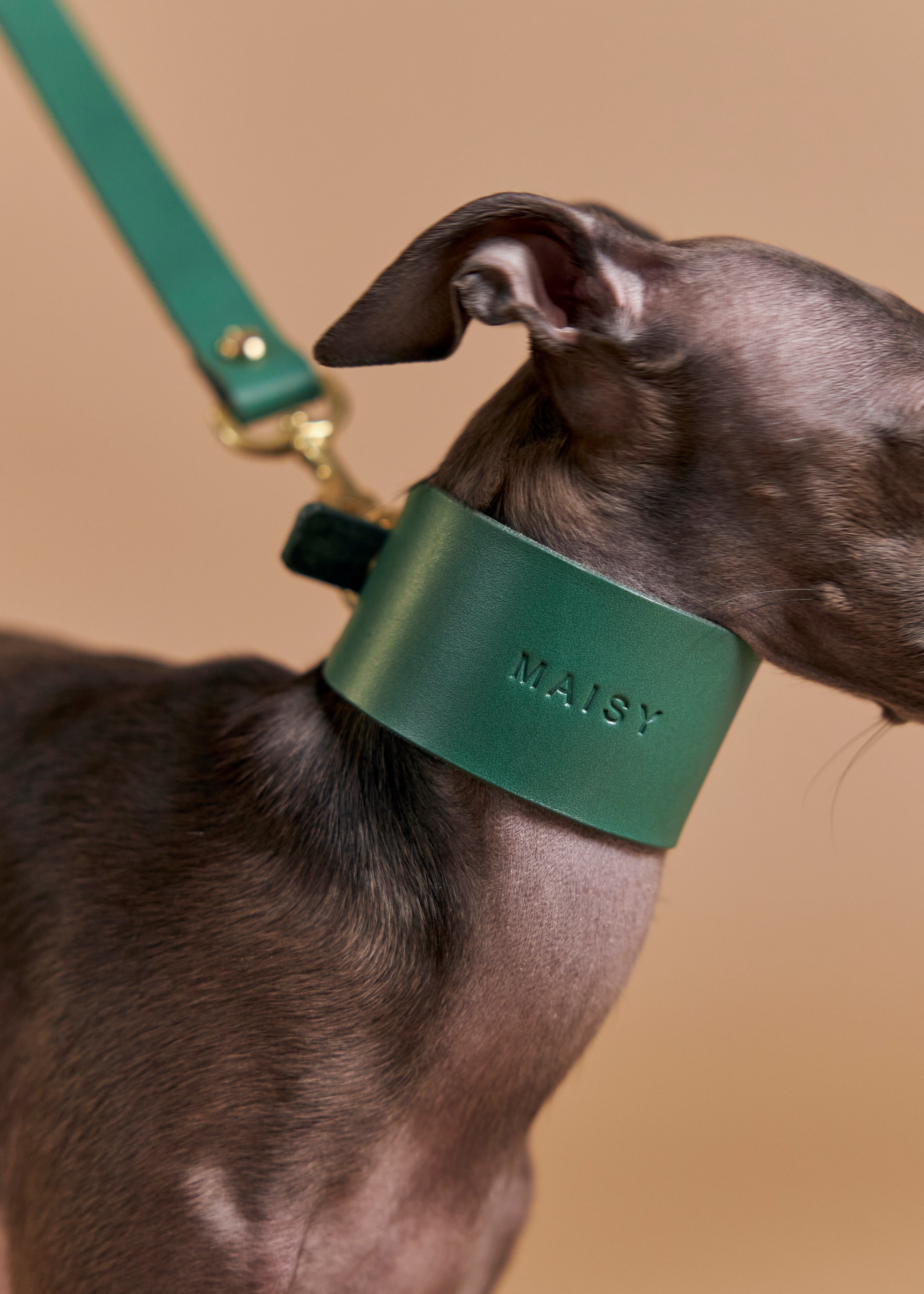
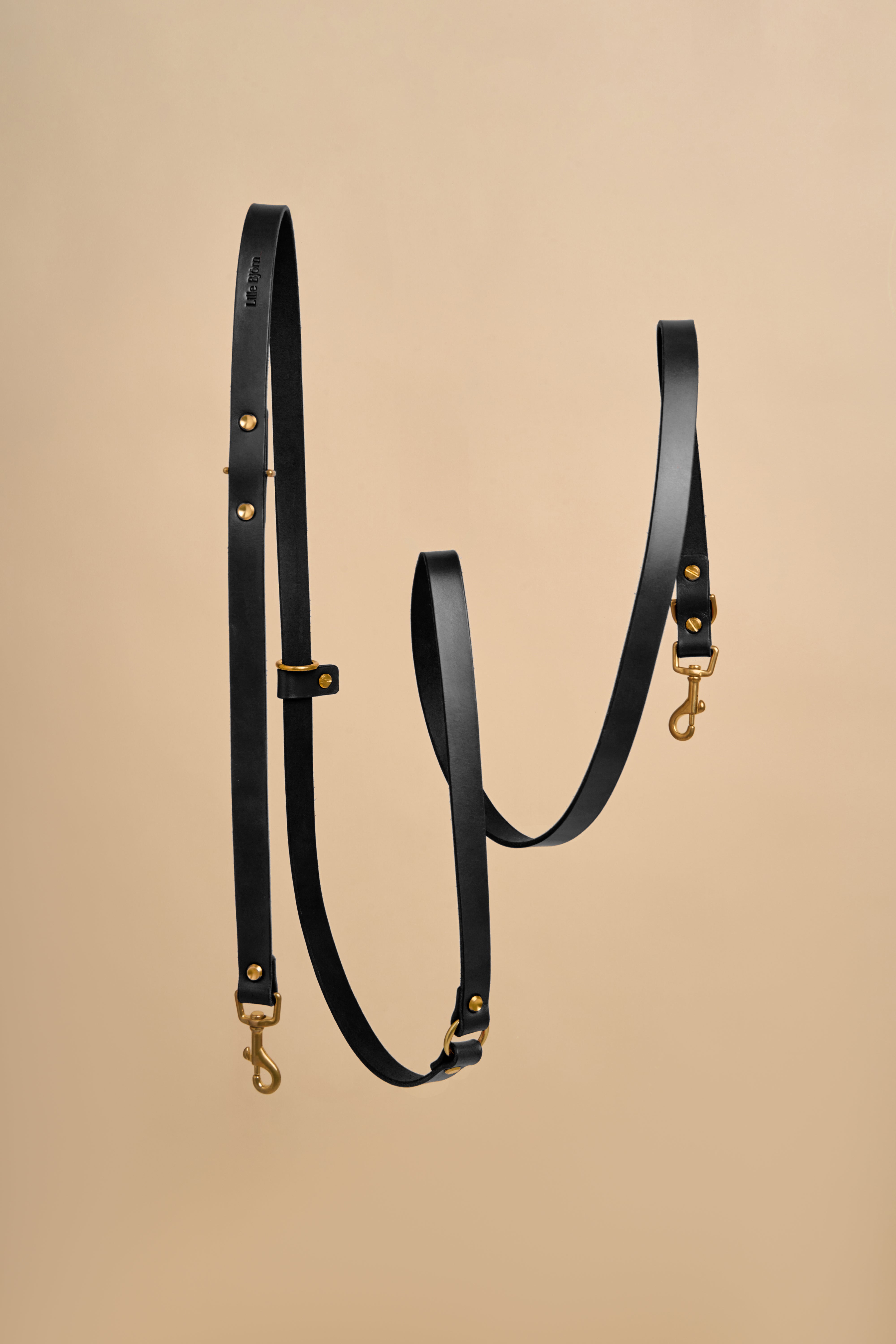
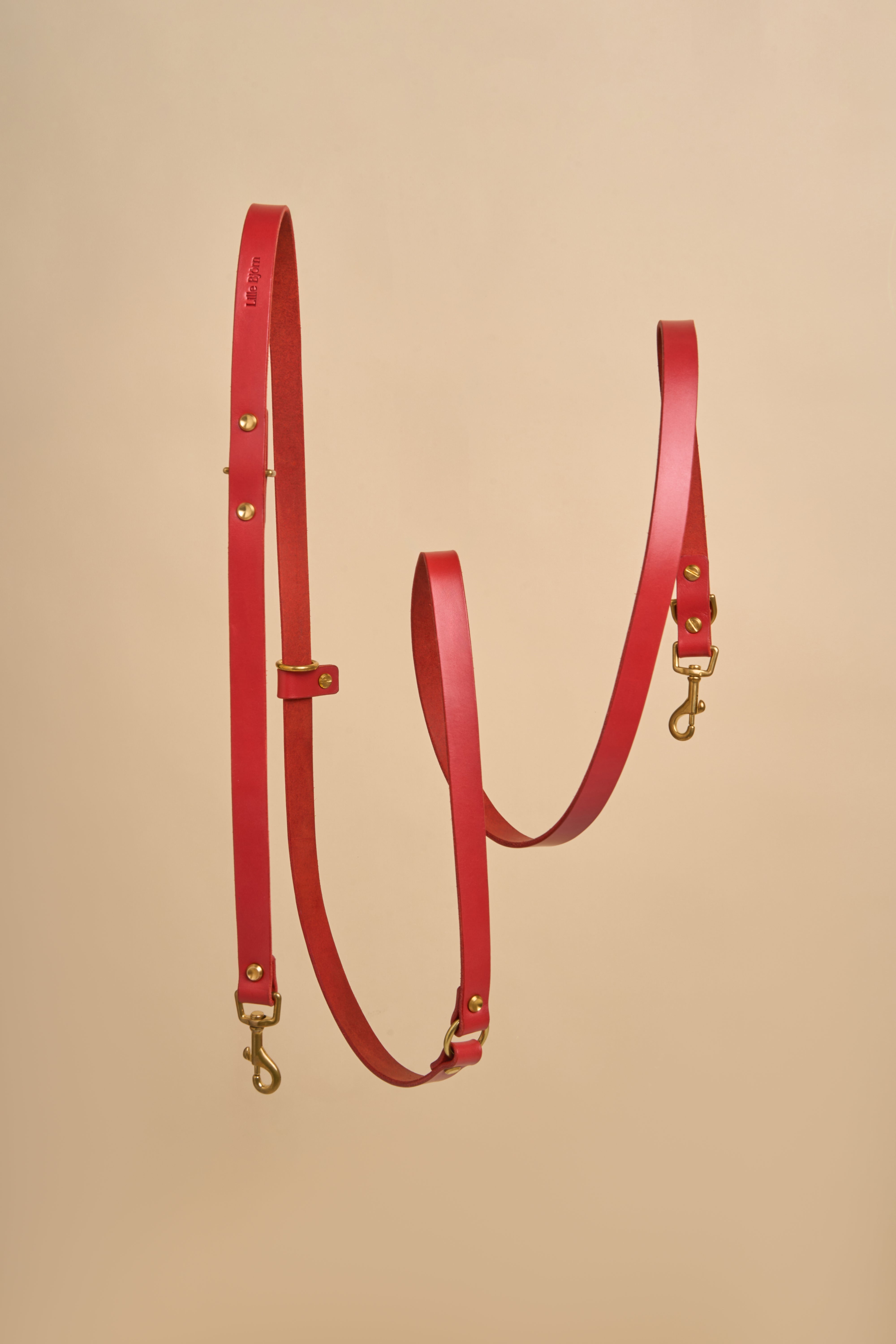
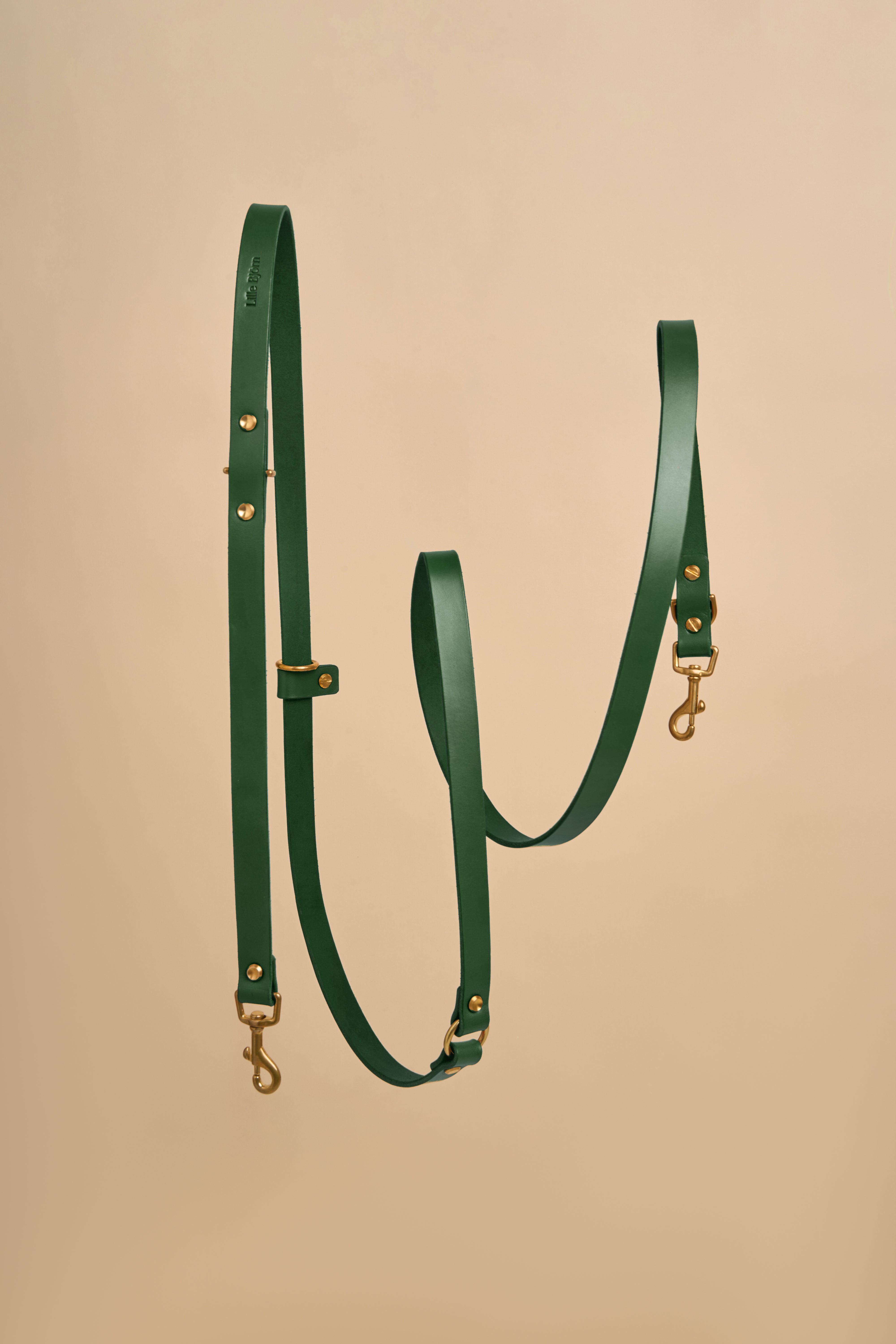
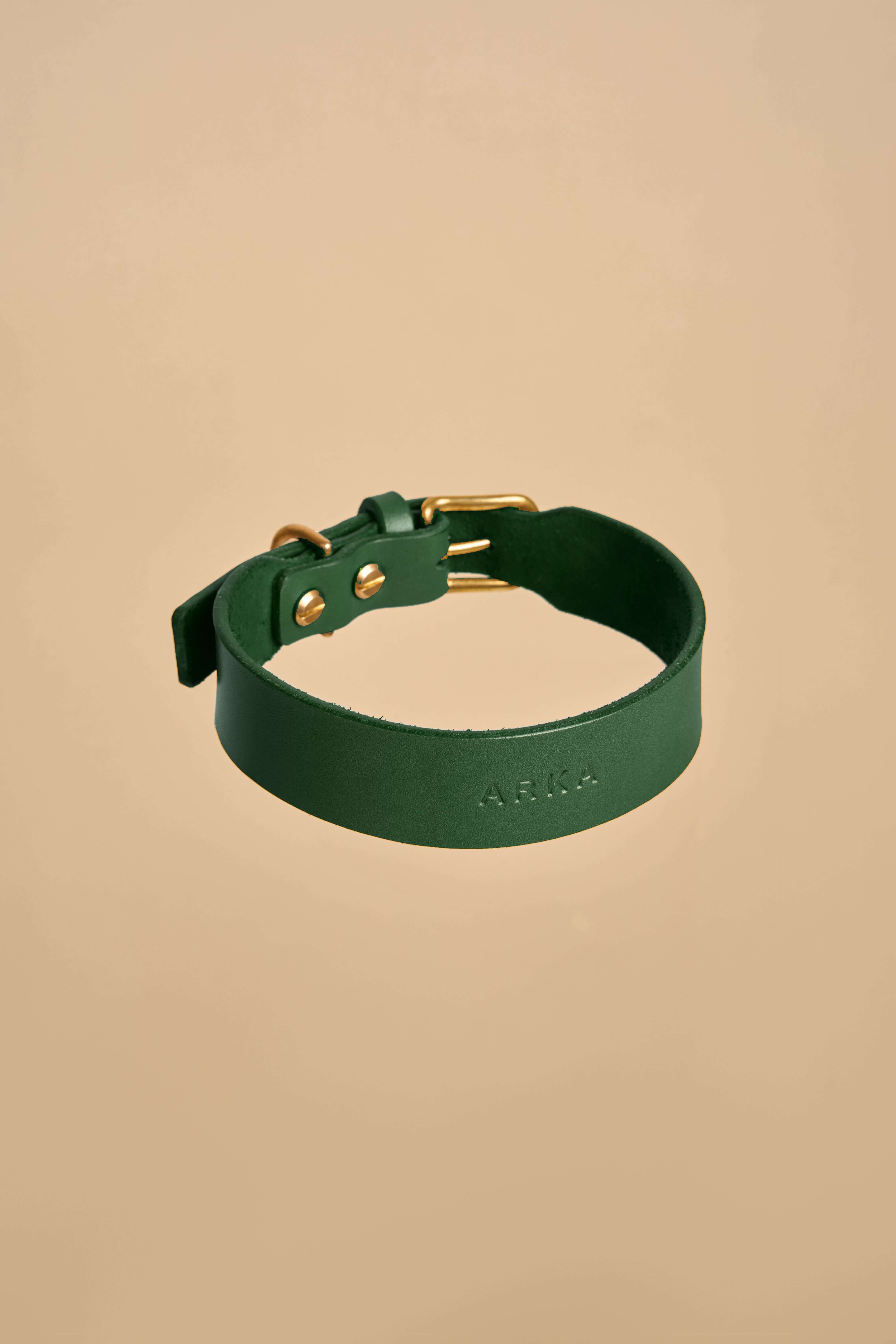
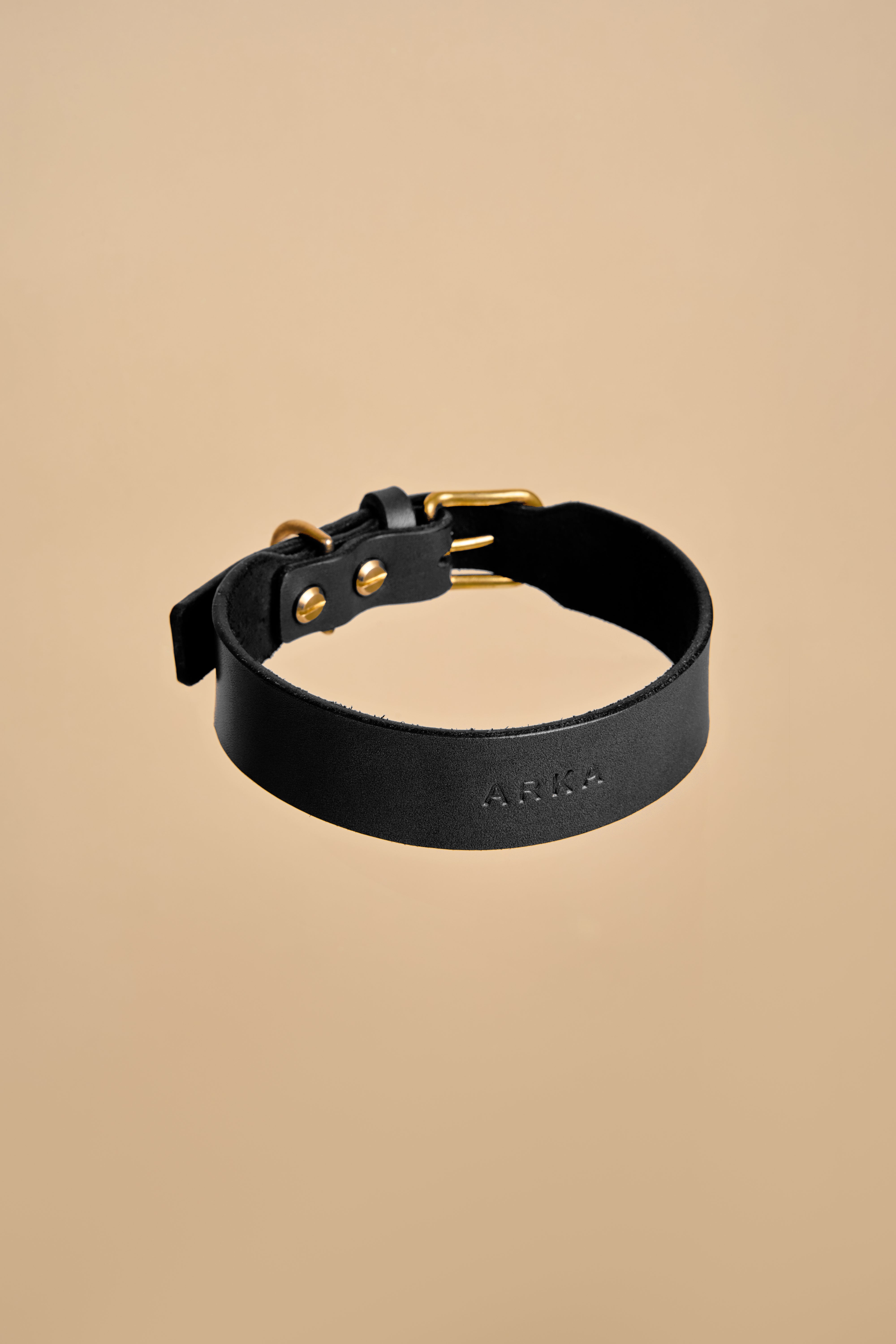
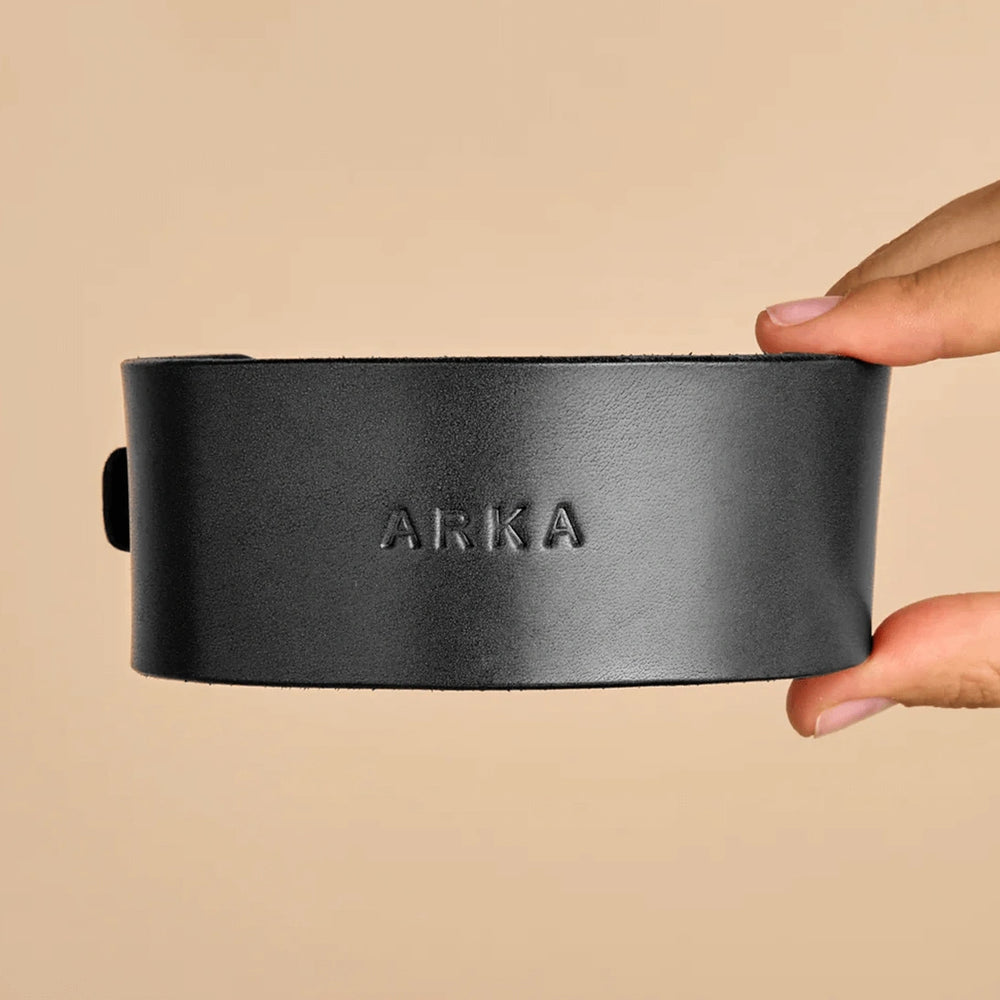
So, if metal collars aren’t the ideal choice, then what is? The general consensus in modern dog ownership is that a well-made leather collar is the superior option when it comes to the perfect combination of function and comfort. Here’s why!
-
Comfortable and Gentle on the Neck
Unlike heavy metal collars, leather collars do not tighten around or press into a dog’s neck. Instead, they distribute pressure evenly, which does so much to reduce the risk of injury. -
Lightweight and Flexible
Leather is naturally a very soft and supple material, meaning it can easily adapt to a dog’s movements. Its lightweight nature doesn’t add any extra unnecessary weight, eliminating the risk of too much strain on a pup’s neck. -
Durable and Long-Lasting
The great thing about vegetable-tanned leather is that it is strong, but softens over time to become even more comfortable. All without losing any of that original strength! Unlike different types of metal, it also doesn’t pose the risk of rusting and degrading over time. -
Hypoallergenic and Skin-Friendly
If your dog has particularly sensitive skin, then a metal collar can cause irritation that leads to rashes and sores. Alternatively, leather is a material that is natural and breathable, minimizing any potential discomfort. -
Stylish Yet Functional
Nobody can say that classic leather isn’t elegant and timeless! The look of metal can be very ‘one note’, but you get so many more options in terms of color and style when it comes to leather. You have a much better chance of finding a collar that matches your pup’s personality whilst still keeping them safe and healthy.
Making the simple switch from metal to a well-fitted leather collar is the perfect way to keep your dog looking smart whilst ensuring their security and comfort. Why put them at risk of all the associated problems with metal collars when you don’t have to?

Frequently Asked Questions: Metal and Chain Dog Collars
Are metal dog collars safe?
It depends on the type. Heavy decorative stainless steel collars are not actively dangerous in the way choke or prong collars are, but they add unnecessary weight that can strain the neck and shoulders, particularly for smaller, older, or recovering dogs. Choke chains and prong collars are not safe for regular use: both apply pain-based pressure to the trachea and cervical spine, and are formally opposed by the AVSAB, AVMA, and RSPCA. For everyday wear, a flat leather collar is safer, lighter, and more comfortable than any metal design.
Are chain collars bad for dogs?
As a general category, yes. Choke chains which tighten with no maximum limit compress the trachea, risk spinal injury, and have been shown to increase anxiety and aggression over time. Chain martingale collars are an exception: they tighten only to a preset maximum and cannot choke, making them appropriate for sighthound breeds prone to slipping standard collars. The distinction is the stopping mechanism - a chain with no limit is dangerous; one with a defined limit is not.
Are prong collars cruel?
Yes, by the definition used by major veterinary and animal welfare organisations. Prong collars apply pain through inward-facing metal spikes to interrupt behaviour. A mechanism the AVSAB classifies as positive punishment, which research links to increased stress, fear, and aggression. The fact that some trainers still recommend them does not constitute scientific endorsement. Effective, humane alternatives exist for every situation prong collars are commonly used for.
Are choke chains illegal?
In some countries and regions, yes. Prong collars are banned outright in Germany, Austria, Switzerland, and several other European nations. Wales has specific legislation governing aversive training devices. In England, the Animal Welfare Act 2006 makes causing unnecessary suffering illegal, which can apply to aversive collar use. Legislation is evolving rapidly in this area. Check your local regulations but more importantly, know that the ban trend reflects a genuine scientific and welfare consensus.
Can a collar hurt a dog's throat?
Yes, particularly any collar that tightens under tension. Choke chains and prong collars apply direct compressive force to the trachea, which can cause tracheal collapse, thyroid gland trauma, and vagus nerve compression over time. Even flat collars can cause throat strain in dogs that pull consistently and forcefully. For dogs with any tracheal sensitivity, a harness for walks can remove all leash tension from the throat, while the collar remains for ID tag purposes only.
What should I use instead of a chain collar?
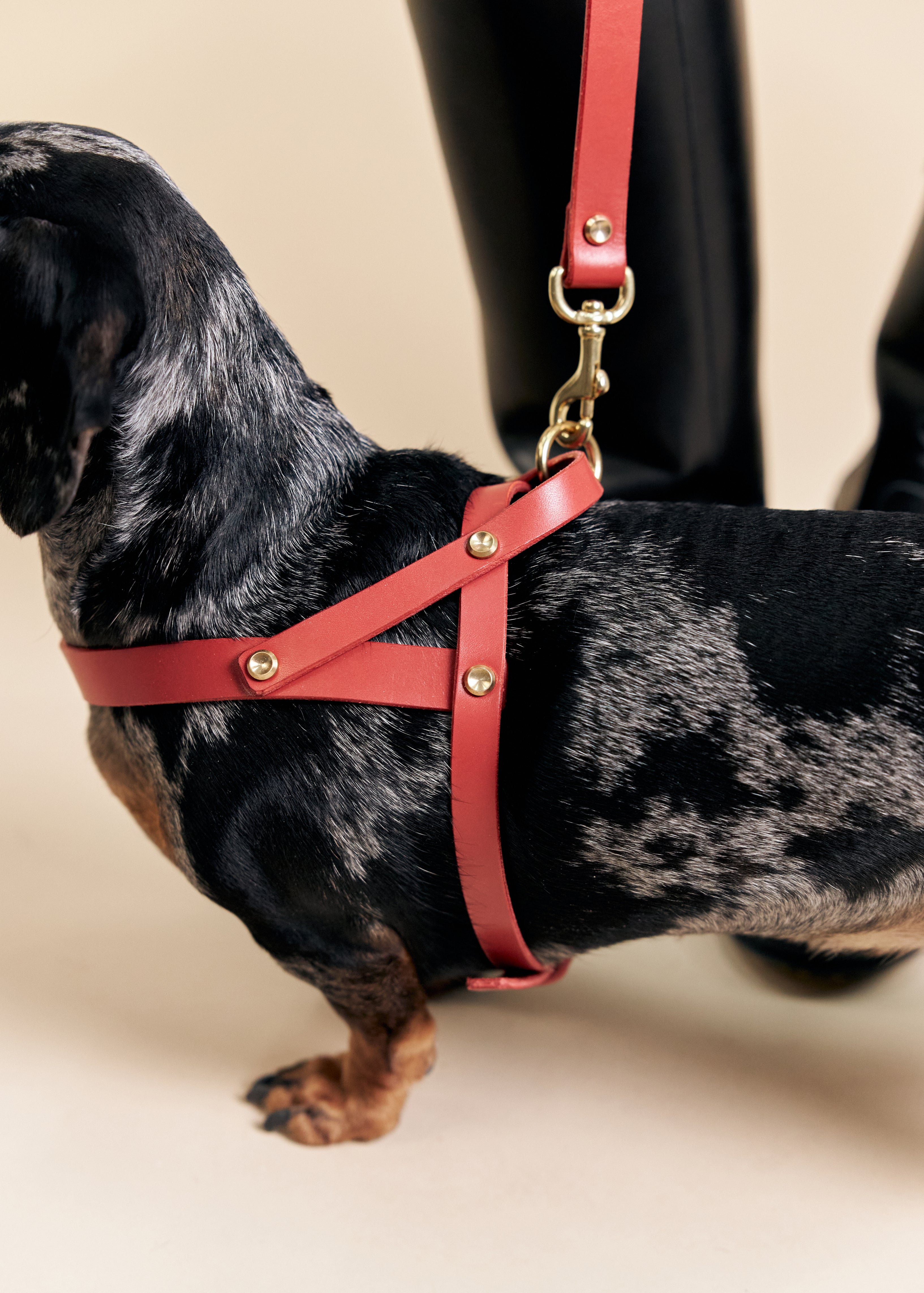
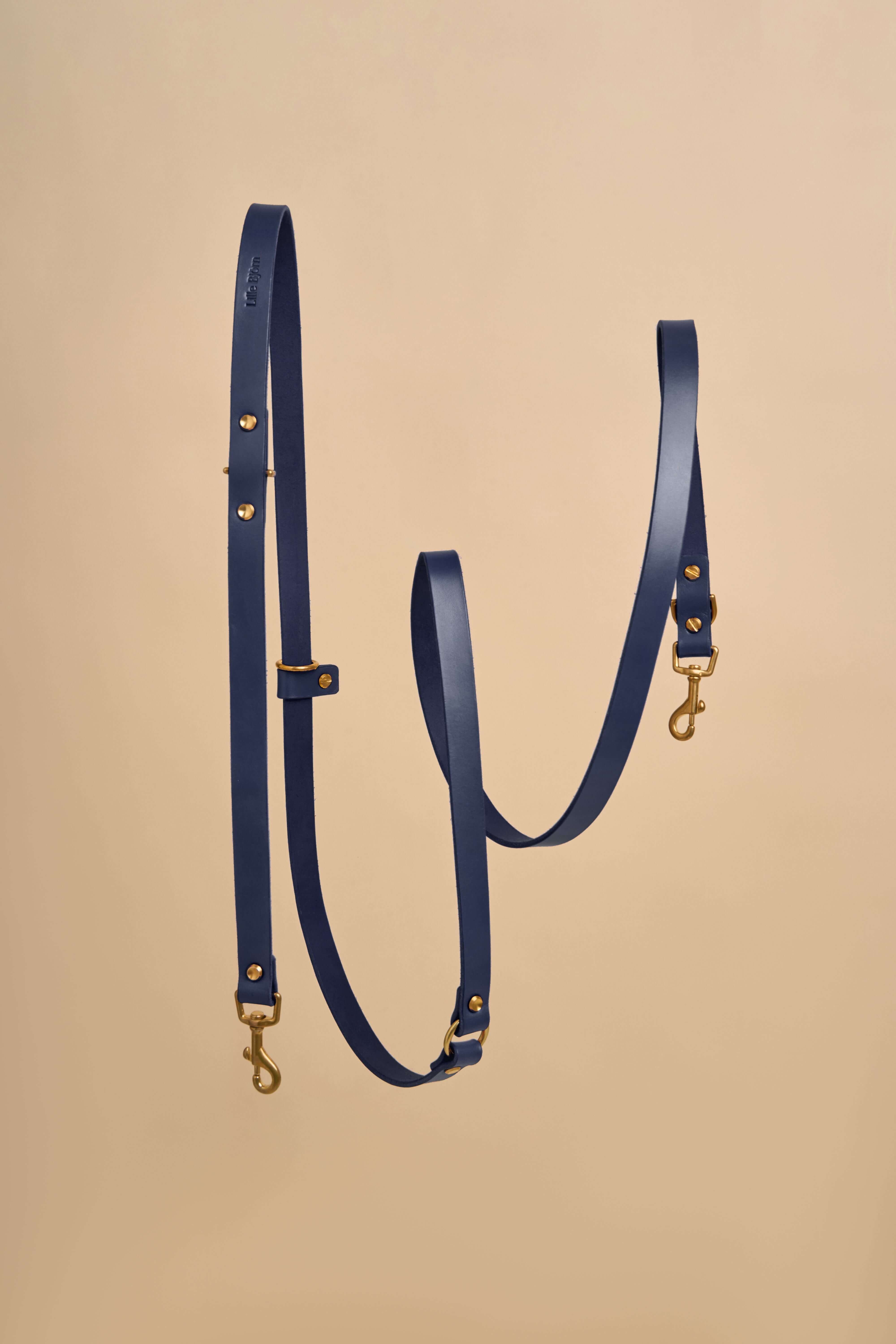
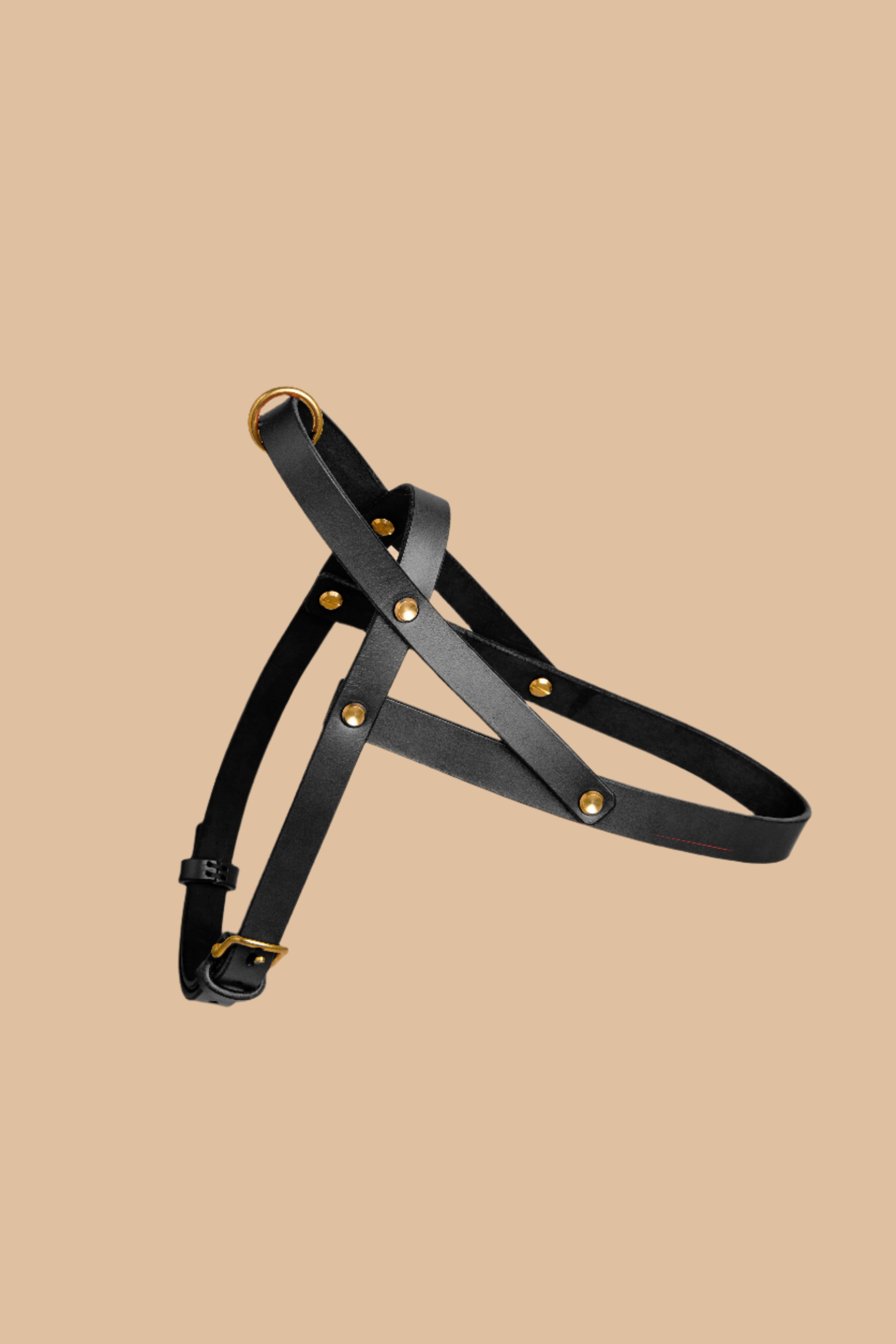
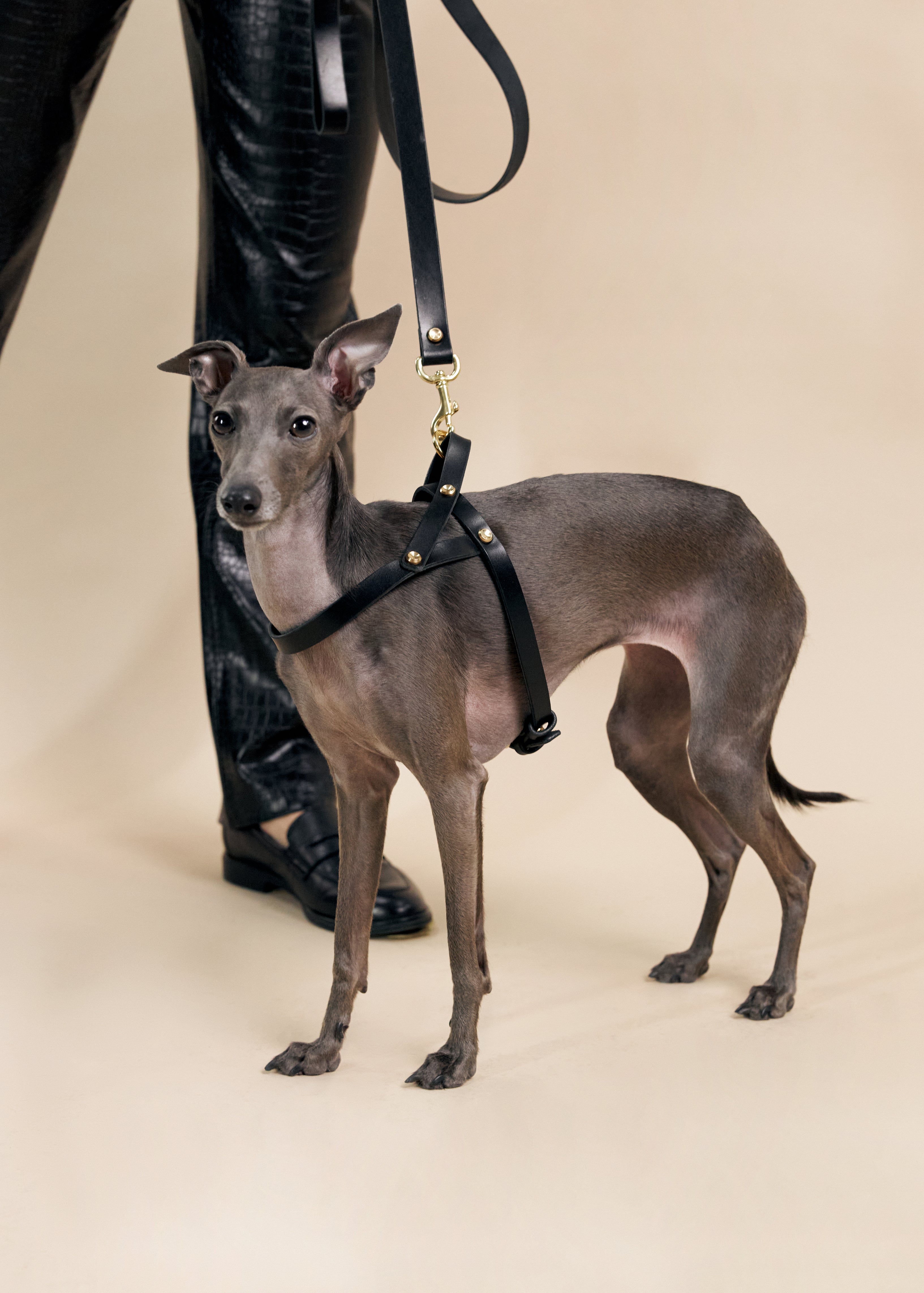
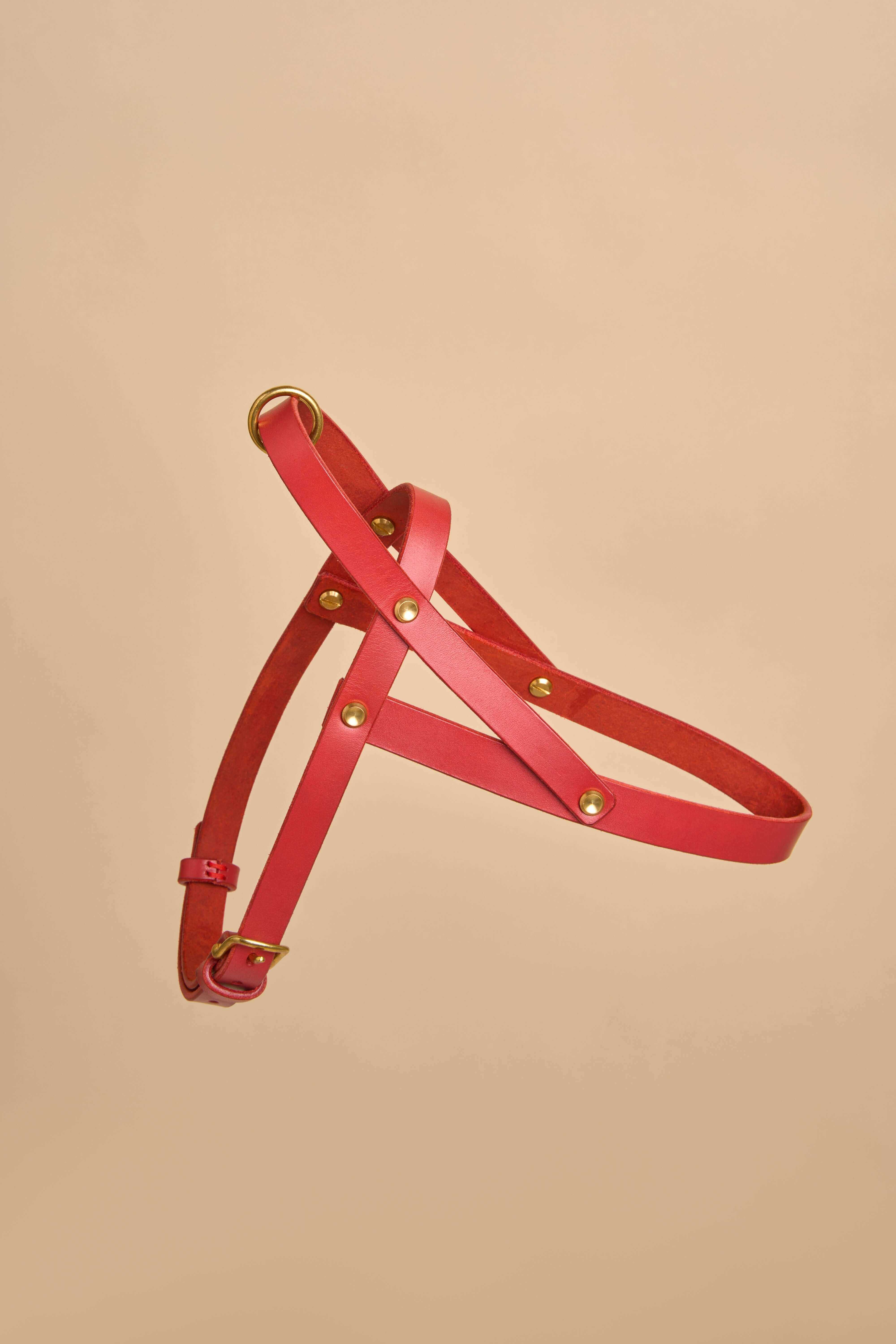
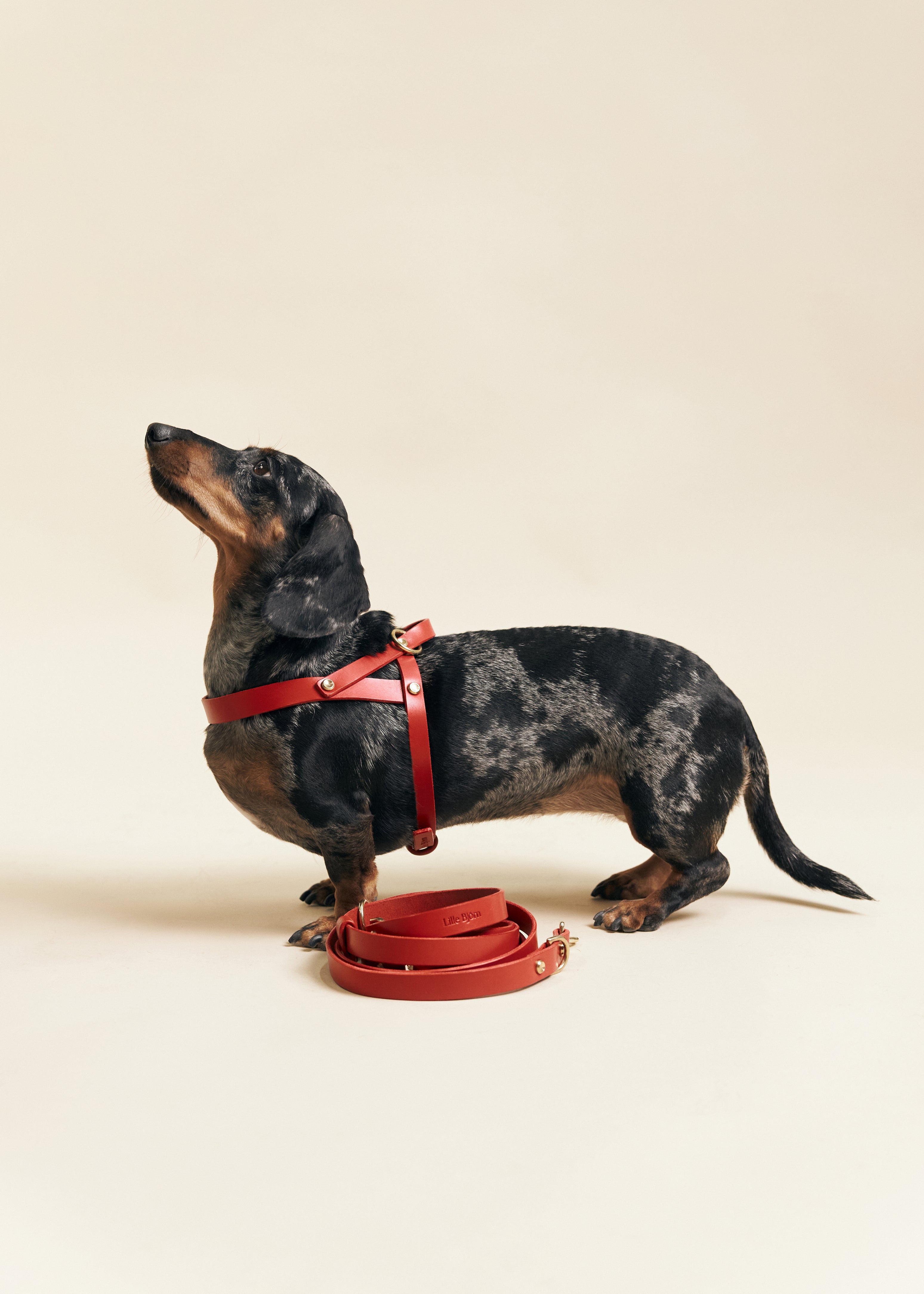
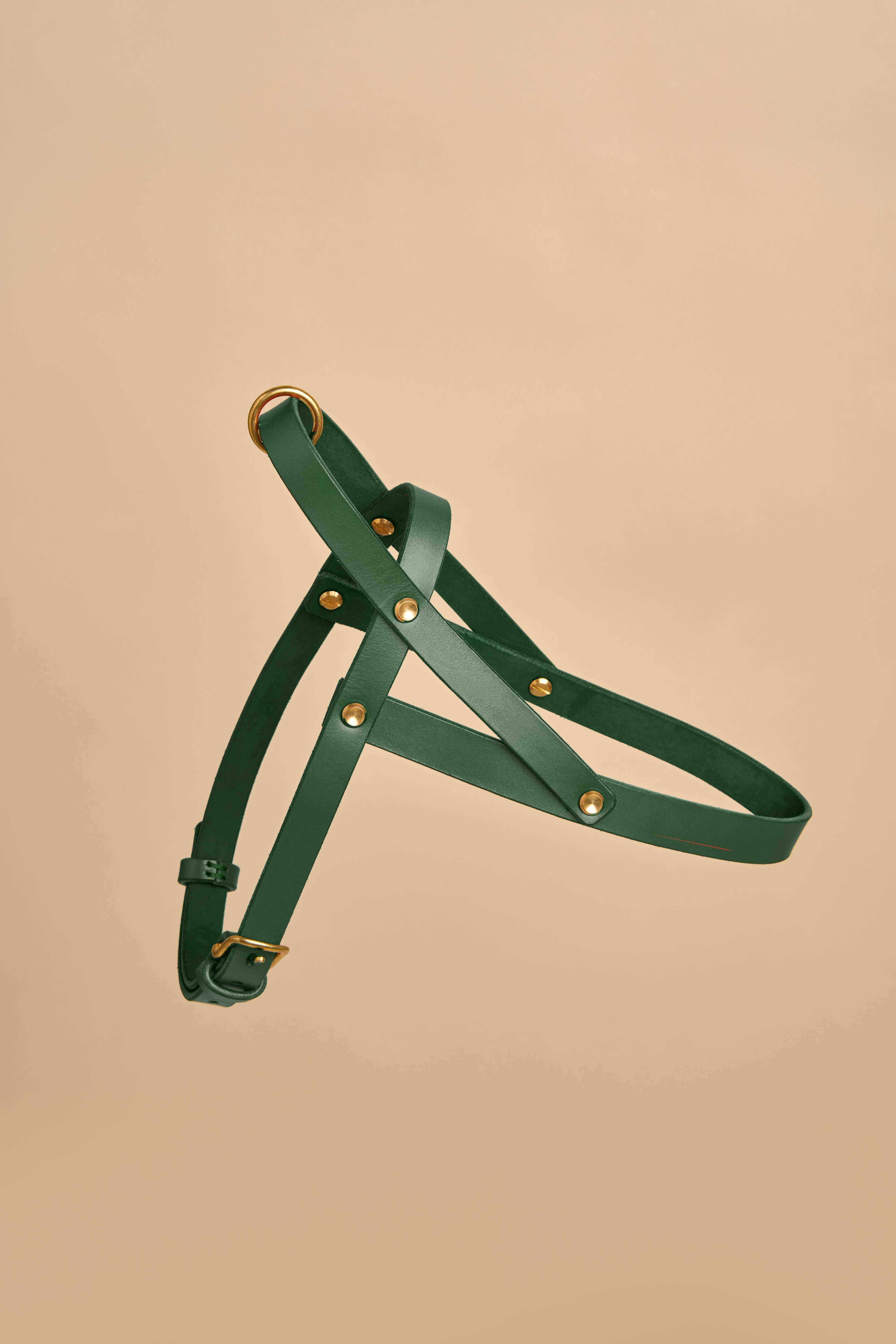
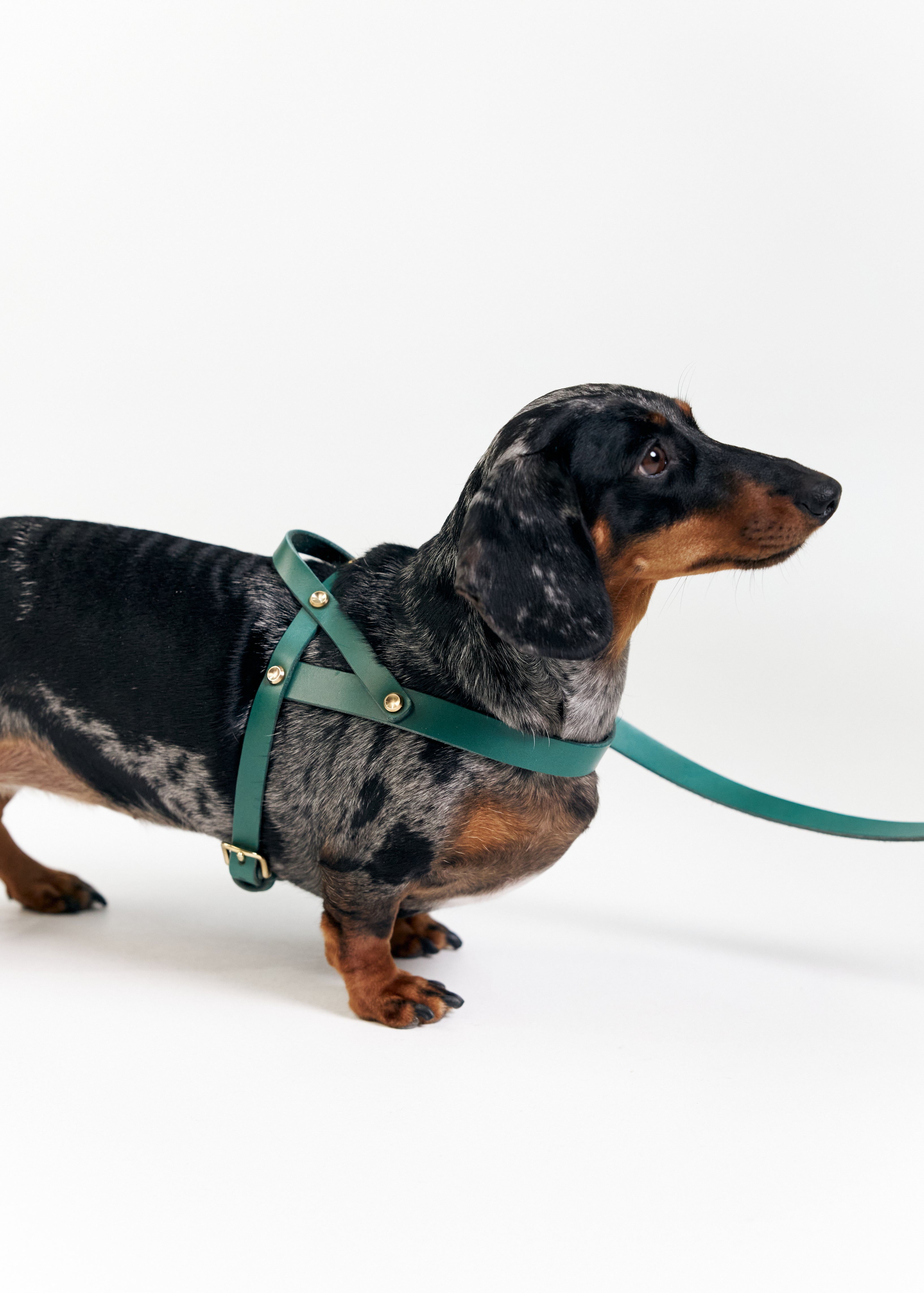
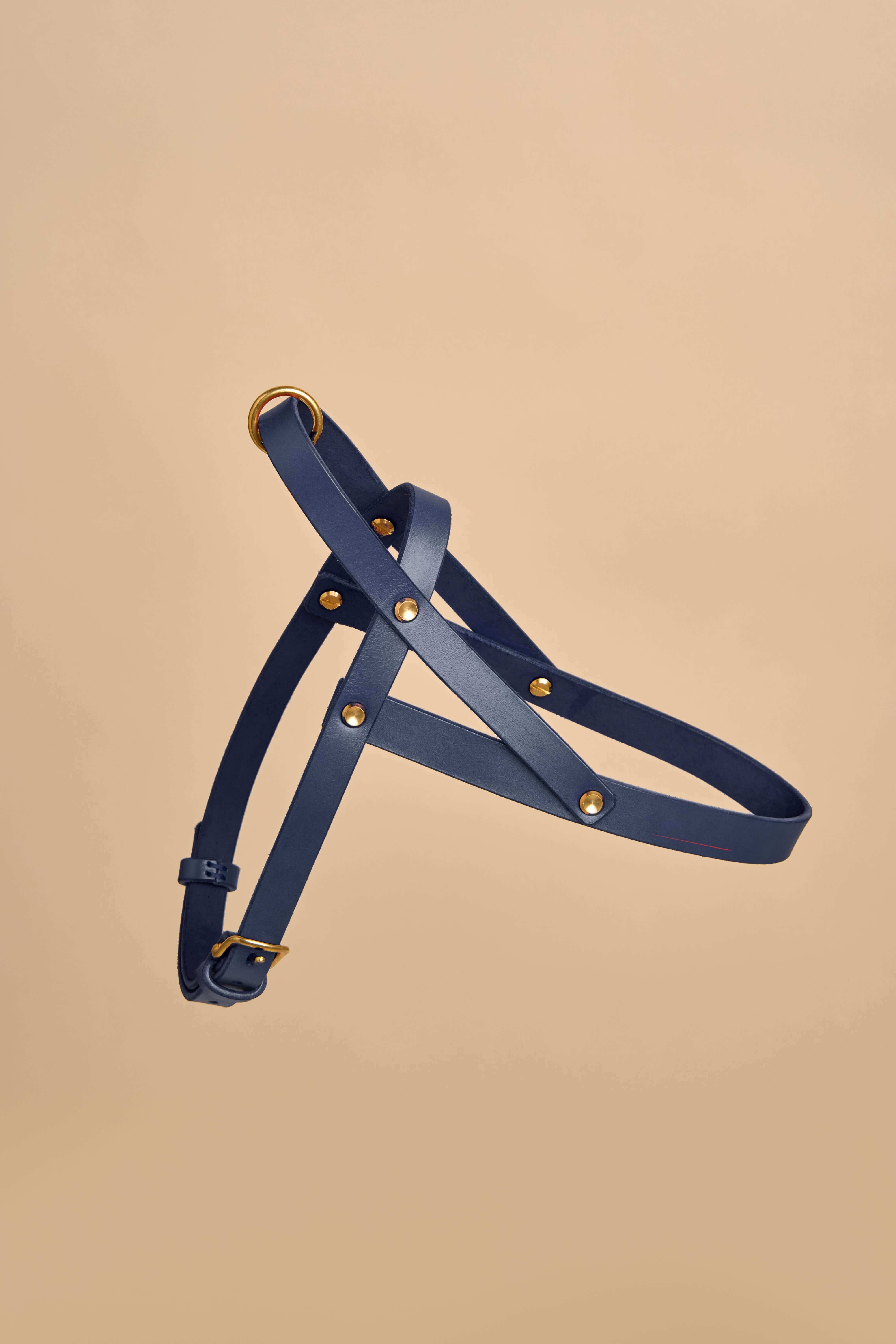
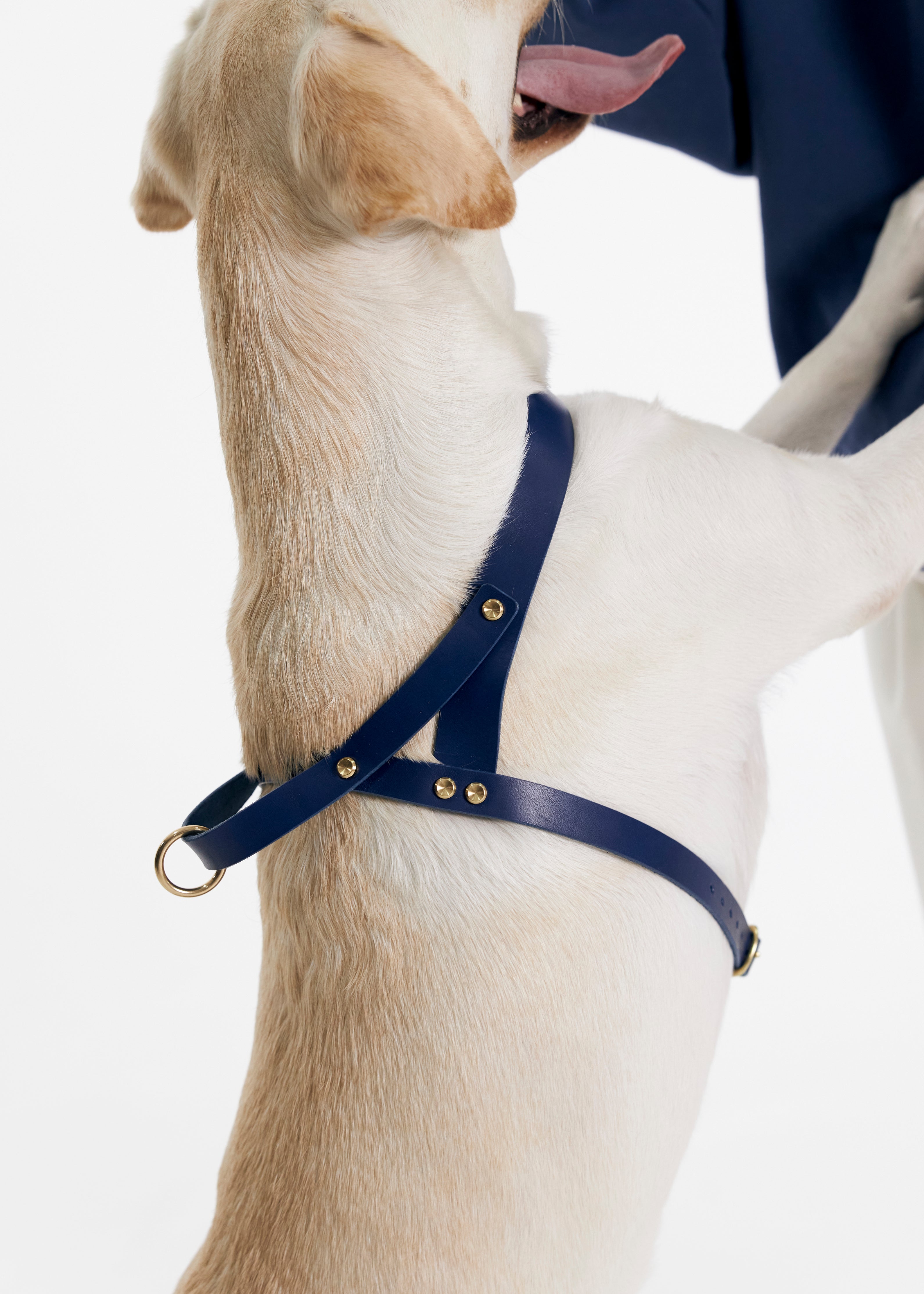
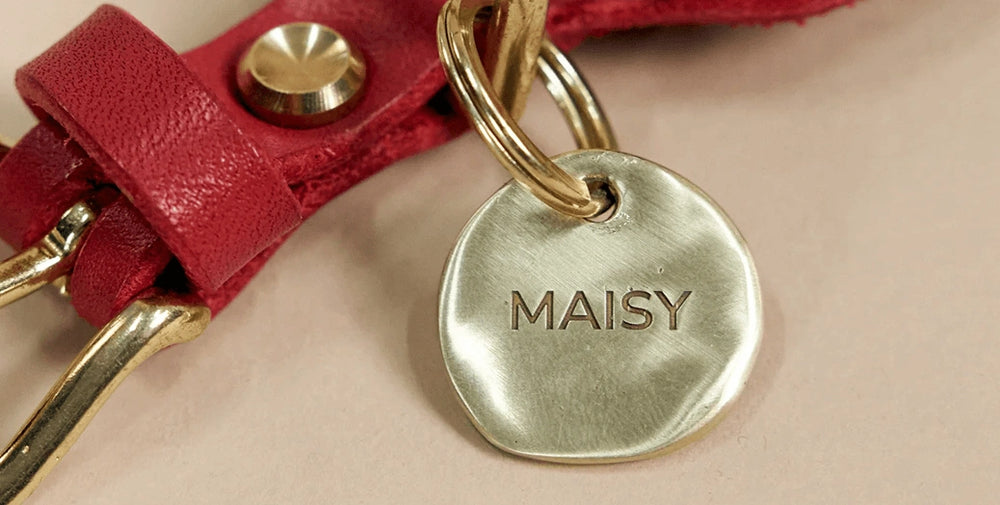
For most dogs in everyday use: a flat leather collar with a solid brass buckle. It distributes pressure evenly, never tightens, and softens over time to fit the neck precisely. For strong pullers: a leather harness. For sighthound breeds prone to collar escape: a properly fitted martingale collar closes gently to a preset maximum and prevents slipping without choking. None of these alternatives compromise control, they simply achieve it without pain.
Are metal collars bad for large dogs?
Metal choke and prong collars are often marketed specifically for large breeds, with the argument that only strong correction tools provide adequate control over powerful dogs. This is not supported by evidence. A well-fitted wide leather collar with solid brass hardware handles the forces a large dog generates without neck compression, and positive reinforcement training produces more durable obedience results than correction-based methods. The fact that a large dog tolerates a metal collar does not mean the collar is safe. Cumulative tracheal and spinal stress develops silently before symptoms appear.
Conclusion
Metal and chain dog collars exist on a spectrum. Decorative stainless steel designs are primarily a weight and comfort problem. Slip collars and choke chains introduce real tracheal risk when used without strict limits. Prong collars add the dimension of skin penetration, psychological harm, and documented increases in fear and aggression. At no point on this spectrum does any metal collar offer a safety, comfort, or training benefit that a leather collar, martingale, or harness cannot provide more humanely.
The argument that metal collars are necessary for large or powerful dogs is the most persistent myth in this space and the most thoroughly unsupported by modern training science. The dogs that are most often put in metal correction collars are frequently the ones that most need trust-based handling, not pain-based compliance.
A well-made flat leather collar for everyday wear, paired with a harness for active walks, gives you complete control without any of the cumulative risks. That combination works for any breed, any size, and any temperament and it builds the kind of willing, connected behaviour that makes every walk easier over time.