Quick Summary
Dog collar colours carry two distinct types of meaning: a practical meaning is which collar colour looks best against your dog's coat and a social meaning is what the collar colour signals to other dog owners about your dog's temperament. Black signals confidence and authority; blue signals calm and approachability; red signals energy or a request for extra space; green signals friendliness and sociability; and cognac brown signals warmth and reliability. For coat-colour matching: red or green collars contrast beautifully against a black coat; blue or red stands out against a golden or brown coat; any dark colour creates a striking look against a white or cream coat. Both dimensions are worth considering when choosing and in vegetable-tanned leather, the colour you choose will deepen and develop a unique patina over years of daily wear.

The Importance of a Well Chosen Dog Collar
First of all, let’s make sure that we are all on the same page when it comes to understanding exactly why dog collars are so important!
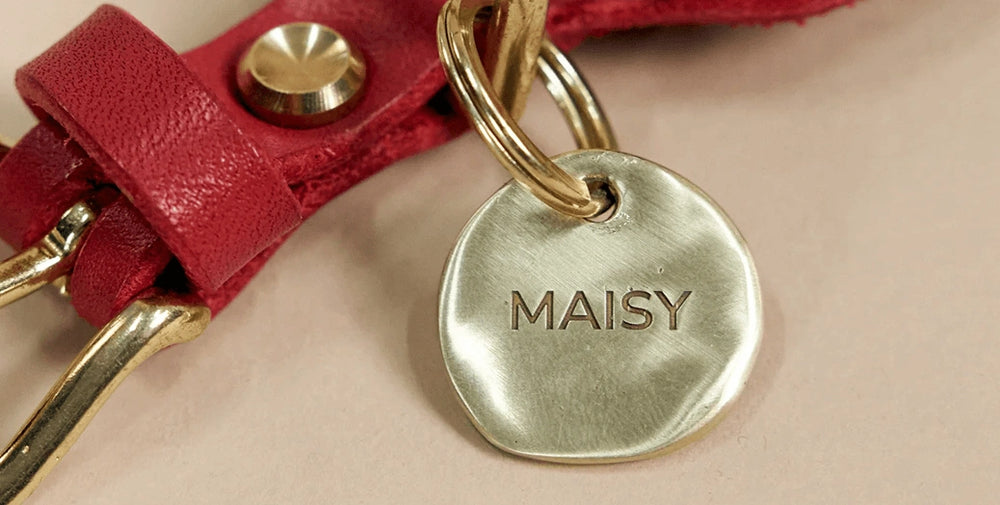
A high quality, well chosen dog collar can serve a whole host of functions for both you and your pup. First and foremost, it is the logical spot to attach an ID tag, ensuring that if you should ever get separated from your canine companion, a good Samaritan will know exactly where to return them! Of course, collars also serve as the perfect anchor for a good leash, aiding in training, safety and control when out on your daily walks.
Lots of modern pet owners are turning to vegetable tanned leather because it offers a reassuring blend of durability and style, as well as antibacterial and hypoallergenic properties.
Beyond all of these material considerations, there is the important matter of color. Let’s take a look at some of the most common collar colors, and what they have come to represent to other dog owners and passersby!
What Different Dog Collar Colors Represent
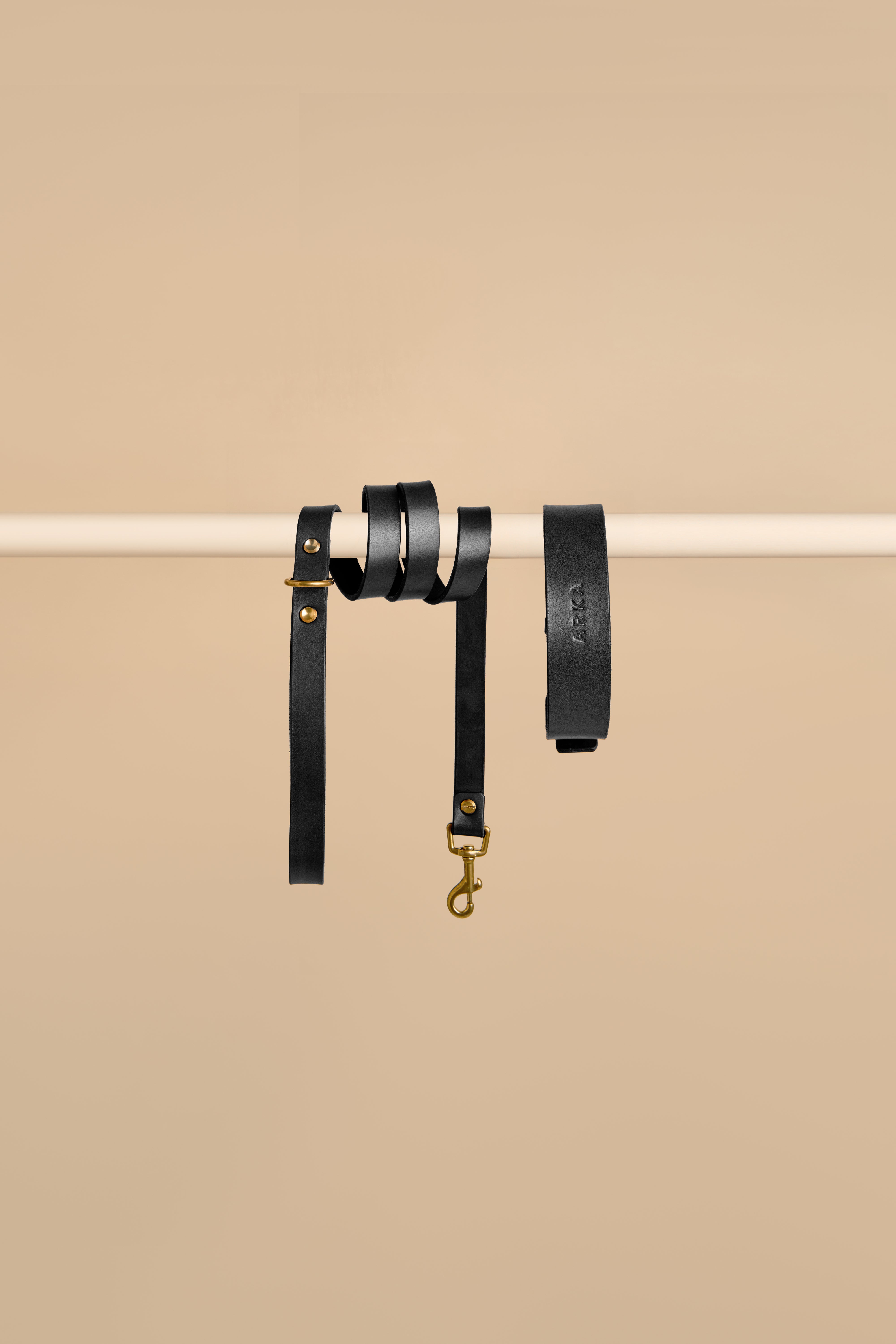
Black - Timeless & Strong
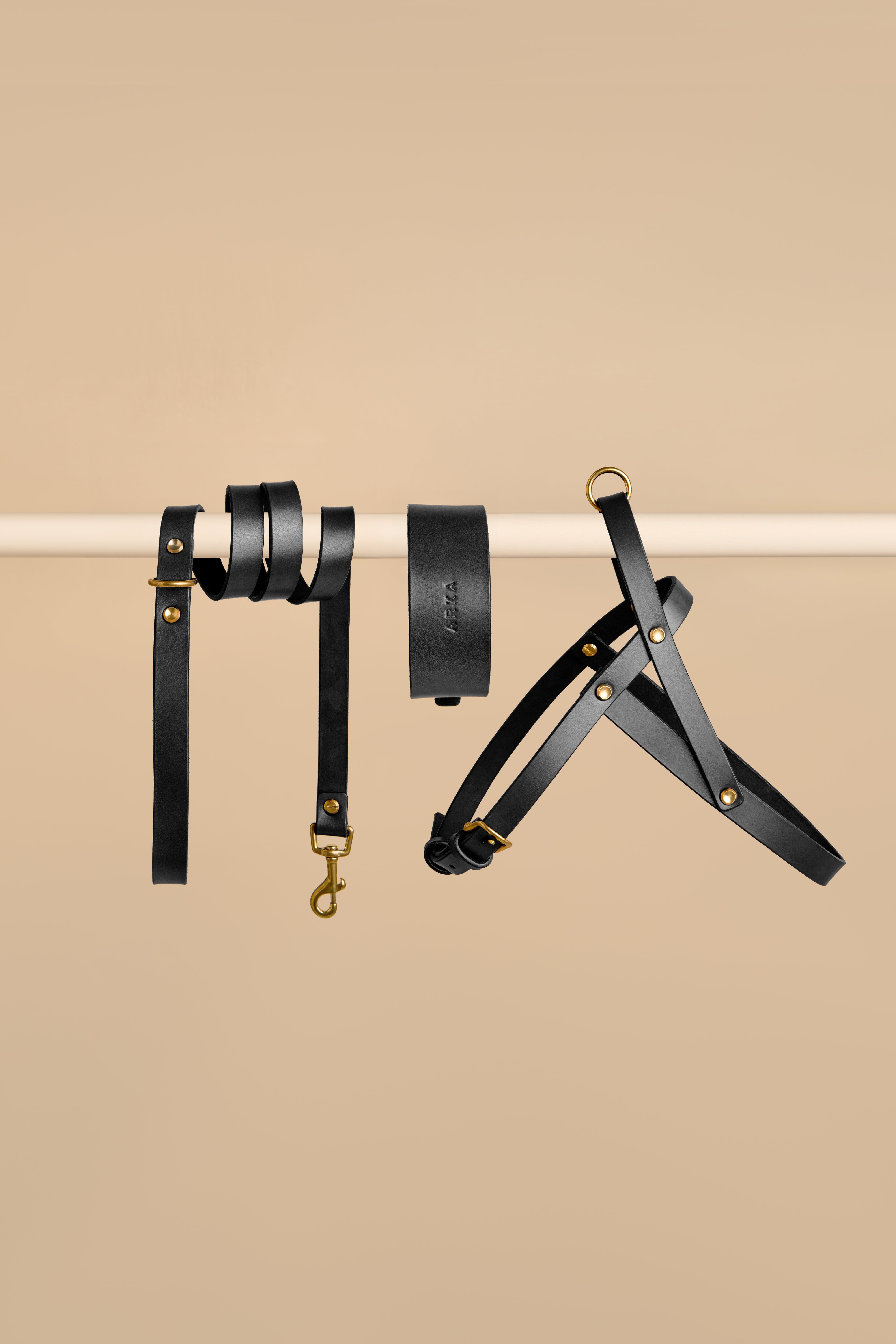
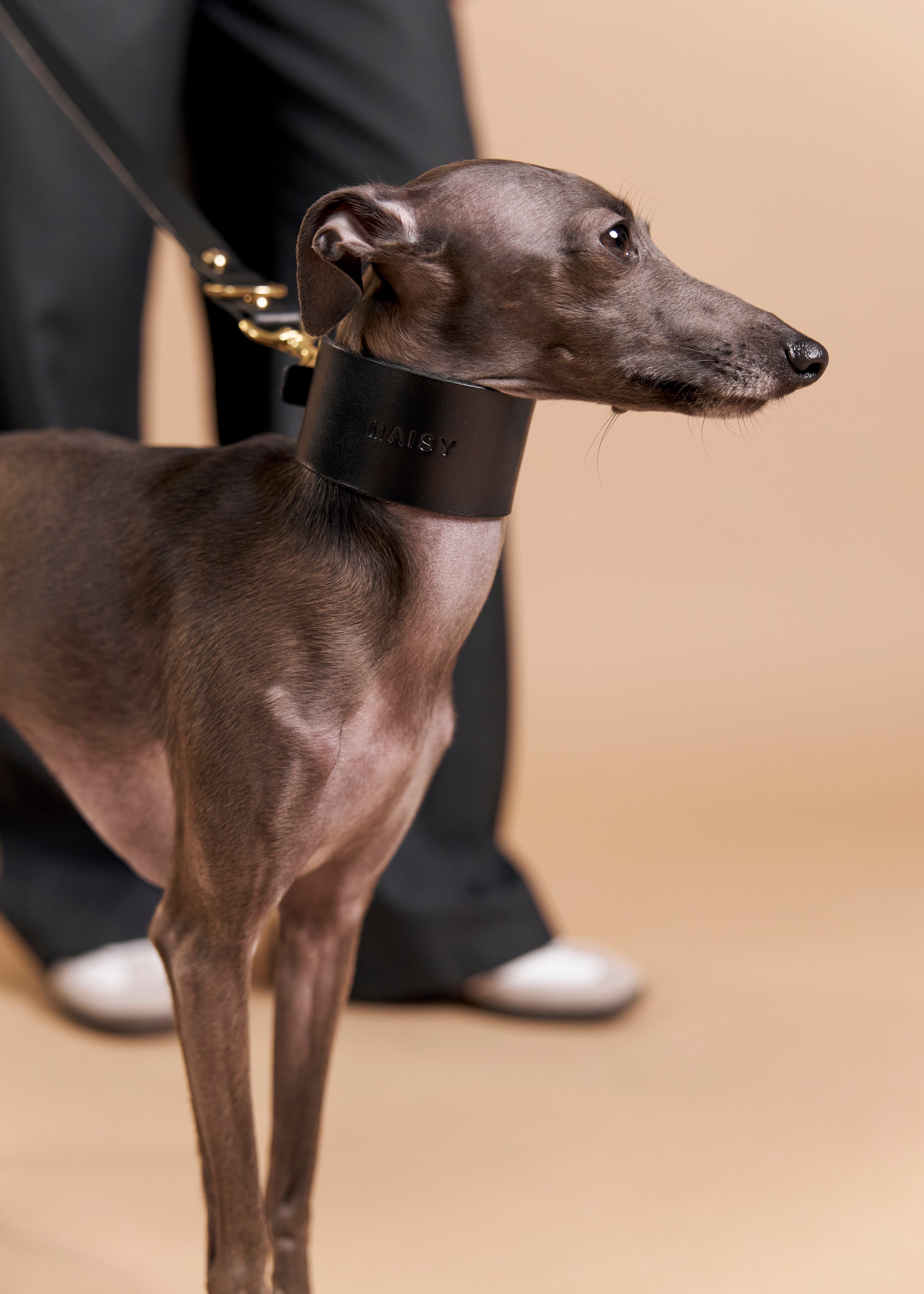
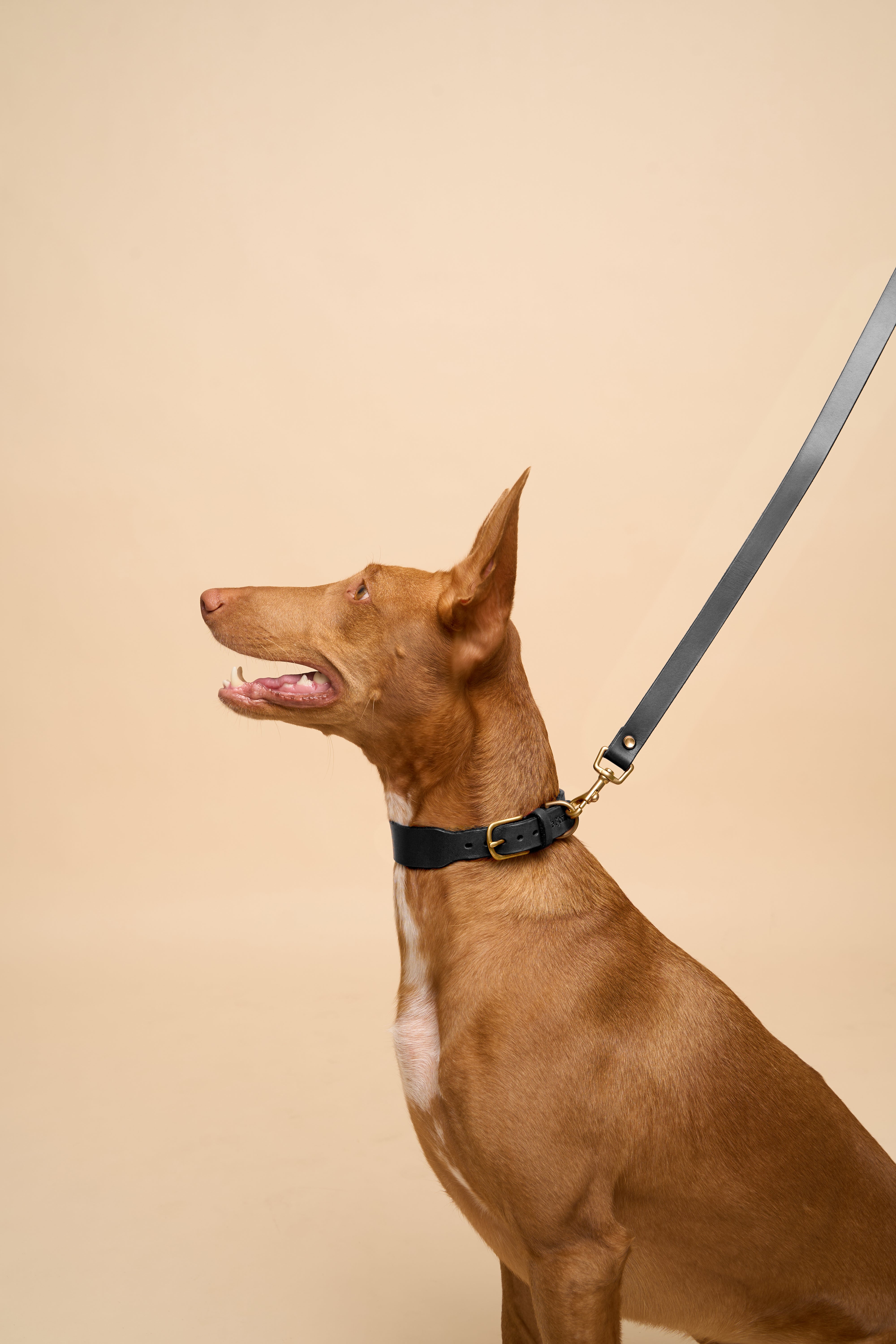
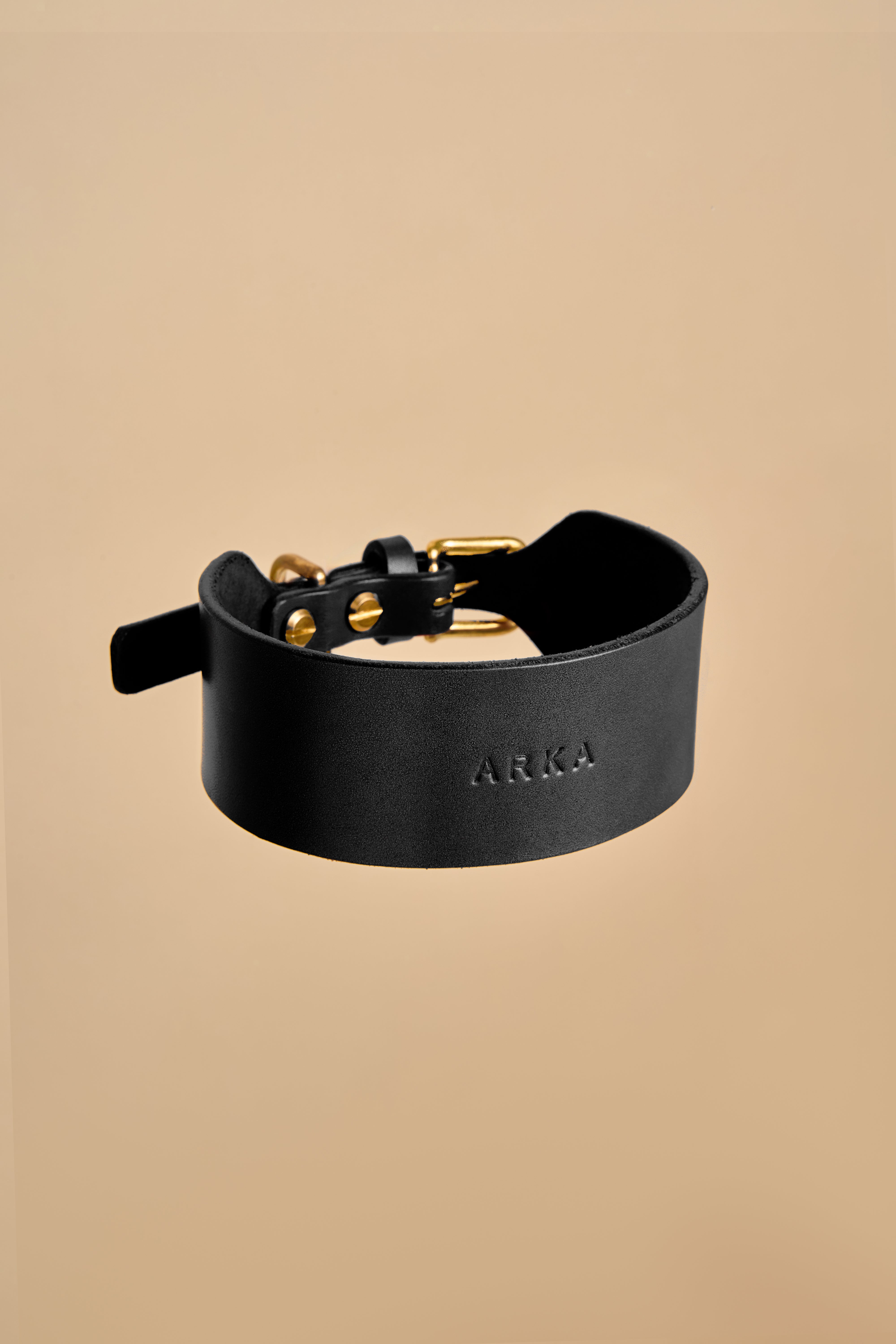
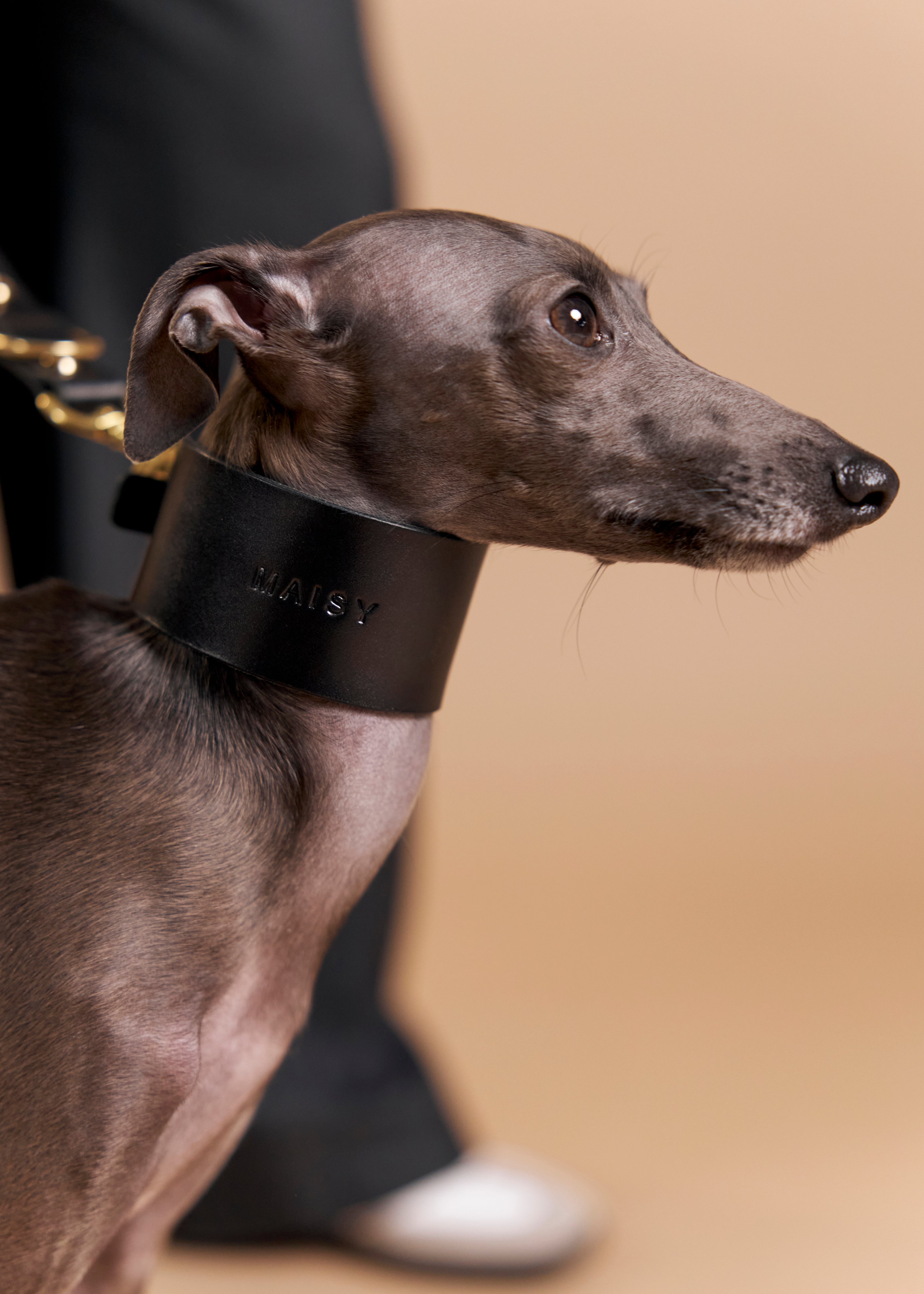
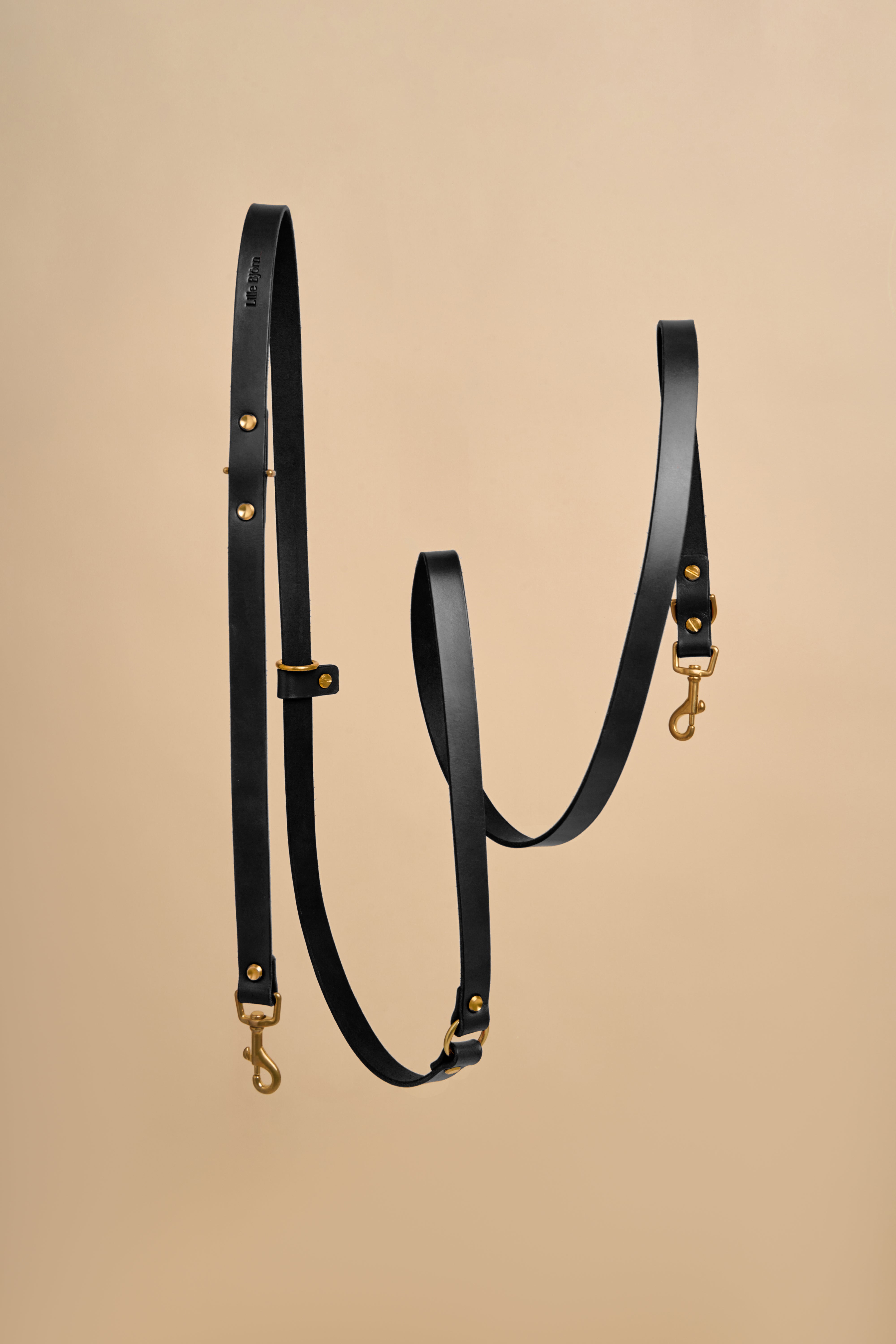
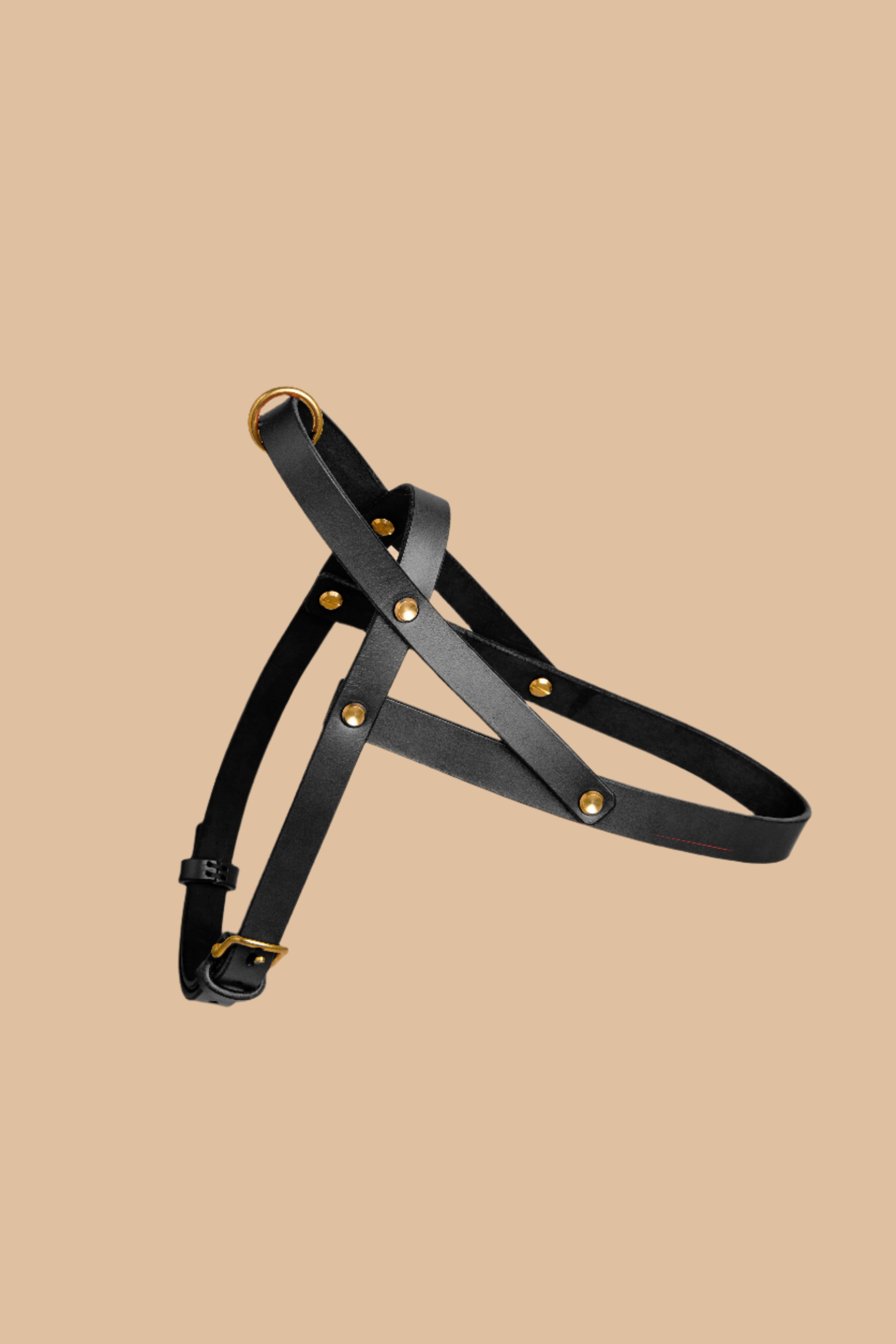
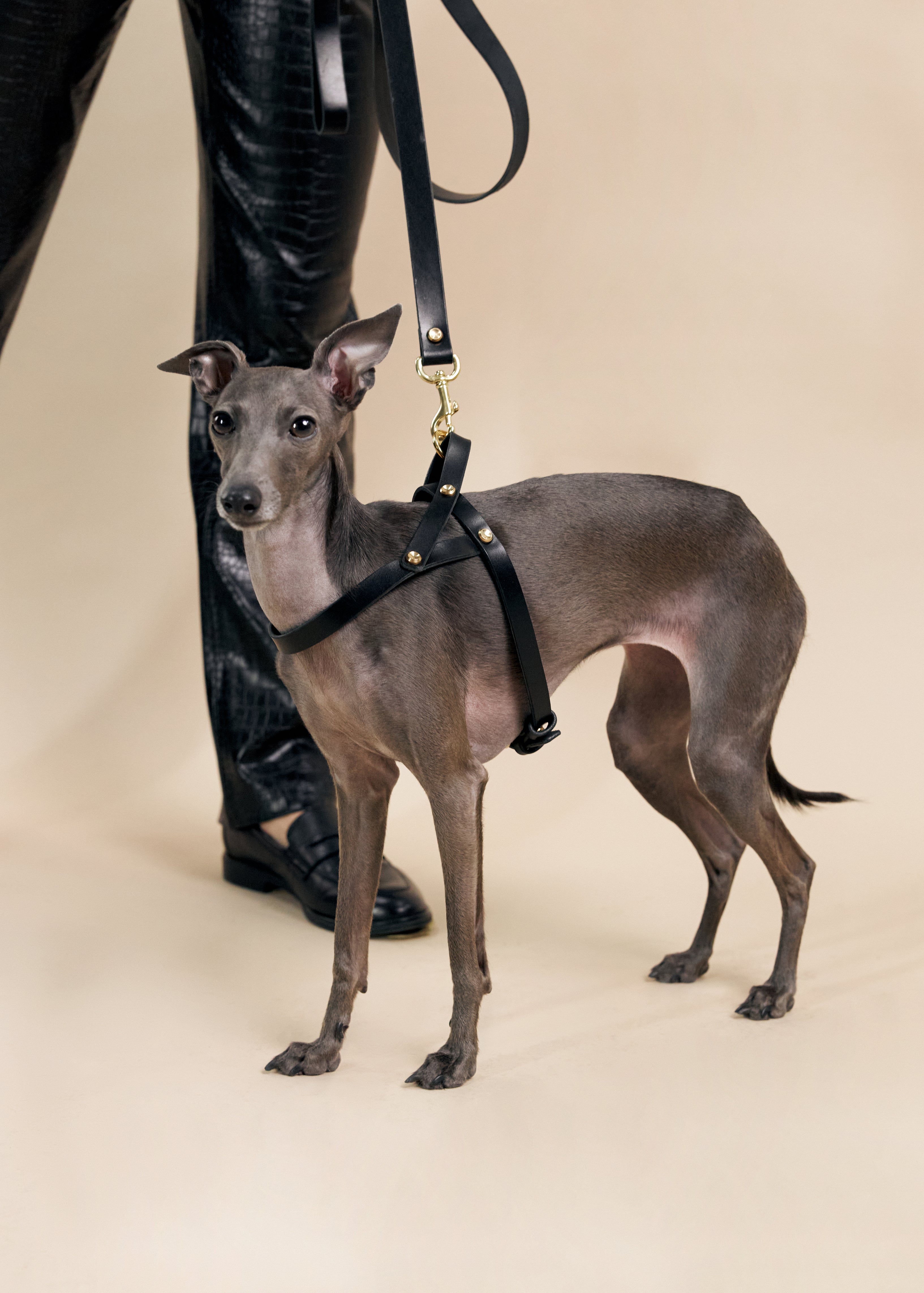
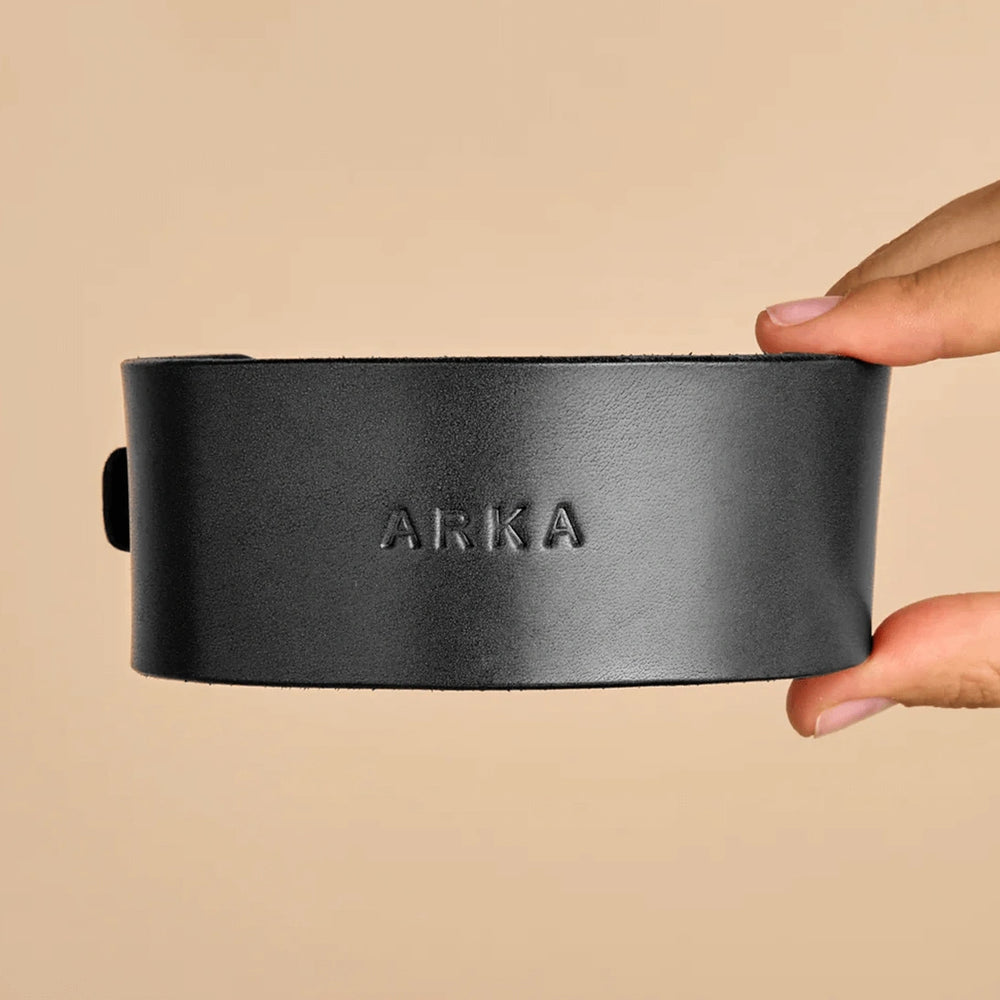
Black is a classic, sophisticated choice that has come to symbolize things like confidence, authority and strength. As we are sure you know, black is a super popular choice among dog owners who are seeking that neutral, timeless look in their pet accessories. A black collar is the perfect choice for any pup that is independent and confident, and there is also the factor of it being a practical choice for everyday wear as black leather is able to mask a lot of dirt and general wear and tear between washes!
For coat-colour matching, a black collar is the most versatile option in the palette: it contrasts sharply against light-coloured coats (white, cream, golden, silver) and creates a tonal, sophisticated look on darker coats. In vegetable-tanned leather, a black collar develops a subtle sheen over time that deepens its richness without losing its precision.
Blue - Calm & Trustworthy
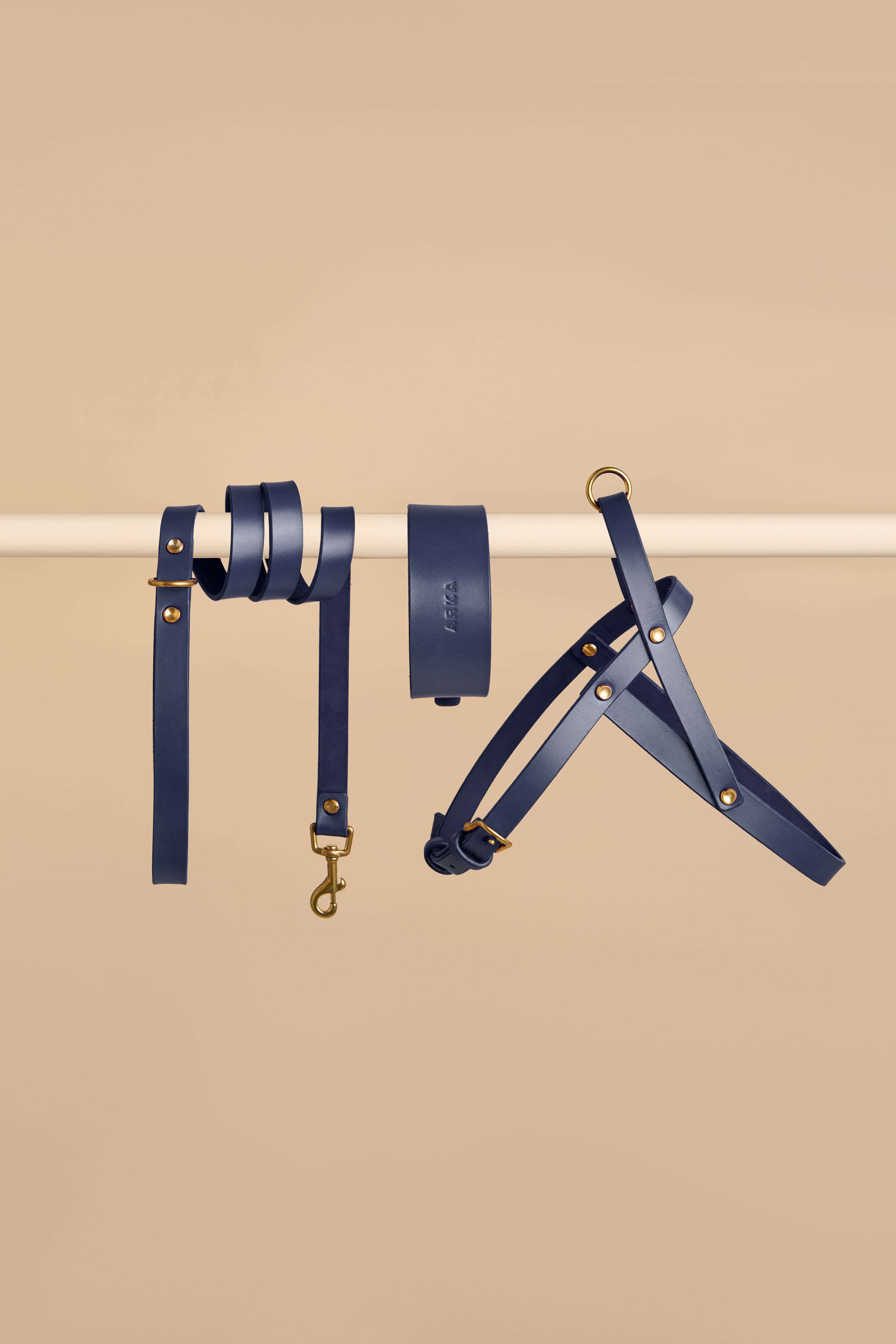
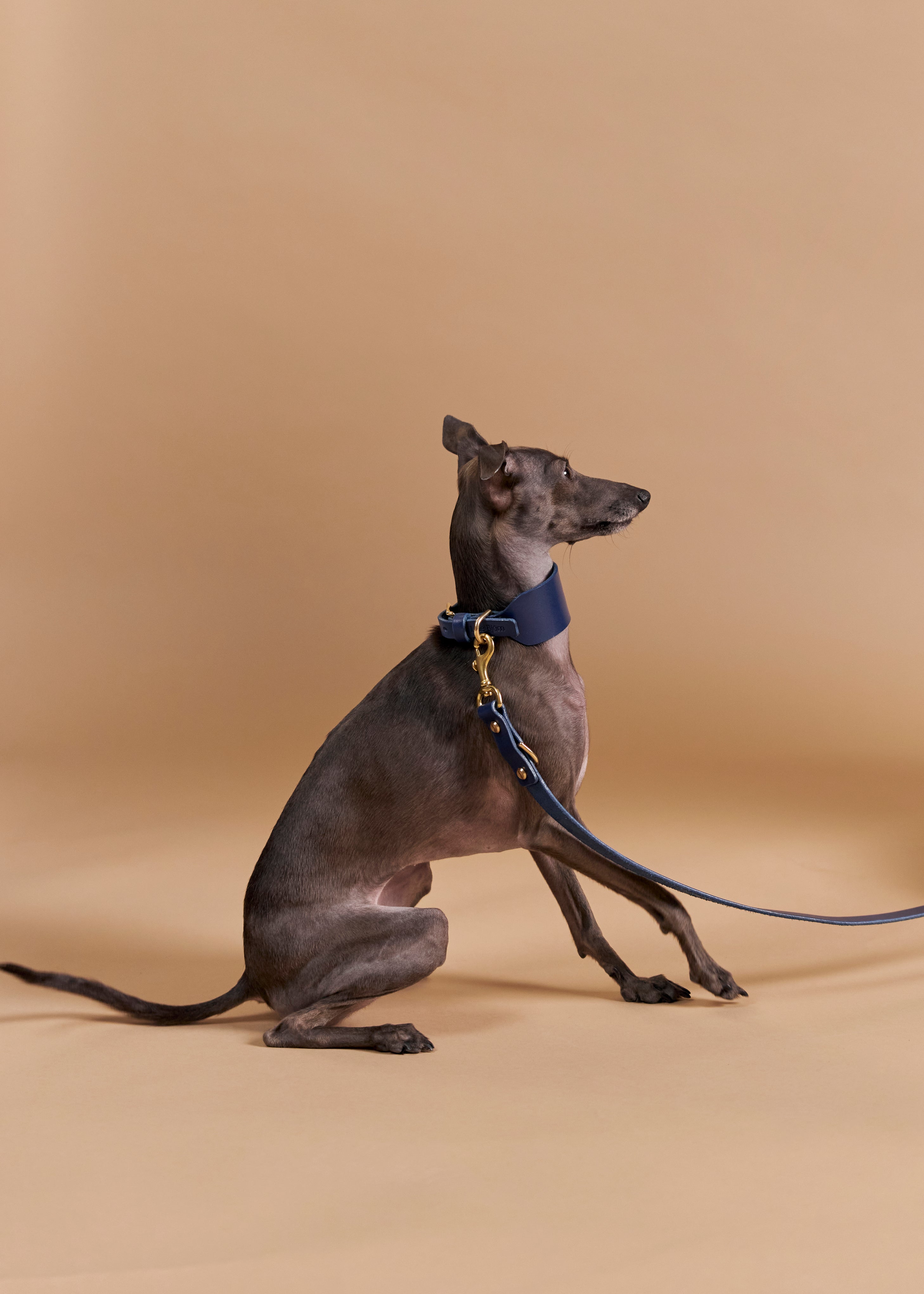
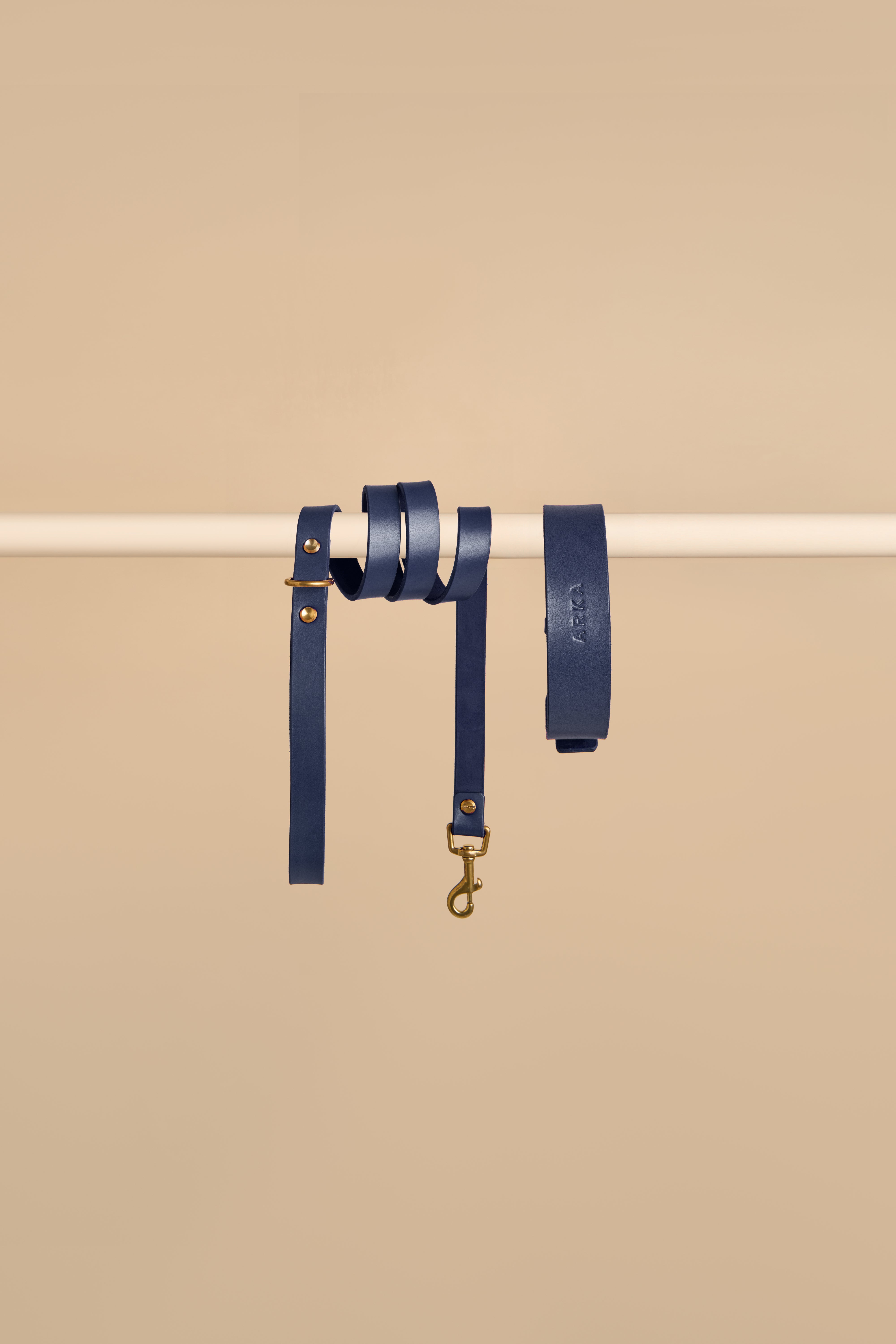
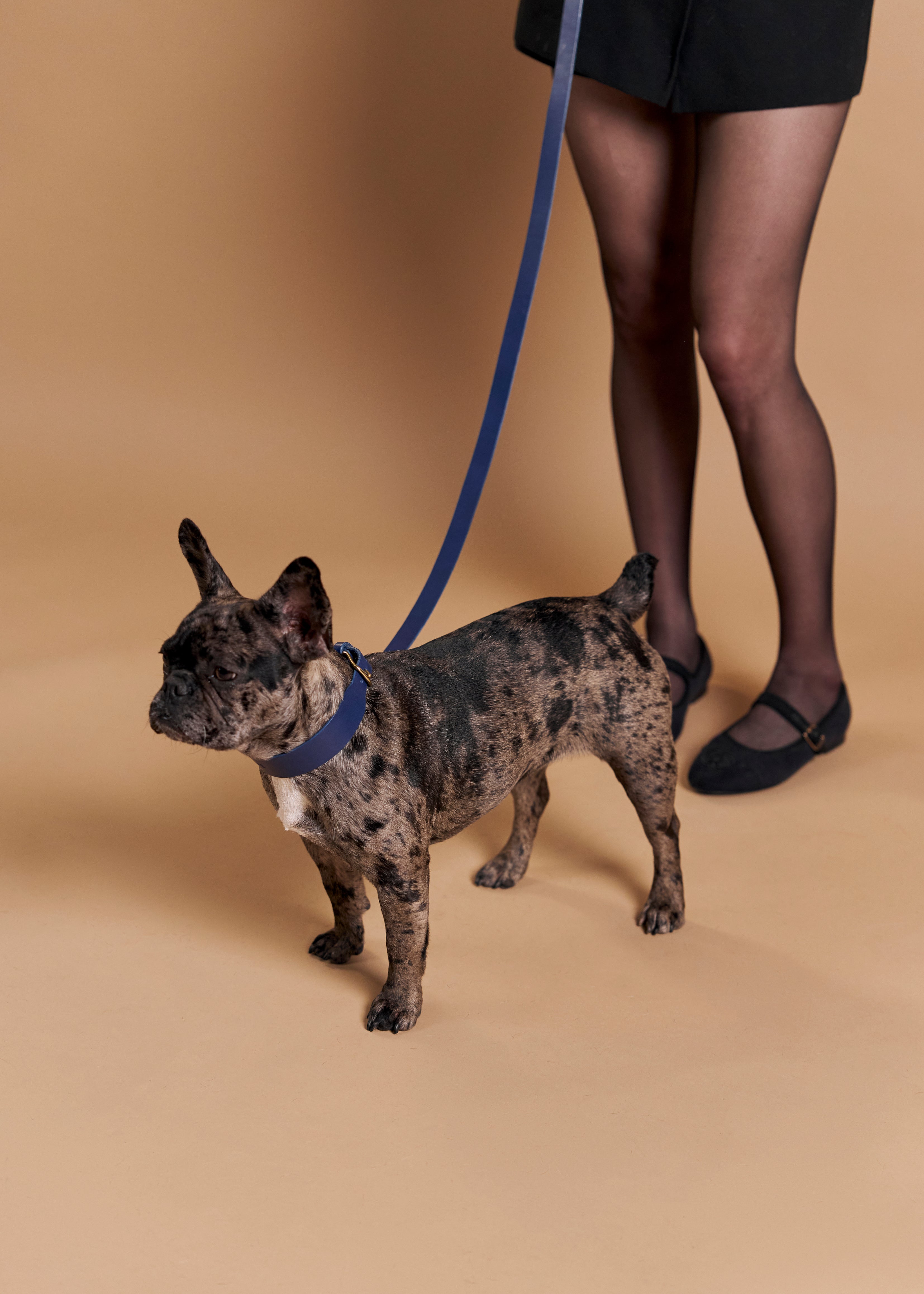
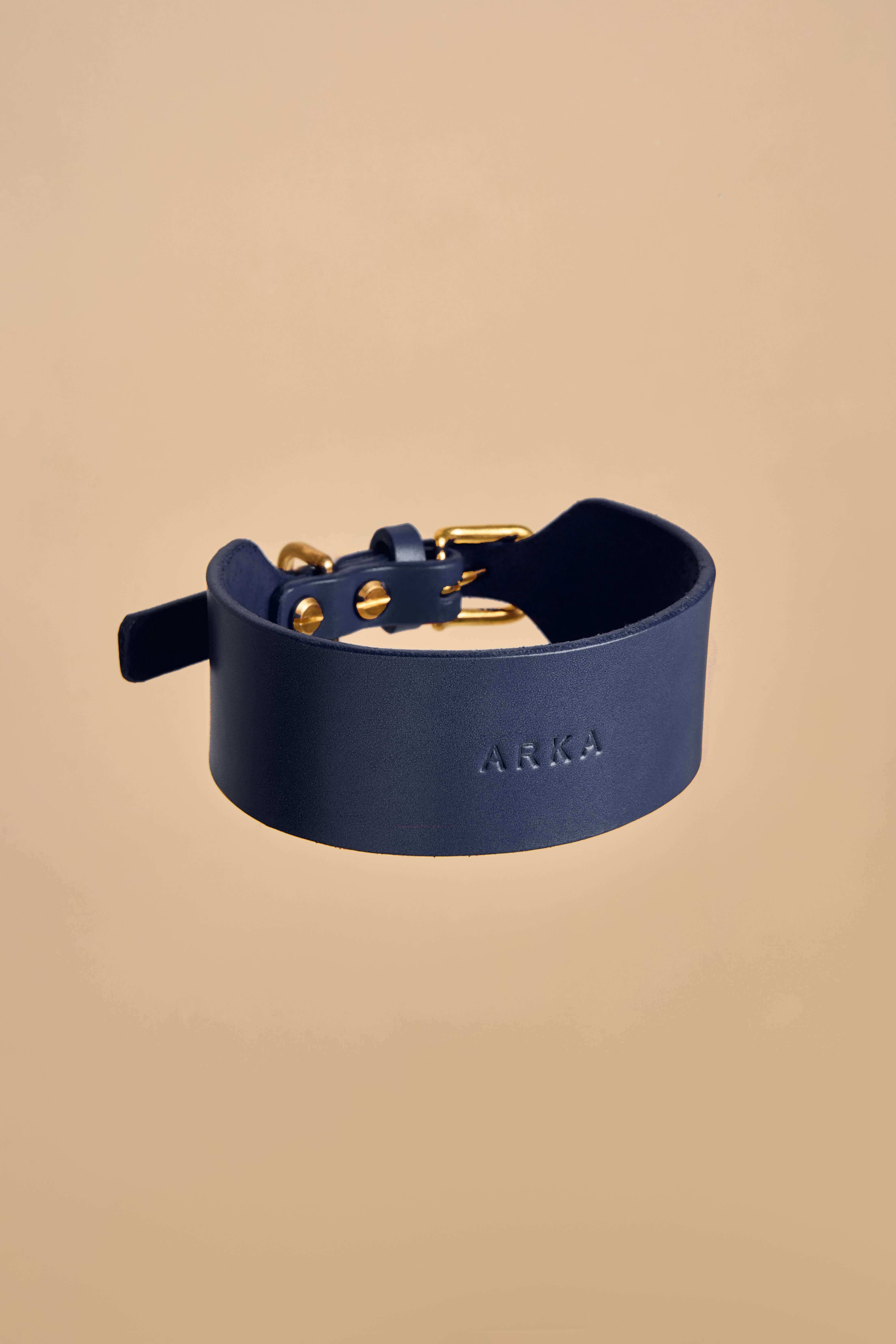
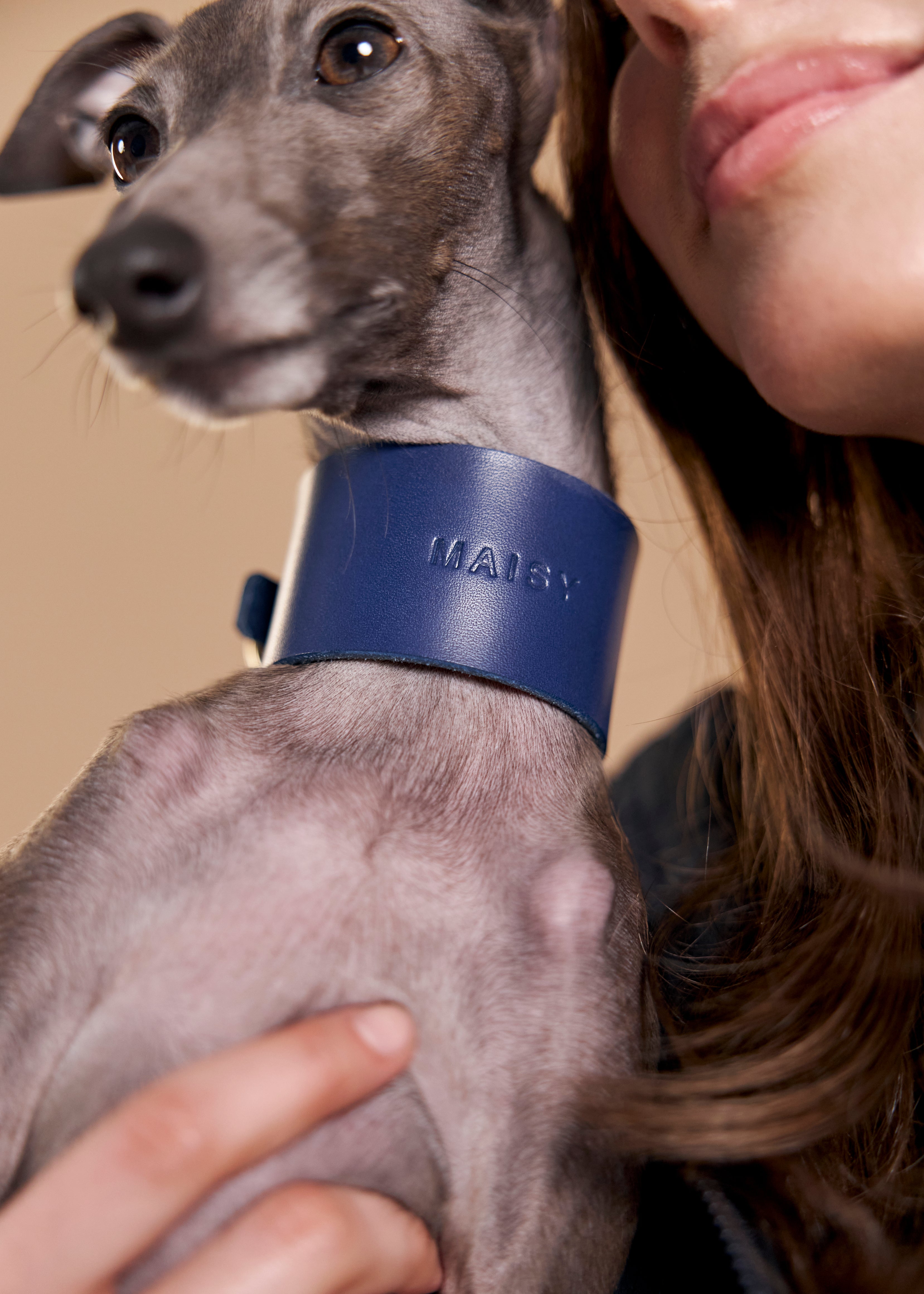
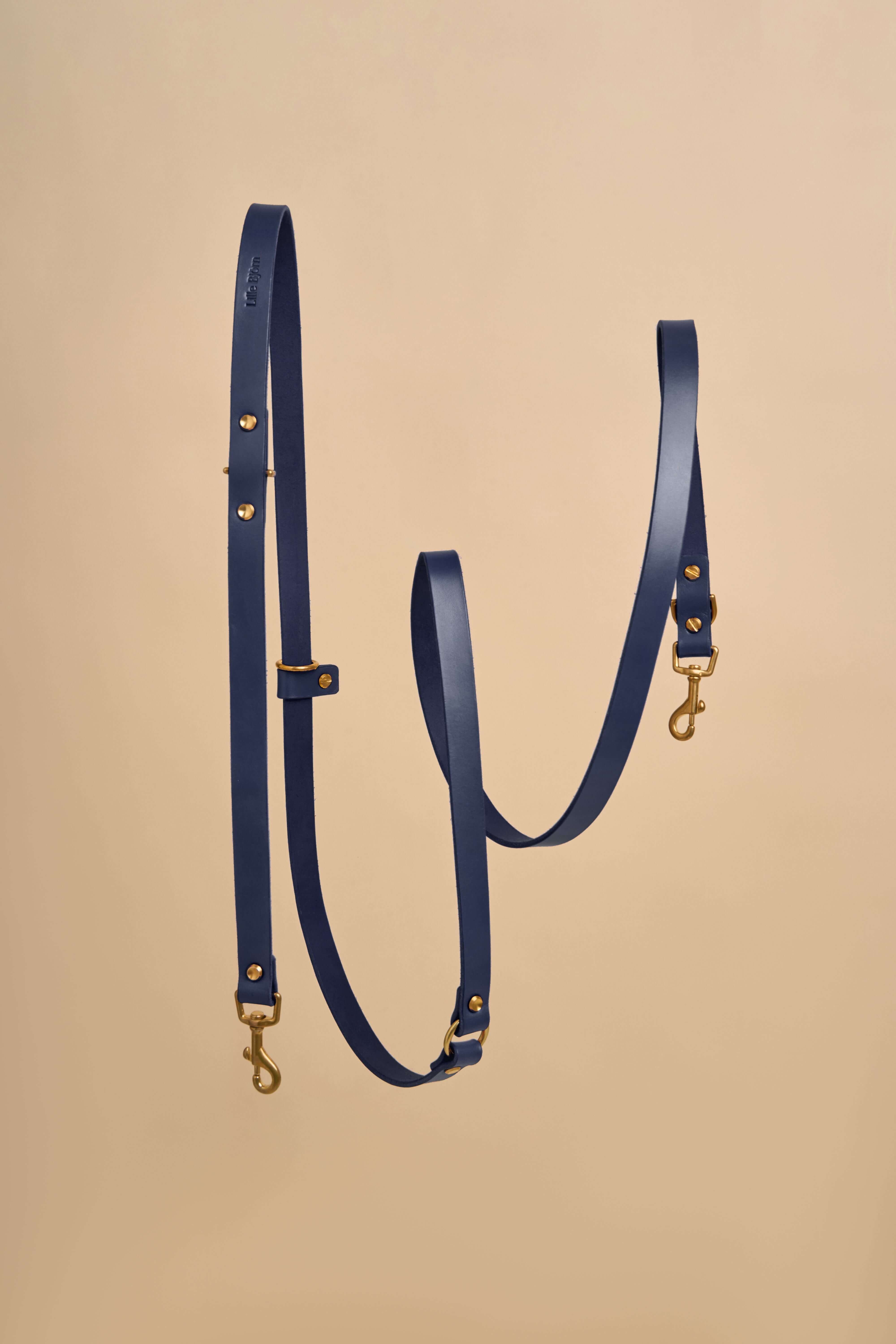
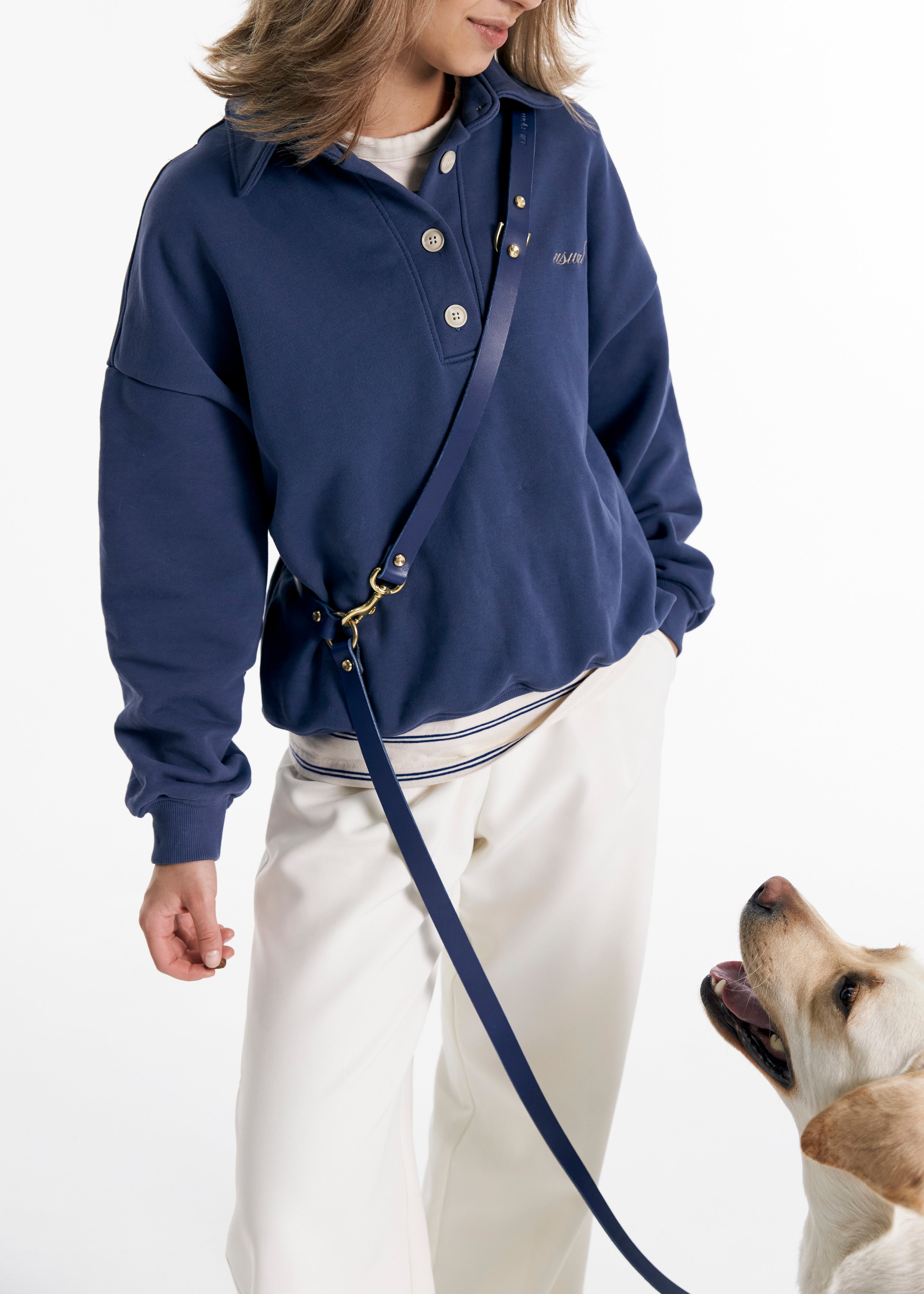
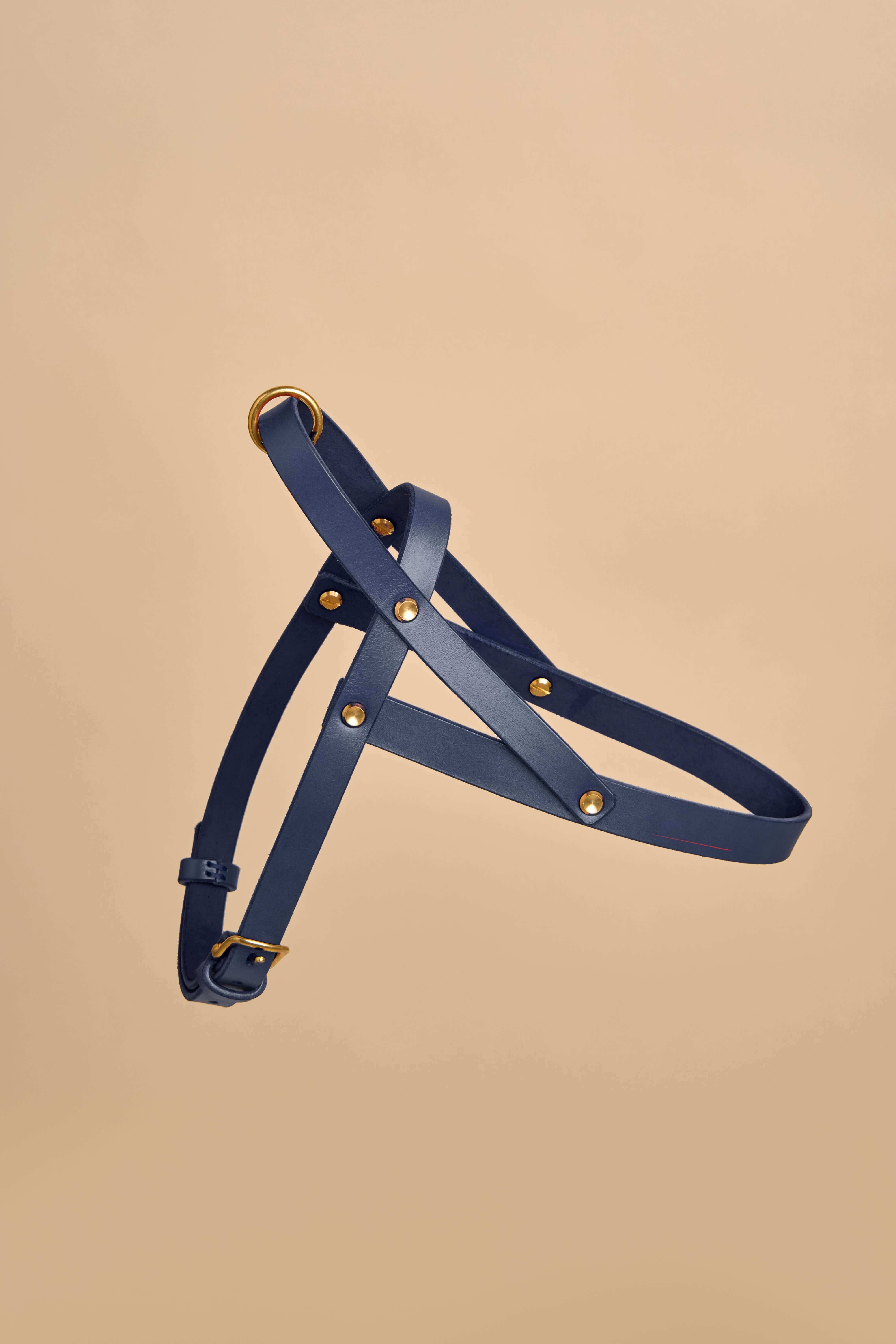
Historically, the color blue has been associated with feelings of reliability, tranquility and friendliness, which makes it a great option for a dog that is very gentle and well mannered when out in public. Dogs that serve as emotional support or therapy animals will often be fitted with a blue collar as a way to subtly indicate that they have a calming presence. In general, this color can be a smart and fitting choice for a family pet that has a naturally relaxed manner, it can act as a signal that they are trustworthy, calm and approachable.
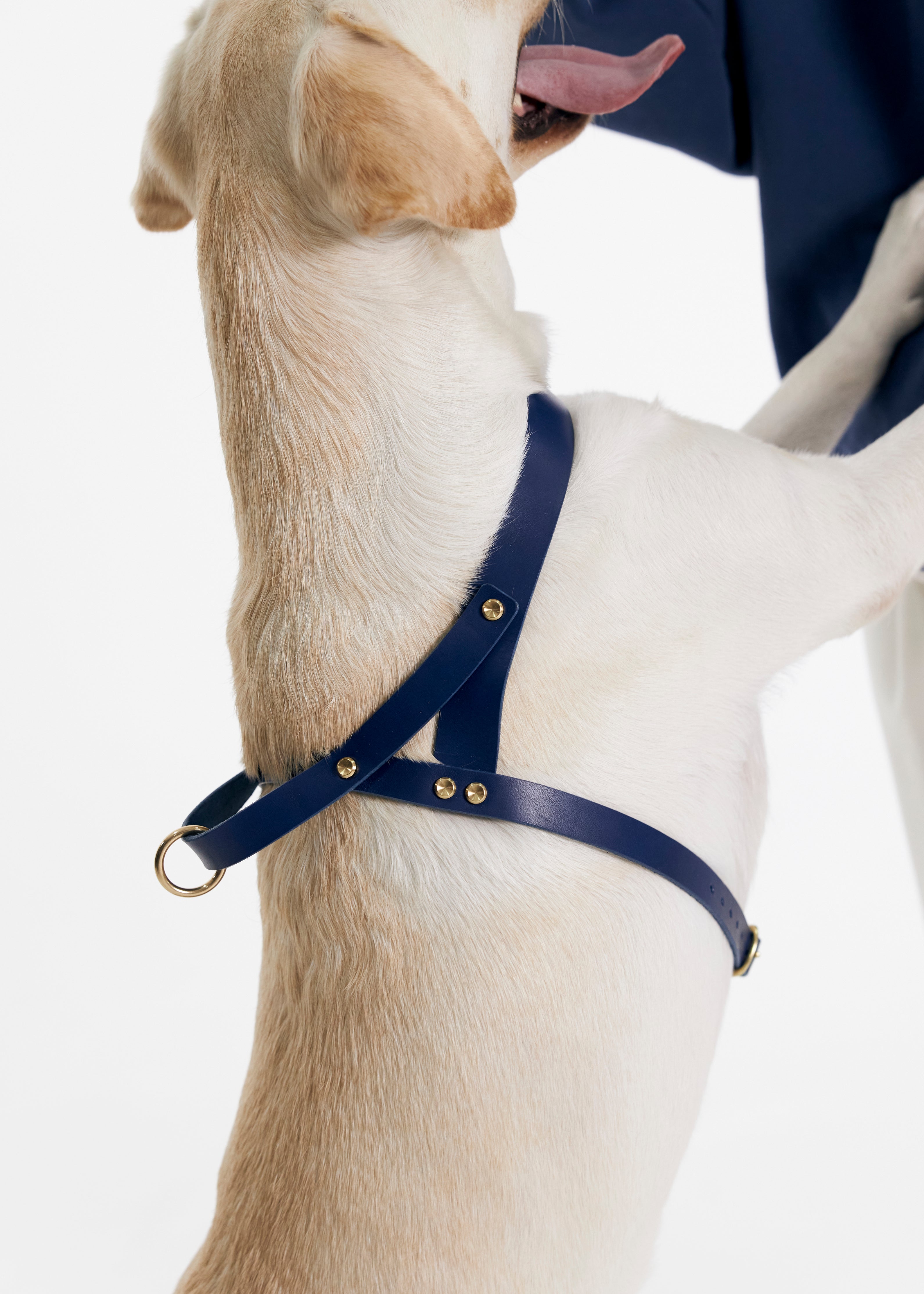
Among dog owners who recognise colour signals, a blue collar specifically communicates that your dog is calm, well-socialised, and safe to approach making it a popular choice for therapy dogs, emotional support animals, and any dog whose natural gentleness you want to communicate at a glance. A blue leather collar against a golden or tan coat creates one of the most photogenic combinations in the palette.

Green - Friendly & Adventurous
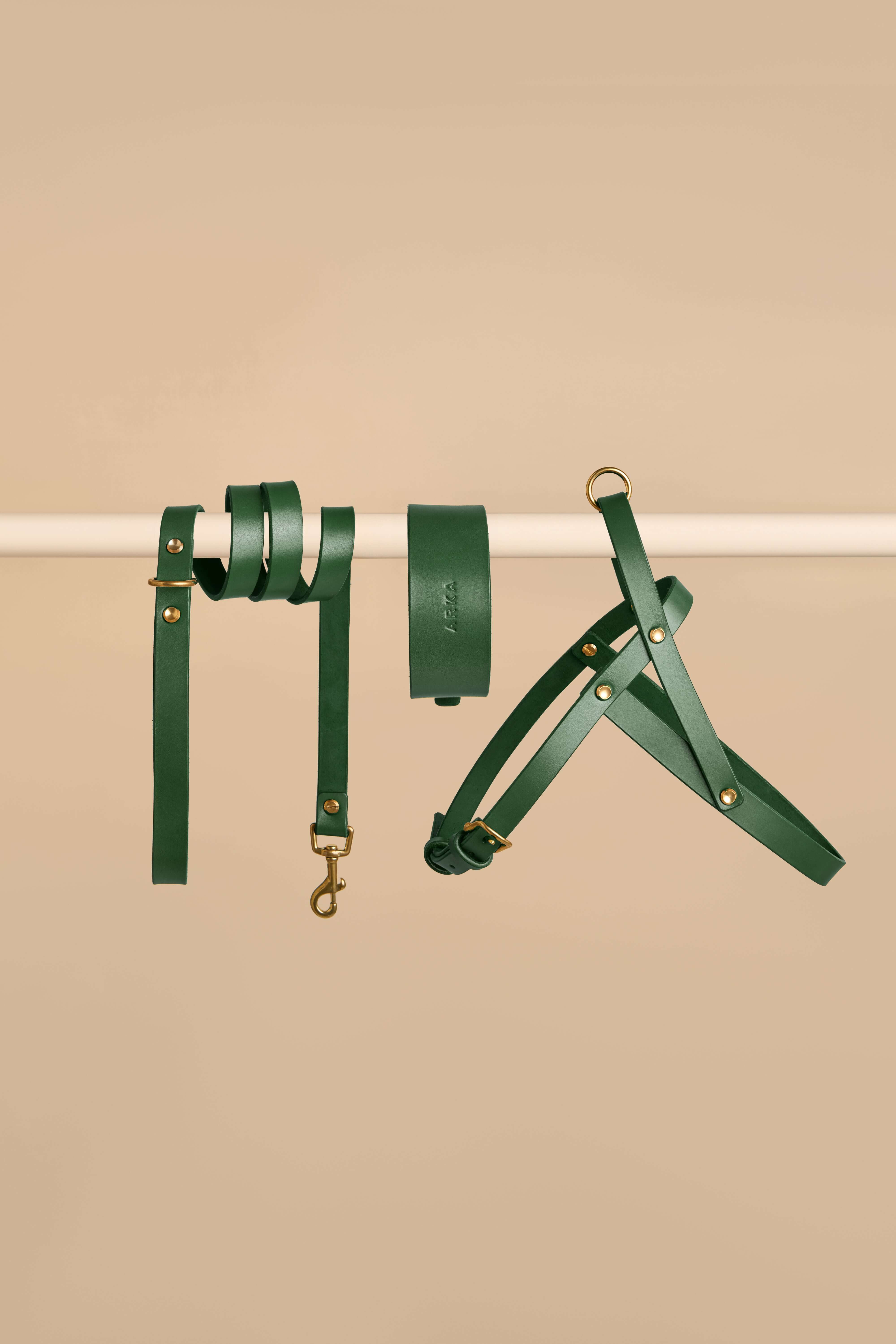
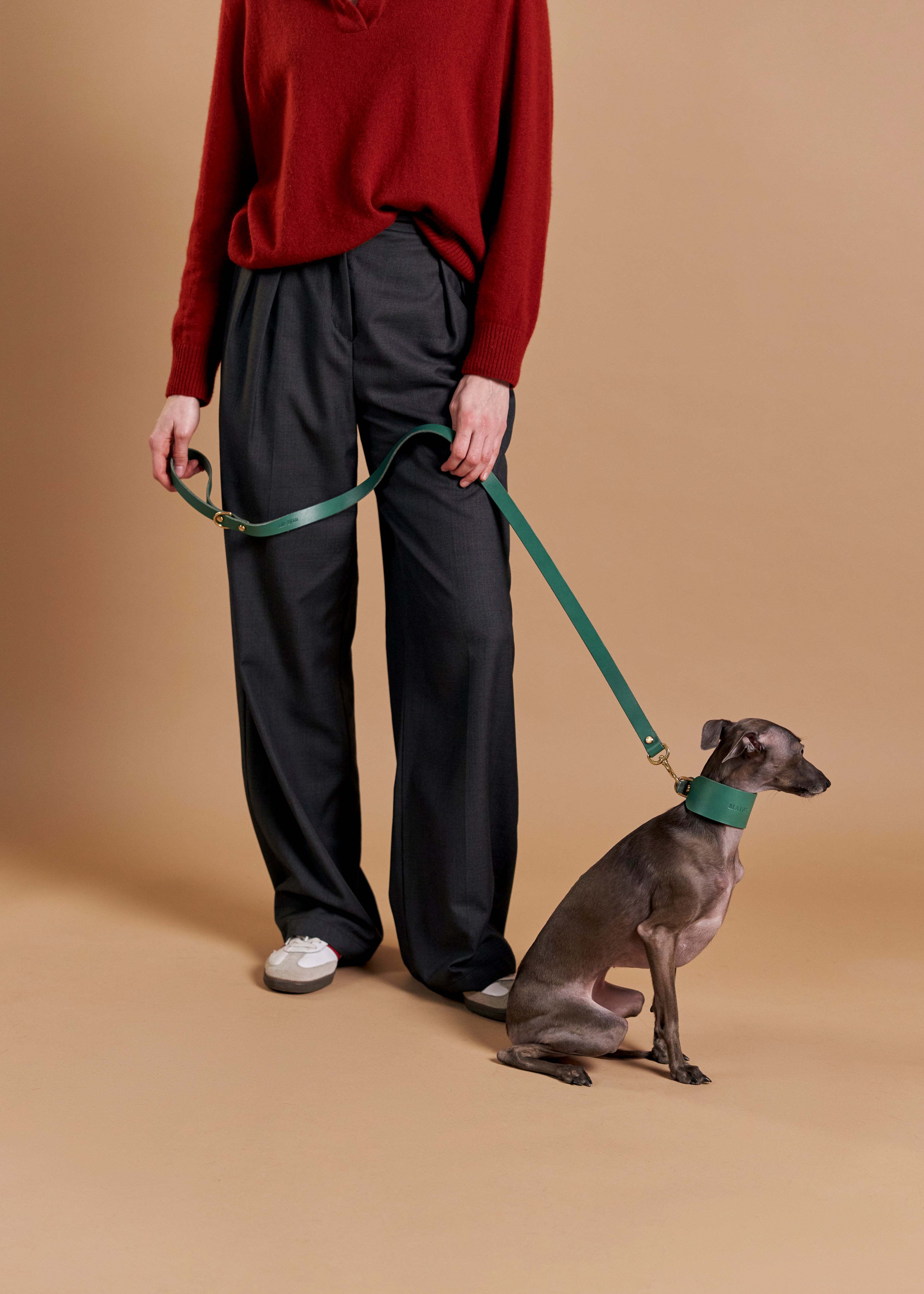
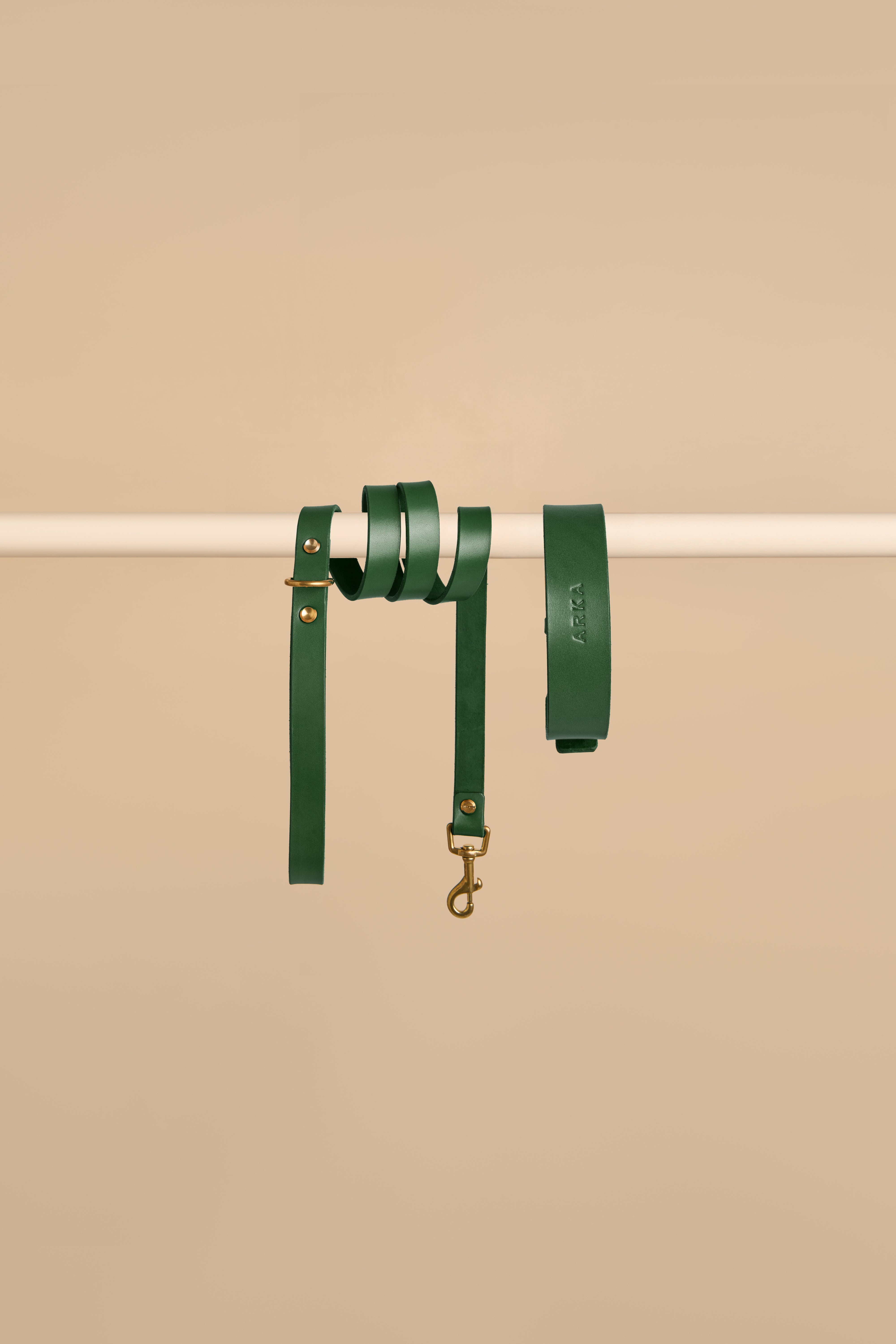
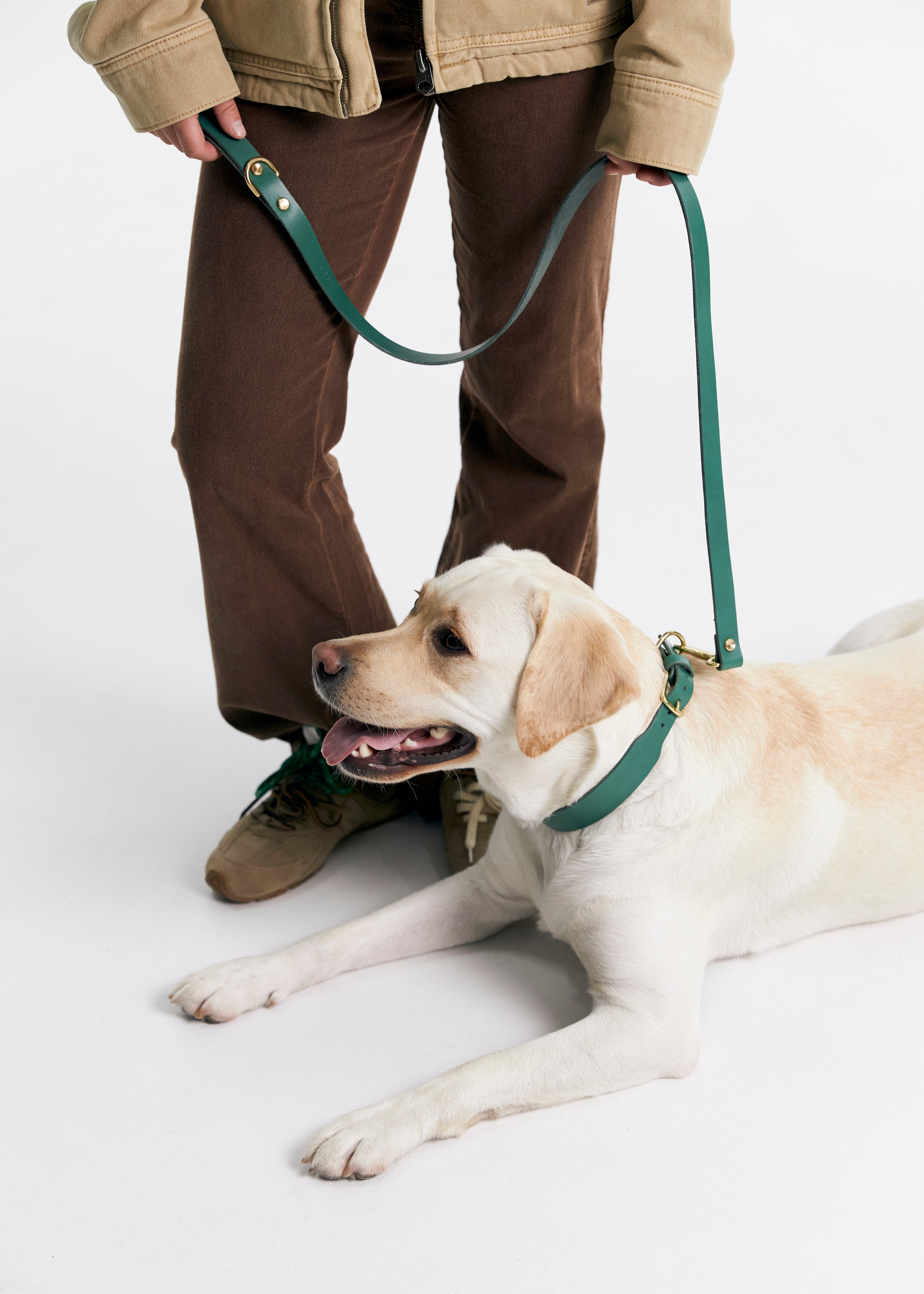
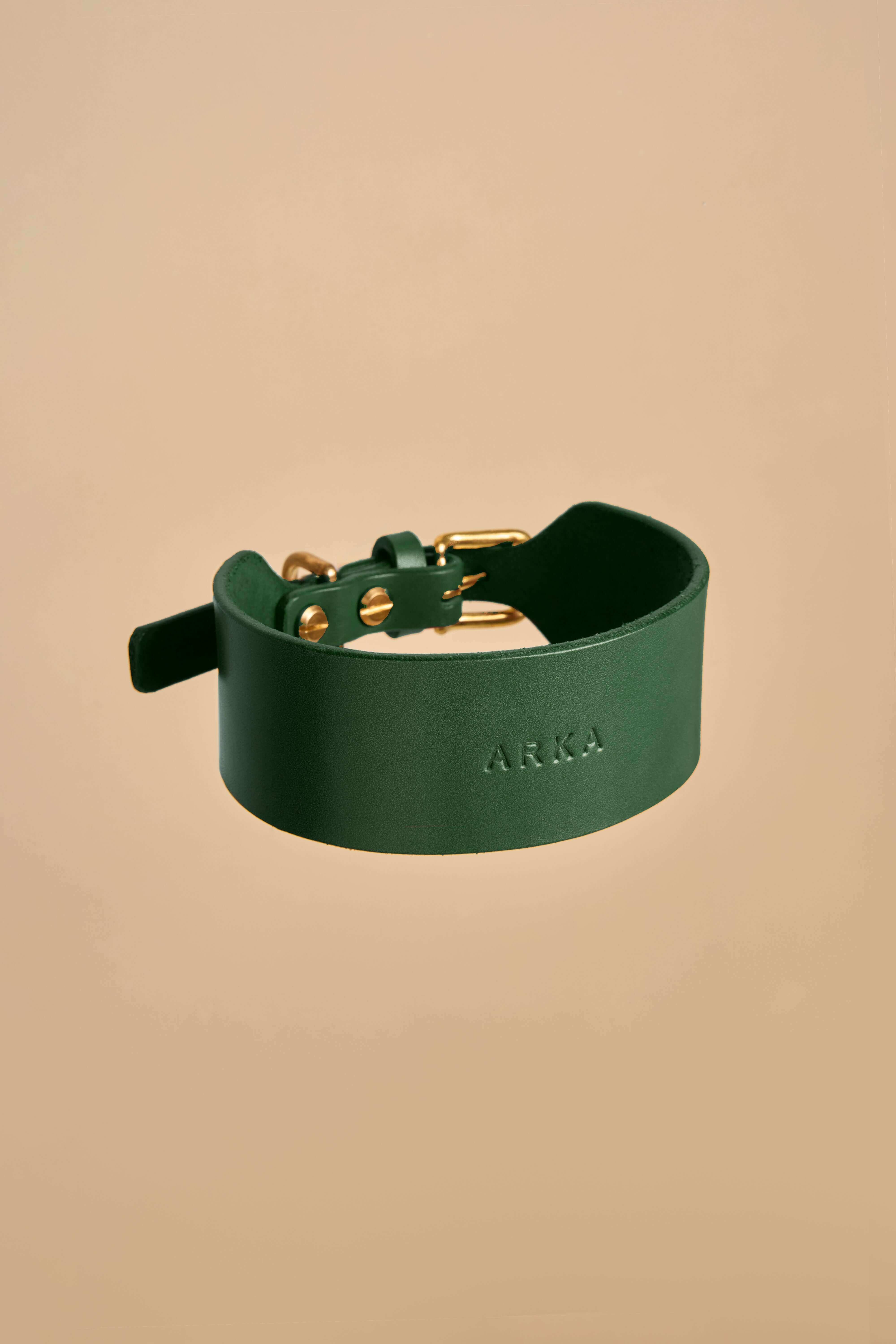
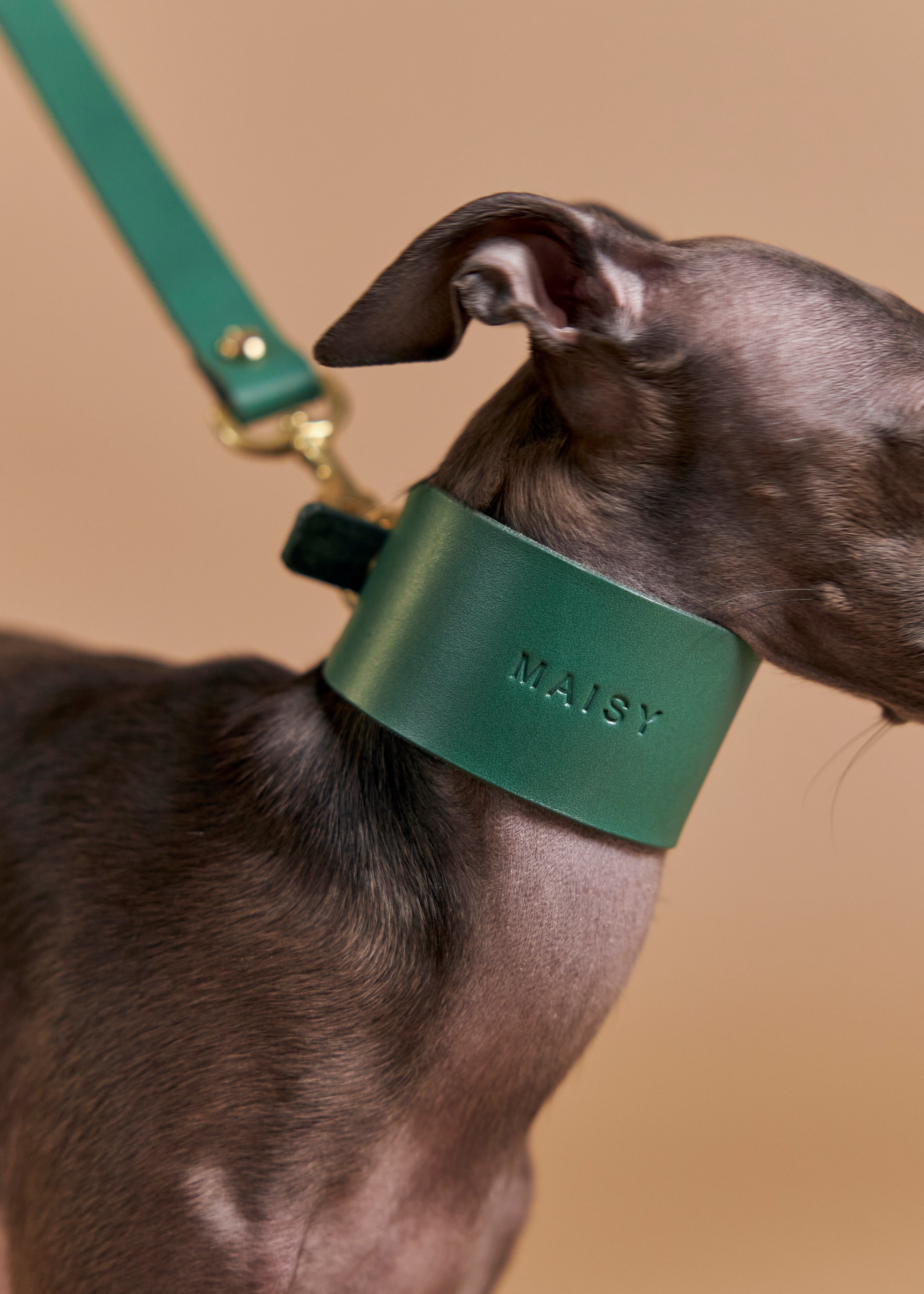
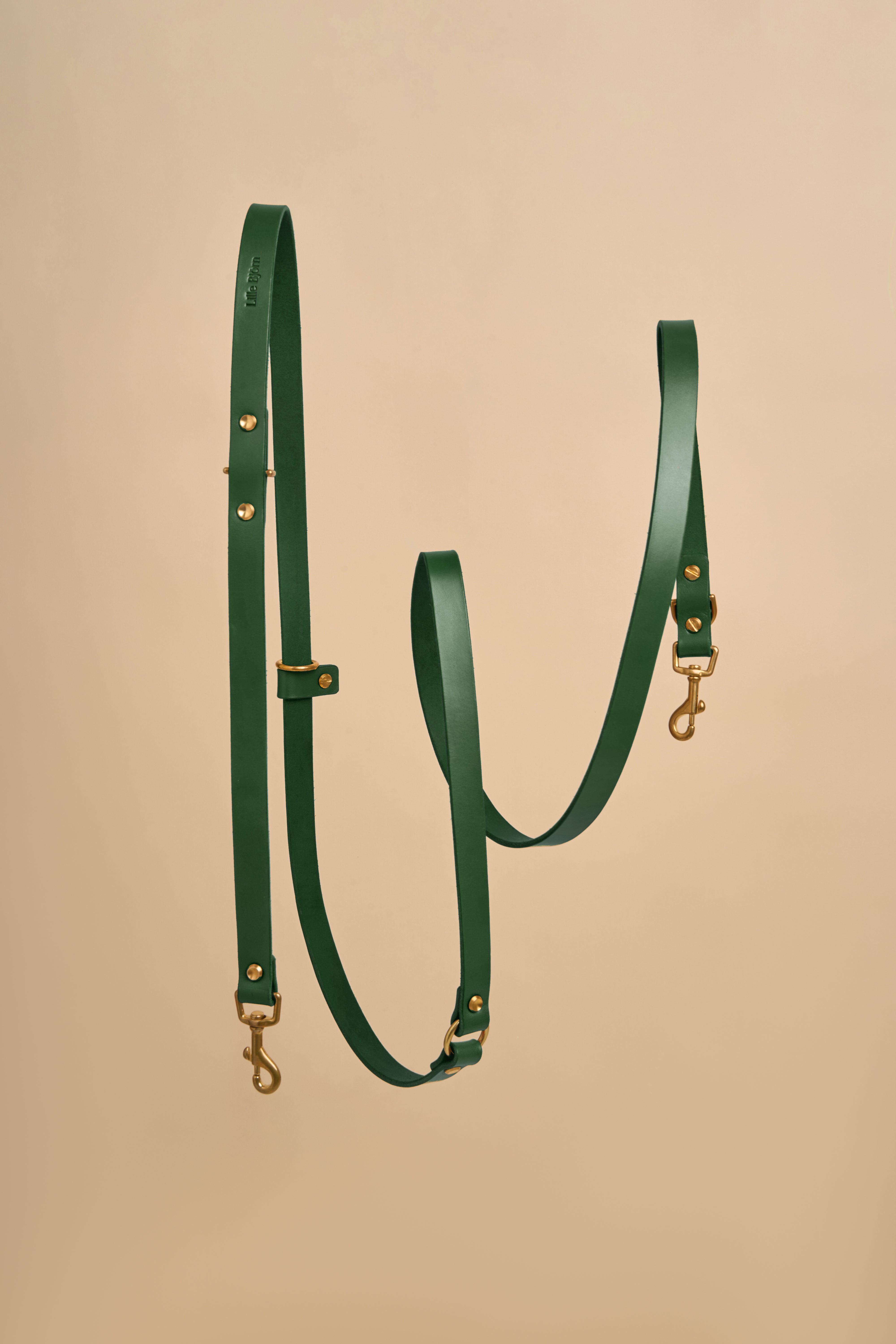
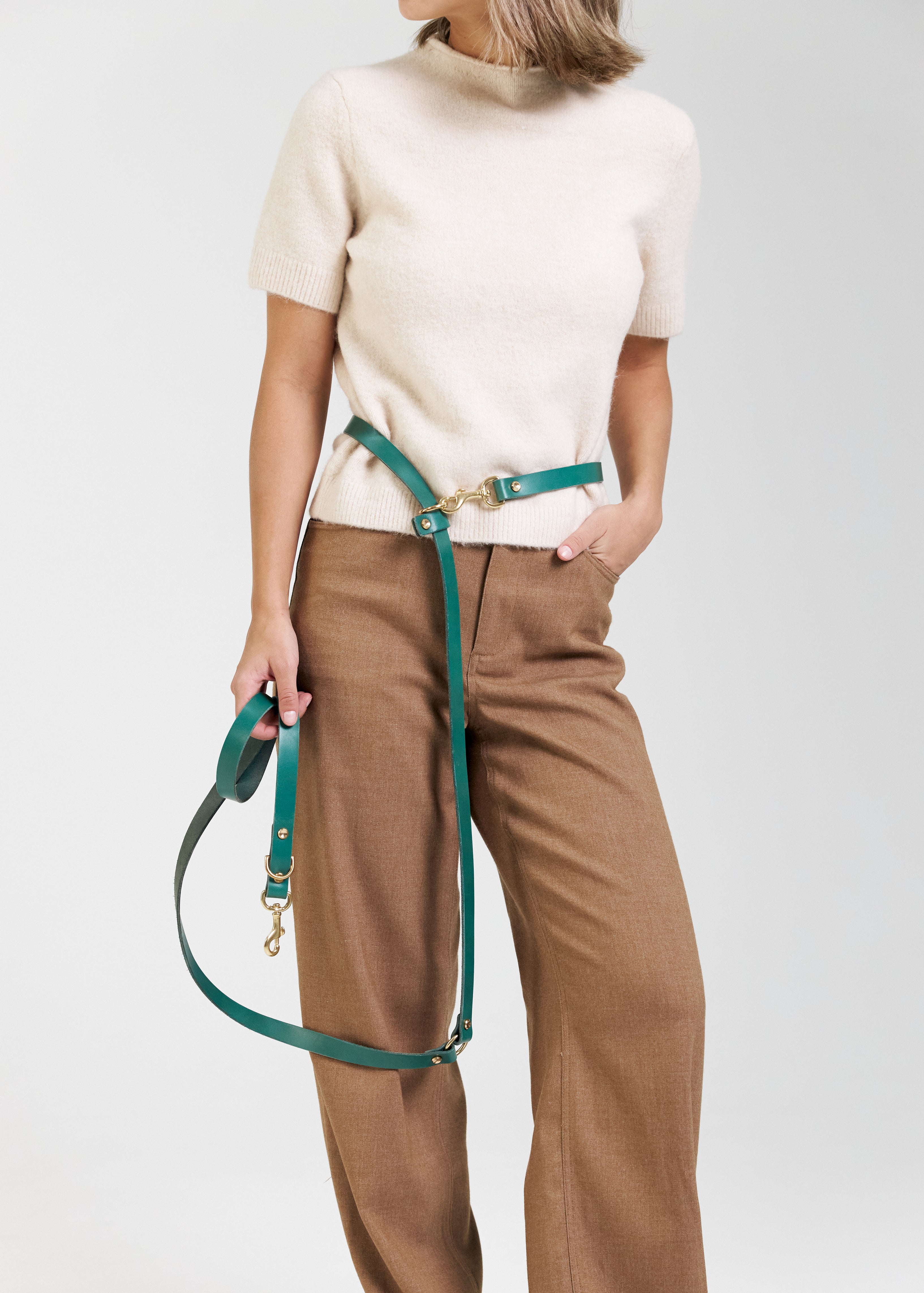
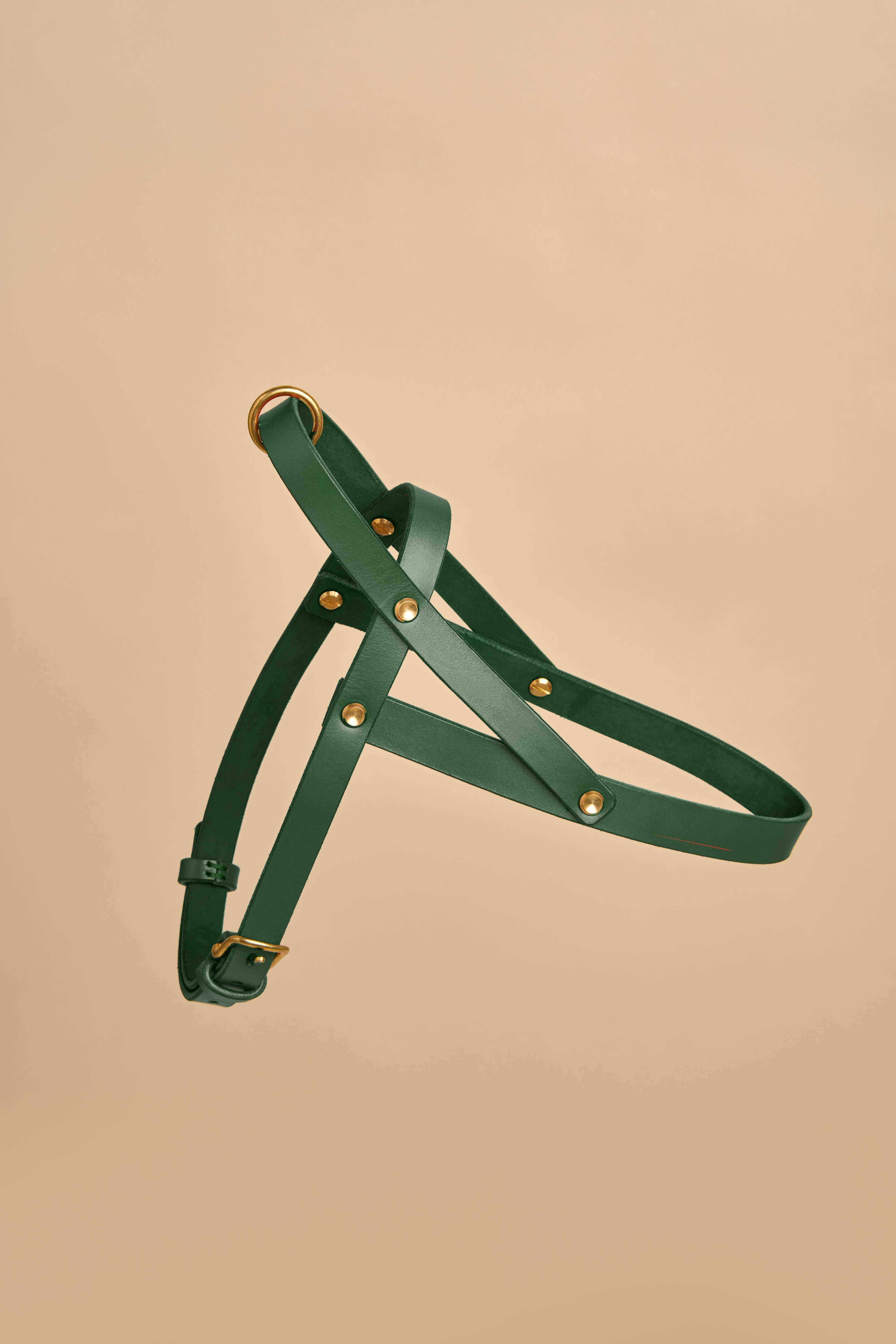
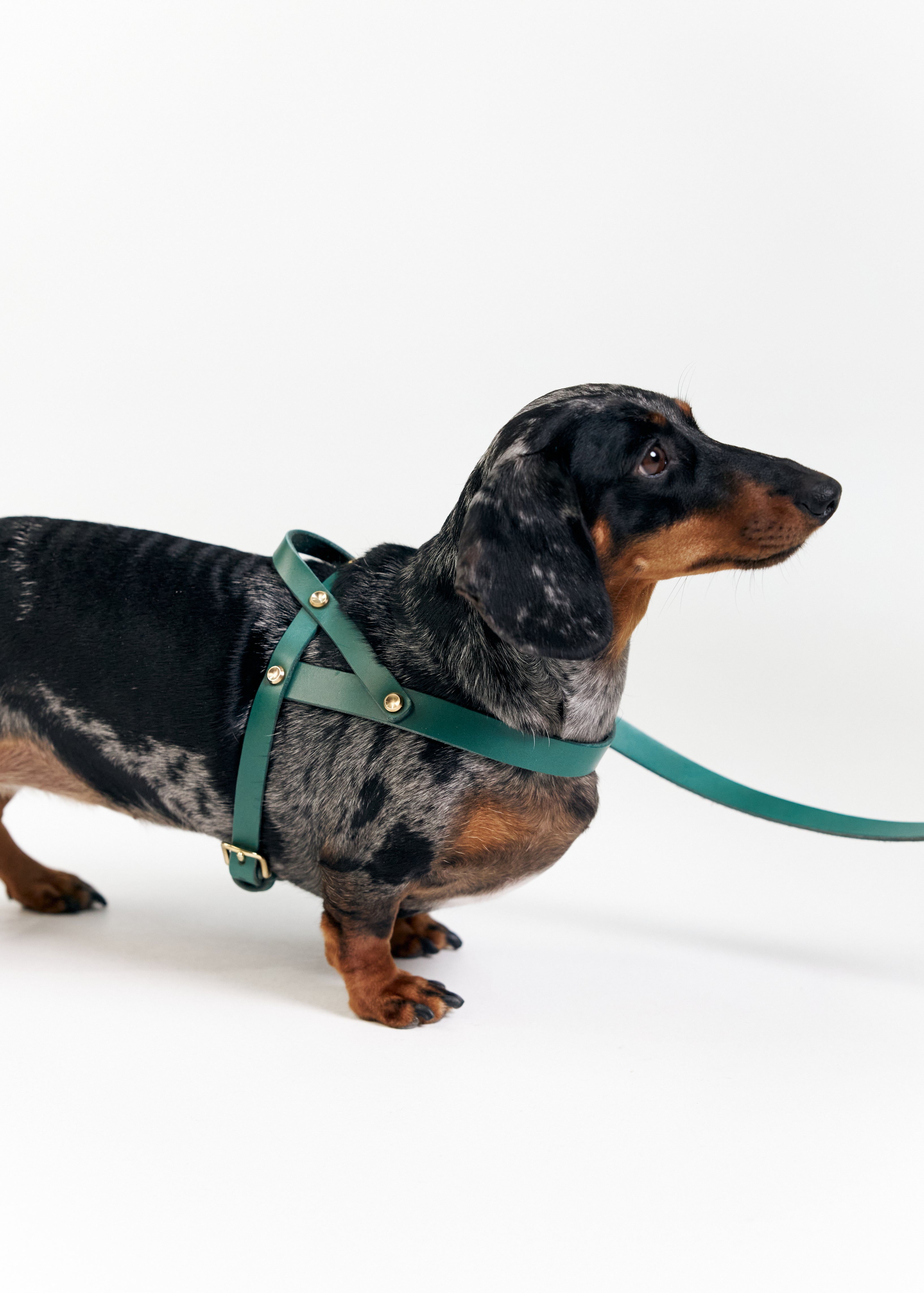
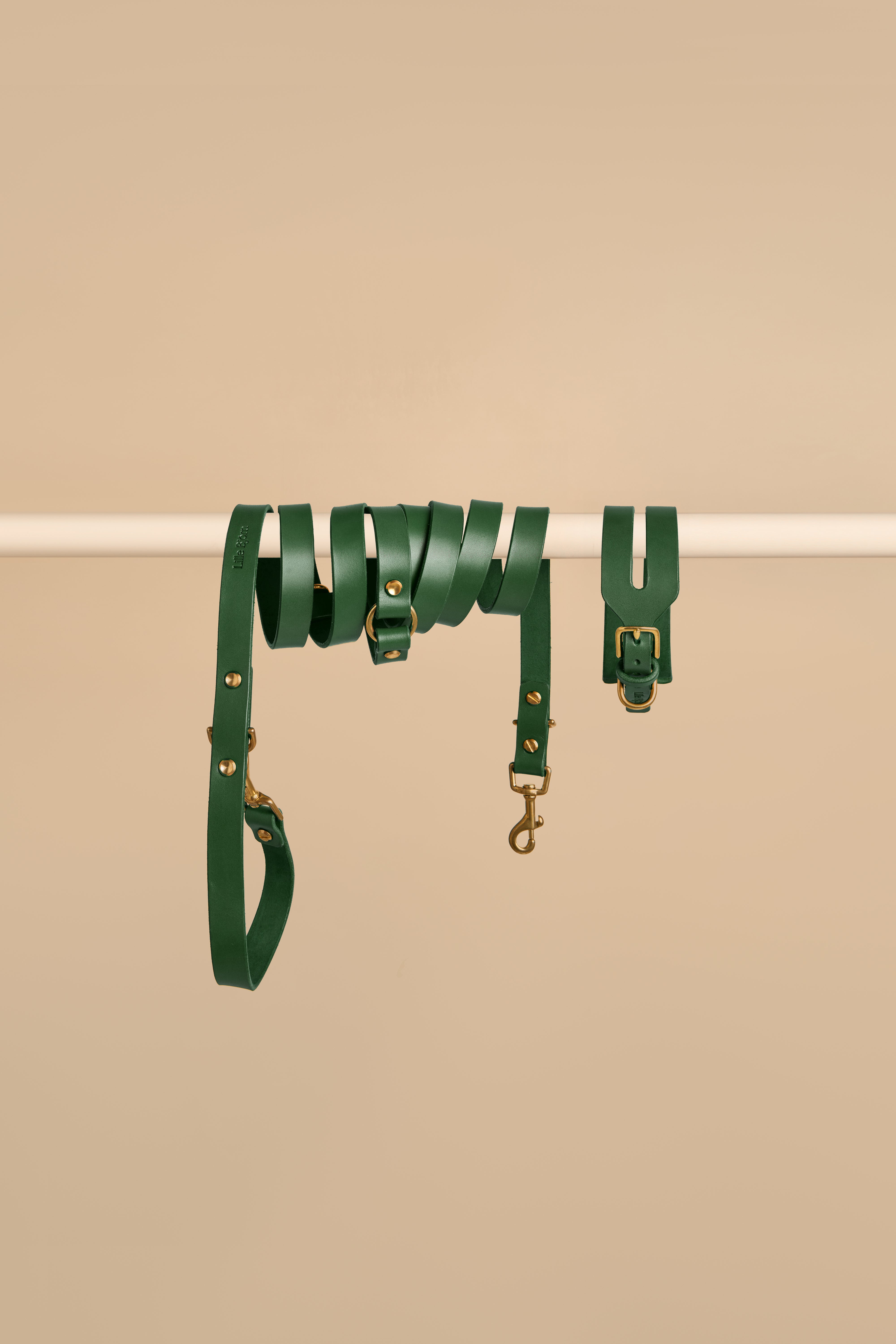
We all know that green in general is a color that represents harmony, balance and a love for adventure and the great outdoors. It can be an appropriate collar color choice if you have a pup that is highly social and loves nothing more than to get out of the house and see what the world has to offer! A green collar has become a symbol of a dog that is playful and friendly, and will get on with everybody down at the dog park!
For coat-colour matching, green works particularly well against red, tan, and brown coats where the complementary contrast between warm fur tones and the cool-warm green creates a naturally harmonious look. Against a black or white coat, green pops with playful energy that matches the breed personality it is most often associated with.
Cognac Brown - Classic & Versatile
Cognac brown is a color that can symbolize qualities like warmth and stability, along with being pleasantly traditional. We love it as a choice for calmer dogs that are super loyal, and the plus side is that it compliments pretty much any coat color! There is just something about cognac brown in particular that conveys a vibe of elegance and reliability; perfect for a well behaved pup who has an owner that appreciates the timeless quality of good old fashioned colors and accessories.
For coat-colour matching, cognac brown is genuinely the most universally flattering collar colour, it sits warmly against black coats, harmonises with brown and red coats, and provides a warm contrast to white and cream coats. In vegetable-tanned leather specifically, cognac is also the colour with the most visible and dramatic patina development deepening from a warm amber through to a rich saddle brown over months of daily wear.
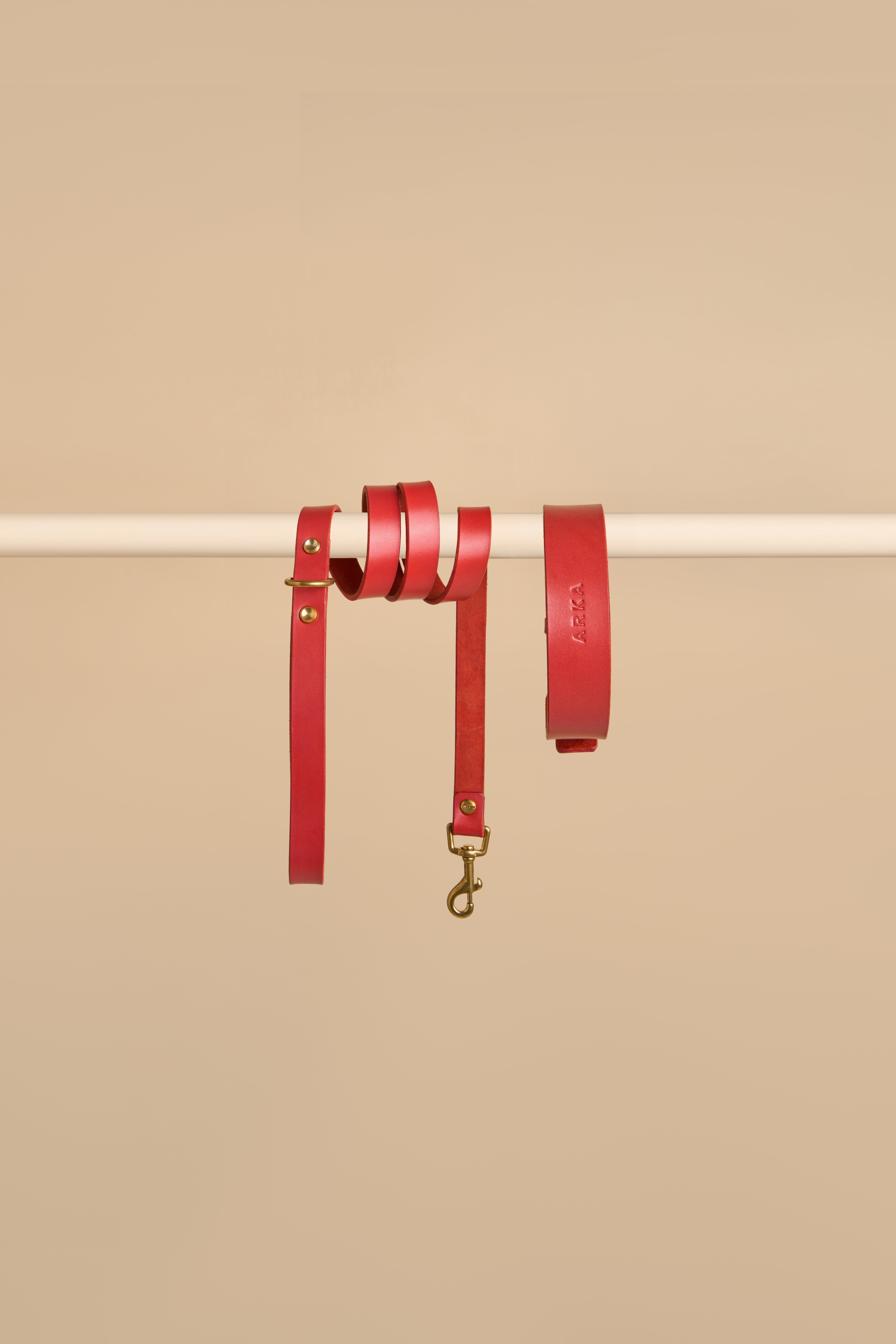
Red - Bold & Confident
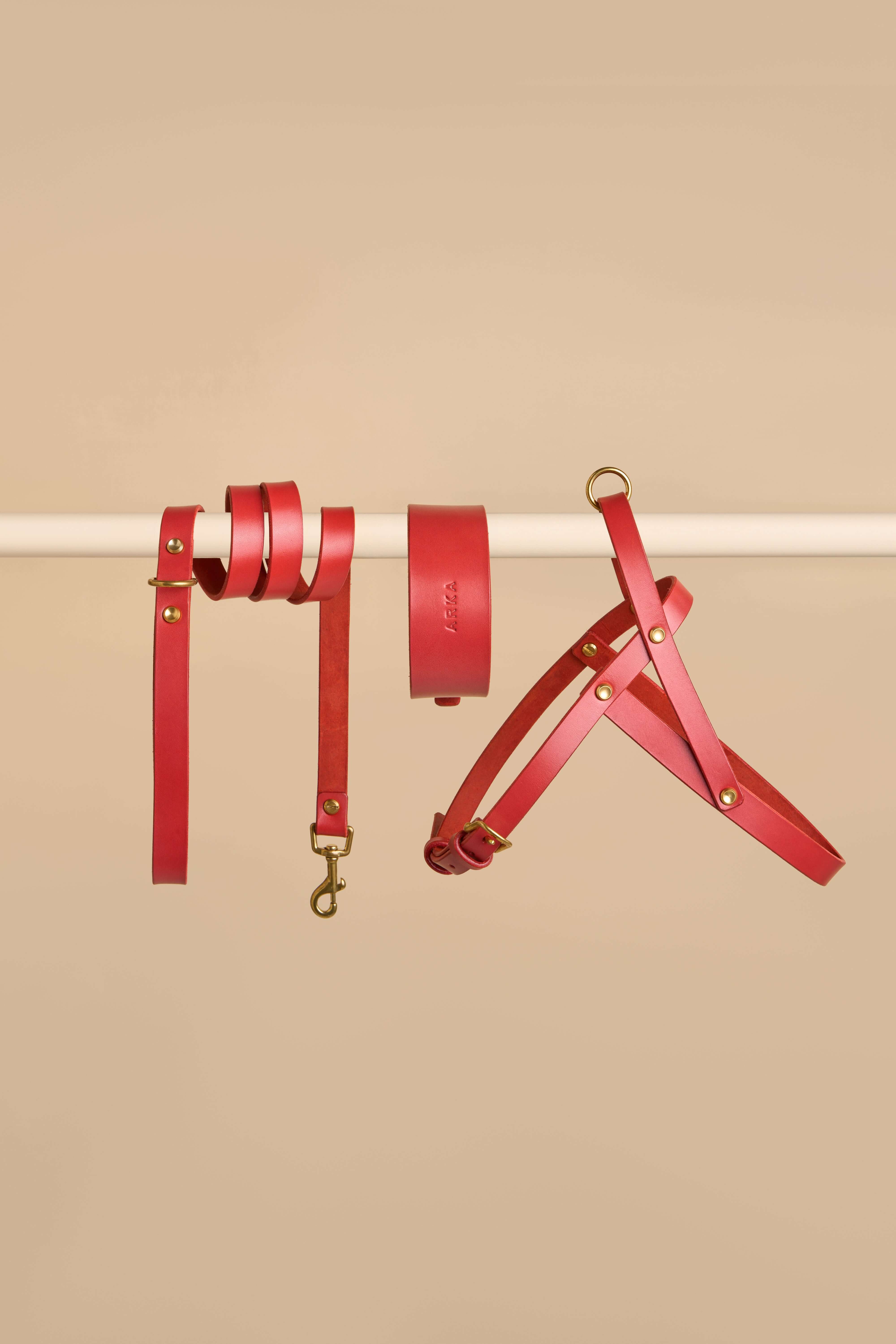
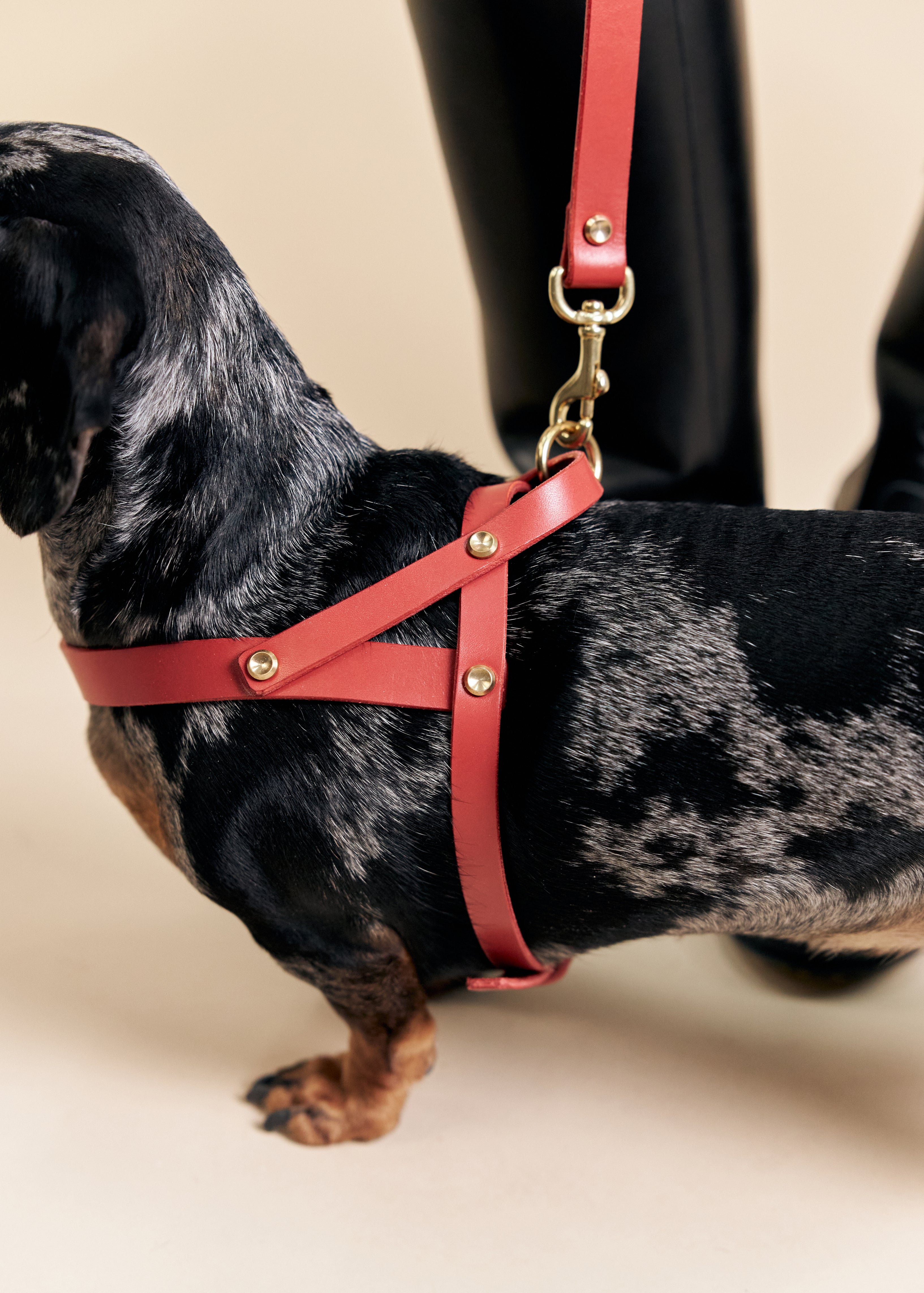
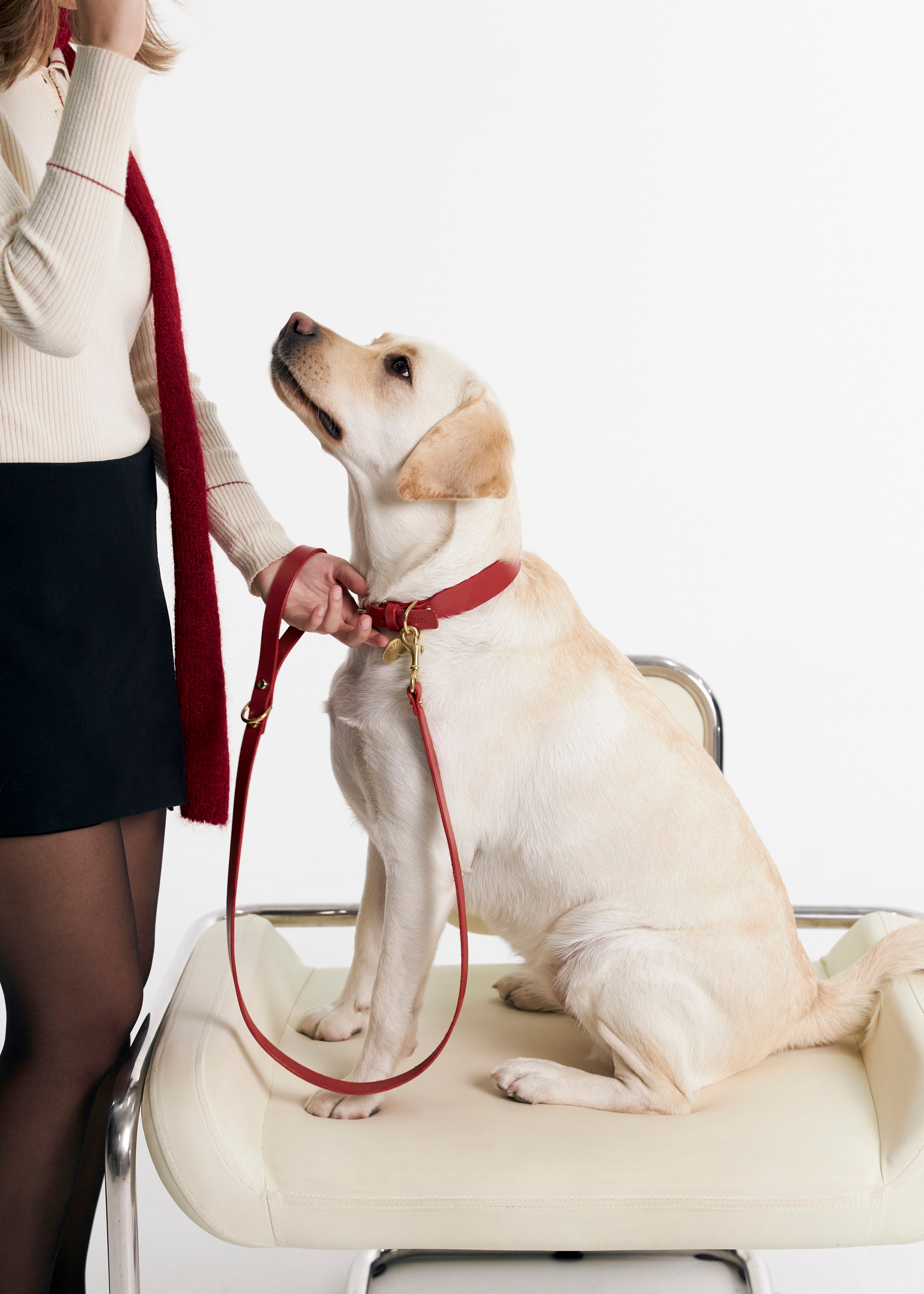
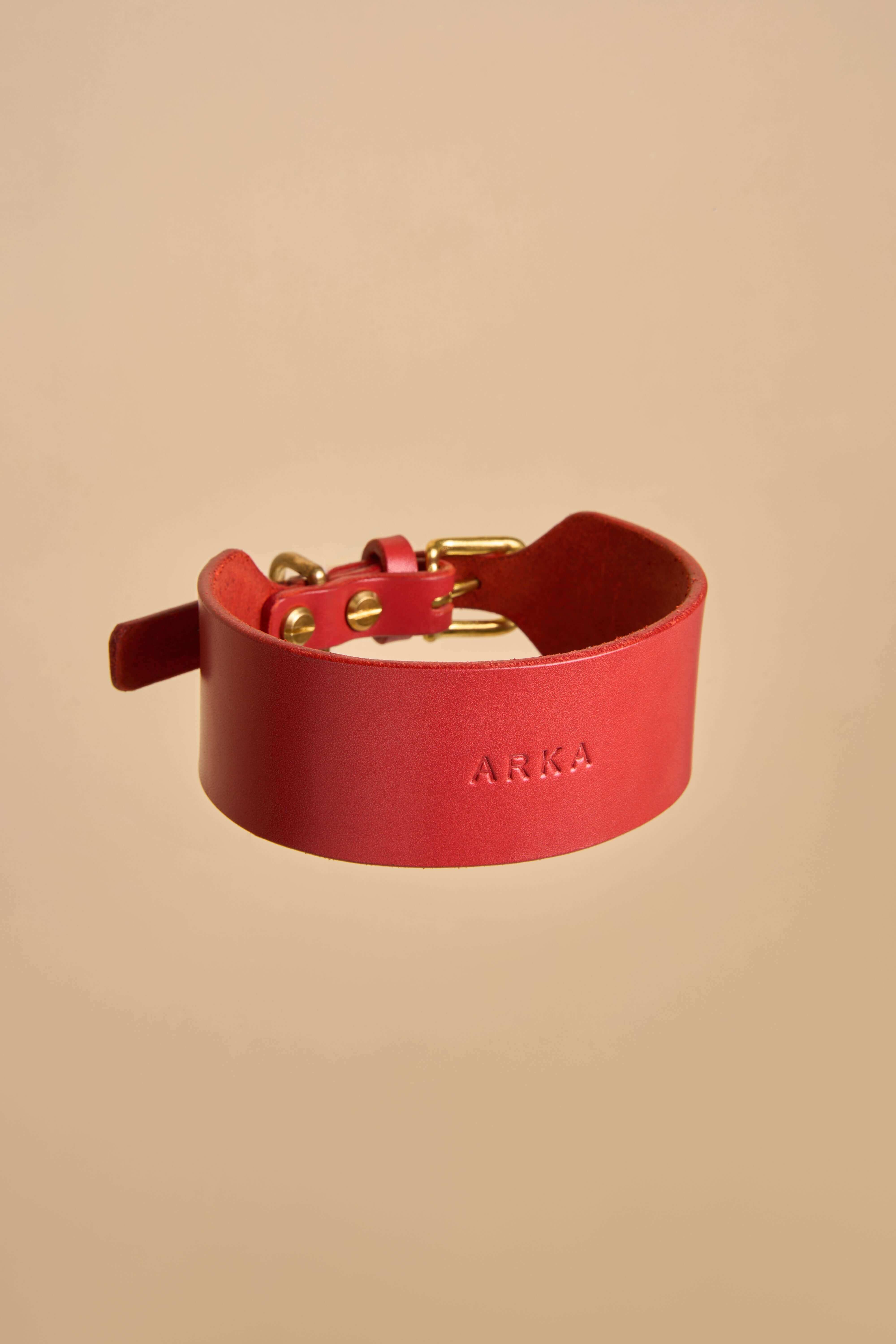
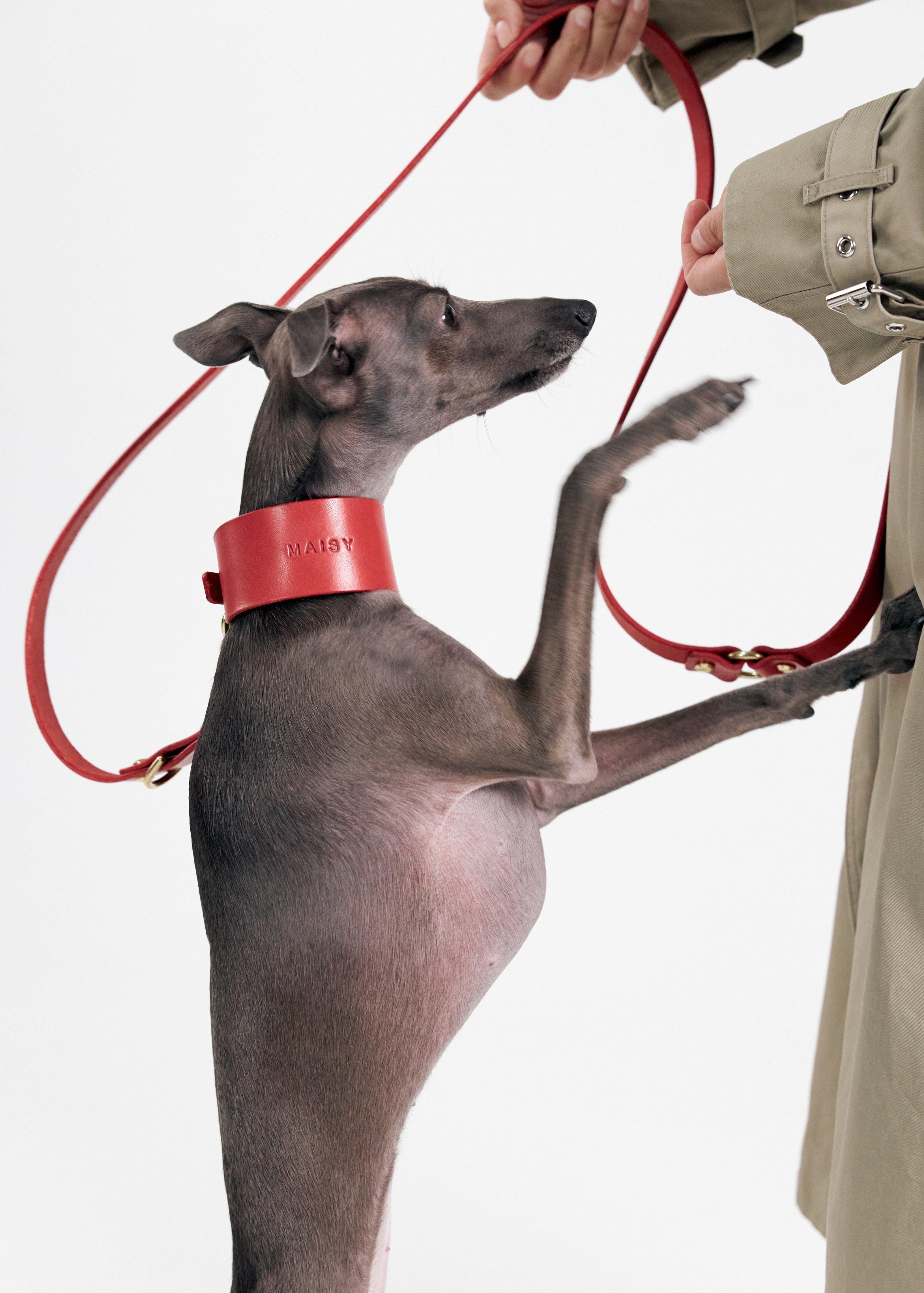
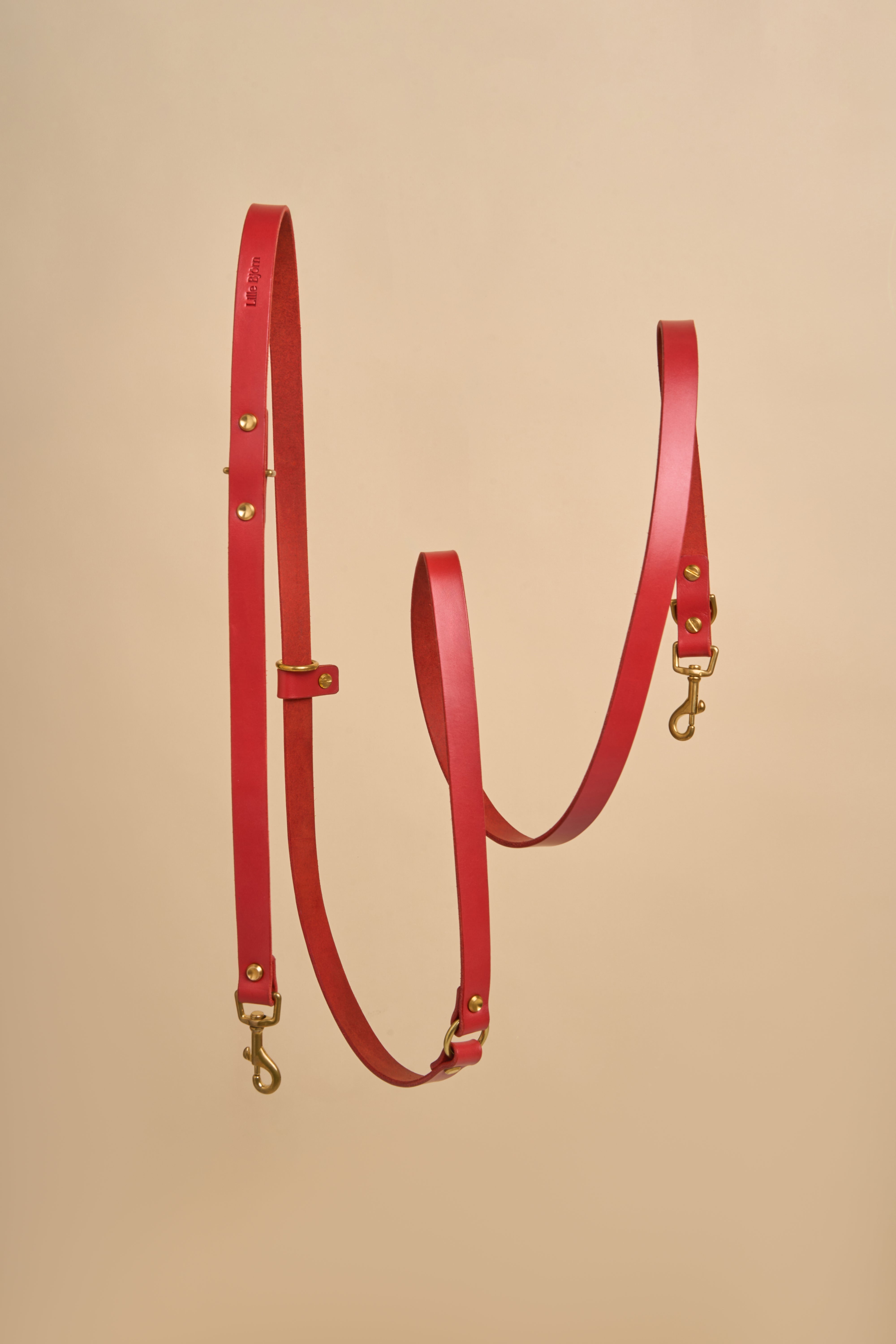
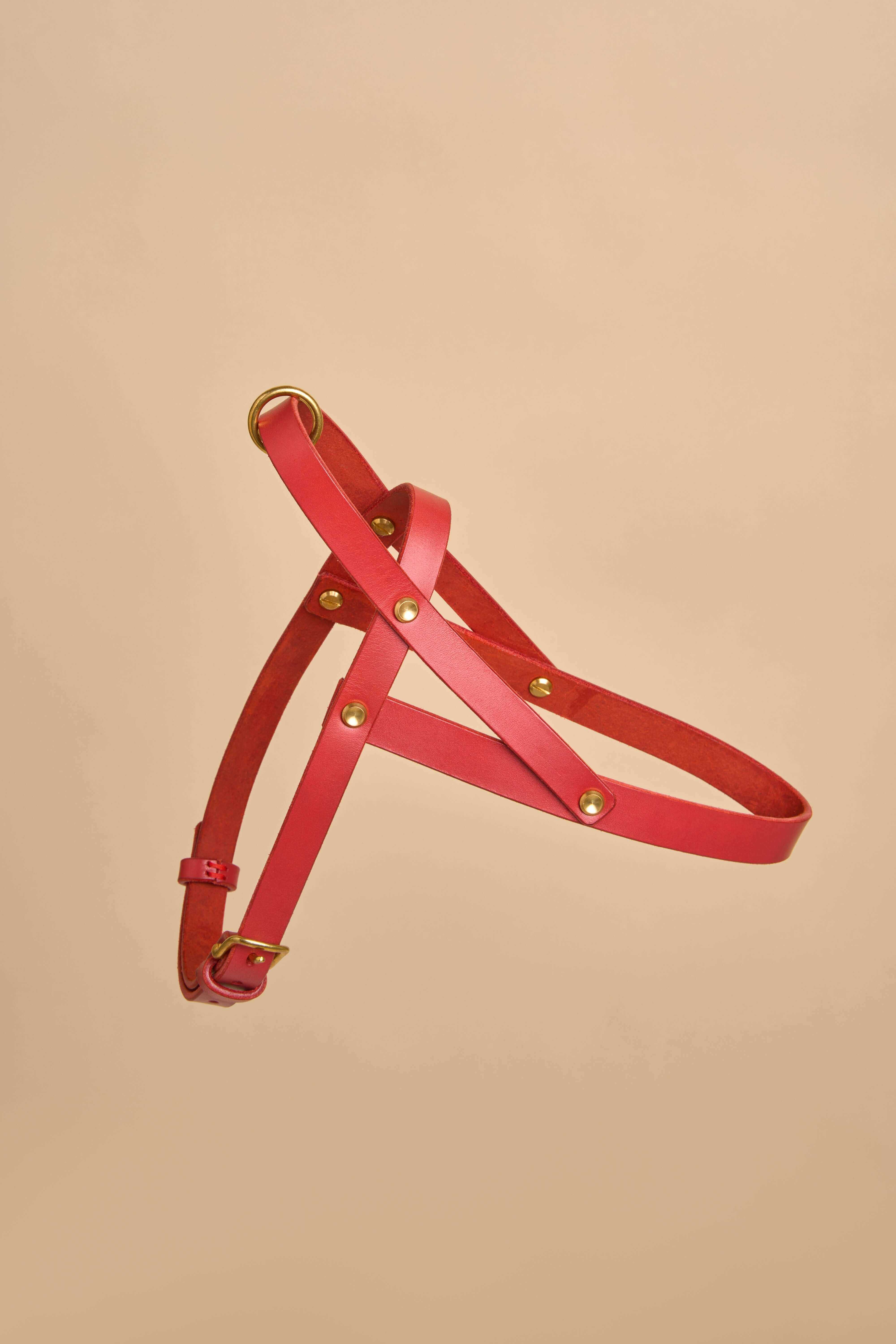
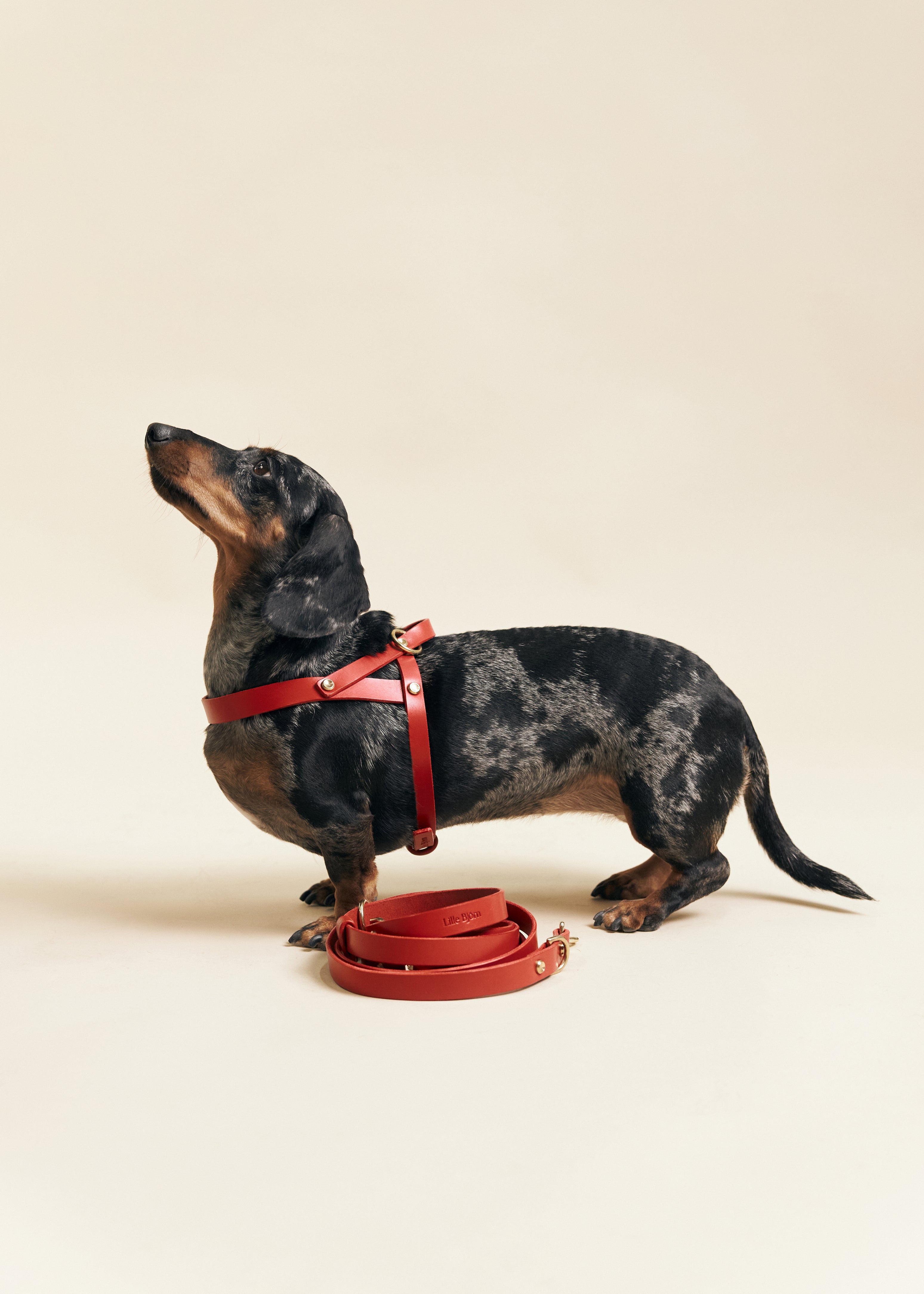
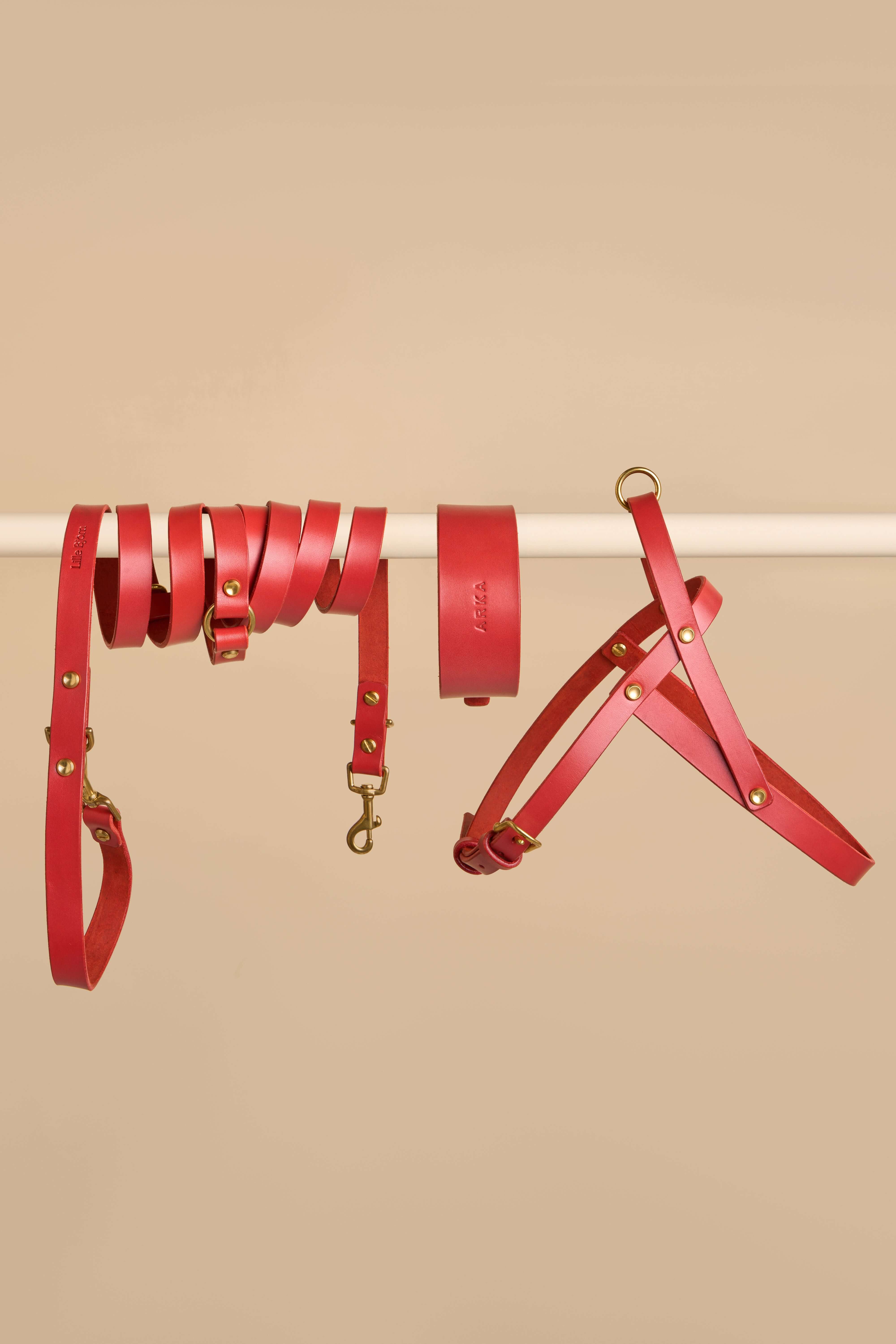
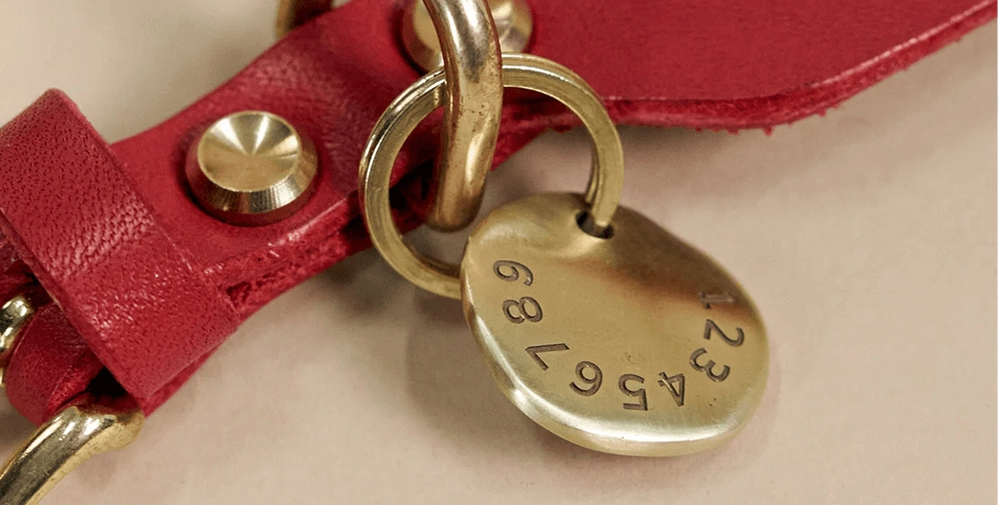
Red is maybe the most striking collar color choice that you can make, ideal for a dog who has plenty of energy and confidence! However, it can also be used to send the message that you might want to be a little bit cautious. If you have a large dog that is highly spirited and full of enthusiasm, then their desire to play can sometimes come across as a little forceful to strangers at the dog park. The simple addition of a red collar can sometimes be enough to communicate that a little extra space might be needed to avoid unintended incidents!
For coat-colour matching, red creates the most dramatic contrast against black coats, a classic pairing that is eye-catching and photogenic. Against a brown or golden coat, red brings warmth and vibrancy. Against a white coat, it makes a bold, confident statement that matches the temperament red is most associated with.

How to Choose the Right Collar Color for Your Dog
There are few different areas you might want to consider when picking out a color for your own pup’s collar.
-
Personality
What is their natural temperament like? Are they confident, playful, shy, prone to being a bit too nervous and reactionary towards strangers? -
Behavioral Signals
As we’ve highlighted above, different colors can be used to help communicate your pup’s temperament to other people in a simple and non combative way. For example, red for a dog that might need some space, or blue for a dog that is calm and friendly. -
Visibility and Safety
There is also the practical safety side of things to think about. Brighter colors like green and red, for example, are always going to be a great option if you want to ensure maximum visibility of your wandering dog from a distance!
All dog’s a different, of course, but in terms of color matching, this simple guide can be helpful:
- Confident, independent dogs = cognac brown or black.
- Friendly, relaxed dogs = green or blue.
- Energetic, adventurous dogs = green or red.
- Strong willed, bold dogs = red.
The key thing to remember is that whilst color can be very important, it is equally as important to make sure that the collar you choose is made from high quality materials so stand the wear and tear that your dog will put it through.
Which Collar Colour Looks Best on Your Dog's Coat?
The colour-meaning system above focuses on what a collar communicates about temperament. But the most practical question for most owners - which colour looks best on their specific dog is a separate question entirely, and one worth answering directly.
The general rule: contrast creates the most visually striking result; tonal matching creates the most elegant, understated look. Here is how each major coat colour plays against the palette:
Black or Very Dark Coats (Labrador, Scottish Terrier, Rottweiler, Giant Schnauzer)
The most photogenic collar colours for black dogs are those that stand out against the coat such as red, green, cognac brown, and blue all create strong, clear contrast. Red is the most dramatic. Cognac is the most classic. Blue creates a distinctive, slightly unexpected combination that reads as sophisticated. Black on black is a deliberate tonal choice, elegant in person but less visible in photographs.
Brown, Chocolate, or Liver Coats (Brown Labrador, Cocker Spaniel, Dachshund, Vizsla)
Brown-coated dogs suit blue, green, and red best, all create contrast against warm brown tones. Blue in particular reads as particularly elegant against chocolate or liver coats. Cognac brown creates a warm tonal match that is subtle and refined. Red Dachshunds with their distinctive rust and tan colouring are exceptionally complemented by cognac brown leather that deepens in tone to match their coat's patina over time.
Golden, Cream, or Tan Coats (Golden Retriever, Labrador, Spaniel, Wheaten Terrier)
Golden coats suit the full palette well, but red, blue, and black create the most striking combinations. Red against gold is warm and vibrant - a natural pairing. Blue against gold is a complementary colour contrast that is consistently photogenic. Black against gold creates a sharp, high-contrast look with a classic quality.
White, Silver, or Cream Coats (Samoyed, Bichon Frise, West Highland Terrier, Maltese)
White coats provide the ideal canvas for any strong colour. Black, red, and green are the most visually striking options. Cognac brown creates a warm tonal contrast that sits particularly elegantly on white or cream. Blue against white is clean and fresh, an especially popular choice for white Spaniels and Westies.
Black and Tan or Tricolour Coats (German Shepherd, Beagle, Bernese Mountain Dog)
For dogs with multiple coat colours, choose a collar that picks up one of the tones rather than competing with all of them. A cognac brown or red collar against a black-and-tan coat picks up the warm tan tones. A black or dark blue collar sits crisply against the black portions and creates a tonal, sophisticated look.
A Note on Leather Patina. How the Colour Evolves Over Time
One dimension of colour choice that is unique to vegetable-tanned leather collars is the patina. Unlike nylon or synthetic collars whose colour fades uniformly and unattractively over time, vegetable-tanned leather develops a deepening, enriching character with wear. The colour you start with is not the colour you end with and that evolution is part of what makes a leather collar a genuinely individual object.
Cognac brown: the most dramatic patina development. A new cognac collar is a warm amber-honey tone. Over months of daily wear exposed to body oils, sunlight, and the natural flex of use it deepens through amber to a rich, dark saddle brown. No two collars age identically.
Black: develops a subtle, burnished sheen that enriches the depth of the colour rather than lightening it. A well-worn black leather collar has a quality that is impossible to replicate with synthetic materials.
Red, blue, and green: the coloured options in vegetable-tanned leather develop a slightly muted, more complex tone over time, the brightness of a new collar settling into a deeper, more saturated version of itself. This makes coloured leather collars increasingly distinctive with age, developing a character that clearly marks them as lived-in, cared-for objects.
This is one of the reasons colour choice in leather is more consequential than in nylon. When you choose a colour for a vegetable-tanned leather collar, you are choosing not just the starting point but the direction of a multi-year aesthetic journey.
Caring for Your Dog’s Leather Collar
You should treat a leather collar like you would any other investment piece, with the proper care and attention that it deserves. Fortunately, this amounts to just a simple and effective maintenance routine.
Regular Cleaning
Leather collars need to be wiped down with a damp cloth regularly in order to remove the oils and dirt that inevitably build up over time. You should avoid completely soaking them in water, however, as too much moisture can result in the leather drying out and cracking prematurely.
Conditioning
It is a good idea to use a high quality leather condition every few months in order to maintain the natural suppleness of the collar, as well as preventing it from becoming too brittle. All you need to do is apply a small amount of the conditioner and very gently rub it into the leather to keep it nice and soft, and durable!
Storage
When the collar is not in use, it’s a good idea to store it away in a dry, shaded spot at home in order to prevent any exposure to damp and/or direct sunlight. Doing this is a simple way to help maintain that color that you spend so much time thinking about before purchase!

Frequently Asked Questions: Dog Collar Colours
What do different dog collar colours mean?
Among dog owners, collar colours have developed informal but widely understood temperament signals: black signals confidence and authority; blue signals calm, approachability, and trustworthiness; red signals high energy or a request for extra space from other dogs; green signals friendliness and social readiness; and cognac or brown signals warmth, loyalty, and reliability. These are informal conventions rather than a formal code but they are increasingly recognised among dog-owning communities, particularly at off-lead parks and group walks.
What does a blue dog collar mean?
A blue dog collar has come to signify that the dog is calm, gentle, and approachable, a visual signal that the animal is well-socialised and safe for strangers to greet. It is a popular choice for therapy dogs and emotional support animals for this reason. In purely aesthetic terms, blue creates an elegant contrast against golden, brown, and cream coats, and sits particularly beautifully against the warm tones of a tan or sandy coat.
What does a black dog collar mean?
A black dog collar conveys confidence, authority, and independence. It is the most universally versatile choice in the palette suitable for dogs of all temperaments as a neutral, timeless option. In aesthetic terms, it creates striking contrast against light-coloured coats (cream, golden, white) and a sophisticated tonal look against darker coats. In vegetable-tanned leather, a black collar develops a burnished sheen over time that deepens its richness with wear.
What is the best collar colour for a black dog?
The most photogenic collar colours for black dogs are red, green, cognac brown, and blue, all create strong contrast against a dark coat. Red is the most dramatic. Cognac brown is the most classic. Blue creates a sophisticated, slightly unexpected pairing. A black collar on a black dog is a deliberate tonal choice, elegant in person but less visible in photographs.
What is the best collar colour for a brown dog?
Blue, green, and red create the most striking contrast against brown or chocolate coats. Blue is particularly elegant against chocolate or liver-coloured coats, a pairing that reads as refined rather than obvious. Cognac brown creates a warm tonal match that is subtle and understated. For red Dachshunds and similar warm-toned coats, cognac leather that deepens over time is a natural, increasingly beautiful match.
What is the best collar colour for a golden retriever?
Red, blue, and black all work exceptionally well against golden coats. Red against gold is warm and vibrant. Blue against gold creates a complementary colour contrast that photographs beautifully. Black against gold is a sharp, high-contrast classic. Cognac brown creates a warm tonal look where the collar and coat share a palette, subtle and naturally elegant.
Does leather collar colour change over time?
Yes and this is one of the distinctive qualities of vegetable-tanned leather. Cognac brown develops the most dramatic patina, deepening from warm amber to rich saddle brown over months of daily wear. Black develops a subtle burnished sheen. Coloured collars (red, blue, green) develop a slightly deeper, more complex tone as the leather ages — moving from the brightness of a new collar toward a more saturated, characterful version of itself. This is one of the reasons colour choice in leather is more significant than in nylon: you are choosing the beginning of a long-term aesthetic evolution.
The Collar That Grows With Your Dog
A collar colour is one of the most personal decisions in the whole range of gear you choose for your dog. It communicates something about who they are to the world, it complements or contrasts with the coat they were born with, and in vegetable-tanned leather, it develops a character over years of daily wear that no other material can replicate.
Browse The Lille Björn's collection of vegetable-tanned leather collars available in black, blue, red, green, and cognac brown each one the starting point of a collar that will look better at five years than it did on day one.