Quick Summary
The best collar for any dog depends on three things: their breed's neck size, their coat type, and any health or anatomical considerations specific to their build. As a general rule flat leather collars for most breeds, wide flat collars for sighthounds and large breeds, lightweight narrow collars for toy breeds, and a back-clip harness paired with any collar for dogs with tracheal sensitivity or consistent pulling behaviour. This guide covers every major breed category with specific size recommendations mapped to The Lille Björn's size chart, so you can identify the right collar and the right size in one step.

Small Breeds: From Chihuahuas to Dachshunds
Small dogs are big on personality, but their petite frames mean they need lightweight collars and leashes that won’t weigh them down. Of course, sometimes the tiniest pups think they are bigger than they are, so always be mindful that they can tug for dear life!
Chihuahuas
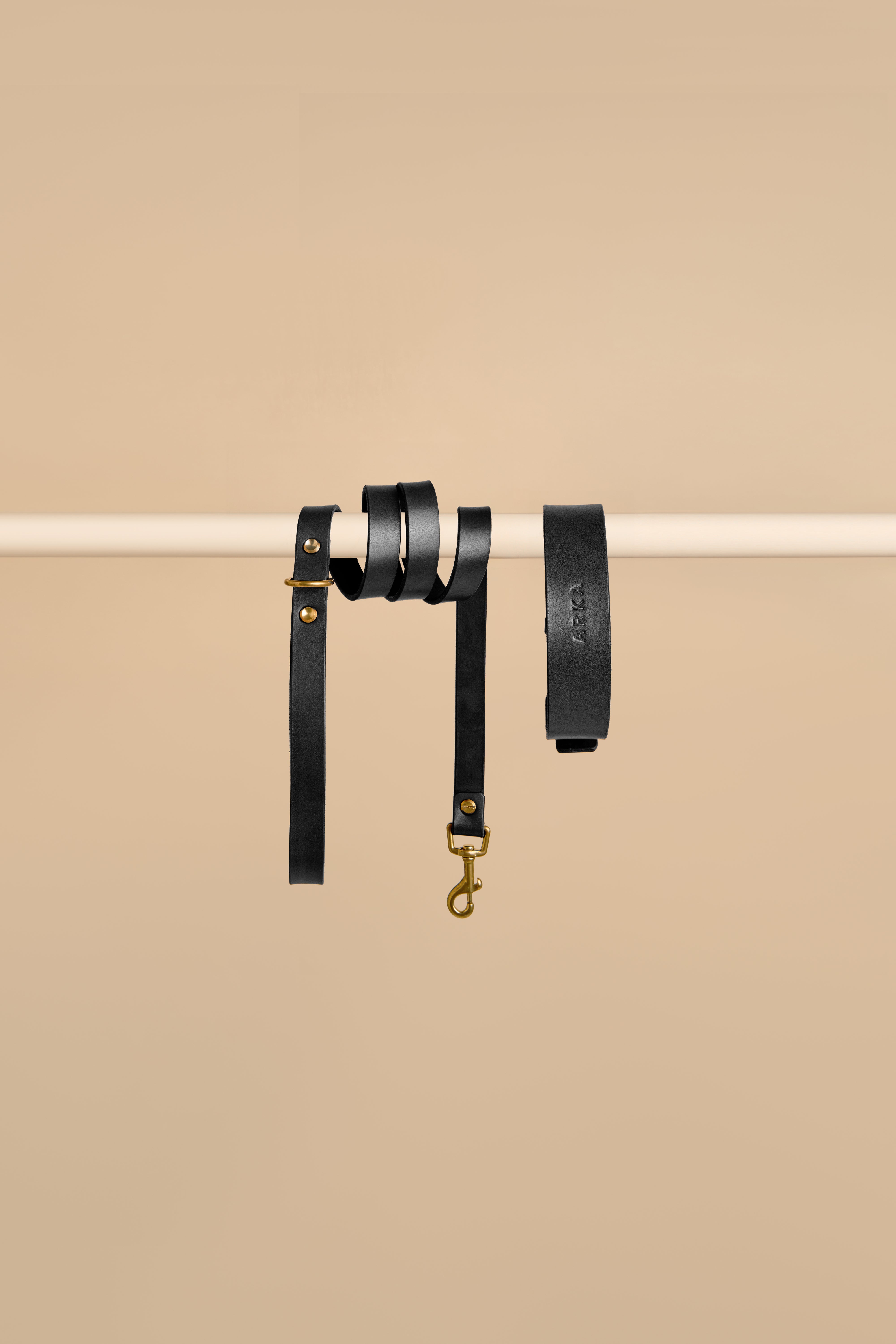
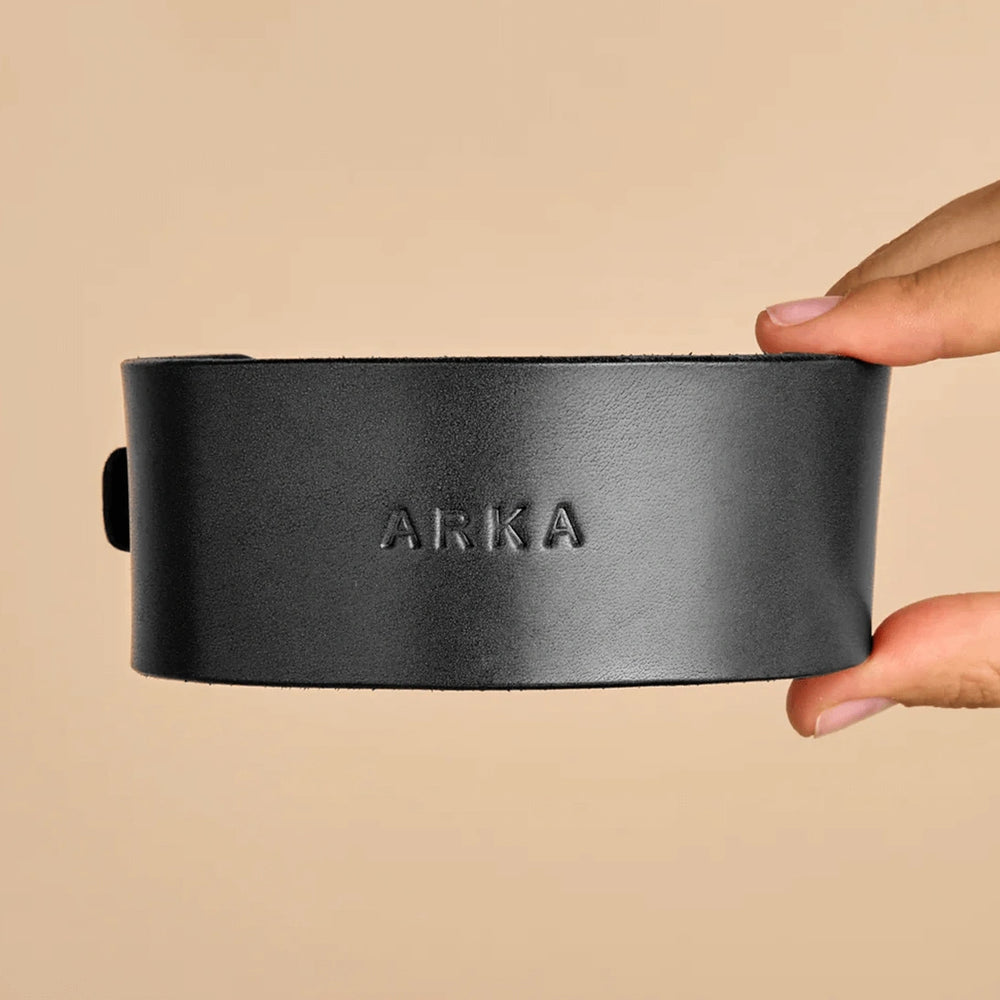
These tiny pups do best with narrow, lightweight collars that are manufactured using the softest possible materials. A black leather dog collar with a slim profile is an excellent choice and easy way to add a simple touch of elegance without being too bulky. Pair it with a matching dog lead that’s easy to handle for their small size.
Sizing: most Chihuahuas measure 17–22 cm which is size XXS (17–22 cm). For Chihuahuas at the top of this range (20–22 cm), check that two fingers fit before the upper limit. Pair a slim leather collar with a lightweight back-clip harness for walks, keeping all leash tension off the delicate neck.
Dachshunds
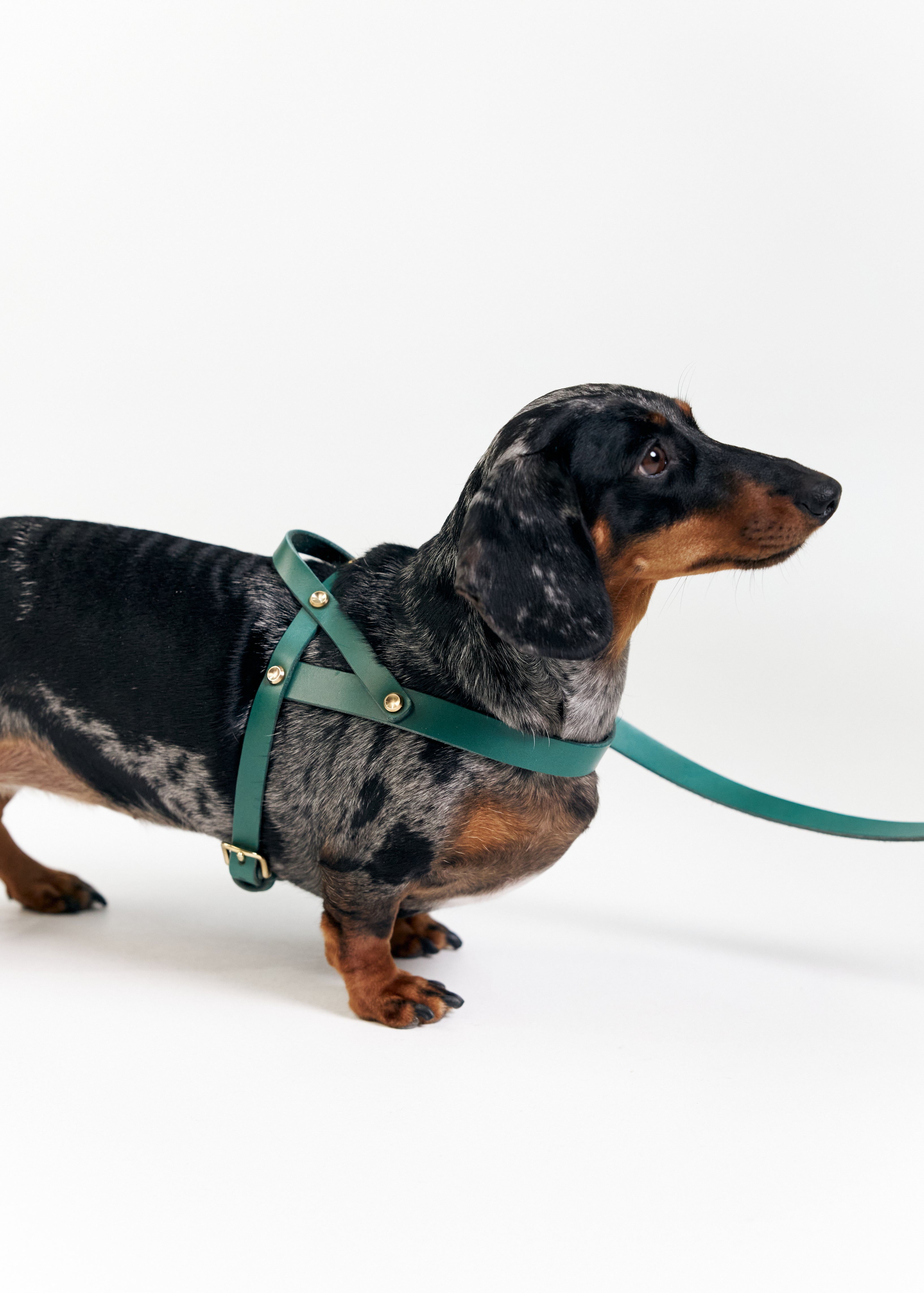
Dachshunds have unique body shapes, with long torsos and narrow necks. Their collars should be carefully sized to prevent slipping off during walks. A rolled leather collar can minimize pressure on their trachea, and a dog harness is often a safer alternative for this breed’s delicate neck. For a leash, it’s best to go for a lightweight option that won’t tug or strain their compact build.
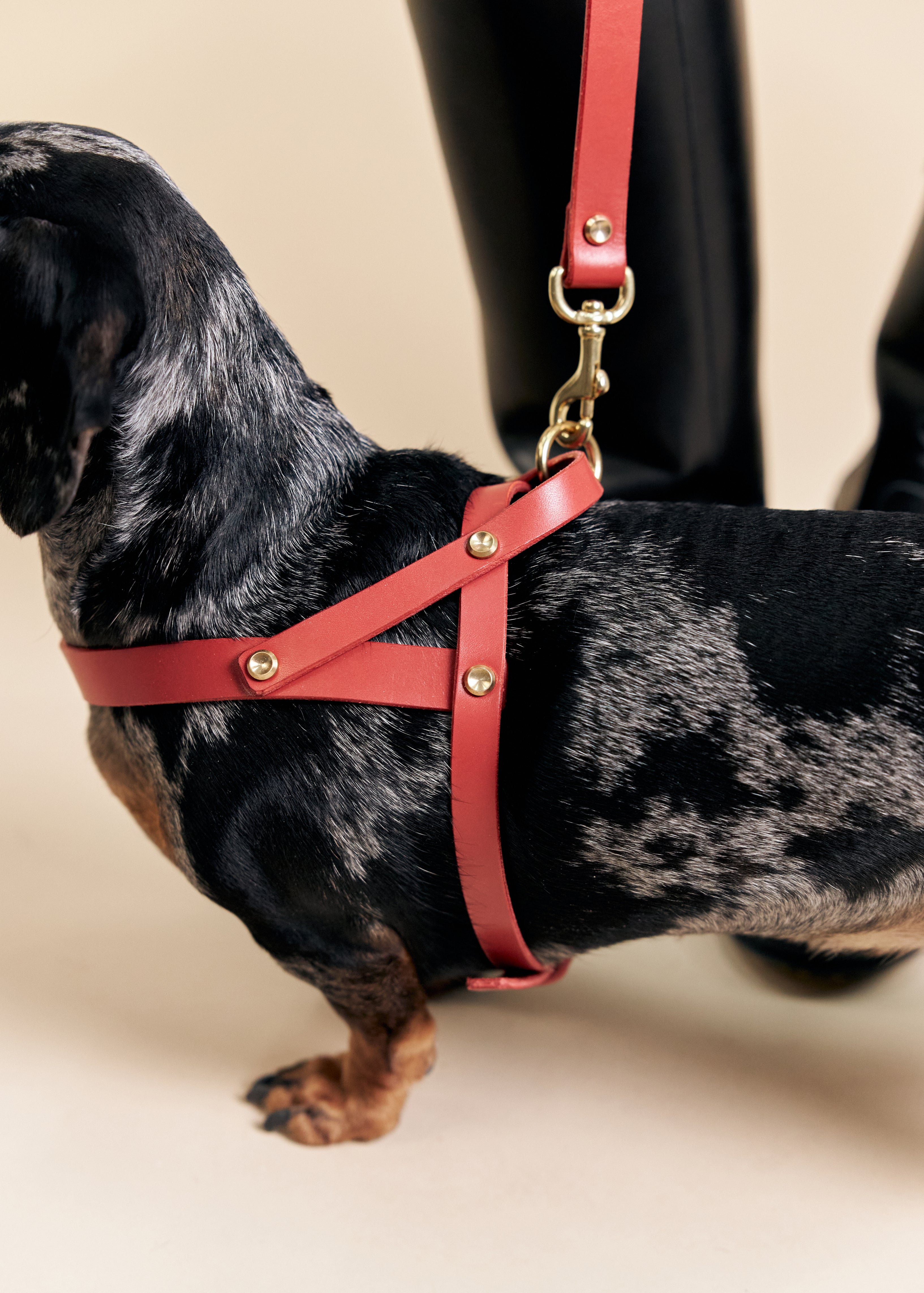
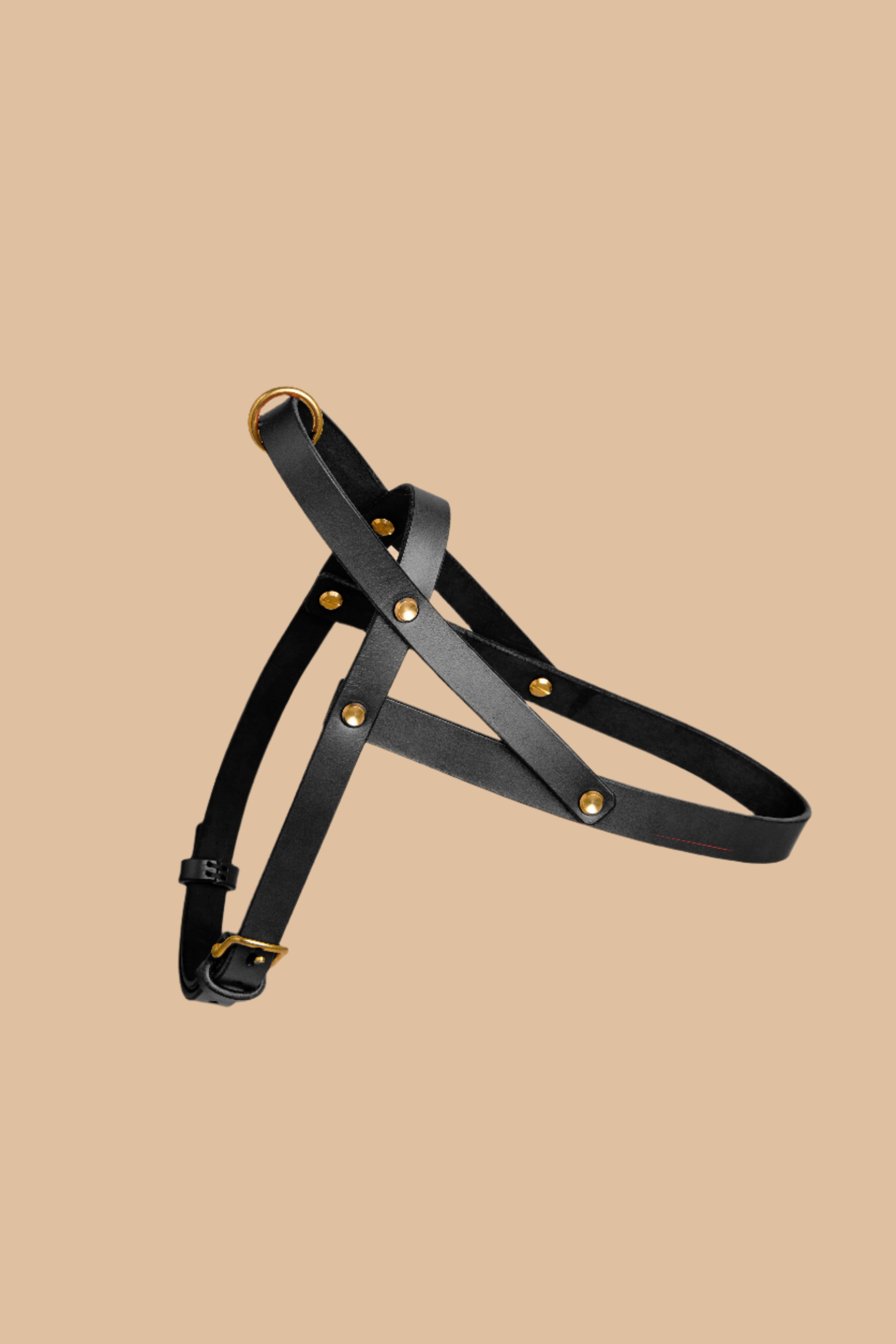
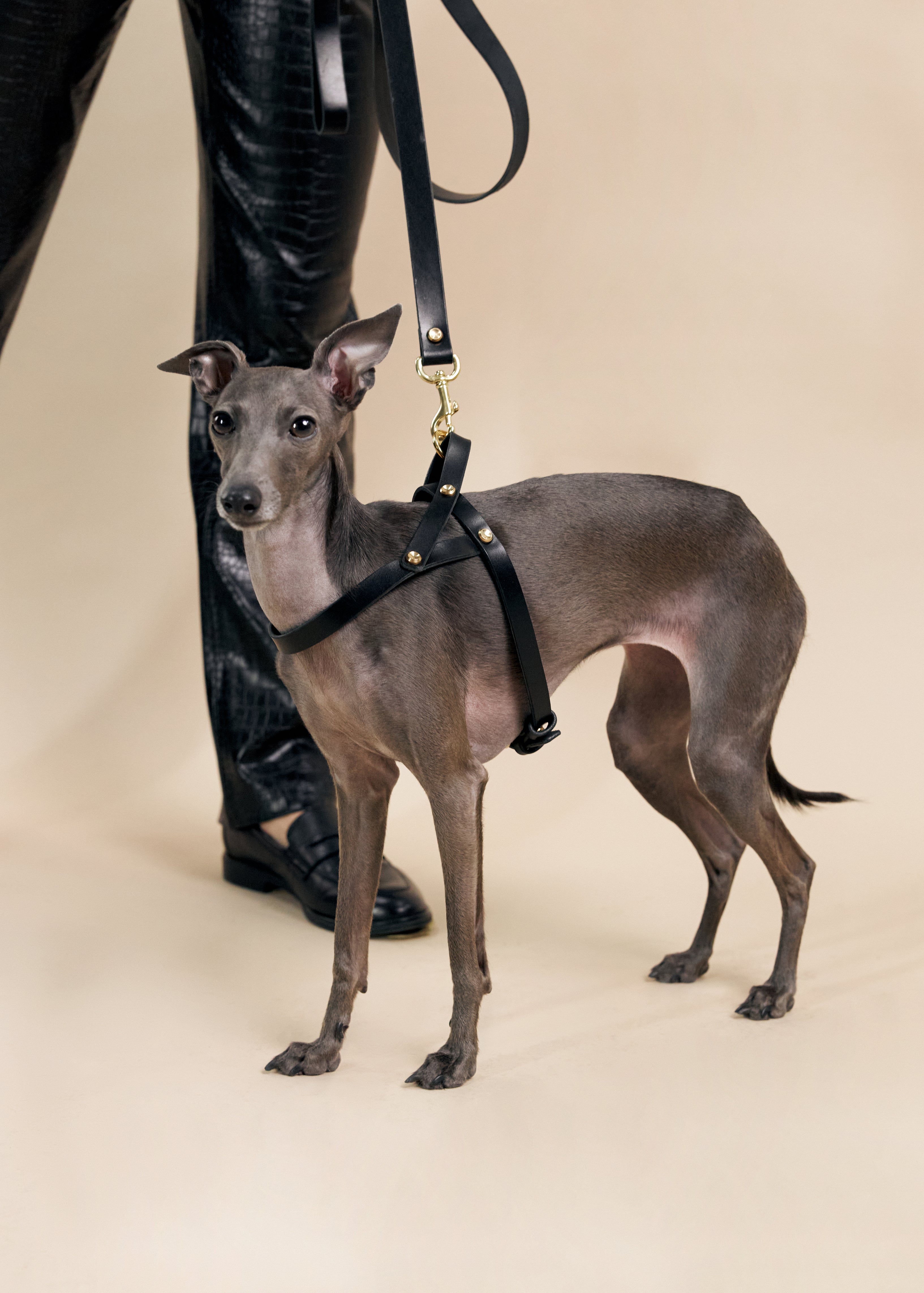
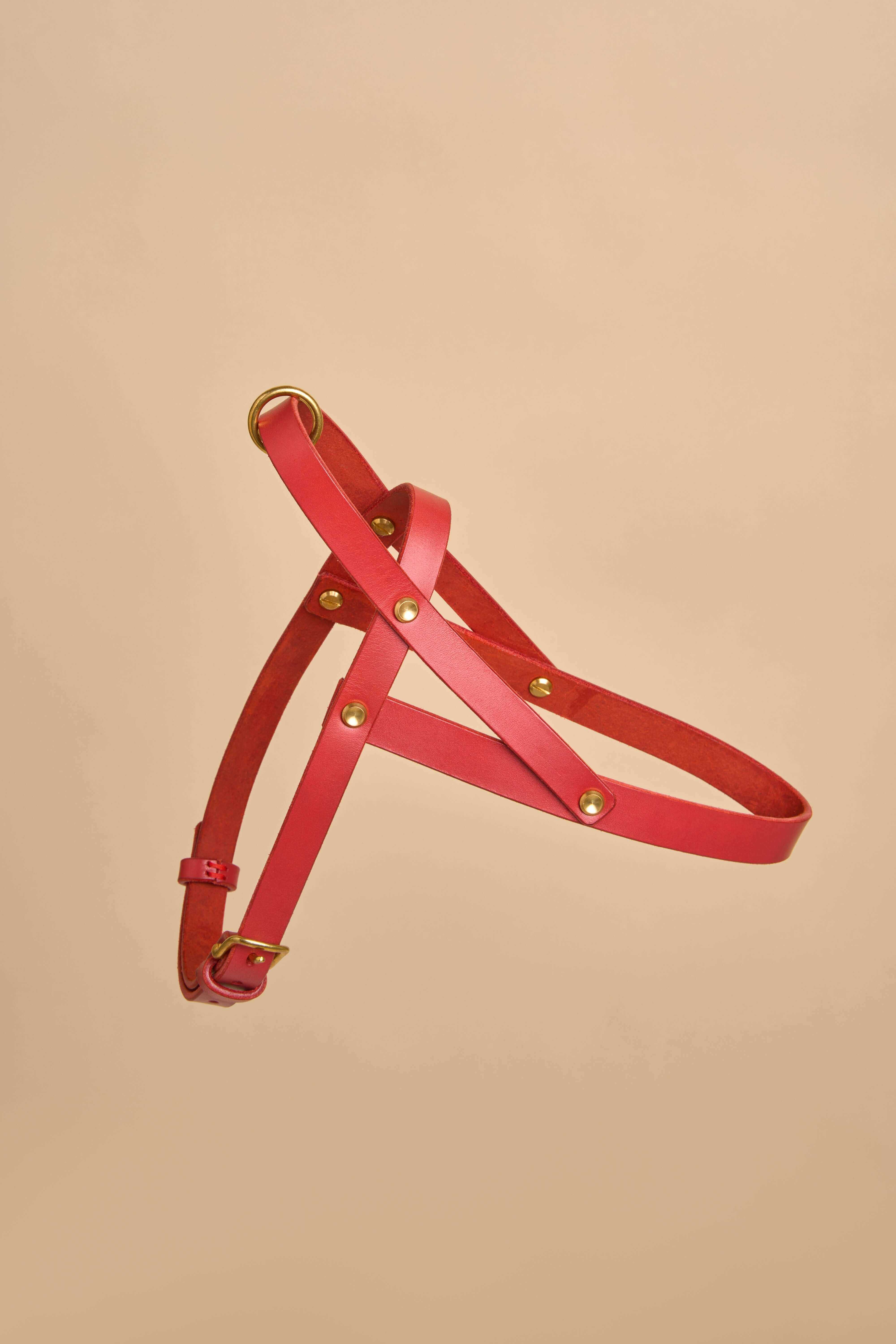
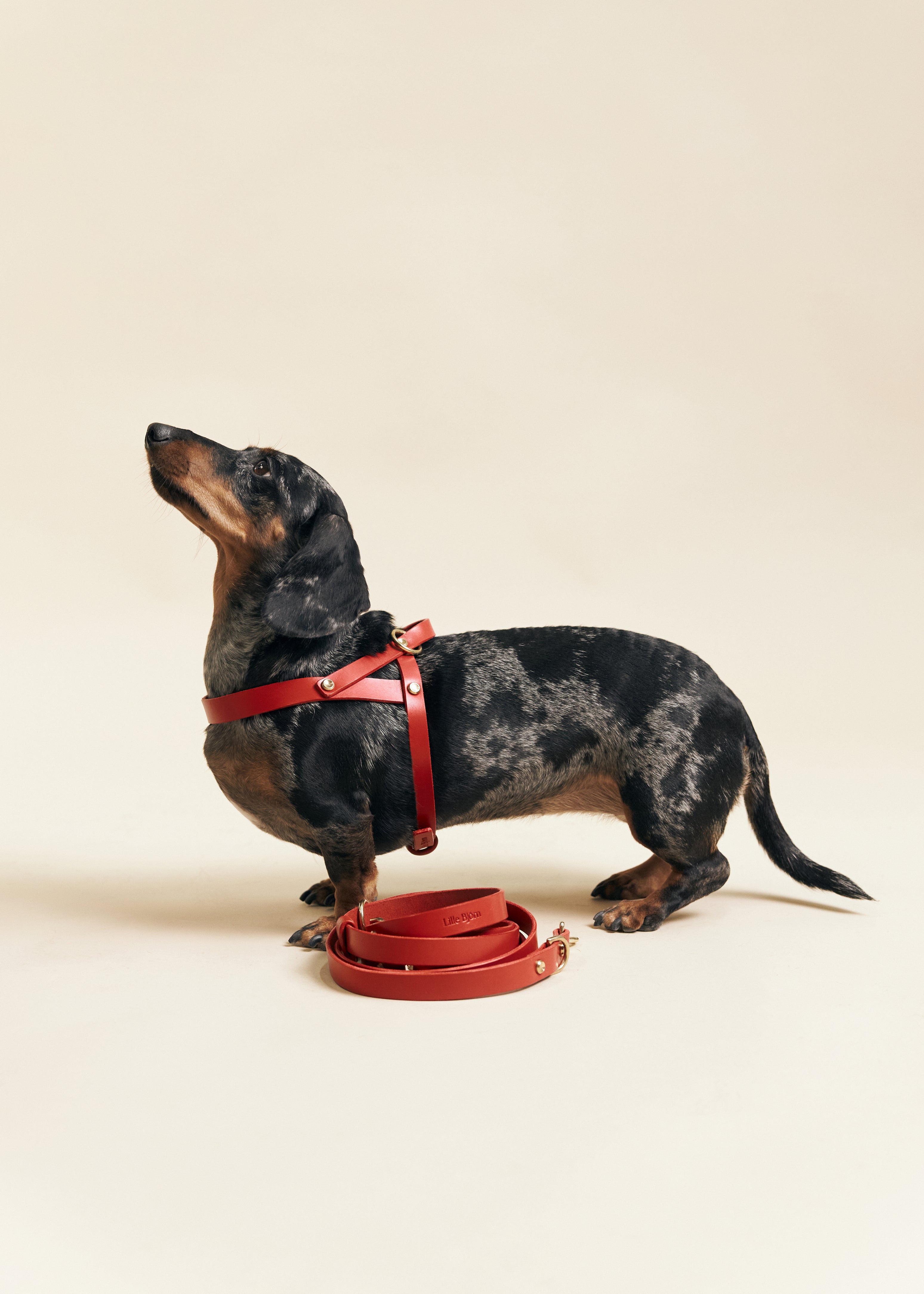
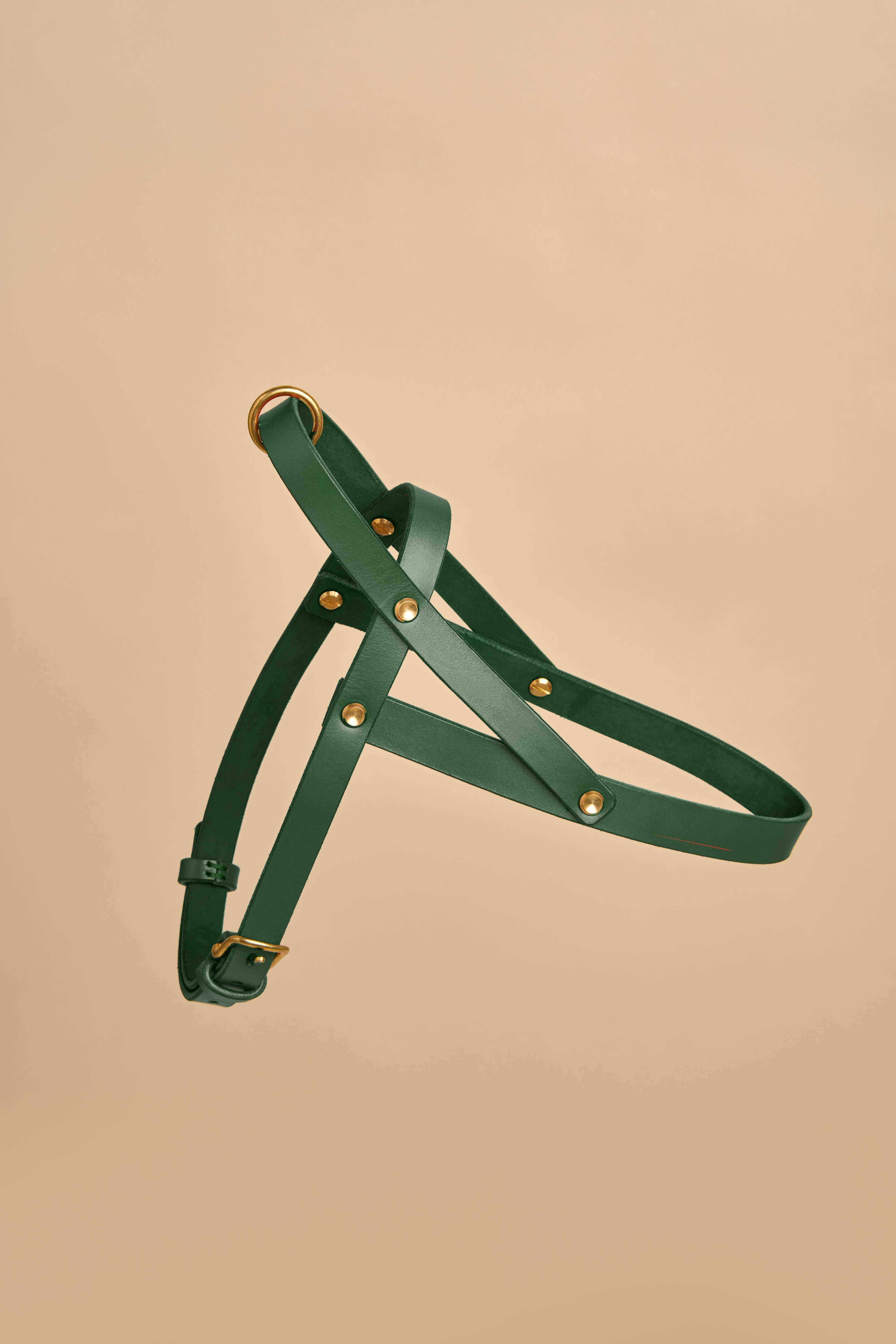
Sizing: Miniature Dachshunds typically measure 20–26 cm which is size XXS (17–22 cm) or XS (22–27 cm). Standard Dachshunds measure 26–32 cm which is size XS (22–27 cm) or S (27–32 cm). Because Dachshunds are IVDD-prone, a back-clip leather harness for walks with the collar used for ID only is the recommended setup. See our complete Dachshund collar sizing guide for detailed guidance.

Medium Breeds: Bulldogs, Cocker Spaniels, and French Bulldogs
Medium breeds are a versatile group, requiring collars that balance durability and comfort. On the whole, it’s probably fair to assume that the majority of pup parents have at least one dog that falls into this category, so medium breed accessory tips are always at the top of our list.
French Bulldogs
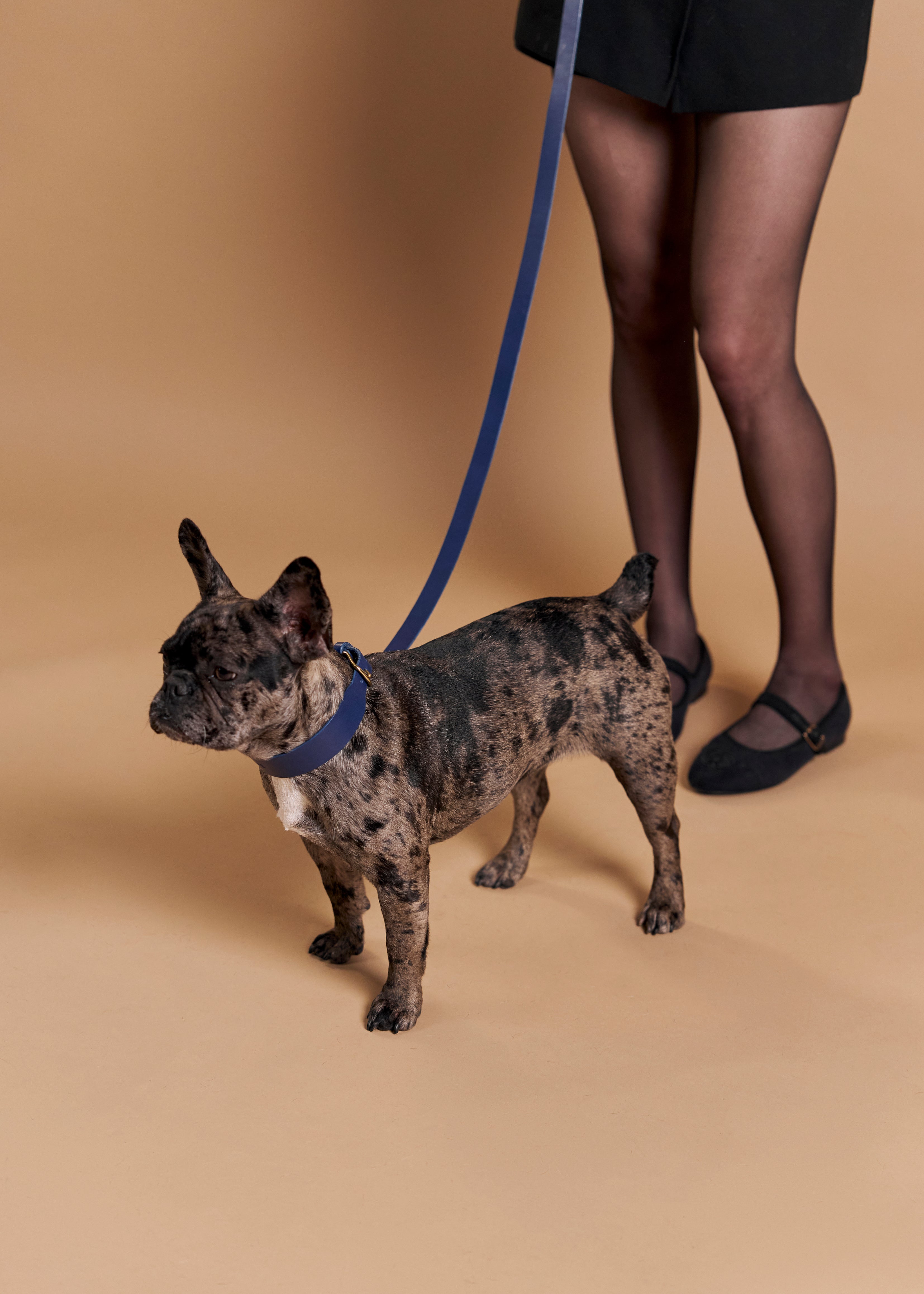
Known for their adorable bat like ears and stocky build, French Bulldogs benefit from wide collars that are able to spread out pressure evenly. A thick leather dog collar with soft padding can prevent irritation and ensure maximum comfort. Because they’re prone to respiratory issues, many owners opt for a dog harness to reduce strain on their necks.
Sizing: French Bulldogs typically measure 30–40 cm which is size M (32–37 cm) or L (37–42 cm) depending on build. Frenchies consistently have thicker necks than their body size suggests, always measure before ordering. Because they are brachycephalic, a back-clip leather harness for all walks is strongly recommended, with the collar carrying the ID tag only. See our French Bulldog and Dachshund sizing guide for full detail.
Cocker Spaniels
Cocker Spaniels have long, silky coats that require a collar that does not mat or tangle the neck fur over time. A rolled leather collar for everyday indoor and rest wear is the most considered choice as the cylindrical profile glides through the coat rather than pressing it flat, preventing the matting that a flat collar causes at the contact zone over months of continuous wear. For walks, a flat leather collar with a secure D-ring handles lead attachment reliably. Pair both with a classic leather leash for walks through the park.
Sizing: most Cocker Spaniels measure 28–35 cm which is size S (27–32 cm) or M (32–37 cm). Check the two-finger fit before ordering.
Large Breeds: Golden Retrievers, Labradors and German Shepherds
Okay, now we’re getting into some real big boy territory! Big dogs need sturdy collars and leashes that can handle their strength and size, making sure that you are able to keep control of them in the event of any unforeseen events at the park. A surprise squirrel chase, for example!
Labradors and Golden Retrievers
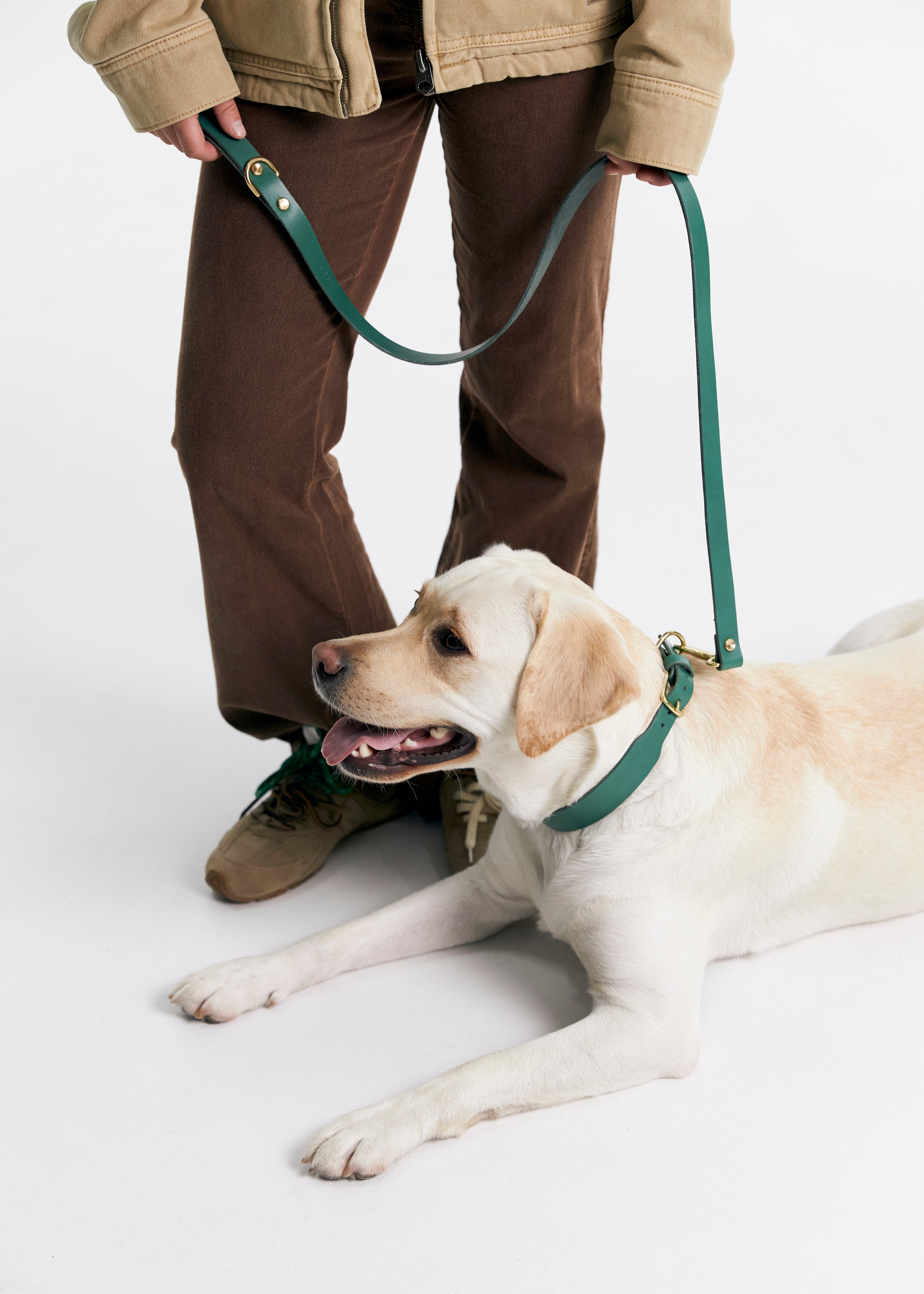
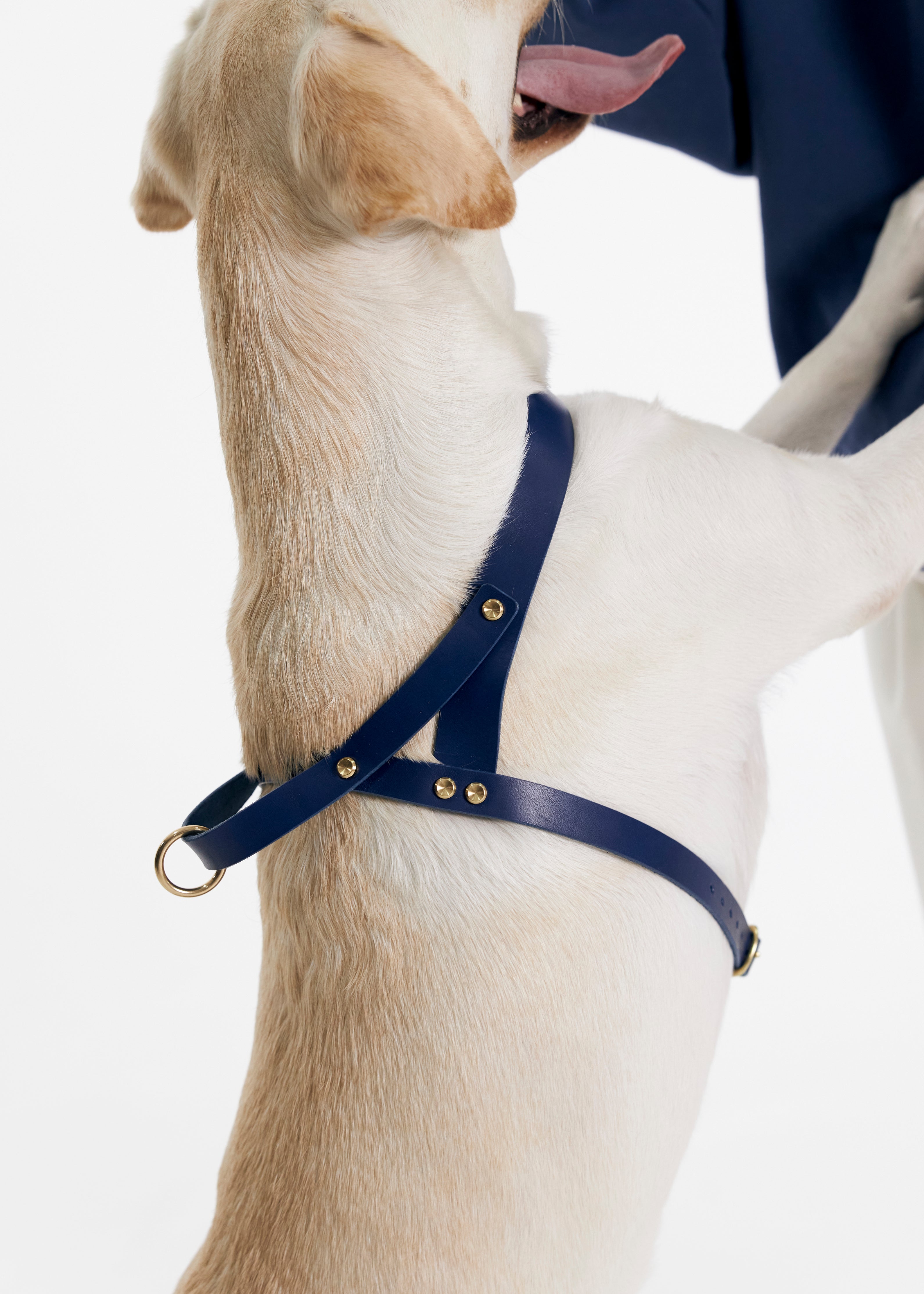
These popular breeds are strong yet friendly, which makes them very suitable candidates for thick leather dog collars. The durability of leather ensures the collar can withstand their energetic nature, while the natural material offers comfort for daily wear. Pair their collar with a reliable dog lead for walks or a dog harness if they tend to pull.
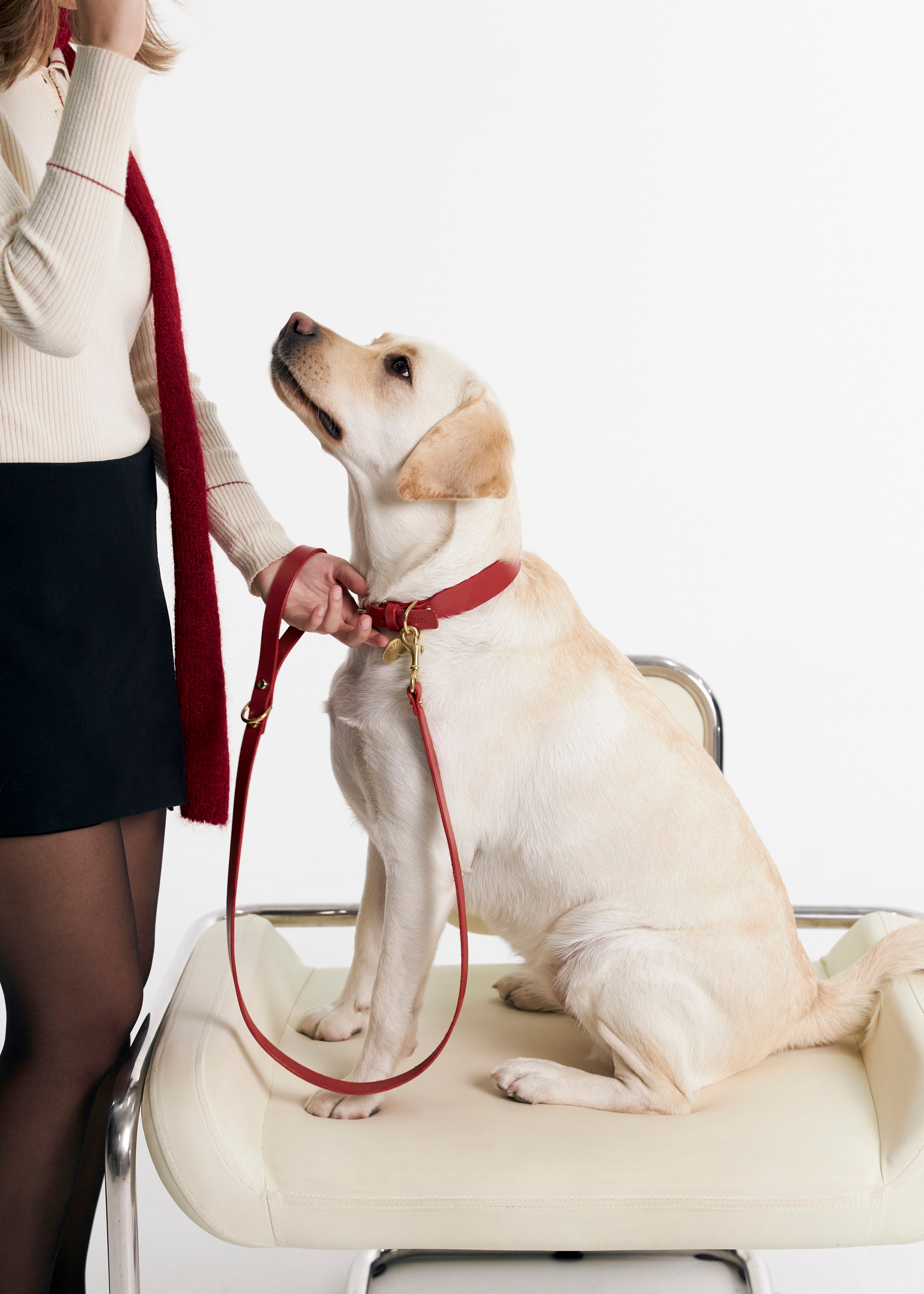
Sizing: Labradors typically measure 37–45 cm which is size L (37–42 cm) or XL (42–47 cm). Golden Retrievers typically measure 37–44 cm which is size L (37–42 cm). Both are active breeds with double coats, check the two-finger fit regularly as the coat changes seasonally. For the best collar colour against a golden coat, red or blue leather creates the most photogenic contrast.
German Shepherds
German Shepherds have a great reputation for intelligence and loyalty, but their strength means their collars must be secure and robust. A wide, heavy duty designer leather dog collar paired with a long, durable dog leash gives you control and style, whether they’re out for a stroll or training for obedience.
Sizing: German Shepherds typically measure 40–47 cm which is size L (37–42 cm) or XL (42–47 cm). A wide flat collar of 3–4 cm width provides the pressure distribution a large, active breed needs. For consistent pullers, a back-clip leather harness for walk training removes all neck tension while the collar carries identification.
Giant Breeds: Great Danes and Saint Bernards
When it comes to the biggest babies in your life, strength and fit are everything! Owners of the very biggest dogs are all too aware of the unique challenges that they can face, so making sure that you have the basics like gear and accessories right is always a good place to start.
Great Danes
Their impressive, show stopping size means they need extra large collars that can easily and comfortably fit without risking slipping. A thick leather dog collar with reinforced stitching is ideal for providing both support and style. For walking, a heavy duty dog leash or dog lead is absolutely essential if you want to keep your gentle giant under control!
Sizing: Great Danes typically measure 48–58 cm which is size XL (42–47 cm) at the widest available, or contact us for measurements above 47 cm. A wide flat collar of 4–4.5 cm with reinforced stitching and solid brass hardware is essential for this breed's neck span and strength.
Saint Bernards
Saint Bernards may be gentle, but their sheer size requires collars and leashes that can handle their strength. Look for collars made from strong leather materials with brass hardware for durability. Pair with a sturdy dog harness for outings where extra control is needed.
Unique Breeds: Greyhounds and Whippets
Technically, sighthounds like Greyhounds and Whippets probably fit into the medium or large dog breed category, but anyone with experience of these special creatures knows that they can have a slightly more unique set of needs. This is mainly due to their slim necks and athletic builds which require a little more special care and attention regarding collar and leash fitting.
Greyhounds
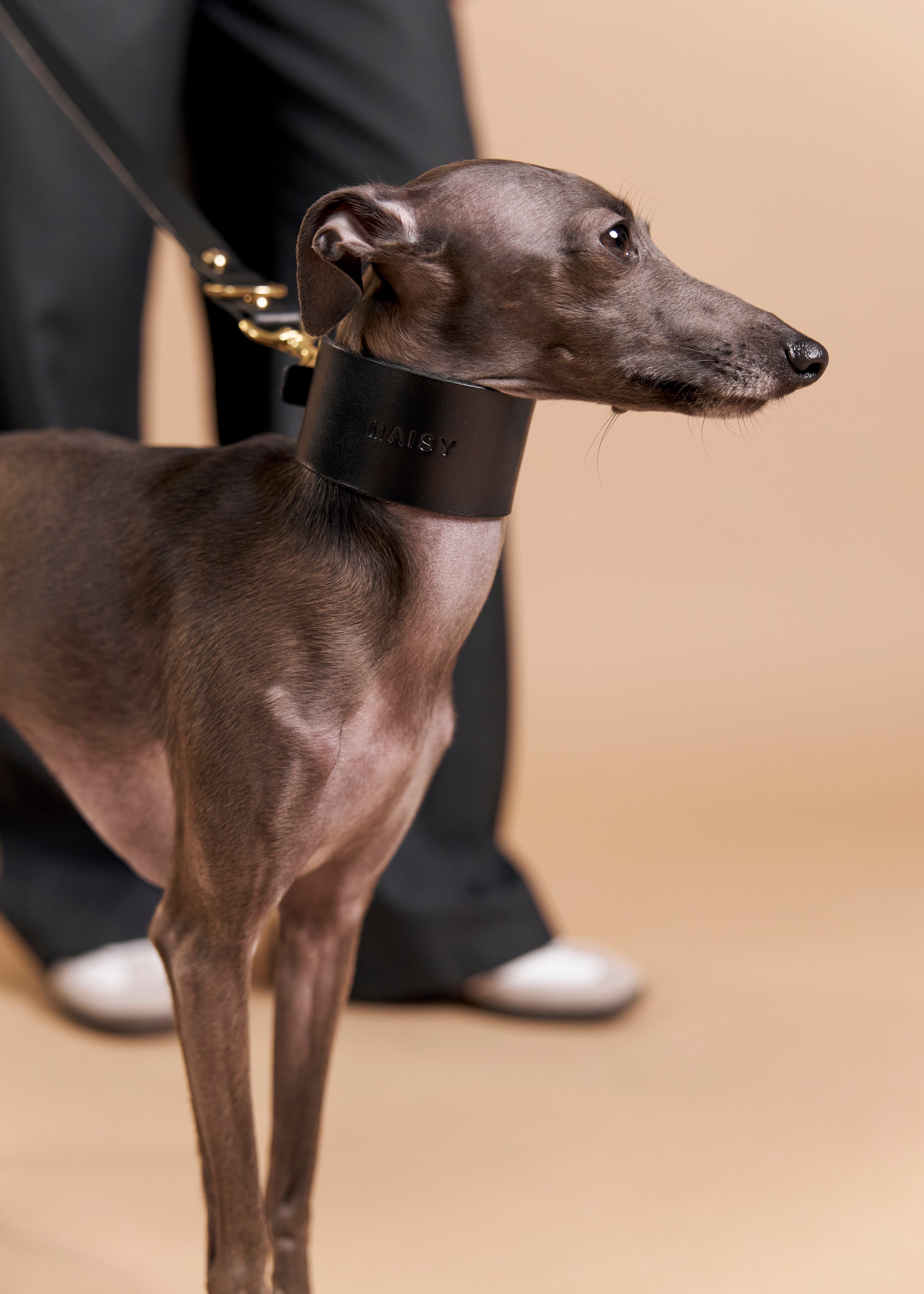
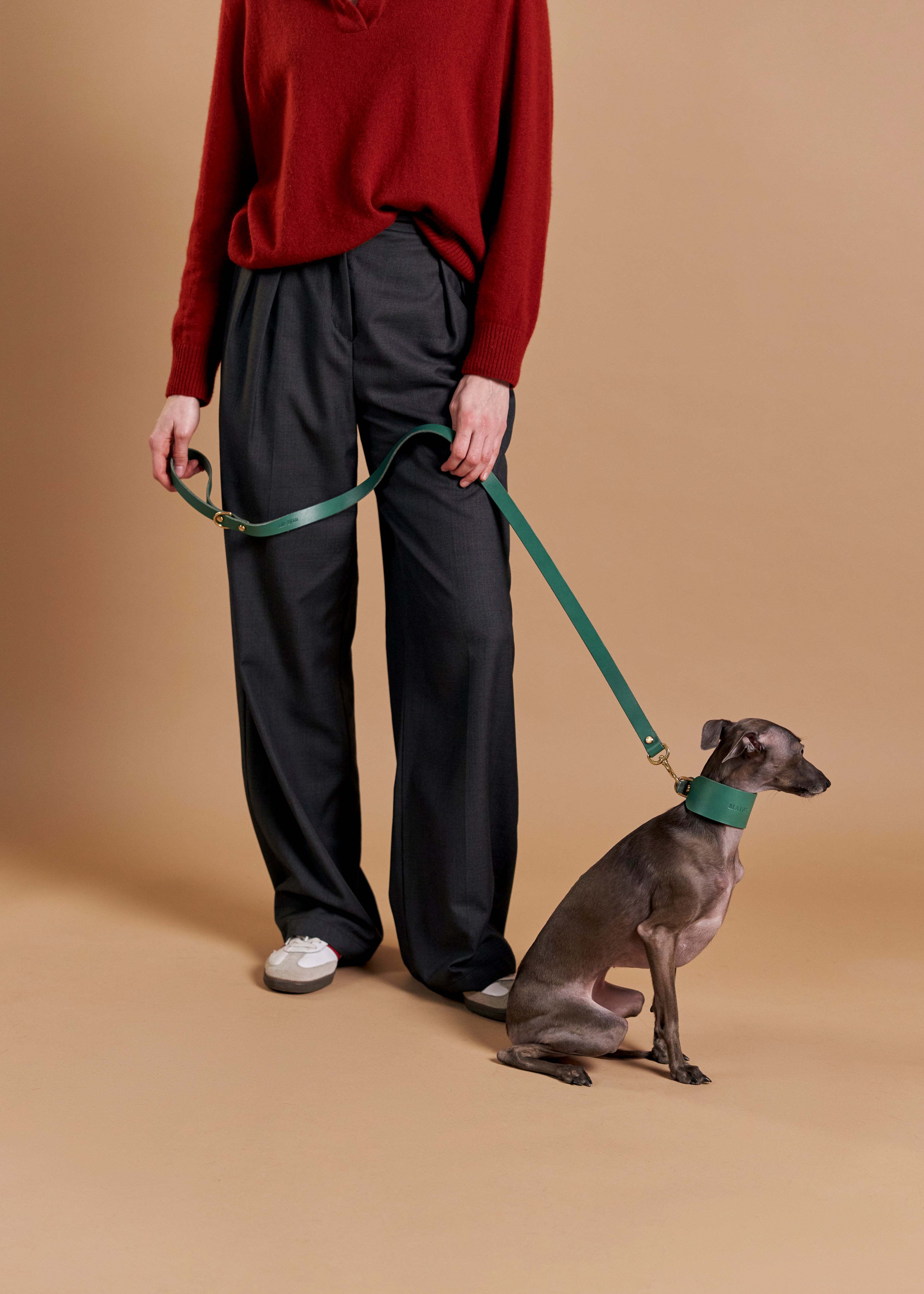
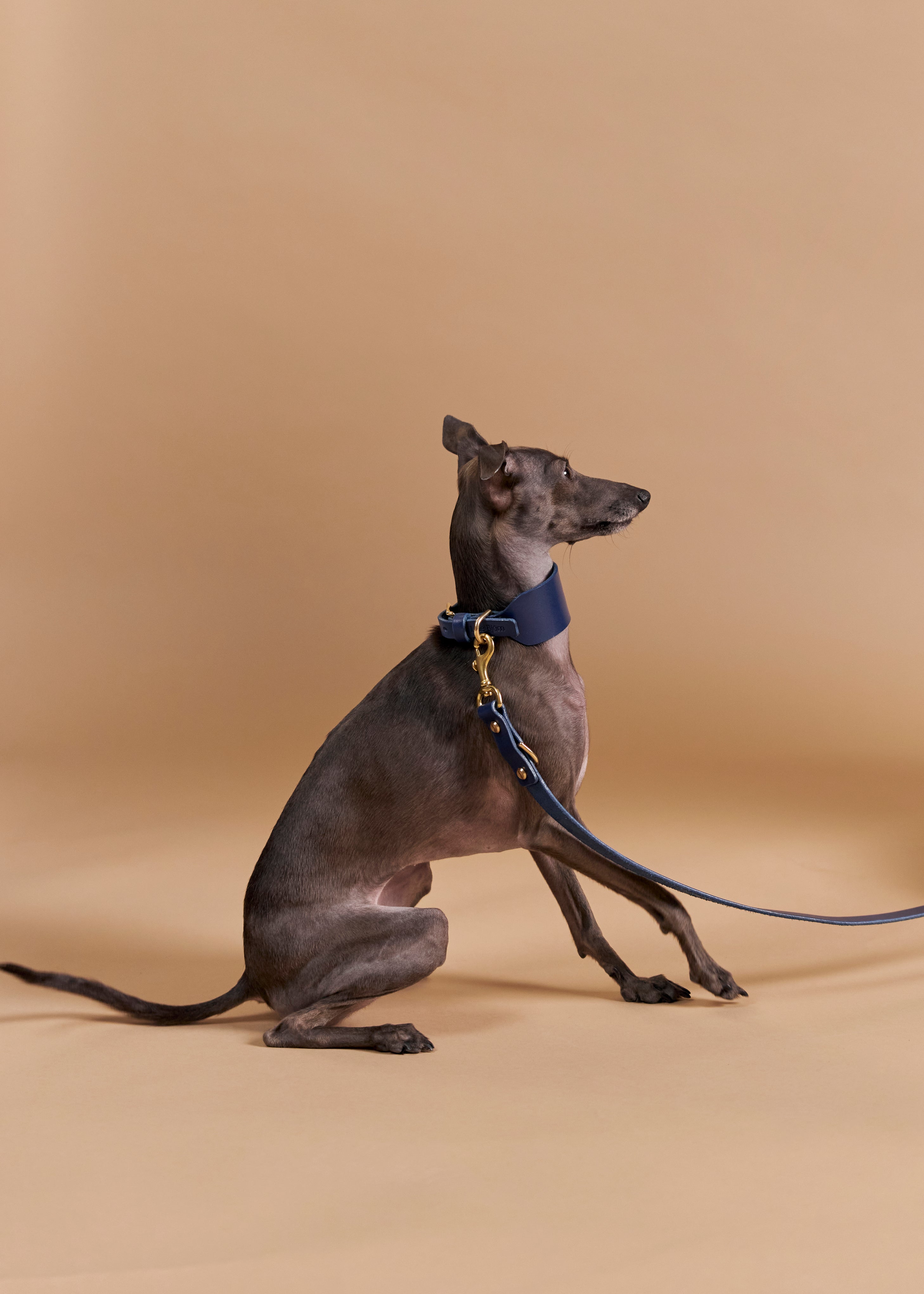
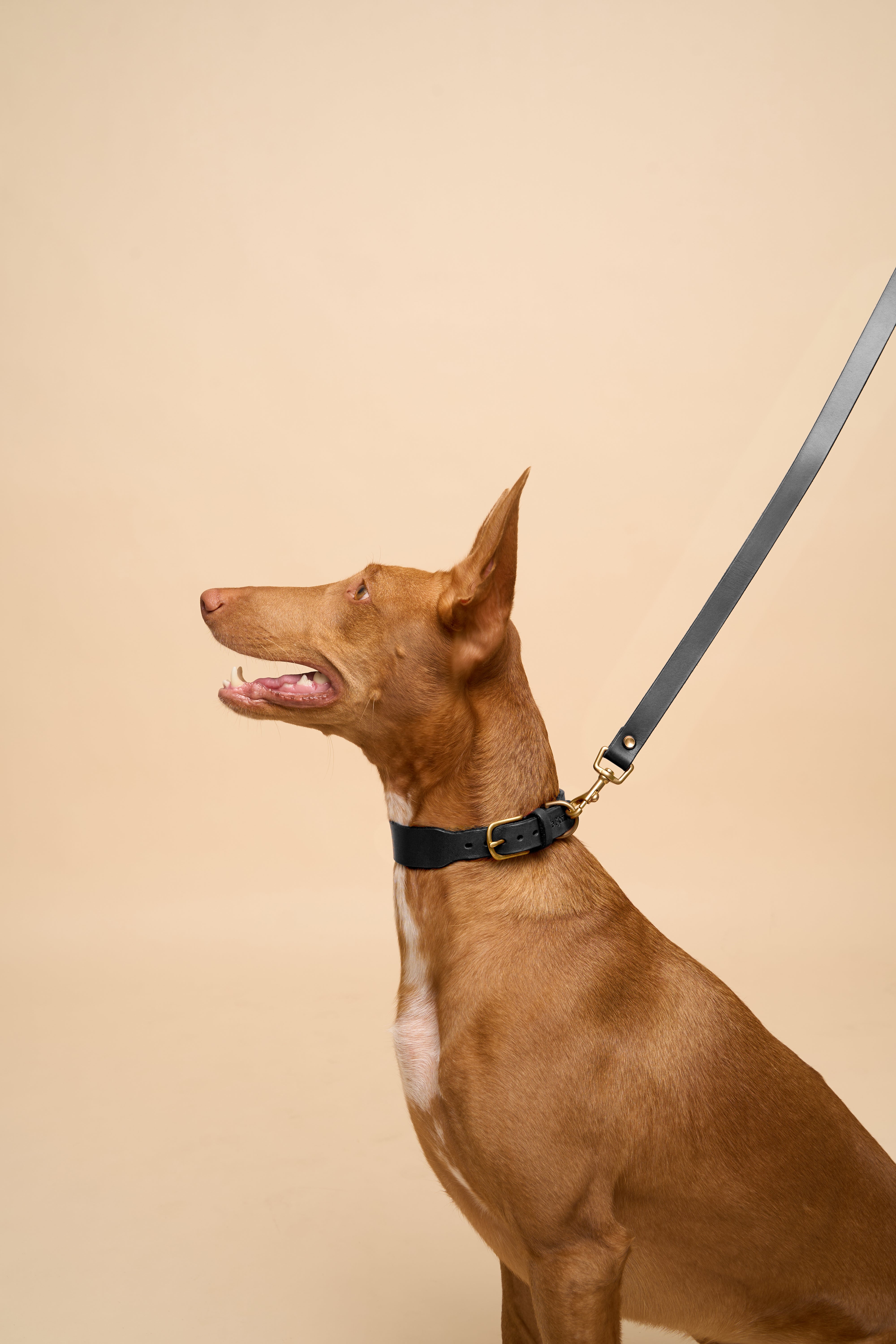
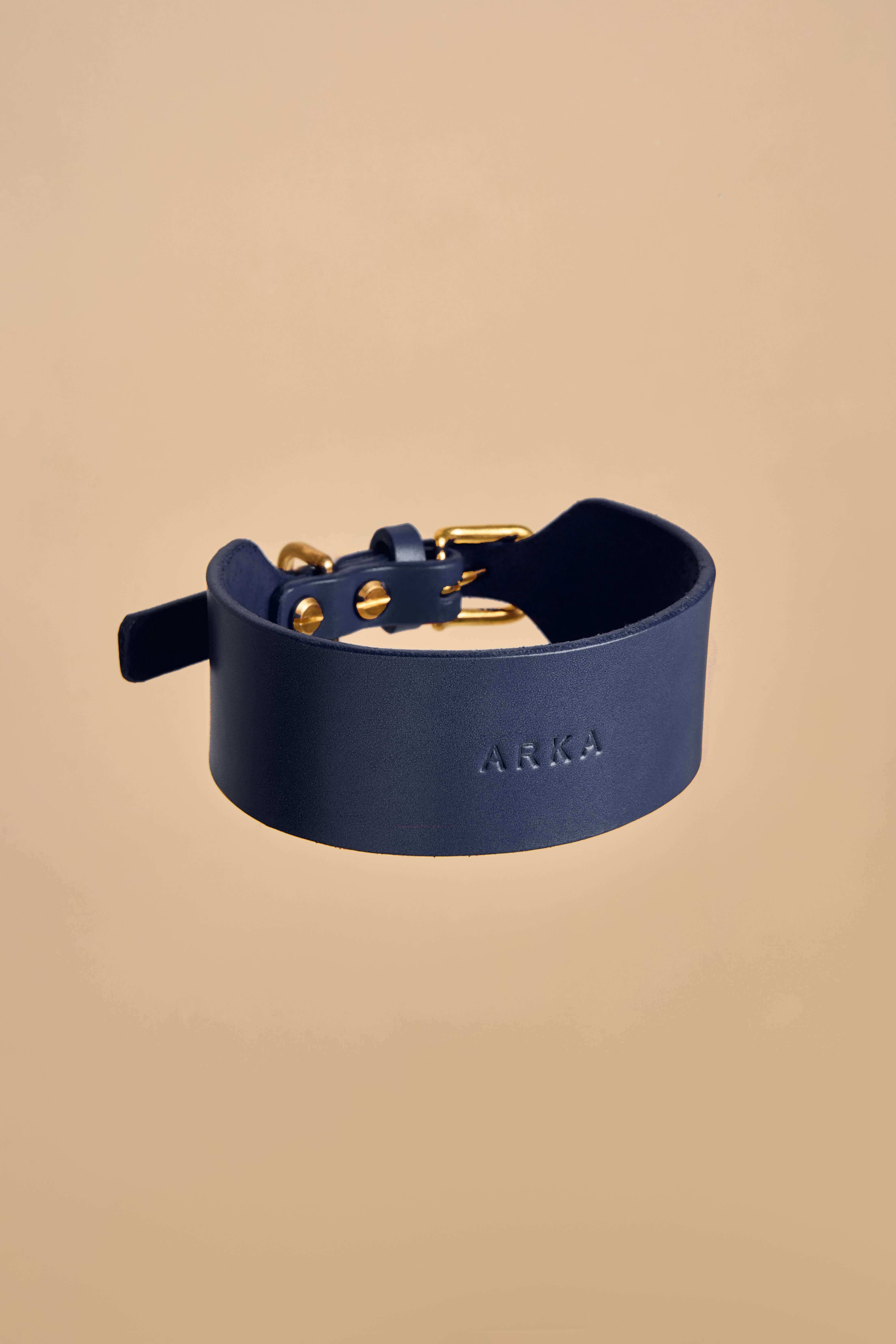
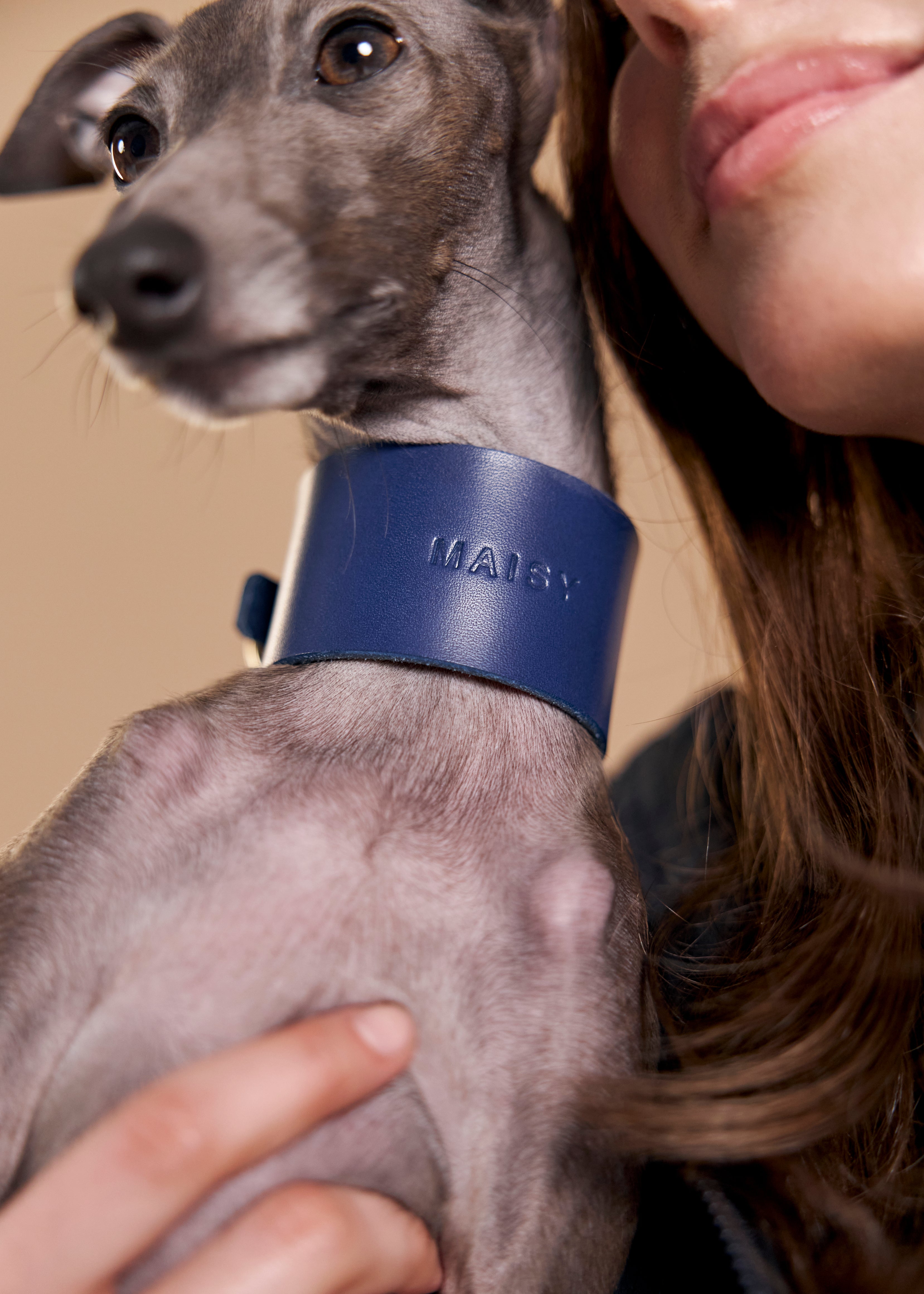
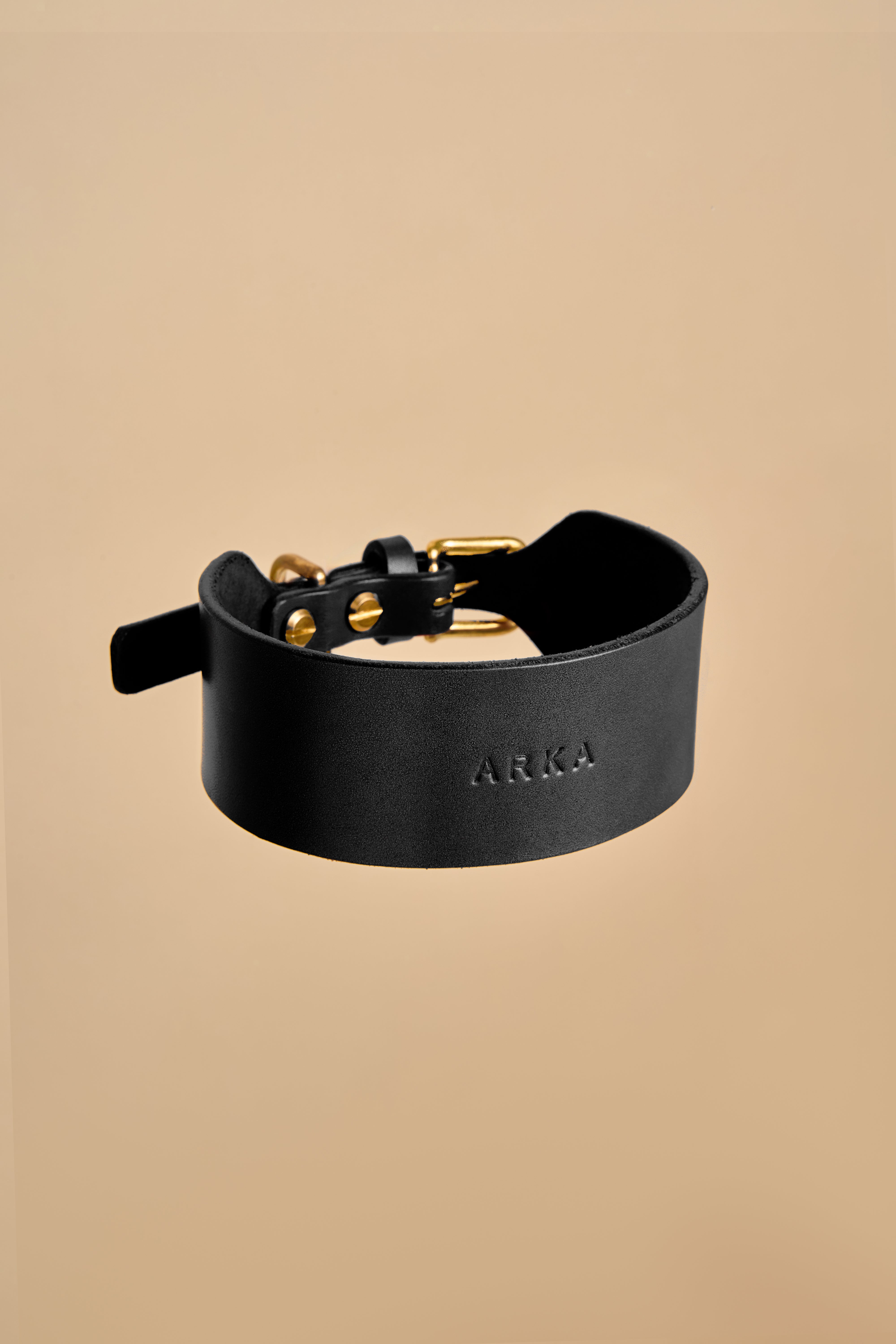
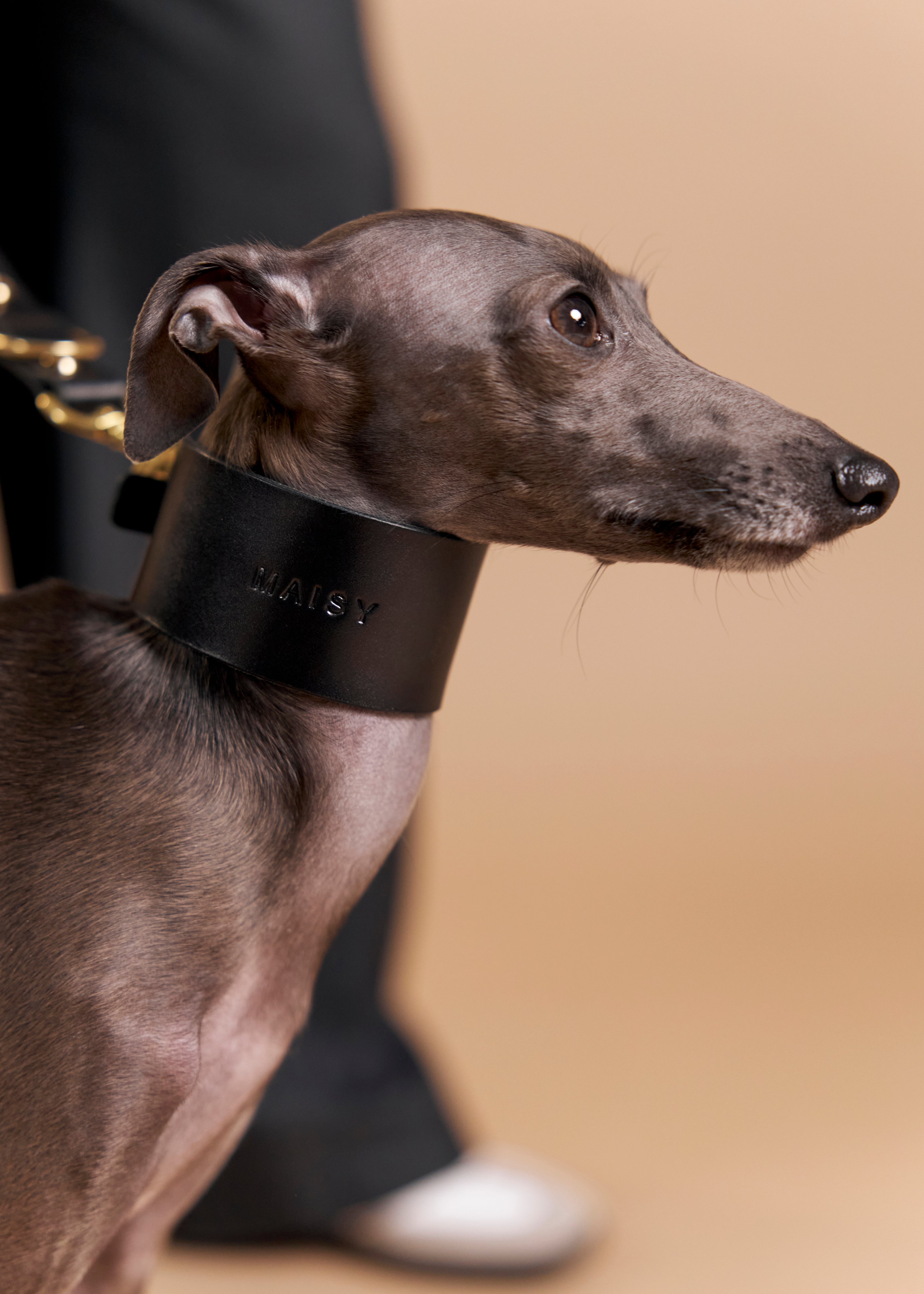
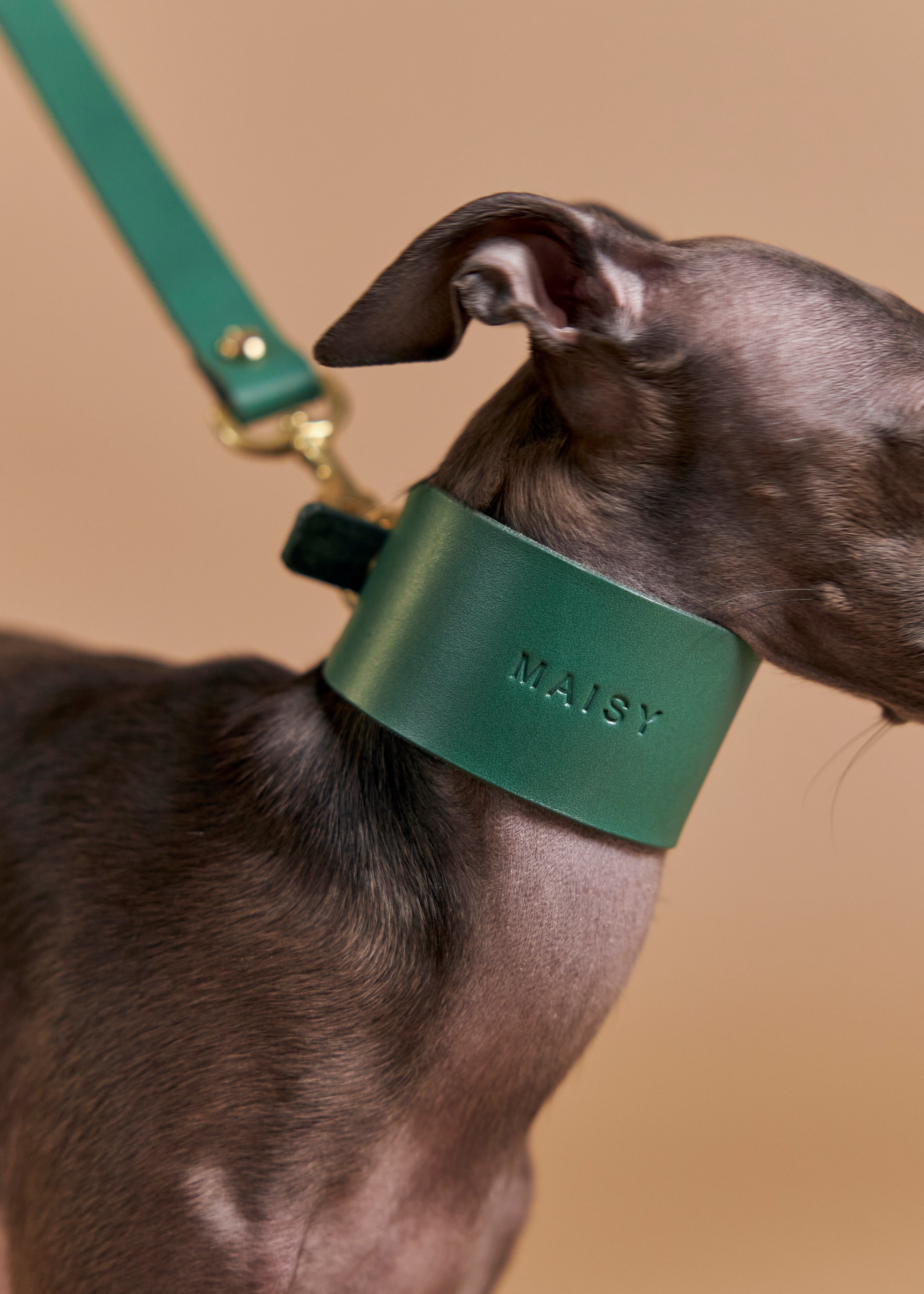
Greyhounds and Whippets require a wide flat leather collar of at least 4–4.5 cm, the width distributes pressure safely across their delicate, fat-free necks and the structural stiffness of the wide band provides meaningful escape resistance for a breed whose head is narrower than their neck. A martingale collar available from dedicated sighthound specialists is an appropriate additional tool for walks where escape risk is the primary concern. The Lille Björn's wide leather collars are specifically designed for this profile: 4.5 cm width, vegetable-tanned leather with solid brass hardware.
Sizing: Greyhounds typically measure 33–42 cm which is size M (32–37 cm) or L (37–42 cm). Measure at the middle of the neck, not the base.
Whippets
Like Greyhounds, Whippets need a wide leather collar of at least 4 cm for the same pressure distribution and escape-resistance reasons. For walks where maximum escape prevention is needed, a martingale collar from a sighthound specialist works alongside the wide leather collar: the flat wide collar carries the ID tag at all times; the martingale handles the walk.
Sizing: Whippets typically measure 28–36 cm which is size S (27–32 cm) or M (32–37 cm). See our complete sighthound collar guide for fitting detail.
Matching Leashes and Leads to Your Dog’s Needs
No matter the breed, the leash or lead you choose is just as important as the collar. Here’s a quick set of pointers that will help you find the perfect match:
- Short Leashes: Ideal for training or keeping your dog close in busy areas.
- Standard Leashes: Great for everyday walks with breeds of all sizes.
- Long Leads: Perfect for training recall or giving dogs a bit more freedom in open spaces.
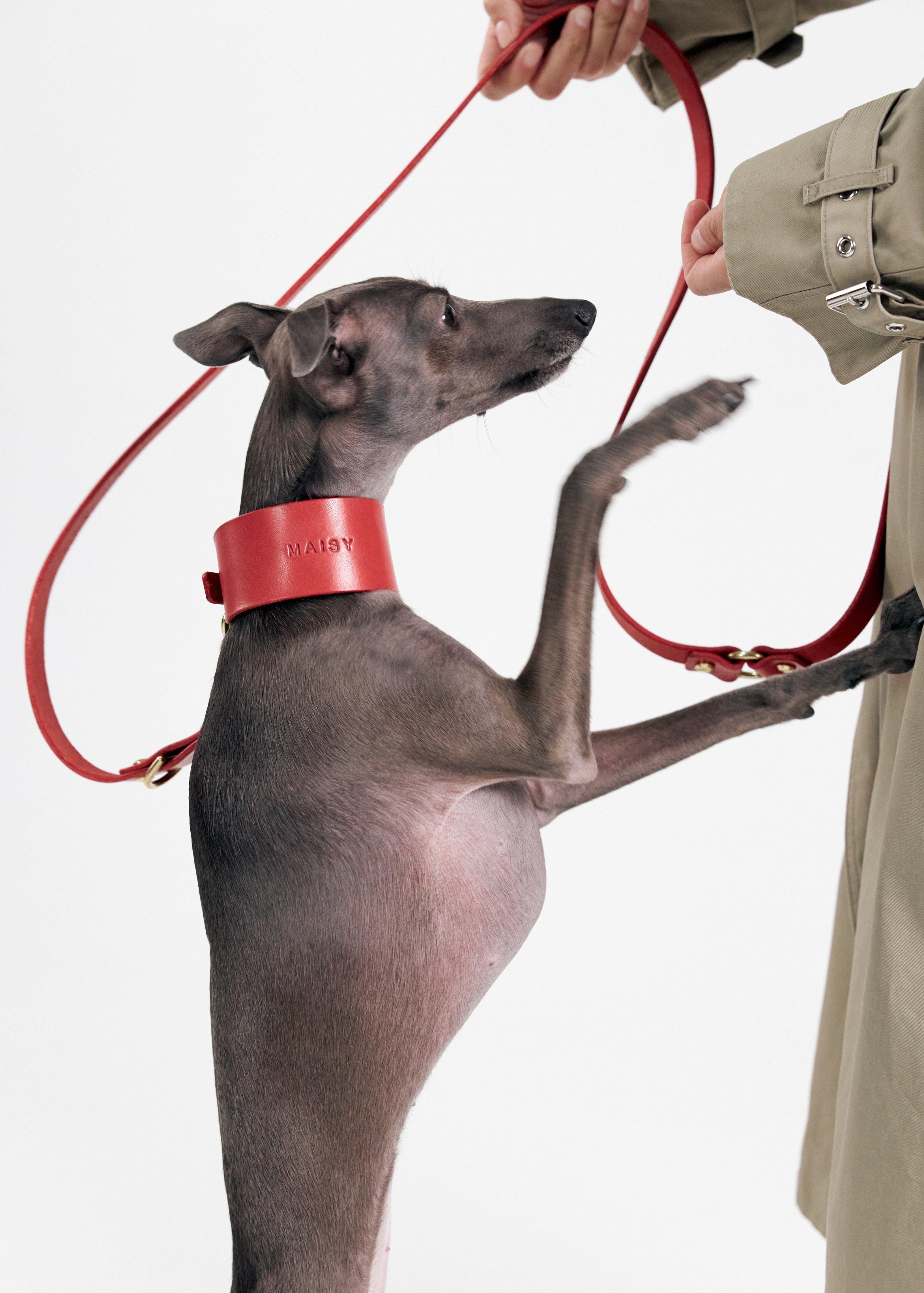
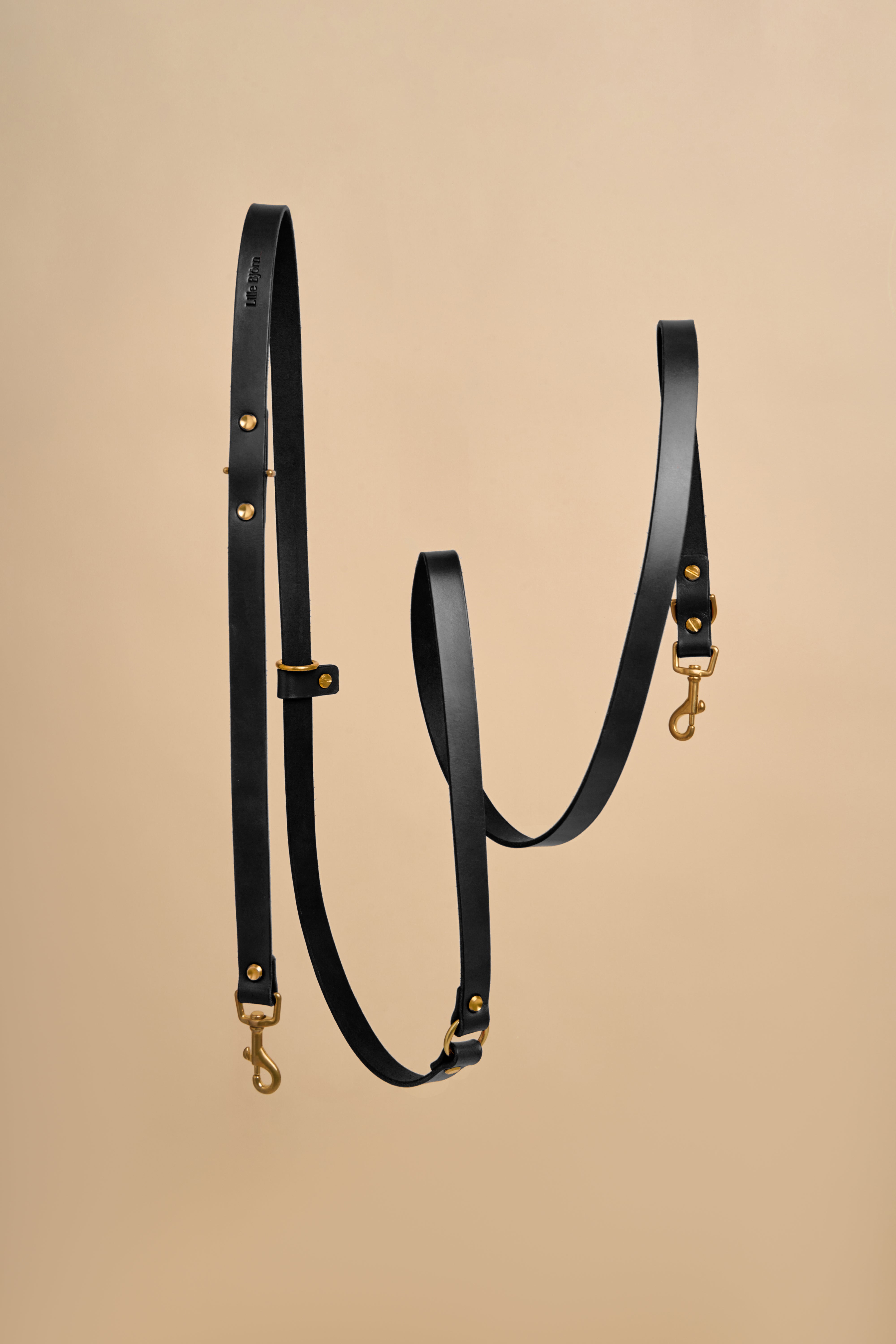
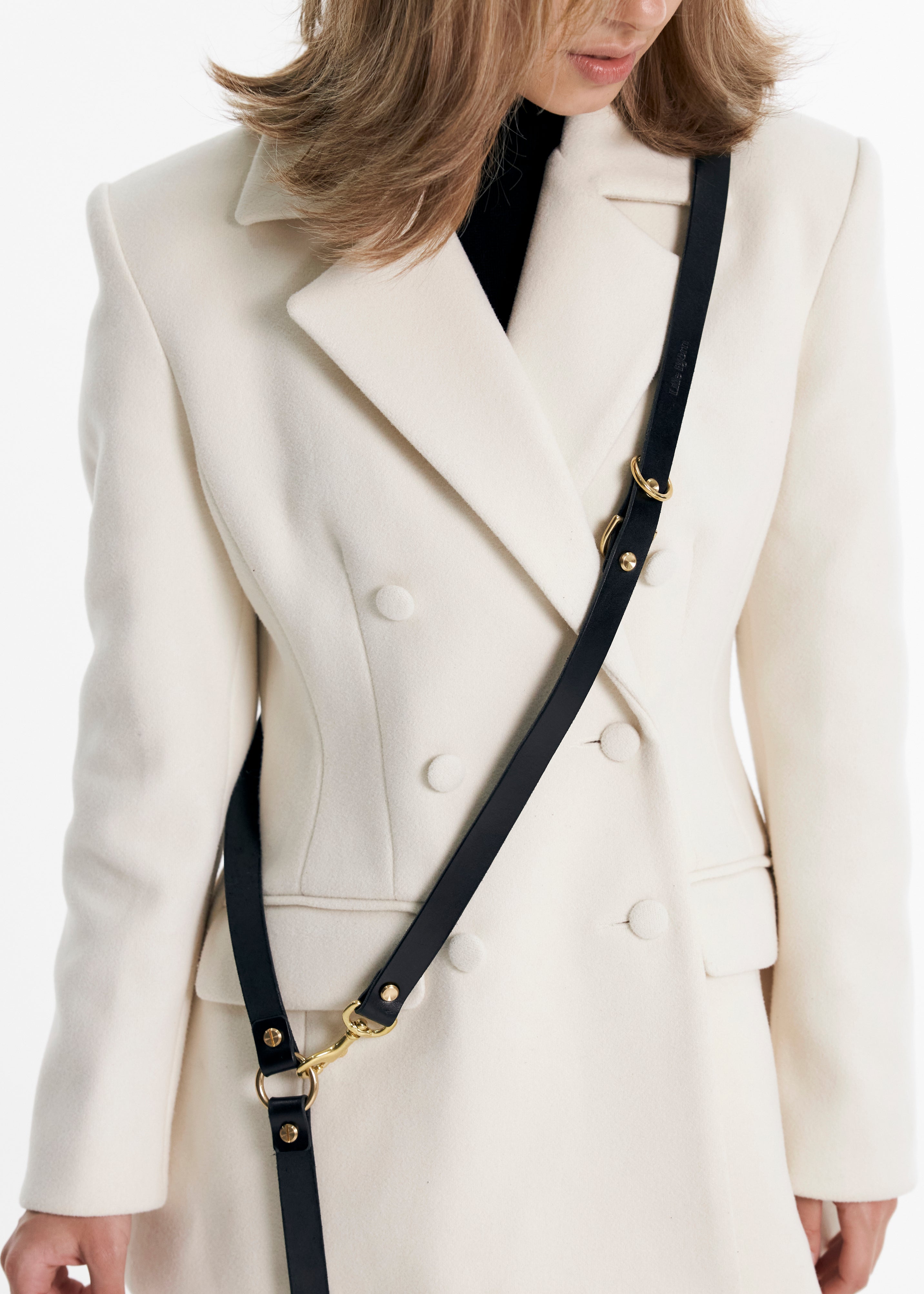
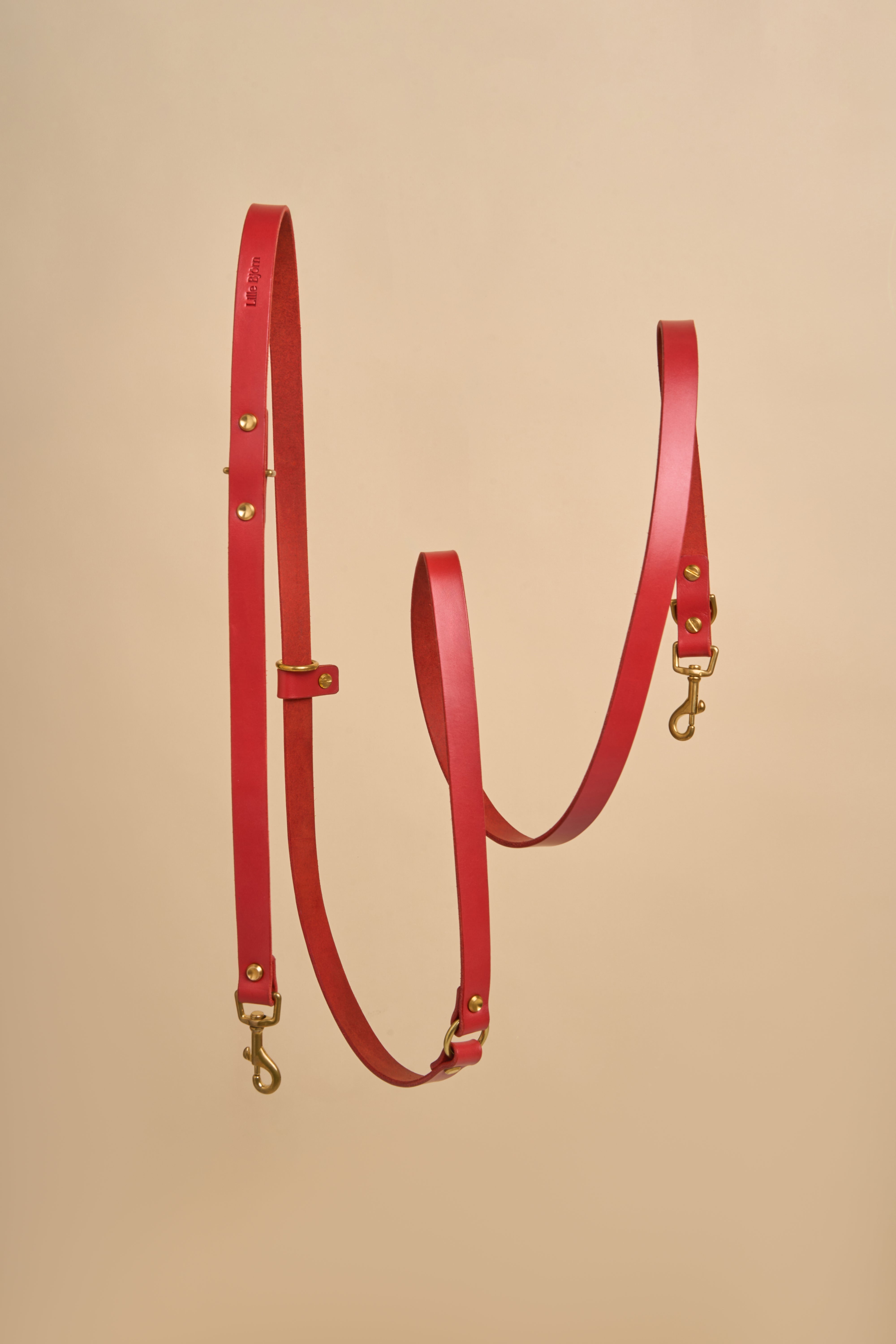
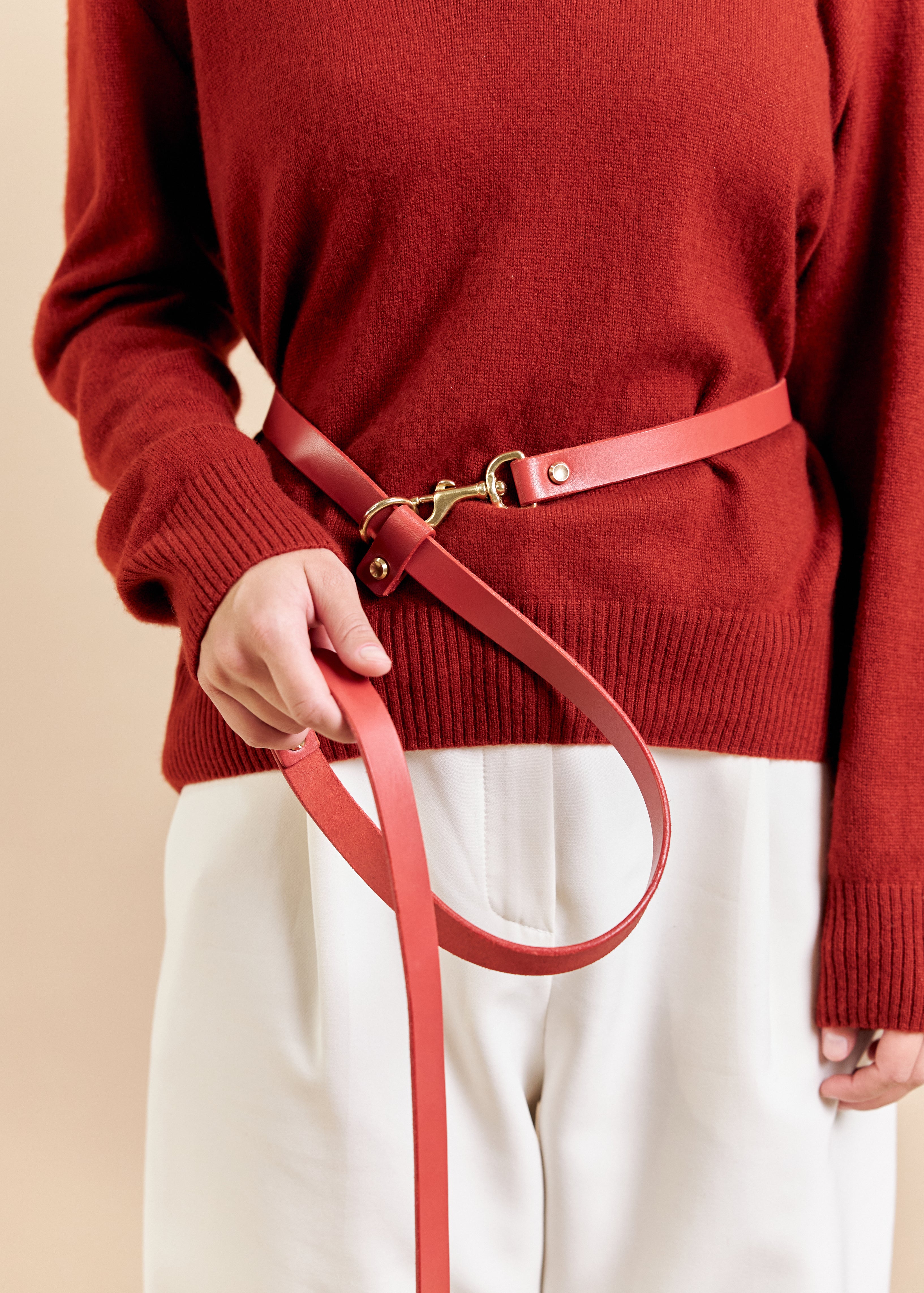
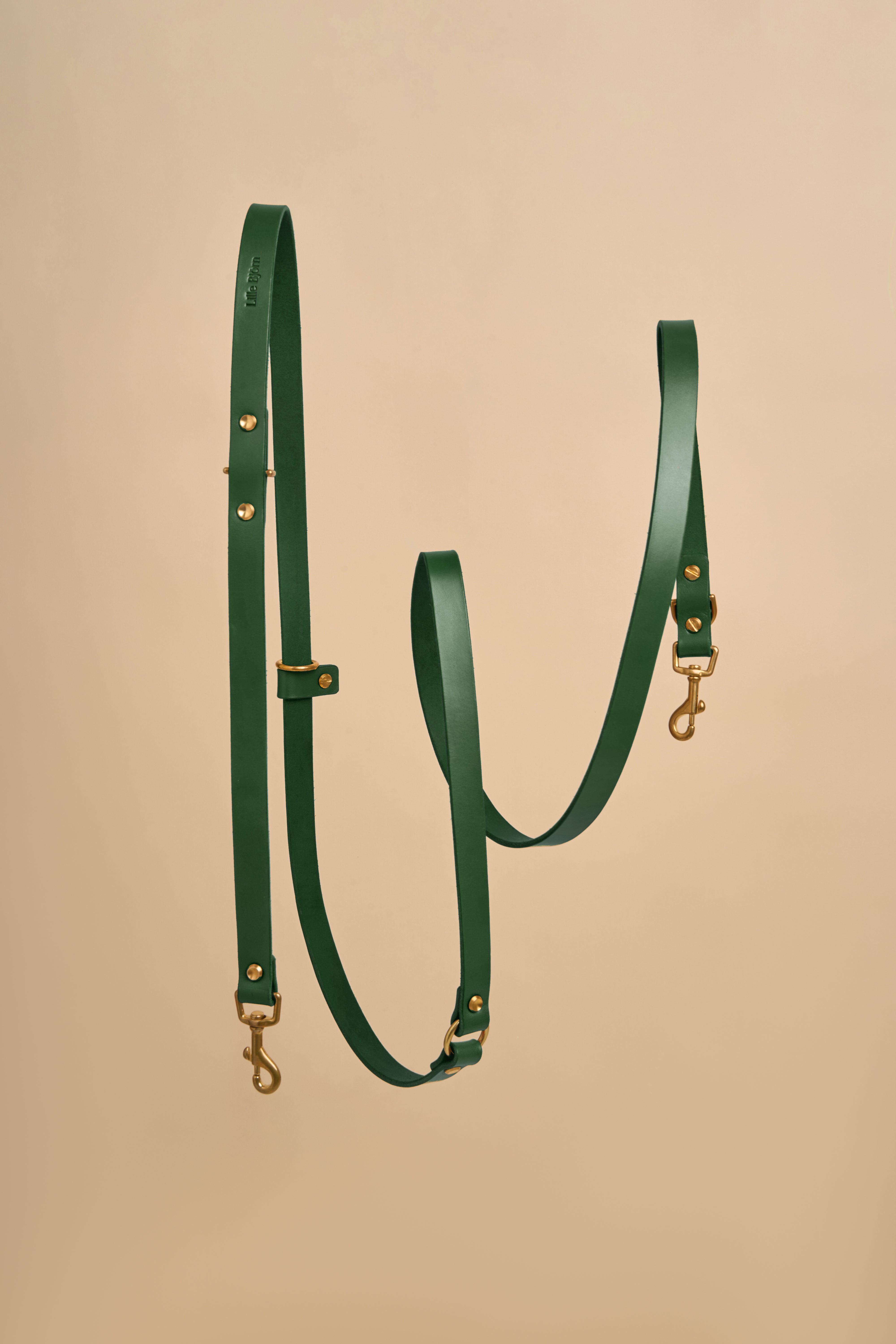
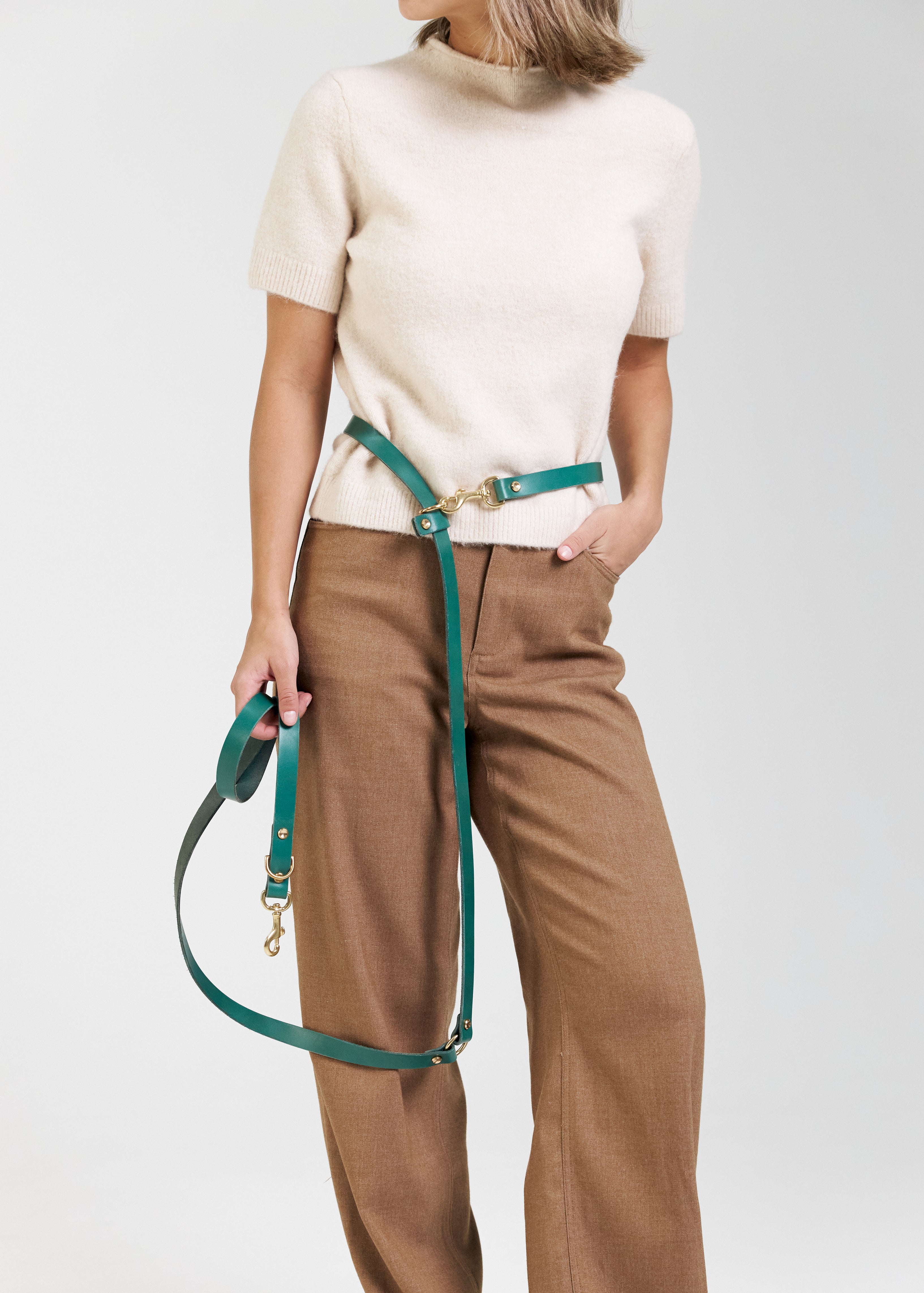
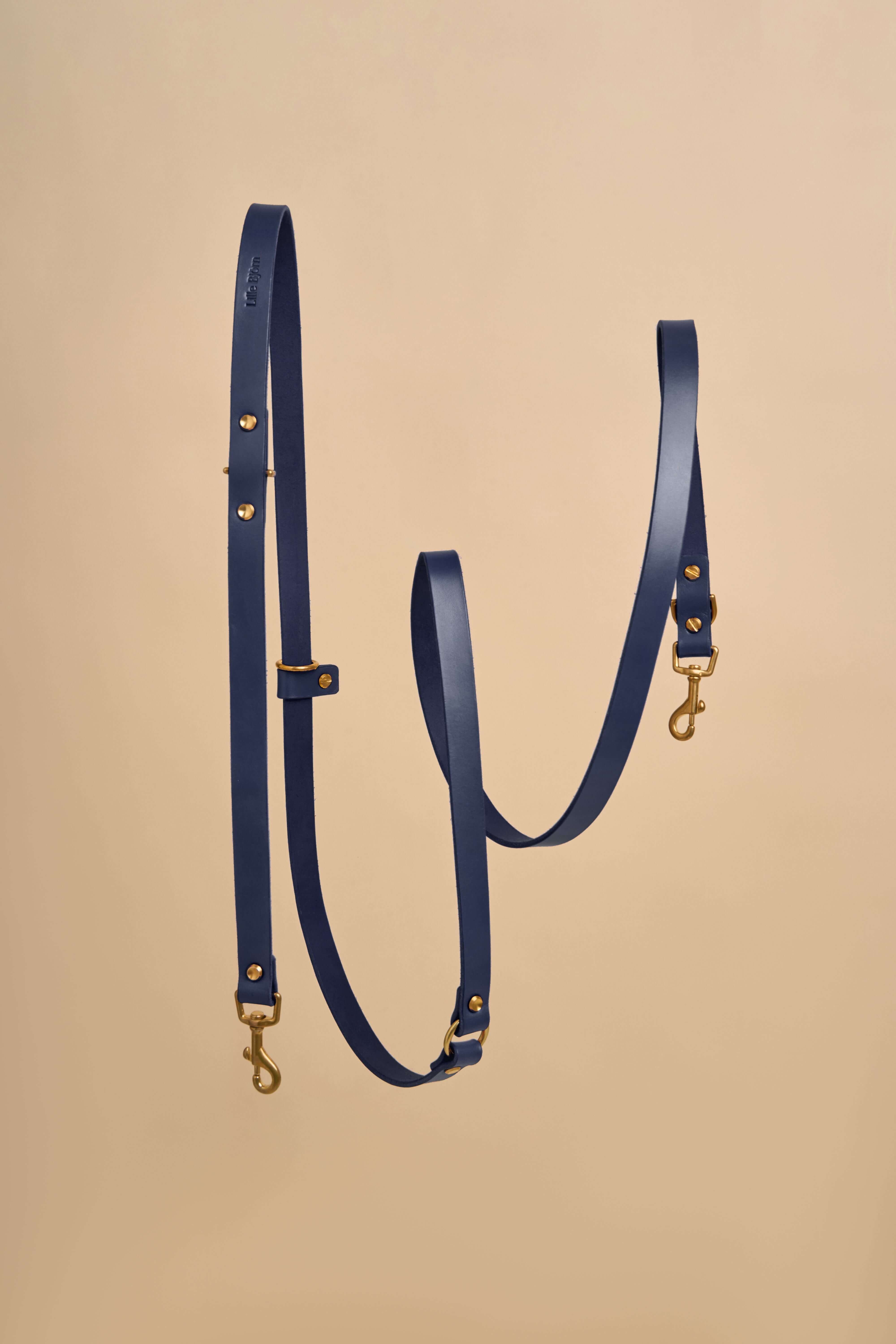
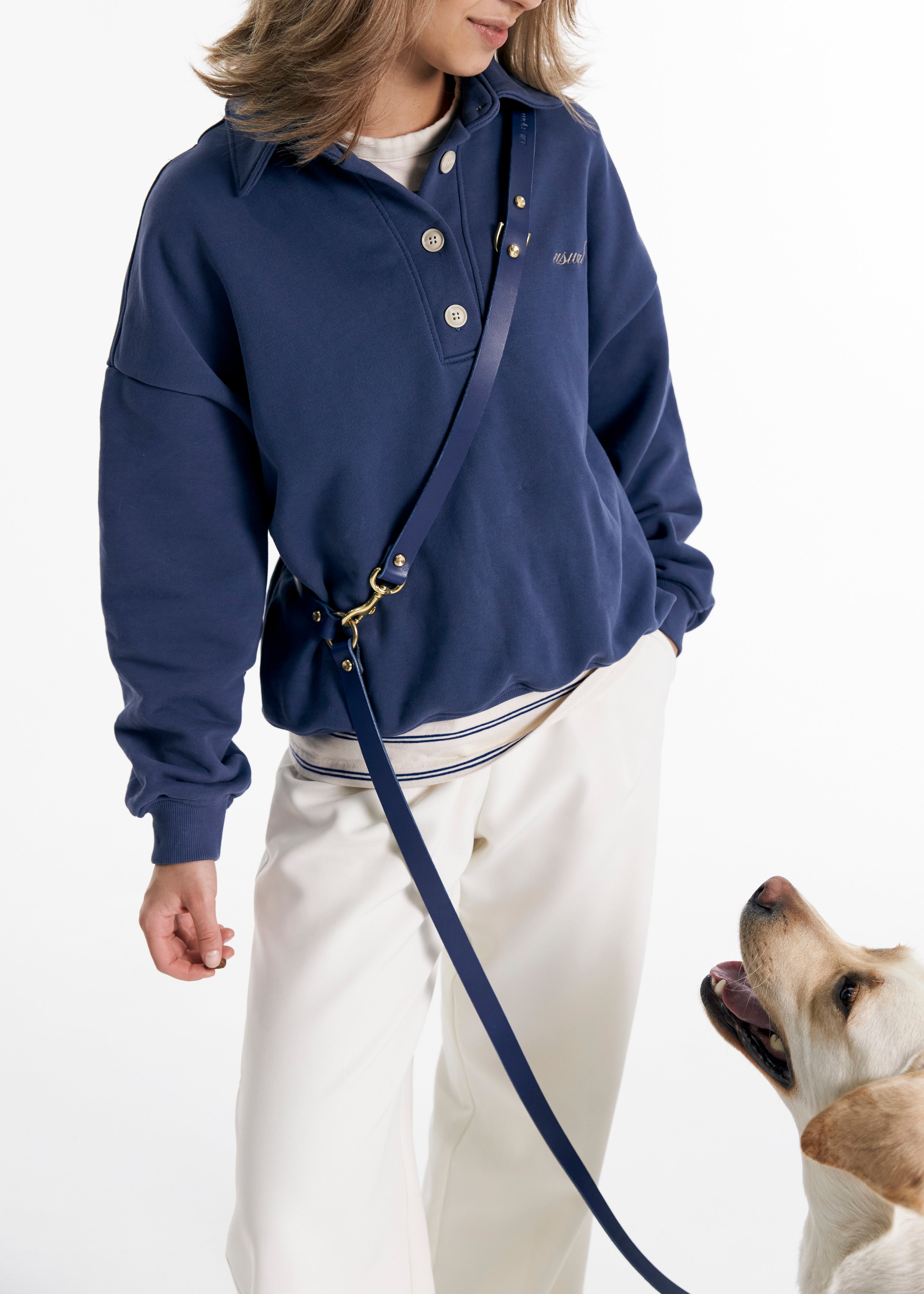
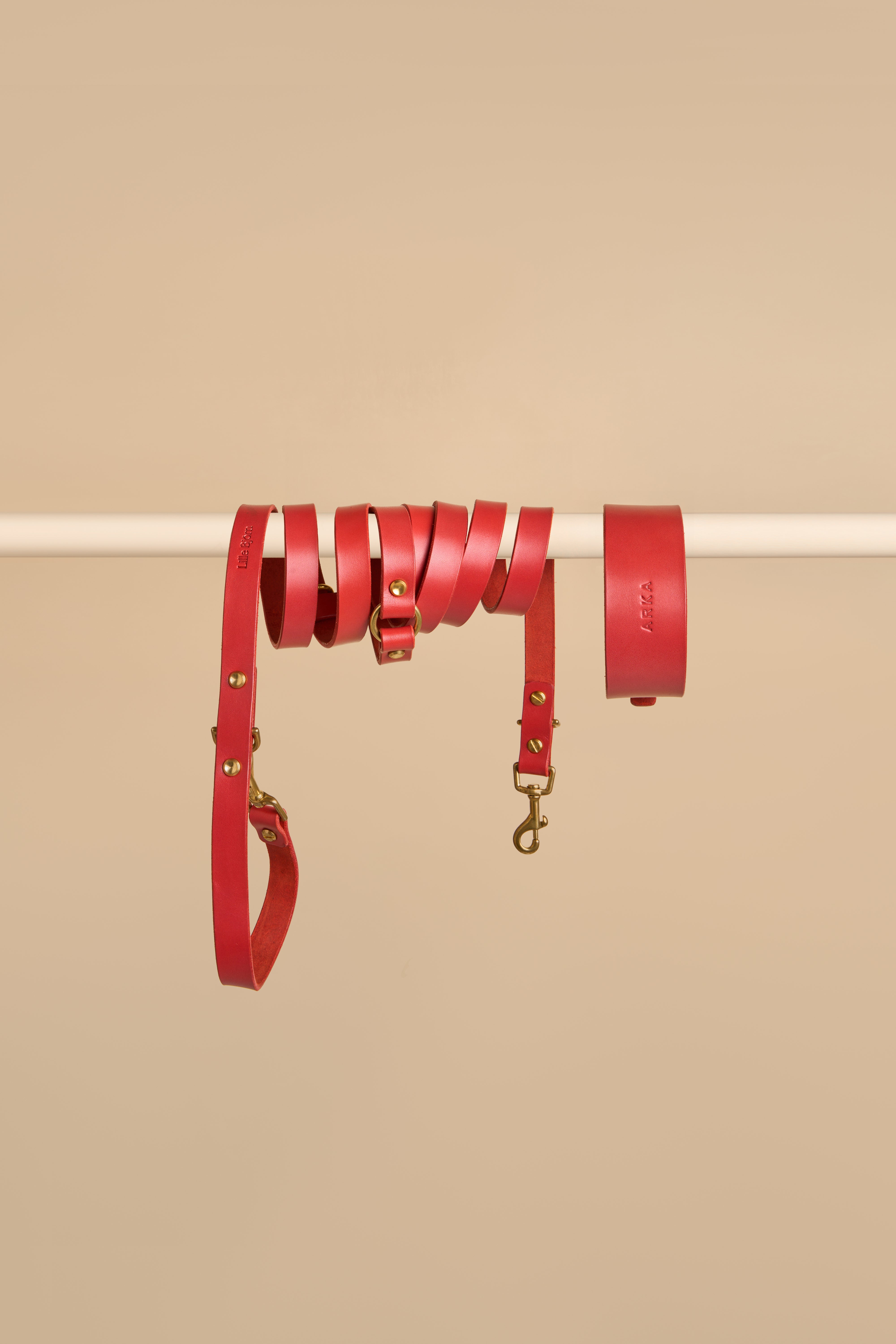
For a polished look, pair a designer leather dog collar with a matching leather leash. This combination obviously provides a high level of durability, but it also adds a timeless, stylish touch to your dog’s ensemble.

Tips for Getting the Right Fit
No matter the breed, the fit of the collar is absolutely essential for both safety and comfort. Keep in mind these tips to ensure a perfect fit:
- Measure the Neck: Use a soft flexible tape measure to find your dog's neck circumference, wrap it snugly around the middle of the neck with no extra space. That measurement is your collar size on The Lille Björn chart. Before ordering, apply the two-finger check mentally: your measurement should sit low enough within the size range to leave room for two flat fingers before the upper limit. A dog measuring 30 cm in size M (32–37 cm) has comfortable two-finger room; a dog measuring 36–37 cm at the top of M should consider size L. See our complete dog collar sizing guide for the full protocol.
- Check for Adjustability: Many dog collars come with different adjustable elements and features to accommodate growing puppies or weight changes.
- Test for Comfort: Make the effort to check whether the collar sits snugly without digging into the skin. You need to make regular checks to notice if there is any chafing or apparent discomfort, particularly for active dogs wearing their collars with a dog harness.
Why Leather is a Top Choice
Leather collars and leashes stand out for their optimal comfort and durability, along with the added bonus of timeless style. To make the decision even easier for you, here’s some of the leading reasons why we think they’re a great choice for any breed:
- Durability: Leather’s natural strength makes it the perfect choice for dogs with a tonne of energy who love nothing more than to put their accessories to the test.
- Style: From black leather dog collars to luxurious tan options, leather adds a classic, polished look to your dog’s gear.
- Comfort: High quality leather softens over time, molding to your dog’s shape for a perfect fit.
When paired with brass hardware, leather collars and leashes become even more durable, which essentially guarantees that they can last through years of walks and adventures.

Collars for Thick Coats and Fluffy Breeds
Dogs with heavy double coats including Huskies, Samoyeds, Bernese Mountain Dogs, Golden Retrievers, Chow Chows have a specific collar challenge: a flat collar can disappear into the dense undercoat, making fit checks difficult and allowing the collar to sit with unpredictable tension against the skin. Two approaches work best:
A wider flat collar (3–4 cm) stays visible above the fur and sits more stably than a narrow collar that can be pushed side to side by the coat. Width provides both visibility and structural stability in a thick-coated dog.
A rolled leather collar for breeds like Setters, Spaniels, and any long-silky-coated dog, the rounded profile glides through the fur rather than pressing it flat, preventing the matting and fur breakage at the collar contact zone that a flat collar causes over months of daily wear.
For double-coated breeds, re-checking the two-finger fit after their seasonal coat change is important, the same collar can feel looser when the heavy winter coat is shed in spring.
The Best Collar for Beginner Dog Owners
If you are choosing a collar for the first time or choosing for a family with children the guidance is simple:
- Start with a flat leather collar in the correct size for your dog's breed and neck measurement. A flat leather collar is the most versatile, most comfortable, and most widely appropriate collar type for everyday use across all breeds. It does not tighten, does not require special fitting knowledge, and lasts years when made from quality vegetable-tanned leather. It is also the easiest collar for children and family members of all ages to handle.
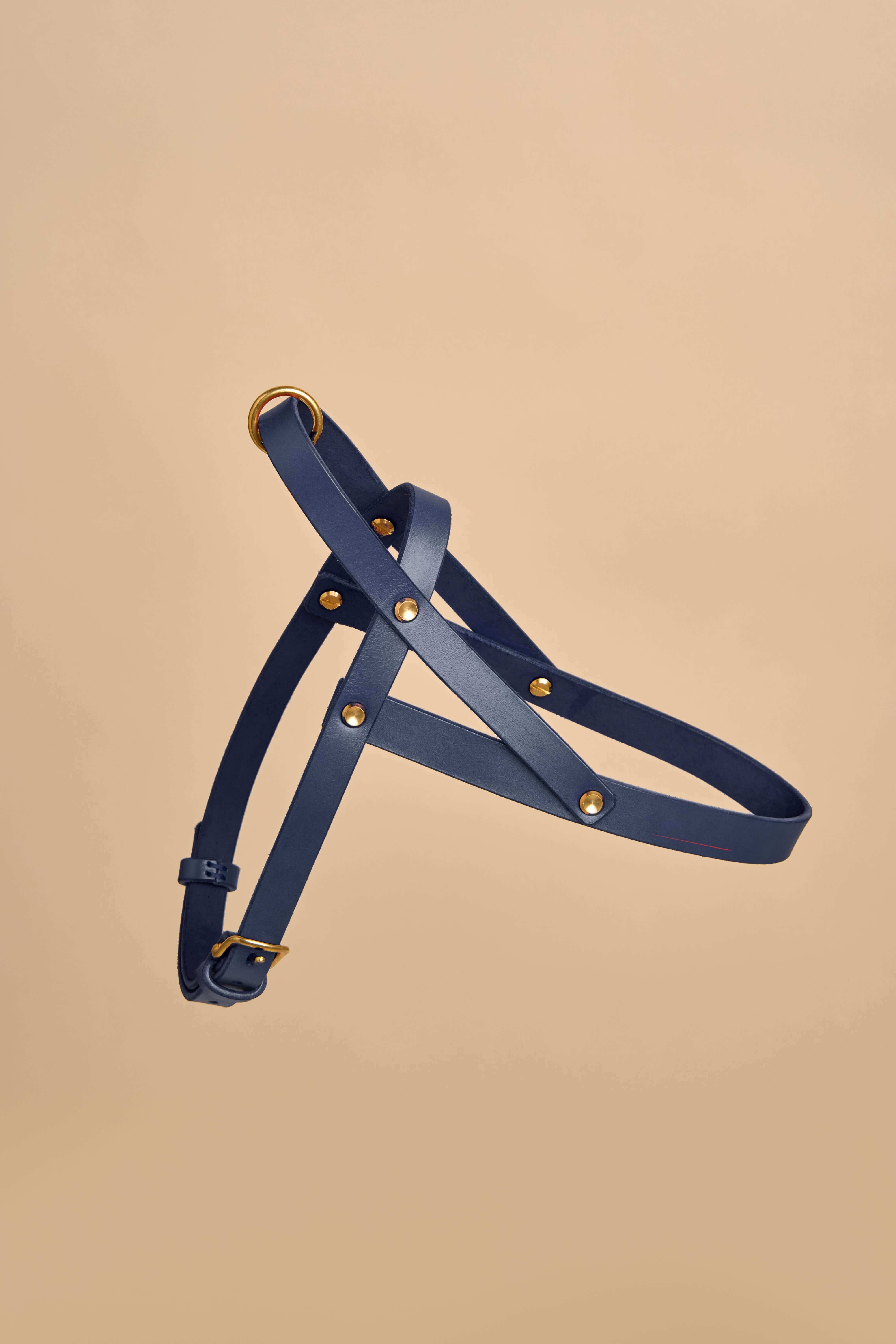
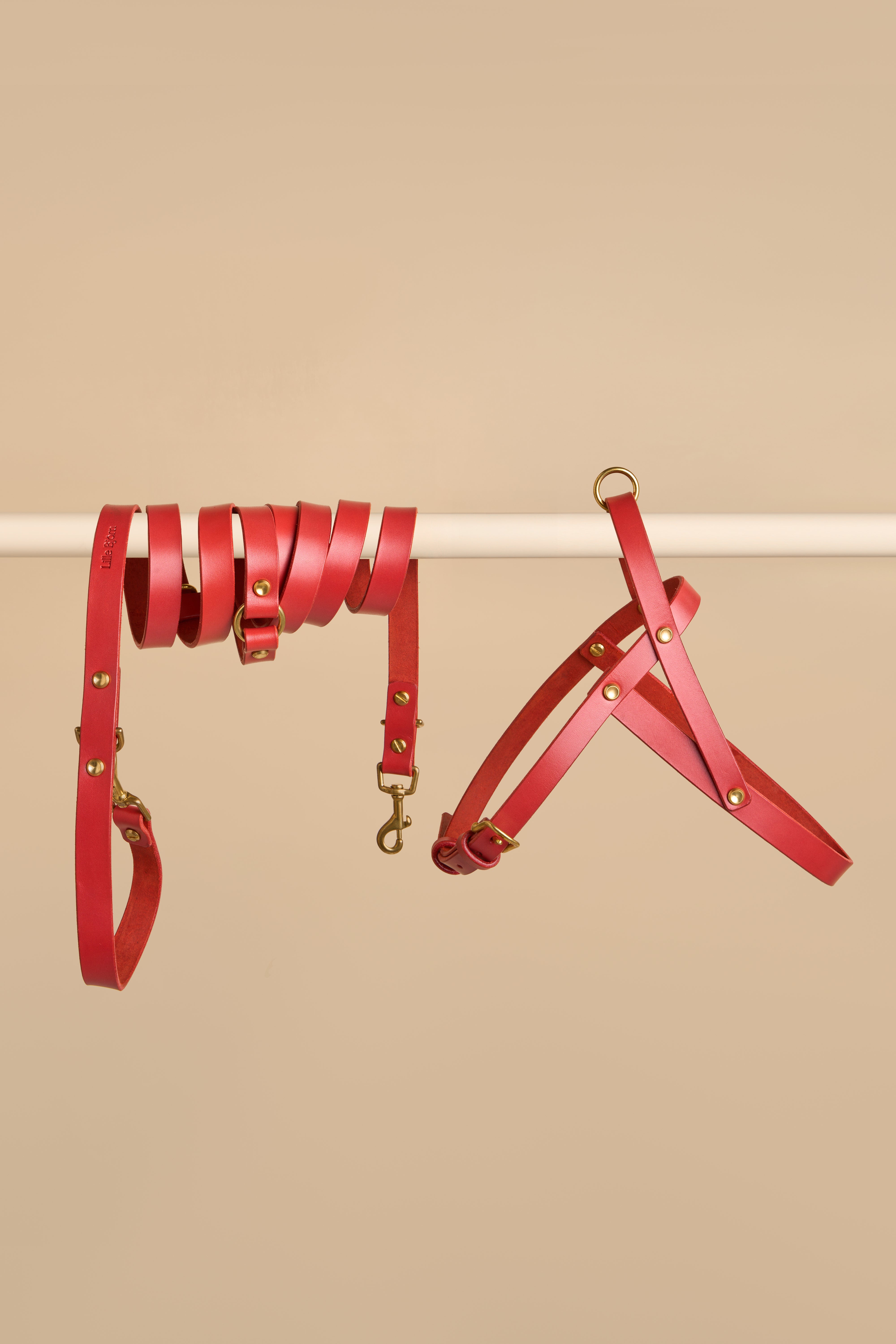
- Pair it with a back-clip leather harness for walks if your dog pulls at all, it removes all leash tension from the neck and gives any handler, including children, more balanced control than a collar-only setup.
- Use the two-finger rule to check the fit, if two flat fingers slide between the collar and the neck with light resistance, the fit is correct. Check this every few weeks for puppies and after any weight change.
That is the complete beginner setup. Everything else in this guide is refinement for specific breed needs but for the vast majority of dogs, the flat leather collar plus back-clip harness combination is the right starting point.
The Best Classic Dog Collar
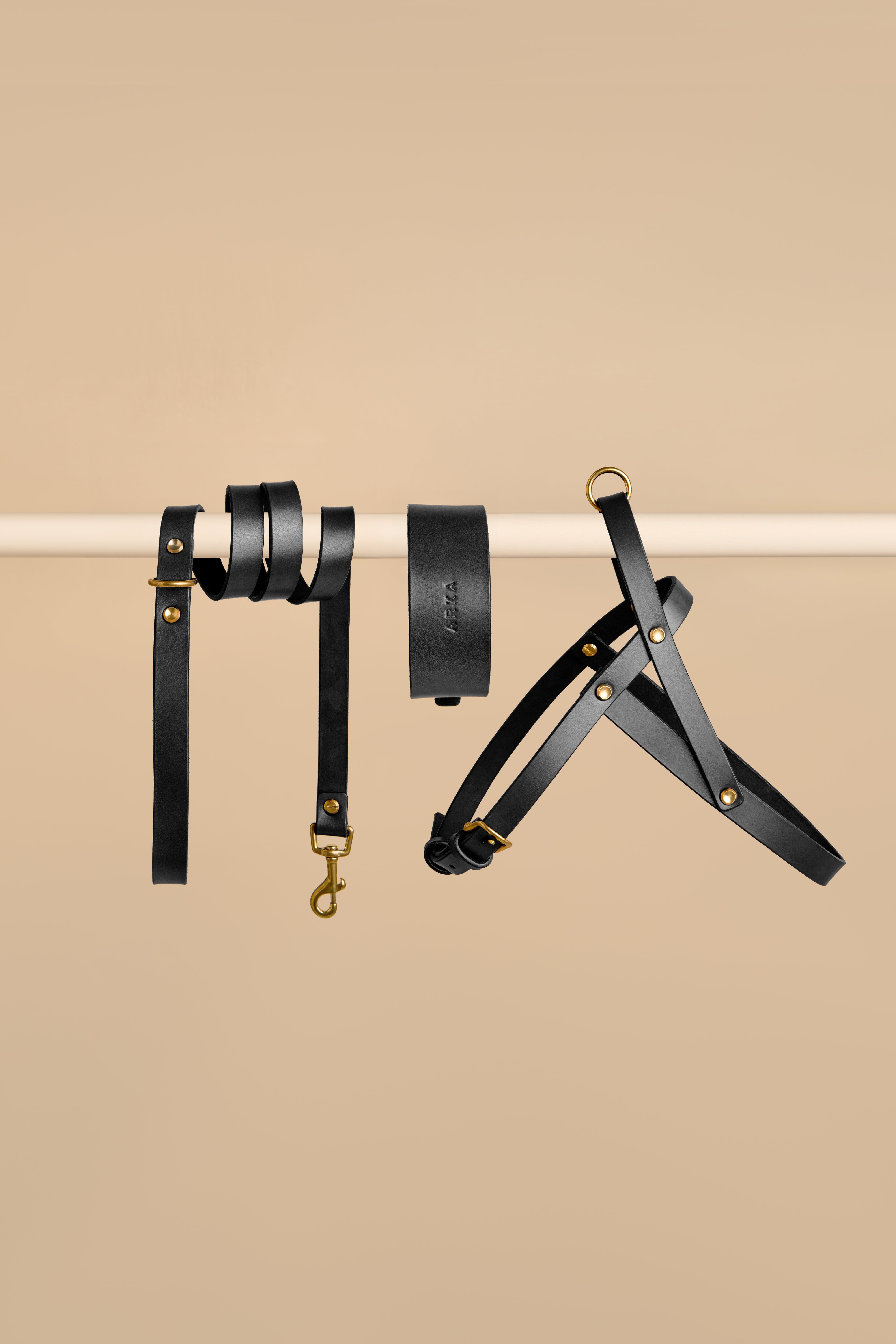
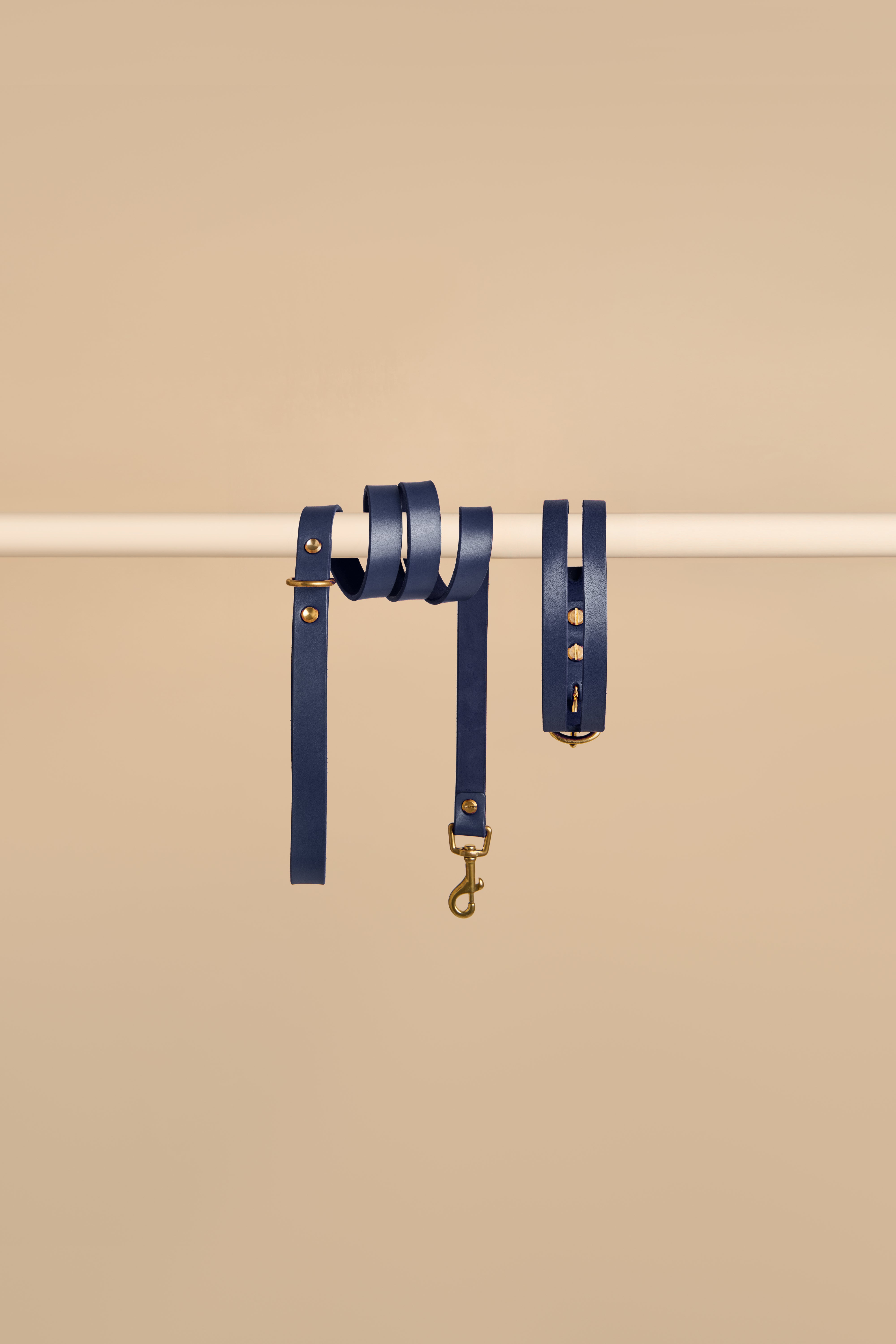
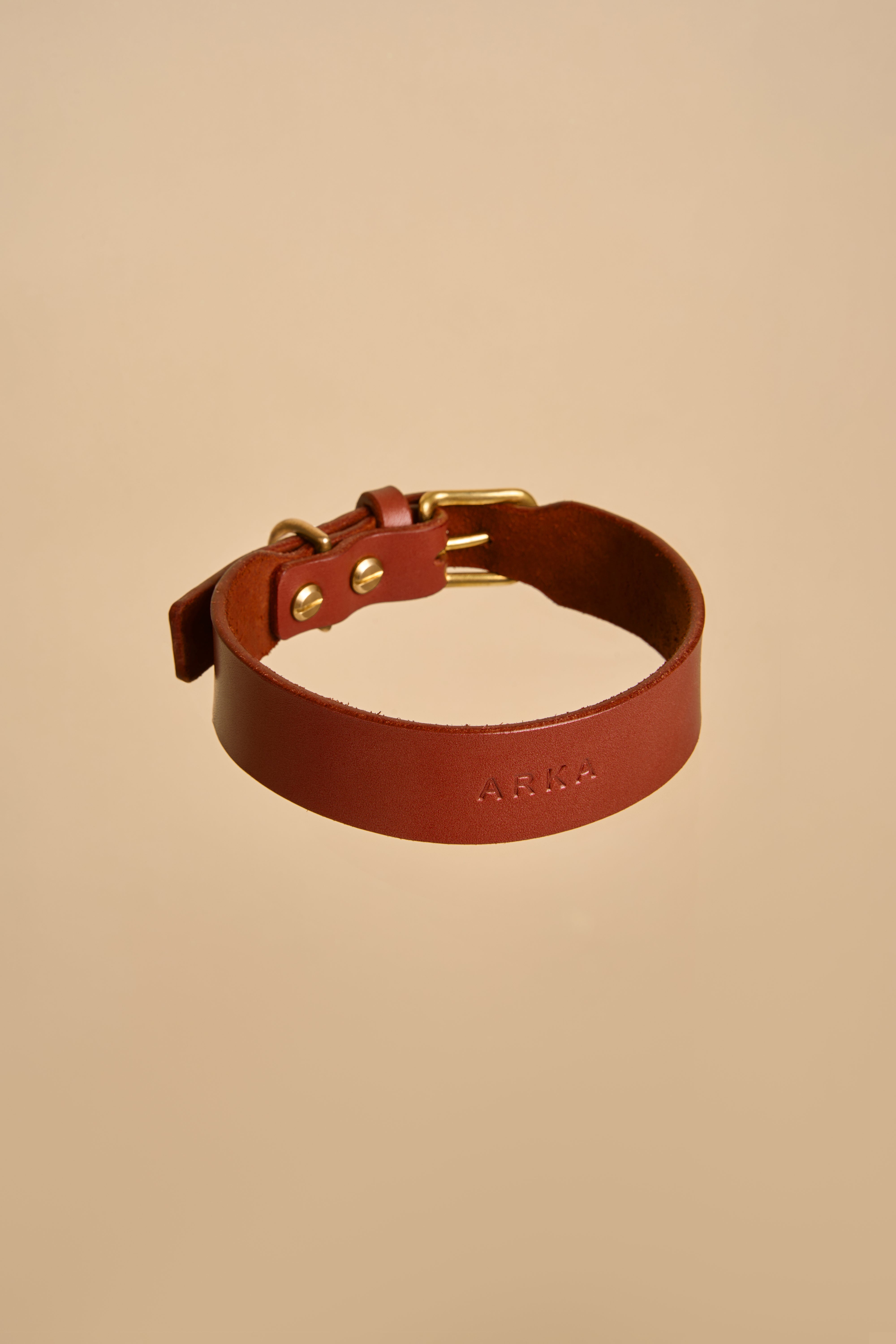
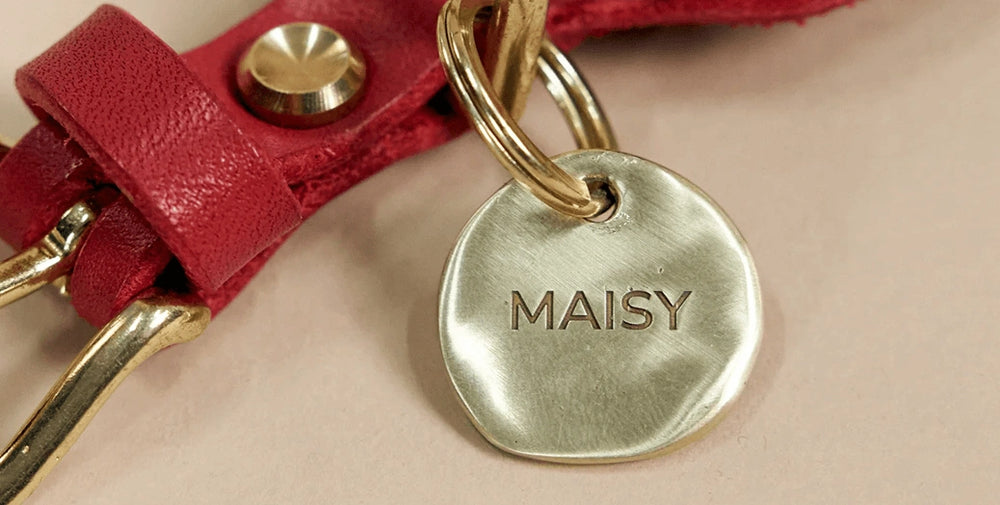
The best classic dog collar is a flat leather collar with a brass buckle and D-ring, the same fundamental design that has been in use for centuries, unchanged because nothing has genuinely improved on it for everyday wear. No plastic, no ratcheting mechanism, no synthetic webbing. Full-grain vegetable-tanned leather, a solid brass buckle, and a D-ring: that is the complete specification.
What makes it classic is not just the aesthetic. A flat leather collar softens and moulds to the dog's neck over time, producing a genuinely custom fit that no synthetic collar can replicate. The brass buckle will not fatigue or crack under repeated stress. The D-ring has no join point that can open under sudden force. And the leather itself processed without synthetic chemicals develops a patina with wear that becomes increasingly unique to the individual dog over months and years.
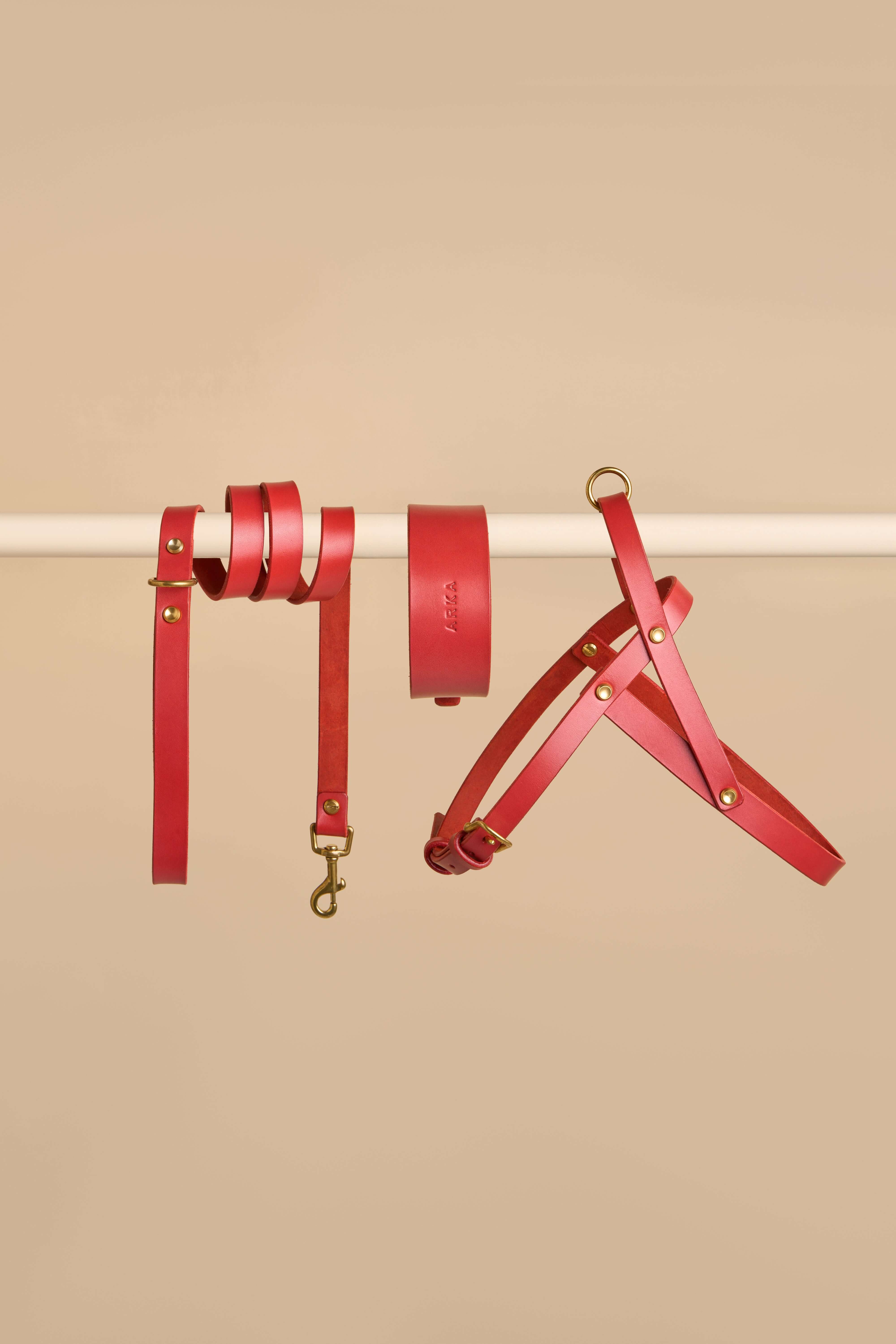
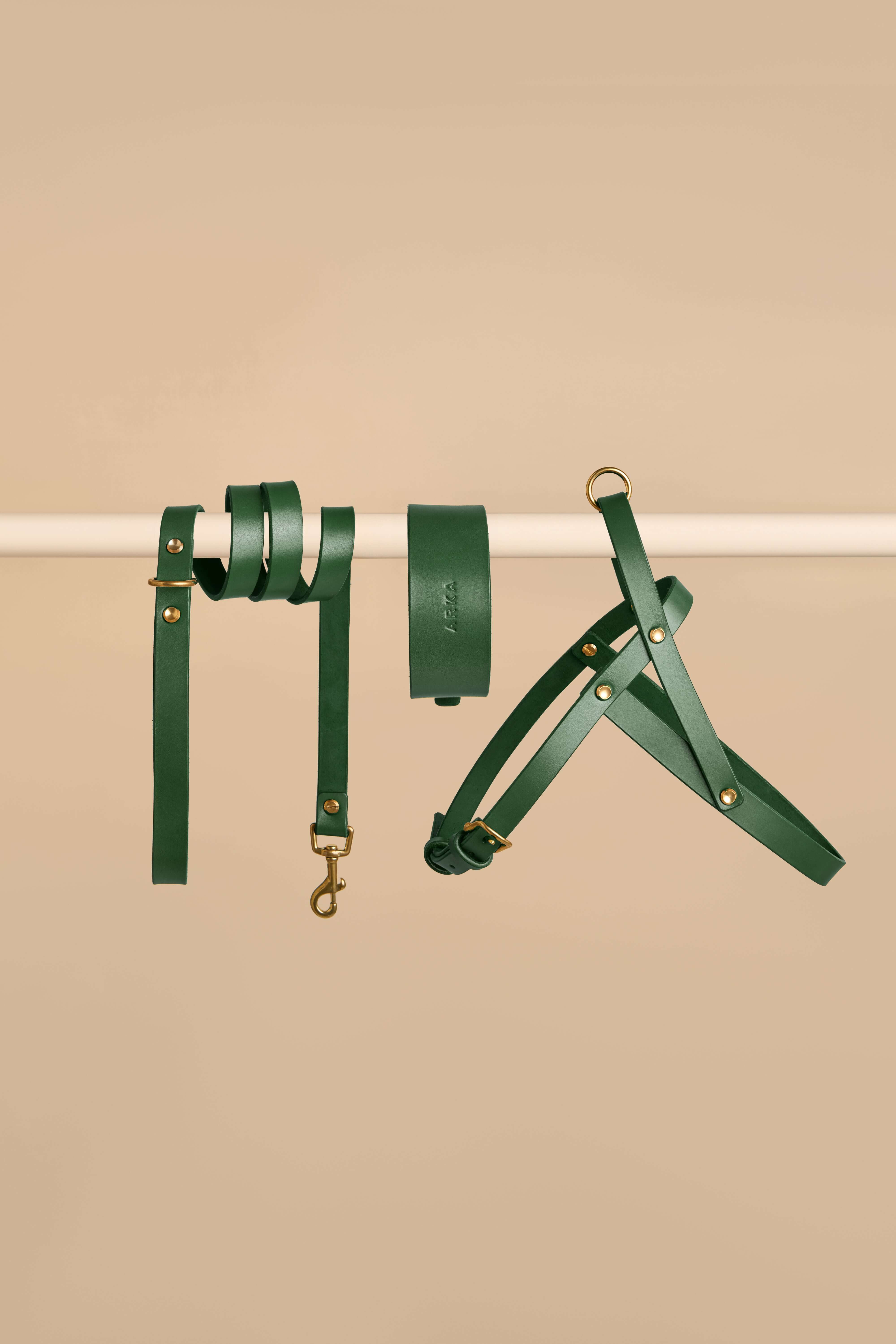
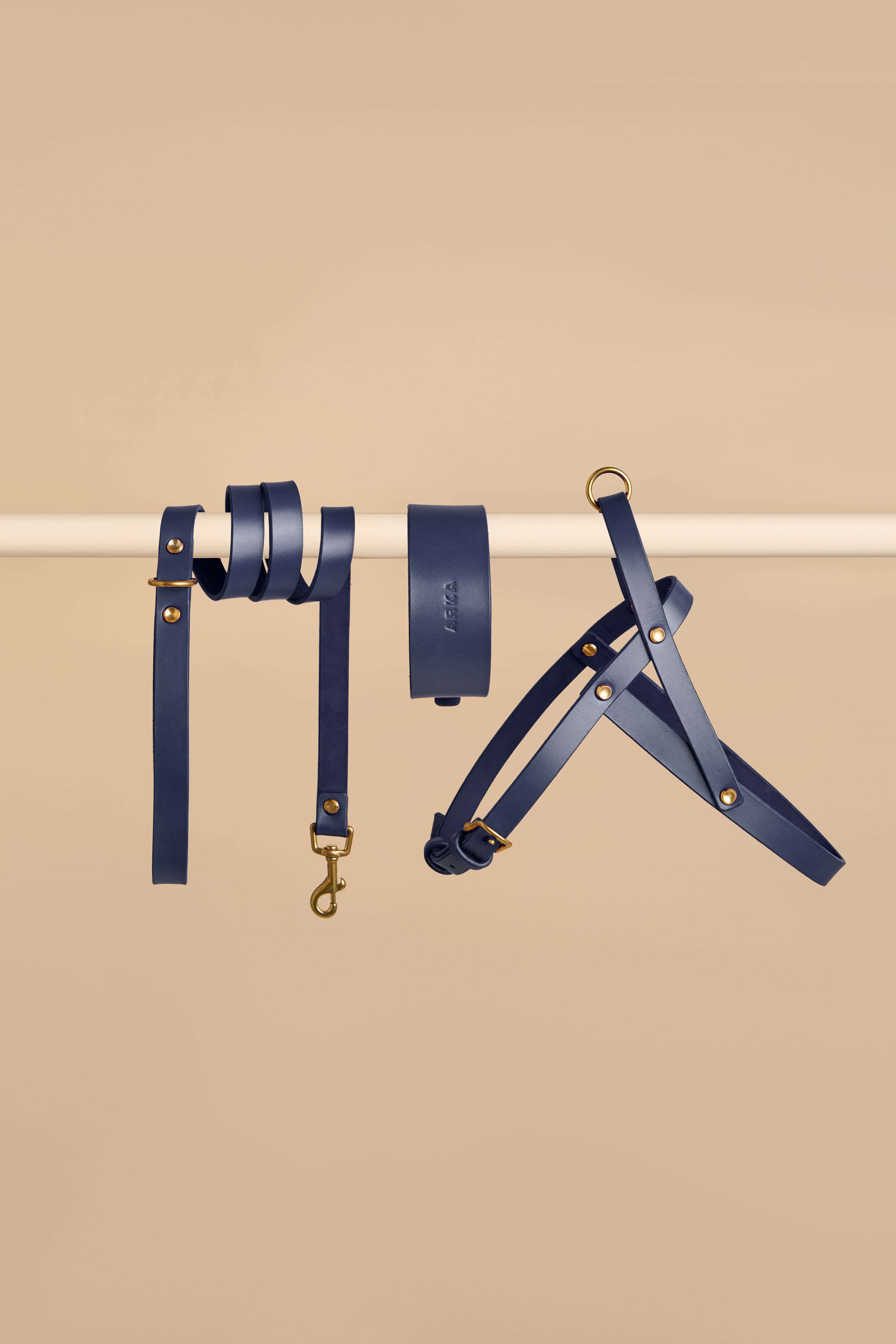
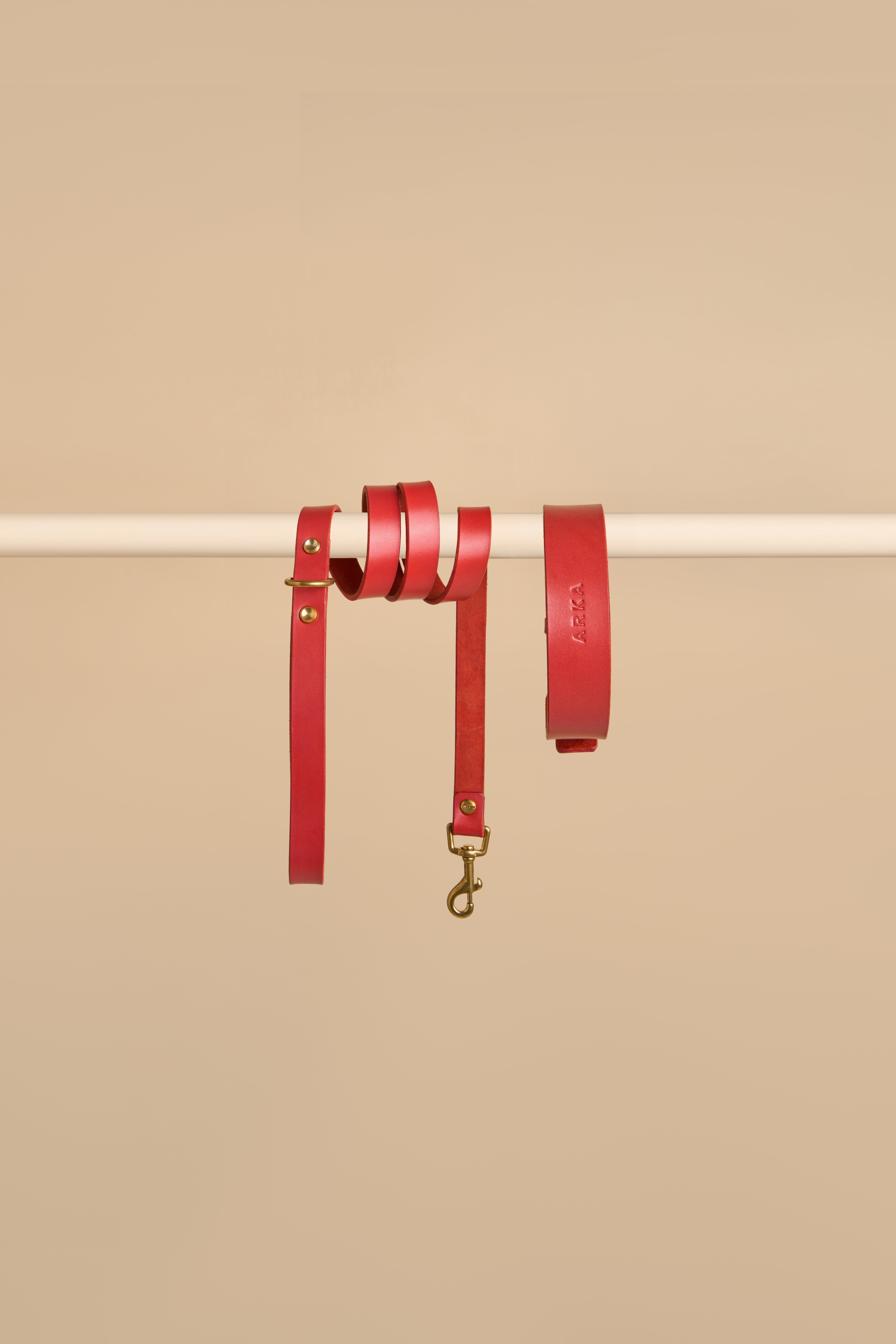
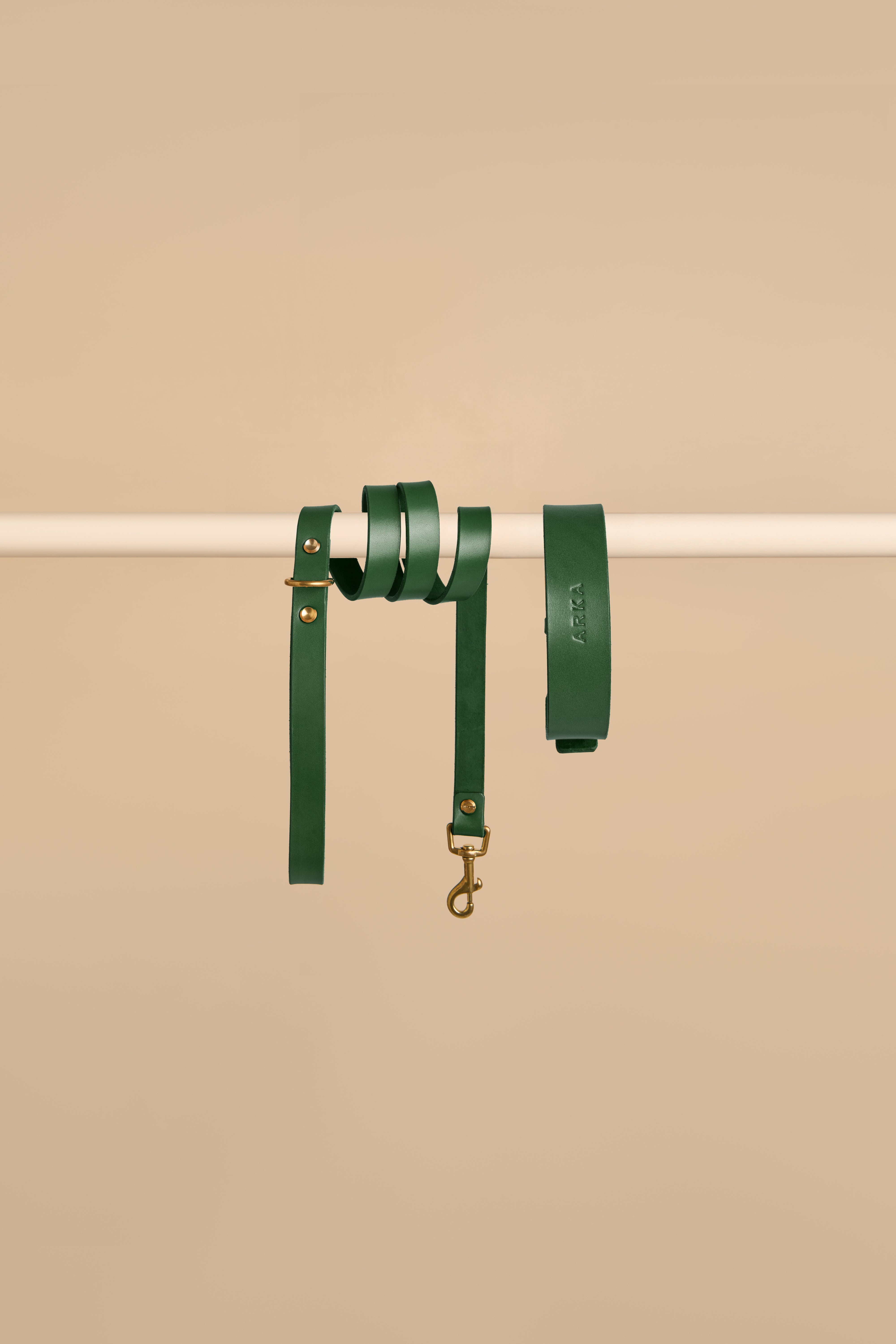
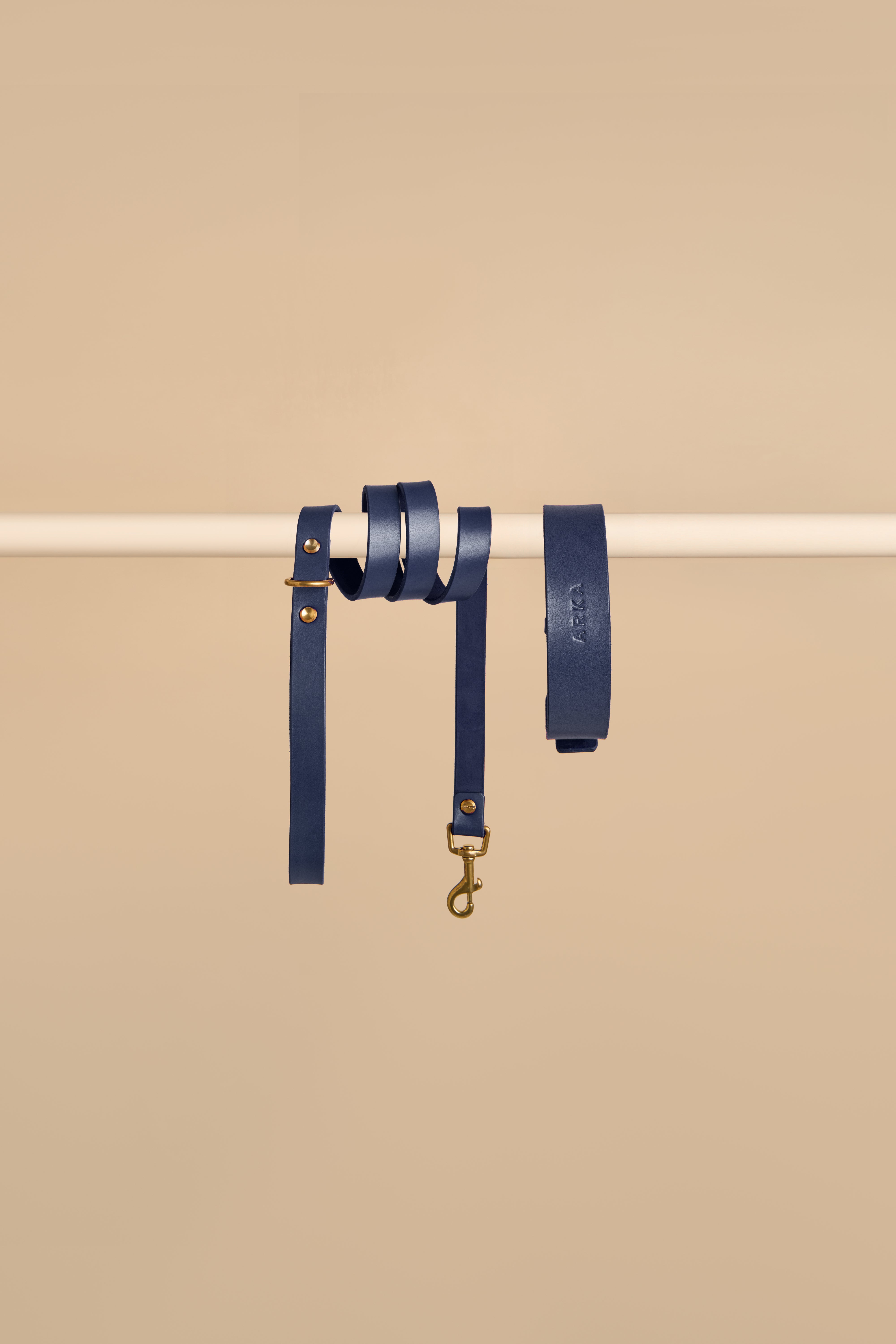
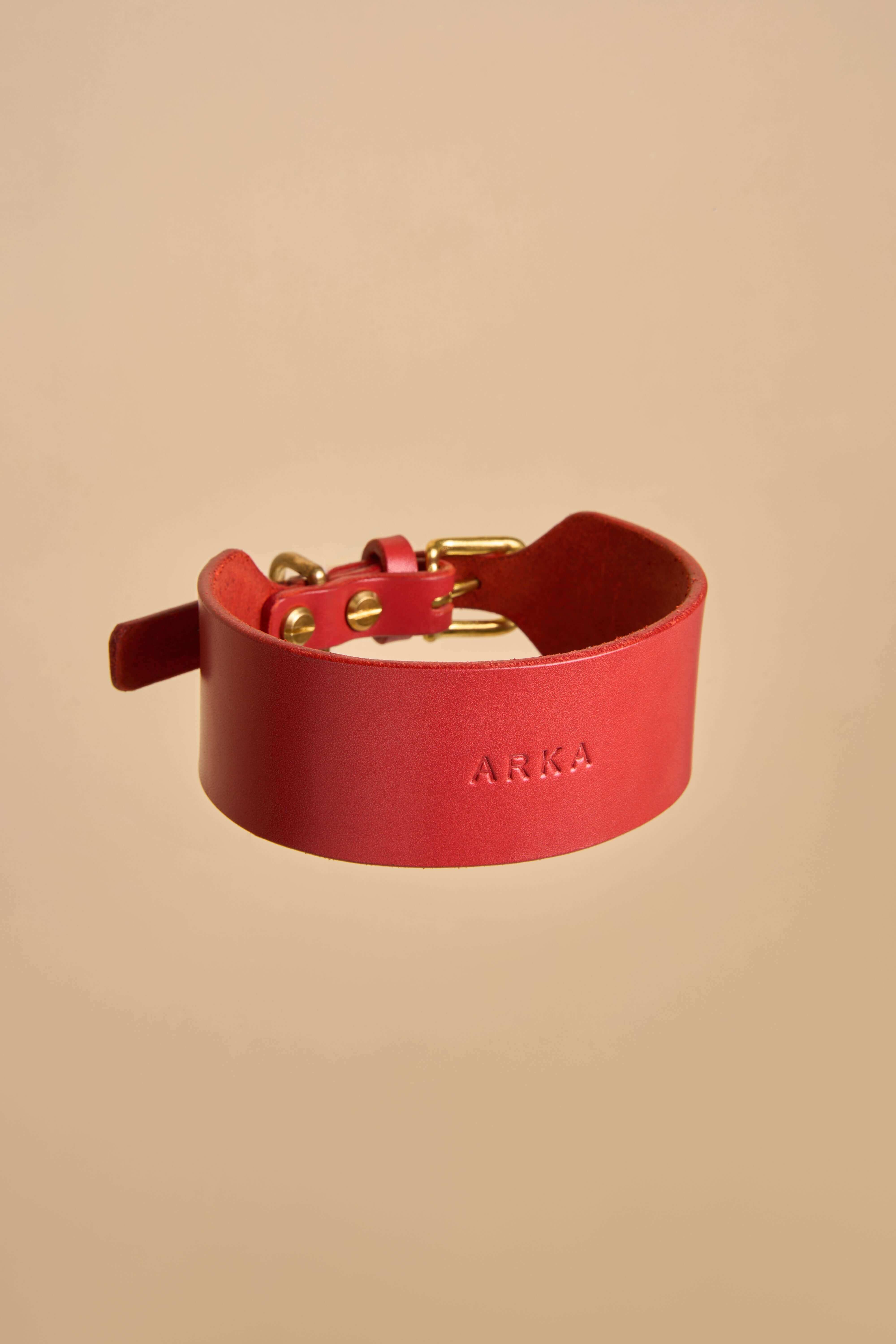
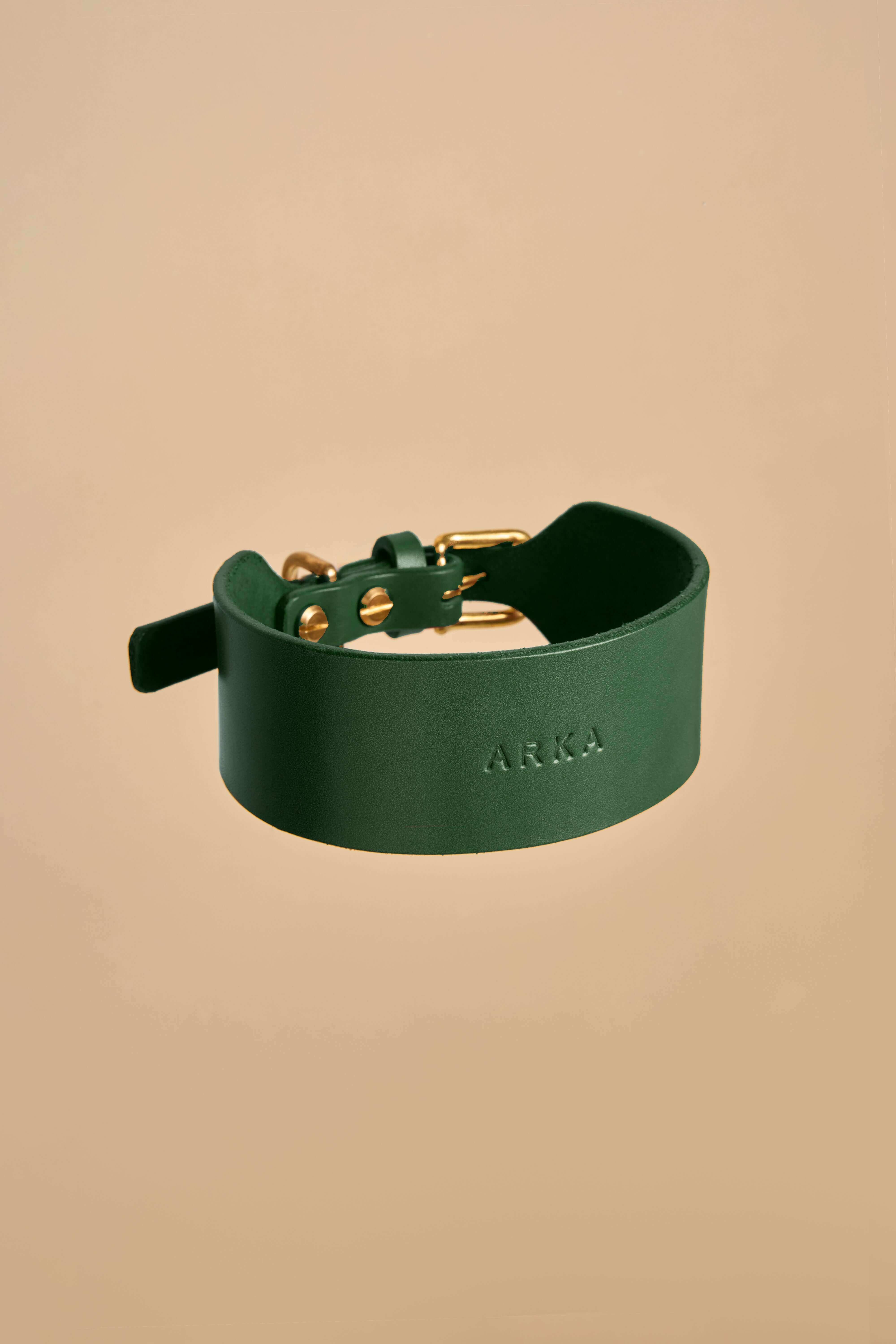
Browse the full range of flat leather dog collars available in black, blue, red, green, and cognac brown in both classic and wide profiles.
Frequently Asked Questions: Collars by Dog Breed
What collar size does my dog need by breed?
Collar size depends on your dog's individual neck measurement, always measure before ordering. As a general breed guide: Chihuahuas and toy breeds (XXS, 17–22 cm), Dachshunds and small breeds (XS–S, 22–32 cm), French Bulldogs and medium breeds (M, 32–37 cm), Labradors and large breeds (L, 37–42 cm), German Shepherds and large-active breeds (L–XL, 37–47 cm), Great Danes and giant breeds (XL+, 42–47 cm+). Sighthounds need wide collars regardless of neck size. Always apply the two-finger check before ordering: your measurement should leave room for two flat fingers before the upper limit of the size range.
What type of collar is best for dogs?
A flat leather collar with a solid brass buckle is the best everyday collar for the majority of dogs, it distributes pressure evenly, never tightens, and softens over time to produce a custom fit. The specific collar type then varies by breed: wide flat collar for sighthounds and large breeds, narrow flat collar for toy breeds, rolled collar for long-silky-coated breeds, and a back-clip harness paired with any collar for brachycephalic breeds and consistent pullers.
What is the best collar for a Golden Retriever?
A flat leather collar in size L (37–42 cm) as most Goldens measure 37–44 cm at the neck. The 3 cm Classic width suits the breed's medium-long neck well. For coat care, check the collar sits above the undercoat rather than pressing it flat. For the most photogenic contrast against a golden coat, red or blue leather creates a naturally striking pairing. If the dog pulls, pair the collar with a back-clip harness for walk training.
What is the best collar for a Dachshund?
A flat leather collar in size XXS–S (17–32 cm depending on Miniature or Standard sub-breed), used for ID only with a back-clip leather harness handling all walk leash attachment. Dachshunds are IVDD-prone (intervertebral disc disease), and any leash tension through a collar adds cumulative stress to a spine that is structurally vulnerable. The collar carries the identity; the harness carries the lead. See our Dachshund sizing guide for full detail.
What is the best collar for a beginner dog owner?
A flat leather collar in the correct size for your dog's breed and neck measurement, paired with a back-clip leather harness for walks. Measure the neck snugly at the middle, find the size range, check the two-finger fit. That is the complete setup for a first-time dog owner, everything else in this guide is refinement for specific breed needs. Start with a flat collar, add the harness, and build from there.
What collar is best for fluffy or thick-coated dogs?
A wider flat collar (3–4 cm) that stays visible above the coat and sits stably rather than being pushed around by the undercoat. For long-silky-coated breeds (Spaniels, Setters, Afghan Hounds), a rolled leather collar prevents the fur matting that a flat collar causes by pressing the coat flat at the contact zone. Check the two-finger fit after seasonal coat changes, a correctly fitted collar in winter may feel loose in summer once the heavy coat has shed.
What is the best collar for a French Bulldog?
A flat leather collar in size M (32–37 cm) or L (37–42 cm), always measure, as Frenchies consistently have thicker necks than their body size suggests. The most important note: a back-clip leather harness should handle all walk leash attachment. French Bulldogs are brachycephalic and any collar pressure during pulling creates genuine tracheal risk. The collar carries ID; the harness carries the lead. See our French Bulldog sizing guide.
The Right Collar for Every Breed — Made to Last
The breeds in this guide are all different in size, coat, anatomy, and temperament. What they share is that the right collar, correctly sized and made from quality material, improves every walk and lasts years rather than months.
Browse The Lille Björn's full leather collar collection available in Classic and Wide profiles, six sizes from XXS to XL, and five colours alongside our leather harnesses for breeds that benefit from neck-pressure-free walking. Every product is built from full-grain vegetable-tanned leather with solid brass hardware, made to soften and improve with wear rather than degrade.