Quick Summary
Yes, puppies can wear leather collars from 8 weeks of age, provided the collar is lightweight, adjustable, and made from vegetable-tanned leather rather than stiff chrome-tanned or bonded alternatives. Vegetable-tanned leather is one of the safest collar materials for a puppy's sensitive skin: no chromium compounds, no synthetic dyes, and a soft-break-in process that moulds the collar to the puppy's neck within days of daily wear. An adjustable belt-hole buckle design means the same collar accommodates rapid neck growth without replacement, simply moving to the next hole as the puppy grows.

Why Puppies Need Special Consideration When Choosing a Collar
The truth is that not all dog collars and harnesses are created equal, and that is even more the case when it comes to pieces designed specifically for puppies. Their little bodies are always changing, and their skin is much more delicate than an adult dogs'. If you choose the wrong collar, it can lead to problems like restricted movement, discomfort and even minor injuries in the worst cases.
Why size, fit and material matter:
- Sensitive Skin Puppies develop tolerance in their skin over time, so any materials that are too stiff or treated with harmful chemicals can run the risk of causing redness or itching.
- Rapid Growth Because they are always growing, a collar that fits perfectly one week could well be too tight the following week!
- Comfort vs. Cute A collar might look super cute in photos, but if it is too stiff or heavy for daily wear, it is more of a hindrance than a help.
- Improper Fit Risks If too loose, a puppy could simply slip out of a collar, and at the other end of the spectrum, if it is too tight, it can cause lots of irritation and restricted movement.
Common issues with poorly fitting collars:
- Chafing across the neck.
- Risk of escaping or slipping out during walks.
- Losing fur where the collar is rubbing.
- A growing anxiety from your pup about wearing the collar that makes them uncomfortable.
The thing to remember is that the best puppy collar will support your pet's growth, not hinder it. It's a small detail, but it can make a world of difference!
When Should a Puppy Start Wearing a Collar?
Most puppies are ready to be introduced to a collar between 7 and 9 weeks of age, which in most cases coincides with when they arrive home from a breeder or shelter. At this stage, the goal is not leash training. It is simply getting the puppy accustomed to the sensation of something around the neck so that it becomes a neutral, familiar object rather than a source of anxiety later.
The introduction sequence matters. For the first day or two, let the puppy sniff and investigate the collar before it goes on. Then put it on for short periods of 10 to 15 minutes during supervised playtime or feeding, and remove it when the puppy is unsupervised, in the crate, or sleeping. Gradually extend the wearing periods over 1 to 2 weeks as the puppy shows no resistance.
Signs that introduction is going well: the puppy ignores the collar within minutes of it being put on, returns to normal play behaviour, and shows no persistent pawing at the neck. Signs to slow down: persistent scratching at the collar after the first day, attempts to remove it, or increased anxiety or stillness when it is on. If these persist after a week, recheck the fit and the material before assuming the puppy simply dislikes collars.
The AKC recommends introducing a collar before leash training begins, with a gradual positive association process using treats and short indoor sessions before any outdoor walks.
Can Puppies Wear Leather Collars? Addressing the Common Concern
Some puppy buying guides recommend against leather collars for young dogs, citing stiffness and the likelihood of the puppy outgrowing the collar quickly. This concern is valid for two specific types of leather: thick, rigid chrome-tanned leather designed for adult working dogs, and bonded leather, which is leather scraps glued together and is prone to cracking and fraying when chewed.
Vegetable-tanned leather is a different material. The Lille Björn's puppy collars are made from full-grain Italian vegetable-tanned leather that is flexible from day one and becomes noticeably softer and more supple within the first week of daily wear. It does not need a break-in period in the way that thick chrome-tanned leather does. The material starts soft and gets softer.
On the chewing concern: puppies do chew their collars, particularly during the teething phase at 3 to 6 months. Vegetable-tanned leather withstands light chewing better than nylon, which frays, or bonded leather, which delaminates. Heavy sustained chewing of any collar material warrants removing the collar during unsupervised time rather than choosing a different material.
On the outgrowing concern: an adjustable belt-hole buckle collar with 5 to 6 adjustment holes covers a neck circumference range of approximately 10 to 12 cm. For most breeds, this spans several months of growth without requiring a new collar. The practical solution is the same as for any adjustable collar: move to the next hole as needed, and have a second collar ready when the last adjustment hole is reached.
The correct verdict on leather for puppies: thin, soft, adjustable vegetable-tanned leather is appropriate from 8 weeks. Thick, rigid, or chrome-tanned leather is not. Bonded leather should never be used for any dog at any age.
Why Leather (Specifically Vegetable-Tanned) Is Ideal for Puppies
In terms of materials, you can't do any better than vegetable-tanned leather. It has a luxurious reputation for a reason!
- Breathable Comfort Vegetable-tanned leather dog collars are naturally breathable, meaning that they won't trap moisture and heat against your puppy's small neck. This is even more important when you think about how energetic little pups can be.
- Hypoallergenic and Gentle In contrast to chrome-tanned leather and other synthetic materials, vegetable-tanned leather is classed as hypoallergenic. It is made without harsh chemicals and toxins which means that it won't irritate your pet's skin.
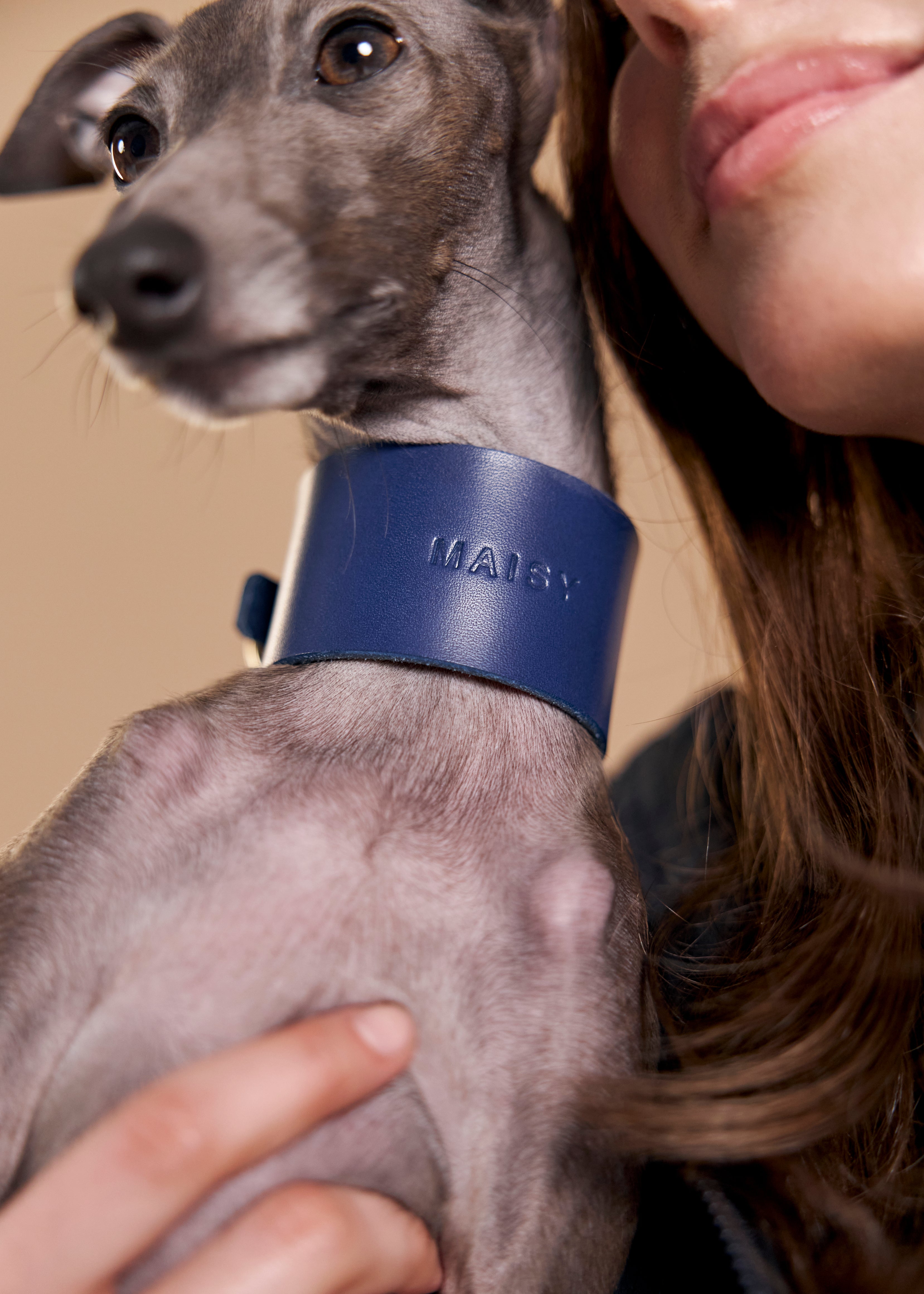
- Softens Over Time One of our favorite benefits of vegetable-tanned leather is the way that it ages. The more it is worn, the softer and more supple it gets. The collar will literally mold to the unique shape of your pup's body. It doesn't get any better than that!
- Lightweight but Durable Don't make the mistake of thinking that leather is too heavy. Lille Bjorn collars are designed with small puppies in mind, making them sturdy and strong without being too bulky. They offer the perfect blend of security and freedom.
- A Note of Caution: Chrome-Tanned Leather You will most likely come across plenty of collars that are labeled as 'genuine leather'. Be careful, because a lot of these products will be chrome-tanned which involves the use of chromium VI. This is a chemical that is likely to cause allergic reactions, as well as being harmful to the planet. You should always be trying to find vegetable-tanned leather dog collars that are made using organic materials like leaves and tree bark instead.

How to Choose the Right Size (and Why Adjustability Is Key)
You don't have to feel intimidated about sizing up your pup for a collar. This step by step guide makes the process super easy.
-
Measure the Neck
Grab a soft measuring tape and wrap it around the base of your pet's neck. Check that it is snug without being tight and then mark down the number. As a general rule, you should be able to fit two fingers comfortably between tape and fur. -
Skip the 'Growing Room'
Try to avoid the temptation of picking a collar size that your pup is going to 'grow into'. This is an unsafe choice to make, and something like an adjustable puppy collar is much better because it can adapt to growing changes. -
Check for Sizing Holes
Make sure to seek out collars that are equipped with multiple adjustment points. It's a simple design feature that means your furry friend can keep their familiar collar as the weeks go by. -
Weekly Fit Check
Puppies grow even faster than you might expect, so it's important to regularly check how their collar is fitting.
Puppy collar sizing isn't something that has to be complicated. Just follow our simple guide and we can guarantee you won't have a sizing problem.
Use The Lille Björn's size chart as a direct reference. Match your puppy's current neck measurement to the corresponding collar size and recheck every 2 weeks during the first 6 months:
| Collar Size | Neck Circumference | Typical Breed Examples at Puppy Stage |
|---|---|---|
| XXS | 17–22 cm | Chihuahua, Yorkshire Terrier, Toy Poodle (8-12 weeks) |
| XS | 22–27 cm | French Bulldog, Pug, Miniature Dachshund (8-16 weeks) |
| S | 27–32 cm | Cocker Spaniel, Border Terrier, Beagle (8-16 weeks) |
| M | 32–37 cm | Labrador (8-12 weeks), Border Collie, Springer Spaniel |
| L | 37–42 cm | Golden Retriever (8-12 weeks), German Shepherd (8-12 weeks) |
| XL | 42–47 cm | Great Dane, Mastiff, Saint Bernard puppy |
Large and giant breed puppies grow rapidly and may move through 2 to 3 sizes in the first 6 months. For these breeds, checking fit every 10 to 14 days during active growth phases is recommended rather than the standard weekly check.
How Our Classic Leather Collar Supports Growing Pups
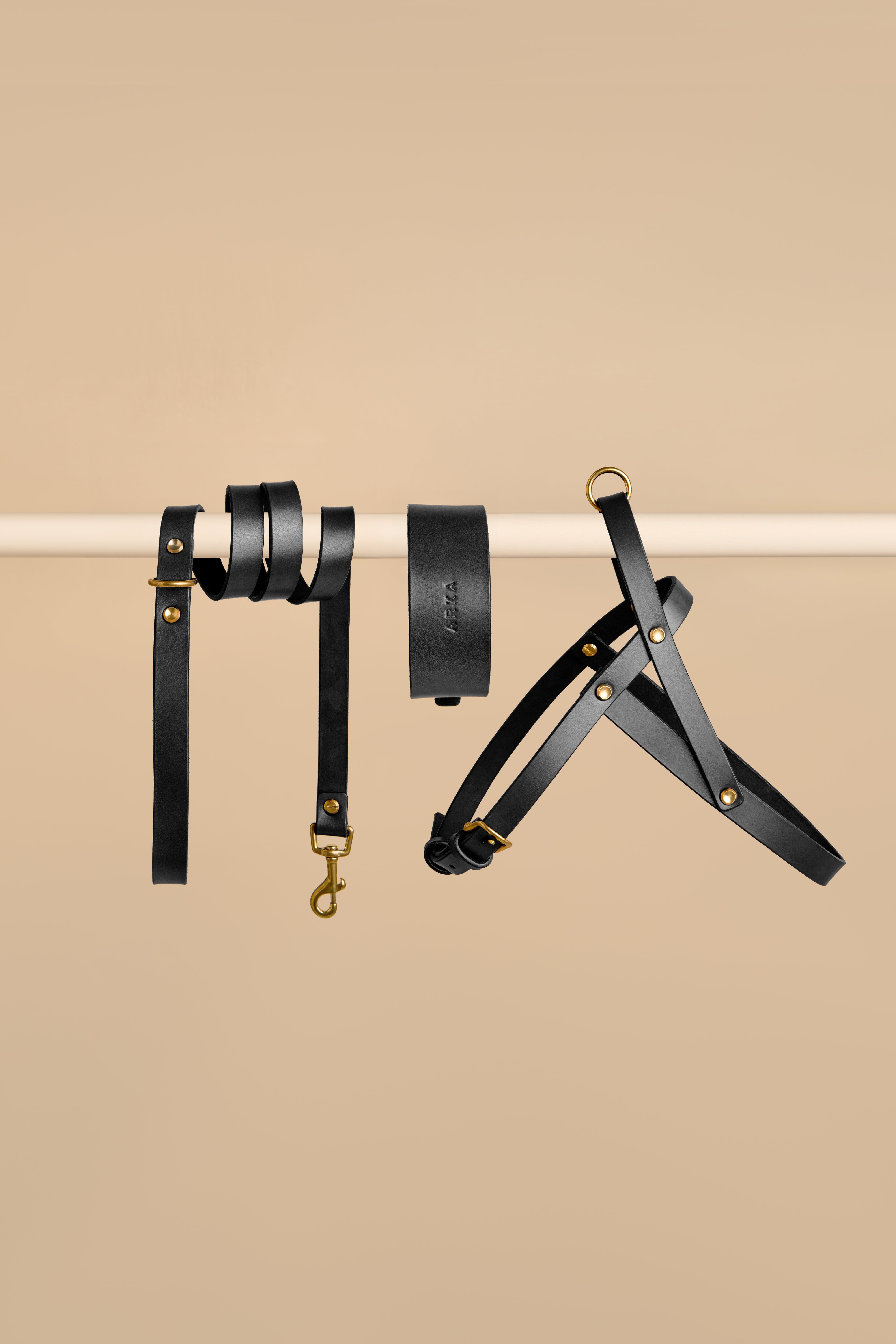
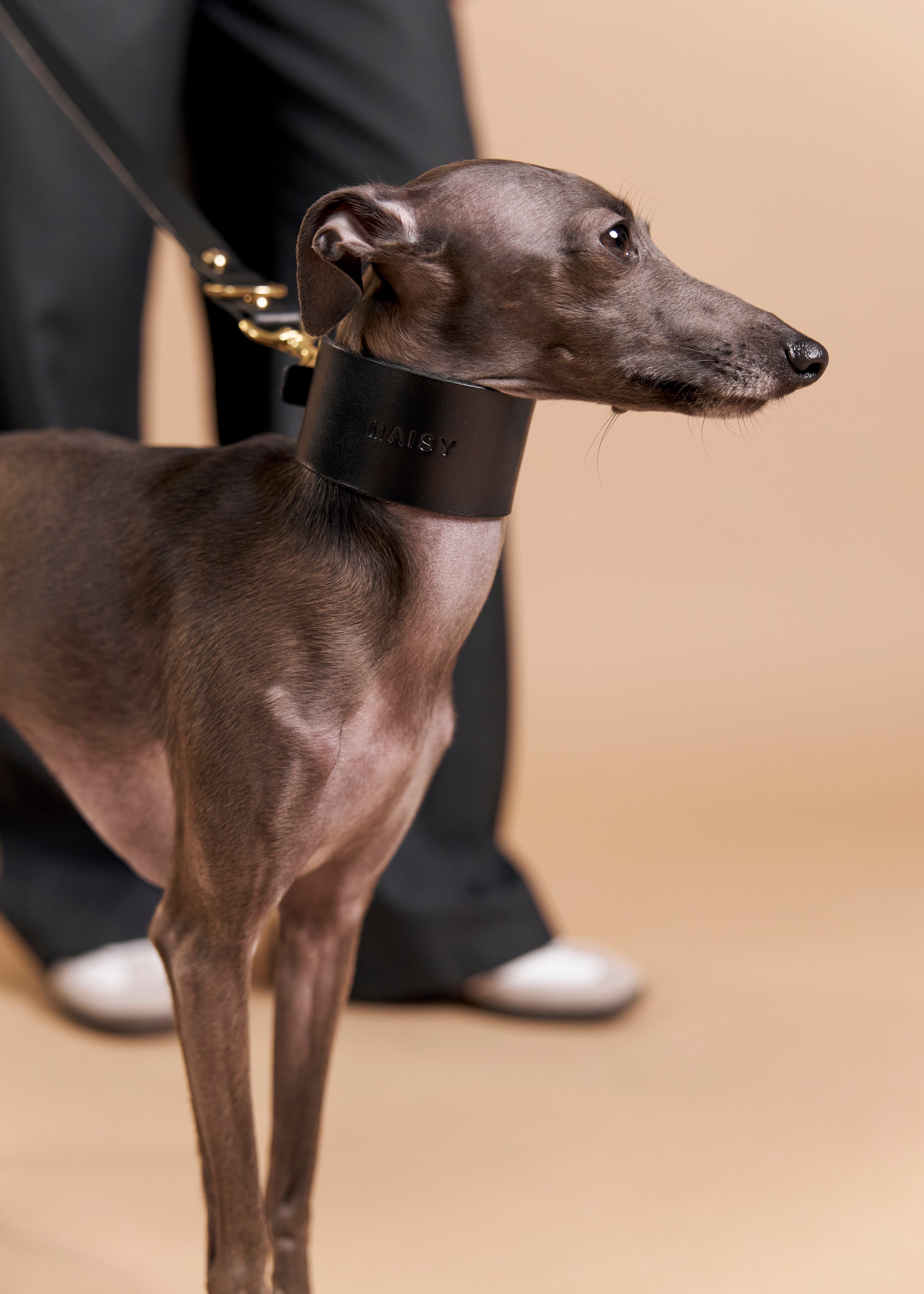
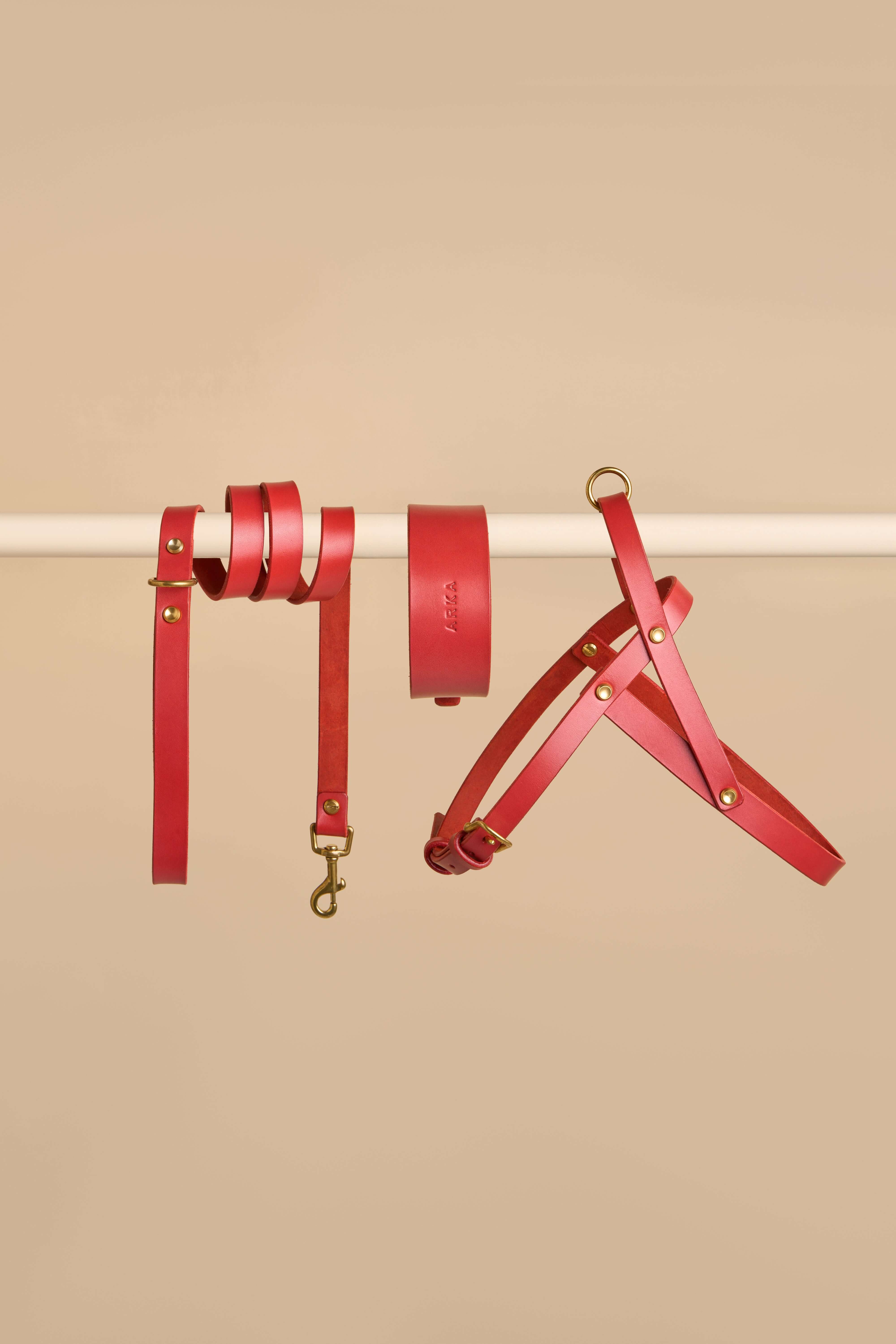
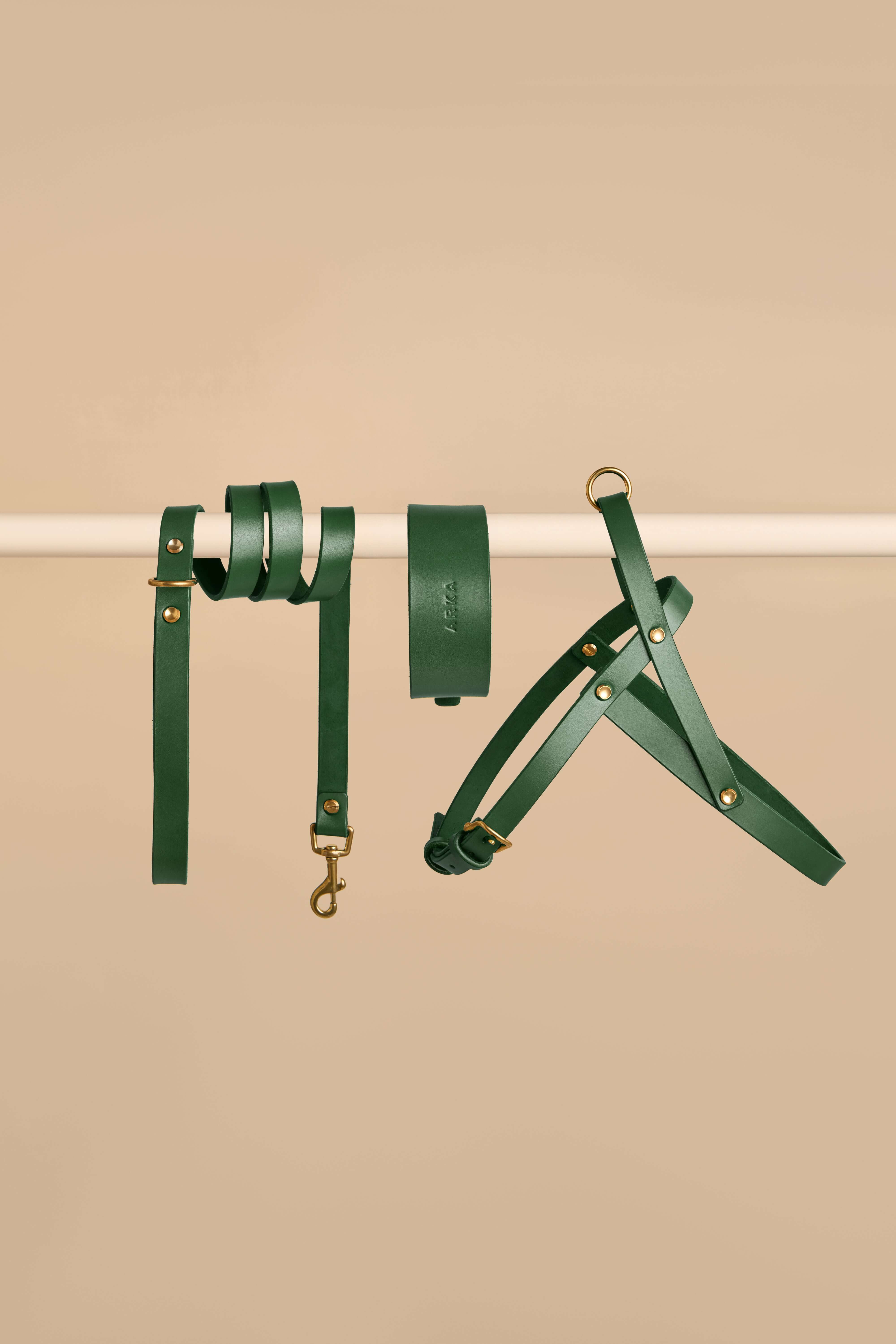
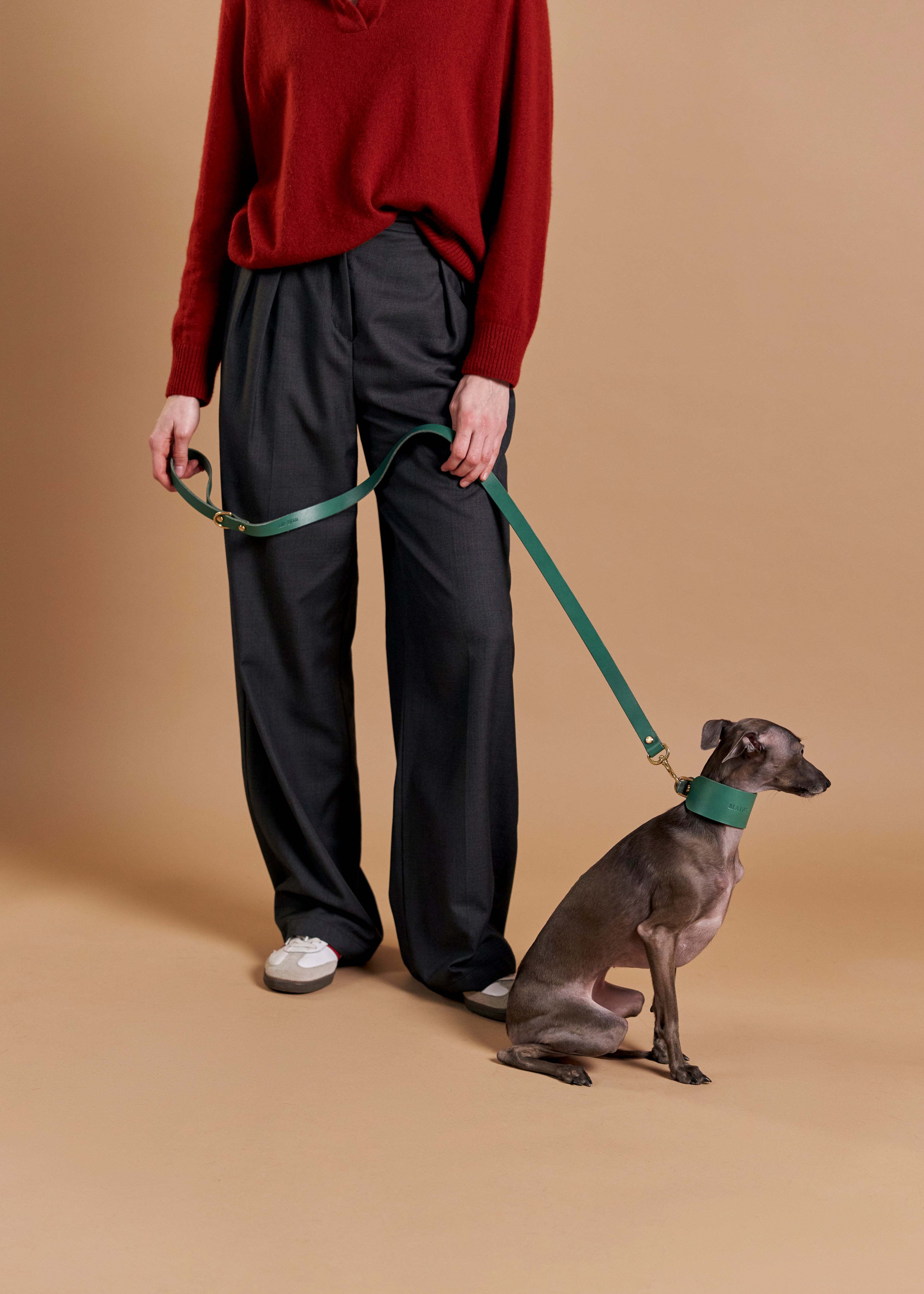
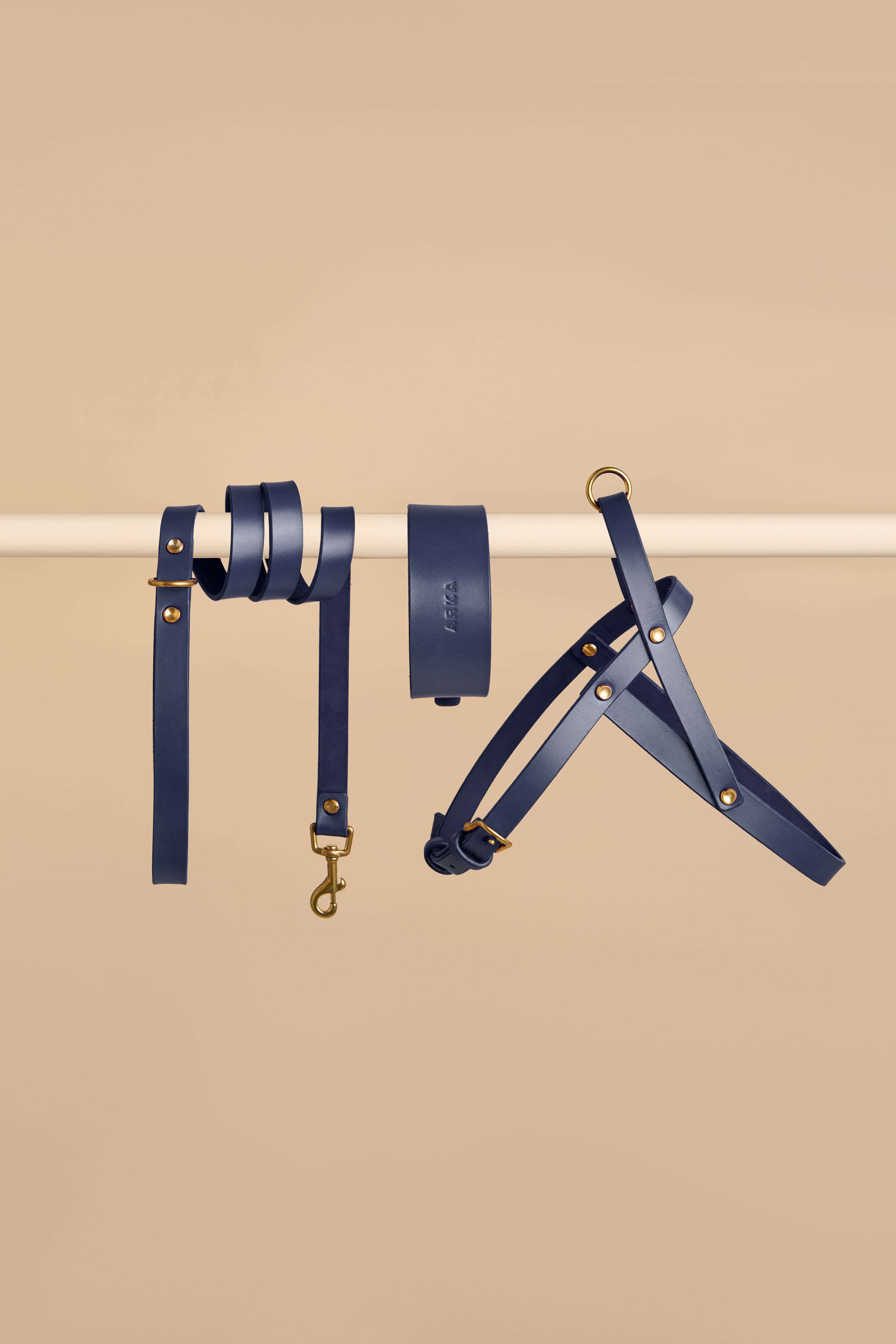
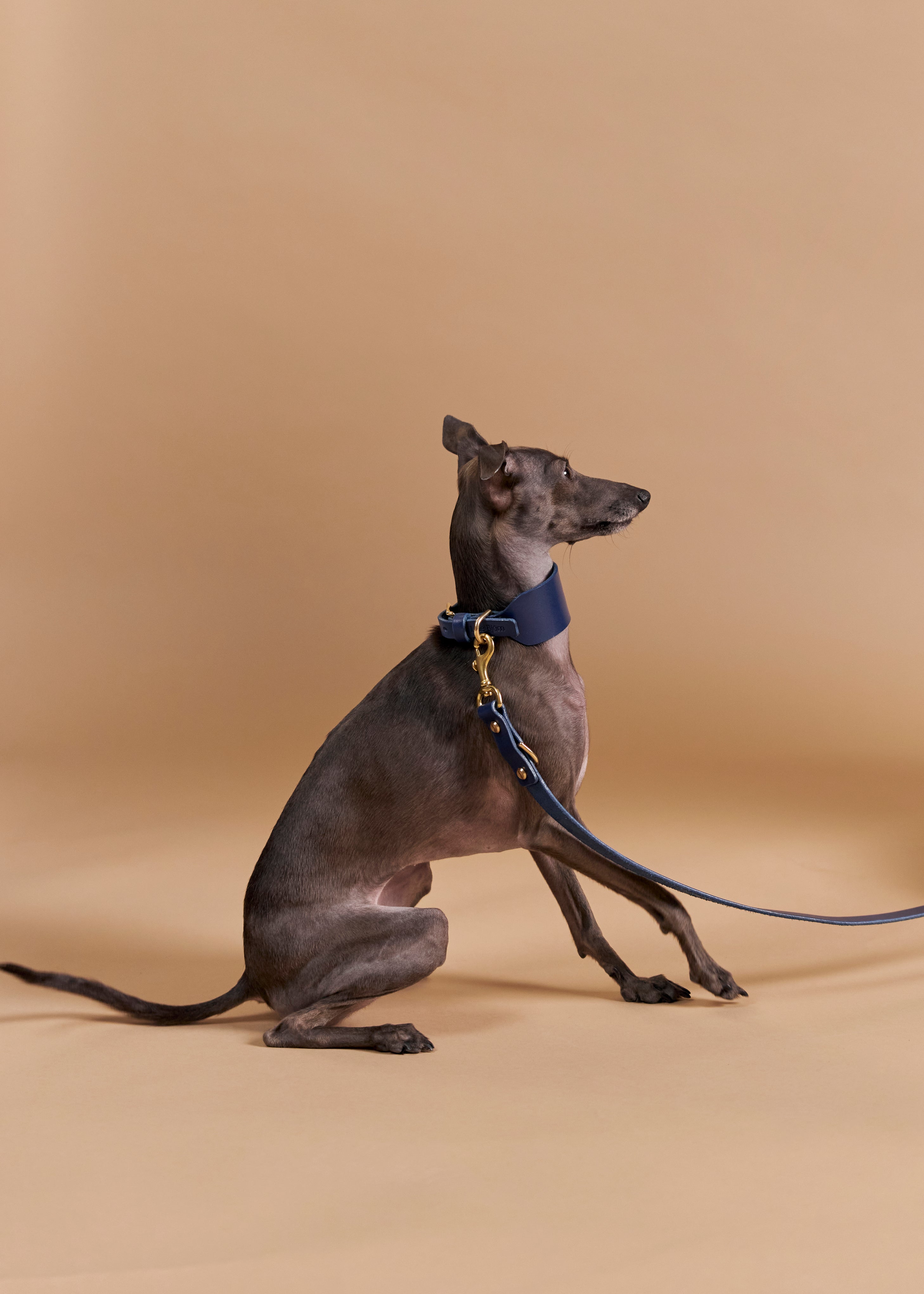
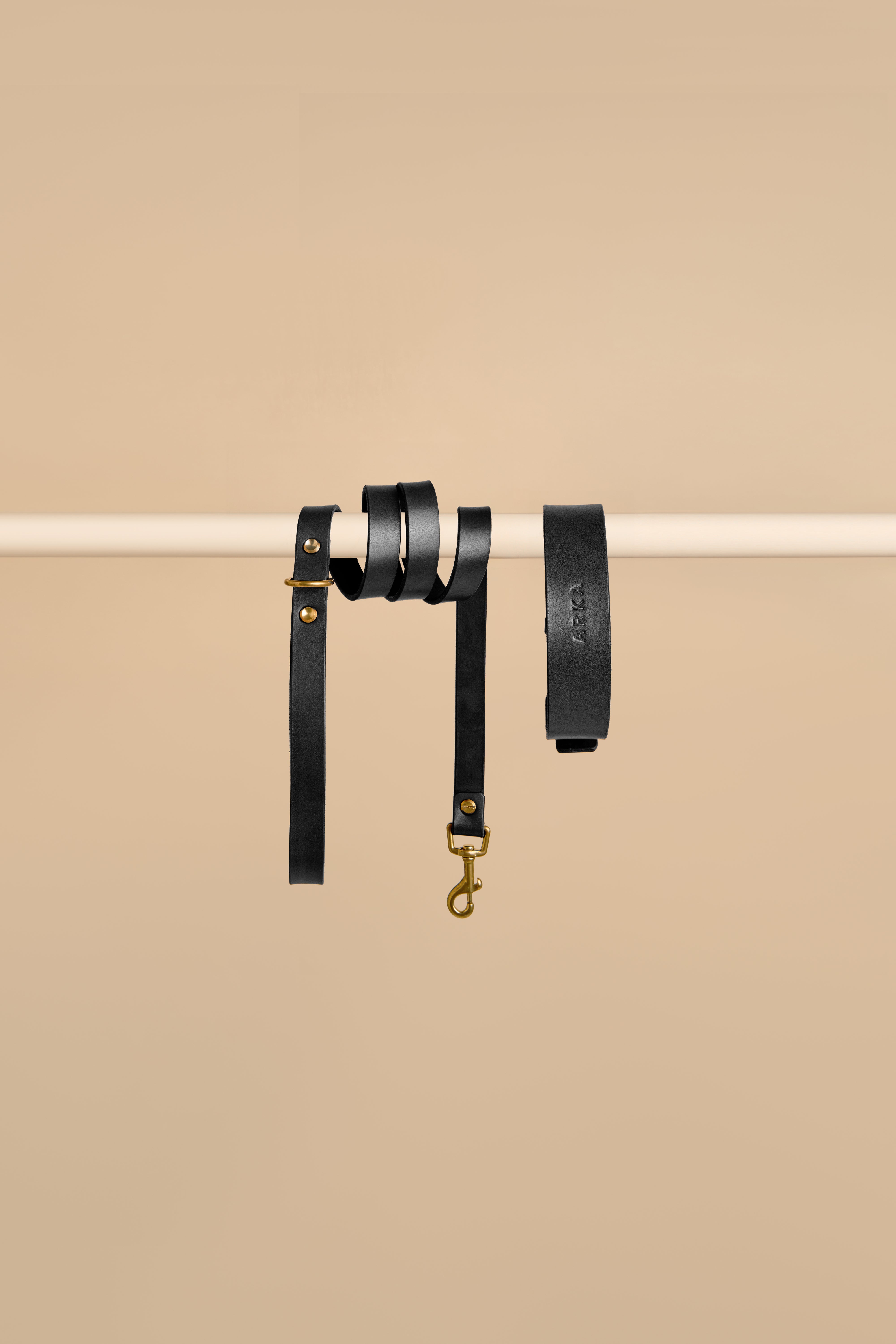
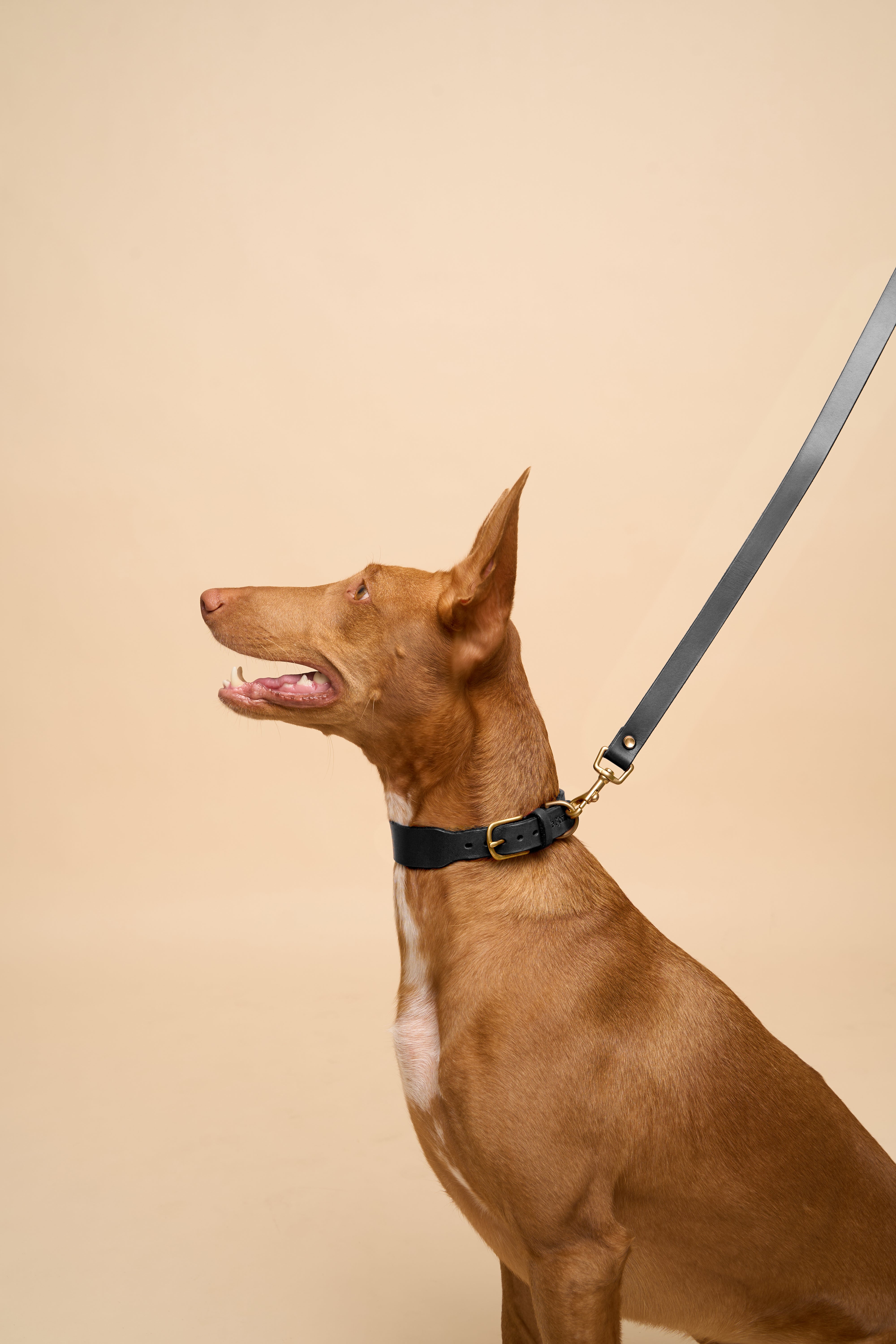
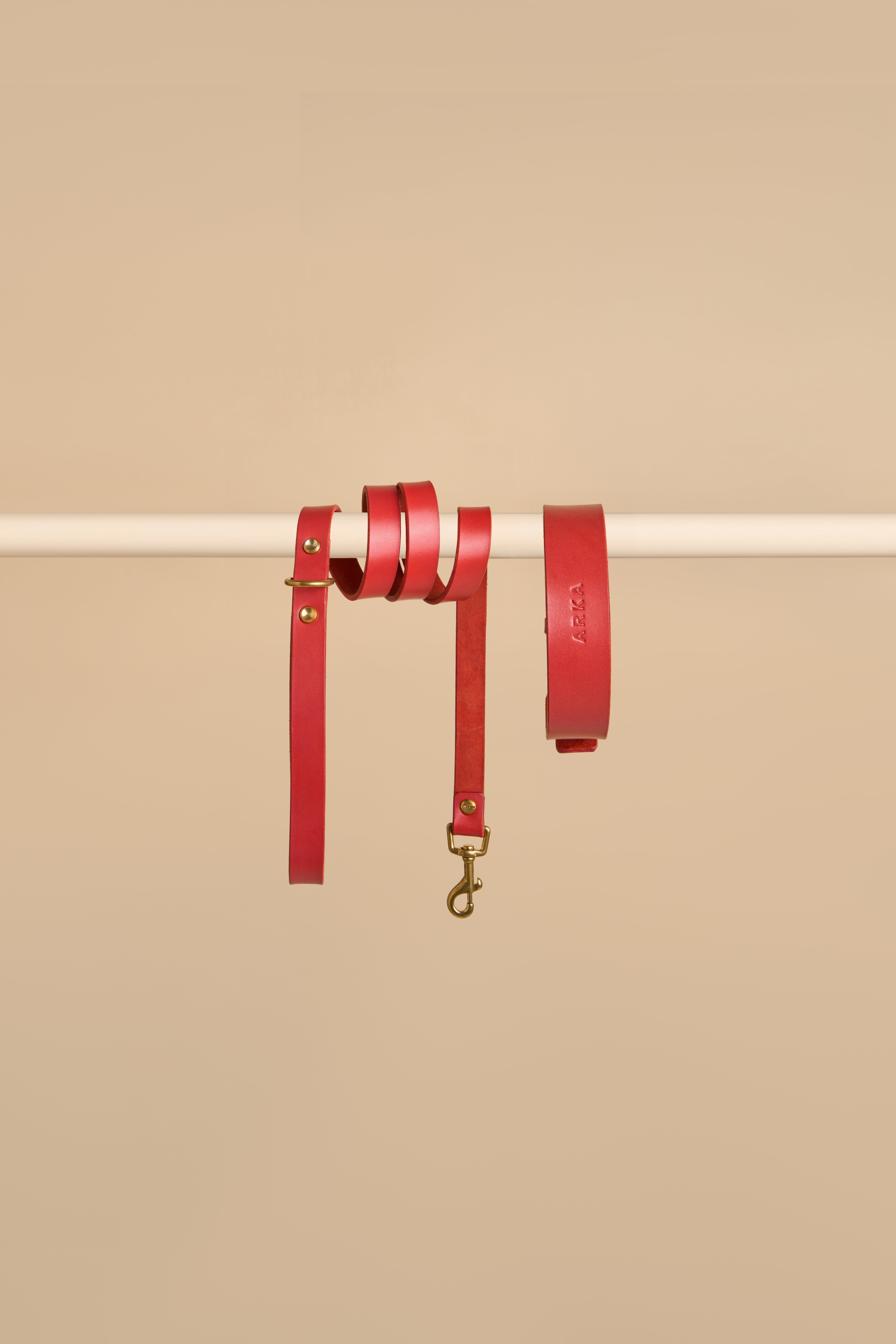
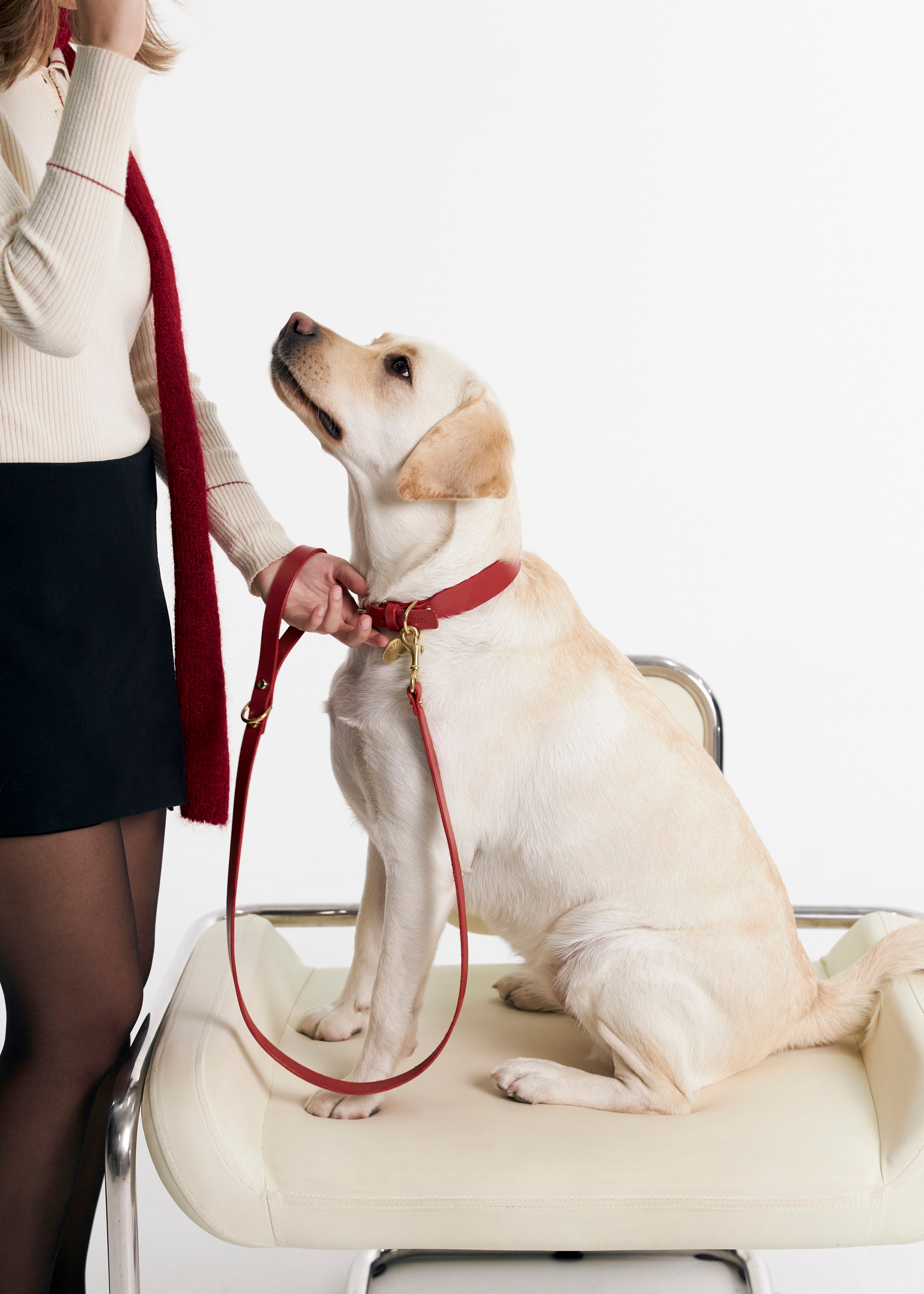
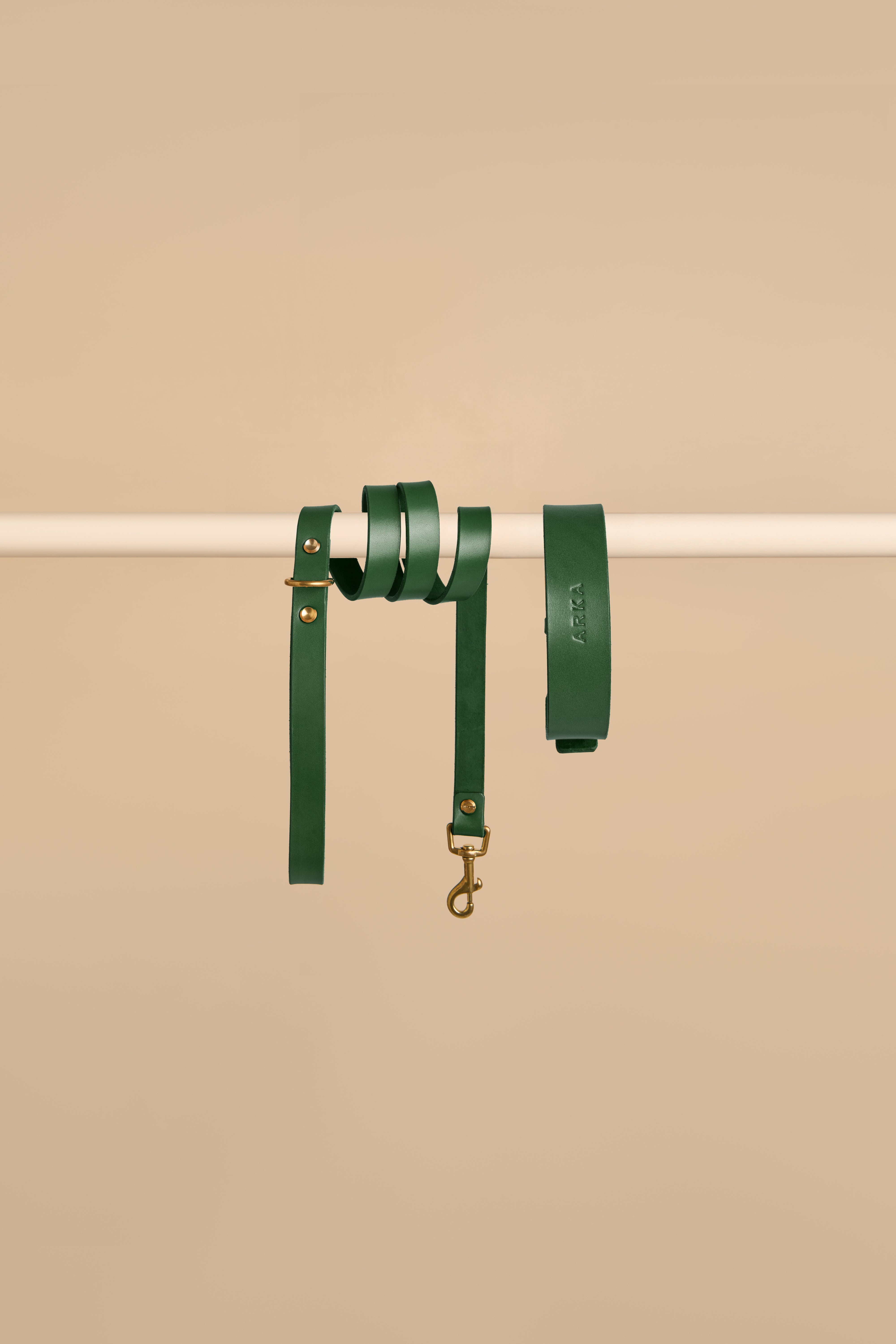
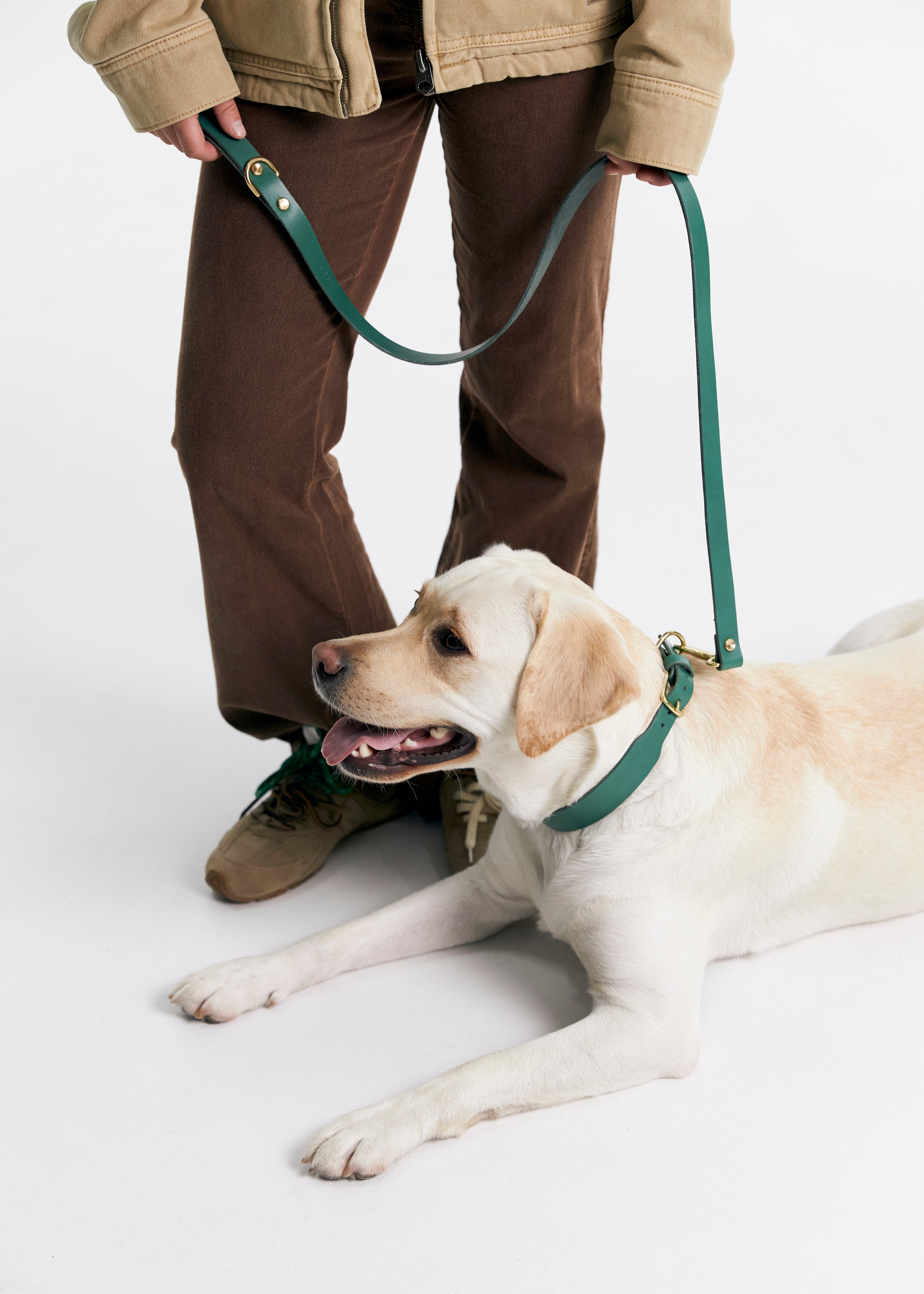
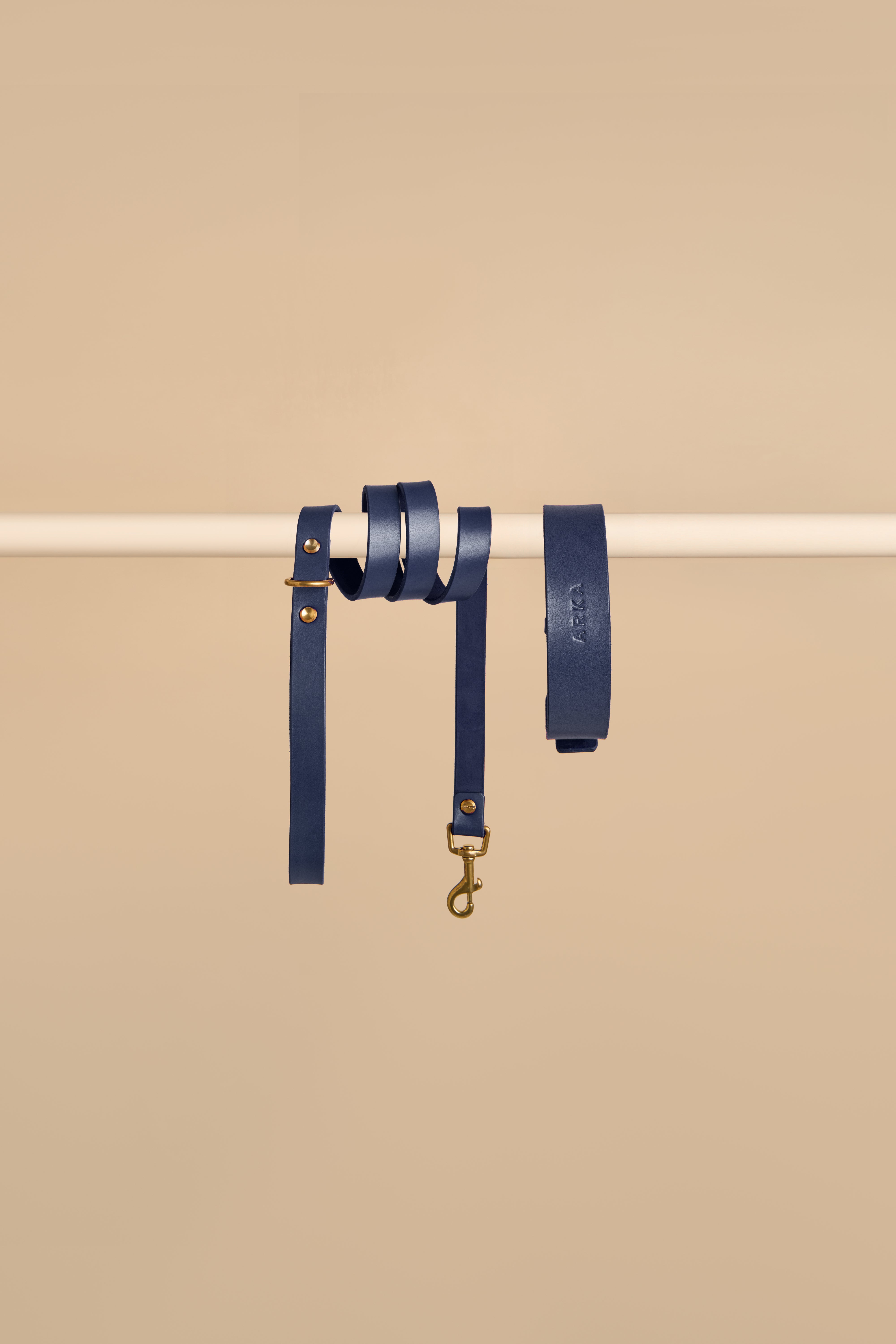
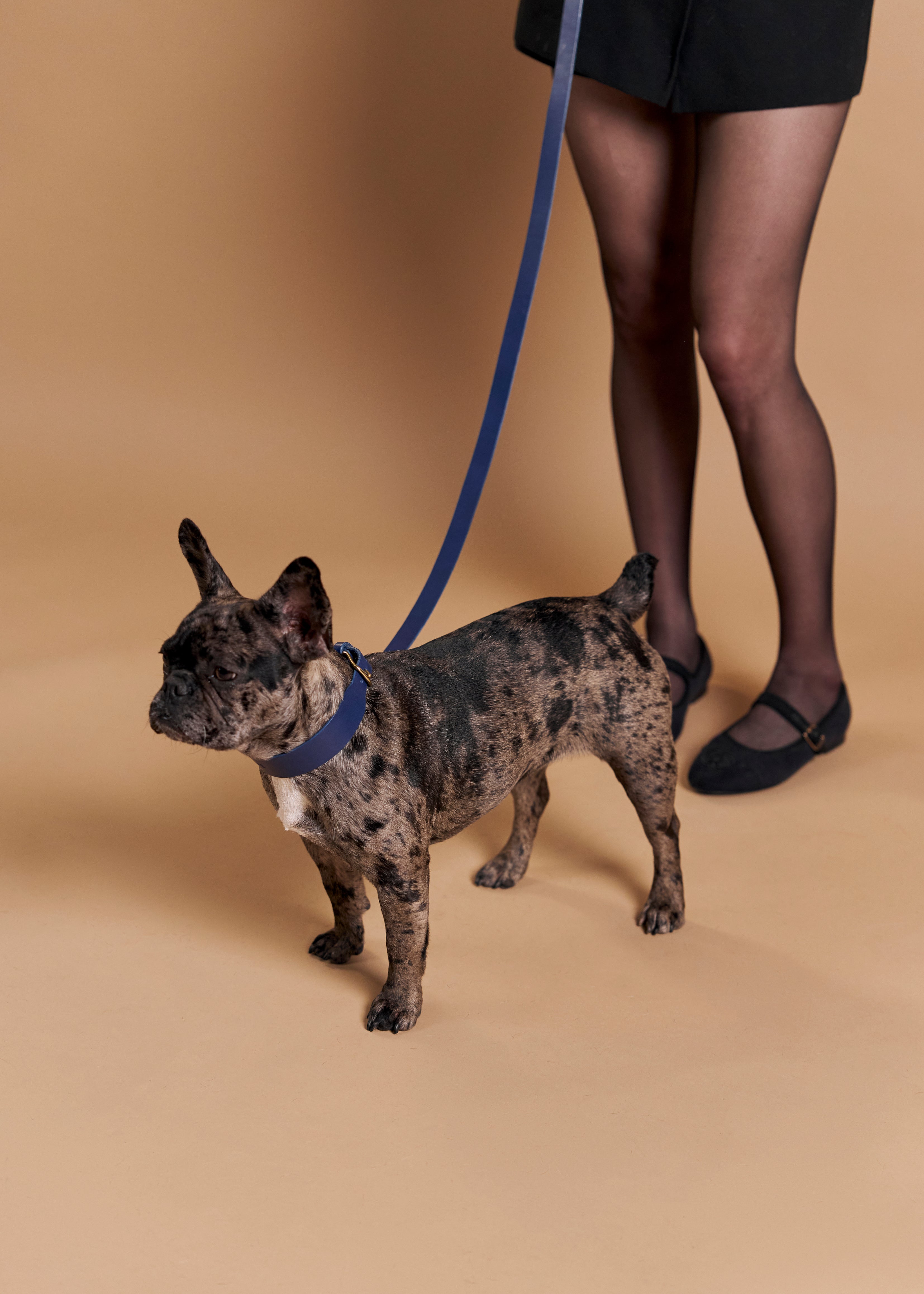
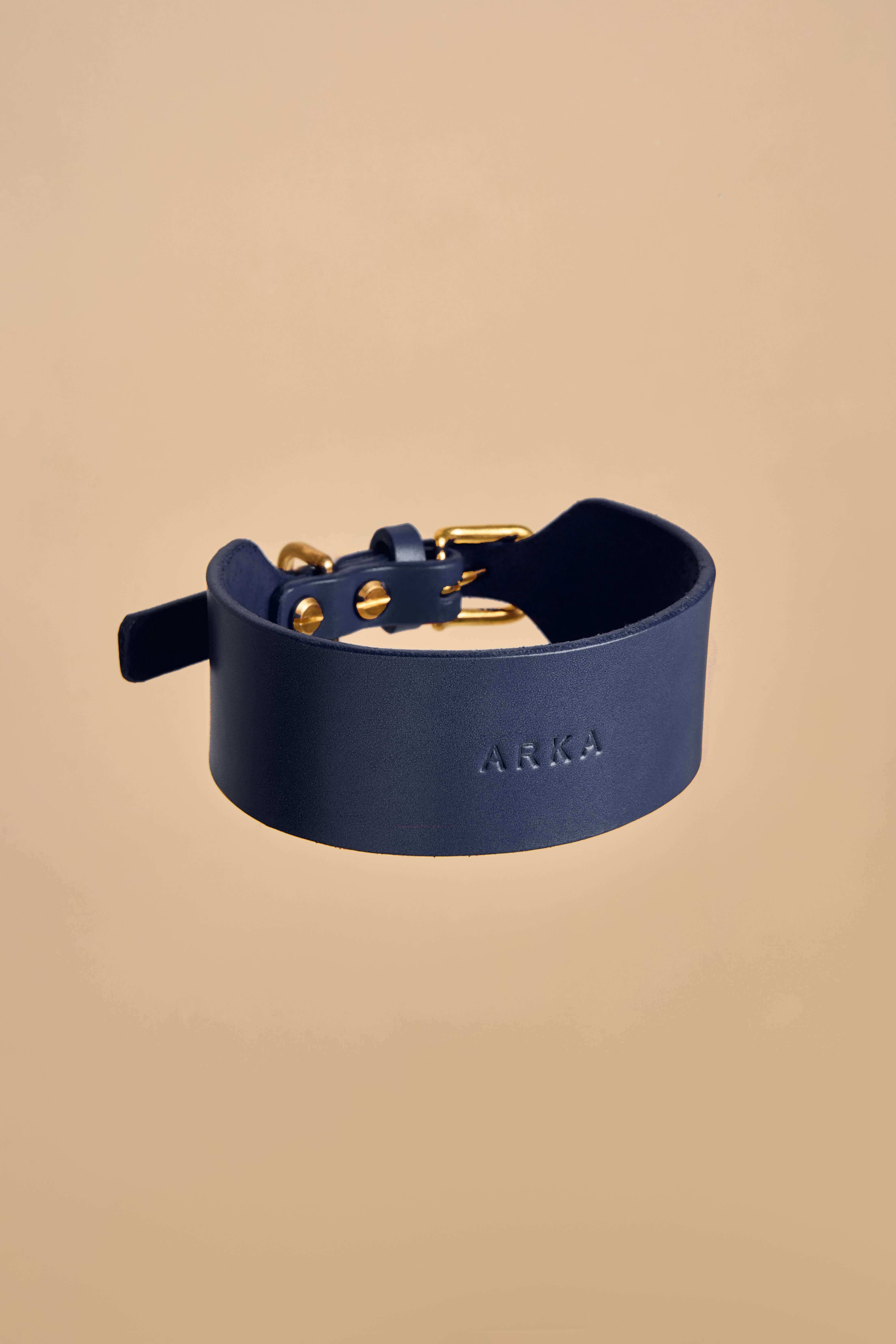
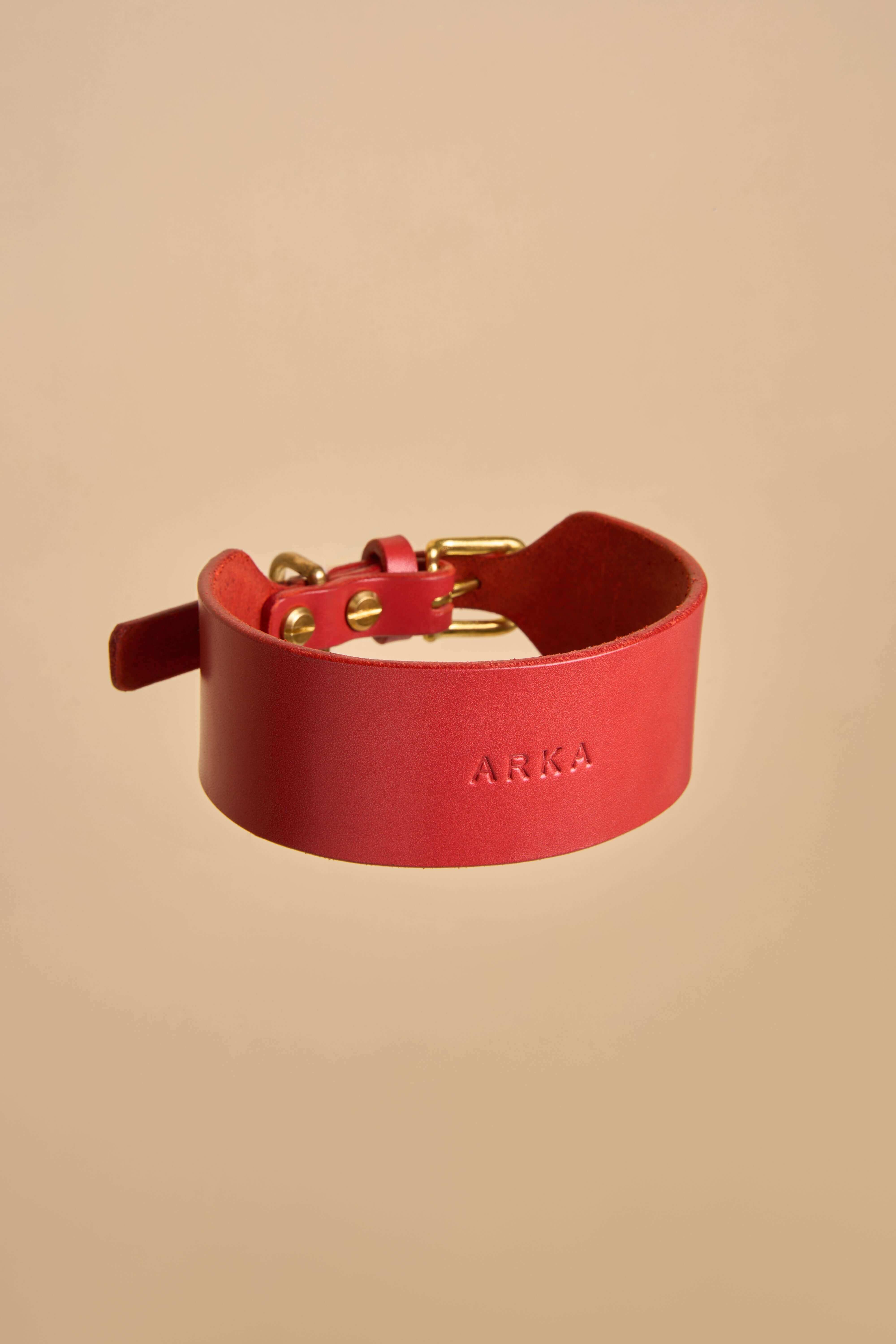
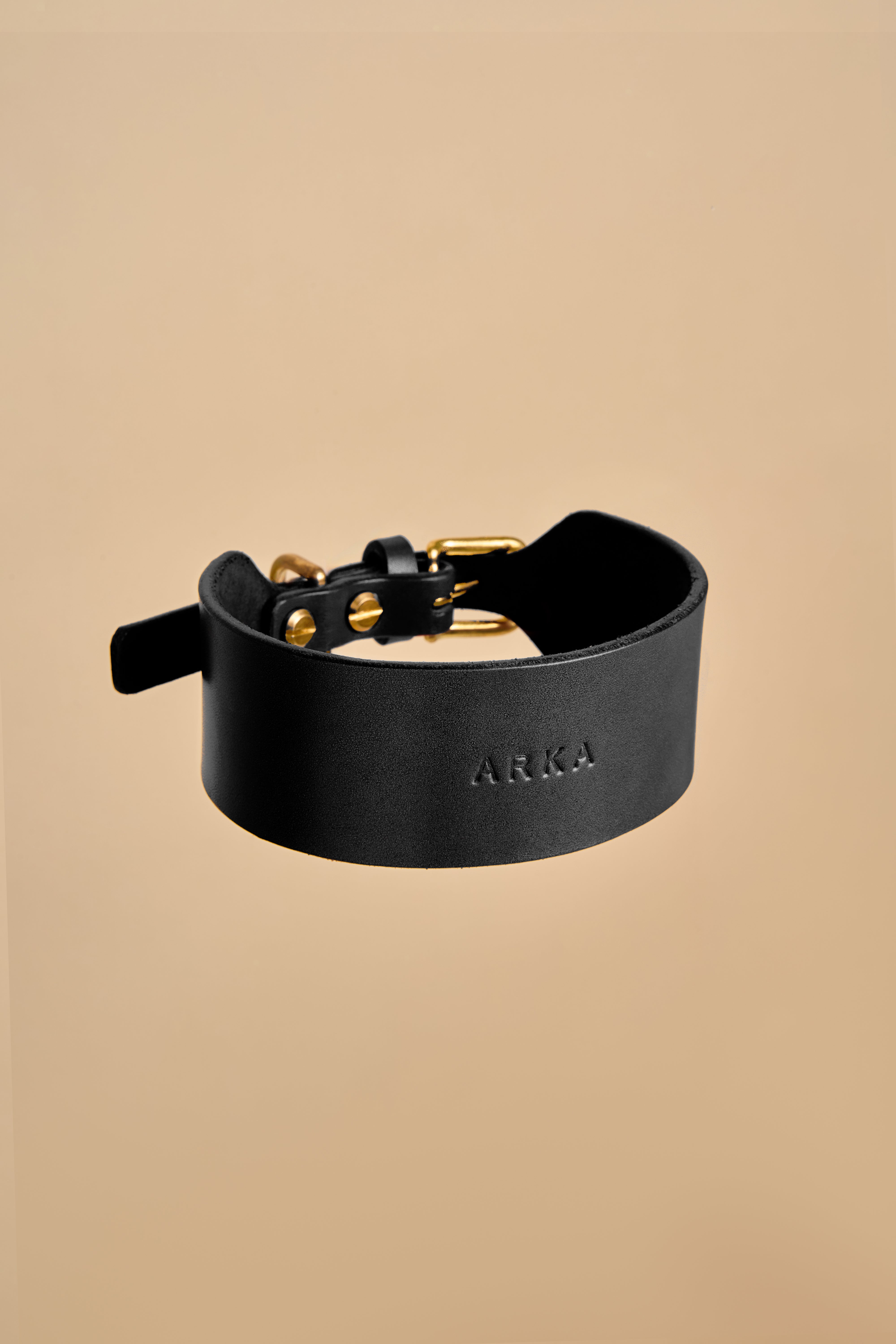
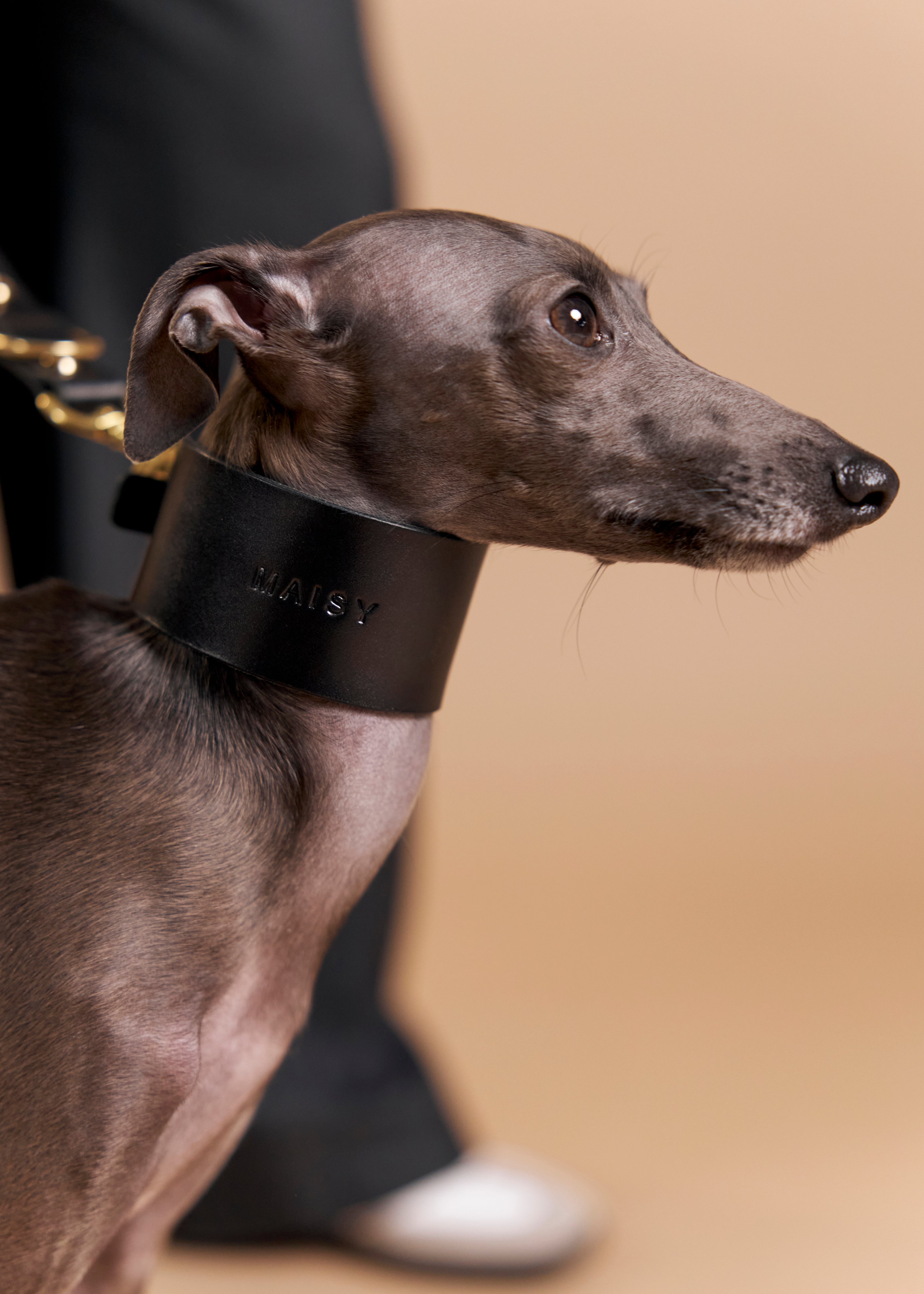
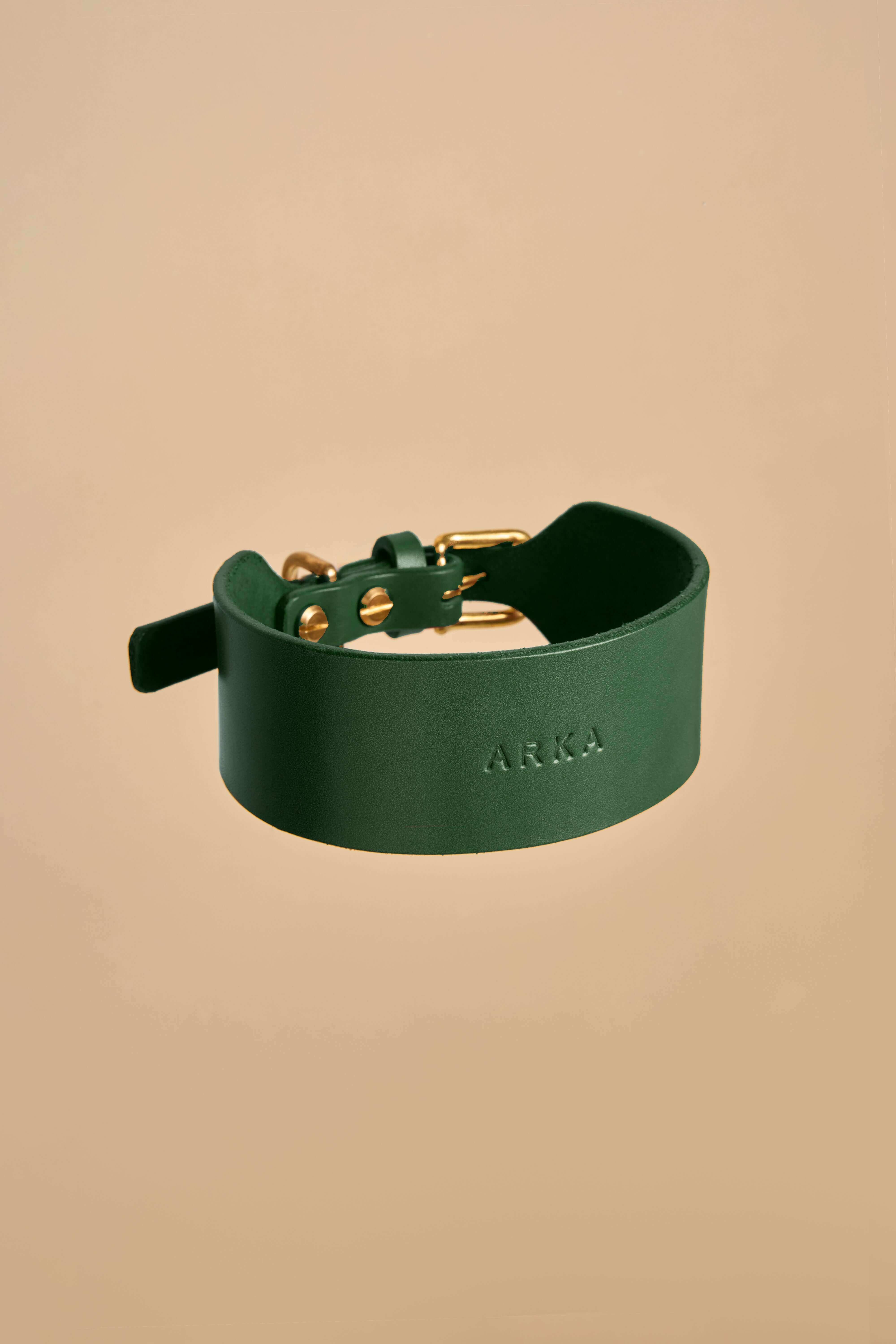
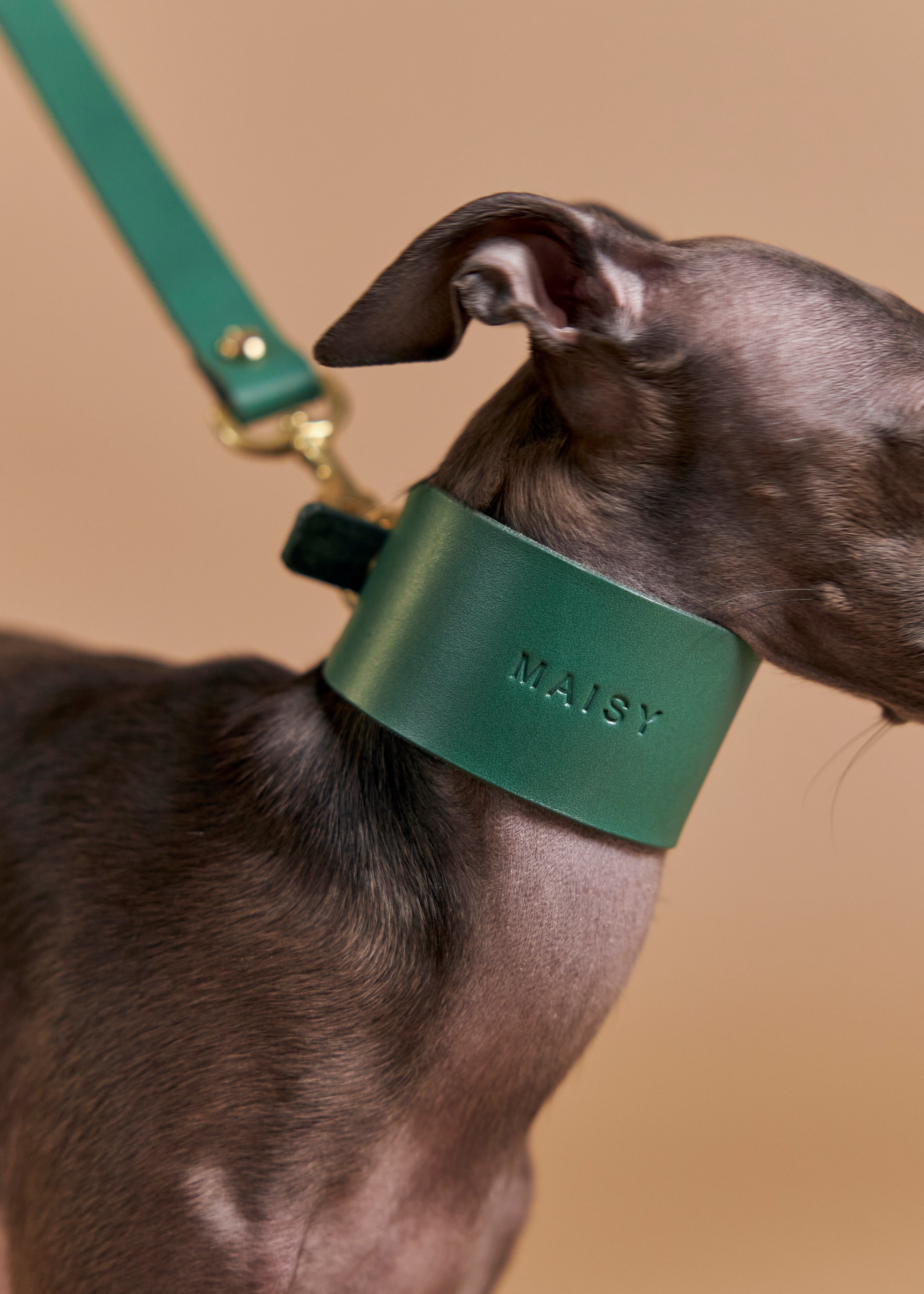
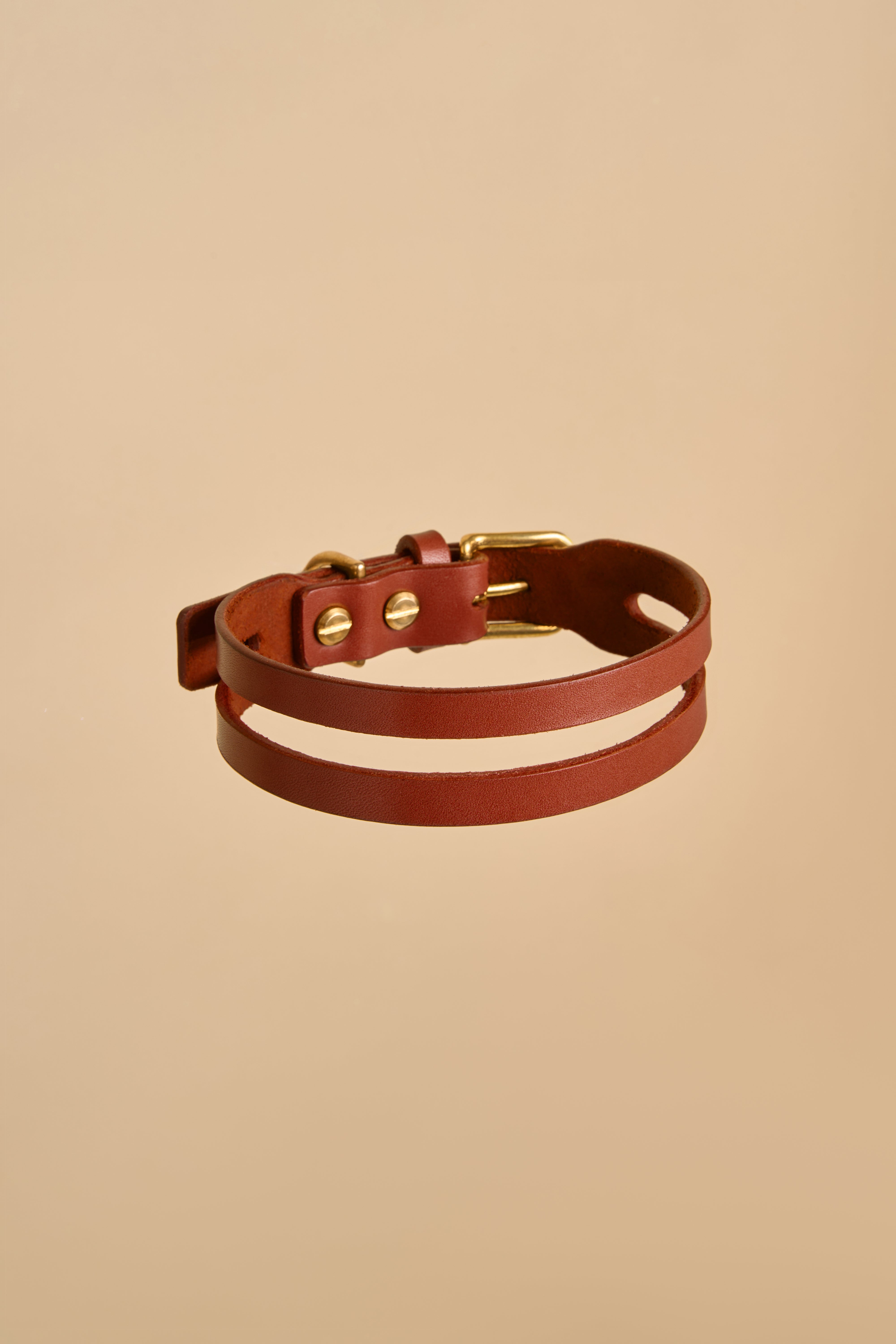
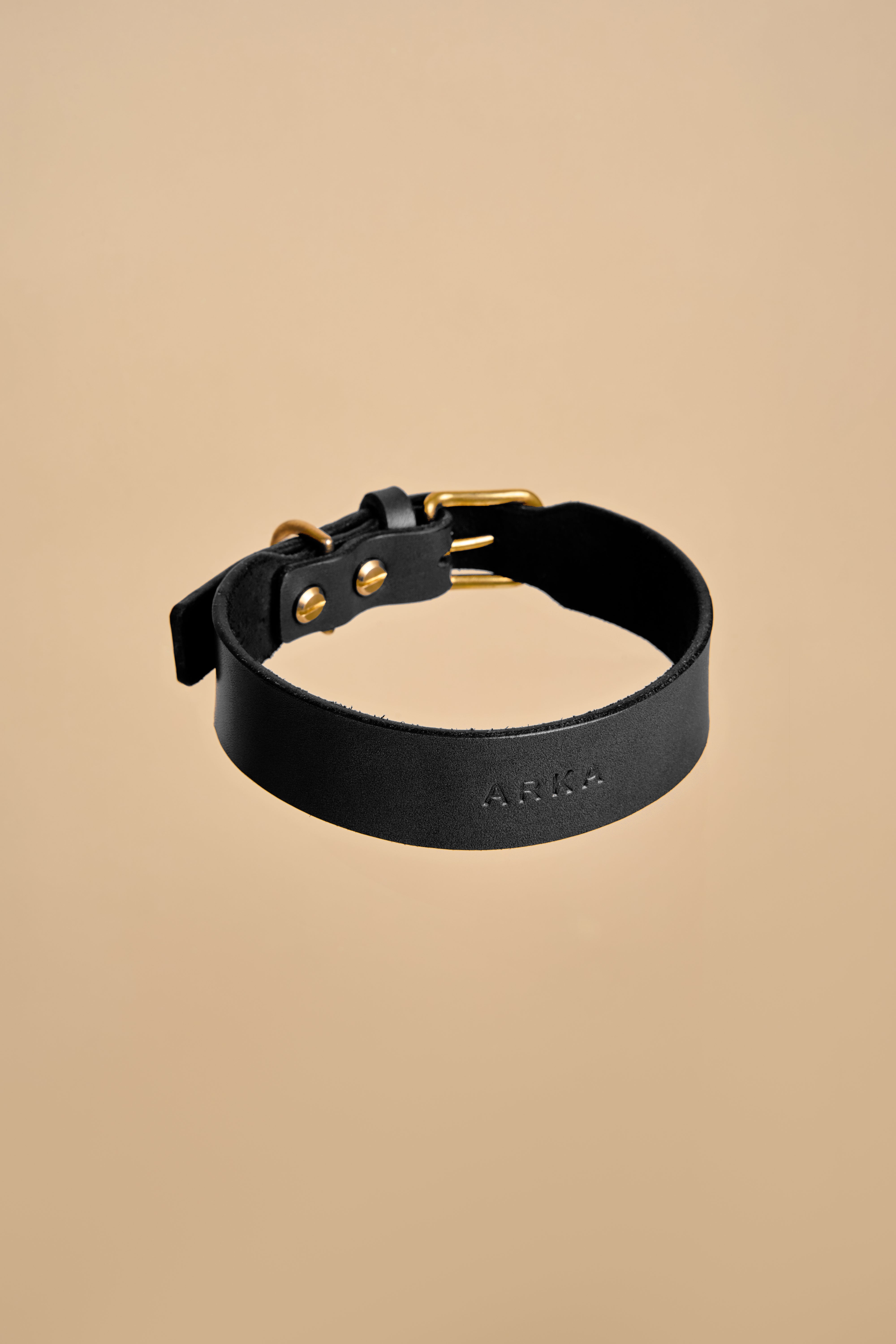
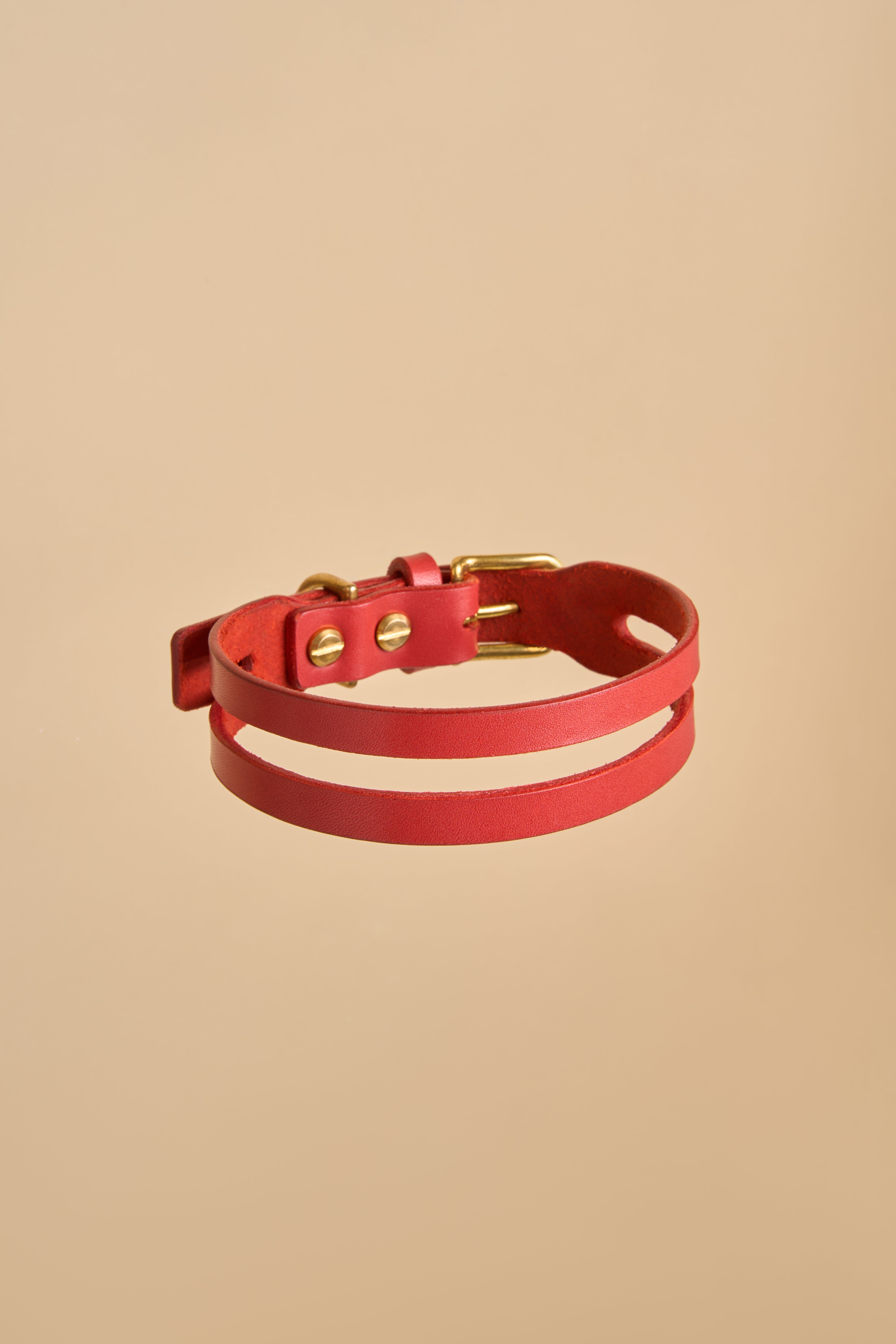
Our 'Classic Collar' is the kind of no nonsense, timeless design that perfectly meets the needs of your puppy. Some of its key features include:
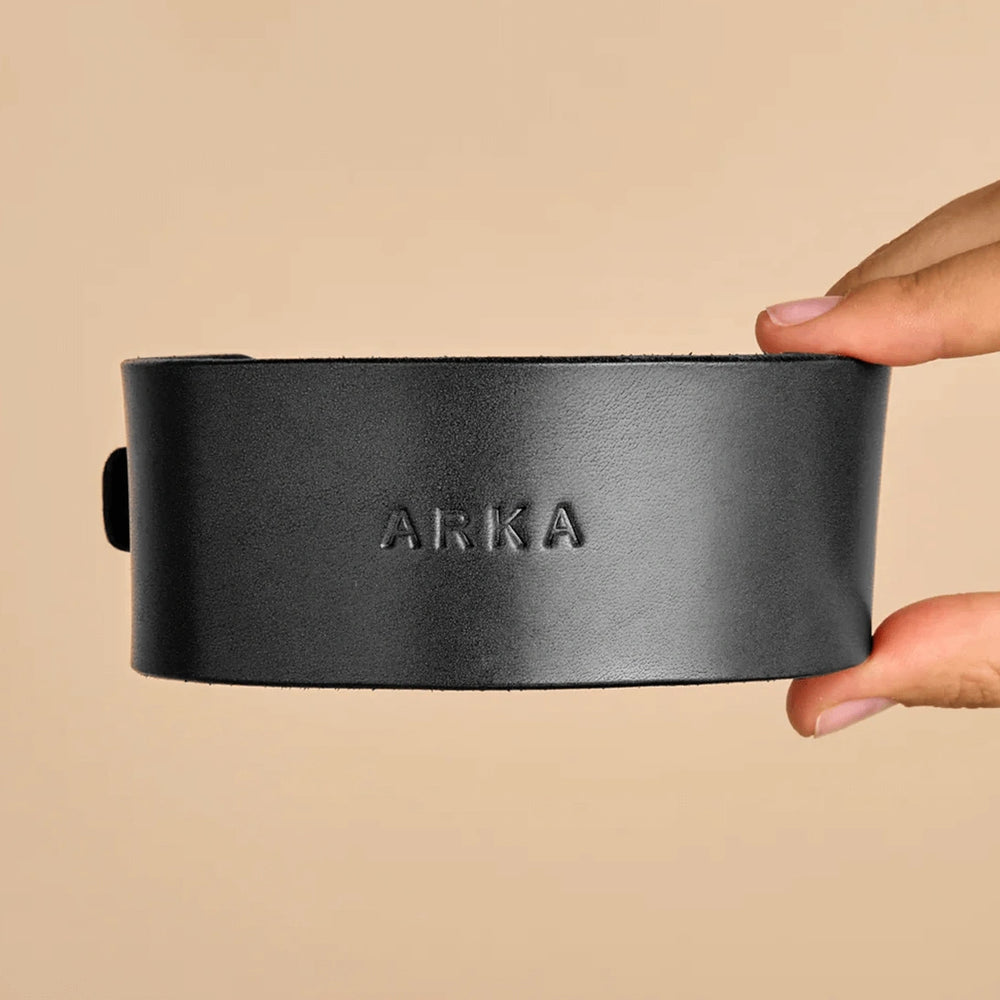
- Width of 3cm that is narrow enough for free movement but wide enough for best comfort.
- Soft edges that avoid stiff corners and harsh stitching.
- A lightweight build quality that your pup will barely feel.
- Brass hardware that is naturally resistant to premature wear and rust.
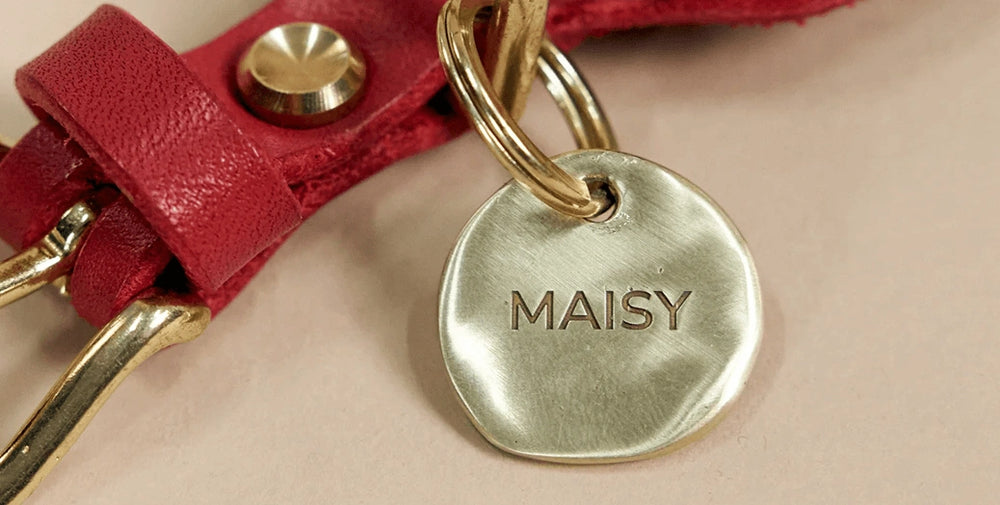
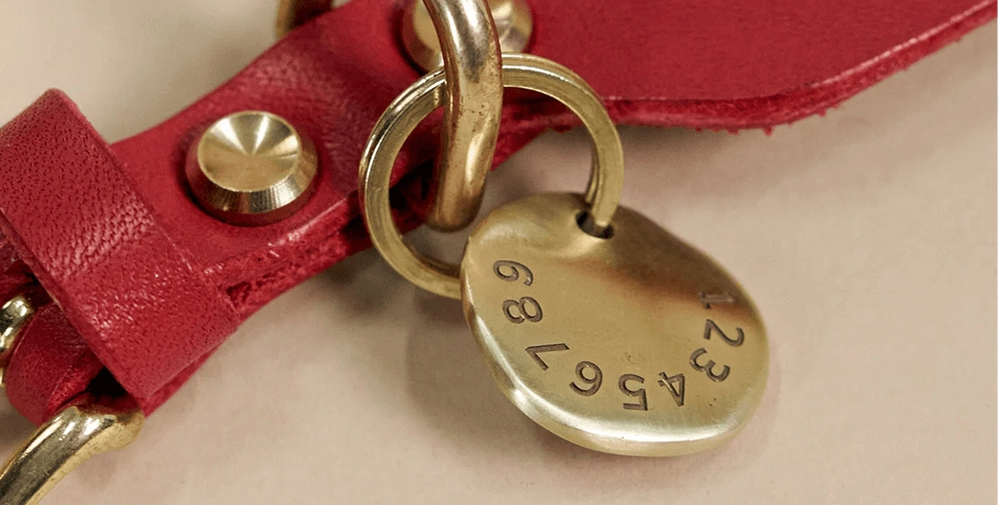
- The option of a matching engraved tag for extra security and peace of mind.
We think this is a leather collar for puppies that perfectly fits the bill, from trips to puppy school to active muddy walks and more!
Why Early Collar Comfort Matters for Lifelong Habits
Think about a first collar in the same way you would a toddler's first shoes. It can set the tone for all of the good habits they will take with them into adulthood.
Your puppy is learning something new every single day, from how to walk nicely to how to play to how to feel secure in unfamiliar settings. If their collar is irritating or uncomfortable, it can start to create negative associations and experiences. On the other hand, if it is soft and easy to wear, only positive associations are created.
A positive collar relationship can lead to:
- An easier leash training experience.
- Improved call and response.
- Immediate comfort with wearing important ID tags.
Creating these early positive associations is absolutely crucial. When your pet feels good in their collar, their behavior will follow suit!

When to Size Up - And When to Stick with What You Have
Even when you have an adjustable puppy collar, you still need to know when it is time to execute those handy adjustments.
Signs It's Time to Upgrade:
- When you can no longer fit two fingers between the collar and fur.
- When marks are being left on the fur, or it simply looks too tight on sight.
- When you have used the final adjustment hole on the strap.
Something we recommend is to have two vegetable-tanned leather collars in your collection, one for daily use and one for growth transitions so you never get caught out.
What About Harnesses for Puppies?
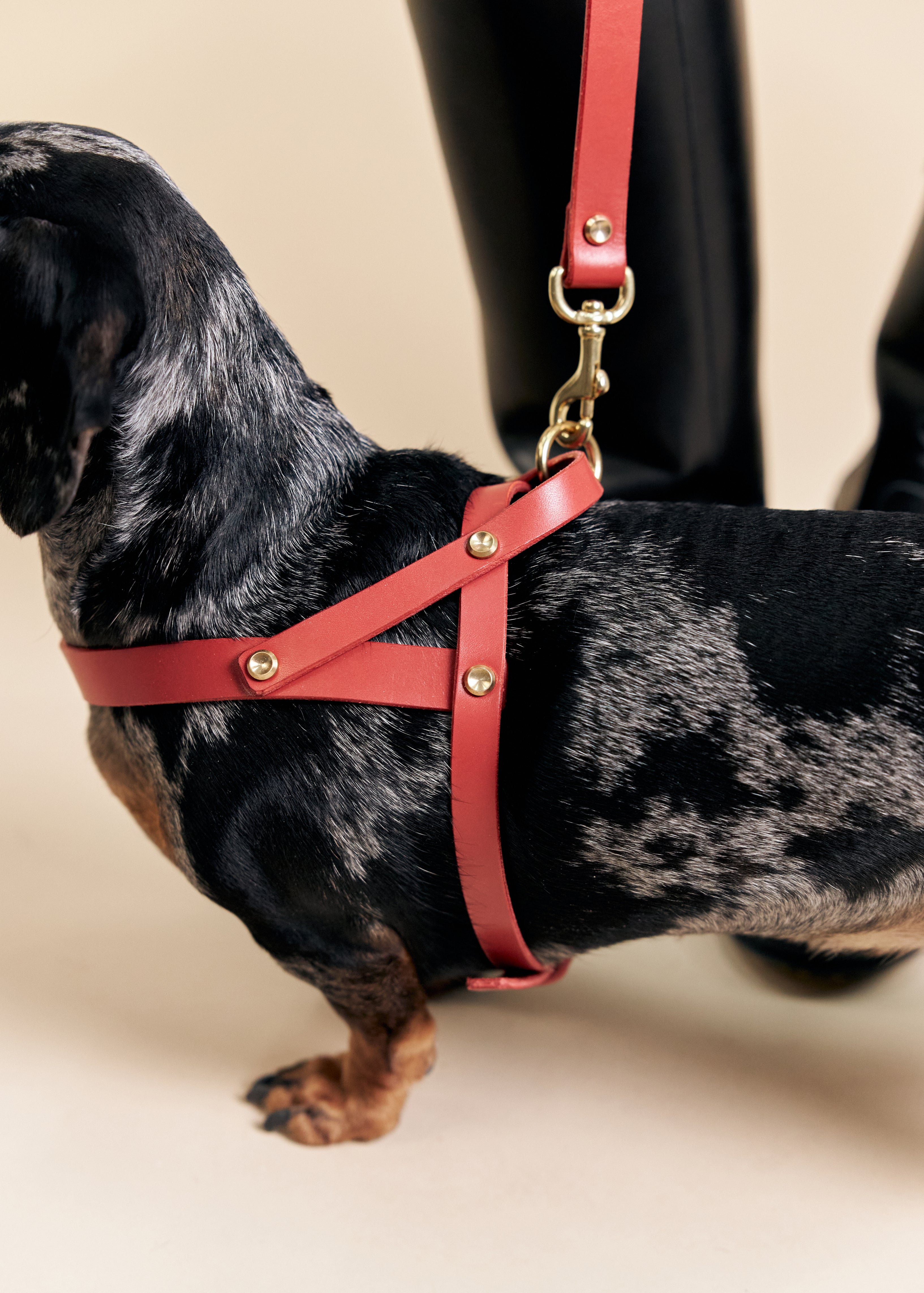
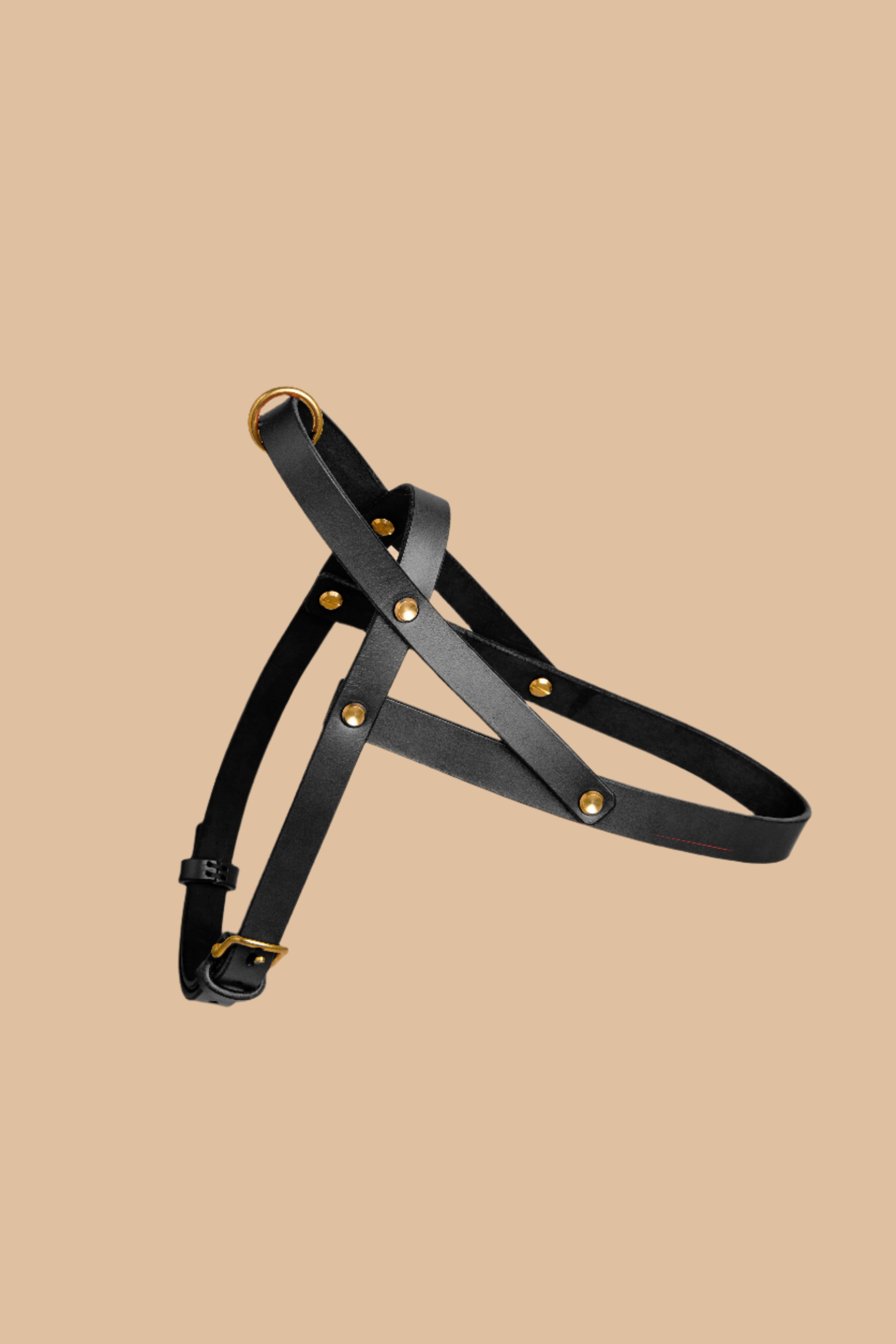
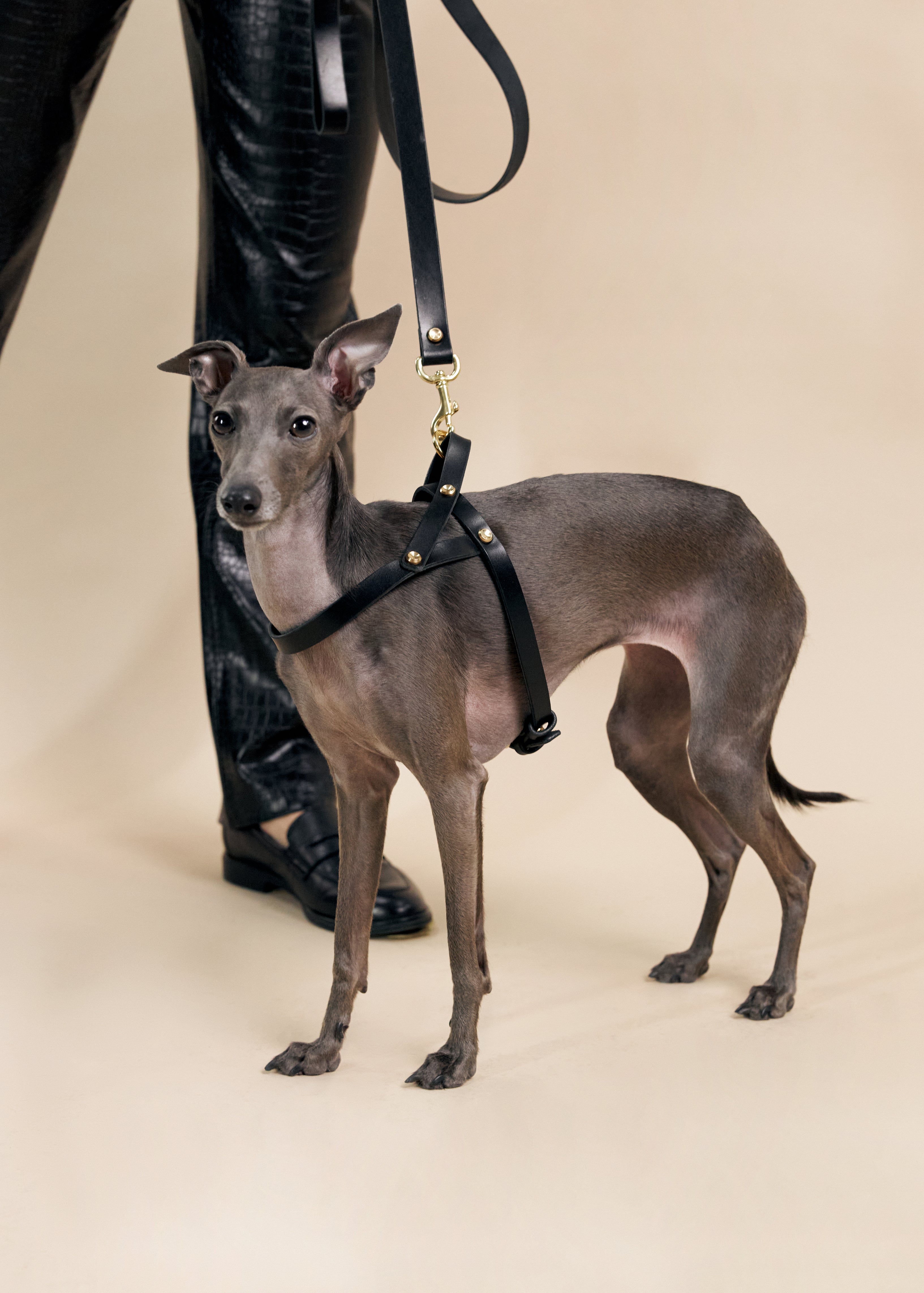
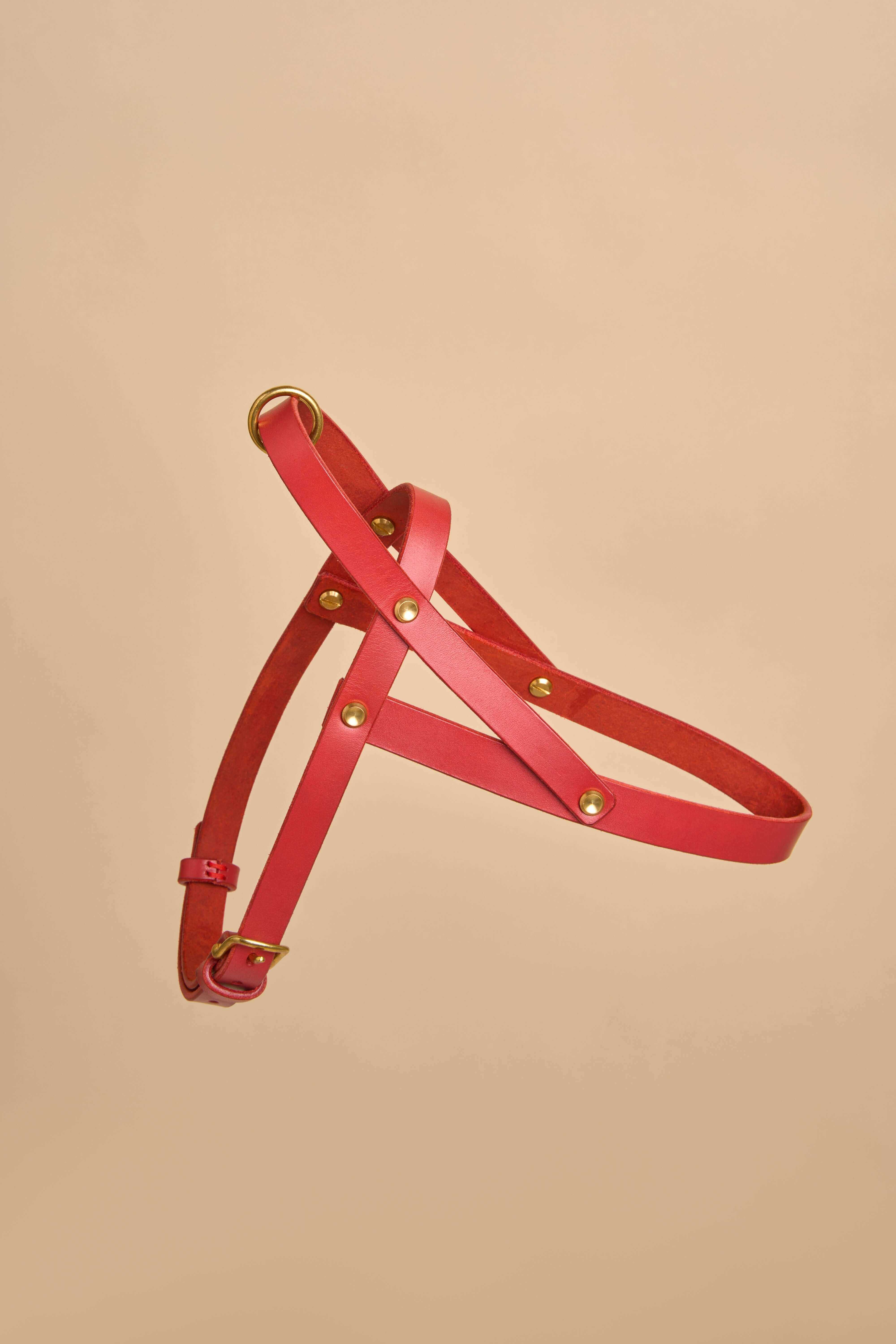
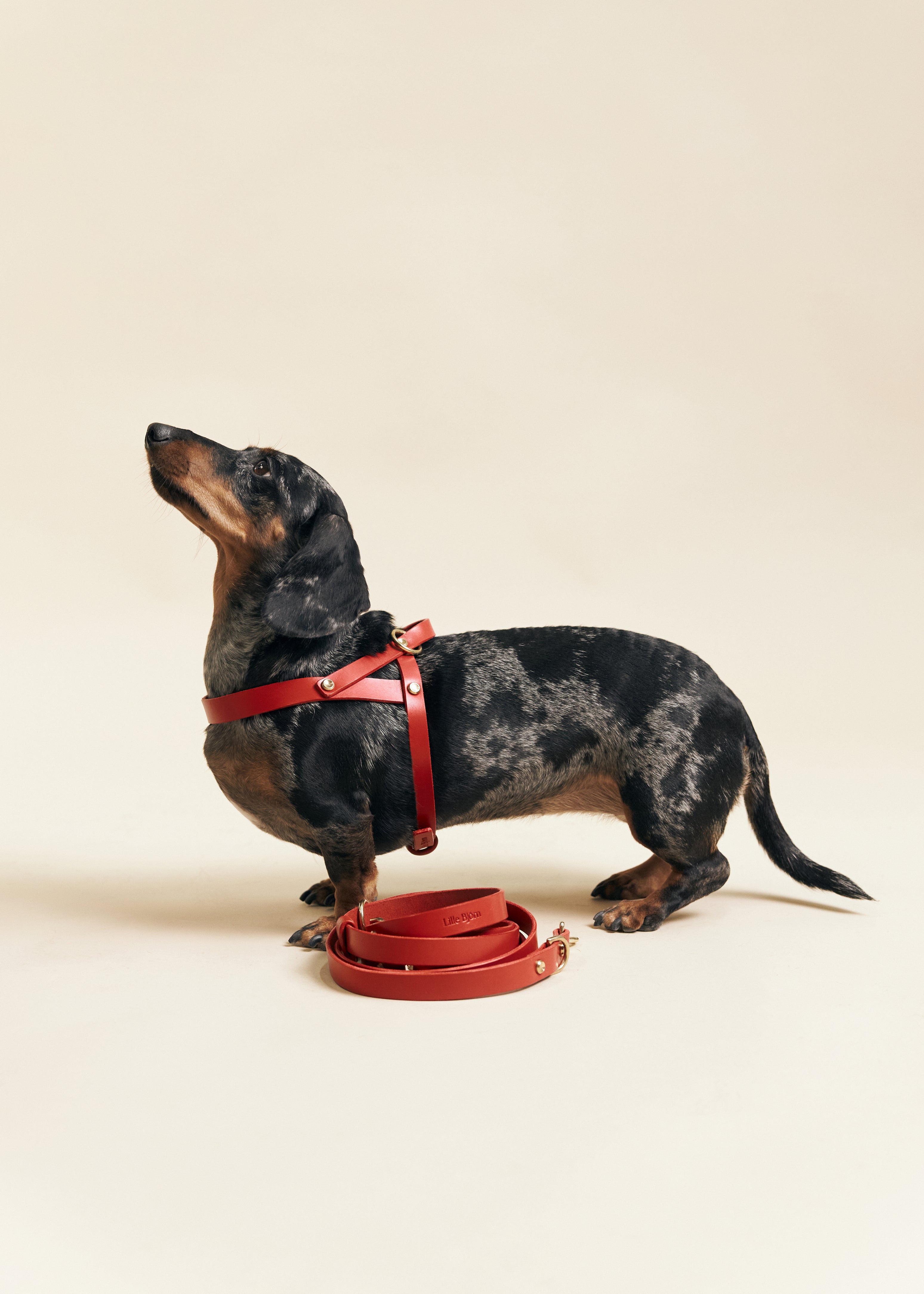
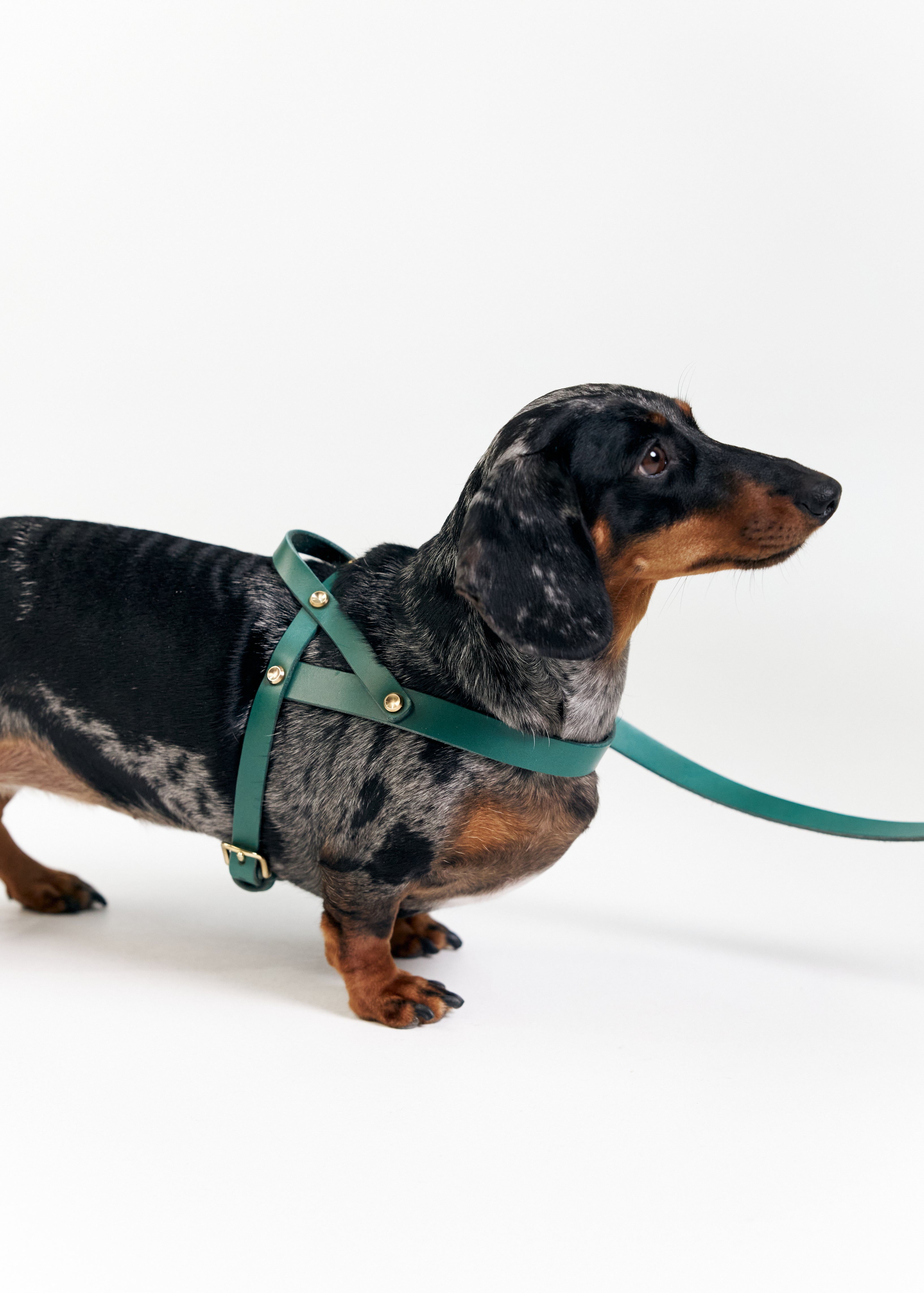
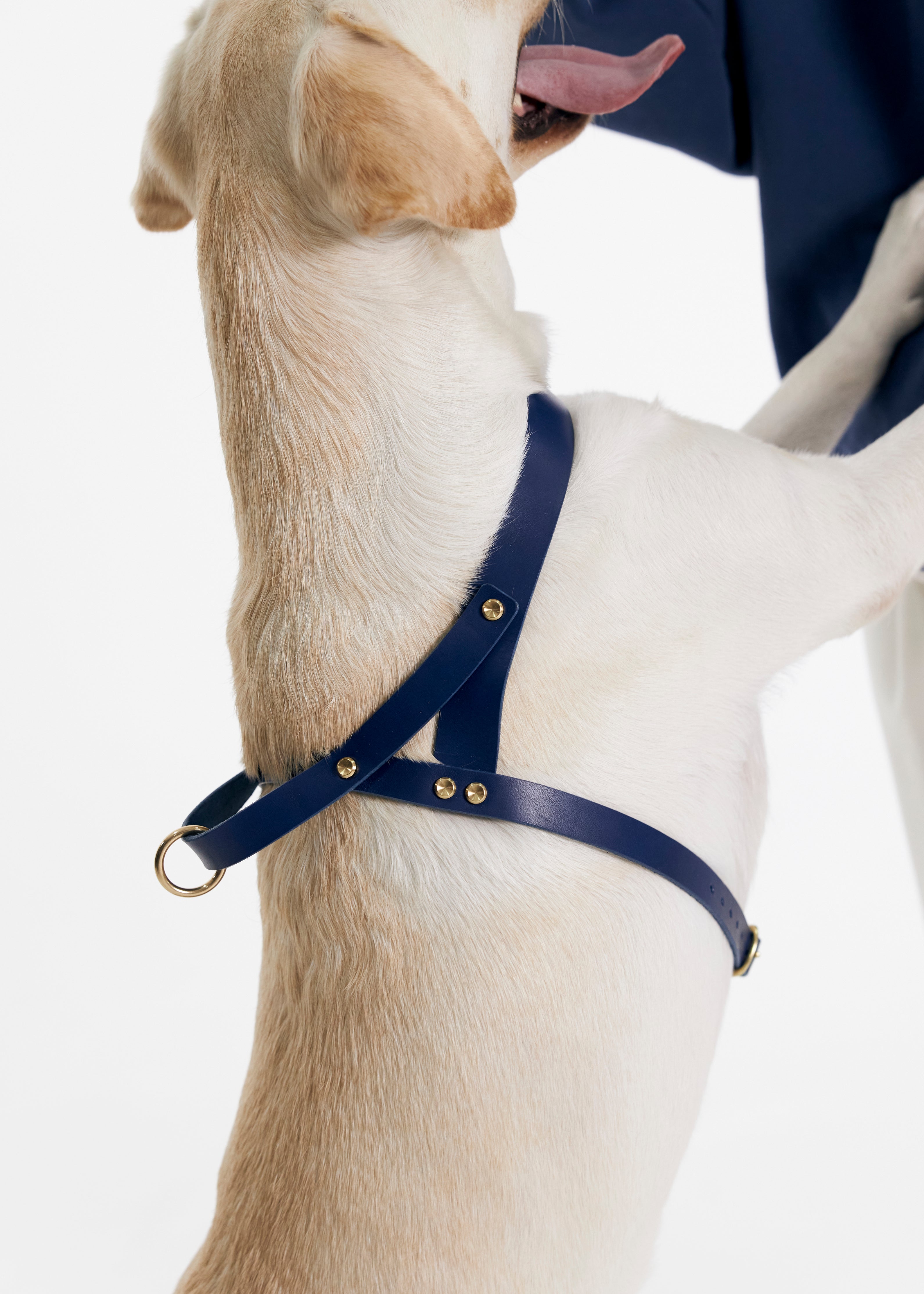
Harnesses can be a great accessory, particularly for taking those first outdoor adventures with your furry friend. They are particularly ideal for pups who like to pull, for sensitive breeds that are at risk of tracheal problems, and for training sessions in general.
It's crucial to remember, though, that collars play an absolutely vital role. They hold essential ID tags, they promote good routine, and they are the first step in teaching your puppy how to be comfortable when wearing gear.
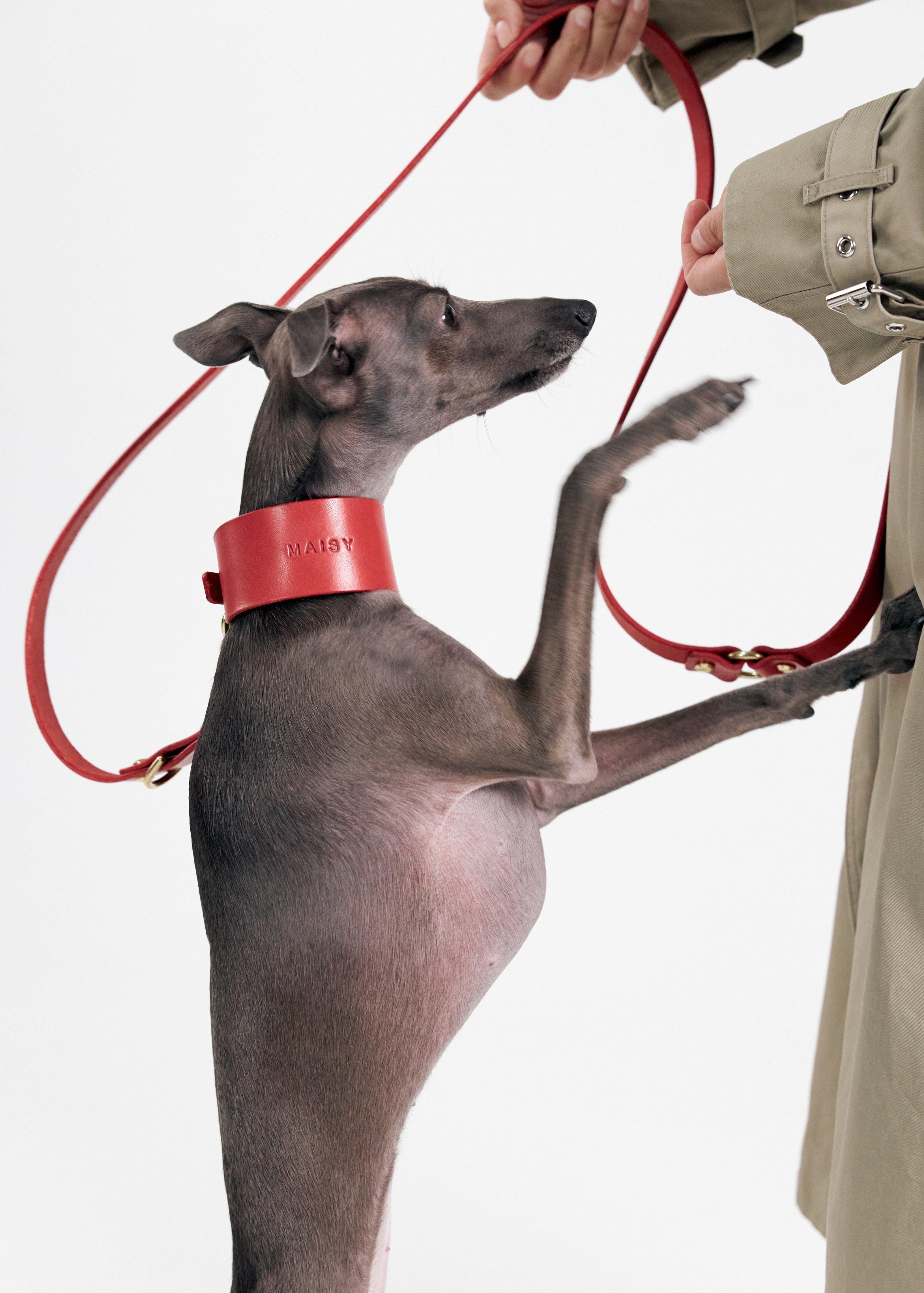
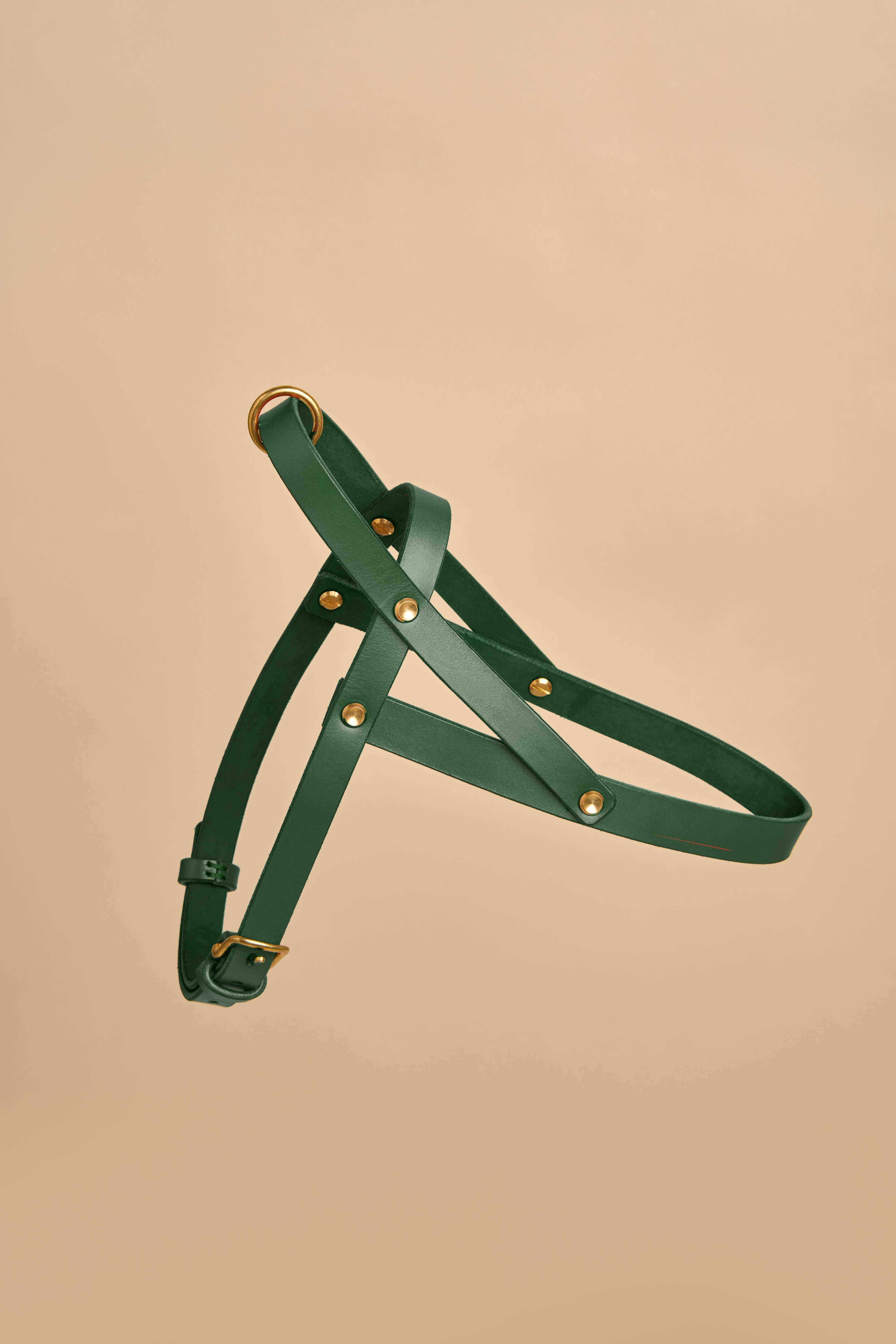
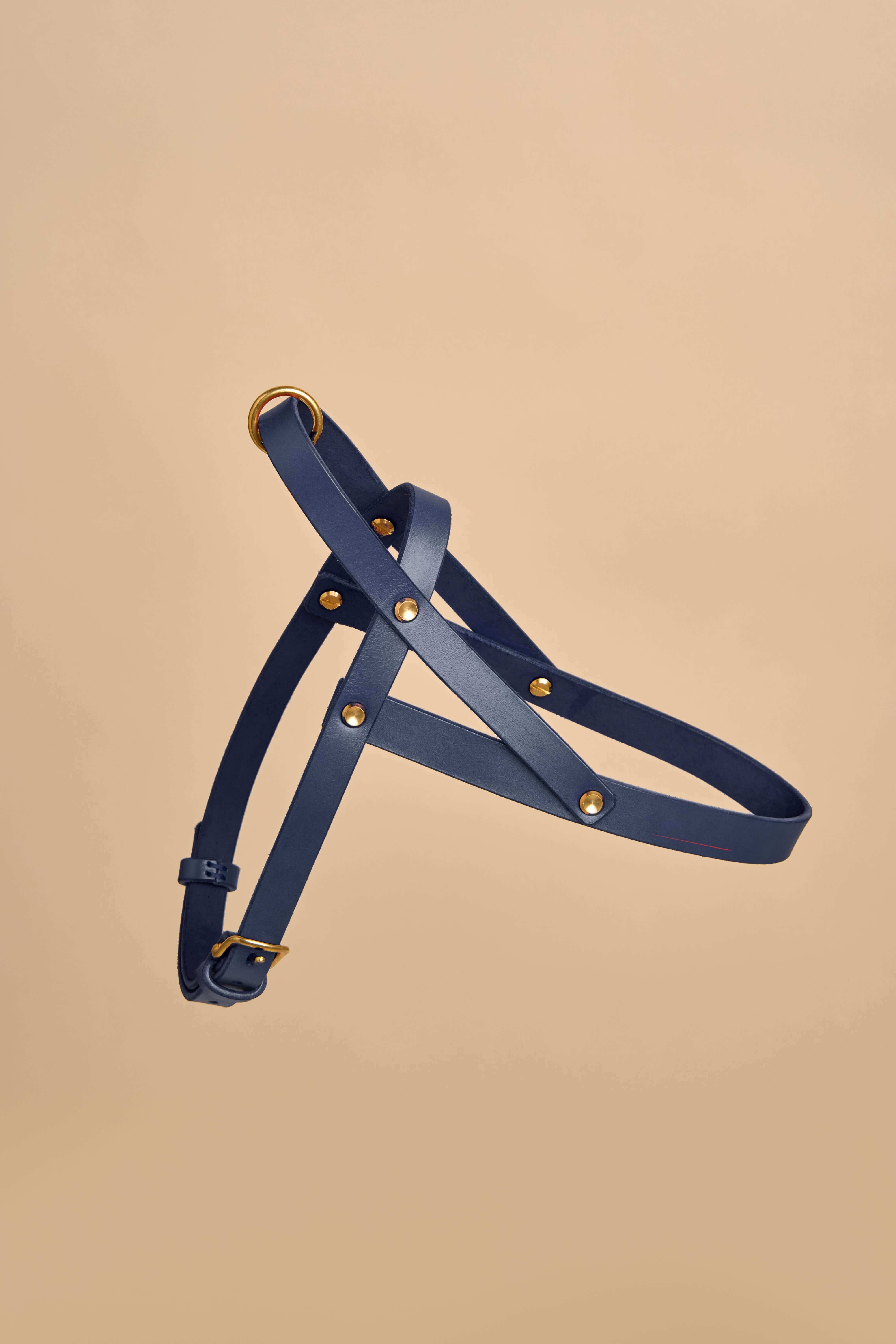
Something like our Vero Harness paired with a leather collar for puppies is the perfect product combination for safety and style.

Final Tips for Puppy Collar Success
For the best care and comfort, look no further than this simple checklist:
- Weekly fit check.
- Regular cleaning with a damp cloth, there is no need to soak it.
- Monthly use of a good quality leather conditioner.
- Adding a name tag that has deep laser engraving.
The great news is that our recycled brass tags are both stylish and strong. They won't chip, fade or tarnish, even during the muddiest of puppy play adventures!
Frequently Asked Questions: Leather Collars for Growing Puppies
Can puppies wear leather collars?
Yes, provided the leather is thin, soft, and vegetable-tanned rather than thick, stiff chrome-tanned or bonded leather. Vegetable-tanned leather is naturally hypoallergenic, contains no chromium compounds or synthetic dyes, and softens quickly with daily wear. It is appropriate from 8 weeks of age. Thick, rigid chrome-tanned leather and bonded leather are not suitable for puppies.
When should a puppy start wearing a collar?
Between 7 and 9 weeks of age for most puppies. This coincides with when puppies typically arrive home and allows early introduction to the sensation of wearing gear before leash training begins. Start with short supervised sessions of 10 to 15 minutes and build up gradually over 1 to 2 weeks. Remove the collar during crate time, sleep, and unsupervised play until the puppy is fully comfortable.
What size collar does a puppy need?
Measure the puppy's neck circumference with a soft tape measure at the base of the neck, with two fingers of slack. Match to The Lille Björn's size chart: XXS for 17-22 cm, XS for 22-27 cm, S for 27-32 cm, M for 32-37 cm, L for 37-42 cm, XL for 42-47 cm. Recheck every 2 weeks during the first 6 months. Large and giant breeds may need to recheck every 10 to 14 days during active growth phases.
How often do you need to replace a puppy collar?
With an adjustable belt-hole leather collar, you typically do not need to replace it until the last adjustment hole is reached. For most small and medium breeds, this means 3 to 6 months of use from the starting size. For large and giant breeds growing rapidly in the first year, 2 to 3 collar sizes may be needed before reaching adult dimensions. The advantage of an adjustable design is that you move to the next hole rather than buying a new collar at each growth stage.
Is leather better than nylon for a puppy collar?
Vegetable-tanned leather is better for everyday wear on a puppy that has been introduced to collars and is past the heaviest chewing phase. It is more skin-safe (no synthetic dyes, no chromium), more breathable, naturally antibacterial, and lasts significantly longer. For the very first weeks of collar introduction at 7 to 8 weeks, a soft lightweight collar of any non-toxic material including nylon works well. Upgrading to vegetable-tanned leather as the main collar from 8 to 10 weeks is entirely appropriate.
How tight should a puppy collar be?
The two-finger rule applies at every age: with the collar buckled at the correct hole, two flat fingers should slide between the collar and the puppy's neck with light resistance. If you cannot fit two fingers, the collar is too tight. If two fingers slide through freely and the collar moves independently of the neck, it is too loose. Recheck every week for the first 6 months, and immediately after any grooming appointment where coat thickness changes.
Should a puppy wear a collar all the time?
During supervised waking hours, yes. A collar worn consistently during the day builds routine association and ensures identification tags are always present. Remove the collar during crate time, sleep, and unsupervised play for the first few months. The entanglement risk from an unsupervised collar is small but real for young puppies who have not yet learned to avoid hooking their jaw or paw in the collar during play.
The Right Collar From Day One
A puppy's first collar is not a temporary purchase to be replaced when they grow up. A correctly chosen vegetable-tanned leather collar, adjusted regularly as the puppy grows, can accompany them from their first week home through their adult years. The material improves with wear, the fit adjusts with the buckle, and the collar becomes part of their identity rather than something they tolerate.
Browse The Lille Björn's leather collar collection and pair with a deep-engraved brass ID tag for a complete first collar setup that is built to last.