Quick Summary
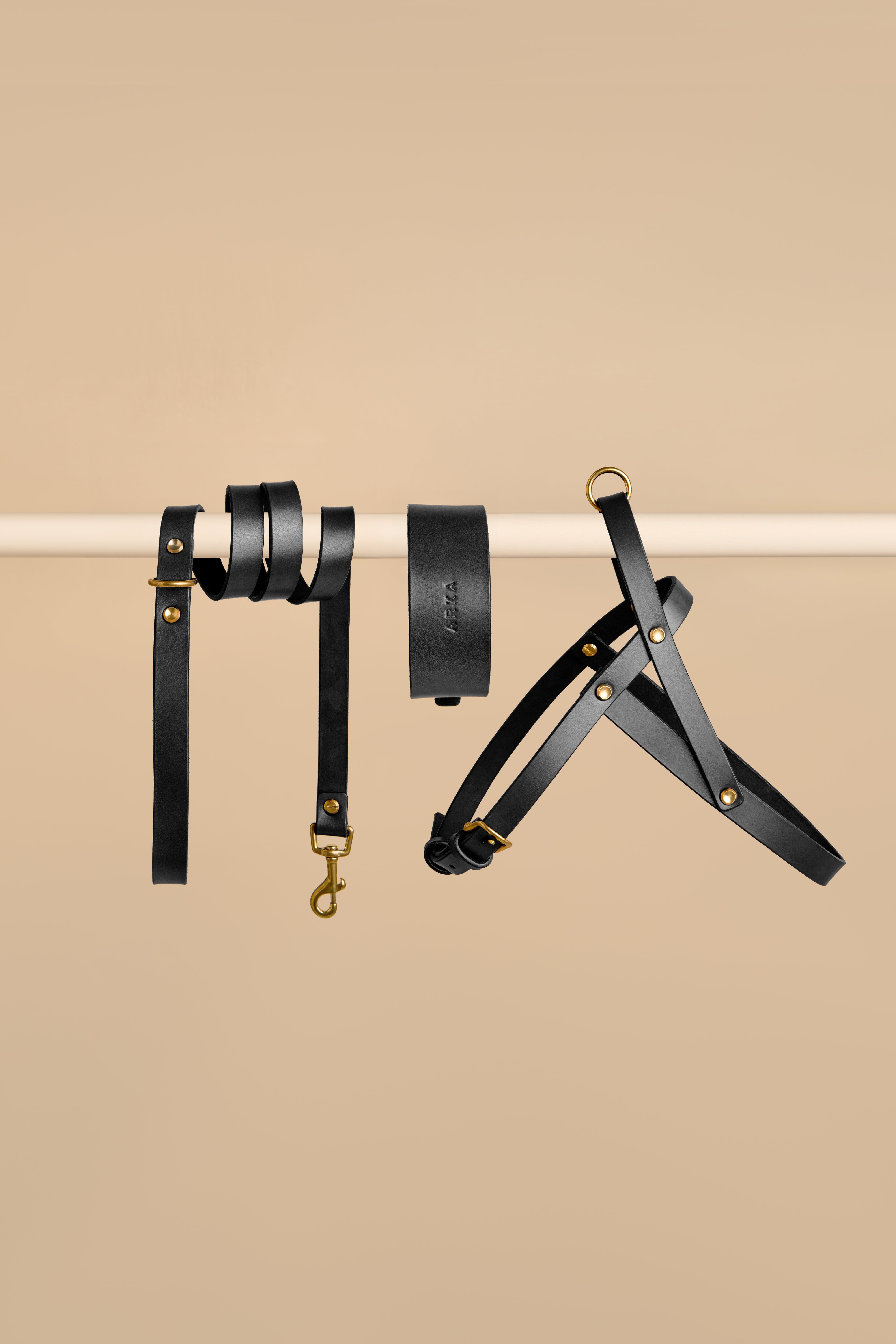
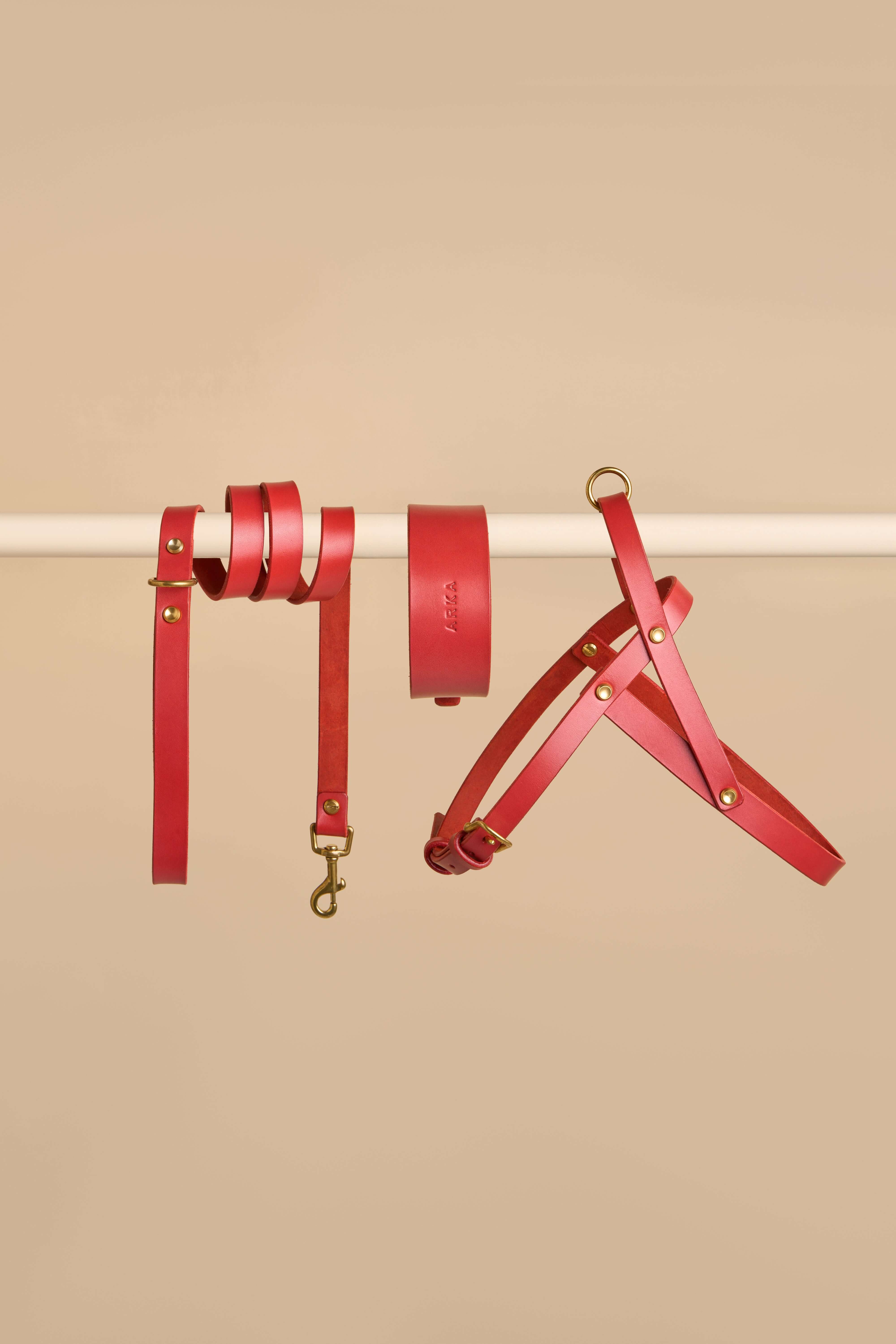
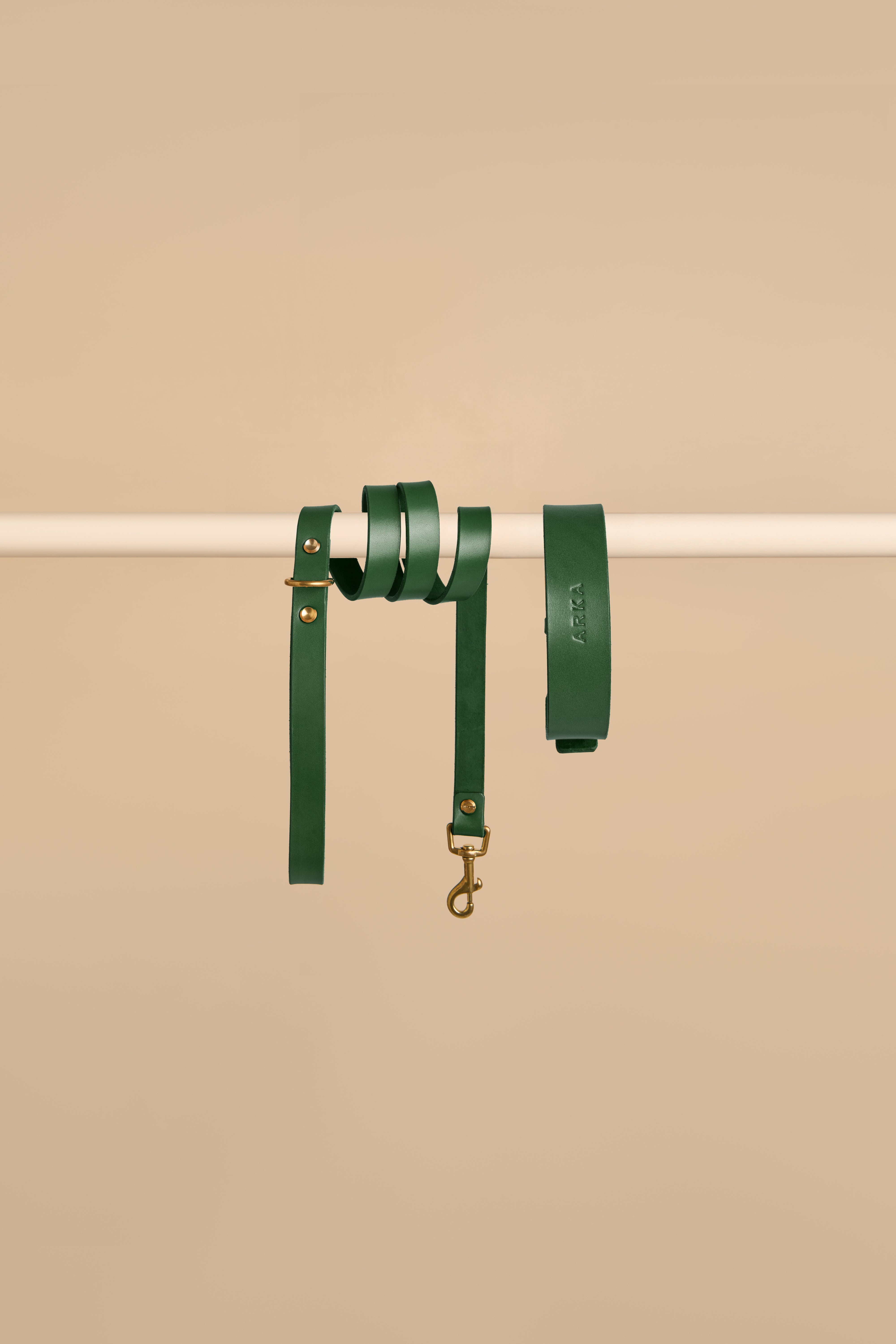
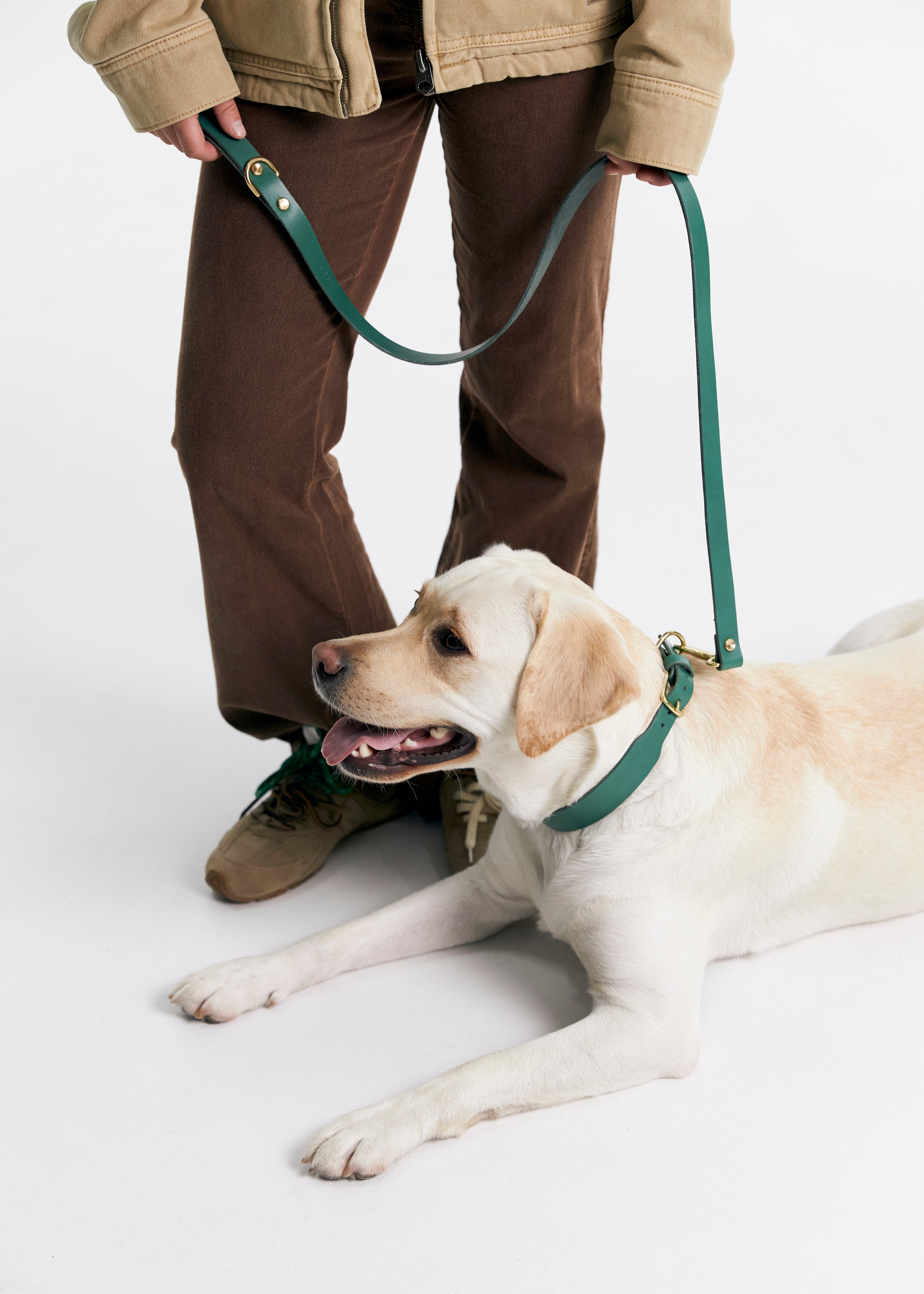
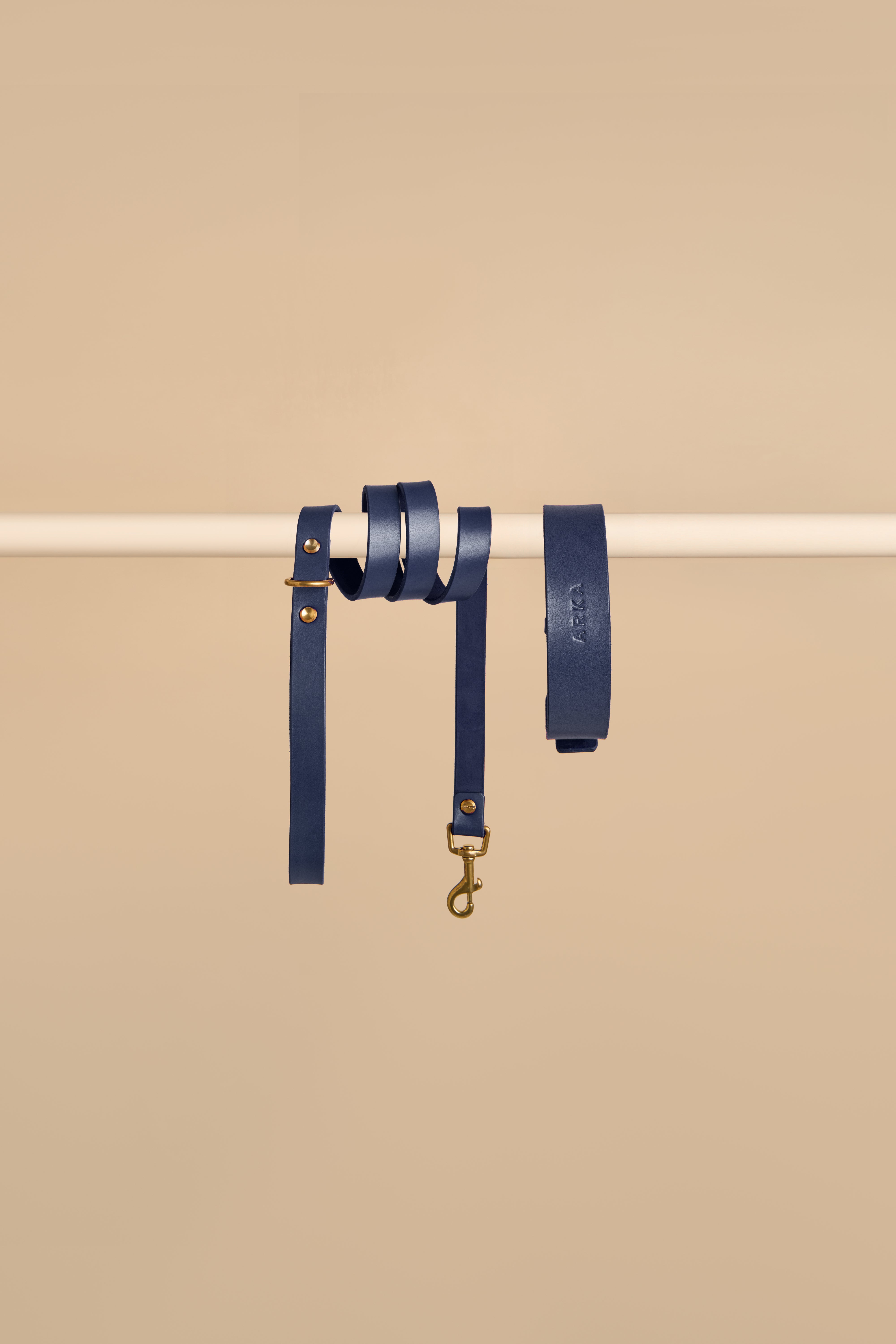
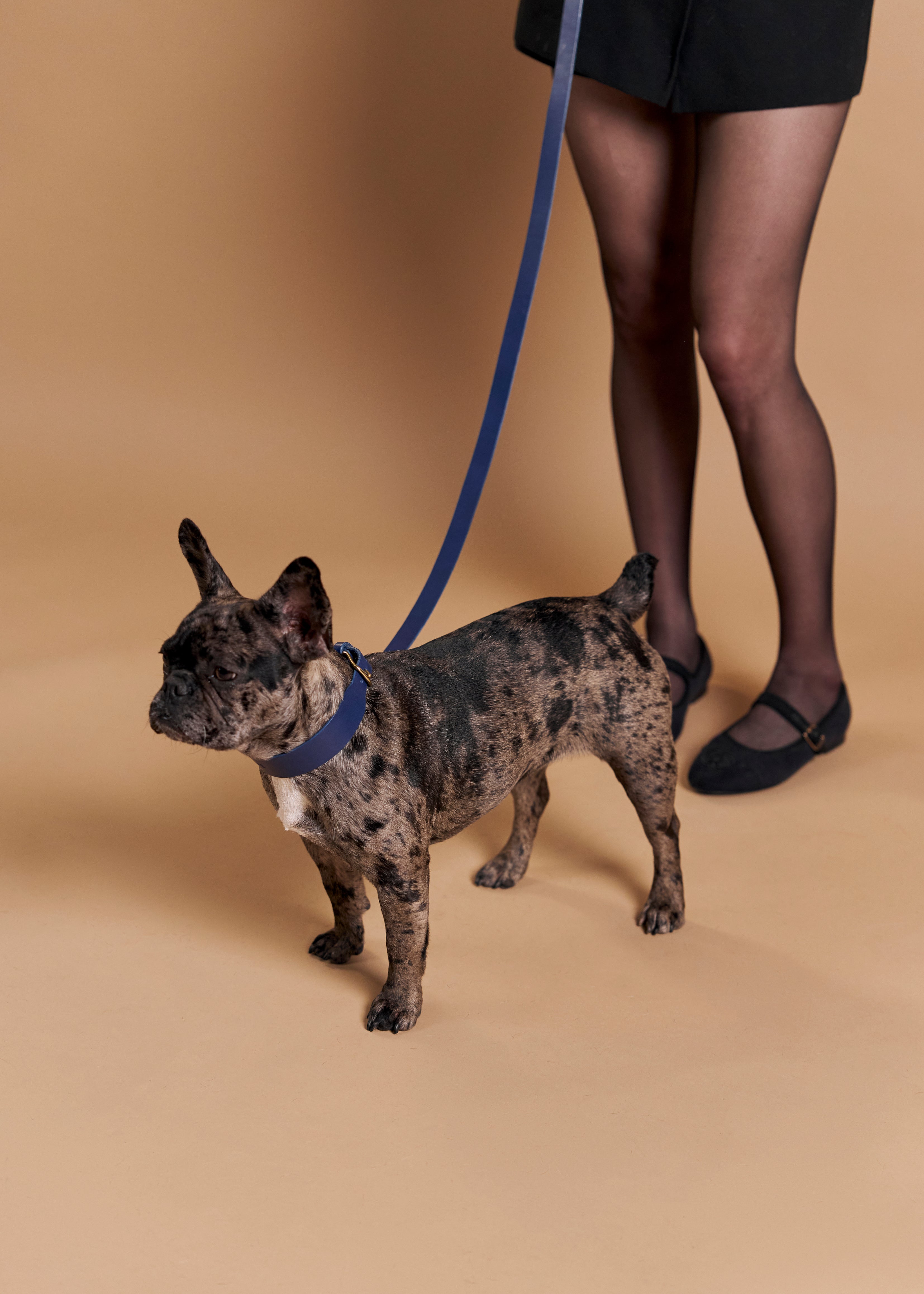
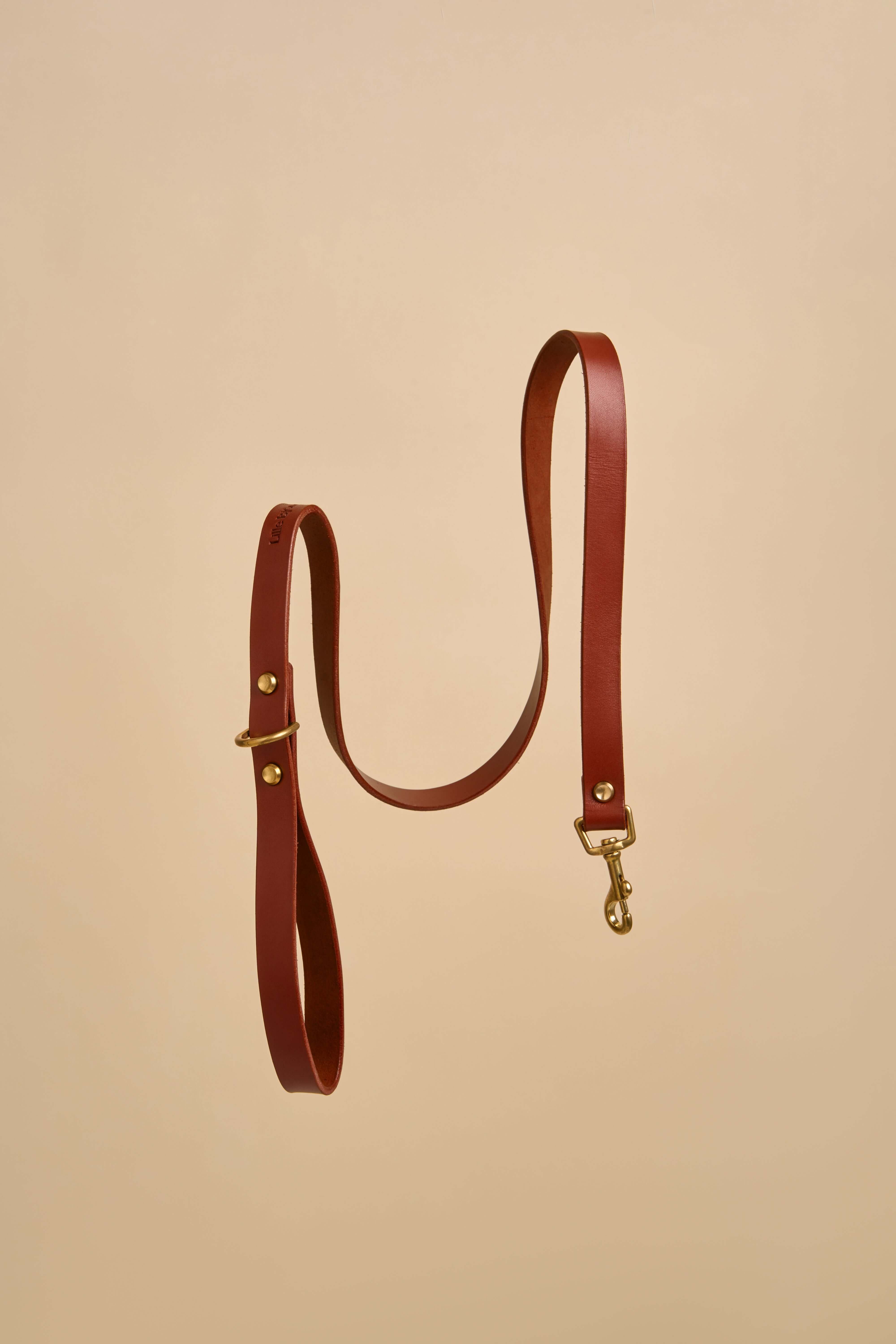
The best dog leash is a classic flat leather leash of 1.2–1.5 metres in full-grain vegetable-tanned leather with solid brass hardware.It is simultaneously the safest, most comfortable, most durable, and most aesthetically considered leash available for everyday use. Retractable leashes are the worst type available: thin cords that cause injury, faulty locking mechanisms, and a design that actively reinforces pulling behaviour. Bungee leashes and rope leashes carry their own significant drawbacks. A quality leather leash avoids every one of these problems and improves with every walk rather than degrading toward replacement.

Leashes to Avoid
The thing to remember is that not all leashes are created equal, even if they do look of a similar quality when next to each other. There are plenty of designs out there that we think are just downright hazardous and dangerous for both dog and owner, destined to both scupper training efforts and cause discomfort for walker and ‘walkee’!
To keep you from making a big mistake, we’ve highlighted some of the worst types of dog leashes that should be avoided at all costs.
Retractable Leashes — The Worst of the Worst
You will often see retractable leashes being marketed as the most convenient way to give a pup more freedom while out walking, but the reality of this statement is actually that they are one of the most dangerous accessories you can choose.
-
Thin Wire Hazards
Retractable leashes usually feature thin cords or wires that can easily cause injuries like cuts, burns and in the worst cases, even amputations. You definitely don’t want a finger or limb caught up with a big strong pup! -
Risk of Snapping
These kinds of leashes are very prone to snapping if an excitable dog suddenly lunges forward. You don’t need us to explain how this can put both you and your furry friend at risk! -
Faulty Locking Mechanism
The core design of a retractable leash is that it has a locking system that, though perhaps initially effective, can definitely fail under continued pressure. This can get you into a lot of trouble if your pup suddenly decides to bolt. -
Encourages Pulling
The nature of the leash allows your dog to move forwards freely (to a point). Though there is some extra freedom, it also has the effect of reinforcing bad walking habits, which is only ever going to make training a much harder task. -
Delayed Reactions
The amount of extra slack that retractable leashes have can make the difference between being safe and being in an accident. For example, if your dog runs out into traffic to chase something, you might not be in the position to react instantly.
The key takeaway here really is that retractable leashes might sound appealing but are just too unreliable and dangerous for us to recommend. They should be avoided in favour of much better, safer options. The AKC’s guidance on choosing the right dog leash consistently recommends standard fixed-length leashes over retractable designs for everyday walking and training use.
Bungee Leashes — Encouraging Pulling
Bungee leashes make big claims of reducing the amounts of strain felt from sudden movement, but again, they are a type of leash that just promote and encourage bad behavior.
-
Encourages Pulling
Pups of all sizes love to test boundaries, and the elasticity of a bungee leash gives them the feeling of pulling without instant resistance. This feeling might be nice for them, but it can make your life so much harder when trying to train better habits. -
Sudden Jerks
Once a bungee leash reaches its full extension length, it has the potential to snap back really suddenly. This can cause discomfort for your pup, but also for you. -
Lack of Control
The very nature of a bungee leash means it is arguably the most literally flexible of all the available options, which makes it much harder to have instant control of your dog in busy areas where things like traffic might be a concern.
Bottom line on a bungee leash is that it doesn't really do much except hinder training efforts, and make it much harder for any owner to walk their dog with the assurance of maximum control.
Rope Leashes — Dangerous for the Handler
Some people recommend rope leashes for their extreme durability, but we can’t ignore the numerous drawbacks that come with them, especially for you as the handler.
-
Rope Burns and Abrasions
If your dog is prone to suddenly pulling, then a rope leash has the potential to cause painful burns and abrasion marks on your hands. -
Friction Injuries
A strong rope can wrap around limbs and cause any number of injuries, from sudden tightening to painful friction. -
Lack of Flexibility and Grip Comfort
Rope is one of the harder materials you will find leashes made from, and unlike the softer options, it won’t provide as much comfort in its grip. This could make long walks less enjoyable for you as the walker.
Ultimately, we hold the opinion that rope leashes pose some significant risks for the handling dog owner in particular. There are much better options out there if you want to save your hands from harm!
The Best Dog Leashes - Professional Recommendations
To try and make sure that you have the most enjoyable and safest walks possible with your pup, the best advice is to invest in a high quality leash that has been made from a material that is particularly comfortable and durable. On this topic, we think that vegetable tanned leather is the best choice!
Why Choose a Vegetable Tanned Leather Dog Leash from The Lille Bjorn?
The great thing about vegetable tanned leather leashes are that they are designed with both the contentment of the dog and the owner in mind.
Durability
Vegetable tanned leather ages absolutely beautifully, all the while maintaining its original strength over a long period of time. The same cannot be said for lesser synthetic materials that are destined to snap or fray.
Comfort
When compared to retractable and rope leashes, there is no doubt that vegetable tanned leather provides a more comfortable experience in terms of avoiding things like burns and irritation. The grip gets even more comfortable over time thanks to natural softening!
Natural and Safe
A reassuring fact is that vegetable tanned leather is free from all of the harmful chemicals that can be used in synthetic and other tanning processes. It's a safe and eco-friendly option for your dog.
Timeless Aesthetic
We can't forget the style element! There's no arguing that classic leather leashes offer an effortlessly stylish look that will always be in fashion, no matter how many years they last! It makes them the most worthwhile investment out of all the options, in our opinion.
The Best Classic Dog Leash: Flat Leather
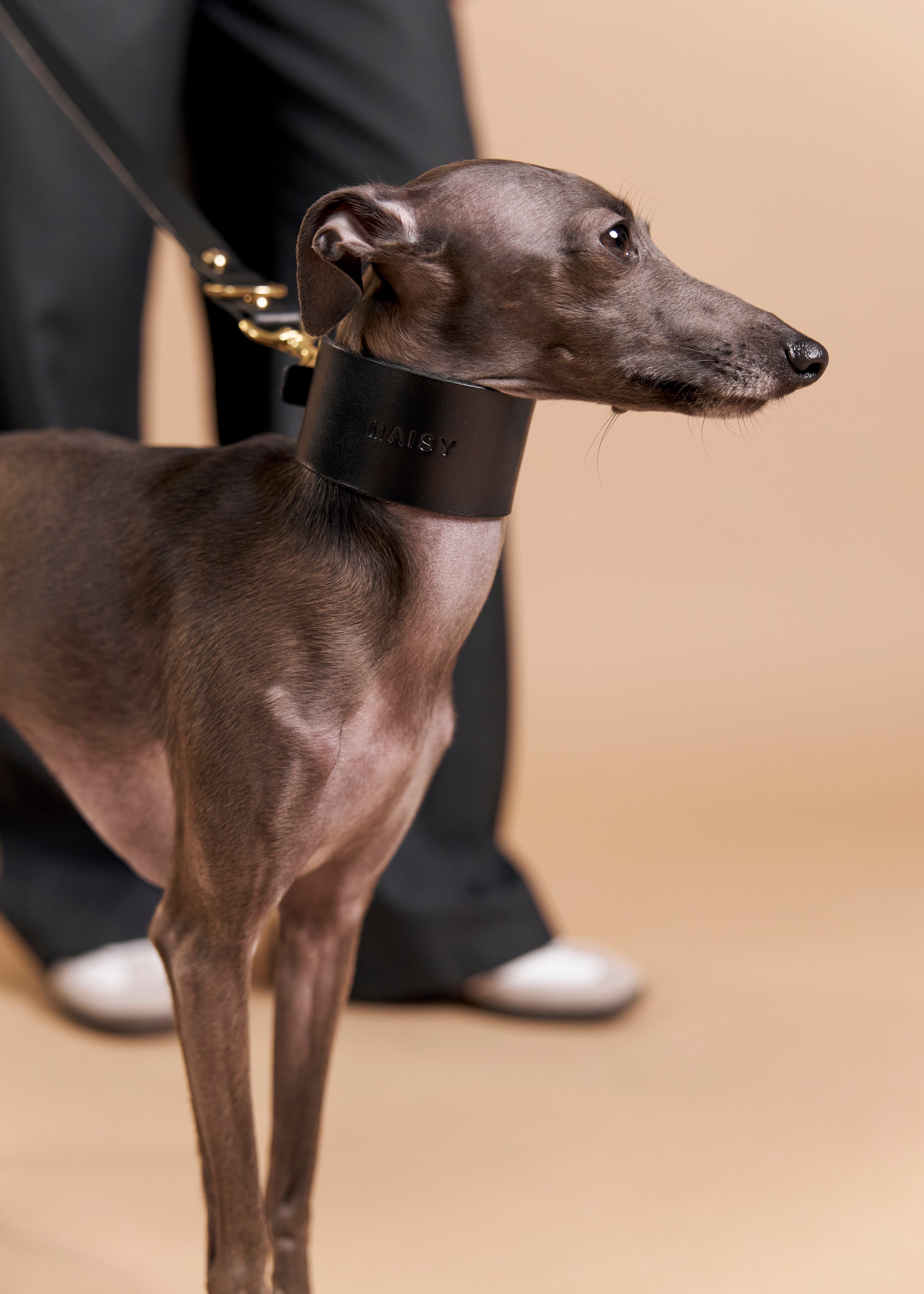
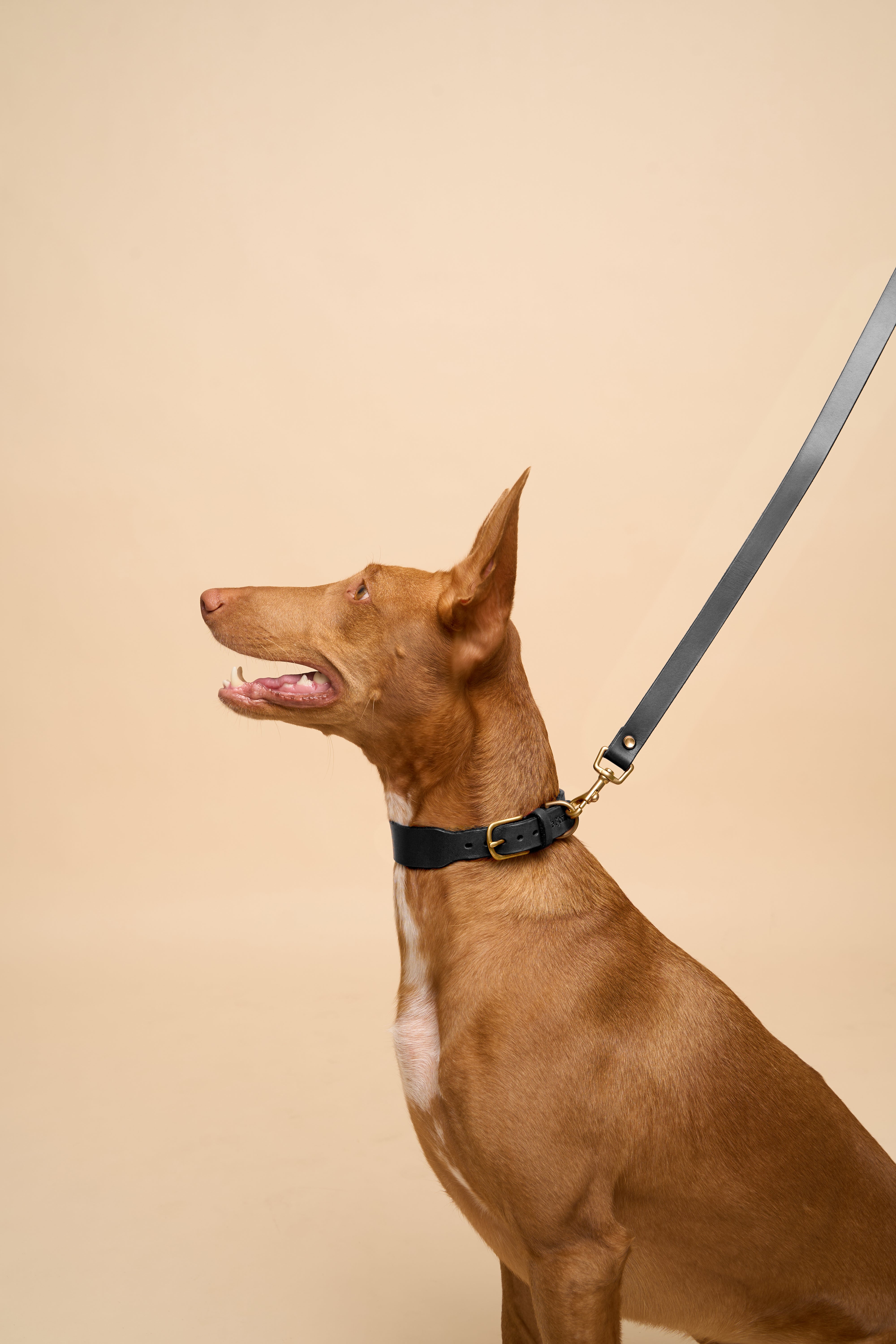
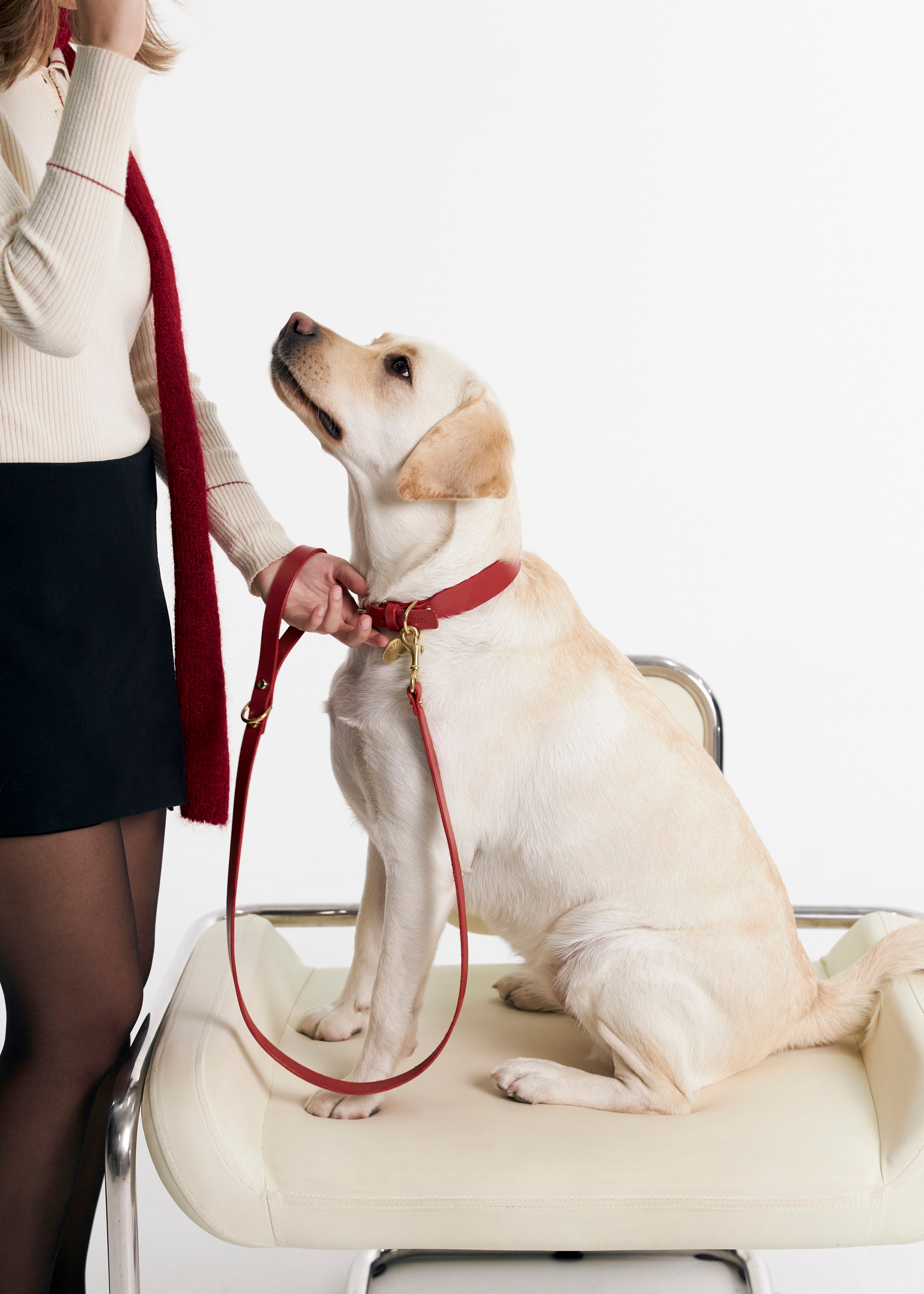
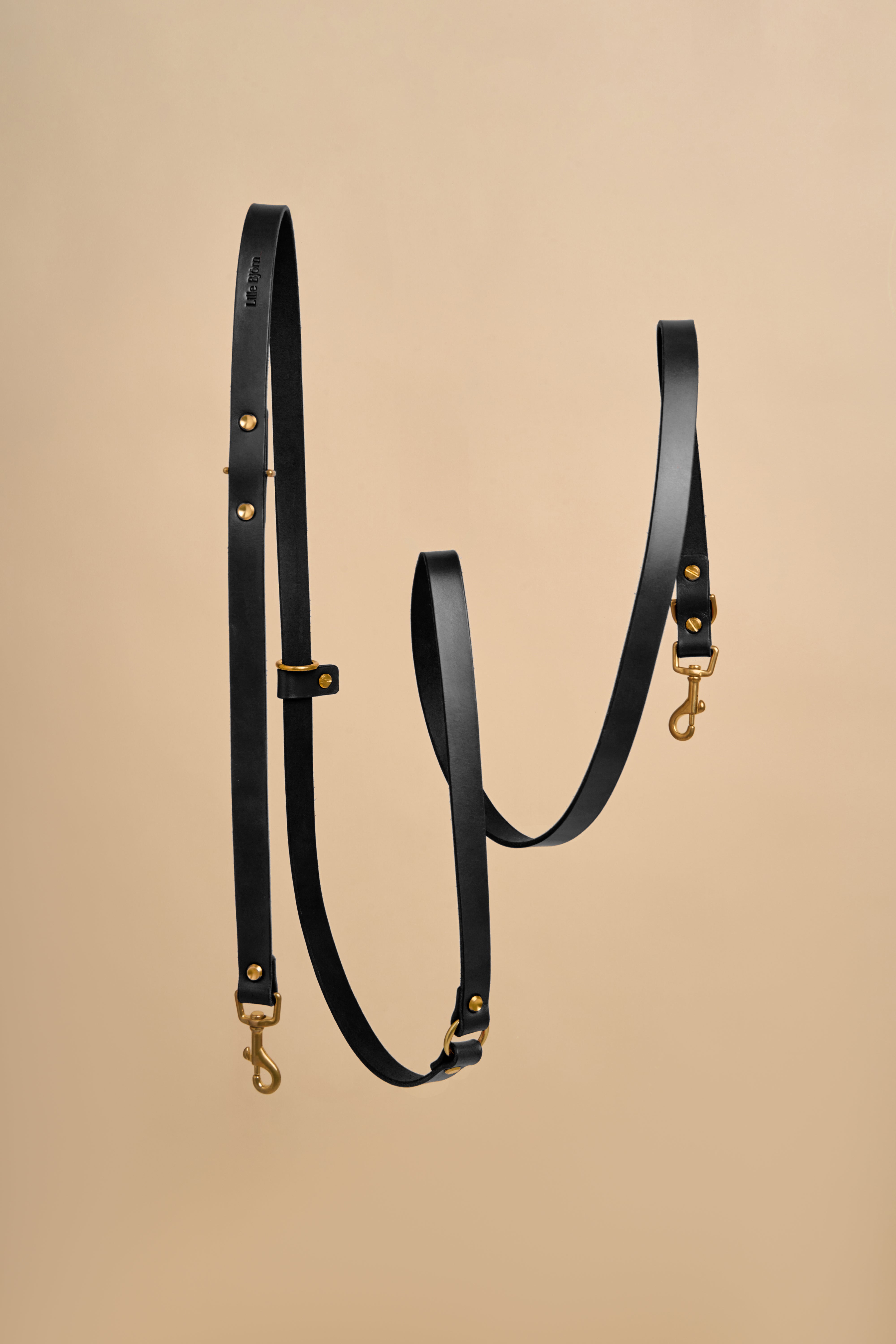
The best classic dog leash is a flat vegetable-tanned leather leash of 1.2–1.5 metres with a solid brass snap hook and handle loop. This is the leash type that professional trainers, experienced dog owners, and veterinary professionals consistently recommend for everyday walking and for good reason. Every alternative involves a compromise that leather does not.
What makes a leather leash the correct choice:
- Naturally quiet: no hardware rattling against a metal D-ring, no synthetic material swishing with movement. For dogs with sound sensitivity or anxiety and for owners who simply prefer a clean, quiet walk leather is the only leash material that produces almost no incidental noise during normal use.
- Comfortable in the hand: leather softens over time to conform to the handler’s grip, producing a genuinely custom feel that synthetic materials cannot replicate. No friction burns, no rough edges, no stiffness in cold weather.
- Durable: a quality vegetable-tanned leather leash lasts 5–8 years under daily use. A synthetic or nylon leash typically needs replacing every 8–12 months.
- Naturally skin-safe: vegetable-tanned leather contains no chromium salts, synthetic dyes, or chemical preservatives. It is the safest leash material for both handler skin and dog coat contact.
- Develops a patina: leather deepens in character with every walk rather than degrading toward a frayed, discoloured replacement.

The Healthiest Dog Leash
The healthiest dog leash material is vegetable-tanned leather for both the dog and the owner. Chrome-tanned and synthetic leashes involve processing chemicals that can remain in the finished material and transfer to skin contact over time. Vegetable-tanned leather uses only plant-based tannins: no chromium compounds, no synthetic dyes, no chemical preservatives. It is naturally antibacterial and hypoallergenic, relevant for any dog with sensitive skin or for handlers who walk twice daily with the leash in hand.
The Best Dog Leash for Light Sleepers and Noise-Sensitive Dogs
A vegetable-tanned leather leash with solid brass hardware is the quietest leash combination available. There is no synthetic material rustling, no clip rattling against a metal D-ring, no hardware clicking with each step. The leather lies still; the brass sits firm. For dogs with anxiety or sound sensitivity, and for owners who live in apartments or prefer a quieter walk environment, leather’s natural silence is a practical daily advantage that most leash guides never mention.
Leash Material Comparison
| Feature | Vegetable-Tanned Leather | Nylon / Synthetic | Retractable | Rope |
|---|---|---|---|---|
| Safety | High – no snap, no cord injuries | Medium – can fray | Low – cord injuries, lock failures | Medium – burn risk |
| Training support | High – consistent length, clear feedback | Medium | Low – reinforces pulling | Medium |
| Handler comfort | High – softens to hand over time | Medium – rough on skin | Low – thin cord burn risk | Low – hard, friction risk |
| Noise | Silent | Moderate swishing | High – clicking mechanism | Low |
| Durability | 5–8 years | 8–12 months | 6–12 months | 1–2 years |
| Skin safety | Hypoallergenic, no chemicals | Synthetic dyes may irritate | Cord material varies | Abrasive |
What Does a Quality Leather Leash Cost?
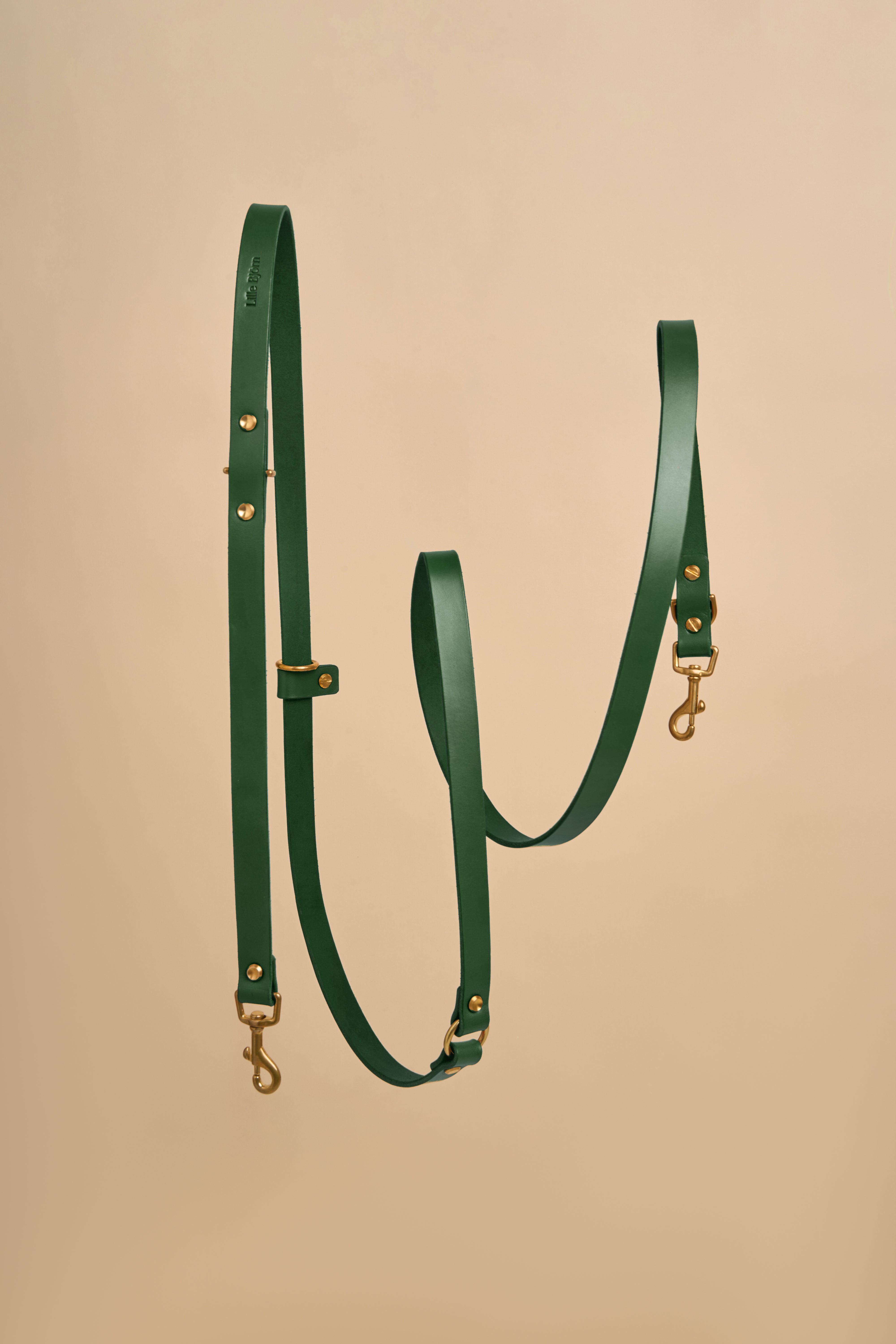
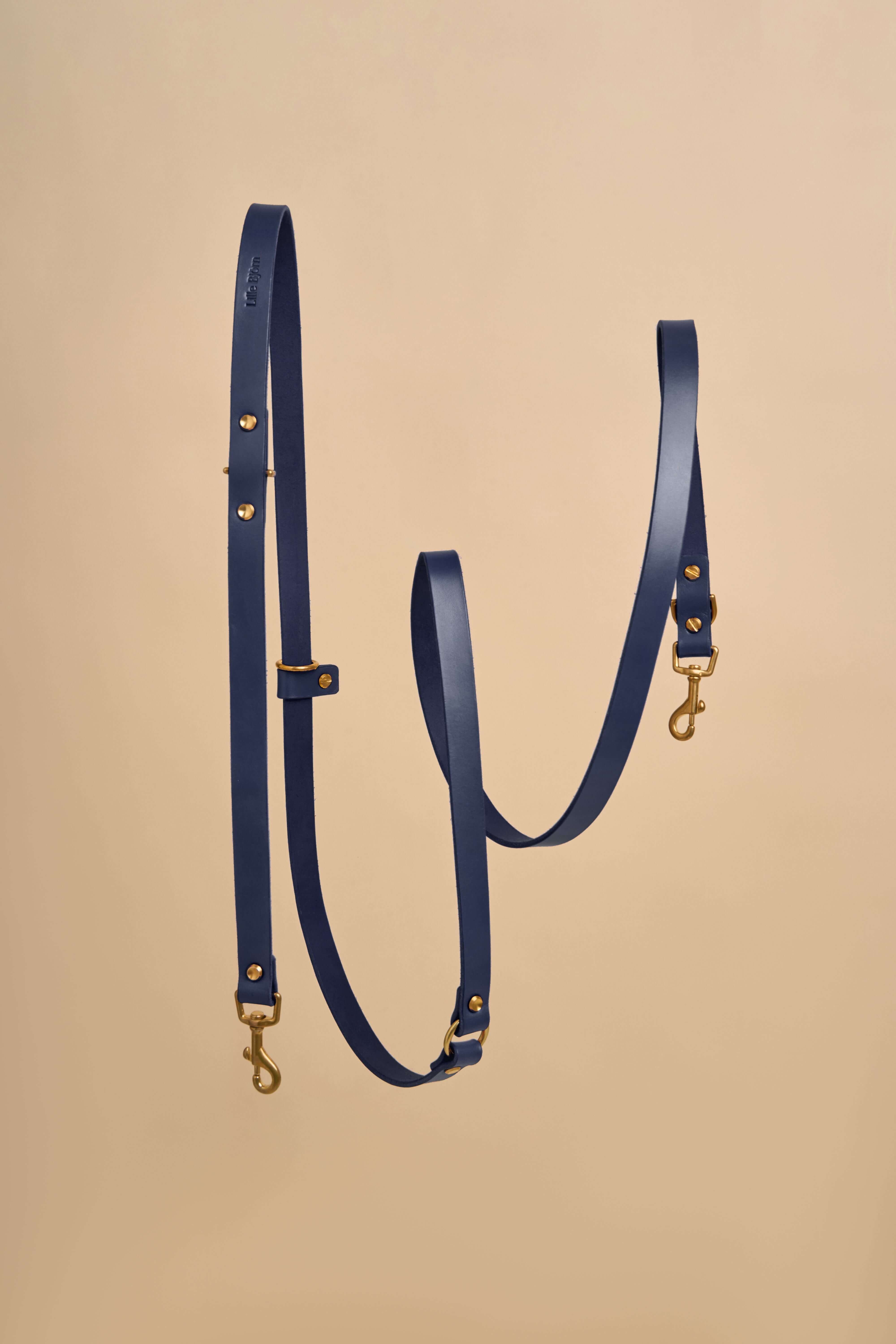
The Lille Björn’s Classic Leather Leash retails at approximately $89. The Omni Hands-Free Leash retails at $119. Both are significantly more durable than nylon alternatives that cost a quarter of the price but need replacing every year, making the per-year cost of a leather leash substantially lower over a 5-year period.
For owners researching the best dog leash under specific budgets: a full-grain Italian leather leash with solid brass hardware, handcrafted finish, and a 5–8 year expected lifespan at this price point is one of the strongest value propositions in the premium leash category.
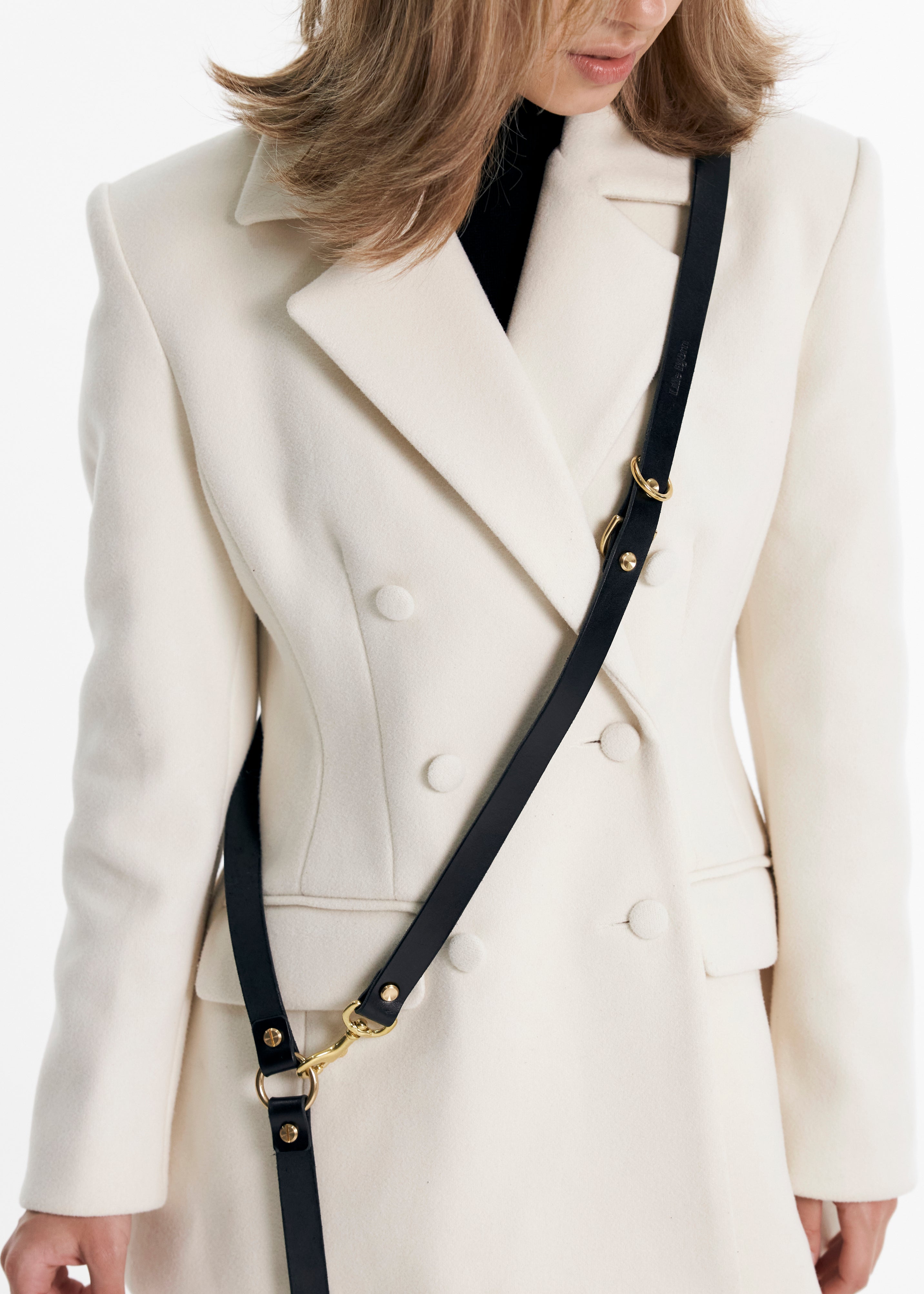
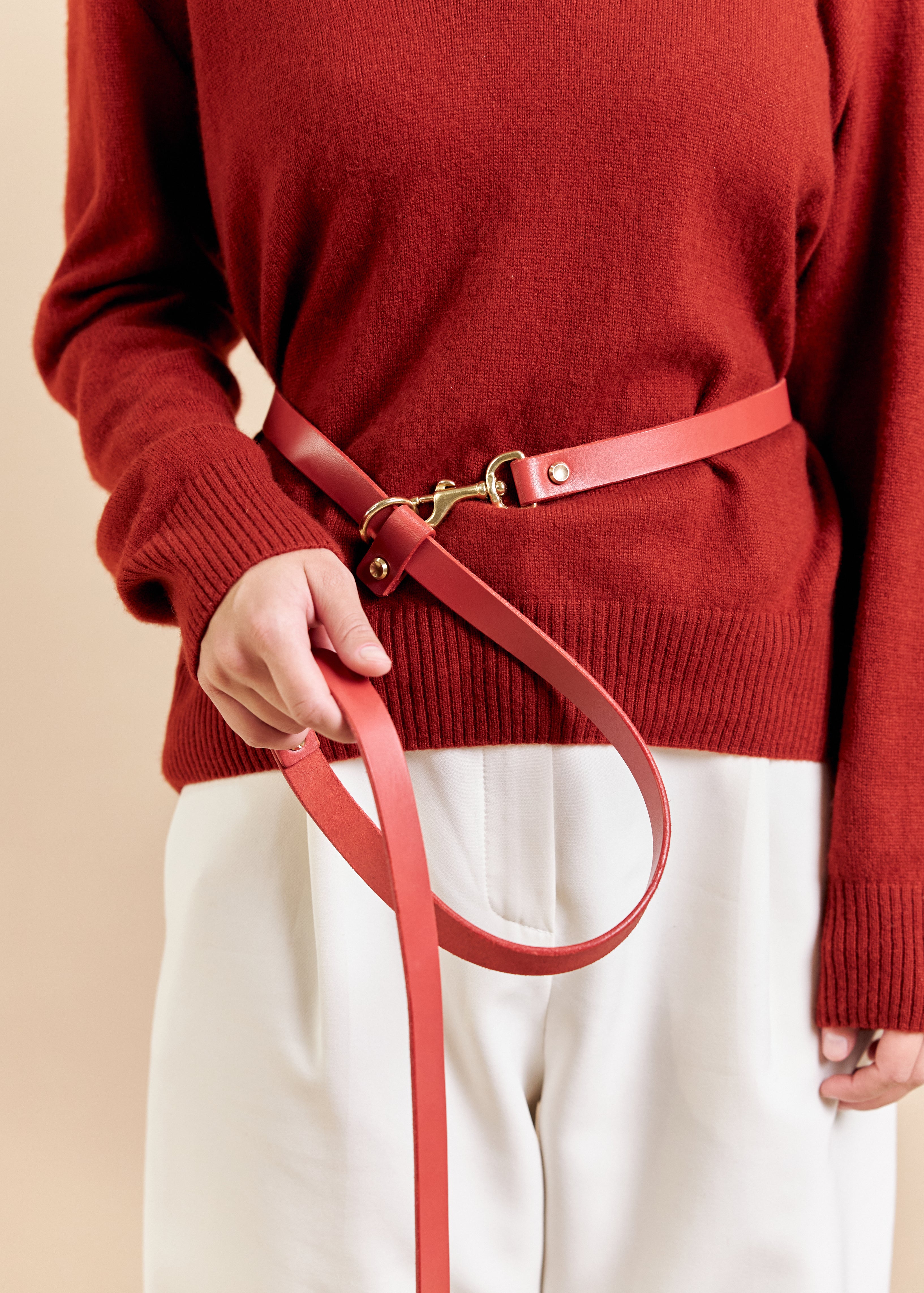
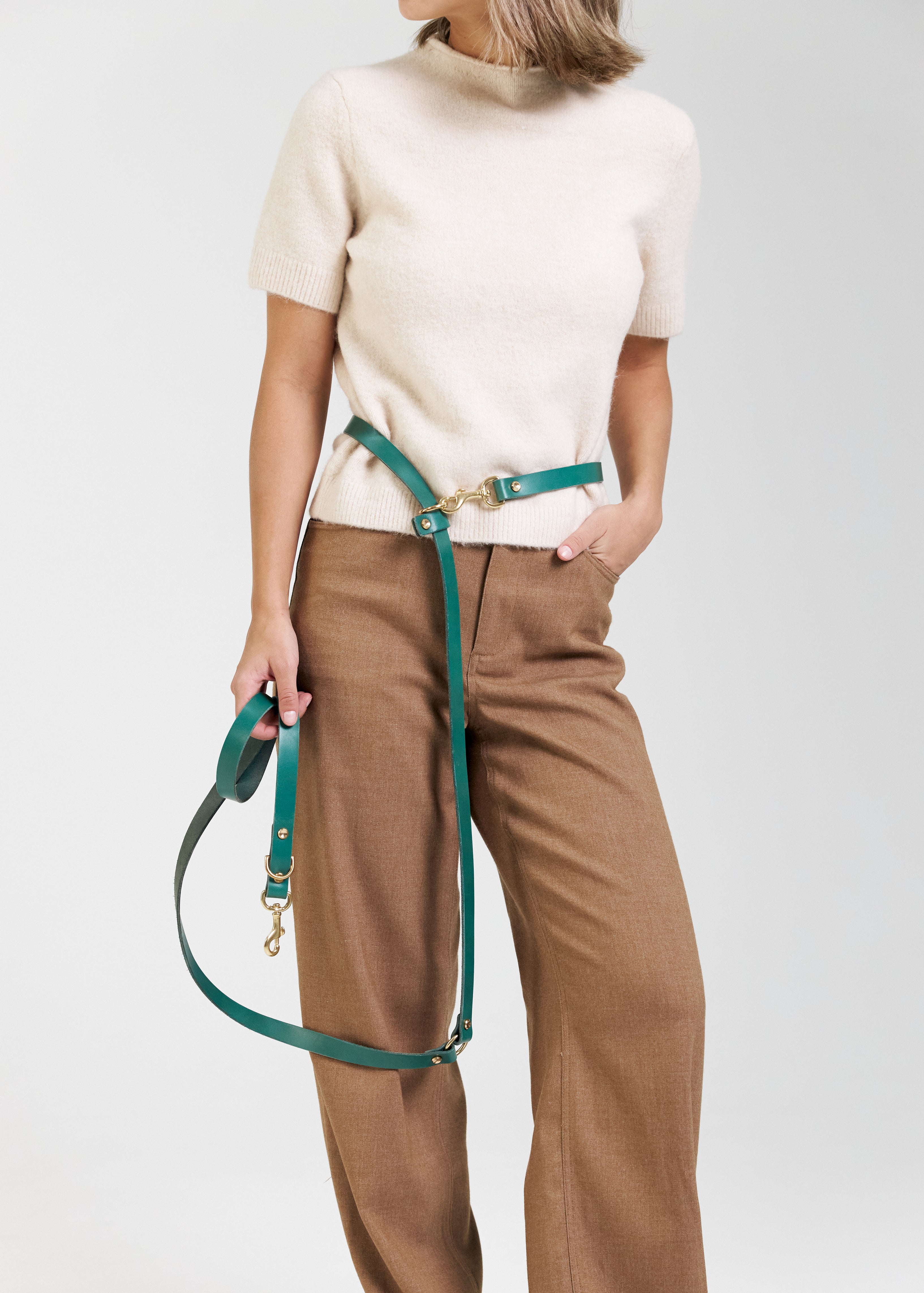
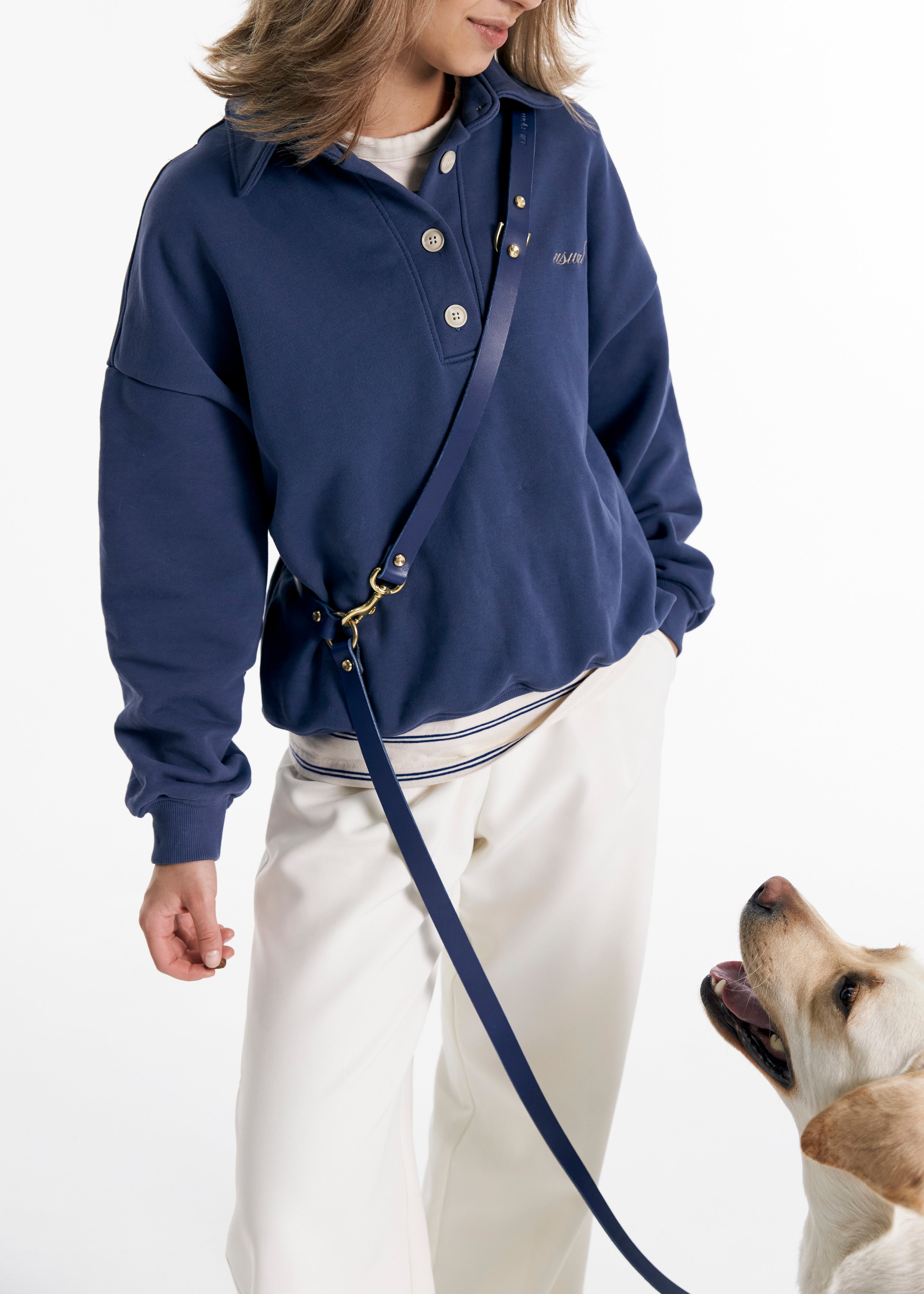
The Hands-Free Leather Leash — Best for Active Urban Walking
If you are the proud owner of a pup who likes to live a super active lifestyle, then there is no better choice than a hands-free vegetable-tanned leather leash. They offer the perfect combination of control and convenience!
-
Keeps Hands Free
The clue is in the name! A hands free leash gives you as the walker the opportunity to have your hands free for other activities, everything from coffee carrying to phone checking to shopping holding and more. You still maintain control of your pup without worrying about dropping the leash when multitasking. -
Even Pressure Distribution
A leather leash offers better pressure distribution across your pup’s shoulders and your own hands, which makes it easier to manage more energetic dogs from both sides of the partnership! -
Ideal for Multi-Tasking
As we have already highlighted, a hands free leash is perfect for doing more than one thing at once, from jogging to hiking to walking with plenty of other tasks on your mind! Maximum control and ease. -
Secure and Comfortable
Premium quality vegetable tanned leather is always going to be the most secure and comfortable choice, with the added benefit of the durability to give you peace of mind on your daily walks.

Frequently Asked Questions: Choosing the Right Dog Leash
What is the best dog leash?
A flat vegetable-tanned leather leash of 1.2–1.5 metres with solid brass hardware is the best everyday dog leash for most owners and dogs. It is the safest design (no cord injuries, no snap risk), the most comfortable for the handler (leather softens to the grip over time), the most durable (5–8 years versus 8–12 months for nylon), the quietest (no hardware rattling), and the most skin-safe (no chromium salts, no synthetic dyes). The Classic Leather Leash from The Lille Björn delivers all of these properties at approximately $89.
What is the best classic dog leash?
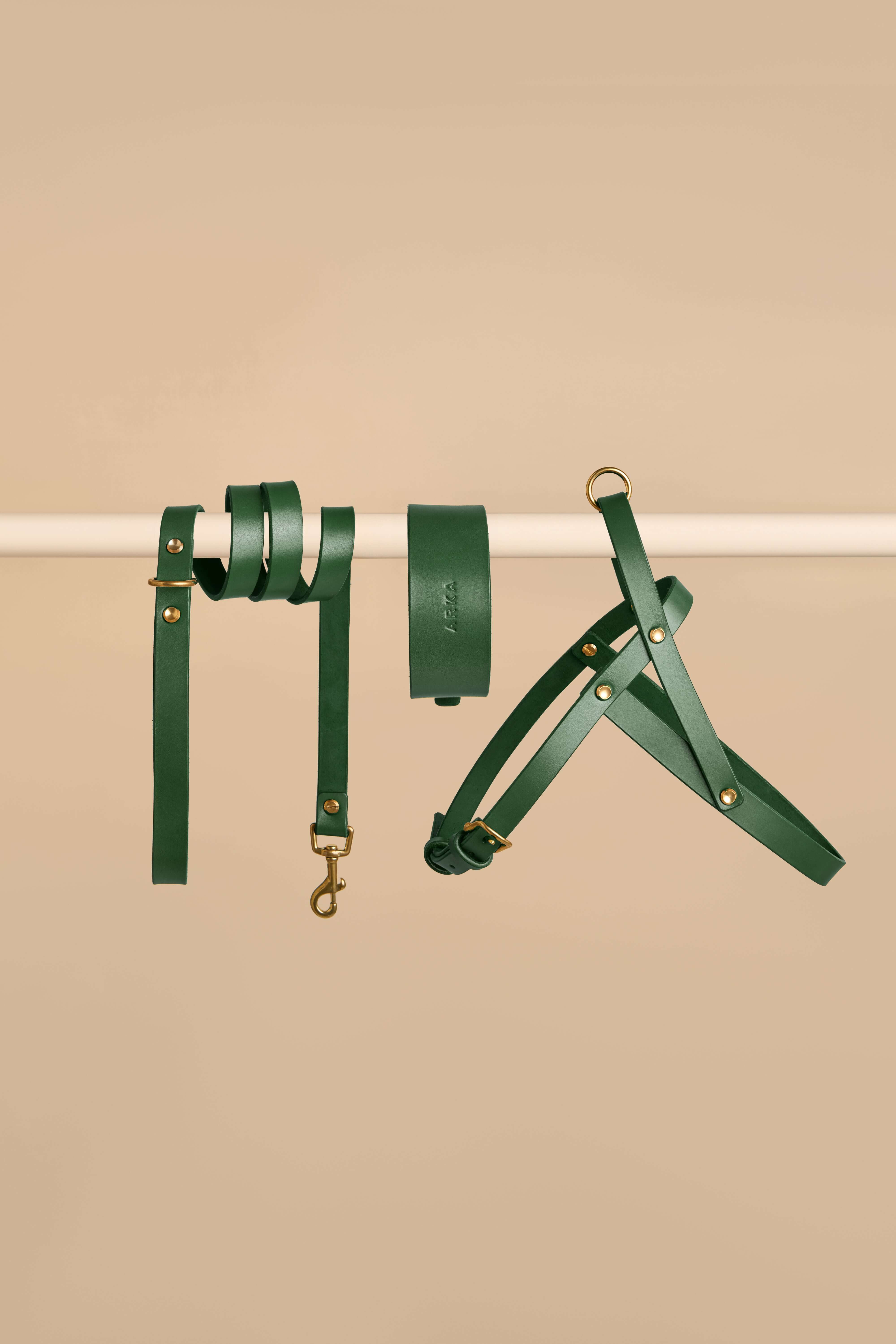
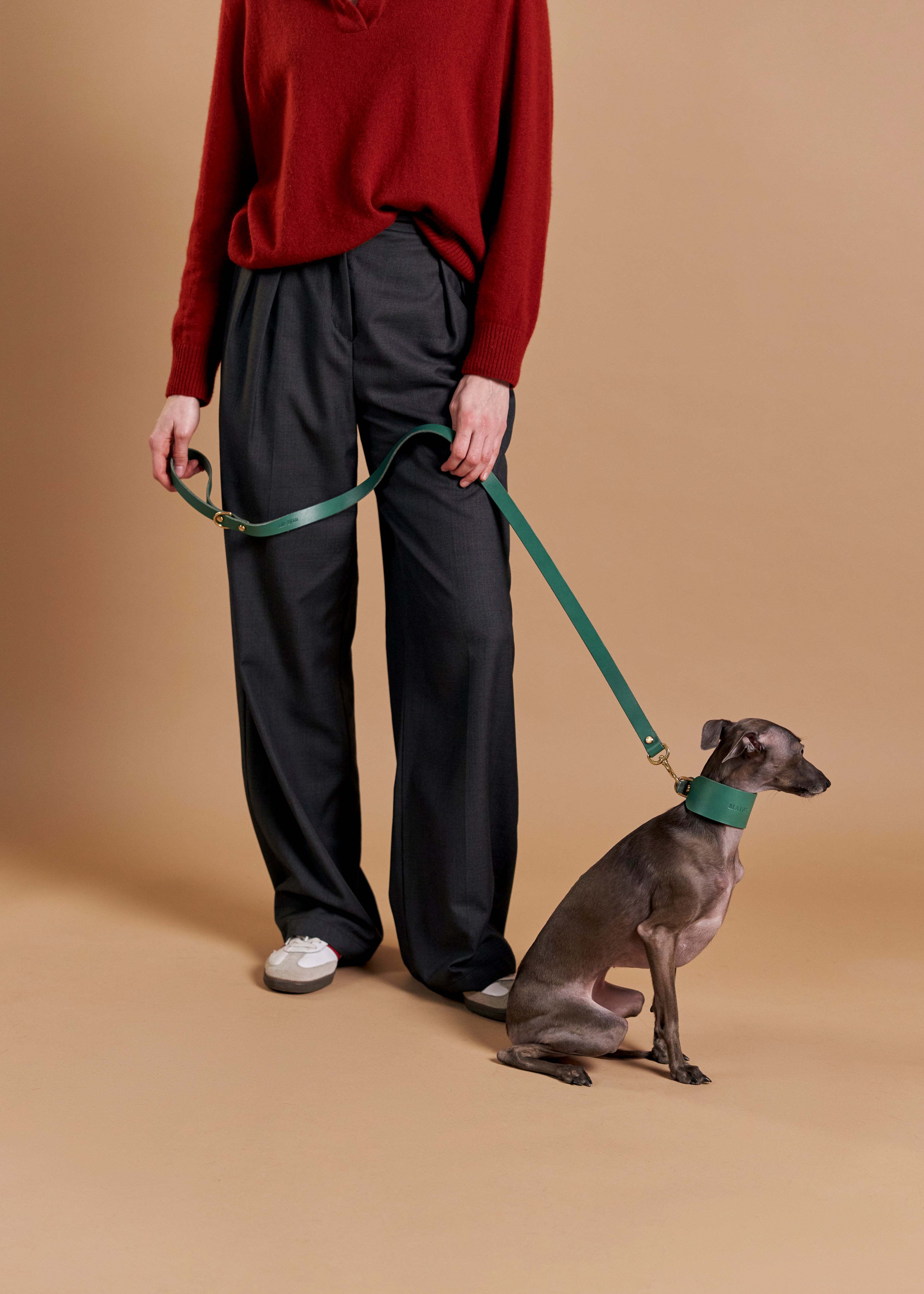
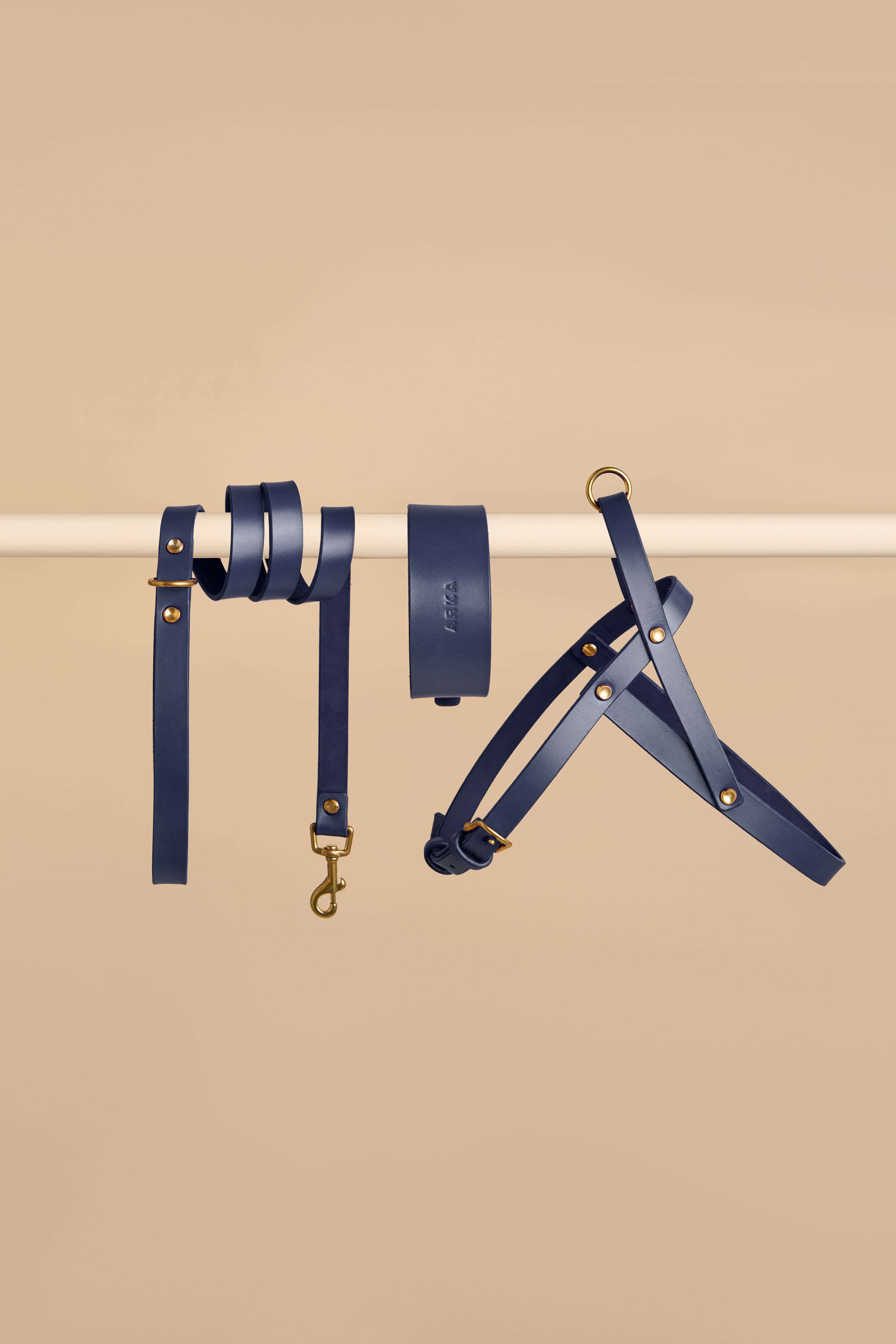
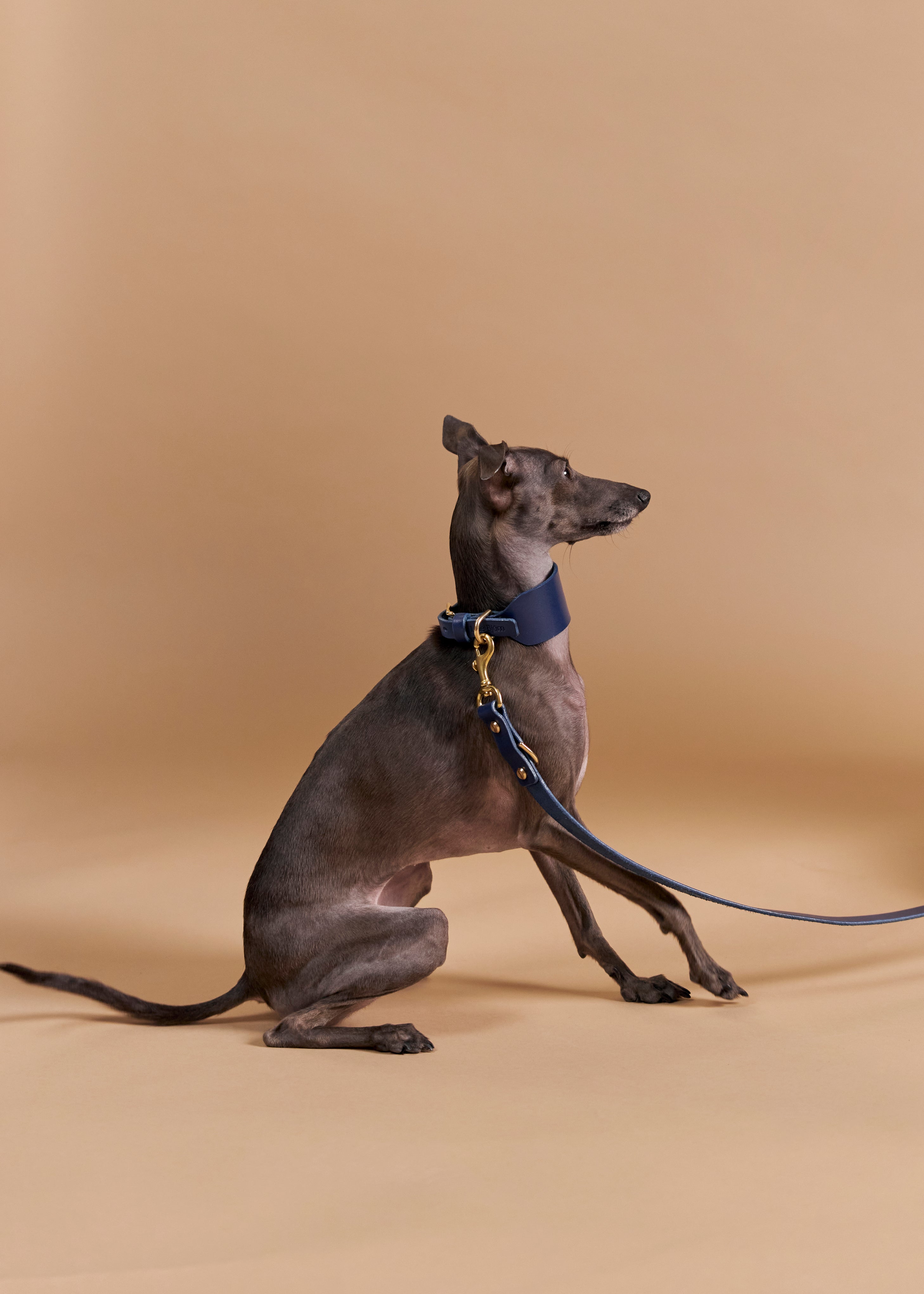
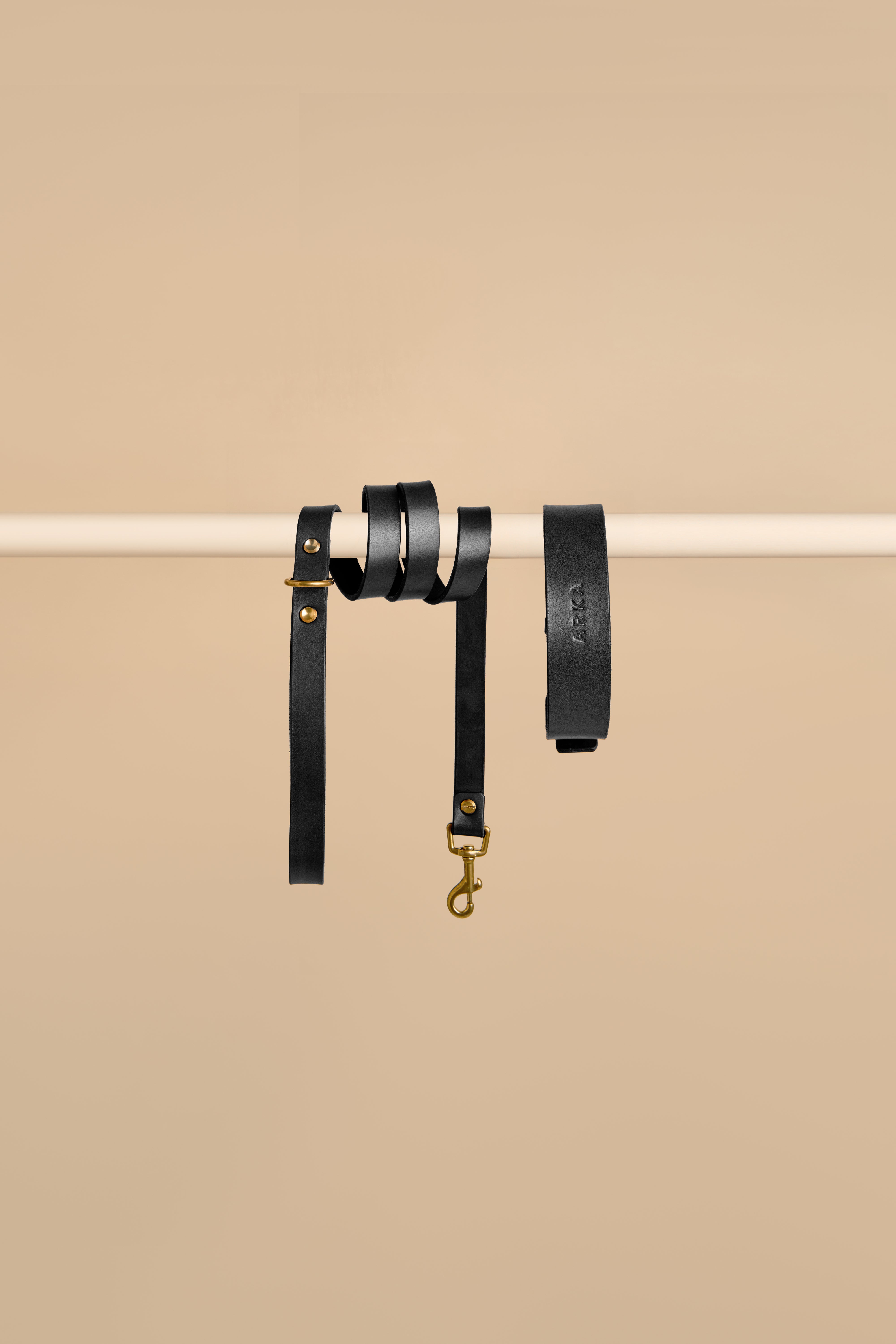
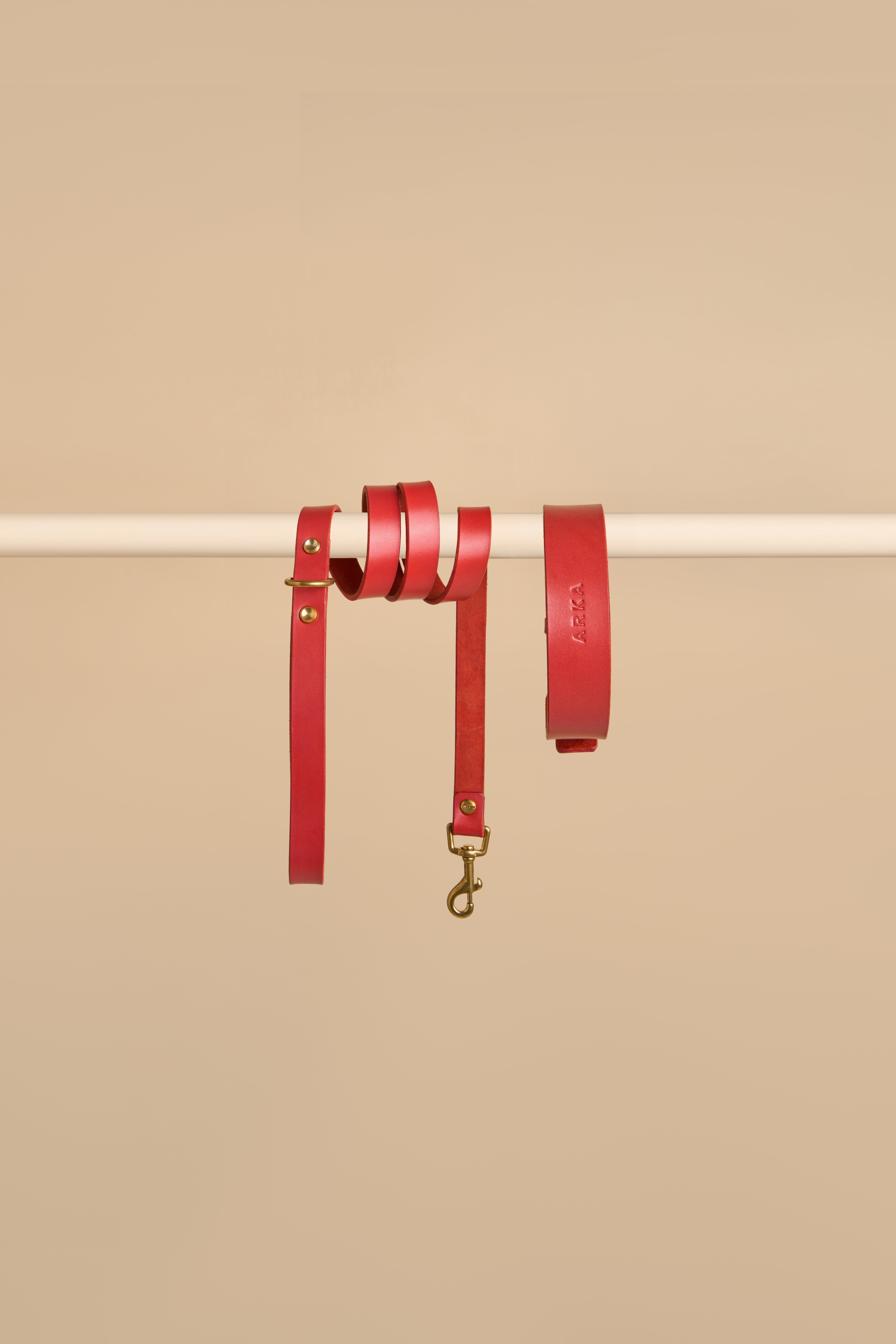
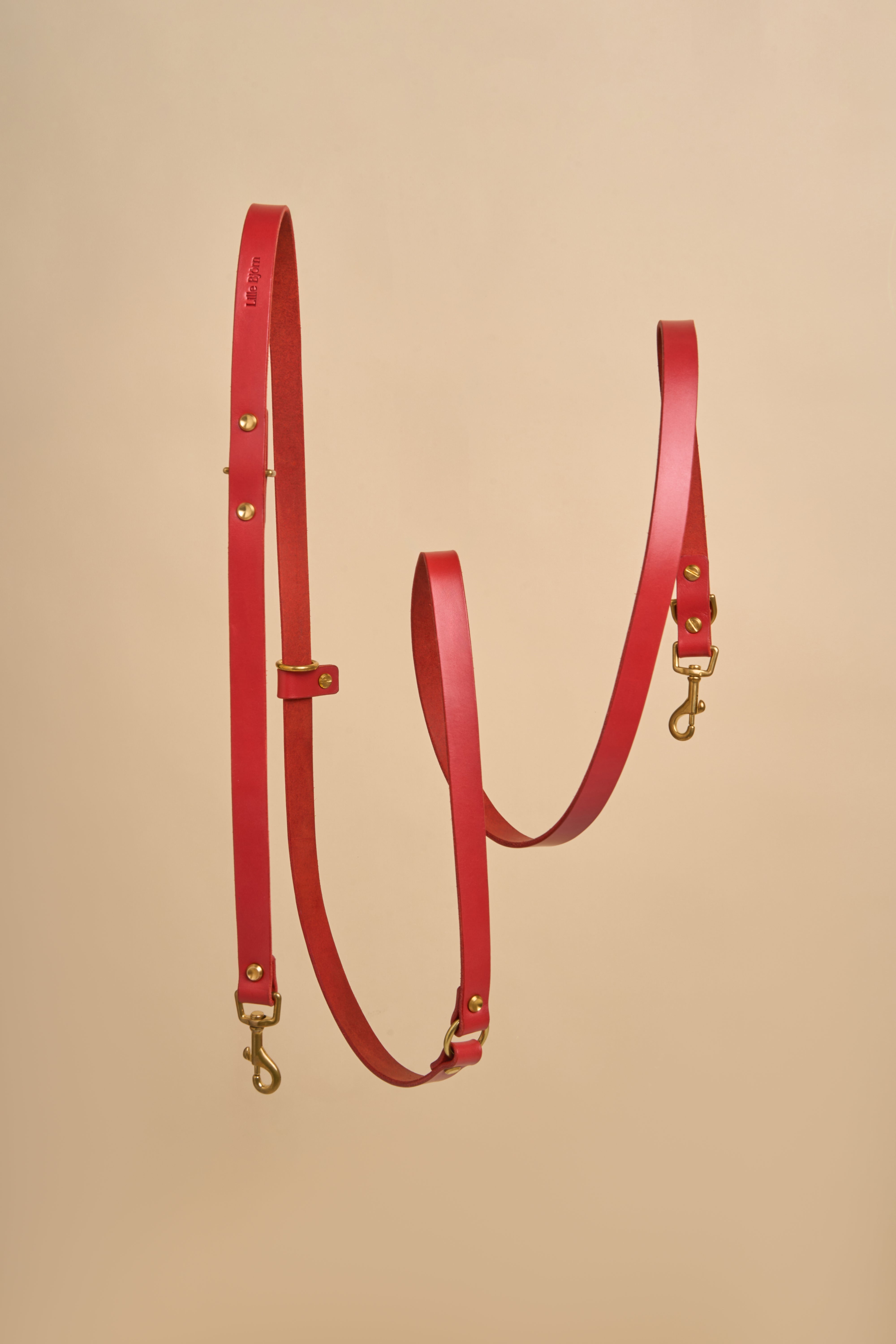
A classic leather leash is a fixed-length flat leather leash, no bungee, no retractable mechanism, no elastic, with a solid brass snap hook and a handle loop. The best classic dog leash is made from full-grain vegetable-tanned leather with solid brass hardware throughout. Classic Leather Leash is available in four colours and multiple lengths, handcrafted from Italian leather and designed to develop a unique patina with daily use.
What is the healthiest dog leash material?
Vegetable-tanned leather. It contains no chromium salts, synthetic dyes, or chemical preservatives, the primary contact irritants associated with synthetic and chrome-tanned leash materials. It is naturally antibacterial and hypoallergenic for both dog and handler. For owners who walk twice daily with a leash in hand, the material in contact with your skin for 30–60 minutes per day matters. Vegetable-tanned leather is the only common leash material that is genuinely skin-safe for prolonged daily contact.
Are retractable leashes dangerous?
Yes, they are consistently identified as the most hazardous common leash type. The thin cord causes cuts, burns, and digit injuries when it wraps under tension. The locking mechanism fails under sustained pressure. The design rewards pulling by allowing forward movement. And the extra slack delays the handler’s ability to react in an emergency. Humane organisations and the AKC consistently recommend fixed-length leashes over retractable designs for everyday use.
What is the best leash for dogs that pull?
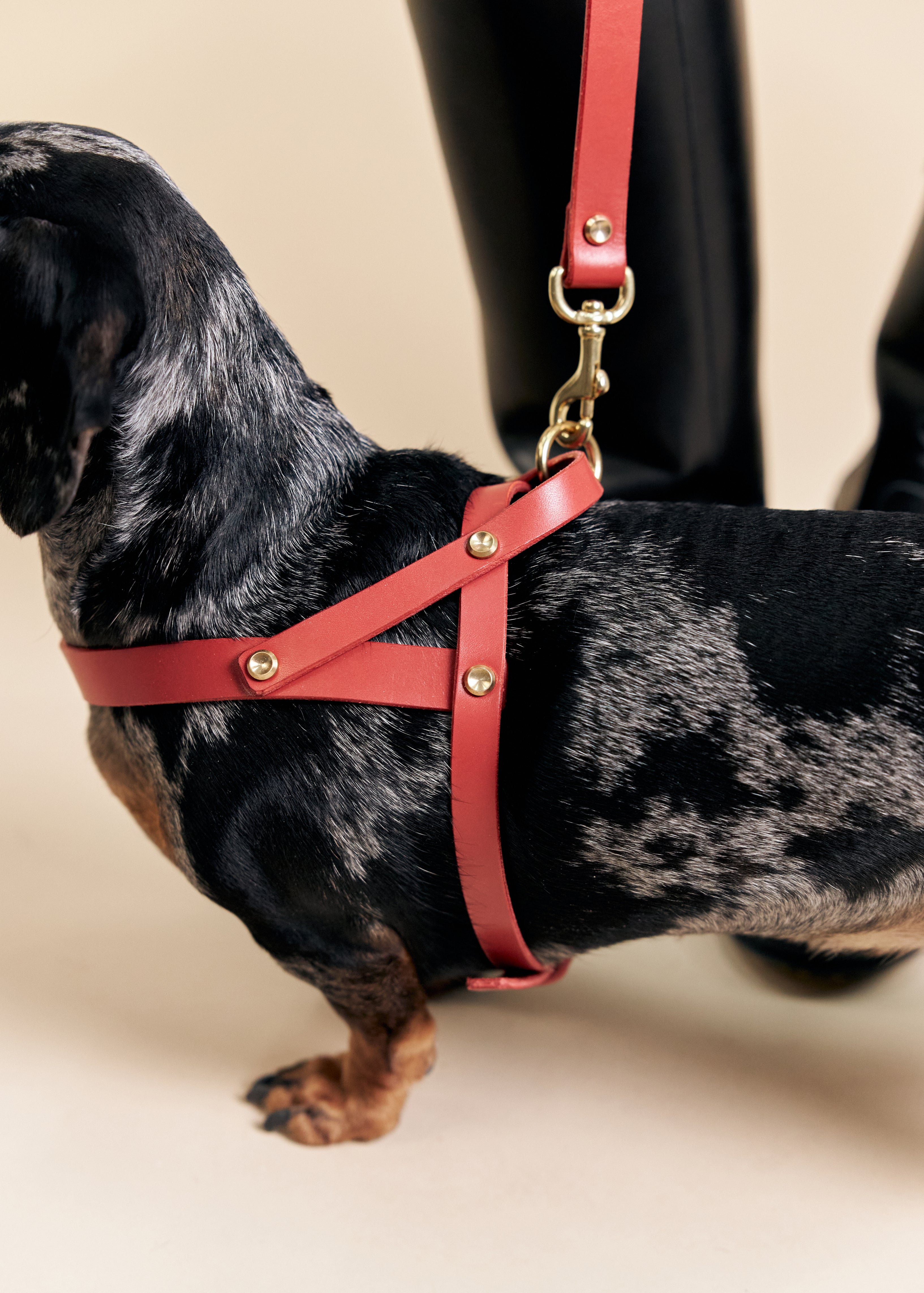
A fixed-length flat leather leash paired with a back-clip harness is the recommended setup for dogs that pull. The harness distributes pulling force across the chest and shoulders rather than concentrating it on the neck, while the consistent, non-elastic length of a leather leash provides clear, predictable feedback during loose-lead training. Avoid bungee leashes for pullers, the elasticity rewards pulling by removing the immediate resistance that is the training signal. A leather leash with a harness gives the owner consistent control while training resolves the behaviour.
Is a leather leash better than nylon?
Yes, for most everyday uses. Leather is stronger per unit of weight, quieter in use, more comfortable in the hand over time, and significantly more durable, 5–8 years versus 8–12 months for nylon under equivalent daily use. Leather is also more skin-safe: nylon creates friction burns on handler skin during sudden pulls, and synthetic dyes can irritate sensitive dog skin at the collar contact point. The only context where nylon has a meaningful advantage is for dogs that swim regularly, where prolonged water submersion can dry out leather without proper conditioning.
The Right Leash Changes Every Walk
A leash that is comfortable in your hand, quiet on the walk, consistent in length, and built to last years rather than months is not a luxury, it is the baseline standard that every daily walk deserves. The difference between a retractable cord and a quality leather leash is the difference between gear that works against you and gear that becomes better the more you use it.
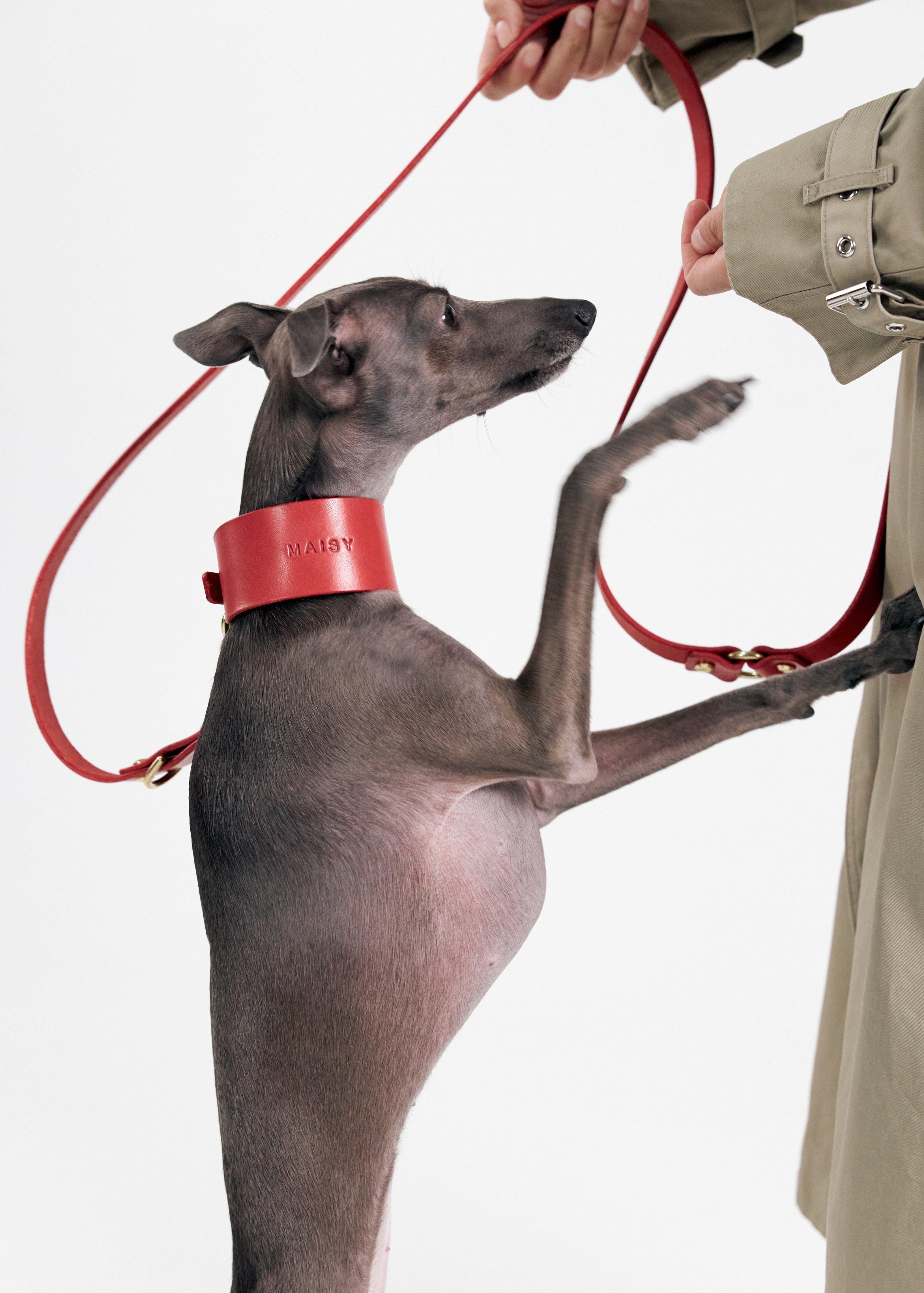
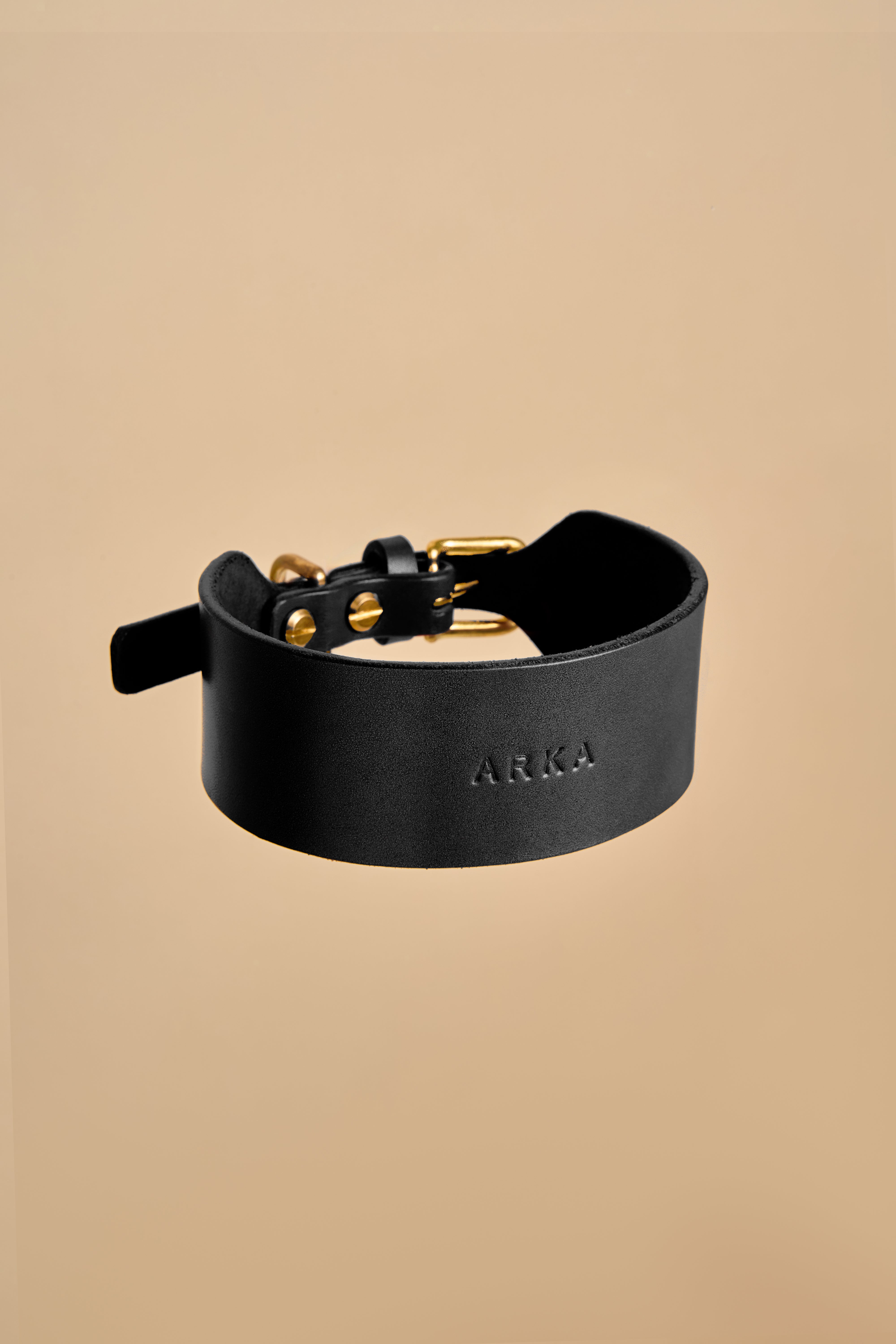
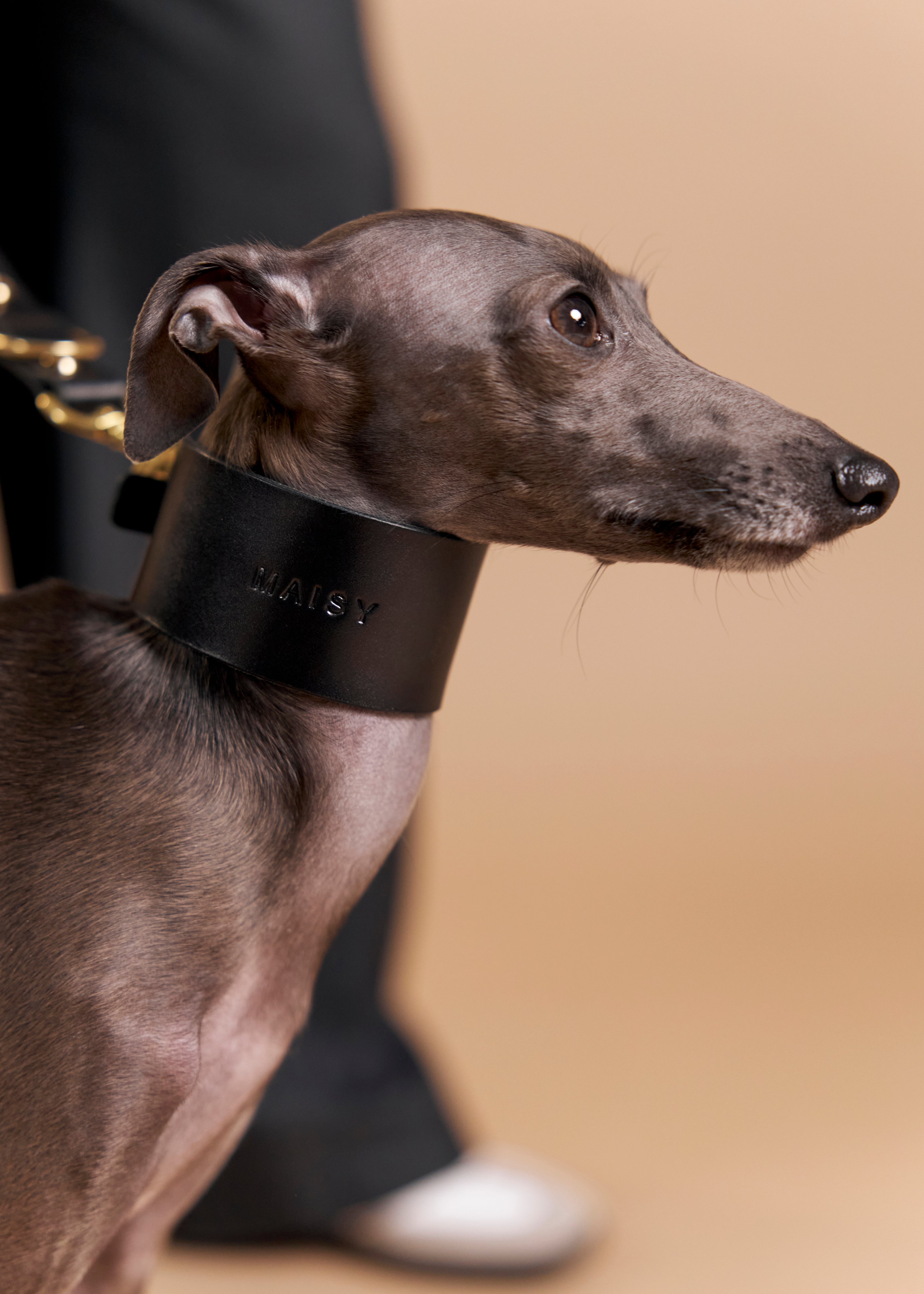
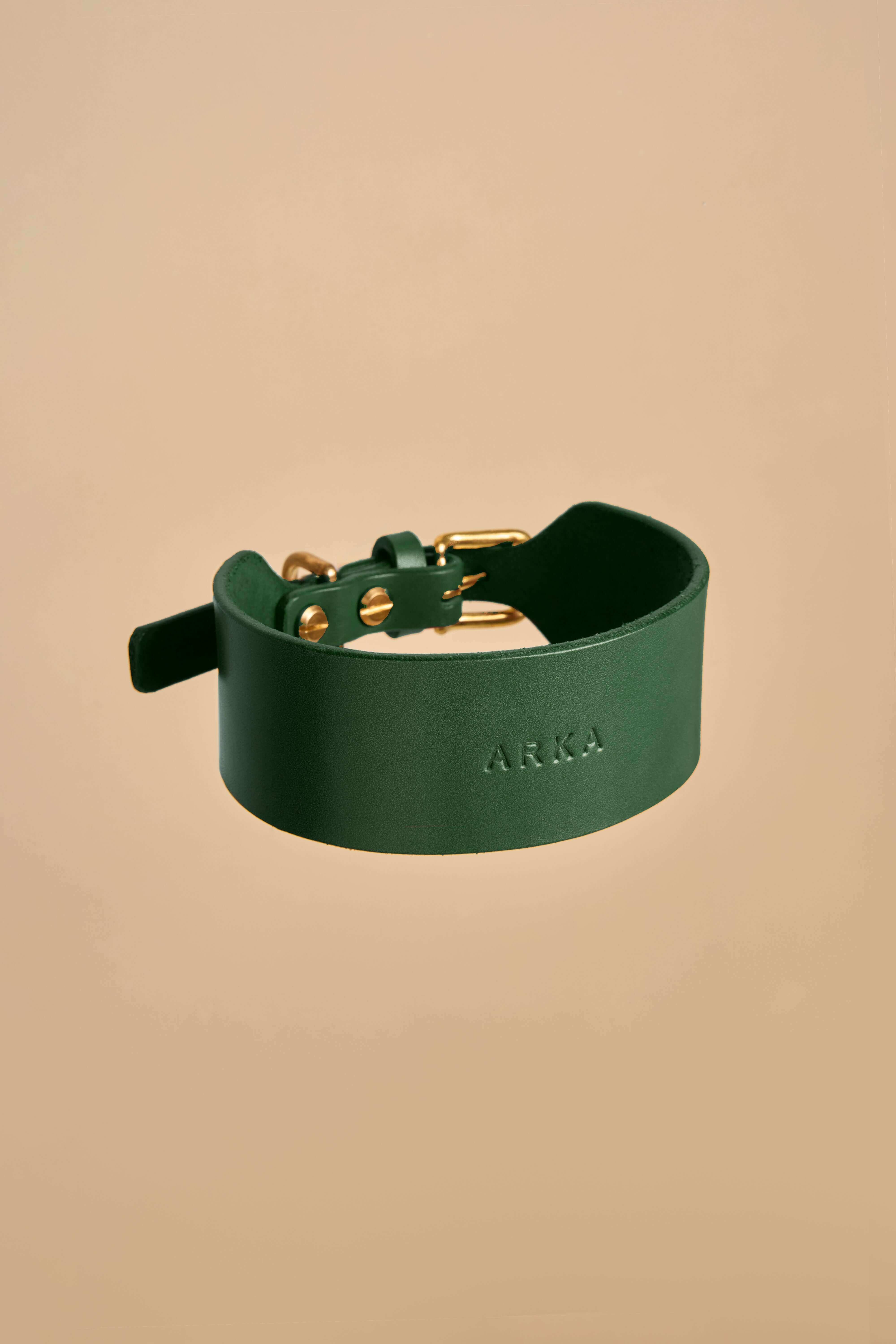
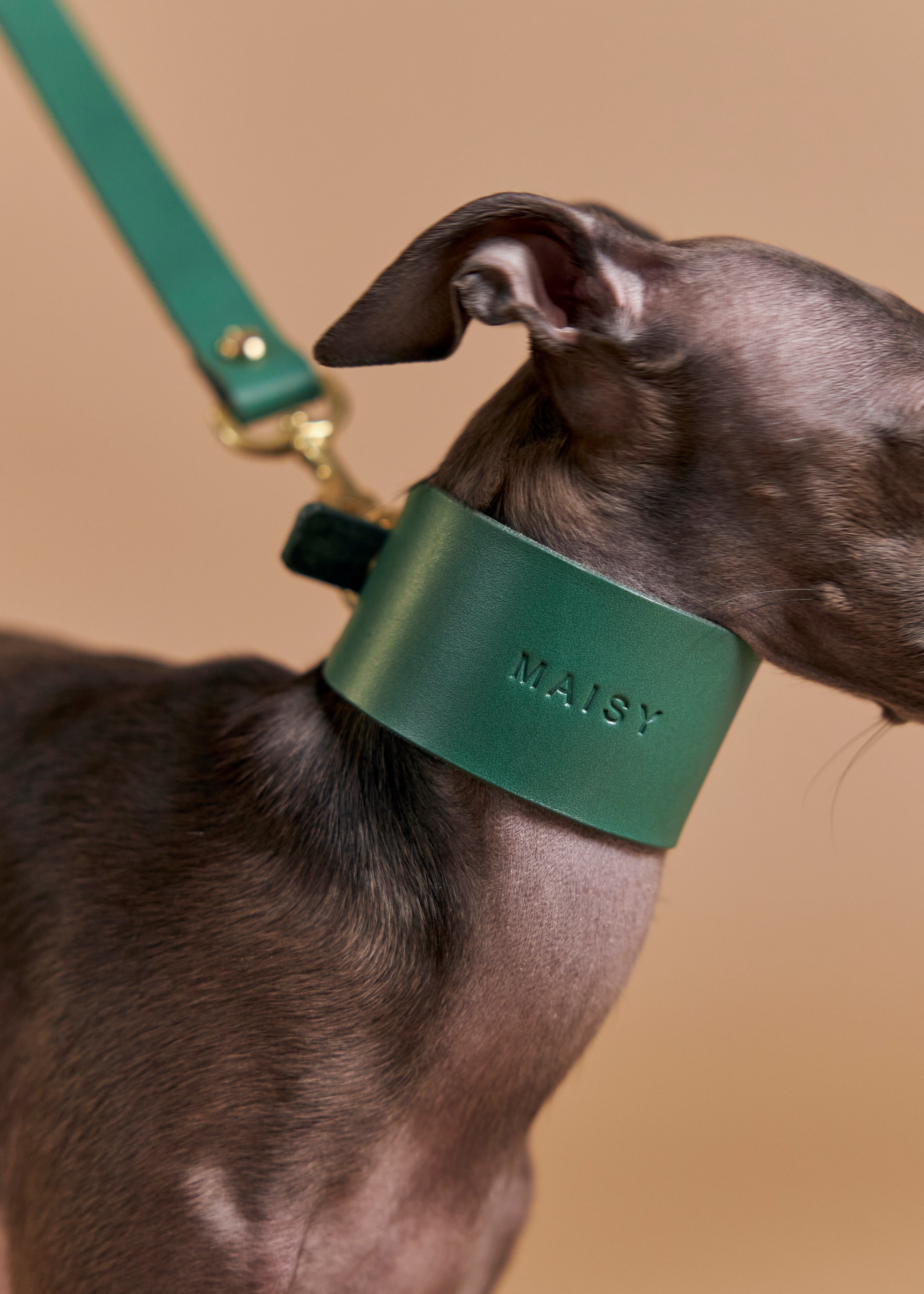
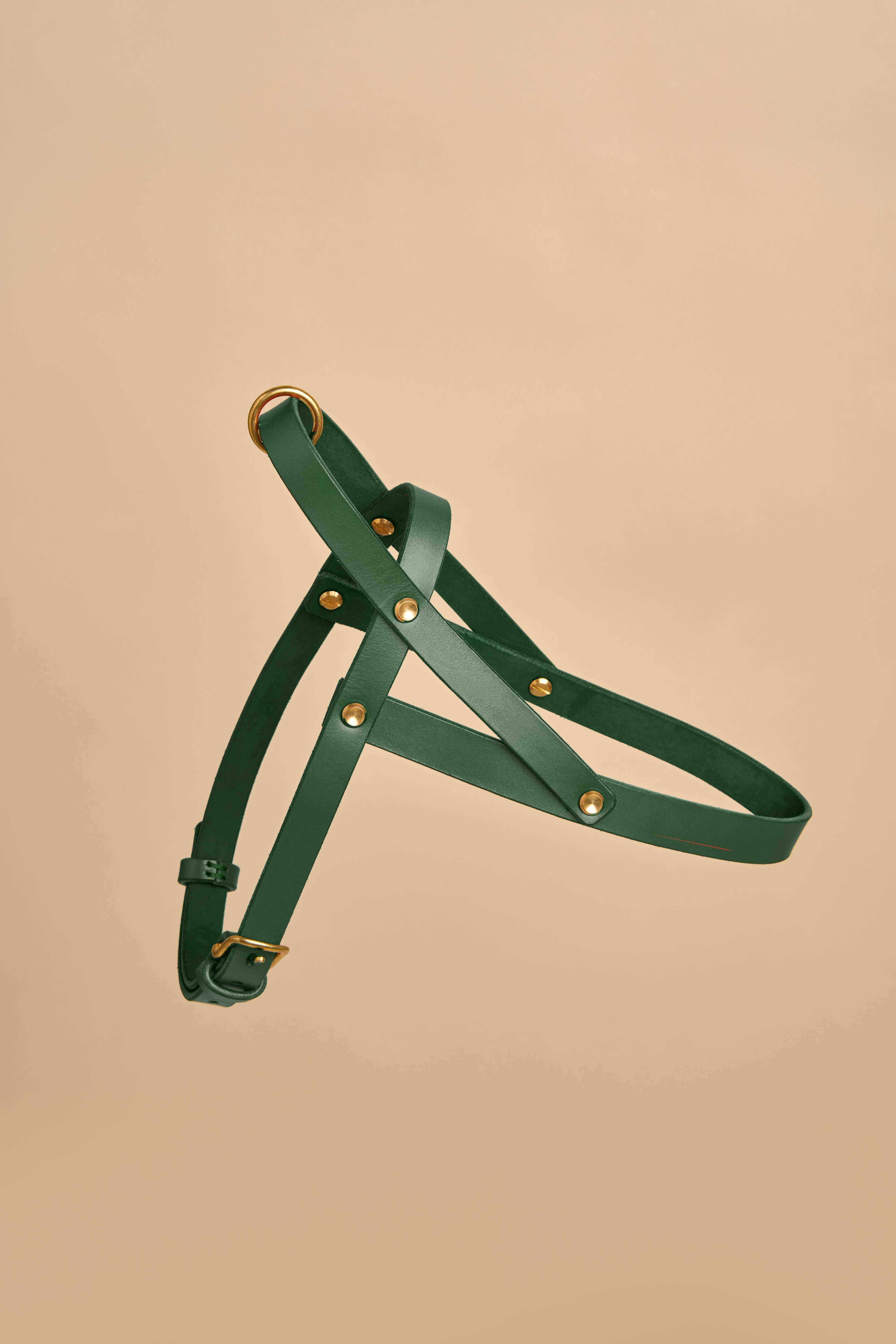
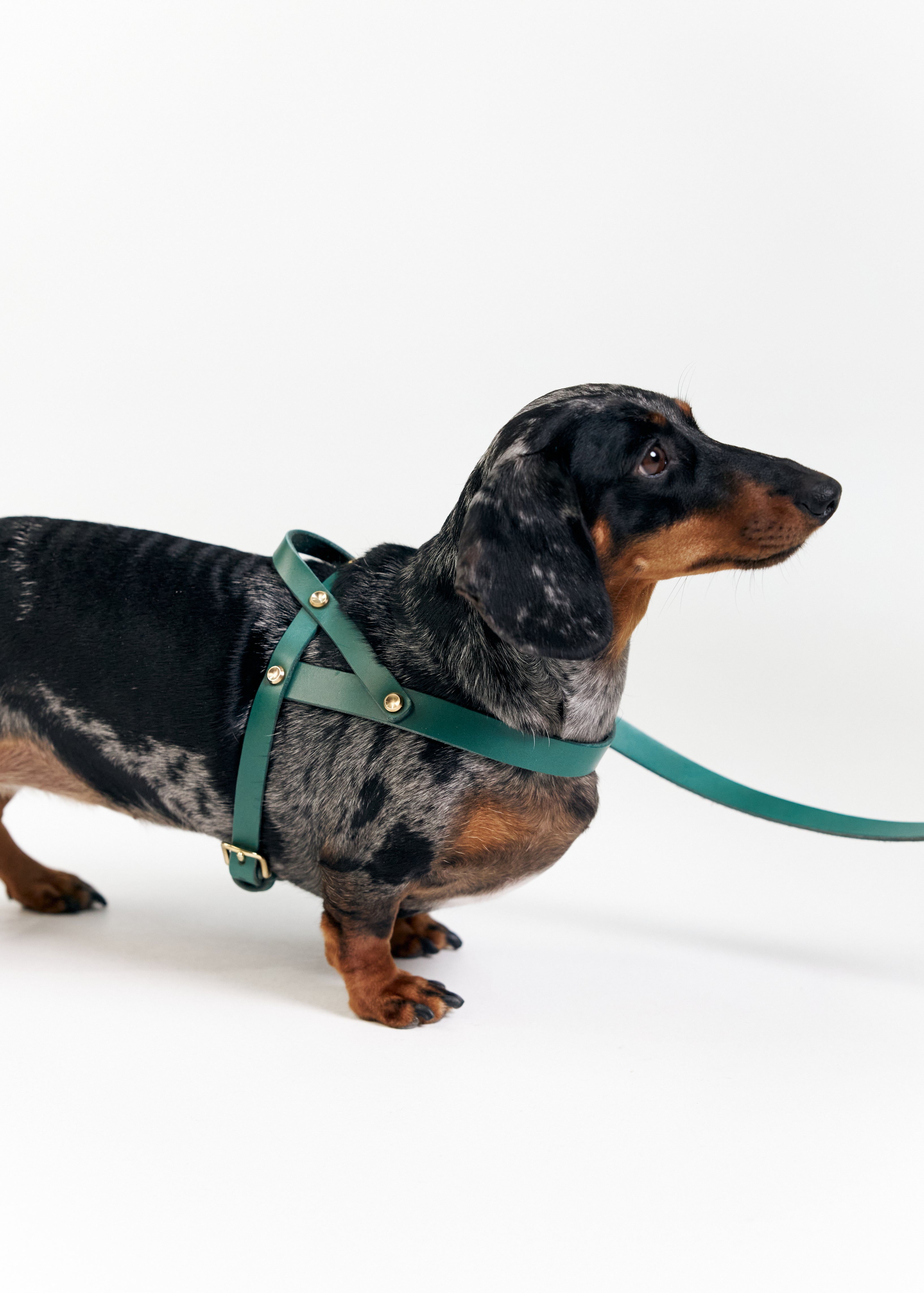
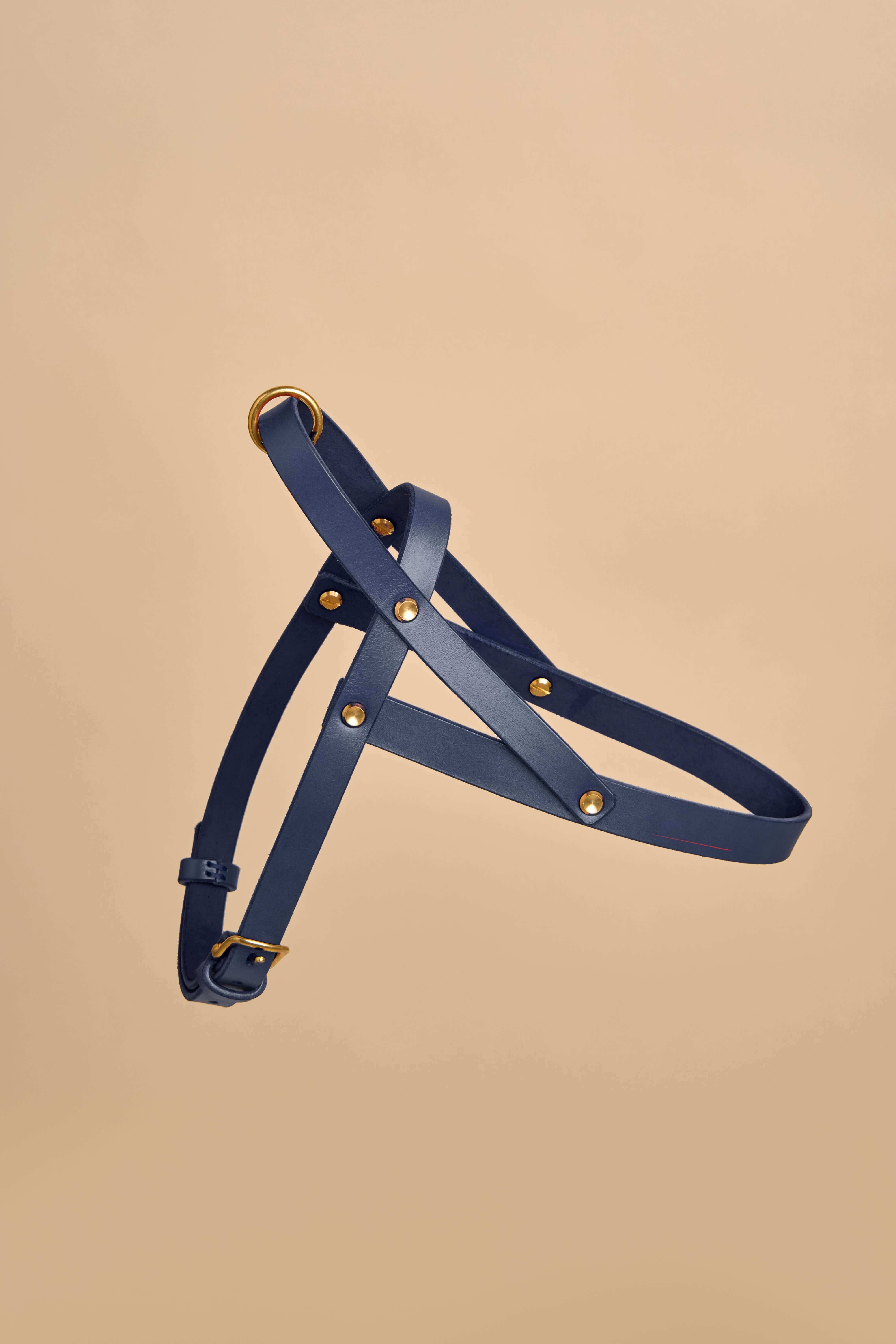
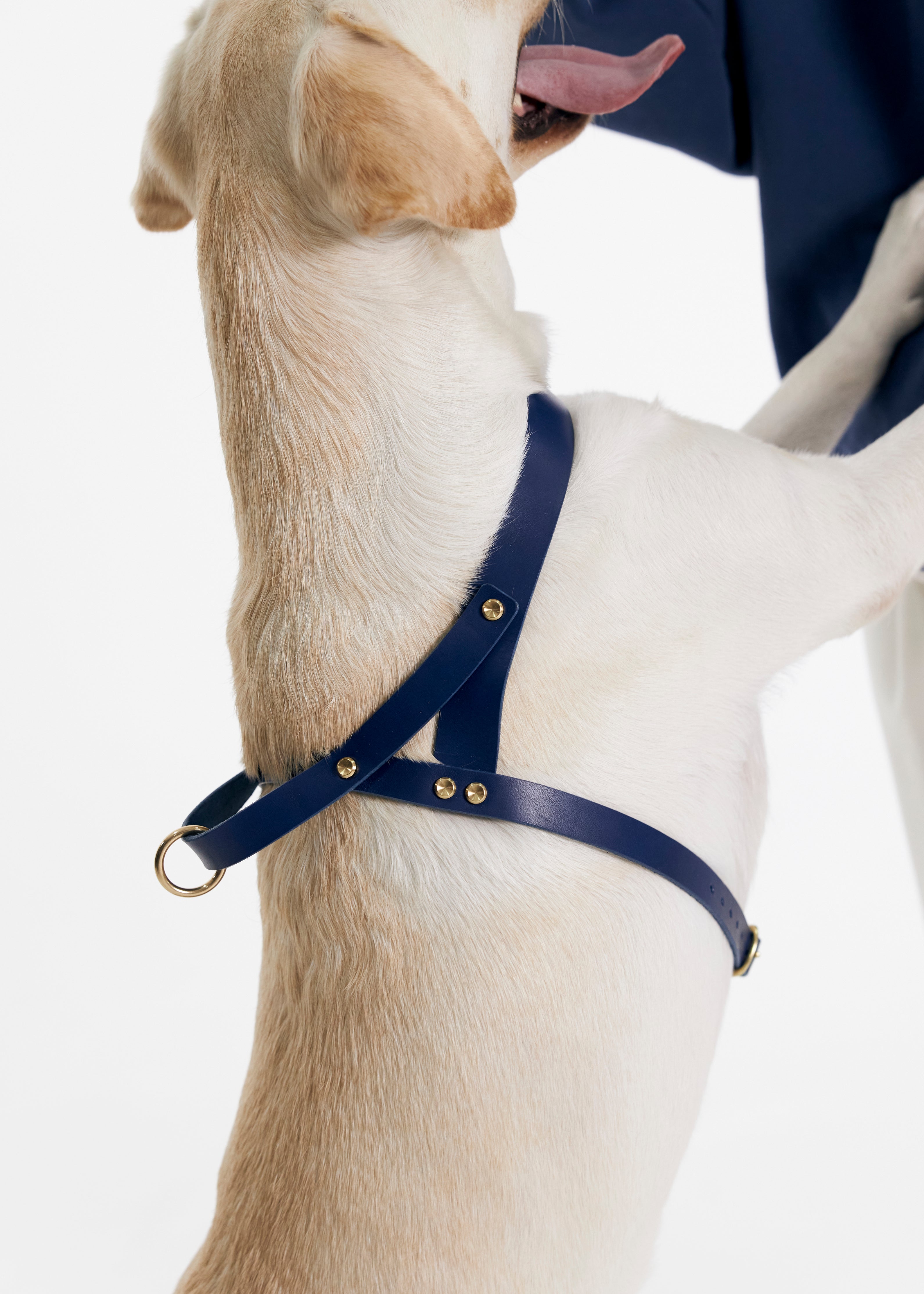
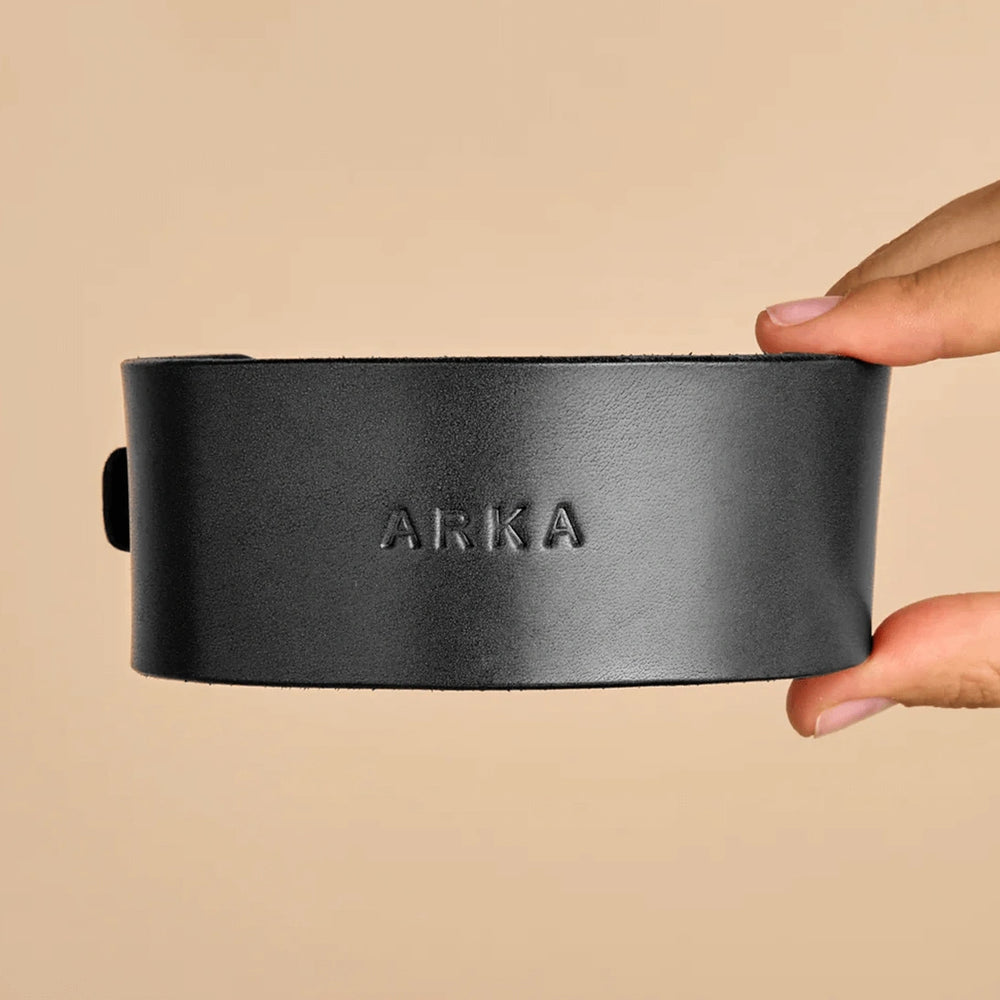
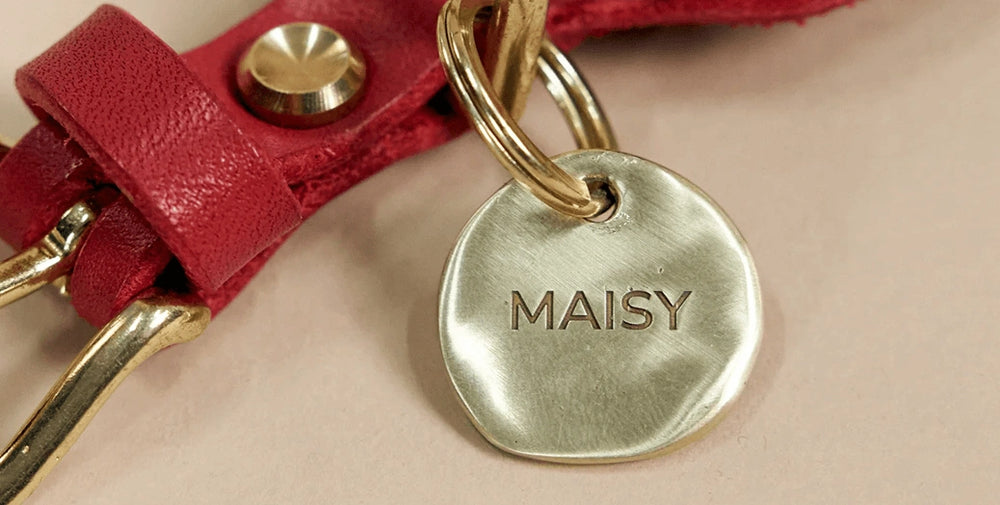
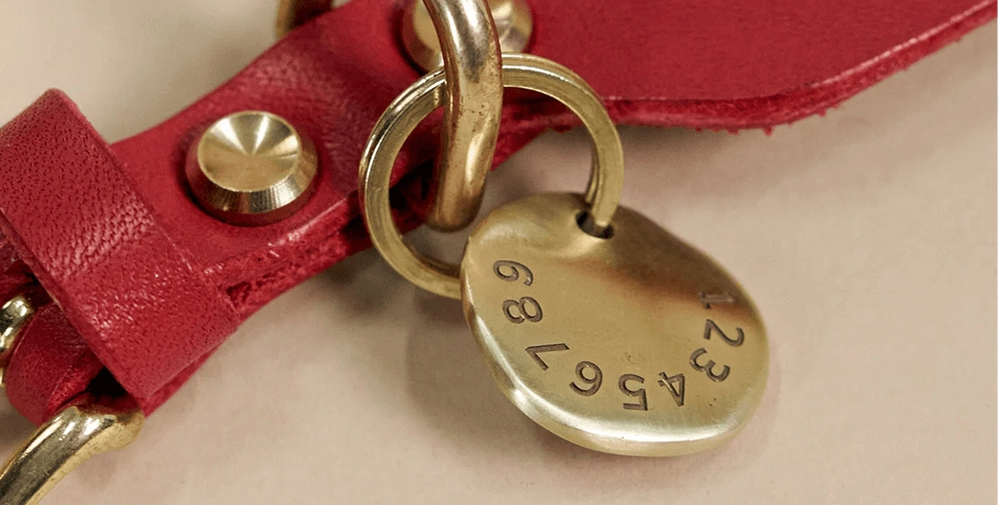
Browse The Lille Björn’s leather leash collection, the Classic Leather Leash for everyday walking, the Omni Hands-Free for urban and active use, both in full-grain Italian vegetable-tanned leather with solid brass hardware and available in black, red, green, and blue.