Quick Summary
A good dog harness keeps the shoulder joint completely free, distributes leash pressure evenly across the chest and back, fits snugly without rubbing, and is made from a durable non-toxic material. A bad harness (most commonly a no-pull or front-clip design) restricts the shoulder during movement, suppresses pulling without teaching anything, and causes physical damage that builds gradually over months of daily wear. The difference matters for every single walk your dog takes. This guide covers the five features that separate a good harness from a harmful one and why a well-fitted back-clip harness in vegetable-tanned leather is the right choice for the vast majority of dogs.

The Problem with Bad Dog Harnesses (What to Avoid)
No-Pull Harnesses: Why They Aren’t the Best Solution
You will often see no-pull harnesses being touted as a simple fix for any pup that likes to pull on their leash, but we think that there are more potential negatives than positives with this design.
-
Restricts Natural Shoulder Movement
Lots of no-pull harnesses put pressure on a dog’s shoulders, and this obviously can limit their mobility and maybe even cause an unwanted gait change. -
Creates an Unnatural Walking Posture
When worn over a long period of time, this restricted range of motion could lead to muscle imbalances and joint issues that contribute to a less natural walking posture. -
Causes Chafing and Discomfort
The majority of no-pull harnesses feature straps that run the risk of digging into your pup’s skin, which can obviously cause irritation and soreness over time. - Suppresses Pulling without Solving the Root Issue
Whilst harnesses are certainly effective in stopping pulling temporarily, they don’t actually do anything to address the behavorial reasons why your pup is pulling in the first place. They aren’t a magic fix!
The shoulder restriction problem deserves particular attention. A dog's front limb is not fixed to the ribcage by a ball-and-socket joint the way a human shoulder is — it is held entirely by muscles, tendons, and ligaments. Any strap that crosses the shoulder blade during movement compresses these soft tissues and shortens the effective swing of the front limb with every stride. The consequences accumulate quietly: muscle imbalances develop, gait patterns shift, and in some dogs this eventually manifests as shoulder strain, reluctance to walk, or unexplained forelimb lameness. Professional trainers have documented this pattern repeatedly in dogs that have worn no-pull or front-clip harnesses over extended periods.
Other Problematic Harness Designs
-
Harnesses that Sit on the Shoulders
Harness designs that place too much pressure on the shoulders can interfere with a dog’s natural way of moving, which in turn can lead to lots of stiffness and discomfort for them. -
Loose Fitting Harnesses
Any harness that is poorly fitted is going to rub against your dog’s skin and cause unnecessary irritation that could turn into red sores and hair loss. Nobody wants that! - Head Halters
Though some do find them effective when it comes to training, head halters require careful introduction and correct ongoing use — when used improperly they can place strain on the neck and cause discomfort.
What Makes a Good Dog Harness? (What to Look For)
It’s common sense, really. Any high quality, recommended harness is going to prioritize things like comfort, movement and security over elements like colour and style. Some of the key features to be looking out for include:
-
A Harness That Sits Above the Shoulders
An expertly designed harness will always allow for your pup to enjoy a full range of motion, rather than restricting the front legs and/or shoulders. -
Even Pressure Distribution
A good harness will always offer the perfect level of even distribution across a dog’s chest and back, which does a massive amount to help prevent strain in any one particular area. -
Comfortable and Secure Fit
The harness should have a snug fit, but not be too tight. You want to make sure that it isn’t going to rub from too much close friction, or on the other side of the coin, slip around from being too loose. -
Made from High Quality Materials
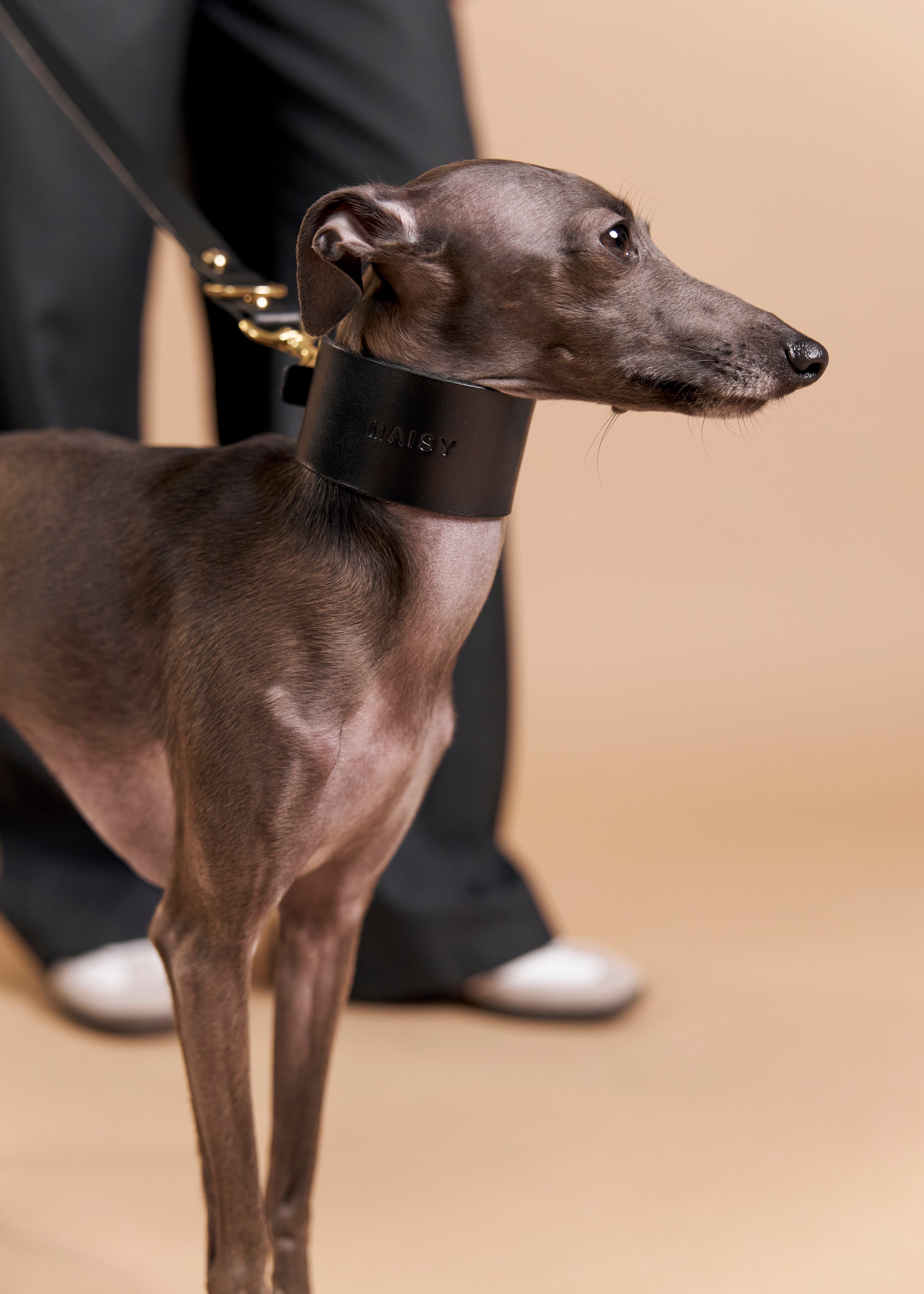
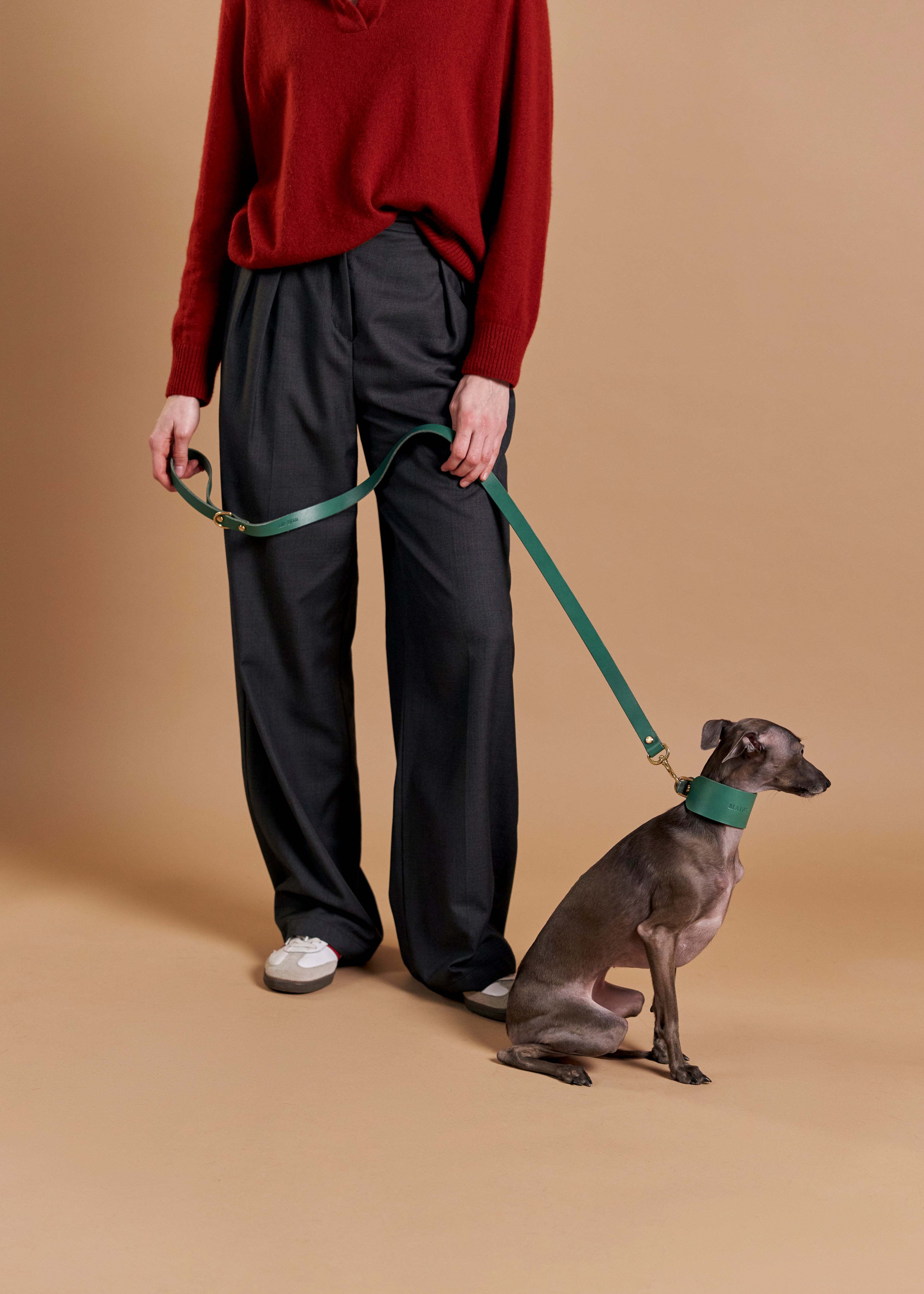
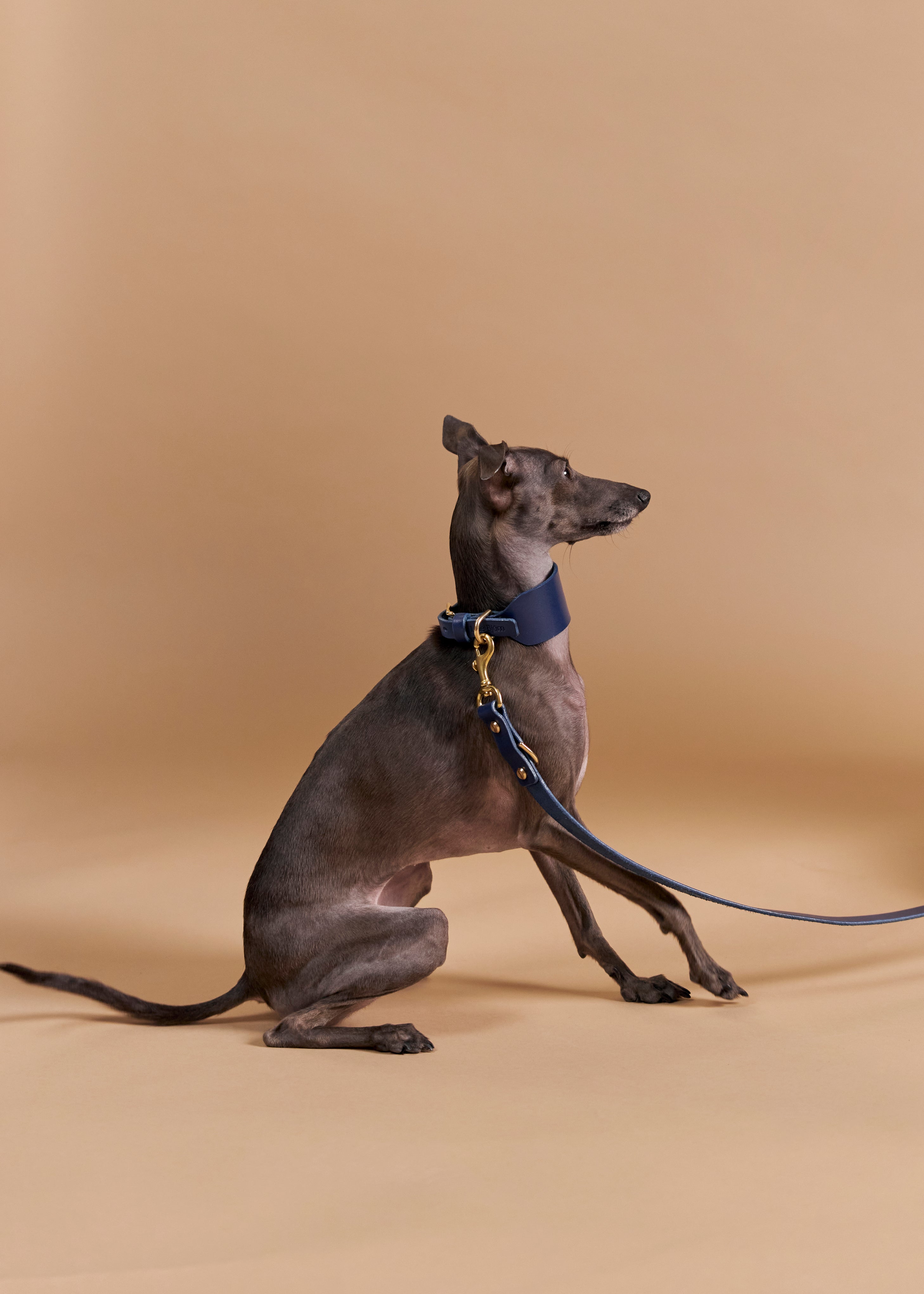
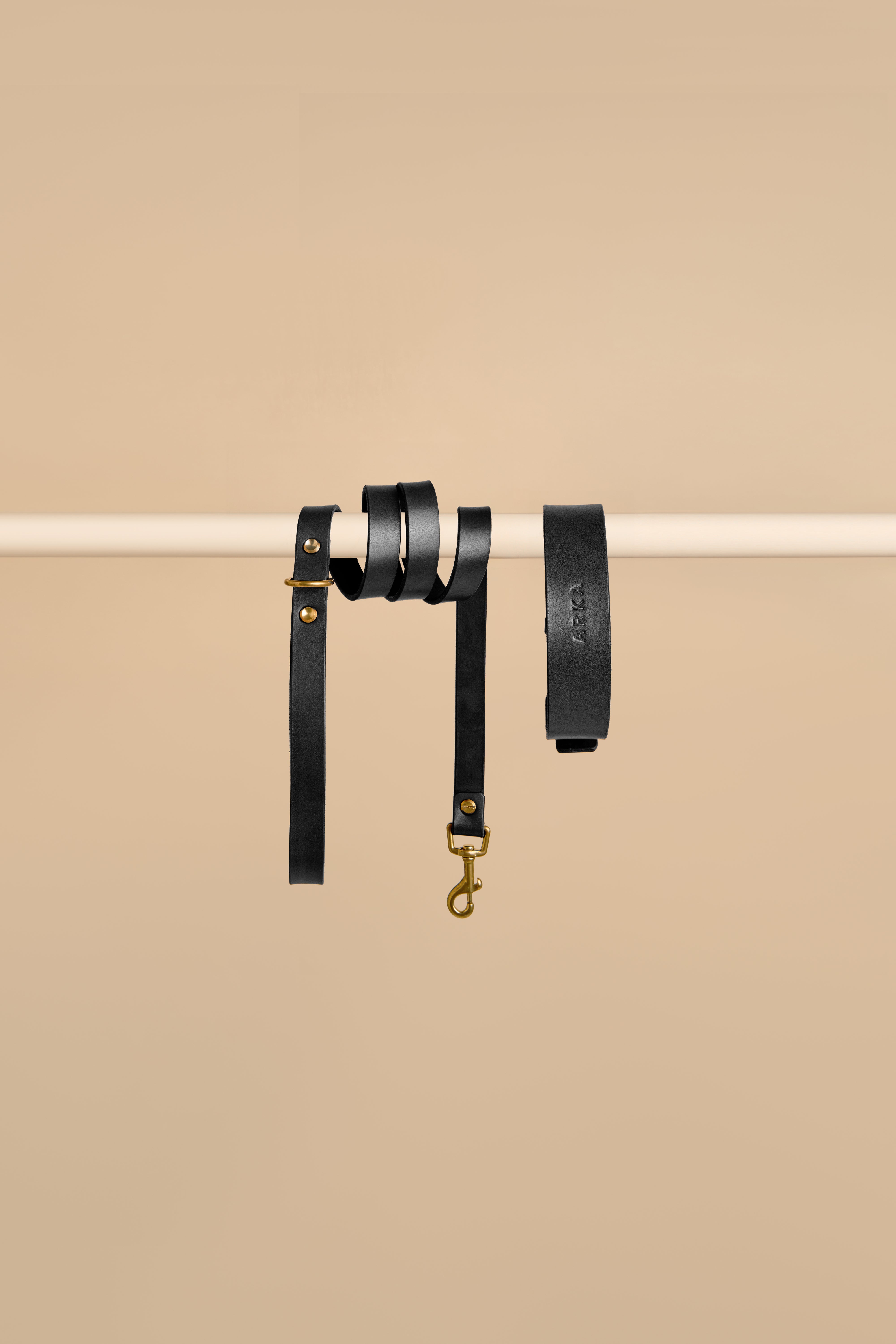
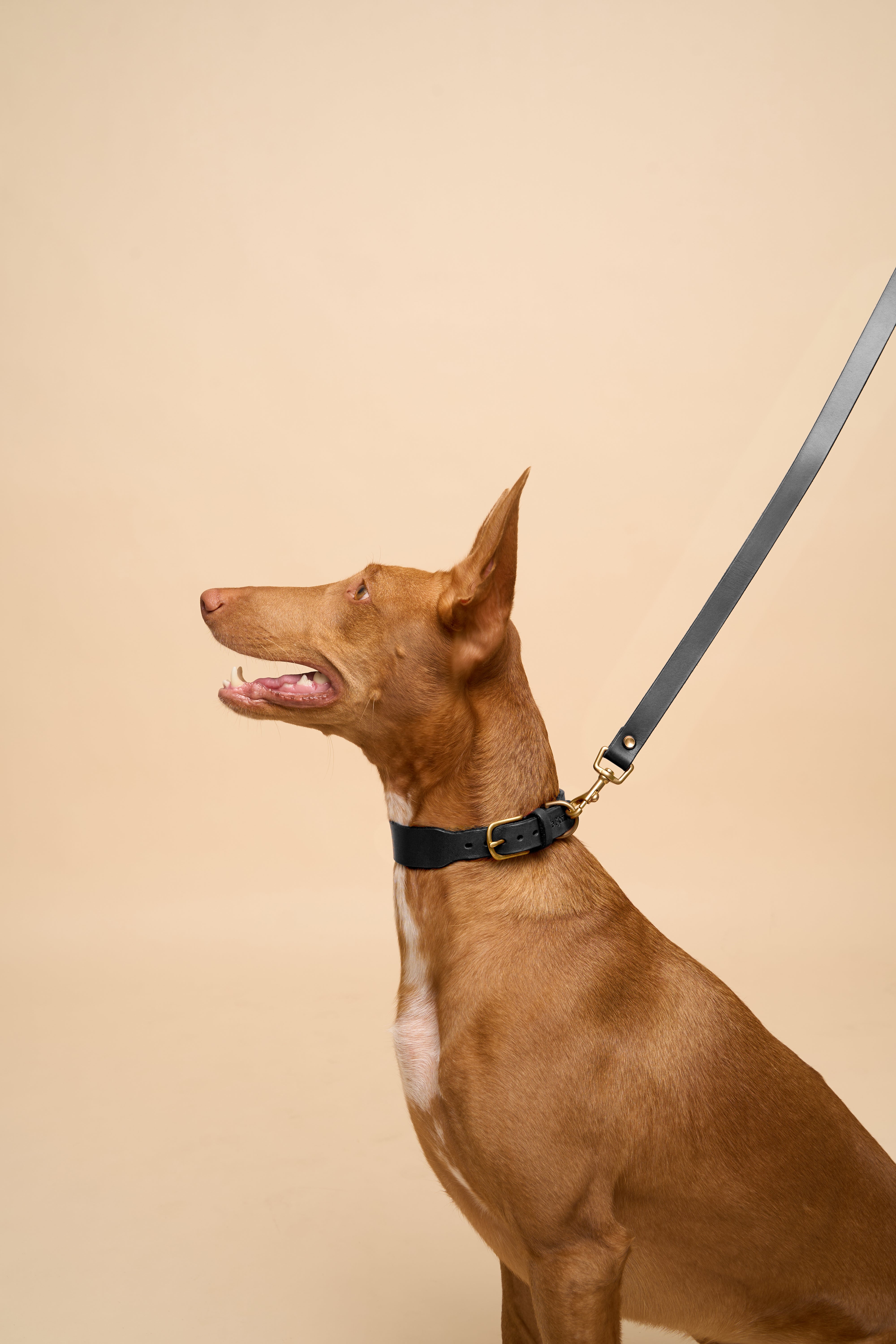
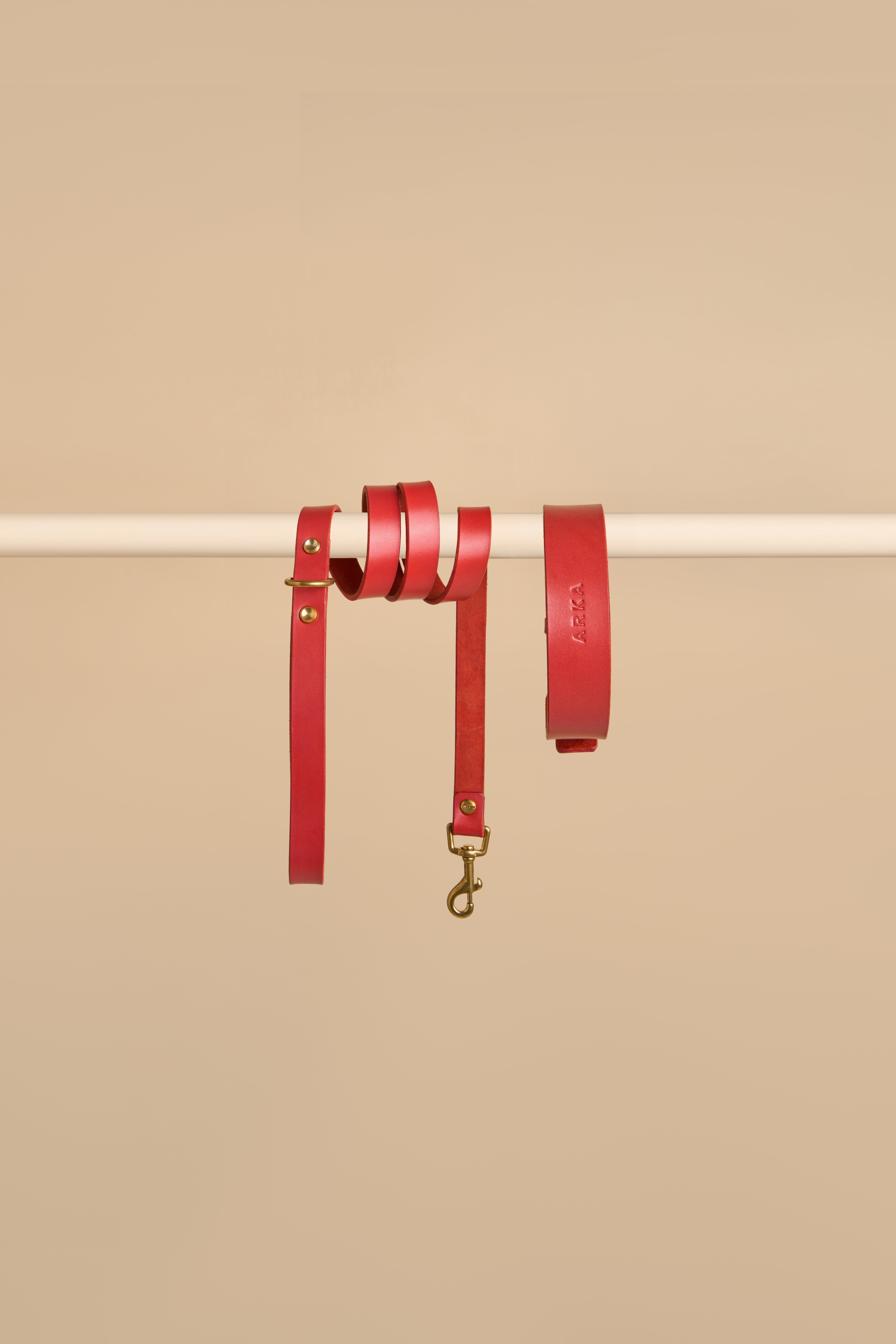
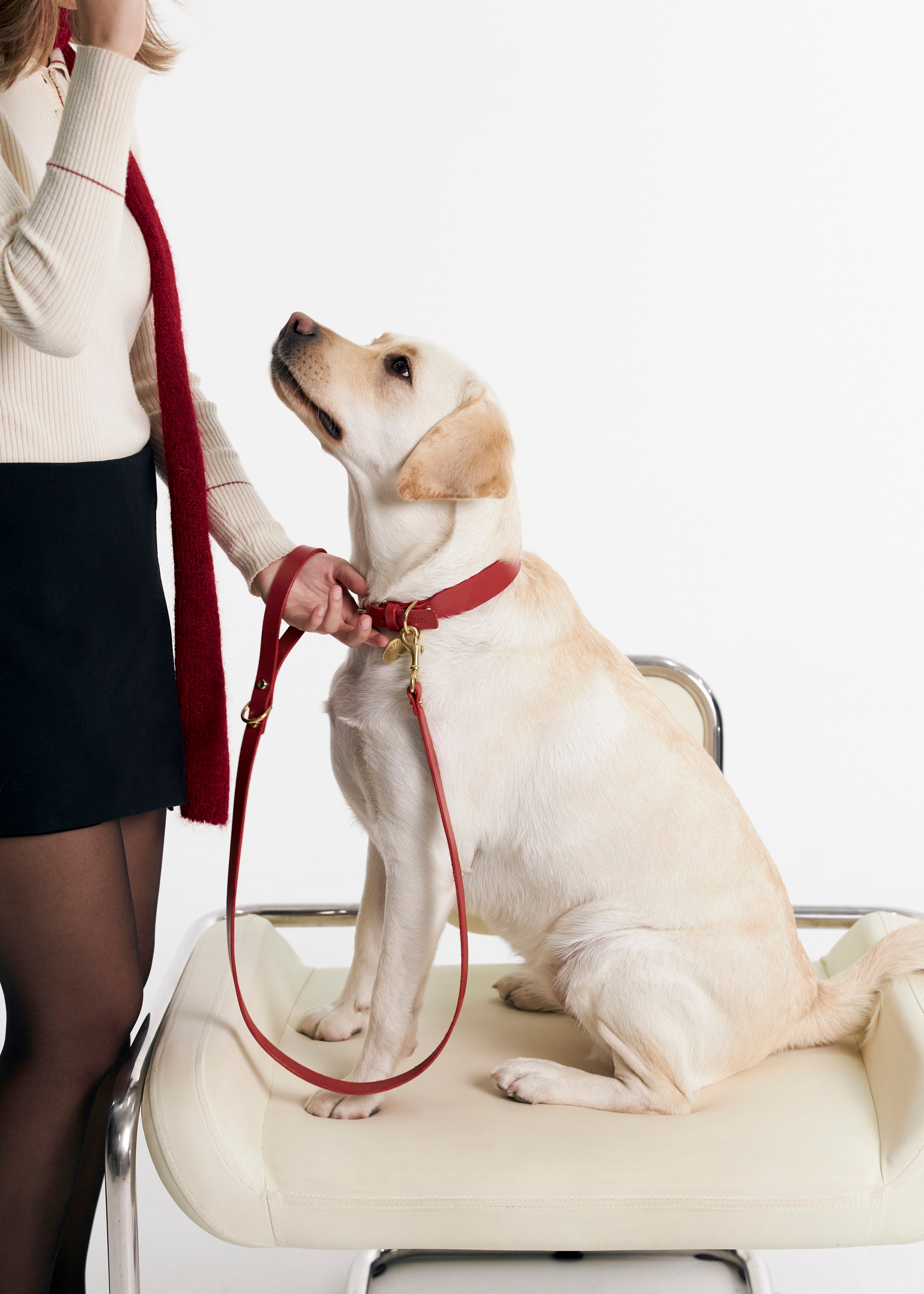
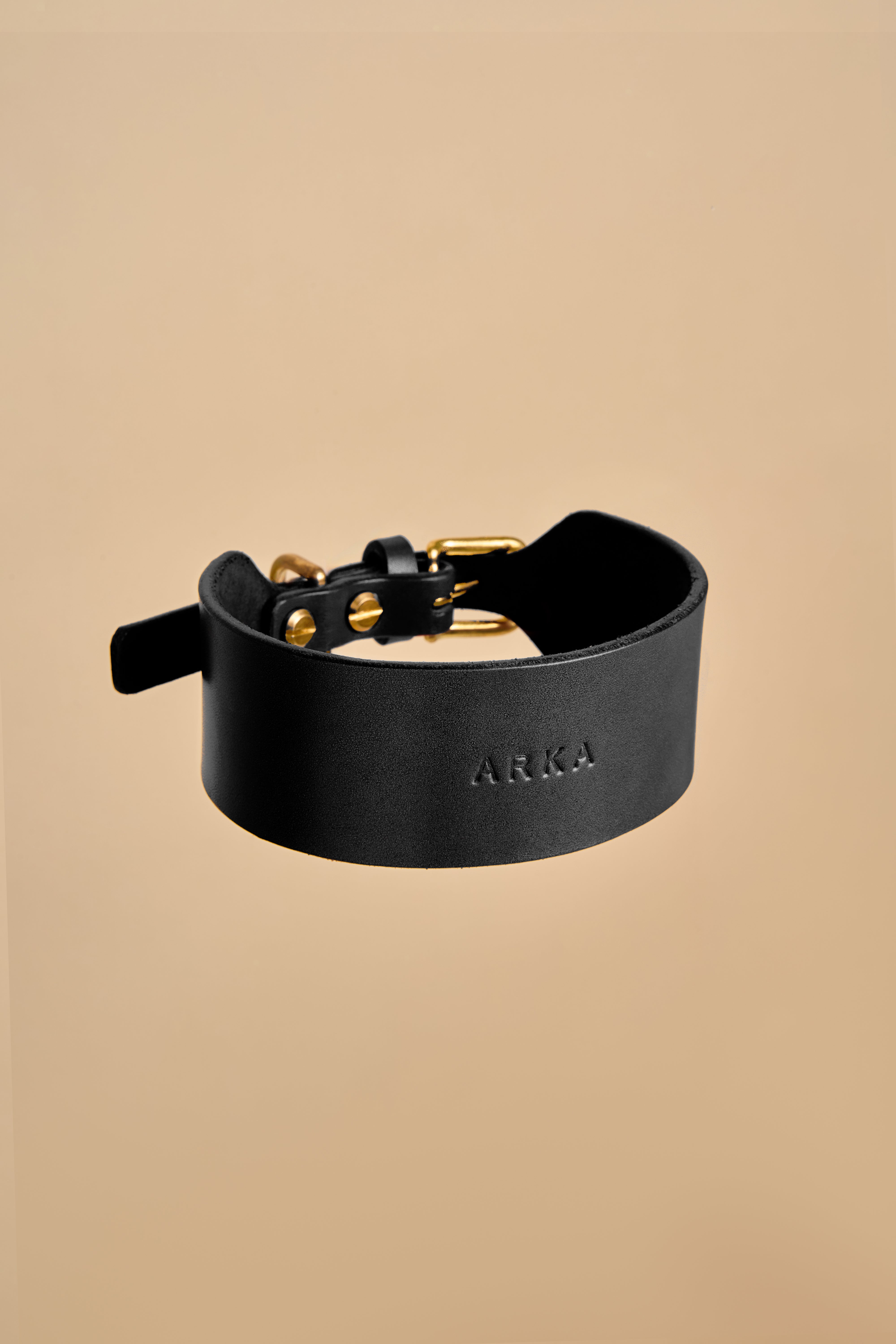
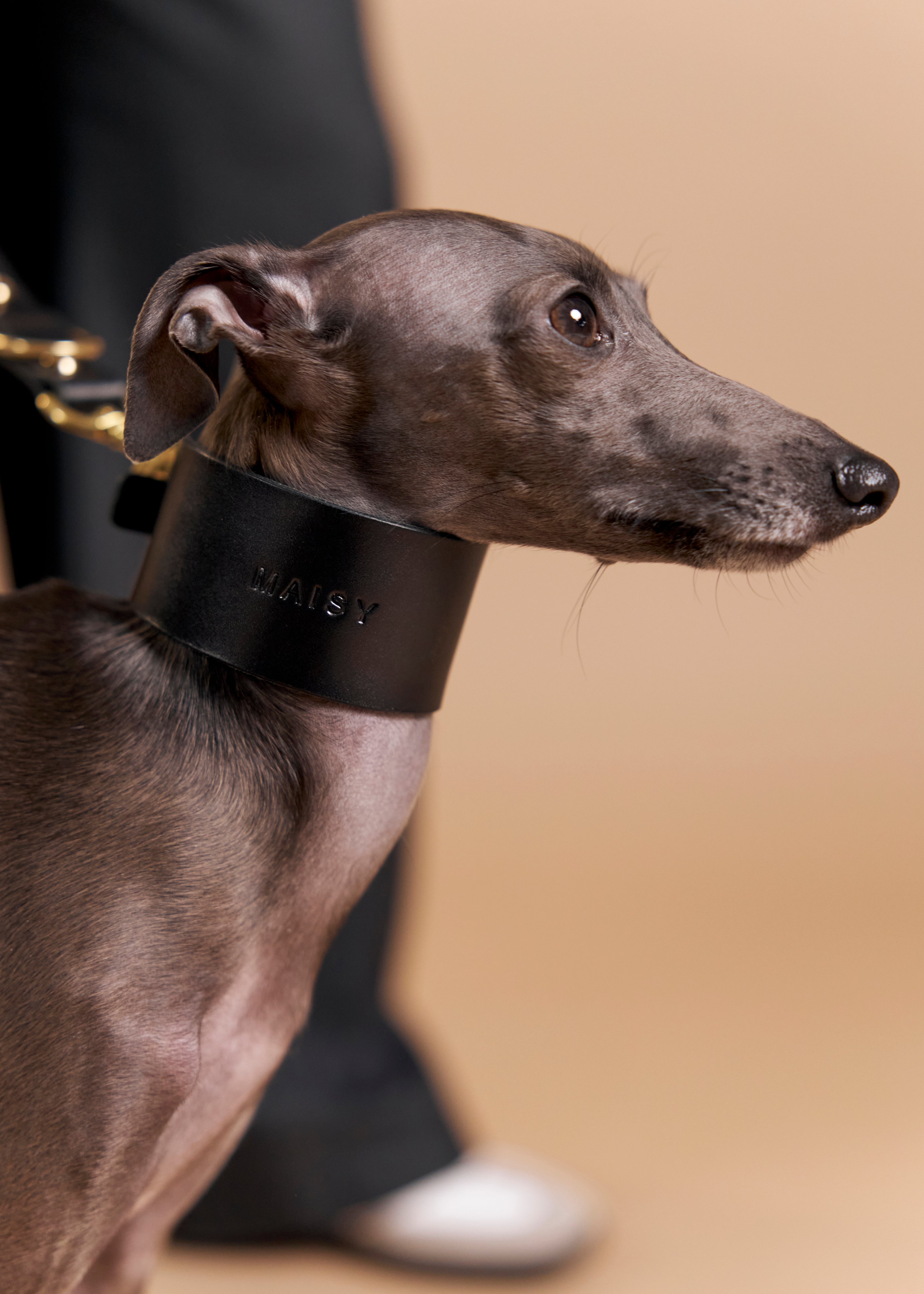
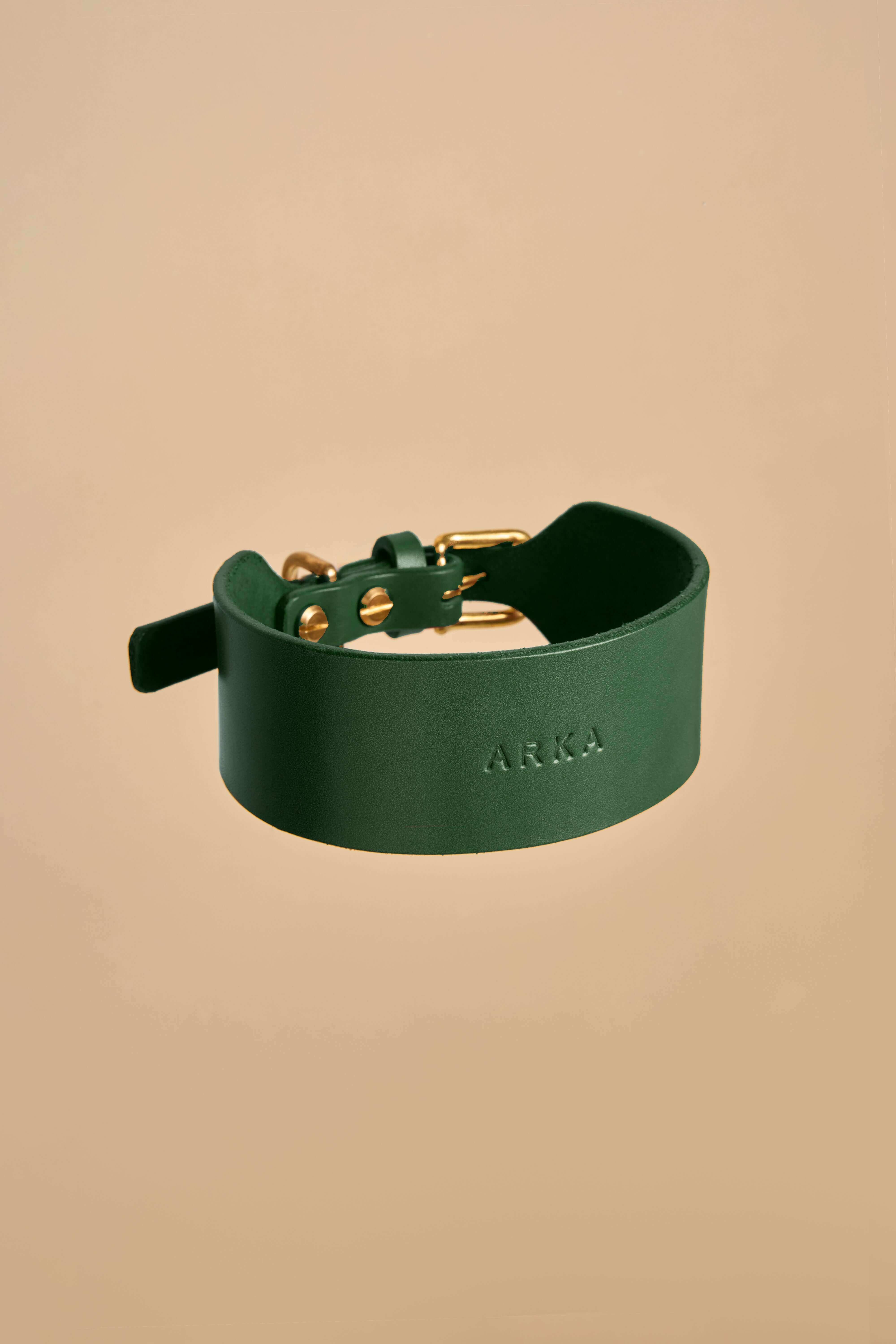
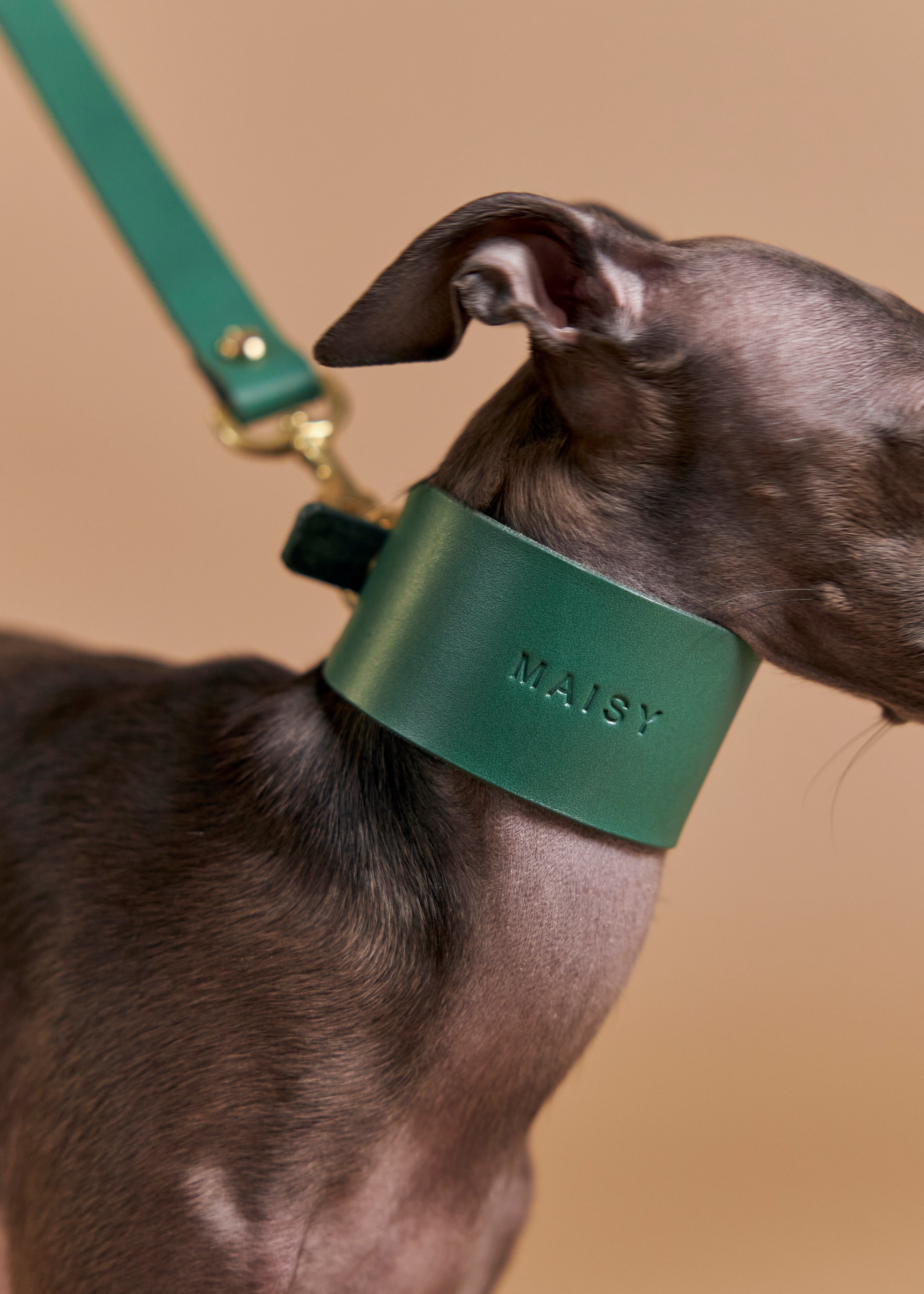
You want to find a harness that is going to be durable, and made from a non-toxic material like our favourite, vegetable tanned leather. This offers both longevity and extreme comfort, and also has the added bonus of being hypoallergenic and eco-friendly!
Why Keeping the Shoulder Free Is the Most Important Feature
Of all the features listed above, the shoulder clearance requirement is the one most worth understanding deeply because it is the feature most commonly sacrificed in cheaper harness designs and the one whose absence causes the most lasting harm.
When a harness chest panel sits across the shoulder blade during movement, it compresses the soft tissue at the point of the shoulder joint with every stride. Because the dog's front limb is held entirely by muscles and ligaments rather than a fixed socket, this compression actively interferes with the natural swing of the leg. Over weeks and months of daily use, the dog's body compensates by altering its gait and the compensating muscles develop imbalances that can cause discomfort and injury well beyond the shoulder itself.
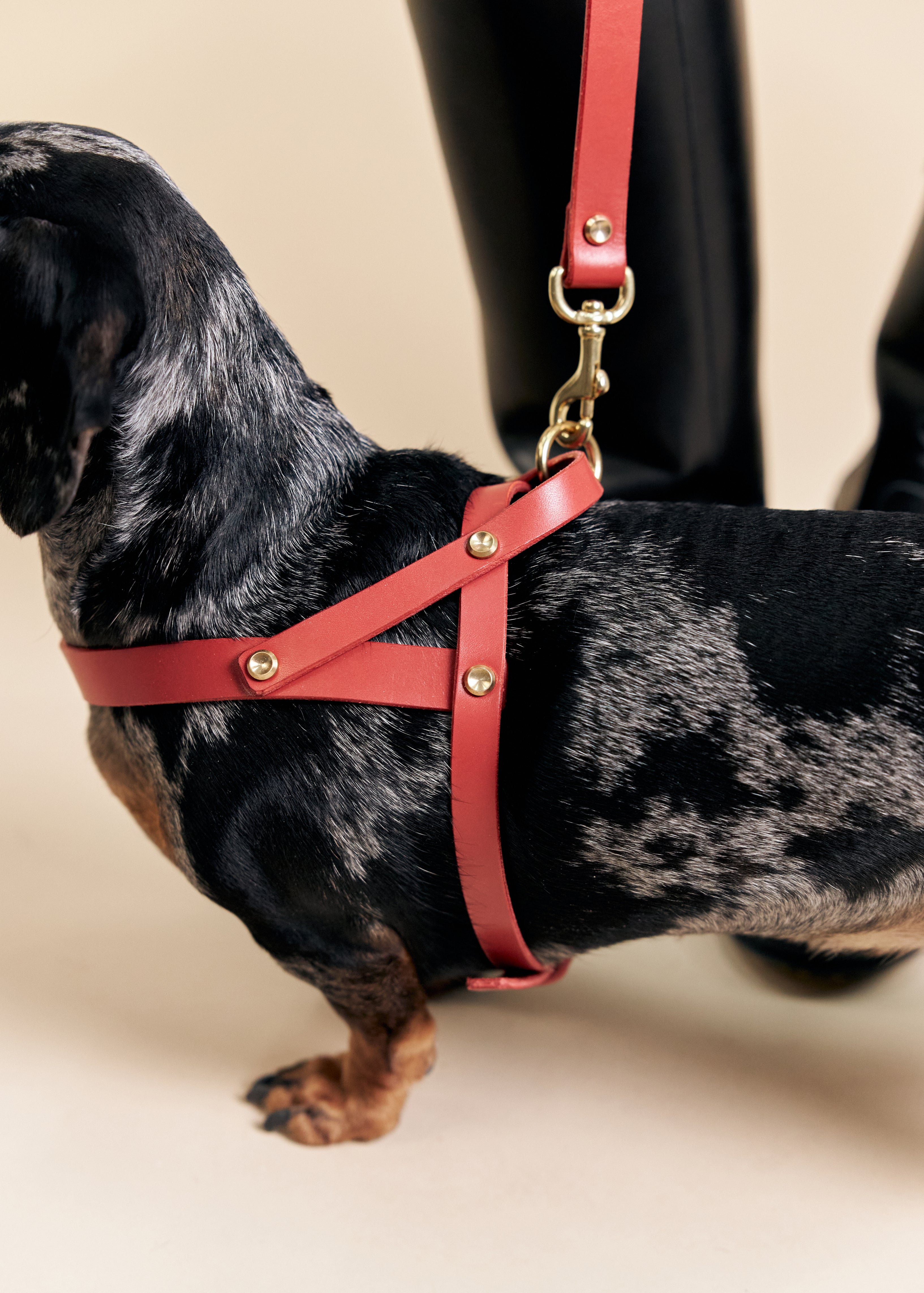
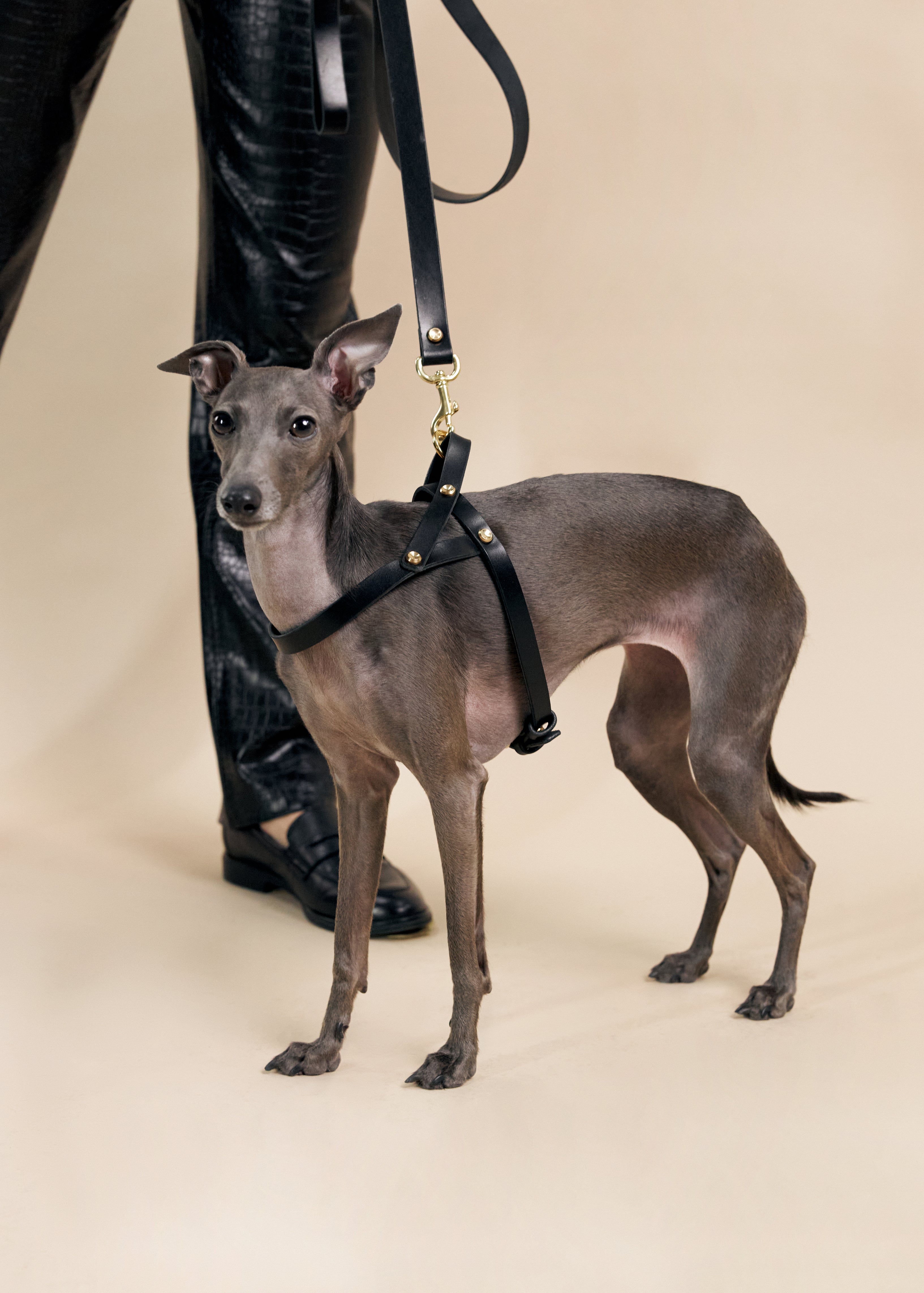
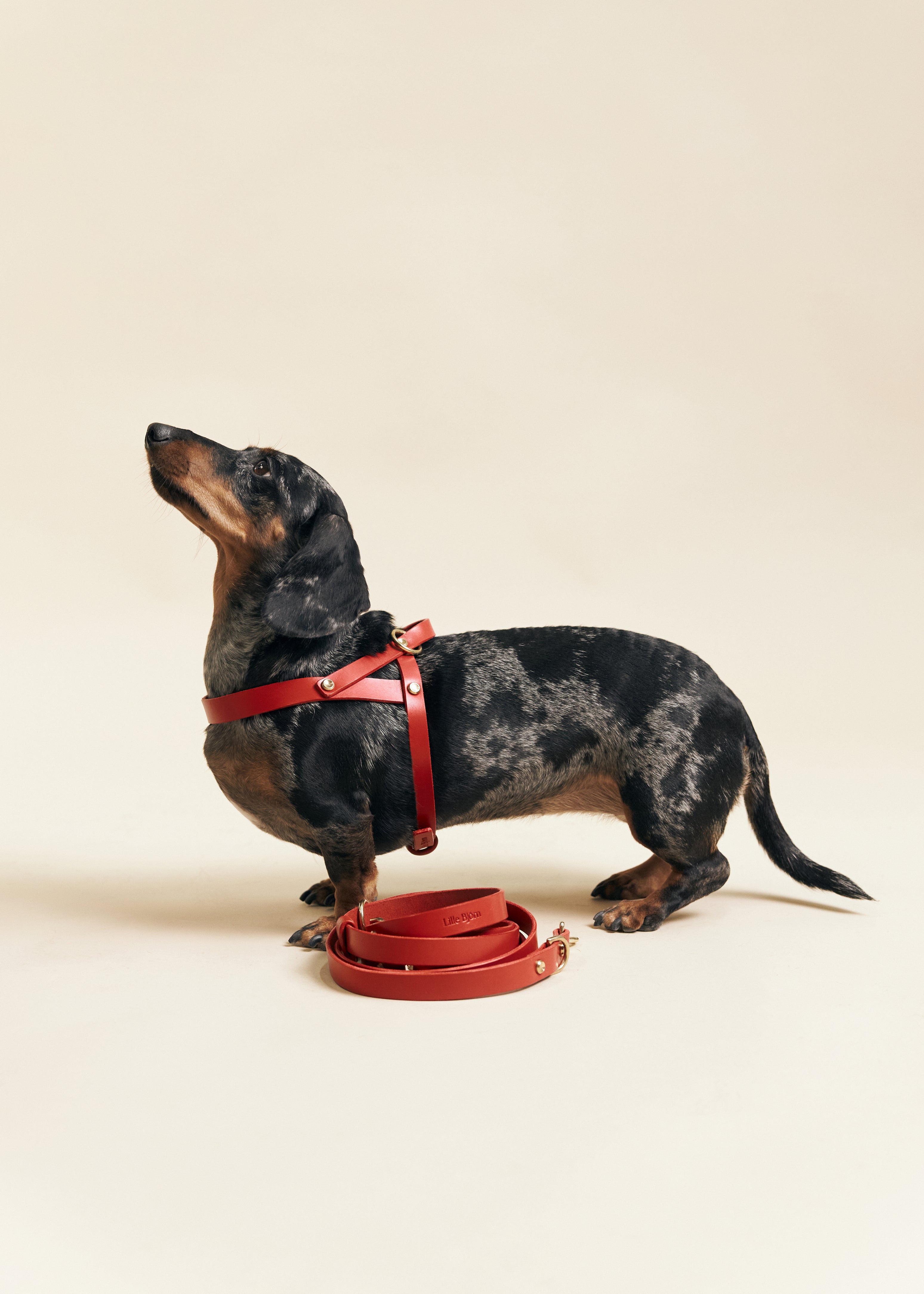
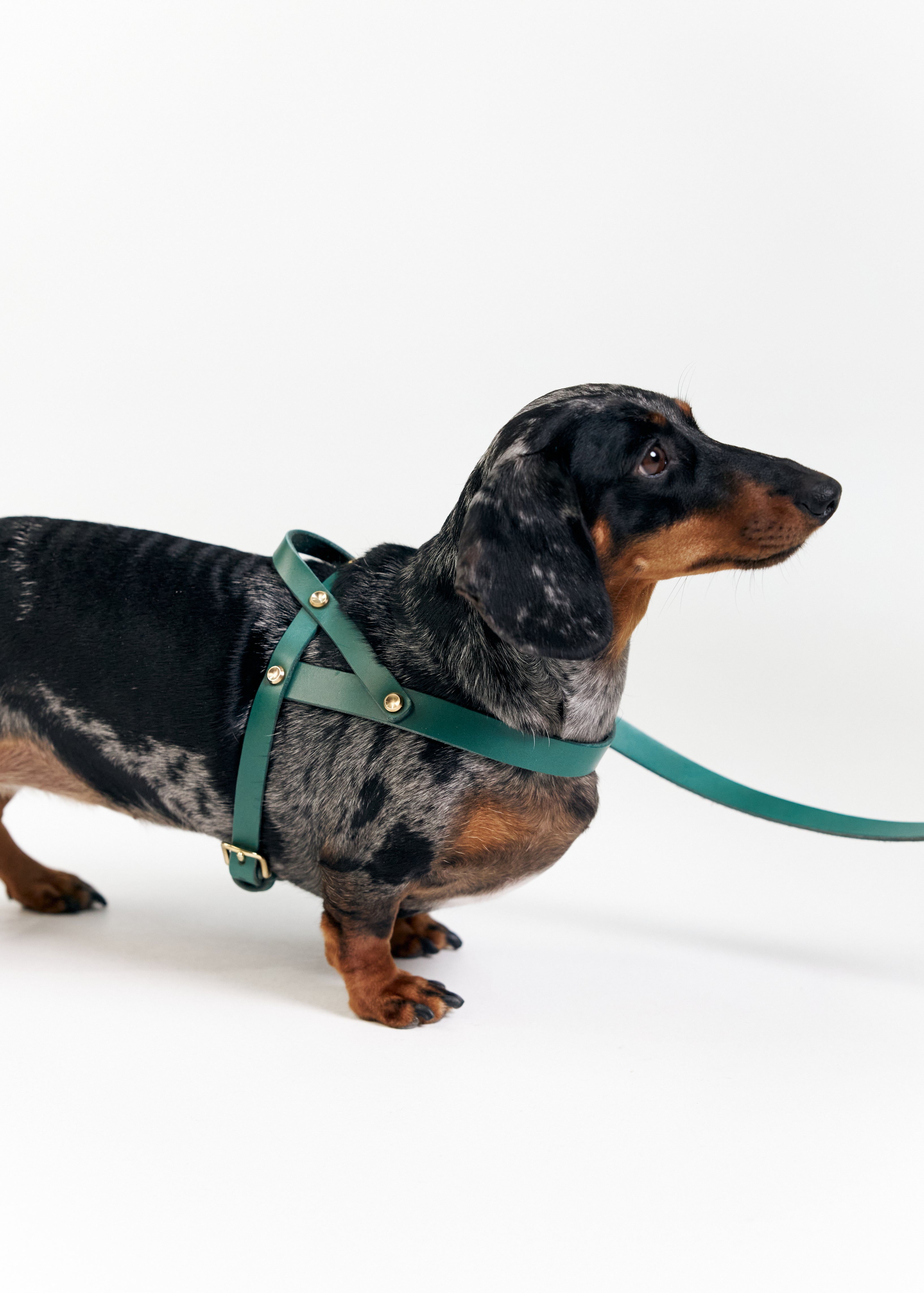
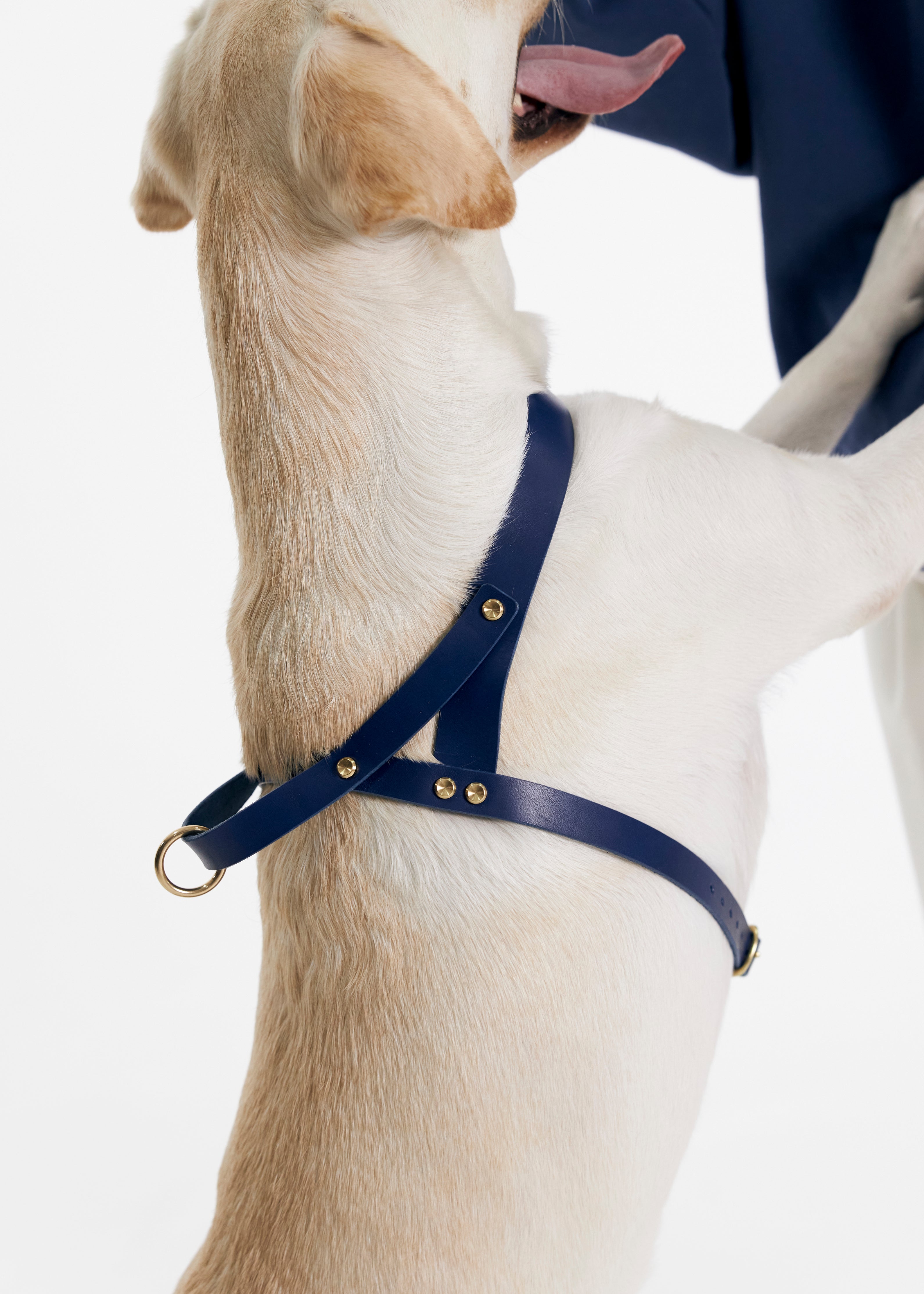
The practical check: with the harness on, ask your dog to walk and observe their front limbs from the side. The shoulder blade should move freely with every stride. If the harness strap moves with the shoulder blade rather than staying still, it is sitting too high, across the joint rather than below it.
Why a Back-Clip Harness is the Best Choice
If you are committed to getting a harness over a traditional collar, then it’s safe to say that a back-clip harness is the way to go for everyday use. Here are some of the biggest reasons why.
-
Designed for Natural Movement
In contrast to the front-clip designs that can so easily restrict the chest area, a back-clip harness allows your pup to walk much more freely. -
Comfortable Fit for Daily Walks
The even distribution that a back-clip harness provides means that your dog will be much more comfortable for the entirety of their daily walk (or walks!). -
No Underarm Rubbing
When fitted properly, a back-clip harness guarantees that there won’t be any painful chafing under your dog’s legs. -
Secure and Reliable
It goes without saying that a high quality back-clip harness is going to stay firmly but comfortably in place, not loosening over time without your realizing.

The honest acknowledgement worth making: a back-clip harness does not physically prevent a strong dog from pulling the way a no-pull harness attempts to. A dog can still lean into the back attachment point with their full body weight. This is not a weakness, it is the design working correctly. The harness keeps the dog safe and comfortable. The training addresses the pulling behaviour. Attempting to suppress pulling through physical restriction on the shoulder is not the same as teaching a dog not to pull, and the physical cost is paid by the dog in every stride over the life of the harness.
The Best Material for a Dog Harness: Vegetable-Tanned Leather
When it comes to choosing the best harness for your pup, selecting the perfect material is essential for both safety and comfort. As we’ve already hinted at, we think that vegetable-tanned leather is the ideal choice for all.
-
Naturally Hypoallergenic
Vegetable-tanned leather is free from all of the harmful chemicals and synthetic dyes that cheaper alternatives use, which makes it the safest choice by far for pups with sensitive skin. -
Breathable and Softens Over Time
Unlike the range of synthetic materials, leather is something that can adapt to the unique shape of your dog’s body, ensuring comfort and also becoming pleasantly softer with use without losing its strength. -
Durable and Long-Lasting
Vegetable tanned leather is incredibly strong and sturdy, which means that a single purchase can last for years. -
Eco-Friendly and Sustainable
The tanning process for vegetable tanned leather is an environmentally friendly process, which makes it the most sustainable choice on the pet store shelves.
Types of Dog Harnesses: What to Know Before Buying
Not all harnesses are built the same. Here is a quick guide to the most common designs and where each one sits on the good-to-bad spectrum.
-
H-Harness
Two horizontal straps connected by a vertical piece form an H-shape. Common in budget designs. The upper horizontal strap typically sits at shoulder height, making it the design most associated with shoulder restriction and gait interference. -
Step-In Harness
The dog steps into two loops and the harness clips at the back. Easy to put on. Acceptable for calm, small breeds on short walks where precise fit can be maintained. Check that the chest piece sits below the shoulder joint. -
Vest Harness
A padded vest design that distributes pressure across a wider surface. Can be very comfortable for small or sensitive-skinned breeds. The wide chest panel must be checked carefully, some vest designs sit across the shoulder blade. Always run the shoulder clearance check before regular use. -
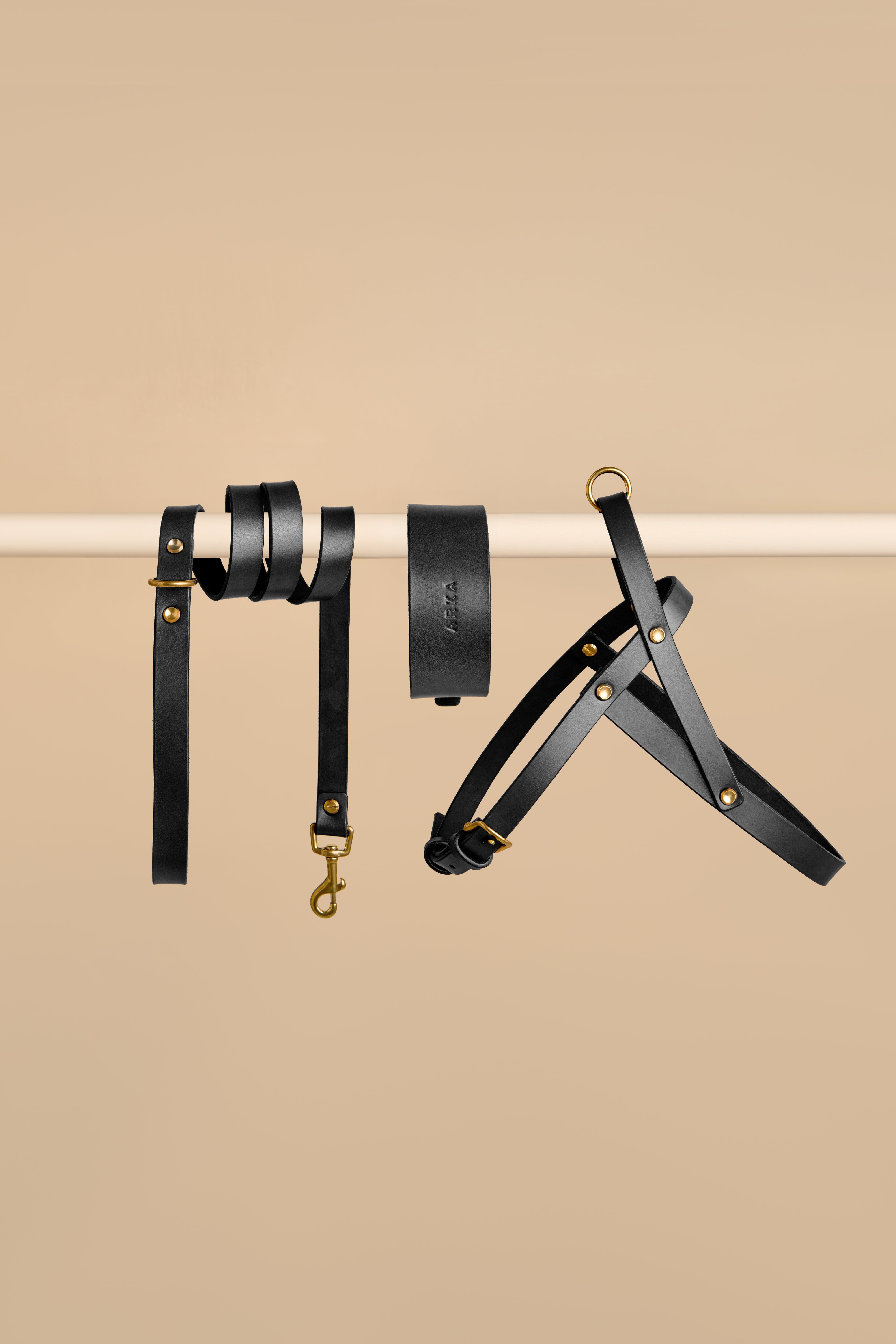
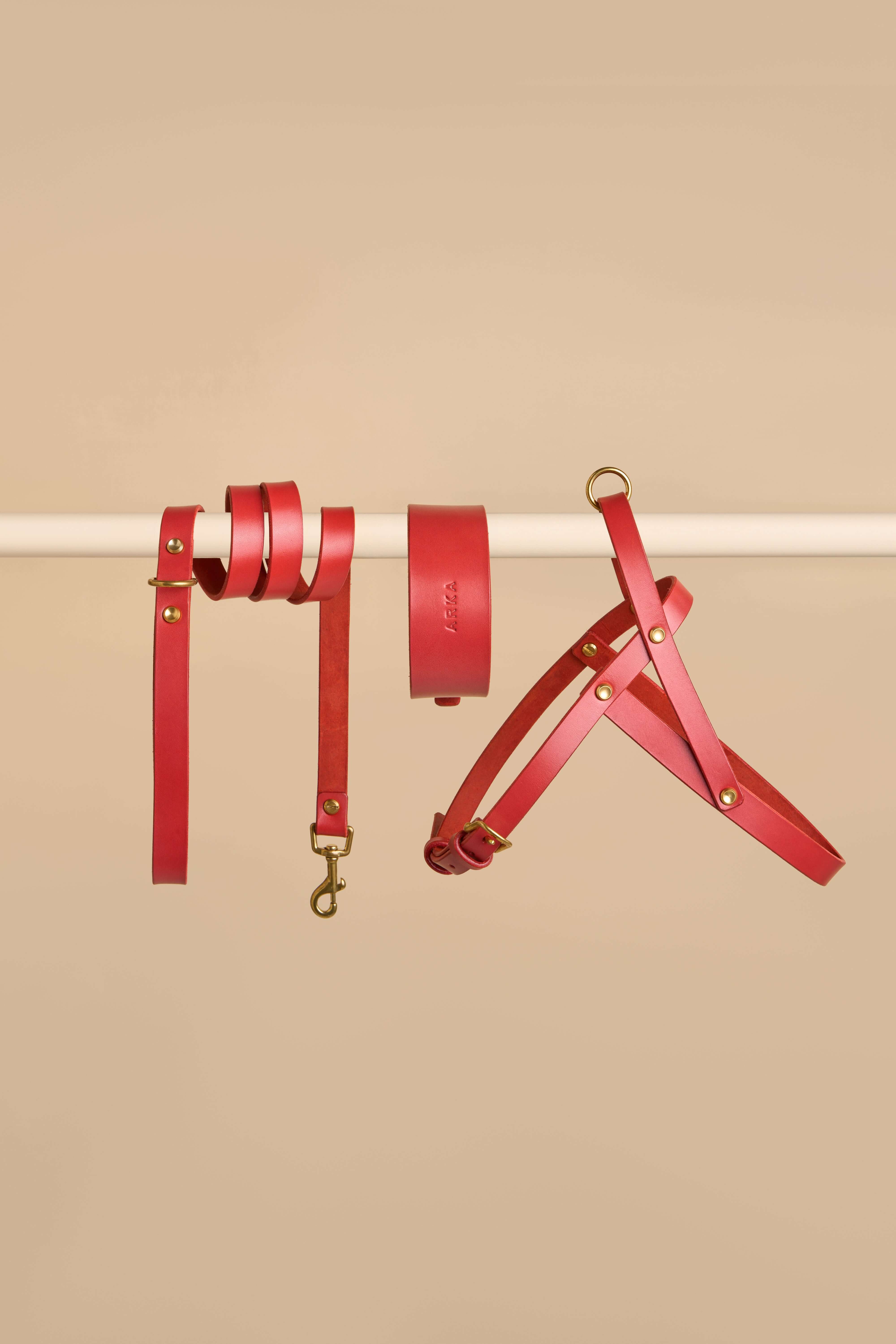
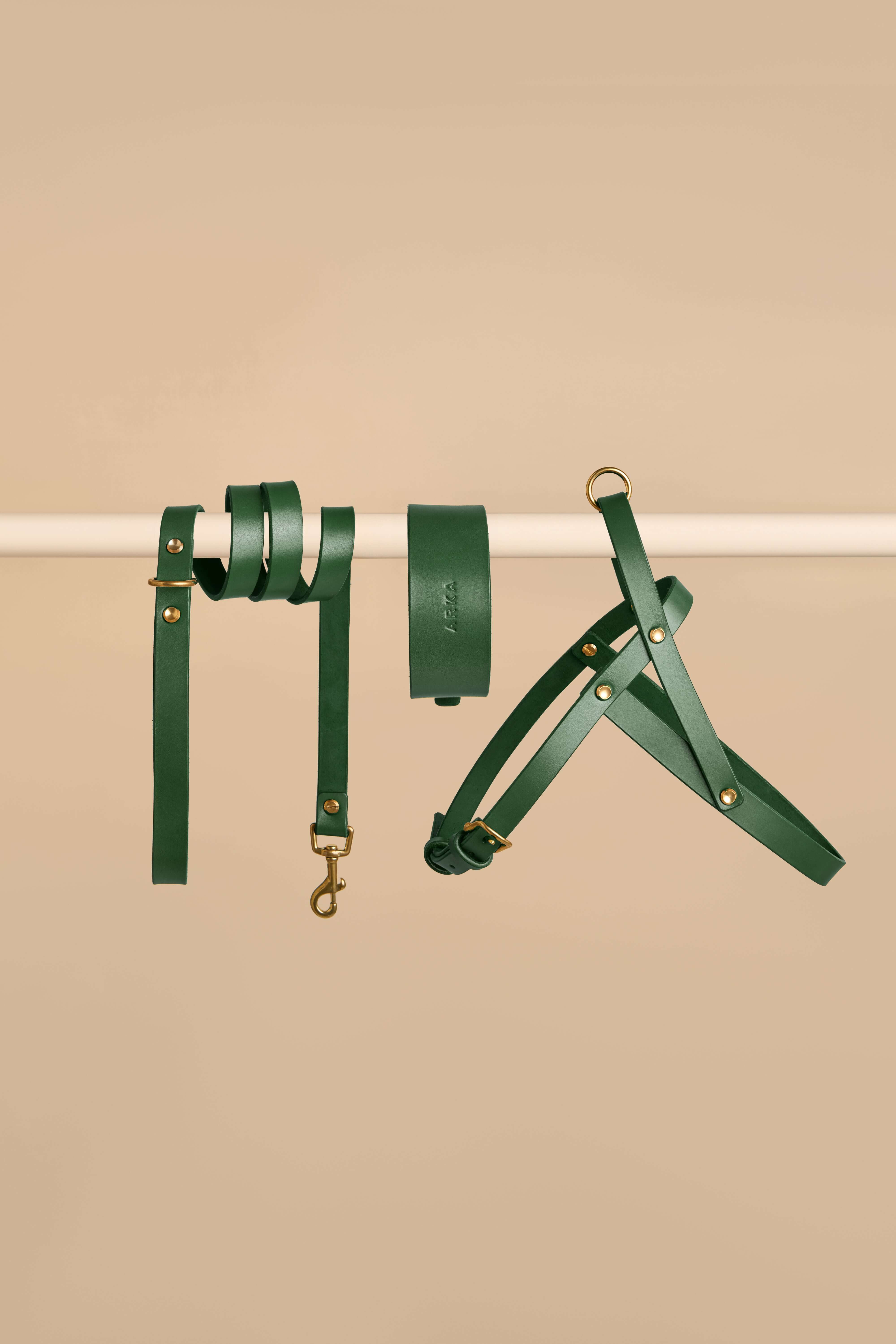
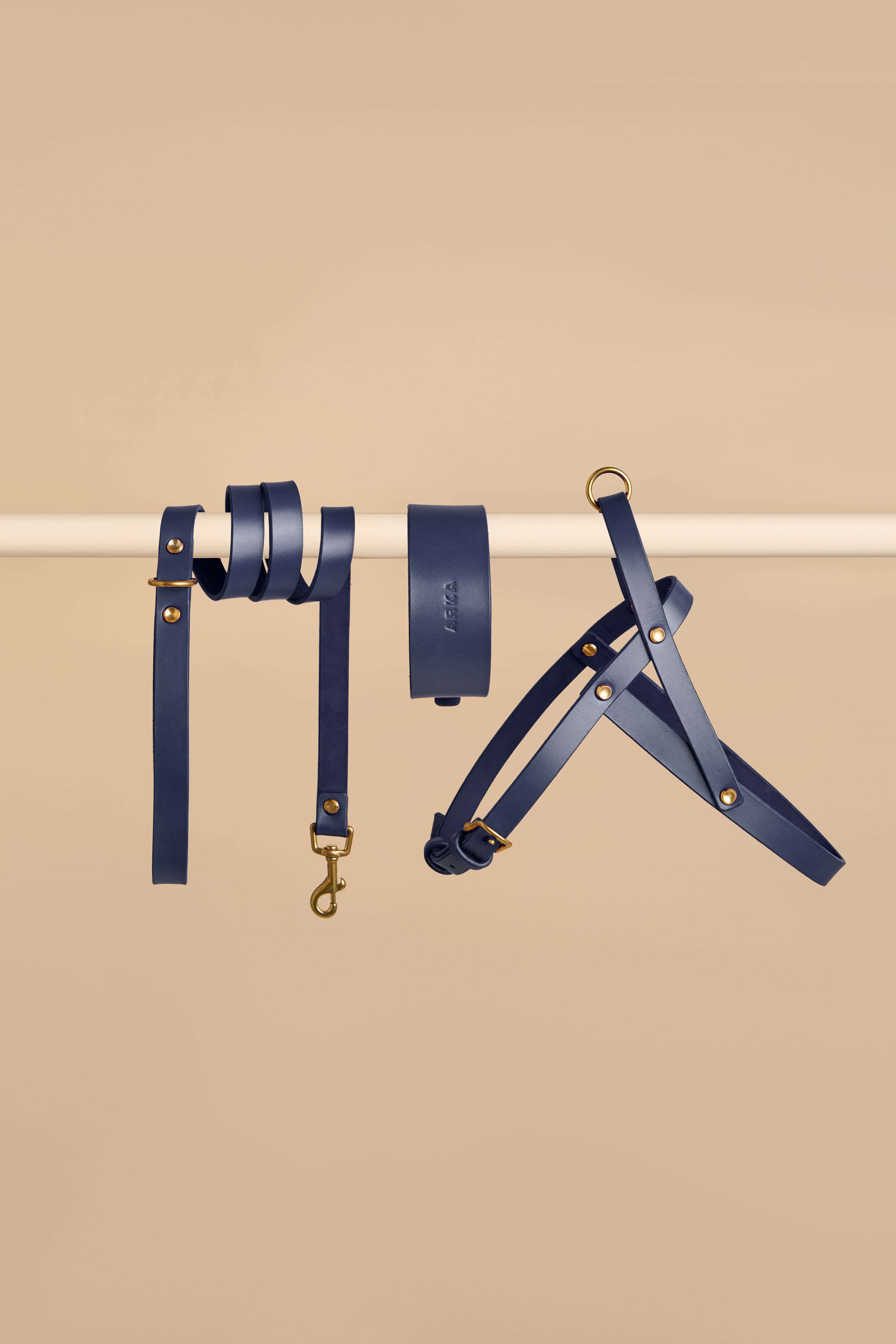
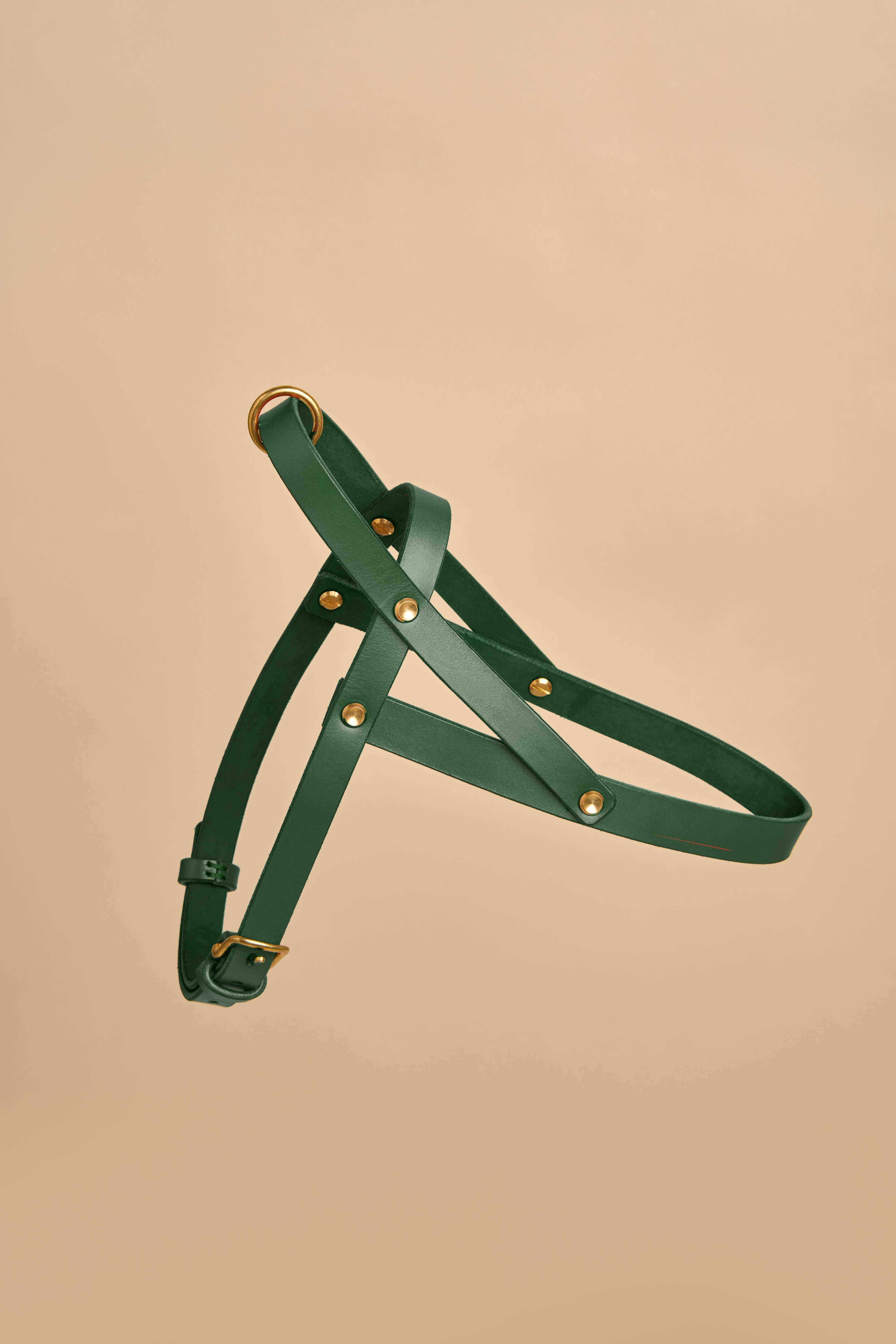
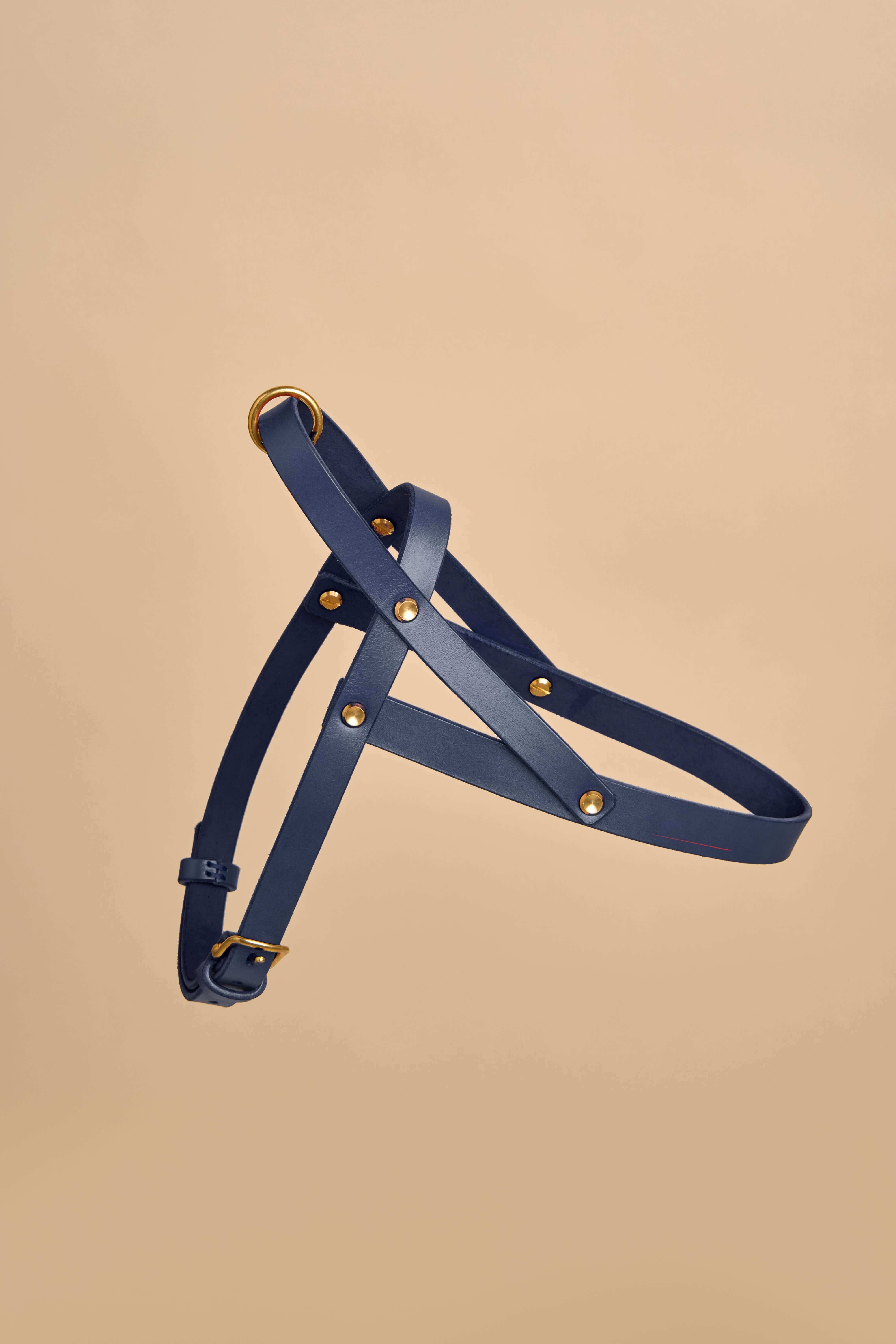
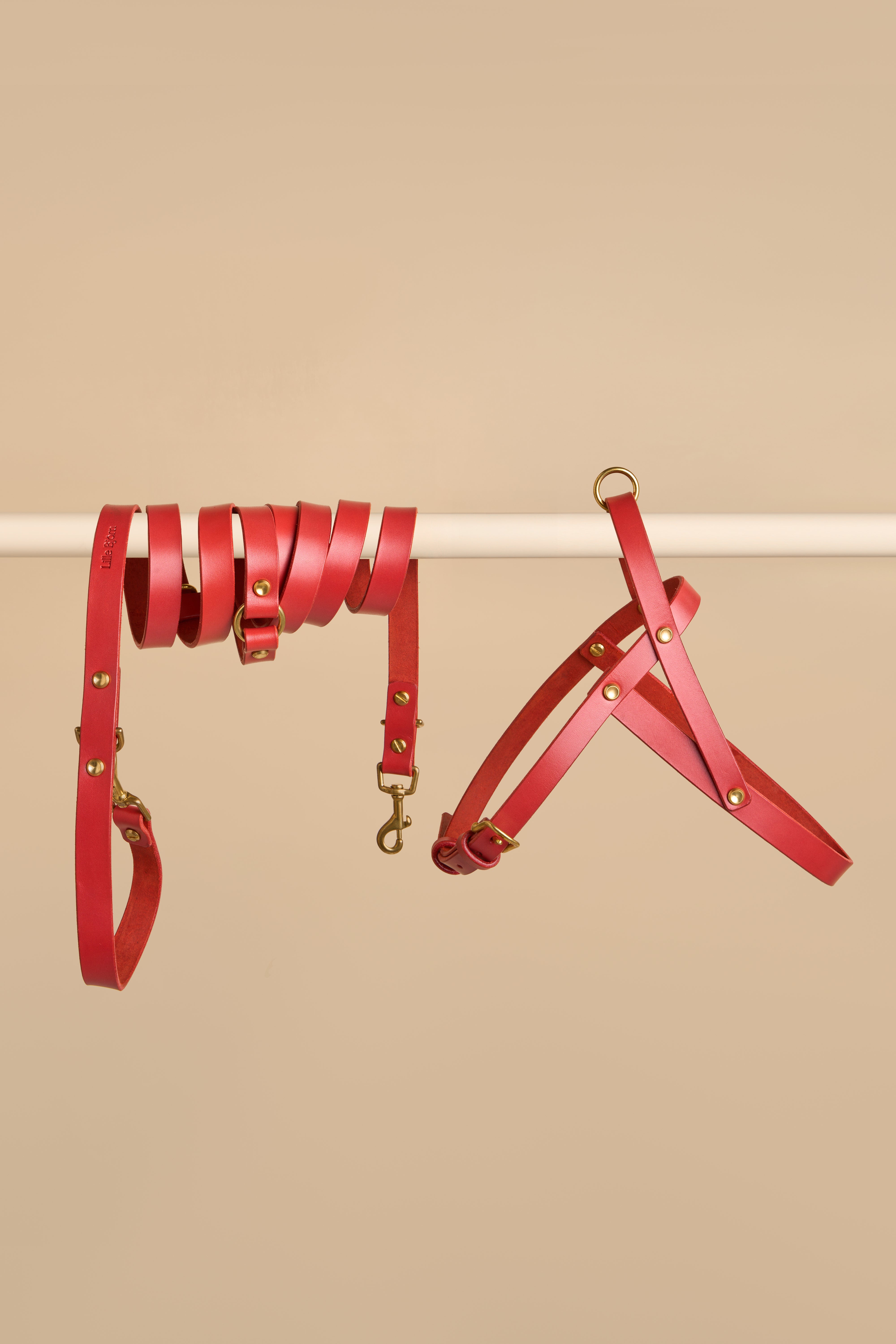
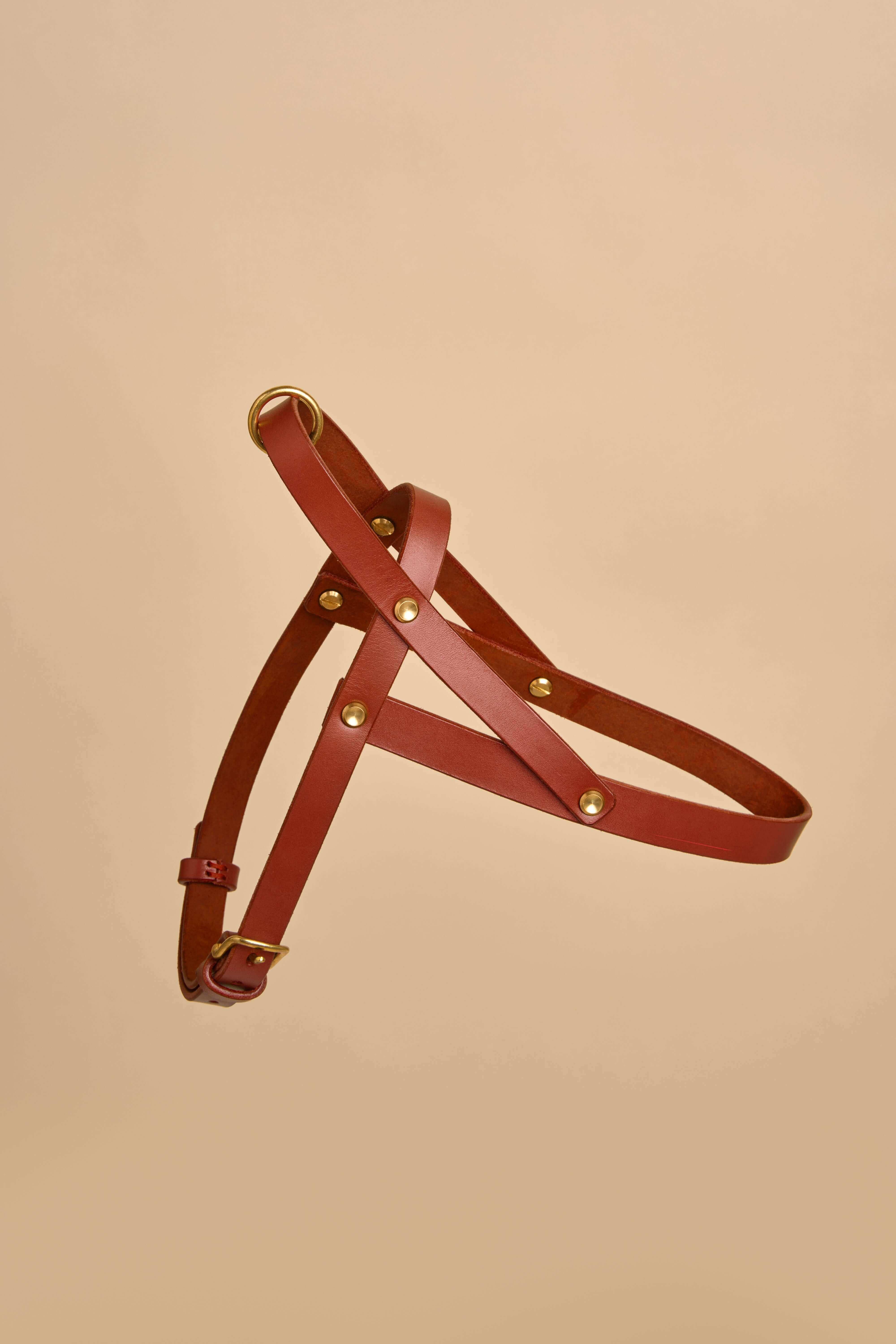
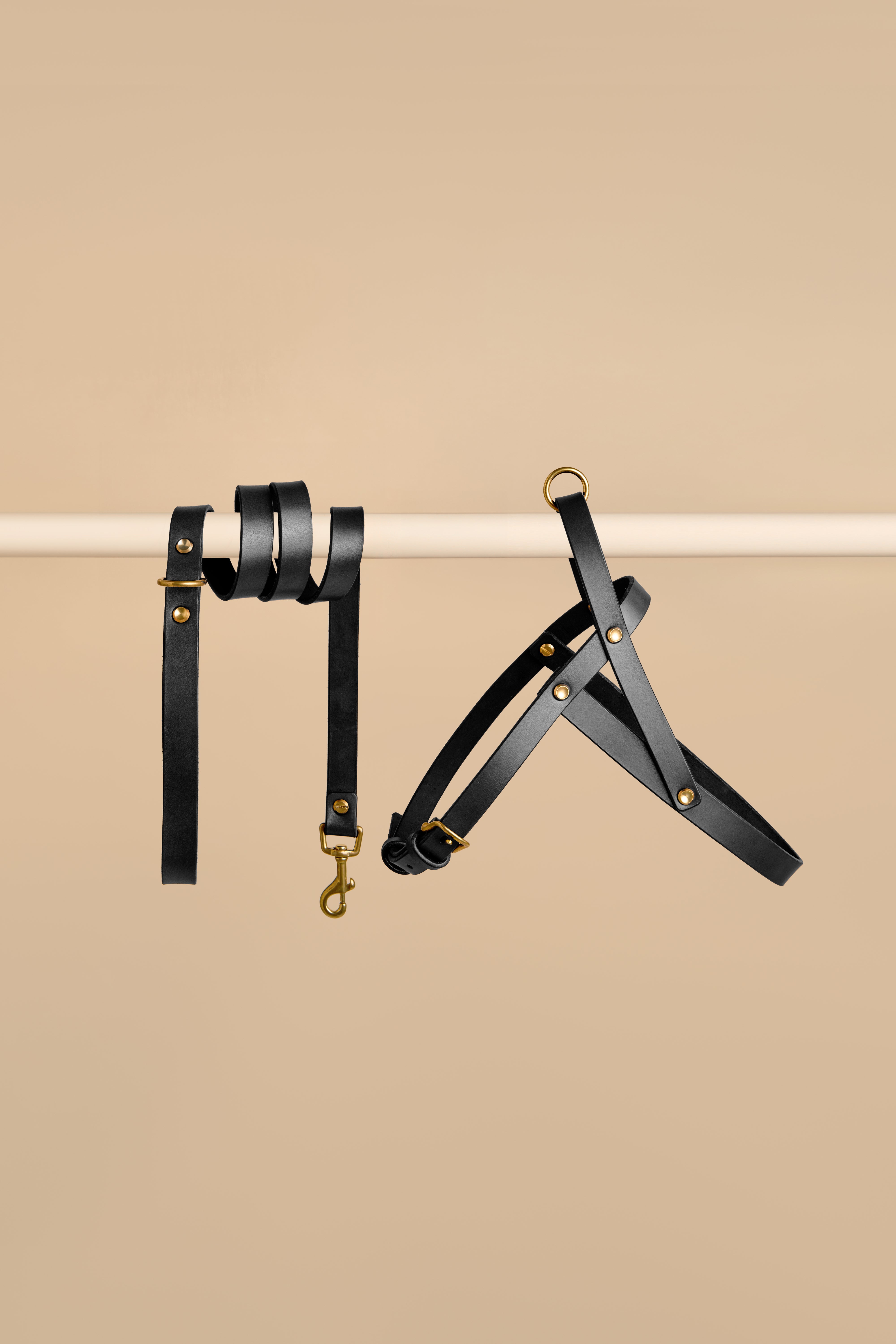
Back-Clip Leather Harness
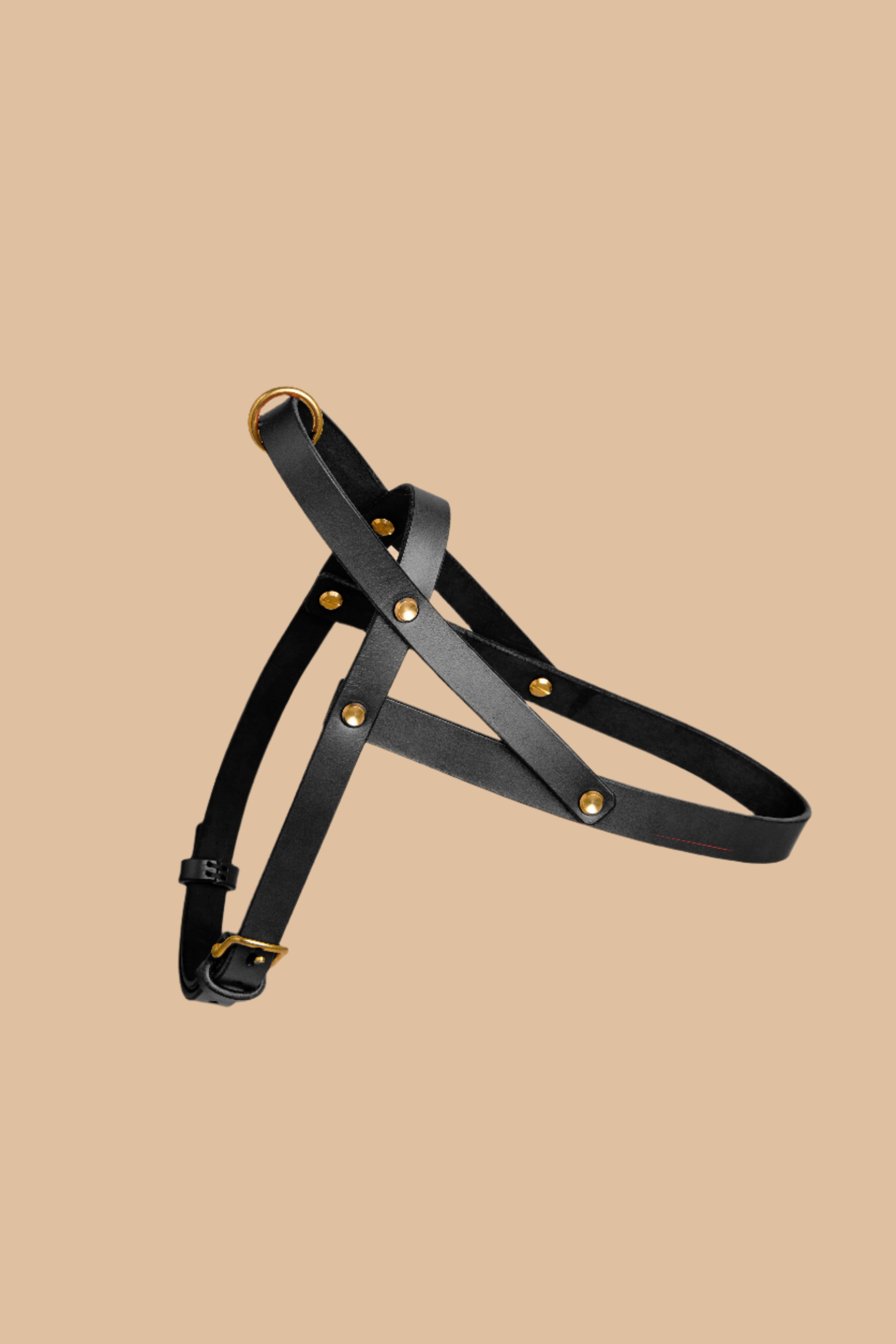
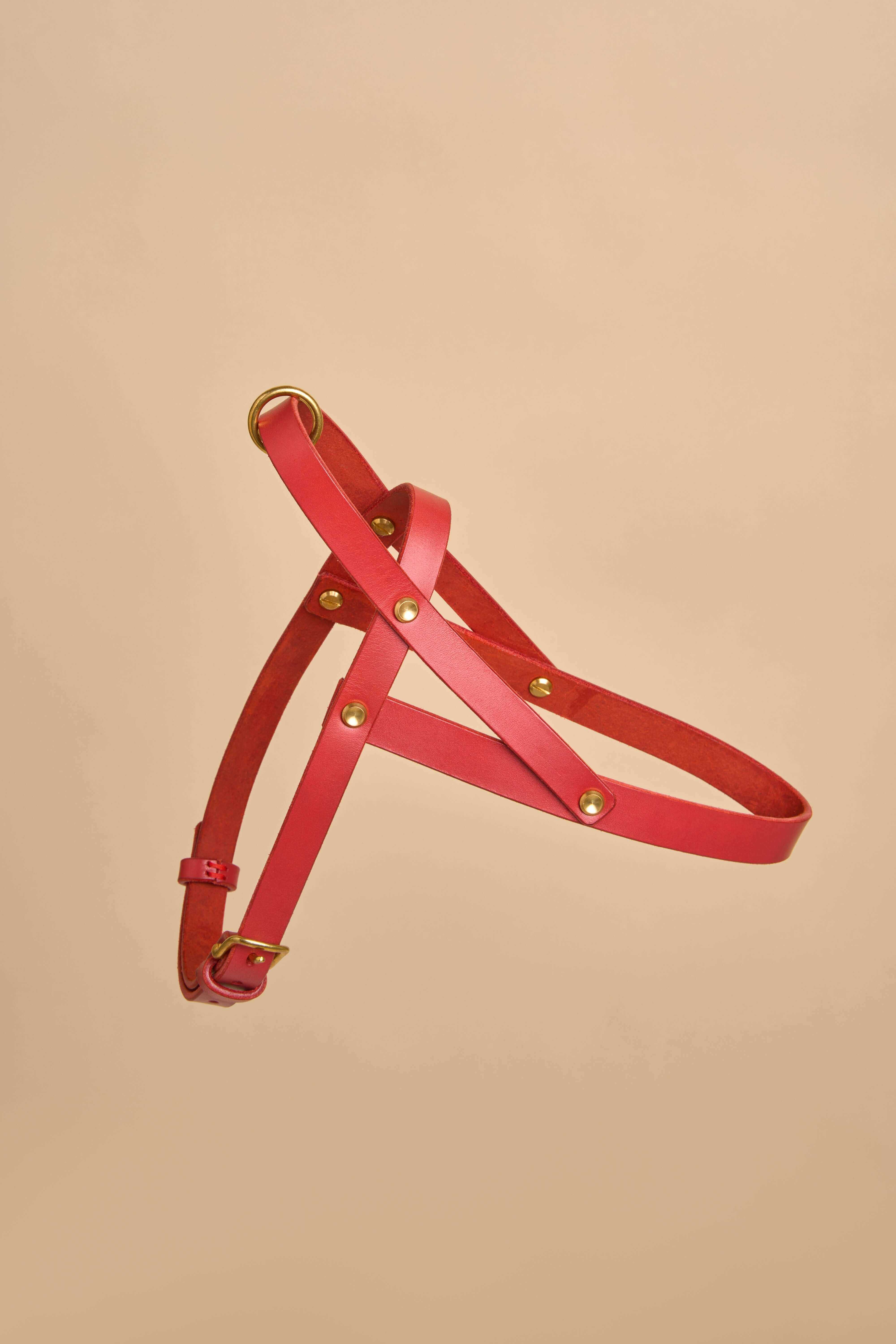
A Y-front or centre-chest design that clears the shoulder joint entirely, with the lead attaching at the back. The recommended choice for everyday use across most breeds. Quality vegetable-tanned leather softens and conforms to the dog's body over time, providing a custom fit that no synthetic harness can replicate.
The Right Way to Stop Pulling: Training Over Equipment
Something that we think is really important to stress is that a harness alone isn’t going to solve your pup’s pulling issues. You also need to put in some work of your own on the training side of things. Here are a few pointers!
-
Start with Short Walks
The best way to start with good leash manners is taking short walks in an environment with low levels of distraction. -
Reward Good Behavior
Make sure to ply your pup with plenty of treats and verbal praise when they react positively to loose leash walking! -
Use Direction Changes to Correct Pulling
When your dog does give into temptation and pull, make sure to change direction in order to regain their attention and engagement. -
Stay Consistent
Your pup will respond positively to consistency, so make sure to be regular with your training efforts and keep going to achieve the best long term results.

How to Choose the Right Harness for Your Dog
You can make the best choice for a harness by considering these individual factors for your pup’s specific needs and traits.
-
Size and Breed
Take note of whether your dog is classed as small, medium or large. They all have slightly different requirements for harnesses! -
Activity Level
If your pup is more active, then they will definitely need a harness that is durable and breathable, whilst a less active dog might want to prioritize comfort instead. -
Support Natural Movement
You want to make sure you select a harness that offers a full range of motion, especially avoiding any shoulder restriction. -
Invest in Quality
Don’t fall into the trap of picking up a cheaper harness to save some money, because you will only have to replace it more frequently. Well made, high quality options are durable, comfortable and safer in the long term.
Are Harnesses Good or Bad for Puppies?
For most puppies, a correctly fitted back-clip harness is the recommended choice from the very first walks. A puppy's trachea and developing spine are significantly more vulnerable than an adult dog's, any collar used as a lead attachment during the inevitable pulling and lunging of early walks creates genuine injury risk. A harness distributes that force across the chest and back, removing all pressure from the neck entirely.
The important rule for puppies: check the fit every two weeks without exception. Puppies grow rapidly and a correctly fitted harness can become restrictively tight within days during a growth spurt. The two-finger rule applies at every strap point such as chest, girth, and shoulder. A harness that passes these checks keeps your puppy safe and comfortable throughout the critical early months of lead training.
Frequently Asked Questions: Good vs Bad Dog Harnesses
Are harnesses good or bad for dogs?
Harnesses are good for dogs when designed and fitted correctly. A well-fitted back-clip harness that keeps the shoulder joint free distributes leash force across the chest and back protecting the neck and trachea from concentrated collar pressure while allowing completely natural movement. Harnesses become harmful when they restrict the shoulder joint, as most no-pull and front-clip designs do. The design and fit determine whether a harness is beneficial or damaging, not the harness category itself.
Are harnesses bad for dogs' shoulders?
Specific harness designs are those whose chest panel crosses the shoulder blade during movement. The dog's front limb is held entirely by muscles and ligaments rather than a fixed socket, so any strap compressing the shoulder joint shortens the front limb's natural swing with every stride. Over weeks and months this causes muscle imbalances, gait changes, and potentially shoulder strain. A back-clip harness that keeps the shoulder joint completely clear does not carry this risk.
What harnesses are bad for dogs?
No-pull and front-clip harnesses are the most common problematic designs, they restrict shoulder movement and suppress pulling without teaching the dog anything. H-shaped harnesses whose upper strap crosses the shoulder joint are the structural culprit. Loose-fitting harnesses of any design cause underarm chafing and neck rubbing. Harnesses made from coarse synthetic materials that stiffen with wear rather than softening contribute to skin irritation over time.
What is the best type of harness for a dog?
A well-fitted back-clip harness in vegetable-tanned leather one whose chest design keeps both shoulder joints completely free during movement. The lead attaches at the back between the shoulder blades, placing no restriction on the front limb during any part of the stride. Leather softens and conforms to the dog's exact body shape over weeks of wear, producing a comfortable, custom fit. Pair this harness with consistent positive reinforcement training for the loose-lead walking results that no equipment can produce on its own.
Are harnesses good for puppies?
Yes, a correctly fitted back-clip harness is the recommended choice for puppies from the first walks. It distributes leash force across the chest and back, removing all tension from the developing trachea and spine. Check the fit every two weeks during the first six months: puppies grow rapidly and a correct fit can become restrictively tight within days during a growth spurt.
What makes a good dog harness?
Five features: the chest panel keeps both shoulder joints completely free during movement; pressure distributes evenly across the chest and sternum; the fit is snug enough to be stable without rubbing (two-finger rule at every strap); the material does not abrade the skin with daily wear; and the hardware is solid and non-corroding. Vegetable-tanned leather with solid brass fittings meets every material criterion and improves with wear rather than degrading.
Is a back-clip harness better than a no-pull harness?
Yes, for everyday use. A back-clip harness allows completely natural movement, places no restriction on the shoulder joint, and works in harmony with training. A no-pull harness restricts the shoulder during movement and suppresses pulling without teaching the dog that calm walking is the right behaviour, remove it and pulling resumes unchanged. The back-clip harness is the more comfortable, more durable, and physically safer choice for daily use across all breeds.
Conclusion: Give Your Dog the Comfort They Deserve!
Choosing the right harness is one of the most consequential decisions you make for your dog's physical wellbeing because the wrong one is worn on every single walk, causing cumulative damage that is invisible until it becomes significant.
A well-designed back-clip harness in vegetable-tanned leather, shoulder-free, evenly distributed, correctly fitted, and built from a material that softens rather than stiffens with use is the complete answer. Pair it with consistent training that builds genuine loose-lead manners, and you have the combination that every dog and owner deserves: walks that are comfortable, connected, and free of equipment dependency.
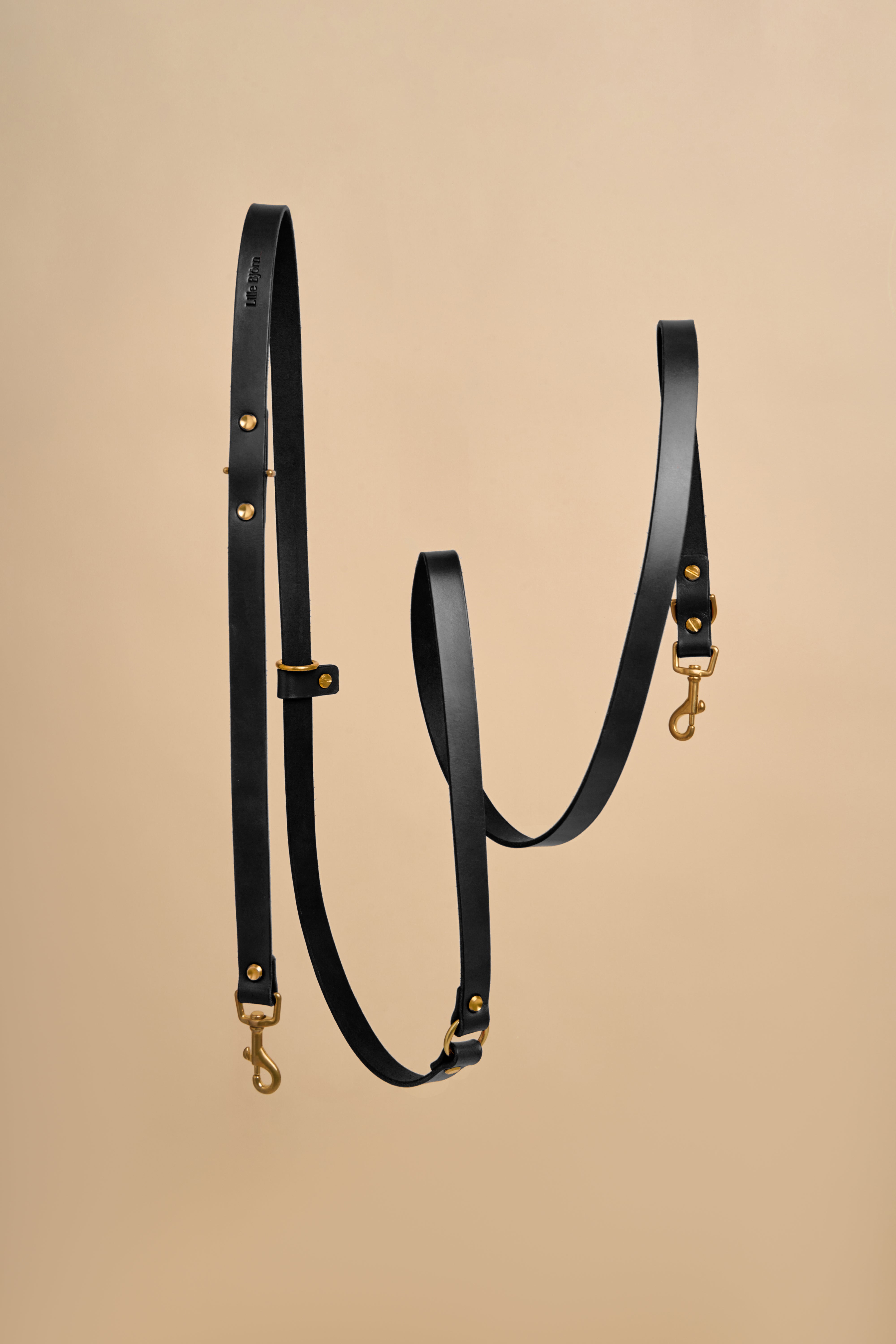
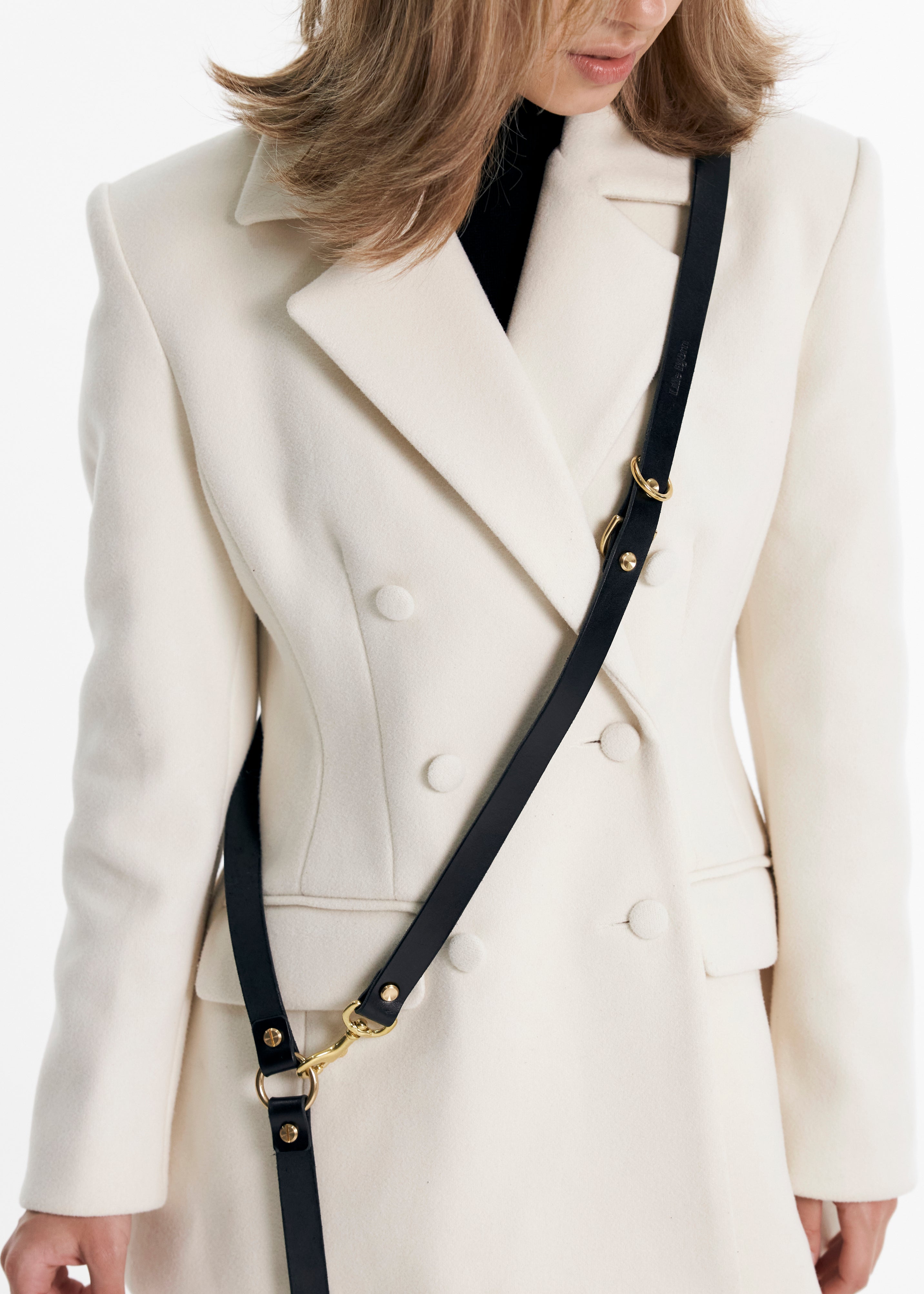
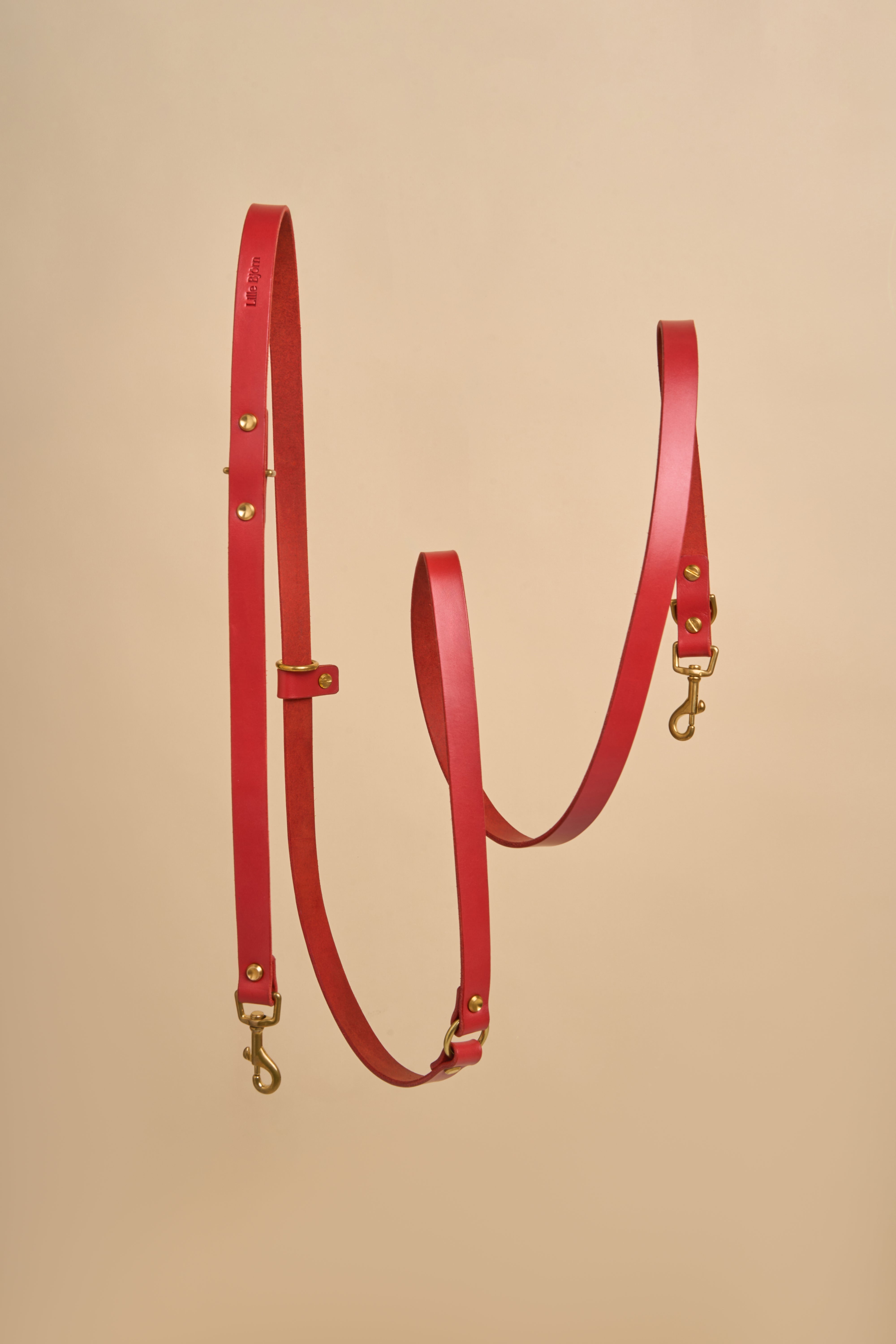
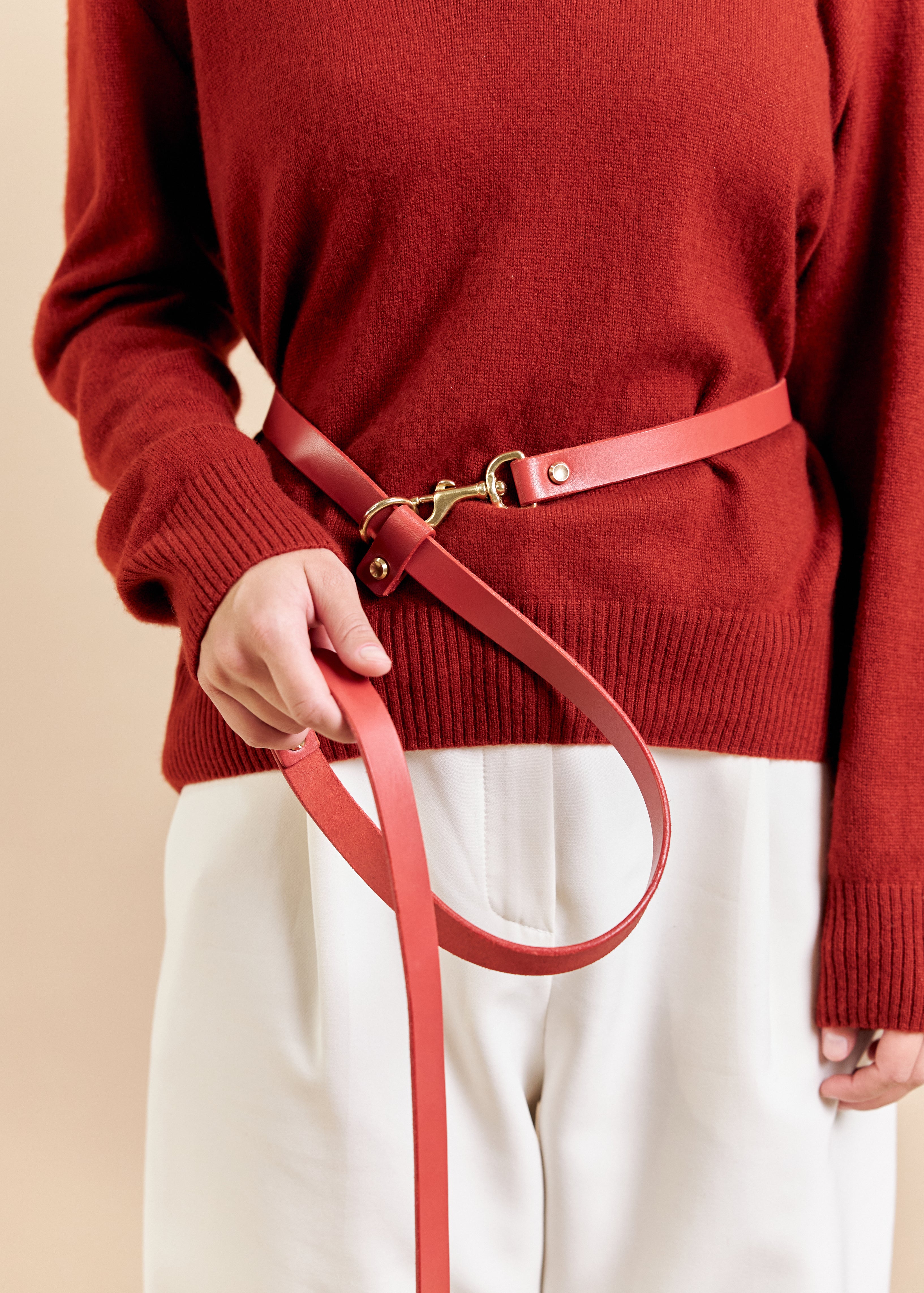
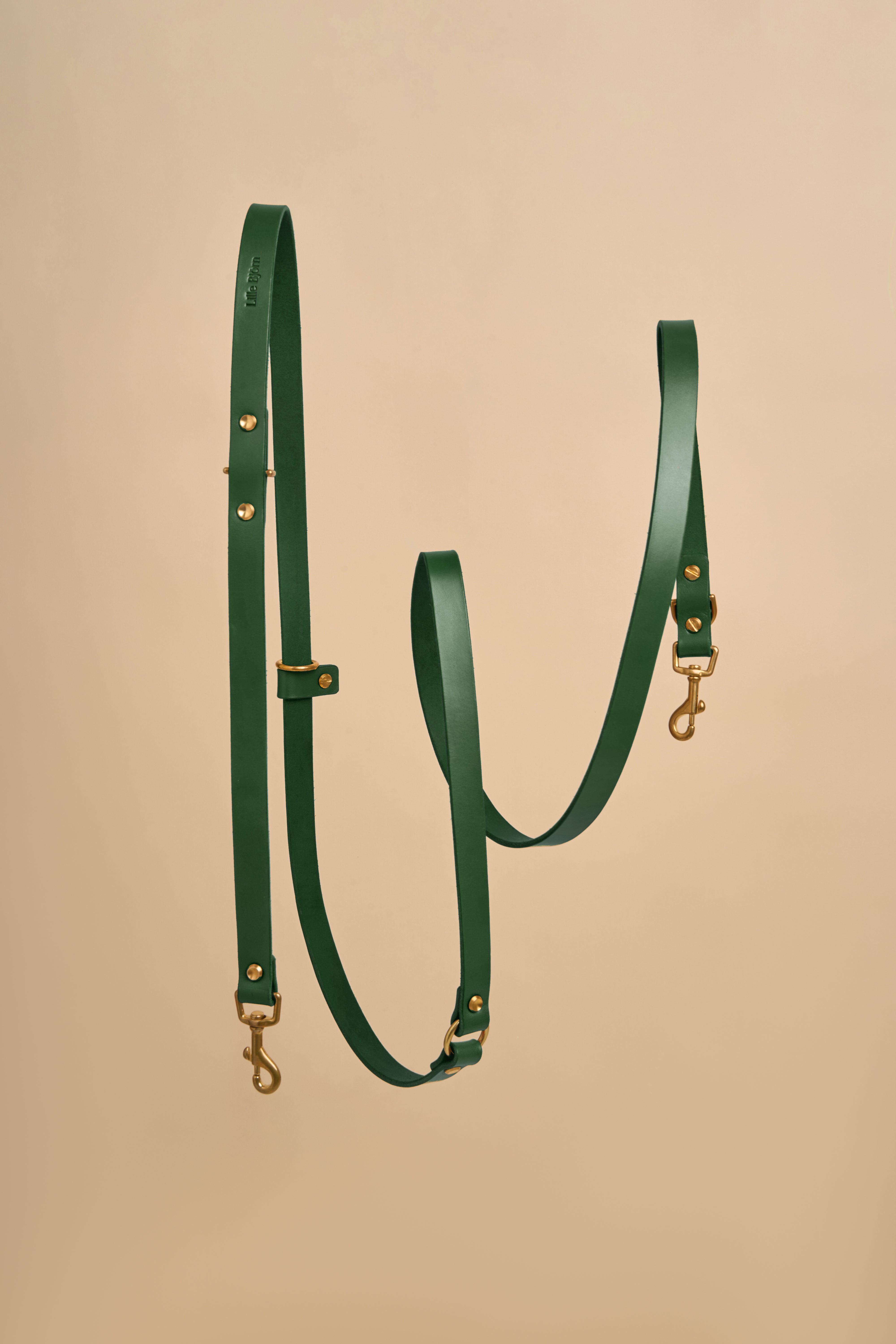
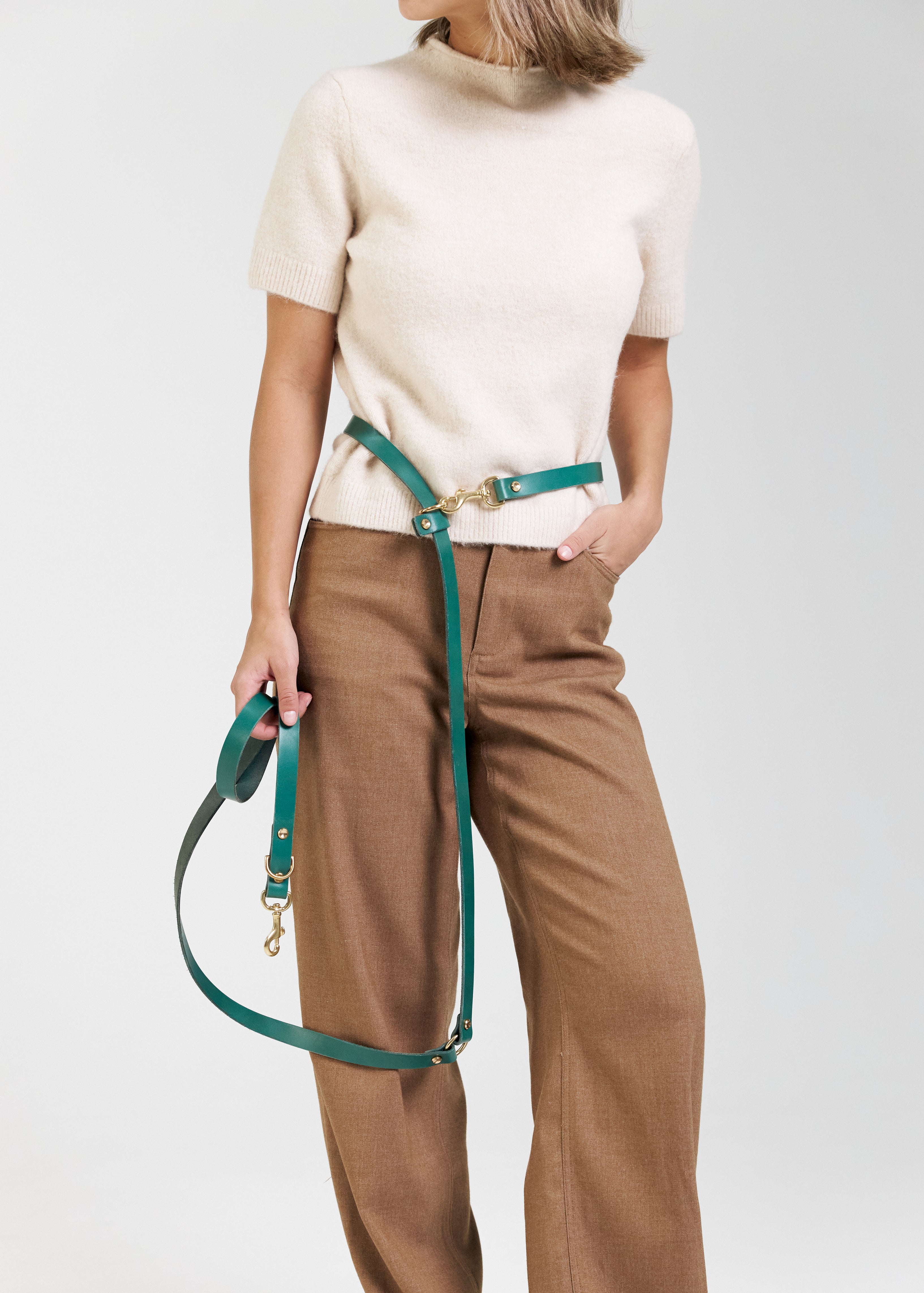
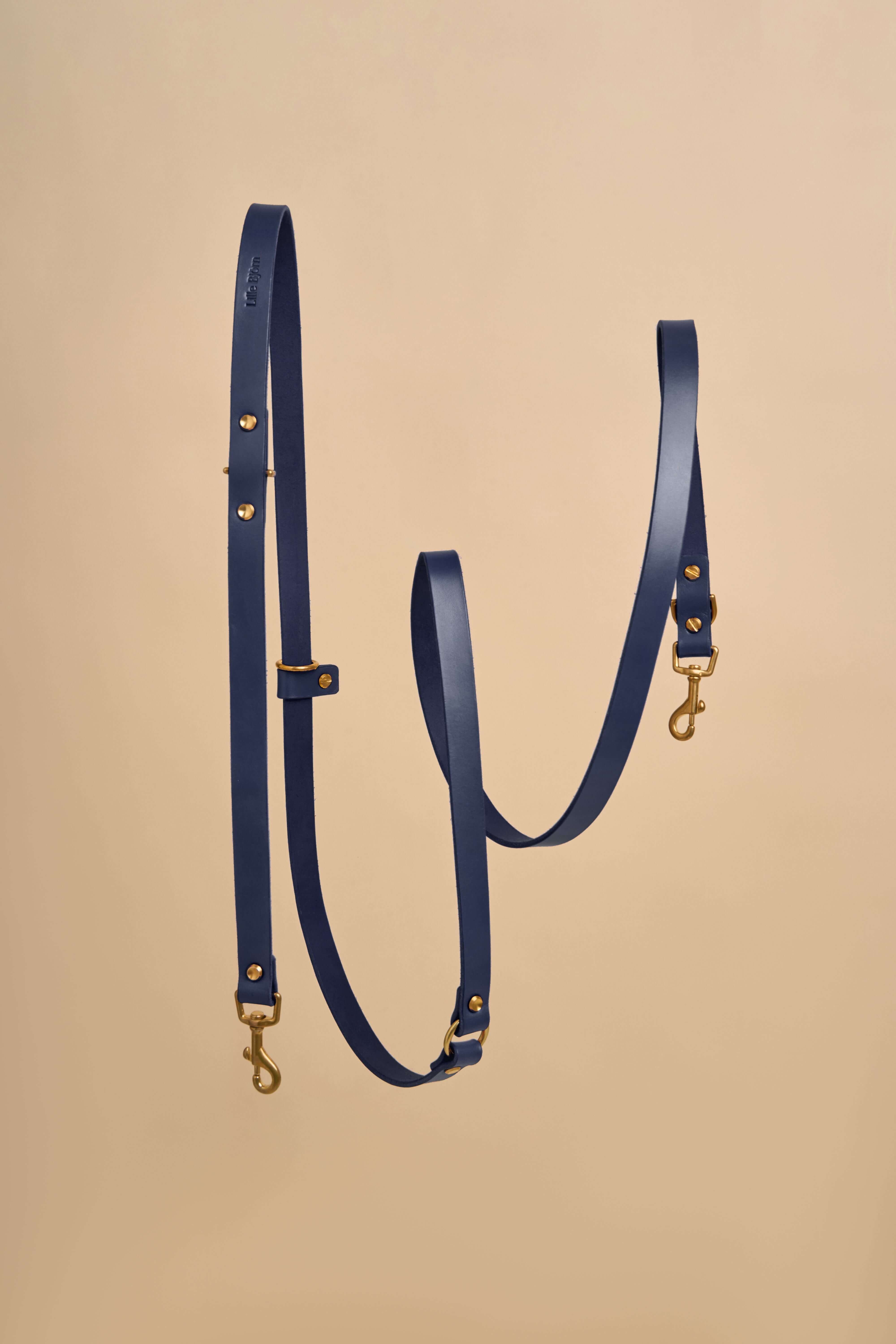
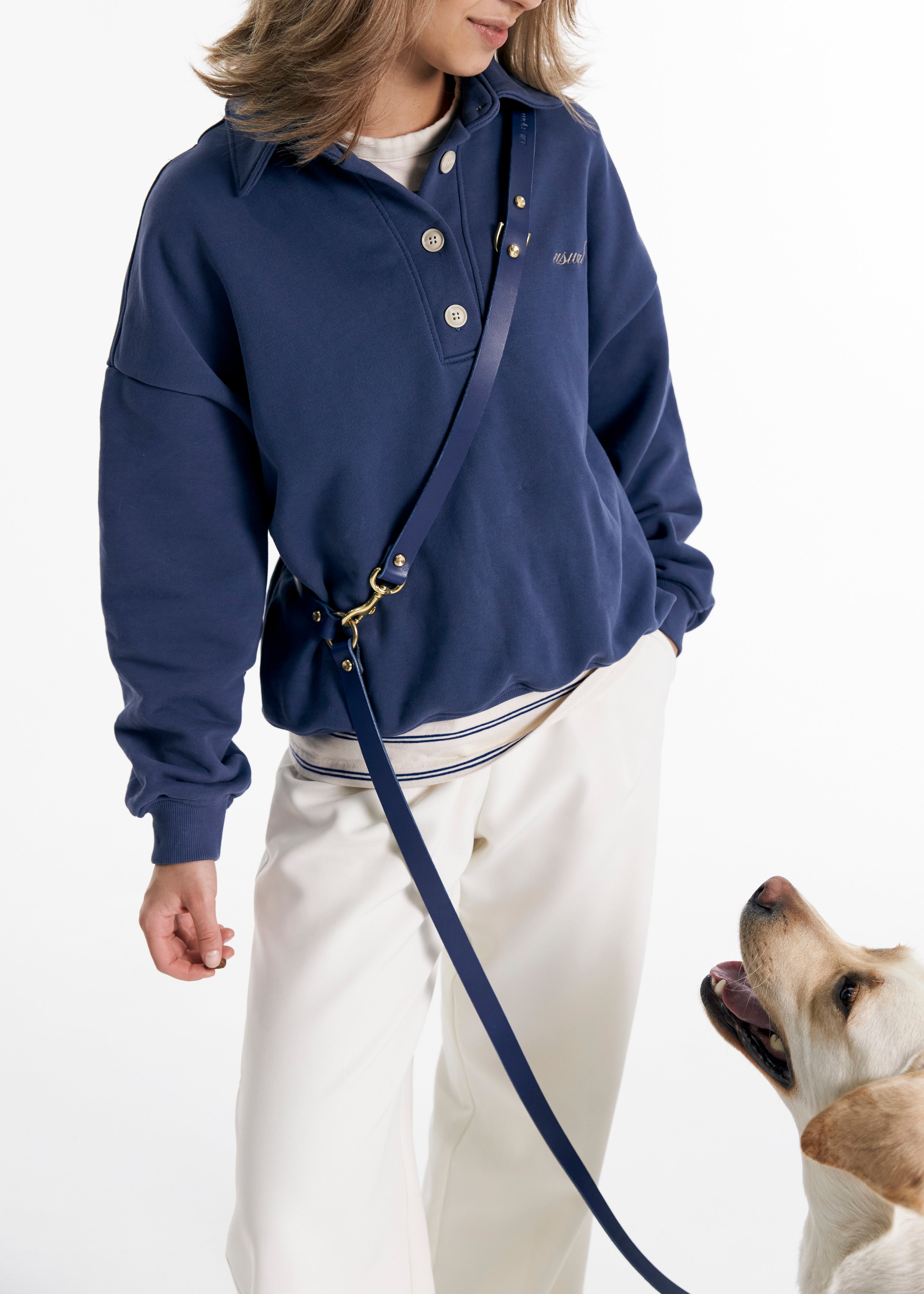
Browse The Lille Björn's collection of handcrafted leather dog harnesses each built with a chest design that keeps the shoulder joint completely free, in full-grain vegetable-tanned leather with solid brass hardware.