Quick Summary
The most comfortable and safest dog collar for the majority of dogs is a flat leather collar with a solid buckle, it distributes pressure evenly across the neck, sits gently against the skin, and lasts for years when made from quality full-grain leather. At the other end of the scale, shock collars, prong collars, and choke chains cause genuine physical and psychological harm and should be avoided entirely.
This guide ranks all nine major collar types from worst to best, with honest safety and comfort scores for each so you can make the right call for your dog's breed, size, and lifestyle.

Choosing the wrong collar affects every single walk, your dog's long-term neck health, and the quality of your training relationship. Here is the complete, honest ranking and everything you need to act on it.
#9 Shock Collars
You won’t be surprised to see that we have shock collars right at the bottom of the pile! As the name suggests, these are collars that produce an electric shock in order to discourage ‘bad’ behavior, but it doesn’t take a genius to understand that this can lead to damaging problems through fear, anxiety and stress. In fact, research shows they can increase stress responses, including cortisol and stress-related behavior, and welfare organizations widely oppose their use, and their use is banned in several countries.
Rather than opting for a punishment based tool, it’s far better to use positive reinforcement techniques like praise and treats to train your pup into better behavior. Always go for a more humane alternative!
#8 Prong Collars
Just as spiky as they sound, prong collars work by pressing sets of metal prongs into your dog’s skin when they pull too hard on their leash. Doesn’t sound great, does it? You might see some prominent trainers advocating for them, particularly for big, strong dogs, but we think that the risks outweigh the benefits. The amount of pressure exerted by a prong collar can easily cause damage to the sensitive trachea area, alongside more general pain and frustration for your furry friend.
A well fitted harness is the far better option for focused loose leash training that leans towards rewards rather than the threat of discomfort.
#7 Choke Collars
Choke collars are not safe. They have no tightening limit. The harder a dog pulls, the more the collar compresses the trachea and no major veterinary organisation recommends their use. The name alone should be enough to put you off selecting one of these, no!? A choke collar is designed to tighten around a dog’s neck when they pull, and you don’t need us to tell you about the various risks and dangers that they can pose. They are completely unnecessary and outdated at this stage in the dog equipment game.
There really is no need for something like a choke collar when so many effective, modern positive reinforcement training techniques are available to dog owners these days.
#6 Harnesses
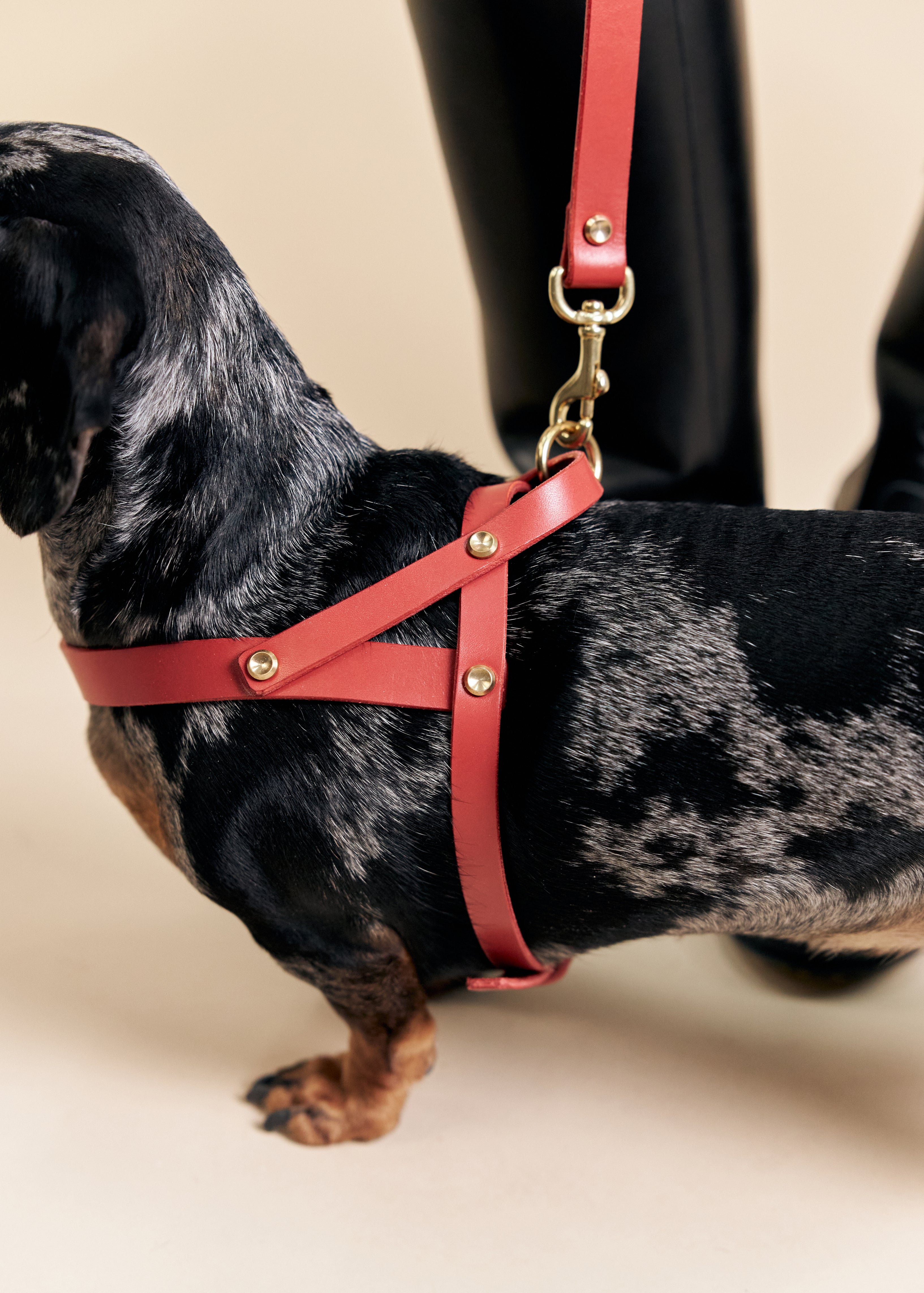
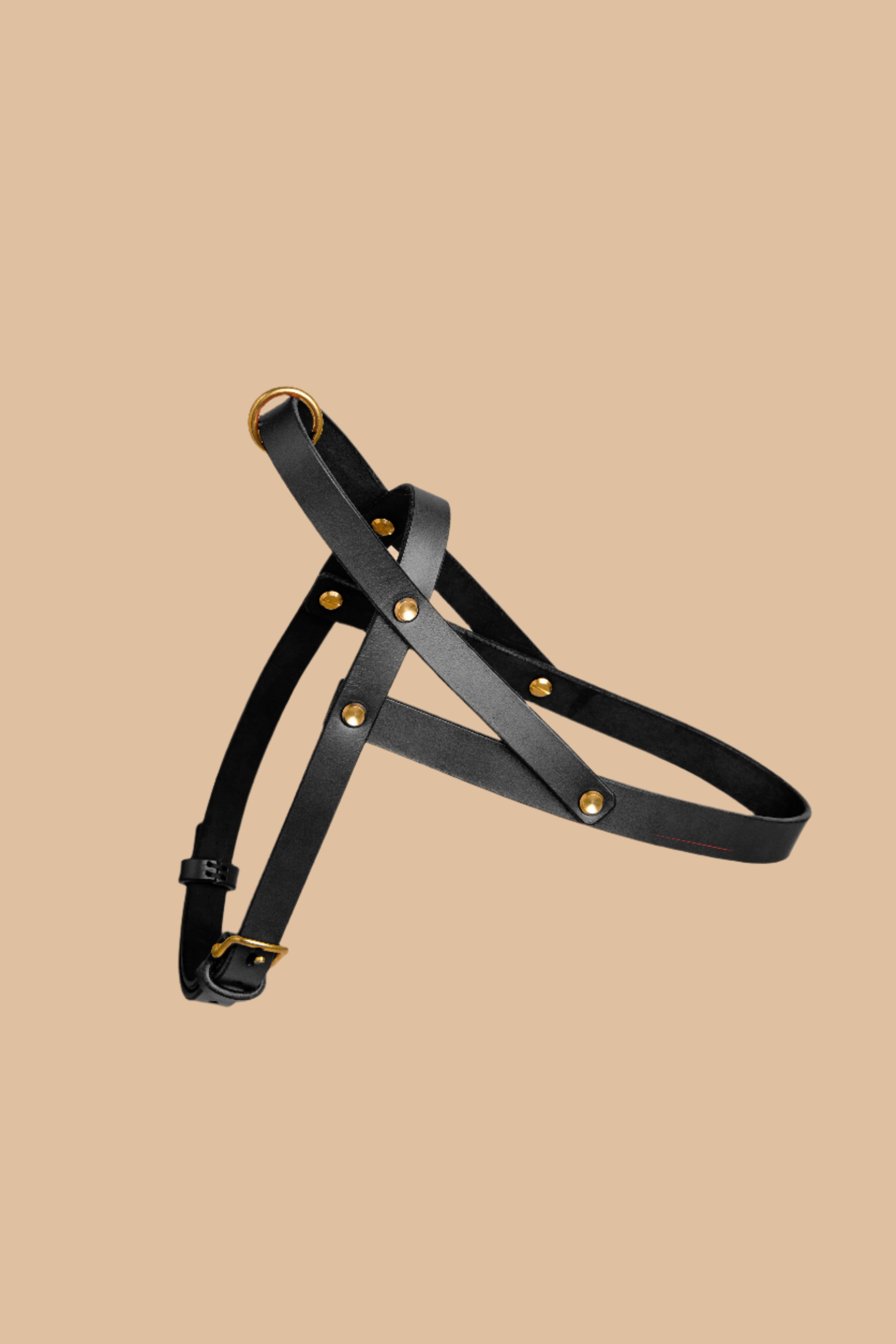
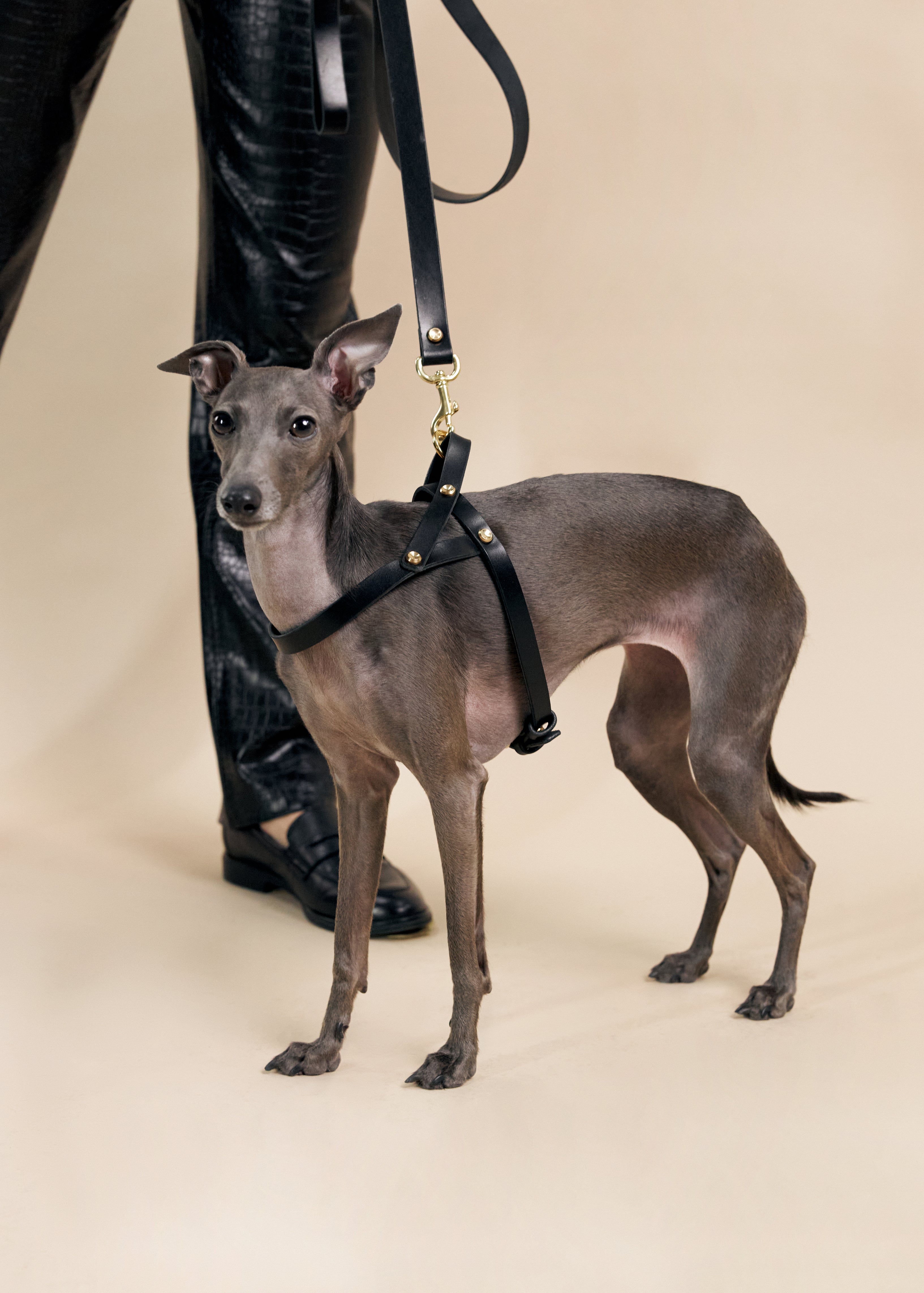
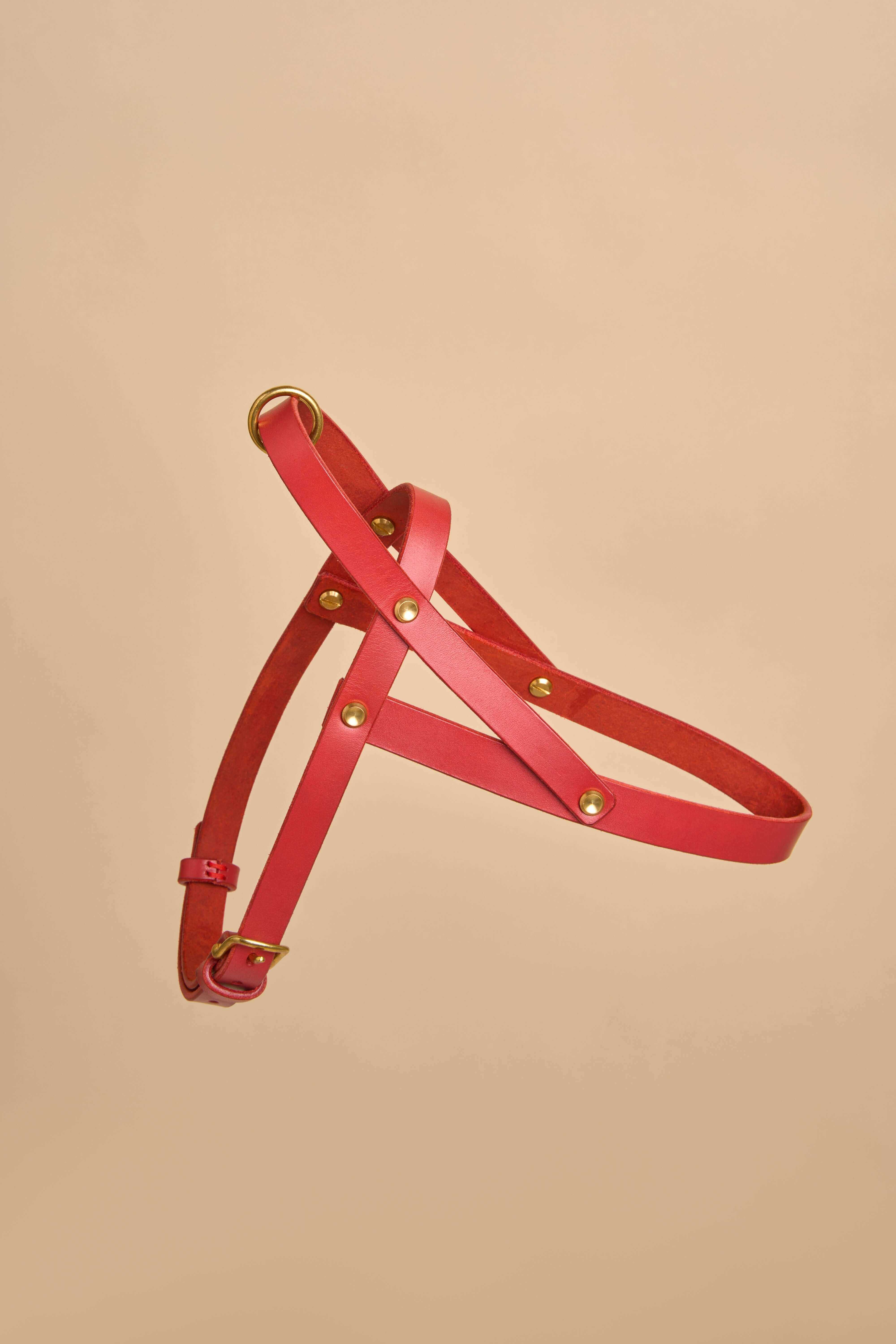
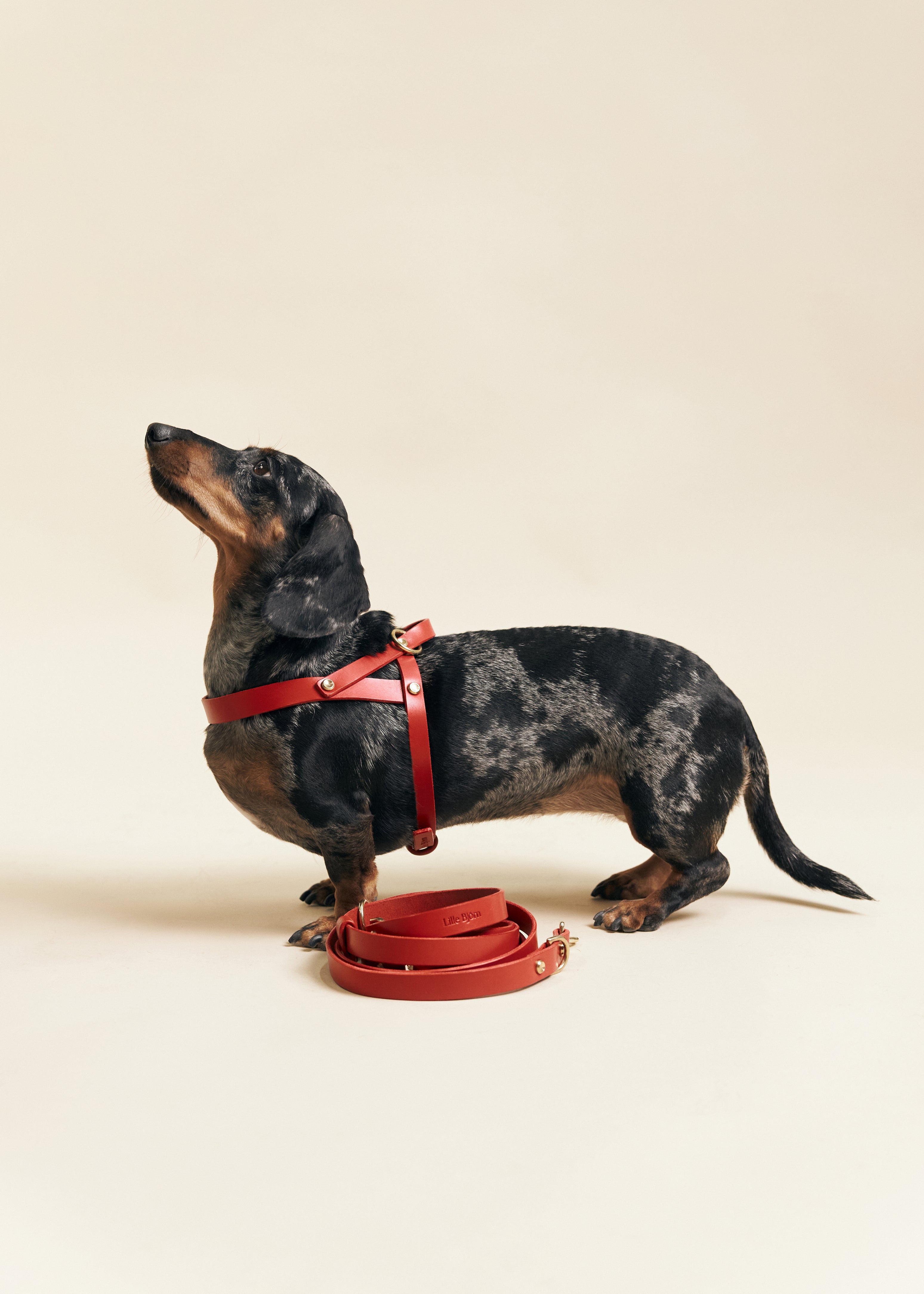
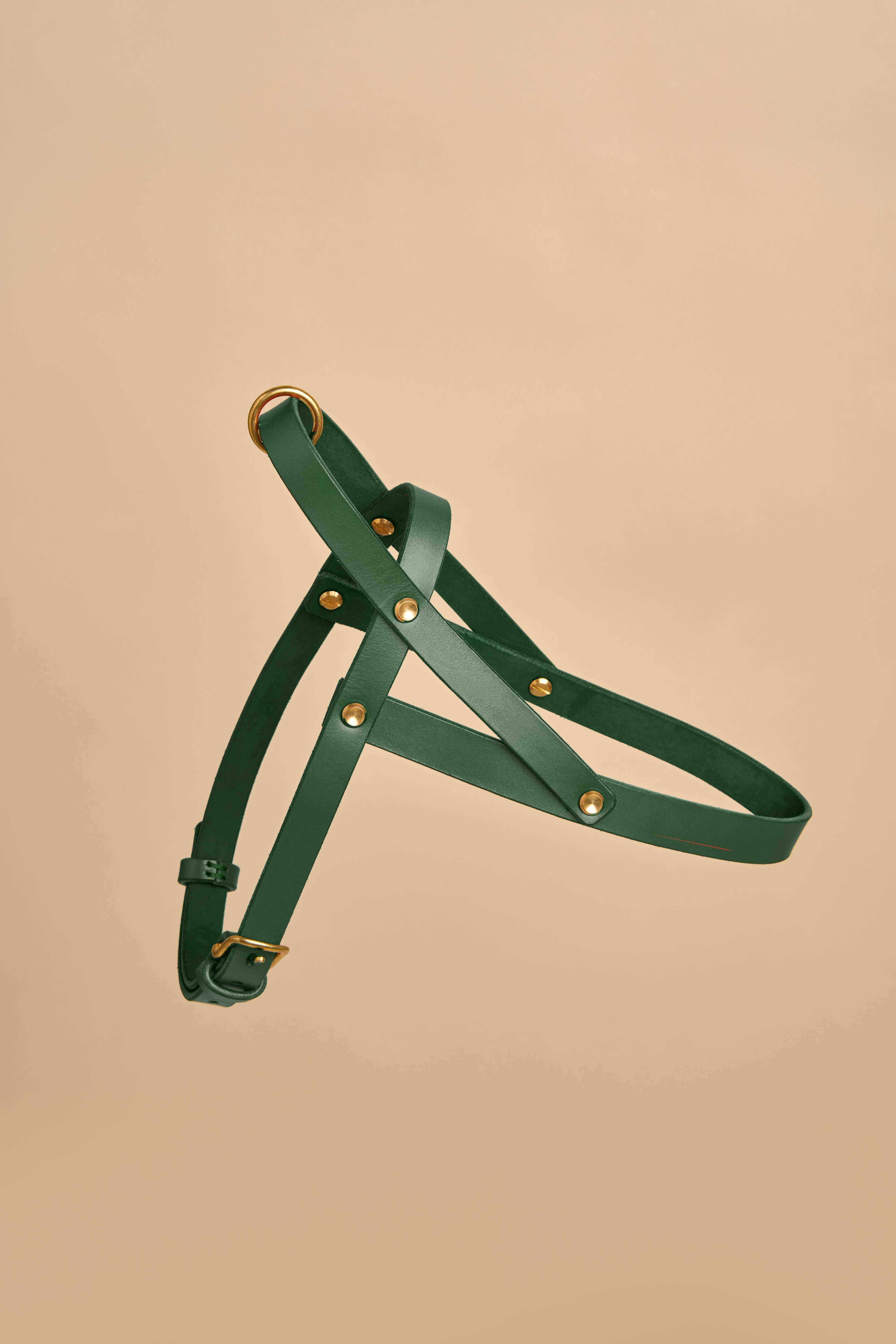
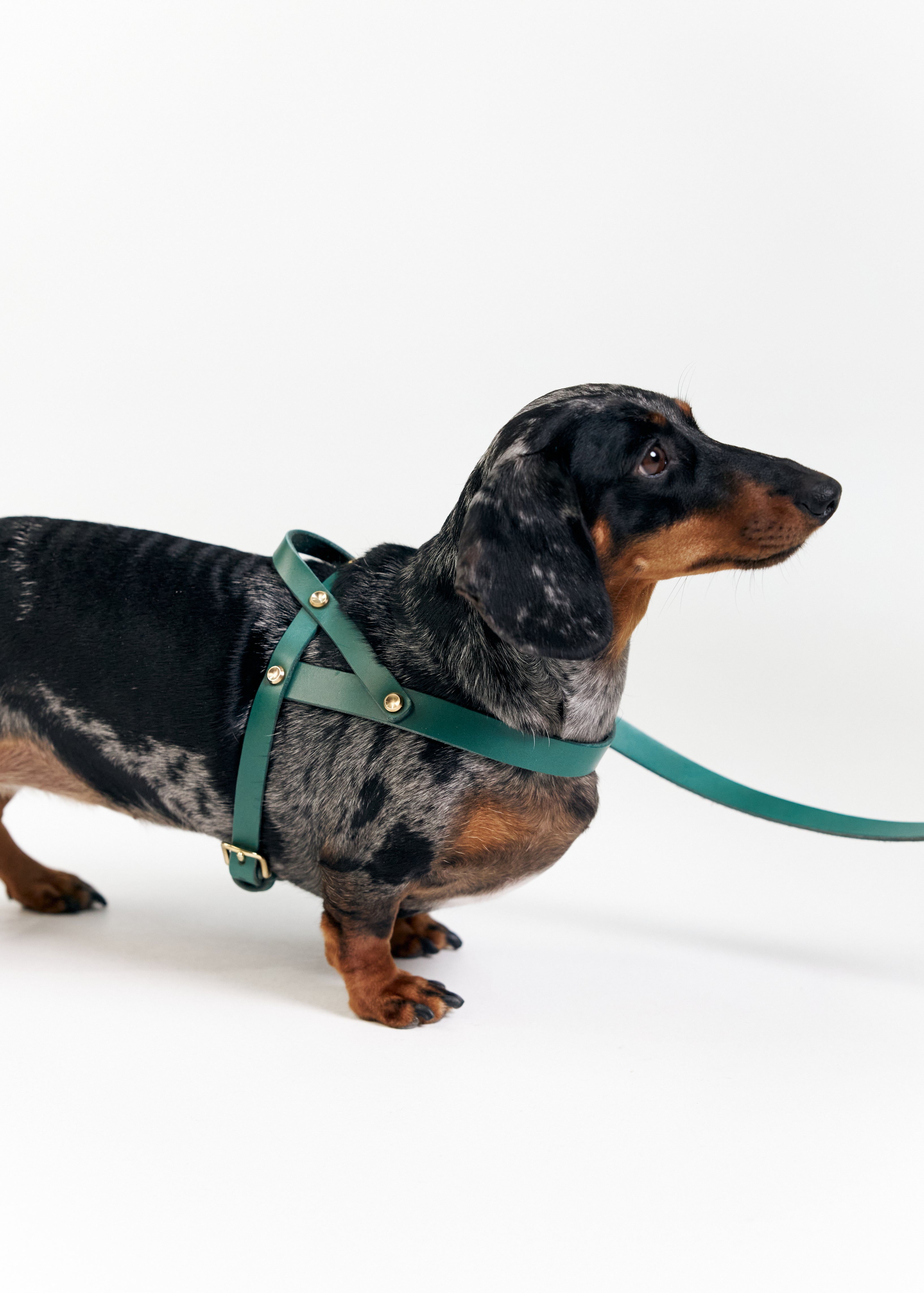
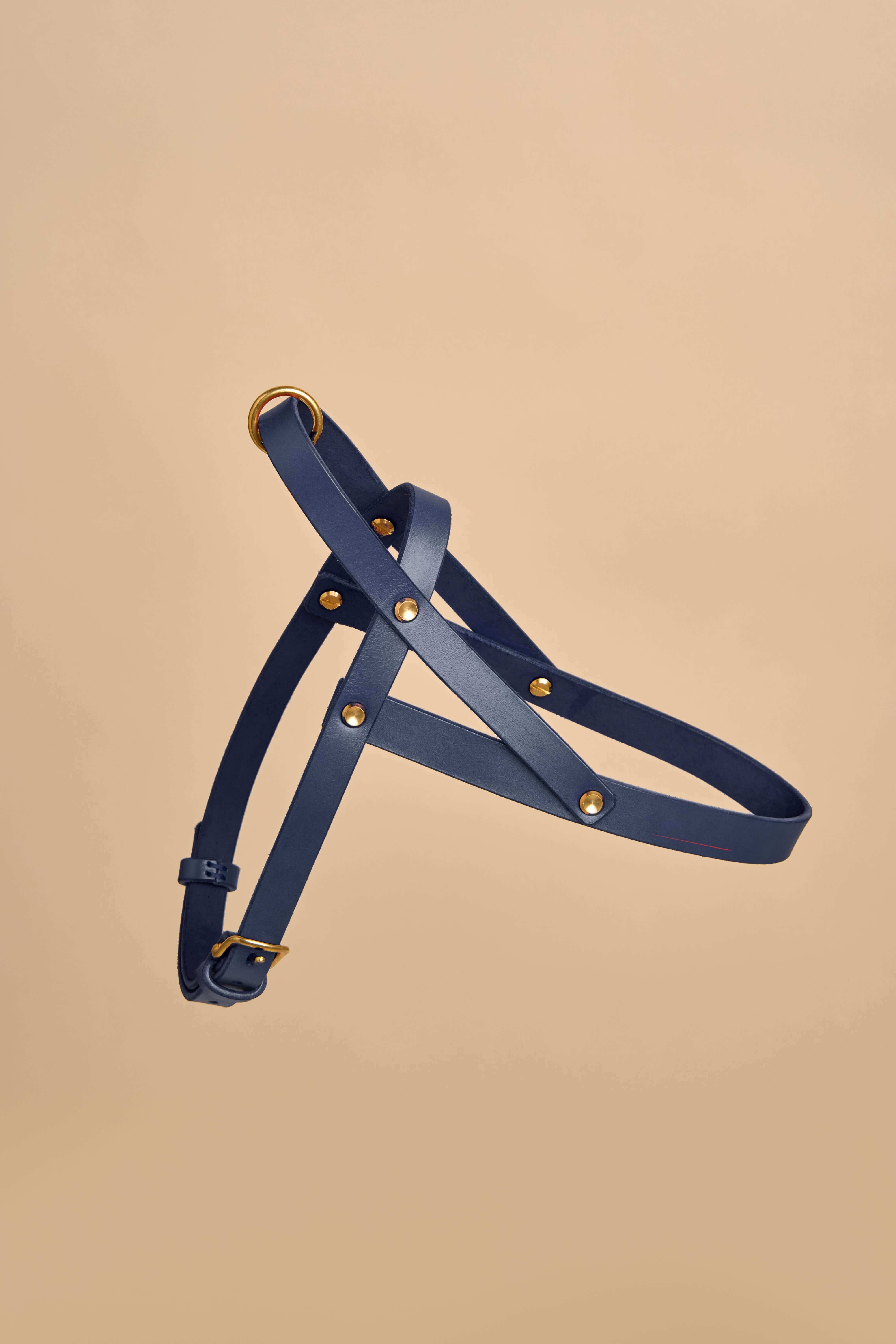
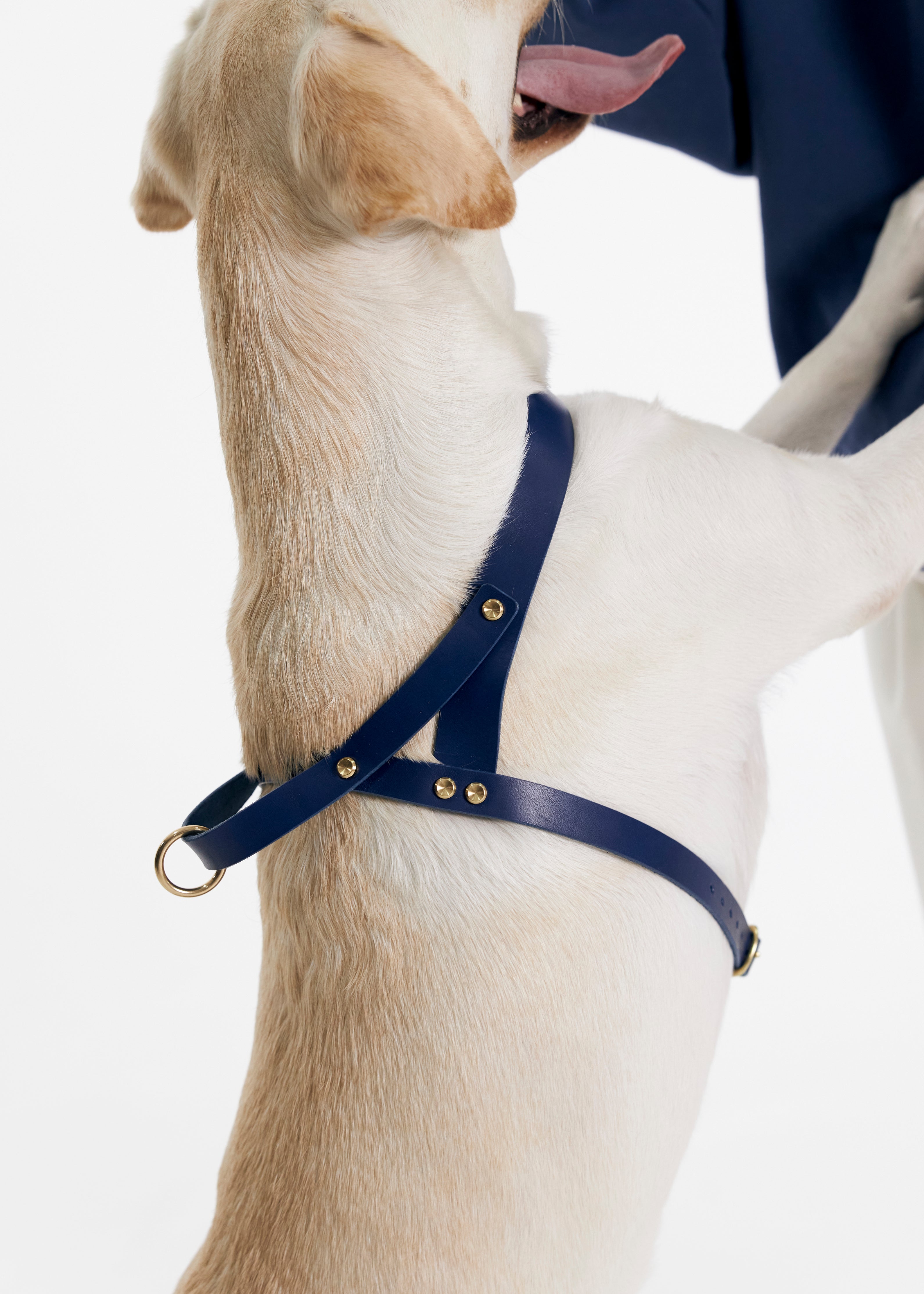
Let’s get into the more positive end of the list, shall we? Harnesses are a great design alternative for dogs who are prone to neck injuries and/or respiratory problems, like bulldogs or pugs. When fitted properly, a harness can distribute pressure much more evenly across the chest.
Something to definitely keep in mind, though, is front-clip harnesses that are marketed as ‘no pull’ solutions. These can sometimes create unnatural points of pressure on your pup’s shoulders which isn’t ideal. To ensure the best levels of comfort, a back-clip harness is always the preferable option, particularly for smaller dog breeds and any breed that needs a bit of extra support.

#5 Head Collars
Head collars for dogs work in a similar way to bridles for horses, giving you as the handler more control over head movement. This is useful if you have a very strong or reactive pup who needs a little more guidance when out walking!
Be careful, though, as some dogs can be naturally resistant to wearing them, and using them in an improper fashion can risk neck strain. Head collars can definitely be effective for training, but we don’t think they should be considered as an everyday collar.
#4 Martingale Collars
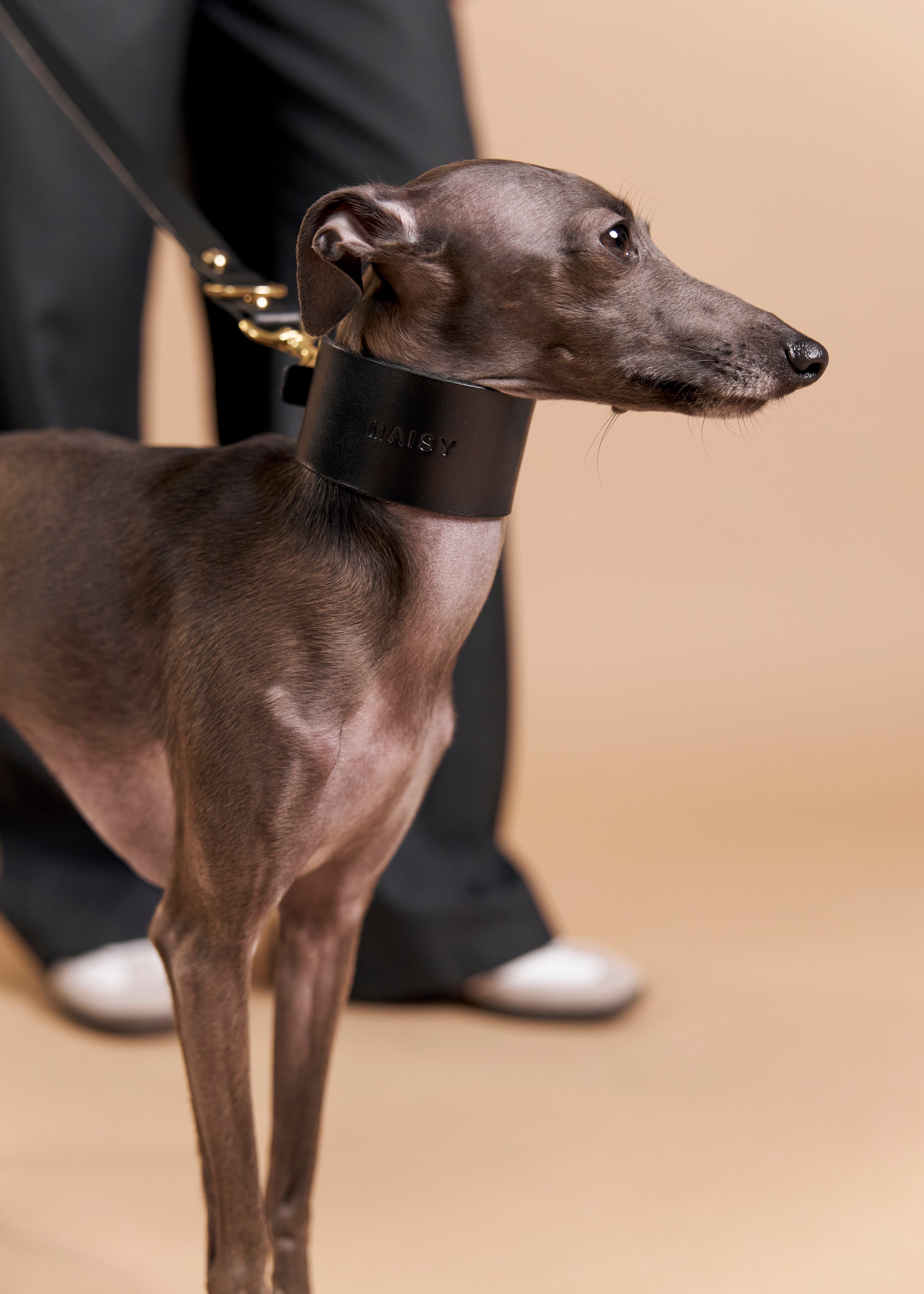
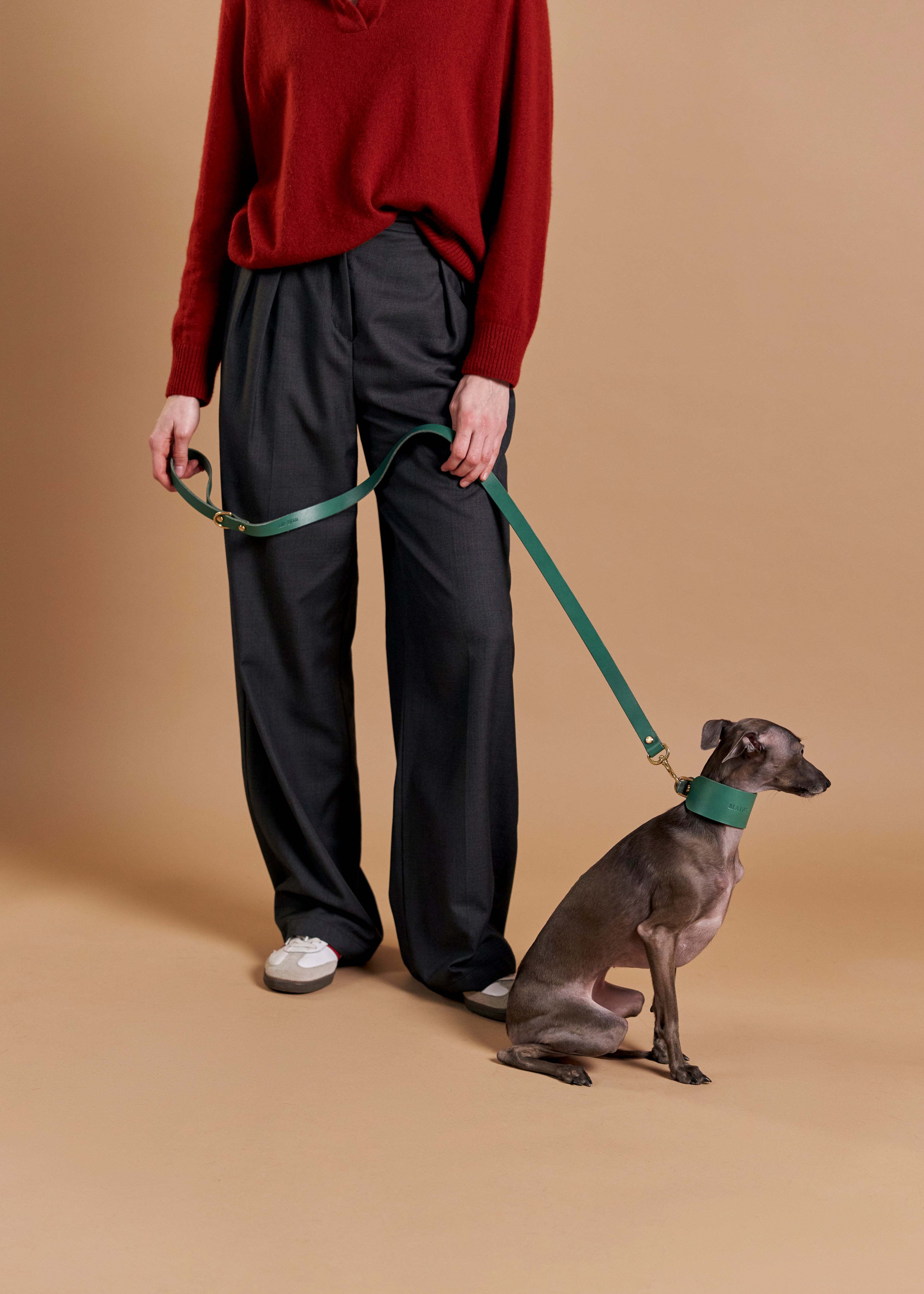
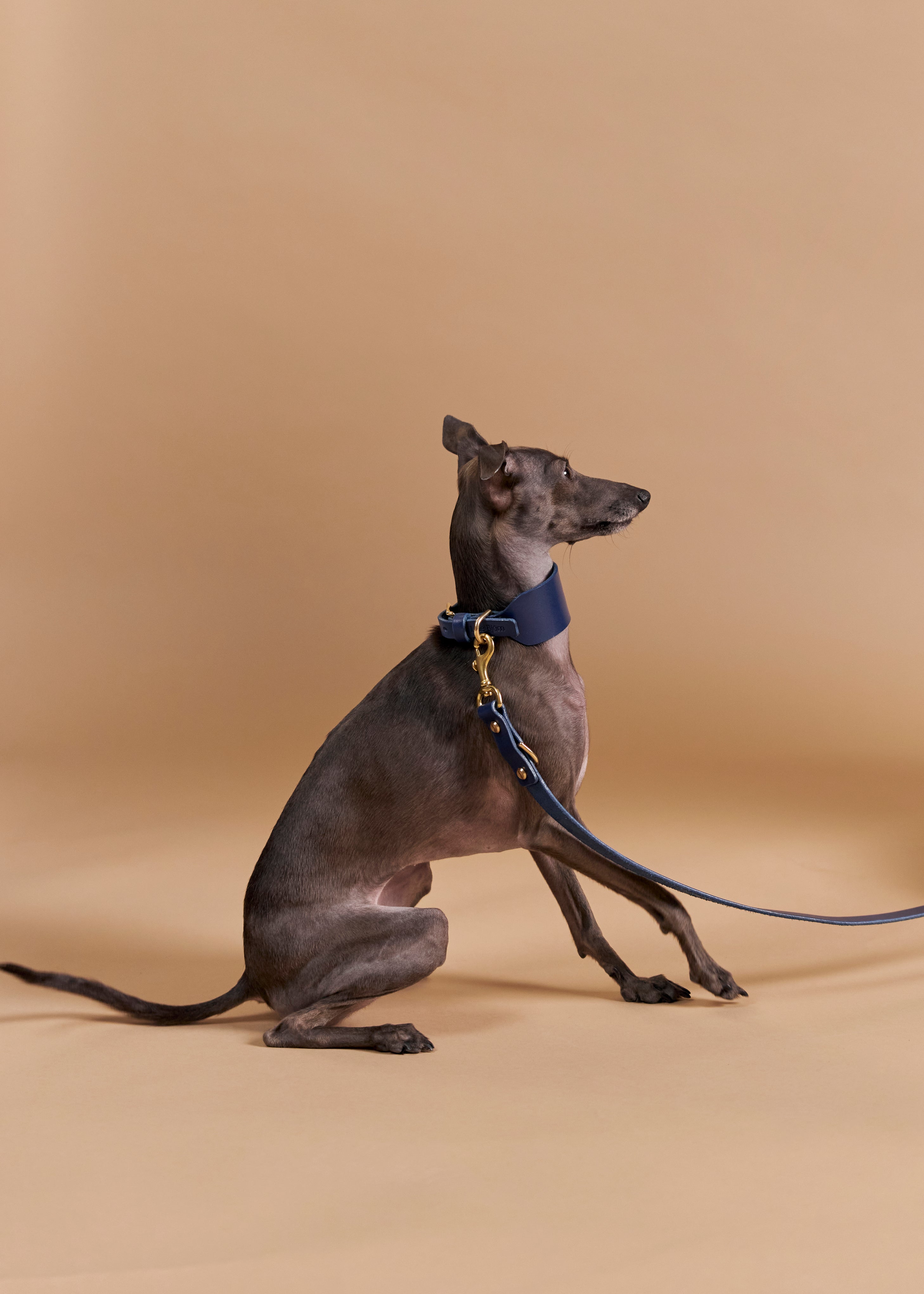
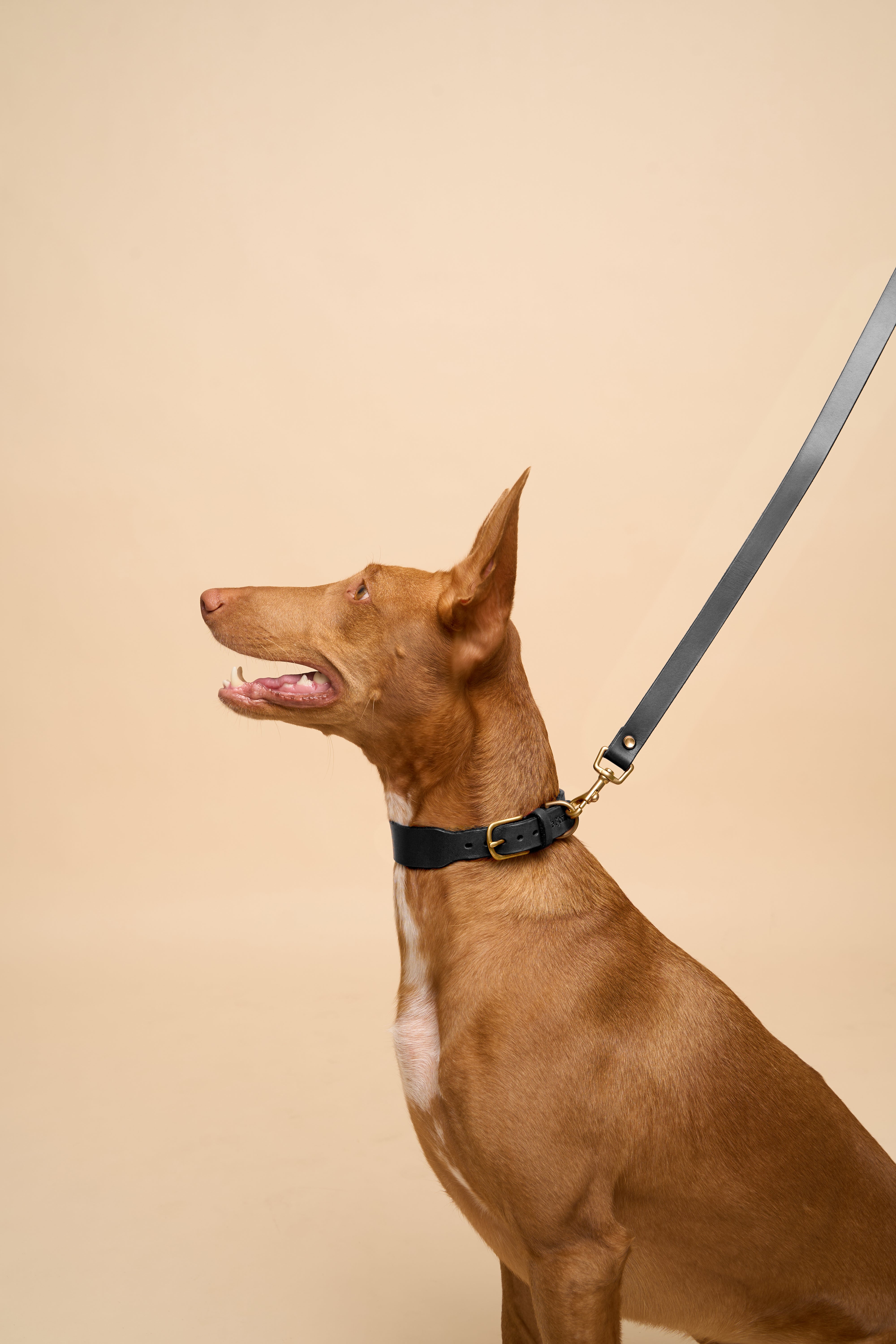
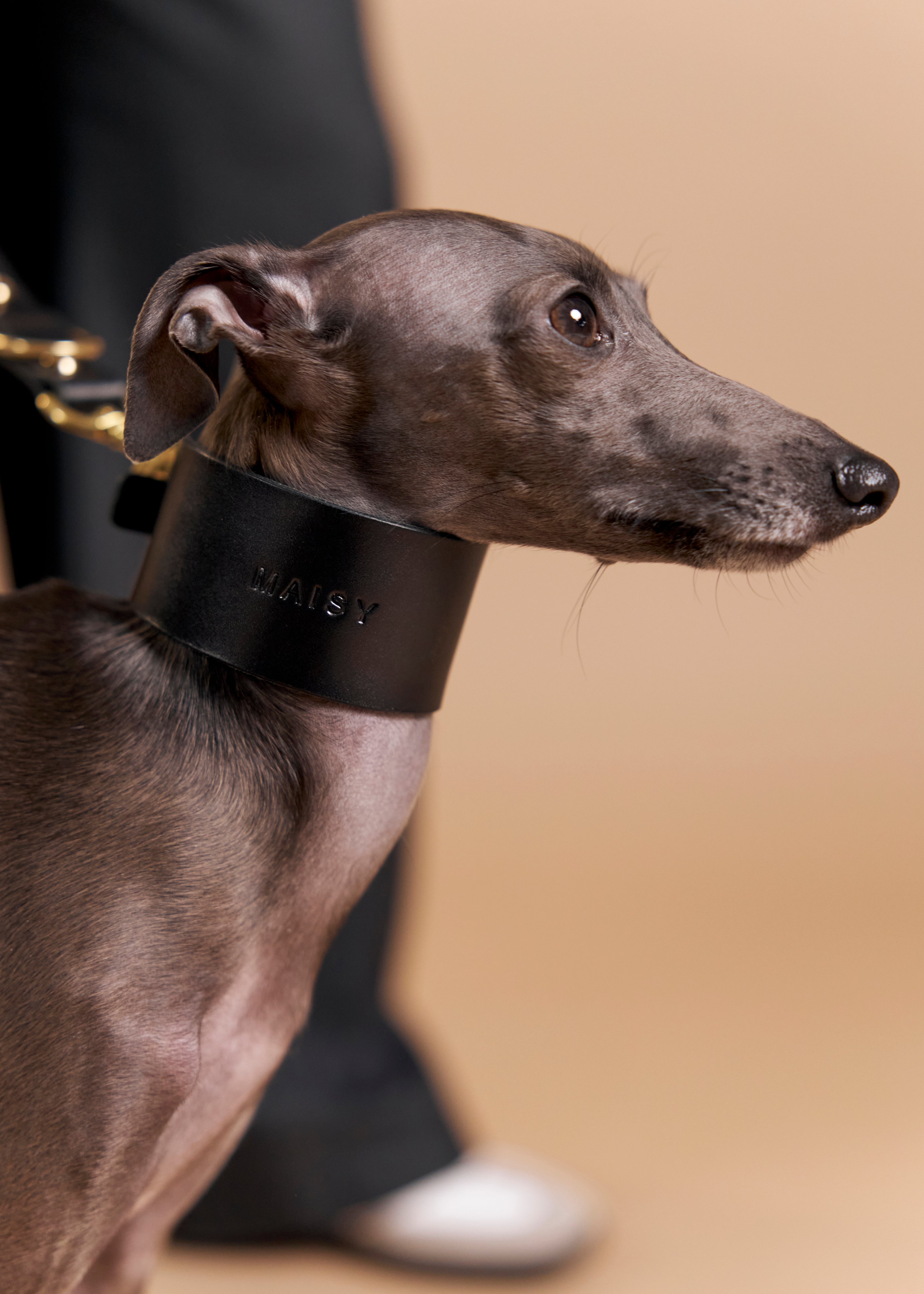
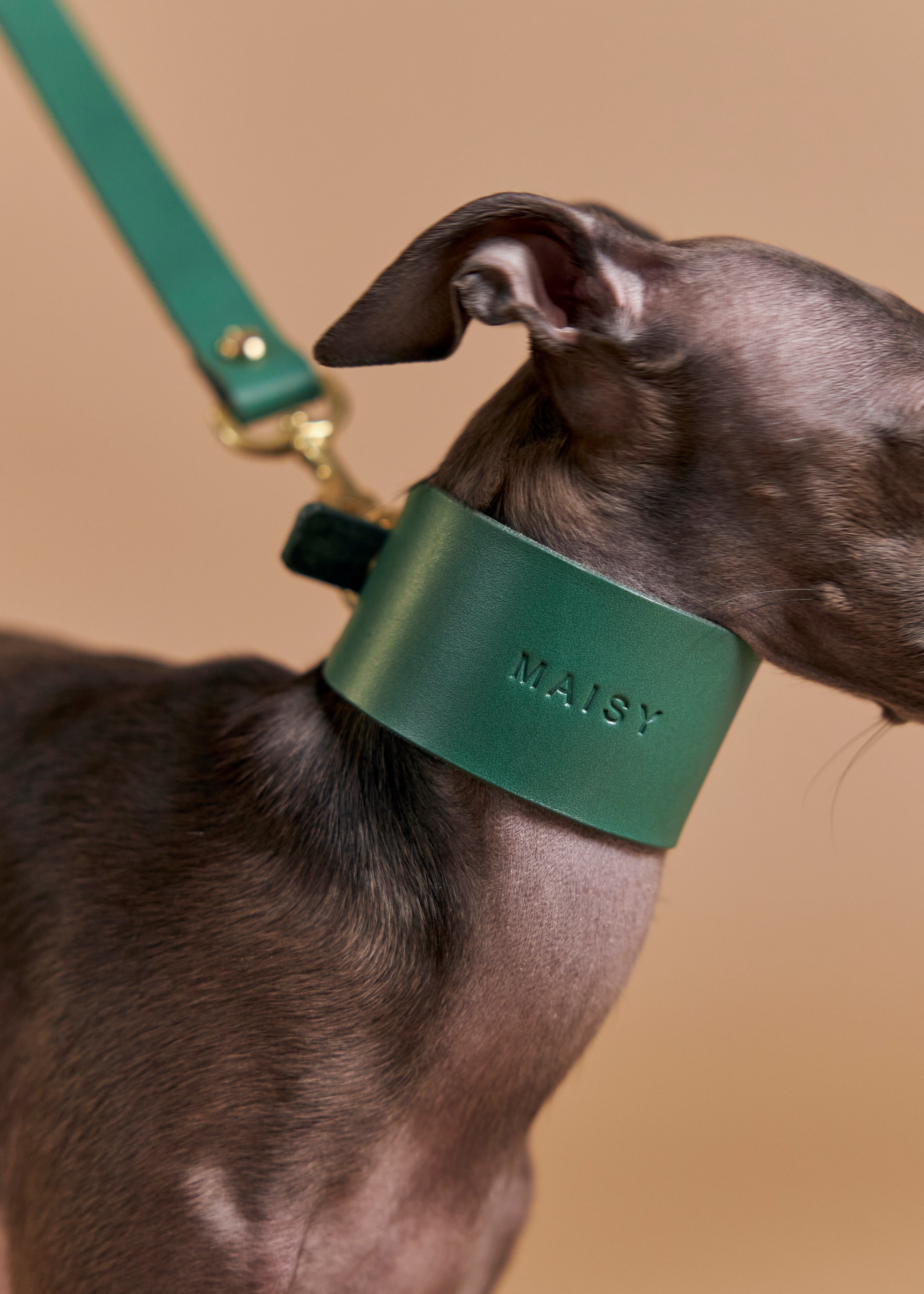
This is a type of collar specifically designed for pups with slender necks like whippets and greyhounds. These beautiful breeds can slip out of regular collars more easily, so a Martingale gives that extra bit of control by tightening slightly when pressure is applied. The important thing here is that they don’t apply the same amount of strangling force as a choke collar.
They are much safer than prong and choke collars, but you still need to be vigilant of the tracheal area when using. For Greyhounds, Whippets, and Pharaoh Hounds specifically, see our dedicated sighthound collar fitting guide for detailed width and sizing advice.
#3 Rolled Collars
Rolled leather collars are often seen as a good choice for long haired dogs, because the rounded nature of the design helps to prevent some tangling and matting. It also doesn’t hurt that they are effortlessly stylish! The only thing we would say to be wary of is that the thinner collar can sometimes create pressure points in the material that makes them slightly less durable over time.
If coat maintenance is one of your top priorities, then a rolled collar can be a good option.
#2 Quick Release Collars
In terms of affordability and convenience, you can’t do much better than a classic quick release collar. They may be made from nylon and plastic for the most part, but they do allow for easiest removal in cases of emergency.
Due to the synthetic materials used, there is no getting away from the fact that they can loosen and break over time, so they aren’t the most reliable options for real outdoor adventures or focused training. Think of them as being best for a simple ID collar rather than a first choice walking collar.
#1 Flat Leather Collar with Buckle
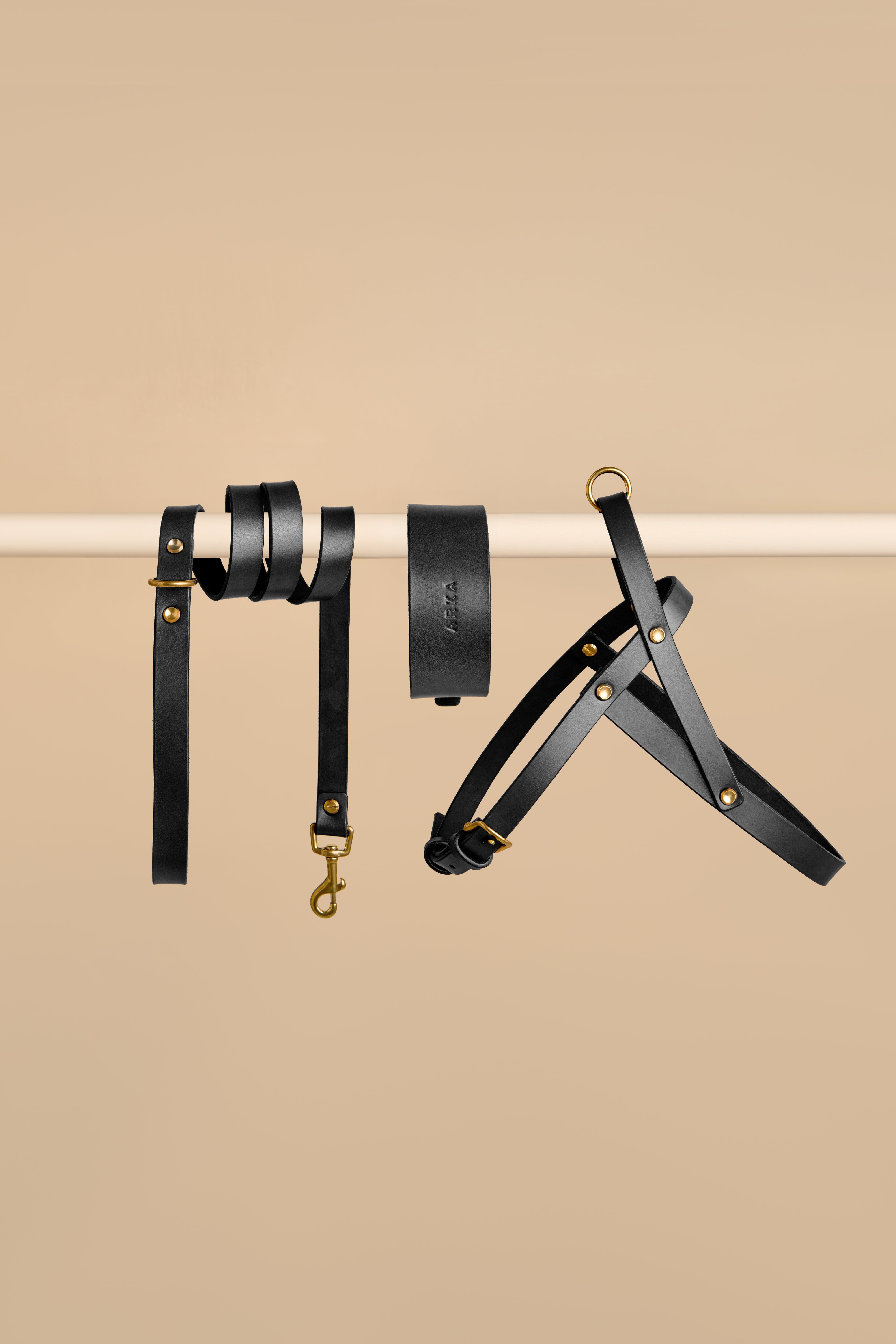
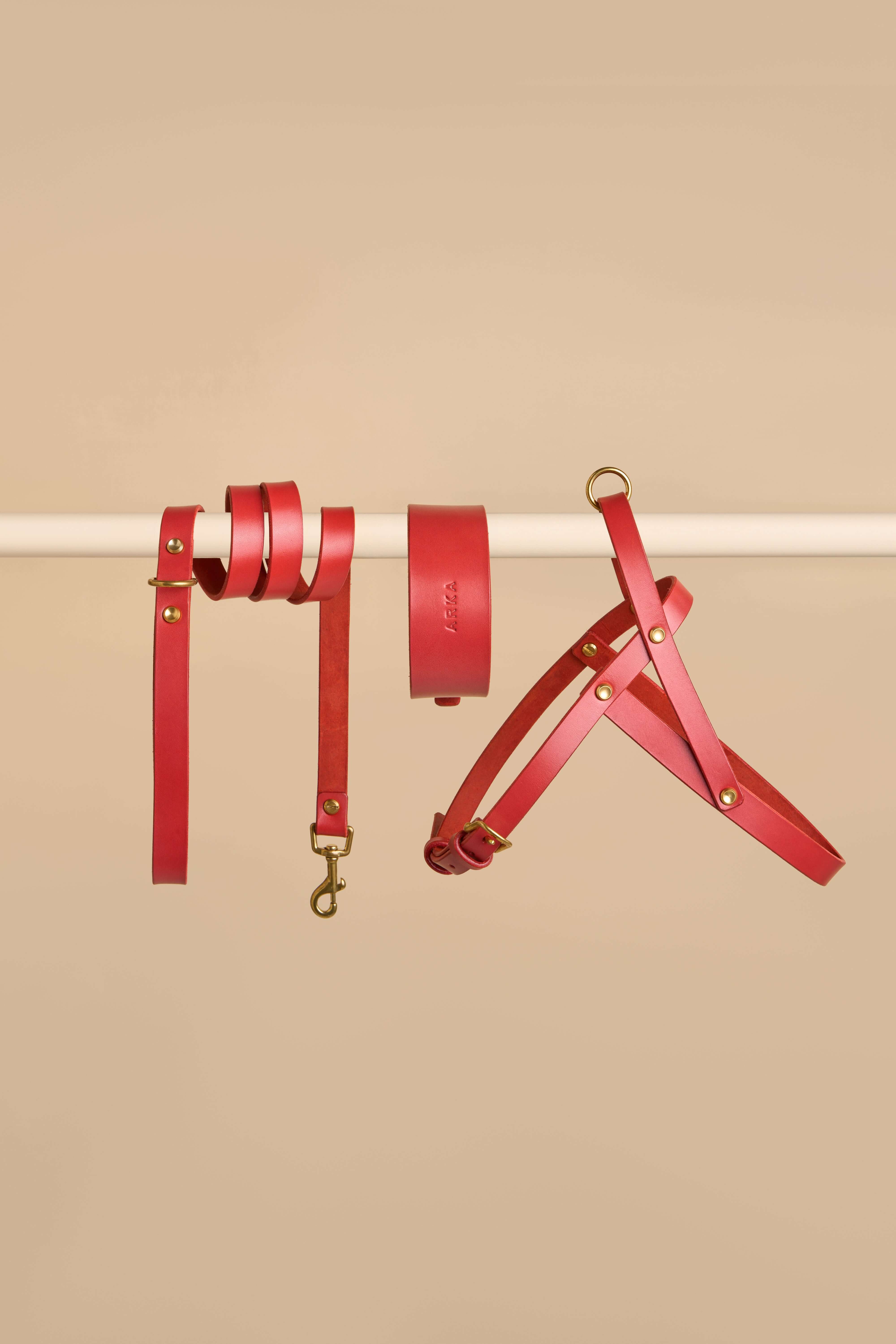
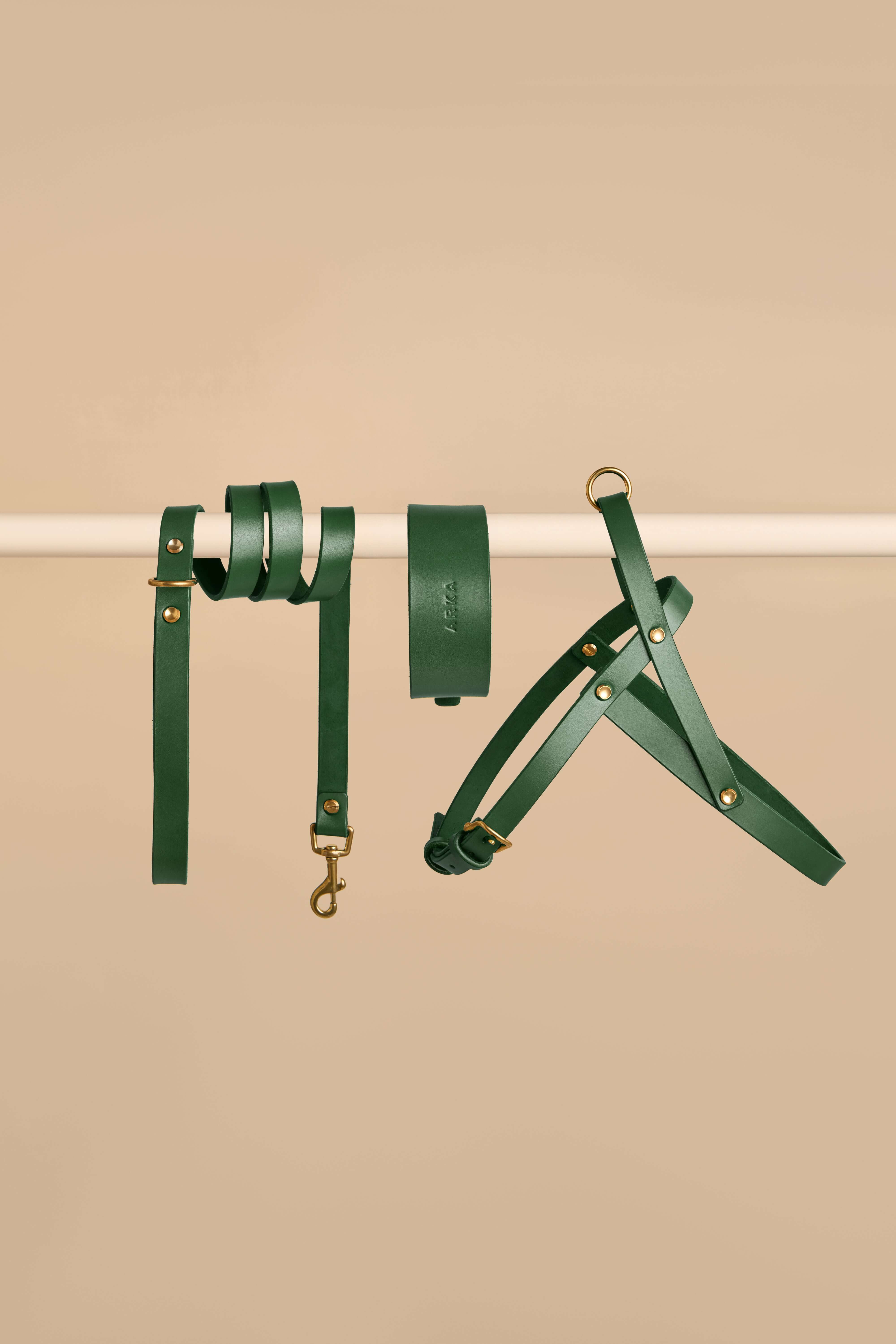
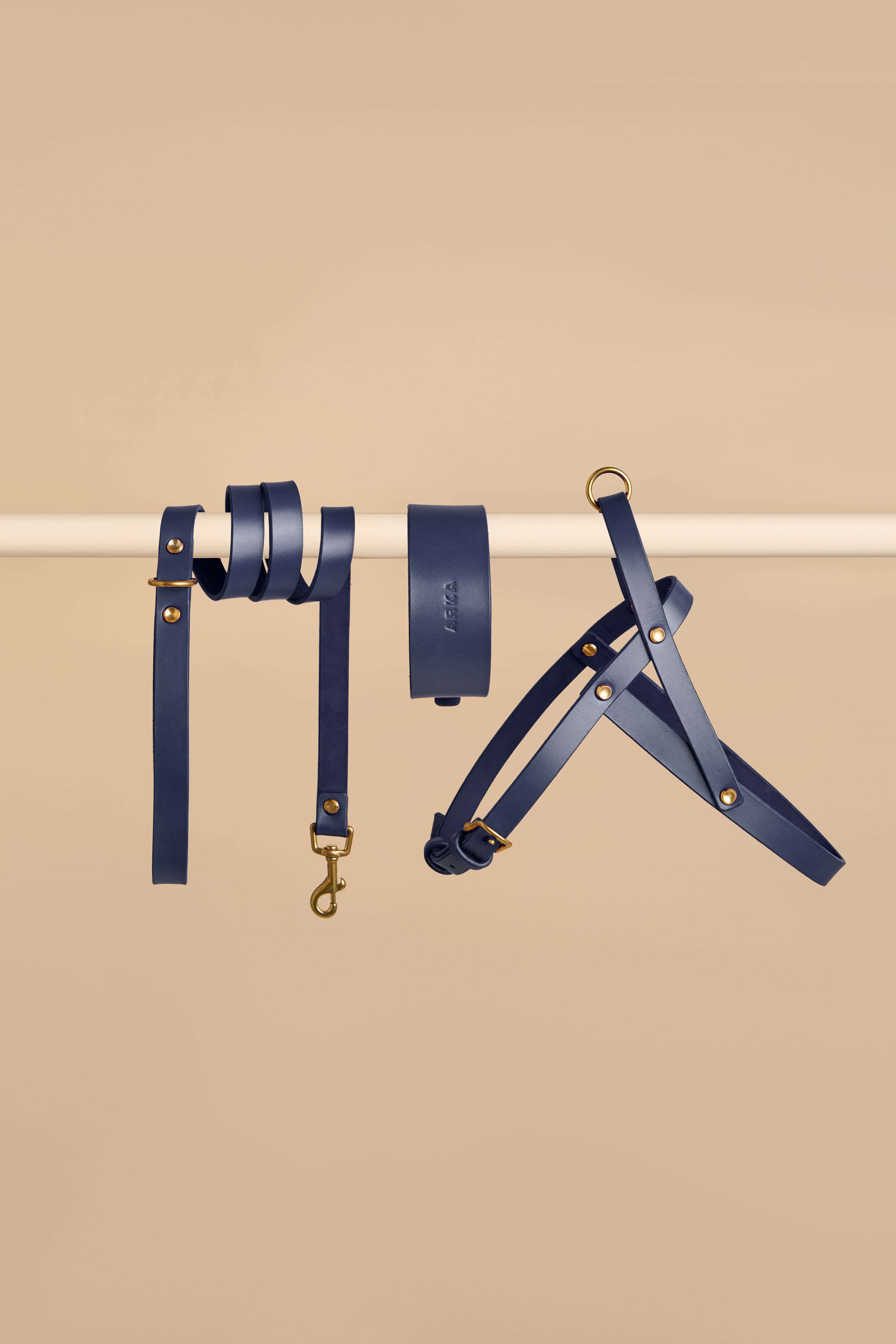
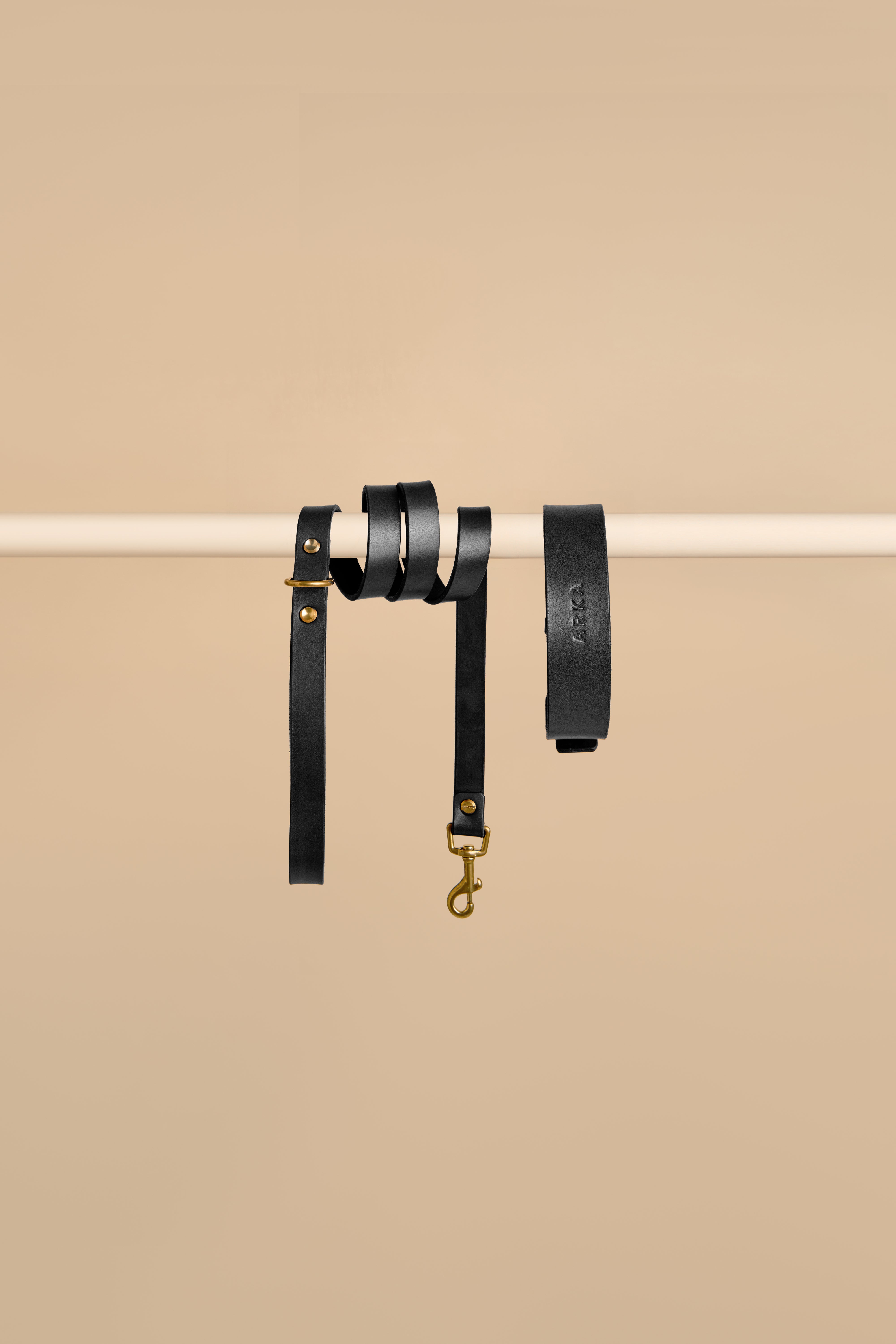
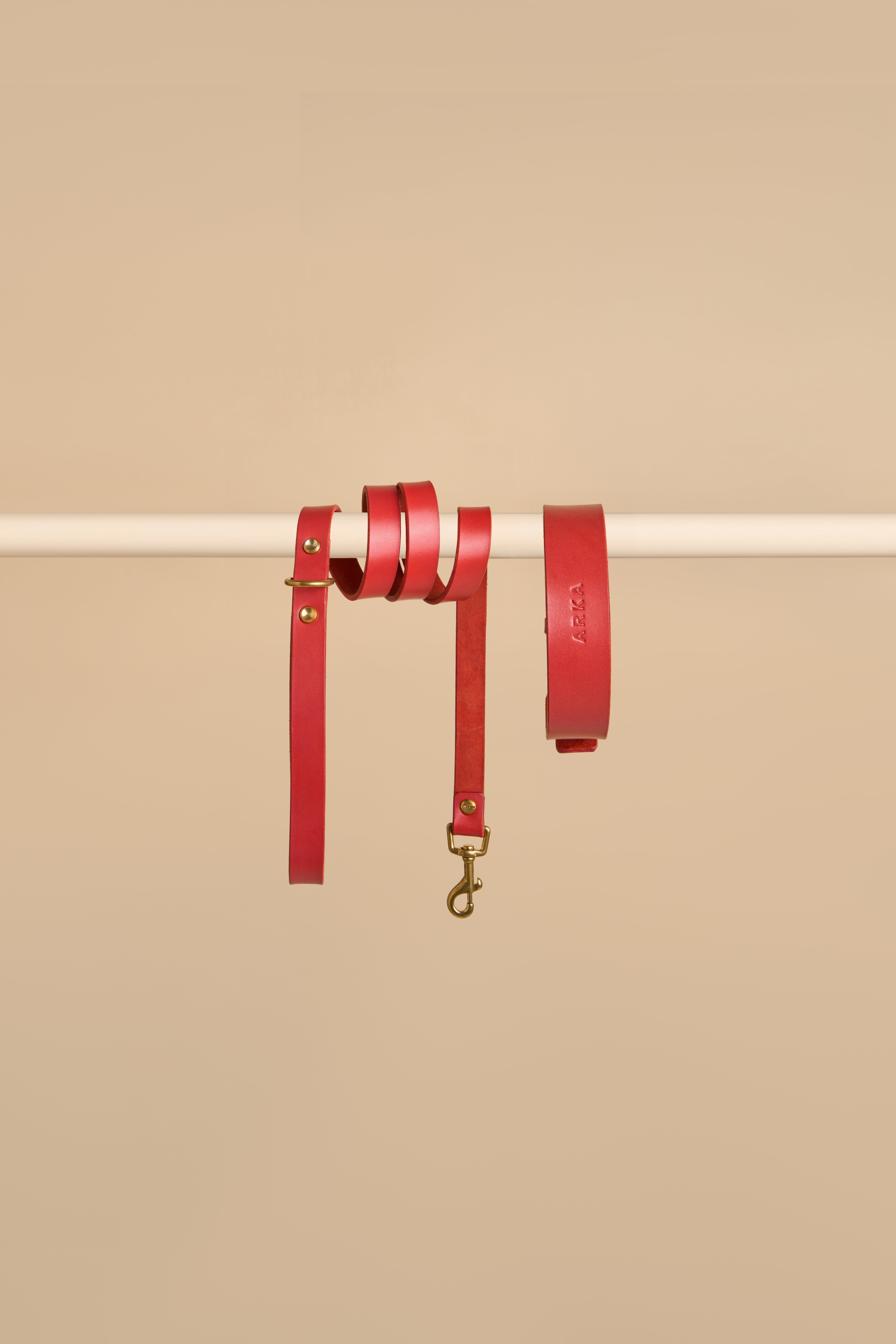
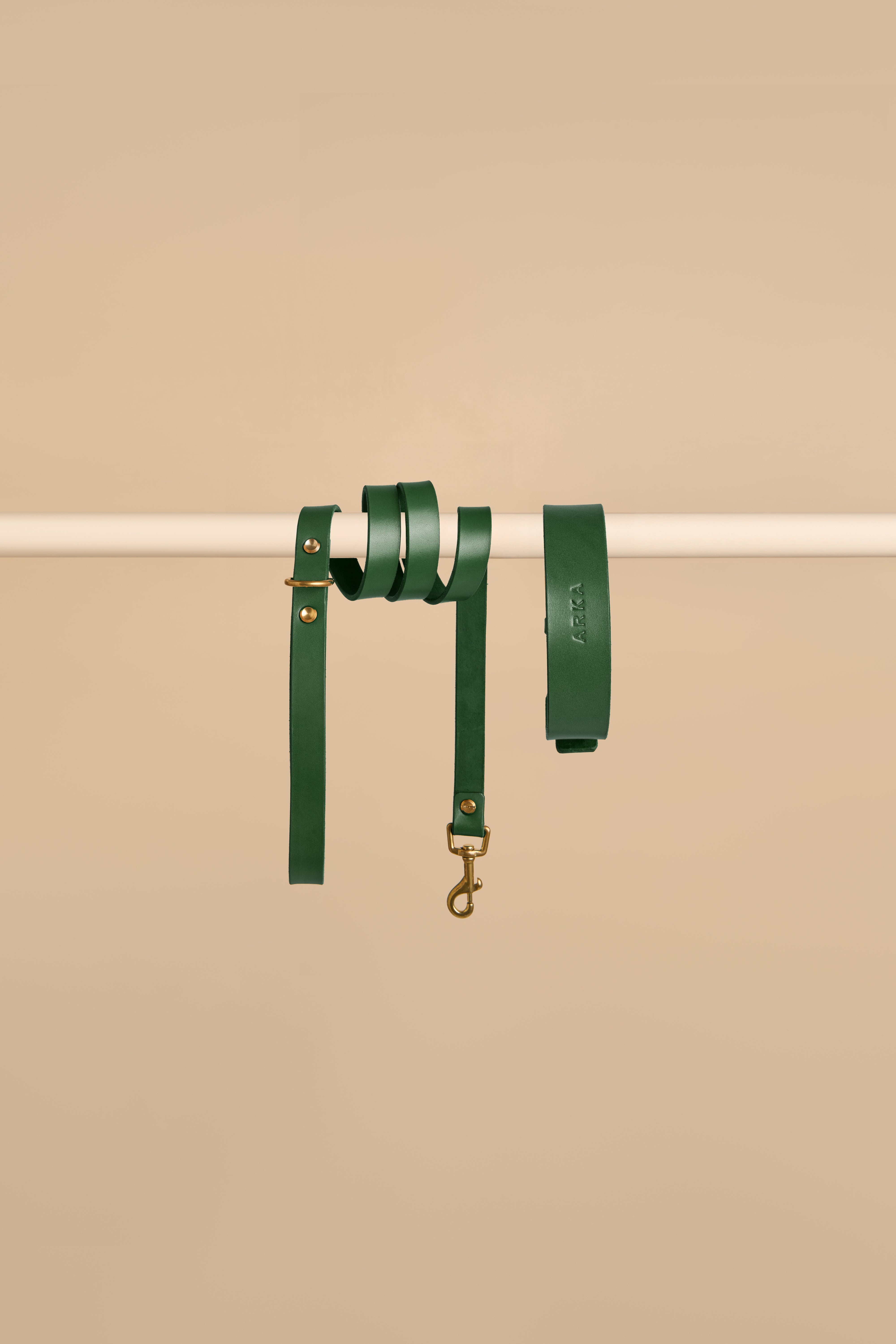
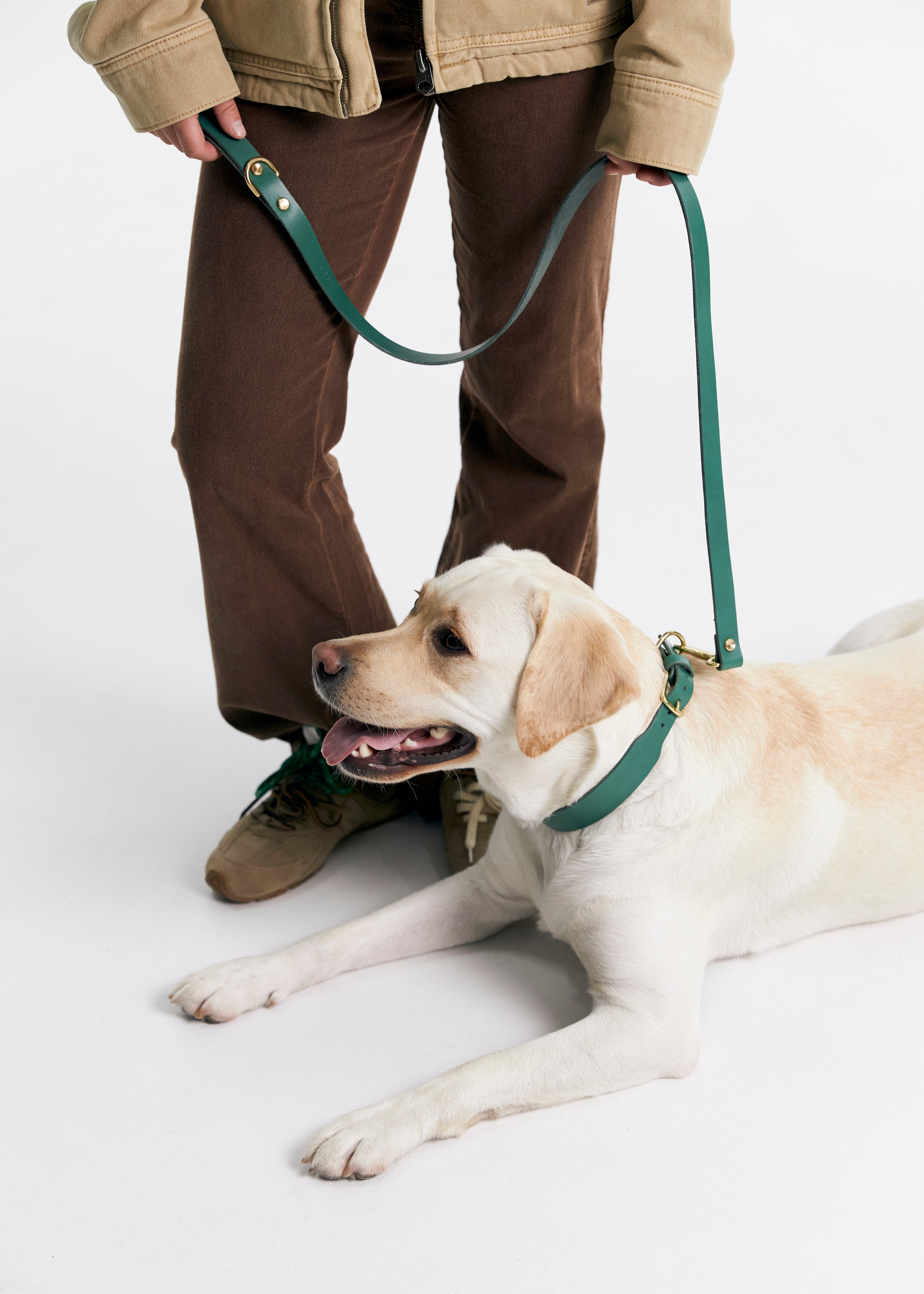
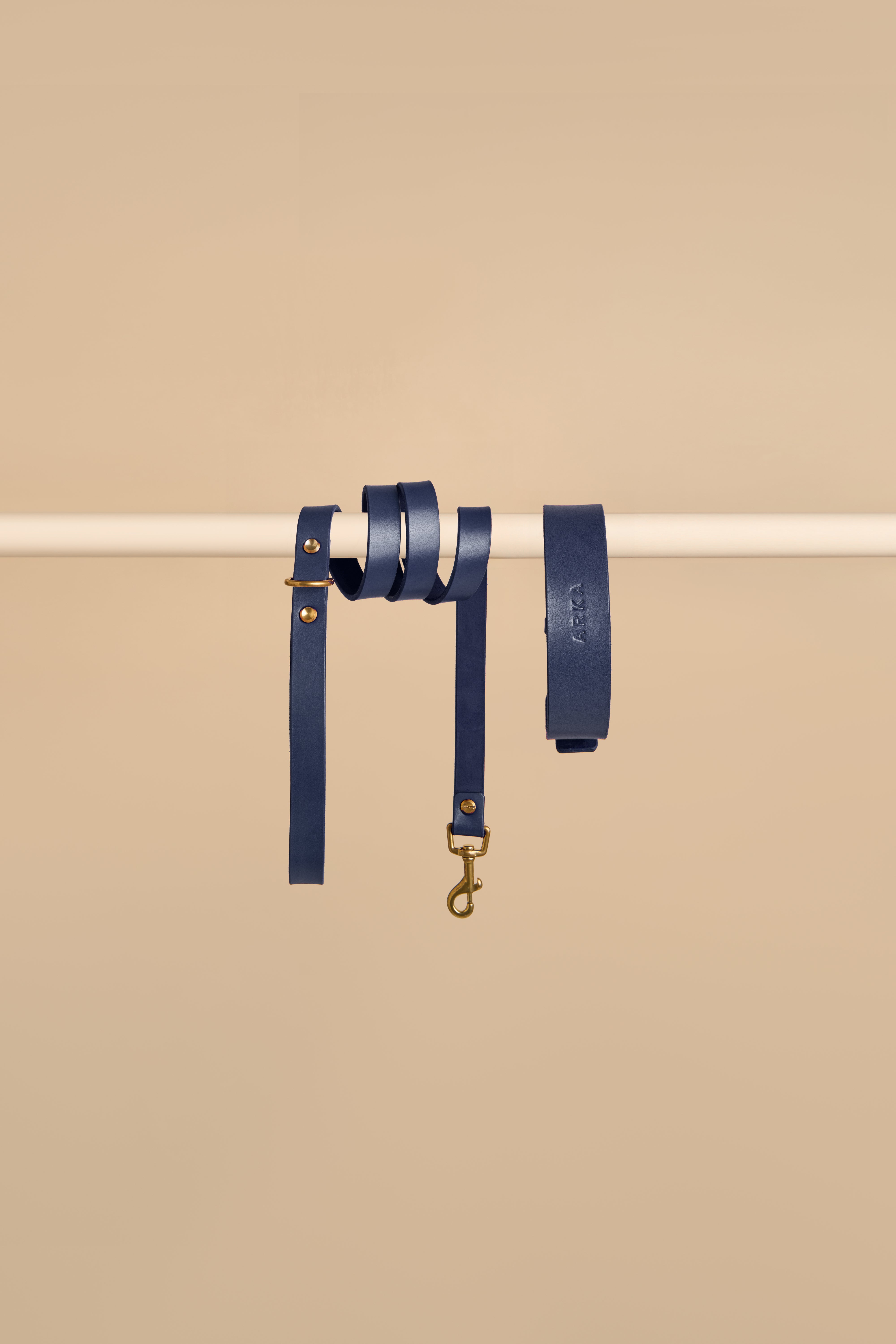
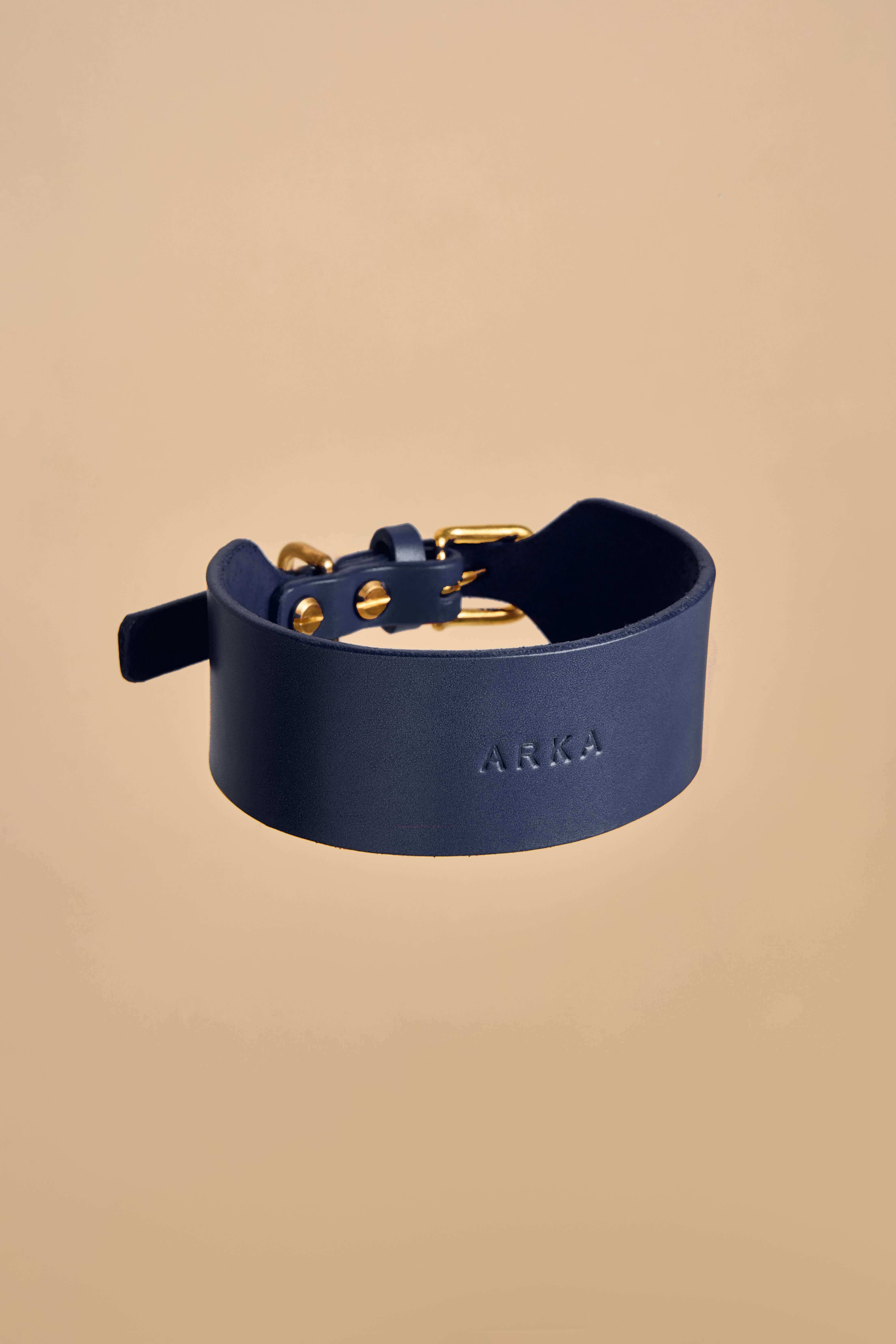
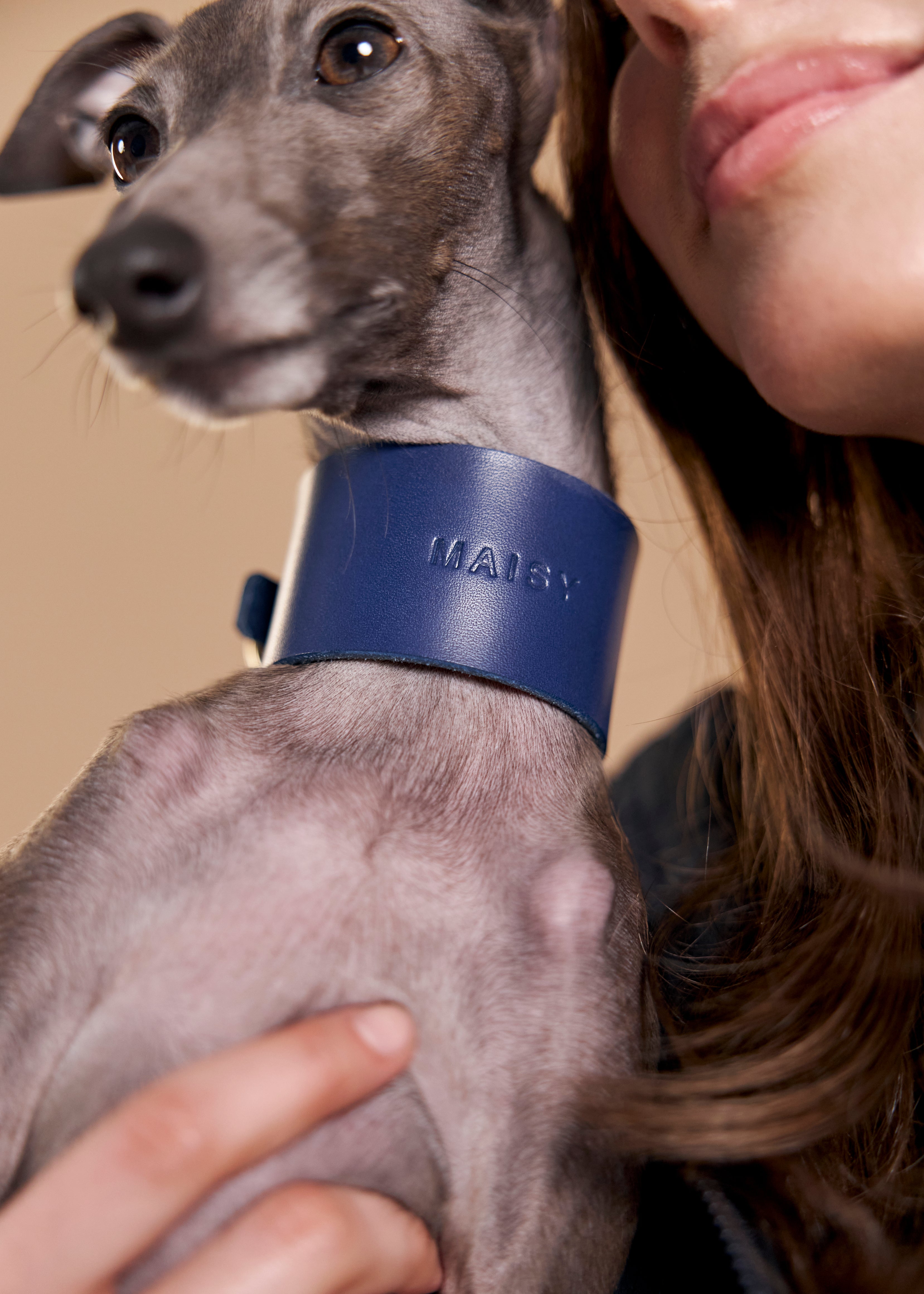
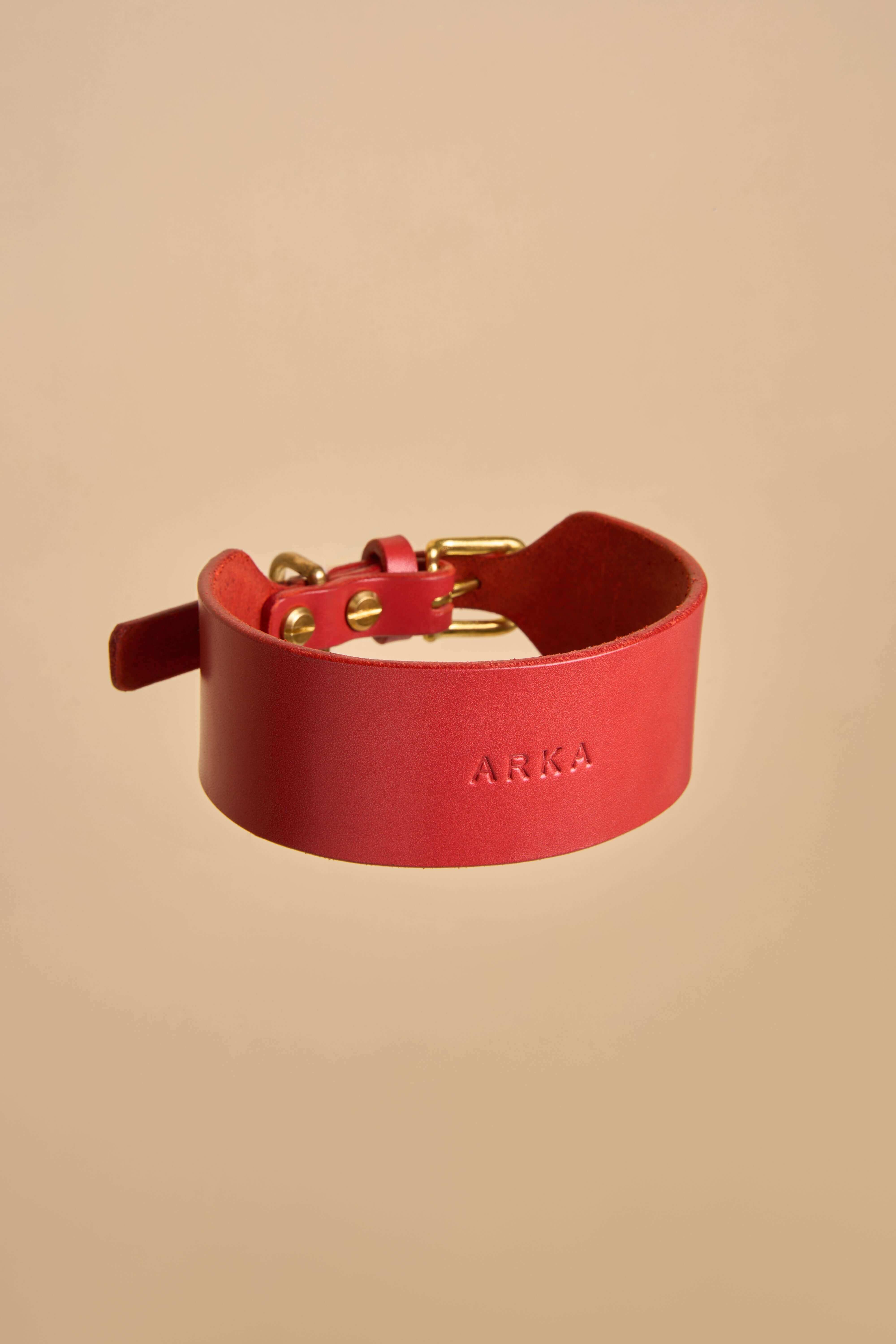
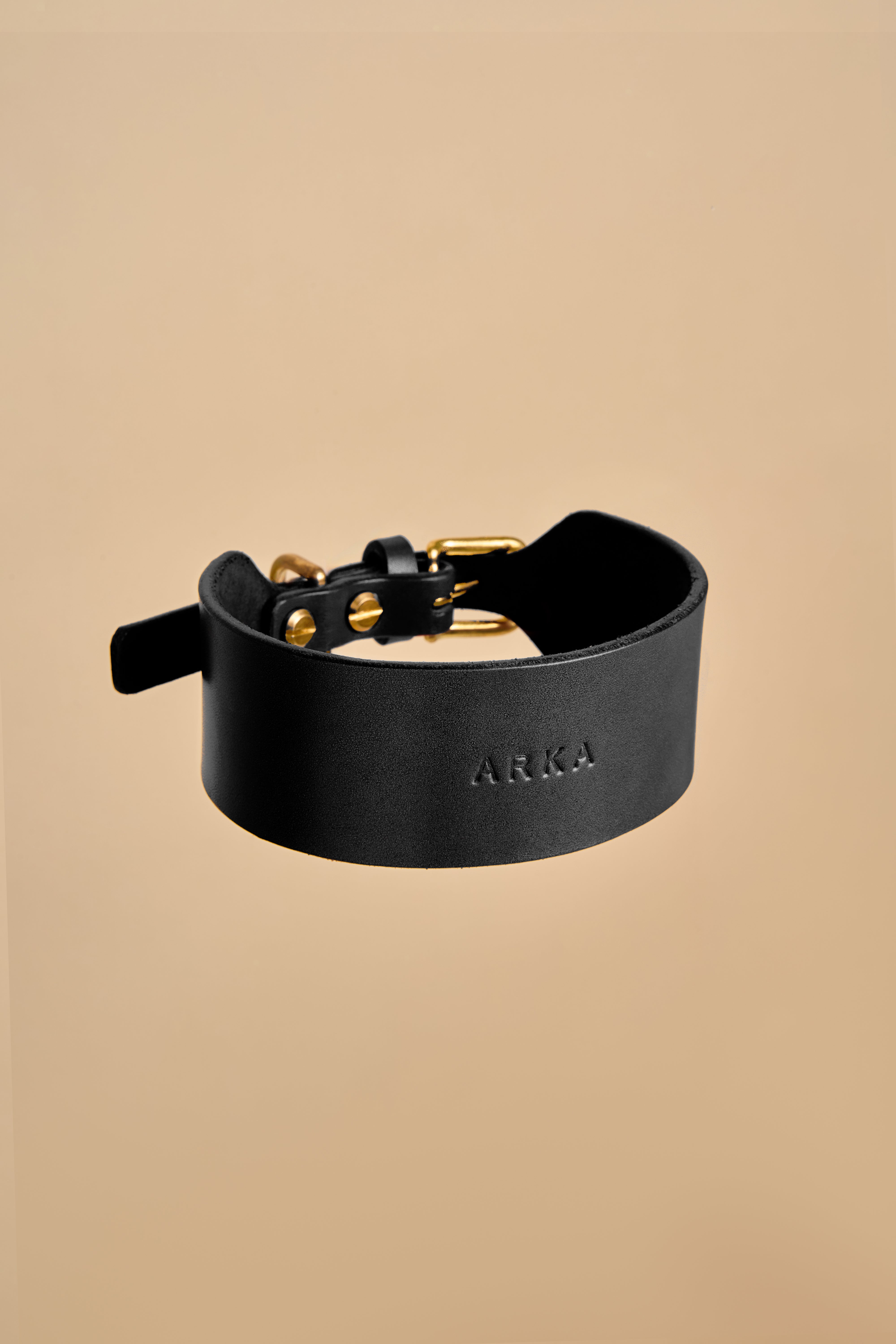
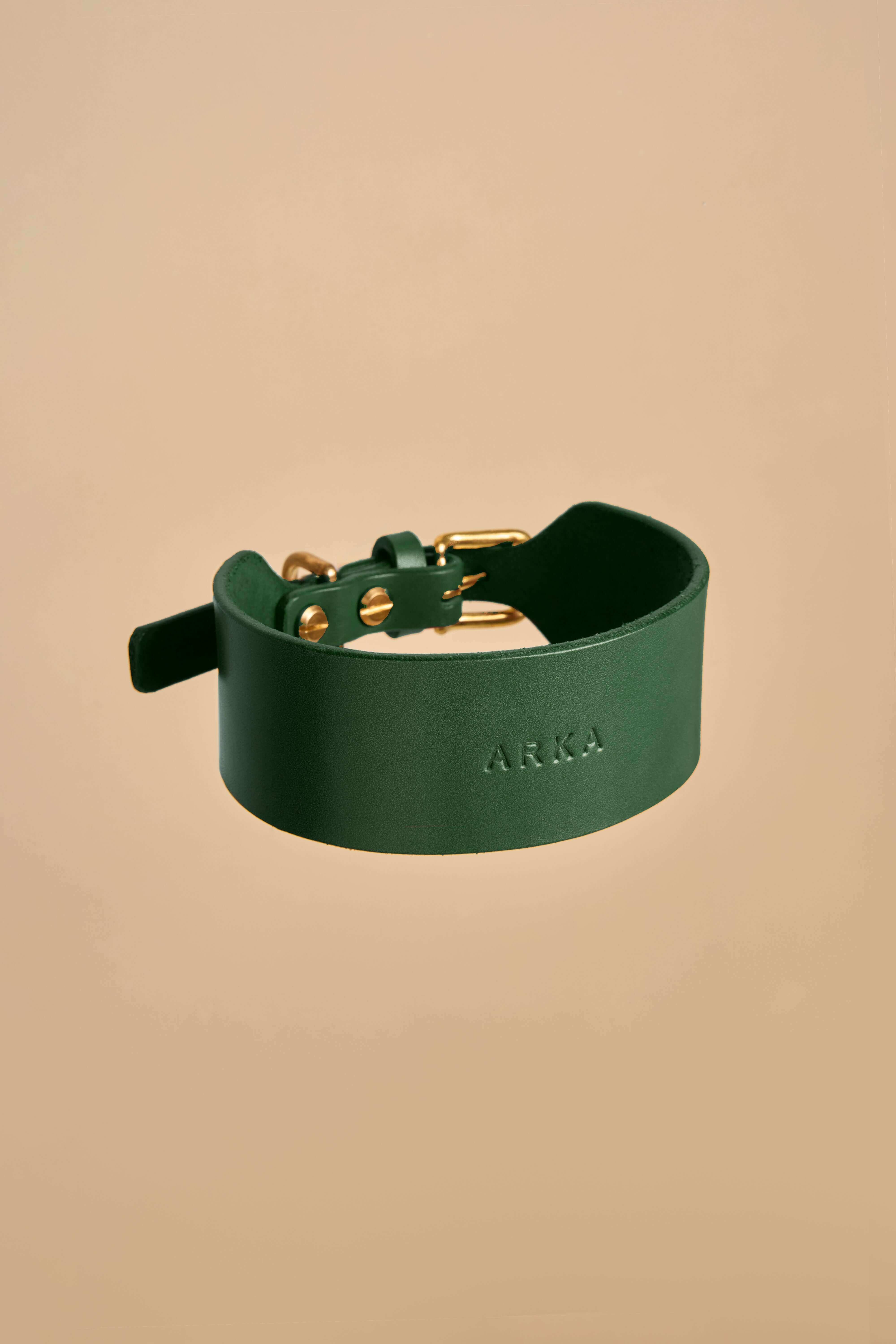
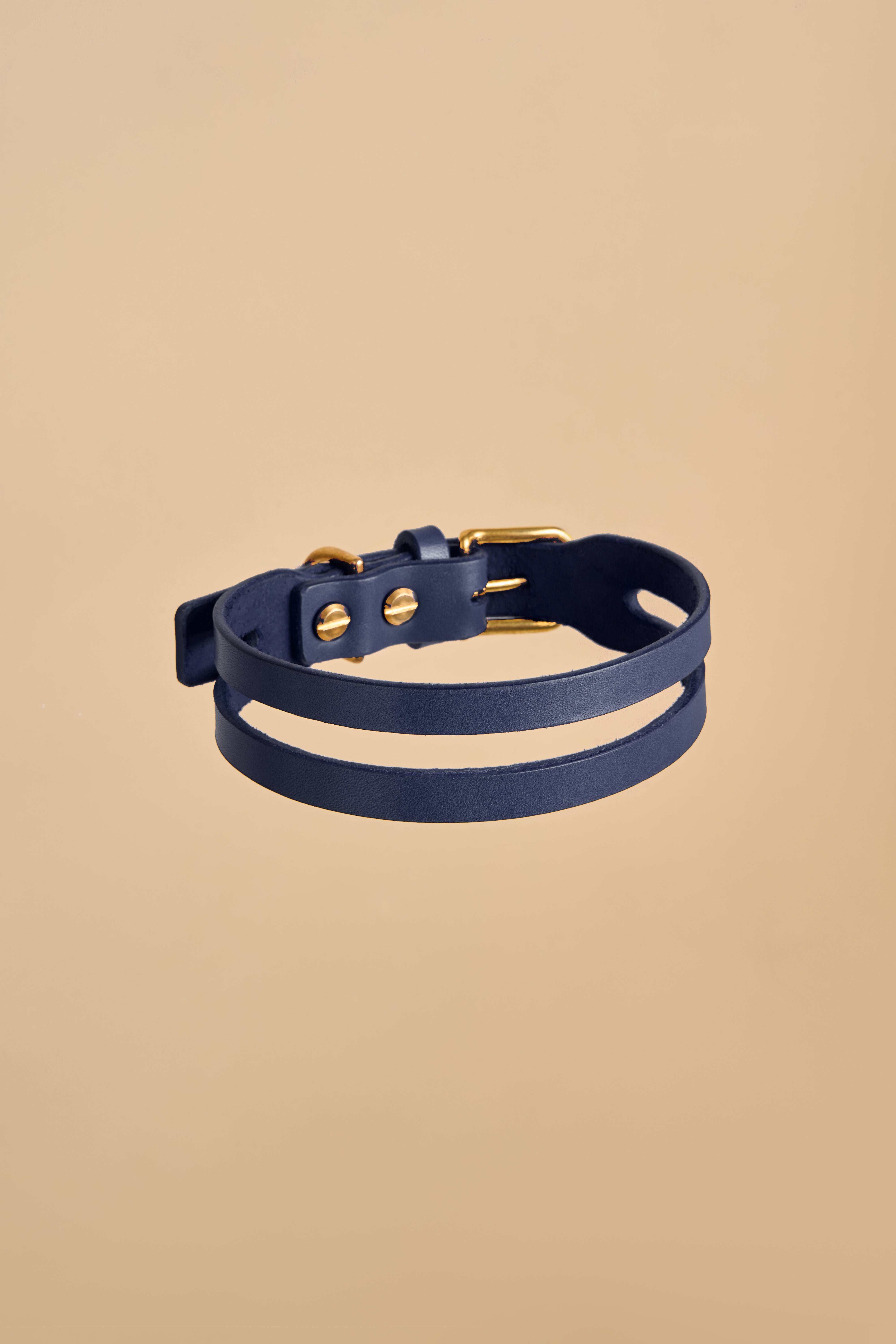
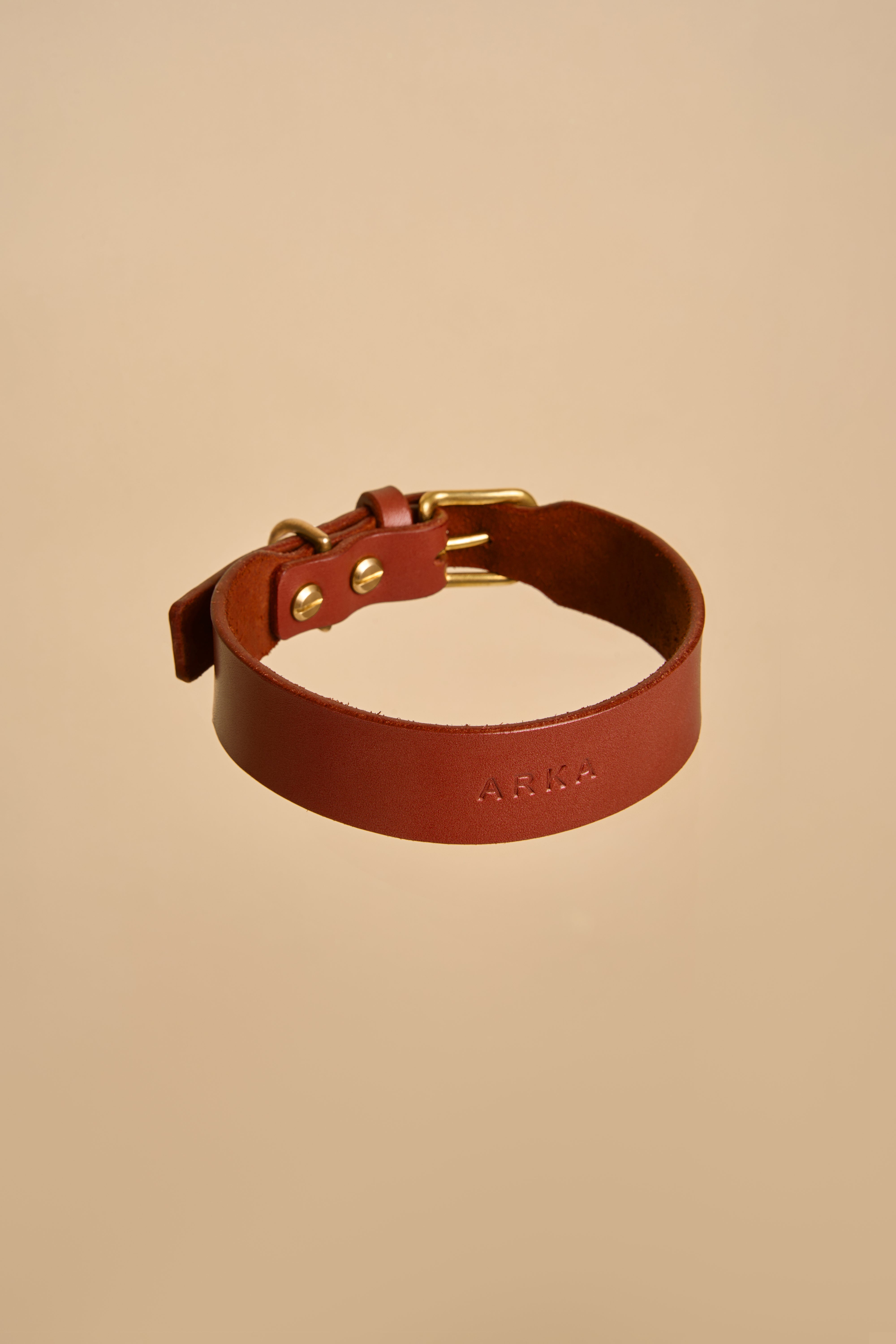
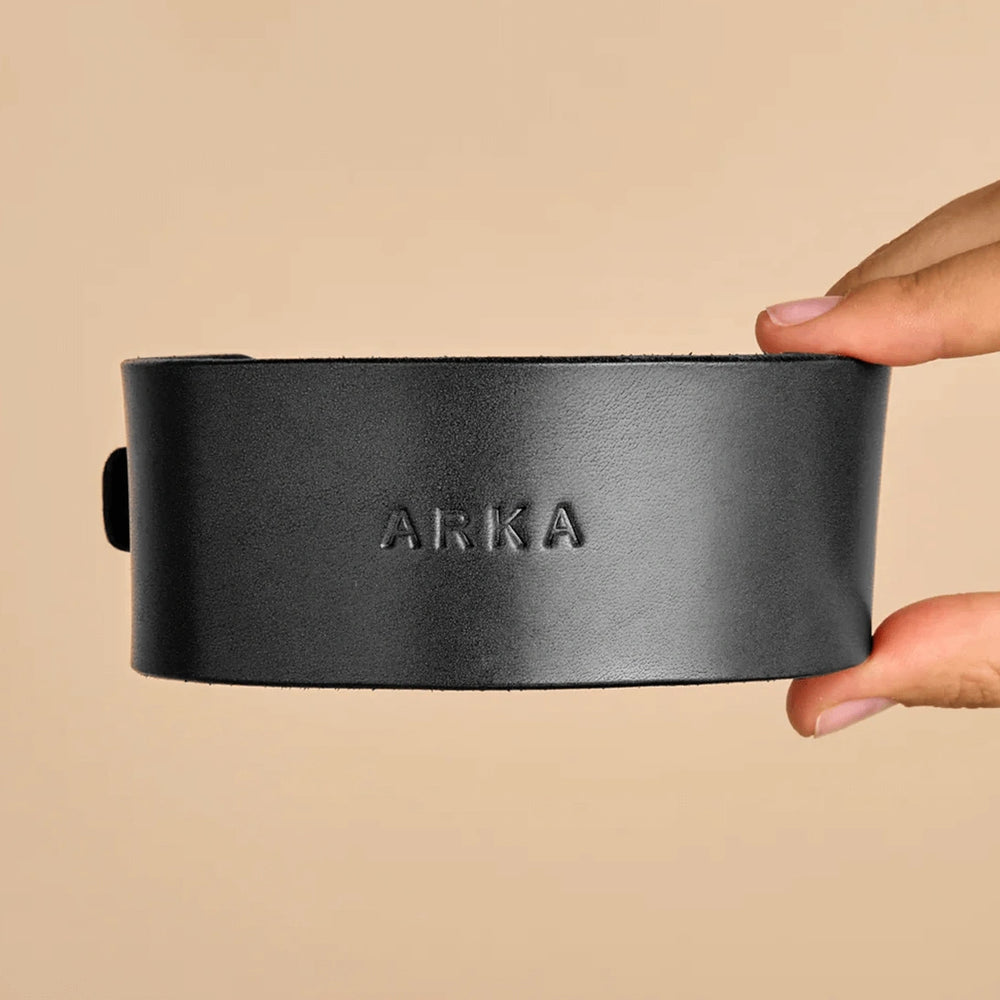
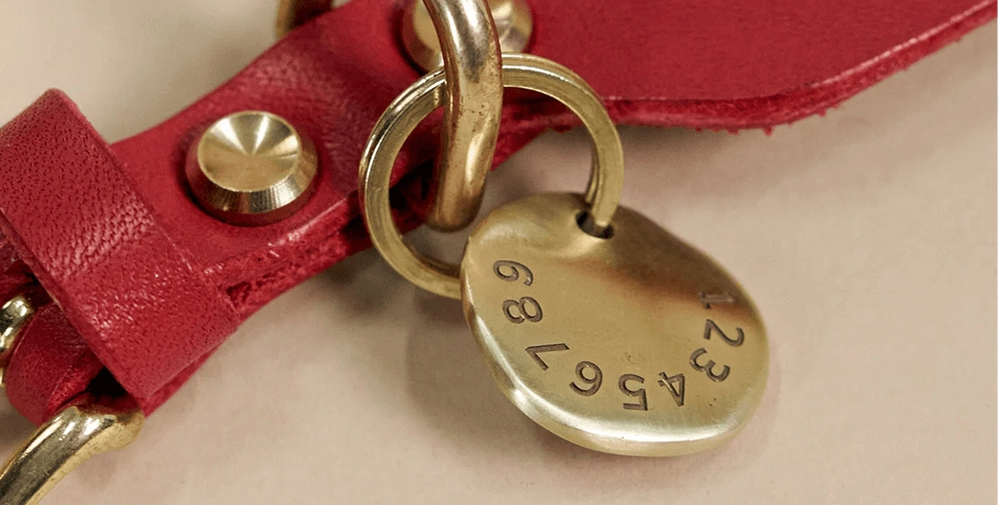
You just can’t beat a classic! A flat leather collar with a strong buckle is seen by all as the gold standard for pups everywhere. They offer even pressure distribution and are made from the highest quality materials like vegetable tanned leather that carries added benefits of being hypoallergenic, eco-friendly and incredibly durable.

Unlike the spectrum of synthetic materials, leather is naturally resistant to odor and is pleasantly breathable. A good buckle helps to provide a secure fit whether you have a small or large canine companion to look after. It’s the perfect combination of comfort and safety!
Why Hardware Quality Matters as Much as Material
The most comfortable dog collar is only as reliable as its weakest component and that is almost always the hardware, not the leather. Three things to check on any collar:
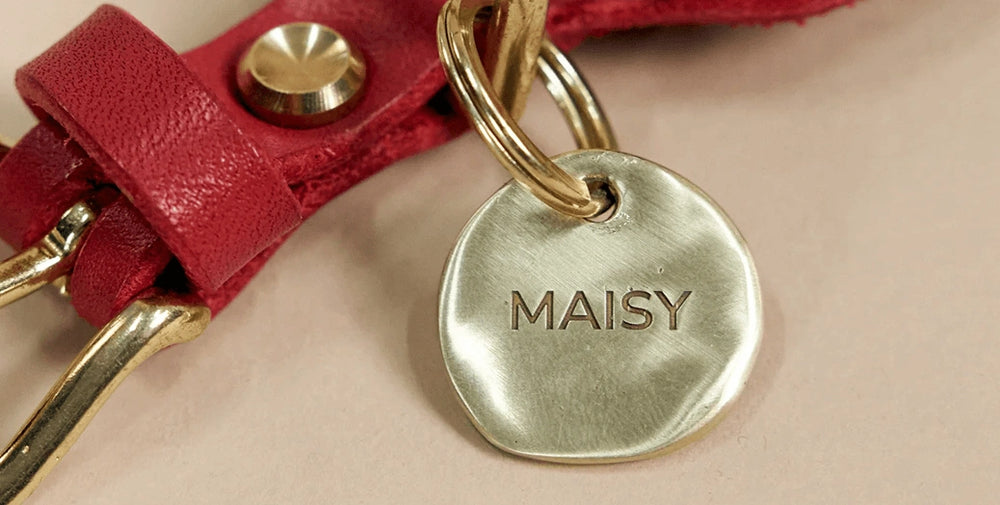
- The D-ring: this carries your lead and ID tag under the full force of every lunge. A solid D-ring is a seamless loop with no join point, that cannot flex open under load. A stamped split ring can, and eventually will.
- The buckle: for calm everyday dogs, a quality quick-release buckle works well. For strong or working dogs, a solid brass or stainless steel buckle will not fatigue, crack, or fail under repeated stress the way plastic does over time.
- Stitching and rivets: the contact points where hardware meets leather are where most collars eventually fail. Double-riveted hardware and reinforced stitching at both the D-ring and buckle bar prevent the invisible internal tearing that builds up over months of daily use.
For the most durable and most secure dog collar setup, the hardware quality must match the leather quality, both need to be built to the same standard.
Choosing the Right Collar by Breed and Life Stage
By Breed Type
- Small and toy breeds (Chihuahua, Maltese, Toy Yorkie): a narrow, lightweight flat leather collar is often the most comfortable choice. Heavy hardware and wide bands overwhelm their frame and add unnecessary neck weight.
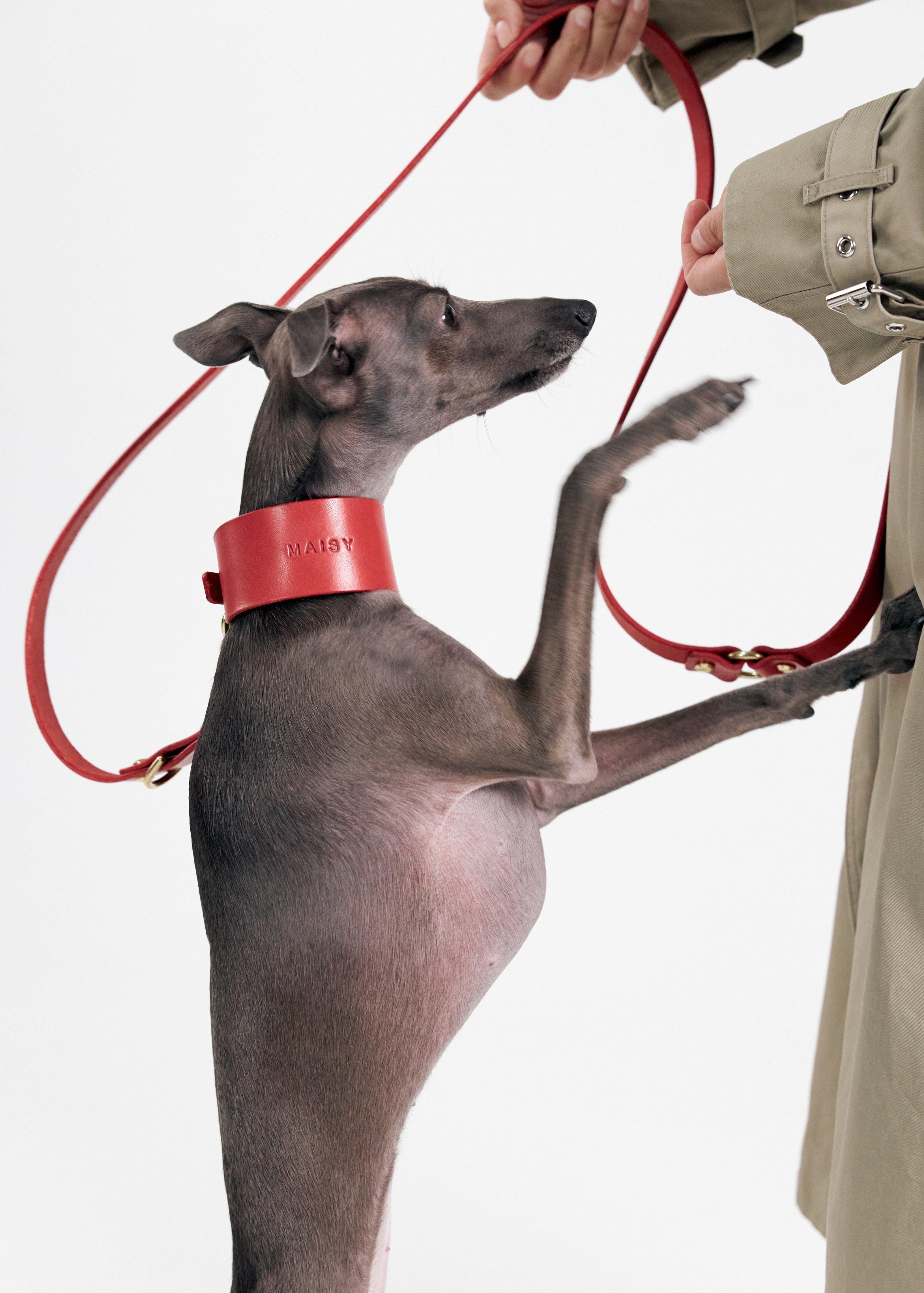
- Sighthounds (Greyhound, Whippet, Saluki): a martingale collar is often a good option. Their heads are narrower than their necks. A standard flat collar is a genuine escape risk. The martingale's controlled tightening prevents this safely.
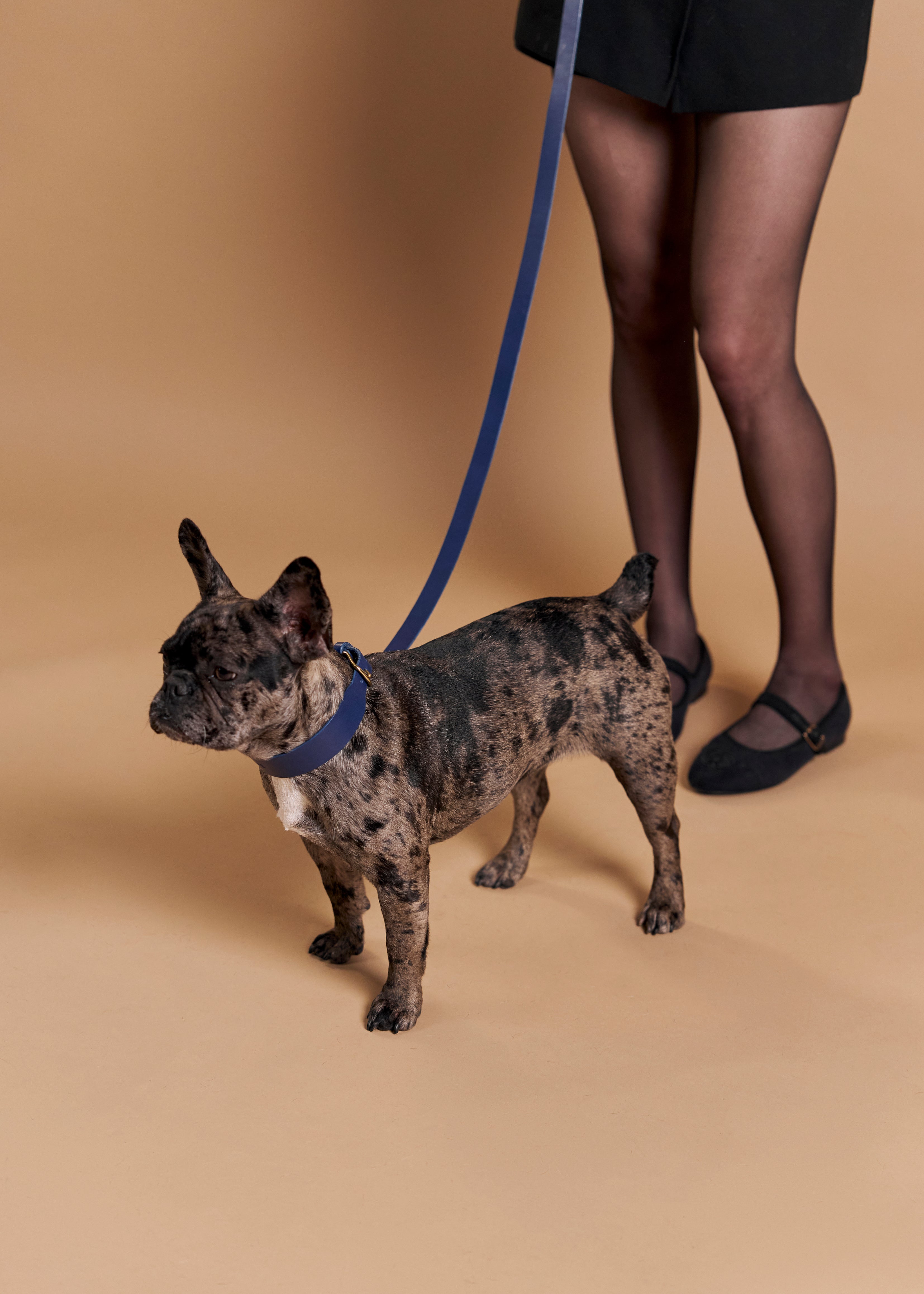
- Brachycephalic breeds (Bulldog, Pug, French Bulldog): a well-fitted leather harness is often better for walks; a lightweight flat collar for ID tag use if desired. These breeds have compromised airways that cannot safely absorb neck pressure.
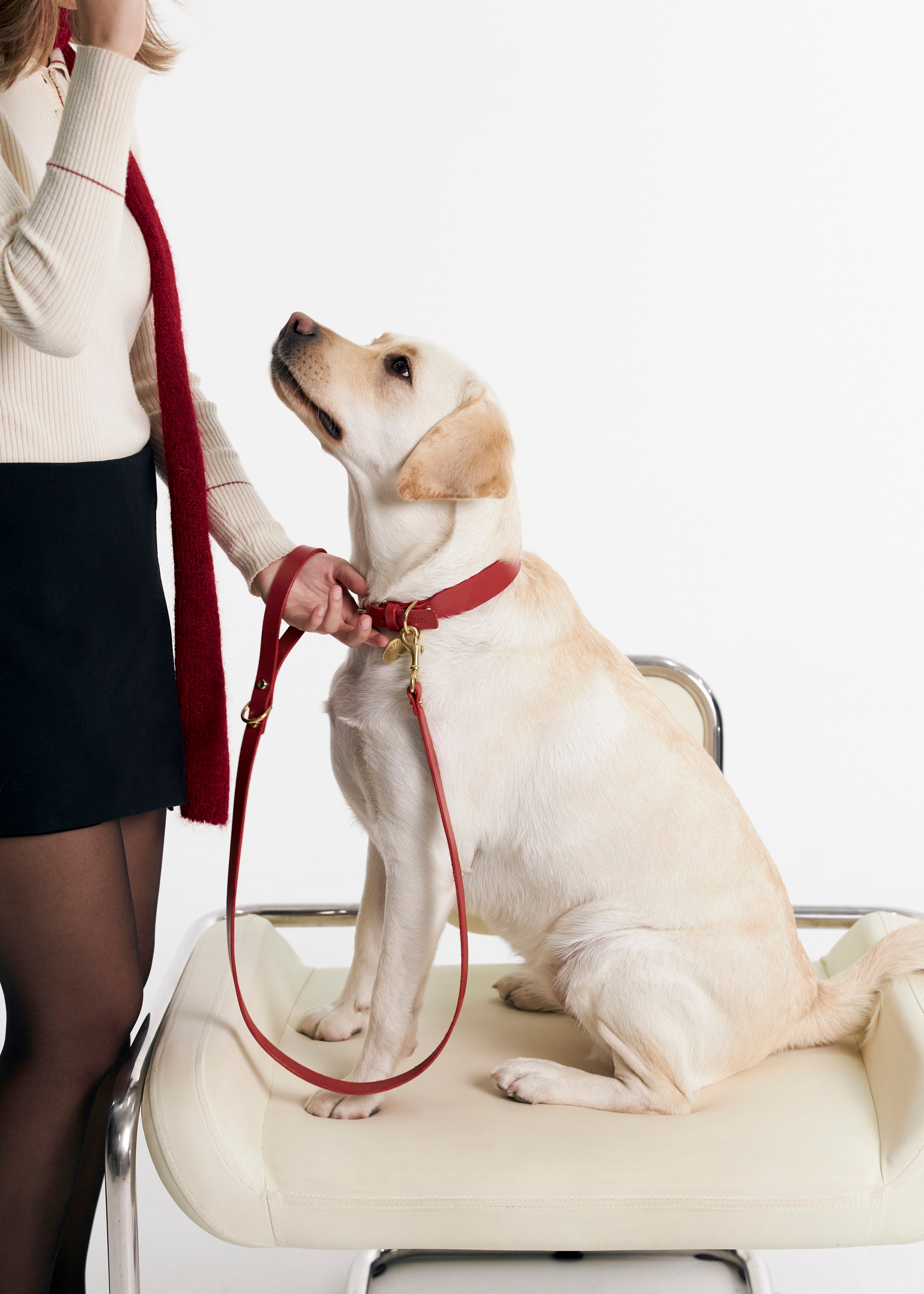
- Large and working breeds (Labrador, German Shepherd, Rottweiler): a wide flat leather collar with solid brass hardware. Width distributes leash force; brass hardware handles it long-term.
- Double-coated breeds (Husky, Samoyed, Golden Retriever): a rolled leather collar may be a good choice. The rounded profile glides through thick fur rather than compressing it flat, preventing the matting and bare patches that flat collars cause on dense coats.
By Budget
The best affordable dog collar over a 3–5 year horizon is nearly always full-grain leather. It costs more upfront than nylon but outlasts it by years. A quality leather collar that lasts five years costs less per wear than a $20 nylon collar replaced every eight months.
By Life Stage
- Puppies: an adjustable collar with a generous buckle range. Check the two-finger fit every two to three weeks. Puppies can outgrow a collar in days during growth spurts.
- Adult dogs in active training: flat leather collar for ID, harness for walk training.
- Senior dogs: prioritise softness and light weight. Broken-in vegetable-tanned leather that has moulded to the neck over time is far kinder than any stiff new synthetic alternative.
Getting the Fit Right: The Two-Finger Rule
The best collar fitted incorrectly is still a problem. With the collar buckled normally, slide two fingers and held flat, not pinched between the collar and your dog's neck:
- Can't fit two fingers: too tight, skin irritation and tracheal compression risk
- Two fingers with light resistance: ✅ correct fit
- Collar gaps or rotates freely: too loose, ID tag unreliable; escape risk for sighthounds
Check this every few weeks for puppies and after any weight change.
Frequently Asked Questions: Best and Safest Dog Collars
What is the most comfortable dog collar?
The most comfortable dog collar is a flat leather collar made from vegetable-tanned full-grain leather. Unlike synthetic materials, leather softens and moulds to the exact shape of your dog's neck over time, eliminating stiff pressure points. For long-coated breeds, a rolled leather collar is the most comfortable option, its rounded profile sits in the fur without compressing it. Both outperform nylon on long-term comfort for the same reason: leather breathes and flexes with the dog's movement; synthetic materials do not.
What is the safest dog collar?
The safest everyday dog collar is a flat leather collar with a D-ring. It maintains a fixed circumference and never tightens under load. For sighthound breeds (Greyhounds, Whippets), a correctly sized martingale is the safest option because it prevents escape while limiting maximum tightening to a safe preset point. Shock collars, prong collars, and choke chains are the least safe options and are not recommended by any major veterinary organisation, including the AVSAB and RSPCA.
What is the best dog collar overall?
The best dog collar for most breeds in everyday use is a flat leather collar with a solid buckle. It distributes pressure evenly, does not tighten under tension, and when made from vegetable-tanned leather is naturally hypoallergenic, odour-resistant, and built to last years. For sighthounds, a martingale is the better choice due to their narrow head-to-neck ratio.
What is the best affordable dog collar?
For the most affordable dog collar over time, full-grain leather is the better long-term investment despite its higher upfront cost. Quality leather lasts 5–8 years versus 8–12 months for most nylon options at similar use levels. A quick-release flat collar in quality nylon is a reasonable option for calm everyday dogs on a tight budget, but any dog that pulls or is active outdoors will replace it repeatedly making leather the more cost-effective choice across the collar's lifespan.
Are choke collars safe for dogs?
No. Choke collars have no maximum tightening limit, they continue compressing the trachea for as long as the dog pulls. This can cause tracheal collapse, nerve damage, and spinal injury. The AVSAB, AVMA, and RSPCA all formally oppose their use, and no training scenario exists for which a choke collar is the best available option.
What type of collar is best for dogs that pull?
For consistent pullers, a harness is the safest and most effective tool. It removes tension from the neck. Used alongside a flat leather collar for ID, this combination is recommended by certified force-free trainers over any tightening collar. Among collars alone, a wide flat leather collar minimises neck pressure better than a narrow one by distributing force across a larger surface area.
Conclusion
Hopefully you agree that a dog collar is so much more than just an accessory, it’s one of the most essential pieces of equipment for guaranteeing their comfort and safety. There are plenty of options out there, but the rankings and pros and cons speak for themselves.
Flat leather collars with buckles remain undefeated as the best all round choice for comfort, durability and functionality. If you make the decision to invest in a high quality collar for your precious pup, you can have the assurance of both style and substance for years!
Your furry friend deserves nothing but the best, so don’t hesitate to refer back to these rankings when the time comes to get them a brand new collar!
Whether you are choosing for a new puppy, upgrading from a worn-out nylon collar, or moving a dog away from an aversive training tool the rankings above, the breed guide, and the hardware checklist give you everything you need to choose with complete confidence. The most comfortable, safest, and most durable dog collar is always the one that matches your dog's individual build and behaviour, made from materials that earn their place through years of daily use.