Quick Summary
No-pull harnesses do reduce pulling in the moment but they do so by restricting your dog's natural shoulder movement, not by teaching them anything. Most no-pull harnesses use a front-clip attachment that redirects forward momentum sideways, but the chest panel involved sits across or near the shoulder joint, limiting the front limb's natural swing during every stride. The dog pulls less because movement is physically compromised not because they have learned that calm walking is the right behaviour. A well-fitted back-clip harness combined with consistent training is the more effective and physically safer approach for lasting results.

The Problem With No-Pull Harnesses
What Is a No-Pull Harness?
A no-pull harness is any harness specifically designed to physically reduce a dog's ability to pull on the lead through its construction rather than through training. The most common design is a front-clip harness where the lead attaches to a D-ring on the chest rather than on the back, combined with a chest panel that wraps across the front of the body.
They are sometimes called anti-pull harnesses, anti-drag harnesses, or training harnesses. All refer to the same basic concept: a piece of equipment whose design is intended to interrupt or suppress pulling behaviour mechanically.
How Does a No-Pull Harness Work?
A front-clip no-pull harness works through its lead attachment point. When the dog pulls forward, the lead attached at the chest creates a sideways force that rotates the dog's body toward the handler interrupting the forward momentum. The dog cannot lean their full body weight directly into the resistance the way they can with a back-clip harness, so pulling becomes less mechanically effective.
On the surface this appears to work and in the immediate term it does produce a noticeable reduction in pulling. The problems become visible over time, in the dog's movement and in the permanence of the result.
The key difference between a no-pull harness and a back-clip harness:
| Feature | No-Pull Front-Clip Harness | Back-Clip Harness |
|---|---|---|
| Lead attachment | Chest D-ring | Back D-ring |
| Pull management | Redirects momentum sideways | No redirection, requires training |
| Shoulder joint | Chest panel often crosses shoulder | Shoulder completely free |
| Front limb movement | Restricted during stride | Completely unrestricted |
| Behaviour change | Suppression only, no learning | No suppression, training required |
| Long-term result | Pulling returns when harness removed | Lasting when combined with training |
| Physical risk | Shoulder restriction, gait change risk | None when correctly fitted |
Why They Seem Appealing
They are marketed as a quick and simple fix to the problem, and often promoted as a training aid that doesn’t require much effort on your part. Again, on the surface they appear to provide instant results.
The Reality: Why They Don't Work
- They suppress pulling without teaching anything. The harness makes pulling mechanically less effective, it does not help your dog understand that loose-lead walking is the correct behaviour. Remove the harness and pulling resumes immediately, unchanged.
- They restrict natural shoulder and front leg movement. The chest panel of most no-pull harnesses sits at or across the shoulder blade during movement, shortening the front limb's natural swing with every stride. Over time this causes gait changes, muscle imbalances, and discomfort.
- They do not address the root cause. Dogs pull because of excitement, distraction, or under-stimulation. A no-pull harness addresses none of these, the underlying drive remains completely intact. Without training that addresses the actual reason for pulling, the behaviour is only ever deferred.
The Health Risks of No-Pull Harnesses
Restricts Shoulder and Front Leg Movement
A dog's front limb is not fixed to the ribcage by a ball-and-socket joint the way a human shoulder is. It is held entirely by muscles, tendons, and ligaments giving it a wide natural range of motion essential to efficient, comfortable movement. The chest panel of most no-pull harnesses sits at or crosses the shoulder blade during movement. With every stride the strap compresses the soft tissue over the shoulder joint and shortens the effective swing of the front limb. The dog cannot complete a natural stride while wearing it.
Causes Muscle Strain and Joint Issues
Dogs compensate for restricted movement by shifting their weight improperly, and over time this compensation causes real injury in muscles and joints. This is particularly concerning for active dogs and puppies still developing their musculoskeletal system. Professional trainers have documented shoulder strains and full aversion to walking in dogs that have worn no-pull harnesses over extended periods, a dog that once pulled enthusiastically on every walk now hesitates at the door.
Increases Frustration and Stress
When a naturally active dog is consistently restricted in movement during the activity they find most stimulating, frustration builds. Some dogs become anxious or reactive around walk time not because of the walk itself, but because the harness has made it a source of physical and emotional constraint. This frustration can worsen the pulling behaviour and create secondary problems that did not exist before the harness was introduced.
The Better Alternative: Back-Clip Harnesses
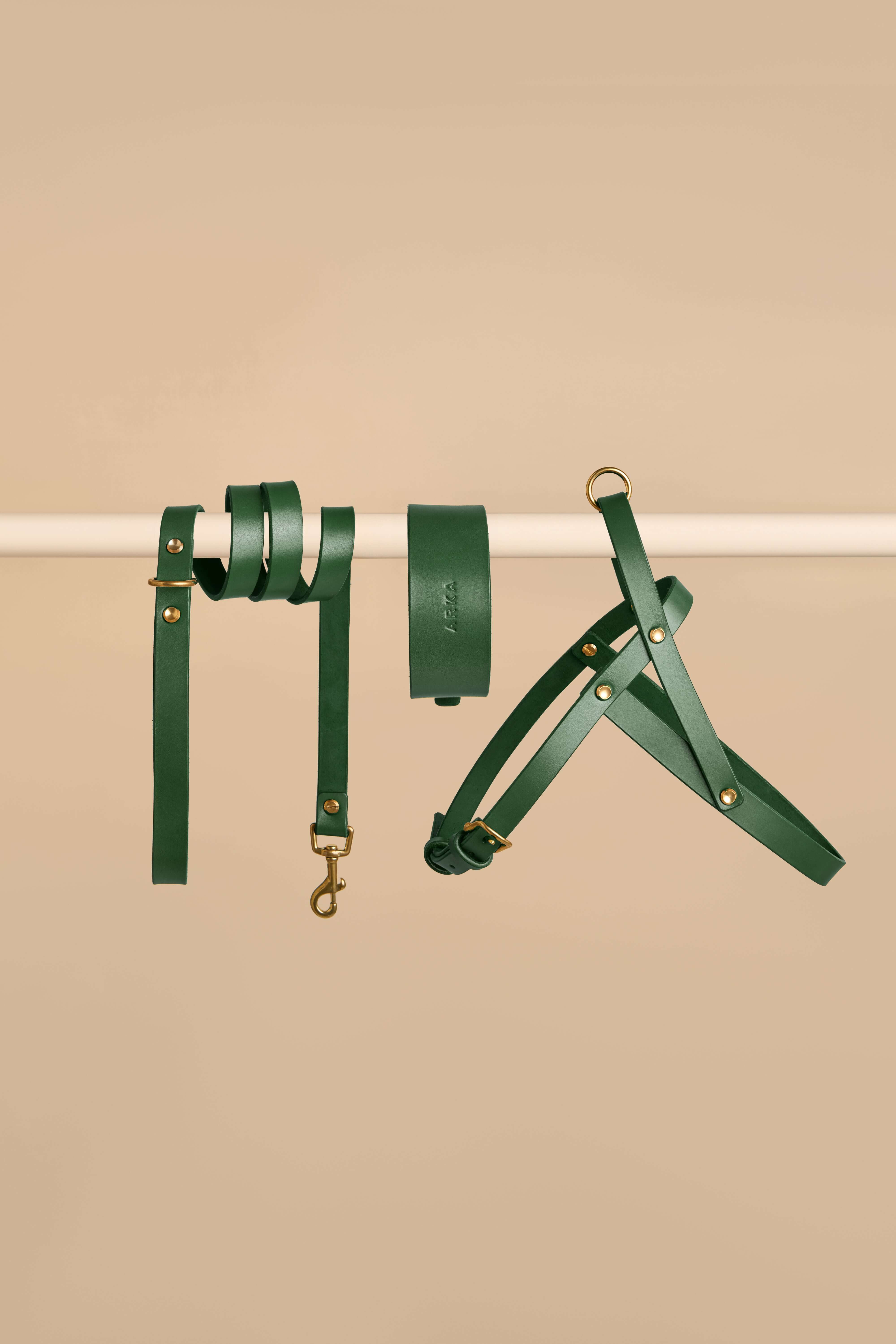
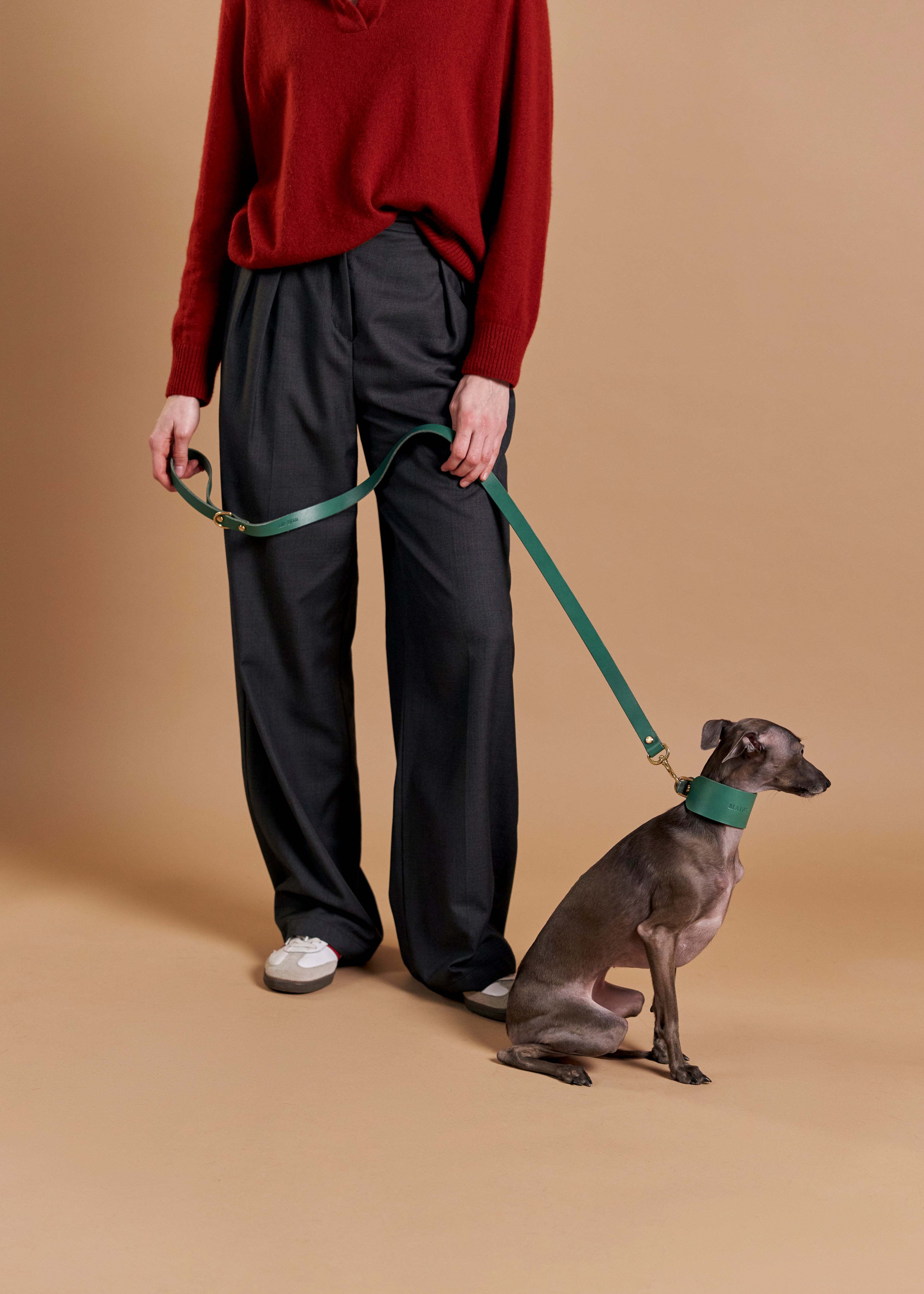
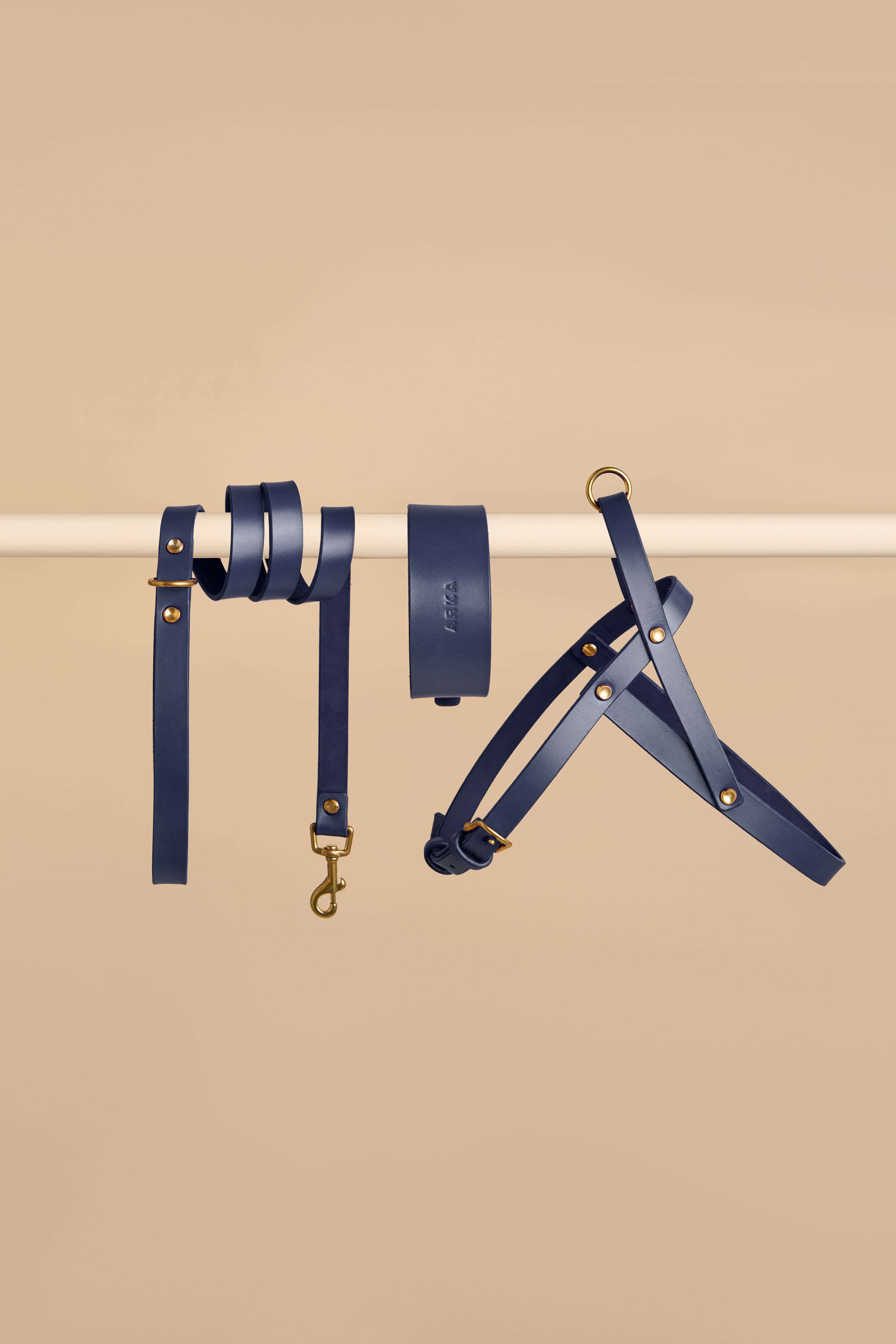
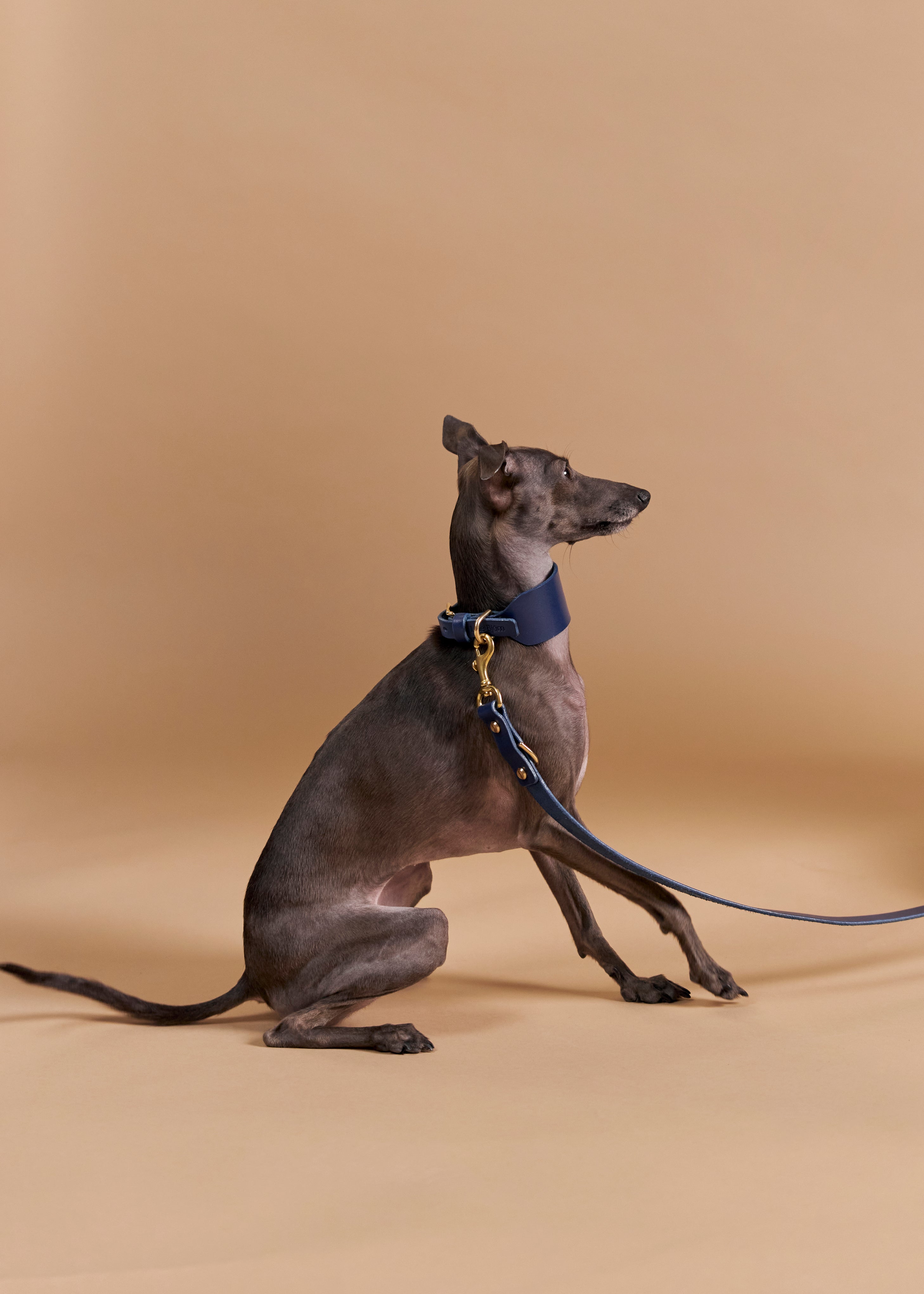
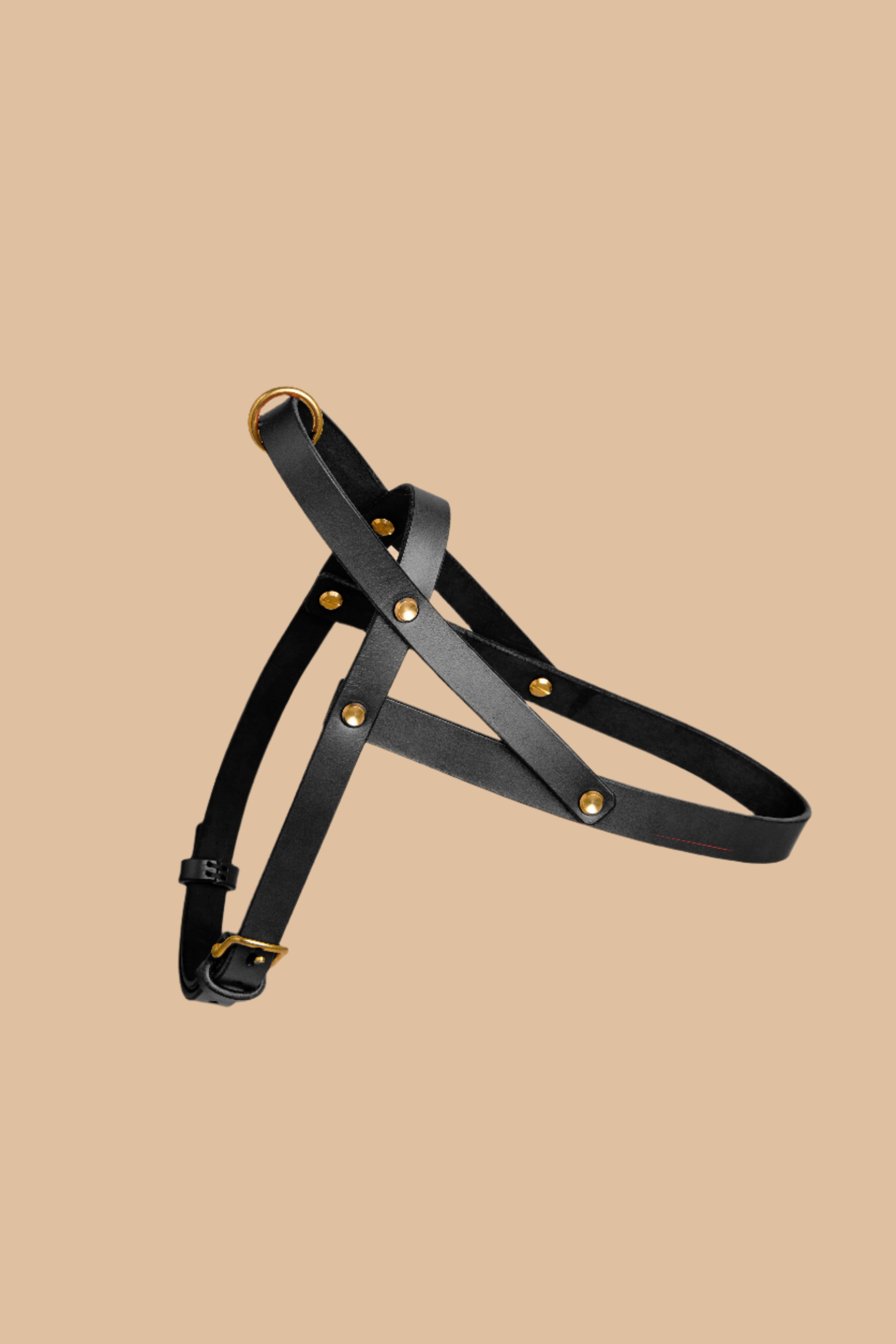
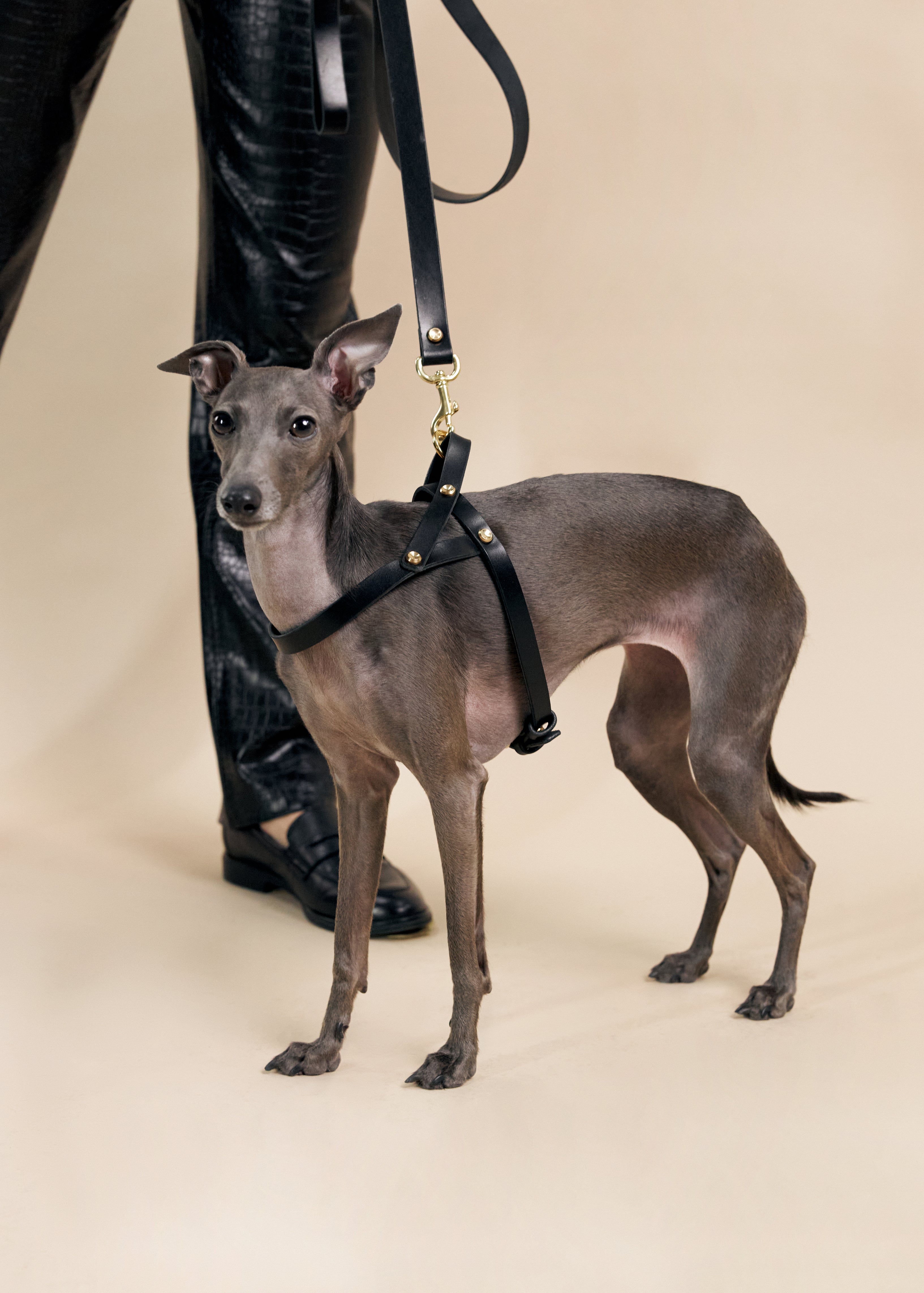
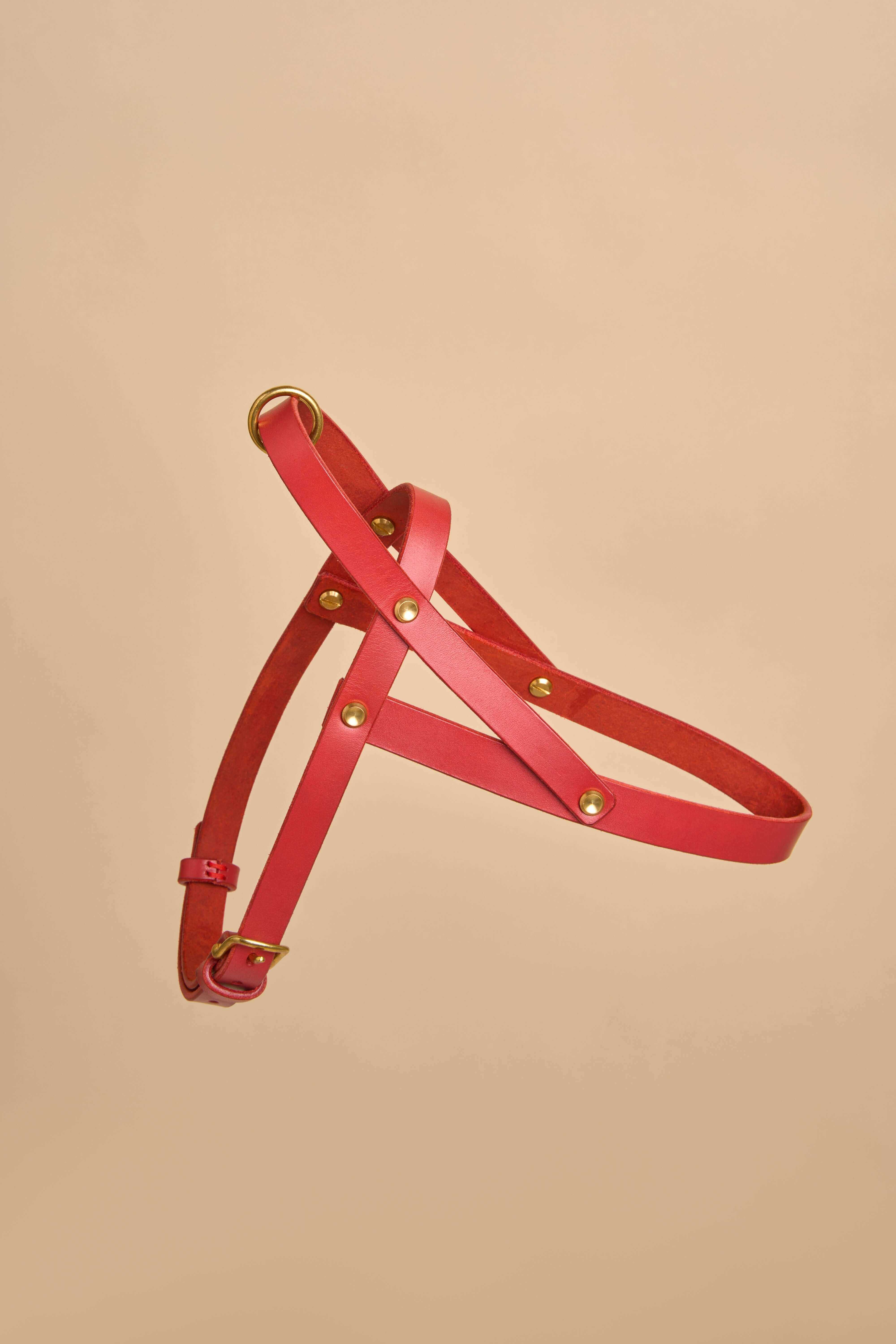
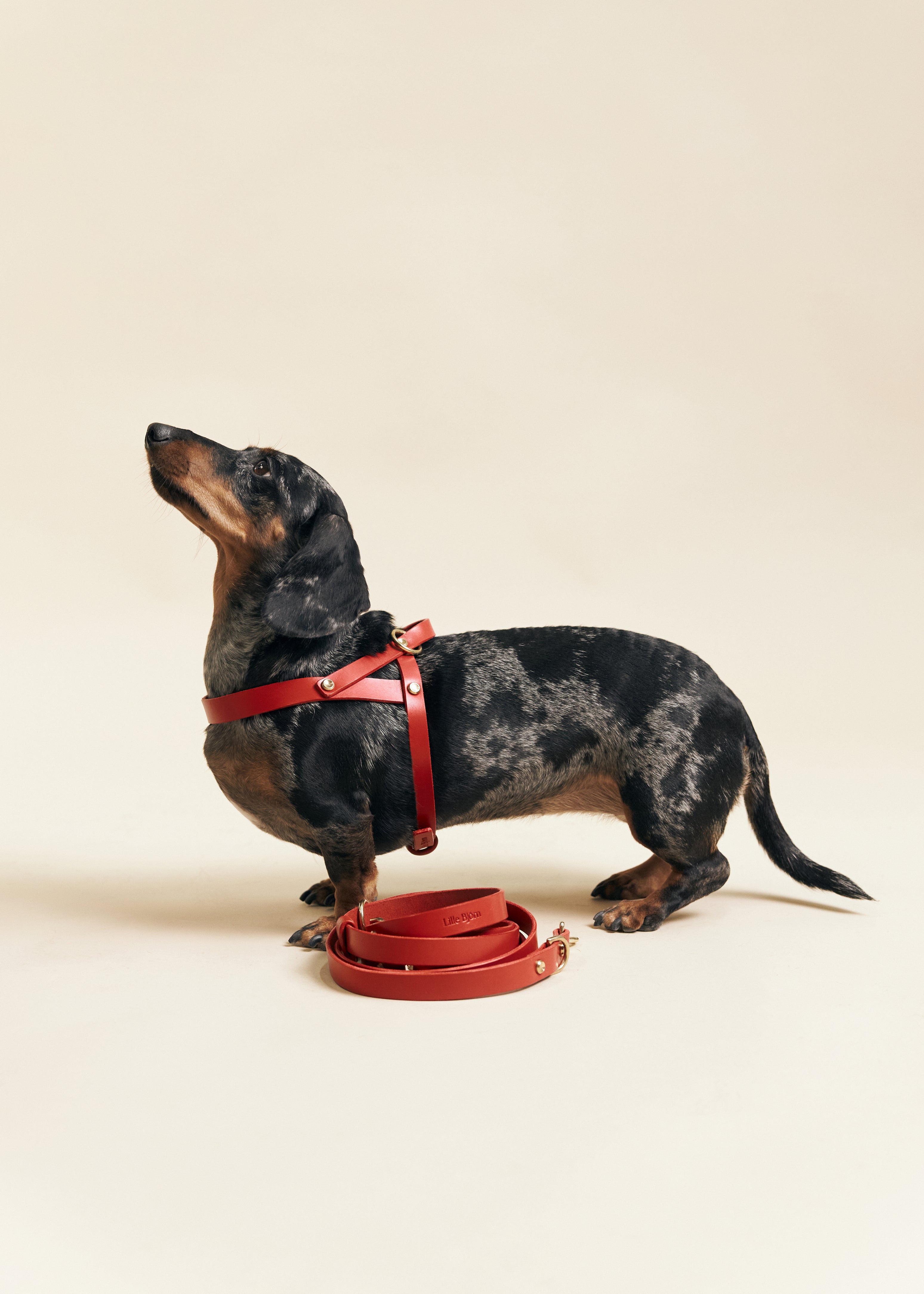
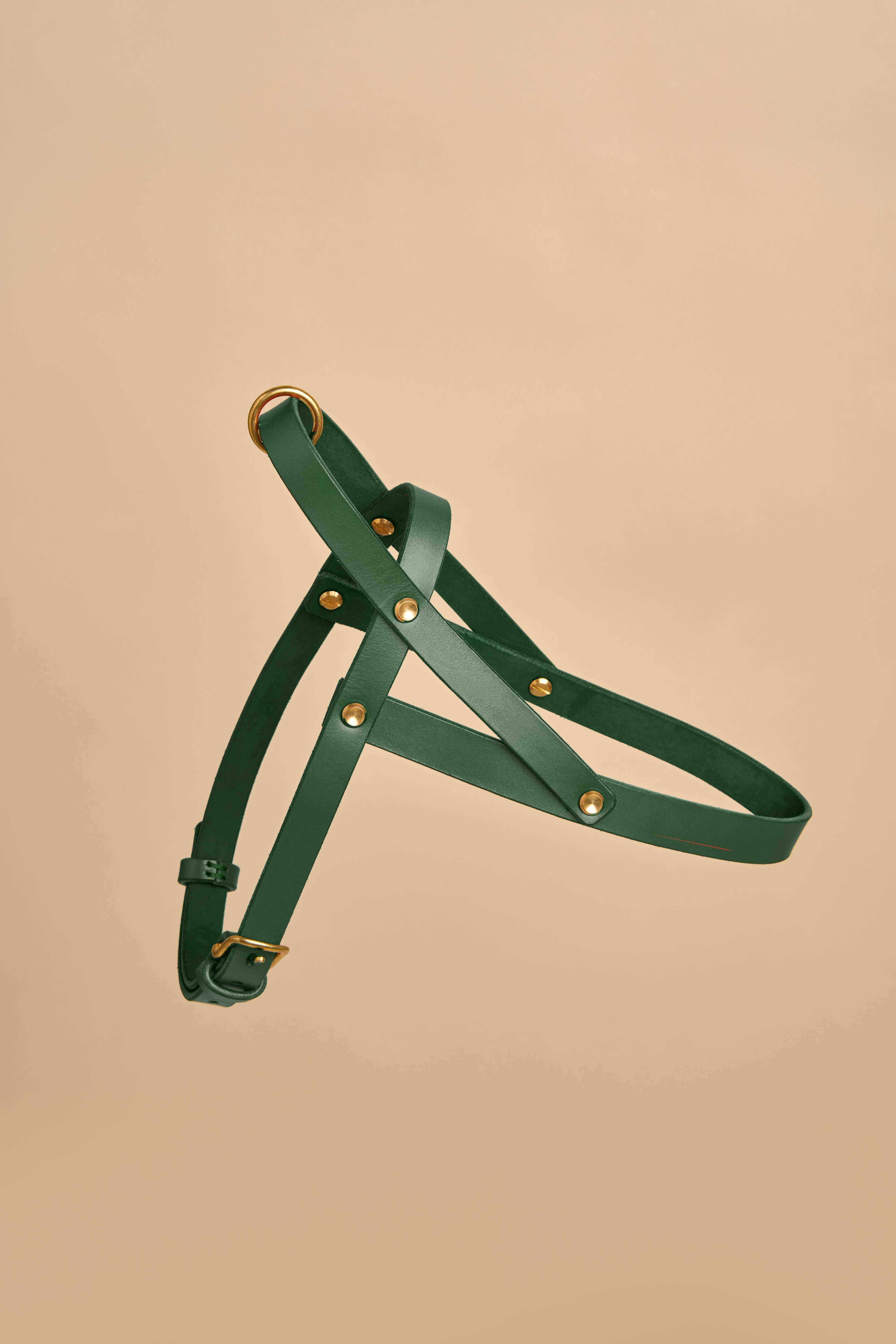
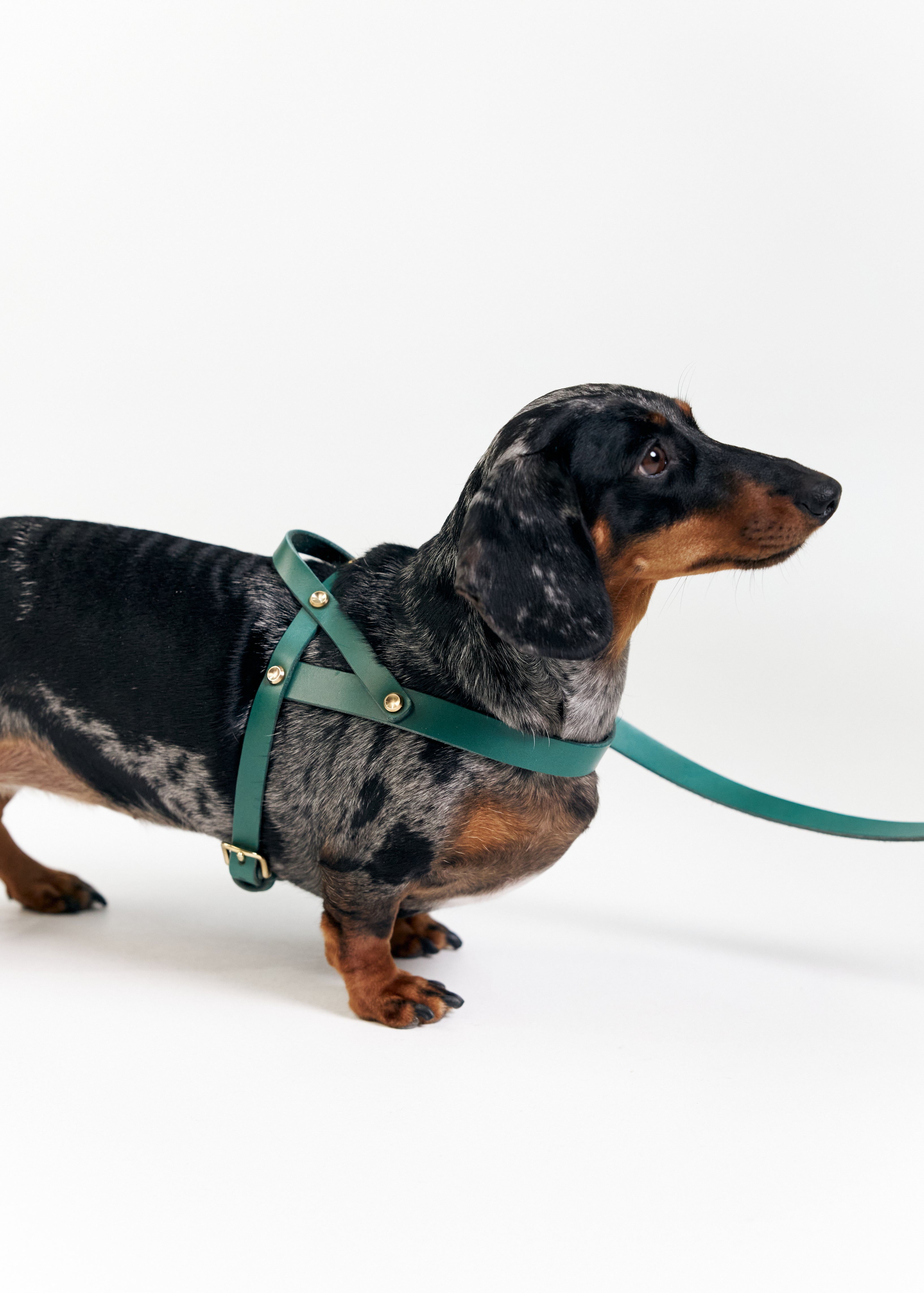
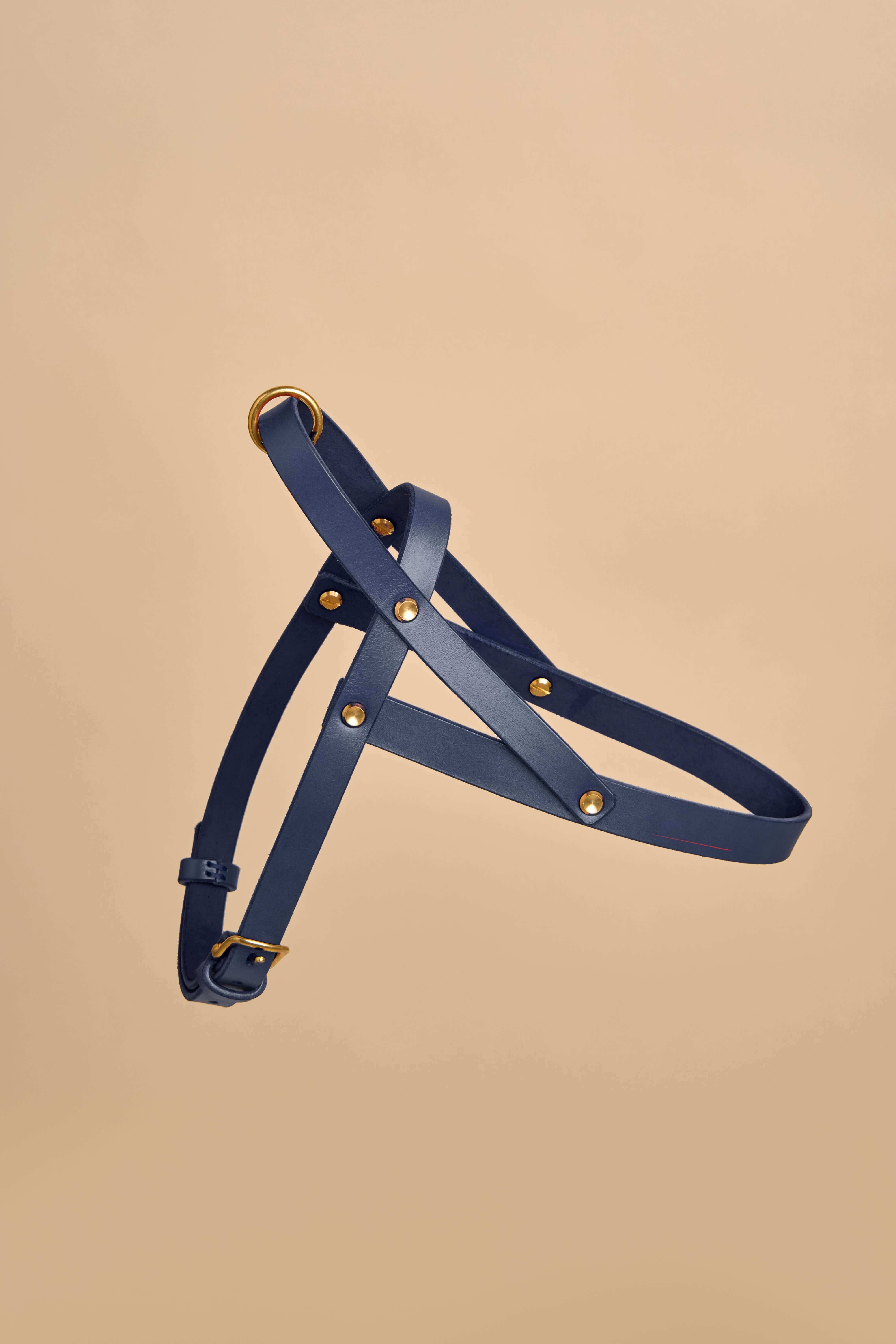
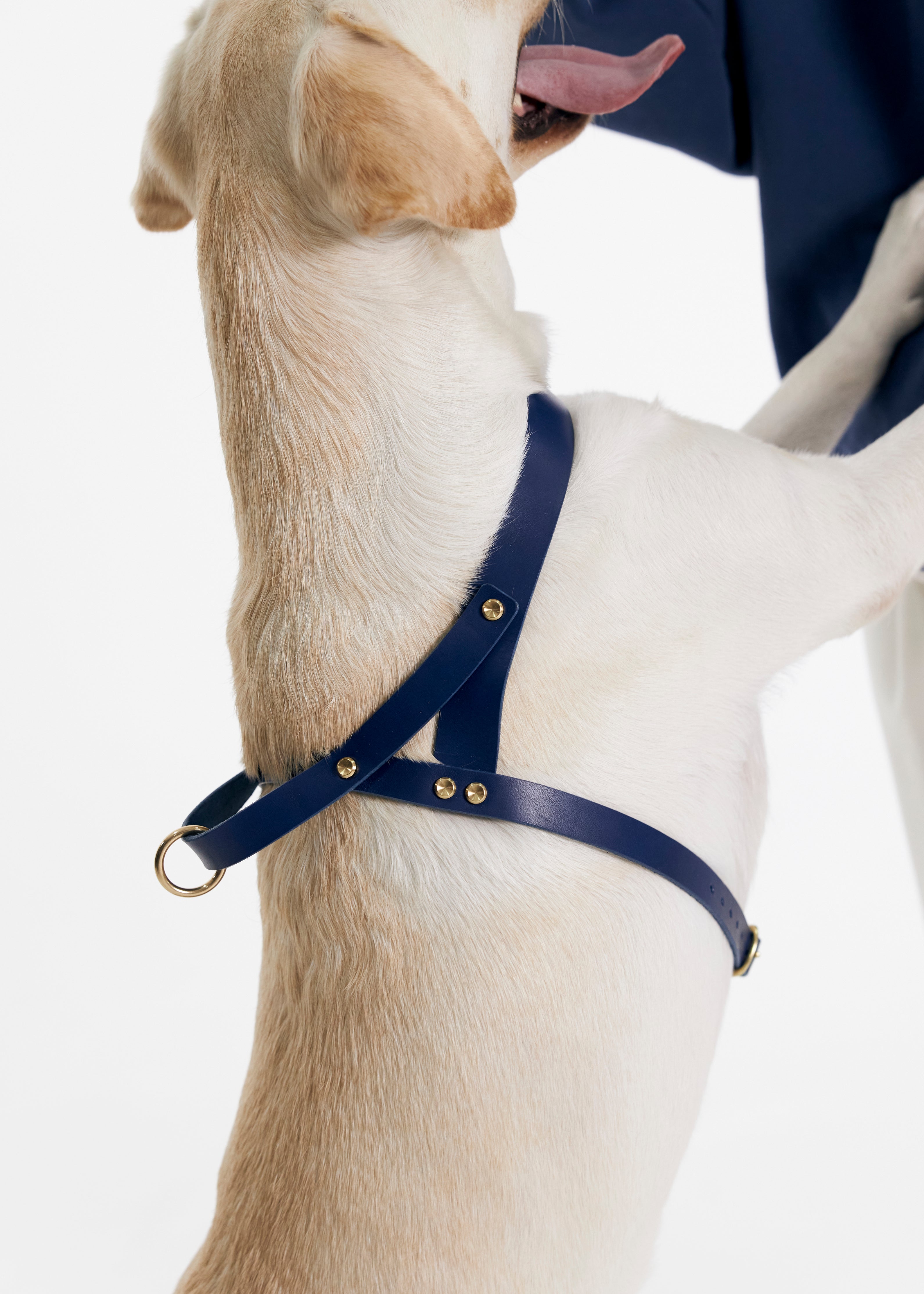
So, what’s the answer here? For us, it’s a well-fitted back clip harness. This is an option that provides both comfort and a route for long-term leash training that both you and your canine companion can benefit from!

Allows Natural Movement
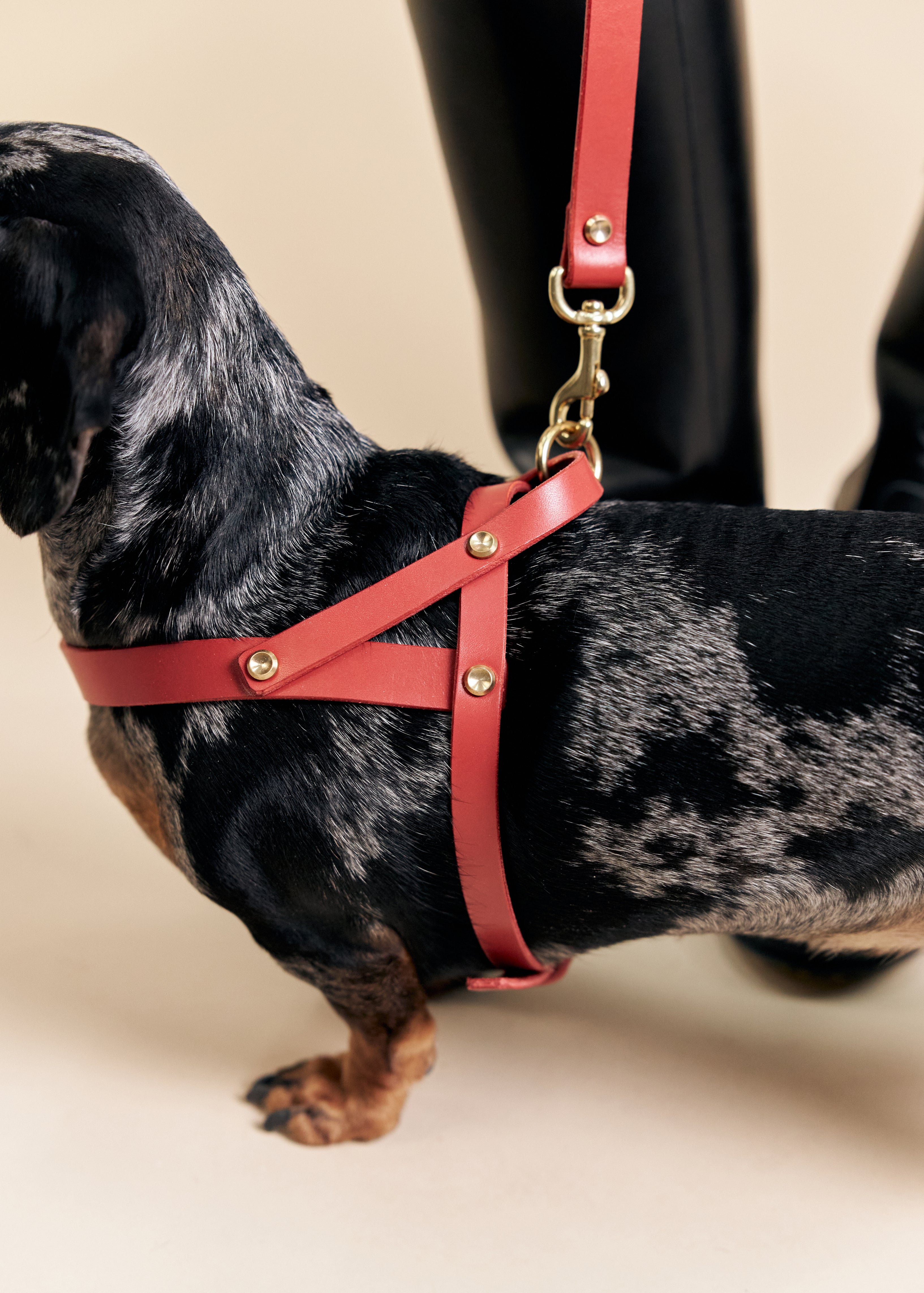
With a back-clip harness, nothing crosses the shoulder joint and nothing restricts the front limb swing. Your dog can move exactly as nature intended, a balanced, natural gait that does not contribute to postural problems or joint strain over time. This is the fundamental physical advantage of a back-clip design over any front-clip alternative.
Distributes Pressure Evenly
A well-fitted back-clip harness distributes leash force across the chest and back rather than concentrating it at a single point. This protects the neck and trachea from the compressed force that a collar creates during pulling, while spreading any leash tension across a broad surface area that the body handles comfortably during movement.
Comfortable for Daily Use
These kinds of harnesses are totally suitable for both training efforts and regular walking adventures. They help your pup to stay comfortable as they are learning the ins and outs of proper leash behavior.
Works in Harmony With Training
A back-clip harness works in harmony with training rather than substituting for it. It keeps your dog comfortable and moving naturally during every training session creating the physical conditions for learning to happen without the frustration and restriction that a no-pull harness introduces. Good walking behaviour built this way is genuine and lasting, not equipment-dependent.
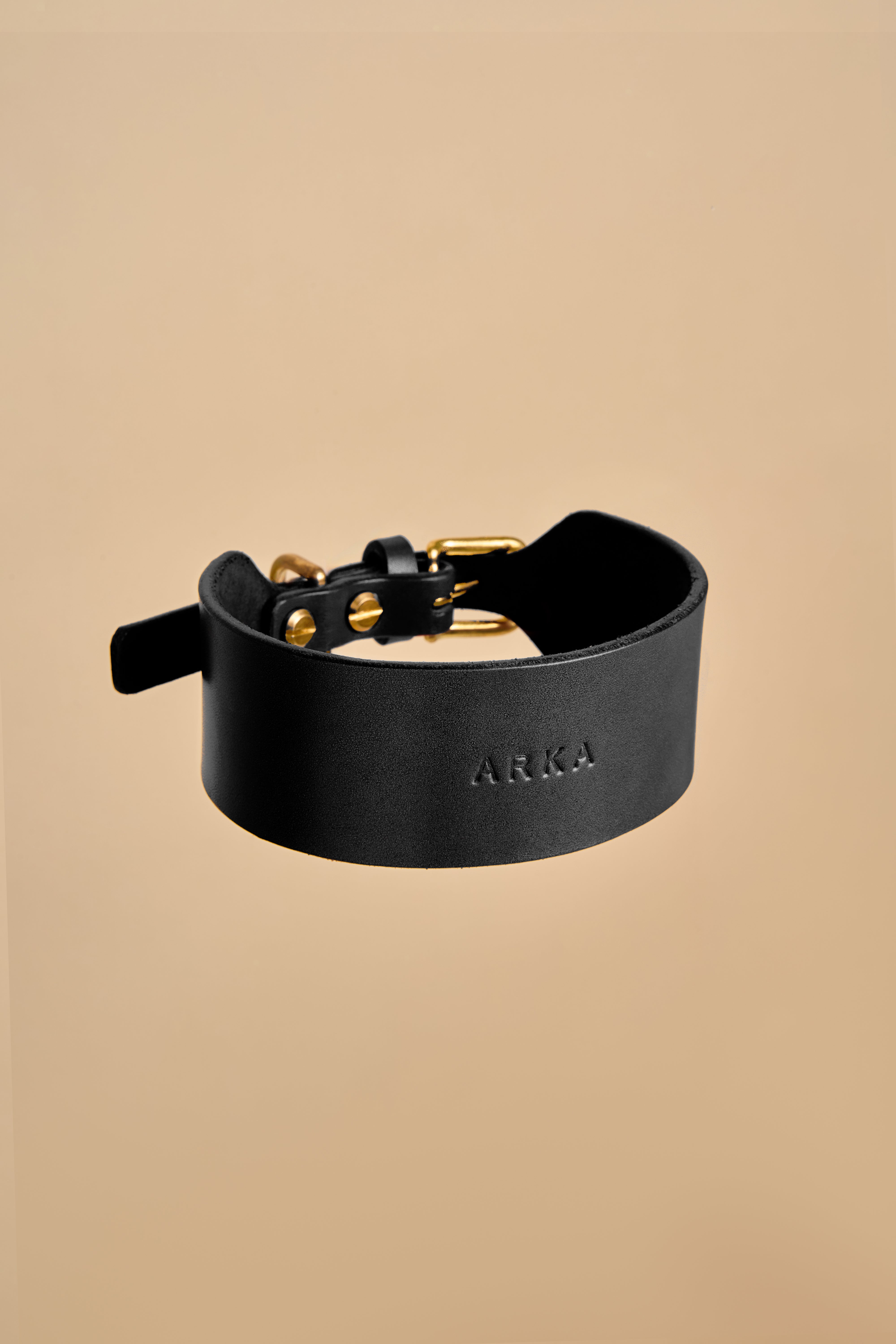
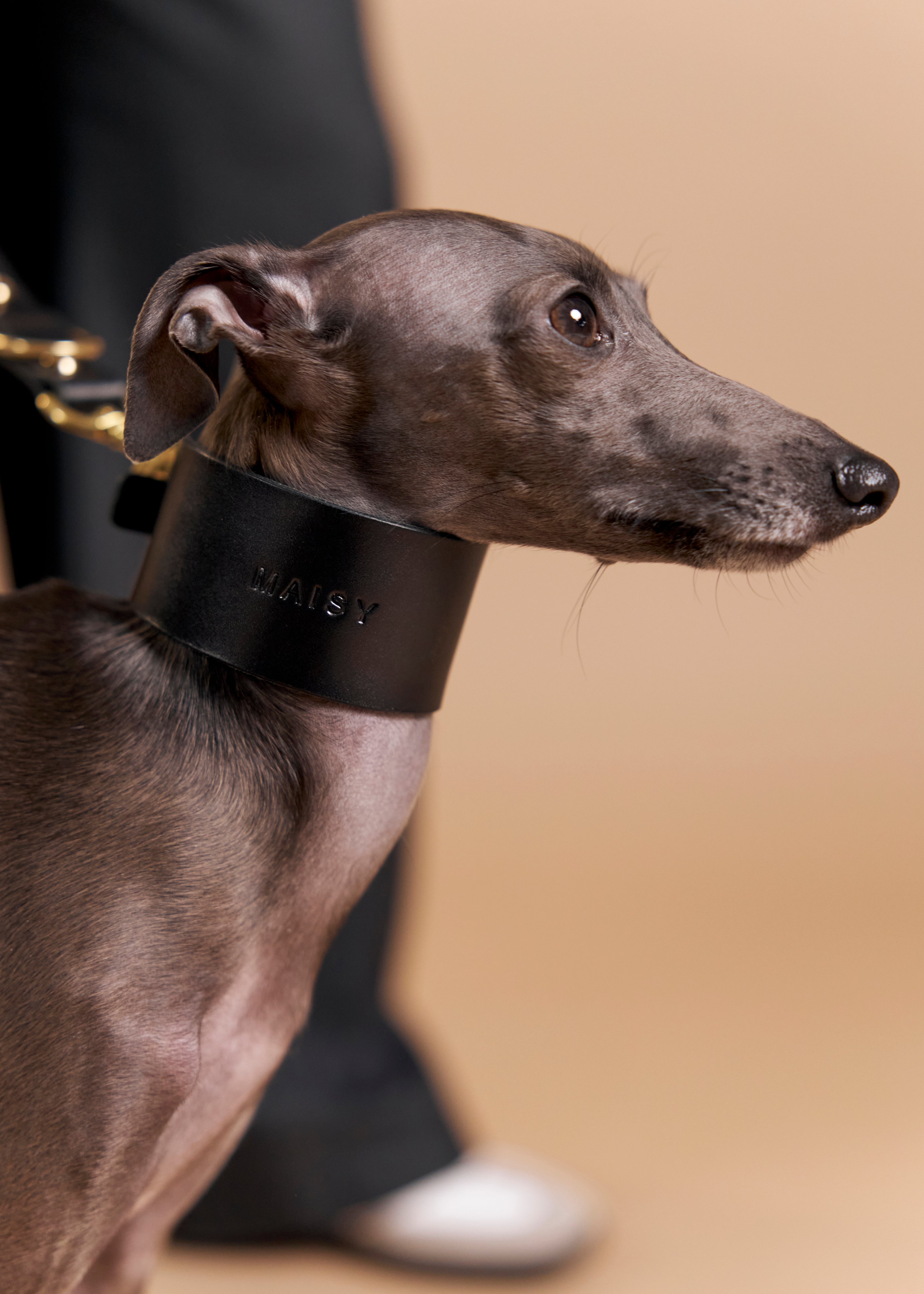
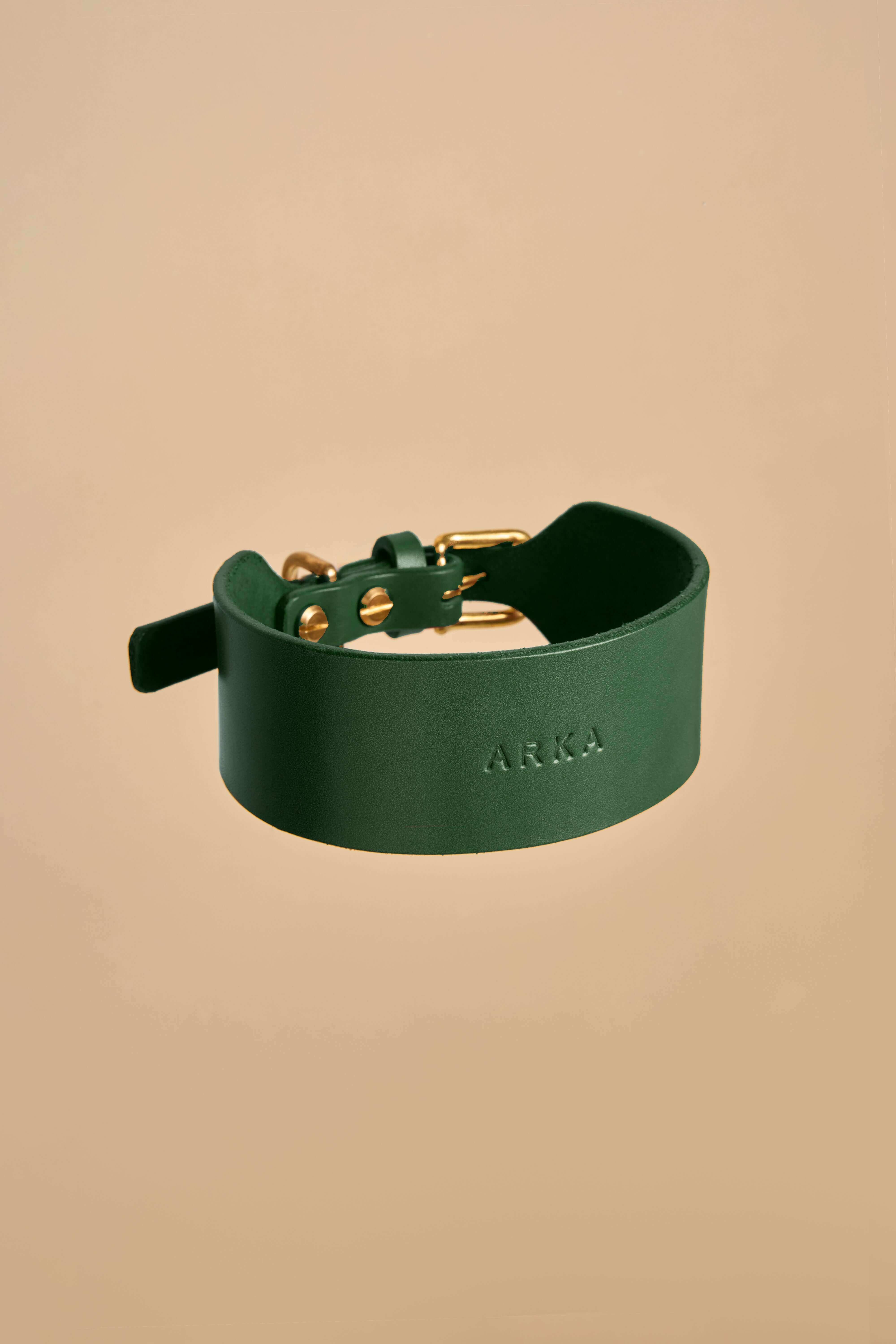
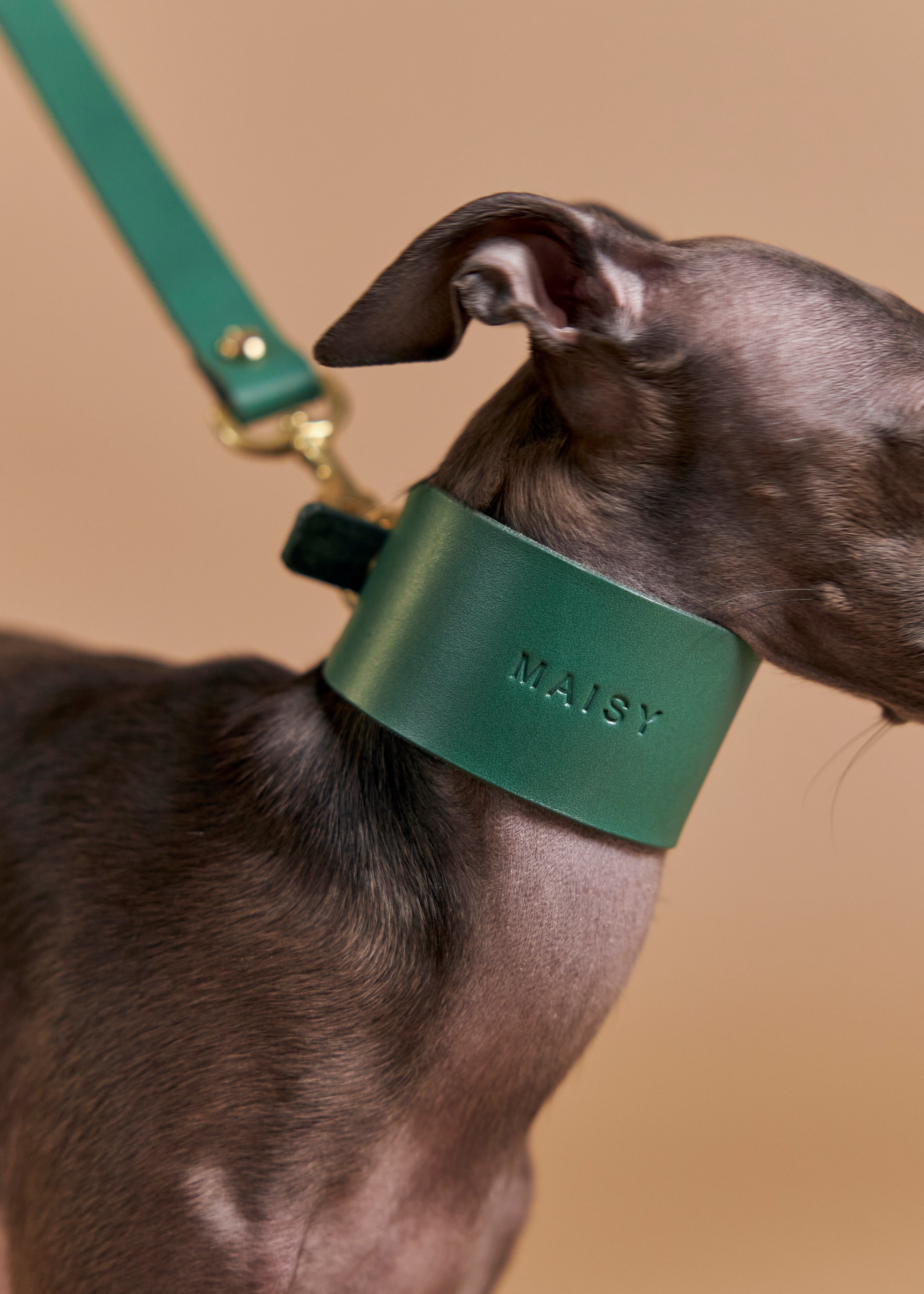
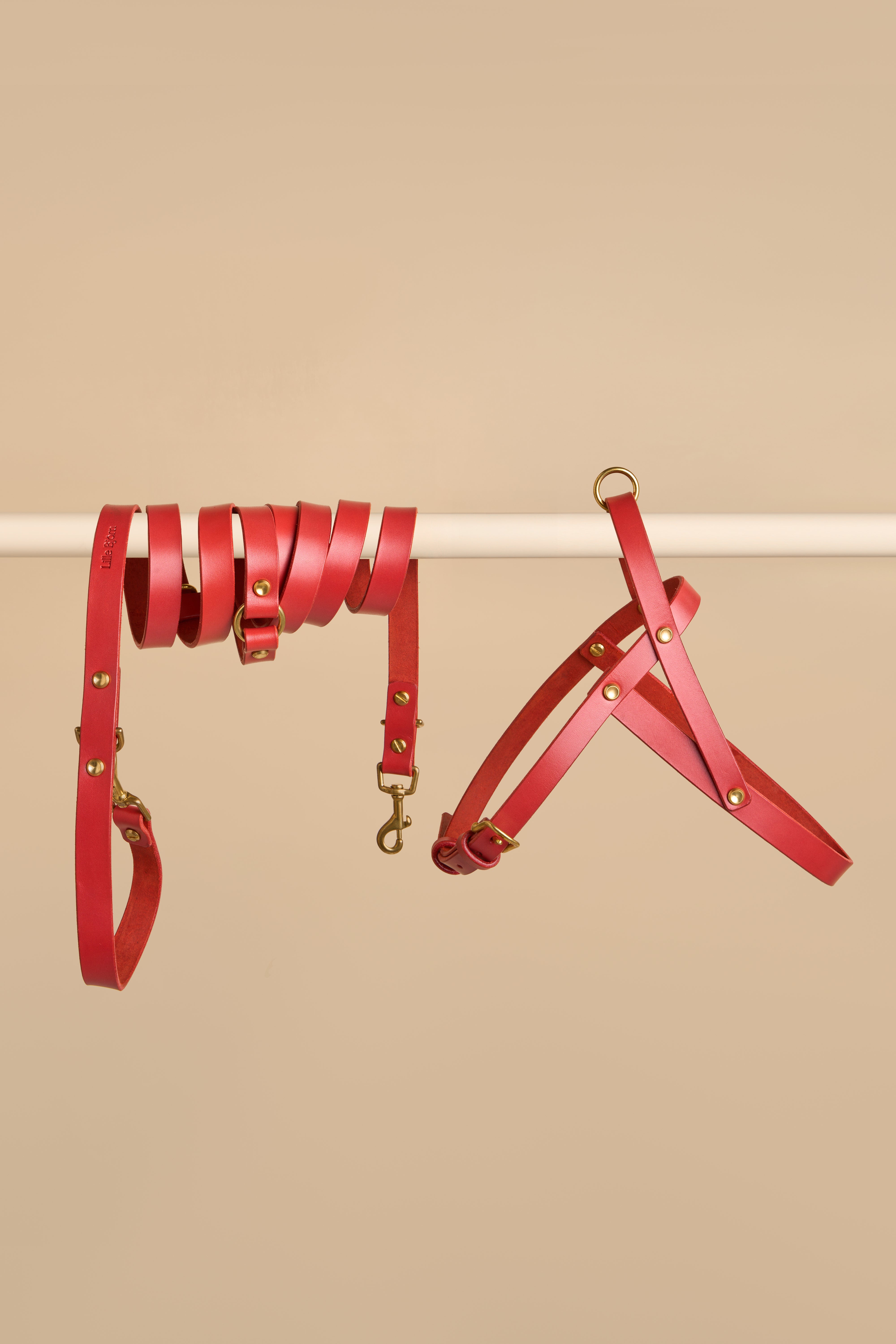
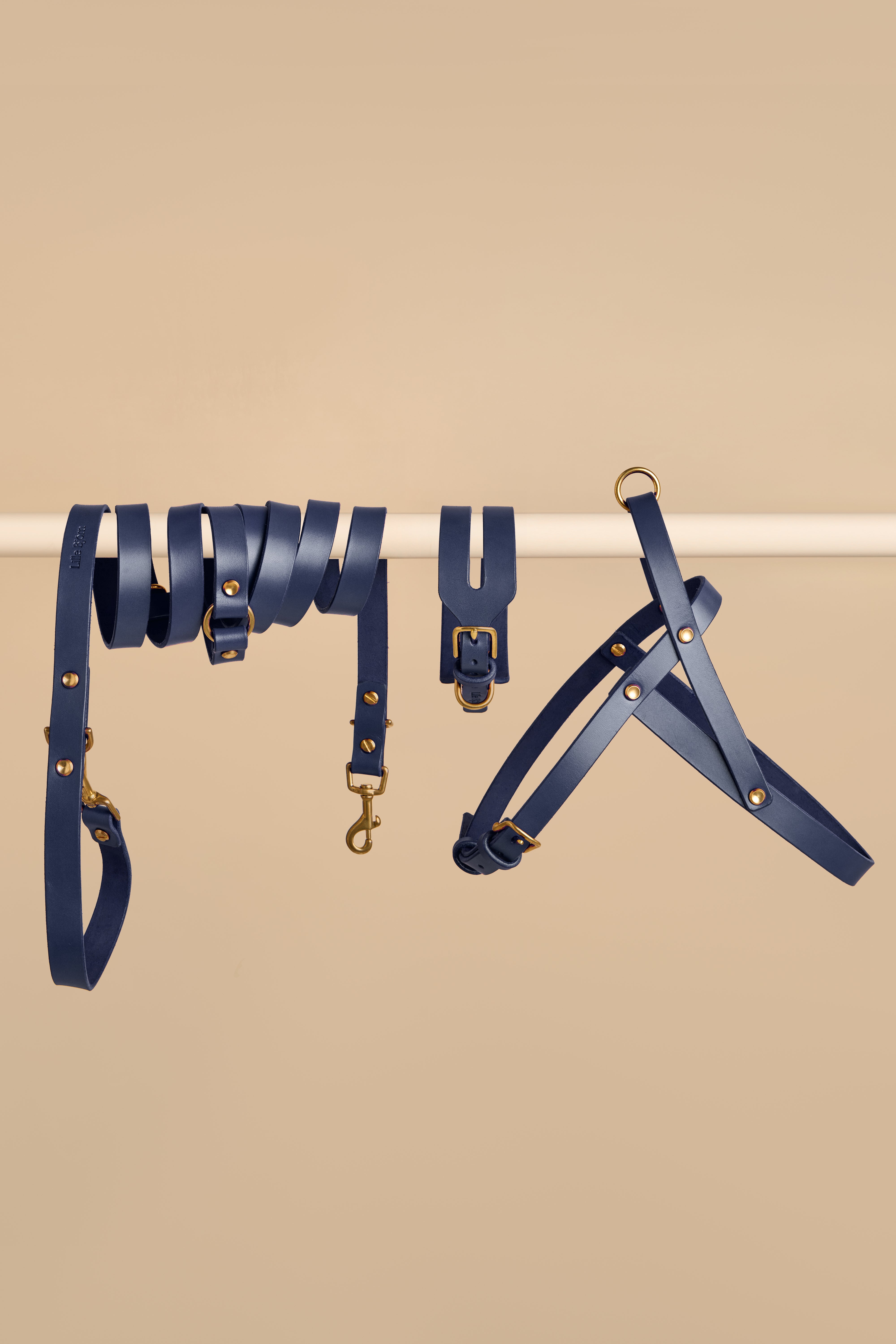
Best for Leather Dog Harnesses and Premium Materials
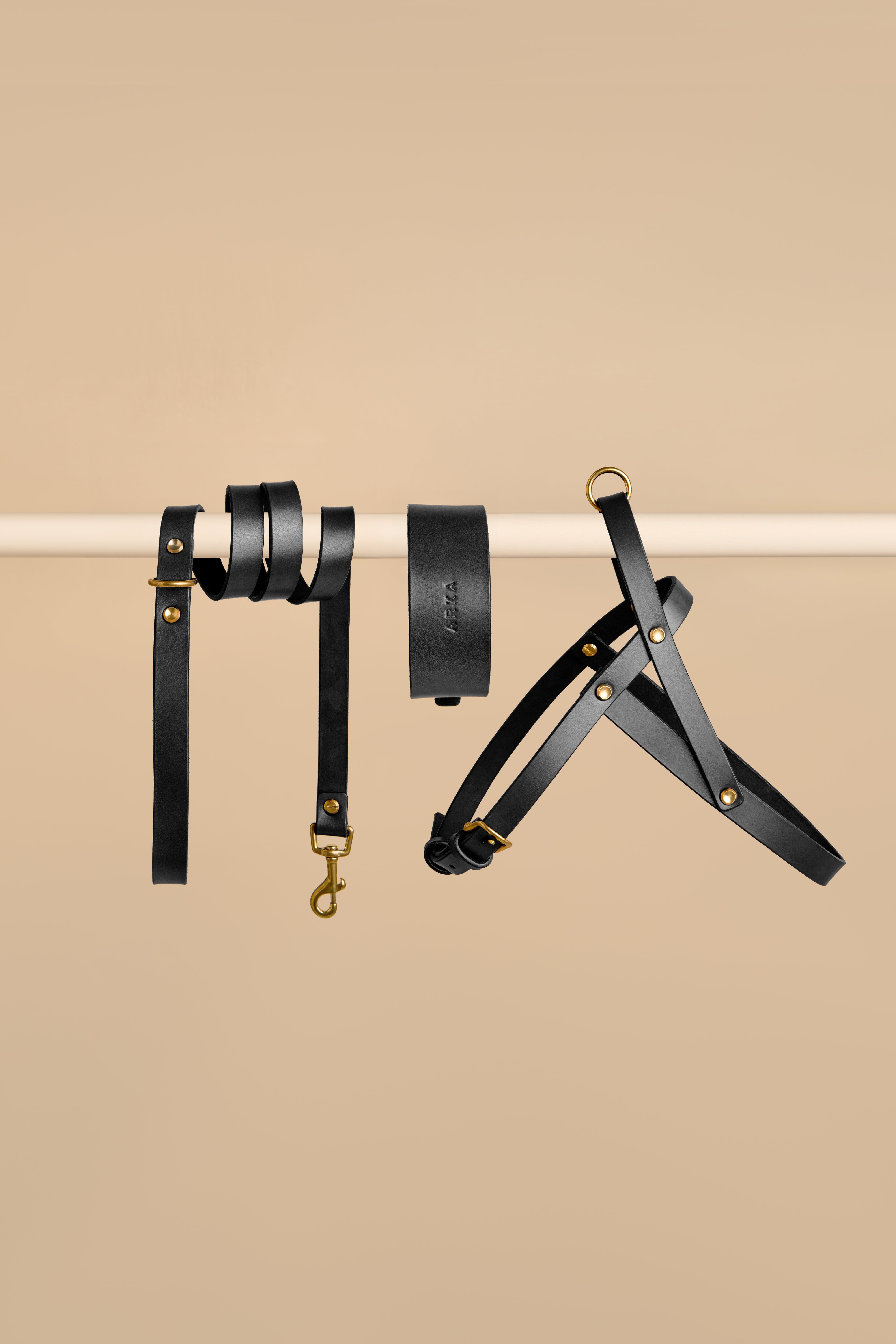
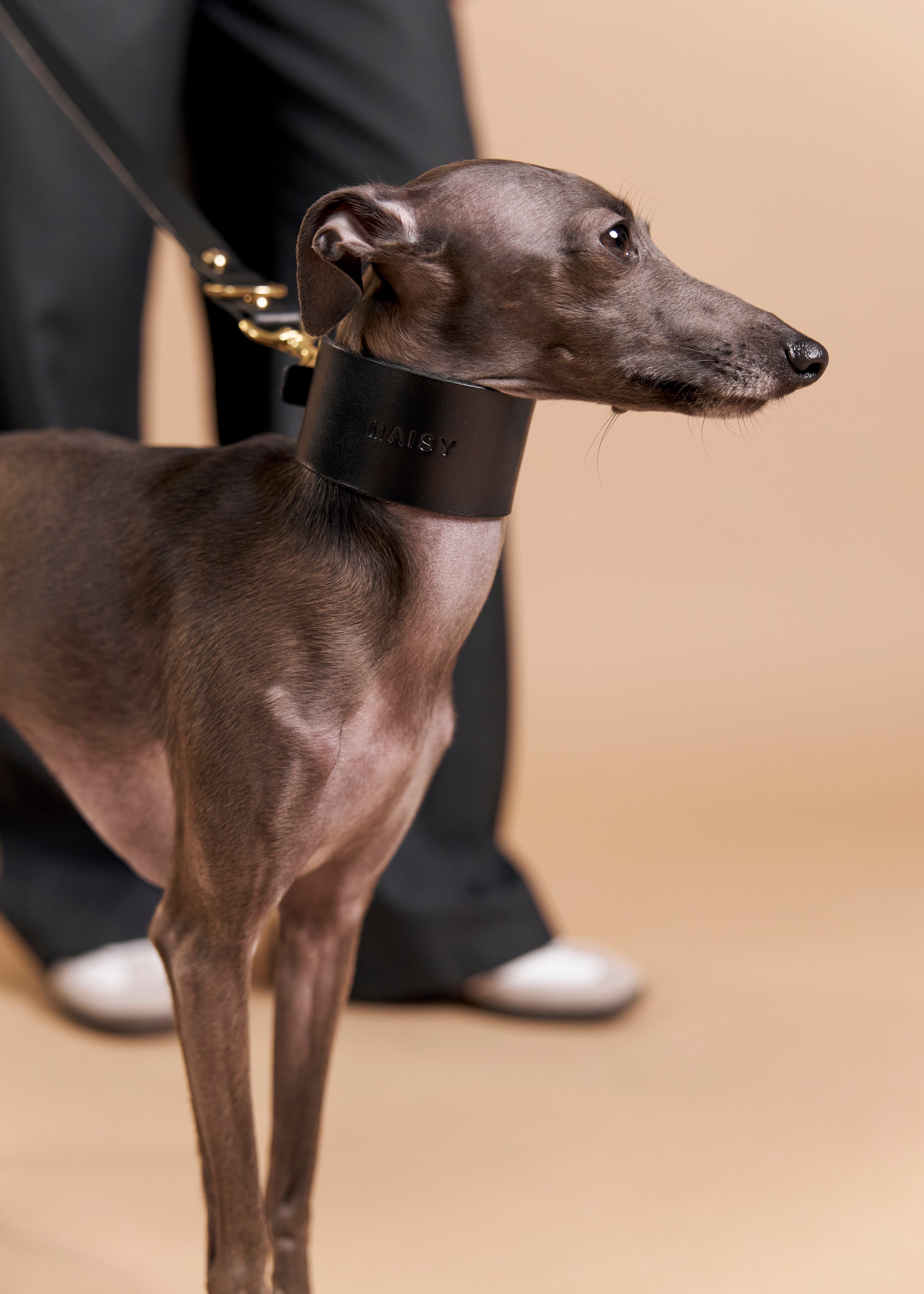
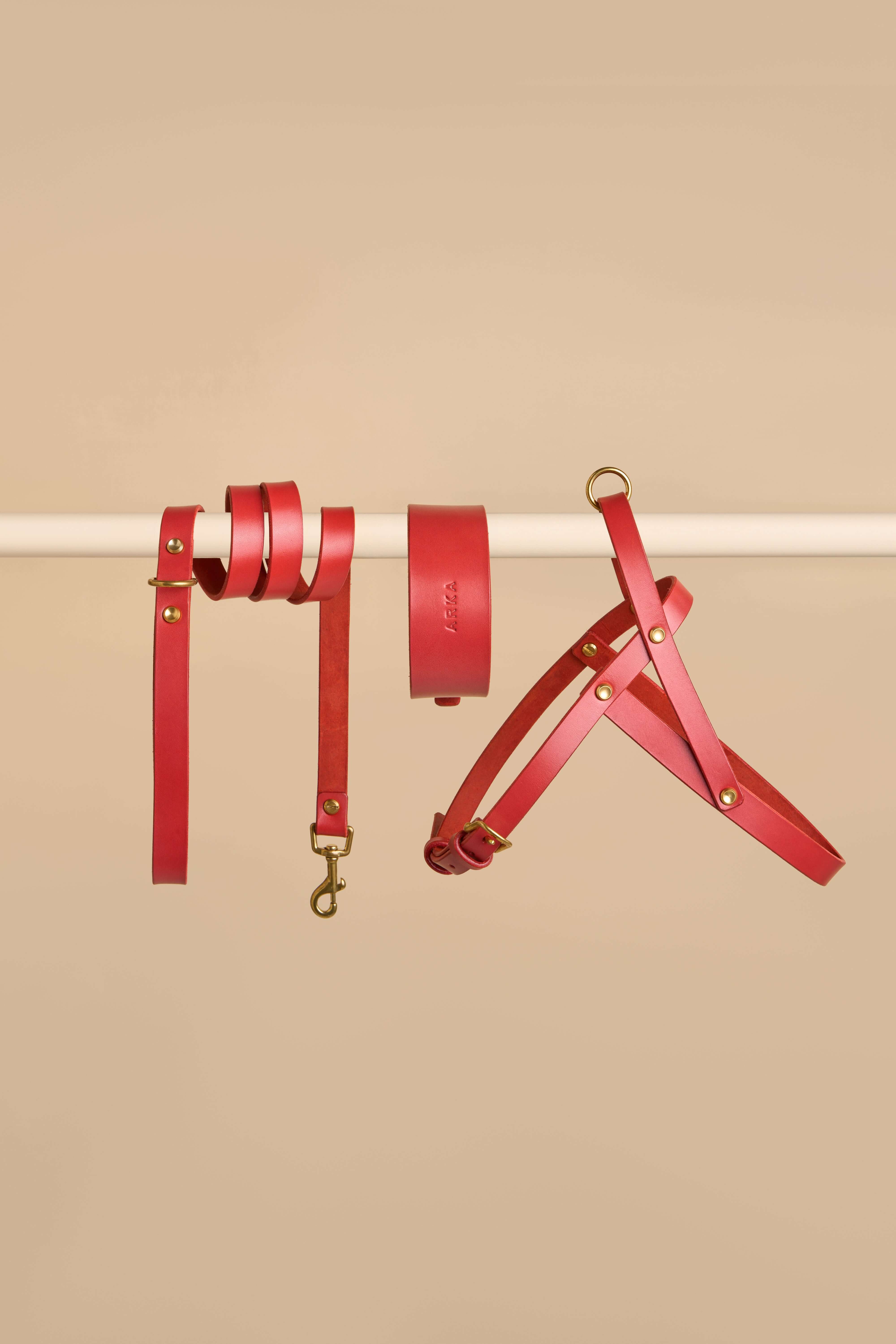
A leather dog harness (particularly vegetable-tanned leather) offers the perfect combination of style and durability. The higher quality the materials that you choose, the more usability and long-term comfort you are guaranteeing for both you and your pup.

The Key to Success: Proper Leash Training
At the end of the day, it’s really important to understand that training matters so much more than any piece of ‘quick fix’ gear. While your choice of harness can certainly play a role, the real lasting positive results are going to come from teaching proper leash manners and building a loving but disciplined connection with your dog.
Step-by-Step Guide to Training a Loose-Leash Walker
- Start in a low-distraction environment. Loose-lead training fails most often when attempted where your dog is too aroused to attend to you. Begin in the garden or a quiet street. High-distraction walks come after the behaviour is reliably established in calm environments and not before.
- Stop the instant the lead tightens. The moment you feel any tension, stop walking completely. Do not pull back. Do not scold. Stand still and wait. The instant the lead goes slack, mark it clearly with a word like "yes" or a click and immediately resume walking. Repeat without exception. A tight lead stops progress; a slack lead continues it.
- Reward loose-lead moments generously. Do not wait for a perfect, sustained heel before rewarding. Any moment the lead is slack and your dog is moving beside you deserves a high-value treat. Reward frequently in the early stages, reduce the rate as the behaviour becomes reliable, but never stop rewarding it entirely.
- Use direction changes to rebuild attention. When your dog drifts toward a distraction before the lead tightens, change direction calmly. Walk purposefully in the new direction and reward when your dog follows. This keeps engagement without confrontation.
- Be consistent across every walk and every handler. Inconsistency is the single biggest reason loose-lead training fails. Same rule, every walk, every handler. Pulling allowed on some walks and corrected on others produces a dog who has no reliable understanding of what is expected.
One of the most common mistakes that dog walkers can make is pulling back on the leash when they feel their pup pulling forwards. Instead of doing this, just stop and wait for your dog to relax on the leash again before carrying on. Repeating this technique will show them that a loose leash is the only way for both of you to move forwards together.
Why Quick Fixes Don’t Work
The main thing to remember is that no-pull harnesses are a band-aid, not a permanent solution. A dog wearing one is being managed and not trained. The moment the management is removed, the unlearned behaviour reasserts itself completely.
A well-chosen back-clip harness supports training. It does not replace it. It keeps your dog physically sound, comfortable, and moving naturally throughout the learning process. The training provides what your dog actually needs such as a clear, consistently reinforced understanding of what walking calmly beside you means and why it is worth doing.
Together the harness and the training produce what no quick-fix equipment ever can: a dog who genuinely wants to walk calmly beside you, in any environment, wearing any equipment, handled by anyone.

Conclusion: Choose Health, Comfort and Training
No-pull harnesses are not the answer to leash pulling and the physical cost they impose on your dog's shoulder movement is not a reasonable trade for the temporary management they provide.
A well-fitted back-clip leather harness keeps your dog physically sound, moving naturally, and comfortable throughout the training process. The consistent training builds the behaviour that lasts for life in every environment, with every handler, wearing any equipment. Together they produce what no quick-fix harness ever can: a dog who genuinely wants to walk calmly beside you.
For more on choosing the right harness material and construction see our guide to why leather harnesses are the best choice for your dog's comfort and mobility.
Frequently Asked Questions: No-Pull Harnesses
Do no-pull harnesses really work?
They reduce pulling in the moment but not in any lasting way. No-pull harnesses work by physically restricting the dog's ability to pull through shoulder compression and momentum redirection rather than by teaching the dog that calm walking is the correct behaviour. The pulling stops while the harness is on because movement is compromised, not because learning has occurred. Remove the harness and pulling resumes immediately, unchanged. A back-clip harness combined with consistent positive reinforcement training produces lasting improvement because it builds genuine voluntary behaviour rather than temporary suppression.
How does a no-pull harness work?
Most no-pull harnesses use a front-clip attachment on the chest. When the dog pulls forward, the lead attached at the chest creates a sideways force that rotates the dog's body toward the handler, making it harder to sustain forward momentum. The significant downside is that the chest panel required for this mechanism sits near or across the shoulder joint in most designs restricting the natural swing of the front limb during every stride and contributing to gait changes and muscle strain over extended daily use.
Are no-pull harnesses bad for dogs?
They carry real physical risk when used regularly. The chest panel of most no-pull harnesses crosses the shoulder blade during movement, restricting the front limb's natural range of motion with every stride. Professional trainers and canine physiotherapists have documented shoulder strains, altered gait, muscle imbalances, and aversion to walking in dogs that have worn no-pull harnesses over extended periods. A back-clip harness keeps the shoulder joint completely free and does not carry these risks.
Are no-pull harnesses safe for dogs?
Not for regular daily use. The shoulder restriction that most no-pull harness designs create is cumulative, damage builds gradually over weeks and months of daily wear, often without obvious symptoms until it becomes clinically significant. Reluctance to walk, gait changes, and unexplained forelimb lameness are the most common signs. A well-fitted back-clip harness that keeps the shoulder joint clear is the safe alternative for everyday use.
What is the best harness for a dog that pulls hard?
A well-fitted back-clip harness in a quality material combined with consistent positive reinforcement training. The back-clip attachment distributes leash force across the chest and back without restricting shoulder movement, keeping the dog physically comfortable and moving naturally while training builds the genuine loose-lead habit. The harness alone will not stop a dog from pulling but neither will a no-pull harness in any lasting sense. Training is the essential component; the back-clip harness supports it without the physical cost.
What is the difference between a no-pull harness and a regular harness?
A no-pull harness is designed to physically reduce pulling most commonly through a front-clip attachment and a chest panel that creates redirection when the dog pulls. A regular back-clip harness attaches the lead at the back and places no restriction on the dog's natural movement. The back-clip harness is the better choice for daily use: it keeps the shoulder joint completely free, distributes pressure evenly, causes no gait interference, and works in harmony with training rather than substituting for it.
Can a no-pull harness replace leash training?
No. A no-pull harness interrupts pulling in the moment but does not teach the dog what to do instead. Without training, the dog simply learns that pulling is less effective when the harness is on and returns to it the moment it is removed or when they adapt to the restriction. The harness and the training must work together: the back-clip harness provides comfort and safety during walks; the training builds the genuine behavioural habit that lasts regardless of what equipment is being worn.